A road course is a type of race track with lots of turns and braking, more like a street course than a simple oval. More road courses in a schedule means drivers and teams have to be good at turning and slowing down precisely.
Pitting is when the car pulls into the pit lane during the race to do things like change tires. When you pit (and how long it takes) can decide whether you end up near the front or stuck in traffic.
Term
middle of the pack
“Middle of the pack” just means the driver wasn’t near the front at the start of that stretch. They had to move up through other cars to improve their position.
“Next gen” refers to a newer generation of NASCAR race car rules and hardware that changes how teams build and set up the car. When a driver dominates “with the next gen,” it implies they adapted quickly to the new package’s handling and performance characteristics.
Concept
right hand turns
Some tracks have mostly right turns. If a driver is great on those tracks, it means they can handle the car well even when the turns are mostly in one direction.
A street course is a race run on regular city streets that are closed for the event. Because the track is tighter and the walls are closer, drivers have to be more precise.
Road racing means racing on a track that has lots of turns and braking, not just long straightaways. Drivers have to be smooth and precise to keep the car fast through corners.
V8 is an engine type with eight cylinders arranged in a V shape. People mention it because it affects how the car makes power and how it feels to drive.
A “Cup car” is the main type of stock car used in NASCAR’s top series. It’s built for racing under NASCAR rules, not like an IndyCar or other open-wheel race car.
Road America is another famous road-racing track. The hosts are talking about IndyCar’s schedule—where it races during the same weekend as “San Diego” versus Sonoma.
IndyCar is a major racing series with open-wheel race cars. They’re mentioning it because IndyCar’s race dates determine whether a driver can show up at Sonoma.
Road courses are tracks with lots of turns, not just left turns like most ovals. When people talk about “road course wins,” they mean how often a driver proves they can handle that more complex style of racing.
Ovals are the classic NASCAR tracks—mostly turning in one direction at high speed. The hosts are basically saying you can’t judge a driver only by road-course success; oval results also matter.
Win percentage is how often a driver finishes first compared to how many races they’ve entered. The point here is that the driver’s “how often they win” rate looks unusually high.
Here, “runway” just means how much time the driver has left to keep performing at the top. It’s a way of talking about how many more chances they may have to rack up wins.
They mean some races are basically unpredictable. Even if a driver is strong, things like timing and race incidents can make the winner hard to predict.
SMT data is basically “performance data” the team collects while the car is running. It helps teams see exactly how the driver and car are behaving, not just what it looks like on TV.
A sim is a racing video/physics simulator that lets drivers practice and teams test ideas without going on track. It’s useful, but it can’t perfectly copy what a great driver does in real life.
They’re pointing to a specific driver and track to illustrate that some racers are especially strong in certain places. The idea is that track-specific skill is hard to copy.
Ovals are tracks that are mostly one-direction turning (usually left turns) and tend to be faster and more repetitive than road courses. The driving and car setup are different, so getting better on ovals matters.
They’re talking about how many road-course races NASCAR should include in a season. The idea is that the right number can make races more interesting and less predictable.
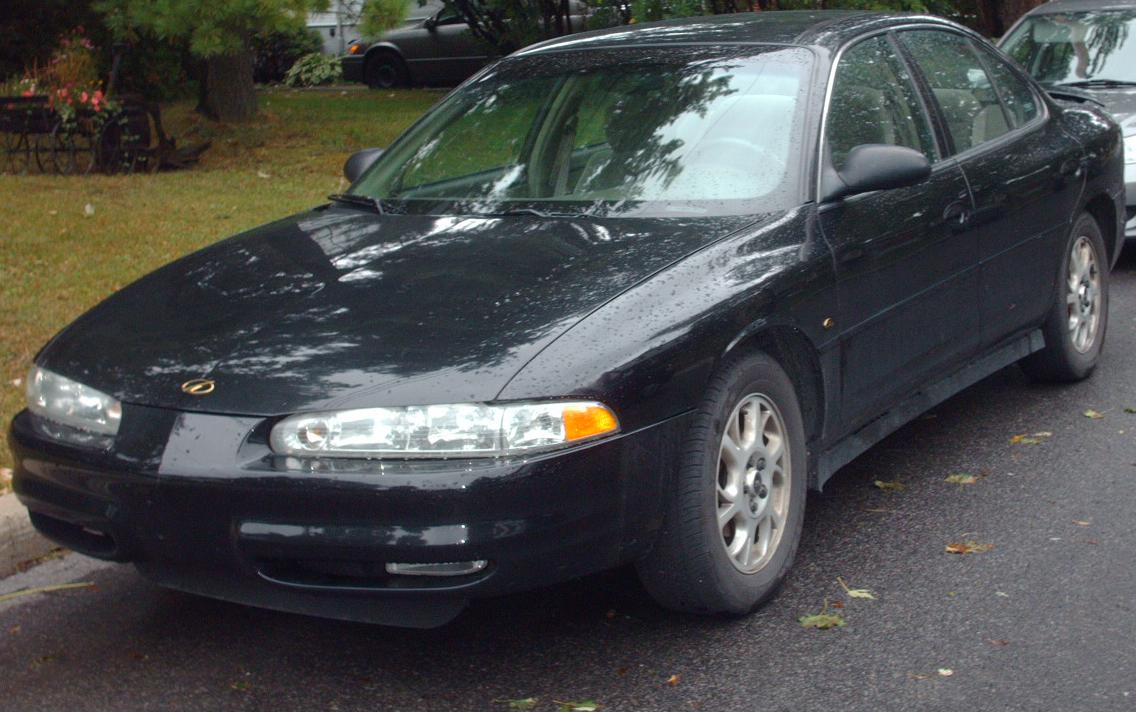
The Oldsmobile Intrigue is a mid-size car (a sedan) made for regular driving. It’s not typically something you’d see as a modern performance focus, but it can come up in conversation because of its name. The “intrigue” reference is likely about the car’s name or a story connected to it.
Fresh tires are new or recently changed tires. They usually grip the road better, so the car feels faster and more controllable—especially for the laps right after a change.
A road course is a track with many corners, not just left turns like an oval. Racing on road courses usually requires different car setup and driving style, especially for braking and turning.
Strategy calls are the team’s in-race decisions. They might decide when to pit or how to manage tires so the driver has the best chance to win later in the race.
Super speedways are the biggest oval tracks NASCAR races on. Because they’re so fast and wide, racing often comes down to staying in the draft and managing speed over long stretches.
IMSA is a racing series that often focuses on road courses. The point here is that the cars NASCAR is using (or the way they’re set up) can feel more like the road-course cars used in IMSA racing.
Montreal is brought up as a possible race location. The speaker is talking about how the track there has standout features that would make racing exciting.
Topic
circus Jill Villeneuve
“Circus” here is a nickname tied to the Circuit Gilles Villeneuve in Montreal. The speaker is basically saying that track has a big, high-energy reputation.
A hairpin is a super tight turn where the track basically makes you turn back around. It’s tough because you have to brake hard and then get back on the gas without losing grip.
A chicane is a section where the track forces you to weave through a couple of turns to slow down. It’s tricky because you have to stay in control and choose the right line to avoid losing speed.
The start/finish line is the official line where a race begins and where the final lap is judged. On many circuits, it’s also a key reference point for braking and passing because drivers know exactly where the lap timing and scoring are determined.
Canadian Tire Motorsports Park is a Canadian race track. The point here is that it might be great for smaller NASCAR events, but the speaker thinks it isn’t set up well enough for the biggest Cup Series races.
The Nashville fairgrounds are being used as an example of a venue choice. The speaker’s point is that where NASCAR races depends on whether the track facilities can handle the event.
Austin is being discussed not just as a track, but as a business market. The speaker’s point is that sponsors like being there, so it’s a tough date to remove.
In NASCAR, the “Chase” is the playoff part of the season. Drivers who are close to the championship focus on scoring enough points to keep their title hopes alive.
A “points race” is a race that affects the season championship standings. Your finishing position earns points, and those points add up over the season.
In this context, a “tunnel” is a passage that helps people move around the track safely. They’re saying older Dover setups made it much harder to deal with problems during very long races.
The “infield” is the space inside the race track. They’re saying that if something went wrong early, the car could end up stuck there for a long time during those older, longer races.
“Dover 400-miler” means a 400-mile NASCAR race at Dover. Longer races make strategy and car durability more important, because the car has to last and keep performing for a lot of laps.
“Running the 200” means the race is cut down to about 200 miles. A shorter race usually changes how often teams pit and how hard they can push without wearing the car out.
The Pontiac Grand Prix is a Pontiac model line. In this story, they used only Grand Prix cars on a small track, and there was a jump in the middle of the back straight.
A spotter is someone watching the track and talking to the driver by radio. They help the driver understand what’s happening ahead, like whether the track is clear.
A turn spotter watches one part of the track closely. They tell the driver what they see there, like whether it’s safe or if something is still on the racing line.
A caution is NASCAR slowing everyone down because something happened on the track. It helps keep drivers safe while officials deal with the issue, and the hosts think one incident should have triggered it.
Race control is the group of officials watching the race and deciding what happens next. They call things like cautions when there’s an incident, and on road courses it can be tough to spot everything quickly because of blind spots.
Blind spots are parts of the track where it’s hard to see what’s going on. On big road courses, corners and angles can hide crashes from officials and cameras.
Topic
broadcast camera coverage vs missing a wreck
They’re talking about whether the TV broadcast setup—where cameras are placed and what kind they are—can miss big crashes. The point is whether the system can react fast enough.
PTZs are cameras that can move left/right, tilt up/down, and zoom in. They’re meant to track the race, but they can be slower to catch a sudden crash than fixed cameras.
These are cameras that use computer software to decide where to point and how to zoom. The worry is whether they can react fast enough to capture a big crash.
They’re talking about how NASCAR sometimes lets the race continue to the finish on the last lap. But if there’s a big crash, they bring out a caution to slow everything down.
An oval track is the classic oval shape where you mostly turn one direction. The racing is more about staying fast and managing tires than handling lots of different turns.
The Dodge Ram is a large pickup truck made for hauling and everyday driving. In racing, people may mention it when a Ram-based truck does well in a weekend of competition. “Top 10s” means it finished near the front of the pack.
ARCA is a racing series for stock cars. Drivers use it to build experience and show they can compete, sometimes before moving up to bigger NASCAR races.
A “truck race” refers to racing in a pickup-truck-based stock-car series (commonly the NASCAR Camping World Truck Series). The vehicles are purpose-built race trucks that resemble production pickups but are engineered for racing durability and performance.
Many stock-car races are divided into stages. “Stage two” is the second part of the race, and what happens there can impact points and how you finish overall.
A penalty is the race officials saying the driver or team broke a rule. It usually hurts their position or results.
LIVE
From the agave fields of Jalisco, Billy's Tequila. Perfect in a margarita or straight over ice.
Celebrate the race of life with Billy's. Use Code Racer for 5% off at Billy's Tequila.com.
Please enjoy responsibly. My Place Hotels is your perfect racing pit stop.
Gear up for comfort and take the checkered flag on savings.
Hook today and enter promo code FRONTSTRECH for 10% off your stay.
Michael Massey here. I usually do an intro song for happy hour. I thought I'd mix things up this
week and do it live from the Watkins Glen campground for my tent here while the race is going on.
Unfortunately, I dropped my guitar a couple miles back and it sank so deep into the mud.
I may never see anything, but I'll sing this song a cappella for you, okay?
Is that the, is the wind doing it? What?
Ah!
Somebody's canopy or part of their campground area went awry in a way it went.
We're not Kansas anymore, Toto.
Yeah, but you see a lot of things like this in Kansas.
Welcome on in, ladies and gentlemen, to another edition of the FRONTSTRECH happy hour program.
As you can see, we are still trying to look for Mr. Michael Massey. I don't know where he is at,
but you can send our thoughts and prayers to him. Fingers crossed, he'll be back next week.
One part of the hooligans though that is with me, that is my man, Mr. Dalton Hopkins.
Mr. Hopkins, how are you, buddy? You can't wipe that smile off your face though. I can guarantee that.
We just, just a tragedy, just a tragedy. I hope, I hope Massey's doing okay.
Really unfortunate circumstances. I'm just, I'm smiling ironically. I feel for him. I really am
sad. But I had, I, unlike Michael Massey, who is probably somewhere thrown away three miles away
from walking to an international, I had a great weekend. I spent my weekend at Daytona International
Speedway at a concert, so at a concert festival. So I had a great freaking time and I got this sick
Ricky Bobby themed shirt. So I am, I'm doing A-O-K, my guy. And I am still in the process of unboxing
all of these wonderful boxes here at my fiance's home that I moved into.
I see some Amazon boxes there, buddy. Yep, I see them. They're behind you.
So they are, they are behind me. And that box right over there, the blue lid, don't let it fool
you. That thing is probably about a hundred pounds. That's not an exaggeration. I assure you,
it probably weighs that much. So getting that off of that bed is probably going to be a giant
pain in my behind. But I get to share the next hour with you lovely people and just forget about
that for a little bit. Well, taking the place of Mr. Michael Massey will be our producer that
we're calling up from the minor league side. We're just giving you a hard time, Chris. Mr. Chris,
Graham, our producer. Awesome flag behind you, my friend. I'm going to be there in less than two
weeks from now. So I'm looking forward to that. How are you, bud? I am good. I am incredibly jealous
that I don't get to be out at the Speedway this year because the month of May has officially
started. I know we've had some races and stuff, but practice day at Indianapolis is it's like
the world is at peace kind of thing. So I'm good and I'm looking forward to a good show tonight.
One of our favorites, a former front stretcher and one of our, just a good guy in the industry,
he's my personal bodyguard when two of us are out of track together because if someone messes
with me, I'm calling my man Dusty and he's going to beat someone up for me if I need it. That's
never happened, but if I do need it, my man Dustin Albino is going to join the program from
jayski.com and nascar.com. Dusty, how are you, bud? Thanks for coming on the program.
I got your back, Brian. I'm doing well. Pretty good weekend, I thought at Walkins Glen
up in my region. So always a favorite for me. Don't have to get on a plank and just drive an
hour and a half, be back Sunday night in my own bed and ready to talk about it.
For, we're going behind the curtain. Me and Dustin, we're kind of like, we like early morning
flights while Dalton and Massey, they like the late night, they like the afternoon late night
flight. So me and Dustin also share that. But Dusty, you got to see what we usually see almost
every single road course. It feels like the past couple of years SVG winning and you wanted to talk
about that. I did. So he's the greatest of all time at this discipline. Like I think that
discussion is over and I think it's really been over. And I'm not sure your guys' opinions on
this. So this could go one of a couple of ways, but you just put all this, like since, I don't
know, 2021, 22, when road courses really became like implemented in the schedule, there's four,
56 of them. There might even been seven at one time. The driver, as drivers as competitors,
you had to get better. You had to focus on your skills. You had to redefine them. And then this
guy comes in from New Zealand and just flips the series upside down. And like, while the cars are
the closest they've ever been, the competitors are as good as they've ever been. You know,
he won by seven seconds the other day, but we've had what two or three times where he's won by
over 10 seconds. And he had a hell of a drive the other day, gained 36 seconds coming from the
middle of the pack after pitting. So I just, I think that stamps it.
I have to agree with you. I was, I've edited probably about, I want to say about like two or
three articles. I kind of lost count, like two or three articles last night that dealt with this
exact same topic regarding SVG and whether or not he is the greatest of all time when it comes to
road courses. And yeah, I have to, I got to agree with Dustin. I don't think, I think really the
only thing that you could argue is, hey, he doesn't have as many wins as Jeff Gordon. It's like,
yeah, but he's only been here for like, what, two years full time? And he's already in the
conversation. Like that's, that's unprecedented. That doesn't just happen. And the other thing,
the other interesting, I read stat sheet read, or excuse me, written by our own Andrew Stoddard
last night. So go check that out if you haven't already, but the statute was about this topic.
Where can people find that article? On frontstrash.com, of course.
So go check that out if you haven't already, but he actually put up some really,
really interesting and some really good stats and a compelling argument of
Shane Van Gisburgen also has more versatility to the amount of tracks on in his seven wins,
five of them have been on different tracks. So the fact that he's, let's be honest,
number six is probably going to be becoming here mid June. Yeah, mid June at San Diego.
So that'll be six of eight. So there is a versatility. He has one. It wasn't just Sonoma
and Watkins Glen as previous, as Tony Stewart, Jeff Gordon, as the previous goats of road course
racing like have done. It's there is a lot more involved and he has just mastered all of them.
And some of those tracks, he raised them for the very first time and he still whooped everyone.
So the level of dominance, how quickly he has been dominant. I don't know how you could argue
against it at this point. And I mean, I think really the only thing you could say as well,
he only did it in one car. He only did it with the next gen. It's like, well,
some of these other guys did it that way too. So it's really tough to argue against, I think.
One thing that I think we have to kind of keep in mind a little bit with regards to SVG is the
fact that he came from supercars and absolutely annihilated everything in supercars. And when
this car came out, it was basically derided as a supercars copy. It is very, very similar in
construction to the Australian V8 supercars that he was just killing everybody in. He actually
didn't have to make as big of a change as some of our guys did. But it doesn't take away the fact
that if it involves right hand turns, you can't bet against him at this point.
I mean, the guy's just incredible. Five wins last year. Obviously, he did not get the win at
Coda this year. But I mean, whenever you go to a road course or even a street course dusty,
he's going to be the favorite, if not one of the closest favorites. Now, obviously,
San Diego is a wild card, but we saw what he did in his first ever start in Chicago,
went out and won the dang thing. So he's got to be the favorite. I mean, when do we see him
become the guy that is just far and away? Because I mean, maybe he says this because he wants to
give Jeff Gluck our time, but Bianchi is not there yet. When is it going to be unanimous,
Dustin, that he is the greatest? I mean, the all-time marks, what, nine? And he's at seven,
so you've got next month in San Diego and Sonoma. So at that point, you would tie it,
but you look at the percentages and say he does win, that'd be nine of 16. I mean, that's incredible.
And you look at some of the stats, like going into Watkins Glen in the last seven road courses,
he had led 302 or 303 laps, the field had led 371 combined. And that's, you know,
various different road courses. And you bring up the San Diego point, absolutely,
he's going to have an advantage, I would think, because you mentioned Chicago, the inaugural
year, and then Mexico City last year, that was a new course for everybody. And he whipped everybody
there too. So yeah, if it's not already, it's got to be fairly soon.
And I just want to point out something like, you know, you could say, hey, it's because he's
did Australian supercars, and those cars are kind of similar to these cars and so on and so forth.
And yeah, he's done all road racing for his entire life. But let's look at some of the other
guys who have done road racing their entire lives, like Juan Pablo Montoya did, he came in and won
two races, but the rest of the time, you know, he still kind of struggled at times.
Marco Sambros came in from supercars. He won twice at Watkins Glen, but got close at Sonoma,
but wasn't always right there at the front, especially at the end of his time in NASCAR.
And then let's take a look at some of the modern supercars guys we brought in.
I think Camp Waters came in and did NASCAR start. If I'm not mistaken, Will Brown came in and did
a start at the Chicago Street course last year. Didn't Brody Kostecki? Yeah, Brody Kostecki did
his start. Like in all three of those guys, they came in and they did OK, but they weren't on the
level of SVG who came in and just dominant right off the bat. As soon as he got into this brand
new car that he's never been in before. So I know, yes, you could say, OK, he had a lot of time in
Aussie V8s and a lot of time to get better at these at the right hand turns. But at the same time,
a lot of these other guys spent that same amount of time and they just haven't found the level
of success that he did. And I think that really makes you think this guy is something special.
It's not just because he's a V8 guy. It's because he is just a really damn good driver.
And on top of that, he's getting better at ovals too. You have to consider that. I mean, I know he's
probably not in the verge of winning, but there is going to be a day where he'll get like a top
five. And I think that day might even come before the end of the season. The thing for me too is
like, you know, everyone says like Jeff Gordon, that's that's the benchmark. And I would I would
probably agree. But the cars were so different back then. And you could have a lot of ingenuity
where nowadays it's, you know, they're not all the same, but you're that's the same parts.
And then just how you kind of put them together and piece them. And it really brings out the
driver's talent. So I agree on Ambrose. Like I thought Ambrose may be up. I would put him
really high on the list, especially because you back in, you know, a different car where it wasn't
the same. He was maximizing almost every time. And it underfunded teams compared to the Hendricks
and the Gibbs, the Penske's, whoever. And he was beating them straight up. So at least a walk
is one a couple of times. And I don't know, I just think because everything is so close now,
that's what even makes this more impressive from SVG standpoint. I just have to say that I want to
see Scott McLaughlin in a cup car. Yeah, because if there is a direct comparison on the supercar
side of all time, greats to do it. Scott McLaughlin is right there with SVG. In fact, you could
even make the argument McLaughlin was better in supercars than SVG was. I want to see Scott Mc in
a cup car, maybe not in San Diego, although street racing might kind of lean in with some of the
stuff he's done in IndyCar, just the tight nature of it. But I want to see Scott Mc at Sonoma and
Watkins Glen just absolutely uncork one of these cars. Unfortunately, Chris, IndyCar is running at
Road America during the San Diego weekend, but they are off during Sonoma. So never say never.
I think we can come close to saying never, but
Has Scott Mc never ran Sonoma? I really wonder if he's ever been to that track before,
because IndyCar hasn't been there in a few years. No, I don't think so.
Yeah. Hey, let me, I will say Sunday in the winners press conference, Justin Marx kind of teased
the project 91 is going to be returning. So who knows what that entails? There's a Chevy Alliance,
obviously with Penske on the IndyCar side and Trackhouse. So look, I don't know. I haven't
heard per se who's going to, who's the favorite for that car or which race you'd probably think
San Diego. But you never know. That is an opportunity where at least one day McLaughlin could be
involved. Let me, let me ask you guys this before, I don't know how close we are to moving on to
the next topic, but let me ask you guys this. And I remember Trenton asked this question last year
and it was after SVG won his one millionth road course race, but it was like,
it got me thinking at what point, and maybe this is absurd, but I think it might not be
that absurd at what point do you start considering SVG for the Hall of Fame?
Because this is a track discipline that NASCAR has been on really since its inception,
and he is clearly the best at it of all time.
That's a tough question.
Yeah, I'm going to get ready to do some of the graphic stuff here. So I'll say this and get
out of the way. I don't know that you have to consider the total body of work for what makes
someone a Hall of Famer. Excuse me. So the win rate on road courses is huge, but factor in the
ovals and it's not there. I don't know that you can say he's a Hall of Famer based solely on road
course ability, but all of a sudden he starts piling up a lot of top fives, top 10s, picks up a win
or two on an oval. I don't see there's any reason that you don't put them in the Hall of Fame.
How many guys that have 10 wins are going to make it into the Hall?
And also you look at it right now, he's won 7 of 62, so he just turned 37 over the weekend.
I don't know how long his runway is. I mean, that win percentage is better than a lot of
Hall of Famers, obviously currently. So if he can keep that up, if there's still a lot of road
courses on the schedule, he's still dominant. Who knows how many he gets? I guess that's the real
question is how many road course wins he picks up? I mean, a couple of things here. First off,
Scotty Mack has never been to Sonoma last time. They were in Sonoma's 2018, but I just wanted to
put a pin in that. But here's also the thing. I mean, we all say that he's going to win a road
course. He's also good at places like Martinsville, Dustin. And I mean, you never know Daytona,
Talladega, Echo Park, Vigway, Atlanta, they're all crap shoots. He could win one out of the
blue. You never know. So I mean, there are potential opportunities at wins other than road
courses or street courses. Yeah, I would agree. I think like, I think he's got the platform,
but there does need to be a little bit more on the oval side of things before you can even
have him in that conversation. I don't think he's ever going to be in the championship category.
But I mean, I will say that, you know, like I think it was Chris who was saying like
two or three wins on ovals. Okay, maybe we start talking about it because I don't know how long
he's going to stick around a NASCAR. I don't see why Justin Marks would ever get rid of him at this
point. But if SVG is still winning like this, and you know, four or five years, I mean, we're
talking as long as we continue this amount of road courses, we're talking like, we're talking
like 20 wins. No, I'm sorry, we're talking about like maybe 25 wins at that point. And I mean,
I don't know, that's, that's pretty close to Dale Jr. at that point. I mean, that is, that
is an honest to God cup series veteran winner. I mean, somebody who has been around the sport
long enough to be considered one of the best. And the win percentage there are road courses too.
Yeah, I mean, four road courses a year times what 78 more years, 32 possible wins
on road courses, let's say he wins 25 of those, that's 32 total wins. Is that worthy for the Hall of
Fame? And to that point, I don't know that you're going to turn around and say, you know, well,
Dale Jr. got 37% of his wins on short tracks, and he couldn't win at the mile and a quarters, but
you're not going to have that discussion. So a win is a win. And that's what the number adds up to
in the book. And that's where maybe SVG, I don't want to say back doors the hall, but he at least
forces a discussion of this guy's got 20, 25, 30 cup wins. How is he not going in the Hall of Fame?
Yeah. And I will say too, like, while he's still dominant, there are, you know, the cup fields
going to be competitive. You would think they're going to close the gap, but you look at it and
they really haven't yet. Although one guy that obviously sticks out as Connor Zillage is he's
kind of gets more experienced. He could be a guy that rivals SVG a lot on the road courses. We
almost saw it the other day. And we have a comment from Michael Finley here and I'll let you transition
here right. But he says, as time has gone on, if anything, the gap between him and the rest of
the field has gotten bigger. They have three years of SMT data on him now, and they still can't do
what he does. It's a great point that they can't eat. They know what the data looks like. Do it.
Put it in the sim. Yeah. Yeah. That is a great point. You can't replicate. Like, you can't,
you know, even us, like, you can't drive the way as me. And it obviously is this on a competitive
level. It's way different. So the nuances is in the, I don't know, everyone always says like,
you know, Denny Hamlin at Martinsville, like, I can't drive like him. Like, that's why he's so
good and whatever, name your track. And you might be able to try what SVG can do, but you ain't
going to be able to replicate it. Moving on. Oh, go for it. Last one. Last thing. Last thought.
I'm sorry. Last thought. I'm sorry. We have been on this for a while. If, yes, he's good at road
courses and who knows, maybe Connor Zillich might get on that level at some point. And maybe the
rest of the field might catch up. I think Finley's got a good point, though. He's always going to be
good at road courses. SVG's always going to be good at road courses. He's always going to be a
threat no matter what. And he's only going to get better on the ovals and think about the amount
of progress that he's made in the last year. I mean, it's been staggering. We're talking like low
30s, high 30s at the beginning of 2025. By the end, he was getting top 10s. He was in the top 10 run
on a consistent basis. And he's looking pretty good this year too. He's already gotten a couple
top 10s on ovals. So he's gotten a lot better and he's only going to get better from now on.
Moving on to our second topic of the evening. This is presented by My Place Hotels. Big shout out to
My Place. We're going to be spending the month of May in style at My Place. Dalton,
for the first ever time, Mr. Dustin Albino is going to be also staying at My Place. Dalton,
Dusty and our good friend, if we find him for some miracle, Michael Massive will also be joining
them. They're going to be at My Place in Charlotte. Myself, Alex Gaines will be staying at My Place
in Indy. So big shout out to everybody at My Place for sponsoring and for giving us some
great hotel rooms while we give you great content here at Frontritch.com. I want to dive on into
our second topic and that just being the amount of road courses because it feels like, I mean,
dating all the way back to 2021, dating all the way back to like 2010, it was always just
your home race track, Dusty and Watkins Glen and then Sonoma. And then it came 2021, we had seven
of them. I mean, in 2020, it's lower from six, then down to five. Now we're only up to four,
or excuse me, we're only up to five from last year. This year we have a street course in San Diego
and then the four. What is the perfect number for the amount of road courses? Because I feel like
when I watch a race, I want to watch a race and be like, okay, I have no idea who's going to win.
Sure, there's going to be favorites and everything, but like every single road course I feel like,
Dustin, I know who's going to win. And it just creates some of the enthusiasm,
mystique, the intrigue. And for road courses, no disrespect to SVG, he's fantastic. He's a great
talent. It's just I know what's going to happen at the end. And he had a great drive coming with
fresh tires and everything. Those last 25 laps were great. First 75 laps, so we're kind of a
snoozer. Now that may just be the TV broadcast and correct me if I'm wrong, Dustin, since you were
there. But just what is the perfect number for the amount of road courses in a season for the
NASCAR Cup Series? Yeah, so me personally, I do like road course racing. I always have, I thought
two back in the day was way too few of a sample size when you have a 36, really 38 race schedule
with the two exhibitions. So I think four might be the perfect number. And that's kind of a cop
out answer because that's the number we have, but also like, I think it is the perfect number.
But there are so many unique and different road courses throughout the country, really
throughout the world, obviously. So I think this is a great number. And I get your point about,
you know, SVG dominating and maybe Connor Zillage now, and they're going to separate themselves.
But as Travis Peterson, Michael McDonald's crew, she told me after the race, like,
there's going to be strategy calls where you're going to get off strategy to try and beat those
guys. So that's what they were doing all race. And it almost worked. Like he was, you know,
SVG gets a lot of credit for going through the field, but Michael McDonald did the same thing.
And at one point when SVG took the lead, he was only two seconds back. And over the final eight
laps, he pulled another five seconds. So yeah, I mean, I don't know, I think four is a good solid
number right now. I have, I, I don't think we have enough. I personally, I agree with Dustin.
I personally think that it should be, I think it should be six. So think about the amount of
types that we have. Does that include street courses? It does. It does. Yeah, I include that
as the road courses. And we have four now because we had five, but then we got rid of the robles.
So now we're down to, to four. And but I think that six is just the right amount,
just because it's symmetrical. We have six super speedway races. And I'm trying to think of like
there's like, I don't know how many track types there are. There's, I mean, you could kind of
divvy them up every which way there's, I mean, there's intermediates, yes, but I mean, there's
mile and a half, there's two miles, there's 1.33 miles, there's, you know, and there's short tracks,
but there's like half miles and 0.9 mile, whatever, what have you. But when it comes to the road
courses, like when you really divvy them up, most of them have like six or maybe a little bit more.
Road courses are very unique, obviously, so they should have six. There's a sixth of, that's the
sixth of the season. And, and for everyone saying, oh, well, SPG is just going to win every race.
Okay, beat them. Like if you don't like it, beat them. Like they didn't take away super
speedways because Dale Earnhardt was so good at them. Like, you show up, you got to beat them.
Like, if, if you cannot, you cannot denote a track, a type of track or a certain race track,
just because one guy is so good at them. It's not really fair because that guy's kind of earned
that. He's earned that, that title to be the king of whatever that is. So I, I've always like
road course racing. I also kind of feel like these cars are a little bit built for them.
Because they're kind of very, very similar to the the IMSA type of cars. So,
but I, I've always like road course racing as well. And I also feel like that it gives NASCAR
a lot more opportunity to be, let's say, diverse and reach out and race at some of these tracks
that some guys want to go to. I mean, if we didn't like road course racing, we wouldn't even be
considering a San Diego street course race, which I think is one of the coolest ideas NASCAR has had
in a long time. We wouldn't have even had the Chicago street race, which I thought was awesome.
We would have never been to road America. We would never have been to Dakota. We would have never
been to Mexico. Like these are like, you want to go international? You cut, you cut about 90%
of all racetracks internationally. And that's, that's it. Cause they're all road courses.
I think there is something to be said for the number is probably, I'm going to say five or six.
I mean, looking at some of the comments, it kills me that we're not at road America.
That place is just incredible in every class of racing that it hosts. You know,
seeing a couple of comments talking about Montreal. I don't know how much I love the
idea of going to circus Jill Villeneuve when you are going to have every car that's ever
lapped at be faster than what you are. But at the same time, it has some of those hallmarks
of what makes for a good stock car track. That hairpin is going to be wild every time they
run it. Those guys trying to barrel their way through a chicane right before the start finish
line. Oh God, it would be fantastic. I just don't know that you're, you get to a point where you
go, okay, we have so many great road courses we could run. You're doing an injustice to somebody
by not running it. And that's, you know, Canadian Tire Motorsports Park. I think it's perfect for
the trucks, but it doesn't have the infrastructure to host a cup series race. We talked about that
with the Nashville fairgrounds a couple of weeks ago. So I think your, your number is probably
six, but you have to, at the same time, figure out what are those six? Do you take a date from
the Glen if you're going to start rotating people? Cause I don't want to see that happen,
save for Sonoma. I think you'd take away Austin, but then again, you have that huge market in Austin.
So it's like sponsors love being in Austin. And so it's a very busy time right now the last
multiple years there. I don't think you can ever take a spot date from the Glen or Sonoma,
just tradition, but you can rotate those. You can rotate. You can rotate not only the street
course, but just in general, cause there are so many good road courses. Like for instance,
I've been to mid Ohio and granted some of the most sport, like probably not the infrastructure
to have a cup race, but a very picturesque, a beautiful place. And it puts on good racing too,
at least it did with the O'Reilly series. So I mean, there's countless road courses that we
haven't been to that we probably could go to. Portland's the same way, not the infant structure,
but I mean, O'Reilly, at the time it was a vicinity. They had fantastic racing. I mean,
that first year in the rain was just bonkers. The only thing to me is if you're going to try to
use that concept of rotating the street circuit, that becomes ugly because part of what IndyCar
has failed to accomplish when trying to create new street races is getting the buy-in of the
municipality and the city. And not every one of those street races is like Long Beach. Baltimore
failed because the city just wasn't into it. San Jose failed for the same reason. There's a lot
of those where the race is just, the city has to want the race as bad as you have to want to be
there. Maybe you can do that if you go to say, Hey, we're going to do Chicago, Philly, New York,
and, you know, downtown LA, and some of those kinds of things. But where do you do that? That's
a ton of money you're spending to build a racetrack you're going to visit once every five years.
You have to repave the place every time you go to it. And not to mention, you've got to go to a
market that you don't already have a track at. And as much as I love the Chicago street race,
I think of the extremely unfair to go back there when you have Chicago land now back on the up
enough. Like it's, it's, and Road America is like kind of considered a part of that market too. So
that's, that's, it's really tough to find a place where NASCAR isn't already. And that's kind
of why we're in San Diego. But I don't see us staying in San Diego is the problem.
That's it guys. Idaho, we're going to Idaho streets.
Do it baby. Do it. I'm so down. I am down. Do the Boise, the Boise Grand Prix.
Everybody can stay with me. We'll have, we'll have, you guys, one can have the office,
one can have the guest room. Every guest, I love.
Yeah. A rotation. As much as I love rotating like Watkins Glen or Sonoma, I do feel like those
are just to stand those just firm placements and you all, you have to keep them on just because
they've been there for so long. But, but Chris, I feel like you need to rotate the street courses.
San Diego is great for one year. Maybe next year they go to like Philadelphia or to Denver.
I know Indy cars in rumored to be going there next year, but do something among those lines
to spread it out to, to, to give everybody a fair, some fair love.
And I don't necessarily disagree with it. I'm just thinking about the logistics of,
yeah, I mean, you could run, think just knowing Philly the way I do to run the Ben Franklin
Parkway and loop in front of the art museum with the Rocky statue at the top of it,
and you're going to come screaming right back up towards city hall and whatnot.
Like your landmarks are just incredible to have there. The problem is you have to close those
major thoroughfares in center city, Philadelphia for several weeks to set the racetrack up at
least the first time they, you know, Chicago, they had this, the streets for what, two weeks.
Man, people would lose their minds if you had the, the city's closed for that long.
They should do a street race in Washington, DC. No, that would be crazy.
Oh wait, don't. They're doing it. Crazy.
What? No, they're not. Come on.
Oh yes they are. It's the America GP 250.
I have always said that NASCAR should share the long beach weekend with Indy car. And I know
Indy car is not going to give up Sunday. That's fine. Put it on Saturday. That's always been
Indy cars thing. It's always been their open. It's always been an open wheel event. Okay,
let them have it. But we have an IMSA race the day before like IMSA is owned by NASCAR.
You want, you want some kind of position in so Cal. That's it. That's the one.
You would have to kill the IMSA race. Yep. Okay.
You would call. Would that be a high? Yeah, God, I would lose my mind.
There are those. I love NASCAR and I love stock car racing, but the long beach street
started. I don't know that a cup car could make the hairpin at Long Beach without stuffing these
things in the fence. The IMSA cars and the NASCAR cup cars are basically IMSA cars.
Oh, yeah. The ACE Steeler is checking into the comments saying New York City in the middle of
the Bronx. Run it right around. Right around Yankee Stadium. Let's go. Oh God, that is. Justin
would lose his mind. Actually, there was a plan to run an Indy car race before the plan
at the Meadowlands happened back in the 80s. They were going to run it in flushing around the
tennis center and Shea Stadium and all that kind of stuff. If you're if we're going to blow, you know,
blow up the idea of a street course, let's go run it in Queens. Why not?
Sure. Might as well go to like place like Compton or the hood, you know,
any, anything works. Should we dive on into our next topic here?
Yes, we should. Let's dive on in.
What is on your mind? You have our third topic of the evening, brother.
Yeah, we've got we're going into a weekend that I feel like is probably like the least anticipated
weekend of the entire season and going into Dover. And it's not because it's Dover. I think
it's because it's a combination of it's Dover and it's also the All-Star Race. And I absolutely
hate this format because one, it is way too confusing. And two,
it doesn't really set apart the winners from everybody else. And not to mention it's another
200 lap race that's going to that's the All-Star Race. And that's never really been the All-Star
Race. Oh, on top of all that, it's on a Sunday at one PM. The All-Star Race has been to be
since 1992, it's meant to be a one hot night. And for some reason, I don't know why,
why are we doing this? And it's this whole decision has everyone scratching their heads
as to why we have the All-Star Race at Dover this year. I don't even even like going into Texas,
there was a little bit of anticipation because it was like, oh, it's the All-Star Race,
it's going to be at night. And they've got it's a really short format and they're going to shuffle
the field like because they had all that. And now it's not really like that anymore. And I hate
saying this because, well, so Amy Henderson put out holding a pretty wheel last night,
her column. And I thought it was pretty good. And the column was about whether or not this could
be the swan song race, a Dover Motor Speedway, because that's kind of almost what it feels like.
And I hate that because this has been a good racetrack for NASCAR in the past. It's a historic
racetrack. We've been racing here since forever. And it's also really been a great proving ground
for drivers who are good for good drivers. And I mean, Jimmy Johnson won there 11 times,
Roger Petty won there quite a number of times. Everybody that's really won there has been in
the Hall of Fame or has been in the Hall of Fame conversation. And I don't know. It's just it's
also a unique track. It's a mile long track that's completely covered in concrete. And it's almost
like a bigger Bristol. But it's in its high bank, even on the straights. So it's a very unique race
track. And it's also a track that's in Delaware that attracts a lot of Delaware race fans. And I
feel like, I don't know, I feel like we're doing it to service to them by making it the All-Star
race this year. So I guess the question really is, does this weekend even matter, you know? Like,
do people even are people even going to tune into this? Not everyone at once, please.
Listen, I love NASCAR. I always have. I always will. I'll be watching Indy 500 qualifying this
weekend because I just, I don't have any, any interest in it. I mean, I, you know what? The
best part, Dustin, the best part of the All-Star weekend was, was the All-Star Open, where you had
guys that did not have a win throughout the season that just went, fall was to the wall,
nuts out. They just went for it. Now, there's no All-Star Open. Everyone gets to race. And then
they cut the field on half after two, after lap 150. Okay? I mean, that is just, I don't find that
fun. I don't find that interesting. So I find, I mean, IndyCar 500 qualifying is a totally
different story of the whole different complex procedures that you can listen to pit straight
for that. But I mean, I'm just, I just have no interest in it. And I've been at Dover once,
don't really feel the need to go again, just because I live all the way out in Idaho.
Cool place. But it's not like a must marquee race to check out. Dustin, you, I think you've been,
you go there every year. A lot. Yeah. Yeah. Yeah. Why is, does this feel different,
even though it is in May? Tell Brian why he's dumb. Tell us why we're dumb. That is a, that could
hear me out. I don't know that that's a bad thing. And I say that because I mean, look,
we just came from Watkins Glen, right? And that we had to get through that weekend and it was a
muddy weekend, a wet weekend to start off. It ended up being beautiful days throughout,
you know, when the racing was going on, we knew likely that it was going to be a one-year stop
gap and that it was going to be back to August or I think even better in the chase. Like,
we got a road course in the back in the chase and that takes care of that issue.
This was really to get North Wilkesboro a points race and that's fine and dandy, but
ultimately one SMI track had to take the brunt of that decision and, you know, you could have
went to Nashville, but Nashville's a great market and they didn't want, I don't think SMI
wanted to take a points race away from there. I will say when, this is through SMI, when tickets
went on sale for the all-star race, whenever it was, it was like last August or September, like
initially there was a bigger first day buy for that than there was for last year. And I will say
too, like Dover brings out a lot of fans since it's gone to one race. It might not have last year
because it was in the heat of the summer, but if you have it in June or May, like we've had in the
past and it's good weather, like a lot of people go there and there's a lot of grandstand. So
I think this is a short-term problem and I think just kind of like walking through and just have
to get to the weekend. And to your point, Dustin, I mean, Mike Bagley has talked about the fact that
the 500 mile races at Dover were akin to a hostage crisis, especially in the days when there wasn't
a tunnel. When there was no tunnel, you were in the infield. You blew up on lap five, you were in
the infield until lap 500 was done and everybody was miserable in those long races at Dover.
I think shortening the race length from a Dover 400-miler to running the 200 that they're going
to, I think that helps. There is one thing that we have to temper expectations with a little bit
though. The PGA championship is in the Philadelphia market this weekend. They are 200,000 tickets
sold for that event over the course of four days. That is in a time, economic climate,
when disposable income is not necessarily the greatest. Man, that's, I ask it a lot to say,
hey, go buy, you know, this event ticket here. Philadelphia has so many events happening this
year because of the 250th that you're kind of having to pick and choose. I think you may not
see a sellout at Dover. They haven't announced a sellout yet. We have to temper things and go,
wait a minute, look at everything else in the totality of what's going on. Having Christopher
Bell going to Georgetown Speedway on Friday night to run the super dirt car series is certainly
going to help try to get some of those guys out. Again, it's one guy in a track that
hour plus from Dover. Unless they're organizing bus trips, I don't know how much crossover you're
going to get that way either. There's a lot going on and I think tempering expectations is probably
one of the big things we have to look at. I do think it helps that all three series are there
because the trucks have them in there since 21, I believe. If you've looked at the entry list,
pretty star studded. The O'Reilly series, a lot of good names there too. So
having all three series, Ark is there too, right? No, they're not. I don't think they are.
No, I don't think so. No, I don't think Ark is there this weekend. Regardless, there's three
series, the top three series, a lot of racing going on. Two, I didn't know that about the
PGA personally. So that could be tough. But you look at it, you have DC not that far,
Baltimore's not that far, Philly's not that far. So Dover's a spot that needs to be on the schedule
because you can bring in fans from those areas pretty easily. So it is a little worrisome.
I guess that it's kind of hopped around the schedule the last few years. A lot of that's
because of the weather though. It's unpredictable. Have it in April. It rained out two years in a
row and 22 and 23, 24 is a nice day. Last year was blistering hot and then it had rain towards
the end. So unfortunately for the Delaware market, they haven't had much luck with the weather,
but look, we're an outside sport and it needs to be dry. So it kind of is what it is.
Look, Dover's a really good track. It rewards the best drivers, the best teams.
So I think it's a place that's got to be on the schedule.
I think it's got to be on the schedule just because of the market that it is in and we don't
really have anything else that's in that market aside from, I guess you could argue New Hampshire,
but even that track is kind of like, I don't think it quite captures the market that
Delaware does or Dover does. And Dover also has, I like to think, a much larger infrastructure
when it comes to the grandstands itself. Again, I don't know the numbers,
but I feel like Dover can host more fans too. And not to mention, it's got a cool identity
behind it. It's like I was saying earlier, it's unique. It is a unique track. I mean,
it is a concrete mile oval that is a larger Bristol and it's got that big ass statue of a
big concrete monster. Like there's no other track that like really has that kind of, I don't want
to say aura, but they've got a uniqueness to them. It is a special place. It's got a lot of history
to it. And I really hope I... To your point on the history, it predates what NASCAR considers the
modern era. The modern era started in 72. They've been racing at Dover since what, 68, 69? 69, I
believe, yeah. Huge, huge history of this place. Yeah, it is, it's the best have won there. The
greatest have won, the greats have won there. And I think, and the way that Amy put it yesterday was,
and oh boy, I really hope I'm not, I really hope I'm not screwing up this what she wrote,
but it said something along the lines of it separates the milk from the cream. I think that's
what this meaning, which is meaning like, I don't have it in front of me, so sorry, but
which is... I'm getting it, hold on. Yeah, I'm fairly certain that was the quote. Yeah, it highlights
the best drivers. And there is, there is truth to that. Now, I think what the argument I want to
convey is, I don't think it should be the All-Star race. I think the All-Star race should be something
else entirely, because now it kind of feels like we're just moving the All-Star race to
whichever track we don't like at the moment, or whichever track we don't have space for
on the schedule. That's what it feels like. And SMI, like, I know they can, look, we're talking about
about a company that used to land Apaches on the front stretch at Charlotte Motor Speedway.
Like, they can do special stuff. They can figure this out. And I just don't feel like shoehorning
an All-Star race at Dover's weekend. One, now down to one weekend is the right call.
I just, I feel like the All-Star race should be something a little bit more special.
And I've got a few ideas on that, but... Does it change things if you put lights at Dover?
If you light Dover and run it at night, does it change things in your mind, Dalton?
I don't, don't think so. Dustin, what do you think?
Well, with the current infrastructure, like, that was a question that came up and it just
not possible to do unless you literally let the whole place, which is going to cost how,
you know, millions upon millions of dollars. And that just seems like unnecessary. So,
it's just not possible, unfortunately. This is from Dover reps that I've spoken to. So,
you know, just, you just got to get through it. And I think Dover has a place on the schedule for
sure. We just mentioned the history, the market, it's got all the ingredients. And so I'm someone,
and the team might not like this, but like, because they probably want to be closer to home
for an exhibition race, right? But like, if you move the All-Star race around there, I don't
think there's anything wrong with that at all. Okay. Here's what you do.
Go ahead before, here's what you do. Here we go. You make it like the prelude to the dream. Okay.
Anybody who wants to enter has got to get a late model. These guys have got the money,
they can do it. All right. They've got the connections. You get a late model, you rotate
the race at short tracks across the country. Okay. So, it's the same rules as before,
the winners are already in. So, no problem. Okay. Then you have an open race for whoever
else wants to get in. All the cup guys, all the cup regulars, all the NASCAR regulars that want
to get in, they have the open race. But then you have a second open race, and that's for the local
guys. And the local guys make that start. Why are you laughing? I'm serious about this. The local
guys go in, they make a start. The top two guys in each open race, they make the All-Star race.
You get your local All-Stars in that All-Star race. So, let's say we go to freaking,
I'm just speaking because I'm local, let's say we go to freaking New Samaritan Speedway for the
All-Star race. You get Brad May in there, and he's running up with the cup regulars. That's the kind
of stuff I'm talking about. That could be a weekend that could connect down to the local
short track stuff. You don't have to make it about the next gen car. You don't have to make it. You
could go get a little bit outlandish with it. I don't know. I'm just spitballing.
What's wrong with Brian's idea that he spit out earlier several weeks ago? Give it to Cleetus.
Say whatever you want to do with the All-Star race. Crown Vicks.
So, I produced the Indie 800, directed the Indie 800 show a couple of weekends ago.
It was incredible. They ran, the Crown Vic race is okay. It's a bunch of car YouTubers,
and it's basically just, it's kind of a nyuk-nyuk thing. It's the stuff that surrounds it for me
that is hilarious. We ran the Grand Prix Grand Prix, a little baby oval of nothing but Pontiac
Grand Prix that had a jump in the middle of the back stretch that you had to hit at least once.
They were launching cars 30 feet in the air, just annihilating these things. And the show is
spectacular. And then I can't say how many live viewers we had because, you know, NDAs and stuff,
but we had a lot of people watching this thing. Give it to somebody that's just going to go full
humpy wheeler circa 1970 and say, we're going to have the invasion of Grenada on the front stretch
before the race starts. And from there on out, it is going to be pyrotechnics and fireworks,
and just insanity for one night. Do it all. I love it. I absolutely love it. Let's do it all.
I think the point to all this though is there's a lot you can do and a lot that can be done. So,
like I said, I wouldn't be too hurt about Dover being the all-star race for this year.
No, it doesn't have a place on the schedule next year.
You would like to think so. As long as it has a place on the schedule next year, I'm totally
okay with it. You know, there is another option we could use. Dover used to be Dover Downs.
Used to be a horse track. The horse track is still there. Yeah, they still run the horse track.
There you go. Put them on horses. Imagine B.J. in the cloud on a horse. I was just going to say
some of these guys, SVG sitting on a horse on one of those tiny little jockey seats,
it only sits one thigh fits on the jockey seat. Kyle Larson would win every time.
I love it. Last but not least, let's dive on into our last topic. Gotta make it a little bit
quick. So, just because we're running a little bit long. Chris, what is on your mind, brother?
I am going to, I'm not calling anybody out, but I am going to say
the first third of the NASCAR season were missing a lot. And that goes in some cases for the
officiating and even more so on the broadcast side. Cody Ware had a massive wreck this weekend
that was not called, they didn't go yellow for it, which that, I don't know how there was like,
that had to be a camera went down or something in race control. But Fox didn't have it either.
And we've seen a lot of complaints about the Fox broadcasts on social media. And I'm really
looking forward to the Amazon part of the season picking up in a couple of weeks because I don't
know if it's being focused elsewhere, having to move talented people elsewhere. And I'm not talking
the booth, but production people and whatnot. But it feels like the quality of Fox's broadcasts
have really fallen off this year. There were already complaints about it heading into this year.
You can't be getting outdone by your production team that's running the
O'Reilly Auto Parts series on the CW because their ratings are exploding. And the cup series is just
not pulling the numbers that it needs to be pulling to keep the sponsors entertained.
Now, I will say, NASCAR Vice President of Racing Communications, Mike Ford,
did say in the latest issue of Hall or Talk that Tim Berman clicks over to turn six. And as he
flips over, he sees a 51 rolling off and the turn spotter radios the track is clear. So there's no
debris. That's how it all happened and why there's no caution. And so obviously the follow-up discussion
is, well, that was a big hit. There should have been a caution. How do you fix that?
So here's what the plan is for fixing that. Do you guys want the video?
Of Cody Wears. Yeah. So let's see. Hold on to it. Lock it down.
That car is on the racetrack when he bounced off.
So it is. I will say with the way the booth sat, I don't think there's any way they would
have saw that from the booth personally. But like you said, the cameras missed it. So
obviously Walkins won a pretty big road course. I'll die in this hole. 11 turns instead of seven.
Yes. Yeah, exactly. You count the S's.
What? I don't know. Nothing. We agree. Yeah. It's all one big turn. It's not like 12
34 It's one. No, it is a right, a left, a left, and a right. Yeah, those are all turns.
So, well, okay. I don't know. I can see how it's easy to miss that with the layout, the way it is.
But that should obviously should have been a caution. And I'm sure I haven't listened to a
whole lot of talk yet, but I'm sure that Mike Ford said the same.
Yeah, I, it's, it is really tough to look. This is not an easy job. These guys do, especially with
like race control, especially when you go to a road course, like as Dustin put it with 23 turns,
there is however many, man, no, we laughed at that. Okay. All right. I was exaggerating.
That was one of the two cause. I was, ouch. No, I was, sorry. Sorry.
No, but it's not like this isn't the first time we've seen race control miss something on a road
course. It's also really hard to do when, as, as, who was it? I think it was Brian who was
reading off the quote from Mike Ford is you, Brian. That was me. Uh, yeah, uh,
Nick Ryan wrote an article that on NASCAR.com about it.
Okay. So, so like Mike Ford said, I mean, like it's, they, they switched to it. They got the
reports of it. They switched to it. And the 51 was already rolling. And it's like, okay, well,
what do you really do? Cause they didn't really see the crash. I mean, do you want them to go
back and look at the replay and see how they got there? And at that point, does it really even
matter? And do you want them taking their eyes away from everything that's going on presently
to look at the recording and take that time to do that? Because that's now you're asking for a lot.
Especially at a track that's really so big and has that many blind spots. It is a really tough
thing to do. I mean, um, I think if that 51 car was sitting there for, you know, maybe 10 more
seconds, yeah, for sure. Like they would have thrown the caution, but he didn't. Um, and I think
that's the biggest problem with, with everything is people want to be upset because he hit the
wall so hard. Well, if he hit the wall so hard, why was he still going? Um, so it's, it's, it's,
it is a tough call. Like I'm not saying that there, I'm not saying that everyone who is upset is,
is wrong. I'm not saying anyone is right. I'm just saying this is a really, really gray area.
And every time something like this happens, we get in this huge debate, we get into a huge,
huge kerfuffle, and then we just forget about it the next week. So it is what it is. It's not
like, let's say somebody stopped in the start finish line of a big 2.5 mile long racetrack.
That's very historic and literally climbing out of the car in front of God and country.
As cars were going by them at 170 miles an hour.
That would be ridiculous.
Now, and, and something that I want to make clear here is that I was as much talking,
even possibly more so talking about the broadcast not having it because ultimately that tells me
either you've cut down on the number of cameras that you're using or you didn't have cameras in
the right spots. And Fox has been doing this for 25 years now. They know where these cameras need to
go. You know, a place like Watkins Glen, if you're going to go the route of we're going to start
cutting manned cameras to put in PTZs or AI controlled cameras or any of that kind of crap
that exists in the broadcast marketplace now, you better make sure that that stuff is good and
operators are really good because you can't miss a wreck that big.
To play devil's advocate, though, this was the first time they were broadcasting
races at Watkins Glen because NBC has usually had it. So, I mean, I don't know if that had
anything to do, but I'm just playing devil's advocate. And to piggyback off of that, I feel
like NASCAR officials have done a good job this year. They've let them race back to the line on a
last lap, unless it's a massive incident that you have to have the yellow come out.
I feel like they've done a good job. The broadcast, though, I won't say anything bad about it,
but I think everyone knows my feelings and I can't wait till next week happens when the Coke
600 is on Amazon Prime and we get it, we get to have it be streamed and it's going to be a glorious
six weeks on Amazon Prime. That's all I will say there. I just want to say we saw this live.
We actually did see that crash live. If you go back and watch our watch along, our race, our
watch party that I hosted and myself and Massey and Michael Finley, we all saw him crashing,
but it was at the bottom of the camera. So, you just saw this rooftop when everyone's like,
whoa, whoa, whoa, there's somebody else there. There's somebody else there and then never saw it
again. Never, no, it's in. I will say like, Fox nailed the canopy flying in the air. So,
I'll give them that one. Well, why can't they find Massey then?
Not wrong. We don't know where he is. Another thing though, I feel like I've heard this on
Hall or Talk, Mike Ford might be upset if I get it wrong, but I'm pretty sure they call the races
NASCAR I'm talking at the production facility when they're at road courses.
And I think that makes more sense because you have more monitors.
I think I heard that too. I think I heard that too, Dustin.
It makes sense because you have more monitors in front of you. If you're looking at the glen,
if you're at the glen and you're atop the grandstands, you're not going to see that much.
So, it's just unfortunate they missed that because we've all agreed that that should have been a
wreck. It broke the wall on the other side.
And it could have been way worse.
Right.
Like way worse than maybe some other things that occurred this weekend at perhaps one track that
rhymes with Schmendi, Naples, Schmoder, Speedway.
Boy, that, I wouldn't guess that at all. We're going to take a quick break when we come back
where you're getting new 4-1 out. That is all coming out next year on the Crunch happy hour program.
All right, we are pouring one out here. Whatever you want to give a praise, a compliment, whoever had
a good run, we're going to pour one out to them. So, Dalton, how about you start us off?
What, who are you going to give a praise to?
Oh, man. Well, Dustin, where's your tequila bottle? Go ahead and bring it out.
Water, why not?
No, I just want to say there is a big one that I do want to highlight. And I feel like,
look, they came into the sport this year and they did not have the, they've not had the best start,
but man, Ram, three top 10s. This past weekend at Watkins, I feel like the road course game is
almost like better than their oval game. We're just kind of surprising, but we got Mini Tyrell
getting his first top 10, Brendan Queen, 9th, AJ Almdinger, 6th with that all-star truck. I mean,
I like seeing OEMs doing the sport. I like seeing them rejoin, if you want to say, return
and see success. I want to see them succeed because I want them to stick around. So,
I'm pouring one out to the Ram guys, the Collagram guys. They did a fantastic job,
and kudos to them. A really great weekend overall.
We'll go next to our guest, Mr. Dustin Albino. Dustin, I know we're putting you on the spot here.
I should have given you a little bit of a heads up, but you got anyone you want to,
you want to give a shout out, a praise to? I do, and I'm kind of surprised he's still available.
Sorry, guys. Wrong button. I do. And look, I'm, I'm surprised it's taken this long, I guess,
but Kaden Hanika, I feel like we can all be in agreement here. Won the ARCA race on, on Friday
afternoon, talked to us in the media center an hour later, strapped into the number 11
tricon garage truck and then went out there, got a penalty at the end of stage two, came back,
won the truck race, his first win, and then he flew to North Carolina. He stayed up until
four AM, I believe he said, on, on a dirty mow this week, on door bumper clear, and then
won two more races on Saturday. So in honor of Kaden Hanika, I'm going to shock them this water.
I love it. And, and also after that, after that, oh, oh, oh, he got some aggressive.
He got in the spirit. That is my bodyguard for you, folks, right there, my bodyguard.
But, but no, seriously, also shout out, I was watching that and then immediately following,
there was, I don't know what kind of cars there was, but there was cars on the racetrack and
former front stretcher Chase Folsom was on the call for flow racing. So shout out to you, Chase,
good to see that you doing some work there, buddy. Chris, who are you going to be giving a,
a shout out? Who are you going to be pouring one out for, bro? I'm going to pour one out. I always
do these different from you guys and I try to have a little bit of fun with it. This weekend,
I am going to pour one out for all of the people that are graduating college this weekend. This guy,
Matthew Brealt, I'm trying to see, did it in three for Dale. That is absolutely spectacular. So
congratulations to all of our people that are graduating college this weekend. But I am also
going to celebrate a holiday today. Today is national international haiku day. And I will
share this with you guys. Monster mile. Why you PJ one for everyone. All star weekend.
Bravo. Bravo. That's way better than anything I can run. And I haven't gotten any billies to
Keeley yet. So I'm drinking water too. There you go. God, that would have made a whole,
that would have been a whole lot better if you were drinking. I feel like we could give a,
an out of boy shout out to this guy every single week. I know Dustin probably knows him fairly
well because he knows the entire O'Reilly feeling pretty well. But Parker Redfluff,
the guy is an absolute monster. I mean, the guy every single freaking week just delivers.
If he has a 15th place car, he gets to top 10. He has a 10th place car, he gets to top five.
Last three races, a nine, a fifth and a seven. The guy's got seven top 10s. He had seven top
10s all of 2023, 2024 and 2025 combined. He had seven top 10 this year. He's already got seven.
I wouldn't be surprised to see Mr. Parker Redfluff go to victory lane with Viking Motorsports.
This guy is for real. I truly think this guy is a very, very special talent.
Dustin, I know that you have probably talked to him, probably written some articles about him.
Am I, am I that off base that we could probably see that number 99 car victory line?
I think it would serve to be a speedway. But I will say he's, he's riding up,
he's riding up the list of a lot of prospect lists right now. So
he's one of the, the guys that I could see in the cup series, you know,
in the right opportunity a couple of years down the line.
Honestly, fair. With that being said, coming up next on the front trips podcast, now we've got
Mr. Traylau and bringing the heat followed by the pit straight. And then through the gears,
last but not least, he got stock car scoop. Mr. Dustin Albino, what are you going to be
riding? Not on Jason, not only on Jason, but also on NASCAR.com my friend.
Yeah, this week I got a speech around the VAR Scott coming out on Wednesday.
Yeah, he's, he's returning home to Dover. It's the first time he's been to a track twice in that
series. Pretty fun story. Got to talk to Tommy Joe Martins for it. So look for that this week on
NASCAR.com. Great kid, great family. Chris, are you, are you going to be producing anything
besides this awesome program or what are you going to be doing? Yeah, I'm producing bringing the heat.
We'll be doing the, doing the record on that tomorrow night. William Sawalich is going to be
the guest in the Inferno and we're going to have Caleb and Tray on nine PM Eastern tomorrow night.
I love it. Last but not least, Bell and Hopkins. I know you've been moving,
so you, you probably have not written anything. I could be wrong, but I'll ask you.
I don't know if I should ask you after that face you just gave. Go ask anyone. Are you going to be
riding? Not this weekend. I did write two articles last weekend or last week, but this weekend no,
I will be busy. I got some, got some work. I got to go do this weekend, so will not be available,
but I do want to say I am actually no longer writing, thinking out loud. I am actually now
moving on to fire on Fridays. I'll be helping out Massey with that. So kind of freeze me up on the
weekends. Yes, freeze me up on the weekends. So whenever we go to the track, I don't have to find a
sub to do that every single week. So yeah, so be on the lookout for that in the future.
I have nothing going on except I'm going to be doing a garage sale on Saturday. So anyone in the
Boise, Idaho area wants to come do a garage sale. Let me know. So what exactly is the Boise, Idaho
area? Is that like anybody that lives within 12 hours of driving a view? More like one hour.
Basically, Brian Scott and his family want to come to the garage sale there. They live about
It's literally just Brian Scott and Brian Nolan. That's it.
Whatever works. They live in Eagle, Idaho. I'm pretty sure and Eagle is like 20 minutes away
from me. So hey, I got, I got to throw it up to the universe, but I am going to be off next week.
I think Chris may be filling in. I'm not sure we got it. We'll discuss that off air,
but I will be in Indianapolis for the 110th running of the Indianapolis 500. So that will
be awesome. So you won't see me next Tuesday, but you will see me coverage from IMS starting
one week from this upcoming Thursday. So it's going to be fun. Dustin, thank you so much for
coming on the program, buddy. Have a great time in Dover. I'm great. I'm in Charlotte,
and we'll see you down the road, my friend. Any time, guys, I appreciate it.
For Mr. Dustin Albino, for our great producer, Mr. Chris Graham, for Dalton Hopkins,
Michael Massey, hopefully we will find you by the time next week rolls around. Thoughts
and prayers go out to him. I am Brian Nolan. Thank you so much for joining us. This was
another edition of the Front Stretch Happy Hour program.
About this episode
Hosts kick off with a live, off-track update from the Watkins Glen campground and then shift into a wide-ranging debate about NASCAR’s road-course expansion and what it does to strategy, unpredictability, and driver evaluation. Shane van Gisbergen’s road dominance sparks Hall of Fame talk, while schedule constraints and cross-series matchups (IndyCar/NASCAR) come up. The conversation turns to Dover’s All-Star Race—format confusion, a concrete mile oval, and whether the weekend should be more special—plus officiating and caution-call challenges.