
Happy Hour: Ty Gibbs Wins, Tire Talk, Payback & Bristol to Nashville?
About this episode
Ty Gibbs’ Bristol win takes center stage as the hosts celebrate the emotional, family-filled victory and debate what it means for his future—especially after years of skepticism, pressure, and the fallout from a lawsuit. The conversation also dives into tire talk at Bristol, arguing whether Goodyear’s tire choices improved racing or just created gamesmanship, with weather blamed for much of the chaos. They then tackle the idea of replacing Bristol’s spring date with the Nashville Fairgrounds, and end with a payback discussion around Kyle Busch’s late incident with Riley Herps.
tire talk
"[488.5s] It's just us. [489.8s] Basically, it just us two in terms of the technical side,"
“Tire talk” means they’re talking about how the tires wear and how that changes grip during the race. When tires get worse, it can be harder to go fast or pass.
“Tire talk” refers to discussion of how tire wear and grip levels affect lap times and race strategy. On short tracks like Bristol, tire condition can swing performance quickly, influencing when drivers can pass or must defend.
Bristol to Nashville
"I show up to Bristol this past Sunday, I feel that it's my day..."
They’re talking about a race weekend that involves Bristol and Nashville. In NASCAR, that kind of “from one track to the next” storyline is common because teams and drivers keep moving to the next event.
The hosts reference a Bristol-to-Nashville storyline, which points to NASCAR-style travel and race-weekend context. Bristol is a well-known short-track venue, while Nashville is a major market for racing coverage and fan interest.
Fastlane
"...because I wasn't in the office on Monday, didn't see him today, because he was doing sales, Ed Lane at Fastlane..."
Fastlane sounds like a business tied to the racing world. In this clip it’s just where someone was working, not a technical car topic.
Fastlane is mentioned as the place where Ed Lane was doing sales. In motorsports media, local businesses like this are often sponsors or partners connected to racing communities.
Richmond
"make sure that our kids are on the right track, make sure we're not acting like Ty Gibbs at the end of a race at Richmond or Martinsville"
Richmond is a NASCAR track where races often get intense. The track layout and race flow can affect how tires wear and how drivers time their moves.
Richmond is a NASCAR venue (Richmond Raceway) known for close racing and frequent strategy shifts due to cautions and restarts. Track characteristics can influence tire wear and how aggressively drivers can defend positions.
Martinsville
"at Richmond or Martinsville and getting into altercations, instigating fights."
Martinsville is a NASCAR track known for tight, physical racing. Because it’s hard to pass and drivers brake a lot, restarts and cautions can have a big impact.
Martinsville is another NASCAR short-track venue (Martinsville Speedway) famous for heavy braking and tight racing. Those traits often lead to more contact risk and more caution periods, which can swing race outcomes.
caution
"Ty Gibbs after the irony of ironies with that caution where the former driver of his car, different number, but still former driver Rex"
In NASCAR, a “caution” is when something happened on the track and the race slows down for safety. Because everyone bunches up again, it can change who has the best chance to win on the next restart.
A “caution” in NASCAR means the race is slowed down due to an incident on track, and cars follow a pace car. This bunches up the field and can completely change tire strategy and restart outcomes.
O'Reilly series
"the championship medal granted it's in the O'Reilly series, but the medal of a champion to get a victory."
The “O’Reilly series” is the name of a NASCAR racing series sponsored by O’Reilly. When they mention a “champion” and a victory, they’re talking about winning within that NASCAR series.
The “O’Reilly series” refers to NASCAR’s Xfinity Series sponsorship naming (O’Reilly is the title sponsor for that series during certain years). Championships and “medals” in the transcript are tied to that series’ points and playoff structure.
Ty Gibbs wins / trash talk
"Stephen Malassee before the season came on for an issue at the R ... basically just like said, Ty Gibbs is never going to win. ... The trash talk started early in the weekend for Ed."
They’re talking about Ty Gibbs winning and the arguing/roasting that happens around races. It’s part of the entertainment and rivalry in NASCAR.
The hosts are discussing Ty Gibbs’ win and the surrounding “trash talk” between drivers/people in the NASCAR world. This kind of on-track and off-track rivalry is common in stock-car racing culture and often builds storylines for fans.
last lap
"Like you like Harrison Burton had to pass Kyle Bush on the last lap. [531.8s] You know, you look at Ty Gibbs having to pass both"
The last lap is when the race is basically decided. Drivers are pushing hard, and small mistakes or tire problems can cost you the win.
“Last lap” is a key NASCAR moment because the race is decided by who can pass cleanly and defend position when everyone is at maximum pressure. Late-race performance depends on tire condition, track position, and how the car responds under braking and corner exit.
passing
"Like you like Harrison Burton had to pass Kyle Bush on the last lap. [531.8s] You know, you look at Ty Gibbs having to pass both [536.7s] hold off Ryan Blaney and Kyle Larson"
Passing means getting around another car. In NASCAR, it’s usually about picking the right moment and line so you don’t lose speed or get stuck behind.
Passing in NASCAR isn’t just about raw speed; it’s about timing, momentum, and choosing the right line when the car has enough grip. The hosts highlight multiple drivers battling late, which typically means the cars are close in performance and the race becomes a contest of execution.
Texas
"Our bestie, Texas, whoever. Thanks. Your favorite track. OK, more context."
When they say “Texas,” they mean the NASCAR track in Texas where races are held. Different tracks can change how hard it is to pass and how teams plan their tires and strategy.
“Texas” here refers to a NASCAR race at Texas Motor Speedway. Track characteristics—like layout, banking, and tire wear tendencies—often influence race strategy and how drivers talk about “legitimacy” or momentum.
fluke victories
"But I don't put this in the Derek Cope day two and a five hundred category of fluke victories or even some of the others."
A “fluke victory” means a win that might not reflect how strong the team really is. It could be caused by luck or the situation of the race rather than overall speed.
A “fluke victory” is a win that happens more by circumstance than by consistent performance—like strategy luck, timing, or avoiding trouble. In racing coverage, it’s often contrasted with results that suggest a car/driver is truly competitive week after week.
top sixes
"The difference is Austin Dillon did not have a run of what six straight top sixes leading up to this race."
“Top sixes” just means finishing in the top six spots. If a driver keeps doing that, it usually means they’re running well, not just getting lucky.
“Top sixes” refers to finishing in the top six positions in races. In NASCAR, repeated top-six finishes are a strong indicator of consistent speed and race management, which matters for points and playoff positioning.
stage points
"Yeah, he's fourth in points. You mentioned that, Ed, he has 49 stage points, which shows he's been at least competing up front all all season long."
Some NASCAR races are split into sections called stages. Drivers earn points for how they finish in each stage, and those points add up over the season.
In NASCAR, “stage points” are awarded based on performance during designated segments of a race. Earning more stage points can help a driver’s overall season standing even if they don’t win the race outright.
XFINITY series
"And maybe he won ironically, wait, like the downside of winning way so early, like he did the XFINITY series, which were what? His second race ever?"
The Xfinity Series is NASCAR’s “second level” racing series. Drivers often prove themselves there before moving up and trying to win in the top Cup series.
The Xfinity Series (often called the “Xfinity series”) is NASCAR’s second-tier national series, sitting below the Cup Series. Many drivers use strong Xfinity results as a stepping stone to earning their first Cup win.
Cup
"Everyone thought he was going to win this quickly in cup. But typically we've seen like Chase Elliott, William Byron, like Ryan Blaney, it takes that hundred race mark for whatever reason to get your first win."
“Cup” means the highest level of NASCAR racing. The hosts are saying it usually takes a while for new Cup drivers to get their first win.
“Cup” refers to the NASCAR Cup Series, the top level of stock-car racing in the U.S. The discussion is about how long it typically takes drivers to earn their first Cup win after moving up.
first-win timeline (the "hundred race mark")
"But typically we've seen like Chase Elliott, William Byron, like Ryan Blaney, it takes that hundred race mark for whatever reason to get your first win. And then you, you break out a couple."
They’re talking about how most drivers don’t win right away in NASCAR. Even if you’re good, it often takes many races to learn the cars, tracks, and strategy well enough to win.
The hosts are describing a common pattern in NASCAR: many drivers don’t get their first win until they’ve accumulated roughly a “hundred race” amount of experience. It’s a way of framing how adaptation, car development, and racecraft often take time even for talented rookies.
victory lane
"I feel pretty confident saying tie gives is going to be a victory lane pretty soon."
Victory lane is where the winner goes right after the race. When someone says a driver will be in victory lane, they mean that driver is likely to win soon.
“Victory lane” is the ceremonial area at NASCAR tracks where the race winner celebrates immediately after the checkered flag. It’s become shorthand for “winning the race,” and it’s especially meaningful in NASCAR culture.
Kansas
"I wouldn't even be shocked this week in a Kansas. Oh yeah. Yeah."
Kansas is a specific NASCAR track. The hosts are basically saying they wouldn’t be surprised if the driver wins there soon.
Kansas refers to Kansas Speedway, a NASCAR venue where the hosts speculate about a near-term win. Track-specific expectations matter in NASCAR because setups, tire wear, and racing style can vary by circuit.
Joe Gibbs Racing
""The Joe Gibbs, the loss of both sons..." "So I couldn't help but be happy for the Gibbs family in that moment""
Joe Gibbs Racing is a NASCAR racing team. The hosts mention the Gibbs family and connect Ty Gibbs’s success to the team behind him.
Joe Gibbs Racing (JGR) is a major NASCAR team owned by Joe Gibbs. The segment references the “Gibbs family” and the team context around Ty Gibbs, tying his performance to the organization’s history and support.
Pit road sermon
""especially Heather was crying and it was cool to see her ride in the car. Joe was was given a sermon there on pit road.""
Pit road is where race teams work on the cars during a NASCAR event. The hosts are describing an emotional moment that happened there.
“Pit road” is the area where NASCAR teams service cars during race weekends, and it’s also where major on-track/off-track moments can happen. The “sermon there on pit road” is a human-interest moment tied to the racing environment rather than a technical driving concept.
NASCAR points
""I mean, the way the points are looking, he's going to be a championship contender this year if he keeps this run going.""
NASCAR doesn’t just crown the winner of one race. Drivers earn points based on their finishes, and the “points are looking” comment means Ty Gibbs is doing well enough to be in the fight for the championship.
In NASCAR, the championship is driven by a points system (plus playoff rules). When the hosts say “the points are looking” and “championship contender,” they’re referring to how close a driver is to the top of the standings and whether they’re on track to qualify for the postseason.
all time wins list
"I just can say you look at the all time wins list and like there's a lot of guys that have one win. A lot of guys have one with that list shrinks significantly when you get to two."
They’re talking about a historical record of NASCAR wins. Their argument is that lots of drivers have one win, but far fewer drivers rack up multiple wins, which shows how hard it is to keep winning.
An “all time wins list” is a historical leaderboard showing how many races drivers have won over their careers. The hosts use it to argue that the number of drivers with exactly one win is large, but it drops sharply as you move to two or three wins—highlighting how rare repeat success is.
level of focus
"it seems like it forced a level of focus that is been there and necessary because most of the best drivers in cup have a level of focus and the ability to block out distractions."
They’re talking about how staying mentally locked-in helps a driver perform better. In racing, distractions can lead to mistakes, so focus helps drivers make the right calls lap after lap.
The hosts are describing mental focus as a performance factor in high-level racing—staying consistent, ignoring distractions, and executing under pressure. In NASCAR, where races are long and conditions change, focus can directly affect decision-making and car control.
block out distractions
"because most of the best drivers in cup have a level of focus and the ability to block out distractions."
“Block out distractions” refers to a driver’s ability to ignore off-track noise and stay focused on driving tasks. At elite levels, small lapses can cost track position, momentum, or even the race outcome.
turn the corner
"it looks like now he's starting to figure out that that's one of the big things you have to have to turn the corner at such a high level"
“Turn the corner” usually means things start improving and you begin getting better results. In this context, it’s about Ty Gibbs finally figuring out what it takes to compete consistently.
“Turn the corner” is a racing metaphor for a breakthrough period—when a driver finally starts converting potential into consistent results. Here it’s tied to improving the mental/strategic elements needed to compete at the very top.
Jeff Gluck poll
"as I pull up the Jeff Gluck poll. What are your thoughts on this kind of tired debate when it comes to by the way, 67 percent said, yes,"
The hosts reference a poll by Jeff Gluck and discuss the results as part of the debate around the race. This is a listener-facing discussion segment about fan sentiment and how it relates to on-track outcomes.
forecast coming into today and into Sunday
"But when you saw the forecast coming into today and into Sunday, you saw it was going to be warm and you know these tires don't wear when it's warm."
The hosts emphasize that the weather forecast heading into Sunday mattered for tire performance. In racing, temperature can change how tires grip and how quickly they degrade, so teams often plan around expected track conditions.
Goodyear
"Well, I have something kind of queued up here... because my thought process on this is Goodyear is in a really bad spot... Every tire supplier to a racing series is... because the ultimate thing you can bring to a racetrack as a tire supplier is a tire that lasts the entire race."
Goodyear makes the tires used in racing. The tires can either last long enough to keep the race going smoothly, or they can wear out or fail too often. Here, they’re talking about how tire performance changes the racing and what fans think looks fun.
Goodyear is a major tire manufacturer that supplies racing series with race tires. In this segment, the hosts debate how Goodyear’s tire strategy affects race quality—especially whether tires can last the full race without excessive failures. They also connect tire durability to on-track behavior and fan enjoyment.
tire supplier
"Every tire supplier to a racing series is... because the ultimate thing you can bring to a racetrack as a tire supplier is a tire that lasts the entire race."
A tire supplier provides the tires used by teams in a racing series, and that choice strongly influences tire wear, grip, and race strategy. The supplier’s goal is often to balance durability (finishing the race) with performance (enough grip for competitive racing). When tires fail or wear too quickly, it can disrupt racing and change how drivers can push.
dog crap racing
"We make the most durable tires on the market... And that's what you buy when you buy Goodyear's. Except it makes for dog crap racing."
That phrase is just the speaker’s way of saying the racing wasn’t good. They’re blaming tire problems—like tires failing or not working well enough—for making the race less fun to watch.
“Dog crap racing” is slang used here to criticize race quality—specifically when tire issues (like blowouts) cause interruptions or prevent drivers from racing hard. The speaker argues that extreme durability/performance tradeoffs can lead to less entertaining racing. It’s essentially a commentary on how tire behavior shapes the product on track.
blowing tires out
"If they're blowing tires out every 13 laps, hello, Indianapolis, we see you there. I don't see how that's a win for Goodyear."
“Blowing tires out” means the tire fails during the race. When that happens a lot, it can slow the race down and ruin the flow. The speaker is saying that’s not a good outcome for the tire maker or the fans.
“Blowing tires out” means tires fail suddenly during a race, often due to overheating, damage, or excessive wear. In racing, frequent tire failures can force caution periods, reduce competitive driving, and undermine the intended tire strategy. The host uses it as evidence that Goodyear’s tires may not be achieving the durability goal.
single file around Bristol, bump and run
"I don't want the PJ1 on the racetrack. I want them to be single file around Bristol, bump and run, move them out of the way and let's have fun with the old Bristol."
They’re describing a type of short-track racing where cars line up behind each other and drivers use small bumps to gain position. Bristol is a track where this kind of close racing is common. The speaker prefers that over what they think the current tire setup produces.
“Single file around Bristol, bump and run” describes a style of racing where cars mostly follow each other in a line and drivers use light contact to move opponents out of the way. Bristol is known for short-track racing where this kind of physical, close-quarters driving can happen. The host contrasts that with the alternative racing format they were discussing earlier (side-by-side).
PJ1
"as much as it sucks as a fan, because I don't want the PJ1 on the racetrack. I want them to be single file around Bristol, bump and run..."
PJ1 is a brand of racing tire treatment/track conditioning product used to influence tire grip and wear characteristics. In NASCAR-style contexts, it’s often discussed in terms of how it changes traction and whether it leads to more or less side-by-side racing. The host implies PJ1 may be contributing to less desirable racing behavior.
side by side racing
"I'm I'm encouraged to hear that two thirds of the fan like that side by side racing, because we railed on that for how many years... You can go ahead and. Just two thirds thought it was a good race."
“Side by side racing” refers to multiple cars running next to each other for position, which generally requires sufficient grip and tire consistency. The host notes fan sentiment—saying two-thirds of fans liked side-by-side racing—suggesting that tire/track setup choices can change the racing format. This is a key part of the debate about whether the tire supplier’s approach improves the show.
tire wear
"...there's got to be some level of tire wear and I understand the whole Goodyear perception thing."
Tire wear is how fast your tires get “used up.” If tires wear out quickly, they lose grip and can become unsafe, especially during hard driving or racing.
Tire wear is how quickly a tire’s tread and structure degrade as you drive or race. In racing, wear is influenced by speed, braking/acceleration forces, tire compound, and track conditions, and it directly affects grip and safety.
tire performance vs. track conditions
"Yeah, I think you also have to factor in like what actually caused the tires to go berserker is not the tire. It was the weather where it was unusually cold..."
Tire “going berserker” can be caused by more than the tire itself—track and weather conditions can drastically change tire temperature and grip. Cold weather can prevent tires from reaching their optimal operating range, leading to poor traction and faster degradation.
tire choice / tire performance
"Anyways, my point being you weren't going to get that with the weather conditions. So I think it provided good enough tires did matter. Like it like if you look at the tires, Ryan Blaney and Kyle Larson on better tires got quickly to tie Gibbs."
They’re saying the tires you run can make or break a race. If the tires work better in the weather, the car grips more, goes faster, and you’re less likely to lose time.
The hosts are arguing that tire performance and the right tire choice mattered a lot in the race, especially under changing weather conditions. They connect better tires to faster lap times and better track position, and suggest the outcome hinged on tire grip and consistency.
blowing a tire / tire failures
"But ultimately, I'd rather have this style racing than every 40 laps you're blowing a tire. And that's what we had."
They’re talking about tires failing—like a blowout. The idea is that if tires can’t last, racing becomes chaotic and risky, so durability matters as much as speed.
The hosts contrast “this style racing” with a scenario where cars are “blowing a tire” every 40 laps. This points to how tire durability and operating conditions (heat, load, track surface) can dominate race outcomes and safety.
tire elements
"and it still had the tire elements that you want where it mattered. Maybe needs to matter a little bit more."
“Tire elements” means how the tires act during the race—how well they grip and how that grip changes as the tires wear. They’re saying this race was good because the tires made a difference at the important moments.
“Tire elements” refers to the tire’s behavior over a run—how grip changes as the rubber heats up and wears. The hosts are arguing this race had the right balance of tire performance so strategy and passing mattered when it counted.
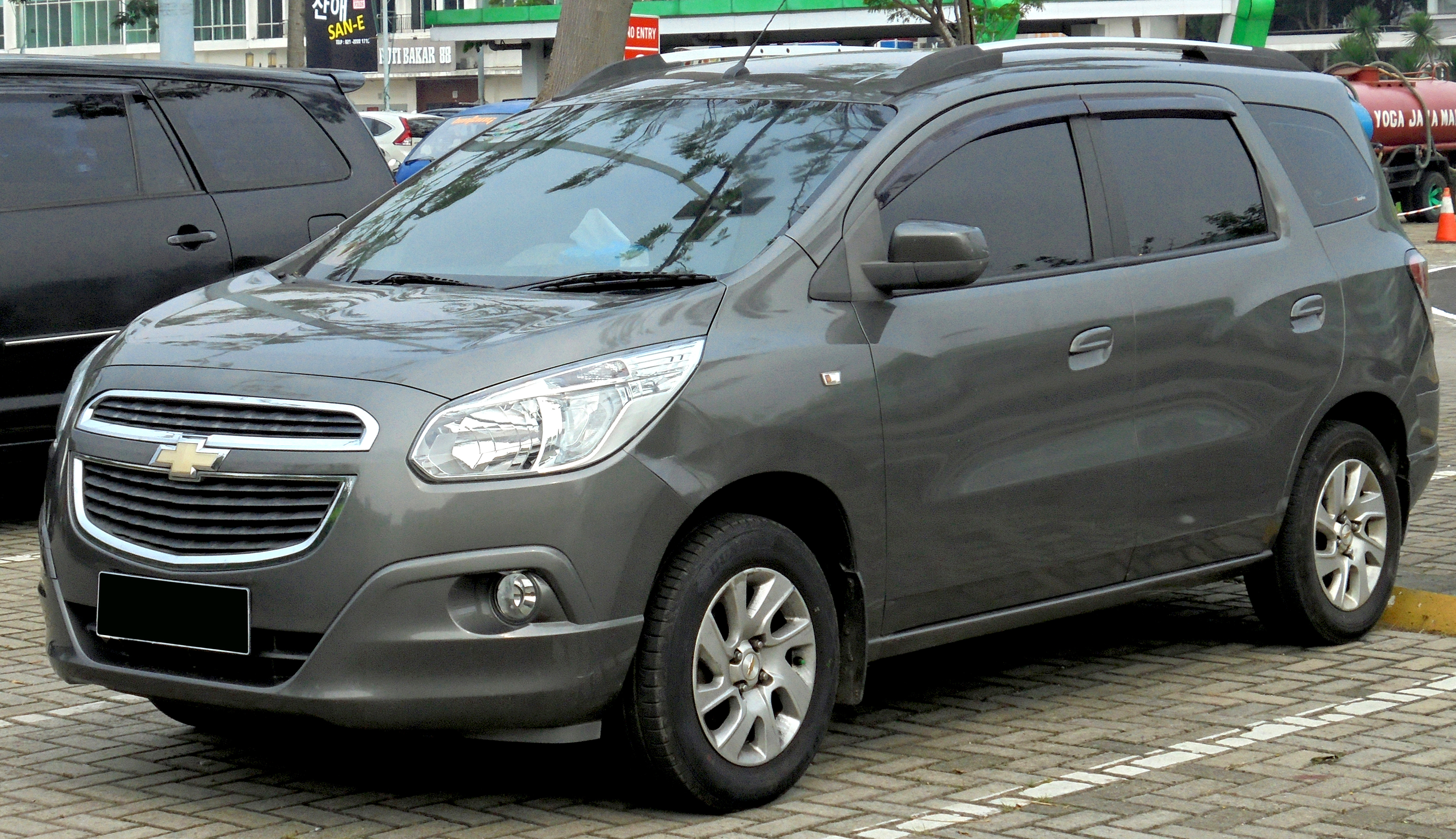
Chevrolet Spin
"...t cost him the race. We saw Shane Van Gisburg and spin. We saw Christopher Bell have issues."
A “spin” means the car rotated and lost control, usually causing it to slow down or stop on the track. When it happens in a race, it can cost the driver a lot of time and position. The podcast is likely pointing out that this happened to a Chevrolet during the event.
“Chevrolet Spin” in this context refers to a Chevrolet vehicle that spun out during a race, causing the driver to lose momentum and potentially the race result. It’s the kind of incident that gets discussed because a spin can quickly change track position, strategy, and points. The mention alongside other on-track issues suggests the episode is highlighting how race-day problems affected outcomes.
tire fall off
"What do we want good year to bring? A tire that's going to fall off enough that you have to change them frequently, but not so much that you're blowing them up and all that kind of stuff."
Tire fall-off means the tires lose grip as the race goes on. When that happens, the car feels slower or harder to drive, so teams have to decide when to pit.
Tire fall-off is the loss of grip and performance as tires heat cycle and wear during a run. In NASCAR, fall-off affects lap times and how hard drivers can push, and it often determines when pitting becomes necessary.
next gen Bristol race
"Outside of the two tire debacle races, it was the best next gen Bristol race."
“Next gen” means NASCAR’s newer race car rules and design. Bristol is a very specific short track, so the hosts are basically saying the newer car handled Bristol better than some other races.
“Next gen” in NASCAR refers to the Next Gen car platform, which changed aerodynamics, chassis design, and how the car behaves on track. When someone says “next gen Bristol,” they’re usually comparing how the newer car performs at Bristol’s unique short-track layout versus older generations.
tire debacle
"Outside of the two tire debacle races, it was the best next gen Bristol race."
A “tire debacle” is when tires cause a big mess in a race. That can mean the tires wear out too fast, don’t grip like expected, or even fail, which then affects strategy and safety.
A “tire debacle” refers to a race situation where tire issues—like failures, overheating, or poor performance—cause major disruption. In NASCAR, tire problems can also lead to strategy chaos and on-track incidents.
pit crew
"But if Ryan Blaney's pit crew. Was it the four of us changing his tires? Then he would have stopped the field... He's terrible, but it had a competent pit crew."
A pit crew is the group that works on the car during pit stops. They’re responsible for changing tires quickly and correctly, and that can make a big difference in who wins.
A pit crew is the team responsible for the car during pit stops—changing tires, refueling (when applicable), and making adjustments quickly. “Competent pit crew” implies the stop was fast and well-executed, which is critical for maintaining or gaining track position.
gamesmanship
"There definitely was a little bit of gamesmanship to it. And there were accidents caused by old tires, like you said."
“Gamesmanship” means playing the strategy game, not just driving fast. It’s about timing and decisions that can pressure other drivers, especially when tires are involved.
“Gamesmanship” in racing means using strategy and timing in a way that’s not purely about speed—often to influence others’ decisions. In tire-related discussions, it can refer to how teams manage tire wear, pit timing, or track position to gain an advantage.
old tires
"And there were accidents caused by old tires, like you said. But I would say I'd like to see more aggressiveness from Goodyear."
“Old tires” are tires that have been used for a while and don’t grip as well anymore. When tires get worn out, cars can slide or lose control, which can lead to crashes.
“Old tires” refers to tires that have been used for too long in the race, leading to reduced grip and unpredictable handling. The hosts connect old-tire condition to accidents, which is a common risk when tire wear outpaces what teams expected.
forecasting track temperature for tire performance
"It's just a little more especially like if you can look out days ahead and see the forecast and see this could be warmer. Let's bring a little."
Tire grip changes with temperature. The hosts are saying teams and tire makers should look ahead at the weather forecast so the tires are better matched to the conditions on race day.
The hosts discuss planning tire strategy based on expected weather—especially temperature—because tire performance is highly sensitive to heat. If it’s warmer than expected, tires can wear differently and reach operating temperature faster, changing grip and safety.
F1 tire issues at Indy
"in advance like it's they tried this when F1 had the the tire issues at Indy. And it was one of those deals where like, hey, we can bring new tires in..."
They’re comparing today’s tire talk to a past Formula 1 situation where tires caused big problems at Indy. The point is that tire issues can strongly affect how races play out.
The hosts reference a past Formula 1 situation involving tire problems at Indianapolis (Indy) to draw a parallel to current tire-change/strategy discussions. It frames why tire handling and compound choice can become a major storyline in racing.
multiple compounds
"Now, to your point of maybe multiple compounds might be an answer. I think that if you gave the teams a hard and a soft..."
Racers use different types of tires that feel and last differently. Softer tires usually grip more but wear out faster, while harder tires last longer but may be slower. Teams can plan to use more than one type to balance speed and tire life.
In racing, teams choose between different tire compounds (typically harder vs softer) that trade grip for durability. Using multiple compounds during a race can change lap times and strategy because the tires behave differently as they heat up and wear.
tire strategy / pit calls
"I think that if you gave the teams a hard and a soft... crew chiefs are really neck deep in making those calls... that level of a chess match that's going on during the race."
Tire strategy is basically deciding when to change tires and which ones to use. The team has to watch how the tires are wearing and make quick calls, sometimes changing the plan mid-race.
Tire strategy is the set of decisions about when to pit and which tires to run, often influenced by track conditions, tire wear, and competitors’ choices. Crew chiefs and teams continuously adjust plans during a race, which can create a “chess match” dynamic.
option tires
"[1733.8s] But we so we had the option tires for Phoenix and Richmond. [1738.6s] And I thought it was kind of fun and thought maybe we should try it."
Option tires are a different type of tire you can run instead of the main choice. Because they grip and wear differently, teams have to adjust when they pit and how they drive.
“Option tires” are alternate tire compounds or tire selections teams can choose to use during a race weekend. In NASCAR-style racing, using option tires can change grip and wear characteristics, which forces teams to rethink pit timing and race strategy.
level of variance
"[1759.0s] Even whether it's whether permitting or not, I just it adds [1762.8s] a level of variance and you have a level of variance."
They’re saying the race becomes less predictable when tire choices (or conditions) change. That can make strategy and timing matter even more.
“Variance” here means added unpredictability in race outcomes due to changing conditions and tire behavior. When teams have to adapt to different grip levels and wear rates, small strategy differences can swing results.
adjusting and adapting on the fly
"[1766.0s] You put more of an onus on the crew chiefs and the crews. [1769.9s] And there's still a level of adjusting and adapting on the fly, [1773.9s] which is going to make for an interesting level of strategy."
They mean teams have to make decisions in real time while the race is happening. If the tires aren’t behaving the way they expected, the crew and driver change the plan as they go.
“Adjusting and adapting on the fly” refers to real-time decision-making during a race as conditions change. With tire performance shifting over stints, crew chiefs and drivers must continuously update plans for pit stops, tire management, and driving approach.
super late model world
"My only concern is from my background in the super late model world where you have the same compound of tire..."
They’re talking about a type of stock-car racing (“super late model”) where tires matter a lot. They’re saying their past experience there makes them cautious about how multiple tire compounds are handled.
They’re referencing “super late model” racing, a grassroots-to-regional stock-car style where tire rules and consistency can be a major competitive factor. The host uses that background to explain why multiple-compound rules can create disputes.
tire line
"It should be in theory, identical tires and teams are throwing fits and getting into fights at the tire line because they want a certain date code on the tire tires made on this date."
The “tire line” is where teams go to get their tires and swap them during a race. If the rules require specific tire batches, teams can argue if they think they got the wrong ones.
The “tire line” is the pit/crew area where teams receive tires and make tire changes. When rules specify exact tire characteristics (like compound and sometimes production/date codes), teams can get frustrated if they believe they’re not getting the right tires.
date code on the tire
"...because they want a certain date code on the tire tires made on this date. We're good. The ones made the next day were junk."
Tires are made in batches, and there’s a code that shows when they were produced. Some racers think newer or specific-batch tires work better, so they try to get the exact ones they want.
Tires can be produced in batches, and the “date code” helps identify when a tire was manufactured. In some racing series, teams believe tire age/production batch affects performance, so they may push for specific codes to ensure consistency.
Indy car runs a hard and a soft
"Indy car runs a hard and a soft. But there is a gradient there of what that swing is..."
IndyCar often uses two tire types: one that lasts longer (hard) and one that grips more (soft). Teams decide which tire to use and when, depending on how long they need it to last and how much grip they need.
This refers to IndyCar’s common strategy of using two different tire compounds: a harder tire and a softer tire. The hard tire typically lasts longer, while the soft tire usually provides more grip, so teams manage stints based on track conditions and race timing.
hard to soft
"...whether it's a big swing from hard to soft or maybe it's a little bit narrower of one where the hard tire is actually the better tire to have even on a shorter stint."
This is about how different the two tire types feel on track. Going from hard to soft can change grip a lot (and also how fast the tire wears), so teams try to understand whether the soft is worth it for the time they’ll run it.
“Hard to soft” describes the performance swing between a harder compound and a softer compound. A big swing can mean a noticeable change in grip and wear, while a smaller “gradient” might still favor the hard tire even over shorter stints depending on conditions.
Nashville Fairgrounds
"I am going to say I love the Nashville Fairgrounds. [1914.4s] It is not ready to host a cup race, and you can dump twenty million dollars into that place and the track itself might get ready."
The hosts debate whether the Nashville Fairgrounds could realistically host a NASCAR Cup Series race. They point to infrastructure limits—parking capacity, accessibility, and the surrounding local support system—as the main barriers, even if money is spent on the track itself.
temporary seating
"Look at what they did to Wolf's Bar. [1945.2s] They put in a ton of temporary seating when they first took the All-Star race there."
Temporary seating means they add extra stands just for a big event. It’s a common workaround when a venue doesn’t have enough permanent seats for a larger crowd.
Temporary seating is added for major events when permanent grandstands aren’t available or aren’t sufficient. The hosts mention it in the context of Wolf’s Bar and the All-Star race, implying Nashville has used short-term capacity solutions before.
O'Reilly truck doubleheader
"I think it is perfect to host an O'Reilly truck doubleheader."
A doubleheader means two races on the same weekend. It’s a way to give fans more racing, but it can be harder for the track to manage.
An O’Reilly truck doubleheader refers to running two Truck Series races as part of the same weekend. Doubleheaders are used to maximize track utilization and fan interest, but they can strain staffing, paddock space, and on-site operations.
ARCA guys
"I think it's perfect to throw the Arca guys in there. I'll even throw a Cars Tour race on the same weekend."
“ARCA guys” refers to competitors from ARCA, a stock-car racing series that often supports larger NASCAR events. ARCA races can be used to fill out a weekend schedule and attract additional teams and fans.
Cars Tour race
"I'll even throw a Cars Tour race on the same weekend. We're going to double dip."
Cars Tour is a smaller racing series compared to NASCAR’s top divisions. They’re suggesting it as extra racing on the same weekend to keep fans engaged.
The Cars Tour is a regional stock-car series that can be scheduled alongside bigger national events. Including it in the same weekend is a way to “make it a weekend” with multiple races across different levels of competition.
double dip
"We're going to double dip. We're going to run Cars Tour Thursday, Arca and Trucks Friday or Arca Friday and Double Dip Saturday."
They mean running more than one racing event in the same weekend. Instead of just one race, you get multiple days of racing.
“Double dip” here means stacking multiple racing events across the same weekend—using different series on different days. It’s a scheduling strategy to increase the number of races and maximize attendance and revenue opportunities.
Bristol as the spring date
"I think that having that race, having that track fairgrounds replace Bristol as the spring date is a bad decision. Because first off... it still had like 70,000 people there."
They’re debating whether to keep the spring race at Bristol or move it elsewhere. The key point is that Bristol draws huge crowds, so changing it could hurt attendance.
The segment argues about moving a spring NASCAR date away from Bristol. Bristol is a major NASCAR venue with strong fan demand, and the discussion focuses on whether replacing it with another track is wise.
Daytona 500
"Like, you know, you're not getting outside of the Daytona 500 in the Indy 500."
The Daytona 500 is NASCAR’s biggest race held at Daytona. It’s a huge deal because it’s a fast, high-energy race where cars have to be set up to run well in packs.
The Daytona 500 is NASCAR’s marquee race at Daytona International Speedway. It’s known for high speeds, pack racing, and the unique demands of superspeedway setups.
Indy 500
"Like, you know, you're not getting outside of the Daytona 500 in the Indy 500."
The Indy 500 is a huge IndyCar race at Indianapolis. It’s one of the biggest events in American open-wheel racing.
The Indy 500 is the IndyCar season’s crown jewel, held at Indianapolis Motor Speedway. It’s a different racing style than NASCAR, but it’s also a major attendance draw.
F1
"I guess the F1 races as well. [2065.2s] But before somebody comes in and corrects me on that."
F1 is the highest level of open-wheel racing in the world. The hosts are saying that, unlike most American races, F1 events can still draw big crowds.
F1 (Formula 1) is the top level of open-wheel racing globally. The hosts mention it as an exception when discussing attendance expectations.
car, tire, whatever that matches up
"Remember, there's a car, tire, whatever that matches up because it is an awesome track. [2101.6s] And Bristol, it's one of the few tracks I feel like still deserves two dates."
This is a reference to how track-specific combinations of car setup and tire choice can make a venue “click” for racing. On short tracks like Bristol, small changes in tire behavior and setup can dramatically affect grip, passing, and overall show quality.
All-Star Race
"it would need to be the clash or the All-Star Race or something, [2124.5s] which that could be a fun set up."
The All-Star Race is a special NASCAR event that’s meant to be a fun, high-attention show. The hosts are proposing it as a way to make a schedule change feel more exciting.
The All-Star Race is NASCAR’s mid-season exhibition event that typically features a special format and higher-profile competition. The hosts suggest using it as a scheduling “clash” to keep Bristol’s replacement event exciting.
Clash
"it would need to be the clash or the All-Star Race or something, [2124.5s] which that could be a fun set up."
The Clash is an early-season NASCAR exhibition race. The hosts are saying it could be a better fit than replacing Bristol with something less exciting.
The “Clash” refers to NASCAR’s season-opening exhibition race (often called the Busch Clash historically), used to kick off the year with a unique format. The hosts mention it as an alternative event to pair with a schedule change.
Super Speedway
"Do like the All-Star Race and then the next week have like a national speed weeks, have the super speedway the following week"
A super speedway is a very large, high-speed NASCAR track. The hosts are suggesting stacking events so teams and fans get a run of big races in a short time.
“Super Speedway” here refers to NASCAR’s large high-speed tracks (superspeedways) like Daytona or Talladega. The hosts are proposing a back-to-back schedule where a super-speedway race follows the All-Star Race.
trucks
"and maybe have like [2135.0s] O'Reilly and trucks run both of them. [2138.7s] You know, save those guys some travel and whatnot."
“Trucks” means NASCAR’s Truck Series. The hosts are saying it could be scheduled to race at both events so teams don’t have to keep traveling.
“Trucks” refers to NASCAR’s Truck Series, a national touring series with pickup-truck-bodied race cars. The hosts are suggesting the Truck Series could run alongside the proposed schedule to minimize travel.
Bowman Gray
"Since we see Bowman Gray and we've seen so far, North Wilkesboro be able to handle that."
Bowman Gray is a famous racing track. The hosts bring it up because some tracks are set up for certain kinds of races, and bigger events can create traffic and parking challenges.
Bowman Gray Stadium is a short-track venue that’s historically important in NASCAR’s roots and culture. Mentioning it in the context of whether a track can host a Cup event highlights how short-track infrastructure and crowd/traffic flow matter for larger series.
North Wilkesboro
"Since we see Bowman Gray and we've seen so far, North Wilkesboro be able to handle that."
North Wilkesboro Speedway is a NASCAR short-track venue known for its tight racing and strong fan base. The discussion uses it as an example of a track that can manage the demands of higher-level NASCAR events, even if logistics like parking and accommodations are different than bigger tracks.
Xfinity and truck double headers
"What's wrong with putting more of those in Xfinity and truck double headers?"
Xfinity and the Trucks are NASCAR’s other major series below the Cup level. A double header is two races in one event weekend, and the idea here is to bring those series to more tracks first.
“Xfinity” and “truck” refer to NASCAR’s second-tier Xfinity Series and the Camping World Truck Series. A “double header” means running two races on the same weekend/day, which the hosts suggest as a way to expand events at tracks that can’t yet support a Cup Series date.
Rockingham
"You know, you were at Rockingham, Massey, I've been there before."
Rockingham is a NASCAR track. The speaker is using it as an example from experience to support the argument about which series fit certain venues.
Rockingham is a NASCAR venue (Rockingham Speedway) that’s often discussed in terms of how well it supports different series and event operations. The host’s reference suggests they’ve seen firsthand how those tracks work for Xfinity/Truck-style events.
ingress and egress
"And there's got to be a level for ingress and egress to accommodate just a volume of fans that are going to come in, park, bring in all the other people that are around there."
Ingress and egress are the planned routes and processes for getting people into and out of an event venue. For race weekends, this affects traffic congestion, parking efficiency, and overall safety.
Bristol Night Race
"because it could make the Bristol Night Race, which is already a special race, even more of a special race."
This is a NASCAR race at Bristol that’s run at night under stadium lights. People consider it a big deal, and the hosts are debating whether changing the schedule would make it even more special.
The Bristol Night Race is NASCAR’s marquee event at Bristol Motor Speedway run under lights. It’s already treated as a “special” race, and the discussion is about how changing the schedule could make it even more unique.
Daytona gets one race a year
"I'm always open to the idea of like every track, but Daytona gets one race a year."
They’re talking about how often Daytona shows up on the NASCAR calendar. In this discussion, Daytona is only getting one race that year, which changes how frequently fans get to see it.
The hosts are referencing NASCAR’s schedule structure for Daytona, specifically that Daytona has one race per year in the current format being discussed. This matters because it affects how often fans see certain tracks and how the series balances marquee venues.
dirt race for the spring race
"like I think the fact they were willing to throw make a dirt race for the spring race, just like devalued it for me enough"
They’re talking about a spring NASCAR event being run on dirt instead of the usual surface. The host feels that change made the race feel less special to them.
The hosts discuss NASCAR’s decision to run a dirt race for the spring event at a track that’s typically not dirt. The idea is that this change can alter fan expectations and perceived value of that race.
Kentucky again
"I'd rather see insert another SMI track during this week and go to Kentucky again."
They’re suggesting bringing back the Kentucky track for the schedule. It’s basically a “let’s go back there” idea.
“Kentucky” refers to NASCAR’s track in Kentucky (commonly discussed as Kentucky Speedway). The hosts are considering returning there, implying they want a familiar venue back on the schedule.
mile and a half
"Maybe that will look cool in the mile and a half."
They’re talking about track length—about 1.5 miles. Track length affects how cars race, including how fast they go and how tires wear.
A “mile and a half” refers to the track length category (1.5 miles), which influences racing style—especially speed, drafting, and tire wear. The hosts are using it to describe what racing at a particular venue might feel like.
Dover
"Yeah, go back to Dover. That was another place like, you know, Dover is getting kind of"
Dover is a NASCAR venue known for its distinctive “Monster Mile” characteristics and high-speed, abrasive racing. The hosts mention it as another place to go back to, suggesting it’s a desirable option on the calendar.
payback
"Did you like the timing of the payback? Considering it was not like he paid him back instantly. ... it truly could have affected it kind of affected the outcome"
In racing, “payback” means someone tries to get back at another driver for something that happened earlier. They’re arguing about whether it was on purpose and whether it happened late enough to change who won.
“Payback” in racing refers to a retaliatory move—often after a prior incident—aimed at settling a score on-track. The hosts debate whether the retaliation was intentional and whether the timing was late enough to influence the race result.
stayed green
"because it felt like if it stayed green, if I'm not mistaken, Ryan Blaney gets past Ty Gibbs, whereas Ty Gibbs kind of because he was on the outside is able to kind of create enough distance where he won the race."
“Stayed green” means there wasn’t a caution flag, so the race kept running normally. That changes how easy it is to pass and how much time you have to build a gap.
“Stayed green” means the race did not go to a caution period (no yellow flag), so cars continued racing at full speed. That matters because cautions bunch the field and reset gaps, while green-flag racing lets drivers build or lose track position over time.
retaliation
"Yeah, there's there's the people that think that Kyle obviously it was retaliation. I I don't care what he says or anything. It looked pretty intentional to me."
Retaliation is when a driver tries to “get back at” someone because of something that happened before. In NASCAR, people argue whether a spin or hit was an accident or done on purpose.
In racing, “retaliation” means one driver intentionally makes contact or takes a risky action in response to something that happened earlier. It’s often debated because the same on-track move can be interpreted as either racing incident or deliberate payback.
straightaway
"It was the front stretch or the straightaway. It wasn't in the corner. Yeah. Yeah, exactly."
A straightaway is the part of the track where the cars go mostly straight. It’s where you can really see who has speed and momentum without the complication of turning.
A straightaway is the portion of a race track where the cars are mostly going in a straight line, rather than turning through a corner. Passing and speed comparisons are often easier to judge on straightaways because steering input and cornering forces are minimized.

Ty Gibbs
"But I think there's there's a section of people that think that he did that to also screw Ty Gibbs. And I think I agree with you. I think it actually helped Ty Gibbs more."
Ty Gibbs is another NASCAR driver mentioned here. They’re saying the situation might have ended up helping him instead of hurting him.
Ty Gibbs is referenced as the driver who benefited from the incident being discussed. In NASCAR, timing and track position matter a lot—an event that looks like it should hurt someone can sometimes shuffle the field in a way that helps a different driver.
park him for the day
"Now, the timing did also work out in that it was so late in the race that NASCAR didn't really have time to look at it and say, oh, maybe we ought to park him for the day or, you know,"
“Park him for the day” means the driver gets told to stop racing for the rest of that event. It’s a penalty that can happen if officials decide the incident was not acceptable.
“Park him for the day” is NASCAR slang for removing a driver from competition for the remainder of the event, usually as a penalty after an incident. It’s the kind of consequence officials can decide after reviewing what happened.
over time
"Because they're more worried about over time. Like getting to getting the race back going so we don't waste too many laps, the race for the win."
Over time is NASCAR adding extra time at the end if there’s a late caution. The goal is to make sure the race ends with a proper green-flag finish.
“Over time” in NASCAR refers to an extra attempt to finish the race under green-flag conditions after a late caution. It typically adds laps beyond the scheduled distance, and drivers must manage restarts and track position differently.
penalty
"But I don't know if we haven't seen any penalty to Kyle so far. So it seems like it was the perfect revenge."
A penalty is basically NASCAR saying “you broke a rule.” It can make a driver lose position or time, even if they were running well.
In NASCAR, a penalty is an official penalty applied for rules violations (like contact, speeding on pit road, or restart infractions). Penalties can cost track position or time and can change the outcome even if a driver is otherwise fast.
spinning
"Did you get to see Kyle send Riley spinning? If if Ty Gibbs doesn't win the race..."
“Spinning” means the car loses control and turns around. It often slows everything down and can change the race because other cars have to react.
“Spinning” refers to a car rotating uncontrollably, usually from contact, loss of traction, or an aggressive maneuver. In NASCAR, a spin can trigger a caution and drastically affect track position and strategy.

Ryan Blaney
"But because of Ty Gibbs masterful driving capabilities and skills to hold off Ryan Blaney, who just to set the record straight, Ryan Blaney would have led 498 laps, not 500..."
Ryan Blaney is the other driver in the battle. The hosts are saying Ty Gibbs had to keep Blaney behind him to win.
Ryan Blaney is mentioned as the driver Ty Gibbs had to hold off to secure the win. In NASCAR, “holding off” usually means maintaining position under pressure—often through clean driving, smart line choice, and managing tire wear and restart timing.
hold off
"But because of Ty Gibbs masterful driving capabilities and skills to hold off Ryan Blaney..."
“Hold off” means you keep the other driver from passing you. It’s usually about defending your spot and not making mistakes.
To “hold off” in racing means to defend your position against a faster or more aggressive car. It typically involves choosing the right lines, managing gaps, and staying out of trouble during restarts or traffic.
calculated timing
"No, you know, look, I like the idea of revenge. I think there's a level of calculated timing on this that is that what you wanted?"
“Calculated timing” means the driver and team choose the moment to act on purpose. Instead of guessing, they try to pick the best time to make a move.
“Calculated timing” in racing usually means planning when to make moves—like when to push, when to defend, or when to take advantage of cautions and restarts. It’s about maximizing your chances rather than reacting randomly.
timing of an incident late in the race
"The timing of it was actually pretty calculated for Kyle Bush. And the sense like you said, of what are you going to do this late in the race?"
When something happens late in a race, it matters more because there’s less time for things to play out naturally. That’s why the timing can influence whether it gets punished.
The hosts emphasize that the timing of an incident can change both strategy and consequences. Late in the race, actions are more likely to affect the finish, which is why officials and teams scrutinize what happened “this late in the race.”
suspending anybody for an incident
"And is it a type of incident that's worth suspending anybody for or is it not? Now, I didn't collect anybody. I think that's probably the most important thing."
Sometimes NASCAR officials decide if a driver should be penalized or even suspended after a crash. Here, they’re saying the big question is whether it affected the top cars fighting for position.
The hosts are discussing NASCAR’s disciplinary decisions—whether a late-race incident warrants suspension. The key factor mentioned is whether the incident involved cars in race contention and whether it affected the outcome.
late race restarts
"And if anything NASCAR historically is kind of aired on the side of wanting to embrace late race restarts. Yeah, Chris, it wasn't too, it wasn't too different real quick."
A late race restart is when the race is paused for a caution and then restarted near the end. NASCAR does this so the finish can still be dramatic, and it can shuffle who wins.
Late race restarts are NASCAR’s procedure for restarting the field after a caution near the end of the race. They’re important because they can dramatically change strategy and outcomes, and NASCAR has historically leaned toward making late-race restarts exciting and competitive.
Request an Explanation
Heard something you'd like explained? We'll add it to this episode.
Sign in to request explanations for terms you heard.
Want to learn more?
Browse our glossary for plain-English explanations of automotive terms, jargon, and concepts.
Help improve this episode
See something that's not quite right? Our annotations are AI-generated and can sometimes miss the mark. Click the flag icon on any annotation to suggest a correction.