The SD1 is a car model made by Rover. The podcast is talking about it as a story topic, not just as a driving or performance comparison. It’s one of those older models people still remember and discuss.
The DeLorean DMC-12 is a sports car with a very unusual look, including a stainless-steel body. It’s widely recognized and has become famous beyond just car circles. The podcast brings it up while talking about lap-time or track performance.
Goodwood is a famous UK car event where manufacturers bring cars to show off and sometimes drive them. It’s a big place for new models and for seeing what cars look like beyond just pictures.
The Festival of Speed is Goodwood’s big car event. The hosts mention it to explain the timing of their trip and why they were there to see the new Ferrari.
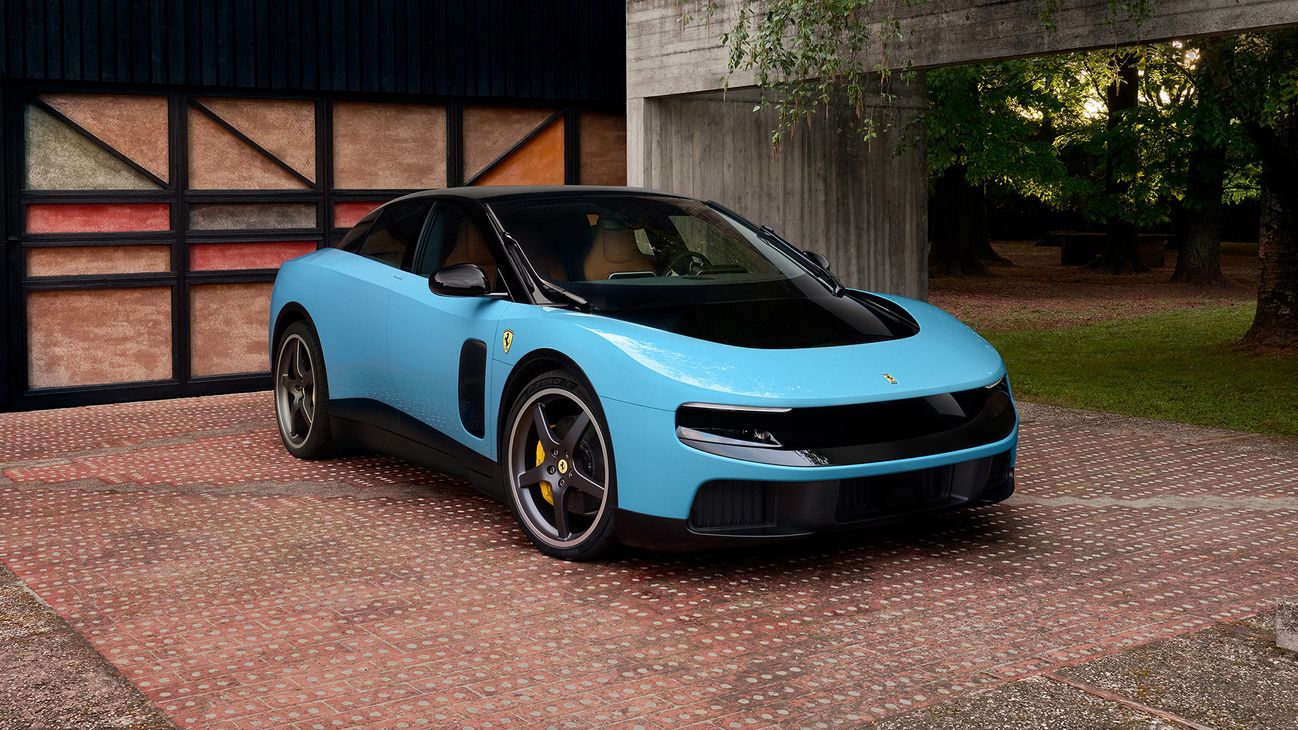
This is a Ferrari model the hosts are talking about. They’re saying it looks different (and better understood) when you see it in real life, not just in photos—especially its shape and design details.
“Suicide rear doors” are rear doors that open the other way compared to normal doors. The host likes them because they make stepping in and out easier, especially if you’re tall.
The Rolls-Royce Phantom is a very high-end luxury car. It’s designed mainly for comfort and for passengers in the back seat. The podcast mentions its rear doors, which open in a distinctive way compared with many cars.
A “five seater” is a seating layout with five usable seats total (typically two front and three rear). The host says the Luce is Ferrari’s first five-seat model, which is a notable packaging shift for the brand.
This is about folding the rear seats to open up more space behind them. The host is saying that makes the car more usable for carrying bulky items or even setting up a sleeping area.
Term
climatization
“Climatization” means the car’s heating and air-conditioning setup. The host thinks it might be affecting how the car is shaped inside, which then changes how the proportions look.
Term
pure sangue
“Pure sangue” is Ferrari-speak for the brand’s most “true” identity. In this discussion, the host is saying the Luce doesn’t fit the usual Ferrari look and feel that people associate with that idea.
SUV is a common car type label (sport utility vehicle). The host is saying the Luce looks a bit SUV-ish because it’s tall and wide, but they don’t think it should actually be classified as an SUV.
“Width to height ratio” is a design proportion metric used to describe how squat or tall a car looks. The host claims the Luce’s width-to-height proportions are unlike other Ferraris, which affects how quickly you recognize it as a Ferrari.
The “prancing horses” are the Ferrari logo—the little horse symbol on the car. The host is saying the logo is basically the only obvious Ferrari clue on this design.
Conquest sales means selling to people who don’t already have that brand. So instead of replacing an existing Ferrari with another Ferrari, it’s about pulling new buyers from other cars.
The Alpine A110 is a small, sporty car that’s famous for feeling nimble and fun to drive. Here, they’re talking about how a newer version looks compared to the classic A110.
The Red Bull RB17 is a track-focused, fan-visible prototype-style car associated with Red Bull’s motorsport branding. The hosts mention it as a recent attention-grabber, contrasting it with the lack of hype around the Alpine A110.
A powertrain is everything that makes the car move, like the engine or electric motors and the parts that send that power to the wheels. They’re saying the big question is what kind of powertrain this new car will use.
“Electric one” means the version that runs on electricity instead of gasoline. The point they’re making is that the company will focus on the electric model first to generate excitement.
“Hype” here means the excitement and attention people build around a new car. They’re saying the company wants to keep the message focused so people get interested in the electric launch.
An EV sports car is a fast, performance-oriented car that runs on electricity. Here they’re talking about whether it can be light enough to feel like a true sports car.
The Cayman is a sports car made by Porsche. It’s built to be light and handle well, with the engine placed toward the middle of the car. People talk about it a lot when comparing how “light” different sports cars are.
Long wheel travel means the suspension can move up and down more. That usually helps the car ride smoothly over rough roads because the tires can stay in contact with the ground.
The Pagani Huayra is an extremely expensive, high-performance supercar. The podcast is talking about the version with a naturally aspirated V12 engine. It’s mentioned as part of a group of cars known for big performance.
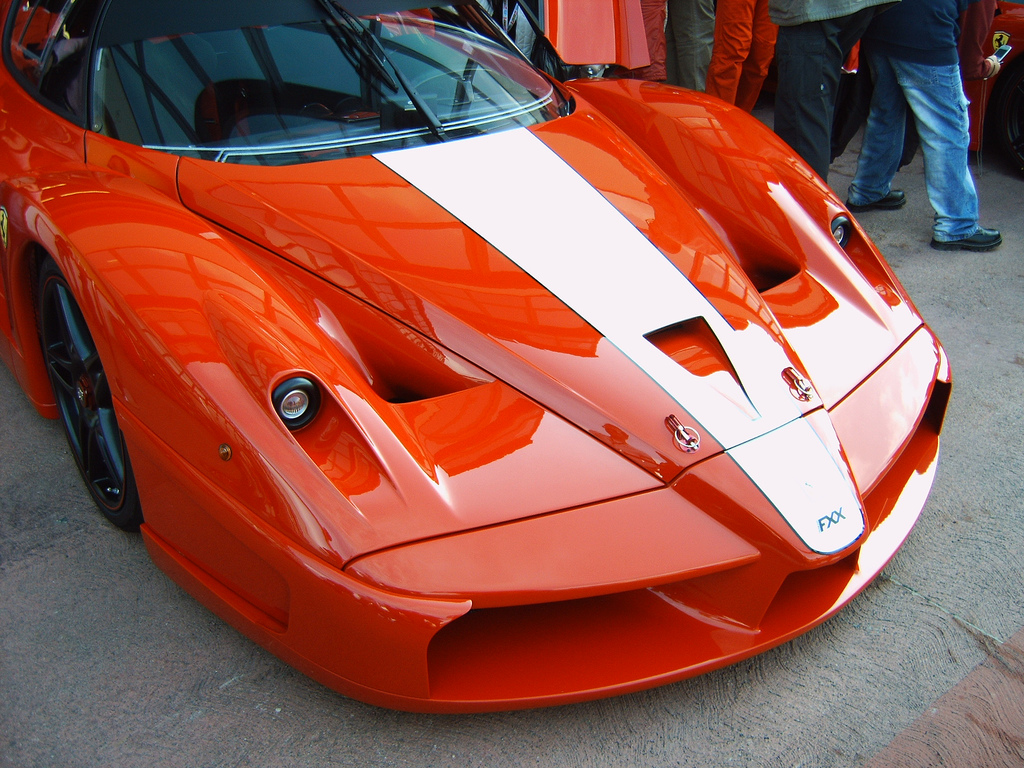
The Ferrari FXX is a special Ferrari made for track driving. It’s not meant to be a normal daily car. The podcast mentions it as one of the extreme, performance-first models.
A naturally aspirated V12 is a V12 engine that doesn’t use a turbo or supercharger. People often like them because they have a special sound and response when you press the gas.
Exhaust notes are the sound your car makes from the exhaust. They’re talking about how modern rules and design changes can make cars sound quieter than older ones.
The Defender Octa is a special, more powerful Land Rover Defender. The host says it lost about 100 horsepower because of emissions rules. Even with less power, it can still feel fast, but the trade-off is worse performance for no real benefit.
“Emissions” means the pollution a car makes. If the rules get stricter, car makers may have to tune the engine to pollute less, and that can cost some horsepower.
“Turbocharged” means the engine uses a device that forces more air into the cylinders. More air helps the engine make power more efficiently, but it can also change the sound of the exhaust.
EV braking distance is how much space an electric car needs to stop. The host says EVs can be harder to stop quickly because they’re heavy and sometimes use tires designed to reduce rolling resistance.
Low rolling resistance tires are made to waste less energy as they roll, which helps range. But they can be worse at gripping the road when you brake hard.
EVs are cars that run on electricity from a battery instead of gasoline. They can feel quick right away because the electric motor can provide power instantly.
It’s a way of describing how “grippy” the road is to the tires. If the number is higher, the tires can stick better; if it’s lower, the car is more likely to slide.
The Ford F-150 Lightning is an electric pickup truck. It’s based on the F-150, but it uses an electric powertrain instead of a gasoline engine. The podcast is just making a joke about the word “Lightning.”
Paul Newman was a famous actor who also raced cars for real. Here, they’re talking about him voicing a character in “Cars” and also about his actual racing career.
The Hudson Hornet is a well-known older American car. In this part of the episode, it’s mentioned because Paul Newman voiced the “Hudson Hornet” character in “Cars.”
The Dodge Hornet is a car model name from Dodge. In the podcast, it’s mentioned because of a connection to the word “Hornet” and a voice reference. The transcript doesn’t give specific details about the car’s performance or features.
The Porsche 935 is a famous old-school Porsche race car from the 1970s. The point here is that Paul Newman didn’t just watch racing—he drove a car like this at Le Mans in tough conditions.
The D9 is a car model mentioned in the podcast, and it’s also referred to as “Denzer.” The hosts are basically saying they haven’t heard of it before and are talking about who owns the brand. The transcript doesn’t provide enough information here to describe what the car is like.
A flying lap is a timed lap where you’re already moving before the clock starts. That way, the test focuses more on how fast the car is when it’s up to speed.
Fiorano is a track Ferrari uses for testing cars. The host is comparing the Denzer test to what it feels like when you’re doing more extensive testing at a track like Fiorano.
The Nürburgring 24 Hours is a very tough long race in Germany. The host is using it as a comparison to say their test felt much shorter than a real endurance event.
Wolfgang Egger is a car designer. The host says he helped design this Denzer and that he previously worked for big European brands like Alfa Romeo, Audi, and Lamborghini.
A chicane is a twisty section on a race track made of quick turns. It’s there to slow cars down and make the track more challenging before they hit the straight.
Crab walking is when a car can move sideways by steering in a coordinated way. It’s usually a low-speed feature that helps with parking or tight spaces.
Car makers often quote fast-charging time using a battery range like 10% to 70%. It’s a fair test because charging is usually fastest in the middle of the battery’s range.
BMW is being used as an example of a car brand with a long history. The speaker’s point is that brands like this can lean on their past to make modern cars feel more meaningful.
Mercedes is being mentioned as one of the long-established car brands. The speaker’s point is that brands with a long past can use that history to connect with buyers.
A heritage fleet is a manufacturer’s stash of classic cars from its history. They use them to show off the brand’s roots and make it feel more authentic.
Renault is brought up as another car company that, according to the speaker, sold its fleet of older cars. The point is about how brands handle their classic-car image.
The BMW M1 is a rare, famous BMW supercar from the late 1970s/early 1980s. It’s remembered because it was tied to racing and helped define BMW’s performance reputation.
The BMW 3 Series is a popular BMW model line, usually a comfortable car for everyday driving. Some versions are built for performance and are known for being fun to drive. The podcast is connecting it to earlier famous performance BMWs.
The BMW E30 M3 is a famous old BMW performance model from the 1980s. It’s known for being built with racing in mind, so it became a big symbol of BMW’s car-making heritage.
Fast charging refers to high-power DC charging for electric vehicles, designed to add a lot of battery energy in a short time. The speaker frames it as an advanced technology that Chinese manufacturers are bringing to market.
Kilowatt charging describes the charging power level for an EV, expressed in kilowatts (kW). Higher kW generally means faster charging—assuming the car’s battery and charging system can accept that power.
Term
Britain's best-selling car
“Britain’s best-selling car” is a market-sales ranking used as evidence that EV adoption and demand are changing quickly. The speaker uses it to argue there’s a real, measurable issue that manufacturers must address.
The “7” is mentioned as part of a car model name or badge, connected to “JQ7.” The podcast is talking about how often it’s been seen recently, not about how it drives. The transcript doesn’t include enough detail to explain the car’s type or specs.
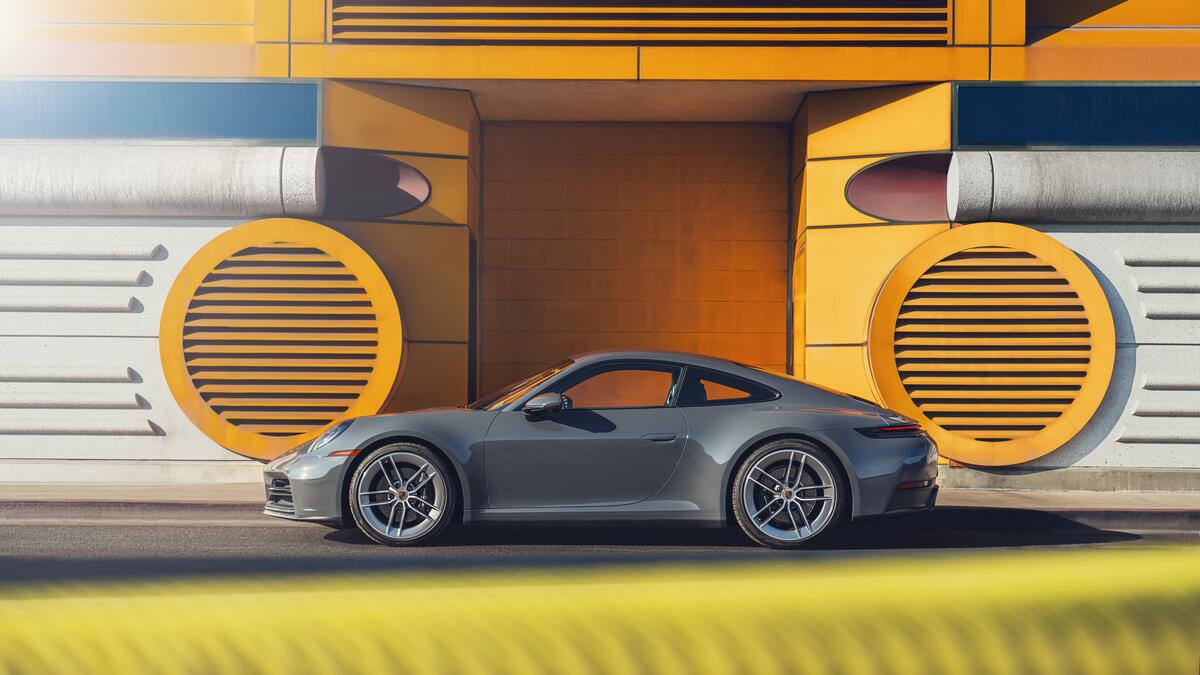
This is a high-performance version of the Porsche 911. The “4” means it drives all four wheels, and the “GTS” version is tuned to feel sharper and more exciting than a regular Carrera.
“2 plus 2” means two seats up front and two smaller seats in the back. The back seats are there for extra passengers, but they’re usually not as roomy as the front.
An embargo is a rule that says you can’t publish a story until a set date/time. Car companies use it so lots of reviews and articles go out at the same moment.
Balance of performance is a racing idea where officials tweak cars so they’re closer in speed. Here, the host compares embargo rules to that concept—trying to make sure everyone gets a fair chance to publish at the same time.
The Honda Civic Type R is a sporty version of the regular Civic. It’s the kind of car people drive hard on roads and tracks. The host brings it up to explain how “embargo” rules can delay when car reviews go online.
LIVE
Welcome back to the intercooler podcast, everybody Episode 322 of the podcast powered by car finance
specialist JBR Capital. Dan Proser and Andrew Frankel with you here. Andrew, those tons that we
want to talk about this week, not least because over the past few days, both of us have been at
the Goodwood Festival of Speed. And there was an awful lot going on. I know, I know you were there
yesterday, weren't you for a while? I was there on Friday. There's a load of Goodwood stuff then
that we want to catch up on. You've been driving some interesting stuff. You've also had a good
look at a particularly interesting new car. Yeah, we will come on to. So tons that we want to
discuss. Should we just briefly kick off with a couple of new signings here at the intercooler?
Yeah, of course. I mean, why wouldn't we? A couple of big signings for us.
Yeah, on our writer lineup. So we say all the time, don't we? It's the world's best writer
lineup. And every time we add to it, we our conviction sort of grows, doesn't it? That it's,
it's got to be the best as we add these fantastic writers to the team. Most recently, it's Oli
Marriage, who has been head of testing cars for Top Gear magazine for a long time. And just
today, as we're recording this, it's Jason Camisa, who is an American journalist with a, well, an
enormous following, but also a bit of a passion for obscure British cars, it seems. What do you
want to say about those two?
What I want to say about those two, I mean, Oli, I've wanted Oli to write for us for years. But
his Top Gear commitments, contract, whatever, have made it not possible. Until now, I didn't
frankly think it would be possible until now. But I asked him the question, he said, let's have a
chat. And we went and had a bit of lunch somewhere. And lo and behold, his first one, which is a
drive the TWR Supercat is up and live on our multi award winning website and app now. Oli is,
he's one of these annoying people who can't do anything badly. He drives really well, he writes
really well, he presents great videos. And, you know, he has been the sort of the backbone of the
can I say this, I think I probably can. The editor might be a bit cheesed off with me, but Jack, I
don't mean it that way. But, you know, in terms of the sort of content, the stuff that Top Gear has
been putting out for years and in the magazine, Oli has been the backbone of it.
And it's just great that he's going to do some stuff for us now. As far as Jason Commissar is
concerned, I mean, if you were in America now, and a lot of you I know are in America, that he will
need no introduction whatsoever. He is one of the most respected, loved, admired, and watchable and
readable journalists that's ever worked over there. And all you have to do is take out a free sub
to TI and read his first story. So, I think Jason is probably the only person in the world who could
sell me a five part story about a Rover SD1. Five part? Yeah, well, it's four at the moment, but he
thinks there might be a fifth in it. And this is basically, you know, it's, I'm not going to give the
whole game away, but part one's up there now. And this is basically his decision to buy an SD1 and
going and finding an SD1 and why he did it. And then there's the whole sort of him going to get the
car, trying to get it back. Then I think something quite unfortunate happens. And the aftermath is,
you know, sort of spread out over the next couple of installments. And actually, I think something
else has just happened to it. So this story might just run and run and run. I think the serious point
here, and this is something that I've spoken about before. But it is absolutely at the heart of the
philosophy of what we do on our website as app is we want people and increasingly we know this is the
case to come to us and to read our stuff on the intercooler as much for the writers as whatever it is
they're writing about. I am old enough to remember the sort of the golden age of car magazine. When they
had this thing called Frontline, which they're four columnists, and there was Phil Llewellyn,
Steady Barker, George Bishop, and Russell Belgian. Oh, and Leonard Setwright. So maybe there were five or
maybe one came in the other left, but whatever. I mean, they just had the best writers in the world. And I
became addicted to car magazine, partly because of the tests they were running with guys like Ti
contributors, Mill Nichols and Gavin Green at the helm during the Halcyon years of that publication.
But actually, mainly because I just didn't I never wanted to not know what Leonard Setwright was
thinking or what Russell Bulgine was thinking. These guys were my absolute heroes. I then went on to
to meet some of them and get to know them. And that's really the I mean, it's not an original idea at
all. You know, Carl was knocking out the partners regarding the 1970s and 80s. But it is it is what I
probably the most important thing about Ti to me. And we come on this podcast every week, and we love
doing it. And we know that, you know, there are tens of thousands of you who download it the moment it
comes out. And we're terribly grateful to all of you for that. But actually, what we do best, the thing
that I am most proud of is, you know, is the work that we do on the app and website,
which is, you know, 90% of our effort, I was just going to hang on, I was going to find some glasses,
if anybody watching was on YouTube, but I just need to read it. So these just some of the people who
are now part of our contributing line up, including Ollie and Jason. So well, there's the two of us.
There's Richard Bremner, there's Alex Brundle, he's a new signing. Ian Callum, the greatest living
British car designer, Henry catchball needs no introduction. Same for Karen Chandler, early
icon, you know, the man who just, you know, did the focus that changed the world for Ford and, you
know, and ended up leading R&D at Volkswagen and became the chief engineer at Bentley Andrew English,
the most, you know, preeminent newspaper motoring journalist of our of our era, Joanna Fidalgo,
you know, mad biker, K car loving engineer, brilliant writer, her diary pieces are some of the
most popular things we do. Gavin Green already mentioned him, Lewis Kingston, he's in the middle
of the series about taking a car to the Ukraine. Jess Medinger, another new signing, you know,
read his story about trying to do a sub 10 minute lap of the of the Nurburgring in his DeLorean
mel we've already mentioned. Ben Oliver, again, one of the most multi award winning motoring
journalists that there is Richard Porter, you know, wrote all the scripts for Top Gear, no one
needs no, and it goes on and on and on. I mean, Steve Sutcliffe, Julian Thompson, David Toog,
you know, the greatest, one of the greatest engineers of the modern era, and on and on,
I guess. So sorry, I whistled on about too much about this. But if you haven't gone and checked
us out, and if any of those names sort of resonates with you, or here's hoping a few of them do,
go and have a look, because the stuff that they posted, it's not sort of here day gone tomorrow.
Once it's posted, it stays posted and almost all of it is timeless. And so we've got a library of,
we haven't come that recently, but it's certainly over 1700 stories written by these people,
all for us exclusively for us. Some are serious, some are individual stories, but as they almost
all of them timeless, and they are as readable and worthwhile and relevant now as the day that
they were posted, which might have been last week, it might have been 345 years ago.
So anyway, please do go check it out. You get a month free on us anyway. So there's absolutely
nothing to lose. And what we do know is that people who subscribe to TI overwhelmingly
stay with TI. And there's a reason for that. So yeah, there you go. That's what I think you should
do. And maybe we should get on with the rest of the podcast now. Yeah, so if you're considering
subscribing, there'll be a link in the description or just head to d-intercooler.com. You can also
use coupon code POD20 at checkout, and that'll get you 20% off the first year. So there we go,
plug over, thanks everybody. Okay, Goodwood then. So what was, what do you want to start with at
Goodwood? I mean, I know you went to go and look at the Ferrari Luce. Is that a good place to start?
Yeah, well, basically, it's where I went. Yeah, you know, I love the Festival of Speed,
but I just had one of those mad weekends and run-ups to it. And I'd had to go to Goodwood
already for something I'll talk about later on in the podcast, to drive something. And I had
really very little time because I have family commitments. So really, but I wanted to, you
know, the Luce is the most talked about car, certainly in our circles and motoring enthusiast
circles of 2026. I don't think there's any doubt about that. And like everybody else in the world,
we'd seen the photographs of it, we both decided it wasn't to our taste at all. And we were wondering
what they're doing. But as I've said on the podcast and written about 1000 times before,
I will never definitively form my own view of how a car looks until I've seen it in the flesh.
And actually, which I still haven't done, seen it moving on the road. But I thought, well,
they're bound to have a Luce there. Interestingly, and read into this, what you will, on the Ferrari
stand, they had all the sort of current road cars lined up outside, apart from the Luce.
If you wanted to see the Luce, you had to know someone at Ferrari who'd be prepared to
invite you backstage, where there was a viewing area and they had a car there.
Yeah, as I say, read into that what you will. It was not, you know, their most,
their boldest, most consequential, interesting new car was not available for the public to
see at Goodwood. And that is. Is that because they were trying to keep it a bit special for
potential customers, do you think? Or was there something more tactical going on here?
So I mean, we don't know. I mean, okay, so the cynical argument, what the cynics would say is
the car has had such a being polite mixed reception that they might have wondered what
kind of reaction it would got if they showed it in public. Actually, if that is the reason,
and there may well be more to it than that, I literally, I genuinely have no idea.
I think that was perhaps a mistake because I've never seen a car whose photographs do it less
justice than the Luce. Now, I'm not going to say, oh my God, you know, it's up there with the,
with the Dino and the Dayton, it is not. I'm still very unsure about it. I don't think it's a great
looking car. I don't even think it's a particularly good looking car. But having now seen it crawl
all over it sat in the front back, I do understand it a lot more. The first thing I would
say, well, there are two things particularly which strike you when you see the car for the first time.
Firstly, that sense that the proportions are wrong goes away. Does it? Yeah, it's really strange.
Well, they go away to a great extent. So they go away to the extent that when you look at it,
you don't think that, oh my God, the proportions of that car all over the place.
And that's exactly what I thought when I saw it in the photographs initially.
I'll come back to the reason that it's still a slight concern in a minute.
But that's the sort of the macro thing. The micro thing is you just see details all over the car
when you see it with your eyes that I'd never picked up on. And I'm not going to dwell on them,
but because it's all about sort of surfacing rather than specific things. But the detailing
on the car is beautiful. The interior, which I know has attracted, I would say, less controversy,
but still an awful lot of detractors and an awful lot of admirers. I was an admirer of the interior
when I saw it in the photographs. I remain, I mean, even bigger admirer of the interior now,
because I've sat in it, I've interacted with it, I've pushed and I've prodded.
And you can just see that the quality and the action of all the controls and the thought that's
gone into it is next level for Ferrari. It really is. It's pretty much next level for everybody
else. Little things like the grab handles are a work of art. The ventilation controls too,
the switches, not just the shape of them or whatever and heaven be praised, these are physical
switches we're talking about. But the feel of the switches and the action of the switches,
you can just tell that, you know, thousands of man hours or brain hours have gone into creating
them. So I really like that too. It's enormous. You know, I'm six foot three and I like to sit
behind myself with all the room in the world. And it's got those sort of suicide rear doors.
It's like a phantom. So you can just, so you know, if you're a big old bloke like I am,
you can step in and out of it very easily. The boot, I did ask you, this is well known to
be Ferrari's first five seater. I did ask if they were going to do like a sort of four seat
configuration, because if you buy, you know, there are all sorts of cars you can buy which have,
you know, four or five seats, but apparently not, it is just going to be a five seater.
But if you fold those seats down, you could put a bed in the bag.
So, you know, all that is the impressive stuff. But coming back to my point about the proportions,
the thing is in our brain, and this has been true for as long as anybody can remember
Ferraris, Ferraris are low and wide. This one isn't low and high, sorry, wide and high.
And the result of that, and maybe it's in a climatization thing, I probably only spent 20
minutes with it, but that's not enough time to have a really good look at the thing. My biggest
concern about the Lucia isn't actually the sort of the styling of the car, is that to me at least,
and for now at least, it doesn't look like a Ferrari. Yeah. If you took the badges off it,
you'd have no idea. If any of the cars that they parked outside took the badges off them,
there couldn't be anything other than Ferraris. If you took the badges off a Lucia, you wouldn't
have a clue. And that is, well, that is not as beautiful as any of its other cars.
And the fact that it has this sort of anonymous stance, because it is high and wide and not
like other Ferraris, even the pure sangue, which is meant to be their sort of, but it's not meant
to be, you can't call it an SUV because A, it isn't, and B, Ferrari gets sweaty if you do. But
you know what I'm talking about. I don't think anybody ever criticised the proportions of the
pure sangue, but also in its styling, it still couldn't be anything other than the Ferrari.
But because the surfacing is so different, and because the ratio width to height is so
unlike that of any other Ferrari, there's nothing on it, apart from some prancing horses,
which says this is a Ferrari. And if I'd been handing down the brief to Johnny Ive and his
mates, you know, I think what I would have said is job one, you know, whatever you do with this car,
however revolutionary the new design language is for this car, whatever comes out the other end
has to look like a Ferrari. It has to look like something that anyone who sees it from
any different distance will look at and go, that's a Ferrari. And I still don't see that in the car
yet. Maybe in time, as I say, I'm not going to, you know, make my own conclusions about its,
you know, definitively until I've seen it on the road, because that is, you know,
I've only seen it inside, still under artificial light, and not moving. So, you know, there are
still questions to be answered. But I'm an awful lot closer to understanding the car now than I
was the day before yesterday. So there you go, Lucce. I suppose if Ferrari really wanted it to
look like a Ferrari, they'd have done it in-house, wouldn't they? What I'm saying is what do you
guys think? It's a really good point. So here is the stat, which was given to me by someone
Ferrari, but I have no reason to disbelieve. Okay. If you took everybody in the world who had a wealth
that made buying a Lucce, not just possible, but, you know, so I'm not talking about, you know,
somebody who technically on paper has half a million quid, which is essentially what it's
going to cost. I'm talking about somebody who has millions and therefore
can, you know, for whom buying a Lucce would not be a bonkers decision. Okay. If you took all those
people who could buy a Lucce with no great difficulty, 5% of them currently own Ferraris.
Okay. That means that 95% of the people who could own a Ferrari don't own a Ferrari. Okay. And that
is what I think is behind the Lucce. They think that there is a massive, massive untapped market.
And so maybe it's, I mean, I did say to them, is this a Ferrari for people who don't want a Ferrari?
And they said, well, no, because we wouldn't want to, anybody didn't want a Ferrari, but then I said
to them, yes, but if you take the word Ferrari as being emblematic of all that we love about sports cars
and they didn't sort of run away from that. And I think that is what is behind it. I think
it is a car for the 95% who would never have previously considered buying a Ferrari.
And but could, if presented with the right product, spend half a million quid on a car.
And I think that's who they're after. And I think, you know, I think they're talking about
anybody at Ferrari listening to this, please correct me if I get this wrong, but I think
they're talking about 70% conquest sales. Only 30% of cars going to people who already own Ferraris.
So I thought that was a really interesting take on it. And as I said, you know,
if you understand that, you'll understand what they're trying to do with that car a whole lot
better than has been apparent until now. So hopefully that's provided, you know, everybody
listening to this with, you know, a little insight into the motivations behind that car.
And all I would say is, you know, that car will start popping up in public a lot more,
it'll start being on videos and that sort of thing. But you know, you will see them around
in dealers and that sort of thing. Don't judge it till you've seen it with your eyes,
not on a page or a screen. Interesting. Yeah, okay. I didn't get to see it. So I need to wait
until I see one, I don't know, another event or on the road or whatever. I did going to have a look
at the new electric Alpine A110, which was just in the first glance paddock. No fanfare around
it at all, actually. Not even much of a crowd when I went. I didn't see it running, but I did have a
good look at it. What do you what do you read into that? I mean, that, you know, for the Goodwood
crowd, the what would be core of a million people who go to West Sussex over the four days that the
festival runs? I mean, that must be pretty much up there in terms of cars that people want to see,
but no fanfare. No, nothing. Do you think there's a certain insecurity around it? Or
why would they not make a big noise about it? I don't really get it. And I haven't seen anything
online. You know, I haven't even, the telling thing is, when you're just scrolling on social media
and stuff pops up, you know, I've seen loads of things. The Red Bull RB17 was one of the big ones,
wasn't it over the weekend? Yeah. But I haven't seen a single run of the A110. Nothing at all.
So I don't really know what's going on there. I mean, it's not the finished thing. Well, it sort
of is, but it didn't have camo on it, but it had this matte black paintwork that just sort of descends
a bit of livery that just disguised the final detailing of that car.
It I mean, basically in terms of its shape, it's very, very similar to the A110 that we all know
and love. But it does seem to be a bit wider in the arches, a bit more muscle there.
Some slightly more aggressive detailing down in the sort of front bumper. Otherwise, it looks the
same. I think the little auxiliary headlights are a bit more angular. But otherwise, it's very
similar. Does it look physically bigger? I don't think it does. Certainly wider,
a bit more pumped up, but it doesn't look like it's a significantly bigger car.
So I don't know. I mean, I think it's going to look quite cool. I like the look of the current one.
I think this one is going to look quite cool if it is a bit more muscular. But then it's just the
it's the whole powertrain thing, isn't it? And we know that there is talk of there being
some capacity in it for it to be a petrol car as well. They haven't properly engineered out that
possibility. But clearly for now, as they launch the electric one, they want to talk about the
electric one, don't they? They're not going to detract from that by promising a petrol car at
the moment because they need to try and create some energy and hype around this one. Absolutely,
absolutely. It's interesting. It's just the point of the size. I can remember talking to
another TI contributor, you know, the chief engineer of the original A110, only 10 out of 10
cars ever been. And he was saying to you, if you want to make a car light, make it small,
it seems such a logical, obvious thing to do. But quite clearly, the less metal you use
in a car's package, then the lighter it will get, the lighter it's going to be. And you can,
you know, you could be shaving grams off here and, you know, tiny bits off there. But actually,
if you want your car to be light, just don't make very much car. Yeah. Yeah. Yeah, it is still a
compact car. Yeah. And they say, don't they, that it will that it's that this EV sports car is lighter
than the lightest Porsche Cayman. I don't mean the new EV Cayman that's coming.
No. So we're looking at maybe 400 kilos heavier than the outgoing car. Yeah. Maybe three.
It's a lot either way. It's sort of 14 something, isn't it? Yeah. I do just want to say that thing
that we love about the current A110, that sort of supple, long travel, long wheel travel thing,
I'll be impressed if they've managed to sustain that into this new car with all that extra weight.
But I haven't even seen it running, let alone driven it. So I'm not going to draw any conclusions
whatsoever. But actually, the cars that I did see running, so I was there on Friday, really hot day,
I think it's hot all weekend, wasn't it? But we found a little bit of shade. And to watch the
supercar run, we were stood by the first corner. There were some great sounding cars, particularly
the track only stuff, the FXX Ferraris and there's that Pagani Huayra with the old naturally aspirated
V12, the Zonda V12. That sounded incredible. Other bits, the Red Bull RB17, some amazing
sounding stuff. One of my observations was that the sort of mainstream supercars, the
serious production road going supercars, you know, the Ferrari and Malfi's and the Bentley
Continental GTs and other bits and pieces Aston's. Perhaps this was slightly to do with the environment
and all the other stuff that had just gone up the hill before them. I know what you're going to say,
but you're right. Go on. They were so quiet. And it's not that. And no,
this isn't, you know, it may partially be they sound quiet in contrast to, you know,
mad track stuff. But they are, aren't they? They are quiet. Well, it's legislation,
isn't it? You know, we know, don't we, that, you know, cars are getting quieter, you know,
cars are getting quieter. And then also, you're only getting quieter. I think exhaust notes are
just getting less interesting. Because of all this stuff that I was, I discovered
when I was, well, I was down there doing another thing, actually, at the racetrack on Saturday,
which I don't think I could talk about just yet. But anyway, I discovered that the Landry of a
Defender Octa, one of our favorite cars, just lost 100 horsepower, I think it's 96 horsepower.
Is that an emissions thing? It's an emissions thing. Just 100 horsepower gone. Bye-bye.
And they say it's still really quick. I think it gets to 60 in 62 in like 4.2 seconds,
rather than 3.8. But, you know, 100 horsepower just gone. And it's not going to lose,
it's not going to use 100 horsepower less fuel, is it? So there's not even, there's
not even an upside to it. But, you know, that's what you, you know, if you want to play that
game, that's what you need to do, apparently. So if you've got a Defender Octa, just keep it.
Keep it. Just keep it. Yes. Yes. Keep it for a long time. It's going to do well.
So, yeah, okay. So we know that most modern supercars are turbocharged these days. It's just
the way it is because of emissions. So that really does tend to muffle exhaust notes, but also it's
this ever-increasing legislation around emissions and around drive-by noise. And so, what I noticed
is that those sort of series production supercars that we're going by were closer in character to
the EVs in that run than the really noisy unsilenced stuff. I probably can't back that up in terms of
decibel level. But to stand there by the side of the hill climb listening, they seemed closer
to the EVs than the unsilenced car cars. And the EVs themselves will be making loads of noise
because they have to have such enormous tires on them. Somebody said to me, I do know who it is,
but I'm not going to credit them just in case I've got my facts wrong or they didn't mean me to
publicize it. But we should look into this. EV braking distances, you get these very heavy EVs
on these super low rolling resistance tires. That's not a good combo for braking, is it?
No, well, it's not. And they were saying, I'm not going to quote statistics and I'm
certainly not going to mention cars, but I think they'd measured some stuff and stopping distance
were compared to a conventional ice car or conventional non sort of eco tires were dramatically
different. And I don't think anybody's talking about that at the moment.
No, and there's another effect here, typically EVs, particularly big ones are massively quick,
aren't they? So off the line, certainly it's sort of road speeds. So you're going faster
when you do hit the pedal, you have more weight to stop, probably less grippy tuck.
Draw your own conclusions, but it's obvious, isn't it? Well, it's maths, isn't it?
It's just coefficient of friction. So maybe we'll have a little look at that.
I'm not sure necessarily that TI is the place to go or watch dog over these things, but
I mean, it does just interest me, though. It does just interest me.
It is interesting. Anyway, we might have a look. Okay.
I was delighted to see an icon of American motorsport at Goodwood on Friday.
Who? Mario? A pure legend. No, no, no. No seven time winner of the Piston Cup.
Yeah, go on. You're going to have to be lightning. Lightning McQueen was there.
Was he? Yeah, he was. He was making his Goodwood debut. Car of the show, obviously.
And actually, so this is Lightning McQueen from the Disney Pixar film Cars.
And it wasn't just the NASCAR with a paint job to match lightnings. It really looked like
Lightning McQueen with those same sort of cartoonish proportions and the eyes in the headlights and the
sort of smiling mouth in the grill. I tried to find out about the car itself. I actually couldn't
find anything in the few minutes I spent looking, but it was very, very slow and very, very quiet.
So I wonder if it's electric underneath. And it was fun to see it, but I did wonder if it
was a bit of a missed opportunity. You know, what if someone did rebody a NASCAR to look just
like Lightning McQueen, but it still had. But the rules wouldn't allow it.
Just for fun demonstration purposes. Just for promos. Yeah, yeah. Well, you could definitely
do that. Well, I can remember a couple of years ago, I was at the Unbelievable Rensport Festival
at Laguna Seca. Greatest single-mark gathering of anything anywhere in the world,
certainly which I am aware. And they had, what was the 993 called out of cars? Was she called Sally?
She was a 996. She was called Sally. She was a 996. Okay. Yeah, Sally. And I think Porsche had made one.
And I think, I think they auctioned, and Sally was there. And I think Porsche auctioned it.
And it went for a simply unbelievable amount of money. And I think they auctioned it for charity.
Forgive me if I got that wrong. But yeah, there you go. I love that film, Cars. It's so packed full
of sort of obscure car nerd references that the majority of the audience just would not pick up
on. But us lot, we'd sit there going, ooh, and giggling away, you know, it's great. It was also the,
it was one of the last, I think it was one of the last jobs that Paul Newman did,
voicing the Hudson Hornet. And his voice, it's so fabulously gravelly.
And I don't know, it was Paul Newman who was doing it, who had such a, and he was so
modest and understated about it. But you know, this is a bloke who drove, you know, a Porsche 935
around Le Mans in 1978, in appalling conditions, one of the most difficult, you know, cars, racing
cars ever being conceived. And, you know, bloody nearly won the race. They came second. And, you
know, he had a front, you know, he was, he shared a car at Daytona with Sebastian Baudet when he was 80.
And he was always just so, you know, unlike the other McQueen, who was never shy about taking
credit for, you know, the work of others, particularly people like Peter Rebson at Sebring
in 1970, we won't get back into that. Newman was always incredibly sort of quiet and modest,
and didn't really rate himself. He didn't race a car for the first time until I think he was like
45. But absolutely adored it, loved it. I think he was far more into his racing than he ever was
into the films that he made. Yeah, and when I watch cars, that's kind of what I watch it for,
because everything else is kind of like fun. But I just think I'm such a great admirer of
Paul Newman, basically the way he went about the business of racing. It's just really cool to hear
one of the last things he ever did was to voice that Hudson Hornet. I didn't know it was him.
I didn't know it was him. That's super cool. So what else have you been up to recently?
So the other thing that I particularly wanted to talk about, please don't switch off now,
because I'm about to talk about a Chinese EV. And I know that if you said, if I say those two
words, one next to the other, people will go, well, that's the end of the podcast for me and go
make themselves a cup of tea. Just don't, because bear with me for, I'm only going to do five minutes
on this, but I think it's interesting. This is not only a Chinese EV. You're going to get even
more excited now. It's Chinese EV from a company you've almost certainly never heard of. How exciting
is that? It's called Denzer. And Denzer is owned like so many other Chinese car brands by BYD,
Build Your Dreams. And this thing has 1,548 horsepower. No, that's not true. 1,582 horsepower.
And I know that I'm still not convincing any of you to continue listening to this podcast, but
it's a two, where it's technically a two plus two. But if you buy the racing version, which is what
I drove, they chuck the back seats out with various other modifications. And I drove it down at Goodwood
and this was the shortest car assessment I've ever done, because we had an out lap,
a flying lap, and an in lap. So it makes those sessions, we get a Ferrari, a Fiorano, feel like
you're doing the Nurburgring 24 hours by comparison. I mean, the whole thing, my entire assessment of
that car was based on comfortably less than five minutes of driving it, which is why when you go
and read about the car on the TI website and app, those of you who subscribe, later in the week,
it's not a formal car review because you can't do a formal car review based on driving a car
for five minutes around a racetrack. But okay, it is interesting. It's interesting for several
reasons. Firstly, it was designed by a bullet called Wolfgang Egger, who's been BYD's chief
designer for nearly 10 years now. And he's a guy, he's a German guy. And his previous CV has been
Alfa Romeo, Audi, and Lamborghini. And this Denza thing looks fabulous. It looks really,
really good. And the second thing is, it's really convincing to drive,
which is what I guess surprised me most about it. I just thought that maybe they just stuck a huge
amount of horsepower on the car and made it safe, but haven't thought too much about finessing it.
But Goodwood is one of the most, if not the most challenging circuit in this country.
It's a brave place to launch a car like that, because even if you only got three laps, believe
me, if you drive around Goodwood, and you have to drive it as fast as you can, because you've got
three laps, there's no breaking yourself into it. And if that car had any sort of flaws or nasties,
or if it just felt, you know, vague and horrible, you'd find out, frankly, before you got a magic
on lap one. And it wasn't, it was really good. It was really composed. It was accurate. It was
settled. I particularly enjoyed the way it deployed its power, because, you know, 1582 horsepower,
if they all arrived in your lap at the same time, you could be in all sorts of trouble,
because it's also got like 880 pound feet of torque. And it's just, I mean, it's unbelievably fast,
but you don't get that sickening feeling with it, which you can get in EVs with half the power.
Because it doesn't just dump it all in your lap. It's just, it's much more progressive than I
thought it was going to be. In fact, the way I noticed the speed most was just the straight's
got shorter. You know, you come out of the chicane, if anybody listening to this knows Goodwood,
you know, you know that the pit straight, and you come out of the chicane, and magic is ahead,
and that pit straight seemed barely to exist. You come out of the chicane and you think,
I can put my foot down now, you do that, you think, oh, shit, I need to break.
But I didn't love it. There was nothing about it which communicated with me on any kind of
emotional level at all. And that, I think, is still the big problem with EVs in general.
I was really impressed by it. I mean, particularly, this is a car with sort of, I mean, it may not
be quite there, but it's kind of like Evaya, Batista, Rivera sorts of power, isn't it?
And I think it's lighter than, it weighs 2.2 tons, which I know is a lot, but in terms of,
you know, 1500 horsepower EVs, I don't think it is a lot, actually. But instead of costing
2000000 quid or whatever, I think the range starts at 140. So it's like a tenth
price of one of those. Yeah, exactly. Yeah. So it's kind of like Taycan money.
Whoa. Yeah. Yeah. And talking of Taycans, they also do the same power, or of similar
powertrain. I think it's a, I think poor thing, it's only got a thousand horsepower
in another car called a Z9 GT, which is coming and also really good looking and which does
all sorts of weird things like, you know, crab walking and, but I'm not going to get into that
because it's another story from another time. But it was, it was really impressive. And so
the other point I was going to make, which is slightly tangential to it, it's almost another
topic, but I think it is relevant because it was driving the denser, which made me think of this,
is that if you are, let's say, let's say you're a, you're a long-established blue-blooded European
OEM, and you're looking at these people who now have, it'll, this thing, by the way,
will charge a 1,500 kilowatts, 1,500 kilowatts. Now, there isn't actually at the moment anywhere
in the UK you can charge that, but they're going to have 300 places open by the end of next year
and 3,000 in Europe. And they are talking about charging from 10 to 70% in five minutes flat.
So that's, it's very comparable to filling a petrol diesel car, isn't it?
It literally that, literally that. Now, so you are, as I say, you know, some
old, established OEM looking at thinking, just thinking, oh my giddy up, what do we do about that?
There is one thing that the Chinese do not have, which all, you know, the established,
increasingly opposition does have, and that is heritage. And that is, if I were a
BMW at Audi, a Mercedes, a Porsche, or any supercar manufacturer, that is what I would be
leaning into big time. Now, I know that, you know, there are some car companies in the UK,
which have what they call heritage fleets, and we borrow cars off them, you know,
but BMW have got a good one and others do. Some sold their fleets, Renault
Mercedes sold their fleet. And I think they did it because they didn't want us saying,
well, you know, here are these lovely old cars, pity they don't make them like that anymore,
because this increasing perception that modern cars are boring. I think, personally,
that's a mistake, because I don't actually think that's how we look at those cars. I think we tend
to judge them for what they are, and to celebrate them for what they are. And it is an entire dimension
of authenticity and pedigree that the Chinese, unless it's not their fault or their fault,
simply because they're such a modern phenomenon, do not have. And if I was a, as I say, you know,
a European OEM, that's what I'd be doing. I'd be leaning so hard into the one thing you have,
which they can never have. And it's powerful, and it's important. And if I was one of those
manufacturers of the UK concessions who have got rid of their historic fleet, I'd be looking at
restocking, because I think increasingly, they're going to have to lean on that and go, well, there
is that stuff over there. It's really terribly impressive, isn't that? And the other, but we've
been doing this for 100 years. Come on, have a look at some of the stuff that we've done. Buy into that.
You know, you can drink from the same fountain that made the E30 M3 or the M1 or whatever. And
I think that's a small thing to do. I think it's, you know, I think it's a necessary thing for them
to be doing. And apart from that, it must be quite like boring those cars, don't we?
Yeah, it's great for us. I think what's amazing about these Chinese manufacturers is
10 years ago, the cars they were producing were almost literally a joke.
Now, they're very, very competent and you see them everywhere. But it does sound like,
in the next few years, they are going to be bringing some incredibly advanced technology
to the market, like very, very fast charging, as you just mentioned, phenomenal performance,
whether you're interested in that or not. And I just wonder if they're actually on the route to
really steal a march on, say, the European established car makers
from a technology point of view. Do you think that's going to happen?
Well, I think this happened. You know, go drive a Denzer Z and tell me it hasn't already happened.
You know, 1500 horsepower, 1500 kilowatt charging. I mean, there is not another car,
I'm aware of on sale, which will charge at more than 400 at the moment. So you're talking about
almost quadrupling the charge speed. It's already happening.
Now, I think what's going to save them, well, A, they will have to step up. They won't have any
choice. They will have to step up. You can only spot that the JQ7 for at least two months this
year has been Britain's best-selling car to know that there is a real issue here.
But what I think is going to save them is, you know, we are a continent of bad snobs.
And it's really, really important to us. And there will still be people who, you know,
if you presented a Chinese car, which did everything twice as well as a BMW and Mercedes
or an Audi. I still think that most people here would buy the BMW and the Mercedes or the Audi
because that's what they identify with. They see themselves as those kind of people.
You know, I'm a BMW kind of person and that's what I drive and that's what this car says about me.
In a way that it's going to be such a long time before anybody feels that way about denser.
And I don't think that people particularly enjoy having to explain to their neighbors what their car
is. You know, always I've just bought this denser. What's a denser? Well, it's an electric Chinese
thing. And you say, oh, yes, but by the way, I mean, it'll get to 61.96 seconds. I mean, it is,
in terms of price, it's closest to, if you use that well-recognized international currency that
is the Porsche 911, it's closest to a 911 Carrera 4 GTS, yeah, in its price. It's a 2 plus 2,
it's four-wheel drive, and it costs the same as a Carrera 4 GTS. It's got a thousand more horsepower
than a Carrera 4 GTS. It's got an entire Bugatti Veyron's worth of additional horsepower.
And that's outrageous. It probably weighs, you know, 700 kilos more, but even so. So,
you know, so the establishment is going to have to pray that we remain a nation and a continent
bad schnobs forever after, because otherwise, people just think, actually, these cars are better.
They're in trouble. But I don't think people will think that because I think there is an
emotional connection. And I think people do think with their hearts as much of their heads,
not at the sort of JQ7 level, because, you know, those are white goods, they're transport, they're
just doing, you know, a job in the way you toaster or a refrigerator does a job. But in terms of
people being proud about the cars that they are, wishing to show off the cars that they are,
I think that isn't altogether more difficult, not for the Chinese to crack. And even a car
as objectively impressive, and goodness me, it's that as the denser said, doesn't even
scratch the surface of that particular problem. Yeah. Last thing I wanted to mention this week,
I noticed last week, three of the five articles we published on the website and app
were published late in the day. Oh, embargoes, yeah, yeah. Three of the five, we never had
that before, have we? And that's because, as you say, three of those five stories were embargoed
to a certain time in the day. Now, very often, these embargoes, they're a minute past midnight.
And so they make no difference to us. And we, the story will go live at five AM or
the moment the embargo lifts. And for the vast majority of our audience, you know, nothing
changes. But last week, we had, I think two embargoes at nine AM and one at midday or something,
which causes us a real headache, doesn't it? Yeah. Yeah. So we either have to put up a post
going terribly sorry, come back in three hours time. Or we have to put another story up.
And say, oh, I'll come back at five AM tomorrow, which stays, there's a good chance they'll have
read it, they'll have read it elsewhere. So I think people, there's a temptation to all say,
well, you know, why do you even observe these things? And there are very good reasons for that.
I mean, we have never knowingly broken an embargo without the manufacturer knowing that we're
going to break the law. So sometimes you can do a deal. Sometimes you can go to a manufacturer and
go, look, this story is particularly important to us all the embargo time is particularly
inconvenient to us. You know, are you going to, you know, explode never invite us to anything ever
again, if we break it by a couple of hours. And a lot of the time they'll go, I'm really sorry,
the embargo is the embargo and, you know, it has to be observed. And sometimes they'll go, well,
if anybody asks us, we'll, you know, we'll say, well, you know, they're a bunch of bastards,
but actually between you and me were fairly relaxed. So that does happen a bit. And that
happens a bit with all, with all titles, but we have never broken an embargo without the
manufacturers say so. And the reason for that is not because, you know, we exist to do the
manufacturers back and call, and that we're in their pockets or anything like that. So it's,
it's, it's, it's simple common sense, you know, if you get a reputation for busting embargoes,
you don't get invited on stuff to which embargoes imply. And therefore, you know, the really
important stories like those that we published last week on the website and app, don't get,
you don't get to run them. And you're doing nobody any favors, least of all your readers and
subscribers, by not having the stories because you haven't been invited because you got a
reputation for not playing by the rules. And so, you know, you and I assign pieces of paper,
you know, all the time committing ourselves to not breaking these embargoes and, you know,
overwhelmingly, we observe them. And it is genuinely for our readers and our subscribers
that we do so. And we'll continue to. The other headache is, and it particularly applies to a
news story. If there's an embargoed news story, and we've got our version of the story ready to go,
it's all scheduled, and then someone somewhere busts the embargo and publishes the story,
or it leaks or something. We're then sat there thinking, what do we do? Because you, I mean,
the, surely the embargo is gone. All the pictures or the details are out there. So,
what difference does it make if we publish? On the other hand, you are still breaking the embargo.
And you've said you would respect it. So that causes a headache as well.
Yeah, I mean, sorry, when that happens, it's quite interesting, actually, because it's kind
of like when the horse trading begins. So, you know, you'll ring up the manufacturer and go,
well, you know, Fred's busted the embargo, you know, something has been broken.
It, you know, it's broken. It doesn't function. It doesn't function anymore. Therefore,
there is no embargo. Therefore, we're going to run the story. Now, some of the times they go,
well, we don't like that, but we don't understand if you go. Some of the times they might go,
okay. But if you didn't, if you just kept to the embargo, maybe we could do something which
would be exclusive to you, which might be a more important story, a more interesting story.
And then the horse trading begins. And, you know, this is a sort of bit of a glimpse behind
the scenes of the way this industry works. We've done that. I won't mention names, but I've
certainly gone and done something which I wouldn't have gone on done. If I had quite
understandably, if we had quite understandably run a story before the embargo was technically
messed up because somebody else had already broken it. But I mean, what I do get a bit twitchy
about, and which I do think is manufacturers not playing ball, is you get sort of things like,
oh, well, there's an international embargo, but there's a UK embargo. So you can write about
having driven the car, but you can't say that you're in the UK because we supplied this car to you
in the UK, and we supplied you, we'd have to supply it to everybody else. And you're thinking,
well, that's a bit silly. And it can be quite limiting. So, yeah, I mean, they do try to apply
these things a bit more heavy-handedly than they sometimes should. But usually, you know,
we find a way around it, and it works for most people. They are, I think in one of the pieces
that I posted last week to try to explain why our story was going to be late, I did describe them as
sort of the balance of performance of the motor industry. Because what they try to do is achieve
a level playing field for everybody, so that everybody gets to publish at the same time.
And they are, I think, generally speaking, just like the balance of performance,
accepted to be a necessary evil. And we accept them for that. We don't particularly like them,
but we accept them as part of what we do, and we're going to continue to observe them.
Yeah, final point on embargoes. It sometimes seems like Turkey's voting for Christmas,
journalists being up for an embargo. Surely we'd want to get the story out there as quickly as
we could. And normally, perhaps that's true, all I would say is I remember being on the launch of a
Honda Civic Type R when there was no embargo. And we drove the car on the road for a few hours,
and then we got back to base, and we all got on a coach and went to the racetrack to drive it on
the track. And because I had driven the car, and because there was pressure from the office to
publish a story online as quickly as possible, I wrote my review on that coach ride, which was
maybe less than an hour. And so I frantically scribbled what I could, sent it across, and we
published a story, and there was a small victory. But that is not the way to do good car journalism,
is it, to rush your piece out like that? It doesn't serve anyone well.
Yeah, you hear stories, don't you, about when you're out in a situation where there's no embargo.
And we don't really play that game, but there are certain titles and websites out there who
ascribe a tremendous importance to being first to the story. And you hear stories,
and I absolutely believe it has happened, of people writing their stories before they've
driven the car. And then, but you're just based on guesswork and experience, well, you know,
it's a Civic Type R, therefore, it's, you know, we know about, you know, we know all the details
of the car, and we know what Civic Type R tends to be like, so I'm going to write this story
on the plane on the way out, and then I'm going to drive the car for a shorter period of time,
as humanly possible. And after that, I'm going to have one skim through the story,
and maybe change an adjective here or there. That's terrible. That is bad.
That is absolutely terrible, atrocious car journalism. But that is the sort of pressure
that journalists will feel under. And, you know, they will be very aware of editors twiddling their
thumbs, waiting for the stories to come in. And then maybe, you know, a flash comes up on their
screen and shows that the story has just been published on their greatest rivals website.
And it's, you know, it's going to be your neck on the block. And so you do what, you know, I've
never, ever, ever do it, no contributor of the intercoolers, but ever, ever do it. But you do
have to have a certain sympathy, particularly with young journalists trying to make their way in the
world, you know, and they, we should all write for our readers, but in reality, particularly
young journalists write for their editors, which is just the way the world is. And you don't want to,
you know, quit the pitch and blot your copybook for, you know, forever after, because you took the
time, you were the one who took the time to really craft a story as a result of which,
you know, you came out after everybody else. And, you know, you got kicked to Kingdom,
come by your editor. So, yeah. So it's a very good point down that you may,
embargoes are not all bad. What they actually provide us to do with is the time to write a
proper story. Yeah, yeah, indeed. All right, well, listen, let's, let's wrap that one up there. We
have run out of time. As Andrew said at the start, there are so many great reasons to become a
subscriber to the intercooler. You'll find a link in there in the show notes or head to d-intercooler.com,
find the subscribe page. And don't forget to use coupon code POD20 at checkout because that
gets you 20% off for the first year. That brings the cost of a monthly sub down to £6.40. That's
part of the character, isn't it? Yeah, exactly. Yeah. Well, less than depending on what part of the
country. Exactly. So please do consider that. And in return, we'll be back with another podcast
next week. And we will see you then.
About this episode
Goodwood is the backdrop for a fresh look at the Ferrari Luce: the hosts explain why they didn’t trust photos, went to see it in the flesh, and debate whether its proportions and stance read as unmistakably Ferrari. They also touch on Ferrari’s sales strategy—“70% conquest sales”—and whether the Luce’s interior craftsmanship and controls win them over despite badge-driven brand identity concerns. The conversation then broadens to EV launches and charging, plus how press embargoes shape automotive storytelling.
Dan Prosser and Andrew Frankel talk about the year's most controversial new car, the Ferrari Luce EV. Having now seen it in person at the Goodwood Festival of Speed, Andrew's opinion of it has softened. They also discuss modern supercar soundtracks, a new Chinese supercar and the life-size Lightning McQueen.
Use coupon code pod20 at checkout to get 20% off an annual subscription to The Intercooler's online car magazine for the first year! Listen to this podcast ad-free, and enjoy a subscriber-only midweek podcast too. With a 30-day free trial, you can try it risk-free – https://www.the-intercooler.com/subscribe/