Lucid is a company that makes electric cars. If the discussion is about price, it usually means their cars cost more than many other EVs.
Car
Duesenberg model J
The Duesenberg Model J is a classic American luxury car from the early 1900s. People love it because it’s rare and historically important, and it often shows up in top-tier car shows. If one wins best-of-show, it’s usually because it’s exceptionally well-preserved or restored.
The Chevrolet Corvette is a sports car made by Chevrolet. It’s known for being fast and having a recognizable design. Some versions have a special rear window shape that people talk about a lot.
The Tesla Model Y is an electric SUV, meaning it runs on electricity instead of gasoline. It’s designed to be practical for everyday driving while still being powered by an electric motor. It’s a popular model, so it often shows up in discussions about Tesla’s cars.
The Lotus Sport 420 Final Edition is a special limited version of a Lotus sports car. “Final Edition” usually means it’s the last run of that particular model setup. The podcast is discussing it in the context of Lotus cars being sold in Canada.
Tariffs are extra taxes on imported products. The hosts are saying those taxes are part of why some Chinese EVs aren’t arriving in the U.S. as quickly as expected.
Term
software and hardware
EVs aren’t just the physical car parts—they also run on computer software. The hosts are saying rules about both the software and the hardware can delay whether cars are allowed to be sold.
Car
Lexus TZ
Lexus TZ is a new Lexus electric SUV. The hosts say it’s a 3-row EV and that it shares its underlying design with the Toyota Highlander and a Subaru model, but Lexus plans to bring it in from Japan.
The Toyota Highlander is the model the hosts compare against for the new Lexus electric SUV. They mention the Highlander is made in Kentucky, while the Lexus version would be brought in from Japan.
“Extend the generations” means the company plans to keep selling the current version of a car for longer. The hosts say Honda is doing this because its EV plans changed and it needs to make up money, so it’s slowing down updates for some existing models.
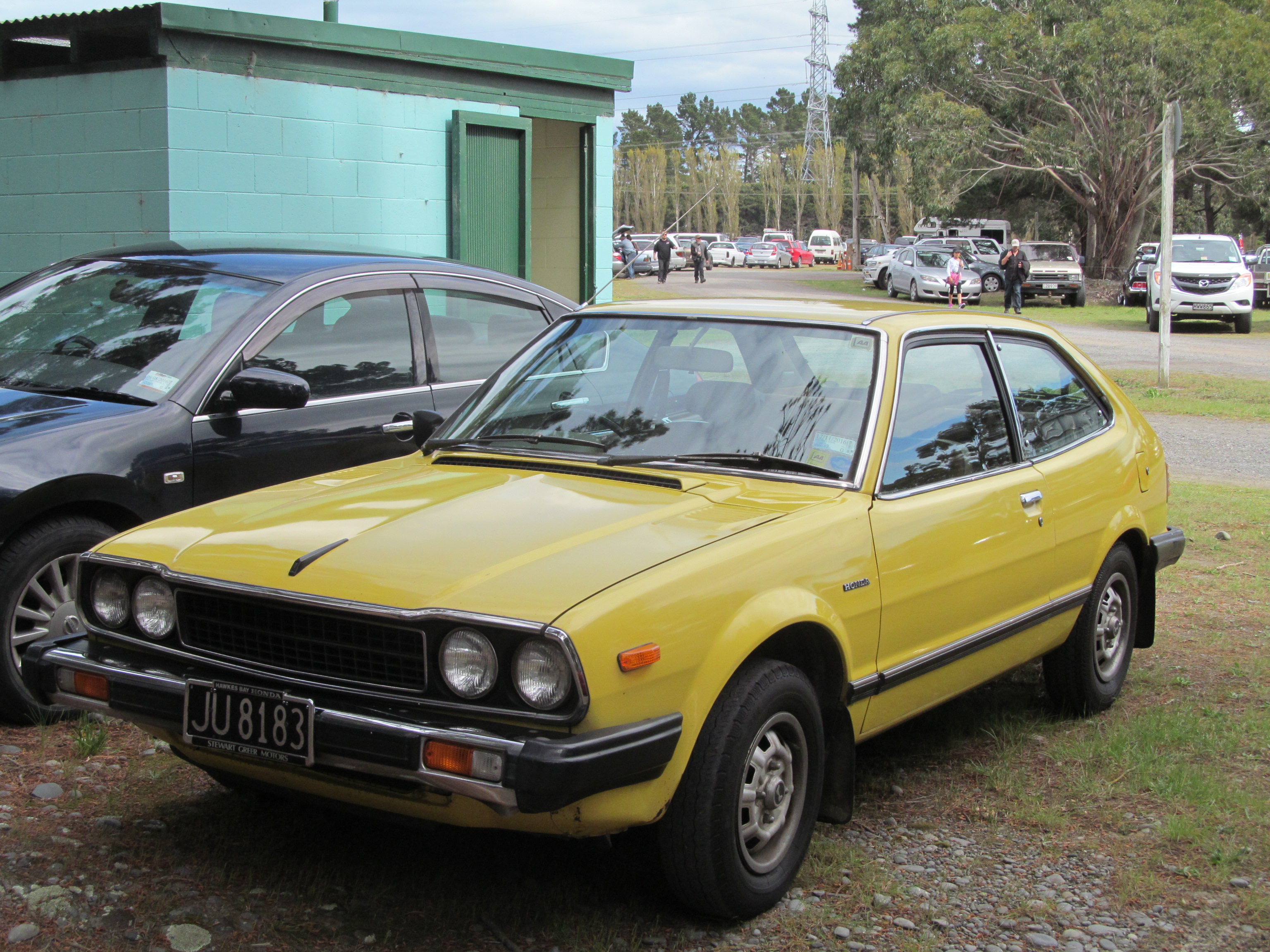
The Honda Accord is a family car that’s meant for normal daily driving. It’s known for being comfortable and relatively efficient. People often talk about it because it’s been around for many years and gets updated over time.
The Acura MDX is one of the vehicles being kept around longer. The hosts say Honda’s EV plant changes mean they’ll extend the current generations of several models instead of moving on as quickly.
This is about car companies moving from gas cars to electric cars. The point here is that the switch happened faster than people were ready to buy, so companies may keep older models around longer.
This means car companies are keeping existing models on sale longer than they expected. Rather than redesigning everything right away, they keep selling the current versions and make smaller updates.
A time-speed-distance rally is like a driving challenge where you have to follow a route and hit the right timing and speed targets. It’s more about precision than going as fast as possible.
The Lucid Sapphire is a high-performance, track-focused version of the Lucid Air. It’s built to be extremely quick and grippy, while still being usable as a daily car.
The 0–60 mph time is how long it takes a car to accelerate from a standstill to 60 miles per hour. It’s a common performance metric because it reflects how quickly the car can put power to the road.
A triple-motor setup means the car has three electric motors working together. That helps it deliver power more effectively for faster launches and better grip.
Torque vectoring is how the car can adjust how much twisting force it sends to different wheels. That can make turning feel more controlled and grippy.
Carbon-ceramic brakes are special brake rotors made from ceramic and carbon materials. They’re designed to keep braking performance consistent when you’re driving hard on a track.
One-pedal driving means you can slow the car mostly by lifting off the gas. It uses the electric motors to slow the car down, so you don’t have to touch the brake as often.
A suede steering wheel uses a soft, textured material (suede) instead of leather or synthetic leather. It can feel great, but it may be more sensitive to oils, wear, and cleaning methods than smoother leather surfaces.
That’s how long it took to charge the electric car from a low battery level to almost full. Charging is usually faster when the battery is low and slows down near 100%.
The Dodge Charger is a car that’s built to feel sporty and powerful. It’s a sedan, but it’s usually associated with performance versions. The podcast mentions it as a specific car they found or dealt with during their trip.
CarPlay lets an iPhone connect to the car so you can use apps on the car’s screen. The host is basically asking which phone/infotainment setup you prefer.
Android Auto lets you connect your Android phone to the car and use apps like maps on the car’s screen. The host is talking about whether they prefer Android Auto or Apple CarPlay.
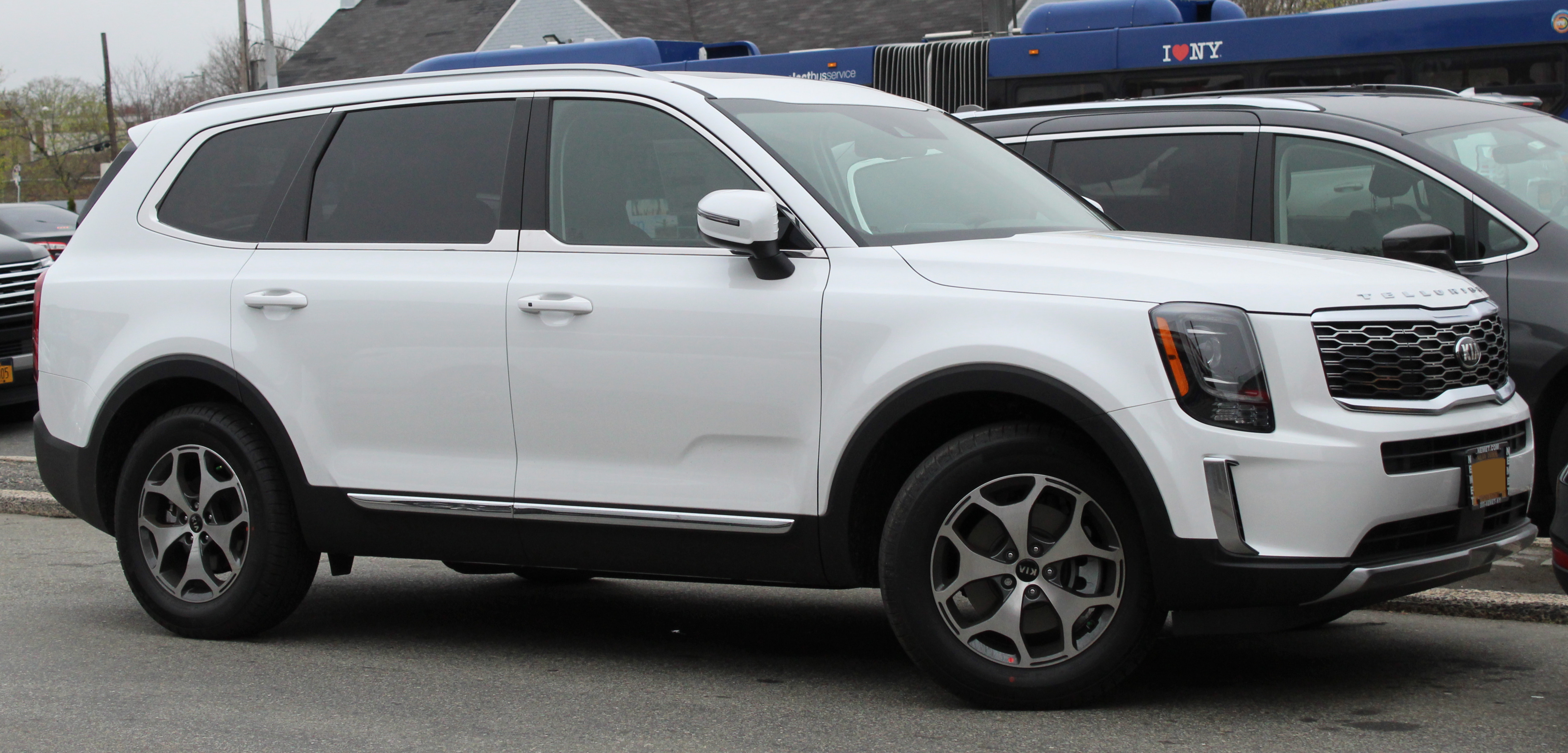
The Kia Telluride is a family SUV with three rows. The host’s issue is that switching between Apple CarPlay and the car’s own menus was more complicated than it should be.
FM radios are the traditional over-the-air radio band used for broadcasting music and talk stations. In the segment, the host contrasts FM radio controls with phone-based audio via CarPlay, highlighting how switching modes can be slower and distracting.
Infotainment systems are the car’s main screen and controls for things like music and navigation. This matters because some systems are easier to use than others while you’re driving.
A software-defined vehicle is one where software controls a lot of what the car does. That can be convenient, but if the software isn’t well designed, the car can feel frustrating or inconsistent.
Paint protection film is a protective layer that sticks to your car’s paint. It helps keep the paint looking newer by reducing chips and scratches from road stuff.
A “stealth” PPF product typically refers to a satin/matte-finish paint protection film. Instead of looking glossy like clear film, it changes the visual appearance while still providing impact and scratch protection.
A vehicle wrap is a vinyl sticker-like film that changes the car’s color or adds designs. It’s usually more about looks than heavy protection from chips and scratches.
Vinyl wrapping films are the material used for most color-change wraps. They’re mainly for changing the look, not for strong protection against rock chips or scratches.
“Mils” is a way to measure how thick a film is. Thicker film generally protects better, and the speaker is comparing thickness between wraps and paint protection film.
Vinyl “wrap” films are often used to change a car’s look. The host is saying PPF is different—more like a dedicated protective shield meant to last and protect the paint better.
Here, “warranty” means the company promises the product will work for a certain amount of time. They’re saying the film is backed for 10+ years if it’s installed and used as intended.
A sacrificial barrier is something you put on the car that’s meant to get scratched instead of the real paint. Later, you can remove it and the paint underneath should look much better.
The front bumper gets hit the most by small rocks and debris. That’s why some people choose to protect just the front bumper first instead of covering the whole car.
Some car paints are easier to scratch than others. If the paint is “softer,” a protective film like PPF can help because it creates a tougher top layer.
Some car paints resist scratches better than others. If the paint is “hard,” it’s generally less prone to damage, but PPF can still add extra protection.
An “Expel facility” refers to a shop that installs paint protection film using a brand/program associated with Expel. The speaker frames these as places where you can discuss coverage area, placement, and installation details that drive the final price.
DAP is the software that helps create the cut templates for the protective film. You tell it what car you have, and it generates the shapes so the film fits the body panels better.
They’re using the Toyota Sienna as an example of a specific car model. The idea is that the film pieces can be cut to match the shape of that car so they fit cleanly.
Black lacquer is a shiny black finish used on some interior parts. It looks great, but it can show fingerprints and scratches, so people sometimes cover it to keep it looking new.
Piano black trim is the shiny black interior trim you can see in many modern cars. The problem is it scratches and shows marks very easily, so people look for protective coverings.
“Eight nil” refers to the film thickness in mils (thousandths of an inch). Thicker PPF generally offers more protection against chips and abrasion, which is why the host connects it to robustness and scratch resistance.
Carbon fiber trim is an interior or exterior accent made to resemble (or be) carbon fiber weave. In this segment, the host suggests using colored PPF to add contrast around carbon-fiber-looking areas.
Matte paint is the “flat” look on a car. If you try to polish out a scratch like you would on shiny paint, it can accidentally make that area look shiny instead of flat.
A quick detailer is a spray you use to clean the car quickly between full washes. For matte paint, you usually need a special matte-safe version so you don’t accidentally change the flat finish.
A body shop is where cars go for repairs to the outside—like fixing dents and repainting. Matte paint is tricky because the shop has to match the exact flat look, not just the color.
Sheen describes how glossy or reflective a surface appears, even when the paint is “matte.” For matte paint protection, matching sheen matters because the film can change the perceived finish and make repairs or the protected areas look inconsistent.
A pattern system means the protective film is cut into the right shapes for the car’s body. That helps it fit smoothly on curved panels instead of looking bumpy.
The Lamborghini Revuelto is a very high-end sports car made for maximum performance. It has special aerodynamic parts on the back that help it handle airflow at speed. The podcast is pointing out those kinds of design details.
Stretching is when the installer gently pulls the clear film so it can fit over curved parts of the car. Done right, it helps the film stay smooth and properly stuck.
Ceramic coatings are liquid polymer coatings that bond to a car’s paint to create a hydrophobic (water-repelling) surface. They’re used to make the paint easier to clean and to add protection against light contaminants and UV exposure.
The Pontiac Fiero is a Pontiac sports car that was made in the 1980s. What makes it stand out is that the engine sits closer to the middle of the car, which is less common on many American cars.
This is a specific V6 engine used in some Pontiac Fieros. “2.8-liter” is the engine’s size, and the “B6” part is basically the engine’s internal code so you know which exact version it is.
A V6 is an engine with six cylinders. The cylinders are arranged in a V shape, and it’s a popular engine type because it can be smooth and powerful.
LIVE
Whether you drive a car, need a car, or just occasionally bummer ride with friends, you've
come to the right place.
Join Jill and Tom as they break down everything that's going on in the auto world.
New car reviews, shopping tips, driving green, electric cars, classic cars, and plenty of
great guests.
This is the Consumer Guide Car Stuff podcast.
Okay, I'm just going to jump right into the show because we have a lot going on today.
First up, I'm Jill Siminello.
I'm not Tom Appel.
He is out today doing super secret spy stuff that we can't talk about at a location that
we can't mention, but it may or may not have something to do with donuts.
Second, I'm going to point out we have a new producer this week, so I want to say hello
and welcome to Margaret Larkin.
And thank her for taking us on.
And finally, since Tom is out, I've asked Sam Fiorani, our regular guest and the vice
president of global forecasting at Auto Forkast Solutions, to join me as co-host this week.
Your title's a bit of a mouthful, but thank you for joining us.
Thanks for having me.
This is great.
I really enjoy the show and glad to be here.
Yeah, well, we always enjoy it when you are on, and so I'm glad I get more of you.
I think Tom is going to be jealous.
First, I get to meet you in person at auto shows, and then I have you as my co-host.
Poor Tom, you know, I hope to run into one of these shows days, but you
come to the East Coast, so we get to see you.
Yeah, yeah, you're stuck with me instead, I'm sorry.
So, do you have a good weekend?
Everything good?
Everything was great.
It was a really good Mother's Day.
The whole family got together, and we got to hang out and eat some good food and put
on some good weight and show everybody how much we love them.
That is always good.
Yeah, I was in Indianapolis yesterday.
We went to Indianapolis Indian's baseball game as a family.
We took my mom, and it was always a good time, but yeah, so I was up at 5 a.m. this morning
driving back from Indianapolis.
That was the not so fun part.
Yeah, no, I can see that, definitely.
We had a car show last weekend where we got to drive to West Virginia to go to, for me
to judge a car show.
The Greenbrier Concourse, and we've been going there every year for about seven years.
It's a fantastic car show, lots of nice vehicles, a beautiful setting, because it's the 150-year-old
Greenbrier Hotel, and it's just a spectacular place to go and hang out with judges that
I get to see three times a year at different car shows.
So what car won?
The winner was a...
The best of show was a Duesenberg, and it was a beautiful green-on-green, it was a two-tone
green Duesenberg model J, and my wife and I got a picture of it, and the owner of the
car handed us the trophy to hold it, but it's a giant crystal vase, and we really don't
want to hold this thing.
It's beautiful, and we're standing over a stone floor, I don't want to drop this thing,
but it was a beautiful car, it was a great show, lots of fantastic owners with great
stories about cars they bought 50 years ago and still own.
It was amazing to hear the tales.
That's cool.
When my parents lived down in Lakeland, Florida, we would always go to the Lakemere Classic
car show, and that was the big thing that my dad and I would do every year in October,
and I always love going around and looking at the cars, and I've never won to judge,
but I've always loved the design, and a lot of pictures I've taken over the years, and
I've made a couple of pillows out of the pictures or of the classic cars.
If you're watching this on video, I have a great picture of a pillow that is a split
window Corvette, and so I've always had a lot of fun with the design of classic cars
over the years, but certainly not a judge.
I really think you would be a good judge.
We'll take you under our wing and show you the ropes and figure out where you fit in.
My class this year, the head judge at this one has known me for a long time, and I always
say that I play wherever he needs me to fit in because he has a lot of specialists that
are really old cars or racing cars, and I'm not necessarily those specially, but I can
fit in anywhere, and this year I was in the malaise class, so all the cars were mid-seventies
to the newest car, it was a 2000 actually, and they were the bland cars of the eighties
and seventies, cars I grew up with.
Okay, the bland cars.
Yes, yes.
Okay, okay, I'll just not even smile at that, bland cars.
Well, I do want to dig into some news.
We have a really great show ahead of us, so news, and I want to talk a little bit about
where I was last week, and then we have a great guest coming up in our middle segment, Sam.
We have James Melfi, you looked up hopefully at some of his stuff from expel.
I think this is going to be an interesting conversation, and then I have a quiz with
a twist for you at the very end.
Looking forward to it.
Yes, okay, so news, I don't know if you, like I was a little bit out of touch last week,
so I was playing a little bit of catch-up today, and there were a couple of stories that really
caught my eye from the past week, and the first was the last Model S ruled off the line.
Yeah, I saw that one, I saw all the signatures across it.
Yeah, yeah, so they are not making any more Tesla Model Ss, that's it, that's the end,
started in 2012.
Yeah, but we got to test drive one when they opened the store in King of Pressure, Pennsylvania,
and my boss and I got out of the car and looked at each other, but we need to win the lottery,
we want this car, it was such a spectacular drive, and it's a bit of a part of history
losing that car to the past.
Yeah, yeah, I mean it had a good run, but this is the end.
Shut a silent tear for the Model S, it is now gone, but in other electric news,
I don't know if you saw this, but Julie is now going to be the first automaker to export EVs to
Canada. Yeah, they're bringing in the Lotus sports car from China, and they've been planning to
sell that in the US, but the laws for software and hardware and all the tariffs and everything
have prevented it from hitting the streets, but we've been anticipating it for a long time,
and Canada gets it first. Yeah, Canada gets it first. I mean the interesting thing is,
is right now in the United States, what we have 100% tariff on Chinese cars,
they are going to be letting in, it says up to 49,000 Chinese made vehicles into Canada
per year at a 6.1% tariff. Yes, and they're going to increase that limit to 70,000 I believe in a
few years, but this is just testing the water, and it's kind of Canada fighting against the
tariffs that the United States got last year were pushing back on all the relatively small
production that Canada has, and it's important to the US that those vehicles are built and
all the parts come across, so Canada had to push back somehow, and they said,
well we're going to bring Chinese vehicles in. Yeah, so I mean I just, I think it's a matter
of time before they make it to the United States, and I think this is an interesting place, so I'm
going to be watching very curiously to see what happens over the next couple of years with Chinese
built vehicles in general coming into the United States. So the other bit of news that caught my
eye, and Tom and I have been talking about this for a couple months now, and we anticipated this
would happen, and it happened. Lexus launched the TZ, which is an all-electric version of the
Toyota Highlander and the Subaru getaway, so built on the same platform as those two vehicles,
3-row electric EV, and when the Highlander came out, Tom and I were like, I have a feeling this
will probably end up in the Lexus lineup, and here it is. The interesting part about it is the
Highlander and the getaway are built in Kentucky, whereas the Lexus is going to be imported from
Japan, so they are built in different plants now. That is going to be very interesting, and I know
that they're saying obviously the Lexus version is going to have a much more high-end look and feel,
especially to the interior, but yeah, so the same platforms, and they're actually expecting it to be
in the United States by the end of this year, so I think that'll be interesting. And then the other
story I was kind of following, if you have any other news you want to add after this, let me know,
but the other story I was kind of following was Honda. Because of scrapping their EV plants,
you know, they have essentially a $15 billion price tag that they have to make up the difference
for, and so they've decided to extend the generations of the Odyssey, the Accord, the HRV,
and the Acura MDX. I mean, I'll be honest with you, I don't know how much longer you can extend
the lifespan of the Honda Odyssey. Like that is probably, I think it's the second oldest minivan
in the segment, and it is the last time I drove it, and I'll be honest with you, it's been a couple
of years, but it's really dated. Yeah, absolutely. Honda has, we anticipated something like this
coming, because the transition to electric vehicles has been too fast. We knew that the
manufacturers would never sell the number of vehicles they brought out. There were far too
many models, not enough demand for them, and it was going to take a lot of money for manufacturers
to sell them, to push them out to the consumers. So when Honda had in their plan all these electric
vehicles, what are they going to do when there's no demand for those electric vehicles? And so we
anticipated this extension of all these models. Honda is only one of them. We expect this from
other manufacturers as well. Honda is just the first one to come out and tell you that we're
going to extend these products. Yeah, so I think that's interesting. I don't know if that means
they're not going to be refreshing them at all, or if they're just waiting to bring the next
generations out. So TBD, we'll see. There are a few refreshes and a couple of new models coming
that are going to be gas and hybrid for next generations. But yeah, they're rolling over
the current models and extending them quite a bit. Honda has in the past done this for a long
period of time. The second generation Accord was actually a 20-year car. It was refreshed
four times or five times, but it was on the same platform for a long time.
Right. So I mean, maybe nobody will notice.
So like I said, I was a little bit out of touch last week. Was there any other news
that I missed that maybe we should be talking about? Well, you had said that you had driven
the Lucid, and I wanted to hear your review of that because I'm getting one tomorrow.
Oh, okay. Yeah. So I just spent the last week in the San Francisco Bay Area participating in the
Trinity Road Rally, which is a time-speed distance rally. Essentially, you get like a route book,
and you have to follow the route, and then you have to be at a certain location at a prescribed
speed and time. And so there's math involved and a lot of coffee. And it was a lot of fun.
It was only 500 miles. And it's done by the founders of the Rebel Rally. And it was a lot
of fun. But unlike the Rebel Rally, you get actual sleep, and your days are much shorter,
and you get to shower. So that was great. But the real star for me of the Trinity was,
we were driving the Lucid Sapphire. So this is the super special sport car version of the Lucid
Air. And it was amazing. So first off, I'm going to say this cost $250,000. And so you might say
$250,000. That's like $150,000 more than the Grand Touring. Is it really that much better?
And I'm going to say for the right person, it is that much better. Because it has more than 1200
horsepower. So that's like 400 more horsepower than the Grand Touring is going to get. 0 to 60
mile per hour time is like 1.9 seconds. Less than 1.9. I think it's 1.89 seconds. And so very fast.
And we were driving on some very twisty, turny roads. And I mean, this car just hugged the road
really well. It has some, it has a triple motor setup. So you have like power going directly to
the rear wheels. It's got advanced torque vectoring. It's got a more aggressive cooling system because
of, you know, more energy being passed through the system. Dedicated track modes and sapphire
modes with special like track tuning and things like that. And then carbon ceramic brakes,
stiffer suspension and chassis tuning. And like on the roads that we were driving, it was, I mean,
it was so smooth. And I just, it didn't struggle at all when we were driving around. And then we got
on the racetrack. We actually went to Sonoma Raceway. And we had the opportunity to do some turns
there. And I have to tell you, that was probably, even though it's a little bit heavier, obviously
because of the lower center of gravity, it was probably one of the best cars I've ever driven
on a racetrack because it would go when you needed it to go. And we enabled the one pedal
driving. So you just like lift your foot off the gas and it just slows down. And it's not
herky jerky. Once you get the hang of how that works, it was so magical. And I mean, I loved
everything about this car from the seat comfort to the overall visibility out of the windows to,
I mean, even though it's a track purposed car, it is an amazing everyday driver. It has more than
400 miles of all electric range, which is more than most cars. Now, okay, the Grand Touring
version is going to have more than 500 miles of range. But I mean, it literally has all the
things you could possibly want on it. And I kept joking around during the, during the rally. And
I was like, well, you know, my favorite thing about this is the massaging seats. And I mean,
that's not absolutely my favorite thing. But it was pretty, it was pretty good. Because they were
the best massaging seats I've ever experienced in a vehicle, like the whole seat vibrates.
I mean, it was just, I can't find, okay, if I had to pick one thing out about the car that I
didn't like, and this is a stupid knit to pick, it had a suede steering wheel.
That's it. Everything else about the car is perfect. So I loved it. And I have driven,
you know, the Grand Touring version of the air as well, which is also amazing. So you are,
you are absolutely going to love the car. It is, I have to say, if the Model S has to go,
the Lucid air is more than a worthy replacement.
I got to drive a rear wheel drive Lucid briefly a couple of years ago at a, at an
International Motor Press Association event. And so I'm getting a touring tomorrow. And I'm
looking forward to driving that. All the electric vehicles I've had recently have been incredible
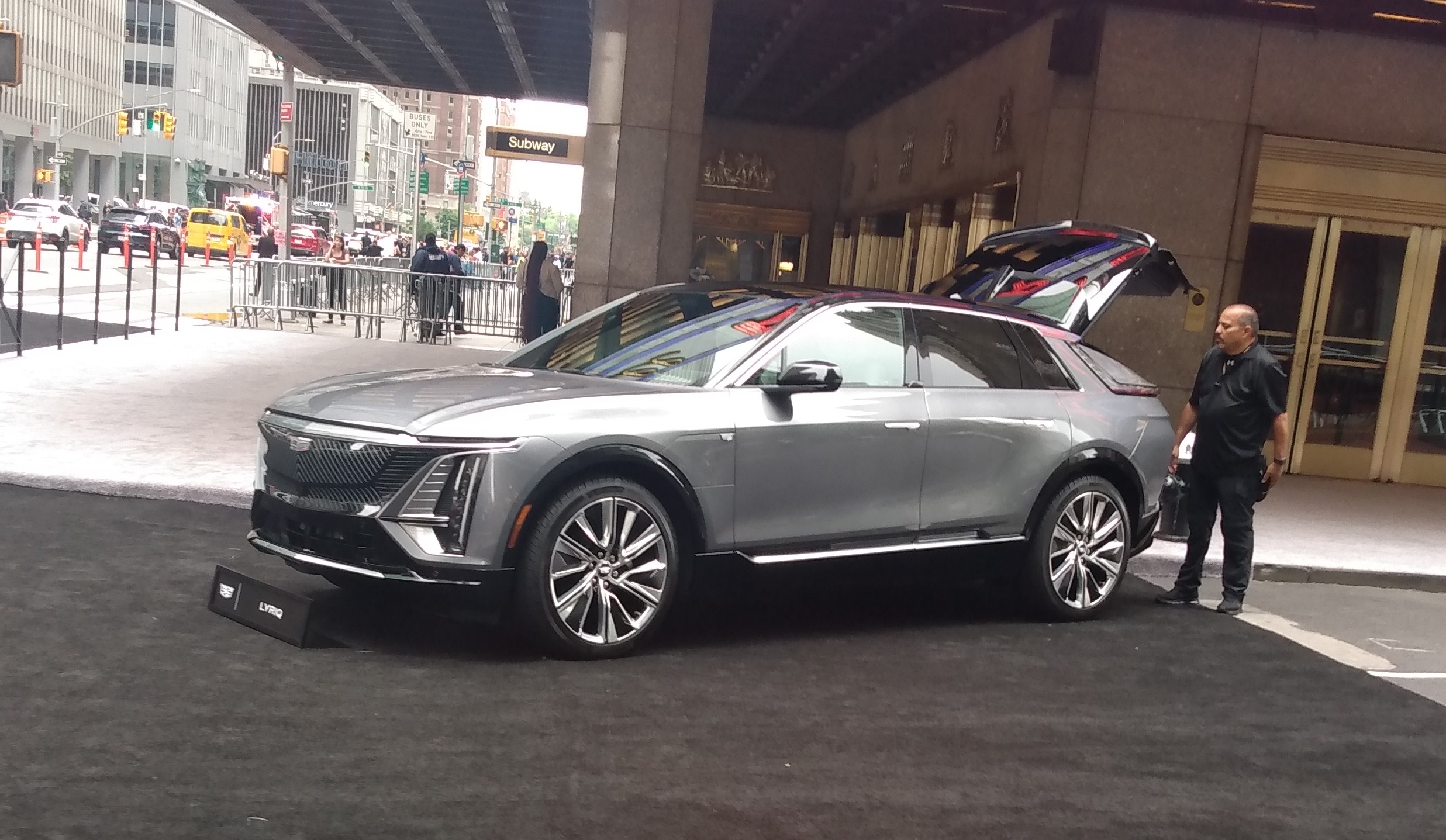
cars. And when we drove to West Virginia a couple weeks ago, we drove a Cadillac Lyric V.
So that was my longest trip in an electric car. So you had to plan out where you were going to go.
And so we, we found a Walmart that had a charger and fortunately it had a cracker barrel so we
could sit there and eat lunch. But it was, it made the trip very easily. We got to charge from
18% to 97% in about an hour. So it was very fast charging. I got to meet some electric people,
electric drivers who were charging next to us and talk to them and find out how,
what their experiences was with their car. But the Cadillac V was just an incredible car and
everybody, I gave everybody a ride in it who was around and they all just loved the car.
Okay. So I have to ask, are you team carplay or not?
Well, I'm Android. But. Okay. Well, Android Auto?
Yes. But yes, I, I have a problem with the systems that they have set up in some of these cars,
even the ones that actually have Android and Apple CarPlay because they don't allow you to move fast
enough to, to, to change a station. Before that tells you your, your eyes are off the road too
long. Well, if you would do it faster, I wouldn't have to look off the road. And I can do this much
quicker. But the Cadillac, the Lyric still has the Apple CarPlay in it. And it was very handy.
However, I preferred the system that the GM had in that particular one, because the map was larger
and, and the, and I like to listen to serious. So it was easy to listen to their serious as
opposed to the one through my phone. Yeah, I, I want Apple CarPlay because of
my podcasts and my music. But I love the native systems that they have on General Motors vehicles.
Because of they tell you where to charge, they tell you how much range you're going to have
when you get to charge. My whole thing is why can't you have both? And it, that just makes
sense to me. But, you know, I was in the Kia Telluride driving to and from Indianapolis.
And so you speak about things like not moving fast enough. One of the problems I have with the
Telluride is I haven't found the easy way to navigate between Apple CarPlay and the native system.
And so when, like I would be in Apple CarPlay and I wanted to, like my husband, I should say,
wanted to, because I, even though I'm driving, I'm not in control of the audio. My husband would
want to change the radio station. And in order to do that, you had to get out of Apple CarPlay,
go into media, you know, get into the, in the vehicle that we had didn't have serious. So
he had to get into the FM radios and scroll through. Then if you wanted to go back to
Apple CarPlay, he kept hitting the button on the bottom to go back to Apple CarPlay,
but that takes you into Apple Music and not, you know, where you were. So you have to go
back to the home screen and then get into, you know, Apple CarPlay through that. And so
they didn't have like General Motors vehicles actually have this, a little left-hand navigation
that easily puts you back and forth between the native system and Apple CarPlay. And I was kind
of missing that in the Kia. I feel like you've written something about this recently about,
like systems, I don't know if it was specifically related to CarPlay, but about infotainment systems.
Well, CarPlay and Android Auto were part of it. I've been complaining for years that
manufacturers have spent so much time developing infotainment systems and software-defined vehicles
and such that they should be able to get this right and they can't. I have yet to get into a
vehicle where I go, I loved that system. Everything was perfectly intuitive and nothing is. And I
can't imagine why all these software engineers haven't been able to get to the right system
where you have that menu, where you can click quickly to whatever screen you need to get to
and go back and forth. There's a piece in our auto forecast monthly this month about why they
can't do this. And it's more of a question than an answer because I don't have the answer as to why
they can't do it. But I have all the issues that I have with them. And the test vehicle I have
has so many issues that I won't name the vehicle itself. But it does have a particular problem
with the infotainment system as well. Yeah. My question is, why can't automakers figure out
wireless charging in cars? So I feel you on the infotainment system. It seems like
why do we keep reinventing the wheel when you find something that works? Why can't we just
why can't we just keep it? Well, eventually I expect us to have it set up like our phones,
like Windows, like Macs, where everybody knows where everything is and it's easy to use. And
Tom has in the past complained about the Mazda system. But my Mazda, I've gotten used to very
quickly. But the problem is that when we test cars and we change a car every week, you have to
quickly acclimate to that car and figure out how it works and where's the system. And do I need
this knob? Can I touch it on the screen? However it works and how to get from menu to menu quickly
and efficiently. Yeah. I mean, don't even get me started on gear shifts because they're all
on that note. I think we need to take a little bit of a break. And when we come back, we are going
to have James Melphie, who is the PPF product manager for Xbellion. And he's going to tell us
what a PPF is and why you probably want it on your car. Questions or comments? Drop us a line
at carstuffatconsumerguide.com. That's carstuffatconsumerguide.com.
Welcome back to the Car Stuff podcast. All right. And we are back and we are here with James Melphie,
who is the, am I saying that right by the way, Melphie? That was perfect. Okay, James Melphie,
the PPF product manager at Xbell. And yeah, I just, can you tell us what a PPF is? And
can you tell us a little bit about Xbell before we even just get into the questions?
Absolutely. So obviously, paint protection film is kind of what we're known for at Xbell, right?
In short, paint protection film is, it's a physical barrier for your paint, right? It is
a film that can go on the paint, stop rocks, prevent scratching and preserve your car. That's
what it is in short, right? Obviously, there's a lot of crazy technology that goes into it that
allows you to perform at the highest level, get the best possible aesthetics, all those things. But
it's there to save your paint, right? We all, we spend all this money on our cars and we love
our cars and they kind of get beat up every day, right? You know, rocks and sand and salt and you
name it. And this is that barrier to kind of preserve long term. And, you know, we've kind of
been at the forefront of that technology for years and we keep trying to push.
Yeah. So, I mean, as you said, it was originally more of a protective film, protect your car.
But I'm starting to see a lot of PPFs come out in colors and designs. And, you know, it seems
like it's becoming more of a fashion statement. I mean, am I seeing things? Is this becoming
popular? No, that is 100 percent the case. You know, so we obviously started out with
gloss paint protection film, but we all know. And, you know, I've been in the industry for
too long, you know, a long, long, long time. And, you know, obviously, then it was just,
you know, we did the bumper, you know, then you did kind of the partial hood. And, you know, so
it's, you know, back in PPF's infancy, it started at a very basic kind of front of the car protection.
You know, let's stop some rocks. Then it morphed into, okay, now people are starting to do the
whole car, right? And then it was, okay, now let's kind of bridge the gap between
just a protective product and enhancing what you already have in terms of your paint.
And then now let's modify. Let's kind of, let's change some things up. And that's where we kind
of have like our stealth product, which adds like this really cool satin kind of
effect, matting effect to the paint. So if you have maybe the color that you want, but you just
want to like, you want something totally different, right? That's where stealth kind of creates this
really cool satin effect. And then recently we launched our color paint protection film, which
is, I always say it's like, okay, it's the protection, and it's the color that you've always wanted.
It's like that. It's the Porsche paint the sample color that you couldn't get, but now you can't,
right? At the same time, still doing the protective side. So yes, it is definitely a thing. And I
think what's cool about it is, I think, you know, if you're, especially if you're doing a full car,
you know, it's an investment. Yeah, obviously it's an investment to protect, but it's like at
the same time, if you can kind of create your own identity with that, why not? Let's do it. So
for sure. So I mean, how easy is it to install a PPF? I mean, can somebody do it themselves,
or do you recommend that they bring it into a place? Yeah, yeah, definitely want to bring
it into a place. I mean, I think I learned that long ago when I was first getting into it,
not as easy as it looks, right? So we definitely recommend go to the, you know, an authorized
expel dealer. Those are the professionals. It is something where it's like, oh, you know, it looks,
it looks easy. It's like soap and water, you move it around, you start squeaging, but it truly,
to get a truly flawless install, all the edges wrapped and just, you know, if you want to go
up to the car and not really know it's there, that's where the professionals come in.
Right. So how is this different than just like a vehicle wrap, or is it the same thing?
Yeah. So, you know, historically, vinyl wrapping films have kind of been the solution for color
change and to adding graphics and stripes and you name it over the years, right? That particular
film is more of purely aesthetic. So you're getting a color, you're getting, call it,
43 to four mils of material. So that's really not going to stop a rock.
It's really not going to prevent scratching. It does fade over time and that's where, you know,
that product has always sat in the marketplace. Paint protection film double the thickness.
So eight mils of protection, verse four, you have a top coat that resits chemicals and abrasion.
And if you do get minor scratching, we have a self healing top coat that can
with heat, magically, they all go away. So it's from up from a technology standpoint. It's,
yes, it is much more of a protective product, but it's also designed to last much, much,
much longer than, than say like traditional wrapping films. Okay. No, that makes a lot of
sense. Okay. But Sam, like sick of the color or the wrap or whatever. And I want something different
or I want to go back to my original, like how is it possible to remove it? Is it difficult? Like,
what does that look like? Yes, good question. Yes. So the film is designed to be removed at
some point, right? Obviously, we have a very robust warranty. It's 10 plus years. It's, it's,
it's there for the long term. However, every co, every, every vehicle, every, every customer
journey is different, right? And I always, I like to kind of put this in perspective,
the 9 11 customer, right? Maybe takes it on the weekends, garages it, babies, it loves detailing,
loves to add layers of quick detail and what have you. That film is going to last
aesthetically for an incredible amount of time, right? Because it's just not taking the
wear as much as let's say, you know, like Toyota Sienna minivan with three kids, and there's a
lot of touching going on, a lot of grabbing. That film is going to obviously take a beating over,
over, let's say a shorter period of time. So let's say that, that, that, that owner of that Sienna
at the five year mark, they go up to it and they go, you know what, wow, this was a, this was the
sacrificial barrier. I mean, this thing has taken some hits, but I can, the beauty of it is they
can take all that, that battered PPF, they can remove it and unveil perfect paint underneath,
just like the first day they bought it. And then they can either decide, okay, maybe it's time
to sell that car, or let's put new film on and kind of start that cycle all over again. That,
that's the beauty. It's, it's designed to be removed safely and, and preserve the underlining
paint. Yeah. So how long would the PPF typically last from the beat up Sienna to the baby Porsche?
Yeah. Yeah. So it's designed to, to, to at least hit that 10 year mark. You know, that's, that's
where our warranty, and we do, we run tons of testing in our lab to ensure that it does meet
that. So we do, you know, weathering, we'll do crazy heats, add water to the mix and try to
basically have the film go in and be subjected to a variety of different factors. We throw rocks at
it, you name it, we, we, and we'll do it, we'll do this all over the world. So we'll, we'll put it
in Dubai and we'll, we'll do it in South America and we'll do it in China just to ensure that,
you know, what the customer is experiencing is, is going to be true across the, across the world.
So yeah, yeah. So meant, meant to last. So Yes. That's, that's good,
because I can't imagine this is not inexpensive. Like how much is getting PPF going to cost?
Yeah, definitely depends on, on, on the customer, right? It depends on the level of coverage. So,
you know, when a, a customer comes to a, you know, an authorized facility and they're
the conversation I think they should have is, okay, what should we cover? You know,
and that's dependent on the vehicle. I mean, sometimes, you know, a customer may just do the
front bumper and that's a great baseline. You know, I mean, it's better than nothing. Let's at
least cover an area that's going to get subjected to the most wear. And then there, you know,
then there's also a conversation of what kind of paint is it? Is it a soft paint? Is it hard paint?
Because because it's so scratch resistant, sometimes wrapping a jet black car where you
you typically have to walk on eggshells to not scratch it. If we did the whole car and PPF,
now we have a surface that's hard to scratch. So for that customer, wow, that makes so much sense.
Now the difference from doing the front bumper only to the full car is quite different, right?
We're talking, you know, front bumper might be $600 to, you know, and a really advanced
full body install could be upwards of, you know, $7, $8, $9, $10,000, depending on
how much you're doing, what level of install are you trying to achieve? I think that's another huge
factor that kind of determines cost. Are we taking a lot of the car apart to really like hide and
tuck everything? And all those kind of come into play. And I think when you go to an expel facility,
those are the conversations I think you should have. It's like, okay, how much do we do?
Where do we do it? All those kind of things come to play to determine the price.
No, that makes a lot of sense. So if somebody decides to just get the front bumper done,
can you tell like that they had it done? Or if it's done right, like you shouldn't be able to
tell, right? Yeah, I mean, that's the ultimate goal, right? I mean, our patterns are software.
So to kind of give you a little deep dive in there, so we have DAP, which is our software.
What that means is if you have, let's say that Toyota Sienna, you type in 2026, Toyota Sienna,
your trim level, and all the patterns of all the panels populate. So you can look at that
bumper and it's pre-cut ready to form fit to that bumper. Now, let's say we're talking about clear
PPF. In doing that, you're right to the edge. You're really never seeing those lines. I mean,
every bumper is a little bit different, but you could also extend that pattern, wrap around edges,
so it becomes like this completely seamless installation. That's obviously a possibility too.
So a lot of room to modify and kind of create exactly what the customers is looking for,
but the foundation, that pattern is kind of apart what I think makes Expel pretty special.
Now, that's really cool. So like what I'm hearing you say is you can custom, like if you've got kids
that like to kick the side of your Sienna mini van door, you can just do that one side panel
so that you don't get pick marks on it. 100%. And I think about that all the time. I mean,
my daughter right now is at the age where she's just like, the hands are all over the sat of
the car, right? And it's like, you know, I got a new car recently and I haven't done it on the sides
and every time she comes up and I'm like, no, but yeah, yeah. So this is kind of a random question
for you that just occurred to me. And I don't know if this is similar to something that you do,
or if it's something completely different. But I hate black lacquer on the interior of vehicles.
And I've recently heard of people like wrapping it or covering it. Is that something that Expel
would do? Or is that like something completely different? No, 100% something that we do. And
that also drives me crazy as well. Just being the swore marks on like the piano black trim,
it's like, why do we have so much of this material in modern cars? But the automakers love it,
right? So we do have patterns specific to those areas many, many, many, many times. Great example
like this new car I have. Same thing, center console, all gloss black. I mean, if I put my arm
there inadvertently one time, it's scratched, right? So something we do have patterns for,
yes. And again, it makes that surface number one look incredible, incredibly, incredibly glossy.
But at the same time, like, let's bump up the scratch resistance, you know, times 10.
So if somebody didn't want it to look like black lacquer, could they like cover it in like matted
surface? Or like, are there like different color options too for the interior? Yeah, so it's the
same. It's the same material as the exterior. It's that same eight nil super robust self healing
film. But you can do our stealth, which is that matted effect. That's incredibly popular, especially
like Tesla screens and things like that. You could certainly do it in color, like I've kicked
around the idea of like, okay, do I take the where the carbon fiber trim is and just do like a pop
of color, you know, something something something crazy. So certainly something you could do the
pat, you know, you have the choice to pick the material. And then obviously the patterns are
there to cut anything that you'd like. Now, that's, that's really cool. Because like I said,
one of my current big design pet peeves and cars right now is the black lacquer. And somebody's
like, well, you know, you can cover that. And I was like, what? What do you mean you can cover
that? So when, you know, we were talking about covering things, I was like, wait a minute,
this might be the moment this might be the thing. Yeah, it takes an awful, an awful thing and makes
it fun. You know, now you don't have to walk on eggshells. And I think that's, that's like
PPF was your was created to stop raw chips, right? But there are so many other great benefits
to it. And for me, my favorite is the scratch resistance. You can have a paint that's typically
really, really tough to maintain over time, really soft, easily scratchable. And after
that install, you make it so much easy to live with, you can wash it without fear, you can wipe it
without fear. And I think for the car enthusiasts that that knows that struggle, I think that's a
huge value at. So like, I, I'm thinking somebody who has matte paint, probably specifically would
benefit from putting a PPF on because like, I know, whenever I get a test car that has matte
paint, they're like, do not take it to a car wash, you know, do not do this, that. And
I'm just like, why would anybody want this paint? It looks cool. It looks really cool. But like,
yes, I mean, we talked about, you know, walking on eggshells. I mean, matte paint, it's one of
those things where if you do get a scratch, it's not like we can grab a polisher and start polishing,
right? If you do that, we're going to make, turn the matte paint glossy. So we're, you're very limited
in terms of maintenance, not to mention you need prop the matte specific shampoo and matt specific
quick detailer and all this stuff, you need all these things that aren't readily available, right?
So I think from a, from a matte OEM matte paint perspective, PPF is a absolute must. Because
if you do ever get to a point where you need to go to the body shop, then becomes the matching issue.
Not every body shop is going to be able to match that paint. So if you're really trying to preserve
and not kind of go down that refinishing road later, full body matte PPF, and we designed our,
our stealth product to have a very similar sheen to a lot of OEM matte paints. So we were,
when we were in development of our version two stealth, which just came out the, the beginning
of this year, you know, we were going to Ferrari, we're going to Maserati, BMW,
the frozen paint, and we're just seeing, okay, how does our product look in comparison to that,
that paint work? And we wanted to have it be in line with as many OEMs as we, as we possibly could,
for that reason. Yeah, no, makes so much sense. And I thank you for that. Of all the things that
you've worked on, because you've been with expo for a while, like, do you have like one project
or one like really cool thing that you got you have worked on that just kind of stands out in your
mind? One really cool thing I'm trying to think I like to think we have fun every day, we get, you
know, in product development, it's never a dull moment, you know, we, we constantly are kind of
putting our products to the test, new products to the test doing, you know, doing a full job,
and then just throwing rocks at it. I think, you know, that's, that's where we I think we can have
a lot of fun. I'm trying to think of a specific, you know, instance where we just did something
crazy. But, you know, our team is a relatively small team, but your work, we're just constantly,
you know, doing wacky stuff, because there's always one area of the world that will run
into a situation. And we got to try to either replicate that, or prevent it in the first
place. So that's where I think we like to have a lot of fun. That's cool. So is there anything
that I didn't ask you about? Or Sam, is there anything questions that you had that weren't
answered before we wrap up? Yeah, I was thinking about the designs of modern cars and how many
contours and such that a lot of them have, you know, was the in the 90s, a lot of the cars were
smooth and had very, very few intricacies about the design. Do you have a, how do you get around
the contours of a modern car? It's a great question. Yeah. So obviously, DAP, our pattern system,
that's where that is an absolute lifesaver, because it's all patterned and digitized for us. And,
you know, let's say I'm trying to think of a, you know, let's, you know, like a Lamborghini
Rivalto rear diffuser. Okay. Pretty crazy, we can say. So with that, obviously, it's all patterned
for us. And there's what I would call relief cuts. So what a relief cut is you have, you have
this one bumper, right, this one pattern. But within the pattern are all these little incisions
to allow the film to contour to move this way to move that way. Obviously, there is installation
technique. There is stretching involved to allow the pattern to sit in a certain way.
But what makes that possible are the patterns, to be honest. And sometimes that also means
multiple pieces. So like that diffuser part alone, you got to get underneath the car and
contort your body to get to it. But that might be 10 individual little pieces, you know, just for
that one little piece of the car. But that's what makes it, it possible.
Yeah. Well, I just can't imagine like all of the intricacies it takes to, you know,
and the exactness that it takes to do something like this. We are running out of time, but how
can people, people want to know more about expel or PPF? How can people find out more information?
Yeah, I mean, honestly, I think the best place to start is expel.com. Go there, have some fun,
watch some videos, you know, read a little bit more about our product, our massive product,
offering outside of PPF, that would be the first place to go. And then go on the dealer
locator, find a dealer local to themselves. And then just, you know, if they're interested in
whatever it is, PPF, window film, ceramic coatings, I think the best place to start is to talk with
the professional, have the conversation, bring your car, you know, kind of talk about what the
issues are, you know, do you already have chips? Do we have to fix them? All those kinds of things.
I think that is a great place to be really trying to kind of deep dive into these types of products,
have the conversations in person. And I think they'll have a great start.
And do you guys have like Instagram presence so that people could like actually see what you're
working on? Absolutely. Yep, we share, we share all the time on Instagram, a lot of our dealer
projects. So if you're really trying to get a sense of what goes into a PPF install, which is,
it's pretty intense. That again, that's a great place to start, 100%.
All right. And so to be clear, it's xpel.com. Yes, yes, yes.
All right. Well, thank you, James, for joining us today. I think this is a great conversation.
And we hope you'll come back and join us again sometime soon.
No, I appreciate it, Jill. Thank you, Sam. Thanks.
All right. So when we come back from our break, it is going to be quiz time.
Questions or comments? Drop us a line at carstuffatconsumerguide.com.
That's carstuffatconsumerguide.com.
Welcome back to the Carstuff Podcast. Before we get into the quiz, Sam,
let's talk a little bit about social media. How can people find out what you're doing,
what you're working on, and just kind of check out your stuff?
Well, we're on YouTube, and we're on Twitter, and all the things, like you say,
we're auto forecast on most outlets. But if you're interested in what we do,
LinkedIn is a great place to check us out. And are you on the social media?
I am on the social media. As you said, on all of the things, I do a lot on YouTube and TikTok.
I upload videos daily for what I like to call your daily dose of drive. So be sure to definitely
check me out there. But also Instagram, threads, LinkedIn, Facebook, all the things. You can find
me at Jill Siminello. And I use the hashtag car de jour, because I feel like I'm always driving a
different car. So it's the car of the day. But yeah, so all the things. And I'll give a shout
out to Tom too, even though he's not here. You can find him on Blue Sky and Twitter,
or X, at CarGuyTom. And he will be back next week.
We just had a new video posted on AutoLine, where we worked with them and put out a quarterly report.
And we're looking to do that every quarter with AutoLine. So check that out as well.
Awesome. That's even more ways to find out what's going on in auto forecast solutions.
And you mentioned the issues with infotainment systems earlier. And where can people find that?
That's on our newsletter. So if somebody contacts me on LinkedIn, I can give them a
complimentary copy of our newsletter. Awesome. Okay. So reach out to Sam.
You can find him on LinkedIn. Okay. So before we get into the quiz, I do have a little bit,
I have to get a little bit serious for a moment. Because the reason that we are changing up
formats this week is because our former producer, Ray D. Meyer, at TalkZone passed away unexpectedly.
So we are a little bit in mourning at the moment. And Tom and I wanted to definitely
express our condolences to his family. And he would be very, very much missed. I will
give me clues and hints during the quiz when I was flailing, especially when Tom would be
referencing music that I have no clue about. So I'm going to Miss Randi and send many condolences
to his family. But to honor him, what I wanted to do this week is I'm going to dedicate the quiz
to him. And we had many conversations about Pontiac Fierros. He used to have one. And so
the topic of the quiz this week is the Pontiac Fiero. Okay. All right. So here's where the twist
comes in. I created a quiz for you. And Tom was like, well, you better make it hard because Sam
knows a lot about the Pontiac Fiero. So then I went to chat GPT and I said, can you create a quiz
for me on the Pontiac Fiero, but make it really hard for somebody who knows a lot about the Pontiac
Fiero. So I'm going to give you the choice of would you like to take the quiz that I originally
created? Or would you like the chat GPT quiz? And I will have Tom post the one that you did not
choose on Facebook so people can see what the other quiz looked like. Oh, you're torturing me.
You're torturing me. I want to take the chat GPT one, but I have had issues with AI and the
quality of its answers in some cases. So I kind of want to lean towards the one that you created.
Okay. Okay. Well, let's hope I got the answers right myself because I do not know a lot about
the Pontiac Fiero. Okay. So question number one is going to be true or false. The Pontiac Fiero was
the first mass-produced mid-engine sports car built by an American automaker.
Oh, there are lots of mid-engine cars and Chevrolet tried to bring out a mid-engine Corvette years
before, but by an American automaker. Mass-produced. Okay. Let's do mass-produced. Okay. So let's go
with yes. True. You are correct. I will say the Tom, you have one point. He would say I have no
points, but you have one point. And the way this goes because this is just a one-person quiz.
You have to get three out of five to win. The bonus is included. And all right, you've already got
one, so you've got to leg up. Okay. So question number two, which company helped develop the
2.8-liter B6 engine used in later versions of the Pontiac Fiero? Was it A, Chevrolet, or B, Buick?
Oh, the General Motors had a lot of V6s in the 80s, and they were all similar sized and
similar design, but not exactly. And the Chevrolet 2.8-liter was originally designed for the
citation in 1980. And so it was the Chevrolet V6. Ding, ding, ding. You've got number two.
Good job. All right. See, you just took the easy way out. The Jill quiz. Okay. So the question
number three is going to be true or false? The Pontiac Fiero was produced for only five model
years. True or false? Five model years. Yeah, 1984 through the 1988 model year. That would be five
model years. That is correct. And you've already got the next question. I'm going to tell you.
So question number four, in what year was the first Pontiac Fiero released?
Yes, that was the 1984 Pontiac Fiero. It was an incredible introduction when it came out,
because it was so different. And in my high school, it was a big deal that that was the car you
really wanted to have. Not that any of us could afford it, but it was very desirable at the time.
All right. So you've already got four. You've already won. You already won the last question.
Okay. But I will give you the final question and the bonus question anyway. Okay. So the final
question is true or false. Early Pontiac Fieros used body panels made from composite plastic,
rather than traditional steel exterior panels.
The Pontiac Fiero did use plastic body panels. And as a matter of fact, the paint was in the
body panel itself. The color itself was in the body panel. So the original model only had three
colors. See, you just told me more than I knew. And yes, you were correct. So you got five out of
five. So maybe Chad GPT would have had the more difficult quiz for you. Chad GPT might have,
but I trusted your your answers more than Chad GPT's. Oh, I don't know. Something that requires
research on my part. And I'm not infallible. So but yeah, so five out of five, you've already won.
But as Tom likes to say, because the bonus question is always related to the topic of the
day. And it kind of is in a tangential way because Tom and Randy would talk about gun smoke all the
time, all the time. And I'm just like, I have no idea what you're talking about. So the last
question is going to be related to gun smoke. All right, are you ready for this? I'm so looking
forward to this. On gun smoke, what was the profession of the character Doc Adams before
he became the town doctor in Dodge City? Was it A, an army scout? B, a riverboat gambler? C,
a surgeon in the Civil War? Or D, a traveling preacher? Oh, man, I want all of them to be
right. And I want to hear the stories, you know, the riverboat gambler, the preacher. I'm listening
for the stories right now, but I'm going to have to go with a preacher. No, surgeon in a Civil War.
Oh, there you go. Yeah. Gun smoke was on forever. And I just it's been a long time since I've seen
it. And I know Tom watches it like every week. I think he watches it every day. I really, really
do. But like, no, I mean, after after we would be done with a show, like he and Randy would talk
about gun smoke for a half an hour afterwards. And I'd just be like, I got nothing to contribute
to this conversation. I'm going to just drink more coffee. As much as I enjoy me TV, I don't sit
down and watch gun smoke too often. But but I will watch Batman or or the bad movies that they have
on every Saturday night. That that's entertainment. Yeah, when I was younger, I would do
and see a lot. So I saw a lot of the old shows and the black and whites through that. But gun
smoke was never never one of the ones was never never one of the ones. But yeah, so good job.
But you got everything except for the bonus. Oh, thank you very much. Thank you. I feel happy
that I have made it through. When giving you the virtual signature of the quiz and I am, you know,
handing it to you via via zoom at the moment, signed the the quiz and handed to me and I'm just like,
okay, I can now plagiarize your signature got it. But I feel like we've we've
talked for an hour already. And I feel like we had a really good episode. So
is there anything else that you want to close out with or anything else you want to say?
Well, I want to let people know that as Tom points out, often I sit on the board of the Boyertown
Museum of Historic Vehicles, and we are opening a new wing to the museum in August. So if you're in
the area, we would love to have you swing by with the grand opening is the end of August. And we're
we're going to virtually double the space that we have on display for our vehicles.
If you haven't been to the Boyertown Museum, there are
50 or 60 vehicles on display right now. And then we're going to double the display with
another 40 or 50 vehicles in the new one. And website that people can go to to find out about
that? It's Boyertown Museum of Historic Vehicles. I believe it's dot org. Okay, and it's Boyertown
with a B as a boy. B-O-Y-E-R Boyertown. Got it. Not to be confused with V as in Bolt, which drives
me crazy that General Motors would do that to their vehicles. But that's another story for another
time. Okay, so that is a wrap on episode 325 of the Consumer Guide Car Stuff podcast. I want to
say thank you to Sam for joining me as my co-host this week. And thanks to producer Margaret for
taking us on. Our sincerest thanks go out to Randy Meyer and Tockstone for producing the podcast
for the past few years. And a big thanks, very big thanks goes out to Tom for being a great co-host
and for making arrangements to keep us rolling without interruption while I was offline last
week at the Trinity Rally. So on that note, let us talk about cars. Next time. Next week.
Thank you for listening.
About this episode
Greenbrier Concourse classics and judging classes kick things off, including a Duesenberg Model J taking best-of-show and a “malaise class” spanning mid-seventies through newer cars. EV news follows: Tesla ends Model S production, while Chinese EV plans get tangled in software/law and tariffs—Canada gets them first. Honda delays updates by extending models after scrapping EV plants. The Lucid Sapphire review highlights triple-motor track hardware and one-pedal driving, then the show gets practical with paint protection film (PPF): a self-healing barrier that can be installed with near-seamless edges and costs vary by coverage.
Sam Fiorani of AutoForecast Solutions sits in for Tom this week. Jill and Sam open this episode of the podcast touching on Sam's recent involvement with the 2026 Greenbrier Concours d'Elegance, a classic car show held in West Virginia each spring.
The conversation turns to car news, with the hosts touching on Chinese car makers setting up show in Canada, Tesla producing its last Model S sedan, and Honda deferring much needed of key models--including the Odyssey minivan. Listen in for details.
Still in the first segment, Jill discusses her participation in the first Trinitē Road Rally, and her time behind the wheel of the $250,000 Lucid Air Sapphire electric sedan.
In the second segment, Jill and Sam are joined by EXPEL Product Manager James Melfi. EXPEL produces, among other things, car-finish Paint Protection Film (PPF). James shares information related to the value, cost, installation, and longevity of EXPEL's PPF productions.
In the last segment Jill shares sad news regarding the show's long-time producer Randy. In his honor Jill subjects Sam to a Pontiac Fiero quiz. Sam wraps up the show sharing some news about the Boyertown Museum of Historic Vehicles.
Hosted by Simplecast, an AdsWizz company. See pcm.adswizz.com for information about our collection and use of personal data for advertising.