
Honda Delays Updates, Pricey Lucid, After-Market Paint Protection
About this episode
Greenbrier Concourse classics and judging classes kick things off, including a Duesenberg Model J taking best-of-show and a “malaise class” spanning mid-seventies through newer cars. EV news follows: Tesla ends Model S production, while Chinese EV plans get tangled in software/law and tariffs—Canada gets them first. Honda delays updates by extending models after scrapping EV plants. The Lucid Sapphire review highlights triple-motor track hardware and one-pedal driving, then the show gets practical with paint protection film (PPF): a self-healing barrier that can be installed with near-seamless edges and costs vary by coverage.
Sam Fiorani of AutoForecast Solutions sits in for Tom this week. Jill and Sam open this episode of the podcast touching on Sam's recent involvement with the 2026 Greenbrier Concours d'Elegance, a classic car show held in West Virginia each spring.
The conversation turns to car news, with the hosts touching on Chinese car makers setting up show in Canada, Tesla producing its last Model S sedan, and Honda deferring much needed of key models--including the Odyssey minivan. Listen in for details.
Still in the first segment, Jill discusses her participation in the first Trinitē Road Rally, and her time behind the wheel of the $250,000 Lucid Air Sapphire electric sedan.
In the second segment, Jill and Sam are joined by EXPEL Product Manager James Melfi. EXPEL produces, among other things, car-finish Paint Protection Film (PPF). James shares information related to the value, cost, installation, and longevity of EXPEL's PPF productions.
In the last segment Jill shares sad news regarding the show's long-time producer Randy. In his honor Jill subjects Sam to a Pontiac Fiero quiz. Sam wraps up the show sharing some news about the Boyertown Museum of Historic Vehicles.
Hosted by Simplecast, an AdsWizz company. See pcm.adswizz.com for information about our collection and use of personal data for advertising.
Lucid
Lucid is a company that makes electric cars. If the discussion is about price, it usually means their cars cost more than many other EVs.
Lucid is an electric-vehicle brand known for premium EVs and advanced battery/efficiency engineering. When people talk about Lucid in the context of pricing, they’re usually referring to how expensive the cars are compared with mainstream EVs.

Duesenberg model J
"So what car won? [159.3s] The winner was a... [161.2s] The best of show was a Duesenberg, and it was a beautiful green-on-green, it was a two-tone green Duesenberg model J, and my wife and I got a picture of it..."
The Duesenberg Model J is a classic American luxury car from the early 1900s. People love it because it’s rare and historically important, and it often shows up in top-tier car shows. If one wins best-of-show, it’s usually because it’s exceptionally well-preserved or restored.
The Duesenberg Model J is a famous early-20th-century luxury performance car from Duesenberg. It’s especially known for high-end coachbuilt styling and being one of the most prestigious “big” American cars of its era. In a car-show context, a Model J winning best-of-show is a big deal because it’s a rare, highly collectible classic.

Chevrolet Corvette
"... great picture of a pillow that is a split window Corvette, and so I've always had a lot of fun with the des..."
The Chevrolet Corvette is a sports car made by Chevrolet. It’s known for being fast and having a recognizable design. Some versions have a special rear window shape that people talk about a lot.
The Chevrolet Corvette is a long-running American sports car known for its performance and distinctive styling. It often comes up in conversations about iconic design details and how different generations changed the car’s look and engineering. The “split window” reference points to a specific Corvette design era that enthusiasts recognize.

Tesla Model S
"the first was the last Model S ruled off the line. [337.3s] Yeah, I saw that one, I saw all the signatures across it. [340.5s] Yeah, yeah, so they are not making any more Tesla Model Ss, that's it, that's the end,"
The Tesla Model S is an all-electric car from Tesla. The hosts are saying the final one has been built, so it’s basically the end of that model’s run.
The Tesla Model S is an all-electric luxury sedan that became one of the most influential EVs since it launched in 2012. In this segment, the hosts are talking about the production ending—“the last Model S ruled off the line”—which is why it’s treated like the end of an era.

Tesla Model
"...s it. Yeah, yeah, so they are not making any more Tesla Model Ss, that's it, that's the end, started in 2012."
The Tesla Model Y is an electric SUV, meaning it runs on electricity instead of gasoline. It’s designed to be practical for everyday driving while still being powered by an electric motor. It’s a popular model, so it often shows up in discussions about Tesla’s cars.
The Tesla Model Y is an all-electric compact SUV built by Tesla, introduced in the early 2020s. It’s frequently discussed because it’s one of Tesla’s high-volume models and represents the brand’s mainstream electric lineup. The podcast context mentions “Model S” specifically, but the Model Y is still part of Tesla’s broader lineup conversation around production and model availability.
EVs
"Julie is now going to be the first automaker to export EVs to [390.6s] Canada. Yeah, they're bringing in the Lotus sports car from China, and they've been planning to"
EVs are electric cars. This part of the show is about how EVs are being shipped to different countries first, depending on rules and costs.
EVs stands for electric vehicles—cars powered primarily by electricity from a battery. The hosts are discussing EV export timing and how regulations and trade costs can delay sales in certain countries.

Lotus Sports
"...port EVs to Canada. Yeah, they're bringing in the Lotus sports car from China, and they've been planning to sell..."
The Lotus Sport 420 Final Edition is a special limited version of a Lotus sports car. “Final Edition” usually means it’s the last run of that particular model setup. The podcast is discussing it in the context of Lotus cars being sold in Canada.
The Lotus Sport 420 Final Edition is a limited-run version of the Lotus 420, created as a “final edition” to mark the end of a specific model or configuration. It’s significant because limited editions often come with distinctive styling and equipment and are produced in smaller numbers. The podcast context mentions Lotus sports cars being brought in from China and being planned for sale in Canada, which frames this as part of a broader availability discussion.
tariffs
"sell that in the US, but the laws for software and hardware and all the tariffs and everything [408.2s] have prevented it from hitting the streets, but we've been anticipating it for a long time, [413.2s] and Canada gets it first."
Tariffs are extra taxes on imported products. The hosts are saying those taxes are part of why some Chinese EVs aren’t arriving in the U.S. as quickly as expected.
Tariffs are taxes a government adds to imported goods. In the segment, tariffs on Chinese cars are described as a major reason certain EVs can’t be sold in the U.S. yet, even if they’re already planned for export.
software and hardware
"sell that in the US, but the laws for software and hardware and all the tariffs and everything [408.2s] have prevented it from hitting the streets, but we've been anticipating it for a long time,"
EVs aren’t just the physical car parts—they also run on computer software. The hosts are saying rules about both the software and the hardware can delay whether cars are allowed to be sold.
Modern EVs rely on both software (like vehicle control systems and infotainment) and hardware (like sensors, charging systems, and power electronics). The hosts are pointing out that regulations affecting both can block imports from reaching the road even when the cars are ready to be sold.
Lexus TZ
"Lexus launched the TZ, which is an all-electric version of the Toyota Highlander and the Subaru getaway, so built on the same platform as those two vehicles, 3-row electric EV"
Lexus TZ is a new Lexus electric SUV. The hosts say it’s a 3-row EV and that it shares its underlying design with the Toyota Highlander and a Subaru model, but Lexus plans to bring it in from Japan.
Lexus TZ is described as an all-electric SUV built on the same platform as the Toyota Highlander and the Subaru getaway. The key point is that it’s positioned as a 3-row EV, and the segment highlights that it will be imported from Japan rather than built in Kentucky like the Highlander.

Toyota Highlander
"Lexus launched the TZ, which is an all-electric version of the Toyota Highlander and the Subaru getaway... The interesting part about it is the Highlander and the getaway are built in Kentucky"
The Toyota Highlander is the model the hosts compare against for the new Lexus electric SUV. They mention the Highlander is made in Kentucky, while the Lexus version would be brought in from Japan.
The Toyota Highlander is being used here as the reference point for a new Lexus electric 3-row SUV. The hosts note that the Highlander is built in Kentucky, which matters because the Lexus version is planned to be imported from Japan.
extend the generations
"Because of scrapping their EV plants... they've decided to extend the generations of the Odyssey, the Accord, the HRV, and the Acura MDX."
“Extend the generations” means the company plans to keep selling the current version of a car for longer. The hosts say Honda is doing this because its EV plans changed and it needs to make up money, so it’s slowing down updates for some existing models.
“Extending the generations” means keeping a vehicle’s current design in production longer instead of launching a new model generation on schedule. In this segment, the hosts connect it to Honda scrapping EV plants and needing to cover large costs, so the company delays updates for models like the Odyssey, Accord, HR-V, and Acura MDX.
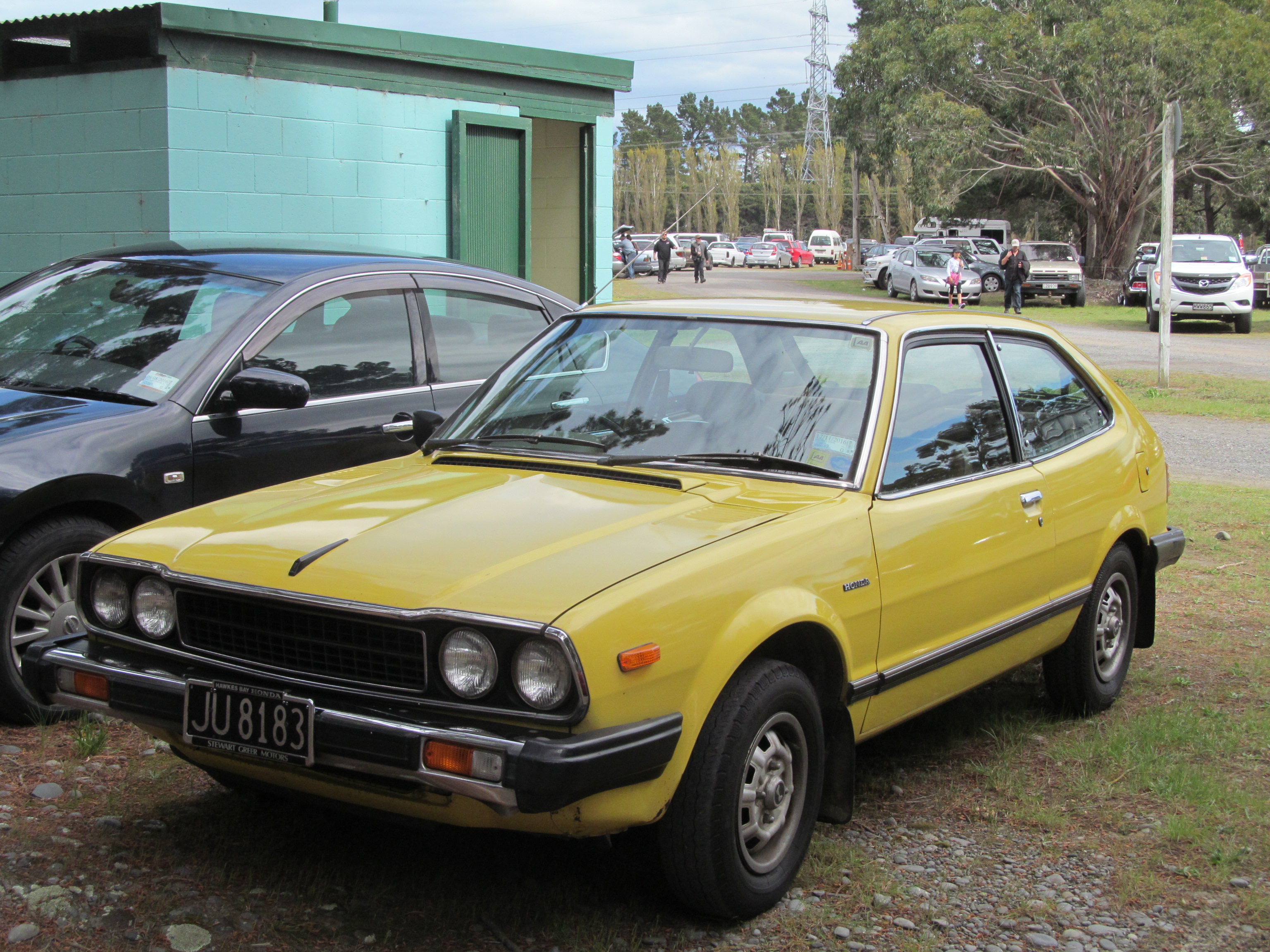
Honda Accord
"...ded to extend the generations of the Odyssey, the Accord, the HRV, and the Acura MDX. I mean, I'll be hone..."
The Honda Accord is a family car that’s meant for normal daily driving. It’s known for being comfortable and relatively efficient. People often talk about it because it’s been around for many years and gets updated over time.
The Honda Accord is a mid-size sedan (and historically also offered in other body styles depending on generation) known for balancing comfort, efficiency, and everyday usability. It’s significant because it’s been a long-running, high-volume model for Honda, so changes in its generations often matter to the brand’s lineup. The podcast context groups it with other Honda models, suggesting a discussion about extending or planning generations.

Acura MDX
"they've decided to extend the generations of the Odyssey, the Accord, the HRV, and the Acura MDX. I mean, I'll be honest with you, I don't know how much longer you can extend"
The Acura MDX is one of the vehicles being kept around longer. The hosts say Honda’s EV plant changes mean they’ll extend the current generations of several models instead of moving on as quickly.
The Acura MDX is mentioned as one of the models Honda/Acura plans to keep selling longer by extending its current generation. The point is that scrapping EV plants forces the company to shift strategy toward delaying updates for existing gas/hybrid models.

Honda Odyssey
"the lifespan of the Honda Odyssey. Like that is probably, I think it's the second oldest minivan in the segment, and it is the last time I drove it, and I'll be honest with you, it's been a couple"
The Honda Odyssey is Honda’s minivan. The hosts are basically saying it’s been around a long time and may feel old compared with newer designs.
The Honda Odyssey is a minivan built around family practicality, and it’s known for being a long-running model line. In this segment, the hosts talk about its “lifespan” and how it feels dated, which is a common issue when a model is carried forward instead of fully redesigned.
transition to electric vehicles
"Honda has, we anticipated something like this coming, because the transition to electric vehicles has been too fast. We knew that the manufacturers would never sell the number of vehicles they brought out."
This is about car companies moving from gas cars to electric cars. The point here is that the switch happened faster than people were ready to buy, so companies may keep older models around longer.
“Transition to electric vehicles” refers to automakers shifting their product plans away from gasoline and toward battery-electric models. The hosts argue the shift happened faster than consumer demand, which can force companies to extend existing gas/hybrid model lines instead of replacing them immediately.
extension of all these models
"So when Honda had in their plan all these electric vehicles, what are they going to do when there's no demand for those electric vehicles? And so we anticipated this extension of all these models. Honda is only one of them."
This means car companies are keeping existing models on sale longer than they expected. Rather than redesigning everything right away, they keep selling the current versions and make smaller updates.
An “extension of all these models” means automakers keep current model generations in production longer than originally planned. Instead of launching fully refreshed designs, they roll over existing platforms and update them gradually to bridge the gap until demand and electrification plans stabilize.
time-speed distance rally
"Oh, okay. Yeah. So I just spent the last week in the San Francisco Bay Area participating in the Trinity Road Rally, which is a time-speed distance rally. Essentially, you get like a route book, and you have to follow the route, and then you have to be at a certain location at a prescribed"
A time-speed-distance rally is like a driving challenge where you have to follow a route and hit the right timing and speed targets. It’s more about precision than going as fast as possible.
A time-speed-distance (TSD) rally is an event where teams follow a route and must hit specific speeds over specific segments at prescribed times. It’s less about racing for fastest lap times and more about navigation, planning, and maintaining the correct pace.

Lucid Sapphire
"But the real star for me of the Trinity was, we were driving the Lucid Sapphire. So this is the super special sport car version of the Lucid Air."
The Lucid Sapphire is a high-performance, track-focused version of the Lucid Air. It’s built to be extremely quick and grippy, while still being usable as a daily car.
The Lucid Sapphire is Lucid’s super-special, track-focused version of the Lucid Air. In this segment it’s highlighted for very high output, rapid acceleration, and track-oriented hardware like triple-motor drive and carbon-ceramic brakes.
horsepower
"Because it has more than 1200 horsepower. So that's like 400 more horsepower than the Grand Touring is going to get."
Horsepower is a way to describe how strong the car’s power is. More horsepower usually means the car can speed up faster.
Horsepower is a measure of how much power an engine or electric motor can produce. In EVs like the Lucid Sapphire, higher horsepower generally means stronger acceleration because the car can deliver more power to the wheels.
0 to 60 mile per hour time
"0 to 60 mile per hour time is like 1.9 seconds. Less than 1.9. I think it's 1.89 seconds. And so very fast."
The 0–60 mph time is how long it takes a car to accelerate from a standstill to 60 miles per hour. It’s a common performance metric because it reflects how quickly the car can put power to the road.
triple motor setup
"It has some, it has a triple motor setup. So you have like power going directly to the rear wheels."
A triple-motor setup means the car has three electric motors working together. That helps it deliver power more effectively for faster launches and better grip.
A triple motor setup means the vehicle uses three electric motors to drive the wheels. This can improve acceleration and traction by allowing more precise control of how torque is delivered to each axle.
torque vectoring
"It's got advanced torque vectoring. It's got a more aggressive cooling system..."
Torque vectoring is how the car can adjust how much twisting force it sends to different wheels. That can make turning feel more controlled and grippy.
Torque vectoring is a drivetrain control strategy that varies the torque sent to individual wheels. By changing left/right (or front/rear) torque, it can help the car rotate more predictably through corners and improve traction.
carbon ceramic brakes
"And then carbon ceramic brakes, stiffer suspension and chassis tuning."
Carbon-ceramic brakes are special brake rotors made from ceramic and carbon materials. They’re designed to keep braking performance consistent when you’re driving hard on a track.
Carbon-ceramic brakes use carbon fiber and ceramic materials to create rotors that can handle high temperatures. They’re common on track-focused cars because they can offer strong fade resistance and lighter weight than many traditional setups.
Sonoma Raceway
"And then we got on the racetrack. We actually went to Sonoma Raceway. And we had the opportunity to do some turns there."
Sonoma Raceway is a race track. They’re saying the car felt especially good there when turning and slowing down repeatedly.
Sonoma Raceway is a road course used for motorsport events, and it’s referenced here as the track where the hosts tested the Lucid Sapphire. Track driving is used to evaluate grip, braking, and driver-assist/EV control behavior under sustained cornering.
one pedal driving
"And we enabled the one pedal driving. So you just like lift your foot off the gas and it just slows down."
One-pedal driving means you can slow the car mostly by lifting off the gas. It uses the electric motors to slow the car down, so you don’t have to touch the brake as often.
One-pedal driving is an EV feature where lifting off the accelerator activates strong regenerative braking. The car slows down without needing the brake pedal much, making low-speed driving and traffic easier.
all electric range
"I mean, even though it's a track purposed car, it is an amazing everyday driver. It has more than 400 miles of all electric range, which is more than most cars."
All-electric range is how far an EV can go using only its battery. Higher range usually means fewer charging stops on a trip.
All-electric range is the estimated distance a fully electric vehicle can travel on battery power before needing a recharge. It’s a key EV metric because it affects real-world trip planning.
massaging seats
"I was like, well, you know, my favorite thing about this is the massaging seats. And I mean, that's not absolutely my favorite thing. But it was pretty, it was pretty good. Because they were the best massaging seats I've ever experienced in a vehicle, like the whole seat vibrates."
Massaging seats are seats with built-in motors that vibrate to feel like a massage. The host liked this one because it vibrated the whole seat.
Massaging seats use built-in actuators to vibrate or move the seat cushions to provide a massage-like effect. The host specifically notes that the whole seat vibrates, which is a feature some luxury EVs and sedans offer.
suede steering wheel
"if I had to pick one thing out about the car that I didn't like, and this is a stupid knit to pick, it had a suede steering wheel. That's it. Everything else about the car is perfect."
A suede steering wheel uses a soft, textured material (suede) instead of leather or synthetic leather. It can feel great, but it may be more sensitive to oils, wear, and cleaning methods than smoother leather surfaces.
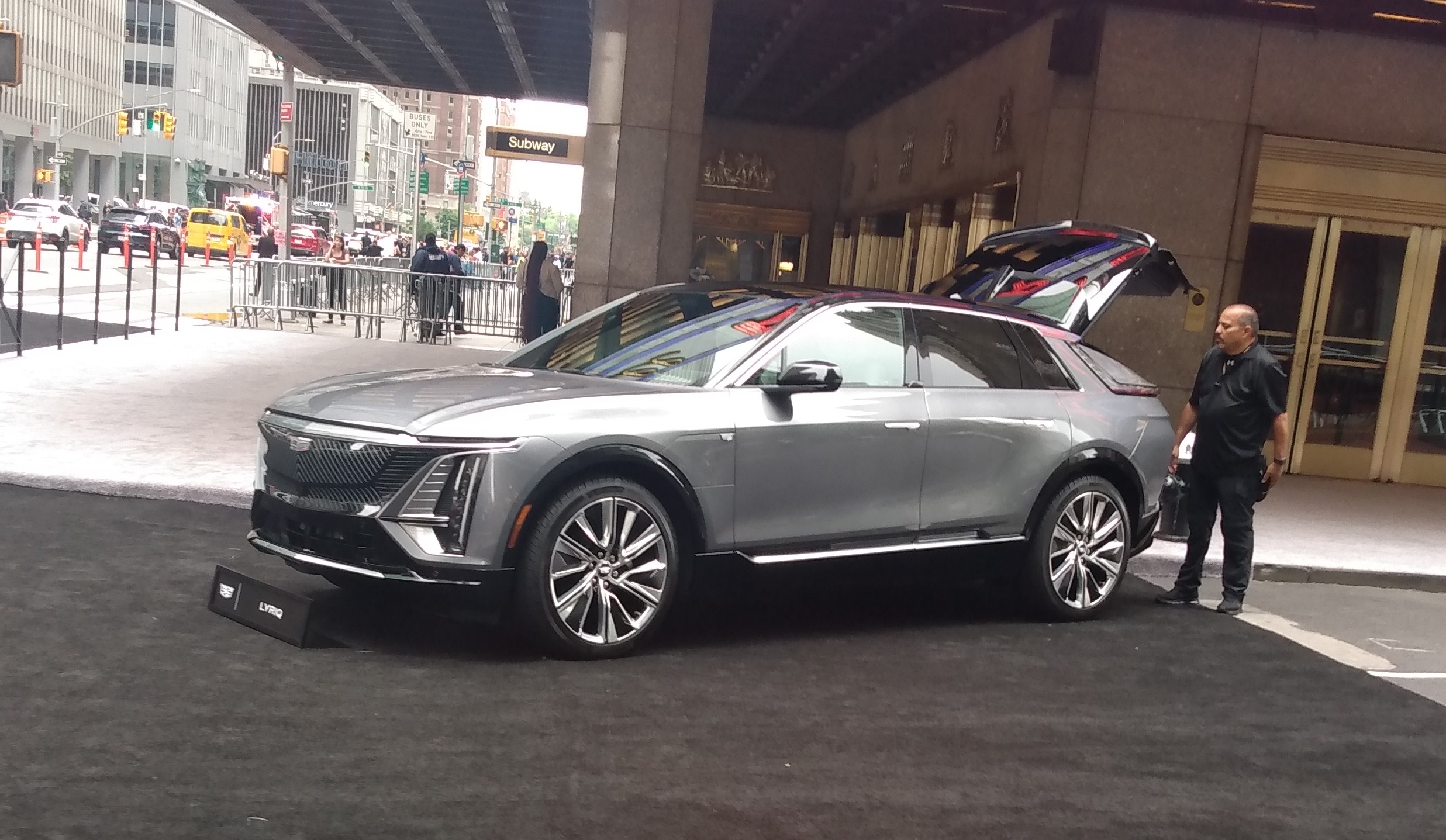
Cadillac Lyric V
"we drove to West Virginia a couple weeks ago, we drove a Cadillac Lyric V. So that was my longest trip in an electric car. So you had to plan out where you were going to go."
The Cadillac Lyriq is Cadillac’s electric SUV. The host talks about taking it on a long trip and how they had to plan charging stops.
The Cadillac Lyriq (often spoken as “Lyric”) is Cadillac’s electric SUV, and the “V” here is being used by the host to refer to a specific performance/trim variant. The segment focuses on real-world trip planning and charging behavior during a long drive to West Virginia.
charge from 18% to 97% in about an hour
"we found a Walmart that had a charger and fortunately it had a cracker barrel so we could sit there and eat lunch. But it was, it made the trip very easily. We got to charge from 18% to 97% in about an hour. So it was very fast charging."
That’s how long it took to charge the electric car from a low battery level to almost full. Charging is usually faster when the battery is low and slows down near 100%.
This describes EV charging speed and how quickly the battery can be filled during a stop. Going from 18% to 97% in about an hour suggests fast charging capability, though charging typically slows as the battery gets closer to full.

Dodge Charger
"...g to go. And so we, we found a Walmart that had a charger and fortunately it had a cracker barrel so we cou..."
The Dodge Charger is a car that’s built to feel sporty and powerful. It’s a sedan, but it’s usually associated with performance versions. The podcast mentions it as a specific car they found or dealt with during their trip.
The Dodge Charger is a performance-oriented sedan that’s known for its muscular styling and strong engine options in many model years. It’s often discussed as a popular American “muscle car” choice that blends everyday practicality with performance. In the podcast context, it’s mentioned in a casual, real-world setting, likely as a specific car they encountered or used.
carplay
"Okay. So I have to ask, are you team carplay or not? Well, I'm Android. But. Okay. Well, Android Auto?"
CarPlay lets an iPhone connect to the car so you can use apps on the car’s screen. The host is basically asking which phone/infotainment setup you prefer.
CarPlay (spoken here as “carplay”) is Apple’s smartphone-to-car system that brings compatible navigation, calls, and music to the car’s infotainment screen. The host is asking whether they prefer CarPlay or Android Auto, which affects the day-to-day usability of the car’s tech.
Android Auto
"Okay. So I have to ask, are you team carplay or not? Well, I'm Android. But. Okay. Well, Android Auto? Yes. But yes, I, I have a problem with the systems that they have set up in some of these cars,"
Android Auto lets you connect your Android phone to the car and use apps like maps on the car’s screen. The host is talking about whether they prefer Android Auto or Apple CarPlay.
Android Auto is a smartphone-to-car infotainment system that mirrors compatible apps and navigation onto the vehicle’s display. The host is contrasting it with Apple CarPlay, indicating they care about how well the car’s software integrates with their phone.
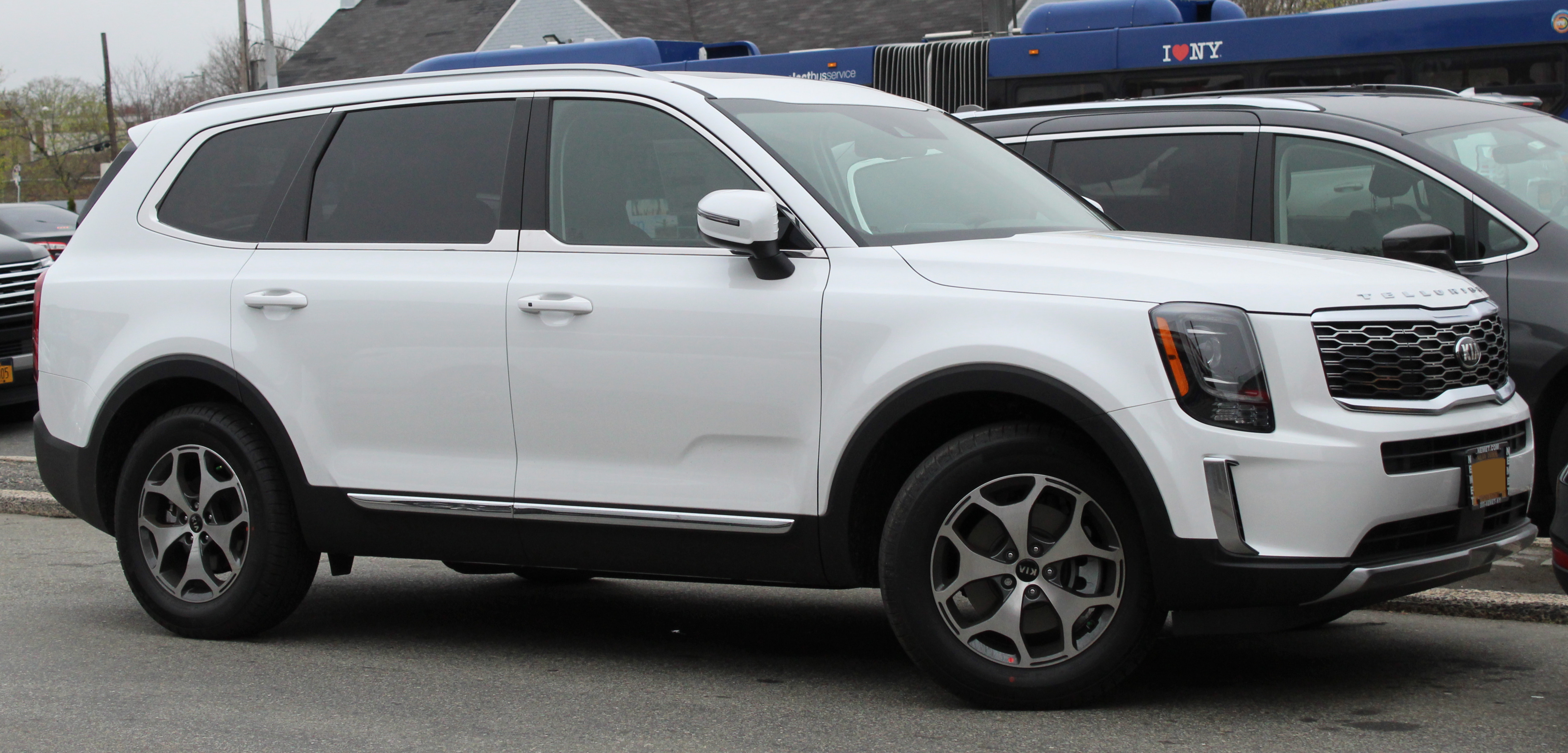
Kia Telluride
"But, you know, I was in the Kia Telluride driving to and from Indianapolis... I haven't found the easy way to navigate between Apple CarPlay and the native system."
The Kia Telluride is a family SUV with three rows. The host’s issue is that switching between Apple CarPlay and the car’s own menus was more complicated than it should be.
The Kia Telluride is a midsize three-row SUV, and the host discusses it as a real-world example of infotainment friction. Their complaint is that they couldn’t easily switch between Apple CarPlay and the Telluride’s native audio/navigation system without extra steps.
FM radios
"he had to get into the FM radios and scroll through. Then if you wanted to go back to Apple CarPlay..."
FM radios are the traditional over-the-air radio band used for broadcasting music and talk stations. In the segment, the host contrasts FM radio controls with phone-based audio via CarPlay, highlighting how switching modes can be slower and distracting.
infotainment systems
"I feel like you've written something about this recently about, like systems, I don't know if it was specifically related to CarPlay, but about infotainment systems."
Infotainment systems are the car’s main screen and controls for things like music and navigation. This matters because some systems are easier to use than others while you’re driving.
Infotainment systems are the in-car electronics that combine entertainment (like audio and media) with information features (like navigation and vehicle settings). The episode discusses how different brands’ infotainment layouts affect everyday usability—especially switching between the car’s native interface and phone-based apps.
software-defined vehicles
"manufacturers have spent so much time developing infotainment systems and software-defined vehicles and such that they should be able to get this right and they can't."
A software-defined vehicle is one where software controls a lot of what the car does. That can be convenient, but if the software isn’t well designed, the car can feel frustrating or inconsistent.
Software-defined vehicles are cars where many functions are controlled by software and can be updated or configured rather than fixed by traditional hardware. The upside is flexibility, but the downside is that user experience depends heavily on software design and testing.
wireless charging
"My question is, why can't automakers figure out wireless charging in cars? So I feel you on the infotainment system."
Wireless charging lets you charge your phone without plugging in a cable. You just place the phone on a charging pad in the car.
Wireless charging in cars refers to charging a compatible phone without plugging in a cable, usually via an inductive charging pad. It’s often discussed alongside infotainment because both are meant to reduce friction in daily use.
PPF
"And when we come back, we are going to have James Melphie, who is the PPF product manager for Xbellion. And he's going to tell us what a PPF is and why you probably want it on your car."
PPF is a clear film that you put on your car’s paint to help protect it. It can reduce damage from things like road rocks and minor scratches.
PPF (paint protection film) is a clear protective layer applied to a car’s painted surfaces to help guard against chips, scratches, and light abrasions. It’s commonly installed on high-impact areas like the front bumper, hood, and side mirrors.
Xbellion
"we are going to have James Melphie, who is the PPF product manager for Xbellion. And he's going to tell us what a PPF is and why you probably want it on your car."
Xbellion is a company that makes paint protection film products. The guest is there to explain how PPF works and why people use it on their cars.
Xbellion is a company associated with PPF (paint protection film) products, and the host brings in its product manager to explain what PPF is and why it’s useful. In this context, it’s a brand/vendor of protective film solutions.
paint protection film
"Absolutely. So obviously, paint protection film is kind of what we're known for at Xbell, right? [1369.6s] In short, paint protection film is, it's a physical barrier for your paint, right? It is [1376.0s] a film that can go on the paint, stop rocks, prevent scratching and preserve your car."
Paint protection film is a protective layer that sticks to your car’s paint. It helps keep the paint looking newer by reducing chips and scratches from road stuff.
Paint protection film is a physical barrier that bonds to the paint surface. The goal is to preserve the car’s finish over time by reducing damage from impacts (like rocks) and abrasion (like sand and grit).
stealth product
"And then now let's modify. Let's kind of, let's change some things up. And that's where we kind [1482.2s] of have like our stealth product, which adds like this really cool satin kind of"
A “stealth” PPF product typically refers to a satin/matte-finish paint protection film. Instead of looking glossy like clear film, it changes the visual appearance while still providing impact and scratch protection.
stealth kind of creates this really cool satin effect
"want something totally different, right? That's where stealth kind of creates this really cool satin effect. And then recently we launched our color paint protection film, which"
They’re talking about a low-gloss “stealth” look. It makes the car look more muted instead of shiny, usually using a special film over the paint.
“Stealth” here refers to a satin/low-gloss finish that changes how the paint reflects light. Instead of a shiny look, it gives a muted, matte-like appearance while still being a film-based surface treatment.
vehicle wrap
"So how is this different than just like a vehicle wrap, or is it the same thing? Yeah. So, you know, historically, vinyl wrapping films have kind of been the solution for color change"
A vehicle wrap is a vinyl sticker-like film that changes the car’s color or adds designs. It’s usually more about looks than heavy protection from chips and scratches.
A vehicle wrap is typically a vinyl film applied over the exterior to change color or add graphics. Compared with paint protection film, many wraps are more about appearance than impact protection, and they may not resist rock strikes or abrasion as effectively.
vinyl wrapping films
"Yeah. So, you know, historically, vinyl wrapping films have kind of been the solution for color change and to adding graphics and stripes and you name it over the years, right?"
Vinyl wrapping films are the material used for most color-change wraps. They’re mainly for changing the look, not for strong protection against rock chips or scratches.
Vinyl wrapping films are flexible sheets used to cover a car’s body for color change and graphics. In the transcript, they’re described as primarily aesthetic, with limited protection against rocks and scratching compared with thicker paint protection film.
mils of material
"So you're getting a color, you're getting, call it, 43 to four mils of material. So that's really not going to stop a rock."
“Mils” is a way to measure how thick a film is. Thicker film generally protects better, and the speaker is comparing thickness between wraps and paint protection film.
“Mils” is a thickness measurement used for films (1 mil = 0.001 inch). The speaker uses film thickness to explain why thinner vinyl wraps are less protective, while thicker paint protection film offers better resistance to impacts and abrasion.
self healing top coat
"And if you do get minor scratching, we have a self healing top coat that can [1645.9s] with heat, magically, they all go away."
This is a clear protective layer that can “fix” small scratches. When you add heat, the surface can smooth out so the scratch is much less noticeable.
A self-healing top coat is a protective clear layer on paint protection film (PPF) that can reduce the look of minor scratches. Heat helps the coating flow slightly so light surface damage blends back in.
traditional wrapping films
"much longer than, than say like traditional wrapping films. Okay. [1663.3s] No, that makes a lot of sense."
Vinyl “wrap” films are often used to change a car’s look. The host is saying PPF is different—more like a dedicated protective shield meant to last and protect the paint better.
Traditional wrapping films are typically vinyl wraps used for changing color or adding graphics, and they’re not always engineered to protect paint the same way as PPF. The speaker contrasts them with PPF by claiming PPF is more protective and designed to last longer.
warranty
"Obviously, we have a very robust warranty. It's 10 plus years. It's, it's, [1686.3s] it's there for the long term."
Here, “warranty” means the company promises the product will work for a certain amount of time. They’re saying the film is backed for 10+ years if it’s installed and used as intended.
In this context, “warranty” refers to the manufacturer’s guarantee for the PPF’s performance over time. The speaker specifically claims a “10 plus years” warranty and ties it to testing and long-term durability expectations.
sacrificial barrier
"wow, this was a, this was the [1745.0s] sacrificial barrier. I mean, this thing has taken some hits, but I can,"
A sacrificial barrier is something you put on the car that’s meant to get scratched instead of the real paint. Later, you can remove it and the paint underneath should look much better.
A “sacrificial barrier” is a protective layer that intentionally takes damage so the underlying material (the car’s paint) stays intact. Here, the speaker claims PPF can be removed later to reveal paint that looks like it did when new.
front bumper
"sometimes, you know, a customer may just do the front bumper and that's a great baseline. You know, I mean, it's better than nothing."
The front bumper gets hit the most by small rocks and debris. That’s why some people choose to protect just the front bumper first instead of covering the whole car.
The front bumper is singled out because it’s one of the most exposed areas to road debris—especially rock chips from highway driving. As a result, many buyers start with partial PPF coverage on the front bumper as a “baseline” protection plan.
soft paint
"there's also a conversation of what kind of paint is it? Is it a soft paint? Is it hard paint?"
Some car paints are easier to scratch than others. If the paint is “softer,” a protective film like PPF can help because it creates a tougher top layer.
“Soft paint” refers to paint that’s easier to scratch or mark compared with harder, more scratch-resistant coatings. The speaker connects paint hardness to how much PPF protection makes sense, since PPF adds a tougher, more scratch-resistant surface.
hard paint
"there's also a conversation of what kind of paint is it? Is it a soft paint? Is it hard paint?"
Some car paints resist scratches better than others. If the paint is “hard,” it’s generally less prone to damage, but PPF can still add extra protection.
“Hard paint” means a coating that resists scratching better than softer paint. The speaker implies that when paint is already hard, PPF can still be valuable, but the decision may depend on how much scratch protection the owner wants and how the car is used.
expel facility
"And I think when you go to an expel facility, those are the conversations I think you should have: it's like, okay, how much do we do? Where do we do it?"
An “Expel facility” refers to a shop that installs paint protection film using a brand/program associated with Expel. The speaker frames these as places where you can discuss coverage area, placement, and installation details that drive the final price.
DAP
"So to kind of give you a little deep dive in there, so we have DAP, which is our software. What that means is if you have, let's say that Toyota Sienna, you type in 2026, Toyota Sienna, your trim level, and all the patterns of all the panels populate."
DAP is the software that helps create the cut templates for the protective film. You tell it what car you have, and it generates the shapes so the film fits the body panels better.
DAP is the software system Expel uses to generate vehicle-specific patterns for installing paint protection film. In the segment, the host explains that you input the vehicle (example: a 2026 Toyota Sienna and its trim), and the software populates patterns for the panels so the film is pre-cut and ready to fit.

Toyota Sienna
"So to kind of give you a little deep dive in there, so we have DAP, which is our software. What that means is if you have, let's say that Toyota Sienna, you type in 2026, Toyota Sienna, your trim level, and all the patterns of all the panels populate."
They’re using the Toyota Sienna as an example of a specific car model. The idea is that the film pieces can be cut to match the shape of that car so they fit cleanly.
The Toyota Sienna is a minivan, and in this segment it’s used as an example of how Expel’s software generates custom patterns for specific vehicles. Those patterns are meant to make clear PPF install “pre-cut” and tailored to the Sienna’s panel shapes.
black lacquer
"I hate black lacquer on the interior of vehicles. And I've recently heard of people like wrapping it or covering it. Is that something that Expel would do?"
Black lacquer is a shiny black finish used on some interior parts. It looks great, but it can show fingerprints and scratches, so people sometimes cover it to keep it looking new.
Black lacquer is a glossy coating/finish often used on interior trim to create a deep, reflective look. The speaker dislikes it because it tends to show scratches and marks, and asks whether Expel can wrap or cover it.
piano black trim
"that also drives me crazy as well. Just being the swore marks on like the piano black trim, it's like, why do we have so much of this material in modern cars?"
Piano black trim is the shiny black interior trim you can see in many modern cars. The problem is it scratches and shows marks very easily, so people look for protective coverings.
Piano black trim refers to glossy, high-sheen interior surfaces that resemble the finish on a piano. In the segment, it’s called out because it shows swore marks/scratches easily, and the speaker says Expel has patterns for those areas to cover/protect them.
eight nil
"Yeah, so it's the same. It's the same material as the exterior. It's that same eight nil super robust self healing film."
“Eight nil” refers to the film thickness in mils (thousandths of an inch). Thicker PPF generally offers more protection against chips and abrasion, which is why the host connects it to robustness and scratch resistance.
matted effect
"But you can do our stealth, which is that matted effect. That's incredibly popular, especially like Tesla screens and things like that."
A matted effect means the surface looks matte instead of shiny. It can make scratches and fingerprints less obvious and gives a different style.
A “matted effect” is a matte surface finish that reduces glare and changes how light reflects off the protected area. The segment contrasts it with glossy “black lacquer” surfaces and frames it as a way to keep the look you want while still adding protection.
carbon fiber trim
"You could certainly do it in color, like I've kicked around the idea of like, okay, do I take the where the carbon fiber trim is and just do like a pop of color, you know, something something something crazy."
Carbon fiber trim is an interior or exterior accent made to resemble (or be) carbon fiber weave. In this segment, the host suggests using colored PPF to add contrast around carbon-fiber-looking areas.
matte paint
"I mean, we talked about, you know, walking on eggshells. I mean, matte paint, it's one of those things where if you do get a scratch, it's not like we can grab a polisher and start polishing, right? If you do that, we're going to make, turn the matte paint glossy."
Matte paint is the “flat” look on a car. If you try to polish out a scratch like you would on shiny paint, it can accidentally make that area look shiny instead of flat.
Matte paint is a low-gloss paint finish that doesn’t reflect light like normal clearcoat. Because it’s easy to change the surface appearance, polishing a scratch can turn the matte finish glossy, so repairs and maintenance are more delicate.
quick detailer
"So we're, you're very limited in terms of maintenance, not to mention you need prop the matte specific shampoo and matt specific quick detailer and all this stuff, you need all these things that aren't readily available, right?"
A quick detailer is a spray you use to clean the car quickly between full washes. For matte paint, you usually need a special matte-safe version so you don’t accidentally change the flat finish.
A quick detailer is a spray-on product used to add gloss/cleaning and remove light dust or fingerprints between washes. The transcript emphasizes that matte finishes often require matte-specific versions so the finish doesn’t shift toward a glossier look.
body shop
"Because if you do ever get to a point where you need to go to the body shop, then becomes the matching issue. Not every body shop is going to be able to match that paint."
A body shop is where cars go for repairs to the outside—like fixing dents and repainting. Matte paint is tricky because the shop has to match the exact flat look, not just the color.
A body shop is a repair facility that handles collision and cosmetic work like panel repairs, repainting, and refinishing. With matte paint, the challenge is that not every shop can match the exact sheen and texture, so damage can lead to noticeable differences.
sheen
"we designed our stealth product to have a very similar sheen to a lot of OEM matte paints. So we were... seeing, okay, how does our product look in comparison to that, that paint work?"
Sheen describes how glossy or reflective a surface appears, even when the paint is “matte.” For matte paint protection, matching sheen matters because the film can change the perceived finish and make repairs or the protected areas look inconsistent.
pattern system
"Yeah. So obviously, DAP, our pattern system, that's where that is an absolute lifesaver, because it's all patterned and digitized for us."
A pattern system means the protective film is cut into the right shapes for the car’s body. That helps it fit smoothly on curved panels instead of looking bumpy.
A pattern system in PPF installation means the film is pre-cut into shapes designed to match specific body panels and contours. Digitized patterns help installers get the film to sit correctly without excessive wrinkling or misalignment.

Lamborghini Rivalto
"... a, you know, let's, you know, like a Lamborghini Rivalto rear diffuser. Okay. Pretty crazy, we can say. So..."
The Lamborghini Revuelto is a very high-end sports car made for maximum performance. It has special aerodynamic parts on the back that help it handle airflow at speed. The podcast is pointing out those kinds of design details.
The Lamborghini Revuelto is a high-performance supercar from Lamborghini, designed to deliver extreme acceleration and advanced aerodynamics. It’s significant because it represents a modern, flagship-level approach to performance engineering in the Lamborghini lineup. The podcast context mentions details like a “rear diffuser,” which are key aerodynamic components on cars like this.
relief cuts
"And there's what I would call relief cuts. So what a relief cut is you have, you have this one bumper, right, this one pattern. But within the pattern are all these little incisions to allow the film to contour to move this way to move that way."
Relief cuts are tiny cuts in the clear film that let it bend around tricky curves. Without them, the film can’t follow the shape as smoothly.
Relief cuts are small incisions made within a PPF piece so the film can flex and conform around complex shapes. They reduce stress in the film and help it lay flat over contours and edges.
stretching
"Obviously, there is installation technique. There is stretching involved to allow the pattern to sit in a certain way."
Stretching is when the installer gently pulls the clear film so it can fit over curved parts of the car. Done right, it helps the film stay smooth and properly stuck.
In PPF work, stretching refers to carefully pulling the film so it can conform to tight curves and panel transitions. Proper stretching helps the film sit correctly and reduces the chance of lifting or poor adhesion at edges.
ceramic coatings
"whatever it is, PPF, window film, ceramic coatings, I think the best place to start is to talk with [2540.7s] the professional, have the conversation, bring your car, you know, kind of talk about what the [2546.2s] issues are, you know, do you already have chips?"
Ceramic coatings are liquid polymer coatings that bond to a car’s paint to create a hydrophobic (water-repelling) surface. They’re used to make the paint easier to clean and to add protection against light contaminants and UV exposure.
window film
"whatever it is, PPF, window film, ceramic coatings, I think the best place to start is to talk with [2540.7s] the professional, have the conversation, bring your car, you know, kind of talk about what the [2546.2s] issues are, you know, do you already have chips?"
Window film is a thin sheet you stick onto the windows. It can help with sun/heat and can also protect the glass a bit.
Window film is a thin adhesive film applied to car glass. Depending on the product, it can improve UV protection, reduce heat, and add some scratch resistance.
xpel.com
"All right. And so to be clear, it's xpel.com. Yes, yes, yes. [2589.3s] All right. Well, thank you, James, for joining us today."
XPEL is a company that makes clear protective film for car paint. Saying “xpel.com” is basically pointing you to where that product is from.
XPEL is a brand/company known for automotive paint protection film and related installation products. When someone says “xpel.com,” they’re typically pointing to the film and installer ecosystem.

Pontiac Fiero
"And we had many conversations about Pontiac Fierros. He used to have one. And so the topic of the quiz this week is the Pontiac Fiero. Okay. All right. So here's where the twist comes in."
The Pontiac Fiero is a Pontiac sports car that was made in the 1980s. What makes it stand out is that the engine sits closer to the middle of the car, which is less common on many American cars.
The Pontiac Fiero is a mid-engine sports car from Pontiac that’s especially known for being an affordable, unusual layout in the 1980s. It’s a popular “enthusiast oddball” because its packaging and design were different from typical front-engine American cars.
mid-engine sports car
"The Pontiac Fiero was the first mass-produced mid-engine sports car built by an American automaker. Oh, there are lots of mid-engine cars and Chevrolet tried to bring out a mid-engine Corvette years before, but by an American automaker."
A mid-engine sports car puts the engine closer to the middle of the car instead of the front. That can make the car feel more balanced when turning.
A mid-engine sports car has its engine mounted near the center of the vehicle, typically behind the front seats. That layout helps balance weight distribution and can improve handling feel compared with front-engine designs.
2.8-liter B6 engine
"question number two, which company helped develop the 2.8-liter B6 engine used in later versions of the Pontiac Fiero? Was it A, Chevrolet, or B, Buick?"
This is a specific V6 engine used in some Pontiac Fieros. “2.8-liter” is the engine’s size, and the “B6” part is basically the engine’s internal code so you know which exact version it is.
The “2.8-liter B6 engine” refers to a specific V6 engine family used in later Pontiac Fiero versions, with 2.8 liters of displacement. The “B6” label is an internal engine designation that helps identify the exact engine architecture within General Motors’ V6 lineup.
V6
"Oh, the General Motors had a lot of V6s in the 80s, and they were all similar sized and similar design, but not exactly."
A V6 is an engine with six cylinders. The cylinders are arranged in a V shape, and it’s a popular engine type because it can be smooth and powerful.
A V6 is an engine with six cylinders arranged in a “V” shape. It’s a common configuration because it can fit well in many engine bays while providing smooth power delivery for everyday driving and performance applications.
Request an Explanation
Heard something you'd like explained? We'll add it to this episode.
Sign in to request explanations for terms you heard.
Want to learn more?
Browse our glossary for plain-English explanations of automotive terms, jargon, and concepts.
Help improve this episode
See something that's not quite right? Our annotations are AI-generated and can sometimes miss the mark. Click the flag icon on any annotation to suggest a correction.