Ferrari is a famous Italian car brand that makes very fast and expensive sports cars. They are known for their racing heritage and high-quality engineering.
Formula One is a type of car racing that takes place on special tracks. The cars are very fast and use advanced technology to compete against each other.
The Toyota Prius is a car that uses both gas and electricity to drive, making it very fuel-efficient. It's one of the first cars to be popular for being environmentally friendly.
The Toyota Crown is a large, luxurious car made by Toyota. It's known for being comfortable and packed with features, and it has a long history in the automotive market.
The Mazda3 is a small car that is fun to drive and looks good. It comes in two main styles: a regular sedan and a hatchback, which has a rear door that opens upwards.
The Toyota Camry is a popular family car that is known for being dependable and easy to drive. It's spacious and gets good gas mileage, making it a favorite for many drivers.
Anthropomorphic means giving human-like qualities to things that aren't human. In this context, it means that people often see faces or emotions in car designs.
The Dodge Demon is a special version of the Dodge Challenger sports car. It's built for speed and racing, making it one of the fastest cars you can buy.
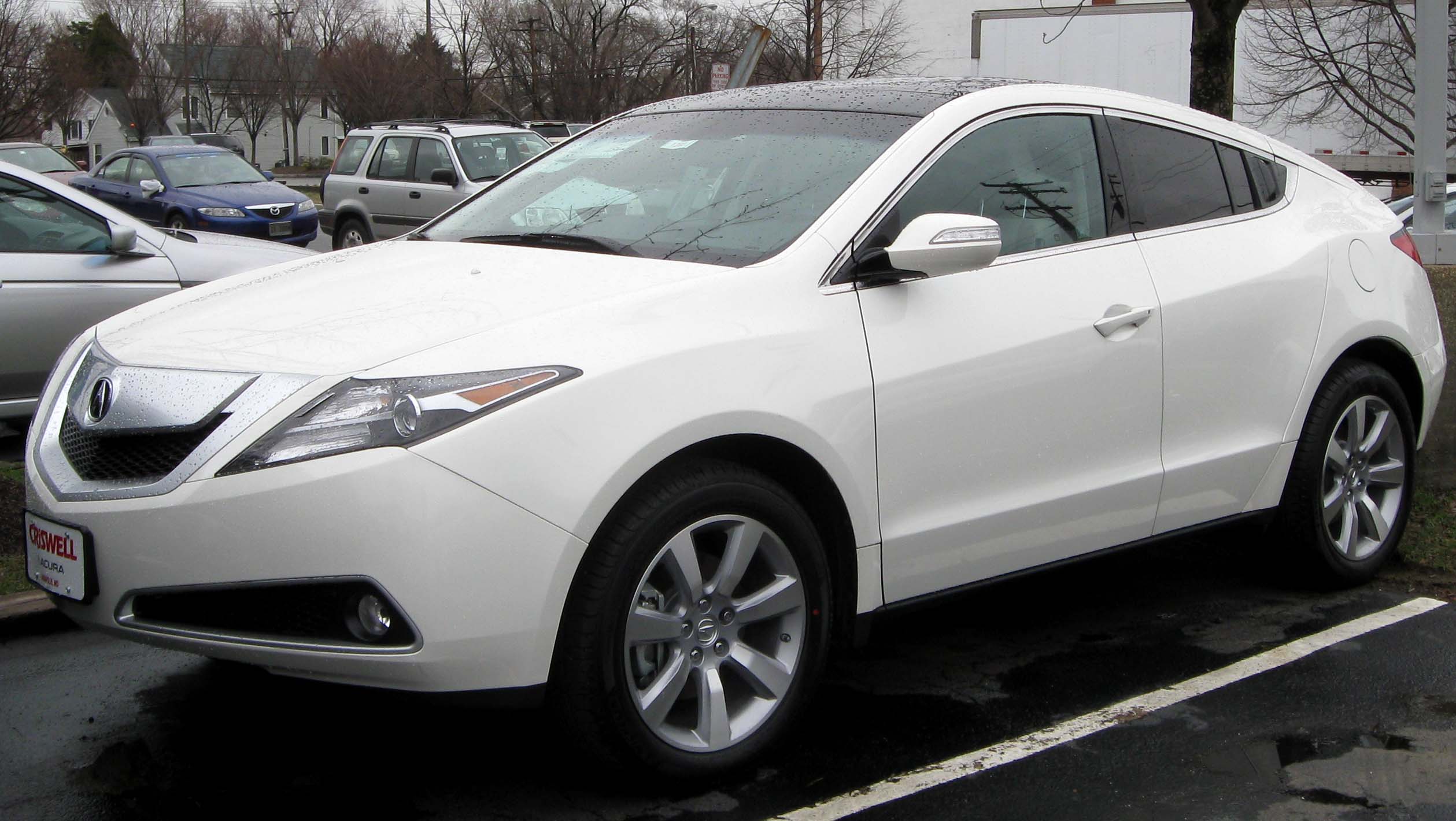
The Acura CL is a luxury car made by Acura, which is a brand of Honda. The 1997 version is one of the first models and is known for being a comfortable and stylish coupe.
The Honda Accord is a type of car that is great for everyday driving. It's known for being dependable and having a lot of space inside, making it a good choice for families.
Nissan is a car company from Japan that makes a variety of vehicles, including the popular Altima and the electric Leaf. They focus on technology and performance.
F1 stands for Formula 1, which is a type of car racing where very fast cars compete on special tracks. It's known for its exciting races and advanced car designs.
NASCAR is a type of car racing that happens mostly in the United States, where cars that look like regular cars race on circular tracks. It's very popular and has many fans.
Indy cars are special racing cars that compete in a series of races, including the famous Indianapolis 500. They are built to be very fast and have open wheels like a Formula 1 car.
The Honda Element is a unique SUV with a square shape that makes it easy to load and unload things. It's popular for its roomy interior and practical design.
The Honda CR-V is a small SUV that is popular for its roomy interior and good fuel economy. It's a great option for people who need a bit more space than a regular car.
The Toyota Land Cruiser is a big SUV that can handle rough roads and tough weather. It's known for being very strong and lasting a long time, making it a favorite for people who go on adventures.
The Toyota FJ Cruiser is a tough-looking SUV that is great for off-road driving. It's popular with people who like to explore rough areas and want a stylish vehicle.
The Honda Ridgeline is a type of pickup truck that is built like a car, which makes it easier to drive and handle. It's different from most trucks that are built with a separate frame.
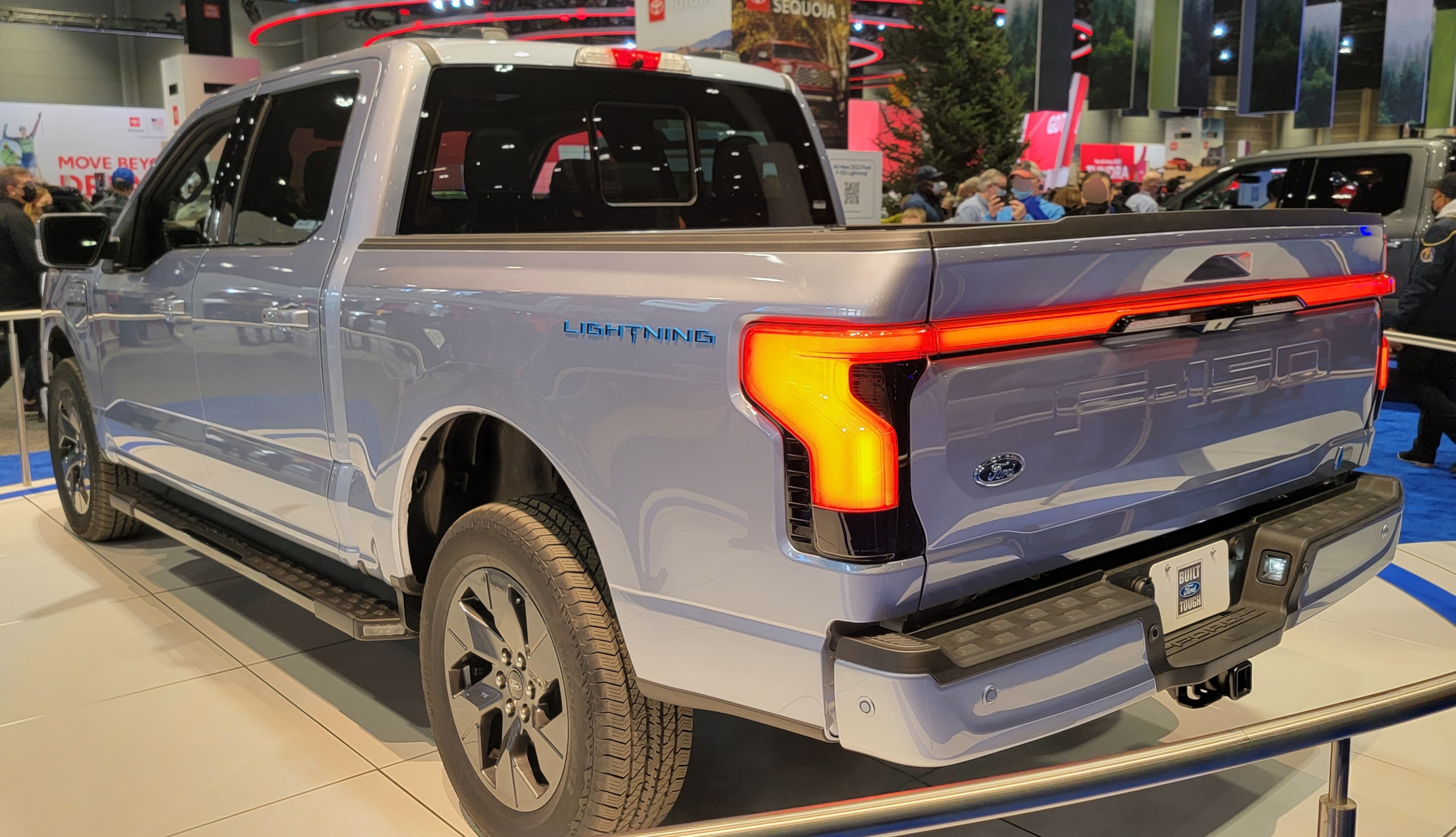
The Tesla Cybertruck is a futuristic-looking electric truck that runs on batteries instead of gas. It's designed to be very strong and has some cool tech features.
The Hyundai Santa Fe is a medium-sized SUV that is comfortable and has a lot of tech features. It's a great option for families who need space and convenience.
The Hyundai Santa Cruz is a small truck that combines the comfort of an SUV with the practicality of a truck bed, making it useful for carrying things while still being easy to drive in the city.
The Honda Passport is a medium-sized SUV that has a lot of room inside for passengers and luggage. It's good for families and people who like to go on trips.
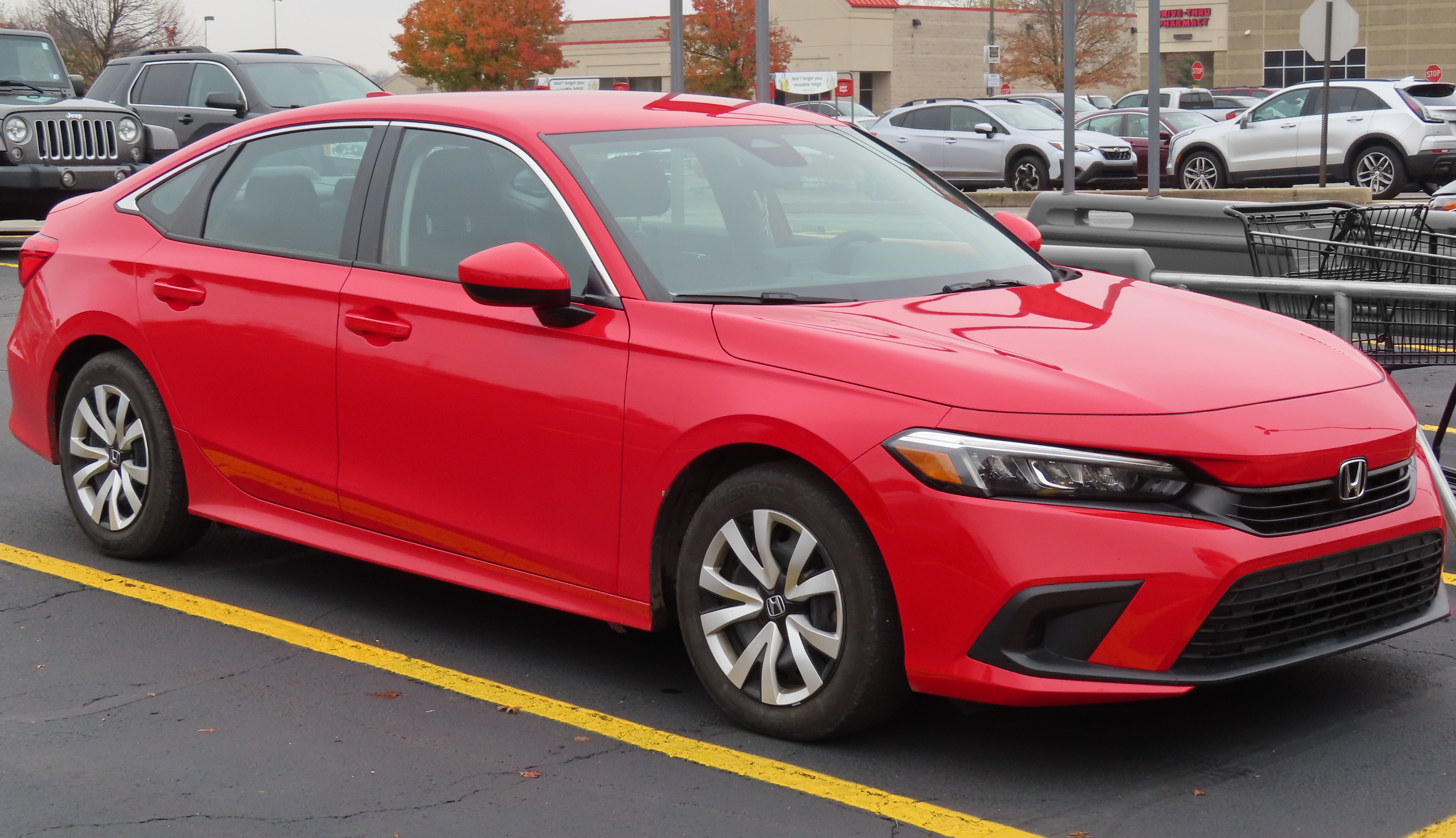
The Honda Civic is a small car that is very popular because it's reliable and saves on gas. It's a good choice for people who want a practical and affordable vehicle.
This one, the one with all, the one with all the speakers in the door.
Yeah.
And it's now that's giving, um, there's a specific condition that people have that
when they see, uh, like lots of circles, my sister has it.
And they will try, try, try panophobe.
Try panophobe.
I didn't say panophobe, but yeah.
Or it's an octopus.
Uh, it's like, oh yeah.
No, it's, and there, there is a phobia.
It's, it's, it's, uh, like lots of little holes.
But it was in the Accord wagon.
It was like, holy crap.
That's dang.
Yeah.
I was so proud.
I mean, that's so 90s.
Look at that.
Anyway, yeah, that was, I mean, I, I still see him on the road and think, wow,
that, it's pretty elegant for an Accord.
If you put, like I had one.
So I put Jarrah wheels on it.
So I, I, I was plus one and, and you know, lowered it a little and yeah, it looked
cool.
It was, it was nice.
Um, you also are accredited with, uh, the original, um, Honda, found it.
Element.
I didn't, I'm, I'm the head of, I was the head of the, of the studio.
So they, the Ridgeline was, um, Don Hurner and Jared Hall did the sketches.
The element story is awesome because the element was, I was probably the guy that,
that hammered executives in Japan a lot on that car.
To do it?
Yeah.
Okay.
Well, and why, what was the inspiration real quick?
Before you tell it, like, why was there a second gen that was such a great vehicle
and also like with electrification that could once again, it was be such a great
vehicle, it was ahead of its time.
But let's talk about it.
It was ahead of its time.
It was also, um, but CRV era.
I'm not saying we did the right thing or not, but you know, if you have plants that
are pumping out cars that are selling great.
Right.
Why, why, and it's such an icon to us.
But CRV was selling like crazy.
Yeah.
The element was the icon.
That's what I'm saying.
The element was an icon, but CRVs were selling.
It's just so cracked.
I remember, I remember a friend of mine, um, we, we were, we would load engines into
the back of it like, like VW engines.
They were like, this is the ideal engine.
It was a shop car for the street.
It was perfect for a shop car or a florist.
The way, you know, you could do anything with it.
Such a cool car.
I also was a knits, uh, I think that, uh, so the, the side impact.
Side impact.
Side in and narrow off to, I think a lot of that came into it too.
So let's, let's push, let's push pause real fast because people, we have some people
like, what are you guys talking about?
So in 2003 Honda dropped this, this box man.
Okay.
It was front, front, front drive.
Also all wheel drive as a 2.4 liter or two liter, 2.4 liter, I don't know.
Came in manual and automatic.
Um, it had, so it had what do you call them?
Rear, rear opening.
It was wide side doors.
We call it suicide doors.
Suicide doors.
One suicide door.
Right.
But you can't say that.
So you can, you open.
They didn't want us to.
Yes.
Homicide doors.
Rear, rear-facing doors.
With no B-pillar.
So getting in and out was great.
The B-pillar was in the door.
Was in the door.
Yeah.
It's a five passenger, right?
Five seat belts.
It was, it was four.
Four seat, four seat belts.
More importantly, you pull the seats out.
It was four.
Well, you can fold them up onto the side.
Yeah.
Kind of like a old school Land Cruiser and it had a lift, uh, pop-out window.
Yeah.
Which I remember because Wes Allison, our long-time photographer,
he shot for us.
He shot for all the Peterson publications for a long time.
He would only buy that car or the Astrovan.
Right.
Oh, no.
Because you can shoot, no.
Out of, oh, out of the car.
Out of it, out of it from the back.
No kidding.
And pull the.
Yeah, because it was set back.
Yes.
And pull the hatch down when the cops come.
Well, that whole thing was that you could stand in it while you were a surfer and change
clothes.
Yeah, so cool.
Spray out interior.
So, in my mind, this was, this was like the FJ Cruiser for Honda.
This was like the.
Yeah.
There.
Defender.
Lifestyle.
Future lifestyle.
All-wheel drive vehicle.
It was perfect.
You know, more practical.
Also, square in the era that, you know, Toyota had Sion was coming out.
Nissan brought the Cube kind of a couple years later.
We should show those because we were first and then they.
You were first.
Exactly.
You should show an element.
Well, it was kind of a little military ambulance is what I used to call it.
But I'll tell you that Bernie Bernard Lee, he, he's at Tesla, but he did that.
We did, you know, Honda, we would do offsite.
We called them Y guys, but it was like a three day brain storming.
We went to the X games in San Diego and we broke into four groups with sales engineering.
You know, it's just SED.
So design people and so each group had a designer and we in Bernie.
So I was, I was chief designer then.
So we did, I was like circling through the groups watching.
Anyway, Bernie did a napkin like that and it's the element.
I mean, literally it is the element.
Do you still have that?
Yeah, I did.
Eric Shoemaker was the project leader.
And he did a presentation where it starts with Bernie sketch and it ends with the actual element
and shows every iteration we made clay models and it never changed.
It changed once because one of the executives in Japan, Hiramatsu maybe,
he said that we, we claimed that it would hold a 10 and a half foot board.
And, and it was a little short.
He's trying to shove it up into the windshield and get it like, like this.
And so we extended the back maybe about a hundred mil just so it would fit.
Yeah.
But that's you, you claim to do it.
So do it.
Yeah, but that was just like, I, when that got, when there wasn't a second gen, I was like,
yeah, I think, you know, there's a lot.
Had you drawn a second gen?
There's probably 30 second gens that floated around and never made it.
We did, I remember one of my favorite arts center projects was,
because I would always say, Hey, let's do an arts center project.
We did, we had money left over from a budget, but not a lot.
It wasn't enough for a project up there.
So I talked to, I think at the time, well, I guess it was probably Stuart just coming in maybe.
And I said, you know, what if we, can we do a project with like half,
like 40 grand or something like that.
And we came up with one of the, does a norm did it, but it was one of the,
a norm Sherman who passed away, but his class, it was like a sketching class.
So we said, do accessories for the element.
It was like, they were amazing.
It, I think a lot of that stuff ended up kind of like what the, the base station has.
You know, but I think that car, you know, every time somebody comes up with,
Hey, let's make this.
It's either the CRX or the element.
Right, right, right, right.
Every time.
Right, right.
Cause those are beloved Honda.
And that's it.
Or out of production.
Yeah.
I mean, that's it.
Right, right.
That makes sense.
Okay.
So were you, you were ahead of this, you had a Honda design at the time that came out.
Also this, when Ridgeline was being done.
Yeah.
Okay.
So another example of Honda being ahead of the curve.
This is, I mean, you guys were the first compact, like unibody pickup truck.
Yep.
Right.
Like this was, when was Avalanche?
That was, that was, that was full size.
Well, Avalanche was a super.
But it was also a ladder frame, I think.
Yeah.
No, it was a truck.
It was a truck.
Okay.
But it was after, it was after.
You were thinking of like the, the Maverick.
So you're going to bring it up.
You're going to make the sale panel.
That was, yeah, we were first.
Yeah.
So you got, well, the Cybertruck.
Well, yeah, yeah.
So let's, let's talk about it.
Because the Ridgeline, I think is important now because you did do a second generation of that.
It's been kind of all the trial, all the real truck guys.
Yeah.
Looks always at it.
But it's, it's, it's done well enough.
And the people who love the Ridgeline really do love the Ridgeline.
They buy them all the time.
They get, they get pretty good fuel economy.
They're, they're, they're good.
They're great as a truck.
And now to his point, he just mentioned Maverick's out there.
It's a truck of the year.
Right.
You got these guys.
Tello, bringing out a small truck.
Hyundai Santa Cruz.
You got the Hyundai Santa Cruz.
But like, talk like, Honda is really good.
You think everybody should just thank us for a, well, sort of.
Figuring it out.
And then copy it.
Yes.
Because actually the, I think the knock on the Ridgeline,
I would say professionally, and I've been doing this over 20 years now,
this guy is the biggest Ridgeline fan I've ever encountered in the industry.
That's not, that's not true.
No, it is.
I like the, I like the Ridgeline.
You love, I've never heard anyone.
I've seen, I, and I like white space vehicles.
I also know that when it came out, one of the knocks on it, because well,
it sucks when you tow stuff, right?
The, the wheels kind of flare out.
But also it was considered a little pricey and now all the trucks are like astronomical.
Right.
Well, that's fair.
That's fair.
That's fair.
But I know the, the second gen, we dropped like a refrigerator in Ohio on like four different
trucks, including ours, like from 30 feet up.
And the Ridgeline, it just kind of bounced a little bit.
The other one's toast.
So I will say that.
I won't say who, but yeah, it was like, oh dude.
What year?
What year did you use?
Like in 18, maybe?
You dropped the refrigerator to show how tough they were?
Yeah.
Or just for fun?
No, to show how the Ridgeline would fall down.
No, no, no, no, no, internal stuff.
Like into the bed?
Yeah.
Oh, this is like the, you remember when, when F-150 came out with the aluminum bed
and Chevy was showing ads with the toolbox?
Yeah, it was just like that.
It was like penetrating.
I was like, this is, this is why I love the truck industry.
Yeah.
Because the truck got so fine.
It's ruthless.
It's ruthless.
They just beat up on it.
Which is why probably subconsciously we went, you look, it's white space.
It's our neck of the woods.
Let's just make, we'll do the contractor's truck and you can get the workers' trucks.
Go ahead.
Right.
We'll do the cool truck that you can go home and take your kids in.
I mean, the original Ridgeline, you know, the fit, it's a fit.
It's like a, it's like a large fit because the fit, you know, you fold that seat up
in the magic seat and you're like, Jesus, this is, we are so good at that stuff.
Like the magic seat.
I still remember that when that first fit showed up in like 2006, 2007.
Well, in the Odyssey with the, the J Odyssey.
But the, but yeah, but the fit, which was the jazz.
Yeah.
But when that came, I remember it was like, it was probably 2005.
And I remember I had a press car and I, and I had a bicycle.
And I remember like, you know, putting that seat in a bicycle fit into this miniature car.
I remember we had a, when we first had the fit, we had dogs running through it.
They were running just through the car like, oh, that was cool.
Yeah.
They, I think that the beauty of the Ridgeline was that, that when we did the press, I was,
so I'm on the board of directors for Lions Museum, the foundation.
And Tom Elliott is on it.
And Tom's longtime Honda, he was head of product planning.
He was never sales.
People think he was sales, but he was, he influenced sales.
But he was, he was like product side.
But he, I, he did all the, the speaking at all the Detroit auto show.
And what made me, what made me laugh was that we were talking about it the other day.
And at that press conference, Ford had, it was when GM had moved to the back and, and we took
that space and Ford had built that big long, like that whole front wall of stuff.
And they had an upper deck.
So they had stairs that went up and I, and so Tom came out and he said,
good afternoon, everybody.
I'd like to thank Ford for providing bleachers and the next year they were gone.
I was like, but I, we had tried to talk him into getting in the bed in the trunk and getting
out of it when, when he pulled up, you know, pulls out and then he gets it.
He didn't want to, but I thought, I don't understand why you wouldn't want to jump out.
Yeah.
I remember I was at that press conference and a bunch of the Chrysler guys had come up to stand
by me and they were looking at it and saying, wow, that's, that's, so you guys, you know,
it's like front wheel drive.
It's like all wheel drive.
And I, they said, that's a lot of like space under there.
And I went, because what do you do with that?
I go, I don't know, gas tank, whatever.
And cause, you know, they, they were all, I mean, they kind of speculated it ahead of time.
You're thinking, no, we're putting a giant trunk under there and, and rightly so.
But I, I remember they went, wow.
Um, what else?
What's it going to do when I, and, and Osimo came out on stage and I went, hey, we have a robot
and a jet.
And then they walked off.
That was, that was my comment was, hey, we have a robot and a jet.
Dave's talking about the, one of the things that I think when the original line came out
that competitors savaged it for was the under bed storage.
Cause you had a giant space that actually, and I had a, I think you guys all put a drain plug
in it, right?
You were way ahead on this.
Cause now everybody does it.
Yeah.
They're doing the front.
Right.
But everybody's like, well, that's stupid.
Cause if you put something on top, you know, but it's like, well, also all of those truck
guys who are, who were slinging mud at you, they know that most of their shoppers are air
haulers.
They're not putting it back.
And if they are, what do they do next?
They go by a tonneau cover.
But it's also, well, it locked though.
Yes.
And this was a lock.
So it's a trunk.
I mean, it literally is a truck.
And look, everyone, I think in the world, except for truck buyers knows this.
Like it's Kabuki theater, the truck biz.
Sure.
Oh, it is.
Yeah.
So showing money or contractors.
I can do a thousand ways to use your tailgate.
I was, I remember my dad, my dad had a Chrysler wagon for a while.
Yeah.
Cause he always liked wagons because there was 40 of them.
And in Tahoe, you need, you know, it's toughness.
But he, I remember that one, if you got it just in the right place, like the GM ones,
but that credit, if you opened it this way and that way, you could drop the tailgate off.
And I kept telling all the insurers, just be careful of this.
And we don't want people like making it fall off because you could get it right in the
sweet spot and it would come off.
The installment point.
Yeah.
That's hilarious.
Yeah.
So, so, so originally it's interesting though.
So what was that?
I always, like, you know, when, when, when Daimler bought a Chrysler, right?
In my mind, what it was was like, man, look at this, you know, this mature US market,
they saw all these pickup trucks print cash.
Yeah.
Like, was that what it was?
It's like, we really gotta get on these pickups.
Well, I think it, you know, business wise, if you're selling, you have to have a pilot.
Yeah.
You know, we did the MDX was originally like Honda.
And yeah.
When we showed it, we showed the clay model in Japan and we were working on it as a Honda.
And Mr. Amamiya, who's still probably the smartest guy ever at Honda, he said,
no, we should, we should make it an accurate.
And we did.
Why?
Why do you say that?
For, for business and sales.
And, and then we use that platform to do the pilot and the pilot, you know, they,
you could sell a ton of those because it's a Honda and it's cheaper.
And, but the, he felt like, I think he felt accurate needed the, the bandwidth, you know,
the, the lineup to have more vehicles.
So when you say it was designed as an MDX, it was designed with a Honda first.
Well, it had that shape.
It was very, it was very, it was more, it was much sharper.
It was, it was probably square as a Honda and taller, but it still sort of, you know,
was on the same platform.
So the platform is everything.
You start with that.
Right, right.
And so it was kind of like, let's, let's do the accurate cues, you know, the, the center break
and, and make it a little chop top-ish.
All right.
Speaking of the platforms, everything in the conscious of time, I'm going to bring it forward
to, to sort of this era.
You might not be able to talk about this.
Why don't I want to have again, how your NDAs work, but Honda prologue and accurate ZDX,
which were, I think the best way to put it, co-developed with general motors, right?
During COVID.
During COVID.
First of all, let me just say, I think both of them are so good looking.
The prologue looks like, looks awesome.
It looks like, by the way, this is maybe only in LA.
The ZDX also looks really, ZDX is great, but the prologue is taken over like Los Angeles.
It looks sort of everywhere.
Crazy good deals.
It looks like a nine eighths car almost.
Like it's, because we finally, finally get to do like 24 inch wheels.
You know, and then the whole car got bigger.
I was like, dammit.
Yeah, I'm sure Rivian are, they're like pissed off when that thing came in.
Oh man, because it looks a lot like the R2.
I don't, I don't think Rivian are pissed off.
But anyways, yeah, I mean, that, you know, it's, it's weird when that car comes up,
especially the ZDX, because they were both going on.
But that, we were, I was going during COVID to the studio every day.
So it was like two of us and then three clay modelers.
Like every day, we did, we never like didn't work.
Right.
It was weird, it was quicker to get to work.
So it didn't feel like a listen, like.
It felt liberating, I think is the word, because we were doing the ARX at the same time.
And I think it, it was, you know, and I'm, my, my, I was never a boss.
I was always a enabler, I guess, or a, you know, I'm here for you guys.
So I think we were the, the camaraderie of us and the, the working together,
you know, without any interruption was, was the best part.
Right.
You know, it's a happy accident, you know, for how bad COVID was.
But, but I think that that, I remember having meetings with GM a lot and GM, you know, they're
in electro property.
They were really worried about it.
What were they worried about?
Just that we would make the same car or look the same or.
Let me see this before you actually like really got into the nuts and bolts of like the GM,
used to be called ultium now, it's called whatever, but the GM EVs.
Were you nervous that they were going to like be bad?
Because I will, I'm an unabashed.
I think GM EV strategy is every car is good.
They make good cars across the board.
I wasn't, I wasn't worried about the platform itself.
I, truth be told, and everybody know, I've been, I've said it forever is the packaging I was worried
about because Honda is so unique at packaging.
Excellent.
Yeah.
Yeah.
So you were worried you would not have, it would be big on the outside, small on the inside
situation.
Or it looks cool.
That's what you say.
Yeah.
There's a reason it looks cool, I guess, but yeah, I was worried about that.
But you weren't worried about like, oh, we're going to get like GM tech.
No, no, no, no.
I think it was, I was really, it was fascinating for me because of the uniqueness of each company
and the way they work.
I was, you know, you kind of step back and dive into the inner workings and think, wow.
And you know, a lot of engineering people at Honda, you know, they were like, wow,
we need more of that.
And the others were like, whoa, whoa.
And I'm sure GM was saying, wow, we need more of that.
You know, some of them.
It was just the, I'm just trying to think and nothing's going to mind because of the whiskey,
but was this the first like non-Honda vehicle collab you ever did?
No, we did the Seuzus.
Oh, the iLex.
No, no, no.
No, the Svx.
Svx, sorry, sorry.
Not Svx.
It's a Trooper 2 SLX became an Acura.
Yeah.
That was GM.
I mean, those, those.
Yeah, it was the Seuzus, but it was, yeah.
We did the two.
We did it.
We did an Acura and a Honda.
Right, right, right.
The Honda was the, it was the Passport.
Did you have anything to do with Sterling, speaking of Honda Colors?
Yeah, actually.
Oh, yeah.
John Nagamini, John.
Yeah, so Sterling, my boss.
Just to go for a very deep cut.
My boss at, at HRA in Torrent for the longest time, the guy that I learned everything from,
Tony Ikeda, he, he was, he was at, he was one of the, he was the first three to come to America
in 75 and, and study the market or whatever.
And he was designer.
And he said, I mean, if the things I remember were that he, they were so afraid to eat anywhere
they had McDonald's for every three meals a day for like three years.
Well, they were afraid to eat where?
Anywhere, but McDonald's.
Why?
Because they were Japanese.
They're like, we don't know.
It's like, we just ate McDonald's because it was like McDonald's though.
But, but he, he left and came back.
Yeah.
And then he went to Sterling for a while and worked on that too.
So he, and you know, his English is perfect.
So yeah, he, he taught me everything.
But yeah.
So the Sterling was the legend, you know.
So I, and I had, I had just started when all that was going on.
Right, 827, where did 827 come from?
Probably their address.
Deep cut.
And then there was a second Sterling.
There was like a hatchback.
But the, the, the big one was the one.
Yeah.
Tony, Tony was super famous.
We were like, we were like early and we're at work and somebody goes,
ah man, thank God it's Friday.
And he goes, Friday like any other day.
And I'll never forget it as long as I live folks.
Like, and every time when somebody goes, thank God it's Friday, go Friday like any other day.
That's very Japanese.
It was so cool.
That's so Japanese.
I mean, it was, but it was also like, I think he was bringing some home life to work.
Right.
Anyway, but I think that those two cars, I think we needed to do that to, to get some form language
for electrification and, and, you know, kind of,
As Ed said, I think the prologue.
Learn from them.
I mean, GM had done it.
You know, you're like, yeah, we don't.
Were the heart points shared between the GM vehicles?
So do you guys have all different windshields and doors?
So it's kind of a hodge podge, but yeah, yes.
But there's two platforms.
Okay.
So the longer wheelbase is the, the Lyric.
Lyric plus, is it Lyric and ZDX?
Yeah.
And then pro.
Not completely.
Prologue and.
And then prologue, prologue and the, the.
Blazer or?
Blazer.
Prologue and Blazer.
But it's about.
Not Equinox EV or?
Smaller.
Yeah.
Yeah, it's even.
Yeah.
And then like, there was a Cadillac OPTIQ.
It would be the, the smaller.
No, no, it's the Blazer.
It's, it's the bigger.
Well, it's the, yeah, I don't either.
I know, I know Lyric and I.
It's the 85 hour.
But there's parts of the hard points that are the other platform.
And then inside.
It feels much more GM from the switches.
Yeah.
I mean, it's, there's a lot of.
Part sharing.
Carry over and sharing, but I have to.
Because it's, because they were making, they were,
they were building them in their factories.
So I know, I know one thing we went through a lot and they were great.
GM is awesome because we did.
Colors.
So the colors, you know, we were, we were developing all these accurate colors.
And so we, we had to use their supplier.
So we were able to negotiate with them.
And they come in some good colors.
Yeah.
Yeah.
Yeah.
Yeah.
The turquoisey bluey.
Yeah.
That's the, I mean, that's the main one.
Yeah.
That was the double apex blue and we wanted to match that.
So kind of a bummer that I guess they were discontinued, but.
I mean, everybody's moving to the, you know, it's a bandaid till you get
what you, what you really want.
I get it.
I think the shared technology was good.
Yeah.
I was just, I was just thinking out loud, like, you know,
moving so fluidly, like you've done between Honda and Acura,
there probably wasn't like shocking to like, here's another thing to skin it,
not just skin it, you know what I mean?
Like, I think the, I guess in my personality, the, the,
Eric Berkman, who became the executive VP of Acura,
and he would, he and I grew up at Honda together.
We were, we worked on the first wagon together.
And he, he said, I want to make you global creative director.
And I'm like, no, I'm a Honda guy.
You know, I felt like I was going to be,
it's, it's not, I'm not going to have influence over what they're doing.
And he goes, just trust me.
And then he said, no, you're not going to, nobody reports to you.
And then I thought, well, how do I get people to do what I want them to do?
Right.
If I don't do their performance or control, you know, whatever.
And he goes, just trust me.
And I was maybe like a month in going, this is the coolest thing ever.
I don't care what you do.
I'm picking that one and we're making that.
And I think that that freed me up to, to make Acura more aggressive, I guess,
or, or more interesting and not worry about everything else that was going,
you know, with Honda or anything like that.
Was that, was that a new position, the global creative director?
Okay.
It was that weird for Honda to have a non-Japanese?
I assume so.
Okay.
Oh, that was me.
So.
You've been there for 40 years.
Yeah.
I mean, it wasn't, I remember when I, when they made me division director was,
I was for styling anyway.
Um, and, and Kagoshi was the division director and they said, you know,
every three years or four years, there's a change and they go through it.
And it's like, I just remember talking to him and everybody wants to know,
you know, who's, who's replacing you because you want to know.
It's like, oh God, that guy or, or, oh, that guy's cool.
And he goes, you are.
And I go, he's talking to me.
He goes, no, you are.
Wow.
And so I think at that point they were some trust.
Right.
Well, you'd also been, Honda came to America in 1959 and you joined them in 88 or something.
I mean, I was 87.
87.
And it was, I mean, 75 was the inkling of the design studio.
Right.
So it was probably 82.
So it'd only been five years that, even less than that.
Okay.
Yeah.
Did you have anything to do with the Honda jet?
Yeah, yeah, just, you know, yes.
I've flown on it.
Yeah.
Yeah.
It's funny.
We, we have a lot to do with it.
I say we, you know, I'm retired, but yeah, there's a lot of influence from the design
studio on, on stuff that goes on.
The shape, the, the style.
Not the, no, FAA is completely that.
Okay.
They're also interior, interior more than anything, but the, the graphics and things
like that.
Okay.
But I remember the first, the, the Nassau, the engine cover was being milled in our
fab, like 88 or 89.
And like, I thought it was like a Bonneville car or something.
What are you guys making?
It's like a, it's like a belly tanker or something.
But it was like the first to, to wind tunnel and try stuff.
I think the jet is, you know, the, the long game is there's, there's a lot of
cash aid to it, but there's also a lot of profit if you do it, you know.
Right.
Yeah.
That's great.
And you throw up the segues like crazy.
Well, to say that at $5 million is kind of a bargain.
And great fuel economy for a jet.
Of course.
I flew, I flew from Van Nuys to Monterey.
Oh, you did?
It was like 35 minutes.
Fantastic.
Things awesome.
Yeah, it was great.
I mean, you say, you say, uh, Honda's always playing the long game.
You know, they were first, people don't realize this, right?
They were, they were before Lexus and Infinity.
They were accurate.
Accurate.
Accurate was 86, right?
Yep.
To three years.
With the legend.
85.
Great, one of the greatest names for a car period.
Legendary.
Legendary.
And Integra.
Right there.
Integra, great names, great vehicles.
We bought, my family bought an 86 Integra.
We had the, we had that legend coupe manual.
Oh yeah, nice.
I was always impressed that Strother McMinn,
the art center, you know, art center, like the streets named after him, you know.
Yeah.
One of his favorite cars was that legend, the coupe.
Yeah.
And he, he, he told me one time, he says,
I saw a CL, did you have anything to do with that?
I go, yeah, he goes, it reminds me of that's what you guys need to get back to.
And I was like, from you, I'm good.
This is cool.
So can you give us any perspective?
This is one of my, my last questions.
Like Honda is like a head on a lot of these things.
Like they, they saw like Ridgeline.
They saw some of these fun box vehicles, like the elements.
The robot, Asamo.
The Asamo, right?
All these, all this stuff.
But they're, I know, I always interpreted as, you know, like, because I read the quote, like,
and I know the history, right?
Honda wasn't supposed to be a car company, right?
Like the, the ministry.
The government said, ah, Toyota.
Yeah.
You know, this, this carrots, these carrots, these guys are going to build the cars.
You, the bicycle, motorcycle, cool.
Keep doing your little thing.
Right.
So there's always kind of like this little guy, maybe trip on the shoulder kind of thing.
There was a Mr. Honda, but don't, you know, that, right.
Who also, by the way, legendary, because I just, I was in Japan and I saw like the early,
the 60s era, the F1 cars, like these stories that you, that Honda can tell.
It's amazing, right?
It's amazing.
Like where are they going to go?
Where do they go from here?
Well, I, I hope that, so I, I did quite a few Honda way discussions with different groups.
And I'd go and, you know, like legal group or things like that and say, look, this is,
this is the Honda philosophy and this is what you live up to.
And, and I, you know, I always felt like I needed to embody that spirit no matter what.
And I'd like to think that I did, but I always think that the fact that
the current staff doesn't, they don't know that as much.
And things have gotten so, it's not complicated, but it is, you know, it's,
you kept adding to, you know, just drawing a car, you know, there's,
there's a lot that goes into it and there's not enough time to, to teach the, the philosophy
like they're used to and the camaraderie of that.
I, I tell a few stories, but I, I always, when we used to do a thing called HLS and my
HLS class was Honda leadership.
It's, you identify high performers and say, okay, we're gonna, we're gonna send you to Eagle Rock
in Colorado and, and you learn to be a leader, basically.
And you always come up with, with different scenarios.
Ours was that Toyota, which there is a Mr. Toyota too, but with a D, he had gone to prep school
and then on to university and Mr. Honda dropped out of high school to build a motorcycle.
That's kind of our mentality and I always thought that's not a bad thing.
You could go back to school, but the, the, I just want to make something
thing is just huge in all of it.
The other one is I, I tell this story from, I think it was Mr. Shima Jima or somebody,
one of the executives said he was an engine engineer and they were at the test track in
Tochigi and they're driving a legend.
It was the first legend cause he didn't like the legend.
Mr. Honda didn't.
He didn't cause the, you know, the fender used to go into the door and he kicked it.
He said, it looked like it got dented.
So he kicked it where it was dented.
And if you look, they pushed the fender up in front of the door.
It used to go into the door and he, so they're driving it and he's,
somebody was driving and Mr. Honda goes, what's that noise?
And he said, yes, we're, we're trying to figure out what that is.
It was like a, you know, a rod knocking or it was something.
And he goes, fix it.
He goes, yeah, yeah, we're going to do it.
He goes, fix it.
Yeah.
And he goes, oh, oh, so the moral to the story is Honda,
he pulls over, he gets out and he opens the hood and goes, what the hell am I going to do?
He took his shirt off under the white coat and he shoved it down in there and, and sound dead in
it and shut the hood and you couldn't hear it.
And they drove and he goes, oh, much better.
And that was, that was the quick thinking of him to go, oh shit, what do I do?
And I thought that's, that's so clever, but you know, it's kick out the ladder, all that stuff.
Is Honda still an engineering company fundamentally?
I think so because, you know, me based on is engine guy.
And I think it is, I think what you have to do is make people work the, the line and do all that,
the, the former stuff that sounds corny, but you have to do it.
I mean, my, my favorite, like one of my favorite car stories was with the original Civic.
So the story goes, they said, yeah, you know what, we'll save money.
Instead of independent rear suspension, let's get rid of that.
We'll put a beam axle in, they had a board meeting.
And then there was one engineer who refused to stand up.
He wouldn't, he wouldn't end the meeting.
And like Mr. Honda looks at him like, why aren't you standing up?
And he says, I don't want to disagree with you, but for the customer, having independent rear
suspension would lower the floor so the car will be more useful and it'll be a better car for them.
And then Mr. Honda said, fine, put the independent suspension back in.
And that's why the original Civic, which, which in the States was a preposterously small car had
four wheel independent suspension.
I remember my father bought one.
He bought a, I think the fight to keep independent suspension forever was, it's still going on.
Yeah, of course it is.
It'll never go away.
And I think that's good.
But again, like an engineer understood that.
Well, and I think car enthusiasts, I mean, that's a lot of it too.
Yeah.
That's why the,
But if it had been a sales guy as, as CEO, they would say.
Of course.
But the money will make more money.
That's why the Type S Integra has a six speed.
You know, it's just like, you know, just do it.
Yeah, right.
It'll go away.
Do the right thing.
But yeah, I, you know, it's just, I think, I hope that if anything that people carry the legacy on
and just keep saying, look, you know, let's just make that, make it cool.
It's like, it's easy.
It's, it's not, it's not that hard.
Okay, right.
I have a really quick story.
Yeah.
It's not car related.
It's my girlfriend's sister and I, I'm not going to swear on the air, but I'll paraphrase.
And they, they're caterers and they were doing the Oscars and that one of the guy's jobs was
to light sterno under all the chafers to heat the food 15 minutes before it starts.
They're like five minutes.
I mean, this is like the, the Oscar like, like party.
Sure.
So like five minutes, the sternos aren't lit and the, the head of the catering comes and marries.
She says, why aren't these, these lit?
And the guy goes, I, I'll light them now.
Don't worry about it.
And he goes, it's not rocket science.
And this is the first time I ever heard it's not rocket science used properly.
Cause my girlfriend's sister said, it's not rocket science and you can't even f and do this.
And I thought that sums everything up.
Right.
That you can't even do this.
So I think that, you know, if people can approach car design, like it's supposed to be fun.
I mean, it is, there's a lot of that work that goes into it, but it's like, dude,
you're drawing cars for a living.
Come on.
It's enjoy it and, and embrace it and, you know, get, get joy out of it.
I guess.
So what are you, what are you doing?
What's the, what's the, what's the future for Dave Merrick?
Um, well, I want to go to every race that ever happened.
So I'm, I'm doing a lot of liveries for a lot of cars, Indy car and NHRA stuff.
And cool.
And it's kind of segwayed into, um, doing marketing and, and things like that.
And I learned so much from the HRC guys, you know, and I'm kind of adapting some of that stuff to it.
Um, let's see, I'm, I could go on forever.
I'm, uh, so that's all that stuff is going to, I, I'm doing that.
I'm, I'm on a couple of board of directors and art center, full circle board, things like that.
You're still teaching.
I'm teaching whenever they need, but I, I'm full time full circle board.
So that's kind of mentorship and things like that.
But I'm also like a buddy of mine was remodeling my bathroom and he goes,
what are all those things in your garage?
I go, those are 3d printers.
I've got like seven of them.
And he goes, what are you making with them?
I go, I make all kinds of stuff.
He goes, like, for instance, and I was shown and I, so I have a lot of Tiki's in my house.
I've got a totem pole and Tiki's and, and I've heard stories about this.
I've got Northwestern art everywhere and mass and, and every wall is painted a different color.
You know, it's crazy.
It's a Spanish house.
So I made switch plates.
I designed an alias switch plates, Tiki switch plates.
And then I 3d printed them and they're still there on my wall.
I go, he's a contractor.
I go, you could make these for like, he does Frank Lloyd Wright houses.
I said, you could do bespoke like switch plates.
And he goes, who are you?
That was literally the thing.
But, but so in between there is all kinds of stuff that I'm doing.
So yeah.
Oh, yeah.
It's Easter for these.
For these.
I don't.
And I should.
I mean, the thing is I would just, I would, I would give the data.
I don't care.
I don't need to make money on it.
Are you a Tiki enthusiast?
Oh, yeah.
Yeah.
Tiki T's.
Yeah.
Tiki T's a lot.
Yeah.
I go to, I mean, in, I go to Tiki.
No, I go to, do you know Broken Compass?
No.
It's Burbank.
It's on Burbank Boulevard.
Yes.
It's, it's pretty cool.
It's kind of the boat and things.
But I, you know, Dr. Funk.
So I go to Niner games and I stay in San Jose and San Pedro street is Dr. Funk.
Okay.
And it's awesome Tiki bars.
Like this place.
It's funny.
We have a big Tiki enthusiast on staff.
Brian, Brian used to do a bit, a bit Tiki crawl.
Yeah, I did.
It's the Tiki crawls.
Oh, you know, because I do Man 6 Adventure.
We're doing that.
We're ramping that up a lot.
Oh, which one?
Man 6 Adventure, our podcast with Brad Fanshawe.
Oh, you're still doing that?
Yeah, yeah, yeah.
I was supposed to come on.
And one of them is, I did the top five My Ties in Honolulu.
And it was Tiki bars all through Honolulu.
Nice.
Yeah.
And because I know every bartender there.
So it was, it was, it was cool.
All areas.
Wow.
What are you driving?
MDX.
Okay.
And I'm just buying a car.
Okay.
It's a non-Honda.
So you haven't, it's a non-Honda.
A non-Honda, nice.
So you haven't, have you been to Lyons Museum?
The Air Museum down.
Not, not the, no, Lyons, the Drag Race Museum?
No.
Ricks.
Oh, over in, it's a, it's a, it's a, it's a, it's a Speedway.
Rancho Dominguez.
Yeah, it's right by where Lyons was.
Yeah.
Anyway, I'm on the board for that.
Oh, okay.
But, so one of, one of Rick's least favorite cars,
which is funny because he's a big Willys guy,
was a 32 Ford, chop three window.
Classic hot rod.
So I'm buying that.
Nice.
Nice.
And are you going to 3D print it up?
No, no, it's, it's.
It's DUNS or black?
No, it's, it's orange.
Orange.
It's not even orange.
It's mango.
No, the guys at the shop call it Julius.
Orange Julius.
What's the motor?
It's a 327.
Okay.
I mean, it's classic.
It's, it's reverse chrome hub.
So it's not even, and it's full fendered, which I,
I'm debating if taking them off or not, but.
Yeah.
But it's perfect chop, you know, it's got the suicide doors.
And yeah, it's.
Oh, that's cool.
Yeah.
And it's just kind of like it's, it's a plug and play.
Is your retirement special?
Kind of.
Yeah.
It's just like, you know, I've always said,
and they're, they're, because when Rick passed away, they said,
you know, let's get rid of cars that are extraneous to the collection.
Because mostly the lion's drag strip stuff.
And I said, don't even think about selling that.
I'm going to buy that.
Nice.
Well, sounds like the retirement's pretty good.
Yeah.
It's so far.
It's 21 days, is that what you said?
Yeah.
You know, I, I, I guess my personality is too always moving forward,
not thinking nostalgically so much maybe.
And I think that helps a lot that I just go, yeah, man, I got,
I, I, I still feel like I don't have enough time, but I, I, my, my personality's like,
I had a problem with key shot day before yesterday.
And I spent 24 hours trying to solve the problem in my head.
Just maybe it's this, maybe it's this, maybe then until you sit down and,
and apply it, you don't know.
And I just was going crazy and I, and I fixed it.
So, I mean, that's kind of the stuff that I have time to do now.
Well, we wish you well.
Yeah.
Well, thanks guys.
And this is right.
Sorry to get you on while you're still working on it.
Thanks for the whiskey.
This is probably better.
Because I'll, I'll, I'll do it smart.
Speak freely.
And we'll have, it will have you back on after a few, maybe a few more dozen days or something.
At whiskey?
Like, at whiskey.
Well, I would say after my, you know, 2029 and all your cars finally come out.
Well, there you go.
Yeah.
I mean, I think the, the, it's, you know, the, that's,
the cadence of the cars is changing constantly.
So you never know.
But yeah, yeah.
I mean, it's, it's, I'll miss the people.
For sure.
But I, I was down there the day before.
And I'm not going into the studio, but I'm pretty sure I could probably walk in
and nobody would even think about it and go, oh my God, what are you doing here?
Right, right.
But yeah, I don't need to.
I don't, I'm, I'm fine.
Okay.
Good.
I left a lot of gifts on my desk that I really didn't want to carry out.
So I just left it.
Like.
Excellent.
Well, thanks.
Yeah.
Absolutely.
American legends.
Thanks for having me.
Thank you.
It was awesome.
Thanks.
About this episode
Dave Marek, who recently retired after 38 years at Honda, shares insights into his remarkable career and the evolution of car design. He discusses the transformative impact Honda had on the automotive industry, particularly with the introduction of Acura and the NSX, which challenged established luxury brands. Marek reflects on his experiences, from his early days at Honda to his role as global creative director, and the importance of innovation in car design. The conversation also touches on Honda's new logo and the future of automotive design.
After 38.5 years at Honda and Acura, legendary designer Dave Marek finally retires — and joins us to reflect on one of the most influential careers in modern automotive history.
From the golden era of Japanese performance to the birth of Acura… from the original NSX to the Element and Ridgeline… from the HondaJet to EV collaborations with GM — Dave was there for all of it.
This is a masterclass in automotive design, leadership, and the “Honda Way.”
If you love car design history, Japanese performance, or behind-the-scenes industry stories — this episode is for you.