Terry Wayne Allen, aka Magnum TA, shares his journey from a promising wrestling career cut short by a devastating car accident to finding new purpose beyond the ring. He reflects on his rise in the NWA, his friendship with Dusty Rhodes, iconic rivalries, and the brutal realities of wrestling in the 80s. Magnum TA also discusses his transition into life after wrestling, including a brief foray into racing and a successful telecom career. The conversation highlights resilience, legacy, and the enduring impact of wrestling legends on fans and family alike.
If you’ve ever tuned in to watch Dale Earnhardt Jr. on the Download before, you might have noticed some professional wrestling action figures in the studio backdrop. On this week’s episode, Dale Jr. has the opportunity to sit down with the likeness of one of these figurines: the legendary Magnum T.A. Dale has often shared his love for professional wrestling while growing up, watching on Saturday mornings after cartoon matinees had concluded. It was through this programming that he took notice of Magnum and Dusty Rhodes, as well as the other icons of the 1980s independent scene.
Magnum, whose real name is Terry Wayne Alan, explains that although he was a semi-successful wrestler on the collegiate level, he never dreamed of being a professional. His path into the sport came through a bartending gig he had while attending school in the Chesapeake, Virginia area. His training took him to the Pacific Northwest, where he’d forge a friendship with the legendary Andre the Giant, who was responsible for creating the Magnum T.A. persona. Terry would be on a fast track to becoming the World Heavyweight Champion when a tragic 1986 car crash changed his life forever. He and Dale talk about the state of wrestling in the 80s, unlikely paths in life, and having to give up something you love before you’re ready.
Arby’s Meat & 3 box is available for a limited time at participating locations while supplies last. Prices may vary. Get your Meat & 3 box at an Arby's near you today.
Subscribe on YouTube: https://www.youtube.com/@DirtyMoMedia
Check out our merch collection: https://shop.dirtymomedia.com/
Hosted by Simplecast, an AdsWizz company. See pcm.adswizz.com for information about our collection and use of personal data for advertising.
"I bought an old 98 four-door car. I'd always had sports cars my whole life, but I bought a four-door car because I figured you'd need a big car."
A four-door car is a car that has two doors in the front and two in the back, making it easier for people to get in and out of the back seats. It's good if you need to carry more passengers or stuff.
A four-door car is a vehicle with four doors, typically offering easier access to the rear seats compared to two-door models. It is often chosen for practicality and passenger comfort, especially when carrying multiple people or luggage.
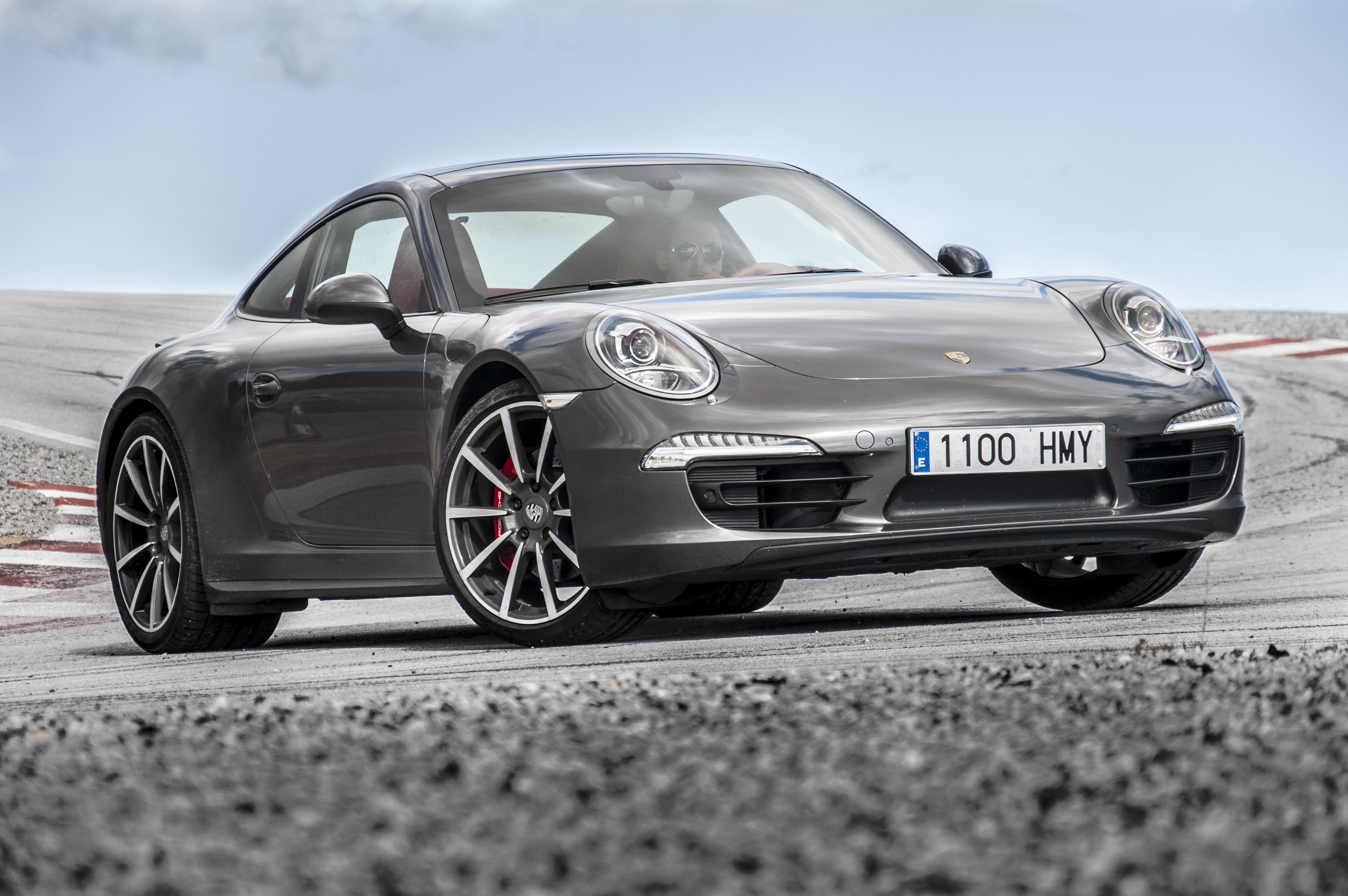
"...Dick Murdoch rode back with me when I had a, a 9-11 Turbo Porsche. It was my dream car from when I was a kid. I'd bought it. I'd had it about four, five months and it was pouring down rain and it was just horrible out..."
The Porsche 911 Turbo is a fast and sporty car that many people love. It has a special engine that uses a turbocharger to make it go faster and is famous for its cool look and great driving feel.
The Porsche 911 Turbo is a high-performance variant of the Porsche 911 sports car, known for its turbocharged engine and iconic design. It has been a dream car for many enthusiasts due to its speed, handling, and status as a classic sports car.
Hydroplaning happens when your car slips on water on the road and you can't steer or stop properly. It can be scary and cause accidents, especially if you're going too fast in the rain.
Hydroplaning occurs when a vehicle's tires lose contact with the road surface due to a layer of water, causing the driver to lose control. It is a dangerous condition often caused by wet roads and excessive speed.
"...but I've never done it in a rear engine car. And when I let off the gas and went to turn into it to catch it, it didn't catch."
A rear engine car has its engine placed at the back of the car instead of the front. This changes how the car drives and can make it feel different when turning or stopping.
A rear engine car is a vehicle where the engine is mounted at the rear of the chassis, behind the rear axle. This layout affects handling characteristics, often making the car prone to oversteer and unique driving dynamics.
"...hit it so hard and knocked the half shafts out of the motor. Motor never turns off."
Half shafts are parts that help send power from the engine to the wheels so the car can move. If they break, the car won't be able to drive correctly.
Half shafts are components of a car's drivetrain that transmit power from the differential to the wheels. Damage to half shafts can disable the car's ability to move the wheels properly.
".... I compression fracture my head on the roof. My C5 vertebrae explodes. Can't move anything from my n..."
The Chevrolet Corvette is a fast sports car made by Chevrolet. It is designed for people who enjoy driving with speed and style. The C5 is a version made around the early 2000s.
The Chevrolet Corvette is a classic American sports car known for its performance and distinctive design. The C5 generation, produced from 1997 to 2004, introduced significant improvements in handling and power, making it a popular choice among enthusiasts. It might be discussed due to its iconic status and the personal story involving a serious accident mentioned in the context.
"...t on his way home found me and called the, called 911. And these are jaws of life cut the top of the c..."
The Porsche 911 is a sporty car made in Germany. It is known for being fast and having a unique shape. People often choose it for its strong performance and style.
The Porsche 911 is a legendary German sports car known for its distinctive design and rear-engine layout. By 2026, the 992 generation is current, offering advanced technology and refined performance. It is often discussed due to its iconic status and involvement in high-impact incidents, as suggested by the context referencing the use of the jaws of life.
"...I had a decompression surgery done within eight hours of the accident. So I had fragments in my cord by disc was pushed in that old shape up against the cord."
Decompression surgery is an operation that helps take pressure off the spine when it's injured, so it can heal better and not get worse.
Decompression surgery is a medical procedure to relieve pressure on the spinal cord or nerves, often performed after spinal injuries to prevent further damage and promote healing.
"And, and, and it was, it was the most exhilarating thing I'd ever done. Benny Parsons took me out at Charlotte Motor Speedway and I got to drive this car..."
Benny Parsons was a famous race car driver who also talked about races on TV. He was really good at driving fast cars.
Benny Parsons was a well-known NASCAR driver and commentator, respected in the racing community for his driving skill and knowledge of the sport.
"Benny Parsons took me out at Charlotte Motor Speedway and I got to drive this car and met Hal Needham that owned the car."
Charlotte Motor Speedway is a big race track where cars go really fast in circles. Many important car races happen there.
Charlotte Motor Speedway is a famous NASCAR race track located in Concord, North Carolina. It hosts major stock car racing events and is known for its high-speed oval layout.
"I got to drive this car and met Hal Needham that owned the car. And, and, I, I played that all through my head."
Hal Needham was a person who did movie stunts and also owned race cars. He was important in both movies and racing.
Hal Needham was a famous stuntman and film director who also owned race cars. His involvement in racing adds cultural and historical context to the story.
"Cause I held onto the roll cage while he was, I drove the car myself. Then I sat in the other side held on the roll cage and he drove me around..."
A roll cage is a strong metal frame inside a race car that keeps the driver safe if the car flips or crashes.
A roll cage is a safety frame built inside a race car to protect the driver in case of a rollover or crash. It is crucial for driver safety in high-speed motorsports.
"And he drove me around, you know, wide open. And I experienced those G's and what y'all did. So I had a great deal of respect for that."
G-forces are the strong pushes you feel when a car goes very fast or turns quickly. Race car drivers feel a lot of these pushes.
G-forces are the forces of acceleration felt by the body during rapid speed changes or turns. In racing, drivers experience high G-forces which can be physically demanding.
"I saw that as being a potential, another path. I would have gone through the Buddy Baker driving school and tried to learn because this was before Tim Richmond..."
Buddy Baker driving school was a place where people learned how to drive race cars from a famous driver named Buddy Baker.
The Buddy Baker driving school was a racing school named after NASCAR driver Buddy Baker, designed to teach aspiring drivers the skills needed for professional racing.
"Naturally, I did what I could do within the wrestling circle. So I tried my hand at color commentating and I did some interviewing..."
Color commentating is when someone talks about a sports event and explains interesting details to help people understand better.
Color commentating is a role in sports broadcasting where the commentator provides expert analysis, background information, and insights beyond the basic play-by-play.
Select text to request an explanation
The following is a production of Dirty Moe Media.
You're Dale Jr.
Should I say it?
It's Dale Jr. podcast.
I gotta say it.
Hey, everybody.
It's Dale Jr.
Back again for another episode of the Dale Jr.
download here.
It's the guest segment on Wednesday, and we got a great guest coming in to the
studio.
I posted on social media about how excited I was for this, but thanks for
joining us here in the RB studio.
Arby's has their new Meetin' 3 box, and you get more meal for your money at
Arby's, so make sure you go over there and check it out.
Arby's, we have the meets, and we also have the great guests here today.
This is a stepping outside of the racing industry for a minute.
Terry Wayne Allen, also known as Magnum TA, was a wrestler and great
friends with Dusty Rhodes.
You see the figurines over my shoulder sometimes here on the show, but I was
a huge fan of Dusty, and Dusty was sort of bringing Magnum into the NWA and
sort of helping coach him up to become eventually world champion, and he was
right on the threshold of doing just that when he was involved in a car
accident, and his career as a wrestler ended.
It affected me.
I was really upset about that back when I was a child.
I mean, this was, I was 10, 12 years old when this went down.
I excitedly woke up every Saturday morning to watch these guys.
They would come on after cartoons, was over, and just some things that I
remember about my childhood, and that I miss, and Dusty was an incredible
character, Magnum TA was an incredible character.
I've never met Terry.
I've always wanted to tell him at least that I was a huge fan of his, and
how sad I was about how his career was cut short, but never had the
opportunity to do that, but he's going to come in here in the studio in just a
few minutes, and we're going to talk to Terry and just see kind of how he
does feel about his career and his impact on the sport, and how he was
able to sort of figure out what to do next when he realized that wrestling
wasn't going to be part of his future.
So I'm excited about this.
Let's bring Terry in the room and get started.
All right.
I'm a TA on the Dell Junior Download.
I have never met you before, and I am a big fan.
Obviously, I got my old figurine back here with Dusty, and I've talked about
it on my show before, but when I was a little boy, every Saturday morning,
wrestling would come on after the cartoons would go off, and we would
watch you and Dusty and Four Horsemen and Tully and all those guys,
Oli and Arnn and everybody.
That was a big part of my childhood, and I was a big, big fan of the NWA,
and I had Hulk Hogan figurines.
I had that wrestling, plastic wrestling ring, and I had the Roddy Roddy
Piper and all the different ones, but we didn't watch that.
We didn't see that on television.
What we saw and what was really local to us and as being from the Charlotte
area and so forth was Dusty Rhodes, NWA, Magnetia, and all that, and so I grew
up and watching all you guys wrestle, and never got a chance to meet you,
and I've always wanted to.
I've always wanted to see you and talk to you and learn about you because as
we're going to dive into this, you, in my mind, are, for lack of a better way
to say it, one of the biggest what-ifs ever, and you had, and we're going to
dive into this and I want to learn more, but in my young eyes, you were on your
way, and you were the total package, you had the looks, and you had the
ability, and you had the character, and you were the man, and everything, all
the boxes were checked until you had that terrible accident that would change
your life, but you had accomplished a ton, and we're going to go through that
as well in wrestling, and I had always just wanted to meet you because even
though your career had been cut short in the ring, you left quite an impact on me,
and I'm sure many, many other people, and so it's a pleasure having you here today.
I got to tell you, thank you for first of all, for giving us some time today.
Well, it's my pleasure, and it's such a lot of parallels because I grew up in
Chesapeake, Virginia, not too far from here, and my earliest memories of
television or wrestling, watching it with my dad, and wrestling was
something that pulled families together. You may not have anything else in common
that you shared, or that you enjoyed talking about, or anything, but
grandparents, dads, aunts, uncles, everybody got connected somehow through the
wrestling, and I never imagined in a million years as a young person that I
would ever enter that genre and that square circle, because to me,
just like you growing up watching it, it was bigger than life. It was real-life
superheroes. 66 years old. The 67, if I make it to June, and this year is 40
years since the accident. I was 27 years old when all that went down, and I
crammed a whole lot in about a six year and three quarters of another year
period. So you talked about growing up in Chesapeake area. You attended Norfolk
collegiate school, wrestled in college, won the state championship in your
division. So you grew up as a fan of wrestling, but also wrestling as an
athlete. So I was a fan when I was real young, and then when I tried to find
myself in my niche, because I wasn't a natural athlete of any sort. Like the
eighth grade, I couldn't do a push-up in my phys-ed class, and I got
introduced to wrestling during a phys-ed class, and my school had just
started a wrestling team. So I started out in the ninth grade, and because there
was no depth to our team, I ended wrestling varsity from the ninth grade
so I was just getting merged. I got beat every single match I had in my freshman
year, except my last one. You thought I won the Olympics. I was so excited,
but that was my thing, and I became so focused on wanting to be a champion of
that, and it was back during the Dan Gable era, and the Olympics when Dan Gable
went and won the gold, and my mom had given me the Dan Gable story, and I'd
read about his life, and he was just huge inspiration to me, and so I just dug in
and said, you know, I wanted to go to the Olympics in 80. That would have been the
year if I had continued on that path, and of course we boycotted that year,
and so as I went into college, I won the state championship at 167 pounds in
1977, and I tried to maintain that size, but when I graduated from school, I just
turned 18 like two weeks after graduating, so if my body hadn't gone through that
mature man thing happens to you between like 18, 19, and all of a sudden I had quit,
you know, like dieting year-round like I did for wrestling, and I came back after
my freshman year of college, and I weighed like 210. They wanted me to go back down and
say, well, you know, I kind of like being this bigger version of myself, but I wasn't
really truly big enough to be a college heavyweight because those guys were 250, 260,
and when I was in college, I started working security in the nightclubs in Virginia Beach,
and a whole new part of my education, street smart and learning out of a guy that was my
manager that was with SEAL Team 6. SEAL Team 6 was out of Norfolk, and so I got this whole other
culture ingrained in me, learned a lot of things that really gave me a whole other
set of skills, and the wrestler started coming into the clubs and I was working, and I slowly
started to light bulb goes off. I see like Blackjack Mulligan and Greg Valentine and
Ricky Steamboat, Jay Youngblood, these guys are coming in, and they wrote an article in the Norfolk
paper about them and what a big business it was, and I saw the money that these top stars were
making, and they were making, you know, $150, $180,000. That was flipping huge for, you know,
back in 1979. I thought they were all millionaires, so that's when the light bulb went off that maybe
this is something I ought to go after. So you're working security at a bar and you met Buzz Sawyer.
Who is he? So Buzz Sawyer was a very talented, charismatic performer. He was also a former
amateur wrestler. I don't even think he graduated high school. I think he went right from wrestling
in high school right into professional wrestling, and he was really just a real natural gifted
athlete, but he saw me and because it was such a tight-knit organization, it was no different than
thinking, you know, you played football in high school and you were going to go walk on the NFL.
Breaking into the wrestling business was highly guarded. If you didn't know somebody,
you weren't getting in, and so he saw potential in me, but he also saw a financial potential,
and because no one would talk to you and there was no wrestling schools or anything like, you know,
they have today like the WWE Performance Center, there was no path. You had to know somebody,
and he came in, came into my mom and dad's home and really, and you know, put on this great big
talk about, you know, he could give me in, I had all this potential, but he said it cost 10 grand
to get a wrestling license, so 10 grand might as well have been 100 grand to me back then,
but I had a granddaddy that believed in me that I'd worked on his farm and his property all growing
up and been with him since I was young and spent a lot of time with him, and he he believed in me,
he gave me the 10 grand and we gave it to Buzz, and then Buzz left the Carolinas and went all the way
cross country to Portland and said, hey, I'm gonna get things set up for you, don't worry,
I'm gonna get it all set up, and to make a long story short, I ended up going the long way around,
but I ended up knocking on his doorstep and saying, hey, I'm here, I'm ready, and that's,
I got in, I got in the business with one day of training, and was he going to, do you think that
if you hadn't assault out Buzz, that he would have, you would have never, never said it again
in your entire life? I would have never said it. I realized that, you know, reading through the notes,
we understand that you, you know, you approach him, were you angry, were you like, hey man, what's,
I was really serious, and he realized I was really serious, and he was either gonna have to fight me
or shoot me or do something, because I wasn't going away, I mean, I've never been outside the
state of Virginia, and I've gone all the way across the whole United States and showed up on
his doorstep. How did you find him? So, I ended up, he had asked me to pick his little brother up
and take him to what was called Mid-South, that was a territory, so he had opened a little door,
and I thought, I think he was just trying to appease me. Well, I never told anybody the story
about what he told me and what was supposed to happen, and while I was in the Mid-South, I wasn't
wrestling, I was just driving these guys around, listening, trying to... Taking wrestlers around?
Yeah, I was sleeping on these guys' couch, you know, and just trying to figure out, you know,
what was going on, and I met a guy named Jimmy Garvin. Jimmy was out of Florida, a good guy,
super guy, we're like super close to this day, and I told him everything that happened, he said,
look, if I were you, I would go find him. He helped me find out where he was, and you know, I packed
my car up after I'd been there about three weeks and just headed out. Yeah, I'm looking for him.
And so, he had... So, he was working in this Southeast, Mid-Atlantic region, and he decided
to go to Portland and do more... Do work out there? Yeah, and back then, you know, there was
territories all over the United States, so it wasn't unusual for someone to only stay in a
territory maybe six months, unless you were the mega star. People would come in, they circulate you
around, you'd work the mid-card, you know, around, and then you'd go somewhere else.
So, you'd go out there, and he ends up giving you some lessons?
One lesson, two hours in a bowling alley with a ring set up. And you left after that?
No, I wrestled the next day on TV against him, and he told them that I had been wrestling
in Mid-South for like six months, and I never had a match. And I wrestled every night from that
day forward for the next six months, knowing nothing about what I was doing. And how did it go?
Learning on the road, on the ropes as I went. How bad was the first match? How good was the first...
Honestly, it was respectable. It really was for not knowing anything, but you know, from working
out in the ring and learning just how to run and hit the ropes, and there was a girl wrestler named
Princess Victoria, she was working there, and it was her and I and Buzz in the ring, and he was
just showing me, you know, all the basics, how to take a tack on, how to grab a headlock, how to
do this. And I had a two-hour intense session, and then... How quick was the match? The first one?
Probably six, seven minutes. And so what do you... You don't even have a character at that point?
Oh, no. No. So like, what were you... I mean, I'm trying to imagine you. So you're wrestling
every single night for the next how many weeks? Months? Six months? Six months, right? And so
you're just a grunt guy getting in there and getting his butt kicked and getting tossed around.
I'll tell you the deal. Nobody knew, because I didn't smarten anybody up, that I hadn't
didn't have any experience. And for instance, like my second week in the business, they put me out
there with a fellow named Gene Koninsky, who was a former world champion and tremendous athlete,
Canadian guy. And he picked me up, he dropped me behind him, and he told me to roll him up. Well,
I didn't know what a roll-up was. I didn't know the terminology or anything, but I was a wrestler.
So I waistlocked him and I bellied the back suplexed him on his head. And we came back,
and he just loved it because he was just big, old, raw bone, tough son of a gun that was used to
intimidating people. And obviously, I wasn't intimidated. I was just trying to do my thing.
And the guys were really embraced me because they saw how hungry I was to want to learn it.
What were the conditions like? What were the facilities like? What was...
Small, small little arenas. Sometimes, I mean, I've dressed in a room that wasn't much bigger
than this table with a whole card full of the babyface guys, the good guys, and the heels are on
the other side. And little small places, and you were making $50 a night and driving in your own
vehicle. And I bought an old 98 four-door car. I'd always had sports cars my whole life,
but I bought a four-door car because I figured you'd need a big car.
What were you telling everybody back home?
I was telling them that I was learning it. And I was doing it. I was out there learning the ropes
and getting my head around what it was all about. But from day one, I had that ambition.
It might have been just the way I was wired, but I wanted to be a world's champion from day one.
I mean, I wasn't even remotely thinking about what I was doing right then and there.
I was just intense from the word go. And when you watch me, you couldn't see through anything I did
because I made contact. I moved you around. You knew I was there.
You become a hit with promoters almost immediately.
Obviously, you get a call to join Championship Wrestling in Florida?
Well, there's another step. And there's one little important piece of this story.
So because I had that big car when I was in Portland, I met this little fellow named Andre the Giant.
Whoever had the biggest car drove the Giant around. And so the Giant rode with me for the
two weeks he was there. Of course, had some other guys in the car too.
Do you remember? It was probably Buzz's little brother, Brett,
was with us. And I can't remember who else. But he and I became friends my first month in the
business, which would go on to be important later on. And you'll understand why. But I went from
Portland to Southwest Championship Wrestling, which was owned by Joe Blanchard.
Because I mean, again, I've been there six months, wasn't going anywhere. I needed more experience
and started calling people. And I actually had tried calling the folks in California first
and didn't make any movement there. But Joe Blanchard was also somebody that appreciated guys
who were formerly amateur wrestlers and had the background. And so he brought me there.
And I did another, I did six months in that territory. But again, I'm learning like linear.
I'm wrestling seven days a week and sometimes twice on Sundays. Do a matinee or something.
Wow. So what was becoming friends with Andre like?
He was a gentle Giant. And I've never seen anybody drink. I thought I'd seen people drink,
but I mean, he would, he would cycle between you. He would go like part of the year and drink
beer. And then another part of the year, he'd drink wine. And then another part of the year,
he'd drink hard liquor. And that was really bad. But he would, he'd take a regular 12 ounce
of beer and it looked like a little baby can in his hand. And he'd take three sips and throw it
out the window and it was gone. And he, you know, he, everybody else would have a couple of beers
and he'd had a case, you know, and he could drink a hundred. So, you know, I've only been able to,
you know, I hear, I've heard a lot of people say how
a lot of people have very similar opinions of him, but from someone like myself who had
never been in the room with him, right? And only seen him wrestle, right? It's hard to imagine
having a conversation with him or sitting in a room with him or hanging out with him, right?
Give us an idea, I guess, of what, what kind of personality, what kind of,
what were the conversations like? Heavy French accent. And he actually, he cared about the
people around him. And he was very, very, very intelligent about the business and what it took
to be successful. And, and I say all that because the setup of all this was when I went from,
when I went from Portland to, to San Antonio, then San Antonio to Florida,
Andre had come in again and he hadn't seen me in a year, year and a half. He watched me evolve
and he'd seen him. He'd come from the, you know, the greenest grass kid that couldn't
only lace his boots up to someone that put, put a lot of ring time in. And he's the one
that came up with the name, the handle, Magnum TA. So he, we were at a place called Fat Man's
Barbecue and eating breakfast at three o'clock in the morning. And he looked over at me and he
said, you, he said, you're ready. You're ready for something big. You just need a name. You need
something catchy. You need something that people will remember. And the Magnum PI series was big
back then. And I had shorter hair and the mustache and he said, you, you kind of remind me of that,
that Magnum PI, you should be Magnum TA. I didn't know what that meant. I thought it was a really
catchy name, but, but he's the one that, you know, brainchild that thing. And he was, he was just
always thinking about business and how he could help other people. So who, you know, from that
moment forward, did you, did you, when do you, when you're able to like implement that character?
When do you, when, how long from that moment to when you would become, or was it a process?
It was, it was a process and I didn't try to introduce that in Florida because I was wrestling
in the middle of the card. Scott McGee, Barry, Barry Windham and I were there.
You know, we were, I was wrestling a lot of tag matches. And as a matter of fact, Scott McGee and
I were there, what they call their global tag team champions. And we were going out there
wrestling 30, 45 minutes every night. So I was getting this great experience and how they were
veterans. And I mean, people, you know, Kevin Sullivan was there, Jake Snaker Roberts was there.
Just, I mean, oh goodness, I was trying to think of some of the names that you would know,
Blackjack Mulligan was there and Dusty Rhodes. And, and, but when I had the name, I knew that
that would be an opening to be on top. So Andres was working for Vince Senior at the time. This
was for Vince Junior had, you know, taken sights on looking at, you know, taking over the world.
So he was going back to New York with the idea of talking to Vince Senior about bringing me to
New York. Really? Simultaneously, while all that happens, Paul Orndorf, who's a big star in Mid
South, leaves no notice, nothing just leaves in the middle of the night, goes to New York,
leaves us open big opening spot. Big cat Ernie Ladd was the booker. He, he was coming in and
out of Florida doing guest shots. He had his eye on me. He calls me in the middle of the night
says, Hey, I got a smile on top, you know, and we talked about the name. So we're going to bring
you in and, you know, we're going to give you a push. So that would have been my first opportunity
to be on top. I'm going to be this new guy that I don't really know what that means. And, and, and
then so I go and they introduced me as Magnum TA and I'm still wearing lace up boots and
they're trying to figure out my character, my persona and what they want me to push and they
don't know. They had me one week they've got me dressing up like a Brooks Brothers suit. The next
week they're they're getting me trying to get me to wear punk rock clothes like the Rock and Roll
Express. I mean, they were just on and on where they didn't get it. And I've been there six months
and Ernie was just frustrated. He was ready to throw up his hands. He said, Look, kid,
these things, this isn't working out. You know, maybe you should, you know, go get some more
experience somewhere else and figure this thing out. So Dusty and I were, had become best friends
when I was in Florida. And Dusty says, Hey, he said, he said, I got a, he said, I've got an idea,
baby. He said, I want you to get a motorcycle. And he said, you are going to be the lone wolf
Magnum TA. And I'm going to have you ride that bike in the town. So even if we got a trailer
five miles outside the town, we're going to ride, ride up like the lone wolf.
And I said, I'm all cool with that. And I said, that sounds good. And I go down,
I go down to Baton Rouge, Florida. I mean, Baton Rouge, Louisiana,
on my way to the town. I was going to wrestle that night. Jim Duggan and I were riding together
and he dropped me off and I'll buy. Yep. I saw that. I saw the autograph up there. And anyway,
so I buy this motorcycle, buy a new leather jacket, and I ride it into the town. Well,
I'm still working in mid south. And when I roll up in that town, even though I've been there six
months, the whole energy changes. Even when I walk in the dressing room with the leathers on in the
deal, the energy changes. And then Bill Watts, he sees the energy change. He says, Oh, you're not
going anywhere. Got big plans for you. And then I turned into this, this rough, rough baby face,
kind of, kind of borderline what the forefront of what Stone Cold Steve Austin would be. Yeah.
And, uh, and so I got to really hone that character for a solid year work, working on top
in mid south. Hey, this is Dale Hart Jr. And for all the latest Dale Jr. download gear,
including the I'm old drinks and beer t-shirt we've been talking about here around the office,
head over to shop.dirtymomedia.com for all the latest merch.
What was it like to work with Dusty out of the gate? He was, we, we just struck up
this really, really unique friendship. Him and Barry had been very close since Barry was like
a little kid because of blackjack. Blackjack and Dusty were friends. He had always watched Barry.
Barry was one of the most nationally gifted wrestlers of all time to this day. And, uh,
and when I'd been there six months in Florida, Dory Funk Jr. had been the booker. Dory leaves,
Dusty comes in. Dusty was going to like rearrange things. As a matter of fact,
he didn't know me from Adam's house cat. He was going to have me go to go send me to Kansas,
not to Kansas City to, uh, to, uh, to work in Tennessee, to Nashville. And
Barry said, you know, you might want to take a second look at this guy and,
you know, look at him from a different perspective. So Dusty and I make a road trip together
and we're coming back and he puts this eight track in Frank Sinatra's show tunes. Well,
because I'd grown up in all kind of diversity of culture and exposed all kind of things. I'd do
the words to every song Frank Sinatra sang and we sang and we carried on and we come out of that
trip and we're like all of a sudden best buds. And we just immediately have this bond. And so we,
we'd established that bond in Florida and then, you know, he wanted to see me be successful in the
Mid-South and, uh, and had watched me, you know, really take my game up. And it's funny. He was
like, he was like my best friend, but he never talked to me about the mechanics of what we did
in the ring, but he talked to me about psychology and his dreams and visions of something bigger
than, than just what the regional type wrestling promotions had done. And, you know, I was with
him when he dreamed the Stargate up. That was just something that came out of his head. He was thinking
about the mega show and, you know, bringing the, you know, the Joe Frazier's head and, you know,
bringing, bringing people from other, other sports and other forms of entertainment into
wrestling. So he had a huge imagination and just, he had a lot of faith in me. And, uh,
he got the opportunity to come to work here for the Crockets. Uh, they were just in dismal shape.
They were not drawing, they were not doing well. The guys on top were not making,
Why would Dusty want to come do that?
Because he had the vision of wanting to build it into something big.
Well, he had brought Barry Wyndham with him.
Was it also geographically because of, you know, I don't know, was the mid-Atlantic region?
It was just that the Crockets had been around a long, long time. They were an extension of all
the Southern promotion. What was the physical footprint of the territory?
It was back then. It was just North, North and South Carolina, a little bit into North Georgia.
And, um, and, and up to Virginia, up to like Richmond.
So it felt like in that time, when I was, when I, of course, I didn't see
all the other territories on my television, but it felt like that the NWA and Charlotte
in general, the location, the physical location was the hub, you know, of all things wrestling.
And, and you also, you knew the WWF was out there with Hogan and all that and McMahon, but
I felt like, I mean, I didn't, I wasn't around watching it in the late 70s, but
it's interesting to me to hear that it wasn't doing all that great.
That particular territory wasn't doing all that great, comparable to,
you know, what you, what you'd experienced in Florida and so forth.
So do you remember when it's, when it showed up on TBS on the Super Station?
So that was the turning point. Yeah.
So the first six months I'd come here, it was on its rear end.
And I remember looking at Dusty saying, man, we got to do something because we're out there
killing it. We're giving them great matches, but it wasn't popping the place.
And Jim Crockett went and made a deal with Vince McMahon because Vince had somehow secured
the TBS Super Station, but he was also on the USA channel.
Well, it was a conflict of interest and, and nobody was real, real happy about it.
So Jimmy gave him a check, rumored for like a million dollars to get that spot.
The minute almost simultaneously of us going on TBS, and then we had the Saturday morning show,
the two hours at six o'clock at night and the Sunday night show, that became the star maker.
And Dusty was like, he was a kid in a candy store.
He had me like, so when I came on the scene on TBS, it was like, nobody'd ever seen me before.
Right. Also, and I'm on national, national television,
but I have five years of experience. Somebody knows seven nights a week.
So I'm seasoned, ready and locked in and they put flair in our head to head.
And we go all the way around the whole loop, an hour every night.
Yes.
And that's what establishes the credibility of our wrestling product,
as opposed to the WWE was sheer entertainment, Hogan coming in, you know, glitz and glamour,
big promos, ripping the shirt, stomping around.
And we're going out there depicting a real competition
and a markedly different thing that they did.
The matches were, the matches were incredible.
But also what I enjoyed particularly about the Saturday morning shows was the promos.
So it helped me, you know, I think for a wrestler, I'm just, you know,
imagining from the conversations I've had and watching it myself,
you're not going to be a superstar unless you can do the promo.
How was, how was that process for you?
What, how did you, you know, how did you learn, I guess,
how to work the camera and to be charismatic?
And so I learned it while I was in Mid-South.
I got, because we would do, we would do two, three hours of promos every week
because they were for individual talent.
So we'd go in and just nonstop, bam, bam, bam, bam, bam.
And, and I had Bill Watts and the, the booker was a fellow named superstar Bill Dundee.
And I had them in my ear telling me this, wanting me to tell me to bring the intensity up,
you know, finding my lane, find what I, because it's got to be a magnification of something you
believe. You got, you got to be dialed in, you, you can't, you know, make yourself, you know,
portray something that something isn't deep down inside you somewhere.
Obviously it's a, you know, monsters turned up the knob all the way to the top version of it,
but you've got to be comfortable in it.
So I got all that under my belt there.
So when I came here and got the form and got the, got the green, you know, the green light,
I was ready. And again, I got to, you know, by working with Flair, Russell Flair all around,
that elevated me to, you know, a whole different level immediately. And I, you know, greats like
Wahoo McDaniels and, you know, folks that had such history and credibility to be showcased and,
and get victories over those people just, you know, kept taking you right up that ladder.
When you watched, um, when you watched Dusty and, you know, Flair as well do promos,
two of the best ever, never missed, never missed. I don't know how, I mean,
how, how much effort and work goes into being able to go out there and nail it because they never
made mistakes. I'm sure we never knew it.
Yeah, they were totally improvisational too. Never knew what was going to come out.
And being on, being on live camera with Dusty and being his partner and not knowing what's
going to come out of his mouth. I mean, he busted baby doll and I up so many times. I mean,
because, you know, this is before politically correct was even a thing, right? And he would
say anything. They came across as mine. Me and my friends, like that's half the time when we're
sending anything wrestling related. It's just these old promos back and forth to each other.
Like, man, you believe this? Look at this. This is because they were just so good.
Well, and, and again, Dusty was great at finding people's strengths and ways to,
you know, elevate them even up. He would have, he had a cameraman that would zoom in when,
when I started doing a promo, particularly if it was just me, he'd have him zoom in and capture
me from here to here just to get the intensity of my eyes. And because you were like looking into
people's homes, they're sitting there, you know, eating dinner, sitting on their couch.
They're all talking about it. And when you look at that camera and, and just nail it,
they feel like they're in it with you. Yeah. You know, it's pretty, pretty incredible.
So Dusty and Dusty's kind of in a sense, taking you under his wing, what'd you say, helping you?
Oh, 100%. I would have never had the super star run working for the Crocs had it not been for
sure. So you're working with them. And you won the North American Heavyweight Championship in 84,
defeating Mr. Wrestling too. You held that until October that year. But you would, you know, you
were, you were in tag tag team matches with Dusty, you were in title matches on your own.
You had, you, you had made it. You then began a feud with Tully Blanchard,
the full horseman. They were kind of pitted for folks who, you know, didn't, didn't watch this or
wasn't, wasn't, wasn't around back then. It was you and Dusty and the full horseman, which was
led by Rick Flair. And it was, you know, had Oli and Arne Anderson in there. And if I remember
correctly, every now and then, Oli would, would sort of be in the, be in the, be in the middle.
He was one of the nicer of the four from what I remember. It might have been Arne, but it was
kind of odd because I remember his characters. I hated Tully and he was easy to hate. He wanted
you to hate him. Rick was so great at promos. It was, it was, he, it was hard to hate him because
he was so good at his promos, but he was the Anderson brothers on the other hand didn't look
or seem or come across as bad guys to me. And so every now and then you'd kind of be pulling for
them. What was your, what was your personal relationship with those four guys? So we didn't
travel together back in the early time because we were all in cars. We, you know, and, and this was
back when we were, you know, we were just dead set at, you know, portraying this as a real feud
and a real hatred. So we had never interacted in public. We were never seen together, any of those
kind of things, not until you're getting later on when you started traveling in our private jets
and all that stuff, you know, where we, we would be in the same little bubble. Tully and I had,
had met when I was working for his father in San Antonio and Tully saw potential in me,
even though I'd only been in the business six months and he told me about his vision for what
he wanted to be. And he just wanted to be the best heel in the country. And he never had any,
never had any ambitions of being liked. He wasn't any confusion about it. And that was a,
and that was a magnification of his personality because he could rub people the wrong way,
just like that inside and outside the ring. And, but, but he was, he was one of the best
professionals ever gotten the ring with. I had an eight month program with him that ended in that
I quit match in the steel cage here in Greensboro. And he was just just an absolute phenomenal
performer when he had baby doll doing the distractions and, and all the things that they
did. So he was like, you know, the ever ready bunny. He would go, I mean, you could be beating him
and how to work so hard because you'd knock him down and he'd be back up coming for another punch,
just like that. I mean, he was like just killing it. And, you know, I often think,
you know, we, we, we, you know, we talk about what could have been this, that and the other.
He really would have been an amazing world's champion if he had been cast differently than he
had because his only, his only one big one on one feud his entire career was with me.
Outside of that, he's only known for the force tag, tagging with, you know, with Arne and,
you know, and he was, you know, I mean, just an incredible performer, you know, all the way around.
How do you, how about the Anderson brothers? So I had met his funny. So somebody sent me a clip
of Arne and I in Mid-South because Arne was a, was one of like the what we called enhancement guys
that would just come to TV and, you know, you know, bounce around for, you know, five, five
minutes, 10 minutes to get beat. And I remember seeing him the first time and saying, you know,
that guy's got some huge potential. And then when they brought him to the Carolinas and,
and gave him the Anderson name and, and that whole deal, you know, he was just,
just superior athlete, but he was also so good on the mic. I don't know. He's the one that came
up with the four horsemen deal, the writers of the apocalypse. I mean, he, he quoted something
that he'd remember for his grandmother's from scriptures. And the next thing he knew, the
four horsemen of the apocalypse came out and it just, it just rolled. But he was a really gifted
guy on the mic. Yeah. So was with Rick Flair being so successful in that moment, was that detrimental
maybe to Tully a bit? Was he, was Tully sort of having a hard time coming out from underneath how
big of a deal that Rick was growing into? He didn't. He did. It did. If you, if you tried to
put him in a singles role, because they, they, they really, the horsemen really came about
after we had, he and I had finished our feud because I was into the feud with Nikita by that
time. And it really did. I mean, it put him in a, you know, in a spotlight, certainly where he was
in a lot of main event matches, but it kept that doors, that, that lane was shut for him because
he couldn't, I mean, they, they put another, I think they had a national heavyweight title
and then a world television title and he held both of those. But is that lane wider for babyface
than heels? No, it's actually wider for heels. Reason being, typically you want to see somebody
chasing for the title. That's right. And you're not going to be cheering the heel chasing for the
title. You want to see that babyface overcome all the things that, you know, he's getting cheated.
He can't get a fair shot. There's outside interference. It's this, it's that. And that's
what sells tickets. Yeah. Yeah. That's what we watched Dusty do for so many times thinking, man,
he just gets so close. And that's what kept you turning in every single week is maybe this is
the week. Maybe this is the week. It's episodic, so popular. Yeah. So, so good. So you and, you
and Rick had a rivalry and you are, you know, around this time sort of being positioned as,
as the guy to go, you know, you're kind of falling into that role that Dusty had played for so long
trying to grab that championship belt from, from Rick. So back then the, the world's heavyweight
belt was controlled by a group called the national wrestling alliance. And that was an actual alliance
that was promoters all over the country that had a vote and, and, and they had a say and who
represented, you know, the country because that was really, it was an extreme honor because everybody
recognized your level of performance felt like you could come to their area, you know,
wrestle their top guy, elevate, you know, ticket sales and whatnot. So there's a lot to it. So
could be a member of any of the geographical regions, right? But he, it was decided in this
case to be Rick Flair, which was a, which was a member of this specific, you know, mid-Atlantic
geographical location. But that was decided on by all of the members. He had to vote. He had to vote.
And I remember vividly they brought me, so the convention was in Vegas and, and Jimmy Crockett
flew all of us out to Vegas for the convention. And they had me address the room and to, to
introduce that thought and what thought the thought of me being the guy. And so you had to get up
there and speak and try to, you know, convince these guys, this might be a good idea for me to
be in this role. And it wasn't that. It was just, it was just addressing the room and them seeing
that in you. You're not trying to convince anybody, uh, your, your work and what you did on the mic
and what you carried yourself and all those things were the deal. But it's like, so Flair was, Flair
is 10 years older than I am. And they wanted a, uh, they wanted a youth. They wanted more,
they wanted somebody in their twenties and they tried it with, with, with different folks.
Tommy Wildfire Rich was a big star in Georgia. And I think he held the title a couple of weeks.
But to, to, to maintain that title, you had to be able to go out there and wrestle and have a
great match with pretty much anybody and Flair had that capability. But the reason he, they call him
the 60 minute man, when you, when you attain that title and you go to those places, they don't want
you to beat their champion cause then you leave and they got to draw money with that guy. So they'd
have, you do the hour, you do the, the, what they call the Broadway, the 60 minutes. And so you, you
do have that six minute, minute match and the last 15 minutes that everybody would think, oh,
their guy almost had it, almost had it, almost had it. But of course Flair would somehow maintain
and get through the 60 minutes and time limit and the champion always maintains the title.
Right. So it was a, it was quite a task. You had to be able to do perform with,
with literally whoever they threw at you. Right.
Let's talk about the accident. 1986, October. You're on your way home from a match. Do you
remember that day? October 14th. And I was coming, I wrestled Jimmy Garvin in a Lumberjack match
in Greenville, South Carolina. And Dick Murdoch rode back with me when I had a,
a 9-11 Turbo Porsche. It was my dream car from when I was a kid. I'd bought it. I'd had it about four,
five months and it was pouring down rain and it was just horrible out. And we, we get all the way
back to Charlotte and we stopped it up. The Benningons was like the, the watering hole where we
all hung out on it. When we got back to town and we got back before it closed. And, and I lived
literally 10 minutes from there. And I, I, I said good night to him. I went home. I was heading
home. It's coming down Sardis Road. And back then that was a two lane road over there where
Charlotte Christian school is. And there was a little dog leg turn in the two lane road in it.
And there was a dip in it. And it was raining so hard that the water had gathered really heavy.
And so I'm, I'm running, I'm running faster than I should. I'm running like 55 miles an hour and
a 35, but in that car, it felt like you weren't moving, right? And I hit that water in a hydroplane.
And I've hydroplane so many times I can't even tell you, you know, other times in my life,
but I've never done it in a rear engine car. And when I let off the gas and went to turn into it to
catch it, it didn't catch. And then I, then my like in a middle of a second, I said, you know,
so they told me you had to drive these things out of a problem when you got it. Well, when I got
back in it, it spun the tires and turbo kicked in and I spun the other way. And I broadsided
the telephone pole, you know, no telling with the whip that it made how hard I hit it. But I mean,
I hit it so hard and knocked the half shafts out of the motor. Motor never turns off. I compression
fracture my head on the roof. My C5 vertebrae explodes. Can't move anything from my neck down.
I'm driven down in the floor of the car. And, you know, there I lay for what seemed like forever.
Young man who was a student on his way home found me and called the, called 911. And these
are jaws of life cut the top of the car off and take me to, they couldn't air lift me out because
it was raining so hard. And I got to get to the hospital. And all of a sudden I got this, you
know, the surgeon standing there, me telling me I've got a million and one shot of ever walking
again. Damn it. At, you know, the, you know, at, like you said, on the precipice of the biggest
time in my life. Yeah. Career wise. When do you start to realize, you know, what you got, right?
I realized when he told me, because first of all, I didn't hurt and I didn't have a cut on me. I had
little scratch on my head, but I just hit my head on the roof. And then like I said, the pressure
drove me down. And so I wasn't in pain, but it was a horrible feeling. You know, I didn't know why
I couldn't move. You know, I always thought if you broke your neck, you were dead. I didn't know
you could break your neck and survive. And so I wasn't putting it all together, but I was five
months in the hospital. I was 30 days in ICU and then another four months in the hospital and rehab
in Charlotte. And it was just the most brutal battle of my life. Just trying to get back where
I could breathe off a respirator and, you know, start getting some movement. I had a decompression
surgery done within eight hours of the accident. So I had fragments in my cord by disc was pushed
in that old shape up against the cord. I mean, they didn't, they didn't know if I was going to
make it overnight, right? Much less anything else. So it was, it was really touch and go. And
you know, they, I mean, they snuck Dusty, Dusty got the Doug Dillinger who did our security was
also a Charlotte police officer. And he, he made him a way to get flair and in an iron and telly
and them up to come see me because they didn't know if I was going to make it. Right. And they all
came to see me in the ICU. And do you remember that? Do you remember them? Oh, yeah, I remember
it well. And I couldn't talk because I had a trach and it was the most helpless feeling imaginable.
Yeah. Can't move, can't talk, can blink, you know, and you see the pain on everybody's faces
looking at your worry and concern. I'm sure. Golly. You know, you talked about how long it
took you to start a rehab. What are some of the milestones or some of the breakthroughs? I
guess that you recall having what you're thinking? Well, immediately after the surgery, I could bend
my left arm. So that was, you know, that was, so I got some immediate return, you know, instantly.
I think so moving my arm. And then the first time they set me up. Oh, goodness. I felt like my
whole body was full of just made out of Jell-O because all my, because all those, once all the
muscles are turned off, even if you have returned going back to them, you have to reeducate them
and do all kinds of things to get things working again. So, you know, it was, it was that is being
able to, you know, feed myself at first and sit up. And then I think two months in, I actually
was able to take some steps and five foot of water. And that was a big thing. But my right
side was much weaker than my left. I have what they call as a brown secured injury,
meaning my motor nerves were more damaged on my right side. But I can feel better on my right
side that doesn't work as well. And the same thing vice versa. This side works better. It's
still not a hundred percent, but it's all functional to, to a degree. And, and I just started
to wrap my head around what it was I could actually do. Everybody kept saying, oh, you gotta come back.
I was trying to figure out how to come back to life. I wasn't even thinking about, I knew what
it took to do what I did in the ring. I had no earthly thought in my head that I'd never be
able to do that again. Right. I just wanted to say you already made, you had, you had self-awareness.
Yeah, I had complete self-awareness. Even though those around me didn't. Right. So,
yeah, I'm sure there's other people thinking, you know, maybe we can, maybe there'll be
an opportunity for me to come back. Right. But you was that emotional for you to have to,
you know, you, I, so I, this is a different situation than, than what, you know, race car
drivers, we, we have some similarities in the fact that we, you know, you dreamed of making,
you dreamed of doing this, right? I dreamed of driving race cars. You dreamed of becoming this
guy you were in the ring and you got to do that. You got to live that dream. And, and I, I
genuinely mostly have racers on here and I like to talk to some of the guys that have retired. And
one of my, one of the things I really enjoy discussing with them is coming to terms with
the end of that dream, right? Or coming, how do you, some guys struggle, some guys really
still even years later have a hard time seeing themselves as anything but that guy that they
were in that race car and, and it's still a journey for myself to really wonder when there'll
be a day where it's completely shut off, right? I'll never drive another race car again in my life.
And so I can't, you know, I kind of, I like having these conversations because it not only
helps me, but how this is not, our situations are not similar. I did not, I was not necessarily
in the same experience that you had with, with the accident, but how was that emotionally
to, to realize, you know, that, man, I'm not going to get to continue that
thing that I've worked on and worked hard for. It was a day to day thing. I, I had to, I had to
learn to celebrate victories that weren't something that others would measure as something spectacular.
Realized that having had lost everything, everything I got back was a blessing and a gift
as it, as it came along. And it, you know, I walked out of the hospital under my own power
five months after I went in and they gave me the million and one shot I would walk it again.
So I took great, great personal, you know, victory inside for, you know, pushing, pushing,
and, and not giving up and, and getting to that point. But to your point, say I'm 27 years old
at this point in time. And, you know, I mean, I had my, I didn't want to wrestle forever anyway.
Right. I wanted to wrestle dogs like 30 years old because I didn't envision wanting to be
that version of myself going past my prime. I want people to remember me being the best I could be,
the best version of myself. And, and, and I actually had had an opportunity to drive a race car.
And, and, and it was, it was the most exhilarating thing I'd ever done. Benny Parsons
took me out at Charlotte Motor Speedway and I got to drive this car and met Hal Needham that
owned the car. And, and I, I played that all through my head. And again, just like wrestling,
not knowing, not knowing about, you know, guys coming up starting in go-karts and all the things
they do to attain all those skills. Cause just cause you, you've got big balls and you don't
mind going fast and they're going, going 200 miles an hour in a circle is one of the most
grueling things I've ever physically experienced. Cause I held onto the roll cage while he was,
I drove the car myself. Then I sat in the other side held on the roll cage and he drove me around,
you know, wide open. And I experienced those G's and what y'all did. So I had a great deal of
respect for that. And, you know, I saw that as being a potential, another path. I would have
gone through the Buddy Baker driving school and tried to learn because this was before Tim Richmond
and before these young guys, and it was a huge parallel with the audience from wrestling to
Nashville. They were always looking for that next young guy, that thing, marketability and sales
and bringing people out there into the stadiums. And so I understood that. But again, I felt,
I had unsettled business cause I didn't ever achieve the world title. That was tough. And then I
tried to throw myself back into what was familiar. So when I got back where I was ambulatory enough,
I could, you know, go to and from and do things. Naturally, I did what I could do within the
wrestling circle. So I tried my hand at color commentating and I did some interviewing and
then I ended up eventually working with Dusty as what they call the deputy chief talent director,
which he was the Booker and I was his assistant and I made sure what he wanted to be done was
being done with the guys. But it was really hard to try to communicate to people how to do something
that I knew how to do with my eyes closed. And they're looking at you like, you know,
they're making all this money and who am I? And it was just, it was a horrible place to be.
And I did that up until like 1990, 1991. And I got out because it just was not,
it wasn't a path I could see myself continuing. And it was a good mental headspace for me.
And God opened up another door and introduced me to something else. And I got in a whole crazy
another world that wasn't in the spotlight, but something that I couldn't even imagine how
demanding it would be. But, but, you know, to say all that, I met a fella here. It was from
Kenapolis. His name was JR Richardson. He'd been in the tower building business for his entire life
and he was a wrestling fan. So he was all happy, you know, getting to know me and all this and,
and he introduced me to this thing called telecom. And I've been in it for over 30 years now.
So you got out of, yeah, you got out of the wrestling business. And so, you know, for,
for people like me, you know, we, we think, we think that it's just a spotlight, you know,
no matter what role you're playing in the business, it's under this spotlight and it's
got to be great, right? But you just explain like how difficult some of the roles could be.
If you're not the man, if you're not the star, being in that business can be, can be challenging
and choppy. How, and you finally made this decision, like I'm going to completely go in an
entirely new direction unrelated to anything of, of notoriety or celebrity, right? You,
and you had, and you, and you made that work and you hit, you succeeded.
And, and the, the keys to success, the work principles, same things you guys, you know,
you know, apply to, you know, build championship teams and, and quality people, you know, those
skill sets apply to whatever it is. It doesn't matter if you're in a factory making widgets,
or if you're in, you know, in, in, in some kind of a, you know, healthcare, whatever the good work
ethic that people would drive are going to be a value add and whatever lane they end up. If,
if they stick with it, you can't, you can't be the jack of all trades and master of none. You
got to find something to lane and stay in it. But, you know, the wrestling legacy, the, the,
the heritage thing is something just like racing. You never get out of, you're in a
brotherhood, you're in a fraternity that you'll always be in. And, and I have, I have spent
more hours with Tully in conventions and stuff talking about that Blumen series and that I
quit match than anything you can imagine. And like the WWE, you know, put us in the 10 most
violent cage matches in history and memorialized it. And, you know, we, we weren't even thinking
anything about it at the time. It was just a day at work, you know, and it's, you know,
something people talk about all these years later. How much do you enjoy getting out to
conventions and meeting fans and hearing about their experiences, watching you wrestle all those
years ago? Well, you know, I'll segue it and tell you a couple of things. One, in the hospital,
we were, we were going seven days a week, as hard as we could go. And I knew we were,
I knew we had a large audience, but I didn't really realize how large. And so the impact that
we were having really hit me while I was laying flat on my back. Had a lot of time to thank and
self reflect. And I determined, it made it my, just my life, every moment thought that I was not
going to let all these people down that had supported me playing this hero that were now
supporting me in the fight of my life and use this as an excuse to, oh, well, I don't blame him for,
you know, spiraling out of control or ending up in a ditch or, you know, going down some bad path
or whatever. I was determined that I was the only way I could give back now was probably more
important than anything I'd ever done. So I'd had their attention and I was going to persevere.
And I was going to let them see that this guy that they saw play this guy really was made of
something and, and, and give them a different kind of inspiration because we all have adversities in
life, some large, some small, but, but everyone has something. And you're, and you're influencing
somebody every day, whether you're going through a parking lot in a grocery store at work, people
are always measuring how you handle things. And, and it's just, if it becomes ingrained in you to
be that persevering person that doesn't complain and doesn't sit around and get on their pity pot
and finds a way to overcome that, uh, that's more of a legacy of anything you could ever leave.
You know, and that, and that's what I kind of dug into and have applied that principle with
my kids and, you know, everything I've touched for the last 40 years.
Your, um, Cody Rhodes, Godfather, um, you, you remember being presented with that, that idea?
I do. And, and, and I, and I watched y'all's interview and, and, you know, I feel,
I feel bad in ways because Cody, I was there the night he was born. We had flown in on a flight
and rushed to there, rushed to the hospital and it was Dusty nine, Manny Fernandez. I can remember
it like it was yesterday. And, uh, you know, I was there and I was there when, when he was
christened down in, in, uh, Tampa, Florida and held him off. They, you know, they, they did the
whole ceremony and, and, you know, shortly thereafter I have this catastrophic thing happen.
So, you know, certain things in your life you just like, I don't know whether your mind just
doesn't wrap its head around all these things, but it wasn't really until he became a teenager
that I remembered, oh, by the way, that's my God son. You know, because it just, it was just during
that very dramatic time of my life where certain things had shut down and, you know, I'd gone on
into a new life. And, uh, so I, I mean, I watched him and, uh, Dusty's wife Michelle and I've actually
talked a lot more in later years than, than Dusty and I did because she would always be home and
answer the phone and tell me what was going on in everybody's life and what was happening.
But, uh, you know, as Cody's, you know, set his sights on what he wanted to do in the business
and his big brother, uh, you know, Dustin had already, you know, had, you know, had been very
heavily rooted in the things he'd done. Cody was just like this, uh,
hybrid of what his dad had been and, and what the business evolved into. He, he had vision like
his dad because they had worked for the WWE as a young man like he did. And then, and have a huge
contract and then realize that they're not seeing in you what you see in yourself and having the,
the courage to go out there and prove to the whole world what you really all about and look at
him today. You know, now he's three times world's heavyweight champion in WWE and arguably, uh,
you know, want to go down in history as being one of the biggest stars of all time and has,
has, you know, done things that his dad never even dreamed of as far as a performer. So, uh,
yeah, I mean, I'm so proud of them. I wish his, I wish Dusty was, you know, here, you know, in
the corners, you know, we were sitting back smuggling a cigar and laughing and watching him.
But, uh, it's, it makes me smile every time I see him out there. Well, I texted him the other day
that we were going to sit down and have a talk because he, he had told me about how, um, how
much you were a part of his life and his, and such a great friend of his dad. Um, so he's, uh,
I'm hoping he'll, hoping he'll be excited to listen to this conversation when it, when it
comes out. But, um, it's interesting because, um, I had gotten, you know, when he came in here and
we got to sit down and talk, um, I was really kind of taken aback by how genuine and honest he is
about how he feels. And you can tell that, um, he doesn't, he, he wears, um, his feelings around
his father and all of that and missing his dad and everything that he's experiencing and
every, all the success that he's enjoying while knowing his dad's not here to see. He wears all
that right on his sleeve. There's no, no question. And it, um, as, as tough as that is, it's so good
to see because he's the, he's real, you know what I'm saying? Um, which I really was impressed,
I guess, by getting to, getting to talk to him for a couple hours in here. And that was before the
big push and, and what he's done in the last year and a half. Well, you, what you ought to do
sometime is listen to Dustin's story and Dustin's story because he, he, his relationship with his
dad was from the outside looking in and only got to be, you know, engulfed in that when he was
already 16, 17 years old and moved, moved here and live with his dad. And Cody, you know,
Dusty had so many regrets over not being able to be in his children's lives from his first marriage
more than he was. And he poured himself into Cody in his football and his wrestling and
everything he did. I mean, Dusty took a, you know, partial, you know, coaching position,
you know, in things that he did and, and just mentored that young man and, and gave him every
last ounce of what he has left in him to, you know, help him believe in himself. He could make,
he could take a person like myself and see something in, in you that you didn't see in
yourself. And if I was, so Dusty coincidentally enough passes away on my birthday, all things,
right? And I went to his funeral in Tampa and all of those, all those now WWE superstars like
Seth Rollins and on the, and the, uh, the Bella twins and just on and on these people that Dusty
had done the same thing and that performance center touched their lives and brought something
out of them that they didn't know they had. He, he impacted so many people in this sport,
be it behind the scenes that he's responsible for so many superstars that are, you know,
making millions today that I don't even, I couldn't even tell you. Yeah. You, you mentioned earlier
about driving a race car with Benny Parsons. Now, you know, you had a genuine interest in
somehow transitioning out of the wrestling world and, and, and exploring the idea of being in the
NASCAR world. I did because I'd grown up around that too. Ricky Rudd's from where I'm at just
to speak and, and, and my, I've got an, I have an uncle who's actually too much younger than me,
my dad's youngest brother and, and they, and they race dirt bikes and, and rode go-karts together
and then Ricky went on and goes on to NASCAR. And so I'd always enjoyed it and watching it. But
when I got behind the wheel of a car, I had a whole different perception. I realized that there
was nothing simple about it, that it was a, it was a skill set. It wasn't just driving in, in
circles. And, and, uh, on the heels of that, I get on a plane and how needoms on the Dagon plane.
And we ended up talking for hours. And, and he's, he's one of the kind of laid the path out for me.
So, but this is what you need to do. And I can help you do this. And, and Jimmy Crockett's on the
plane and he's about to have a cow. I got plans. Yeah, you got all this invested, but I figured,
you know, if I was, I was 27, I'm going to be the world champ, you know, I'm going to be the world
champ for three years, you know, and I can start doing some, some driving school stuff on the side
and learning and, you know, maybe crossover, right? And, and, and it scared the crap out of
everybody. But, but I saw that is, and don't take this the wrong way, but I saw that as a less
physical path than what I was doing every day. Cause I'm doing this seven days a week. And I am,
you know, I'm, I'm beating people up and I'm getting beat up seven days a week. And I didn't see,
you know, I saw 30 to 40 is, Hey, that car, I might be able to hang on to that steering wheel for,
for 10 years. Yeah. So speaking of the, the wear and tear, like what, what, um, I mean,
obviously the accident had a heavy toll on you physically, but what are some of the, I guess,
what are some of the scars and things that you carry just from actually bouncing around the ring
all those years? Well, so I found out when I had the wreck that my, I had already broken my neck
at C seven sometime a year or so earlier and never knew it. It never missed a day of work.
And I knew I'd hurt my, my neck real bad one time. I went to, I threw a guy into a corner and I
jumped up to monkey flip them out and he held on and I catapulted myself all the way in the middle
of the ring. And there was a board sticking up and I landed right on that board and it felt like
it killed me, but you know, we, we played hurt all the time. So I didn't think about it. So yeah,
I broke my neck sometime, probably eight months, nine months prior to having the car wreck. And then
I also found out in the last 12, 15 years, I had broken my back to at the L four L five level,
I had broke the little wings off the back of my vertebrae. They were gone. And so I mean,
there were things that were, you know, that would have come back to haunt me sooner rather than later
had I kept that pace up. Take yourself back to, you know, 25, 26 years old. What were your favorite
matches where they, I mean, I'm asking like, what style of match was your favorite? What, what,
what was the cage? Well, if it's a cage match, is it what is your favorite one?
So I started out the scientific drop kick, you know, arm drag, Ricky Stem steamboat style,
you know, scientific wrestling thing. But, but the character that I became is Magnum,
particularly in the mid south days. You know, you mentioned the, the, the deal with wrestling too.
But before that, it had been Butch Reed, who was a big, strong son of a gun athlete. And
I like the battles. I like the punch and kick and brought in John Wayne style brawls
better than I liked anything. So Tully was, was Taylor made for that. Before Tully, I'd had Wahoo
and Wahoo had been like, you know, he was like a hero to me. I'd watched Wahoo and Johnny Valentine
when I was a kid, beating each other to death over the silver dollar challenge. And, and, you
know, so to have, to have him kind of passed the torch to me and Charlotte, which was the centerpiece
for, for, for the Crockett's inside of the skill cage, the US title, you know, that was the start
of the, of the run. But then Tully and, you know, but Tully was such a seasoned pro, the, the thing
that really I hang my hat on. And the reason I thought I was, I felt I was ready to have the
world title run. They put me in this program with Nikita and Nikita is 290 pounds raw green as grass,
intense, fast, brutal, everything you could think of in a monster. And we had a program that was
absolutely stellar. And I was the, then the veteran, then I was the lead. I was the guy that
need to make sure that this thing, you know, lived up to everything else I wanted to do.
And we, we had that, what they call the best of seven series for the world title.
I'd gotten a beef. I had my mom at a, at a match signing deal. And she didn't know anything was
going to go on. And I, and Nikita calls me a mama's boy or something. And I'd dive over the table,
getting a fight with him and my mom's, oh my God, over the corner screaming. And so Bob Goggle,
president of the NWA is going to reprimand me because I'm conduct, I'm becoming a challenge,
the, you know, the US champion and I, and I deck him. So that this is the precursor to the Steve
Austin deal. And I, I knock, knock out the president of the NWA, then they stripped me of the title
and we go into this best of seven series, which ended up, I think we actually had like 15 matches
or so before it was all over with, but you know, I ended up passing the title to him with interference
from Ivan and, and Crusher crew chef in a deal and puts huge heat on him. But it was the idea,
I was going on to the next thing. I was making him, you know, making him in the process. And,
and next time we would see each other, I'd have a different bill. Yeah.
So when you were going to fight in a cage match, was there anything unique that you had to be aware
of or prepared for? Or, you know, back then the biggest difference is cage matches were,
they were bloody, they were bloody and brutal. And, and I mean, fans ate them up. They were
different than they are today. They're a lot cleaner. And well, you know, back then it was just,
you know, old dad going galvanized, you know, cage. I remember I, with Wahoo, I hit the cage and I
came back off the cage and I, my whole eyebrow was hanging down over my, my head, my, my, my eye.
And he said, well, kid, he said, uh, you don't have to worry about bleeding. You're bleeding.
And I said, uh, what do you mean? And I had, I just ripped it like, like off. And you know,
those things happen. You, you, there's barbs sticking out and things you'd run into and,
but, but people had a level of, of intensity to your point that I go back and watch some of the
matches on YouTube. And you, you listen to the sound effects when we throw a punch the whole
places, you didn't have to have anybody thing piped in there. So with it, there, every move,
everything you do, they were right there. And, uh, they'll never have that again because it's a
bigger show today. You can't cut the house lights down and have just everything featured on that
center stage because they got 30,000 people to build. They wouldn't be able to see. Yeah.
Because they got to have a jumbo tron so they can see what's going on. But
we, in a 10,000, 11,000 seat building with all that focus on you, it could be so loud,
you couldn't hear anything. It would be so loud. It'd be like quiet and it's damaged my ears
probably just like racing probably did to yours. But it was, it was a different,
it was a different magic. It wasn't the choreographed, you know, high flying, all these,
you know, exciting, you know, stunt man looking moves people do today,
but people hung on everything you did. Yeah, man. Me and I had Steve Austin on the show years ago
and we talked about color a little bit. Um, and how, because I'd always kind of wondered how that
was just, you know, how, how, how that would come about and what was the conversation around that.
It seemed like there was not a, it seemed like there was never a fight without color in your
matches. Well, you think about it. If you're, if you're damaging somebody, I mean, who hasn't,
you know, as a kid been in a scrap with somebody and, you know, got a bloody lip or bloody nose or,
you know, something dinked. And if you can't bust a grape and, you know, you're, you're,
you're throwing these haymaker punches and all this stuff and nobody's bleeding. Yeah. What
credibility is that? Eventually one day they decided, I guess through the networks and because
of the size of, of, of the industry to do away with that. Now it's back again.
It's back, but they're using it gingerly and making it mean something when they do like,
but they just did with Randy and Cody. That's right. You know, and it was perfect. I texted
him right after that was an old school angle. It done perfect, you know, fantastic, you know,
kudos. And interesting, uh, do you find it ironic too? Or just so coincidental that it's
in Cody's peak that color would come back. A guy whose dad was known for color.
You know, I see, you know, it won't ever be like we, like we had because it is couldn't. I mean,
literally, I guess my, my feeling is, is that like the industry changed so much. And
I don't know that anyone currently in today's roster would be willing to, to bring that back,
but Cody would cause he's such an old school. It's roots are in that style of a match. And
so I just find that really interesting that, that it went, if it, I didn't think it ever
come back, but it did. And it's the age thing was the first thing everybody was afraid of,
you know, when that became a thing and blood mixing with blood and all that stuff, they were
terrified over that because of liability. But then as it became, you know, you know, sponsors and
backers and commercial, this and that and the other, you know, then all of a sudden that is a
play role friendly with family entertainment. We had the, but we had the grandmas and everybody
else on the front row, you know, just swinging, hitting you with their cane that they were mad
at you, you know, so. Had you ever had a fan do, you know, maybe cross the line? I'm sure you have
like, do you recall any? Not, you know, literally, I mean, because Tully and I in some of the house
shows would go fight out two, three rows deep and ringside sometimes, but we were so physical,
nobody really wanted to get close because they can, I mean, they could hear the shot.
I mean, I would hit him on the side of the neck. He would tell you this. He couldn't talk right for
about eight months because I would hit him right, right inside the neck where it was soft tissue
and I can make contact. And, you know, there was, it was thrown full speed. It wasn't thrown
trying to take his head off, but even at 240 pounds, throwing your hand that fast,
you're going to, you're going to leave a little mark. Oh yeah. So you brought your son along with
you to the, to the podcast today. Does he ask you about, you know, there's sort of this meme on
the internet now, what were you like? Well, you know, mom or dad, what were you like in the 90s
or the 80s? Like, do you find him digging into your history? Oh yeah. And he's been, and he's
a real thing I've ever seen. I'm, I'm, so there's a guy named Lody that wrestled in WCW as a,
he has a ring in, uh, in Matthews and school there and, and Tucker had been a few times,
just learned a few things. And in, so I'm sitting there and Aaron comes in, Aaron sits down next
to me, Aaron's son, Russell's, our son looks almost just like Aaron. I mean, they're like
spitting image each other. Well, he goes in there with Tucker and all of a sudden I'm watching Tucker
and him mind blown, right? I mean, just the most, most emotional moment. I think I can remember
the last 10 years because I was watching something evolving and I'm watching history and I'm thinking
about all this stuff from 40 years ago and here's my youngest son and his son and I'm going, oh my
gosh, this is, you know, is this looking into the crystal ball of what it could be? And, you know,
so yeah. Unfortunately, I can't hide. Nobody has to ask what I was doing back then because I've
captured all over for sure the stinking internet. You know, sometimes things I wish they hadn't
captured. They didn't have cell phones back then or we had really been in trouble. Yeah,
I got a five and a seven year old daughter and I'm, I'm curious, I guess, as a, as I get older and
they get older, they don't, they don't, they'll, they never saw my, my racing career
when it was in its full swing. But I'm curious, I guess, as I get older, how much they might
want to know about it and maybe how inquisitive they might get. But it's, it's got to be an
incredible feeling for your son to not only want to understand who you are and what you did, but
want to be a part of it. Absolutely. Absolutely. And it's, you know, it's something that's either
in your DNA, it's not something you can force somebody to do. I mean, I've got my oldest son
just turned 30 and, and he's a big, healthy, crawl bone young man and could have certainly,
you know, chose that path and I would have helped him and he wanted to, but he had no inclination
for it whatsoever. And, and then my, my stepdaughter, Tessa, Tessa Blanchard, Tully's,
you know, daughter, you know, she's been out there in the biz for 10 years. So you just,
it's either, you either got that itch or you don't. Yeah. You married Tully's ex-wife.
How did that happen? So we all lived here in Charlotte. I had a, I had a rocky situation going
on at home. She did too. And, you know, and we just, we, we ran it. I mean, I was there when
her and Tully got married and, and they were already on the rocks. They were, they were going
south and here she had a one, three, five and seven year old. And I had my oldest son young
and the moon and stars lined up and we just had this undeniable chemistry. And, and I never
imagined having more than two kids, much less I go from one to five and, and, and, and, you know,
raise all those kids and, and, and Tully's part of their lives. I mean, in an, in an
outstanding one of the weekends and whatnot and him and I still work in events and stuff, you know,
so it was, it was, you know, I didn't know that. Yeah. Very, very, very, you know, just strange path
of those things took. But I mean, we've, you know, we've, we've all interacted with the, the trials
and tribulations and challenges of parenting and trying to solve things that those kids went through
and him and I have kibitzing on, you know, how to best see them through something. And it's just
been a crazy, I mean, I got about 10 books in my head and I don't want to write any of them.
You, you mentioned Stone Cold a couple of times during our conversation. You see a lot of parallels
or similarities with, with his, his story and, and, and his character.
I, I, I guess the fact, first of all, that he became that kind of anti hero kind of deal
was what Dusty was really letting me lean into. Like I was like, I would have tag matches where
I'd go help the Rock and Roll Express or, or we'd tag up with the road warriors or do something.
But typically, because I was chasing singles championships, I kind of stayed in my lane and,
and, and Russell or very rough style, yet I would, I would be that babyface fighting from
the bottom up, usually bloodied up and just, you know, get people pulling for me. And, and Steve,
the similar path was that Steve was a great athlete from the get go and very good in the
ring from the get go. But he, he found that rattlesnake, you know, character, you know,
kind of like after the same thing, like me and Mid-South, you know, they, you know,
they brought him in as the professional or some goofy thing. They had him the WWE first and usually,
you know, your first impression is, you know, your best impression. And if you're going to be
successful, it either gets over where you go somewhere else. Well, he like me got a second
chance with the same group. I got that second chance in Mid-South and, and it popped and,
and of course he became arguably one of the biggest phenomenal, you know, personalities,
you know, ever in wrestling and he got to, you know, I could, I would have never wanted to take
it to the, follow the exact same path he did because, you know, but, but he was very comfortable
in it and did a great job with it. Yes. Yeah. You know, as I think there, I am a wrestling fan
when there is a dusty roads, when there's a Magnum TA, when there's a stone cold,
when there's a person in that ring that looks like I might, you know, the kind of person I might see
walking down the street and, you know, not to, and I'm a fan of Cody's. So I watch, you know,
what's going on with his career and his story, but what drew me in, I think, and, and was really
common back in the eighties was a lot of the characters were regular people. You're, you know,
even though you had a name and you wore, you know, maybe some unique clothes, it wasn't a stretch
to imagine walking into a bar or restaurant and seeing you sitting down on, you know,
having dinner or, and it's transitioned, I think, particularly in the last handful of years,
the characters are more extravagant, more elaborate, unless they're not wearing,
you know, regular clothes, they're not wearing even, you know, stone cold was kind of the last of,
Oh yeah, they wouldn't let no more let you go out there and your jeans and boots and a t-shirt
today and cut a promo that a man of the moon year. They should. Yeah. That guy is missing for me.
Yeah. And the blue collar America and I mean, my dad was, my dad and his dad were ironwork steel
construction for 30 years. And, and, you know, I come from that lifestyle and that hardworking,
all American type deal. And I worked, worked in steel before I ended up, you know, and I ended
up in telecom and construction. My dad, my dad used to laugh because when I was in high school,
he would try to get me interested in that stuff. And I had no interest in it whatsoever.
And then I go have this catastrophic wreck, you know, I'm not 100% physical and I end up owning
my own boom truck and, you know, hanging steel and building towers and do it all this stuff
by curiously that, you know, I'd been around, you know, steel and I ended up on a whole
another channel, you know, after the fact. But, you know, do you, when do you watch wrestling
much outside of what Cody's doing? I do to a degree just because first of all,
Tessa works for a company called TNA and they, and I can see her on TV and she's also working for
a company in Mexico. She lives down in Mexico and so I can watch her on a YouTube channel
and I watch that. And then, you know, basically what I'll do, I cheat, I'll go, I'll watch YouTube
just to see highlight some things that have happened. If somebody says something was really
good, I'll go back and watch it. You know, but I can't, I don't have the bandwidth and the time
to spend the hours because the shows are so long now. And I mean, you could literally make a career
out of just watching wrestling between AEW and TNA and the WWE. I don't have time for, I'm busy.
I got stuff to do. Yeah. Well, man, it's been a lot of fun talking to you.
I'm so thankful that you made time for us today to come in here and sit down. As I said, when we
started this, you know, I put out a tweet the other day about on social media about
how excited it was about this guest. You impacted my childhood. I got up every Saturday morning
so excited that I was going to get to see you and Dusty and the Four Horsemen and get to watch
that continuation of what you guys had created. It was perfection. And I mean, in that little,
we didn't know, you know, as a fans, we did not know how good we had it in that particular time,
but you guys were hitting home runs every single week. And it left quite an impact on me. And
I, you know, I was a fan of yours. I always admired your style and the character that you'd
created and the friend that you were to Dusty. And I love to know that that was a genuine thing
that it would carry on for years. I've loved to have, I'm grateful to have had the opportunity to
sit down and talk to my heroes, you know, and understand how that business worked and how you
ground it out and where you went to find all this opportunity and create opportunity for yourself.
So I think people are going to love to be able to hear it for the ones who haven't seen you out
and about at some of the trade shows and whatnot. They're going to love to know what you've been
up to for people that are a little bit younger and may not have been able to experience what you
did in the 80s. A lot of people are going to hear your story for the first time. So thanks so much
for being here today. Terry, it was a great honor. Well, it was a pleasure. You're right here in my
backyard and it would have been a travesty. I'd have gotten together. I'm surprised. I'm, you know,
surprised that we haven't crossed paths, honestly. And I guess the responsibility is a little bit
on me for that too. But I am thankful for today very much. My pleasure. That was Magnum TA on the
Dale Jr. Downland. Alright, so that was it, man. Magnum TA. I know a lot of people, I put that post
out on social media the other day telling people that I was pretty excited about my next guest.
And I know a lot of people probably weren't thinking Magnum TA, but that's going way back
in the early 80s, maybe the mid 80s. But yeah, I mean, his story is a cool one. Also sad and
tragic because his career was cut short, his opportunity, which I feel like that he was
probably going to be world champion at some point. And, you know, just didn't get that opportunity.
But to hear heck, I mean, he was in his mind maybe just about three or four years away from
transitioning out of the ring, which is interesting. I'd be hard to believe that, you know, if he had
found his opportunity as a world champion, he would give up the chance to keep
staying on top and working the industry in that role. But who knows what would happen
with Magnum TA? You see him right over my shoulder here with Dusty Rhodes. They were a tag team.
Man, they were so much fun. I want to go back right now and get on YouTube and look at some
of those old matches. Because honestly, I mean, I know today's wrestling, I'm a big fan of wrestling
and I know that it's a massive industry now and there's fans all across the world. And there's so
you know how our nostalgia works. It does the same thing in racing. We think,
oh, man, the 70s and 80s, it was so good. But I feel that way, you know, about the NWA and
watching the full horsemen and ganging up on Magnum TA and Dusty Rhodes every week and
how that was so much fun to watch. And it wasn't even so much about what happened in the ring.
It was the promos and the talk and the acting and the storytelling was so, so good. Oh, man,
you were not going to miss the next show you had to tune in. It was going to continue, you know,
and it was just like watching your favorite television show like Dallas or any of those
things that were on TV at the time. You couldn't miss a week because things were changing and
involving. But yeah, I was heartbroken when Terry had his automobile accident and I knew
that his career was over, but I had no idea the significance of his injuries. And we're
witnesses today to what that did to his body physically and also how it changed his life.
And so I knew that, you know, even if you don't know who Magnum TA was, and even if you're not
a wrestling fan, the story of a guy who had the top of the world right there in sight and lost
it all, but still found a way to not only survive, but to push forward and to make something out of
life. You know, he went on into a field totally unrelated to wrestling, totally unrelated to,
you know, what athletic ability he possessed before his accident. I mean, he had to find
something to work, you know, and he did. And he doesn't seem to have any emotional baggage
around all that. Oh, man, I don't know that many of us would have been able to come to terms and
negotiate with ourselves the reality of that situation, right? And he talked about it. He's
like, man, you know, people were telling me that I had this sort of opportunity to spiral out of
control or go throw my life away and throw a pity party or whatever. And he didn't do that,
man. He just buckled down and found something else to do with his life. And I don't know, man.
Pretty cool to be able to say that I've actually had the chance to talk to him and
he was very good at, you know, describing everything that he went through. And I just,
I got everything I needed out of this. So it was a lot of fun. I hope you enjoyed it.
Every now and then, I'm very lucky to be able to bring somebody in that I truly
can't wait to meet and talk to. And this was one of those episodes. So
hope you all enjoyed the conversation with Terry, also known as Magnum TA. Thanks for
joining us here at the Arby's Studio. Don't forget about Arby's new meet and three box.
You get more meal for your money at Arby's. Arby's, we have the meats. We'll see you next week.
Check out Dirty Mo Media on Instagram, Facebook, X and TikTok.
Request an explanation for:
2 cars
2 cars featured
Request an Explanation
Heard something you'd like explained? We'll add it to this episode.
Sign in to request explanations for terms you heard.
Want to learn more?
Browse our glossary for plain-English explanations of automotive terms, jargon, and concepts.
See something that's not quite right? Our annotations are AI-generated and can sometimes miss the mark.
Click the flag icon on any annotation to suggest a correction.