
How Racing And Recalls Shape The Cars We Trust
About this episode
Recalls, auctions, and racing history all collide in a fast-moving mix of safety talk and collector-car chatter. The hosts dig into recall specifics like “incorrect front wheel hub bolts,” rollaway risk, and seatbelt warning malfunctions, then connect recall-style failures to real driving moments—like sensors being hit by rain and causing a sudden stop. Between that, they trade Hemmings-style sale prices, classic-car quirks, and even early Indy 500 history, before previewing upcoming motorsport coverage.
A recall can be as small as a bolt and as serious as a roll-away, so we kick things off by sorting real risk from background noise. We talk through a stack of fresh automotive recalls, including incorrect front wheel hub bolts on full-size GM SUVs, a roll-away risk on the 2026 Ford Escape and Lincoln Corsair, Ford Bronco hardtops that may crack and detach, camera and seatbelt warning glitches, and tech that can trigger unexpected braking. We also share what these problems feel like on the road and what questions to ask before you leave the dealer lot.
Then it’s time for our favorite kind of argument: the Hemmings sold car roundup price-guessing game. We put numbers on everything from a huge 1959 Cadillac Series 75 ($19,950) and a 1973 Cadillac Calais that sells for a shocking $1,700, to an updated 1981 Chevy Blazer ($23,625) and a clean 1972 Volvo 1800 ($21,000). The curveballs keep coming with a 2015 Porsche Cayman that lands at $16,800, a budget-friendly 1932 Chevrolet custom at $5,320, a tiny 1960 Vespa 400 “clown car” at $18,821, and a 2005 Chrysler Crossfire at $9,500. If you love classic cars, collector car values, and auction results, you’ll want to play along.
We close out with This Week in Auto History and a quick racing calendar: the first Indy 500 in 1911, the Marmon Wasp and its early rearview mirror, the Mercedes-Benz 260D that brought diesel to passenger cars, and the Chrysler Airflow as an aerodynamic swing that was way ahead of its time. Jeff also runs through what to watch next, including IndyCar Detroit Grand Prix, NHRA, NASCAR Nashville, and upcoming Formula One, before we hit one last headline about Chevy using a 1,250 horsepower Corvette ZR1X to blow out giant birthday candles at Indianapolis Motor Speedway.
If you enjoyed the laughs and the practical car talk, subscribe on your favorite podcast app, share the show with a fellow gearhead, and leave us a review so more drivers can find us.
Be sure to subscribe for more In Wheel Time Car Talk!
The Lupe' Tortilla RestaurantsLupe Tortilla in Katy, Texas
Gulf Coast Auto Shield
Paint protection, tint, and more!
Disclaimer: This post contains affiliate links. If you make a purchase, I may receive a commission at no extra cost to you.
---- -----
Want more In Wheel Time car talk any time?
In Wheel Time is now available on Audacy!
Just go to Audacy.com/InWheelTime where ever you are.
----- -----
Be sure to subscribe on your favorite podcast provider for the next episode of In Wheel Time Podcast and check out our live multiplatform broadcast every Saturday, 10a - 12nCT simulcasting on Audacy, YouTube, Facebook, Twitter, Twitch and InWheelTime.com.
In Wheel Time Podcast can be heard on you mobile device from providers such as:
Apple Podcasts, Amazon Music Podcast, Spotify, SiriusXM Podcast, iHeartRadio podcast, TuneIn + Alexa, Podcast Addict, Castro, Castbox, YouTube Podcast and more on your mobile device.
Follow InWheelTime.com for the latest updates!
Twitter: https://twitter.com/InWheelTime
Instagram: https://www.instagram.com/inwheeltime/
https://www.youtube.com/inwheeltime
https://www.Facebook.com/InWheelTime
For more information about In Wheel Time Podcast, email us at
[email protected]
front wheel hub bolts
"Umincorrectfrontwheelhubbolts. That'sspecificallythefrontwheelhubbolts. Okay,Iknow."
These are the bolts that hold the front wheel hub—the part behind the wheel—securely in place. If the bolts are wrong or not seated correctly, the wheel may not be held as tightly as it should be.
Front wheel hub bolts are the fasteners that clamp the wheel hub to the rest of the front suspension/knuckle assembly. If they’re the wrong type or not installed correctly, the wheel can be less securely attached and may loosen over time.

Cadillac Escalade ESV
"CadillacEscalade,EscaladeESV,Suburban1500,Tahoe,UConn,UConnXLfor25and26. It'sbeingrecalledforthebolts."
The Cadillac Escalade ESV is a longer Escalade. This episode says it’s also part of the recall related to the front wheel hub bolts that hold the front wheel in place.
The Cadillac Escalade ESV is the extended-length version of the Escalade, and it’s included in the recall discussion for incorrect front wheel hub bolts. Even though it’s a different body length, the issue here is still specific to the front wheel attachment hardware.

Chevrolet Suburban 1500
"CadillacEscalade,EscaladeESV,Suburban1500,Tahoe,UConn,UConnXLfor25and26. It'sbeingrecalledforthebolts."
The Chevrolet Suburban 1500 is a big family SUV. The episode says it’s included in a recall about the front wheel hub bolts—the parts that help hold the front wheel on safely.
The Chevrolet Suburban 1500 is a full-size SUV, and this segment includes it in a recall discussion tied to incorrect front wheel hub bolts. The recall focus is on wheel-hub fasteners, which are critical for keeping the wheel securely attached.

Chevrolet Tahoe
"CadillacEscalade,EscaladeESV,Suburban1500,Tahoe,UConn,UConnXLfor25and26. It'sbeingrecalledforthebolts."
The Chevrolet Tahoe is a large SUV. In this segment, it’s listed as being recalled for incorrect front wheel hub bolts, which are the bolts that help keep the front wheel attached.
The Chevrolet Tahoe is a full-size SUV, and it’s mentioned as being part of a recall involving incorrect front wheel hub bolts. The underlying idea is that a specific wheel-attachment hardware problem can affect multiple GM SUVs.
wheel stud
"Soyou'retalkingaboutawheelstud,thestudforthewheel. Well,no. Well,yes,Idon'tknow."
A wheel stud is a threaded post that sticks out so the wheel can be tightened on with a nut. The hosts are trying to figure out whether the recall is about the studs or about different bolts that attach the hub.
A wheel stud is a threaded metal post that the wheel mounts to, and it’s typically used with a lug nut to clamp the wheel in place. In this discussion, the hosts are contrasting wheel studs with the recalled “hub bolts,” clarifying which fastener is actually at issue.
front brake rotor
"Thosewouldbetheboltsthatarepressedin totherotorofthefrontbrake. They'repressedin. Yeah."
The front brake rotor is the metal disc the brakes squeeze to slow the car. The hosts are talking about the recalled fasteners being pressed in near the front brake hardware, which is why it matters for wheel attachment and safety.
The front brake rotor is the disc that the brake pads clamp onto to slow the car. The segment mentions bolts being “pressed into” the rotor area, which is unusual wording—so the key takeaway is that the recall is tied to how wheel-hub hardware interfaces with the front brake assembly.
vehiclerollawayrisk
"Uhvehiclerollawayrisk,FordEscape2026,andtheLincolnCorsairrollawayrisk."
“Rollaway risk” means the car might start moving by itself even though it’s parked. That’s dangerous, so it’s the kind of issue that can trigger a recall.
“Vehicle rollaway risk” refers to the danger that a parked vehicle can move unexpectedly, such as rolling forward or backward. It’s a safety issue that can be caused by problems with how the vehicle is shifted into park and/or how the parking brake holds the car.

Lincoln Corsair
"Uhvehiclerollawayrisk,FordEscape2026,andtheLincolnCorsairrollawayrisk. ... IsittheFordEscapeinthewhat? Corsair."
The Lincoln Corsair is a luxury SUV. They’re saying it has (or had) a problem where it could roll away when parked, which is why recalls can happen.
The Lincoln Corsair is Lincoln’s compact luxury SUV, and the segment links it to a vehicle rollaway risk. That kind of risk is typically addressed through recalls because it can involve how the vehicle is secured when parked (for example, parking mechanism behavior).

Ford Escape 2026
"Uhvehiclerollawayrisk,FordEscape2026,andtheLincolnCorsairrollawayrisk."
A Ford Escape is a compact SUV. Here, they’re talking about a safety issue where the car might roll away on its own when it’s supposed to be parked—something that can lead to a recall.
The Ford Escape is a compact SUV from Ford, and in this segment the hosts mention a specific 2026 model in the context of a vehicle rollaway risk. Rollaway risk means the car can move unintentionally when parked, which is a serious safety concern that often ties back to recalls or parking-brake/shift-related issues.

Ford Bronco
"UhFordBronco. Uh-oh. For21and22. Now,thisisaproblemthatthey'verecalledbefore."
The Ford Bronco is Ford’s rugged SUV. In this part, they mention that the Bronco had a problem that was recalled before, and they’re talking about the 2021 and 2022 model years.
The Ford Bronco is Ford’s off-road-focused SUV, and the hosts bring it up in the context of recalls. They specifically say “For 21 and 22,” implying model years 2021–2022 were affected by a previously recalled problem related to the theme of the segment (safety/rollaway-type concerns).
recall
"And I remember the first recall was the fact that the color was fading. The gelcoat or whatever they call that."
A recall is when the car maker says there’s a problem and asks owners to get it fixed. It’s usually for safety-related issues.
A recall is when a manufacturer asks owners to bring a vehicle in for a safety or compliance fix. It’s often triggered by defects that could affect safety, reliability, or regulatory compliance.
gelcoat
"And I remember the first recall was the fact that the color was fading. The gelcoatorwhatevertheycallthat. Yeah."
Gelcoat is a tough protective coating used on some fiberglass car parts. If it fades or wears out too quickly, it can be a sign the part isn’t holding up as it should.
Gelcoat is a protective resin layer commonly used on fiberglass parts. If the gelcoat degrades—like fading from sun exposure—it can be an indicator of durability problems that may lead to recalls.
seatbelt warning system malfunction
"They've had nothing but problems with those tops. Uh seatbelt warning system malfunction. Land Rover, Range Rover, Range Rover Sport, and Range Rover Vlar for 2026."
This refers to the warning lights or alerts that tell you to buckle up. If it malfunctions, the car might not warn you properly, which can affect safety.
A seatbelt warning system malfunction means the car’s alerts (typically for unbuckled seats) may not work correctly. Because seatbelt reminders are safety-critical, this kind of issue is commonly handled through recalls or service campaigns.

Range Rover Sport
"Land Rover, Range Rover, Range Rover Sport, and Range Rover Vlar for 2026. Is that the electric one?"
Range Rover Sport is the sportier, more driver-focused Range Rover. They mention it as part of the same 2026 recall group.
The Range Rover Sport is Land Rover’s performance-leaning version of the Range Rover formula, combining luxury with more athletic handling. The hosts group it with other Range Rover models in a 2026 recall discussion.

Honda Prologue
"UhAcuraZDXandHondaPrologue,24to25modelyears. [361.0s] Airbaginflatormayrupture."
The Honda Prologue is Honda’s electric SUV. The recall here is about the backup camera sometimes not showing a clear picture (or showing nothing), which can make reversing dangerous.
The Honda Prologue is Honda’s electric SUV, and the segment ties it to a recall affecting the rear-view camera display. The issue described is a distorted or blank rear camera image, which can make parking and reversing riskier.
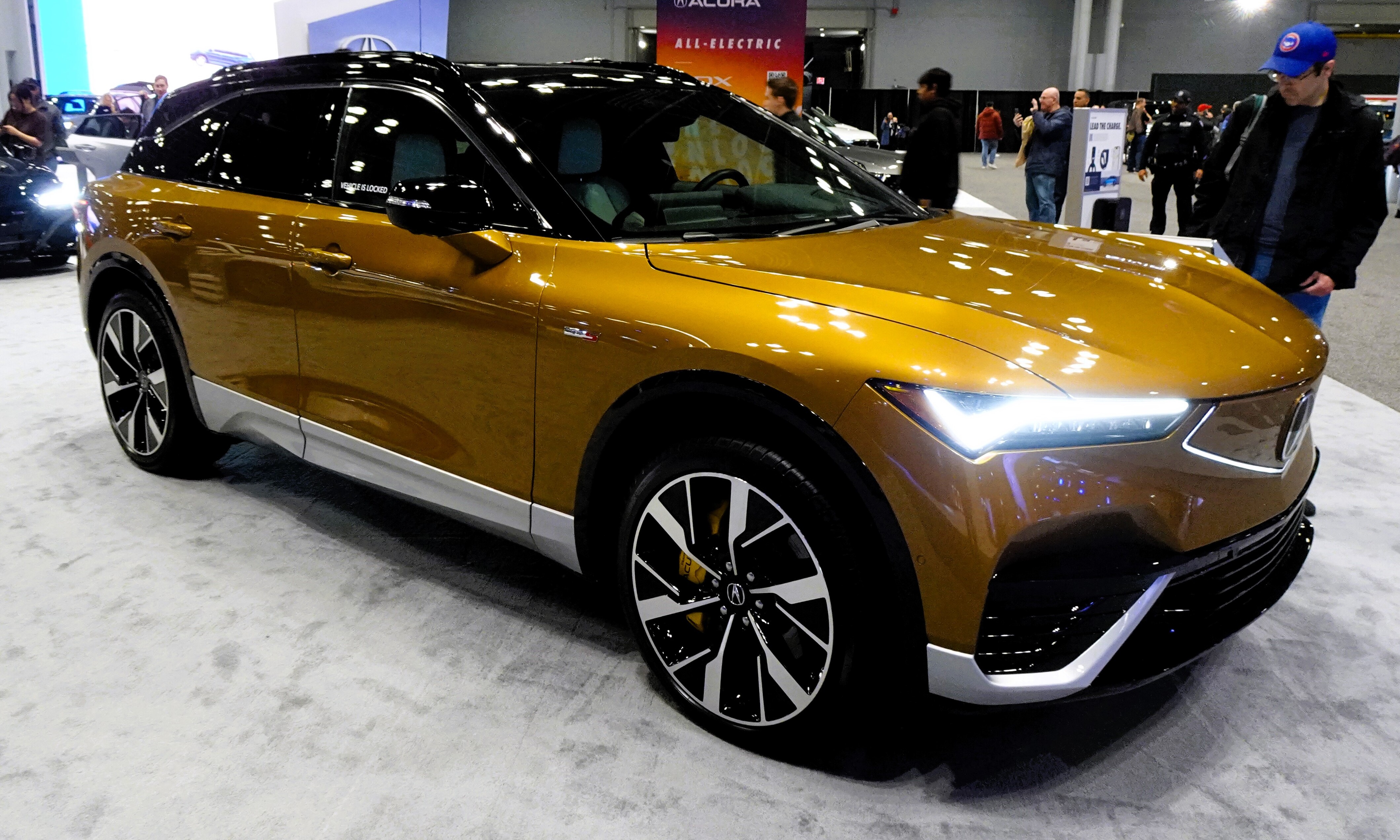
Acura ZDX
"UhAcuraZDXandHondaPrologue,24to25modelyears. [361.0s] Airbaginflatormayrupture."
The Acura ZDX is an Acura electric crossover. This recall is about the backup camera sometimes showing a blank or distorted picture, which makes reversing harder and less safe.
The Acura ZDX is an all-electric Acura crossover that uses an electronic rear-view camera system. The recall mentioned here is about the rearview camera display showing a distorted or blank image, which can reduce visibility when backing up.
airbag inflator may rupture
"[361.0s] Airbaginflatormayrupture. [363.0s] That'snotgood."
The airbag inflator is what makes the airbag deploy fast in a crash. If it ruptures, the airbag may not work safely, and it could hurt people instead of protecting them.
An airbag inflator is the component that rapidly fills the airbag during a crash. If the inflator ruptures, it can release hot gas or debris improperly, increasing injury risk rather than protecting occupants.

Hyundai Elantra GT
"[364.2s] HyundaiElantraandElantraGT2015to2016. [368.6s] AndtheHyundaiEllantrahybrid,24to26."
The Hyundai Elantra GT is the hatchback version of the Elantra. The recall mentioned here groups it with 2015–2016 models and points to overheating in the hybrid electronics, which can be unsafe.
The Hyundai Elantra GT is a hatchback version of the Elantra line. In this segment, it’s grouped with the 2015–2016 Elantra models tied to a recall involving overheating in the hybrid power electronics.
hybrid power control unit may overheat
"[372.0s] Hybridpowercontrolunitmayoverheat. [375.1s] Theydidn'tsayitwouldcatchfire,butitcanoverheat."
The hybrid power control unit is the “brain” that manages the hybrid system’s power. If it overheats, it can malfunction and become unsafe, so the fix is usually to address the cooling/thermal behavior.
A hybrid power control unit (PCU) is the electronics module that coordinates power between the battery, electric motor(s), and the engine. If it overheats, it can reduce function and create a safety hazard, which is why recalls focus on cooling and thermal protection.

Hyundai Ioniq 5
"[378.6s] LooserearsuspensionfastenersintheHyundaiIonic5andIonic9for25and26modelyears. [386.0s] Here'sabunchmore."
The Hyundai Ioniq 5 is an electric crossover. This recall is about suspension parts not being tightened correctly (loose fasteners), which can affect ride stability and safety.
The Hyundai Ioniq 5 is an electric crossover, and this segment mentions a recall for 2025–2026 models. The concern is loose suspension fasteners, which can affect how the suspension stays secured and can change handling or increase wear.
forward collision avoidance system may activate the brakes unexpectedly
"[386.0s] Forwardcollisionavoidancesystemmayactivatethebrakesunexpectedly. [392.1s] Oh,that'snotgood."
This is the car’s safety system that tries to prevent crashes by automatically braking if it thinks you’re about to hit something. If it’s wrong, it can brake suddenly even when you weren’t expecting it.
A forward collision avoidance system uses sensors and software to detect potential crashes ahead. If it misinterprets the situation, it can trigger automatic braking unexpectedly, which can surprise the driver and disrupt traffic flow.

Hyundai Santa Cruz
"Well,thisforwardcollisionavoidancesystemuhisnowfunctioningontheHyundaiSantaCruzTucson,Tucsonhybrid,Tucsonplug-inhybrid,25and26mileyears."
The Hyundai Santa Cruz is a Hyundai vehicle. In this segment, they’re talking about safety features that help prevent crashes, and how those features can act up in certain situations.
The Hyundai Santa Cruz is a Hyundai model that’s discussed here in the context of driver-assistance tech. The host mentions a forward-collision-avoidance system that can behave differently depending on conditions, which is why this specific model matters in a “recalls and trust” conversation.

Hyundai Tucson
"Well,thisforwardcollisionavoidancesystemuhisnowfunctioningontheHyundaiSantaCruzTucson,Tucsonhybrid,Tucsonplug-inhybrid,25and26mileyears."
The Hyundai Tucson is a compact SUV from Hyundai. They’re talking about a safety system that helps avoid crashes, and how it applies to this model too.
The Hyundai Tucson is Hyundai’s compact SUV, and it’s mentioned here alongside the Santa Cruz. The key point is that the forward-collision-avoidance system is being discussed as “now functioning” across multiple Hyundai models/years, tying the tech to recall-style concerns.

Ford Odyssey
"FordOdysseyandFordTerraTransit,whateverthatis."
The Ford Odyssey is a family minivan. They mention it while talking about safety/recall-related issues across different vehicles.
The Ford Odyssey is a minivan that’s name-dropped in the context of the episode’s broader theme: how safety systems and recalls affect what drivers can trust. Even though it’s brief here, it signals the discussion is spanning multiple vehicle types, not just SUVs.
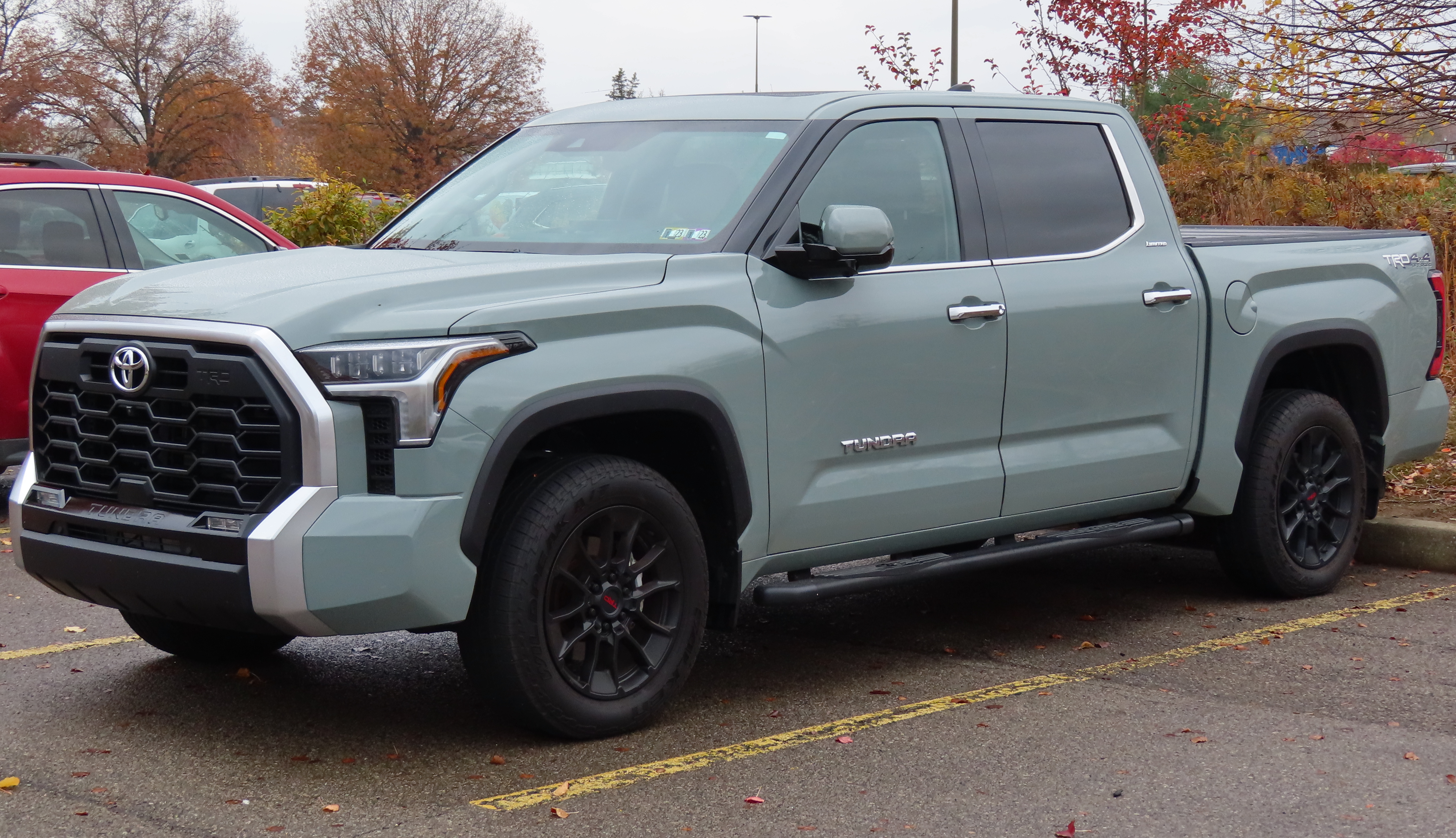
Toyota Tundra
"AndtheToyotaTundrafor2024."
The Toyota Tundra is a pickup truck. They specifically call out the 2024 model year while talking about safety systems and recalls.
The Toyota Tundra is a full-size pickup truck, and it’s referenced here specifically for the 2024 model year. The segment uses it to illustrate that the safety/recall-related issues being discussed can apply to mainstream trucks too.
debris in the engine
"Debrisintheenginemaycauseastall. [461.9s] Debrisintheengine."
This means something unwanted gets inside the engine. The host says that can lead to the engine stalling, which can be dangerous because the car may lose power suddenly.
“Debris in the engine” refers to unwanted material (like fragments from a failing component) getting into engine internals. In this segment, it’s tied to a risk of stalling, which is a serious drivability/safety concern.
stall
"Debrisintheenginemaycauseastall. [461.9s] Debrisintheengine."
A stall is when the engine suddenly shuts off. If it happens while driving, it can be risky because the car may lose power and steering/braking assist depending on the system.
An engine stall is when the engine stops running unexpectedly, usually because it loses the ability to keep combustion going. It can happen due to fuel/air/sensor issues or, as mentioned here, debris interfering with engine operation.

1959 Cadillac Series 75
"Oh,this,ladiesandgentlemen,isthebiggest1959CadillacSeries75. Thisisasbigastheycome,ladiesandgentlemen. So,howmuchdoyouthinkthatthisbeautysoldfor?"
This is a 1959 Cadillac luxury car. It’s famous for its huge, flashy styling—especially the tailfins—and collectors often look for cars that are still mostly original.
The 1959 Cadillac Series 75 is a full-size luxury car from Cadillac, known for its big, showy styling and long-wheelbase presence. In this segment, it’s being discussed as an all-original example, with details like the wide whitewall tires and prominent tailfins that collectors pay for.
all-original
"Itlookslikeitisanall-original,evenwiththewidewhites,everythingaboutit. Lookatthesizeofthosefins. Yeah."
“All-original” means the car is mostly the same as it was when it was new. Collectors usually prefer that because it’s more authentic and often worth more.
“All-original” means the car’s major components and appearance are still as they were when it left the factory, rather than heavily modified or replaced. In classic-car pricing, originality often matters because it preserves historical value and reduces uncertainty about what’s been changed.
wide whites
"Itlookslikeitisanall-original,evenwiththewidewhites,everythingaboutit. Lookatthesizeofthosefins. Yeah."
“Wide whites” are tires with a thick white stripe around the side. They were common on classic cars, and they help the car look more like it did when it was new.
“Wide whites” refers to wide whitewall tires—tires with a broad white stripe on the sidewall. On older luxury cars like the 1959 Cadillac Series 75, wide whitewalls are a period-correct styling detail that can strongly influence how “original” and collectible the car looks.
pre-Dagmars
"Georgesays$39,999. Andthisispre-Dagmars. "
“Pre-Dagmars” is a nickname collectors use to separate earlier cars from later ones with a specific look. It’s basically a quick way to say which styling era the car belongs to.
“Pre-Dagmars” is a collector shorthand referring to the styling era before the Cadillac “Dagmar” look became associated with later designs. The term is used to date and categorize cars by their appearance, especially tailfin and front-end styling cues.

1981 Chevy Blazer
"Next up is the 1981, it 1981 Chevy Blazer. This is the old squarebody blazer. Uh, yes, there rear roof does come off, but what a pain."
This is a 1981 Chevrolet Blazer, a classic American SUV. The hosts are describing a particular one that’s been modified—it's lifted—and they mention the roof can come off, which changes how it feels and how you’d work on it.
The Chevrolet Blazer is a classic American SUV, and the 1981 Chevy Blazer is especially known for its boxy “squarebody” styling. In this segment, they’re talking about a specific 1981 example that’s lifted and has removable roof panels, which are details that matter for how it’s used and restored.
squarebody blazer
"This is the old squarebody blazer. Uh, yes, there rear roof does come off, but what a pain."
“Squarebody” is a nickname for older Chevy trucks and SUVs that have a boxy, squared-off look. When someone says “squarebody blazer,” they mean that particular classic Blazer style from that time period.
“Squarebody” is an enthusiast nickname for certain 1970s–early-1980s Chevrolet/GMC trucks and SUVs with a boxy, squared-off body shape. Calling it a “squarebody blazer” points to that specific era’s styling and proportions.
lifted
"Oh gosh, those things are hot. And it's lifted. Yeah. Got a little chrome under the nose."
“Lifted” means the vehicle sits higher than it did from the factory. People do it for more ground clearance and a tougher look, but it can also make the vehicle harder to get into and change how it drives.
A “lifted” vehicle has been raised higher than stock, usually with suspension changes. That typically improves ground clearance and gives the truck/SUV a more aggressive stance, but it can also make access and drivability different.

1972 Volvo 1800
"Uh,thisisa1972Volvo1800. ... It'sreallyafour-cylinder."
A 1972 Volvo 1800 is an older classic Volvo coupe. The hosts are talking about what kind of transmission it has and what the engine looks like, based on a picture.
The 1972 Volvo 1800 is a classic Volvo coupe known for its long-running, enthusiast-friendly design and simple, durable mechanicals. In this segment, the hosts focus on its drivetrain details—especially the manual transmission and the engine layout they’re trying to identify from a photo.
Wankel
"It'sauhit'sgotamanualtransmission,butifyoulookatthatenginepicture,it'sit'salmostlikeawankelorrotaryorsomething."
A Wankel engine is a special type of engine that spins inside instead of using pistons. The hosts think the engine photo might look like that, but they end up saying it’s actually a normal four-cylinder.
Wankel refers to the Wankel rotary engine, which uses a spinning rotor instead of the usual piston-and-crankshaft setup. The hosts mention it because the engine photo looks “rotary-like,” even though they later confirm the Volvo is a four-cylinder.
manual transmission
"It'sauhit'sgotamanualtransmission,butifyoulookatthatenginepicture,it'sit'salmostlikeawankelorrotaryorsomething."
A manual transmission is the kind of car where you use a clutch pedal and a gear stick to choose the gears. It usually gives the driver more control over how the car drives.
A manual transmission is a gearbox controlled by the driver using a clutch pedal and gear lever. It typically gives more direct control over engine speed and can make the car feel more engaging to drive than an automatic.
four-cylinder
"It'sreallyafour-cylinder."
A four-cylinder engine is an engine with four working cylinders. It’s a very common design and usually means a good balance of power and efficiency.
A four-cylinder engine has four cylinders that work together to produce power. It’s a common layout because it balances smoothness, weight, and efficiency compared with fewer or more cylinders.

2015 Porsche Cayman
"Nextup,andIhadtoputthisinherebecauseit'skindofsurprisingtome. [796.4s] A2015PorscheCayman. [799.0s] Okay. [811.8s] It'saCayman."
A Porsche Cayman is a sports car where the engine is placed closer to the middle of the car, which helps it handle better. The 2015 model is an older Cayman, but it’s still known for being fun and well-balanced to drive.
The Porsche Cayman is Porsche’s mid-engine sports car, meaning the engine sits behind the front seats for a balanced feel. A 2015 Cayman is notable because it’s an older generation that still delivers modern-feeling handling without being as expensive as newer Porsches.
on-ramp accelerator test
"The only problem with that is that on-ramp accelerator test that you uh have happened to have."
This is a simple way to check acceleration when you’re merging onto a highway. The idea is: can it speed up quickly enough to get into traffic?
An on-ramp accelerator test is a quick, real-world way to judge how strongly a vehicle accelerates when merging—specifically from the short ramp onto faster traffic. It’s less about track numbers and more about whether the car feels responsive and can build speed safely in that situation.

1960 Vespa 400
"I'm telling you. 1960 Vespa 400. Wait a minute."
This is a vintage Vespa scooter from 1960. It’s a small Italian two-wheeler that’s more about style and collecting than modern car-like performance.
The Vespa 400 is a classic small-displacement scooter from Vespa (Piaggio), and it’s notable because it represents the early, quirky “micro-transport” side of Italian motorcycling. In a 1960 context, it’s the kind of vintage two-wheeler people hunt for as a collectible rather than a daily driver.
moon roof
"if it's got a like a moon roof or asunroof that you can open up and stickyour head out the top of your head."
A moon roof is a glass opening in the roof of a vehicle. You can open it to let in air and light—sometimes people describe it as feeling like you can get more “outside” air.
A moon roof (often called a sunroof) is a glass panel in the roof that can slide open for ventilation and light. When the host says you can “open up and stick your head out,” they’re describing a more extreme, open-to-the-air version of that feature.
sunroof
"if it's got a like a moon roof or asunroof that you can open up and stickyour head out the top of your head."
A sunroof is a glass panel in the roof that can open. It lets in air and sunlight when you want it.
A sunroof is a roof opening—typically with a glass panel—that can tilt or slide open to bring in air and sunlight. It’s essentially the same category of feature as a moon roof, and the difference is usually marketing/trim naming rather than a totally different mechanism.

2005 Chrysler Crossfire
"Next up is a 2005 Chrysler Crossfire. When that thing came out, that was the hottest looking little thing. And the problem is it had no legroom in it whatsoever."
The 2005 Chrysler Crossfire is a small coupe Chrysler sold that was closely tied to Mercedes-Benz technology. People criticize it because the back seat is tight, so you may not fit comfortably unless you try it first.
The 2005 Chrysler Crossfire is a small, stylish coupe that Chrysler built with help from Mercedes-Benz-era engineering. It’s often remembered for its cramped rear seating—especially limited legroom—despite its “hot-looking” appearance.
re-badged
"This is back when Chrysler was owned by Mercedes-Benz, and they took their Idon't know, what whatever little car that they had at the time and re-badged it. Then re-badged it with uh whatever it whatever it was in the Mercedes-Benz form and called it the Cross or Christfire."
“Re-badged” means the same basic car gets sold under a different brand name. The changes are often mostly badges and styling, not a totally new design.
“Re-badged” means taking an existing car platform and selling it under a different brand name, usually with different badges and minor cosmetic changes. In this segment, the host describes Chrysler using a Mercedes-Benz-derived small car and then selling it as the Crossfire.
diesel passenger car
"NowattheBerlinMotorShow,MercedesBenzintroducedthe260D,whichisgenerallyrecognizedasthefirstseriesproductiondieselpassengercar. Thereweredieselenginesobviouslyoutintrucksanduhtractors..."
A diesel passenger car is just a normal car that runs on diesel fuel. The big change is that diesel engines were mostly used in trucks and work vehicles before they became common in regular cars.
A diesel passenger car is a car for everyday driving that uses a diesel engine instead of a gasoline engine. In this segment, the host frames it as a major shift because diesel power was already common in trucks and industrial vehicles, but not yet in mass-market cars.
wind tunnel testing
"Now,theystartedproductionofthisautomotivedesignthinkingthatChryslerengineersweregoingtousethewindtunneltestingandtheairflow... There'salotofthingsthatweredonebecauseofthewindtunneltestingthattheydevelopedonthiscar."
Wind tunnel testing is how engineers study how air moves around a car. They use it to tweak the shape so the car cuts through air more efficiently.
Wind tunnel testing is a method of studying how air flows around a vehicle by running scale models or prototypes in a controlled airflow. In this segment, it’s credited with driving specific aerodynamic design choices on the Chrysler Airflow.
unibody vehicle
"...anditwasaunibodyvehiclethatIdidnotevenknowexistedbackthen. So,uhSirIsaidIlikeit."
A unibody vehicle means the car’s body is built to carry the structural loads. Instead of having a separate heavy frame underneath, the body itself does the work.
A unibody vehicle uses the body structure itself as the main load-bearing framework, rather than relying on a separate ladder-frame. The host notes the Airflow era included a unibody approach, which was part of the broader engineering shift toward modern car construction.
waterfall type grill
"Itit'sgotalotoffeaturesonit,includingtheUhitsitsdownlow,it'sgotawaterfalltypegrilltoit. Theuhwindshieldwastechnologyadvanced..."
A waterfall type grille is a grille shape where the openings or bars look like they flow downward. It’s a specific styling pattern you can recognize on certain classic cars.
A waterfall type grill describes a grille design where the slats or openings visually cascade downward, like a waterfall. The host uses it as a styling detail on the Chrysler Airflow, tying the car’s look to its aerodynamic era.
windshield wastechnology
"Theuhwindshieldwastechnologyadvanced becauseinsteadofitbeingonepieceofglassthatwasflat,it'stwopiecesthatcomeuptothatVthatyoucanseesectionsoffrightthere."
The host is talking about a windshield made from more than one glass piece instead of one flat sheet. The pieces are shaped to fit the car’s design better, especially for airflow and visibility.
The host is describing an advanced windshield construction where the glass is not a single flat piece, but instead made from multiple pieces that meet at an angled V-shaped section. This is presented as an evolution enabled by the era’s aerodynamic thinking.

Chrysler Airflow
"I saw the Marmon Wasp,it'sintheuhIndianapolisMuseumuhattheIndianapolisSpeedway,andIgottosee,andIthinkyoudidtoo,Mike,thatuhthatChryslerAirflow."
The Chrysler Airflow is an old Chrysler car that’s famous for its shape—it's designed to cut through the air more efficiently. The point here is that it’s a special, historically significant design you have to go find in a museum.
The Chrysler Airflow is a historically important Chrysler model known for its aerodynamic, wind-tunnel-inspired body shape. The host mentions it as a museum car, highlighting how it’s remembered as an early attempt to reduce drag and modernize car design.

Marmon Wasp
"I saw the Marmon Wasp,it'sintheuhIndianapolisMuseumuhattheIndianapolisSpeedway,andIgottosee,andIthinkyoudidtoo,Mike,thatuhthatChryslerAirflow."
The Marmon Wasp is an older, unusual car that people associate with speed and racing history. In this segment, it’s brought up because it’s a special museum find.
The Marmon Wasp is a rare, early performance-oriented Marmon model that’s remembered for its racing and speed heritage. The host’s mention is mainly about spotting it in a museum context, but it’s still a named, enthusiast-relevant car from automotive history.
Indianapolis Speedway
"I saw the Marmon Wasp,it'sintheuhIndianapolisMuseumuhattheIndianapolisSpeedway,andIgottosee,andIthinkyoudidtoo,Mike,thatuhthatChryslerAirflow."
They’re talking about the Indianapolis Motor Speedway area, which is a well-known racing venue. The car they mention is connected to a museum display there.
The host is referencing the Indianapolis Motor Speedway area, a famous motorsports venue in Indiana. It’s relevant here because the Marmon Wasp is described as being displayed at an Indianapolis museum tied to that speedway.
Chrysler Museum there in Auburn Hills
"That was in the Chrysler Museum there in Auburn Hills when we went to visit."
Auburn Hills is a place in Michigan where the Chrysler Museum used to be. The host is saying they saw the Chrysler Airflow there, which is why it’s a memorable historical stop.
Auburn Hills is where the Chrysler Museum was located, and the host notes seeing the Chrysler Airflow there. This matters because it ties the car’s history to a specific preservation site for Chrysler-era vehicles.
Request an Explanation
Heard something you'd like explained? We'll add it to this episode.
Sign in to request explanations for terms you heard.
Want to learn more?
Browse our glossary for plain-English explanations of automotive terms, jargon, and concepts.
Help improve this episode
See something that's not quite right? Our annotations are AI-generated and can sometimes miss the mark. Click the flag icon on any annotation to suggest a correction.
1 community members have helped improve this episode.