A seatbelt is what keeps you from flying forward during an accident. In a crash, it can be the difference between staying in the car and being thrown out.
They’re talking about treating a car like an investment. With rare cars, value can go up if the right people want them and the car is kept in great condition.
Liability means you’re legally responsible. In this case, signing the card made the speaker responsible for the spending, so the debt came back to them.
“Rolled” here describes a rollover crash, where the vehicle rotates and ends up on its side or roof before coming to rest. The speaker notes they finished “on all four wheels,” which is a common outcome in some rollovers where the vehicle rights itself. Rollover events are especially dangerous because occupants can be exposed to intrusion and ejection risks, making restraint systems critical.
“Self-funded” means the business (or a build) is financed using its own cash flow rather than relying on outside investors or loans. In the context of car projects, this often affects how quickly you can buy parts, pay for labor, or complete upgrades.
They’re basically saying stress is dangerous, and the way to handle it is to stay patient and manage your time better. The goal is to keep stress from taking over your life and decisions.
“Driving in thinking” is used as a metaphor for how the mind can feel like it has “nothing” even when reality is different. It ties into the earlier point about internal stress and perception rather than external circumstances.
Cash flow is basically whether a business has money coming in regularly. If you focus on cash flow, you want the business to make money quickly so you can keep funding what you’re doing.
A deposit is money you pay upfront to reserve a car before you fully buy it. Collectors use deposits to make sure they don’t lose the car to someone else.
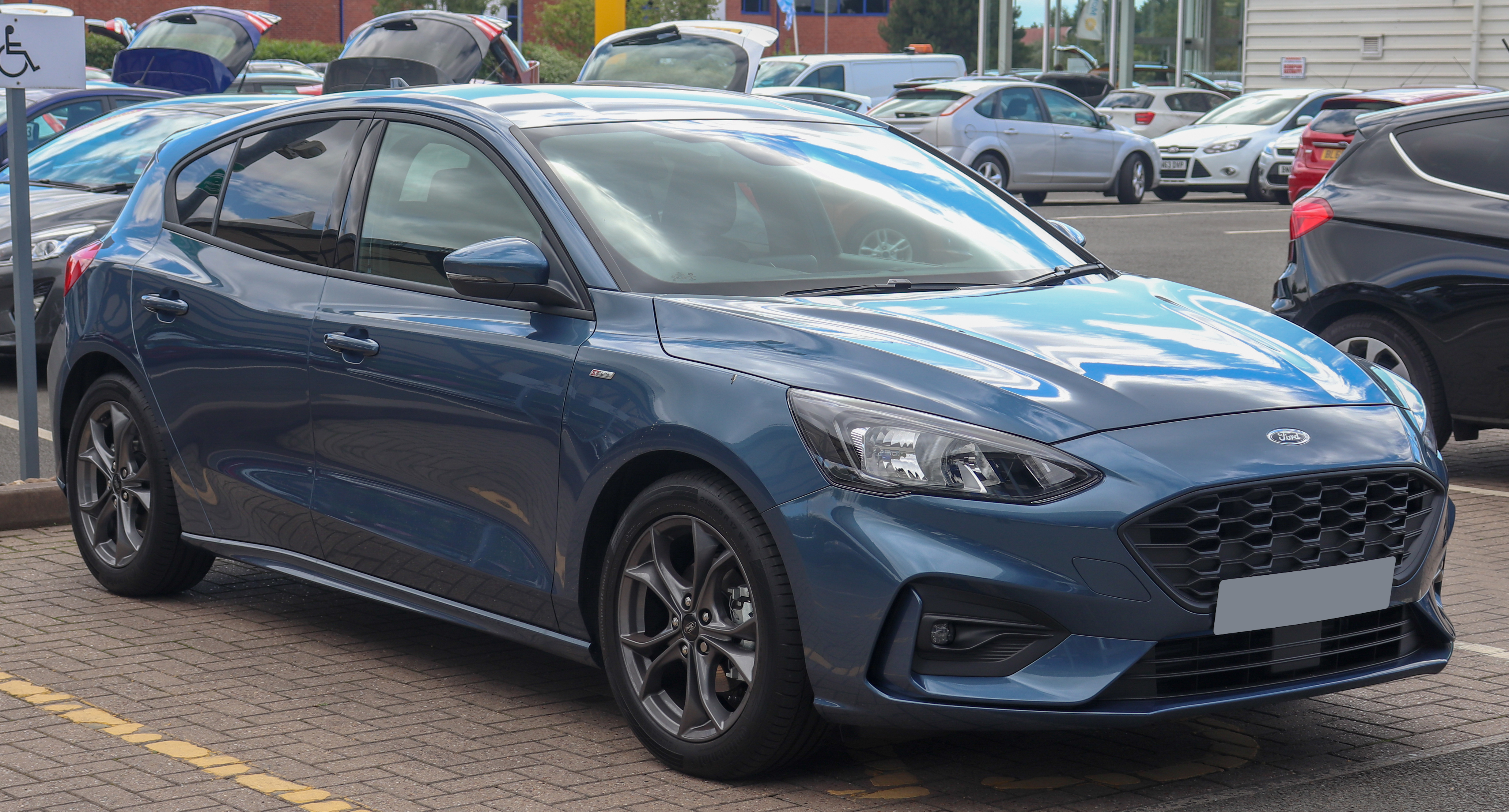
The Ford Focus RS is a special, fast version of the Ford Focus. It’s popular with car people because it’s built for grip and performance, and here it’s one of the key cars Richard wanted for his collection.
Lockdowns were the COVID-era rules that kept people at home and limited events. Here, the speaker is saying that during that time they decided to be more open about their success.
“Cars and coffee” is a casual car meet where people show up to talk about cars—usually in the morning. It’s also a good place to meet other car people and make business connections.
The speaker is describing a key collector psychology: exclusivity. Owning a car that others can’t access (due to rarity, allocation, or price) can be more motivating than financial return.
They’re basically saying: if you think a car will get more valuable, you should buy it sooner rather than later. Waiting can mean paying more once more people want it.
They’re saying sometimes you have to take a step backward—like selling things or simplifying—so you can move forward later. It’s about using what you have now to fund the next goal.
The speaker highlights the tradeoff in reducing a car collection: selling multiple vehicles to consolidate into one can free up capital, storage, and maintenance burden. It’s “difficult” because collectors often value variety and emotional attachment, not just financial efficiency.
They’re basically wondering: if you spend a lot of money, do you feel better if the car is the kind that will be worth more later? Or is it okay to buy a car just because you want to drive it?
LIVE
Zootopia 2 has come home to Disney Plus.
Let's go!
Get ready for a new case.
For the greatest partners of all time!
New friends.
Gaby Desnake.
And your last name?
Desnake.
Dream Team.
Get new habitats.
Zootopia has a secret reptile population.
You can watch the record-breaking phenomenon at home.
Zootopia 2.
Now available on Disney Plus Rated PG.
Right now you can get Disney Plus and Hulu for just $4.99 a month for three months with a special limit to time offer and March 24th.
After three months playing auto-renews at 12.99 a month, terms apply.
How does a normal guy go from seemingly nothing, rock bottom in your 20s, to sat here now with not only a McLaren P1, but a Ferrari 509 GTO,
a Merchilago, your rally cars, your businesses, your fisheries?
Really good question.
Okay, let's go.
I'm Richard Groves, I'm a businessman.
A £300 is what I had and I had to try and make that into a business.
This £300 was where you started.
Yet recently you had an offer for well over £3 million for the car sat behind me.
Didn't Lando message you?
Lando messaged me for a P1.
Would I sell it?
And I said no.
I remember driving along thinking I just want to get home.
All I could see was like a lake and I just remember hitting the water.
And then I remember my head being outside the car and I'd snap the seatbelt and my head went out the side window.
And I thought, well that's it, so we could claim over.
Richard, how does a normal guy go from seemingly nothing, rock bottom in your 20s as you described it,
to sat here now with not only a McLaren P1 in the back of our shot,
but a Ferrari 509 GTO, a Merchilago, your rally cars, your businesses, your fisheries?
What is one thing that without that thing we wouldn't be sat here now,
but before that in your own words, who are you and what do you do?
So I'm Richard Groves, I'm a businessman, probably an entrepreneur now because I do so many different things.
But I'd say one word is I'm passionate.
I'm incredibly driven in where I want to go and where I want to be with my friends and family.
And that's been my sort of probably my strongest point is my drive.
And obviously, like you say, when you go right down and sometimes this may be the best place to be
because there's nowhere further to go.
So then you feel like, you know, you're going to go somewhere and it's going to be better than where you are.
And what do you do?
Mobile phones. And that's what I'd done when I was younger, when I was 19.
I was actually a golfer before, so I was playing golf for England.
That's what I was planning to do.
But it didn't go that way.
And unfortunately, my dad lost his business and they got divorced and there was lots of cloudiness there.
And then I had £300 is what I had.
And I had to try and make that into a business and run.
So it really teaches you discipline on where you want to go.
And then, yeah, that's how it started.
And it was a friend at a party who said mobile phones are a good thing to do.
And yeah, that's how it started.
£300 was where you started.
Yet recently you had an offer for well over £3 million for the car sat behind me.
Was that one of the first cars that I imagine you bought that was over £1 million in value?
It was the first one.
I had cars that had gone up in value before and my whole business is a set around me getting cars.
So that's how I work from a 106 DTI to a Subaru and Pretzer P1 all the way through.
And then this one come about because I've done quite well and some of the rally cars had gone up in value.
And I had a chat with Dan at VVS and I said, I really want to try and see if I can really make this work
and maximise the money from investing in a car.
And I bought the P1 on a plane going on holiday.
I was on the plane and I thought, I think these are undervalued and I'm going to try and get one
and Dan messaged me about a car and I was able to get that car by the time.
And then you have the big regret on holiday on the sun lounge of thinking,
oh my God, that's a million pounds for a car. You know, you're crazy.
What have you done?
Well, what you've done is in fact fulfil a dream and that dream of being able to buy a car whilst mid-air on a plane is pretty insane.
But I really want to come back today for the audience that I feel like we're talking to one of the most genuine, honest business owners
that I've ever had the chance to sit down with on the podcast from a perspective of just going through your story as a proper UK entrepreneur,
not selling trading courses, not selling Shopify drop shipping,
not selling this or selling that.
You've done it the business route, the entrepreneurial route.
You've made money on cars, property, houses and built everything around your business.
And I want to unpack all of that today because everybody wants what's behind.
And sometimes it just takes somebody to say go and do some mobile phones or go and start that business to actually kick it off.
So let's start with where it kicked off for you.
What age were you when you started like your first business that made this possible?
Well, I think it's interesting because my mum was saying that when I was younger,
I was putting Pete into bags in the little woods we had and selling it to the neighbours.
So obviously it's always been in my genes and my dad was an entrepreneur, my granddad, my uncle.
So I think that was just in the genes to do that.
So I always had a drive to be creative, want to do things.
Golf was sort of good and bad for me because obviously when I was younger, I was playing golf all the time.
I wanted to get in the England team and I managed to do that.
And golf is a game where you have to play where the ball lies.
And I feel like it was a really good route for business.
So I'm going to have bad holes.
I'm going to have good holes. Sometimes it might be free off the tee.
Sometimes it might be a birdie and the business is like that roller coaster of golf.
And I always feel like when I play golf with people, I can tell how they are as a person,
how they react, having patience, trying to keep calm.
So that was my sort of way in.
And then I used the golf clubs to generate the mobile phone sales.
So people would want to play golf with me and I'd want to play golf with them.
And then I would literally with my sister come back.
Because my sister was young when she joined the business years 15 and I was 19.
And I would go out play golf and meet you, have a good round of golf with you, be happy with you,
make you feel good, maybe work on your swing a little bit and I'd get 20 phones from you
and then I'd do another group and another 20 phones and I'd join another golf club.
I'm seeing Delboy with golf clubs going through my head right now.
But most people, when I was growing up and I was really passionate about fishing,
something that you're also passionate about, I would have thought that my route would have been fishing
because I'm passionate about it, I'm good at it, I could earn money from it.
So surely my route's fishing.
Or if my route would have been solely cars, it would have been this,
solely focused on YouTube cars making money from that.
It seems like you had the thing that you were really enjoying at,
you got lots of enjoyment at, you were really good at
and Seemony could have made money from, slash did make money from.
And yet you went in a different direction and you used that as the thing to get the phone sales
rather than the thing itself.
Like why wasn't golf the thing itself?
I do that in a clever way.
My idea of business is the business has got to be set around what I enjoy.
So I always felt like I was seeing people work as hard as they can,
get money, retire and we're too old to enjoy it.
So my target every day is to enjoy what I'm doing because my business is around what I enjoy.
And then when I'm 65, 70, I can look back and go, I've done it.
You know, I'm not going to start travelling or do it,
a bit like what you're doing, you're doing your hobby and you're able to go around the world and do things.
That's what a business is to me.
And it's also to create environments that the staff can really thrive and have an amazing life.
You know, a lot of our staff work from home.
I just want them to be as happy as possible because then they generate maximum for the business.
You know, an active digital, you come in and everyone's got a smile on their face.
There's already energy there and that can only come from up the top and you've got to learn that ability.
And that's taken time to learn.
I mean, when I was playing golf, I wouldn't say I was probably a bit arrogant,
a bit because I was brought up in a way of you've got to be single-minded, you know,
don't worry about anyone else, you've got to beat everyone.
And in the business world for me, that didn't really work.
So I had quite a few really good friends and I would pick their best traits,
like I've got good friends who shake hands really well.
And I'd pick that up and I'd learn about the pressure of a handshake and wear that
and make sure that I remembered their name and just different things that would just help me in good stead going forward.
When you are micro-focusing on all those little 1% details,
you end up developing the bit of magic that sometimes people miss
and that bit of magic is the thing that actually makes the business successful.
What age were you when you started active digital?
I was 19.
So really, really young on?
Yeah, and I'd never had any idea of business.
I mean, we had, well, I had a 10 foot by 8 foot sort of office.
And the reason it was active was because of yellow pages.
So I wanted to be A on there.
So I wanted to be the first and it was ACT and then someone brought out ABC communications.
I was really annoyed because we wasn't number one then.
So when you look back at business then and now it's so different.
And then my first phone call was a deal from a liquidator.
They rung in off yellow pages and it's literally the first call.
I think we've got 100,000 phones, P4, NEC.
I'm like, could you sell them for us?
And I'm like, yeah, I could sell some.
So I rung Caldwell, the billionaire now, his group,
and I sold four and a half thousand of them.
And I made something like, I don't know,
it was £4.50 a phone or something.
And I thought, this is easy.
This is like, and that money set up everything to go forward.
And I've never done a deal like that again.
She's crazy to the day.
And that's how it started.
And then obviously my sister come in because she had left school
and she's like 15 and she said, I don't know what to do.
And I said, well, come and work with me.
And that's still going today.
It's actually quite rare to find a brother and sister in business together.
And you've never had a problem.
Not really.
I mean, it's because we're family orientated.
I would never put money in front of my family
or even actually in front of friends or anything.
You know, I'd rather lose money than lose friendship.
And I think you learn that over time, you know,
because sometimes you can be so much like money, money,
but at the end of the day, when I go, no one's going to count anything.
But you did lose pretty much everything in your twenties,
but it wasn't your doing.
You went bankrupt, but it wasn't you, right?
Exactly.
Yeah.
I mean, I was only 22 when this was happening.
And then my dad had a business with a card
that I'd signed the back of for all my golf,
which was my petrol, food, whatever.
And that obviously, because I signed the back, I was liable,
then they come to me and then I just didn't have enough money to pay that
because it was like 25, 30,000 pound.
And that was, that was a real massively tough time
because obviously I couldn't have a bank account, had to run.
I wasn't scared of that.
Like, it didn't worry me.
It was just more a case of biding my time because I'll come back
and I'm going to come back stronger.
So it just fires you even more.
But obviously it's difficult with no bank account.
You have to run off.
Just see what you've got.
You run in the business, you kind of fall steam ahead
and you're doing it with your sister at that point.
She's come in.
What were you age when this happened?
Twenty-two.
Twenty-three.
Twenty-three.
And essentially a card that your dad had given to you,
you signed it and said, oh, you can use this.
Actually ended up really being coming back.
Yeah.
And then liquidators were taking my car off my drive.
So I didn't have a car.
And it was just, yeah, it's just a weird time.
And it's a difficult time because you can think that everything's against you
and you're never going to come back.
And I just used it to fire myself up and go, come on.
You've got to get through this now.
Three years ago, quick, then you can regroup.
And it was a sad time then.
I mean, I remember people coming up to me going like,
oh, here you're bankrupt, here you're, you know,
and how do you feel about it?
And I said, oh, I don't know.
And it was not nice.
What was your relationship with your dad prior to that moment
and then post that moment?
It's always been good.
It was good back then.
I don't hold grudges that much.
I've learned a lot that I'm not sure holding grudges in the long term
is the best thing to do.
And it was just like, well, we just got to get on with it and get through it.
And I think there were lots of different times because I've been through
quite a lot of recessions, like my dad in 92,
I remember playing golf with him and him saying,
I'm out of business because interest rates went from like 12 to 16% in a day.
And you, and you learn about all these times and they,
like I say, it's a bad hole.
It's a triple bogey on a whole.
And you've got to now forget about everything in the past.
And I've been, I'd say that's one of my exceptional strengths,
but I can just, if it's something happened like two or three minutes ago
and it's not good, then I can just forget about that.
It's gone, I can't turn it back.
I've got to go forward.
On your timeline of kind of 19 start in your business,
22 basically being reset and losing everything.
Where's the next place to stop off at?
For me now, I would say it's helping people.
No, back then.
So 19 start your business.
22 being set back.
Where's the next year we should stop?
Well, to me is obviously the crash,
which was, you know, it's difficult to talk about,
but anyway, but I was 26.
So basically the bankruptcy had finished
and I thought, right, I'm going to go out and,
and I love Subaru's and I really wanted to get a P1 at the time.
There was a P1 in the Evo 6 and I went and got a P1.
And unfortunately the mobile phone business, they kept breaking in
and they broke in and they took the phones
and destroyed the office.
And I was getting more worked up about that
and the fourth time they done it,
I was at home, it's one in the morning,
I'm thinking, oh no, I don't believe this.
I'm going to have to rush to the office, so I'm in the P1,
rush to the office, police are there,
we talk about stuff and I'm like,
right, okay, so now it's like three in the morning.
And just to confirm to people that is the Subaru P1.
The Subaru P1, yeah, another P1 there.
So that's the Subaru P1 back in the day.
So you're looking at 2000, end of 2000.
Now, this night was when there was a big storm.
So when I went back, I remember driving along,
thinking I just want to get home and I just water,
all I could see was like a lake
and I just remember hitting the water
and then I remember my head being outside the car
and looking up.
And that was because I'd gone off the road
and rolled and I'd snap the seat belt
on my head when out the side window.
Finished there, luckily on all four wheels
in that car and I thought, well, that's it.
Sword is going over, you know, this is,
and I could feel, I couldn't see out my eye
because my skin from my eye was over my eye,
but I couldn't work out like what's going on
and I could feel blood coming down here.
I couldn't get out, but the only thing
that stayed in the car was my Nokia car phone
and I rung my mum.
I rung my mum and said, mum, in the field, you know,
and she's like, well, in any way,
I was so far in the field that I could see the ambulances
and that going past me.
So I went forever and luckily Joe's husband,
now Lance, come over the fence and save me, you know,
and then they come over and it was, you know,
when you're being cut out a car
and then from that day I was like,
I'm going to make the most of everything I do.
And that was at 26.
26, yeah.
Bloody hell.
I can see now how much that moment still flipping.
Well, then I went in the ambulance with my sister
and we were talking because we were just about to sign
our biggest ever phone deal
and she come in the ambulance with me
and she said, you know, you come with us.
Yeah, I said, but make sure you get that deal.
She's asking her, you know,
and she's like, Richard, you just come out a car,
and then probably one of the interesting things
about the crash and that is that they stitched me up
so I had the stitches here, the stitches here.
And I just went home
and it's one of the worst things because I then couldn't,
I thought, if I go to sleep, I'm going to die.
That's how it felt because of the head injuries, the trauma.
And I had virtually nothing, no counselling,
no one looked after me.
I just went fishing for about six months
because I had so many headaches.
The headaches were just every day.
It's just, oh, I just go fishing
and Jo looked after the business.
So she would have been like 23 running that.
We did sign that massive pharmaceutical.
And it took me about six to nine months
I reckon of fishing and just trying to recover from that.
So it was pretty tough.
Many of you might not know this,
but away from the recordings that I do in my van studios,
I've actually got a digital marketing agency.
Now we specialize in a lot of automotive clients,
but we cover everything really.
Our team is made up of PPC specialists, SEO specialists,
and the most talented designers I've ever seen,
which have done work like the Starnagloss website,
the TWR website and many more.
We've actually just built icon box
for the auto Alex crew as well,
meaning that people that watch their channel
can buy their favorite merch seamlessly and in style.
So if you're interested in starting a project
and you'd love to speak to us,
just tap the link below and let's hop on a call.
What were you like in terms of where you'd got
from the moment at 22 when you were at that moment
with the car rolling
and you've got some real momentum going again.
What sort of numbers was your business turning over?
Where were you?
Yeah, we were in a nice position,
but we've always been in a position
where we didn't take many risks.
And still even now,
the business could probably be bigger,
but we were always trying to be self-funded.
I had a rule that I learned from my grandad about business
and I'd stuck to it and it was hard.
So he said to his 50-50 Richard,
50% is your overheads, 50% is your profit.
Now you try sticking to that, it's very hard.
They even have that now on the businesses.
So if I'm spending out 5,000,
I've got to earn 10,
but my overheads have got to be five.
Okay, and that was how he run his businesses
and was successful.
Now that got harder as you have kids,
you have different overheads and things,
but that was how I worked
and I didn't break the rule.
But it had to be organic.
You have to, and it's hard to do that, isn't it?
It's hard to keep your overheads at 50%.
Yeah, do you think that's one of the most important rules
that you've learned?
And no one really knew it, but you know it now.
But that was one of...
I've spoken to a few people about it.
It's harder now because overheads are hard,
but that was the golden rule.
That was always in my mind.
So I would only ever have that 50% of overhead.
I'd never go over it.
You mentioned that your granddad was the one
that installed that rule into you.
For those thinking that they know well,
he's mentioned that his dad had a business
and his granddad installed a business rule in him.
They might be picturing,
well, hang on a second,
he's clearly come from a business-y background
and got all this stuff there.
And I really want to get across
what that kind of upbringing was like
and what it actually looked like
to get across exactly what it is
that you've accomplished with what you've done today.
So pay it as a picture of what that was like.
When I was younger, we had my dad done well
and I felt like I had everything
and had a great lifestyle where I was in cars,
I was playing my golf, I was going fishing.
And that was brilliant.
And then obviously when it goes to nothing,
it's like, you know, it's like crazy.
It's like, wow, you know,
and then you try and fight your way back and think...
And I feel like I'm at a time,
probably a few years ago,
where I felt like I'm back to how I was at 18
and I feel fit and I feel really on good fall,
you know, because you lose your health
to get to this stage.
There's no business owner out there
who's not going to be losing their health through stress
because 100% no stress is the biggest killer
of everyone, of everything.
And if you can try and minimize that down
and that becomes, you've got to be good at saying,
no, you've got to be patient,
you've got to be really efficient with your time
because you've only got so much time.
So...
And that's where I feel like for me now,
I mean, an exceptional position of experience,
but I've had to go through everything to get to now.
Do you ever worry about losing what you've got now
because you have moments where you've lost everything
like that?
Every day, driving in today is the same thing.
Actually driving in thinking, I feel like I've got nothing.
How often does someone with
a McLaren P109G turn a Merchulaca?
And I mean this in the relative terms of being inside your own head
rather than reality a little bit.
But how often do you think, bloody hell, I feel poor today?
Because something's happened in the business
or like, you just suddenly feel like you're a little bit cashful
because it's important to get that across to people
because they just, everybody when they see images and pictures
like that, immediately goes, well, he's loaded.
So he's just made of money, there's money pouring out,
there's pockets of money pouring out, I think.
Do you feel that's the case?
Do you wake up and think I'm loaded?
No, I never want to feel above people.
I remember once I did get in that position where we were,
we got quite a lot of money from a deal
and I felt something happened and I was thinking,
oh, I should feel, I shouldn't have this because I've got money.
And then I quickly snapped out and think, no, Richard,
you're the same as everyone else.
You know, you wait in the queue, you help everyone.
And I've always tried to stick to that.
I'd never want people to feel like, I always just got money,
I just got, I want them to feel like I'm a person,
I'm a real person, I'd help you, I'm genuine.
You know, I want to, I'd never want people,
I mean, I do get it a lot where people like,
well, how can you have a, how can you,
because I don't, I'm not the best at dressing up or being in,
I just, because I've got the lakes and stuff,
it's difficult to dress up sometimes because you're hard
and you're just, you know, when I bought my first lake,
I remember them saying to me, they said, you're Richard.
I said, yeah, I'm Richard.
They said, well, you don't look like a lake owner.
I said, but what does a lake owner look like?
You know, and that's, you know, what should you,
there's perceptions of stuff, isn't there?
And I think that what I don't really like is when people
with a lot of money think that gives them power,
I really don't like it.
What I find really interesting about you
is how obsessive you get with opening a small fishing lake
that might do 50,000 a year in syndicate memberships
and yet to me, the conversations I've had with you,
that matters and you're focused on that just as much
as like a phone deal that could make over a million pounds.
Like you're just as focused.
Why is that? Why do you get as excited?
Is it because you're enjoying what you're doing
or is it because you know those 50s add up?
I just think it's just the journey.
It's the excitement of, you know, being around new people
or doing new things that really excites me.
I feel like it's interesting because like a few years ago,
I felt like I got to the top and I felt like,
and I got really depressed about that.
I was like, oh, I sowed down about everything.
And then I've just thought, well, you've got like 40 cars.
You've had all the houses.
You bought your old family home back.
You know, people were saying to me, Richard,
why are you doing anything? You've done everything.
Everything you said you were going to do,
you said you'd get a Ferrari, you said you'd get your home back.
You said you'd do, and the more you have that,
the more you're like, I got depressed, really depressed, bad.
You know, not good.
And I had to turn that round and try and think,
let's just enjoy it and let's get other people to enjoy it.
That's why I got this, the clubhouse.
Is that because it's really hard to know how to react
when people praise you for something?
Horrible, I hate it.
I really don't.
I have a lot of trouble even replying to a text if someone said,
Richard, I really enjoyed today.
I'd struggle, massively struggle with that.
I don't know why, but I do.
It's because it's putting you in a different position
to the people around you if you're the one constantly getting there.
That's incredible.
I don't know how you've done that,
and you could feel a bit alienated.
Yeah, it feels just strange.
I'm just like, I don't know what to say,
because I feel like I should be helping.
One of the things I really want to get into
about the business side of you, though,
and you mentioned the lakes,
and we mentioned 50 grand versus a million grand,
50 grand versus a million pound.
And something that I recognise my dad wasn't very good at,
somebody that had a big business,
was making any money away from it.
Like, everything was the business.
And then he wouldn't mind me saying,
he'd turn over millions of pounds a year,
a 50 million pound company at one point,
and I think he had a 90,000 pound a year salary.
There was people on more money than him within the business,
but because he got to book his rugby days out with his mates
through the company and all the rest of it,
he never ever took large sums of money
or did exceed feel embarrassment out of the business.
What I've noticed about you
is you've been really, really good at making money
outside of the company.
You've used it as a vessel a bit like you did golf
to get what you wanted.
How much of the money that you've kind of earned
do you think is directly as a result of the business,
like straight out of the business,
or as a result of the thing that you bought
from the business that's then done?
I'll say it's probably 70, 30 from outside.
Really?
Yeah.
So if I have, you know,
I try and find businesses that have cash flow.
So my skill is cash flow.
So we have in the accounts team,
all I'm interested in is cash flow, cash flow, and cash flow.
I want money up front to make money.
So if you look at the fishing lakes,
the first ones I bought had like the best sports app
in the world, which we just created,
which was with Saracens in 2011.
They said to me, can you build a sports app?
I said, yes, I built it.
All the Olympic teams had it.
You know, it was in Rio.
I was on the Lions tour video as the app.
And with that money, I bought that lake
because the teams were paying as upfront.
So I paid 200,000 for that lake.
That lake's now just been valued at a million,
which you'll see later.
But the money doesn't, it's funny
because the money doesn't really interest me.
It's like, it's like the challenge.
It's the game, it's the monopoly.
I mean, I don't really, you know, I need money.
Yeah, but I don't really value it.
I'm not competing with anyone.
When I was younger, yes.
Like if you had a mobile phone company,
I'd want to beat you, like badly.
You know, if I didn't have to sleep,
then fine, if that was it.
But now I'm sort of a bit more like,
I can win in different ways
because I've got great staff who can win in that area.
I can just be a bit more strategic in what I do.
Explain to me as well.
You mentioned they're fishing like 200 grand,
now worth a million pounds.
Explain to me some of the cars behind us as well.
The values that you've entered cars at
and where you could exit cars at.
Because obviously so many people around people
that try and start doing something would say,
you think your friend told you not to buy an F40, right?
I know you.
And it's like you shouldn't buy a car, cars depreciate.
Talk us through the kind of,
some of the values you bought these cars at
and some of the values you could sell them up.
So 2013, I thought I want to start collecting
and I'd bought my old family home back,
which cost me a lot.
And I went in with the Lancia rally car
and I paid $40,000 for that
and that would be like $150,000.
And then I would use that
and I bought the Mercia Lago,
which I paid $330,000 for,
which at the time,
that was going to auction,
it had been there a year,
no one wanted that car.
And then that's,
I've had offers of $1.5 million for that car.
The P1, again, was a million.
I believe it's going to be a lot more.
But Ben, there's so many cars I've done well on.
And it's just, I just love cars.
What was the story of the £10,000 deposit?
Yeah, so the Focus RS.
So it was one evening, I was on my phone
and I really wanted to buy more rally cars
because I could see,
and I bought the Subaru rally car.
But then the advert for the Focus, Colin McRae,
was at the same time.
I thought, damn it, I need both.
And we were going to have a kitchen and stuff
and I was thinking,
I'm going to go and see my wife
and see if she doesn't want that.
And she said,
oh no, we'll wait a couple of years.
So I went back and bought both of them.
So they had the Focus,
but I then still didn't have quite enough money.
So I put £10,000 deposit and financed the car.
Whereas the Subaru, I bought the car for £75.
Then that Focus is now like our £1,000,000 car.
So I can do quite a lot of deals where
very low deposit, run and
I will take the stress of
the car going up.
If it doesn't go up, I'll drive it.
That's how I see it because that's my mentality.
I want, I want, I mean,
I think I've probably had 160, 180 cars.
And I love cars and I want to experience
and drive as many as I can.
And that will be my defining thing.
So will you feel guilty driving a McLaren P1?
Not so much guilty.
I feel it's more the roads.
You know, if I went out on the roads in that
and I can't get the panels again
and I still believe that
I think that what's going to happen is
is that the car market is going to come into
business networking
and your cars are going to improve everything.
So I'm using cars like I did with Golf.
So in the old days, you went to the Golf Club.
Now I go to cars and coffee.
Now I'm doing my own cars and coffee.
Now I'm doing my own events
and I'm meeting good people.
I want to talk to them.
They want to talk to me
and I want to talk to them about any car
because I can talk at any level.
The P1 is fine,
but it doesn't do a lot for me.
But if you want to talk about a 22B
or Escort cars worth more,
then I'm really going to get excited
because that's the car of my era
and everyone's got their era of car.
So I believe all the cars are undervalued
and I believe like a Mercilago SV
will be 3 million,
a GTO will be 2 million,
that P1 will be 5 million.
And you just bought that GTO?
Yes.
And Merce, what you paid for that GTO?
So I paid 625
three months ago.
And you think that'll be a million when?
It's a million now.
So you've probably made 400 grand
in six months.
But it'll be more than that
because that car is so rare
and people aren't buying new cars.
So when you,
for someone like me,
you said about what I do is I analyse stuff
and then once I've analysed it enough
then I hit it hard
and I'll go right,
I need that car,
I need that car,
I need that car and I sit there.
You know,
I've got a very special Lamborghini
that no one knows
which I've spoken to you about
and I know that car will be whatever
because I'm researching all the time
and I've got a very, you know,
OCD, very dyslexic,
heavily dyslexic.
I mean, at school, I was a nightmare.
I just really, you know,
can't write everything back to front.
Voice notes for me are the best things in the world.
I mean, sometimes I'll do 60, 70 voice notes to staff.
I have to do everything by voice
because I'll write everything back to front.
I'll just give you the end
and then write what I want to.
What's been the hardest year in active digital?
Because this is all positive news.
It's all right.
I managed to buy that car and it's gone up.
So when my daughter was born,
we were in the hospital
and I had a meeting
with a telecoms company at nine.
She was born at six
and I had to do that meeting.
They wanted me there
and I went to the meeting
and they said, Richard, how are you?
I said, I'm fine.
So you've been doing much?
I said, yeah, I have my baby daughter this morning.
And they're like, all right, okay.
And then they wanted to lower everything
because of the recession.
And I thought, you have to sell the house.
But my wife's in the hospital
with our daughter.
And I'm like, this is bad.
And I hadn't learned enough probably
from previous recessions
because we had the 2001.
I don't know.
I would do it maybe differently now,
but I had to let a lot of staff go.
I then waited to tell my wife
for about three months.
Yeah.
So I said, I remember being in the field
with her chatting with her to say,
we might have to sell this, you know.
She's like, whatever we need to do,
we need to do because the markets were crashing.
People were pulling in stuff.
The business wasn't there.
And again, it's just like experience again
of understanding that
and how you have to be quite ruthless
to get your overheads where you need them to be
and then grow again.
And I didn't sell the house.
I managed to, I just thought I'd rather sell everything.
So, you know, I'd rather sell everything
and have nothing
because I knew the properties
in the long term were always good.
Would you have been able to have restarted
and got exactly where you are today?
Or do you think that you hit your moment
at the right time?
How much do you think is also a little bit of luck?
I think there is a little bit of luck
and when I say to people, luck,
it's the sort of good friends of mine,
they say, Ritter, it's not luck.
But it is timing, maybe.
I feel like, you know,
the strangest thing of all
is that when I started doing my own YouTube in 2020,
no one knew about my cars.
And I mean, no one,
not even my wife on some of them.
We'd be at a dinner party and they'd go,
Rich, I saw Richard.
I saw you in that DBS Aston
and nobody, it wasn't me.
And they'd go, but you waved.
I'd go, okay, it was me.
And then she'd be like, when did you have that?
So obviously I was very shy,
incredibly shy.
I was brought up in a way that you must...
Shy business owner.
Very shy.
You know, I wouldn't do talks at staff,
do's, I just was myself to myself.
I was brought up in a way
that you shouldn't show you're doing well.
I remember going to different conferences,
but always take the pool golf.
When I bought the late,
because I'd be in the pool golf,
I'd never show anything.
And then in 2020,
when we had the lockdowns,
I thought, I need to show what I've done.
I need to put it out there.
And obviously to go on camera for the first time,
even today, I mean,
I've been really nervous last night.
It's sleep at all.
You know, I had about an hour's sleep
because it's not natural for me.
And it's not natural to talk about doing well.
Because you were brought up to say,
look, don't tell anyone that you've got,
don't tell anyone you've got a Ferrari
or don't tell anyone,
and that's how it was.
Has it done you better or worse
for telling people?
Better.
Absolutely.
I am doing deals with people
at cars and coffee and different things.
And to tell the truth, Ben,
I was worried about it,
because I just thought people would go,
I want to go with him.
He's got all the cars.
But now I just go,
look, I sell phones and I buy cars
and please buy more phones
because I have more cars.
And I'm doing, you know,
whereas before, you know,
it wouldn't be like that.
I wouldn't want people to know.
What switched?
I think the lockdown.
Yeah, I think coming out of lockdown,
I just thought, look,
I'd love to help people.
I'd love to do more.
I'd love to, you know,
do more things and show people
that, you know,
you're going to have these ups and downs.
And the business is just like a roller coaster.
And you've got to just try and be quite precise.
Like I do everything in three.
So I have three things that I want to achieve.
And I try and make sure I go through them every week.
And it's gradual improvement.
So there's no end goal.
So I don't have an end goal on anything
because that's a limit.
You know, so everything's in three,
just where I want to go.
And then I try and think,
how can I enjoy myself to the maximum
when that's like the track days?
So I'll work hard track day, track day, track day.
Do you put on track days for your customers,
clients, friends, everything,
take your cars, they can take their cars.
That's enjoyment at work, right?
That's setting the business up to do exactly what you want.
Do you think it's possible
for people in their 20s now, 30s, 40s,
to start a business at any age?
What do you think the environment is like now?
How close are we to like 2008?
How difficult it was?
I think it's the easiest time to set up a business
and one of the hardest times to make money.
So it's very easy to set up a Shopify,
do things like that,
but there's a lot of regulation on stuff now.
There's a lot more than when I was there.
But if I was your age, you're 26, aren't you?
Yeah.
I mean, I would just feel like there's endless opportunity
and I'll be doing what you're doing.
So I'd be publicizing myself
because when I had no money,
I had to just make it happen,
which is what you're doing.
You're making it happen.
You made this fan.
You made this YouTube channel.
That's exactly what I would be doing
and trying to maximize that
and trying to be presentable,
talk better, work on the YouTube.
So I think it is a great time.
It's just in some industries,
I think that the regulation in the UK is too tough.
So you have to work on...
I try and work in a way
what's the easiest and best way of doing stuff
and then think, okay, that's good.
But then you've got to have that passionate ability
in what you enjoy at the same time.
Does having something outside of the business,
i.e. investments in cars, investments in property,
investment in a lake,
does that ever actually come back
and save the business itself?
In some ways, I mean, it's always helped
because when you create assets that keep going up
and you improve them,
then you've always got the ability to raise money.
And before I never used to do that,
but lately I have started to do that more.
So as the assets grew, I thought,
crikey, there's a lot of money there.
I want to draw some out
and maybe take a mortgage on the lakes
and have a bit more space with the money
to feel a bit more,
because I used to live on the edge.
I used to have to live on not very much to keep desire
because otherwise my desire would wane.
Because if you've got too much, you'd just become lazy.
They say that every good business owner
learns to borrow money and leverage it.
But you also kind of seem like someone
that likes to buy his things as well.
How long did it take you to get comfortable
with loaning money and borrowing it from people?
I think I've become more comfortable
with the financing of cars
and going a bit higher
because, again, I had more safety net.
So if I have that car and it gets stolen,
then I've got a bank loan
and they're going to get that car.
So it's trying to be a little bit clever,
whereas in the past I'd probably go,
right, I want to own that Mercia Lago.
I don't want any finance on it.
And I just want it as mine.
But actually in the world we're in with banks
only funding up to 80,000
and the war's going on and all these different things.
I want them behind me.
So I'm quite happy to have Citroen Finance on them
knowing, OK, it's their car and my car.
Fine.
But I've just got more of a safety net to it.
Talk us through buying a McLaren P1.
Obviously you're on a plane when you did it.
Yeah.
How does that come about?
And didn't Lando message you?
Yeah.
So as I say, I was thinking about
what cars would appreciate the most.
So the P1 was such an amazing car.
And we had the Heaver car show
and it's a great show and the P1 was there.
And then to have Lando message me,
fishing for a P1, would I sell it?
And I said no.
And it's difficult because it's Lando Norris,
but I like owning things that other people can't have
and it just goes back to that thing of
like I like having the Colin McCrae car, Richard Burns
and the low because and we spoke about this earlier,
but when people make me offers like that car,
I can't get another one and I like that feeling
that I've worked so much to get something
someone else can't have.
And it doesn't matter whether your name,
shake, whatever, you can't come and buy it from me
because I don't, the money doesn't do it for me.
The cars do it for me.
So where do you go from a McLaren P1?
Would be another one.
I'm looking for real.
This is the thing, it's trying to, you know,
keep your goals going because I said,
you know, I suffered a lot with depression.
That's why I fish and that's why I do the walking.
You put this in, I like to do a lot of walking.
And, you know, it's always been a thing that
when you have so many highs, the lows are bad
because you're reaching goals
and if you get to that top, it is bad.
You know, for me, it was and the depression was bad,
but I feel like we're fishing.
I can be outside.
That's where I want to be.
And I'm quite happy with a cup of tea by a lake
and, you know, they can an egg roll
and watching the fish and being outside.
And then I learned that being so dyslexic like I am,
which I thought was, you know, at the time was, you know,
at school and that was difficult.
You're drawn to the outside.
You're drawn naturally to fishing.
So when I was, you know, a young boy,
I would be fishing every day on my bike,
fishing for pike under the river.
I was everywhere fishing.
See a pond right on there, a mile away, fine.
Just and that's where I didn't know
that was where I was drawn to.
And then to be able to buy my own lake was my dream.
And that's, and like you say, accomplishing things.
And then I bought another lake and another lake and then more.
And then I got to the point where I've got too many lakes
and I need to now come back because I want to enjoy it.
You know, like you'll see today at the lakes we go to,
I want to enjoy it and I want other people to enjoy it.
I think I've got 26 children
who caught their first fish there or something.
I've got, you know, it's, I love that.
That to me is everything.
I mean, we redone the village pond at Matfield.
That's probably one of my biggest achievements.
I mean, someone messaged me to say,
Richard do a 10 children fishing the pond.
Pond had gone into disrepair.
I said, look, I want to redo it with a friend of mine, John.
We've done an amazing job.
Well, he did, I directed, but he's on the machine.
Always get all the credit for it.
But yeah, he done all the machine work
and to see 10 children fishing
means there's 10 children not on iPads at home
and they're experiencing little winds
catching your first roach or carp.
Is that because you know it could almost lead
being outdoors and not being on the iPad at home
to where you've got to now?
So it's almost like the very start of an embryo.
Yeah, I'm thinking I want them people to be out
and, you know, experiencing being outside more
because you're learning life skills, aren't you?
And you're hunting a little bit.
She's what you're doing in business.
You're hunting the next deal you're trying to find.
And that's why I enjoy, you know, fishing.
So I said, I've had my best ideas and phone ideas fishing
under the same little oak tree going through an idea
and thinking, right, I've got that idea now.
And then when I leave, I put that into action.
So I've had an awesome time here on Ben's channel.
I'd love for you to subscribe to Road to Success.
And also if you get an opportunity to look at my companies,
Active Digital, maybe Visit Challenge the Road YouTube,
I'd really appreciate it.
Talk to me about that because there's somebody young
and there's a lot of friends of mine and young business owners
that will feel this way with a tremendous amount of guilt
when we stop for even a second.
Like even me, I absolutely adore fishing,
but I've had to make a YouTube channel out of it
because now when I go and I'm sat and there's a camera
and we're doing it, I feel like we're earning from the thing
that I'm enjoying.
I'm not actually depleting and spending my funds.
It's like a mental thing.
Psychologically, isn't it?
Was there a point where you learned to separate the two?
You were actually able to go and just be in your own space.
Really good question because I used to hate that being down there
because they would be working and I'd be fishing.
But actually, in your own business, you work 24-7.
It doesn't matter whether you're fishing or sleeping
or whatever, you're still working.
And yeah, I've become better at that now,
being able to go, well, I need that time out.
I need that time to think.
So my position in the business is to be thinking ahead
and be able to think where are we going to be in two, three years?
Then I can direct and then I feel like I'm managing soldiers
and I think, right, that soldier needs to go in that position
because of their skill.
10 years ago, I decided with the team
that I was going to stop working on weaknesses
and that was the best decision I ever made.
Just elaborate on that?
Well, I would say that if you're with someone and you...
I'll give you an example, like I was with this lady who worked for me
in the car and that and she's going,
and this is just in general, she was just chatting saying,
Richard, you know, I need to lose weight
and I said, yeah, but you've got the most amazing eyes.
I was like, all right.
And that's what I mean, working on people's positives.
Or when I'm talking to the staff, some of them have got horses and stuff
so I'd always be like, how's your horse?
And you just, you're understanding the person
and you work on their strengths
because I decided that the weaknesses couldn't be changed.
And that was making me stressed
and not getting the performance I need from them
because there was no point trying to change them.
I have to work on my ability, you know,
so I'm just going to work on my strengths.
Have you gone from feeling really negative about employing people
before that to then really positive about employing people?
Yeah, absolutely, because it's a change of mindset
and I do that with the team in the HR and I say, you know,
I want this has got, you know,
so if you're a compassionate person, you might,
you have all these different people, you have the strong person
and I just absolutely work on them
because all that happens is, you see, if you work on the weaknesses,
all you end up is with warnings, another warning
and it just becomes boring.
It's just, you know.
What do you find to be one of the most common weaknesses
in young entrepreneurs like me?
Because you coach a lot of people, a lot of people
that want to get to your position, they want to have the P1,
they're starting from nowhere and they've got a little something,
they figured out a recipe or something that can work.
What's something that often holds them back
or you come up against?
I think they need to evaluate risk
and then they need to maximize if the risk,
so if you were doing what you were doing
and you're trying to think, right, okay,
what's the downside of this?
Once you've understood the downside,
down side and you're happy, then you really go.
If the downside's too bad, you don't go there
and that's where I think the key is.
So if you were trying to build now
and you're trying to, what is the downside?
I could lose everything.
So that's probably too much.
So you'd have to just come back, then you can think, right,
that's where I, so if I do all this as much as I can
and I only get to there, where does that set me
and then take all the risk you can.
That's the downside.
Once you're happy, just go for it.
And that's what I've learned with the cars.
I knew that 599 UTO was going to go up.
I knew it.
I had to go in there now, bought the car the next day.
And even in business, I'll go,
we're doing huge amounts of iPhone systems
at the moment for companies.
And I'm like, right, we hit that like now.
We're hitting that all the time.
And it's just ingrained in.
But like I say, when you're there,
you need to really push that area
and then be quick enough to change.
You know, learning with your staff
for them to be adaptable.
That's really the key.
Not taking risks.
It's not something that you often hear
kind of entrepreneurs shouting about,
you know, it's everybody's take risks, bigger risks.
It's only now that you've got, you've got nothing to lose.
I saw this guy do a reel last week
and he was like in the middle of the Dubai desert
and he's like, Simon Scribb told me to quit
where I am in life, quit doing what I'm doing
and pursue my goal.
And this is the reality. It hasn't worked for me
and I'm now here.
And it was really interesting.
He was like, I kind of wish I was back where I was before.
And I love balance.
I love balance of people's opinions
and things like that.
Where are you on that risk, risk chain?
Because people would think that you must
take the most enormous risks
to amass the collection that you've got.
Have you?
I don't think so.
I don't think I've taken a risk
above what I could afford.
So I would always be weighing up
the consequences of stuff.
So I don't think I have.
But I think every business is different.
When you're in a mobile phone business,
I've got reoccurring revenues all the time.
And we spoke about lakes
where you can get up front on the syndicate money.
Or, you know, when you're doing that,
I would be working like a draft, you know,
like I would say,
even for me now,
I was chatting to someone the other day
and I said, the last four months,
I think I've had one day off including weekends.
Because it's winter.
I just work.
And I can work at any time, anywhere,
with a laptop or a phone.
So I want to put in the effort
and then the reward.
You feel like some months that you can go,
I've done loads this month and got nowhere.
And then the next month, they go boom, boom, boom.
And it's all that threat that's led to that.
You were on a plane when you bought your P1.
Where were you going to?
Mauritius.
Could you see yourself leaving the UK
like so many people are
and moving to another country
because the tax just irritates you too much
and you've had enough.
And why are we here and should we just be in the sun
and everybody hates this place?
What's your view?
I can't leave because all my friends are here.
And also, I don't mind paying tax
as long as it's going to the right things.
So from my point of view,
that doesn't affect me
because we should be paying tax because tax has to fund.
What we do is just how it's spent
is probably the frustration.
But I think that the UK
will pick up, we always come around,
we always get better.
I'm a positive person,
but I do know that
a lot of people say to me, Richard,
why don't you go to Dubai?
I would rather be with my mates
having fish and chips here
than being in Dubai.
It's not even a comparison.
All my mates are here.
And Ben, I've got so many friends.
I'd probably say
over 100 close friends.
I could tell them anything, maybe more, maybe 150.
So that's my
thing has always been, I rate everything
on how happy you are and your friends
and how many people can you call
at whatever time and they'll be there for you.
And I'd be there for them, 100%.
You know.
If you sold your business today
via the Covenant
saying that you weren't allowed
to go back into phone
systems or anything that you currently do.
But let's just say you sold it
for an unbelievably low amount of money.
Let's say
£50,000.
Because that's the amount of money that people
come into in life sometimes
through inheritance or through whatever.
What would you be doing right now?
Where would you start again from?
I'd go straight to what you're doing.
YouTube media.
And I'd be pushing that area really heavily.
I would try and work with good people
who
would give me opportunity.
That's what I would try and do.
I'd try and use LinkedIn more.
Use my Instagram.
Just as if I'd love it if that happened.
If you put me back to nothing now
I'd love that.
I'd be so fired up.
I'd be like, okay, let's go.
Is that what you're chasing the most
being fired up?
Yeah.
Absolutely. I want to do
competitive. I want to do stuff.
And even though
you feel like you're 52 this year
you don't feel 52.
I wouldn't want to take myself on
that business meant because
mentally I'm so tough.
Because I've had to go through all this and now I'm like
I want to do stuff. I want to get on.
I'm looking forward to my daughters
either doing a business or doing something
and really offering stuff.
I want to offer stuff.
You've just invested in your first other business, right?
Or started it with somebody else.
What's that?
So Jay Jones,
double Olympic medalist.
She's had a phone with us as an ambassador for years.
And I was at home and I saw a message
that she damaged her phone.
And I thought, okay, well
I might drive that there.
Because I was doing loads of walking and I thought
it was south Wales, which is where my cousins are
but it was north Wales. So I was like, oh god, it's miles away.
It's like six hours. And I said, no, post it.
And then I thought, no, I don't. I'll go there.
So I went and saw her,
met Jade, obviously went through the phone
and I said, look, I've got to do 10,000 steps.
So you're going to have to come with me.
She's like, I'll come for a walk. So we went for a walk
around Flint and there's the Jay Jones gym
and everything else.
And just started chatting to her about
what she's doing.
And I just thought, god,
this girl's got so much potential.
So much potential.
Unlimited potential, whether it's business,
whether it's...
I had a really bad back
and she said to me, why don't you try some of this CBD
and different bits.
And I was like, nah.
So I'm used to Neurofine
and then about the third time I went up there
we chatted a bit more and I decided
to use some of it and it was fantastic.
So I thought, I'm going to start a business on this
tomorrow.
So I rung her and said, I can't believe it.
I've come all the way back and my back's been fine
and I was going to sell some of the cars
because in the Porsche's with the bucket seats.
I said, do you want to come in on it?
She said, yeah.
I said, you're like, you know,
the most marketable person I've ever been around.
But you, you know, because she's like,
loves fitness, loves wellness,
is, you know,
double Olympic champion.
And she said, yes. And then we started
and it's gone really well.
And she was starting her boxing career
and I've sort of been advising her maybe.
I don't know. We just get on well
and I'm just like, yeah, go for it. Let's do it.
And now she's just won her first fight
in Misfits and she's flying
and, you know, she's going to hopefully do
really well. But that is
what I love, like maximizing
someone's potential. Even though she's double
Olympic champion doesn't matter. You all still the same.
You know, you're still a person.
You all still have all them doubts and all them.
And it's like trying to go through that
and be a reassurance.
Did you ever have someone
for you? Because many people will be looking
up to her kids that want to go
into that sport and do those things.
Who was your person
that you looked up to?
The mirror.
You've never like picked an entrepreneur and watched
the story they've been on and thought, I see
that bit and see that bit like Richard Branson
or anything like that.
Why is that?
I just felt like I wanted to
make my own decisions, win or lose.
So I will literally come up
in the morning and go, we're going to do that, Richard?
Yes, we are. Okay,
let's go.
So you are fully your own filter
of risk and judgment? Yeah.
Because when I've asked other people
it's normally gone wrong.
Because they're not in it
like me. And then all the risks
on me. And I quite like that as well.
You know, I like that. It's all on me.
And I've got to make it happen.
So we're saying that you can
own a hypercar whilst taking
low risks and come from
being a regular guy.
It seems like it, doesn't it? Yeah.
For those people that just think that isn't
possible, can you just recap
that upbringing for me like one more time?
Because I want to make it
so clear to everybody that that is basically
what you did.
Yeah, so obviously we sort of had everything
lost everything. I had 300 pounds.
It was literally 300 pounds.
I do remember like
getting to a point as well in the business
where I had to like get rid of, I had a little golf
and I had to sell that to keep the money.
I actually sold my golf clubs at one point.
I couldn't even play golf.
But I'm happy to go back
to zero to go forward.
And I think that is like the key
thing of this podcast is you've got to be
prepared to go back
to go forward
and whatever that preparation is.
So if you said
you've got a house and you've got your value
in it and you need that value to go forward
then you go and rent somewhere and you take
that money and you go for it.
Going back to go forward, that's a really interesting
concept.
I don't think people really think like that. They always think
about going forward, going forward, going forward.
I've been thinking of pulling some money out, some cars
to buy some lakes recently to go forward
and it's like I want to go down
from three cars to one car kind of
is a really difficult concept but that's something
that you've used a lot throughout your career.
Well, especially when I bought back my family
home because it was so much, I had to just
try and...
I was half a million short on that deal
and I thought
I got one opportunity because that's the family
home you left. I said to my mum I'd buy it back
when we drove out.
In 20 years almost to the day I got it back.
I remember going around her house
saying, oh you're playing the lottery. She said, yeah
if I win I'll buy our old home back. I said
you don't have to. I've bought it
and I had to just
strip everything back.
Not take any money myself, not go out
have just the pool golf.
At a time when I had nice stuff
I didn't have to.
But you've got to be prepared to go all the way back
to like, like if you said to me now
don't go out and eat nice
I've got to be fine.
Why was that important to you?
Because your YouTube channel is called Challenge the Road
isn't it? Is it just
everything about the challenge?
I think so, yeah. Probably
that's probably why the name is there.
I like the challenge.
And I think as people we want to be challenged
you want to be like, okay can I do that?
And back in the day as well
a lot of it was when I started
the phone business people would say
Richard that business is no good.
Because once you've got a phone you never have another one.
And I was like,
you then have a new...
So I could have even stopped that business there
because they were saying it's not a business.
You know, so it's the
challenge of everything and trying to
maybe...
I feel like
the ability to learn now on YouTube is immense.
I
cracky the amount of knowledge you can
whether that's good or bad, but the amount of
knowledge you could pick up from people
is amazing.
I've never had that. I've had to learn that
from people.
Or a book or whatever, but I can't read books
because I'm dyslexic. I'll start at the back
and read it back to front. You know, I just look at pictures.
So
your ability to learn now is
amazing. You know, and that's why I like
your podcasts and everything because people can learn
and pick up and they might just get a snippet
of something and it helps them. Everyone's
in a different situation.
Someone that's seemingly so humble
and understands money and understands
the value of 50 pounds, 50 grand
500 grand, 5 million
pounds in those increments
Do you ever
when you're taking a large amount of money out
to do something, do you think you have
to justify it with cars that always go up
in value rather than the ones you want to drive
because would you feel bad just
spending money frugously
if you know what I mean? I felt very bad when I was younger
and I still do a bit now. So I didn't
have a holiday for like 13
years
because I felt like it wasn't money I was going to get
back. Didn't like buying clothes.
Clothes? I don't want to buy clothes. I got clothes.
If I buy clothes I've wasted
100 quids and I don't get 100 quid back
so everything was like every bit
of money I had was there to make money
Now
it's a bit different now but I do
feel bad. I mean I do like
I went down and I spent some money on some clothes
on myself and I spent like 400 pounds
and I was like feel bad
because it's like it's 400 pounds gone
and then I have to think no that's a present Richard
that's a present you don't have to because
the mentality is still there from before
probably like you growing a business
you feel like you don't want to waste
money going to the Maldives and spending
£12,000 because you think I've earned that
money and now it's gone and I can't use
that 12,000 to invest
to do whatever you want to do
Talk to me about employing people
when was the first time you and your sister
ever employed someone and where are you at now?
So we're about sort of 35
employees now and I've probably
probably got about
eight or ten different businesses
all
opportunist businesses so
I would say like I've got a solar company
the fishing, AI
the AI business is really growing
active digital, the double
gold with Jay so there's lots of different
I've tried to cut back a little bit
employing people we started
off with like one or two and you go
more and I've really
enjoy who I've got now I reckon
that I'm a much better
employer than I was because probably
back then I said we were trying
to work on weaknesses and that might have been something
within
the personality of the team I had before
and I feel like everyone's working on
positive stuff and where they want to be
and a lot of home working
which I think is better
I feel the office I used
to have terrible stress from going to the office
a lot of the time I wouldn't be able to go in
because you'd get there and everyone would be like
oh this person's late this is
and you just like oh my
I won't get any work done. I remember one young guy
we had and
they said to me Richard call you to a meeting
because this is like a second warning for him and we're
thinking of letting him go and I said just
what's happening here and they're like
keep coming in late
I'm like okay well what's late you know
it's like 9.05 or whatever
and then I was in what
her striving along and I saw him with his little girl
taking her to school
and this was the day we were letting him go
or they were
I'll come back in
he saw his little girl
taking her to school
so I think this before this meeting happened
I talked to him and said
I saw you this morning
you were in Wardhurst where he said yeah I live in Wardhurst
I said okay I said you walk in your little girl to school
he said yeah I know that's why I'm late
because I've split up with my wife
or girlfriend
I have to walk her to school
okay
so then the meeting comes around
they come and see me and say Richard
obviously we're going to let him go today
because he keeps being late I said you're not letting him go
that this guy can just come in a bit later
it's fine
because he's taking his little girl
so you've got to have
that patience and time
to always understand the situation
and that's for business owners
really really important because that person
would have gone
he was a good person
but he would have gone
because he didn't want to show weakness
in saying he's
taking his little girl to school
so good so good so good
Spring Styles are at Nordstrom Rack stores
now and they're up to 60% off
stock up and save on rag and bone
made well
Vince, All Saints and more of your favorites
how did I not know Rack has Adidas
why do we rock for the hottest deals
there's so many good brands
join the Nordy Club to unlock exclusive discounts
shop new arrivals first and more
plus buy online and pick up at your favorite
Rack store for free
great brands, great prices
that's why you rock
so what do you think your biggest weakness is
biggest weakness
um
do you think it's being too kind
do you ever find that on the flip side
of a story like the one you told me
even though that's unbelievably kind
that can still irritate all the other people
in the office that just have that OCD
of watching him getting it 9 minutes past 5
I can't be kind enough
because I've over achieved
just sort of so for me
I can't be kind enough
in what I do and helping people
and doing things
you know because
if you had said I'd have this
I wouldn't believe you
you know I walk in here and think this isn't real
is this real so do you think you have a weakness
or do you just think you have a superpower
I don't really think
I've got many weaknesses
I think the biggest weakness I have
is probably getting upset
but I don't think that's a weakness now
before I never used to cry, I never used to
I would do now
and I feel quite comfortable with it
whereas when we were growing up our crying's a weakness
being sad is a weakness
but now I feel it's a strength
you know it's a strength
getting a little bit emotional
like you know
doing stuff with your kids or whatever
and I just think yeah
I need to do that
all that's coming from your own thoughts
you're thinking that way
and because you've never followed another entrepreneur
in that way like put them on a pedestal
like a Richard Branson or someone like that
where do you get the self confidence
to think that way from
hmm
I don't know I think it's just built in me
that I wanted to do things my way
and I want to achieve things in my way
and I'm happy to lose on my own way
and
I wouldn't say I was an exceptionally
confident person
I think it's more
when I want to do something
I really want to do it
and I really believe in it
and I believe that's going to happen
and I see things
and I can see things before they happen
so I can see the future
so I'll see things by
this clubhouse is nice and everything
but you know I'm going on to bigger things
you know I want to have a proper facility
for cars
I really want to race track
I really you know and I can see things
and I try and
have that vision and then think
that's going to happen
and if it doesn't it doesn't
but a lot of the time it has for me
um
and it's not so much a confidence
it's more a belief
that you know I can get there
I can do it but like you said I have to
that belief has to come from me
um not from anyone
because I'm not competing with anyone
there's no one to I can't compete with anyone
because someone could win the Euro millions tomorrow
and have more money than me
there's no what's the point in competing
nothing to compete all I'm competing with
is what I can do
like if I have a fishy lake and you catch your PB
I'm really happy for you
couldn't be happier so that's like the best thing ever
because I've created that
and you can have that pleasure
well I think it's been
unbelievably interesting
and a bit of a change
you've got your own YouTube channel challenge the road
you've started it about a year ago
go and check Richard out on there guys
but it's been such a change to have someone
that comes from a normal business background
and has just built the business up
for a number of years
come on rather than it be
this or that or this or that
you've just churned away
and done it I think this is a proper good old
fashion British story
how to start be entrepreneurial industrial
and run a business without anyone telling you
you can't so Richard thank you so much
for coming on Road to Success
I think it's gonna there's some things that you said
in there that are even gonna make me think very very hard
so thank you so much
appreciate it
About this episode
Richard Groves tells a rags-to-hypercar story built on discipline, cash flow, and “going back to go forward.” Starting with £300 at 19 in mobile phones, he scaled Active Digital, then lost everything in his early 20s due to liability and bankruptcy. A near-fatal crash at 26 became a turning point. He explains how he buys undervalued cars (P1, Aventador, Ferrari 509 GTO) and lakes, using low-deposit financing and asset growth, while staying grounded and focused on helping people. The episode blends business strategy, risk management, and obsession with fishing and cars.
Check out Tweak: https://www.tweakuk.com/What does it really take to rebuild your life… when you’ve lost everything?In this episode, Richard opens up about the moments most people never see — from going bankrupt at just 22, to nearly losing his life in a devastating car crash, to building success from nothing more than £300.But this isn’t just a story about money.It’s about pressure. Identity. Obsession. And what happens when you finally achieve everything you thought you wanted… and it still doesn’t feel enough.Don’t forget to subscribe to our channel for more exciting content about your favourite shows and celebrities. Hit the bell icon to stay updated on all our latest episodes👍 Like, Comment, and Share this episode. Join our discussion in the comments sectionCheck out Tweak: https://www.tweakuk.com/🔗 Follow Us:Instagram: @Roadtosuccessofficialpodcast@benedictfowler