How The High Price Of Performance Cars Affects Car Culture
The Truth About Cars
How The High Price Of Performance Cars Affects Car CultureThe Truth About Cars · Dec 12, 2025
Annotations will appear as you listen
0:00
75:35
Car
Chevrolet Trail Boss
The Chevrolet Trail Boss is a special version of the Silverado truck designed for off-road driving. It has a higher suspension to help it drive over rough terrain more easily.
A secure purchase means that when you buy something, like a car, the process is safe and protects your information. It helps make sure that both the buyer and seller can trust each other during the sale.
The DMV is a government office where you go to handle things like getting a driver's license or registering a car. It's known for being a place where people often have to wait a long time to get things done.
Vehicle registration is when you officially sign up your car with the government so that it can be legally driven on the road. It usually involves filling out forms and paying a fee.
Affordable performance means getting a car that is fast and fun to drive without spending a lot of money. It used to be easier to find these kinds of cars, but now they are getting pricier.
The Chevrolet Camaro is a sports car that rivals the Ford Mustang. It's known for its strong performance and cool design, making it a favorite among car fans.
The car enthusiast hobby is when people love cars so much that they spend time collecting, fixing, or racing them. It's a fun way for car lovers to connect and share their interests.
The 'Fox body' is a nickname for a type of Ford Mustang made between 1979 and 1993. It's popular among car fans because it's lightweight and can be customized easily.
A V8 engine is a type of car engine that has eight cylinders arranged in a V shape. It is known for being powerful and is often found in sports cars and trucks.
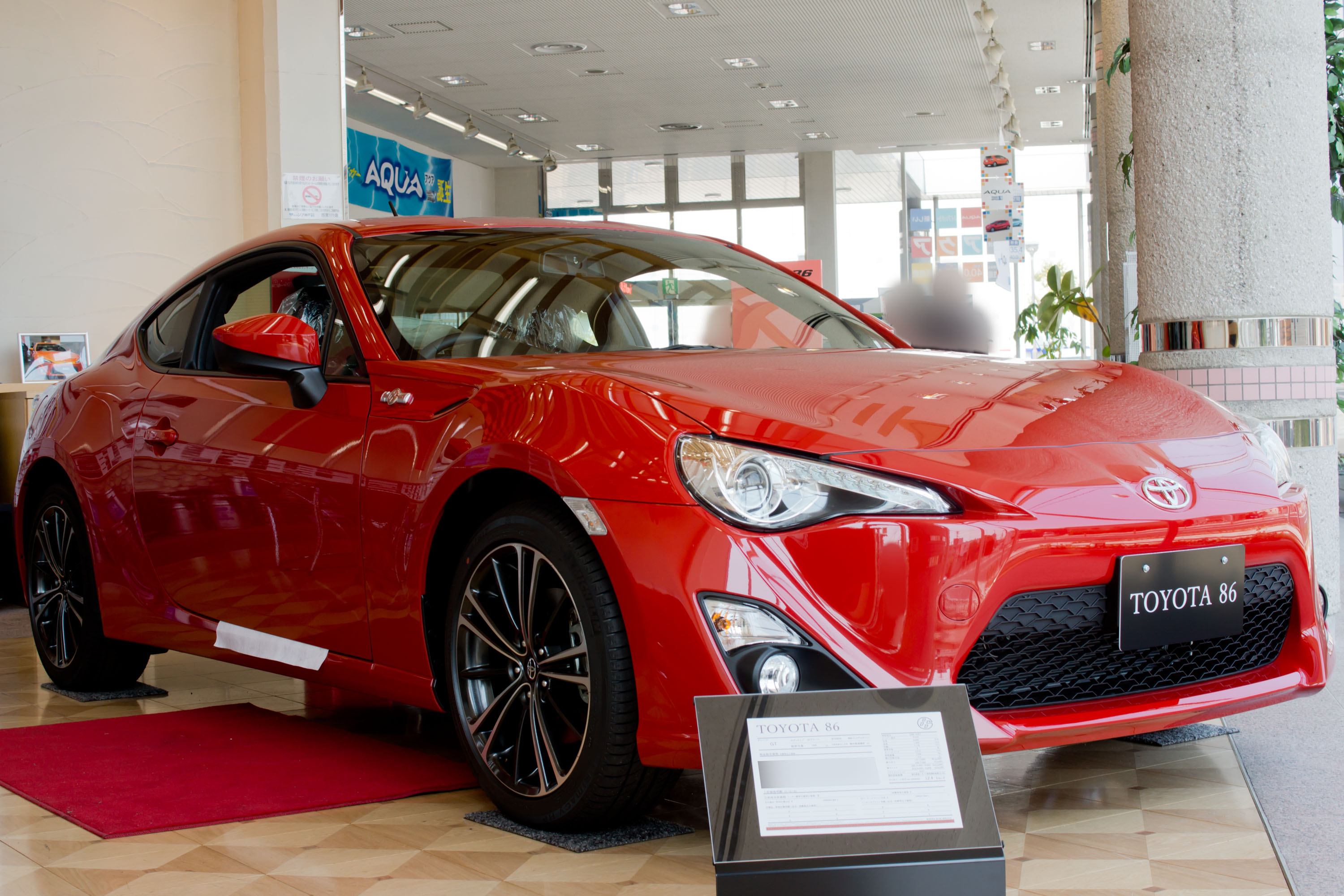
The Toyota GT 86 is a small, fun car made for people who love to drive. It's designed to be light and easy to handle, making it great for those who enjoy a sporty driving experience.
The window sticker is a label on new cars that shows the price and features of the car. It helps buyers understand what they are getting for their money.
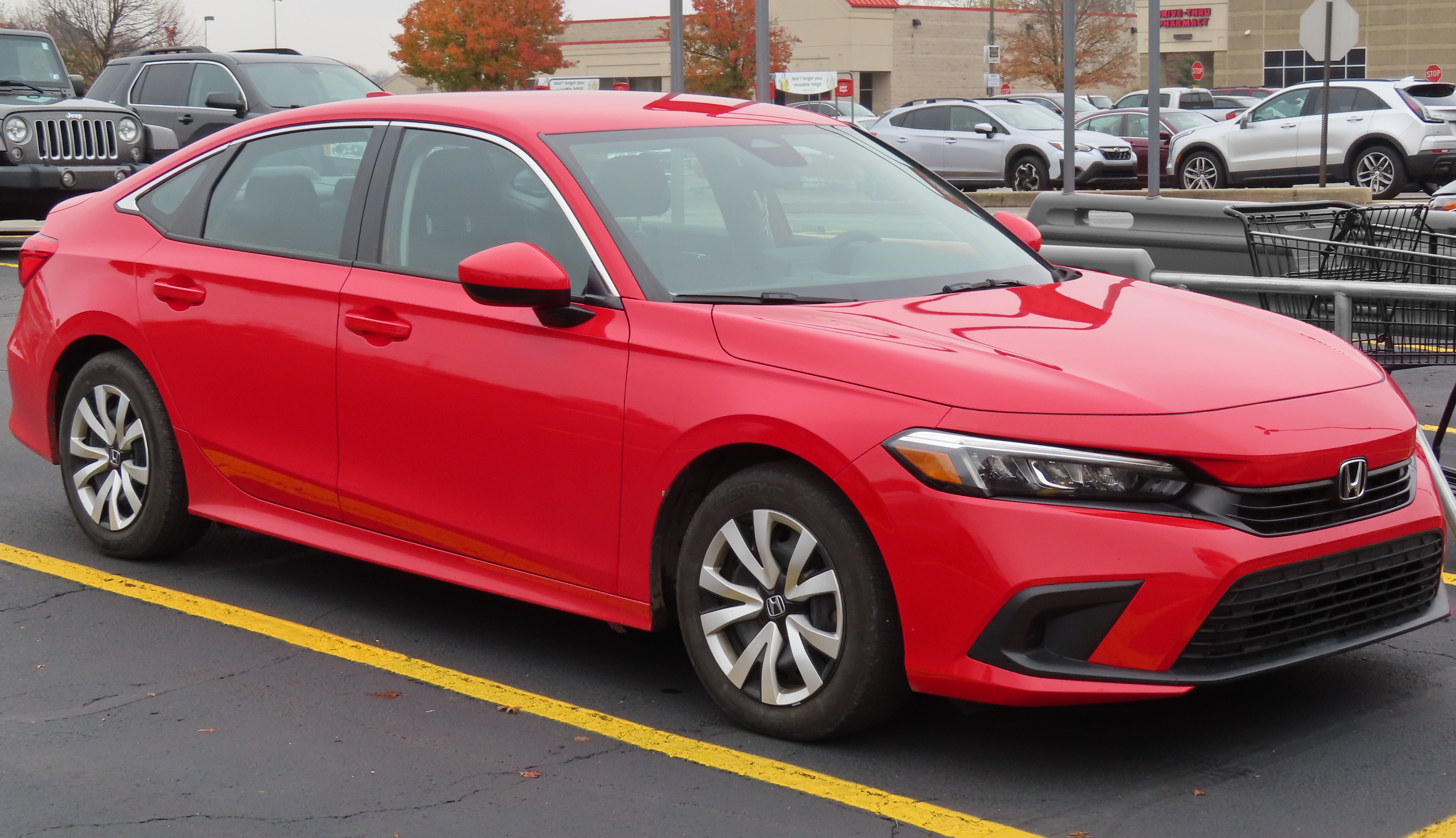
The Honda Civic Type R is a fast version of the regular Honda Civic. It's designed for people who want a sporty car that is still practical and not too expensive compared to other performance cars.
The Ford Bronco is a tough SUV that you can take off-road, meaning it can handle rough terrains like dirt and rocks. It's been redesigned recently, bringing back its classic look while adding new features that make it great for adventures.
EcoBoost is a type of engine made by Ford that uses a turbocharger to help save fuel while still being powerful. It's used in many Ford cars, like the Mustang.
The base package is the simplest version of a car that has only the necessary features. It usually costs less than models with extra options or upgrades.
Recaro seats are special car seats that are designed to be more comfortable and supportive, especially for people who like to drive fast or take turns sharply.
Advanced driver aid systems are safety features in cars that help drivers avoid accidents. They can alert you if there's a car in your blind spot or if you're drifting out of your lane.
The Camry is a reliable car made by Toyota. It's a comfortable sedan that many people use for everyday driving, and it often comes with good safety features.
Car
Acura Type S
The Acura Type S is a sportier version of Acura's cars. It has better performance and features that make it more fun to drive.
The Volkswagen Jetta GLI is a sportier version of the regular Jetta. It has a stronger engine and is made for people who enjoy driving more actively while still needing a practical car.
The Subaru WRX is a sporty car that can handle all kinds of weather because it has all-wheel drive. It's popular with people who like to drive fast and enjoy racing, but it's also practical enough for everyday use.
The Dodge Challenger is a big, powerful car that looks like the classic muscle cars from the past. It's known for being fast and having a lot of room inside, making it a fun choice for people who like to drive with style.
Dealer markup is when a car dealership charges more than the price suggested by the manufacturer. This can happen if a car is very popular or hard to find, making it cost more for buyers.
The Jeep Grand Wagoneer is a fancy SUV that can go off-road but also has lots of luxury features inside. It's designed for people who want a comfortable ride while still being able to explore rough terrains.
The Toyota Celica is a small, sporty car that was made for many years and is loved for being fun to drive. It has a cool design and was popular with younger people who wanted an affordable car that still felt exciting.
The Toyota Supra is a fast and sporty car that many people love because it can go really fast and handle well on the road. It's been around for a long time and is popular among car fans who enjoy modifying and racing their cars.
LIVE
Hello, and welcome to the Truth About Cars podcast. I am Tim Ealy, the managing editor.
And this week we discussed how sports cars have gotten too expensive and more. We chat
with Chris Servenka from Modified Muscle about how performance cars have gotten too expensive
and what it does to car culture. T-Tech contributor Matthew Guy and I discussed the
Meet Your NASCAR trial and the best snowbrushes for your car. But first, buying a car should
feel secure. Start to finish. That's why you should buy your next ride on eBay. See,
eBay has got everything, from classics to trucks and imports. Now with secure purchase,
sellers and titles are verified. And financing, delivery and insurance options are built
right in. Plus, eligible vehicle purchases are backed by up to $100,000 in protection.
So buy your next car on eBay. eBay, things people love. Secure purchase is powered by
Carmo Dealer Services LLC in eBay subsidiary. If you like what you hear in the T-Tech podcast,
please go ahead and leave us a review. You can also find us online at t-tech.com, that
is t-t-a-c dot com, or the Truth About Cars, all spelled out dot com. We are your home for
car news, car reviews, opinions and so so much more. Here on the Truth About Cars podcast,
we're always talking about the stuff that we use in our homes, in our cars and on our
cars. And today's topic is very timely for those of you, which is probably 8% of our
audience that are in the snow belt. So as always, we have T-Tech contributor Matthew
Guy with us. How are you doing today, Matthew?
Hi, Kim. I'm doing pretty good. How about you today?
I'm doing well. So today's topic is snow brushes. So let's go ahead and get you started on that.
Of course. And I mean, dead simple type stuff, but sometimes these essentials get overlooked
when we're talking about accessories for our cars, right? And then all of a sudden,
we need it and we haven't got it. And we're out there, you know, clearing snow off our cars,
using a tennis racket or something like that, or scraping the ice off with an old
Costco card or something, right? Sure, sure. Yeah. So it's a great time of year to do that.
Like you said, a good percentage of the country has been blasted by at least some snow so far.
And I was out cleaning off my car yesterday and thought it would be a good topic for
this episode of our podcast. And last year, I haven't bought a new one this year,
but last year I went on eBay motors and on eBay and picked up. It was definitely
over complicated and it was definitely over engineered snow brush. And, you know, it wasn't
cheap, right? I mean, it was something that was like 30 bucks or something like that. But I thought
I'd give it a shot because sometimes we end up testing, I mean, I'm six foot six, but sometimes
we end up testing big pickup trucks, right? I mean, right? The trail boss from Chevy is
already tall. And then with the trail boss package is lifted another two inches. And
I'm a big proponent of trying to do one's level best to clear the snow off the roof of the vehicle
before I set out, right? And Tim, we talked about this last year, you know, you're driving on the
highway and all of a sudden a whole bunch of snow comes off the vehicle in front of you,
lands on your windshield and you can't see. So I try to avoid doing that to someone else,
which is why I got this extendable, extendable type of snow brush. And it's been fine. I mean,
it's a basic bit of kit, right? It's just telescopic. It's mostly metal, which I like,
except for the brushes, of course, but the handle and the telescopic part are all metal,
except for the little part that's that's a bit of a handle that is plastic. And I, you know,
a good, good proponent of buying decent equipment once rather than buying, you know,
something that's a little bit cheaper multiple times, right? And it ends up being and it ends
up being more expensive. But something else that's awesome in my arsenal, at least for
leaving in the morning, I don't take it with me in the car. And you've probably seen this
from your dealership days, Tim, are these foam brushes. And it's basically it looks like a,
like a just like a foam pad, you know, it's probably about, I don't know, four feet long,
I guess, and it's on the end of a metal pole. And it's great because it doesn't scratch the paint
of your car. And that's something that, you know, I like to try to not do, right, especially on
fleet vehicles that don't belong to me. And of course, on my own stuff, if I've got the winter
beater out, that's fine. But definitely if it's something that's a little bit more valuable,
I don't want to scratch everything up. Right. And these, these foam brushes, I just generally
call them a snow pro, that is a brand for sure. And I've picked one up off eBay from that brand.
So just like you call everything Kleenex or just like you call everything a Zamboni, that's
actual brand name. But these snow pros, I like them a lot, especially if the snow is either it's
light and fluffy, or if it's kind of dense and packed, but there's a bit of, you know, melting
that's been going on underneath it, it just takes the snow off in one big fell swoop. Doesn't work
too well if it's been warm and then cold, and then warm and then cold again, if there's been
freeze thought cycles, because then the snow and ice is, is, is really attached to the car.
So they don't work well in that environment. That's when you need to break out the scraper to
clean your window. Yeah. Yeah. So anything else we need to know about snow brushes? And I mean,
there's not a ton of, you know, it's not like there's a safety issue or anything. It's just,
make sure you brush your car off and you're absolutely right. A few weeks ago, now we had our
first overnight or first, like, I guess there's a term for it. I forget the meteorological term,
but there's a term for snow that sticks. And we had our first snow that actually stuck to the
ground in Chicago. And I had to go to the airport in the morning and car in front of me had so much
snow on it. The guy was going between lanes because he couldn't see what lane he was in. And it's
dangerous, you know, people, people laugh, but I couldn't get around him because he kept fearing
into my lane because he didn't know what lane he was in. So it really is dangerous not to be able
to see. And you really need to brush your car off and who's the roof? It does. Yeah, you really do.
And there's, you don't need to spend a lot of money like I did on that telescopic thing. I mean,
just the basic wooden handle brush that's got a brush on one end, scraper and brushy,
brushy, scrappy, scrappy, right? One on each end that you can pick up, I mean, off a place like
eBay for a couple of bucks, right? And I mean, you might see them at your gas station for 99 cents,
right? Just toss it in the trunk or in the cargo area of your car, make sure it's secure so it
doesn't fly around in an accident. And it's great insurance if you've forgotten your main one that
you've got or something like that, at least have something on board. So you're not, you're not
cleaning your car off with a hockey stick or something like that when you go out in the morning.
So yeah, those types of things are really, really big proponent of them. Pick up a snow pro if you
can. I know that's a, that's a brand name, but I like having one of those on hand just as gear head
trying to save the cars because we're car nerds. And if you're listening to this podcast, you
probably are too. So absolutely, absolutely. Anything else we should know or should we go
ahead and wrap the segment? I think we can wrap the segment up. You know, I just, I do, I am a
proponent for those snow pros. And if you do are looking for a Christmas gift, I know they're hard
to wrap snow brushes, but they're useful. So give it a try. If that's something that you are looking
for the hard to buy for gear head in your life, that's not a bad option. Sure. Sounds good. All
right. Well, with that, we'll go ahead and wrap the stuff we use segment here on the free throw
cars podcast. Matthew guy, thank you so much for your time. Thank you too.
eBay has reinvented vehicle buying from click to curb. Everything's covered.
It's all thanks to their new secure purchase. Ever try to buy a car and end up in a parking
lot with a stranger and some blind trust or spend half the day at a dealership talking to push
you salespeople and signing paperwork or maybe worst of all, wait for hours at the DMV just
a chance to the title. That air is over. For years, eBay has been the go to for gear heads,
collectors and DIYers because whatever you're into from classics to SUVs and trucks to imports,
eBay's got it. And now a secure purchase. eBay isn't just where you find your next ride. It's
handled by experts and payments are traceable and digital. So you know exactly who you're dealing
with and exactly what you're getting. Plus you can finance ensure and register your vehicle
all in one place. No more hours at the dealership. No more trips to the DMV. Get your vehicle,
plates and paperwork shipped to your door ready to drive. And it's all part of one seamless process
designed to feel as easy as buying anything else online. And eligible vehicles purchased on eBay
are backed up by up to $100,000 in purchase protection. Thinking about selling your ride,
secure purchase makes that simple too because you know your buyer and their funds are verified.
If you still own your car, the finance and payoff is fully integrated. So you're not
chasing paperwork or waiting in checks to clear. And with secure purchase, you get paid fast.
And you're not going to be stuck chasing no shows or answering the fifth still available message.
This is what modern car buying looks like. Skip the DMV, skip the sketchy meetups,
buy it on eBay. eBay. Things people love. Secure purchase is powered by Carmel
Dealer Services LLC in eBay subsidiary. On today's Truth about Cars podcast,
we're talking with Chris Cervanca. He is a digital media analytics specialist at
Continental Tire and the founder of Modified Muscle. Did I get that right, Chris?
Yes, you did.
Awesome. So Chris, thanks for hopping on to the T-Tech podcast today. And the reason we're
having you on, the reason we're having Chris on and the topic we're discussing is
affordable performance or the lack thereof. So Chris, you wrote a LinkedIn post,
kind of bemoaning the fact that cars like Ford Mustang, Chevy Camaros, that sort of thing,
Nissan Zs, that used to be considered affordable performance cars for middle class
income buyers are no longer such a thing. And walk us through that and we'll have a
conversation about that. But walk us through where you're coming from on that.
Sure. I mean, a little bit of background. I've been a Mustang and car enthusiast in general
of my entire life. Got it from my dad. And it's always been a passion of mine, mostly in the
Mustang field, but Porsches and any other, frankly, anything that you can move really
fast in, right? And that said, this particular post, I just wanted to call out something that
I feel like was maybe a misconception, right? That the car hobby, the car enthusiast hobby is
dying. And I personally don't think that's necessarily the case. I see a lot of people
out there that are much younger than I am. And doing a lot of really, really cool things that I
wish I could have done at their age. So I think it's out there. But at the end of the day,
there's a lot of other factors that go into play in terms of, frankly, the monetary side of
things just makes these cars a little bit harder to obtain. Yeah, I'm with you there. So you and
I share a kind of background that we're both Mustang fans. I had a, I had a Fox body when I
was in high school, a five liter. It was a piece of junk in a way. It was not modified. It was,
when I got it, I was the third owner, it had been beat up a little bit, and I didn't have the money
to improve. I had some rust in the tailgate, stuff like that. But it was still a fun car to drive,
manual transmission, five liter V8 or 49cc or whatever there are. Yeah, it's, you know,
Ford always rounded up on the five liters. But I agree with you on the fact that muscle cars have
become, and after just muscle cars, well, sports cars have become difficult to afford. And like
you said, I think there are people who are interested, like I would love to have a Mustang now,
but there's $60,000 for a GT the way I want one priced. At $60,000, you can buy a luxury sedan.
You know what I mean? And the popularity of the Mustang, especially in the 80s when I was a child,
was that a middle class family could have two cars for commuting and they have a Mustang for a toy.
My dad bought an 86 GT with T-Roofs when I was six years old, and that car was only a summer car.
It sat in the winter and he had it for eight years, didn't even hit 100,000 miles on because he
didn't drive it a lot. It was for fun. And there were a lot of people like that in my neighborhood,
people who were like, you know, regular middle class jobs, bankers, contractors, car dealers,
office drones, and they had a Nissan Z or Chevy Camaro or a Pontiac Firebird or whatever
for fun because they could afford it and they still had this other daily driver. So
I think that's changed a lot. It really has. I mean, in the post itself, I specifically
referenced a 2015 Mustang that I purchased back in 2017. So it was used at the time,
but I had access to the window sticker, correct? So, you know, it was a very nicely optioned
401A car. That's a premium like leather, the Shaker Pro at the time sound system, navigation,
all the good stuff, all the things you would want in a now 10 year old car, 11 rather.
It was a $42,800 window sticker. But you fast forward to today, you know, that same 401A,
that same performance package, this one had active exhaust and a colored seatbelt, which is
exactly what you're referencing. Getting the car that you want properly equipped
is now an additional $22,000. Granted, you factor in inflation. You know, I think inflation has
been a topic of conversation from an economic standpoint ever since COVID, right? And I think,
especially for people in our age group, maybe not necessarily the 20-somethings because they
had bigger things to worry about, high school and college, things like that. But working class,
people who are out there, you know, they've got bills to pay, all that sort of stuff. We've really,
really, really felt the weight of that inflation. And all that said, you factor in inflation from
2015 to 2025, and it absorbs the majority of that price jump from $42,000 in today's dollars is about
$58,000. So then you're back to that last $7,000, which obviously is not 22, but it's also not
a drop in the bucket either. Right. Yeah. So what do you think we can do about this? Obviously,
inflation is a larger issue, a larger political issue that probably automakers have little to
no control over, and the average consumer has little to no control over. And when you know,
you can vote a certain way for a certain party or certain politician hoping they'll reduce inflation.
But beyond that, what can automakers do? What can consumers do to get back to the affordable
sports car? And again, there are some on the market, you know, you can get into a,
just before we get into the question, you know, there are some affordable sports cars on the
market. Assuming there's no dealer markup, of course, you can get into a Honda Civic Type R,
relatively cheap if there's no dealer markup. There's the whole class of sporty compact cars,
like the Honda Civic SI, Volkswagen Geno GLI, Subaru BRZ is kind of cheap. But if you want a
Mustang or Nissan Z, or it'll be outgoing soon, Toyota Super, something that used to be considered
affordable. And now it's not. What can we do to change that to get these cars to be more affordable
again? Obviously, I'm a Ford fan. I'm going to zero in on them first. They're already taking
steps to enable the hobby. And what I mean by that is, are you familiar with the Dark Horse track
attack or Mach 1 track attack GT 500 track tour, those owner experiences that Ford offers?
No, I am familiar with the Dark Horse, the car, of course, and I'm also familiar with
Ford's off-road, you know, for the Bronco, so I assume it's kind of similar, but track-based as
opposed to off-road. Correct. They've been offering it for the Mustangs, they've been offering it
since, I believe, the Bosterio 2 back in 2012 was the first time. I think I do remember that.
I think that does kind of ring a bell. I'm getting a little bit older. My memory is fading a bit,
that does sound a little familiar, yeah. So up until the 2024 model year, it was always kind
of a Ford Performance exclusive offering, right? So you get the GT 500, you get the Shelby, you get
these Performance variants, you have access to that free one-day school with the Ford Performance
ratio. Now, Ford has extended that program to what they call Mustang Unleashed is an EcoBoost
or GT owner now has access to that same experience. So all these people need to do is get themselves
there and they'll be able to have the same level of experience at these Dark Horse and previous GT
500 guys and things like that. What I love about that, and I actually went through the Mustang
Unleashed school to see what it was all about. And what I love about that is because, I guess
what's the best way to put this? So an EcoBoost owner, and I was personally one of them in my
early to mid 20s. It was my first brand new car. It was an EcoBoost Performance package 2015,
Competition Orange. Love that car. But I wanted to get no Mustang. And I know it wasn't a V8.
I could have bought a couple year old V8, but I wanted to get the S550. I wanted to experience
the IRS and all the new tech. So that said, I'm envisioning a 20 something getting into their
first Mustang because they want to experience what Mustang is all about and the heritage and
legacy and the community and all that good stuff. They get to go to the school now. And they get to
experience not only the EcoBoost, but before they end the day, they have also driven a GT and they
also driven a dark horse. So they have baked in experiences with all three variants of the car.
And ultimately that gives the owner something to walk away with. And frankly goals, right?
As they continue to work hard, as they continue to build wealth, as they continue to make the
right decisions financially and with their career and everything else, and money becomes a little
bit easier to come by, they'll be able to get into that GT. They'll be able to get in that dark
horse, right? So I think that's the first step from an automotive enthusiast standpoint is doing
things like that, making the investment in the entry level enthusiasts so we can capture and
retain that enthusiasm and keep it rolling as these generations keep going by. In addition to that,
we got to offer some more bare bones packages. The only one I've really seen in recent years,
I guess, would be the Challenger. It was like a bare bones drag race 1320 package that they put
together. Yeah, maybe 21. I recall certain 1320 packages. I can't recall if it was a base, basis
off top of my head. I remember it being relatively affordable. And you know, cloth seats and like,
frankly, that's what the Boss 302 was back in 2012 and 2013. Yeah, I remember I tested one of those.
Exactly. It was a road course oriented car and a higher horsepower motor.
You know, but it wasn't a big beefy sound system. It wasn't all of these creature
comforts. It's like, no, I bought this car to go take it on the track, because that's what it's
built to do. So I think we need to recalibrate a bit. I love my dark horse. Don't get me wrong.
I love the creature comforts too. But it wasn't a cheap car. And if we want to get these cars into
more hands, then we need to find some ways to cut some costs and cut some packages because,
frankly, you don't need all the creature comforts, especially for someone that wants to enjoy the
visceral experience of being behind the wheel of something fun. Yeah, I think that's, I think
that's key having some more base packages that are performance oriented. I definitely like your
answer with the Ford Performance School. I think a lot of automakers have offered that sort of
over the years. And that definitely addresses the enthusiasm side. So there's really, when it
comes down to buying a car like a Mustang, there's kind of two types of buyers, right? There's the
enthusiast who already is a car enthusiast and already wants to drive fast. And there are people who
maybe they came in with some money, got a promotion at work, don't have a lot of experience with
enthusiast cars, have been driving around in the courts and cabins all the time. And oh, hey,
you know, I think the Mustang looks cool. And I'm going to buy me a Mustang because it's a
reward for hard work or whatever. So they get out and get a Mustang and then they don't know
how much about driving fast, they get a chance to go to one of these performance schools and maybe
it sees the bug for the rest of their life or to their children, they pass it on. So
that's definitely a good thing. But I really, you know, I think the base package thing is
important too, because that's why I was kind of coming at it with the question was, what can the
automaker do? What can they offer in terms of lower price? Obviously, the automaker can't make us
get paid more, right? You know, that wages not keeping up with inflation is not the automaker's
problem. Well, it is in a way because they need to sell cars, but they can't fix that problem
necessarily. So I mean, we can think of Ford doing the old example back in the day of the old legend
of Henry Ford being his workers more, so they can afford the cars, but that's only one, that's
not going to necessarily apply to other companies, obviously. So, yeah, so I was kind of curious
what automakers can do. And I think the base package thing is key, you know, and that like,
that was what the LX was back in the 80s. The car that I had was, it was the five liter, the stick
shift, but didn't have the some of the creature comforts of the GT. It didn't have an airbag,
because airbags back then were optional. GT had the airbag in the bigger steering wheel.
And of course, the LX in theory was actually a little bit quicker because it weighed a little
bit less because it didn't have as many creature comforts. So, you know, I think that's a big key
too. You know, I would love to see a Mustang, for example, that has GT powertrain, but EcoBoost
features, or maybe you sacrifice leather for cloth. And I don't have the buyer's guide in front
of me. I don't have the building price. I think you can get cloth on GT if you want to save some
money. But even if you try and buy a bare bones GT, I price, I price them out once in a while,
just because working on an article or whatever, and I want to see how they price out. And I think
last time I priced out a GT, I priced it out with all the performance features I would like,
which is pretty much everything. And then, and then bear then kind of middle of the road in terms
of creature comfort, like the nicer stereo and some of the nicer tech stuff, but skipped out on
some of the stuff you I wouldn't really want to really need some of the higher end interior
features, stuff like that. And it was still almost 60k. So I think even having base packages,
you've got to really keep the cost low on those. And like you said, maybe a
performance only package. It's where it's, and of course, today's cars, consumers do expect a
certain amount of tech, even in base models, but you know, a base car, a base Mustang with maybe
cloth seats, the GT engine manual transmission, base, you know, the basic sink and navigation
and infotainment might be, you know, so it's kind of, and maybe, maybe you have the customer
chance to get like the nicer stereo if they want, or the recaro seats, because those are
more comfortable on a track, you can maybe make those options. But you know, something like that
might be, might be a good choice. But even then it's probably still a $45,000 car. So I think the
hard part is where do you get to under 40 mark? And then I'm not sure that's possible.
And that's part of the issue too, right? Because the other side of this is, you know,
we don't necessarily have a Camaro right now. Charger is doing its best to come back.
Yeah, well, it's different right now, obviously.
And, you know, so it, there's no competition. That's part of, frankly, part of the issue,
because competition drives innovation and also price is down.
Sure, absolutely.
So that's part of it. The other side of it is the base model Mustang, even an EcoBoost level,
is more technologically advanced than any past car, or any past Mustang that's ever come by,
right? And with that is cool for tech heads like myself. But at the same time, that is a lot of
cost that goes into that base model, right? So I think, I don't think it's unfortunately as simple
as stripping down packages to a completely base model. And this may be something like
for a future body style or what that's going to require more of a refresh, but like to actually
make an effort to strip out some of those base features that aren't necessarily needed.
You know, like the screens, for example, they've got these screens that are incorporated into
the interior now. Those are available across all trim levels. So we're the driving modes,
so we're all the programming. You know, you got your four base speakers.
Everything, the base model is so much more than it used to be.
And the connected nature of these cars now, everything needs to be over the year for updates
and things like that. There's just so much tech in these cars that is tech's not cheap,
you know? It's not cheap, and it's also heavy. Yeah, it's not just the feature tech, it's also
the safety tech. And I don't have in front of me what Mustang comes with, but the advanced
drivers, the driver, we call them advanced driver aid systems, your blind spot monitorings and all
stuff. And I know Mustang is probably a little bit lighter on those compared to like a camry or
record, but has some of those systems though? It does. It does. And a lot of this is being
mandated, right? You know, so there's, there's multi, there's multiple levels to this. And,
and I can see automakers, they have their hands tied, right? We need to have this tech.
You know, we need to have all of these things integrated into the car over the year updates
are also necessary to that not only adds cost, but that also adds weight. And we all know light
cars also a little bit more fun to drive around as well. So it's, it's a catch 22.
Yeah, like you said, some stuff is mandated and some stuff is not government mandated,
but consumer demand for it is so strong, it might as well be. So I think you're right,
it's not a simple solution. And I also think it plays into the larger point, excuse me,
a larger point that the average transaction price for any new cars right around $50,000 these days.
And it's hard to get a new car under $40,000. You know, there's just a few you can,
a camry and a cord well equipped is in the mid 30s. And like I said earlier, you can get
for under $40,000 some well equipped sports cars that are four doors. Like I said, the Jetta GLI,
Honda Civic SI, Accurate Tiger Type S is right around 40 ish, maybe a little under.
I haven't looked at the price for quite some time. Subaru WX is a bit above 40 if you want,
the fun, the fun trims, but you know, there are options out there, but they're limited and
cars in general is expensive. So like you said, there's federal mandates, there are
consumer demands, you know, and I think you hit on, I think you also hit the nail on the head
that there is no real competition if you're talking about the Mustang right now. Camaro's
gone, Challenger's gone, Charger's a different type of car. It's bigger, heavier, different mission,
whether you get the EV or the upcoming six cylinder ice engine. So ice engine is being
redundant, sorry. But yeah, so, so I think there's a lot of complex factors at work that make it hard
for folks to get into affordable cars. And we didn't even talk about dealer markup yet.
Yeah, dealer markup is another consideration. Another thing I wanted to mention is, and I think
we're starting to finally, finally move away from this. But the way these cars are being packaged
in the way that these automakers were focusing on these high profit margin vehicles, like I'm sure
you've seen the reports over the last couple of years of like the Grand Wagoneers just sitting
on lots and 80 and 90 plus thousand dollar rams and some of the super duties and like,
and GM was guilty of it too. Like, I understand that profits are what keeps the company alive. And
I get that. But we're in a different time now. And when it comes to the cost of living that we're
all suffering, not suffering from, but dealing with right now. Yeah, struggling. Yeah, yeah.
Yeah, we, you know, we need to be cognizant of what it's going to take. Because I even saw,
I got to find the source, but I even saw the other day that, you know, delinquencies on
automotive loans are at an all time high right now. Right. And I don't see that changing anytime
soon, especially with interest rates where they're sitting. You know, it's not looking great right
now. So anything we can do to drive the price down to these cars and make them more attainable is
going to be key. Yeah, I've seen similar, I don't have it in front of me, but I've seen similar
reports. We covered it on TTEC a month or two ago about loan, loan rates or delinquency rates being
high. And that was the last time it really happened was a predecessor to the Great Recession. I'm
not saying it's going to happen necessarily, there's different factors that play. And there's not the
housing bubble and housing boom and mortgage shorts that were part of what happened in 2008.
It's a little different, but you know, it is a sign when the car loan delinquencies,
that's a sign that people are struggling. So I think, I think the, you know,
like I said, the automaker can only do so much. They can cut costs, they can reduce price,
they can offer value models. I think the long-term solution is probably beyond the scope of what
we talk about here is people need to get paid more and people need to spend less to live.
And I think that's a political thing. And people vote different ways because they believe their
candidate can solve it or their party can solve it. But that I think is, you know, and Chris,
I'm not sure how old you are. I'm in the mid 40s. I, you know, my entire lifetime wages, wages have
not really kept, necessarily kept pace with inflation, depending on the sector and all
sort of stuff. So there's also that too. You know, it's, it's one of those larger economic
stories that just happens to affect our industry. No doubt, no doubt. I'm 33. So I've experienced
a lot of the same that you have in that regard. And at the end of the day, all I can say to
people who want to get in this hobby and people that want to get in this hobby that may not be
able to, you know, don't be afraid. There are cheap cars out there. There are ways to get your
hands on said cheap cars. And on top of that, just link up with people who turn a wrench and learn
something. You know, when I, when I first, when I got my first Mustang at 16 years old,
you know, it was a six cylinder. It was, it was a blast to drive. I thought it was really fast
at the time. But that said, I was the youngest person in my local Mustang club, you know,
and my friends would poke fun at me. You know, my normal school friends would poke fun at me,
but like, oh, you're going to hang out with all those 40 year olds to speak. Yeah. Yeah, I am.
And I'm going to go learn how to turn a wrench. I'm going to learn how to go drag racing and
take my car and cruises and my first autocross around that time. So many different things I
learned from not only the car itself, but the camaraderie in the community. And it is alive
and well for sure. Yeah, I think that's great advice. I think, you know, don't just set your
sights on the brand new $60,000 Mustang, maybe go ahead and buy a Fox body off, bring it. Well,
could be that's maybe not a great example, because Fox bodies have gotten expensive and they use
carbon. Yeah, they're Foxes are the new classics. It's, you know, if we're talking about Mustangs,
the new Fox body would be S 95 and new edge, right? That's kind of the in between right now.
Yeah, part of it's the age and part of it's Fox bodies. They made so many of them. They made
so many parts. They're very easy to modify, very easy to fix. And then that makes them hard to,
that makes them expensive because a lot of them have been really decked out and people put a lot
of money and time into them. And they saw them for a lot. And it's also hard to find one that's
just close to stock. And so those, those become expensive just because of lack of supply. A lot
of Fox bodies out there are either show cars that have been really worked on hard, or they are
total basket cases that are going to need five, 10 years to restore. And finally, they went in the
middle tough. But my point is, if you want a fast car, find an old find something from the 80s or
90s, if it's not a Fox body than Camaro's, like you said, SN 95 Mustangs, Firebirds, Nissan Zs.
We have a lot of used car forums at vertical scope, our parent company. We run a feature on
TTAC used car of the day. I come across a lot of Japanese sports cars from the late 80s, really
90s Toyota MR2's, Celicas, stuff like that. So, you know, you can civic SIs older civic SIs,
those are cars that are relatively easy to work on a lot of parts availability.
These are these were cars that sold in fairly high numbers. They're not going to be difficult to
find parts for or find a shop that can work on them. If you get in over your head, if you don't
have good wrenching skills, and I think to join the car clubs helps you get to get to meet people,
get to know people. So, I totally agree with your advice that if you are financially not able to
swing a brand new Mustang or a Nissan Z or Toyota Supra, getting involved in one of these car clubs
will help because maybe you'll find one for a cheaper price, or maybe you'll find something
that helps you with your finances that gets you there. And at the very least, you can maybe
work on older cars, which can be a lot of fun in their own ways. A lot of older cars
don't have the weight of new cars. They don't have as much many comfort features,
so many safety features. And not having some of the safety features obviously puts you a little
more risk of something goes wrong. But some of these cars will be a lot of fun to drive
because they don't weigh as much. So, there's some kind of image to that as well. So,
Chris, is there anything else you want to kind of add on this topic about affordable
sports cars, whether you're driving a new or used?
Not really. I mean, the biggest thing I kind of want to back up is just not to be afraid,
right? Like, there's, with social media, that's a whole, we can have a whole other podcast about
the effects of social media. But with social media, the way it is, there's this notion out there
that you see all of these high dollar cars, and it's a reality that's been fabricated.
And put out on a platform for people to see, right? It's cool to like, share his comments,
all that good stuff. But it's also toxic in a way that it can give people unrealistic
expectations of what they should be doing for themselves. And I think it's super important
to know that you need to just do what's best for you. And if it's something that you're even
remotely interested in learning more about, to just put your phone down, go out there and do it,
right? Go find a community, which there are car clubs of all backgrounds everywhere.
All it takes is that's a great part of social. All it takes is a quick Facebook search to find a
group and join up and learn more about the car. And if you pull up in a piece of junk,
who cares? Most of them are very, very welcoming. And you'll be able to learn more about the car,
genuinely ask questions, turn a wrench, go participate in events. And before you know it,
birds of a feather flock together, right? You'll pick something up, you'll learn something,
something will connect the dots, and you'll be able to finally get in the driver's seat of your
car when that time is right. Yeah. Okay. So let's wrap up. We have a few minutes left.
Let's wrap up. We talked a lot about the cost angle of it. What automakers can do
to reduce costs of new cars, what people can do to make more money or save money,
that sort of thing. But the other angle of your post, and we probably should have spent a little
more time on it, and maybe the next time we chat, we will. The other angle was the future of car
enthusiasm, car enthusiasm itself. Now, I agree with you anecdotally, even though people say
millennials and Gen Z don't drive as much and blah, blah, blah. And I live in a place where I
can walk out my door and hop on a bus and hop on a train easily. I'm in Chicago and I'm pretty
densely popular in the neighborhood. But there's still, there are still young people who like
cars. When I go to precedents or automotive journalist groups, a lot of the people are under
50. A lot of people are in the early to mid 40s, in their 30s, even in their 20s. So there's definitely
an okay, now you may say it's sorting for sample size based on what I do for a living.
But there are a lot of young car enthusiasts. I imagine that some of our readers on T-Tac,
I don't know what the percentage is, I don't have the date in front of me, but I would imagine some
are pretty young. I know that, you know, what I do go to events where the public is part of it,
whether it's an auto show or a classic car show, that sort of thing, whether I'm going on my own
dime in my own time or covering it. And I happen to be around among the public. You see a lot of
young people. And when I say young people, I've both been young adults, 20s and 30s, as well as
teenagers and children. And, you know, kids are easy, a lot of kids are in cars. And sometimes
that fades, they don't always become lifelong car enthusiasts. But when you see people who are a
personality, they're force or hobbies, seeing that people do care about cars and seeing that,
even on vertical scopes forums, when I'm on there picking a car for each car today, sometimes
seeing comments, you know, you're seeing 20s somethings and 30s somethings. And a lot of this
is anecdotal, I can't tell you data saying how many people are in cars and what they can and
can't afford and that sort of thing. But it does sound like there is still a strong well of car
enthusiasm. It didn't just it's not going to die off the baby boomers. It's not going to die off at
the end of the muscle car era since muscle cars now are the ones that are in great shape or so
expensive at auction. But, you know, Chris, I wanted to let you kind of finish off the conversation
by saying, what do you see in just in general, in terms of younger people getting into the
getting into the business of car enthusiasm? Well, not necessarily the business, but the hobby of it.
You know, where do you see it going? You said it's stronger than people think it is. It's
not dying. It's just like new cars are too expensive. But so what signs are you seeing
that are positive? I can go in multiple different ways about that. The first avenue I want to go
down is- We have about four minutes just so you know. Got it. The first avenue I want to go down
is it's changing. It's changing how people engage with the hobby. And what that means
is like when you and I were kids, it was all about the car magazines, right? Pay for the
subscription from car and driver and motor trend or what have you and get that in the mail. And
it was very exciting every month to go through all the latest specs. It's not like that anymore,
right? It's YouTube, largely, and social media. So you hop on YouTube and find these channels with
a decent amount of subscribers and most of them, similar age and like-minded backgrounds,
of these 20-somethings that are ripping apart. You know, I just saw a post about it. It was a
67 Mustang, but the body was fitted on a newer Honda Civic, right? Like just crazy stuff like
that where, okay, these guys are turning wrenches. They're not just, well, they're just not just
modifying. They're fabricating, right? And that's stuff that it's still out there. It's still
happening. It's just happening in different ways. And you may need to, if you're more
in tune to the previous more traditional ways, you may not see it as much, but it is out there
and it's alive and thriving. It's just a matter of getting out there and being a part of it.
Yeah, for sure. And I think in the future, Chris, we'll have you back on again because
we only have so much time and we had to sort of kind of focus on the cost end. But I do want to
have the general conversation, just kind of moving away from the cost of new cars like
Mustangs or the cost of even getting to use cars, just kind of getting away from the cost
equation. I would love to have a conversation with you just about
enthusiasm in general, whether it's participation in auto shows, like you said, social media,
YouTube, people going to classic car shows, that sort of thing, and getting away from the
cost of buying a car or working in a car, but just kind of talking about where the enthusiast
future is going. So I would love to have that conversation with you, but unfortunately, we
don't have enough time today. So Chris, we can maybe catch up again after the new year or in
December, but we appreciate your time so much. Let's Chris Servenko from the founder of Modified
Muscle and then also Digital Media Analytics at Continental Tire. Did I get that right?
Yes, you did. Yeah, happy to be a part of it. This is awesome.
Yeah, yeah, for sure. And we'll have you back on again to discuss,
you know, and I'd also love to have you talk about tires as well, since that's part of your
professional responsibilities. So once again, Chris Servenko, thank you so much for your time
here on the Truth About Cars podcast. Thank you so much. Appreciate it.
Here on the Truth About Cars podcast, we were just about always talking NASCAR even during
the off season. And with me as usual is T-Tech contributor Matthew Guy. He's back from some
travel. So Matthew, how are you doing today? Hey, not bad. And like you said, rested up from
doing a bit of travel, driving cars and stuff. So thanks. Yeah. So Matthew, you were obviously
unable to record with us last week, but we've talked about the NASCAR trial and I know you've
caught up on everything I kind of learned last week as I needed to do as well. We know what's
going out of NASCAR being sued by front row motorsports in 2311 racing, which are two racing
teams adding to the confusion here is that one of the team owners does not race for them. That's
Denny Hamlin, who actually races for Joe Gibbs. So you got to keep that in mind as we talk this
through. But long story short, the race teams are suing because in their view, NASCAR is taking
home too much of the money and not distributing enough among their charters teams. And the charters,
they also believe the charter system is making it harder for new teams to come in and for teams
to make money. And on top of that, there's some belief that NASCAR is a bit of a monopoly. So
it would be hard to start a rival series if say five racing teams or five drivers want to do that.
So we'll walk our way. We'll walk through it. I explained to our listeners the best I could
last week. And if it was a little confusing, I do apologize. It is a confusing case. Matthew,
I want to hear your thoughts on it though. I've got mine, but let's start with you.
Not him. I thought you did a great job last week. And if any of our listeners
happened to miss last week's episode, be sure to go back and check it out. It's a good explainer.
It's a good is a really good explainer of some of the nuts and bolts of the case. And even since
then, Tim, when you were talking last week, some more, you know, information has been has been
coming out some more comments and things. And there were some really explosive, you know,
thrown around, sorry, as of late, but just coming out really, you know, just, just a few hours
ago from this recording, Bob Packers from Fox Sports was saying that one of the quotes that he
was talking about from some of the main players in NASCAR was that front-row motorsports, which
fields a few cars would quote unquote, likely unquote, shut down within a year of the trial,
pending any appeals if, if, if NASCAR comes out on the winning side of this thing. And that's,
you know, some really, really worrying things in terms of a NASCAR, me being a NASCAR fan, because
if legalities and, you know, things of that nature impact drivers like Todd Gilliland,
like Noah Gregson, things like that, if they become free agents, that would leave, you know,
free drivers without a ride in the NASCAR Cup Series, because the whole crux of the argument is
that NASCAR has too much of a monopoly. And it's taken someone like Michael Jordan to come in
and start arguing against NASCAR and looking at the situation and saying, guys, like, this is
really a monopoly. And also, the contracts you are all but forcing us to sign are rife with all
kinds of different problems, both, you know, from a, from a competition standpoint, from
a monopoly standpoint, and those types of arguments that Michael Jordan is, and 2311,
and the other people who are on the other side of the, of the, of the lawsuit action that we're
making. They're making some really good points. And, you know, it's, it's tough to say, you know,
you hope one side wins versus the other. But man, NASCAR has always held the series in the
chokehold, right? I mean, right to the days of big Bill France, Bill France senior, Mr. Bill
France senior, he would, you know, and was proud to run the series with an iron fist. This is the
way it's going to be. And if you don't like it, go race somewhere else. And that's fine.
But also the world is a very different place than it was back then. And competition and sport
and media and all that is very different place than it was back then. So it's
unfortunate, but probably unsurprising to anyone who's followed NASCAR team, like, you know, you
and I have since the 80s, that it's come to this and that it has taken someone
that someone has had like Michael Jordan, it's taken someone like Michael Jordan to enter the
sport and take NASCAR to task about this. So I'm completely unsurprised about a lot of the stuff
that we're seeing and hearing. That doesn't mean it's good for the sport or that doesn't mean it's,
it's, it's awesome to see, but I'm not totally surprised by a lot of this stuff.
Yeah. Yeah. So my thoughts are, I want to see resolution that is best for the fans and the
sport. I don't, I'm not rooting for NASCAR. I'm not rooting for the teams necessarily. Well,
I do, I do want to, and it's also a little tricky. I've got a couple different points. I'm going to
try and keep them in order. My brain can be disorganized sometimes. I'm going to try and keep
them trying not to zigzag over the place here. But first of all, you said Bill France, big Bill
France running things in the iron fist. If you don't like it, go race elsewhere. Well, that's
part of the problems. Where else are else, where is there elsewhere to race in stock car? And then
it's true that it's not just stock car. I mean, there's not really a lot of, there's four top
series in racing, right? There's IndyCar, F1, which is the pinnacle of the sport, and then NASCAR,
which is basically the same level. And then of course, IMSA, which is probably the DPI cars
are the same level of driver and talent and challenge. And maybe, maybe the other classes
are like one level below down. I believe NASCAR actually owns IMSA as well. So,
you know, there's not a lot of other places to race. And obviously, IMSA is sports car racing.
It's endurance racing. It's a different type of racing than NASCAR. And of course, F1 and
IndyCar are open wheel on different types of cars. But my point is for all the four series,
unless you go to a lower level feeder series, it really is not an option. Now that's not
necessarily a bad thing. You look at the stick and ball sports, there's not a lot of alternatives
either, right? To baseball, football, hockey and basketball. There's a national hockey league,
and there's not really competition for that. And baseball has, there's some independent leagues,
but no one's going to mistake those for MLB. Football has had the UFL and XFL. They don't
play at the same time as the NFL. They play in the spring mostly just to give hardcore football
fans a dose, a fix of football. And they also kind of serve as, and Arena football did this too,
before it went out under, about Arena football was also involved in this. It's also kind of a
fringe. They have a chance to, to show, to show their stuff. And I think the same goes for the G
League and the NBA. The only real competition that needs major four sports is, I guess you could
say Canadian football is a competition to the NFL, but it's different rules. It's only in Canada.
And there are some players who go back and forth, but it's not exactly, I wouldn't call a competition.
So it's a long way of saying that all the major sports have in a way, if not a monopoly, it's
certainly they're, the top league is the top league and there is no competition. So that's not
unusual for NASCAR. Where I, where I come down is, is if the teams, and the teams are crying,
like front row motorsports saying they might go out of business, are they crying port and negotiate,
or are they telling the truth? And that's what we don't know unless you actually work for the team.
And if they're crying port and negotiate, well, it's a starting negotiating tactic. You say,
hey, if you don't help me out, I'm going to be broke. If it's true, obviously that's not good.
That means they're not, that means that might mean that NASCAR really is taking too much of the
money. So what I think it comes down to is it's who's taking too much of share of the pie, the
money coming in, you know, how do you spread that pie out? And then I think the other thing is,
it's a lesser thing, but we mentioned this last week, NASCAR has been forcing teams to buy
parts from its own approved suppliers for the next gen car. Well, that could be a price
gadget situation too. So I think some of the teams are just looking to cut costs a little bit.
And it's like, you know, at the end of the day, this is the same problem that Major League
Baseball runs into. They're going to probably have a labor shortage or labor stoppage in 2027.
I think it'll be a lockout, not a strike, but you know, it's dividing that labor up between
now in the other sports, it's between the franchise owners, like in baseball, it's the owners versus
the players. Whereas in NASCAR, it's NASCAR, the corporate entity versus the race teams,
and to a lesser extent, the drivers. So a little bit different, but very similar to all the labor
fights we've seen in major sports throughout throughout history. And you know, it's, I'm
whatever I see a labor dispute, in general, as someone who is, I guess I would consider myself
a left-leaning person politically, and, and I am labor. So are you Matthew? So is almost everyone
listening to this, even though, even if we do have a management role, most of us are still labor,
if you're middle management, you're still labor. I'm typically sympathetic to labor,
more than I am to ownership or top management. When it comes to disputes, I think labor oftentimes
doesn't get the fair market value for their services because of the top end being a little greedy.
But that being said, I'm more in favor of the teams in NASCAR working things out so that
everyone's happy. So you know, I don't want drivers and race teams to get too greedy. I don't
a little bit too much optimistic, but you know, at the end of the day, I think if NASCAR is taking
home too much money and teams are struggling, the NASCAR needs to sit down with his teams and
figure it out and make sure a team is going to afford to compete. And if teams are crying poor,
and they're really not poor, then then that's on them for poor management. So I think at the end
of the day, and I know Steve Phelps, one of the higher ups in NASCAR has been working, has said
he's been working too, or the company's been working to negotiate a settlement. So maybe
before the trial ends, there'll be a settlement. I think at the end of the day, you know, I just
want to see, I want to see what's best for the fans of the sport. And a lot of times his labor
disputes, that gets left behind. It's, you know, the players, or in this case, the race teams,
want as much money as they can get and the owners, or in this case, NASCAR corporate wants to hold
as much money as it can. And the fans get ignored sometimes. So I hope that doesn't happen. I don't
want to see front row motorsports full that would cost NASCAR three, that would put three drivers
out of work. Although I think Todd Gilliland and who are the other two drivers, I just had it in
front of me. Oh, same Smith and Noah Gregson. Gilliland and Gregson would definitely find rides.
I don't know about Smith. He's, he's not quite of a, he's more of a backbarker in the pack. But,
you know, I don't want to see racing teams full. I don't want to, and we talked a little bit last
week about Denny Hamlin's emotional testimony about how much he had to sacrifice to get into
racing. And it is a lot of sacrifice. There's no doubt. I don't care how talented you are.
A lot of race car drivers start really young and they miss out on social events. A lot of them
don't go to college or they don't finish college because they're focused on racing.
You know, you probably at this day and age need to start before you're 20 to even have a shot.
Back in the day, you could start in your 20s, 30s, even 40s and probably, but the amount of money
that is required, you know, that's why a lot of drivers are driver's sons because their dads made
the money and they had the access. And it's not just nepotism. It's their kids have happened to
have the talent and they already had the access. There's one reason, you know, Matthew, you,
you race a little on the side. I don't, but one reason why I never had a chance to really get into
racing is I didn't, my family just had a normal middle-class money. I don't know if I would have
the talent, probably not. Very few people do, but I never had the chance to find out because
money was just not there for racing when I was a kid. We had money for, we had normal money. We
weren't broke, but we weren't, you know, rich either. We were living in a normal suburbant
with normal, normal income. So, and you need more than that to get involved in racing.
Now I probably would have got out there and not been very good. And okay, at best I could race on
Fridays and a bull ring. That's fine. That's the, that's the experience for most people. I'm not
saying that I'm NASCAR talent. I'm not saying that at all. Please don't think I am. But in fact,
my track experience that I do have tells me I'm probably not. But the fact is, it's not like me,
it's not like other sports where if you want to get into baseball and fight on if you're any good
or not, you pay a little league fee, maybe you pay a couple hundred bucks for a bat or a glove.
And this is what happened to me. I found out at a very young age that I love baseball and I'm
good at it. So I knew I was never going to play in the NBA. And by the time I got to high school
and didn't make the baseball team, like, okay, well, you know, at least I, at least I know.
But racing is so hard to get into. I mean, it's getting a little easier. There are some,
I know here in the Chicago area, there's one go-kart track that has racing leagues. And I know
someone who participates in it, whose son participates in it. And this particular person is
pretty normal middle class, autojournalist. So they're not exactly money bags. So you can,
so there may be some ways to get in at a low cost. You know, if they're only paying for
track time and not paying for tires, gas and equipment, then that's not so bad. And I don't
know if this particular child is talented or not. I have no idea if they're going to race
professionally. But my point is racing for a long time was really hard to get into. And
I went up on tangent a little bit, but Hamlin was talking about sacrifice just to bring it back
together and close the loop in the tangent. You know, if you're going to sacrifice that much to
get into racing and you're as successful as Denny Hamlin is, I suppose Hamlin feels he's not
getting what he's owed, not making up for the lost time that he had when he was younger,
anything he missed, anything, any family events or money put into his racing team out of his
pocket or his father's pocket, his mom's pocket. So I think, you know, that's the push-pull of this.
And of course, Michael Jordan, I'm a Chicago Bulls fan. I've watched Jordan's career since I
was in high school. He's been, you know, he's been in the public spotlight since the mid-80s.
The man's a competitor and the man is also a savvy businessman. And he's not exactly satisfied
with all the money he's made necessarily over the years. So I could also see him just saying,
hey, you know what, we're doing okay, we can do better. Let's see if we can shake some money
out of NASCAR. And that's maybe a more cynical approach, but I'm not saying it's necessarily
impossible. Definitely not impossible because we all know from those, you know, 30 for 30 programs,
you know, the the meme where Jordan says, you know, and I took that personally, right? I mean,
I think that he's taking this personally, right? And that's bad news for NASCAR once Michael Jordan
gets laser focused on something that he feels. Yeah, the most competitive person, maybe living a
little tighter woods. Very true. Very true. And this type, you know, I mean, you talk about, you
know, the money being funny in racing and who gets what and who goes where, you know, at every
level of racing, you know, you allegedly, you know, might have a promoter who allegedly
is doing something a bit funny with with with with the money, you know, and racers not getting
what the road or, you know, perhaps a little you might have heard stories about, you know,
promoters allegedly, you know, skipping out on skipping out on the prize money, you know,
leave in town, you know, before paying the drivers. And just from my own experience,
I mean, I've never seen a door close faster than you try to go into the room where they're counting
stuff, right, local racetrack. I mean, it will take your nose off your face if you try to go
into that room. And I'm not being funny. I mean, that's literally the I've never seen the door
close faster, right? Then, you know, when you try to wander in somewhere where you're not supposed
to be quote unquote. And this is just some really it's all being brought out into the light, I think,
because you have some really powerful people like Michael, like, like MJ, and then you have some really,
really powerful organizations like NASCAR, just button heads. And it sure, I mean, there'll be
a movie about this at some point, of course, probably, yeah, right. I mean, NASCAR makes for
great theater. And, and it'll, it'll, it's all the especially all the stuff I mean, you talked about
last week that showed up and discovered the different text messages and the different emails
and things like that and hurt feelings afterwards, right? Yeah, I think we talked about two weeks
ago, even. Yeah, might even been two weeks ago, I think, both last week and like before.
There's no shortage to talk about, right? And all that type of stuff comes out,
you know, in these in these discovery phases of a trial and it's stuff that NASCAR and NASCAR has
always been very secretive with with their money. I mean, their drivers tried to form a union back
in the, goodness, I mean, sixties or seventies. Richard Petty certainly was was part of the scene
at the time. And I think the historian even know that because Richard Petty doesn't seem like a
pro-union kind of guy, but yeah. Right. And it was had to do with safety and we could talk about
the part too. Yeah, big time. And you know, our listeners can correct me on this and chime in
in so on social media, but I think off the top of my head, it had to do with safety. It had to
do with trying to form a union money was probably part of it. And, and if I'm not mistaken, it was
the Talladega race and it was won by someone who no one ever heard of before because he was one of
the guys who showed up. Right. So I got to I got to learn my history a little bit more on that,
but there was something along those lines and that was in the sixties and could easily be
quashed. I mean, how many times you talk about the division of labor versus management, how many
times have we seen in the automotive world? Right. I mean, that sort of disconnect happening.
So yeah. And whilst, you know, I mean, you know, Rick Hendrick, you know, Hendrick Motorsports
certainly, you know, light years away from people, you know, in terms of overall wealth,
then, you know, someone else who might be, you know, trying to form a union at the local shop.
It seems that some of the grievances are the same are the same. Right. You know, people being funny
with with the division of roles and the division of money that's coming in to a particular company
in this in this. It's funny because, you know, in this instance, you know, we talk about NASCAR
as an entity, but NASCAR is also, you know, the quote unquote person, you know, that that is being
taken to task here. So this is not going to end any time soon. I mean, as we as we look in as
we look towards another, you know, new calendar year, we're going to be talking about in 2026 too.
Don't you think? Yeah. And also, I want to remind people too, I don't know if we mentioned it at
the outset today, and I don't recall last week if I said it, but part of the NASCAR suit is also
about the timing of so the Charter Agreement, just to give a little background, the Charter
Agreement guarantees, I think it's 36 out of out of 40 teams have guaranteed spots and guaranteed
revenue. And the idea of charters, which is kind of similar to franchises and other sports,
kind of came about about a decade ago, we only have about five minutes left. So I'll make this
quick. But the new Charter Agreement from NASCAR for 2025 was presented to teams on a Friday in
September 2024, with the same day deadline aside, 112 page document, excuse me 112 page document.
So that was after two years of tough negotiations. So the teams also feel they had to take it or
leave it, ultimate them, I'm quoting the Associated Press here, with the gun to their head. So the
teams felt like it was a little unfair, didn't have their lawyers have a chance to really go through
and push back and make any changes. So that's part of it too. Also the Court of the Associated Press
an economist who I believe was probably representing the NASCAR teams, I'm not usually in a trial,
the expert, the outside experts represent one side of the other and I'm necessarily an intro.
But an economist testified that in F1, the revenue sharing 45% goes to the teams and NASCAR is only
25% starting 2016 with the current Charter System. So if that's true, and you know, this guy used a
formula and maybe another economist might come up with different numbers, especially if he's working
for NASCAR. If that's true, it seems probably pretty low. And we all know, I think anyone who
follows NASCAR or just has even a little bit of common sense about understanding that racing is
expensive, which that's why I went a little tangent before about not having a chance, a lot of kids
don't have the chance to even try it because it's so expensive. That's why I was, that's why I went
that little long-winded tangent. But it's also, even if you are Joe Gibbs or Denny Hamlin or Michael
Jordan or the owner of Front Row, a gentleman named Bob Jenkins, not related to the late NASCAR
announcer, then Jenkins owns a bunch of fast food franchise stores. So he has money, but the costs
are incredible for racing. You're going through tires, I don't remember how many sets per race,
but I know NASCAR limits it, but there's tires that cost the fuel, cost the transport, cost of
the cars and the parts and the driver's salary, salary of your crew chiefs, the salary of your
spotter and your assistant crew chief and your crew members and the white collar office people,
you know, your HR, your legal, your PR team. You know, I don't know how many people aren't
involved in a NASCAR team, but it's got to be at least 50 to 100 people. I mean, just alone,
let's say it's a one driver team, just for sake of argument. A one driver team, it's going to have,
I think it's 12 crew members, I know it used to be, I don't know if the numbers changed,
six over the wall, six behind the wall, and you've got a spotter, crew chief, assistant crew chief,
and then you probably have a backup driver, so you're already at like 15 people right there.
I didn't count exactly, so if I'm a little off, excuse me. But, and of course, you're going to
have a couple of PR people. You're going to have some HR and legal, some people back in the shop
who are working on cars. Some folks are doing kind of either white collar work or white collar
engineering work, you know, maybe people who are looking at data telemetry, stuff like that.
And I don't know, and it's going to depend on how many resources you want to put in the team. And
if you have drive, even the more drivers you have, you're essentially doubling your personnel.
But I would figure on the one driver team and the low end is between 1500 people, probably,
right, that are getting paid. I would say plus drivers and transporters and maybe some part-time
people who don't work with the team every week but help out here and there, you know, so those
costs plus equipment are just astronomical. And so I think race car, so the race car teams may have
an argument here. If NASCAR is not giving drivers enough, and we all know that drivers make their
money, obviously through sponsorships that pay their salaries, but also through winning, right,
and not just winning, but where they place, you know, given race, and the purses are different
from race to race, of course. But maybe, you know, maybe that's why that million-dollar shootout this
year, that five race or six race mattered so much. You might think a million dollars to a pro athlete
doesn't matter that much, but maybe it did, you know? So again, I'm not taking the side teams
or NASCAR. I do think NASCAR didn't look very good in some of those text messages we talked about.
That was a bad look. But, you know, at the end of the day, like I said, I want to see NASCAR and
the race teams come to an agreement that makes both happy. But if the race teams are right and
NASCAR is holding back, well, that's a problem. And that can really make for bad racing on the track.
And like you talked about with the, you know, that Charter Agreement that was presented to
teams on a Friday at around 6 p.m., right? That was a 112-page document. And that was
supposed to be signed by midnight, right? That's only six hours. Right, six hours to go through
112-page documents. So lawyers didn't have time to go through it. Some race car, you know, some
team owners were out fishing, right? Hunting, doing whatever, right? Doing what normal people do.
And couldn't be, you know, couldn't be gotten away. Yeah, yeah, yeah, there's that too.
Right, there's that too. And I think that that was the impetus, that was the kickstarter for
this lawsuit. You know, people saying, oh, guys, come on, six hours for 112-page document that we
got to go through that's going to inform the future of my team and of the sport in general. And then
you had, right? So you had 2311 in front row motor sports pushing back and saying, no, I'm not
going to sign this. And I think that it was, that was, that was, you know, that six hour window
to sign 112-page document was the kickstarter for this because it shows that NASCAR wants it both
ways. They want the growth. They want you talk about having 50 to 100 people on a team. That didn't
occur, you know, a long time ago. You used one time had part-time people, you know, on a pit
crew, right? And now you've got professionals, right? You've got professional athletes on pit
crew. So NASCAR wants that growth and wants that prestige. But it also seems like they still want
to run things the old way where you're getting hours to sign 112-page document, take her or
leave it, like you said, with a gun to your head. So NASCAR can have it both ways. And if they are
weighing which one they want a little bit more, the growth or the way it used to be, then this
lawsuit is going to determine that for them, I think. But the fans are, you know, like they
always are, right? The fans are the ones that lose in the process because without the fans,
you wouldn't have a sport. And without the sport, you wouldn't have any of this conversation. So
I think, like you said, I hope that it's when it comes to, you know, when decisions are made,
that the fans are the ones who benefit from it, whether that's through getting rid of the
charter system and people are racing for polls again, or racing to make the field, I should say,
again, or something different like that. You know, I just hope they can move into 2026 or 2027,
whatever year it's finally, this is finally wrapped up, that it's good for the fans who are,
you know, buying the tickets. Yeah, exactly. Let's hope the fans win instead of lose. So
with that, we're pretty much out of time here on the Truth About Cars podcast. We'll be following
this NASCAR trial, maybe talking about it next week, it just depends on what happens. And there's
also other usual silly season stuff such as drivers changing teams or other news. So we will, we'll
be keeping an eye on this topic and this trial and talk about it as much as we need to. But with
that, we're going to have to go ahead and close it on the Truth About Cars. This has been the NASCAR
talk on Truth About Cars podcast. Matthew Guy, thank you so much for your time.
Thank you for having me on. It's always fun to talk about this stuff, man.
That's all for today's T-Tech podcast. I am Tim Bailey, an energy editor, and you can find us
wherever you do your podcasts or online at ttech.com, that's T-T-A-C dot com, or the Truth
About Cars all filled out dot com. We thank Krista Venka and Matthew Guy for their time and Matt
Poskey for editing. Most of all, we thank you for listening. We'll see you next time.
About this episode
Exploring the rising costs of performance cars, Tim Ealy and guests discuss how this trend impacts car culture and accessibility for enthusiasts. Chris Servenka from Modified Muscle shares insights on the financial barriers faced by aspiring car owners, particularly with iconic models like the Mustang and Camaro. The episode also touches on the ongoing NASCAR trial, examining the implications of revenue sharing and the charter system on teams and fans alike. The conversation highlights the need for a balance between profitability for manufacturers and affordability for enthusiasts.
Hello and welcome to the Truth About Cars podcast! This week we discuss snow brushes, the high price of performance cars, and the NASCAR trial.
TTAC contributor Matthew Guy and I go over snow brushes for your car and we give our opinions about the NASCAR trial.
Chris Cervenka from Modified Muscle discusses the high price of performance cars, and how that hurts car culture.
We thank Matthew Guy and Chris Cervenka for their time and Matt Posky for editing. Most of all, we thank you for listening!
We'll see you next time!