How to Get a Stuck Adventure Bike Out: Tow Straps, Z-Drag Systems and the Rear-Wheel Rope Trick
Adventure Rider Radio – Motorcycle Podcast
How to Get a Stuck Adventure Bike Out: Tow Straps, Z-Drag Systems and the Rear-Wheel Rope TrickAdventure Rider Radio – Motorcycle Podcast · May 8, 2026
Ground clearance is how much space there is between the bike and the ground. If the trail has rocks or ruts, more clearance helps you avoid getting stuck or damaging the bike by scraping the bottom.
The rear wheel is usually the one that powers the bike. If it starts spinning without gripping the ground, the bike can dig in deeper and get harder to pull out.
The clutch connects the engine to the drivetrain. If you keep it half-engaged to “help it move,” it can get too hot and fail to transfer power properly.
When a bike gets stuck, there’s usually a smart order to what you do first. The goal is to figure out what’s trapping the bike and avoid making it sink or wedge even deeper.
“Throttle” is how much you ask the engine for power. If the bike is stuck in sand or mud, giving it more throttle often just spins the wheel and makes the bike sink deeper.
“Burning” a clutch means overheating it until the friction material is damaged or glazed. It typically happens when the clutch is made to slip for too long—like when you’re adding throttle but the rear wheel can’t turn.
“Approach blind” means you can’t see what’s coming toward you. If you’re trying to help or recover a bike, that can be dangerous if others can’t be spotted early.
Concept
momentum to crest it
Big vehicles often need enough forward speed to get up and over a hill. If they don’t have it, they can slow down or get stuck right where you’re working.
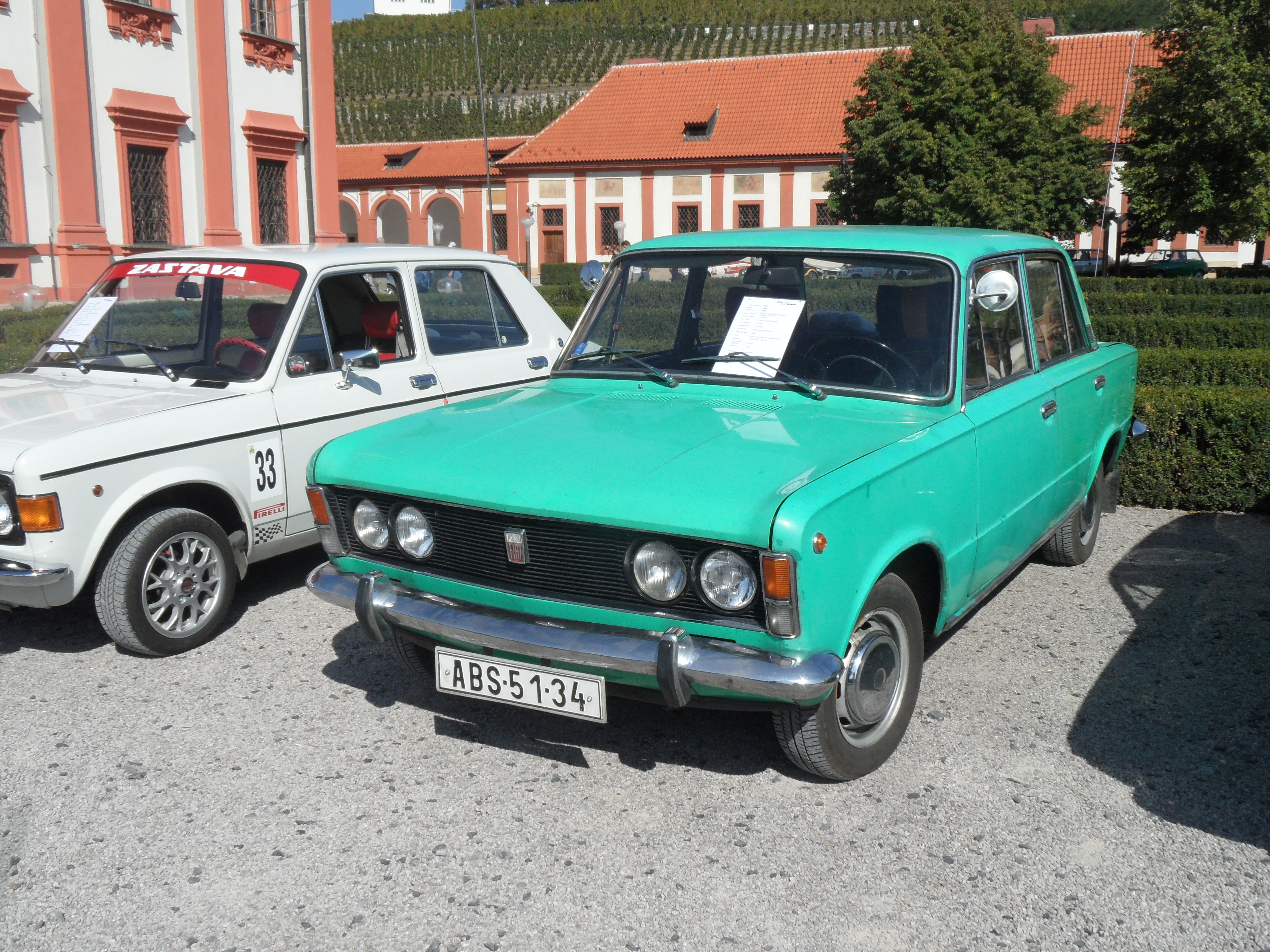
An FSO 125 is a small motorcycle with a 125cc engine. It’s brought up to compare with bigger adventure bikes, since smaller bikes usually feel lighter and less powerful.
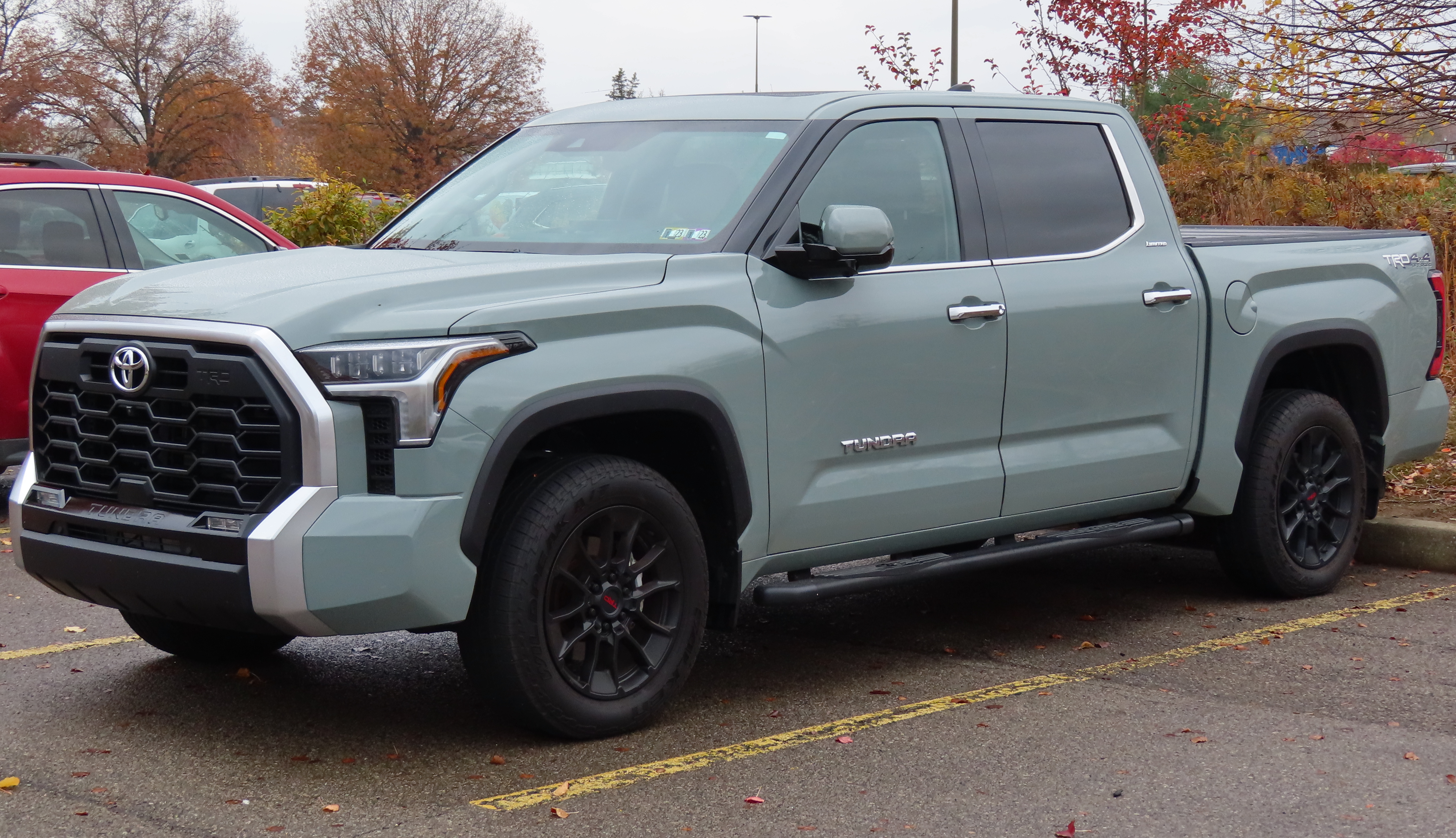
The Toyota Tundra is a large pickup truck. It’s designed to carry things and handle rough conditions better than smaller vehicles, which is why it might be mentioned when someone gets stuck in a remote, snowy or muddy area.
Hill recovery is a method for when your bike stops on a slope and you need to get it pointed the right way again. The idea here is to stall it safely, then use the clutch and steering to rotate the bike without spinning the wheels.
A full lock turn means steering to the maximum angle the handlebars allow. On a stuck motorcycle, using full lock combined with body lean and clutch control can help pivot the bike around without relying on forward momentum.
“Back wheels buried” means the rear tires are sunk into the ground. If that happens, adding throttle often won’t pull you out because the tires can’t grip.
The side stand is the kick-out leg that holds the bike up when parked. Here, the host is saying sometimes you shouldn’t rely on it when the bike is stuck and you need it to stay positioned a certain way.
Term
drain your battery
“Drain your battery” means you can run the battery down if you leave the bike’s power on. The host advises turning the key off so you don’t lose starting power while you work.
Traction control is a computer that tries to stop the wheels from spinning uselessly. If you turn it off, the wheel can spin more, which can sometimes make a stuck bike dig in even worse.
The swingarm is the part that holds the back wheel and lets it move up and down. If the wheel gets buried, it can get stuck so badly that the bike can’t move forward.
“Lay the bike over” is a recovery technique where the rider tips the motorcycle to change how the rear tire sits in the hole. By dragging the back wheel away from the trapped spot, you can reduce the wedging effect, then lift the bike and continue once traction is restored.
Digging a trench is a recovery tactic that removes material around the tire to create a path and reduce suction/entrapment. It’s often paired with rocking or controlled throttle so the tire can climb out instead of digging deeper.
Instead of lifting the whole bike straight up, you tip it so gravity helps. That can make it easier for the wheel to come free, especially if you don’t have help.
This is a method where you gently move the bike back and forth to loosen it. Instead of trying to lift it straight out, you help the tire break free so it can roll out.
They’re saying you should dig around both wheels, not just one. That way the bike can move a little and the tires can get over the stuck edge more easily.
Wet mud can act like it’s sticking to the tire, almost like a vacuum. That makes the wheel harder to move, so you often need to dig and change the conditions around it.
This means once the bike is tipped and the rear tire has some room, you move it out by pulling it along. The idea is to get the tire onto the ramp you made so it can roll free.
Cruise control is a feature that helps a bike keep a steady speed without you constantly adjusting the throttle. If your motorcycle doesn’t have it, a throttle lock can help you get a similar steady feel. That can make long rides less tiring.
AtlasMoto.com is the website for the Atlas throttle lock mentioned here. The host is saying it works smoothly and is easy to use while riding. It’s basically a product recommendation.
Backcountry Discovery Routes are off-road riding routes meant for adventure motorcycles. They can be really fun, but they’re also challenging depending on the trail and conditions. That’s why some people ride them with guides.
Emmaus Moto Tours is a company that leads guided motorcycle trips on off-road routes. The host says they keep groups small and that the main guide rides on every trip. The idea is that good planning and guidance help you ride tougher trails more confidently.
These are aftermarket headlight upgrades that use LED bulbs. They can be brighter or have a different beam shape, so you want a good one that’s aimed correctly.
Modern bikes have computers that talk to each other. CANBUS plug-and-play lights are made to connect in a way that usually avoids warning lights or electrical glitches.
This is about getting a bike unstuck safely. If it’s hanging and you can’t reach the ground, you may need to get off and carefully pull or drag it so it doesn’t fall onto more rocks.
“Zero momentum” describes being fully stopped, with no rolling momentum to help the bike climb out of a rut. The key challenge is that traction and engine/clutch control alone may not be enough to restart movement on steep, uneven, or slippery trail surfaces.
Fatigue means you’re getting worn out and your body isn’t as steady or quick to react. When you’re tired, you’re more likely to make mistakes and get hurt.
Neutral means the engine isn’t connected to the wheels. The idea here is that it can make the bike harder to control on slippery ground because the tires may lose grip more easily.
Tow straps are heavy-duty straps used for pulling. In this story they were originally meant to secure bikes during shipping, but they worked as pull straps in the trail recovery.
The speaker describes improvising a long pulling rope by bundling multiple tow straps together. This increases effective length and pulling reach so a group can create leverage and a safer pulling angle when there’s no truck access.
Car
BMW R 1200s
This is a BMW motorcycle model. Here it matters because the group uses two of them as pull/anchor bikes while everyone pulls with straps to get another bike unstuck.
A tow truck is a vehicle that’s built to pull or lift something that’s stuck. If your bike can’t be safely moved by hand or with simple gear, a tow truck is the backup plan.
Some dirt bike tires use an inner tube to hold air. If that tube is bad, riders sometimes use makeshift fixes so the wheel can still roll without the rim getting wrecked.
The rim is the hard metal part of the wheel. If the tire goes flat, you want to keep that metal edge from scraping the ground so you don’t ruin the wheel.
If your bike is flipped over on a hill, it can slide in unexpected ways. The way it’s oriented—where the handlebars and wheels are—affects how you can safely get it back down.
The idea is to turn the bike so it’s pointed the way that makes it easiest to get out. On a slope, the wrong direction can trap the bike or make it harder to move.
Gravity changes how hard it is to lift the bike. If the bike is tipped the “wrong” way on a hill, gravity helps pull it back down instead of letting you stand it up.
Leverage is about using the bike’s weight and your position so it’s easier to move. On a hill, turning the bike can make it much simpler to stand up because you’re lifting it from a better angle.
The “rear-wheel rope trick” and other stuck-bike methods rely on changing the bike’s orientation so gravity helps instead of fights you. Here, the strategy is to rotate the motorcycle so the wheels are positioned for easier lifting and for a safer exit direction if you can’t continue on the trail.
This is a practical recovery rule: the tires need traction and contact with the ground before you attempt further movement. If the bike isn’t stable on its tires, you can’t reliably push, rotate, or reposition it without risking a worse bind or a tip.
DCT stands for dual-clutch transmission. It’s an automatic system that shifts gears quickly using two clutches, so you don’t need to operate a hand clutch like on a manual bike.
Car
Africa Twin
The Honda Africa Twin is a popular adventure bike built to handle rough roads. This one had an automatic-style transmission (DCT), which affects how you ride and how the bike reacts when you’re trying to get it unstuck.
The exhaust pipe is the part that carries hot exhaust gases. It gets very hot, so you don’t want helpers grabbing it with bare hands while you’re trying to pull the bike out.
The shock absorber is part of the suspension that helps the bike move smoothly over bumps. If you wrap straps around it to pull the bike out, you have to be careful not to damage it or put people in danger.
The front fork is the suspension system that connects the front wheel to the bike. It moves when you hit bumps, so if you use it as a pull point, you need to do it safely and carefully.
Turn signals are the lights that tell other people which way you’re going. They can break easily, so you shouldn’t let someone grab them while pulling the bike out.
Engine crash guards (often called skid plates/guards depending on design) are protective bars or housings that shield the engine and lower components during drops or impacts. Here, the host recommends using them as a safe, sturdy place to pull from during recovery.
Tie-down hooks are metal points on the bike meant for strapping things down. They can also be used as safe places to attach a strap when you need to pull the bike out.
A luggage rack is the part on the back where you strap luggage. They’re warning not to use it as a pull point because it might break under the force needed to recover a stuck bike.
Foot pegs are where your boots stand on the motorcycle. For adventure riding, they’re usually designed to grip well and stay usable even when there’s dirt and rocks around.
IMS products is a company that makes motorcycle parts. Here they’re talking about their adventure riding foot pegs—strong pegs designed to help you control the bike off-road.
The Z-Drag system is a recovery tool for getting a bike unstuck. It helps you pull with more force than you could by hand by using a setup that reduces friction and multiplies your effort.
Mechanical advantage means your effort turns into more pulling power. The segment says the setup can give you a big boost—like “five times” the effective force—so you can move a stuck bike.
Roller cams in this context are modified components that act like pulleys inside the recovery system. Their job is to reduce friction as the line moves, which helps preserve the mechanical advantage so you get more effective pulling force.
Block and tackle is a pulley system. The idea is that pulleys help you pull with more effective force, which is why the host says the Z-Drag works like that.
Car
Yamaha Tenere 700
The Yamaha Tenere 700 is an adventure bike that’s meant for off-road travel. Here, it’s mentioned because someone modified one and needed a smaller recovery setup to fit in race conditions.
Term
Dynatode Dynamic Motorcycle Toast Drap
“Dynatode Dynamic Motorcycle Toast Drap” appears to be a branded tow strap/recovery device that uses controlled stretch to reduce the harsh “snatch” you get with plain rope or webbing. By adding elasticity, it turns sudden jerks into a smoother pull, helping the rider being towed maintain balance and choose a line off-road.
A “snatchy” tow is what happens when a stuck bike is pulled with non-elastic rope or webbing: bumps cause sudden jerks that yank the towed bike. That abrupt load makes it harder to stay balanced and pick a safe line, especially in off-road terrain.
A dynamic tow strap is a special strap that stretches when tension hits. That stretch helps make towing smoother and less jerky for both bikes.
Term
brake side of the foot peg
They’re talking about which side of the foot peg you wrap the strap on—toward the brake side. The idea is that it helps prevent the bike from accidentally shifting into the wrong gear while you’re towing.
Term
hydro rock
“Hydro rock” means rocks that are slick because of water. When the surface is that slippery, it’s easier to get stuck and harder to pull out.
Term
tool roll
A tool roll is a small bag or bundle for carrying tools on your bike. Here, they’re talking about splitting recovery gear between riders in a group.
Lift straps are straps with a handle that you attach to your motorcycle for getting it unstuck. They give a helper a safe place to grab so they can pull or lift the bike when you’re stuck on the trail.
Grab handles are basically the same idea as lift straps: a place on the bike that a helper can hold. It’s meant to make it easier and safer to pull or lift the motorcycle when it’s stuck.
The bottom triple clamp is a part that holds the front fork tubes and connects them to the steering area. The speaker is saying the strap can be mounted either above or below that clamp depending on fit and preference.
A rear lift strap is a strap/handle on the back of the bike so someone can help pull or lift it. Where you mount it depends on the bike’s shape and parts at the rear.
Mondo straps are a particular brand of strong recovery straps. The host is saying you can use them in different ways—like attaching them to the handlebars—to help pull a bike out.
Brand
bag snakes
Bag snakes are a named strap product the speaker sells. They’re the kind of gear you can use to create secure attachment points when you’re trying to get a bike unstuck.
A girth hitch is a way of tying a strap around something so it grips tighter as you pull. In this case, it helps attach the strap to the handlebars for more effective leverage.
Toe straps are recovery straps intended to be attached to a motorcycle’s front or rear recovery points (often near the “toe” area of the bike’s structure) so another person or group can pull the bike out. In practice, they’re used like a tow strap for off-road recovery, including multi-person pulling to increase effective force.
Here, a harness means the straps/attachments that hold recovery equipment in place on the bike. It’s how the gear gets connected so you can use it when you’re stuck.
Clutch slip means the clutch is partly engaged, so the wheel turns slowly instead of suddenly. It helps you apply gentle, controlled force to move the stuck bike without breaking the rope or upsetting the bike.
Term
front hub
The front hub is the center mounting point of the front wheel where the axle and wheel rotate. In rope recovery, routing around the hub area helps define the rope’s angle so the bike is pulled more straight instead of twisting sideways.
The brake caliper is the part that squeezes the brake pads to stop the wheel. They mention there’s a place near it you can route the rope so the bike pulls straighter.
Term
brake hanger
A brake hanger is a mounting point/structure on the motorcycle frame or swingarm area used to route or attach recovery gear. Using it as a rope run point helps keep the bike’s front end from shifting or sliding during the pull.
A creek crossing is when you ride through a shallow stream or muddy water. The bike can get stuck because the ground gets slippery or soft, so you may need to pull it out.
A rear carrier rack is the luggage/gear mounting platform at the back of an adventure motorcycle. In the recovery method described, the rope is tied to the rear rack area to create a controlled pull point for repositioning the bike.
Term
truck is hitch
The phrase appears to refer to a hitch-style attachment point or tow hardware used to secure a rope/cable. In recovery, using a proper tow/hitch connection helps keep the rope tensioned and reduces the chance of slipping off the anchor.
LIVE
Adventure motorcycles are impressive machines when they're moving. They'll
carry luggage and fuel, camping gear, tools, water, basically everything we want
to take on any kind of trip. And with their suspension, ground clearance, their
long distance capability, they can cross some really difficult terrain and get us
into some remote incredible places that we otherwise wouldn't be at. But when one
of those bikes stops moving, I mean really stops moving, all of that
advantage can disappear pretty quickly. In fact, all of that advantage suddenly
becomes your nemesis. A bike buried in the sand, framed out on the log, maybe
tipped over with the wheels uphill, stuck halfway up a climb or lying off the side
of a trail. It's no longer a motorcycle. It's now a heavy object in an awkward
place. And that's where a lot of riders make the situation even worse. They spin
the rear wheel to the bike sinks deeper. They slip the clutch until it overheats.
They rush because they're embarrassed. They try to lift too much weight from the
wrong angle, or maybe they let three or four people jump in and just start
yanking on the bike anywhere they can grab just to get it out. So in this
episode, we're talking about getting unstuck because there's an order in
sequence to it that matter. There's decisions that matter, ideas that can
change the outcome, tools that can give you options when muscle and momentum
aren't enough, and a little pre-trip planning that can make the whole thing
easier. You put all those things together and being stuck changes from a
nightmare into a challenge, an adventure to work through, and gives you a story
to tell afterwards. I'm Jim Martin. This is Adventure Rider Radio. Stay with us.
We get a good one for you.
Hi, this is Charlie Bourbon.
Norah Lee Schoolwacker.
Simon Mannicum.
Austin Vance.
Algarpair Dossler.
Grant Johnson.
Jocelyn Snow.
Ted Simon.
I'm Simon Paidi.
Jimmy Lewis.
Lyndon Pusket.
Tiffany Coates.
Chris Birch.
Simon Thomas.
Lisa Jalvis.
I'm Jalvis.
Clayton Smout and you're listening to Adventure Rider Radio.
Experienced riders choose the cycle pump tire inflator made by BestRest products
for one reason, because they can count on it when they pull that out of their
pannier no matter what. They're so tough, they're warrantied for life. BestRest has
loads of other motor-specific products like the Hex Wrench, which is a
combination tire iron slash wrench, and they're known for their top quality
tire plugs and patch kits. More at CyclePump.com.
And Green Chilli Adventure Gear offers American made heavy duty luggage systems
for all types of motorcycles. You can turn any dry bag into luggage using
their strapping system. And of course, Green Chilli Adventure Gear is tested in
extreme weather and terrain to withstand the abuse that Adventure Riding gives
it. Tough, reliable gear, GreenChilliADV.com.
Almost without fail, when your Adventure Bike gets stuck, whether it's still on
wheels or it's lying on its side, it wasn't part of the plan. And because of
that, every situation is just a little bit different. Kind of like a lottery, if
you think about it. And the numbers are always inside the machine, but every
draw produces a different combination. That's kind of like the motorcycle. You
know, with a stuck motorcycle, you've got the same elements that show up again and
again. Weight, gravity, traction, mud, sand, rocks, fatigue, even embarrassment,
maybe a hill or a ditch. But the way those elements come together is almost
never exactly the same twice. So there isn't a perfect recovery method that
works for everything. But there's an order to it. There's a sequence that
applies to most stuck situations before you start pulling, pushing, digging,
lifting, dragging or using a recovery tool. And that's where I wanted to start
with Clinton Smout. You know, Clinton from our Rider Skills program. He's a
chief instructor at SmartPerformanceCenter.ca. When a rider realizes the bike
is stuck, dropped, buried, wedged, just not moving anymore. What's the first
thing that people get wrong?
Well, what I've seen is the worst approach many, many times where riders,
they panic a little gym. Like the bike is stuck. It's not coming out of that
sandy hole because they were on a hill and they slowed down too much or maybe
stopped. And then they panic. I don't know if it's temper. They just don't
take a minute to calmly assess what's going on. And they try pinning the
throttle. So we have a saying at work for bikes and snowmobiles. If you hear a
lot of noise from the engine, but there's no trees going by, you're stuck.
Stop giving it gas because the bike just gets deeper and deeper. And of course
we risk with our big heavy bikes frying the clutch because I talk about the
clutch, you know, every time I teach, but there's a point if the back wheel's
not turning and you're still adding throttle, you'll burn a clutch. It just
overheats. So I think the best attack is to, yeah, you're stuck for whatever
reason. Take a minute, maybe even take your helmet off, relax, look around and
take time to figure out the best course of action. You know, safety's got to be
part of that. Just a plan of can I go forward? Do I have to go backwards? How
do I get out of here?
You mean safety as in like you're sort of looking at the situation thinking, is
anything else going to happen here? Like is this, is this safe for me to get
into and friends or whoever's there to get into in approaching the scene?
Yeah, it could be another rider or vehicle coming behind you. Oh yeah. Is
the approach blind? You're on the other, the downside of a hill. It's happened
sadly at the Dakar in sand dunes where a motorcycle gets stuck on the other side
of the hill. And of course other vehicles coming, maybe those great big trucks,
you know, with 18 wheels type of thing, they need momentum to crest it. And
sadly, people have been killed trying to get their bike out of the sand dune by
other vehicles. So yeah, the safety part's important.
Yeah. So in that situation, the first thing you're going to do is figure out
what do we have to do to make it safe? That would be send a person to the top
of the dune to flag somebody, you know, whatever you have to do or if it's on
the road, et cetera. I do remember once, as I was riding behind other buddies, I
came across a helmet on the side of the road. I didn't know who's it was, but
wow, why would a helmet be on the side of the road? It was right on a corner. And
so I slowed right down, came around the corner and there's half of the bike
gone in a great big hole, kind of like a sinkhole. And the guy had the presence
of mind to walk back to the visible part of the corner and drop his helmet there,
just so the other people coming behind him didn't come around the corner and
smoke into him. Yeah. Yeah, that's a good tip. Okay. So now that we have the safety
aspect handled, what's next? Well, if you're by yourself and there isn't
anybody else coming, I think the best tool you have, even if you have a shovel
with you and ropes or block and tackle, the best tool we have is our brain.
Yeah. Take a minute and assess, you know, let's use the scenario. It's stuck in
the sand on a corner or on a hill. The likelihood of you getting it out and
continuing up the hill is pretty remote. I think most cases you're better and
you'll have better success at getting home in getting the thing out, turning
around and going back down and either choose a different route or hit the
hill with more momentum. So, but that takes a minute to figure out your options.
And sometimes there might be stuff lying around, you know, sticks, logs, rocks.
There might be other things that you can use other than your hands and your
boots to help you get that thing out. But that, you only get that if you
calmly don't panic, don't lose your temper and assess what's going on and
what, what's the best course action to get this thing out of here?
Yeah. We hear it on deep trouble where somebody gets into a problem and their
focus is just to get out. No matter what it's going to take, just because they
have it in their mind, they've got to get out. It's that, I don't know, maybe it's
I guess a fear that we fall into when something like this happens.
So what you're saying is best thing, do first thing, safety, then assess the
situation, carefully settle, you know, take some time, I guess, have a drink,
eat some food and look at your situation, maybe grab a photograph.
That'll be your time for your photos. You can remember what happened and then go.
So, okay, let's talk about some of the situations.
Let's talk about some of them in particular that you can find yourself in.
I mean, you've obviously dealt with this kind of thing before, you know,
my goodness, I've been stuck myself many, many times.
Right. And riding off the road or, or doing something like that.
Like that's a fairly, I think it's a fairly common one, isn't it?
Ending up off the trail.
Yes. One we ran into and it took some thinking of how to get the bike out.
One of the riders on those tours I do to Alaska and the Yukon, I guess
they were droning along and she fell asleep on the motorcycle at about.
Oh, wow.
I, her husband said she, they were doing about 70 kilometers an hour up the
gravel road of the Dempster Highway and fell asleep.
She just kept veering to the right and he didn't understand why.
And then he beeped his horn to no response and she went off the side of the highway.
Now that particular part of the road is built up.
There's, it's about 15 feet higher than the ground.
So they have a pretty steep slope down from the top of the road down to a flat
part that ends up in a river.
But luckily there was some thin aspen trees and it got stuck between these
aspens. It didn't even tip over.
They were grown tightly enough together that it just stopped the bikes forward
progress. And apparently the lady woke up with kind of the, the movement of going
down the hill and screamed because the river was about 10 feet past these trees.
And that was very deep, fast flowing.
So it could have been really ugly, but now that bike is stuck down there.
How are we going to get it out?
And what's interesting in group dynamics is there's probably of the 20 people on
the tour, I guess, you know, I think there was 14 other people who all had an
opinion on how to do this.
And that might be a point that if it's a group trying to do something, you know,
you can make suggestions, but somebody's got a direct and maybe because I've been
stuck a lot myself, I said, how about we have somebody on their bike with the key
on, but it's not running.
They're watching for oncoming traffic because once we disentangled this bike
from the trees, we kind of manhandled it around.
Her husband tried to ride it up the bank, but as soon as he moved off, I
thought, no, he's not committed enough with the throttle and it gets stuck on
the bank.
So we got it back down to the bottom.
And I said, you know, if you don't mind me riding her bike, I think if I really
light it up, I might be able to get it up.
And I did.
But when I'm committed, you know, I can't stop if there's a car or truck coming.
So the kind of signal was long beeps of horn on and off.
If we were to abort the trip up the sand bank.
And that's how we got it out of there.
And there wasn't a scratch on the bike or her.
It was miraculous.
These trees had just stopped the bike.
It was remarkable.
So very, very lucky.
And I've lots more stories kind of like that.
How did we extricate a bike that's gone off the trail or the road?
And most of it, I think has to be that approach we've discussed.
You got to calmly look at it.
People that jump in, you know, it's not on fire.
You're not racing.
The thing is stuck.
It's not going to get more stuck with you taking a couple of minutes to try to
look and salvage what you can get out of this.
And one of the things that I've learned when it comes to getting unstuck is to
make your first attempt, your best attempt, because if, you know, for you
start to sink down in the mud, for instance, and you're not really going
anywhere, the more you spin it, the more stuck you get, or we try and drag
something out without digging some ramps.
Sometimes you'll find you break something or something goes wrong.
And I always think it's best to do, take your time and make your first attempt,
your best attempt at getting unstuck.
Yeah, the planning that you mentioned is very important.
And an added kind of, it's not definitely a benefit, but if from when I'm doing
that our adventure bikes aren't 125s, for the most part, they're big, heavy things.
The energy that you expel trying to get it out the wrong way or the first or the
second or the third time, you're exhausted.
You can barely hold the bike up walking beside it as you're trying to throttle
and clutch it out.
So I agree.
It's very important to take your first crack at it and make it your best
thoughtful approach on how to extricate it.
And the more fatigued you are, the more likelihood of you getting hurt.
Right. Yeah.
And back to the assessment process.
Part of the assessment process is one of the other things that we didn't talk
about was looking at your weight.
If you can reduce weight and bulk, it makes the extraction so much easier.
So you have to look at it and assess, is it worth taking the bags off and
carrying them over to a different spot, making the bike easier to handle and
lighter weight?
Yes. I think I related how I got stuck in the Yukon, out in the tundra.
I was just trying to get a nice picture of my bike.
And to get it unstuck, I laid it over on the ground to get the rear wheel out of
the hole, then dragged it and my plan was to pick it up, but I couldn't lift the
bike. So I took the saddle bags and my tank bag and my tool bag off and then I
was able to lift it up.
And one last thing I'll add to that is if you're going to take your bags off
anything off of your bike, and especially if somebody's helping you do it or some
people are helping you do it, pick a staging area and put it all in one spot.
All the bags in one spot.
That reduces the chance of you missing something in all the chaos.
Okay. So let's tackle some scenarios that we may encounter generalized, of
course, that we can work off of to just understand some different techniques and
ideas for extracting the bike.
Let's begin with a, what? Stuck on a uphill, let's say.
I think that's common, at least from what I've seen.
And so people are tentative.
They're not giving it enough throttle and speed.
And with that lack of momentum, the bike doesn't make it up the hill.
So when it stops, you'd be fine just to stop and do the hill recovery that we'd
use, shut the bike off with the rear brake so it stalls, then leave your clutch
out, you don't need any other brakes.
Do that full lock turn to the left, lean it over and you slip the clutch gradually
to turn the bike around.
But if you continue trying to get up the hill, it's usually soft terrain.
These big, heavy bikes just sink.
Very doubtful it's going to get up the hill.
But that's where we see people stuck on hills.
So now what's your option?
The back wheels buried.
And sometimes you can just get off without a side stand and just sits there.
So we could go through the procedure, what we use.
I described it earlier for that you come on.
That was flat ground, but often it's in gear, leave it in gear, shut your key off
so you don't drain your battery down.
You know, have a look around you, assess if there's other riders coming.
If it's a hot day, I take my jacket, helmet off and be very careful
where you put it down because I do remember having to walk back down a hill
to retrieve my helmet that I took off and it rolled.
Yeah, that wasn't a good move.
And then, you know, you're not going to overheat yourself if it is a hot day.
And then what I'll do is have a look around and think, OK, the best bet
is maybe lay it over on its side.
And I determine left or right by which is going to give me the best
turnaround option once I lay it on the ground.
And by tipping it over, the back wheel pops out of the hole you made.
And then all you have to do is leave it on the ground, grab something
sturdy at the back end of the bike.
And what I'll do is drag it out away from the hole.
And often rather than pick the bike up and have to turn it around,
I'll go to the front of the bike and stand the tire and the wheel up
by turning the bars.
And then I roll the front tire around until it's pointing downhill.
And then before I pick it up and, you know, get my gear back on,
I just take 30 seconds to use my boots to fill that hole in again.
I think that's a nice etiquette thing to do.
So some other schmuck doesn't go flying into the hole.
And then, you know, pick it up, fire it up and then go down the hill.
So using what you've got there, like as you've got gravity in this case,
helping you so use gravity to your advantage.
And, you know, we just had a deep trouble episode where the bike had fallen
over where the handlebars are downhill and the tires are uphill.
I know we're going to talk about that coming up, but that's where you want
to think about your situation and think, how can I do this so that I use
gravity to my advantage rather than fight it the whole time?
Is there another method?
And I know we're going to get to that in a minute.
Let's talk about being stuck.
Well, I guess we can put mud, sand and snow together.
Would that make sense?
Yes.
I mean, who's riding in snow anyway?
Well, some nuts.
I do.
I was stuck about a month ago.
You told me, you told everyone about it.
They all, everyone knows.
Yes, everyone knows you got stuck in your snow on your own trail.
From spinning the rear wheel too much, by the way.
Oh, yes, that was definitely it, because it was softer on the hill, I think.
Of course it was, Clint.
No, I yeah, that's why I got stuck.
But yeah, I think mud and sand is really prevalent if there is a lot of sand.
So where I've been stuck in sand and I've seen others was in Baja,
California on that.
I think we called it the trail from hell.
It took us like 10 hours to do 100 kilometers.
We'll put a link in the show notes for that episode.
That's funny.
But that was so many people got stuck that day.
And a lot of it was frustration and anger.
They just thought, you know what, if I just give it wide open throttle with
the traction control off, I'll get it out.
I know you won't.
It just buries it right to the swing arm, like the back wheel is half buried.
Forward momentum is impossible just from the engine at that point.
You need, luckily we had help.
There was other people already stuck.
So they would walk back and take two, sometimes three people to get a bike out.
So with, but mud, sand and snow, what is the same with all of these?
What methods would we use for all of these?
There's, I did a little YouTube video and I showed two options.
One we discussed was lay the bike over.
It's a bit of a drag because you got to pick it up again, but lay it over and
drag the back wheel away from the hole, fill the hole, pick it up and you're on
your merry way.
But another way, Simon Pavey did a video on this like 20 years ago that I watch.
So I've used it a couple of times, the back wheel stuck.
And if you continue giving it gas, because the hole is marginally bigger than
the tire circumference, it's wedged in there tight.
And that's why you'll fry your clutch.
It's like having a rear brake on really the ground around the tire or
material is holding it in place.
So what Simon does is sitting on the bike with the clutch in, he rams all his
weight and pulls back on the handlebars and he pushes the bike forward and
backward as much as he can.
And what he gains is an inch of space in front of and behind the tire.
Then what you do is you fire up the bike, make sure your traction controls off.
The clutch is in, pull back with all your strength.
And that opens up that little space in front of the tire.
And then you just rocket it out.
So lots of gas, drop the clutch, and you hammer into that wall of sand, mud,
snow, and it might jump out.
It might power out.
And that's worked for me a couple of times.
And the beauty is you don't have to pick up your bike that you've pushed over
to get it out of the hole.
Now the setup for that, for rocking back and forth, is that without spinning
the rear wheel?
Yes, the clutch is in.
You don't even need the engine on.
So you just yank in the bike back and forth if it's going to move.
Exactly.
So another thing that you can do with like a modified version of that is to dig
the trench.
You've talked about that before.
Absolutely.
Yeah, you can use your gloves like your, just your hands.
There might be a stick there.
I doubt you're carrying a shovel.
I haven't met that rider that's, oh, hang on, I got a shovel here.
I haven't met that guy.
But there could be something, you know, a can, anything, a lid off
something that you have, or just your gloves.
Or like a stick, as you did mention, sticks have been used for
diggings by indigenous peoples for, you know, eons.
Sticks make very good digging tools.
Find a sturdy stick, 12, 15 inches long.
And you'll be amazed at how much dirt you can move or even little rocks and
things just with that stick.
A green stick is better.
Yeah.
And it's going to take some time, but you know, what else have you got to do?
Yeah.
You're stuck there unless you get out.
So again, that's that calm, thoughtful approach and dig a trench, not only in
front of the rear tire that stuck, but if it's really soft, snow, for instance,
I'll walk in front of the stuck bike and make sure I pack down or dig out a trail
because if I don't do that, I get the rear wheel stuck.
I move six feet and I'm stuck again.
So you kind of, where's my exit?
Is it, am I going to be able to keep going this direction?
If not, maybe once I get it unstuck, I'll turn it around and go back because I
know I've got that far.
But going further might be problematic, but yeah, digging a trench or tipping
it over or Simon Pavey's method of rocking it out may really help, especially
if you're by yourself, you don't have anybody to help you pull.
Digging it out, you mentioned they're digging out the front wheel as well.
And I think that's something that's really missed by a lot of people.
How important it is to dig it out front and back so that you have some forward
and back movement with it to dig out that lip that's in front of both wheels.
And the more ramp you can make for both wheels going up, the easier time you're
going to have getting unstuck or hopefully.
So you expend a little time and energy before you start the engine and try to get
out, yeah, it makes great sense.
When it is stuck, there's a lot of suction with moisture.
So mud, not, you can get it in sand as well, but that really locks the wheel in.
So it may be physically impossible for you yourself to lift the motorcycle up.
Like straight up out of the hole into the air, but you will be able to use gravity
and your own body weight to tip the motorcycle over.
That's usually you'll have much better success tipping it over and dragging
the back wheel out of the hole, because I doubt you'll be able to lift it up by yourself.
So there would be, I guess, where you're going to take your luggage off.
If you have luggage on, take it, make it as light as possible.
Yeah, the scary part is the bikes on that side.
Can you get good purchase with your boots?
Yeah.
So that's why I like an Enduro Soul, something with good, soft treads, because
I'm often standing in the creek or the mud trying to lift my bike or somebody
else's bike. And I've also found that as I'm lifting it, the front tire slides
because it's so slippery. So sometimes it takes another minute, but find some rocks
or sticks to kind of jam in and butt up against those tires so they don't slide as you're lifting.
One thing that stands out to me with the Atlas throttle lock is how incredibly smooth it works.
You engage it, it holds your throttle where you want, and then when you're ready to come off,
you just click it off. It feels controlled and predictable. And if you need to make a
speed adjustment while it's on, you just twist the throttle normally and it holds the new position.
Now that really matters because it means that you're not fighting the thing and you're not
changing the way you ride. If your bike doesn't have cruise control, then you need the Atlas
throttle lock. It will change the way you ride for the better. The Atlas is simple, low profile,
and extremely well thought out. AtlasMoto.com is a website, and make sure when you're dealing
with them, let them know you heard it here on Adventure Rider Radio. That's really important.
AtlasMoto.com. The Backcountry Discovery Routes offers some incredible riding opportunities,
but some of the most exciting routes can be difficult to ride. And this is where
Emmaus Moto Tours comes in. Emmaus Moto Tours specializes in the Backcountry Discovery Routes.
It's owned and operated by a very enthusiastic Adventure Rider and guide named John Sear Bassey.
John is on every trip that Emmaus Moto Tours runs, every single trip. The owner,
John is the lead guide, while Jim is the sweep rider. Now, the reason that John is on every ride
really is steeped in his reason for starting Emmaus Moto Tours to begin with. It's to share
his passion for these places along the Backcountry Discovery Routes and the ride itself. Emmaus
runs with small groups of up to 10 motorcycles, and John says their detailed planning is what
makes riding the Backcountry Discovery Routes easier and more fun. EmmausMotoTours.com,
that's E-M-M-A-U-S, MotoTours.com. And tell me you heard them here on Adventure Rider Radio.
EmmausMotoTours.com. You know, all LED lights are not created equally. Some look the part,
but spray light all over the road and worse into oncoming driver's eyes, which is
absolutely not what you want. That's why quality is paramount. And quality is what Cyclops Adventure
Sports is founded on. Because Cyclops was founded on a love of riding. And those same riders are
there every day at Cyclops Adventure Sports, making sure the rest of us can buy lighting that we can
count on. C and B scene is their motto. And their selection of lights is incredible. From
CANBUS plug and play systems to LED headlight replacements and virtually indestructible tough
light turn signals. And because they're riders, they're there to help you figure out the best setup
for your bike. You can add auxiliary lighting to every bike. Just contact them if you aren't sure.
And in fact, anytime you're dealing with them, I'd really appreciate it if you'd let them know
you heard them here on Adventure Rider Radio. CyclopsAdventuresports.com.
All right, let's talk about stuck on a log, rock, ledge, rocks and stumps, ledges. The rock portion
is often on a hill where they maybe it bounces off of a smaller rock and your front tire goes over a
bigger one. But then you frame out on the skid plate. And hopefully you've got a good skid plate,
because that's one way to cause a lot of engine damage. But now both wheels are in the air. How
do you get that thing off of there? If you can touch the ground, sometimes you can kind of rock back
and forth pushing on the handlebars with both boots on the ground. But maybe your legs won't
reach the ground, you're up in the air. Then I think your best bet is dismount, grab the back of
the bike and see if you can drag it off without like drag it towards yourself. So it doesn't,
you know, just crash down onto the other rocks. But that's been a way I've kind of extricated my
bike off of big rocks. And it was normally on a hill where I lost control and it bounced into
bigger rocks. I wasn't trying purposely to ride over them. So hung up on a log, what would you do
there? Yeah, so you same thing, you tried to go over, you got the front over, but then the skid
plate hits or just the back tire hits. And you didn't quite have enough momentum to oomph and
bounce it over. I think many of us have been there. So now you go to give it gas, let the clutch out.
It either just stalls or spins. So this is a good point where you could stand up,
put your boots on the log and you're helping it up and over by rocking it forwards. So you
could rock it back a bit so the tire is off the log and then light it up a little gently with
rattle and clutch to see if you can kind of bounce it over with your legs aiding you pushing forward
and pushing on the handle grips. That may get it off. But if it's really stuck,
shut the bike off, dismount, the bike's not going anywhere. It's stuck there. And you may have to
drag the rear of the bike over or maybe even go backwards, pull the front of the bike off the log.
You know, I guess another thing you've mentioned this before about building a ramp.
Yes. So you don't get stuck. If the tire is really tight against the log, the ramp is tough
at that point. What you might be able to do is jam some sticks underneath the rear wheel
to get it elevated a little. And that might be enough clearance to get the rear of the bike
over the log forwards. But the ramp is best if you look at it and you think I don't feel comfortable
trying to ride over that thing. So I'll stop and then find another couple of smaller logs
and build a little ramp up and either jump it over or I'll walk beside my bike and just clutch it
over. Right. We've done that many times with customers. And even if you're stuck there,
you could pull it backwards until the front tire hits and you could jam some stuff underneath
to make a bit of a ramp. You could do that. Absolutely. But you got to get the tire off the
log. You're right. They also get very slippery. If the bark's removed, the wood underneath it
with rubber spinning on it is really slippery. So it's very easy to have the rear wheel slide out
to the right or left when you're trying to get across it. So yeah, caution is definitely important
with big logs. Okay. So what's our next scenario? We talked about the river bank and ledges, rocks
and stumps. Other places people get stuck is just really loose gravel sometimes. It's either soft
in the spring and it's on hills. They get into an area where there's ruts in the gravel or just
regular dirt and they get stuck in the ruts. And it might be because the spring melt, water runs
down hill of course. So it washes the soft sand and little aggregate down to the bottom. And what
it can leave is all the things that the water wasn't strong enough to move rocks, ruts, roots.
And the roots are really slippery and a lot of people get stuck on them because it stops your
forward momentum going up the hill. So I'm not sure if we didn't really talk about ruts, but that's
where I've seen people get stuck a lot too. Yeah, let's talk about ruts. When you can get
stuck going down the hill as well. So you have to really take a look at the course that the water
has taken. It usually takes the fastest way down the hill. And often it's the middle of the downhill
trail. It just guts it. So if it's powerful enough rainstorm, the rut could be a couple of feet deep.
You're not going to ride through that. And if you try, you may end up going over the handlebars.
So you may have to ride on the cambered slope right on the left for as long as you can because it's
sloped. And then if it feels like you can't do that any longer, cross the rut on an angle.
Now you're on the other bank, the other side, ride down it for a while. And that might be the safest
way to get down. But when it's been really dangerous, very deep ruts, I'll get off my bike,
shut it off, leave it in first gear and just use the clutch to move it downhill with gravity.
As I pull the clutch in, the back wheel starts to move. And if it gets away on me, I let go of the
clutch. That may be a safe way to avoid getting stuck in the ruts. But if you do, you pretty
well have to dig the bank away around the rut to make it bigger so you can move the bike through it.
And so that one might take a lot of time. Okay, well, let me give you a scenario and you tell
me how we get out of it. We've got a big loaded adventure bike. We're going up a hill that turns
out the rut develops as you go up the hill. So we're on the steep part of the hill, a good portion
of the way up the hill, and you get stuck in that rut. How do we handle that? Well, see if you can
walk out of there, leave the bike, say it was stolen and just buy another bike. I didn't expect
that. That's really good. I'm just making notes here now. Okay.
No, seriously. Now, as we said earlier, if you can get it out of there, the likelihood of you
being able to continue up the hill from zero momentum to movement, I don't think you can.
That's a pretty rare phenomenally adept rider, certainly better than me that can get up the
hill from halfway up. And even trying is probably just going to end up in you getting
stuck and it's not going to work out. Yeah, heating up the clutch and you're exhausted,
trying to walk and push. They're too heavy. So I think if it is stuck, that's probably the rear
wheel jammed in a rut or something or the front wheel. You can try that system of pull the clutch
in with the engine off, see if you can back it up out of the rut to a point that isn't as rutted
on the trail, then do the turnaround, either lay it over on its side and drag it around 180 degrees
so the front tires downhill, pick it up and continue. Or maybe if you can back it out of the
rut just by sitting on it and your boots are on the ground, clutches in and the engines off,
pull backwards with the handlebars as you're pushing your boots downhill. And that may help
extricate you. And if it's fairly flat, no more rut, maybe you could do that turnaround
without dropping the bike on the ground. Because when I'm fresh and I'm full of energy,
the thought of dropping my nice bike on the ground is abhorrent. I wouldn't want to do that.
But when you're exhausted, stuck on the hill, it's raining, the rain's going down your neck,
I'll throw it on the ground, no problem. It doesn't take much for you to change that.
What's a couple of scratches? Yeah, you gotta expect it's going to get scratched
when you're riding this stuff. Something you mentioned several times now is fatigue.
You know, how fast we get worn out because we're on our bikes, everything's great,
but it's when you get off the bike and you start having to handle that weight of that bike,
you get tired fast. And when you get tired and you already mentioned it, you make mistakes.
Big time. You tend to get hurt more often. It's just a bad situation to be in.
Yeah. And we've heard it on deep trouble before where in 2020 hindsight that they're smart people
and they look at it and think, you know what, I shouldn't have kept going.
I knew what it was like behind me and I made it this far. So stands to reason, logic says,
okay, turn around and go back. This is too crazy. But you get frustrated, you get fatigued and your
brain doesn't compute the correct decisions and fatigue's the biggest part of that. And as you
say that you can really get hurt or stuck out there. Yeah. Okay. So that's off of a hill. So
if you're going downhill and you drop the bike in a rut, for instance, that's not as difficult to
deal with. Yeah. The best part of being stuck downhill is you've got gravity that is an extra
pusher for you if you're by yourself. So I'd boot much rather be stuck going downhill than up.
And you've already described that you could get off the bike if you needed to and with the bike
off and use the clutch as your brake. Yes. That's the safest because neutral or using the front
to rear brake to slow you down when it's in neutral, you can lose traction really easily.
And with the clutch, I could go down the hill, first gear engine off with both feet on the ground.
If it's, I don't feel comfortable riding it at that point. And that way, as I release the clutch,
the rear wheel drags and that's where I want deceleration coming from the rear wheel
on this ugly downhill where I was getting stuck. Okay. So now this one, I think this is the last
we're going to talk about. I have some personal experience with this. Yes. Bike off the trail,
you end up in the ditch or below the road. These I think are some of the more difficult ones
because the bike often ends up in a precarious position where you have to get it back up onto
a trail. So let's talk about that. Where do we start with that? Well, the time I think I've
related to you, I was the voice in my headset, yeah, yeah, you can keep up to that guy. And the
next thing I knew I'm sliding down the trail. I was doing 80 kilometers an hour. It's the fastest
crash I've ever experienced off road. Wow. I'm sliding along and I could feel heat from the
friction on the gravel on my side. So I kind of rolled over and post crash, there was a big hole
in my BMW pants, but not a scratch on me because there was an armored pad on my hip in the pants.
Well, and you rolled over when you felt the heat. Exactly. Yeah. And I don't think that was a
conscious thought. It was like, ouch, roll over. I dug my heels in so I didn't follow the bike I
was riding off the trail. And it went down about 15 feet and tree stopped it going further because
it was a very steep downhill. So what I related, I should have done because my friend Rick kept
going. He didn't realize I'd crashed. Take your helmet off, put it on the side of the trail.
That's very important to take it off first. Then I went down the hill with my helmet on and I
struggled, you know, I'm not strong enough to pick it up and go 15 feet. I couldn't go straight back
up the same skid mark that it went in. Yeah. So I angled my way back up, you know, a few inches at
time, standing beside the bike clutch and throttle, first gear, revving, slipping,
crawling back up, often having to go around little trees until I heard his bike go by.
Because he's finally realized that's when I went up and put my helmet down. So when he returned,
he came to my aid. I'd almost got it out, but I was exhausted. I couldn't get the front wheel on.
So he took a picture first, then he came and helped me. But the worst one that I experienced
was on a BMW event in British Columbia, it was the World Trophy. It was a rail trail. So they've
taken the railway tracks away. What had happened is this American guy, I think his name was Bobby,
he owns a BMW Husqvarna dealership in Atlanta, Georgia. Great guy. He's riding along and his
front tire hit a big rock and it went off the cliff. And it was about a 500 foot drop to
the Fraser River below. And you know, it would have killed him, but he fell off just as the bike
left. And about 15 feet down, trees were growing on the side of the hill and it stopped the bike
from going all the way down. So my team, eight riders, we were a little bit behind. So there's
like 20 people stopped because, you know, there's a guy lying on the side of the trail.
And he was hurt a little bit. I think he had rib damage. Anyway, how are we going to get this
bike back up? Because there's no truck up there. It's just us. Now BMW gave us these white straps,
which were about seven feet long. They used them to strap the motorcycles into the shipment crates
when they're shipping them around the world. They gave each of us one or two of these straps
to secure things on our bike if we needed to. So somebody had the idea, everybody go get your
straps and we made a great big rope out of them. A really long one because we had about 20 of them.
Then we positioned two R 1200s and we hooked up the straps to these two bikes and with about
15 people pulling with their arms and we all put our helmets on because these bikes were
lit up in first. They were spitting gravel at us. We pulled the bike back up the hill. It worked.
We got the thing back up, but it was smoked. Wind shield was gone. Instruments were gone,
like the speedometer and everything. But that's how we got a bike 15 feet down a mountain. That's
how we got it up. Now if you'd been by yourself or even two or three guys, there's no way that
thing was coming out without blocking tackle and a tow truck. A vehicle with a winch or something
like that. The lesson that I get from that as well is ingenuity. Using your imagination to try and
figure out any way to make something work. Think of what you've got. I mean, it's that Boy Scout
thing. We've talked about this before. You sort of look at what you've got and say, okay, what can
I use this or how can I use this stuff to help me in this situation? Yeah, that's what's great
about your show is it's people from all over the world who have already been there. They've done
that and they can give advice and suggestions and that's what it was like on that day. These were
some of the best adventure bike off-road riders in the world because you didn't get on team Germany
or team South Africa unless you were an incredible rider. And that meant you had a vast amount of
off-road riding experience. You've run into stuff like this before. You know, guys knew that when
we ran out of tubes, stuff the tire with grass and sticks just to keep the rim off the ground
and it got it back to base camp. Stuff like that ingenuity, as you say, is the best tool you have
as your brain, but it only works if you take a calm, thoughtful approach and don't rush it.
Do you have any other tips for things to consider, things that we can think about when our bike is
off the trail, particularly if it's, let's say upside down. So in other words, when I say upside
down, I mean handlebars downhill and tires uphill, tips for working those things out.
The wheels are up and the handlebars are down. Yeah, so you get back down to the bike. The best
thing you can do, if possible, is spin the bike around facing the direction that's best to get
even out of there. So usually it's front wheel pointing out. Slide it on the ground and not
usually your best way to turn it because often when it's gone off a trail down into a hill,
it's not an easy, you know, turn left and face the other direction. It's stuck. So you've got to
drag it around and that's best with turn your key off. Too many people aren't thinking properly
because they're panicking a little and they spend 10 minutes trying to move trees and rocks, whatever,
and then the bike won't start. So I always shut my key off. The first thing I do when I get to it
and then do your best to work it up the hill. Okay, yeah. And there's also a gravity component
here, isn't there? If the bike is sitting with the wheels pointing uphill, it's in a difficult spot
to lift. If you lift it that way, you have to fight gravity to stand the bike up. And on top of that,
you're on the downside of the hill, which is the wrong side of the bike to be on. If anything goes
wrong, if you spin it around, then the wheels are on the downhill side. When you stand the bike
up, you have much more leverage and you have gravity assisting you to stand the bike up
and you're on the correct side of the bike, standing on the uphill side of the motorcycle.
And every situation is different, but I think the key is the tires got to be on the ground
before you can do anything. So push it over, grab the front wheel and spin it towards the uphill.
And get the tires down. And another advantage of spinning around, if you can,
usually when you go off the trail, you angle off the trail, you'll find the front wheels lower in
the back, just like a vehicle's crashed off the trail. And if that's the case, when you spin it
around, at least you're pointing in the right direction to go out if you can't continue along
the trail. So it could be an advantage for that as well. Yes. And you might reach the decision that
you can't do it by yourself. Hopefully, depending on where you're riding, you've got a way to
communicate to get some help. So at our work, we've got radios, there's great cell phone coverage,
so we think you should really have a way to communicate to get help.
I want to talk about help because quite often we ride in groups, we have other people help us,
but that can come with like the help is great, but it can also create problems.
So let's talk about like sort of best practices, I guess, for getting help from other people.
Yeah. Often it's offered by someone coming along, the Good Samaritan Helper,
but they might not be a motorcyclist. When, I think I told you the story, Jim, when I crashed
a guy's Africa twin, it was one of those DCT ones without a hand clutch. And when you turn the key
off, it was exactly as we were talking about. The wheels were straight up in the air in a
big ditch after I crashed it. Because when I went to jump this ditch to help this fellow named James,
the traction control was on. Oh, because you turn the ignition off and it resets.
Yeah. And I forgot to reboot the traction control off. So when I gave it a big shot
of throttle to jump the ditch, crash broke the mirror and James and I, James had some knee troubles.
So he's a big strong guy, but that didn't help me try to get the bike out of that big ditch.
And we heard an engine in a truck coming up the same hill. I couldn't believe she got there,
but she and her son, I had to ask the son to get out of the truck and help us. But four of us then
could get the bike out of the ditch. But what I did was, people are well meaning they want to help,
but they're not motorcycle riders. They see this nice pipe thing coming out of the engine.
Hey, that might be a great thing to grab onto with my bare hand. It's the exhaust pipe.
Right. Yeah. So I think, as you say, you need a little direction. Say, thanks so much for stopping.
Can I trouble you to be at the frontier? I took the belt off my pants and I've wrapped it around
the top of the shock absorber, the front fork. Can you pull on this belt? And the other person,
thanks again for stopping. Can you be on the other side pulling so a little direction may really
help not only for getting your bike out, but for their safety too. I think you owe it to that good
Samaritan to take care of them. And you want to project further on too. As you're going to get
this bike out, you want to see what's going to happen. You don't want to put somebody in a situation
where they're going to fall off of the edge of something because they're still holding on or
still trying to push the bike as you're getting it. And like you're saying, that's all part of the
safety thing. The other thing I was thinking is often when people want to help with the bike,
you did mention the exhaust, but also other things. They can grab things like mirrors and
turn signals. So you want to be careful to explain that sort of stuff. Yeah, you got your bike out,
but it broke a turn signal because that's what they pulled on. Yeah, very good point. But where
I've seen people error is maybe it's because your dad was stuck in the driveway in the car and he
says, get out and push me. Well, you're not going to lift the suspension of a car up from pushing
from the rear. But if you think about it, many people go to the back of our bike to try and
help us. And as they're pushing, they're really lifting, they're reducing the traction by pushing
up. So what we recommend is if there's engine crash guards, grab rails at the front of the bike,
that's a far smarter place to pull from. So you're on the side of the bike, not in front of it.
You want to do it safely. But I carry a couple of straps. These straps have many, many uses.
Sometimes they stay rolled up in my saddle bag the entire trip. But often I'll use them,
I'll put it around the front fork, high up, and that's a pulling strap if somebody's stuck.
And that can really help. So now I'm a meter away from the front wheel. I'm not in a dangerous
position and I'm pulling from the front of the vehicle. That's a nicer way to help somebody get
unstuck than if you're at the back, you're going to get a face full of whatever material it's stuck
in. And that's dangerous standing behind a bike that's spinning and sand or mud or just regular
dirt, face full, eye full. And it's counterproductive if you're lifting up because it's not getting
any traction. When you're talking about having someone lift from the back and reducing traction
because they're lifting weight off the rear wheel, it reminds me of those times when you're stuck
on a log because we talk about being stuck on a log. The common thing to do is to stand on the log,
like on the bike, and then you're trying to get the bike to go over it, powering the rear wheel,
and it just spins. But if you sit down on the seat, you're actually adding traction to the rear
tire to try and get it up and over. It's a bit of a maneuver, but it certainly can make the
difference of getting over or just sitting there and spinning. Yeah, exactly. Let's talk about
preparing the bike. Now, because this goes right along with what we're talking about when you're
telling people where to hold on to. If you do some work to begin with before you go, before you get
in any sort of situation, you'll always be prepared and you can tell people, you know,
this is where I want you to grab. So let's talk about that. Yeah, a lot of Enduro racing bikes
would come with a seat strap at the back. So it's right at the back of the seat,
attached to the seat mounting bolts. And it was just a strap that looped up. So if you were stuck
or had to move the bike around, you could grab the strap and it gave you bitter, better leverage
and purchase than just putting your hand underneath the fender or something. So there are things we
can do to prepare our bikes. But I thought those tie down hook things that the guy had installed,
you could put a strap on that would be a great place to pull on. I know that ADVX that you've
been on, Jim from Ryan's group has some straps that are designed for that purpose. Somebody
stuck, you loop it around the fork and the strap is maybe a meter long,
really a great thing to pull. So I thought that'd be fantastic. I have some smaller ones that I
carry with me now, but I don't have them on the bike because they're going to flap in the wind.
And if anything, when you put straps near steering, they could get caught when you're riding.
Also mar up the plastic as well as you ride. Yeah. So I don't have them on the bike,
but I have them with me in case somebody needs them. Yeah. And if you're carrying them with you,
you can literally put them anywhere on the bike. And I think that does a couple of things. One,
it gives you the purchase where you want it, which is often hard to get at. And the other thing is
it makes it so the person that's helping you can stand up more rather than leaning down,
you know, that awkward lean over. So you're standing up more when you're heaving on it.
Great idea. Get more strength out of it. More of a pull. So those type of things are really handy
to do. And if nothing else, don't you think it's probably a good idea to go over your own bike and
say, if I need somebody to pull on this, what are they going to pull on? So yeah, this is the best
place. Yeah, figured out in advance so that you don't find yourself with a broken luggage rack or
something like that because it wouldn't take the stress. Exactly. We're going to take a quick
break. When we come back, I'm going to be talking with Adam Owens from Greenchill Adventure Gear
and Chris Birch about some tools that could make while your neck stuck a whole lot easier. Stay with
Someone thought they got a deal buying something online, a cheap knockoff of a quality product.
Look, don't waste your money. Don't risk a crash. Don't make the same mistake that rider made by
quality foot pegs that are engineered for adventure riding that have been designed incredibly tough,
yet not brittle, that have been shaped to shed debris, enlarged for better control,
and made from quality products. IMS products is known around the world for tough race quality
parts that have been designed using everything they've learned in the past 50 years that they've
been in business. IMS products has a full line of adventure motorcycle foot pegs designed to suit
your specific style of riding. IMSproducts.com. Anytime you're dealing with them, make sure you
tell them you heard them here on Adventure Rider Radio. IMSproducts.com. Sometimes technique,
muscle, and patience is still not enough to get you going, and that's when the gear that you
carry can make all the difference. So I decided to give Adam Owens a call. He's from Green Chile
Adventure Gear, and they make recovery gear for exactly that kind of problem. Adam, welcome back
to Adventure Rider Radio. Hey, thanks for having me. So you make all kinds of products as many
people know. I want to talk to you about a few of them today. The first thing I want to ask about
is the Z-Drag system. What is the Z-Drag system for those who have no idea what it is? Well,
how do you describe it? It's a compact way to get mechanical advantage when you're trying to get
unstuck. So you can hook it up to a stationary anchor. If you're on the east coast where you
always got trees, you could use a tree. If you're on out west where there aren't trees,
then you can take the bag it's made in and throw dirt and rocks in it. Put the blue
end of the Z-Drag as the anchor. So you can wrap that around the bag. You can wedge it in between
rocks or dig a hole and make a dead man anchor. But that gives you your fixed point. And then we
have modified roller cams that act as pulleys in the system to reduce friction. So you get
a five to one mechanical advantage if you're pulling in the direction of the blue end.
Yeah, I guess another description would be a block and tackle setup. Now, the great thing
about the system that you have is it's all in a bag ready to go. Now, you can make a Z-Drag system
in a rope system, for instance. But what I really like about yours is when I pull the bag out,
even though I haven't used it for months, it's all completely assembled, ready to go.
Yeah, exactly. And when we were making that, I was actually looking to put together like a
rope and pulley system for me, but I don't do rope work all the time. So you know when it happens,
it's going to be five o'clock in the afternoon, the sun's going down, you're already tired,
and now you've got to start playing with ropes and pulleys, right? Yeah. So I wanted something
that I could just pull out and hook up and get out and put it back in the bag. So that's kind
of why we did that. Because the rigging a rope and pulley system in a Z-Drag, if you don't do it
all the time, it's kind of complicated. And if you don't do it right, like if you're
knots didn't hold or something like that, you know, if your bike comes back down a hill at you,
you could end up even in a even worse situation. Now you have a broken ankle and you can't walk out.
Exactly. But it's very refreshing because you just mentioned that. That's what that's
got to be the one of the most important parts of it. Aside from, let's say the mechanical
advantage is number one, but the other most important part about it is the brake. Talk about
that. Yeah. So there's one of the cams in there captures your progress. So I'm sure when you've
pulled a motorcycle before and you get like almost over that hump, but you can't hold it and it rolls
back another foot and a half. You got to do it again. So there's one cam in that system that as
you pull through the little locking tab goes back down. So if you get an inch, you hang on to that
inch and that that can make all the difference in the world. And I know like sometimes you got
to work with angles too. So like just imagine your bike coming up some hill. Maybe like the
the Z drag is low to the crest of that hill goes to a tree across the road. And as you're pulling,
there'll come a point where that front wheel is really just pulling into the earth as opposed to
going up, right? Because of the angle. But what you can do, you can kind of pull it till it's tight
and just lift on the front. And I don't know what the what the physics behind that is, but if you
have a long strap connected to that bike and you just lift in the middle on the front, it's an
amazing amount of lift on the front tire. Yeah, you actually get the average from it. Yeah. So when
you when you lift it, that it'll kind of take the pressure off that tire and you can pull it another
five or six inches and take the pressure off and you can work up that steep hill that way.
Right. So that's another mechanical advantage thing because what it is is you've got your
anchor as one spot, your bike is the other spot and you're pulling in the middle. So you've got
the mechanical advantage of pulling at half the speed and twice the power. So that's an interesting
use of it. Yeah. And sometimes when you're working with steep hills, you kind of got to do that just
because of the angle of pull. But it can also be, you know, Tom might stuck. It doesn't necessarily
have to be catastrophic either. So a story that I've got me and my buddy, Jeff, were riding
the first two legs of the MABDR and he hit like the one mud puddle we saw the whole time. And it
just kind of shot him out funny, you know, and he was on a B-Strom 650 and where it stopped,
if we just stood the bike up, his tires would be off grade. And if it started sliding, we would
not have been able to stop it. And this is Friday of a long weekend ride, right? So we just hooked
the Z-Drag up as a safety line. And we stood his bike up and it was a non-event. But with that
Z-Drag hooked up, we knew it wasn't going to be an event. And it, you know, it took a couple minutes,
you know. Where do you connect this on the bike? Usually fork tubes or a crash guard
is a good choice. I've seen people wrap it around the handlebar. That kind of depends on
like what your setup is in the front. Like obviously, if you had a big windscreen,
handlebars might not be a really good choice. But if your bike was laid over, you know,
you might need to stand it up first. You might go over the top and connect to a crash guard
and stand it up if you need to help with that. Like being handlebars down or something. And I
would definitely say like, you don't want to get it out every time you drop your bike. But
there's definitely situations where, I mean, any bike handlebars down, even a small bike is heavy.
So that's definitely like those options as well. What is the Z-Drag way?
It's about three pounds. About three pounds. And it's like, if you look at pictures, it looks,
it looks like it's kind of fat and round, but there's, it's very pliable. So I find when I'm
packing it in a bag, it packs in a much smaller space than you would think, because you can sort of
like mold it into whatever empty space might be in that bag. It doesn't have to be packed big and
round. You know, like a sleeping bag, for example, when you pack it down, it's like a ball. Yeah.
The Z-Drag in pictures looks like it's round, but when you pack it, it's you can flat net or do
whatever you want to make it fit. So another example of the Z-Drag was used. Andy Janek,
he rides with Heavy Enduro. So he's doing a modified Tenere 700, but he did Red Bull Romaniacs.
And that's obviously pretty gnarly terrain and he's riding a big motorcycle. So he wanted a Z-Drag
so he could get his bike back up, but he didn't have the room to carry a full size one. The full
size one has a 75 feet of mainline. We made him a 25 foot version and he rolled it up and kept it
under his seat. But he was telling me like that's status, but a bunch of times in that race.
Now you have another thing that I wanted to ask about and that we've talked about it a lot. Actually,
Clinton Smout talks about it a lot. He absolutely loves it. It's the Green Chili Adventure Gear
Dynatode Dynamic Motorcycle Toast Drap. Long name, simple device that probably everybody
should have. Talk about this Toast Drap. What is it? How do you describe it?
It's basically a Toast Drap that lowers the required skill level on both ends. Because,
you know, when you, when you tow, most people without a Dynatode would just use a piece of rope
or a piece of webbing. And it's really snatchy, especially off-road because if the towing bike
goes over a bump, the bike being towed gets yanked for it, you know. And since we're all trying to
balance and pick a line, it's, it's challenging. So what we do, we add in stretch and that, that
snatch becomes a nudge. It's a lot easier to keep your balance. It's long enough where you can
choose different lines. You know, if you're being, having to be towed off-road,
it's more of a big deal. The, the slack in it too, like if the towing bike goes to slow down,
you can see that, that stretch in that tow strap starting to gather up. So one, it keeps it tall,
keeps it out of your wheels. But then if you, if you see that happening and you're being towed,
you can apply brake and pull that, you know, gently pull that stretch back out. So it's,
it just, it just makes the whole thing easier. And much like the Z-Drag, if you're having to get
that out, probably not in the best of moods. So anything to reduce that anger is helpful.
That's right. It's a stressful time, particularly for the bike that's behind. It's even more
stressful for it. Do you have tips for how to use your dynamic tow strap?
So there's different schools of thought on this. So I usually just tell people, like,
go take a class and let the instructor show you how I do it. The, the towing bike would be,
the loop would go around the foot peg on the shifter side. And then I wrap, if I'm being towed,
I would put two or three wraps on the brake side of the foot peg. And I, you put your boot on it
and your boot kind of holds that strap. And if you need to bail out, you can lift your foot and
unravel. But the reason, the reason I personally like the strap on the brake side for the bike
being towed is there's no chance of accidentally dropping it into first. So you think like if
you had a bike that was hydro rock or something and that strap accidentally dropped it into first,
like that's going to make a situation for you. That's smart. Yeah. Yeah. And what is a tow strap
way? Probably like 13 ounces or something like that. Very, very lightweight. Do you always,
which do you always carry with you or both? It depends on where I'm riding.
If I don't necessarily take a Z drag, if I'm going to be mostly on roads, you know,
I do, I do tend to keep a tow strap with me at all times because they're, they're really small.
The Z drag, if we're going anywhere gnarly, like I definitely take it. One of us in the group
will have one. Everybody doesn't necessarily need one, but if you're riding, especially if you got
like a bunch of my riding buddies, if we're riding dirt bikes, a lot of us are on KTMs.
So like one person, you carry the tool roll, somebody carry the Z drag and the tow strap and
you know, you kind of spread out that load for other things as well. I mean, it is a piece,
a length of strap that can be used for other things. Yeah. I've seen people use them for like
clotheslines while they're camping, you know, if you're trying to dry clothes out or run it as a
tarp ridgeline. I mean, obviously you need to get it really tall because it's got that stretch in it,
but yeah, you can use like a ridgeline for something like that if you wanted to.
Double use. I love seeing what people come up with because
people think of stuff that I haven't thought of and I love seeing how people use it.
It's interesting. I've definitely gotten ideas from our customers.
The last thing that I wanted to talk about was, well, I want to call them grab handles.
You call them lift straps. I guess that's the industry name for it.
Well, like I kind of call them grab handles, but you know, when you're making a website
searching just to find it, you kind of got to name things for what people are searching for.
Right.
So when I made it, people were googling lift strap more than grab handles,
so that's why I named them. But they're both names are accurate, really.
And it comes from like in Enduro races. If somebody gets stuck, the audience can help.
Like say you're coming up a big hill and you can't quite make it. Somebody in the audience
can grab your bike and help get you over if they have somewhere to grab, right?
So that's kind of where the idea of lift straps came from.
But we found in just riding, trail riding, adventure riding stuff,
a lot of times your buddy's trying to pull you over something. And if you give him a place to
grab, then he can help. And if the handle is comfortable, he'll pull hard.
Get more, get more for your friend. I like that item. I didn't think of that. That's good.
You got to use your friends wisely.
So where can you mount the handle? Can you mount it anywhere on the bike?
So on the website, we have the front handle and that one is designed to go around your fork tubes.
And it's preference whether you go above or below the bottom triple.
On the back, we do make a rear lift strap, but I don't have it on the website because
it just depends a lot on how you would mount it on the back, because motorcycles are very
different on the back between brands and models. But the reason I don't just have it on the website
to order is because I kind of want to talk to somebody before they get it and make sure that
they're getting a product that will work well for them. It doesn't do anybody any good to send
a product and then they try it and it doesn't work. And you have to pay return shipping and do
refunds. It's just as a hassle for everybody, right? So I just try to make sure that we set
expectations and we have a good idea of what may or may not work on what they're trying to do
and then take care of them that way. Right. Okay. So if they're interested in a rear one,
they just contact you and you sort it out then. Yep. Well, that is great. Is there anything else
that you have that's for getting unstuck that I need to know about? It's not necessarily a product
for it, but I've used it this way. So like our like our Mondo straps and our bag snakes and stuff
where they have the, just the runner where it's a flat piece of webbing with a loop in it. I have
had situations where I was handlebars down, you know, I can't lift it, but I got a riding buddy
and I can take the strap off my Mondo and girth hitch it to the handlebars and like had him stand
on the opposite side on the tires and pull that strap because you can get more leverage pulling
from the bottom and help stand up that way. So it's not necessarily a recovery product, but it's
it's a way to use what you have to get recovered. That makes sense. A strong piece of strapping
will offer you a lot of opportunities. I mean, that's one thing that goes along with this,
is that your imagination is probably your best tool. Yeah. Oh yeah, for sure. In Enduro races
and stuff too. A lot of times people will keep a length of webbing and you might have like three
or four people pulling on the strap to help somebody through. I've seen people use our toe
straps that way as well. Like they may not have a Z-Drag, but they got the toe strap they can
attach and they get two or three guys pulling on it. I mean, that's that can be helpful too
to be on situation. Definitely. Adam, that's great. GreenChileadventuregear.com is a website.
Adam, thank you very much. I appreciate your time. Yeah, thanks a lot. It's good talking to you.
Some years back, Warren, Warren Winch, sent us a small motorcycle winch they were making at the
time. Unfortunately, they don't make them anymore. It was called the XT-17. It was quite a nice little
device. I wired up the harness on my bike. I carried it around a bunch, but like a lot of
recovery gear, there's a trade-off. Added weight, it took up space, and it was something I had to
worry about, you know, getting wet and getting loaded up with sand, et cetera. Well, Chris Birch
came at that same problem from a different direction. Instead of carrying a winch, he started
looking at what was already on his bike and how a simple piece of rope could be used to help move
a motorcycle when it was properly stuck. Chris, welcome back to Adventure Rider Radio.
Hey, thanks. Good to be back again. Now, where in the world are you? And I mean that literally.
I'm currently in a little town called Richfield in Utah, and we've just started our, we just had a
first day of our Say No To Slow Schools in America for this year, so day one of 12 days of coaching.
Right. And you've got perfect students, I'm assuming.
Always.
Well, we're going to talk about your rope rear wheel recovery system. What do you call this,
anyway, to begin with? I would probably call it the rear wheel recovery trick, and the system is
probably talking it up. I was trying to come up with a system or something clever idea. Like,
what we just need is like something that would just spin and just like winch the bike up and
like just spool it up and like, ah, you mean like the back wheel, your dork? Yeah, I was doing the
old classic overthink and then, yeah, I came up with this idea. What do we talk about here? Describe
this. So I wanted the way that if I get bogged or stuck, which is quite, you know, it's not impossible
in a wet slippery country like New Zealand to be able to get myself out. And I was also going to go
and race a hard endure competition on my adventure by Keating and wanting me to go and do that.
And so I was trying to think of a way to kind of get myself through that.
And then just came up with this idea. I was actually out for a run in the Blue Mountains in
Sydney that the idea hit me like, oh, yes, this is so much simpler. And basically all we do is
we're running a really strong piece of rope. So it's rope that I've tried all different options
and come up with what I think is the best option. And we basically tie it off to a couple of the
spokes really loosely, just any sort of knot, just to hold it in place or loop it through
through the eyelets in the rope. And all that does is kind of hold it in place.
You tie the other end off to a tree, boulder, anchor point or whatever it is. And now that
you can use another bike and a pinch if it's not too bad. Have a little bit of slack in the rope
and then just slowly, very gently slip the clutch to spin the wheel. And by the time the
tyre has done two or three rotations, the knot's not doing anything at all again.
Like there's no tension on that whatsoever. It's just bound up on the hub.
Just friction.
Yeah. And on the KTM's, all the KTM adventure bikes all run the same back wheel. And there's
sufficient space between the disc and the spokes for it to kind of form like a winch hub.
And it just basically winches itself up the rope. It's arguably quite hard on the clutch.
Like you're putting a lot of stress through the clutch. You've got to be really careful with it.
You can't just go big handful of clutch, power. Otherwise it'll
probably be too much power and it'll snap the rope really quickly or launch the bike forwards
uncontrollably. So you're using a lot of clutch slip. So that's something to be considerate of.
But you know, if you had to choose between slipping your clutch a whole bit or walking
out of the mountains, I know which I'd go for. So it's just a very slow rotation of the back wheel?
Yeah. Yeah. So you're trying to spin the back wheel as slow as you possibly can.
Otherwise it's going to winch quite quickly.
How are you routing the rope up through the front of the bike?
I normally run it between the fork and the front hub on the KTM. So you can actually run it
through the brake caliper. There's a hole there where the brake caliper hanger is.
And you don't have to do that. But I find that makes it pull the bike straighter.
It stops the back end from trying to pull around the front and pull the bike sideways.
I think it helps to hold the whole thing forwards. Right.
We came up with that idea actually in Canada.
A maiden mine couldn't get up this big rock face that was on a trail that we should not
have been on adventure bikes. It was kind of sketchy. It was actually the hardest part of the
event that used to call itself the hardest enduro in Canada. And we thought it'd be a good idea to
go and see if we could ride it on adventure bikes. The Kordaroi? The Kordaroi. That's the one. So
it was Greens Mountain in Kordaroi. Oh, geez. I've went up Greens Mountain before. Now,
I haven't for many, many years. Of course, like 30 years, but yeah.
So there's one big rock. There's several big rock faces, but one real big rock face you have to go
up and don't talk it up. I got up at first time. But my mate was he had several goes at it and he
was getting a bit spooked by it. Like, because it's a pretty ballsy move. Yeah. And every time he kind
of went to go, but then pulled the pedal the last second, it was kind of breaking down the run up.
And it got to the point where like, actually, you're not going to get up this now. Like,
you've had so many chicken runs at it. It's not going to work anymore. You've kind of
You lost it. Yeah. Yeah. It's not happening now. So we ended up having to winch with this rope,
which I happened to have winches 1290 up this big rock face. And that was where we came up with
the idea of running it through the brake hanger to make sure that the front end didn't slide around
as we went up this up this rock face. It wasn't vertical, but it was freaking steep. And we were
both like smiling and laughing at Leigh and go, Hey, if this rope snaps, we're done because we
were both hanging off the bike trying to stabilize it. And yeah, it was hair raising.
I think that might be on YouTube somewhere. The biggest thing for us back home is just getting
stuck in a swamp or, you know, you can't quite get out of a creek crossing or something like that.
Basically, when the bikes bogged is when we were using it the most. I have used it
to when we've had bikes go off the trail and we need to get them back back up onto the trail,
kind of winch it back up by that. Basically, anytime you need to get the bike a short distance
and it won't work any other way. Do you have any other tricks that you've developed for using the rope?
The other trick we use quite often is if you slid off the side of the trail and you need to get
back up onto the trail. So like a bench side hill trail, right? You can tie the back wheel or the
so like the carrier, the rear carrier rack to a tree. Make that nice and tight normally with
a truck is hitch or something like that. And then you can get around the front of the bike,
pull the front end round so the front wheels higher than the back wheel. Yeah. Then you disconnect
the rope, tie the rope to the front wheel, do the same thing with the back and you can slowly
winch like like step ladder your way back up onto the trail. Yeah. Yeah. That's great. Yeah.
That works quite well. And now this thing is so reliable you carry it with you all the time.
Yeah. If I'm going out exploring by myself and I know I'm going to that sort of terrain,
obviously, if I'm just going to go in for a ride down a dirt road, I'm not going to bother,
but it's, it lives in my, in my pack. It's on my list of things that I would take with me when
I'm going exploring by myself particularly. It's one of those situations where you think, hey,
if I had like four or five guys here, we could probably push this out of here pretty easily.
The rope represents the four to five guys that aren't there. So there's nothing special to this.
It's just a piece of rope. Nope. Nothing special about it whatsoever. I tried it with just the,
when I had the initial idea, I just went down to like,
like our equivalent of Harbor Freight and just bought some rope and gave it a go. Oh my gosh,
this is actually going to work. And then played around with finding a whole bunch of different
types of rope. So I basically wanted to try and find something that was strong enough,
but wasn't so bulky that it took up a whole bunch of room in my bag. And then I wasn't going to
take it because it's no use to you if it's sitting at home. Right. Yeah. So it's basically the same
stuff they use for ATV winch cable, not big four wheel drive, you know, winch cable, the
lighter ATV stuff. It's, it's Dyneema. It's a Dyneema rope, which is very lightweight,
doesn't catch your hands like a cable, wood or anything like that. And you could literally
stuff this rope in your pocket. Like what's the length you take with you?
We sell them in quite a long length. And then I say to guys like, cut up as much as you think you
need. I normally, I'll be guessing if I know how long it is off the top of my head to be honest.
I kind of just played around with it. I mean, that's about as far as I ever see myself needing to
winch a bike. It helps that I live in a country with lots of trees, of course.
Well, there's other, there's other things you can do. You can tie it on a rock.
You could tie it to another bike. If you had another bike, you could bury something
like a big stick and bury it if you had to. Absolutely. It does pull quite a bit of force.
So you need, need something pretty solid to, to lock it into. We have successfully done
off another bike before where we had a couple of guys and we couldn't actually push it ourselves.
It was still, it was too stuck. It was my big 1290 and it was too stuck to get it out.
And so we winched it off of another bike and had another guy kind of holding the bike in
position. One guy pushing and me slipping a clutch with a rope and that was enough to get it out.
And you mentioned you have them, you sell them on your website. You've got a kit that you made up
with this. Yeah. So I, I've never really intended to do this to sell ropes or anything, but we
had lots of guys asking for what rope should they use? Where can you get it? So we'll just
make it easy and I'll buy a whole bunch and stick them on our website. Fantastic. Well, Chris,
thank you very much. I appreciate you taking a break from your, your training
and good luck tomorrow and the rest of the days. Thank you very much. Hopefully we don't need too
many ropes. As Chris mentioned, he's tried a bunch of different ropes. He's got one that
he knows works well. If you want to get that one, you can get it from Chris's website at
SayNoToSlow.NZ. Well, I think we've covered a lot in here, Clint. Is there a takeaway that you,
you want to leave us with? Yeah, I think what I've seen where people get frustrated, part of it is
embarrassment. You're stuck and your buddies or the other people aren't. And when we're embarrassed,
we want to get out of that situation as fast as we can, don't we? Yeah. Because you don't want
anybody else come along and seeing you. They try to get their bike out with their eagle and it's
not as strong as you're the rest of your brain. So, you know, everybody gets stuck. Relax, take
your helmet off and then assess. You need some time, a couple of minutes, adrenaline from the crash
subsides. You can make sure you're not hurt. Check for any hazards around. It takes time
and calm thought process to think about the best course of action to get out of that situation.
And I'm always surprised when people try to rush. What is the panic? It's not going to get stuck
more than no other damage can happen to that bike. Whatever happened has happened. It's not going to
get worse, but it could get worse if you rush.
Now, if you go to the show notes on our website, you'll also find that we've got the links for
all the things that we've talked about today, as well as a little list of maybe some recommended
things that you could carry with you just in case you get stuck.
This episode was brought to you in part by Green Chili Adventure Gear at GreenChiliADV.com,
Best Rest Products at CyclePump.com. Anytime you're dealing with these companies or anything
you hear on Adventure Rider Radio, let them know you heard them here. And this show is built on a
model of advertising and Lister Support. The combination of the two, we'd really appreciate
if you go to AdventureRiderRadio.com and click on Support.
Well, that wraps up another episode of Adventure Rider Radio, and we sure hope you enjoyed listening
to it as much as we did making it. Special thanks to our producer, Elizabeth Martin. And of course,
you thank you very much for being a part of the show by listening to it. Hey, if you haven't
given us that five-star rating that I would love to get from you, I would really appreciate it if
you would do that. Anywhere you find your podcast, because that helps other people find the show.
So if you could do that, it would be very much appreciated. Now it's time to get out there and
ride your bike. And by the way, the show is built on a model of advertising and Lister Support.
We would really appreciate it if you would drop by our website at AdventureRiderRadio.com
and click on Support. We have a Patreon account set up there that we would love to get you to
support us on. We have a group of people that support us on there. They're just incredible,
and it really makes a huge difference for us. AdventureRiderRadio.com, click on Support.
My name is Jim Martin. Now get out there and ride your bike. I'll talk to you next week.
I'm Ted Simon, and here I am on AdventureRiderRadio again, and extremely happy to be here with Jim Martin.
About this episode
The conversation focuses on practical ways to recover a stuck adventure bike without making things worse. The hosts stress calm assessment, safety around traffic and fatigue, and the importance of reducing weight before trying to lift or drag the machine. They also walk through traction-control, clutch, and throttle mistakes that dig bikes in deeper, then move into improvised tools like tow straps, lift points, and the Z-Drag system for controlled mechanical advantage.
What do you do when your adventure bike is buried in sand, lying sideways on a slope, or wedged deep in a rut miles from help? In this episode, Jim talks with Clinton Smout, Adam Owens, and Chris Birch about the mindset, techniques, and recovery tools riders use when things go wrong off-road. From smart trail-side decisions and energy-saving recovery methods to simple techniques that can turn a bad situation around, this episode is packed with practical knowledge every adventure rider should hear before they need it.
🔗 Show Notes & Links: Find photos, links, and resources related to this episode on our website at Adventure Rider Radio.
🎧 Subscribe & Never Miss an Episode: We release new episodes of ARR every week on Thursday and of RAW on the 21st of every month—full of inspiring stories, expert advice, and insight from the world of adventure motorcycling. Hit subscribe so you never miss out!
💡 Got an Idea? Have a guest suggestion or topic you’d love us to cover? We’d love to hear from you! Drop us an email through our website.
⭐️ Leave a Review: Enjoying the show? A 5-star review on Apple Podcasts or your favorite podcast app goes a long way in helping others discover the show.
📱 Follow Us: Join our growing community on Facebook and Instagram. Let’s stay connected!
🙌 Support the Show: Love what we do? Help keep the adventure alive by supporting us. Your contribution allows us to keep bringing you great content week after week.
📤 Share the Show: Know someone who would enjoy this episode? Share it with them! Word of mouth helps us grow and reach more riders around the world.
📬 Join Our Newsletter: Be the first to hear about new episodes, bonus content, and more! Sign up for our newsletter at Adventure Rider Radio.
🙏 Thanks for Listening! We truly appreciate you being part of our adventure community. Until next time—ride safe and keep exploring!