How to Get a Stuck Adventure Bike Out: Tow Straps, Z-Drag Systems and the Rear-Wheel Rope Trick
About this episode
The conversation focuses on practical ways to recover a stuck adventure bike without making things worse. The hosts stress calm assessment, safety around traffic and fatigue, and the importance of reducing weight before trying to lift or drag the machine. They also walk through traction-control, clutch, and throttle mistakes that dig bikes in deeper, then move into improvised tools like tow straps, lift points, and the Z-Drag system for controlled mechanical advantage.
What do you do when your adventure bike is buried in sand, lying sideways on a slope, or wedged deep in a rut miles from help? In this episode, Jim talks with Clinton Smout, Adam Owens, and Chris Birch about the mindset, techniques, and recovery tools riders use when things go wrong off-road. From smart trail-side decisions and energy-saving recovery methods to simple techniques that can turn a bad situation around, this episode is packed with practical knowledge every adventure rider should hear before they need it.
🔗 Show Notes & Links:
Find photos, links, and resources related to this episode on our website at Adventure Rider Radio.
🎧 Subscribe & Never Miss an Episode:
We release new episodes of ARR every week on Thursday and of RAW on the 21st of every month—full of inspiring stories, expert advice, and insight from the world of adventure motorcycling. Hit subscribe so you never miss out!
💡 Got an Idea?
Have a guest suggestion or topic you’d love us to cover? We’d love to hear from you! Drop us an email through our website.
⭐️ Leave a Review:
Enjoying the show? A 5-star review on Apple Podcasts or your favorite podcast app goes a long way in helping others discover the show.
📱 Follow Us:
Join our growing community on Facebook and Instagram. Let’s stay connected!
🙌 Support the Show:
Love what we do? Help keep the adventure alive by supporting us. Your contribution allows us to keep bringing you great content week after week.
📤 Share the Show:
Know someone who would enjoy this episode? Share it with them! Word of mouth helps us grow and reach more riders around the world.
📬 Join Our Newsletter:
Be the first to hear about new episodes, bonus content, and more! Sign up for our newsletter at Adventure Rider Radio.
🙏 Thanks for Listening!
We truly appreciate you being part of our adventure community. Until next time—ride safe and keep exploring!
suspension
"And with their suspension, ground clearance, their long distance capability, they can cross some really difficult terrain..."
Suspension is what helps the bike absorb bumps. It keeps the tires from bouncing around too much so the bike stays controllable on rough trails.
Suspension is the system of springs and shock absorbers that controls how the motorcycle moves over bumps. On adventure bikes, it helps maintain tire contact and stability when the terrain is rough or unpredictable.
ground clearance
"And with their suspension, ground clearance, their long distance capability, they can cross some really difficult terrain..."
Ground clearance is how much space there is between the bike and the ground. If the trail has rocks or ruts, more clearance helps you avoid getting stuck or damaging the bike by scraping the bottom.
Ground clearance is the distance between the lowest part of the motorcycle and the ground. More clearance helps prevent the bike from scraping its skid plate/engine area when crossing ruts, rocks, or uneven terrain.
rear wheel
"They spin the rear wheel to the bike sinks deeper. They slip the clutch until it overheats."
The rear wheel is usually the one that powers the bike. If it starts spinning without gripping the ground, the bike can dig in deeper and get harder to pull out.
The rear wheel is the drive wheel on most motorcycles, so when it spins in sand or mud, the bike loses traction and sinks more. That’s why the episode warns that spinning the rear wheel can make getting unstuck worse.
traction loss in soft terrain
"They spin the rear wheel to the bike sinks deeper. They slip the clutch until it overheats."
On soft ground, tires can lose grip. When that happens, the wheel spins and the bike can sink deeper rather than getting unstuck.
In sand, mud, or loose dirt, the tires can lose grip and start spinning, which turns forward motion into digging. The episode frames this as a key failure mode during recovery—once traction is gone, the bike often sinks deeper instead of moving out.
slip the clutch
"They spin the rear wheel to the bike sinks deeper. They slip the clutch until it overheats."
The clutch connects the engine to the drivetrain. If you keep it half-engaged to “help it move,” it can get too hot and fail to transfer power properly.
Clutch slip is when the engine is revving but the clutch isn’t fully engaging, so power is being transferred inefficiently as heat. In off-road recovery situations, slipping the clutch for too long can overheat it and make the bike harder to move.
sequence that applies to most stuck situations
"So there isn't a perfect recovery method that works for everything. But there's an order to it. There's a sequence that applies to most stuck situations before you start pulling, pushing, digging, lifting, dragging or using a recovery tool."
When a bike gets stuck, there’s usually a smart order to what you do first. The goal is to figure out what’s trapping the bike and avoid making it sink or wedge even deeper.
When an adventure motorcycle is stuck, the recovery process usually follows a repeatable order before you start using tools. The idea is to assess the situation and choose the safest, most effective first steps so you don’t worsen the bind.
throttle
"And they try pinning the throttle. So we have a saying at work for bikes and snowmobiles. If you hear a lot of noise from the engine, but there's no trees going by, you're stuck. Stop giving it gas because the bike just gets deeper and deeper."
“Throttle” is how much you ask the engine for power. If the bike is stuck in sand or mud, giving it more throttle often just spins the wheel and makes the bike sink deeper.
In motorcycle recovery context, “throttle” means the rider’s input to the engine to request more power. If the bike is already buried or wedged, adding throttle can spin the wheel and dig the bike in deeper instead of freeing it.
burn a clutch
"if the back wheel's not turning and you're still adding throttle, you'll burn a clutch. It just overheats."
“Burning” a clutch means overheating it until the friction material is damaged or glazed. It typically happens when the clutch is made to slip for too long—like when you’re adding throttle but the rear wheel can’t turn.
approach blind
"Oh yeah. Is the approach blind? You're on the other, the downside of a hill. It's happened sadly at the Dakar in sand dunes where a motorcycle gets stuck on the other side of the hill."
“Approach blind” means you can’t see what’s coming toward you. If you’re trying to help or recover a bike, that can be dangerous if others can’t be spotted early.
An “approach blind” situation means you can’t clearly see oncoming riders or vehicles approaching the scene. That matters because recovery attempts (like towing or pulling) can put you in danger if traffic can’t be seen in time.
momentum to crest it
"And of course other vehicles coming, maybe those great big trucks, you know, with 18 wheels type of thing, they need momentum to crest it."
Big vehicles often need enough forward speed to get up and over a hill. If they don’t have it, they can slow down or get stuck right where you’re working.
The idea of “momentum to crest it” is that heavy vehicles need enough forward motion to climb over a rise without stalling. If they don’t have that momentum, they may slow dramatically or fail to make it over the hill, increasing risk near a recovery scene.
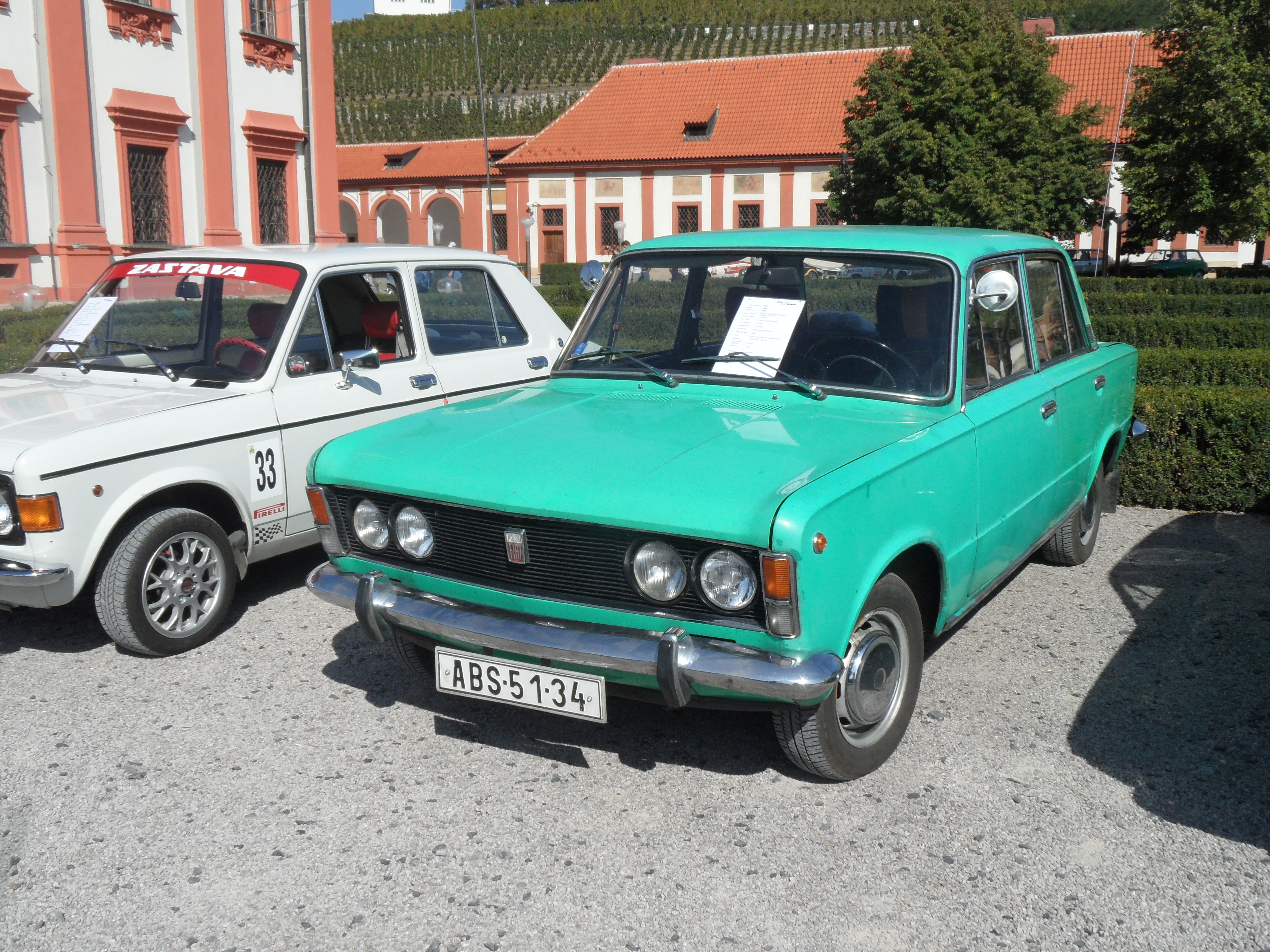
Fso 125
"...om when I'm doing that our adventure bikes aren't 125s, for the most part, they're big, heavy things. Th..."
An FSO 125 is a small motorcycle with a 125cc engine. It’s brought up to compare with bigger adventure bikes, since smaller bikes usually feel lighter and less powerful.
The FSO 125 refers to a 125cc motorcycle model, which is typically in the small-displacement category. It’s relevant in the podcast because the host contrasts it with adventure bikes that are usually much larger and heavier, emphasizing how different bike sizes change handling and capability.
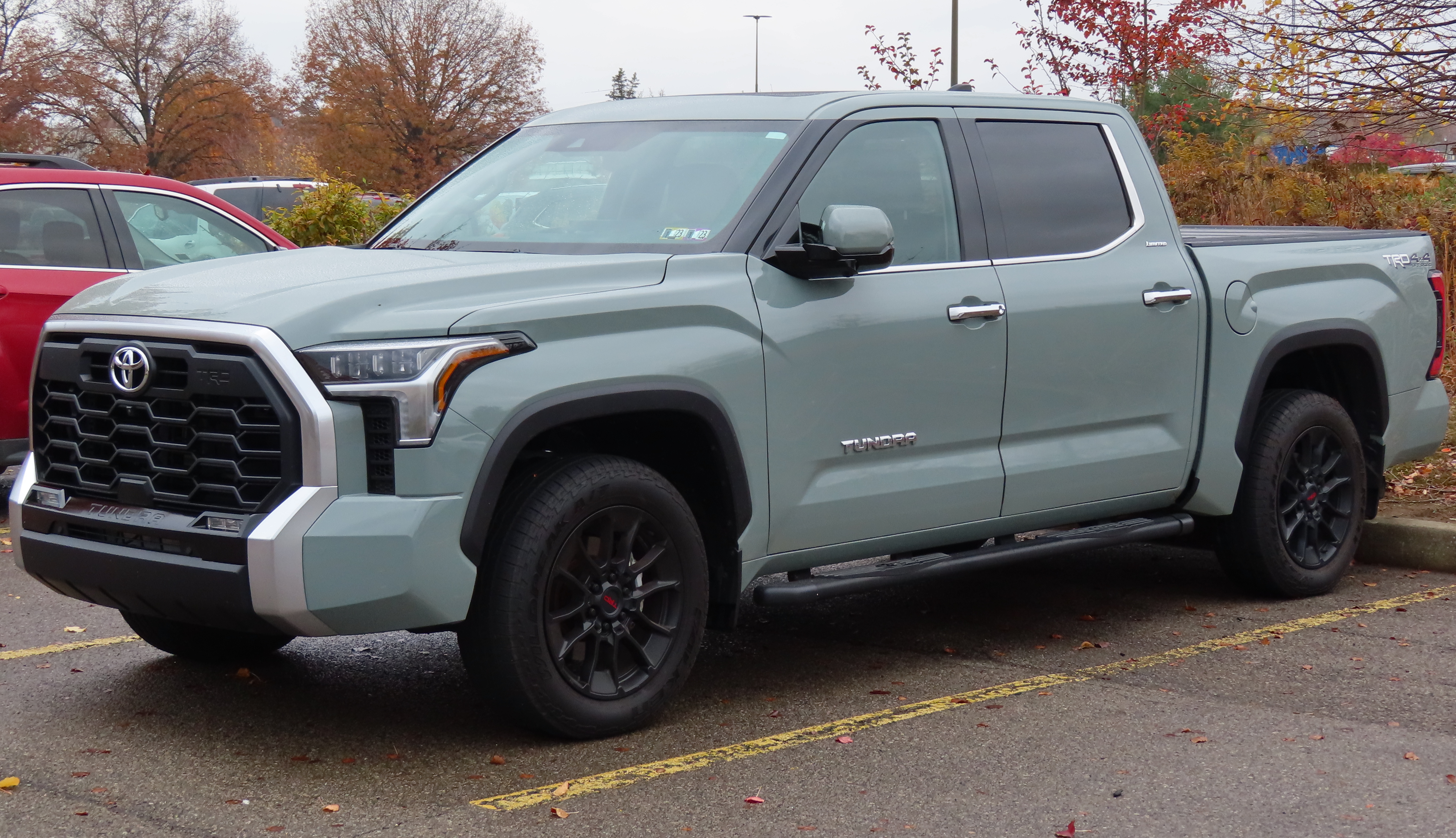
Toyota Tundra
"... related how I got stuck in the Yukon, out in the tundra. I was just trying to get a nice picture of my bi..."
The Toyota Tundra is a large pickup truck. It’s designed to carry things and handle rough conditions better than smaller vehicles, which is why it might be mentioned when someone gets stuck in a remote, snowy or muddy area.
The Toyota Tundra is a full-size pickup truck built for hauling and off-road-capable driving, which is why it can come up in stories about getting stuck in remote terrain like the Yukon. In a podcast context, it’s often mentioned as the kind of vehicle people rely on when roads disappear and traction becomes the main challenge.
hill recovery
"So when it stops, you'd be fine just to stop and do the hill recovery that we'd use, shut the bike off with the rear brake so it stalls, then leave your clutch out, you don't need any other brakes. Do that full lock turn to the left, lean it over and you slip the clutch gradually to turn the bike around."
Hill recovery is a method for when your bike stops on a slope and you need to get it pointed the right way again. The idea here is to stall it safely, then use the clutch and steering to rotate the bike without spinning the wheels.
Hill recovery is a technique for getting a motorcycle moving again after it stalls or gets stuck on an incline. In this segment, the host describes shutting the bike off, using the rear brake to stall it, then using clutch control and a full-lock steering input to pivot/turn the bike around.
rear brake
"So when it stops, you'd be fine just to stop and do the hill recovery that we'd use, shut the bike off with the rear brake so it stalls, then leave your clutch out, you don't need any other brakes."
The rear brake is the brake you press with your foot. In this technique, it’s used to help the bike stop in a controlled way before turning it around.
The rear brake is the braking system controlled by the foot pedal on most motorcycles. Using it to help stall the bike (as described here) can be a controlled way to stop wheel spin and set up a low-speed maneuver like a pivot.
full lock turn
"Do that full lock turn to the left, lean it over and you slip the clutch gradually to turn the bike around."
A full lock turn means steering to the maximum angle the handlebars allow. On a stuck motorcycle, using full lock combined with body lean and clutch control can help pivot the bike around without relying on forward momentum.
back wheels buried
"So now what's your option? The back wheels buried. And sometimes you can just get off without a side stand and just sits there."
“Back wheels buried” means the rear tires are sunk into the ground. If that happens, adding throttle often won’t pull you out because the tires can’t grip.
“Back wheels buried” describes a situation where the rear tires sink into the ground enough that they can’t generate effective traction. This is a key stuck-bike scenario because forward throttle won’t help much once the tire contact patch is compromised.
side stand
"And sometimes you can just get off without a side stand and just sits there."
The side stand is the kick-out leg that holds the bike up when parked. Here, the host is saying sometimes you shouldn’t rely on it when the bike is stuck and you need it to stay positioned a certain way.
A side stand is the kick-out support on the left (or right, depending on model) side of a motorcycle used to park it. The host suggests sometimes getting off without using the side stand, implying the bike’s stability/position matters when it’s stuck.
drain your battery
"but often it's in gear, leave it in gear, shut your key off so you don't drain your battery down."
“Drain your battery” means you can run the battery down if you leave the bike’s power on. The host advises turning the key off so you don’t lose starting power while you work.
“Drain your battery” refers to the risk of leaving the ignition or electrical systems on long enough to reduce battery charge. The host recommends shutting the key off to avoid that while you’re dealing with a stuck situation.
traction control
"They just thought, you know what, if I just give it wide open throttle with [1206.7s] the traction control off, I'll get it out."
Traction control is a computer that tries to stop the wheels from spinning uselessly. If you turn it off, the wheel can spin more, which can sometimes make a stuck bike dig in even worse.
Traction control is an electronic system that reduces wheel spin by cutting engine power and/or applying brake intervention when sensors detect the driven wheel slipping. On an adventure bike in deep mud or sand, turning it off can let the rear wheel spin more freely, but it also increases the chance of digging the tire in deeper.
swing arm
"It just buries it right to the swing arm, like the back wheel is half buried. [1218.4s] Forward momentum is impossible just from the engine at that point."
The swingarm is the part that holds the back wheel and lets it move up and down. If the wheel gets buried, it can get stuck so badly that the bike can’t move forward.
The swingarm is the pivoting arm that carries the rear wheel and connects it to the motorcycle’s frame. When the rear wheel is buried, the tire can dig so deep that the wheel and swingarm area get trapped in the mud, making it hard to generate forward movement.
lay the bike over
"One we discussed was lay the bike over. [1251.1s] It's a bit of a drag because you got to pick it up again, but lay it over and [1255.5s] drag the back wheel away from the hole, fill the hole, pick it up and you're on [1261.6s] your merry way."
“Lay the bike over” is a recovery technique where the rider tips the motorcycle to change how the rear tire sits in the hole. By dragging the back wheel away from the trapped spot, you can reduce the wedging effect, then lift the bike and continue once traction is restored.
dig the trench
"So another thing that you can do with like a modified version of that is to dig the trench. You've talked about that before."
Digging a trench is a recovery tactic that removes material around the tire to create a path and reduce suction/entrapment. It’s often paired with rocking or controlled throttle so the tire can climb out instead of digging deeper.
tipping it over
"But going further might be problematic, but yeah, digging a trench or tipping it over or Simon Pavey's method of rocking it out may really help... That's usually you'll have much better success tipping it over and dragging the back wheel out of the hole, because I doubt you'll be able to lift it up by yourself."
Instead of lifting the whole bike straight up, you tip it so gravity helps. That can make it easier for the wheel to come free, especially if you don’t have help.
Tipping the motorcycle over uses gravity and body weight to change the tire’s contact angle, which can break the trapped seal and let the rear wheel climb out. The speaker suggests this often works better than trying to lift the bike straight up when you’re alone.
rocking it out
"But going further might be problematic, but yeah, digging a trench or tipping it over or Simon Pavey's method of rocking it out may really help, especially if you're by yourself, you don't have anybody to help you pull."
This is a method where you gently move the bike back and forth to loosen it. Instead of trying to lift it straight out, you help the tire break free so it can roll out.
“Rocking it out” is a recovery technique where you shift the motorcycle back and forth to break the suction and friction that keep the wheels trapped in mud or sand. The goal is to create small movements that let the tire climb out rather than trying to lift the bike straight up.
digging it out front and back
"And I think that's something that's really missed by a lot of people. How important it is to dig it out front and back so that you have some forward and back movement with it to dig out that lip that's in front of both wheels."
They’re saying you should dig around both wheels, not just one. That way the bike can move a little and the tires can get over the stuck edge more easily.
The advice is to dig around both the front and rear wheels so the motorcycle can move forward and backward enough to climb out. By clearing the “lip” in front of the tires and building ramps, you reduce how much the tire has to fight suction and stuck edges.
suction with moisture
"When it is stuck, there's a lot of suction with moisture. So mud, not, you can get it in sand as well, but that really locks the wheel in."
Wet mud can act like it’s sticking to the tire, almost like a vacuum. That makes the wheel harder to move, so you often need to dig and change the conditions around it.
When a tire gets buried in wet mud, the tire can form a seal with the surrounding material, creating suction that resists movement. That’s why the speaker emphasizes that moisture and mud can “lock the wheel in,” making lifting alone ineffective.
dragging the back wheel out of the hole
"That's usually you'll have much better success tipping it over and dragging the back wheel out of the hole, because I doubt you'll be able to lift it up by yourself."
This means once the bike is tipped and the rear tire has some room, you move it out by pulling it along. The idea is to get the tire onto the ramp you made so it can roll free.
Dragging the rear wheel out is a recovery approach that keeps the motorcycle’s weight working with gravity rather than against it. Once the rear tire has some clearance, you can pull/drag it so it climbs the ramp you dug instead of fighting suction while trying to lift.
good purchase with your boots
"Yeah, the scary part is the bikes on that side. Can you get good purchase with your boots?"
They’re asking if your boots can grip the ground well. If you can’t stand firmly, it’s much harder to move the bike safely.
“Purchase” here means traction—how well your boots grip the ground while you’re pushing, tipping, or pulling a stuck motorcycle. In mud or sand, poor traction can make the recovery harder or unsafe, so the speaker is checking whether you can get stable footing.
cruise control
"If your bike doesn't have cruise control, then you need the Atlas throttle lock. It will change the way you ride for the better."
Cruise control is a feature that helps a bike keep a steady speed without you constantly adjusting the throttle. If your motorcycle doesn’t have it, a throttle lock can help you get a similar steady feel. That can make long rides less tiring.
Cruise control is an electronic system that automatically maintains a set speed by controlling engine output. The host contrasts it with a throttle lock, noting that if a bike doesn’t have cruise control, a throttle lock can provide a similar “set-and-hold” convenience. This matters because it changes how much you have to actively manage the throttle while riding.
AtlasMoto.com
"The Atlas is simple, low profile, and extremely well thought out. AtlasMoto.com is a website, and make sure when you're dealing with them, let them know you heard it here on Adventure Rider Radio."
AtlasMoto.com is the website for the Atlas throttle lock mentioned here. The host is saying it works smoothly and is easy to use while riding. It’s basically a product recommendation.
AtlasMoto.com is the brand website for the Atlas throttle lock discussed in the segment. The host highlights its low-profile design and how smoothly it holds and releases the throttle. This is a product-specific recommendation tied to throttle-lock behavior.
Backcountry Discovery Routes
"The Backcountry Discovery Routes offers some incredible riding opportunities, but some of the most exciting routes can be difficult to ride."
Backcountry Discovery Routes are off-road riding routes meant for adventure motorcycles. They can be really fun, but they’re also challenging depending on the trail and conditions. That’s why some people ride them with guides.
Backcountry Discovery Routes (BDR) are long-distance off-road motorcycle route networks that take riders through remote terrain. The host frames them as exciting but sometimes difficult to ride, especially depending on conditions and rider experience. This segment uses BDR as the context for why guided tours exist.
Emmaus Moto Tours
"And this is where Emmaus Moto Tours comes in. Emmaus Moto Tours specializes in the Backcountry Discovery Routes."
Emmaus Moto Tours is a company that leads guided motorcycle trips on off-road routes. The host says they keep groups small and that the main guide rides on every trip. The idea is that good planning and guidance help you ride tougher trails more confidently.
Emmaus Moto Tours is a guided riding company that specializes in the Backcountry Discovery Routes. The host describes it as running small groups (up to 10 motorcycles) and having the owner/lead guide John Sear Bassey on every trip. The emphasis is on planning and local guidance to make difficult routes easier to handle.
LED headlight replacements
"From CANBUS plug and play systems to LED headlight replacements and virtually indestructible tough light turn signals."
These are aftermarket headlight upgrades that use LED bulbs. They can be brighter or have a different beam shape, so you want a good one that’s aimed correctly.
LED headlight replacements are aftermarket bulbs or assemblies that swap into the bike’s headlight housing to produce light using LEDs instead of the original filament/halogen source. The key enthusiast angle is that LED upgrades can change beam pattern and glare, so quality and aiming matter for visibility and not blinding oncoming traffic.
CANBUS plug and play systems
"From CANBUS plug and play systems to LED headlight replacements and virtually indestructible tough light turn signals."
Modern bikes have computers that talk to each other. CANBUS plug-and-play lights are made to connect in a way that usually avoids warning lights or electrical glitches.
CANBUS (Controller Area Network) is the vehicle’s communication system that lets modules talk to each other. A “plug and play” CANBUS lighting setup is designed to work with that network so the bike’s electronics don’t throw errors or behave oddly when you add LED lights.
skid plate
"But then you frame out on the skid plate. And hopefully you've got a good skid plate, because that's one way to cause a lot of engine damage."
A skid plate is armor under the bike that protects the engine area from hitting rocks. If it catches on something, it can get the bike stuck.
A skid plate is a protective metal or composite plate mounted under the engine area to shield it from impacts with rocks, logs, and ruts. In the scenario described, the skid plate can “frame out” (catch on an obstacle), which can trap the bike and increase the risk of damage if the bike is forced to keep moving.
frame out
"But then you frame out on the skid plate. And hopefully you've got a good skid plate, because that's one way to cause a lot of engine damage."
“Frame out” is when the bike gets wedged on something underneath, like a rock. Once that happens, the wheels can’t move the bike normally.
“Frame out” means the bike’s chassis (often via the skid plate or frame rails) gets caught on an obstacle so the wheels lose effective traction and the bike can’t climb or roll free. It’s a common off-road stuck condition because the bike can end up suspended or wedged against rocks.
extricated my bike off of big rocks
"Then I think your best bet is dismount, grab the back of the bike and see if you can drag it off without like drag it towards yourself. So it doesn't, you know, just crash down onto the other rocks."
This is about getting a bike unstuck safely. If it’s hanging and you can’t reach the ground, you may need to get off and carefully pull or drag it so it doesn’t fall onto more rocks.
The hosts are describing a practical off-road recovery technique: once the bike is hung up and you can’t reach the ground safely, you may need to dismount and manually reposition it to avoid dropping onto other rocks. The goal is to control the direction of movement so the bike doesn’t crash down harder or wedge further.
ruts
"And the roots are really slippery and a lot of people get stuck on them because it stops your forward momentum going up the hill. So I'm not sure if we didn't really talk about ruts, but that's where I've seen people get stuck a lot too. Yeah, let's talk about ruts."
Ruts are grooves in the trail. They can catch your tires and make it hard to keep moving, especially when you’re climbing or when the ground is slick.
Ruts are deep grooves in a trail—often carved by water flow or repeated tire tracks—that can trap a motorcycle’s tires. On an adventure bike, ruts can stop forward momentum on climbs or force the bike to follow a narrow, slippery path on descents.
cambered slope
"So you may have to ride on the cambered slope right on the left for as long as you can because it's sloped. And then if it feels like you can't do that any longer, cross the rut on an angle."
A cambered slope is a sideways-tilted hill. Riding on the higher/safer side can help you avoid getting pulled into the rut.
A cambered slope is a surface that’s tilted sideways rather than flat, so one side is higher than the other. In off-road riding, using a cambered bank can help keep tires on firmer ground and reduce the chance of dropping into the rut.
first gear
"But when it's been really dangerous, very deep ruts, I'll get off my bike, shut it off, leave it in first gear and just use the clutch to move it downhill with gravity."
First gear is the slowest gear. It gives you more control and helps the bike move gently while you use the clutch to meter power.
First gear is the lowest ratio in a motorcycle’s transmission, providing the most mechanical advantage for slow, controlled movement. When the rider “shuts it off” and uses the clutch, first gear helps keep wheel speed low while transferring torque smoothly to move the bike downhill.
zero momentum
"No, seriously. Now, as we said earlier, if you can get it out of there, the likelihood of you being able to continue up the hill from zero momentum to movement, I don't think you can."
“Zero momentum” describes being fully stopped, with no rolling momentum to help the bike climb out of a rut. The key challenge is that traction and engine/clutch control alone may not be enough to restart movement on steep, uneven, or slippery trail surfaces.
fatigue
"Something you mentioned several times now is fatigue. You know, how fast we get worn out because we're on our bikes, everything's great, but it's when you get off the bike and you start having to handle that weight of that bike, you get tired fast."
Fatigue means you’re getting worn out and your body isn’t as steady or quick to react. When you’re tired, you’re more likely to make mistakes and get hurt.
Fatigue here is the rider getting physically worn out from pushing, balancing, and managing a heavy adventure bike off the saddle. The hosts connect fatigue to slower decision-making and mistakes, which increases the risk of injury during recovery attempts.
neutral
"That's the safest because neutral or using the front to rear brake to slow you down when it's in neutral, you can lose traction really easily. [2455.0s] And with the clutch, I could go down the hill, first gear engine off with both feet on the ground."
Neutral means the engine isn’t connected to the wheels. The idea here is that it can make the bike harder to control on slippery ground because the tires may lose grip more easily.
Neutral is the transmission state where the engine isn’t driving the wheels. The speaker warns that relying on braking while in neutral can be risky because it may reduce how effectively you can control wheel slip and traction on loose surfaces.
tow straps
"Now BMW gave us these white straps, which were about seven feet long. They used them to strap the motorcycles into the shipment crates when they're shipping them around the world."
Tow straps are heavy-duty straps used for pulling. In this story they were originally meant to secure bikes during shipping, but they worked as pull straps in the trail recovery.
Tow straps are strong, flexible straps used to pull or secure vehicles. Here, the speaker emphasizes that BMW provided specific straps (about seven feet long) intended for securing motorcycles in shipment crates, and they repurpose them for a field recovery.
rope out of straps
"So somebody had the idea, everybody go get your straps and we made a great big rope out of them. A really long one because we had about 20 of them."
The speaker describes improvising a long pulling rope by bundling multiple tow straps together. This increases effective length and pulling reach so a group can create leverage and a safer pulling angle when there’s no truck access.
BMW R 1200s
"Then we positioned two R 1200s and we hooked up the straps to these two bikes and with about 15 people pulling with their arms..."
This is a BMW motorcycle model. Here it matters because the group uses two of them as pull/anchor bikes while everyone pulls with straps to get another bike unstuck.
The BMW R 1200s is part of BMW’s R-series adventure/touring boxer lineup, known for its horizontally opposed “boxer” engine layout. In this segment it’s central because the group uses two of these bikes as anchor points to pull a stuck motorcycle back up using straps.
tow truck
"A vehicle with a winch or something like that. The lesson that I get from that as well is ingenuity. Using your imagination to try and figure out any way to make something work."
A tow truck is a vehicle that’s built to pull or lift something that’s stuck. If your bike can’t be safely moved by hand or with simple gear, a tow truck is the backup plan.
A tow truck is a specialized vehicle used to recover another vehicle when it can’t move under its own power. In off-road situations, it’s often the safest option when a bike is too far down a slope or too stuck to self-recover.
winch
"A vehicle with a winch or something like that. The lesson that I get from that as well is ingenuity."
A winch is like a heavy-duty puller with a cable. It can pull a bike out of a tough spot when you can’t just push or drag it.
A winch is a powered pulling device that uses a cable (or rope) to apply controlled force to move a stuck vehicle. Adventure riders use winches to recover bikes from steep terrain when hand-pulling or improvised methods aren’t enough.
tubes
"You've run into stuff like this before. You know, guys knew that when we ran out of tubes, stuff the tire with grass and sticks just to keep the rim off the ground and it got it back to base camp."
Some dirt bike tires use an inner tube to hold air. If that tube is bad, riders sometimes use makeshift fixes so the wheel can still roll without the rim getting wrecked.
On many off-road motorcycles, the tire may use an inner tube that holds air pressure. If the tube is damaged or you’ve lost air, riders may improvise to keep the rim from contacting the ground long enough to reach safety.
rim
"guys knew that when we ran out of tubes, stuff the tire with grass and sticks just to keep the rim off the ground and it got it back to base camp."
The rim is the hard metal part of the wheel. If the tire goes flat, you want to keep that metal edge from scraping the ground so you don’t ruin the wheel.
The rim is the wheel’s metal edge that the tire mounts to. When a tire loses air, keeping the rim off the ground helps prevent bending or damaging the wheel while you limp to a safer location.
upside down (handlebars downhill, tires uphill)
"particularly if it's, let's say upside down. So in other words, when I say upside down, I mean handlebars downhill and tires uphill, tips for working those things out."
If your bike is flipped over on a hill, it can slide in unexpected ways. The way it’s oriented—where the handlebars and wheels are—affects how you can safely get it back down.
When a motorcycle is upside down on a slope, the rider has to manage gravity, traction, and the bike’s center of mass to avoid making the situation worse. The described orientation (handlebars downhill, tires uphill) changes which direction the bike will naturally want to slide and where leverage is available.
spin the bike around facing the direction that's best to get even out of there
"The best thing you can do, if possible, is spin the bike around facing the direction that's best to get even out of there. So usually it's front wheel pointing out."
The idea is to turn the bike so it’s pointed the way that makes it easiest to get out. On a slope, the wrong direction can trap the bike or make it harder to move.
This is a recovery technique: rotate the bike so it’s oriented to reduce the chance of it sliding back into the stuck position. On uneven terrain, the “best” direction is usually the one that lets the bike roll or slide out with the least resistance and risk.
gravity component
"And there's also a gravity component here, isn't there? If the bike is sitting with the wheels pointing uphill, it's in a difficult spot to lift."
Gravity changes how hard it is to lift the bike. If the bike is tipped the “wrong” way on a hill, gravity helps pull it back down instead of letting you stand it up.
The “gravity component” is the part of gravity that makes lifting a bike harder or easier depending on how it’s tilted on the slope. If the wheels point uphill, gravity is working against you when you try to stand the motorcycle upright.
leverage
"When you stand the bike up, you have much more leverage and you have gravity assisting you to stand the bike up"
Leverage is about using the bike’s weight and your position so it’s easier to move. On a hill, turning the bike can make it much simpler to stand up because you’re lifting it from a better angle.
In this context, “leverage” means how your body position and the bike’s tilt affect your ability to rotate it upright. Standing the bike on the correct side of the hill can increase the mechanical advantage you get from the bike’s weight and your lifting angle.
spinning the bike toward the uphill
"So push it over, grab the front wheel and spin it towards the uphill. And get the tires down. And another advantage of spinning around, if you can, usually when you go off the trail, you angle off the trail…"
The “rear-wheel rope trick” and other stuck-bike methods rely on changing the bike’s orientation so gravity helps instead of fights you. Here, the strategy is to rotate the motorcycle so the wheels are positioned for easier lifting and for a safer exit direction if you can’t continue on the trail.
tires got to be on the ground
"And every situation is different, but I think the key is the tires got to be on the ground before you can do anything. So push it over, grab the front wheel and spin it towards the uphill."
This is a practical recovery rule: the tires need traction and contact with the ground before you attempt further movement. If the bike isn’t stable on its tires, you can’t reliably push, rotate, or reposition it without risking a worse bind or a tip.
DCT
"a guy's Africa twin, it was one of those DCT ones without a hand clutch. And when you turn the key [3074.7s] off, it was exactly as we were talking about."
DCT stands for dual-clutch transmission. It’s an automatic system that shifts gears quickly using two clutches, so you don’t need to operate a hand clutch like on a manual bike.
DCT (dual-clutch transmission) uses two clutches to pre-select the next gear, allowing faster, smoother shifts than a traditional manual. On many bikes, DCT also changes how the bike launches and how engine braking feels when you’re trying to recover from a stuck position.

Africa Twin
"a guy's Africa twin, it was one of those DCT ones without a hand clutch. And when you turn the key [3074.7s] off, it was exactly as we were talking about."
The Honda Africa Twin is a popular adventure bike built to handle rough roads. This one had an automatic-style transmission (DCT), which affects how you ride and how the bike reacts when you’re trying to get it unstuck.
Honda Africa Twin is an adventure motorcycle known for long-distance capability and off-road hardware. In this story, the rider mentions a DCT-equipped version, which changes how the bike behaves during low-speed maneuvers and recovery attempts.
exhaust pipe
"They see this nice pipe thing coming out of the engine. [3141.6s] Hey, that might be a great thing to grab onto with my bare hand. It's the exhaust pipe."
The exhaust pipe is the part that carries hot exhaust gases. It gets very hot, so you don’t want helpers grabbing it with bare hands while you’re trying to pull the bike out.
The exhaust pipe is the hot metal tubing that routes engine exhaust gases away from the engine. During recovery, grabbing the exhaust pipe can burn someone and can also damage bodywork or controls, so the hosts emphasize directing helpers to safer grip points.
shock absorber
"I took the belt off my pants and I've wrapped it around [3160.4s] the top of the shock absorber, the front fork. Can you pull on this belt?"
The shock absorber is part of the suspension that helps the bike move smoothly over bumps. If you wrap straps around it to pull the bike out, you have to be careful not to damage it or put people in danger.
A shock absorber (usually part of the rear suspension on a motorcycle) is the damping component that controls how the suspension compresses and rebounds. Using a belt or strap around suspension parts is sometimes done in recovery techniques, but it needs to be done carefully to avoid damaging seals, mounts, or alignment.
front fork
"I took the belt off my pants and I've wrapped it around [3160.4s] the top of the shock absorber, the front fork. Can you pull on this belt?"
The front fork is the suspension system that connects the front wheel to the bike. It moves when you hit bumps, so if you use it as a pull point, you need to do it safely and carefully.
The front fork is the telescoping suspension assembly that holds the front wheel and allows it to move up and down. Recovery methods that use straps around the fork need to account for leverage and clearance so the bike doesn’t shift unpredictably or damage fork components.
turn signals
"you did mention the exhaust, but also other things. They can grab things like mirrors and [3205.8s] turn signals. So you want to be careful to explain that sort of stuff."
Turn signals are the lights that tell other people which way you’re going. They can break easily, so you shouldn’t let someone grab them while pulling the bike out.
Turn signals are the bike’s external indicators used to show direction. They’re relatively fragile compared with structural parts, so helpers grabbing them during a recovery can break the lens or mount, as the host notes happened in this incident.
lift-off traction loss during recovery
"But if you think about it, many people go to the back of our bike to try and help us. And as they're pushing, they're really lifting, they're reducing the traction by pushing up."
If you lift the bike while it’s stuck, the tire can press less into the ground. Less tire grip means it’s more likely to spin and stay stuck.
The key recovery idea is that lifting the bike off the ground reduces normal force on the tire, which lowers traction. That’s why pushing or pulling from the wrong spot can make a stuck bike worse—especially if it unloads the rear wheel.
engine crash guards
"So what we recommend is if there's engine crash guards, grab rails at the front of the bike, that's a far smarter place to pull from."
Engine crash guards (often called skid plates/guards depending on design) are protective bars or housings that shield the engine and lower components during drops or impacts. Here, the host recommends using them as a safe, sturdy place to pull from during recovery.
grab rails
"So what we recommend is if there's engine crash guards, grab rails at the front of the bike, that's a far smarter place to pull from."
Grab rails are the handles you can hold onto on the bike. Grabbing them is safer and more controlled than pulling from awkward or fragile areas.
Grab rails are the handholds on a motorcycle’s frame/bodywork, typically near the front or sides. Using grab rails as a recovery pull point helps keep rescuers positioned safely while applying force to a stable part of the bike.
tie down hook things
"But I thought those tie down hook things that the guy had installed, you could put a strap on that would be a great place to pull on."
Tie-down hooks are metal points on the bike meant for strapping things down. They can also be used as safe places to attach a strap when you need to pull the bike out.
Tie-down hooks are fixed points on a motorcycle (often used for strapping luggage or securing gear) that can also serve as recovery pull points. The hosts suggest using these installed points so you’re not improvising a pull location that could damage parts.
steering
"but I don't have them on the bike because they're going to flap in the wind. And if anything, when you put straps near steering, they could get caught when you're riding. Also mar up the plastic as well as you ride."
Steering is how the bike turns. They’re saying straps near that area can interfere with turning and get snagged while you ride.
Steering refers to the handlebars and front-end movement that changes the bike’s direction. The hosts warn that straps placed near the steering area can get caught during riding, creating a safety hazard and potentially damaging plastic bodywork.
luggage rack
"figured out in advance so that you don't find yourself with a broken luggage rack or something like that because it wouldn't take the stress."
A luggage rack is the part on the back where you strap luggage. They’re warning not to use it as a pull point because it might break under the force needed to recover a stuck bike.
A luggage rack is the rear-mounted carrier used to strap on bags or gear. The segment cautions against pulling from a luggage rack because it may not be designed to handle the recovery loads, risking damage or failure.
foot pegs
"quality foot pegs that are engineered for adventure riding that have been designed incredibly tough, yet not brittle, that have been shaped to shed debris, enlarged for better control,"
Foot pegs are where your boots stand on the motorcycle. For adventure riding, they’re usually designed to grip well and stay usable even when there’s dirt and rocks around.
Foot pegs are the rider’s standing contact points on a motorcycle, typically designed with traction and shape to support stable footing. In adventure riding, pegs are often made to resist impacts and to reduce the chance of debris packing underfoot.
IMS products
"IMS products is known around the world for tough race quality parts that have been designed using everything they've learned in the past 50 years that they've been in business. IMS products has a full line of adventure motorcycle foot pegs designed to suit your specific style of riding."
IMS products is a company that makes motorcycle parts. Here they’re talking about their adventure riding foot pegs—strong pegs designed to help you control the bike off-road.
IMS products is a brand known for off-road and racing-oriented motorcycle parts, specifically foot pegs. In this segment, they’re positioned as making adventure-focused pegs that are tough but not brittle and shaped to shed debris.
Z-Drag system
"The first thing I want to ask about is the Z-Drag system. What is the Z-Drag system for those who have no idea what it is? Well, how do you describe it? It's a compact way to get mechanical advantage when you're trying to get unstuck."
The Z-Drag system is a recovery tool for getting a bike unstuck. It helps you pull with more force than you could by hand by using a setup that reduces friction and multiplies your effort.
The Z-Drag system is a compact recovery setup that creates mechanical advantage to help pull a stuck motorcycle free. It uses a fixed anchor point plus pulley-like components (modified roller cams) to reduce friction, allowing the rider to generate more effective pulling force.
mechanical advantage
"It's a compact way to get mechanical advantage when you're trying to get unstuck... so you get a five to one mechanical advantage if you're pulling in the direction of the blue end."
Mechanical advantage means your effort turns into more pulling power. The segment says the setup can give you a big boost—like “five times” the effective force—so you can move a stuck bike.
Mechanical advantage is how much a tool multiplies the pulling force you apply compared to the load you’re trying to move. In the Z-Drag explanation, the system is described as providing a “five to one” mechanical advantage when pulling in the correct direction.
dead man anchor
"You can wedge it in between rocks or dig a hole and make a dead man anchor. But that gives you your fixed point."
A dead man anchor is something you bury so it won’t move when you pull. The idea is to create a solid “fixed point” for recovery.
A dead man anchor is a buried anchor point used to create a fixed reference for pulling. In the segment, the rider can dig a hole and wedge the anchor material so it resists movement under load.
roller cams
"And then we have modified roller cams that act as pulleys in the system to reduce friction."
Roller cams in this context are modified components that act like pulleys inside the recovery system. Their job is to reduce friction as the line moves, which helps preserve the mechanical advantage so you get more effective pulling force.
block and tackle
"Yeah, I guess another description would be a block and tackle setup. Now, the great thing about the system that you have is it's all in a bag ready to go."
Block and tackle is a pulley system. The idea is that pulleys help you pull with more effective force, which is why the host says the Z-Drag works like that.
A block and tackle is a pulley-based arrangement that changes the direction of pull and increases mechanical advantage. The host compares the Z-Drag system to this classic setup, meaning it’s designed to make pulling easier and more efficient.

Yamaha Tenere 700
"Andy Janek, he rides with Heavy Enduro. So he's doing a modified Tenere 700, but he did Red Bull Romaniacs."
The Yamaha Tenere 700 is an adventure bike that’s meant for off-road travel. Here, it’s mentioned because someone modified one and needed a smaller recovery setup to fit in race conditions.
The Yamaha Tenere 700 is a popular adventure dual-sport built for long-distance off-road riding, which is why it shows up in recovery and “stuck bike” scenarios. In this segment, it’s specifically mentioned as a modified bike that needed a compact Z-Drag solution for a race.
Dynatode Dynamic Motorcycle Toast Drap
"It's the Green Chili Adventure Gear Dynatode Dynamic Motorcycle Toast Drap. Long name, simple device that probably everybody should have. Talk about this Toast Drap."
“Dynatode Dynamic Motorcycle Toast Drap” appears to be a branded tow strap/recovery device that uses controlled stretch to reduce the harsh “snatch” you get with plain rope or webbing. By adding elasticity, it turns sudden jerks into a smoother pull, helping the rider being towed maintain balance and choose a line off-road.
snatchy tow (jerk from plain rope/webbing)
"when you, when you tow, most people without a Dynatode would just use a piece of rope or a piece of webbing. And it's really snatchy, especially off-road because if the towing bike goes over a bump, the bike being towed gets yanked for it"
A “snatchy” tow is what happens when a stuck bike is pulled with non-elastic rope or webbing: bumps cause sudden jerks that yank the towed bike. That abrupt load makes it harder to stay balanced and pick a safe line, especially in off-road terrain.
dynamic tow strap
"Do you have tips for how to use your dynamic tow strap? [4122.3s] So there's different schools of thought on this."
A dynamic tow strap is a special strap that stretches when tension hits. That stretch helps make towing smoother and less jerky for both bikes.
A dynamic tow strap is a recovery strap designed to stretch a bit under load. That controlled stretch helps reduce shock loads on the stuck bike and the towing bike compared with a non-stretch strap.
brake side of the foot peg
"And then I wrap, if I'm being towed, [4145.2s] I would put two or three wraps on the brake side of the foot peg. And I, you put your boot on it [4151.9s] and your boot kind of holds that strap."
They’re talking about which side of the foot peg you wrap the strap on—toward the brake side. The idea is that it helps prevent the bike from accidentally shifting into the wrong gear while you’re towing.
“Brake side” here means routing the strap on the side of the foot peg closer to the rider’s brake controls. The host’s point is that this placement reduces the chance of the bike being pulled into an unintended gear.
hydro rock
"you think like if [4167.8s] you had a bike that was hydro rock or something and that strap accidentally dropped it into first,"
“Hydro rock” means rocks that are slick because of water. When the surface is that slippery, it’s easier to get stuck and harder to pull out.
“Hydro rock” is rider slang for slick, water-slicked rocks that behave like a low-friction surface. On such terrain, a bike can lose traction quickly, making recovery and towing more likely.
tool roll
"So like one person, you carry the tool roll, somebody carry the Z drag and the tow strap and [4227.6s] you know, you kind of spread out that load for other things as well."
A tool roll is a small bag or bundle for carrying tools on your bike. Here, they’re talking about splitting recovery gear between riders in a group.
A tool roll is a bundled pack used to carry recovery tools and essentials on a motorcycle. The host is describing how riders divide gear among the group—one person carries the tool roll while another carries the Z-Drag and tow strap.
lift straps
"You call them lift straps. I guess that's the industry name for it. Well, like I kind of call them grab handles, but you know, when you're making a website... ...it comes from like in Enduro races. If somebody gets stuck, the audience can help."
Lift straps are straps with a handle that you attach to your motorcycle for getting it unstuck. They give a helper a safe place to grab so they can pull or lift the bike when you’re stuck on the trail.
Lift straps are recovery handles you attach to a motorcycle so someone else can grab and help lift or pull the bike out of a stuck situation. The term is used in off-road/enduro circles, where spectators or teammates may need a safe, solid place to hold while the bike is being moved.
grab handles
"I want to call them grab handles. You call them lift straps. I guess that's the industry name for it. ...people were googling lift strap more than grab handles, so that's why I named them."
Grab handles are basically the same idea as lift straps: a place on the bike that a helper can hold. It’s meant to make it easier and safer to pull or lift the motorcycle when it’s stuck.
“Grab handles” is a more general name for the same kind of recovery accessory the speaker calls “lift straps.” In this context, both terms refer to a mounted strap/handle that a person can hold onto to assist with lifting or pulling the motorcycle.
bottom triple
"So on the website, we have the front handle and that one is designed to go around your fork tubes. And it's preference whether you go above or below the bottom triple."
The bottom triple clamp is a part that holds the front fork tubes and connects them to the steering area. The speaker is saying the strap can be mounted either above or below that clamp depending on fit and preference.
The “bottom triple” (triple clamp) is the lower clamp that holds the motorcycle’s front fork tubes in place relative to the steering head. Where the lift strap is positioned—above or below this clamp—affects clearance and how the strap sits as the suspension moves.
rear lift strap
"On the back, we do make a rear lift strap, but I don't have it on the website because it just depends a lot on how you would mount it on the back, because motorcycles are very"
A rear lift strap is a strap/handle on the back of the bike so someone can help pull or lift it. Where you mount it depends on the bike’s shape and parts at the rear.
A rear lift strap is a recovery handle mounted toward the back of the motorcycle, intended for situations where the bike needs to be pulled or lifted from the rear. The speaker notes that mounting depends heavily on the motorcycle’s rear layout and where a strong, usable grab point can be placed.
Mondo straps
"So like our like our Mondo straps and our bag snakes and stuff where they have the, just the runner where it's a flat piece of webbing with a loop in it... I can take the strap off my Mondo and girth hitch it to the handlebars"
Mondo straps are a particular brand of strong recovery straps. The host is saying you can use them in different ways—like attaching them to the handlebars—to help pull a bike out.
Mondo straps are a specific brand/style of recovery strap mentioned by the host as something they’ve used for motorcycle recovery. The key point is that the strap’s looped webbing design can be repurposed for leverage-based recovery, not only as a dedicated “recovery product.”
bag snakes
"So like our like our Mondo straps and our bag snakes and stuff where they have the, just the runner where it's a flat piece of webbing with a loop in it."
Bag snakes are a named strap product the speaker sells. They’re the kind of gear you can use to create secure attachment points when you’re trying to get a bike unstuck.
Bag snakes are a named product line the speaker groups with Mondo straps as part of their off-road recovery/strapping gear. The mention suggests they’re strap-based tools with looped webbing/routing features that can be used to create pulling points or anchor points during recovery.
girth hitch
"I can take the strap off my Mondo and girth hitch it to the handlebars and like had him stand on the opposite side on the tires and pull that strap because you can get more leverage pulling from the bottom."
A girth hitch is a way of tying a strap around something so it grips tighter as you pull. In this case, it helps attach the strap to the handlebars for more effective leverage.
A girth hitch is a knot/attachment method that wraps a strap around a cylindrical object (here, the handlebars) and tightens under load. It’s commonly used in recovery because it can hold securely when tension is applied, letting rescuers redirect pulling force to lift the bike.
multi-person strap pulling
"In Enduro races and stuff too. A lot of times people will keep a length of webbing and you might have like three or four people pulling on the strap to help somebody through."
They talk about getting several people to pull together on the strap. More people means more pulling force, which can help free a stuck bike.
The segment describes using multiple people to pull on a strap during off-road recovery. This is a practical technique for increasing total pulling force when a single person can’t generate enough force to move the bike.
toe straps
"I've seen people use our toe straps that way as well. Like they may not have a Z-Drag, but they got the toe strap they can attach and they get two or three guys pulling on it."
Toe straps are recovery straps intended to be attached to a motorcycle’s front or rear recovery points (often near the “toe” area of the bike’s structure) so another person or group can pull the bike out. In practice, they’re used like a tow strap for off-road recovery, including multi-person pulling to increase effective force.
recovery gear
"but like a lot of recovery gear, there's a trade-off. Added weight, it took up space, and it was something I had to worry about, you know, getting wet and getting loaded up with sand, et cetera."
Recovery gear is stuff you bring for when you get stuck off-road. It helps you pull or tow the bike out, but it takes up space and adds weight.
Recovery gear is equipment carried to help extract a vehicle when it’s stuck off-road, such as ropes, straps, and sometimes winches. The trade-off is that it adds weight and bulk, and it can get dirty or waterlogged, which affects how practical it is to carry and use.
harness
"I wired up the harness on my bike. I carried it around a bunch, but like a lot of recovery gear, there's a trade-off."
Here, a harness means the straps/attachments that hold recovery equipment in place on the bike. It’s how the gear gets connected so you can use it when you’re stuck.
In this context, a harness is the set of straps/attachments and routing used to connect recovery equipment to the motorcycle. It’s part of how you mount or secure gear so it can be deployed quickly and safely when you need it.
clutch slip
"And now that you can use another bike and a pinch if it's not too bad. Have a little bit of slack in the rope and then just slowly, very gently slip the clutch to spin the wheel. ... So you're using a lot of clutch slip."
Clutch slip means the clutch is partly engaged, so the wheel turns slowly instead of suddenly. It helps you apply gentle, controlled force to move the stuck bike without breaking the rope or upsetting the bike.
Clutch slip is when the clutch is engaged but not fully locked, so the engine and wheel aren’t perfectly coupled. In this rope-recovery method, slipping the clutch lets the rear wheel turn slowly and steadily without instantly snapping the rope or jerking the bike.
front hub
"I normally run it between the fork and the front hub on the KTM. So you can actually run it through the brake caliper."
The front hub is the center mounting point of the front wheel where the axle and wheel rotate. In rope recovery, routing around the hub area helps define the rope’s angle so the bike is pulled more straight instead of twisting sideways.
brake caliper
"So you can actually run it through the brake caliper. There's a hole there where the brake caliper hanger is. And you don't have to do that."
The brake caliper is the part that squeezes the brake pads to stop the wheel. They mention there’s a place near it you can route the rope so the bike pulls straighter.
The brake caliper is the clamp that squeezes brake pads against the rotor/disc to slow the motorcycle. The speaker notes a specific routing option: passing the rope through a hole near the brake caliper hanger to influence how the bike tracks during recovery.
brake hanger
"…running it through the brake hanger to make sure that the front end didn't slide around as we went up this up this rock face."
A brake hanger is a mounting point/structure on the motorcycle frame or swingarm area used to route or attach recovery gear. Using it as a rope run point helps keep the bike’s front end from shifting or sliding during the pull.
creek crossing
"…is just getting stuck in a swamp or, you know, you can't quite get out of a creek crossing or something like that."
A creek crossing is when you ride through a shallow stream or muddy water. The bike can get stuck because the ground gets slippery or soft, so you may need to pull it out.
A creek crossing is a common adventure-riding scenario where water and soft ground can reduce traction and cause the bike to bog. Recovery techniques like winching are often needed when the tires lose grip and the bike can’t climb out under its own power.
rear carrier rack
"So like a bench side hill trail, right? You can tie the back wheel or the so like the carrier, the rear carrier rack to a tree. Make that nice and tight normally with a truck is hitch or something like that."
A rear carrier rack is the luggage/gear mounting platform at the back of an adventure motorcycle. In the recovery method described, the rope is tied to the rear rack area to create a controlled pull point for repositioning the bike.
truck is hitch
"You can tie the back wheel or the so like the carrier, the rear carrier rack to a tree. Make that nice and tight normally with a truck is hitch or something like that."
The phrase appears to refer to a hitch-style attachment point or tow hardware used to secure a rope/cable. In recovery, using a proper tow/hitch connection helps keep the rope tensioned and reduces the chance of slipping off the anchor.
Request an Explanation
Heard something you'd like explained? We'll add it to this episode.
Sign in to request explanations for terms you heard.
Want to learn more?
Browse our glossary for plain-English explanations of automotive terms, jargon, and concepts.
Help improve this episode
See something that's not quite right? Our annotations are AI-generated and can sometimes miss the mark. Click the flag icon on any annotation to suggest a correction.