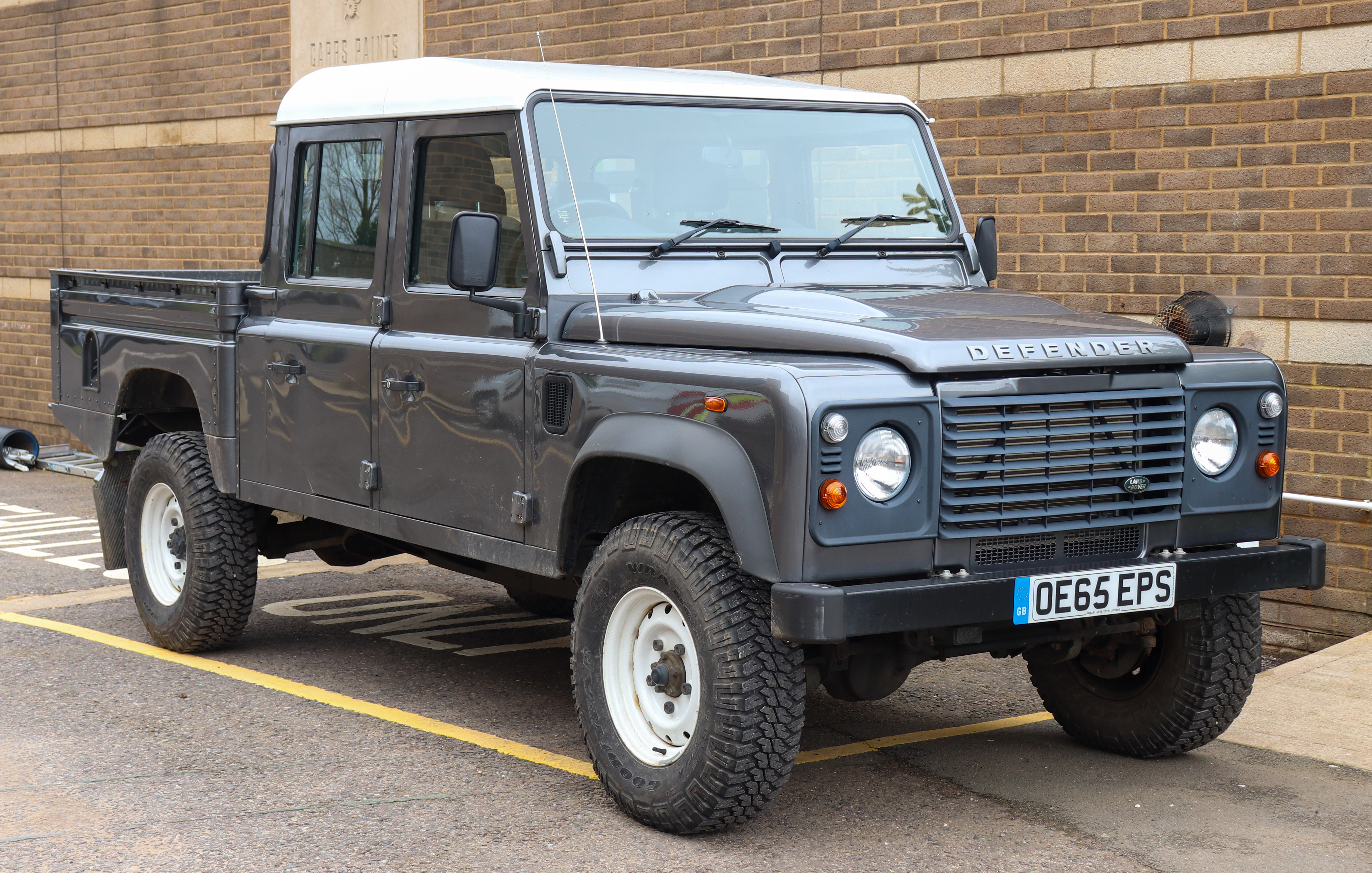
The Defender 90 is a small SUV made by Land Rover. The 2021 version has a tough look and is great for off-roading, but it also has modern features for comfort.
Porsche copper metallic is a special paint color that looks like copper. It's a popular choice for some Porsche cars because it gives them a distinctive and attractive look.
The Rover 3500S is a stylish car made by Rover, known for its comfortable ride and powerful V8 engine. It was popular in the 1970s and has a unique look that stands out.
The Ram 3500 is a big pickup truck that can carry and tow a lot of weight, which makes it great for work or heavy-duty tasks. People like it because it's strong and reliable, especially if they need to move trailers or heavy things. The mention of another car shows how different vehicles can be used for different purposes.
Car
Rover 2000 TC
The Rover 2000 TC is a vintage car from the UK that was popular in the 1970s. It was known for being a comfortable and stylish vehicle, often seen as a status symbol at the time.
A restomod is when someone takes an old car and updates it with new parts to make it work better while keeping its classic look. It's a way to enjoy old cars without giving up on modern features.
Car
Rover P6
The Rover P6 is a car made by the British company Rover in the 1960s and 70s. It's known for its stylish look and good driving experience.
The MGB is a small sports car made by MG, popular for its fun driving and classic design. The 1980 version is the last one they made, and it has a unique look.
The Ford Escort is a small car that was very popular in the UK, especially in the 60s and 70s. The Mark I version is especially loved by car enthusiasts, and some of them can be worth a lot of money today, like the special Mexico model. People are interested in it because it has a cool design and a fun history.
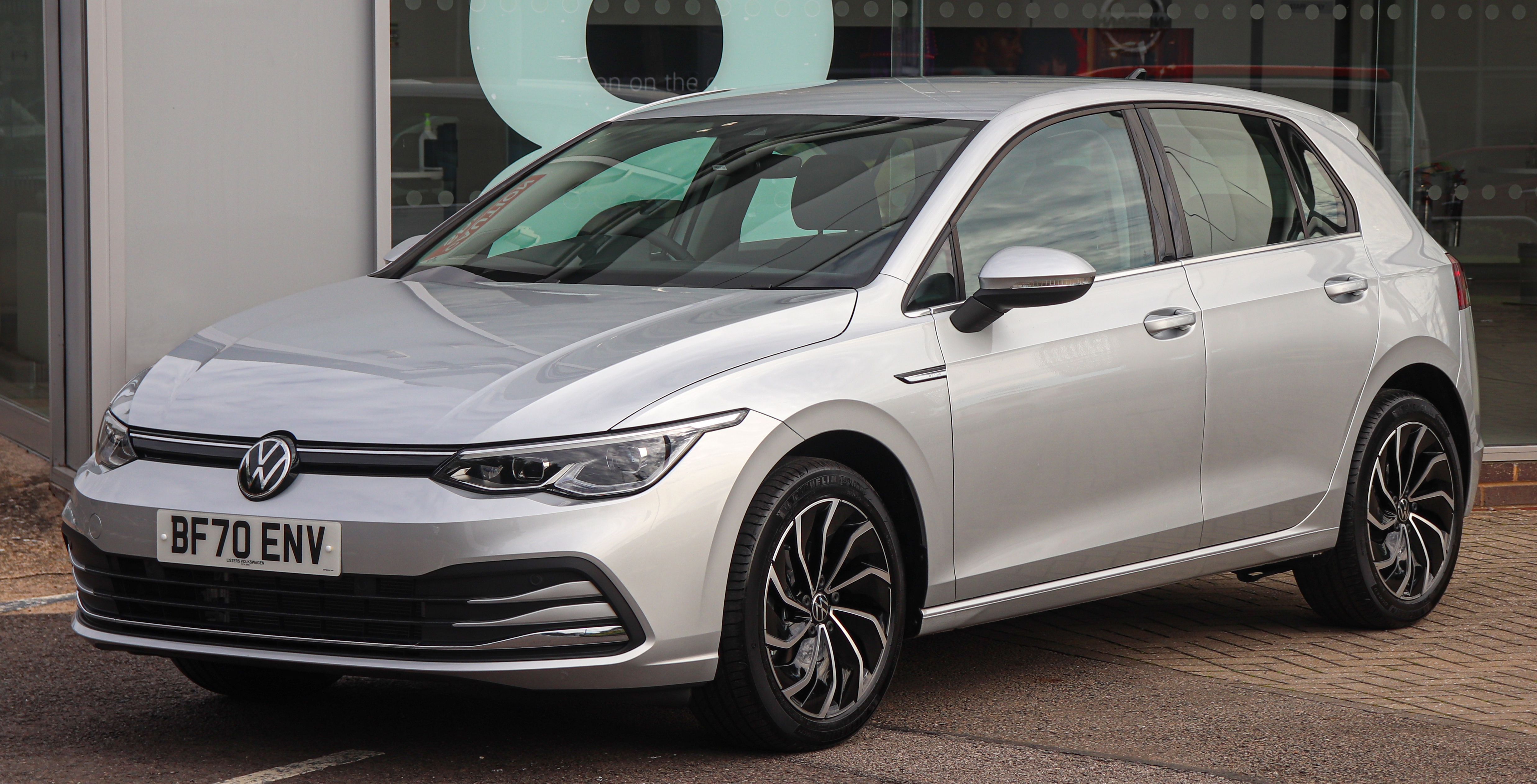
The Volkswagen Golf is a small car that has been very popular since it came out in the 1970s. It's known for being practical and fun to drive, especially the sporty version called the GTI. People talk about it because it's a great all-around car that many enjoy.
The Ford Cortina is a classic car that many people in the UK remember fondly. It was a family car that was affordable and practical, making it very popular when it was made. People talk about it because it brings back memories and has a special place in car history.
The Triumph Stag is a classic British sports car that was made in the early 1970s. It's known for its stylish look and was designed to be a fun car to drive, especially in the summer with the top down.
American spec means the car is made to follow the rules and standards in the United States, which can be different from those in other places like Europe.
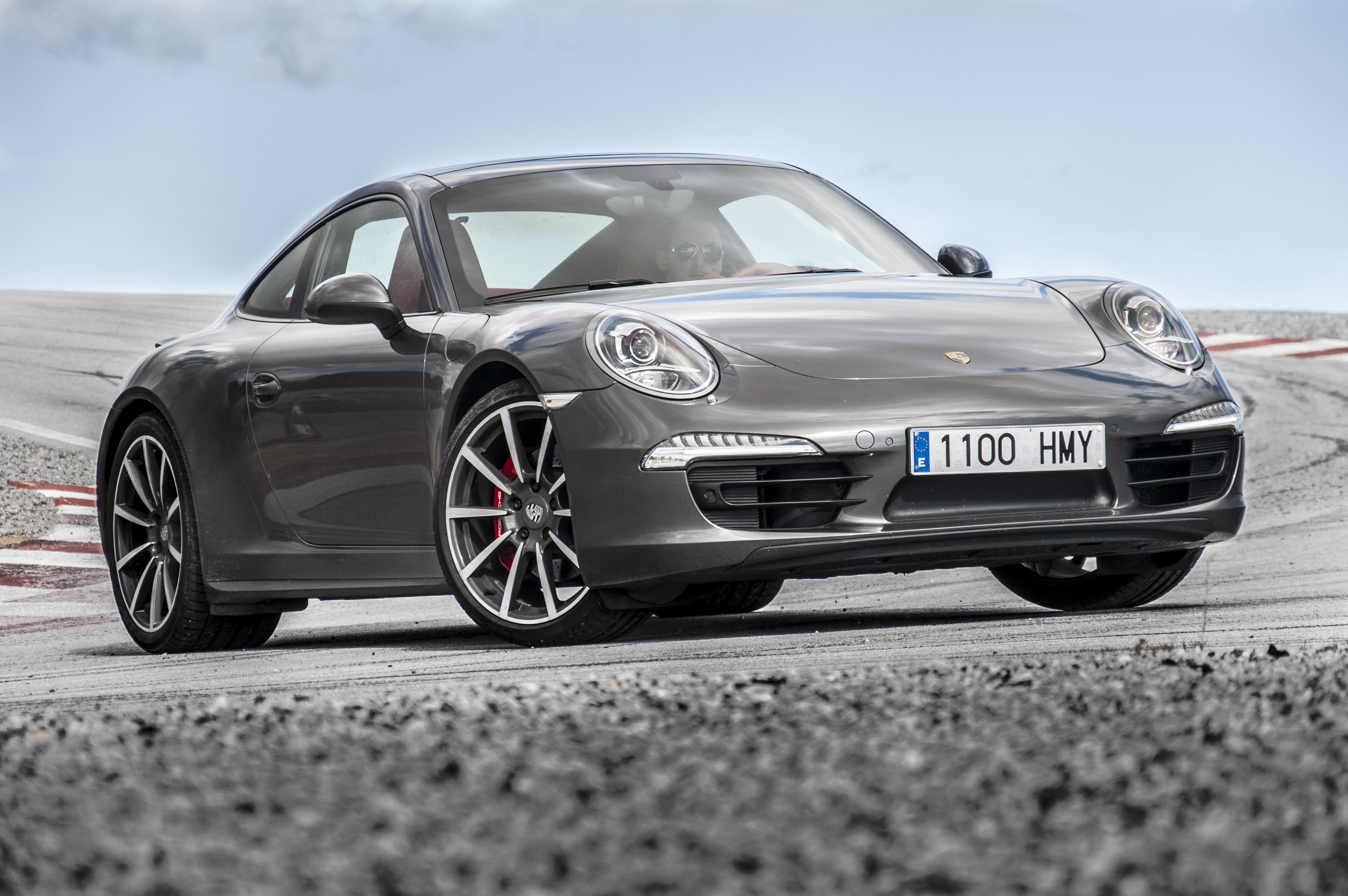
The Porsche 911 is a famous sports car that has been around since the 1960s. It's known for its unique shape and fast performance, making it a favorite among car lovers. The 912 is a version of the 911 that some people really like because it's a classic.
Off-roading means driving on rough surfaces instead of regular roads. It usually involves vehicles that can handle bumpy and uneven ground, like SUVs or trucks.
Modern cars use a lot of technology and parts from different companies. This can make them complicated, and if one small part fails, it can cause bigger problems.
The auxiliary belt tensioner keeps the engine's accessory belt tight. If it breaks, the belt can slip off, and parts like the alternator won't work properly.
Electrical problems are issues that can happen with the car's wiring or electronic parts, causing things like lights or the engine to not work properly.
The Dacia Duster is a small SUV that is known for being affordable and practical. It has a tough look and plenty of space inside, which makes it a good choice for people who need a reliable vehicle without spending too much money. It's popular because it gives you a lot of car for the price.
The Mercedes-Benz W124 is a car model known for being very reliable and well-built. It was made in the 1990s and is part of the E-Class series, which is known for comfort and quality.
The Land Rover Discovery 5 is a comfortable and spacious SUV that can handle rough terrains. It's great for families or anyone who enjoys outdoor activities.
The Vauxhall Viva is a small family car that many people in the UK used to drive in the 60s and 70s. It was affordable and practical, which made it a popular choice for families. Now, it's considered a classic car that some people really like to collect.
The Renault 4 CV is a small car that was made in France a long time ago, starting after World War II. It was known for being practical and affordable, which made it popular. The van version is also mentioned because it shows how useful and versatile the car could be.
LIVE
Let me grab a pen and paper just in case I can think of something hilarious while you're talking, hold on a minute.
Unlikely.
This is the tyre kickers. Classic car chat with Max and Matt.
It's February and it won't stop raining, so let's talk classic cars instead and dream of summer days in this episode.
Let's make brown great again. I think it's time to embrace the colour of the 70s and bring back Albatross beige and Fuscus brown.
Do we have to?
The tyre kickers.
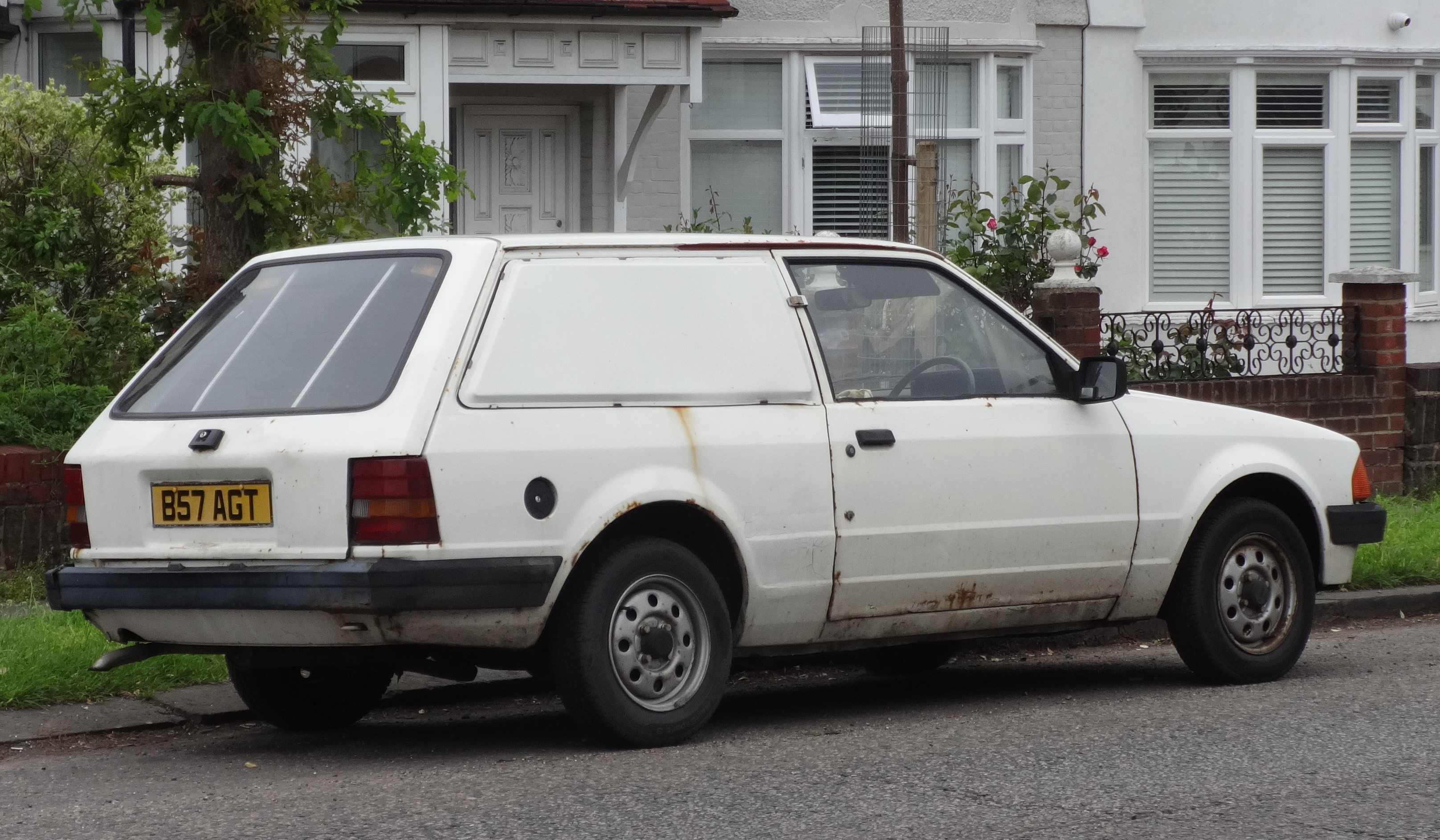
Also in this episode, car based vans. The stripped out saloons with a box on the back that kept Britain moving.
We pick our favourite car based load luggers.
Also after Max's modern Land Rover decided to clap out in a car park, are we really brave enough to drive a classic as a daily car?
All that and more in this latest episode of the tyre kickers in bright bold technicolour Ariane Cabage.
So I like brown cars, especially brown cars from the 1970s.
Now sports cars are red, vans are white, but in the 70s when you didn't want to be too flash with your new mid-sized saloon,
brown was the colour many people picked to blend in and not upset the neighbours with your flash new wheels.
I think you might be on your own here.
I mean, I drive a brown classic car, but I'm not really a fan Max.
I mean, I don't think it's a great colour and I didn't go out looking for one.
I mean, especially when you think about classic cars, you can pick like bright primary colours you just can't get these days instead.
The car sort of found me. I would have preferred like a red or something bright.
And I've got to be honest, it doesn't turn heads like a bright red car would.
But there's too many red sports cars out there, including me.
I think your brown is a really cool colour because it's period. It looks right and it's different, isn't it?
That's the problem. It's, you know, there's so many cars in the same colours.
I think the brown, particularly on a classic at the moment, looks really good.
It does look good in the sun when it's clean, a bit like a black car.
But I've noticed when I park it in car parks, you know, it's different because it's small.
Well, it actually fits the space in a car park, which most cars don't, do they?
But it doesn't really sort of ping out as much as a bright primary colour would.
And I think I suppose my reservation and probably why I wouldn't have a brown car again is
it's the choice that you had back in the 70s and the 60s and the 50s.
You had those really kind of almost like there were guitar colours.
Well, guitar colours, fender guitar colours were from classic cars, weren't they from cars back in the day?
And you just don't have that now in a sea of mediocrity and grays and sort of blacks and that we have now with daily cars.
Having a brown classic car, I don't know if it just pings out enough.
Oh, I think it does. I mean, you know, particularly if you're looking at a car park now, a modern supermarket car park,
you know, there's grays and there's blacks and there's silvers and actually a brown is probably, you know, one or two cars.
So you're really going to stand out from it, particularly in a classic.
And it's one of those colours, I think, that suits some cars.
Some cars were designed for this.
Modern cars are so unrelentingly boring with their colour choices.
Everybody's worried about the resale value.
Well, it's just grey then, isn't it? You just buy grey after grey car.
And that's so dull. I mean, there's some numbers I looked up earlier.
In the UK, there's nine million white cars, eight million black cars and seven million grey cars.
Everybody's got a black or a grey or a white car.
I mean, it's just, it's just so bland.
So that's why I'm thinking brown is really exciting because it's a really different colour and it gives you that story behind it.
Yeah, in 2025, there are only 4,000 new brown cars registered.
And I'm guessing they weren't 70s brown.
They'll all be like, you know, copper metallic or bronze burst, which actually is not too bad,
but it just shows compared to that nine million, 4,000 cars.
I think it's only like 200,000 actually on the road and some of those will be old cars.
I think there's no demand.
It's clearly fallen out of fashion white.
You like brown, but I don't think the general public do.
And there's a reason for that, I think.
It must be something deeper because it would fit into the grays and the blacks and the stuff that you mentioned the people worry about their residuals on.
I just, I just think it was, you know, you see a brown car and you think it's old, don't you?
I'm not necessarily old.
I think it's just different.
I mean, it just fits really well.
Your stag looks really good in brown.
Now, admittedly, yours isn't the russet brown of the factory colour.
What exact colour is yours?
Mine is actually a Porsche copper metallic.
Okay.
And the bloat had to have to respect it was russet brown, which is the will get into the colours of the 70s later.
But it was that mud brown.
I think people sometimes describe it in a slightly rudder term, but it was pretty horrible.
It didn't do anything for the car.
I don't think and he had to get it resprayed and he couldn't respray.
He didn't want to respray in that russet brown.
So he just went metallic brown.
So it is a flake brown, you know, for certain purists, I'm looking at one of them.
It's not.
It's not ideal because it's it's it has slightly changed the original.
But I think, you know, I think it's it's in keeping with the car and it's not completely changed the the colour.
One of the one thing I noticed, you know, in my bright red sunby mountain is that I drove if somebody stopped, you know, in their tracks to look at the car.
I look in the review and chances are they flipped around because the car is so bright and shiny and red in the stag.
You do you don't get that many people stopping in the tracks.
I've got to say, which is weird because I always stop in the tracks when I hear a V8 or CS stag.
But it doesn't flip people's head around quite so much.
And I think if I was in a bright yellow Mamozi yellow or a bright blue or a bright like pimento red or something, that's enough to catch your eye because and you make the point, you know, exactly exactly right.
Cars are so dull.
The palette of cars, modern cars is so gray and boring that anything that's bright does stand out.
OK, well, I'm going to throw you some cars, which I think really suit the colour brown and which might trigger a national renaissance in the brown colour.
Now, this is like, to be honest, a suicide mission because you hate this car and you hate this colour and it's a triple brown overdose.
But here goes anyway.
If you look on your screen now, this is a gorgeous Rover P6 Rover 3500S.
So it's in the brown colour outside.
I think that's Mexico Brown.
It's got a brown final roof.
And inside, if you go to like picture five, you'll see a beige brownie interior, triple brown can't get any better.
Now, if you put aside your hatred of these Rover P6's, I think that really suits the brown colour.
You used to use the G word there.
The G word I would use for this is pretty grim.
Although it's actually green.
It looks more green brown, actually, if we're talking about G's and inside the interiors.
Actually, you're right.
I don't mind the interior because you can't see the outside.
That's why.
But you've gone for the V8 one, which is...
The V8 manual, not just the V8.
The V8 3500S.
And it makes it a little bit more attractive than the run of the mill one.
But yeah, I mean, it is period.
It does suit the car because the car, as we've talked about in the past, is pretty boring.
So it does suit the car.
It is of the period.
It is of the time.
I don't think people would be walking past that guy.
I must take a picture of that because I want my next car in that colour.
But it is period.
It's got the brown vinyl roof.
It does look right as the car.
It's just not doing it for me.
See, I've got a story about one of these.
When I was growing up in the 1970s, on our street, we had a family called the Foxes.
And Mr Fox was the manager of Woolworths in the town.
And that was quite a prestigious job in the 70s.
And if you were a shop manager, you were kind of like the elite.
I think this fitted in perfectly because it was a Rover.
So it said I've arrived, although it was a 2000 TC, I think not the 3.5,000.
It was a Rover that said I've arrived.
I'm something I'm important.
But at the same time, it wasn't a bright red Rover that was saying I'm a bit too flash.
It was a subtle Mexico brown with the ten leather interior, a bit like this one, and the vinyl roof.
It kind of said I've arrived, but not in your face.
It was kind of a bit of an old money statement rather than being too flash.
And I think that's one of the things about brown is it actually tones the car down a bit.
You can really admire the car and admire what kind of car it is and say that's a great car.
But it's not like, this is my new car.
It's actually brown saying, yeah, you know, it's a great car, but I'm just a bit restrained.
I'm not too in your face and flash about it.
Or the other word for that, boring.
Let's move on to this one you've picked because you're trying to make an argument,
build a case here that brown 70s cars are great, but you've picked this next one.
It's a 72 escort, but I've got to say it.
And I hate to use your catchphrase.
That's not the original color.
No, it isn't.
And it's actually funny, really difficult to find some brown cars.
I thought of this idea in the week and I thought, great, there'll be loads of brown cars around.
And actually, for some reason, there isn't.
So that might be telling a story.
Funny that.
But this isn't the original color, but it is close to the original kind of Ford Browns.
This is a Mark I escort, isn't it?
And it really does suit Brown.
It's a four-door.
So it's a kind of like a nice family car.
They're saying it's a Mexico, but I'm not sure they made a Mexico and a four-door today.
Well, no, because I wouldn't be rally-ish with it.
Anyway, we'll have that debate later, but it's...
Rest no mod, it's your favorite.
Oh, God.
It's tawny brown.
And I think it does look good.
You know, on those Mark I escorts, it just looks a really good color,
because there were lots of brown escorts around in period.
And I think it suits it.
You know, it's one of those factory colors that was quite popular and just looks right.
I think it looks quite good because it's metallic.
You know, it pings.
It's a bit like my one.
It's just been...
The original color, but it's just been improved.
It's not the original color, but you know what I mean.
Yeah, the original color, but better, but it still suits it, doesn't it?
You know, that looks good on an escort, I think, that kind of brown.
It's got Mexico badges.
I'm going to have to Google this in a minute when you're talking.
See if they did four door Mexicos.
But it does look good.
And this is what I'm saying, you know, certain cars of the 1970s suit those 1970s colors.
And this, and that Rover P6 is one, and this Mark I escort is another one.
I just think it looks really good.
If that was at a show, I'd make a beeline for that, because it's just a...
The color is right.
I think browns can look good.
You know, if they've got a bit of metallic in them or they've got a bit of copper.
I mean, the 70s solid browns went out of fashion pretty quick.
I mean, as time moved on, and I think they are stuck in a period.
Those muddy browns, the russet brown of the BL, the stags, they didn't last,
and the fashion left them long behind.
I mean, even when you got to the 80s and you got onto things like MGBs,
they were starting to make them look a bit more bronzy.
I mean, we've got a 1980 MGB LE, so the last edition Roadster for sale,
and they came in this color.
It's like a copper bronze, isn't it?
Which actually for a brown car looks good, because it's not brown.
It's bronze.
It's brownish.
Now, my brown is now going to have to cover every kind of color in the brown spectrum,
because otherwise I'll lose this argument.
I'm going to say that's, that is a brown as well.
Copper browns is a brown.
Yeah, but it's much more modern.
It's a more modern brown.
I mean, if they'd have done that russet brown, those LEs wouldn't have sold at all, would they?
Because people just wouldn't have done it.
There is something about, there's something psychological about the mud brown,
solid brown, the 70s, that people just didn't want to be associated with it,
because it literally just came and went, didn't it?
In a flash, probably lasted five, six years, probably.
Maybe, maybe 10, the tops.
I'm going to say it lasted a bit long.
Can we just go back to the escort, because I have just,
I've just Googled while you were chatting.
I think they did make a Ford or Mexico, but it was quite rare.
And actually, just on this point, and I spotted this,
this Mark I Ford Escort, Ford or Mexico Tawny Brown is £49,000.
What?
It's crazy money, this, isn't it?
But also, if it's rare, that's when you don't mess with the color.
You've got to, you've got to paint it exactly like it says on the sheet,
because your value will be affected, but obviously,
well, you know, you're very keep it of the period, keep it original,
and I'm very, well, you can do sympathetic upgrades.
And I like this color on this, this Ford Escort, it's really nice.
But I've got to say, if it's a heritage car, you've got to leave alone, haven't you?
Let's go back to the MG though, because you've got to point about the MG,
because it was a kind of like a brown plus, you know, that kind of copper color.
But actually look at the seats, they're in that classic MGB deck chair material,
which is classically brown stripes, and that still looks really good, doesn't it?
You know, in period, they were fantastic colors, and I really do like those.
I mean, you could say that's slightly orange, I suppose, if you've been picky those seats.
You could say that the seats were orange, but they were standard, wasn't it?
But it's still kind of like brown, she had brown stripes, didn't it, down the middle.
So that, it all looked in that kind of brown period.
And I think they look really good, these MGPs, in that kind of like copper prongs.
They do, but by 1980, brown-brown was looking really old and dated.
And I think that this is a nub of it that we need to kind of get into.
Why didn't boring brown survive the 70s?
Why did by the 80s...
It's just fashion, isn't it? You know, fashion has changed.
And because the brown was so linked to the 1970s, when people burst into the 1980s,
they wanted the bigger, bolder, red colors.
You know, look at the colors on gold GTIs, that was reds and blacks and stuff.
It was a lot brighter because brown was seen to be, I don't know, associated with the 1970s.
But it's a bit like flares, isn't it?
You know, flares have come back at least three times since the 70s.
And I think brown will come back.
It just needs a bit of a shove by you to go out and buy a new car in brown.
Well, some would say you've been wearing your flares all the way through, so it's not really changed.
I've just done them.
What are you yapping on about flares?
I've just Googled brown Cortina because I was sort of thinking, as I was saying that,
it didn't last the 70s.
It did because you saw Cortinas.
Well, there were 70s ones, which I'm looking here.
Cortinas were always in brown, but I think they were a hangover from the 70s.
I'm looking 78s red.
I think when the 80s came along, brown hit the dust.
I think that's a shame, to be honest, because it did, for me, suit lots of saloon cars.
And if you didn't want to be too flash in the 70s, brown was the color.
Now, by the time you got to the 80s and people worked in the city and were driving their bright,
red guards, red porches, you did want to be flashed.
So that's maybe why the color, which was a bit subtle, faded out in the 70s.
But now, brown could make a great comeback, couldn't it?
I doubt it.
We talked about my stag.
Let's have a look at an example of a stag in a kind of a right brown, actually.
1972 one.
It says on Mark II, but I think if I cast my mind back to our Christmas quiz,
the Mark II didn't come along until 1973, so I don't know what's going on here.
And also, it's got terrible wire wheels.
This one we're looking at is from the Netherlands, to be honest,
because I couldn't find any brown stags that weren't yours.
So this might be slightly different, so it might be a Euro spec,
but I don't think that's a Mark II, but it has got awful wire wheels.
Maple brown, this one.
And I think, again, that's another nice color for a stag, isn't it?
That's the same color interior as yours, isn't it?
And that kind of beige.
Yeah, it's got the same color, but it's slightly darker.
The chestnut one.
These aren't original suits, I don't think.
Those are American spec suits, so I think the whole thing...
I'll listen to the spec geek now.
There we go.
Who's turning nerdy?
It's okay, but I would still prefer one of these in a primary color,
I've got to say, but this one sort of looks alright.
I think the interior sort of matches the exterior,
and the brown's dark enough to kind of look okay.
It looks okay.
I'm damning it with faint praise.
For me, that equally stands up to a blue one or a red one,
or even one of those bright yellows,
because it just looks right, doesn't it?
Because they came in that color in period,
and now they're still in that color.
And I think changing it changes the story of the car, to be honest,
because I think that's part of the stag story, isn't it?
Like brown Cortinas, like brown Rovers and brown Escorts.
These were cars that were brown in period and still look good now.
Yeah, I'll go back to the thing.
It doesn't turn heads as good as primary colors.
Talking of primary colors, what the hell is this?
You've got some sort of color chart going up.
Look at this.
I've dug this out.
A paint code chart from British Leyland from 1968 to 1969.
Austin Austin Healy, M.G. Morris, Riley, and Woolsey.
On the top row, you could have Fuscus Brown.
I've never heard of that before.
Then you could have Fawn Brown, Bracket Sable,
and then Albatross Beige, Armadillo Beige.
This is like a Far and Bore catalog, isn't it?
Ridiculous name like Sparrow Fart.
Then you could have Sable, Pete, and Maroon.
So it wasn't just brown.
You could have loads and loads of fantastic deep brown colors.
That's why the choices were quite good, I think,
because you had a lot of choice in your browns
and you could make your car look different.
But again, it wasn't in your face.
It's not flashy and showy.
I don't think I'll have another brown car.
I don't think brown cars are going to come back.
I'm sorry, but I think it's just one of those things
that's going to be left as a sort of a sad thing from the 70s.
I feel that's a bit of a no then in that case.
Is that a no?
Can it be argued round to a maybe or a definite yes?
I think it's a no from me.
Well, it's episode 49 of The Tire Kickers,
the nearly award-winning podcast that talks about brown paint.
That's maybe why we didn't win.
That is related to classic cars, though, that color granted.
And we don't usually, do we, Max, talk about modern cars here?
Because, well, as we've just sort of mentioned, they're a bit dull.
They start, they stop.
They do thousands of miles without any hint of trouble.
A bit like your Land Rover Defender, your modern one, Max.
That's trouble-free, isn't it?
Yeah, not quite, to be honest.
I put a post on this week that I said that this is,
this modern car has let me down more times now
over the same kind of like time period
than my old 1966 Porsche 912,
which was a kind of bit of a project car.
So this car, it's a 2021 Defender 90,
has had five breakdowns in less than five years.
And, you know, I'm getting to the feeling
that it might be the end of me in this car.
I really love it. I love driving it. I love the look of it.
But I just can't keep putting it on a tow truck
and then getting it back and thinking,
oh, well, it's all right now, isn't it?
Because it just isn't. It has so many problems.
And this was the latest one, basically.
I just, I took it on that really tough Land Rover
extreme off-roading course,
which is called Waitrose Car Park.
And I drove it to the Waitrose Car Park and parked it.
And literally, I could smell something a bit funny.
It smelled a bit like kind of like burning oil.
At your age. Yeah, exactly.
It wasn't me for a change. It was the car.
But I could smell burning oil.
And I think that's a bit odd, isn't it?
Then suddenly the oil light came on.
So I thought, oh, you normally do turn it off.
Turn it off as quick as possible. Pop the bonnet.
And then I am the bonnet by getting out of the driver's side
and walking around.
It's not raining, but it looks really wet.
And basically, it's got 8.8 litres of oil in that car's engine.
And it exploded at high pressure all along the side of the car,
all through the engine bay.
And the remainder dropped on the poor Waitrose Car Park,
soaking it in oil.
I put a picture on Instagram and you can just see a puddle of death
underneath the car.
So basically, in about two or three seconds' flight,
it dumped all its oil.
It was annoying because I rang up Land Rover Assist and said,
it's dumped all its oil.
Can you send a tow truck?
And they said, we can't send a tow truck until we've had an engineer
assess it.
I said, well, you don't need an engineer to assess it
because it hasn't got any oil in the engine.
So it's not going anywhere.
You can't drive it anywhere.
Send a tow truck.
No, you've got to wait for an engineer.
So I sat there for four hours waiting for an engineer.
And I'm not kidding.
I know this man quite well.
He's called Andy because he's been to all four other breakdowns
of this particular Defender.
He covers my areas.
We pulled up in his van.
Oh, Andy, how are you?
He booked up on it and said, oh, you'll need a tow truck.
Yes, I won't need a tow truck because he's got no oil in it.
So I had to wait another two hours for the tow truck.
But basically, this is the kind of thing that's just getting to me
because fifth time now it's been trailered away.
It's a modern car.
And I think partly modern cars, they've
got so many different components from so many different makers
that they're only as good as their 10p component that's holding
all the oil in.
That's given up.
For Land Rover nerds, this is quite a common problem.
It was the auxiliary belt tensioner that basically chopped off
a bit of the engine and let all the oil out.
So it's a way being fixed.
And it's just one of those things that I'm thinking,
this is now less reliable than even the most unreliable
classic car I had, which was my Queen of the Hard Shoulder
Porsche 1966 912.
Should I go for a classic car as a daily car?
Well, hold on.
Before you get into that, we're talking about a car that's
what, four or five years old?
38,000 miles, full service history.
Good God.
And just to explain, if we've not seen the pictures,
we're talking about a new Land Rover Defender here.
We're not talking about an old sort of rack.
No.
It's a rack as you want from the thing with drip so we expect it.
New shaped Defender.
This is not over in the Rover.
This is just Rover in Waitress car park.
But it's just literally, if you see the pictures going on
Instagram at the time, because you came, you can see it's dumped.
What looks like fresh oil, actually, Max,
if you just had it serviced.
It has just been serviced.
It's done a thousand miles since its last service.
How much is that oil?
That's probably about 150 quid.
And also this auxiliary belt tensioner has been replaced now four times.
So I've had four different tensioners and the last one came along
and he fitted it and said, oh yeah, this is an upgraded part.
So this will be a lot better.
And what this one hasn't done is squeak to talk,
because the last one's always squeaked.
But this one just spectacularly gave up and took the engine with it.
So it's not really much of an upgraded part.
It's more of a grenade really.
So if you were driving an old Defender or an old series Land Rover,
you'd kind of take this on the chin, wouldn't you?
Because it'd be part, you'd kind of sort of expect something to go wrong, don't you?
But the whole point of buying a new one is that you, you know, put the key in and you go, don't you?
As long as you service it and look after it, it shouldn't give you any grief.
I mean, if I was being kind, I would say maybe you had a Friday afternoon car,
but it seems there seem to be electrical problems or, I mean, breakdowns.
Well, I've had electrical problems as well, actually,
because it leaks so badly when I first had it.
It had about two or three inches of water inside, which soaked the computer,
which is under the passenger seat, I think.
So it's had new, completely new wiring and a new computer.
And it looks like it's going to need a new engine now, because, you know,
how long was it running without any oil pressure? Is that a bit of a risk, you know?
Now, knowing you, while you sat there waiting for the tow truck to come,
you'd have been on the internet looking for a replacement.
I've got a couple of ideas, actually, because I bet you've got a long list.
Are they brown?
Well, I'm just thinking your age.
I'm thinking either I've gone now, narrowed it down to a dutcher duster,
or a...
Well, I mean, quite reliable.
More reliable than yours.
Or a Honda Jazz, I think, which is probably that time of your life, really, aren't you?
Funnily enough, as you know me, I mean, basically,
my car apps on my phone were worn down by the time I'd finished sitting
in that car park for six hours, because I was thinking,
what on earth can I get that's different to this,
that has that kind of vague Land Rover feeling,
but doesn't have that kind of Land Rover unreliability?
I came to a conclusion, and this was literally about six hours of thinking,
I came to a conclusion that could a classic car, a 1990s classic car,
be any less reliable than a Land Rover that's broken down five times in five years?
So look at this, it's on your screen.
1995 Mercedes W124, it's the estate, so it's the S124, E20 estate.
So it's got a full service history.
It's got aircon, it's got leather.
You could put some fairly tough tires on it,
because I live in the countryside and you have to go over potholes
and up verges all the time.
So actually, is that going to be any less reliable
than a modern car that breaks down five times in five years?
I think it's going to be more reliable.
That's quite a good shout.
I mean, an estate or a sleeper estate even,
if you start going down that thing.
I mean, this thing would probably start and run
and just carry on driving forever, wouldn't it?
There's a man in my village, interestingly,
he used to be a mechanic for a Mercedes main dealer,
and used to work on these all the time.
So actually, down the road, I've got somebody who can help.
Now, this one's got 141,000 miles on it.
But, you know, it's a murk of that era.
I've got a murk of that era. It's really good.
And that's only about 5,000 miles a year, so it's not bad.
And the killer point about this is
that sat in my car looking at auto-trader,
I've realized how expensive modern cars are.
So I don't know if you've looked in a modern car lately,
but I was just specking up a new defender to replace mine.
I think mine was about 55.
They're about 90,000 now, if you go for the top spec.
90,000 pounds. It's ridiculous.
Absolutely. When did cars get so expensive?
I mean, inflation in cars.
I think it's probably in the last five years or something
that cars have just suddenly shot north of...
I mean, $60,000, $50,000, $60,000 used to be expensive,
not that long ago for a car.
I think the thing about this Mercedes,
actually, the main thing about this Mercedes is it's $9,000.
Well, I think it's a bit expensive.
Actually, you'd probably get one cheaper.
But look inside, it was from the era
when they actually spent a bit of money on stuff, wasn't it?
Lovely. What's the word you used for that?
Is that ruched black leather?
It's not straight.
It looks like it's got some air bubbles in underneath,
but it looks really classy.
It's got black leather seats.
It's got the dark wood on the dashboard,
lovely comfy seats, heated seats, aircon.
So it's got all the stuff you need, isn't it?
But it's $9,000.
It's a tenth of the price of a modern Landro.
Do you know the one flying the ointment
of this whole story is, though,
is that Landrover, because I've got the warranty,
which, thank God, I decided to keep the warranty going on it,
Landrover have lent me a Discovery 5,
and it's really nice, and I've fallen a bit in love with it.
Don't be fooled.
Don't be fooled by it, because, you know, it's not...
The problem you're describing with yours
is not how nice it was inside.
It was how, what a mess it had made outside.
It basically wet itself in Waitrose Car Park, didn't it?
And that's not a good look.
Yeah, but this Discovery 5 is so comfortable.
It's so nice.
I think you do need that on the jazz.
Don't forget, you can find us at the TireKickers UK
on Instagram and the TireKickers on Facebook.
Now, let's hear what you've been telling us,
and there was a lot of reaction to my Defender photo
on Instagram with a large puddle of oil beneath the engine.
The faceless mechanics said some things never change,
the Landrover's reliability or lack of.
Still a fan, though.
You see, I am as well.
I've had Landrovers for the last 15 years,
and it's going to be quite difficult to not have one.
Joshua, we're three A's.
It says, did you actually expect a modern JLR product
to be reliable?
Where does one acquire such mindset?
Well, we should say, before the lawyer's phone is up,
they're not all JLR products.
The value of your JLR product can go down as well as up.
Mr. Doberbend says Toyota FTW.
What does FTW mean?
It's for the win.
So it means that's the best one to get.
I was kind of thinking, is that a model?
I can't remember the FTW.
I haven't heard of that.
That's you googling for it.
PurgeU006 said he had the same thing as you,
towed away twice in two weeks.
DC to DC converter packed up as did a replacement.
Well, at least with the Landrover's,
it's not just one thing that goes wrong.
It could be a multitude of things.
There's always a surprise for you when it does break down.
The last time mine went wrong,
they gave me another Discovery 5, and that went wrong as well.
So I just dumped it on the forecourt and gave up,
and that's when I was driving around in the Merc for a bit.
Various general taking the Michael comments from all my mates.
Thank you very much, including a one, Mr. Matt Smith,
who said, I think you wanted to look slick, not create one.
That was how much I appreciate it,
because actually you sent that while I was still sitting in the car,
in the car park above the oil.
I'm sorry, was that a bit crude?
A bit crude of me.
I'm really sorry.
Oh my God, the jokes keep coming.
In other news, let's stop talking about your modern car.
This is a classic car podcast.
I had to fix my car, though.
It was due to a dodgy light in the back.
I was reversing light.
Somebody said to me, you're reversing light's gone, mate.
Oh, brilliant.
OK, well, I'll change the bulb.
After you'd reversed over them, they said that from underneath the car.
Well, they stopped moaning about it pretty quick after that.
But I took the bulb out, held the bulb up, and thought, that's fine.
So, you know, typical is dodgy electric.
So a bit of a wiggle, bit of a bendy connector, put it back in,
bodge bodge, push it back in, it worked.
Oh, right.
You didn't even need to spray WD-40.
No, I didn't.
No, but the thing about dodgy electric is you're never 100% sure you've solved them.
Are you?
Because you've done it, you've made it work.
You think, well, that's a quick win.
I like that.
But the thing in the back of your mind going, does it still work?
And the problem with old cars is that you're not sure whether your lights do work or not.
You have to care for someone to go around the back.
Don't you have a look?
And even when they are working, they're so dim, you don't know whether they're working or not.
Oh, this is true.
Like headlights that were on it.
I had an E-time with headlights that were so weedy.
It was like an illuminated candle.
Yeah, so I mean, I think I've sorted it, but I'm not sure.
I mean, my last car, I had to wiggle a wire under the dashboard for a while
to make one of the headlamps come on.
Rich, I stripped it down and found it was a dodgy earth and it was fine after that.
But you're never sure with the vibrations of old cars, whether the things are working.
But you know, I'm always surprised when my indicators work.
It's like a welcome treat every time you do it.
Now, despite this, despite knowing that every time you disturb something that usually breaks,
you've decided to finally take the inside of the car apart.
Then you've been talking about this for about, I think, 82 years.
So you've started it now.
Slight exaggeration.
I mean, I bought this dashboard refurb kit for my stag at the end of last year
because the interior looks a bit drab and as we've discussed with OCD about the interiors
and it's looking a bit tired and I've been looking at options that sort of sympathetically
sort of making it better.
And I had this refurb kit and it's been raining as we've talked about so much in the UK.
I just got bored yesterday and I got the screwdriver out because I have been putting it off.
There's a couple of bits that I've kind of gone, if I start this now, it's going to be a domino effect
of not, you know, I'm going to have to finish it because the thing about a classic car,
if you've ever taken a classic car apart, many of our listeners will have done,
they all come apart quite easily.
But putting it back together is the harder thing.
And I had to find a little bit like a carriage clock sometimes because you unscrew stuff.
I think, oh, that's easy.
I'll take that out.
And then something goes, rejoin.
There you go.
What was that?
It's off.
What bit does that go?
Where does this fit in?
I mean, I've just been trying to work out.
There's a bracket that pinged off as I took one of the vents out that I've, you know,
didn't logically look like it went back in.
And I've sort of stood there scratching my head for 10 minutes,
trying to work out how it went back in.
So I'm still, at the moment, I'm doing all right.
I've stripped out three bits of the dash and I've re-veneared them.
And I've sort of held them up against the car and they look good.
But now I'm sitting in, well, I can't put that back until I've refurbed that.
And I'm going to touch that in and sort that out.
I think it's going to look good.
You're going to be upset because it's not original.
But the, well, one, the original interior of it's trying to stay pretty shocking, to be honest.
Two, you can't buy like for like to have to get it re-veneared,
which would cost a fortune by a professional, I mean.
And even then it would look better.
It would look different from the original stag anyway.
If I took that to somebody who's a professional re-veneer,
and I've seen the results of those and they do look good,
but they look, you know, a bit of a yard away from how it looked originally.
So this sort of DIY kit is quite a well-known thing amongst the stag world.
I've got a photo.
It's almost like a sort of weight loss inspiration photo on the fridge
that is how it is going to look.
So that's what I'm working to do.
You lose a lot of weight doing it by swearing, to be honest.
But at the moment it's okay.
There's a couple of bits are coming up that are going to be a bit tricky.
There's one panel, for example, that's got the choking at the heat control,
the heater, the radio, that sort of stuff,
that is going to be a bit of a nightmare.
I know it is, but I'm motivated by this picture that I've got
that is showing me how it's going to look.
And I think it is going to, I'm going to open the door in the summer
and really be pleased with it.
But I've started it.
I've got to finish it now.
But I think the good news here so far is that you've taken it apart
and it's not been bodged by somebody.
It's not been super glued apart.
I took apart a beetle dashboard once
and found somebody put that builder's expanding foam in it.
And that did take a while to try and clear out
because it obviously got so annoyed with the rattle.
They said, right, get the expanding foam in and just fired it in.
And like it is without foam, you fire a bit in.
You think, well, that's not enough.
So you fire a bit more in.
And then all of a sudden it's coming out of the pores of the car,
coming out of the exhaust and stuff.
So I think the good news is that somebody has done it before relatively well
because otherwise you're fixing somebody else's super glued bodges.
Yeah.
I mean, the last car I took about when I took apart my zombie mountain point
to do the dash, there was a bit of trim, which I later found out
to be a very difficult, elusive bit of trim to find,
which was a little bit trim that went around the glove box,
which somebody kind of masticed in with black
and then sort of smoothed it with a pallet knife.
So when I took it apart, it was two bits instead of one bit.
I thought, oh, I'll just get a new one of those or I'll get a buff.
I'm sure I can find a replacement.
Yeah.
It took me months and I think I eventually ended up putting it back in
as it was, to be honest.
I couldn't find something that fitted.
It was a bit of a nightmare.
Yeah.
So I've had a couple of things.
I want, as I say, I'm one bolt down at the moment,
which is under a car mount or something.
I've had a look.
I've been on my knees like looking it, looking for it.
I can't fight it, but I'm going to clean everything.
I've got a plan.
I mean, this is how sad it is.
I sat last night in bed on the iPad ordering bits off eBay to clean things up.
Yeah.
That's pretty sad to be honest.
It is pretty sad, but I've done it before.
I know I can do it.
I know the results will be worth it.
And I think I am OCD about interiors because I think when you sit and drive
your classic car, you look at your interior more than anything else.
And if it is nice and it's not distracting to your eye and it looks nicely and clean
and refurbished, there's nothing ugly there that's catching your eye.
I think opening that door and getting that gives you that pleasure.
So I think it is going to be worth it.
It's going to take me a couple of weeks to sort out,
but hopefully fingers crossed it should be good.
Okay.
Episode 49.
Hopefully you're still with us after we banged on about modern cars for so long,
but we are talking classics and we are talking now vans.
And before every tradie drove a tranny, and I'm talking transit van here,
there was a commercial crossover saloon shaped van.
Do you remember those?
They seem to have died out, but they used to be low to these car based vans
moving Britain's workers between tea breaks.
Now these days, our nation's tireless workforce can sit in transits with air con,
DAB radios, heated seats and lots of places to put expensive coffees.
The problem is they're just too comfortable.
No wonder nothing gets fixed these days.
In the old days, vans were so spartan.
You were forced to get out and do some work because they were so depressing to sit in.
Yeah, I mean, we talked about vans before on this show,
but here we're talking about the car based vans.
I mean, they were based by a stripped out saloon with all the fripperies.
Is that a word? Ripped out.
You know, I mean, the most basic car possible with a box on the back
and they were running around high streets up and down the UK,
certainly in my memory in these sort of late 70s, early 80s.
We tend to think of these things as 80s things, Max,
but they're kind of around for years, weren't they?
Yeah, if you look on your screen now, this is a 1969 Morris Minivan.
Now, I remember these, the Morris Minovans,
because I think post office telephones used to run these,
isn't it, before British Telecom?
So these Minovans were quite popular.
And again, you know, there's absolutely nothing to it.
There's a Morris Miner chassis.
There's the bare minimum Morris Miner bits,
which didn't exactly have much in the first place.
That's right.
And they just welded a box on the back.
So it was so cheap to have these things.
Well, these came in in 1953.
And I think, you know, as you say, the expectation of Morris Miner was basic.
These were basic.
I think the interesting contrast comes on when we come to the 80s,
in the 80s, we started getting stuff on our cars, didn't we?
But there was no stuff on these vans.
But I mean, if we sort of rattle through the sort of modern history
in the UK, certainly, I mean, you then were like,
saw these minivans around during the 60s.
Here's a 1968 one.
And these were a common sight, you know,
sort of like, if you imagine a mini traveler,
but it's a panel van.
And those were a sign written on the back,
and we saw those around.
So they were sort of fairly common thing.
But I think during the 70s, you know,
there was more Bedford's and transits and things like that around.
And people, you know, expected to see those larger vans.
It was only when the 80s sort of came along,
that I think that we started seeing the little cars
and little vans around again.
I mean, you mentioned the BT or GPO or whatever they were.
I mean, have a look at this one.
A 1982 Bedford HA, a BT van in that classic Busby Yellow.
Oh, wow.
I'd forgotten about these.
I certainly remember these got dumped in the auctions
because where I grew up,
there used to be a big car auctions near us.
And you'd often see these come around.
You could buy these cheapest chips once they'd thrashed around,
fixing people's phones.
But that was a very, again, that was sort of an old fashioned thing.
I think the thing that piques our interest
because of we're of a certain age,
are these car-based vans because they became,
that was still a van, wasn't it?
No, but the Bedford HA was based on the Viva.
I mean, that was a Vauxhall Viva underneath.
They just put a different kind of like box on it
and used the same chassis and running gear and stuff.
So that was a Viva.
Looking at this though, this is a 1982 one.
It doesn't look like a car equivalent in 1982, does it?
It's a very old sort of hangover design.
I think the thing, the ones that get interesting
and the reason that the contrast becomes more of these,
like the Escort van, the Metro van, the Astromax,
that sort of stuff, because we, you saw them,
almost like you could feel the tradies felt they were kind of driving
a bit of luxury, but they weren't because when you got in one of these,
my dad had one, he was landscape gardener.
I think he had an Astromax or an Escort one for a while.
And you got in and it was, I mean, there was Povo spec you got in a car,
but these van...
And then there was the van spec, wasn't it?
Yeah, it was a sub-Povo spec.
I'm just looking at an Astromax on the screen now.
Wow, I mean, there's nothing to it.
It's wind up windows for start.
But I mean, there's nothing to this interior, is it?
There's just a blanking panel and a speedo and that's it.
Yeah, you didn't get anything.
You didn't get a rev counter, you didn't get a clock,
you didn't get anything.
I mean, why would they like that?
I guess because they were built to a price.
Just built to a price, just saving money, wasn't it?
And actually, this is a true story from my dad's days
when he was a BL car dealer.
In the 1960s, people who were hard up
used to buy the vans instead of family cars
and just put the kids in the back on the loose.
So if you look on the screen now,
there's this 1968 Austin Mini Mark II Mini van.
And these were packed with kids in the back
because you just loaded the kids
like you'd load a kind of like a pallet full of wood
and just drive around in them
because there was no seatbelt laws at the time.
So you could just load the kids in the back
and lots of families were running these vans
as cheap family cars just to cart the kids around it.
Why was it so basic?
Was it cheap or was the expectation lower?
People just didn't expect stuff like that.
I mean, if you were using it for your building firm
or to run your stuff around for your bakery,
it was probably a bit self-indulgent to have more stuff.
I mean, we didn't.
Cars weren't very well-specced anyway, were they?
And I'm guessing like most company vans,
even now, they'll just get wrecked after two years
by employees who don't really care
because it's the boss's van, isn't it?
So it was just simple to fix, simple to buy
and probably simple to replace when somebody just loaded them
with too much stuff or too many kids in the back.
But looking at the equivalent now,
I mean, I'm looking at a Transit Connect,
which is a sort of mid-size van,
comes with a reversing camera, car play,
air con, electric windows.
This is exactly the point.
You know, it's too nice in there.
People aren't going to get out and do their job
and fix a pothole.
They're going to sit in their lovely van
and play with the electric windows
and listen to the DAB radio.
And they're too nice.
That's the problem with these vans.
They're making it too nice to be able to sit inside at Roadworks
and do nothing for eight hours apart from closed roads.
This is why they're not fixing the potholes.
Because they're sat in a warm van on the heated seats
watching Netflix, aren't they?
Well, I'm not coming out in the rain.
I'm not.
Why should I?
Look, let's get someone else to do it.
Now, actually, I think we need to go back
to the basic French model of this.
Now, the French are brilliant at designing
utilitarian vans with absolutely nothing in it.
So here on your screen now,
and this is right up until 1988,
this is a 1988 Renault F4.
So the Renault 4 van.
That has just...
I mean, I'm surprised it's got a steering wheel.
They just didn't put two pieces of string at the end to pull.
But it's got a steering wheel and a gear lever,
and that's it.
Actually, out of all the vans,
this is the one I'd most like to have a go in.
The other ones that you think are just going to be a bit boring
and there was this, actually,
you'd have to be having wits about you to drive it, wouldn't you?
Actually, you'd have great fun in this,
wouldn't you, barreling around.
And it probably weighs about three or four kilos.
That's all because it's got the thinnest of sheet metal.
So actually, as a car, that would be great.
I think it might be the solution.
Well, it's probably more reliable than your Land Rover.
Have a look at photo seven,
because we talk about the column gear shifts,
but do you know how the mechanics of how they actually work?
Because the gearboxes are at the front of the engine,
wasn't it?
And there's a big pole that goes through from the gear shift.
That's a bit of a scaffolding pole.
It's a scaffolding pole that connects the gear lever.
You push the gear lever.
It goes right over the top of the engine
and comes down to the front and changes the gear.
But I like the simplicity of that.
I love it.
The things we're coming back,
your modern cars are over-engineered,
which are fine until they go wrong.
The clincher on this is the fact that it's 2,750 euros,
and it's done a mere 205,000 kilometers.
Well, look at that.
It was more than your Land Rover's done.
So while we go and fix potholes out of the back of an Astromax,
you've done really well and got to the end of another edition
of the tire kickers.
But there's more.
The next episode marks 5,500 studio episodes of this nonsense,
and we're celebrating by having a decade off.
Like a 10-year holiday.
Yeah, you wish.
No, our greatest debate so far.
We'll see.
Has there been a good debate so far?
There's a low bar.
What was the best decade for classic cars?
Was it the 50s, 60s, 70s, 80s, or even the 90s?
Which decade produced the finest classic cars?
That's easy.
A 1970s Brown Rover P6 with brown interior
and brown vinyl roof.
Now, that's a short episode because I've just won.
We'll see.
See you next time on the tire kickers.
Bye.
About this episode
Classic car enthusiasts Max and Matt dive into the often-overlooked charm of brown cars from the 1970s, debating their appeal and rarity in today's automotive landscape. They explore the nostalgia of car-based vans that kept Britain moving and share personal stories about their own classic vehicles. The episode features a lively discussion on whether driving a classic car daily is practical, especially after Max's modern Land Rover breaks down. With humor and passion, they challenge the notion of color preferences in classic cars, making a case for the revival of brown.
We're back! Max has had a breakdown - in something even more unreliable than his old Porsche 912. Also on the show - let's make brown great again! What's happened to all the brown cars? Plus - it's a hard knock life. We look at the sub-povvo spec of old car-based vans. No heated seats and CarPlay for the tradies of old. They were lucky to have wind-up windows and a steering wheel. All that, plus your thoughts, comments and corrections. Hit play and enjoy the chat!