
Jason Engel of Trick Rides
About this episode
Jason Engel traces Trick Rides from early muscle-car exposure in Oklahoma and Las Vegas to a shop built around bold restomod design, CAD-driven development, and carbon fiber. He talks through the Scorched Mustang, Rogue Camaro, and a new carbon F100 project, while explaining how Roadster Shop chassis, flush glass, and careful styling choices shape the builds. Along the way, he reflects on costly lessons, vo-tech training, and the backlash that came with debuting a painted carbon car.
In the Restomod world, American Muscle is King- but it's not easy to stand out from the crowd. Jason Engel of Trick Rides has done just that with cars like their "Scorched" 1969 Ford Mustang Widebody in carbon fiber, as well as other cars like the "Rogue" '69 Chevrolet Camaro and '66 Mustang Shelby GT350TR.
In this episode Jason takes you inside the Trick Rides build process from digital design to performance specs and more.
VISIT TRICKRIDES: https://trickrides.com
SUPPORT THE PODCAST:
https://www.buymeacoffee.com/hpheritage
SUBSCRIBE to Horsepower Heritage on YouTube:
https://www.youtube.com/@horsepowerheritage
FIND US ON THE WEB:
https://www.horsepowerheritage.com
INSTAGRAM: @horsepowerheritage
HELP us grow the audience! SHARE the Podcast with your friends!
resto mods
"Well, I'm sure you know that I've got a soft spot for resto mods and there are a ton of builders and options out there these days, which means one of the biggest challenges is how to stand out from the crowd."
A restomod is an older car that’s been fixed up, but also upgraded with newer technology. It tries to look classic while driving and feeling more modern.
“Resto mods” (restomod) are classic cars that have been restored but also updated with modern parts and technology. The goal is usually to keep the original look while improving drivability, reliability, and performance with newer engineering.
carbon fiber
"But I think my guest today has done a great job of that with a car he calls Scorched, a 1969 Ford Mustang Widebody in carbon fiber, and it has a great fresh look and all the mechanicals to back that up."
Carbon fiber is a strong but lightweight material. Builders use it to make parts lighter and sometimes to give the car a more high-end, modern appearance.
Carbon fiber is a lightweight composite material made from carbon strands woven into a strong sheet. In custom car builds, it’s often used for body panels or trim to reduce weight and create a distinctive look compared with traditional steel or fiberglass.
Trick Rides
"Jason Engel is the man behind Trick Rides, a custom shop in Oklahoma that's focused on classic muscle cars like the Ford Mustang and Chevrolet Camaro, and you can check out their work at trickrides.com."
Trick Rides is the custom car shop Jason Engel works with. They build classic muscle cars and use newer methods and parts.
Trick Rides is the custom-shop brand Jason Engel runs, focused on building classic muscle cars. The episode frames them as a shop that applies modern techniques to older platforms.
muscle car era
"Yeah, you know, we're located on Route 66, which is obviously very popular for muscle cars and collector cars. [128.4s] Oklahoma is pretty known for the muscle car era."
“Muscle car era” is the time when American cars were made to be fast in a straight line, usually with big V8 engines. People still talk about that era because it created a huge collector and enthusiast culture.
The “muscle car era” refers to the period when American automakers built relatively affordable cars focused on big engines and straight-line speed. Enthusiasts often associate it with V8 power, aggressive styling, and a culture of drag-style driving.
Route 66
"Yeah, you know, we're located on Route 66, which is obviously very popular for muscle cars and collector cars."
Route 66 is a well-known historic highway in the U.S. It’s also famous for classic cars and road-trip culture, so it fits naturally into a conversation about car scenes.
Route 66 is a famous U.S. highway that became strongly associated with car culture, road trips, and classic vehicles. In enthusiast conversations, it often comes up as a corridor where people seek out vintage cars and related events.
burnouts
"[183.6s] Yeah, so lots of burnouts, right?"
A burnout is when you spin the tires so they smoke or squeal. People do it for fun and to show off, especially in drag-style or muscle-car settings.
A burnout is when a driver spins the tires while the car is stationary or moving very slowly, usually to heat the tires or to show off. In muscle-car culture, it’s also a common visual sign of aggressive, straight-line driving.
muscle cars
"My father was in the car business growing up and I saw a lot of muscle cars on the front line for sale that always interested me."
“Muscle cars” are classic American performance cars known for being fast in a straight line. The guest is saying those were the cars that caught their attention while growing up.
“Muscle cars” refers to American performance cars that were built for strong straight-line acceleration, especially popular in the 1960s–1970s. In this context, the host is saying they were drawn to the kinds of cars their father sold on the front line for sale.
low riders
"moved to Las Vegas and at that point was introduced to low riders, you know, from gosh, man, mini trucks to cars to Volkswagen Beetles that were slammed down on ampies, you know, it was so cool."
Low riders are cars that are customized to look and ride very low to the ground. The guest is describing how they got into that scene after moving to Las Vegas.
Low riders are cars (often customized) that are designed to sit very low and are frequently modified for show and style. The guest connects this scene to their move to Las Vegas and how it pulled them deeper into car culture.
slammed down
"mini trucks to cars to Volkswagen Beetles that were slammed down on ampies, you know, it was so cool."
“Slammed down” means the car is lowered so it sits very close to the ground. The guest is describing the look of the cars they saw in that culture.
“Slammed down” is slang for lowering a vehicle’s ride height so it sits very close to the ground, usually via suspension changes. In the transcript, it’s used to describe how Beetles (and other cars) were styled in that scene.
ampies
"mini trucks to cars to Volkswagen Beetles that were slammed down on ampies, you know, it was so cool."
“Ampies” sounds like slang for the wheels or wheel-related setup on those customized cars. The exact meaning isn’t 100% clear from the snippet, but it’s tied to the car’s style.
“Ampies” here appears to refer to aftermarket wheels and/or wheel setups that are part of the low-rider/mini-truck look. The transcript is likely using slang, so the exact product meaning isn’t fully clear from this excerpt alone.

Volkswagen Beetle
"...rom gosh, man, mini trucks to cars to Volkswagen Beetles that were slammed down on ampies, you know, it wa..."
The Volkswagen Beetle is a small classic car with a very recognizable rounded shape. The podcast mentions Beetles that are lowered to sit very close to the ground. People do this mainly for styling and show purposes.
The Volkswagen Beetle is a compact, air-cooled-era classic known for its distinctive rounded shape and long production history. The podcast references Beetles being “slammed down,” which usually means lowered suspension for a show stance. It’s discussed because it represents how even non-traditional performance cars can be customized for appearance and fitment.
SEMA
"Plus SEMA, right? I mean, you've been going to SEMA for many years. Over 20 years."
SEMA is a big car show in Las Vegas focused on aftermarket parts and custom builds. People go there to see new accessories and performance upgrades for cars and trucks.
SEMA stands for the Specialty Equipment Market Association, and it’s best known for the annual SEMA Show in Las Vegas. It’s a major event where aftermarket companies and builders showcase custom parts, trucks, and performance upgrades.
SolidWorks
"...I couldn't, you know, jump on solid works and develop a fender, a spoiler and then send it off to..."
SolidWorks is a computer program designers use to draw and model car parts in 3D. It helps you plan the shape accurately before making the real piece.
SolidWorks is a computer-aided design (CAD) software used to create precise 3D models of parts. In the segment, it’s used to design components like a fender or spoiler before manufacturing.
six-axis machine
"...and then send it off to, you know, have it milled on a six-axis machine for a plug."
A six-axis machine is a high-precision computer-controlled machine that can cut parts in very complex shapes. It’s used here to make a master/tool so the final parts can be produced accurately.
A six-axis machine is a multi-axis CNC machining setup that can move a tool in six directions, allowing complex shapes to be cut or milled accurately. The segment describes using it to manufacture a part “for a plug,” meaning a tooling master used to create other components.
asymmetrical
"You're able to do some really crazy designs that really by hand would have been almost impossible to be able to do asymmetrical. Does that make sense? Absolutely."
Asymmetrical just means the design isn’t the same on both sides of the car. It usually takes more work to build because each side may need different shapes.
In vehicle design and bodywork, asymmetrical means the shape or styling elements aren’t mirrored left-to-right. It often requires more complex tooling and fabrication because the parts and surfaces must be engineered to fit correctly on each side.
composite material
"And, you know, also carbon is so different than fiberglass, which was really the composite material of choice for so many years."
A composite material is made by combining different materials together. For cars, composites like fiberglass or carbon fiber can be made strong and light for parts like body panels.
A composite material combines two or more materials to get better overall properties than either one alone. In car fabrication, composites like fiberglass and carbon fiber are used for body panels and structural parts because they can be tuned for strength, stiffness, and weight.
fiberglass
"And, you know, also carbon is so different than fiberglass, which was really the composite material of choice for so many years. Yes, it was."
Fiberglass is a common composite material for car parts. It’s made from glass fibers plus resin, and it was popular for custom work before carbon fiber became more widespread.
Fiberglass is a composite material made from glass fibers held together by resin. It has been popular for decades in custom bodywork because it’s relatively accessible, but carbon fiber often offers better stiffness-to-weight and performance potential.
molds and plugs
"But I mean, to develop a car, you know, to where you have the molds and plugs, you're going to stuff out about a half a million. That's what you're going to have, you know, out of pocket. Then you have the molds and plugs and those things to be able to make the carbon to produce the cars."
To make composite parts, builders often create special forms. A plug is like the master shape, and a mold is the form that the part is made in—both require expensive, careful work.
In composite manufacturing, plugs are master shapes used to create the mold interior geometry, and molds are the forms used to lay up and cure composite parts. The speaker is describing why development costs are high: you need tooling before you can reliably produce carbon parts.
Votech
"I mean, because this is a huge learning curve. Sure. Votech, I mean, I contribute a lot of my success to Votech."
Votech is vocational training—school programs focused on practical, hands-on skills. The speaker is saying that kind of training helped them learn the trade.
“Votech” refers to vocational technical education—training programs that teach hands-on skills for trades and manufacturing. In this context, the speaker credits vocational training for learning fabrication and tooling workflows used in building composite parts.
water jets
"A lot of really, really cool tools, man. Six-axis machines to you name it, water jets, yada, yada."
Waterjet cutting uses a very high-pressure stream to slice materials. It’s handy because it can cut accurately without heating the material too much.
Waterjet cutting uses a high-pressure stream of water (sometimes with abrasive) to cut materials with minimal heat. It’s useful in fabrication shops for accurately cutting composites, metals, and tooling materials without warping from thermal stress.
custom paint
"[761.8s] I'd probably say, you know, custom paint. [764.8s] We did a fiero for our teacher and we put flames on it. [772.2s] And to be able to tape all that off and show us the steps and fade them."
Custom paint is personalized exterior paintwork—often including graphics like flames—applied using masking and layering techniques. In the segment, the host describes taping off areas and creating a fade, which are key steps for clean, professional-looking flame effects.

Pontiac Fiero
"[761.8s] I'd probably say, you know, custom paint. [764.8s] We did a fiero for our teacher and we put flames on it. [772.2s] And to be able to tape all that off and show us the steps and fade them."
The Pontiac Fiero is a small sports car that was popular for customizing. Here, it’s the car they practiced custom paint and flame graphics on.
The Pontiac Fiero is a mid-engine sports car from Pontiac that became popular as an affordable platform for customization. In this segment, the host mentions doing custom paint/flame work on a Fiero, highlighting how common it was as a project car in school programs.
horsepower
"It was just Fieros. [813.8s] A whole giant can of 180 horsepower. [816.8s] Yeah, right."
Horsepower is a number that tells you how strong the engine is. Higher horsepower usually means the car can accelerate more quickly.
Horsepower is a measure of engine power—how much work the engine can do over time. When someone says a car has “180 horsepower,” they’re talking about the engine’s output capability, which strongly influences acceleration and overall performance feel.

Ford Mustang GT
"Yeah, right. [818.0s] Fieros and Mustang GTs, those were like, those were the cars."
The Ford Mustang GT is a higher-performance version of the Mustang. It’s the “sporty” trim people usually mean when they talk about Mustangs.
The Ford Mustang GT is the performance-focused trim of the Mustang, typically emphasizing a stronger engine and sportier tuning than the base models. Here it’s grouped with the Pontiac Fiero as one of the “cars” people wanted in that era.
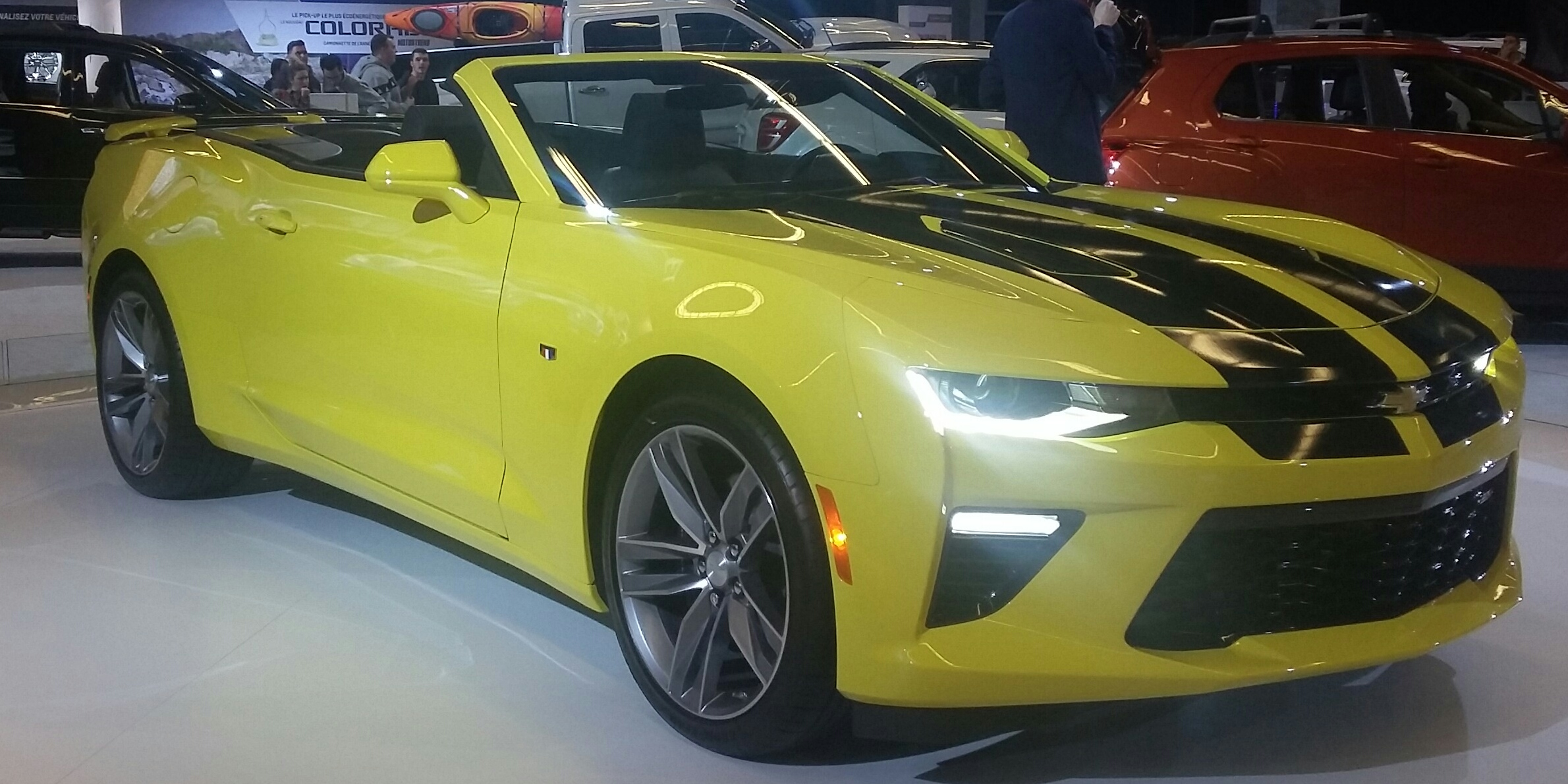
Chevrolet Camaro
"[854.5s] We do a 69 Camaro and all carbon. [857.2s] We're doing a truck now and all carbon."
The Chevrolet Camaro is a famous muscle car. “69 Camaro” means the 1969 model year, and they’re talking about doing it with carbon-fiber parts.
The Chevrolet Camaro is an iconic American muscle car, and the “69 Camaro” refers to the 1969 model year. In this segment, it’s mentioned as another platform being built or customized with extensive carbon-fiber components.
matte finish
"It was a beautiful car, but I chose to do it in a matte finish. Biggest mistake I ever made... mats are cool... but they photograph terribly."
A matte finish is paint that looks more flat and non-shiny than normal paint. It can be harder to photograph well because cameras usually like the way glossy paint reflects light.
A matte finish is a low-gloss paint or coating that doesn’t reflect light like standard glossy paint. It can look great in person, but it often photographs poorly because the surface doesn’t “pop” under camera lighting the way gloss does.
wrap
"Was this before the days of wraps? It would have been right around the same time. And in your ride, everybody asked if it was a wrap and it wasn't."
A wrap is a vinyl sheet put on top of a car’s paint to change how it looks. In this conversation, they’re saying people thought the matte look was a wrap, but it wasn’t.
A wrap is a vinyl film applied over a car’s paint to change its color or appearance. People often assume a matte or unusual look is a wrap, because wraps can mimic finishes without repainting.
Mopar
"Have you ever been a Mopar guy at all? I mean, you said the charger, but like... Oh, yeah."
Mopar is a car-enthusiast nickname tied to Chrysler’s muscle-car brands like Dodge and Plymouth. Here, they’re asking whether the person is into that kind of car.
Mopar is the enthusiast nickname for Chrysler’s performance and parts ecosystem, covering brands like Dodge and Plymouth (and their heritage). In this segment, asking “Have you ever been a Mopar guy” sets up a discussion about whether the speaker prefers that American muscle lineage.

Plymouth Cuda
"Oh, yeah. So yeah, years ago, I bought a 70 CUDA, chopped the top on it, flushed in some Dijon do..."
The Plymouth Cuda is a muscle car from the early 1970s. The podcast is describing a 1970 Cuda that was heavily modified, including cutting the roof and changing the body. People do this to create a one-of-a-kind custom car based on a classic model.
The Plymouth Cuda is a legendary muscle car from the early 1970s era, especially known for its bold styling and performance reputation. The podcast mentions buying a 1970 Cuda, chopping the top, and doing custom bodywork, which points to a restomod-style transformation. It’s discussed because the Cuda is a highly sought-after base for dramatic custom builds.
commission builds
"By the way, are these builds, commission builds? Yes, sir. Yeah, everything, I shouldn't say everything. 95% of the cars we build are commissioned."
A commission build means the car is custom-made for a specific customer. Instead of building one and hoping someone buys it, they build it because someone ordered it.
A commission build is a custom car project made to a customer’s order, rather than a car built to be sold off the shelf. The speaker says most of their work is commissioned, meaning clients typically request and fund the build.
Roadster Shop
"First of all, it's on a Roadster shop chassis. In fact, I think all your cars are built on a Roadster shop chassis, right?"
Roadster Shop is the company that makes the base chassis these cars are built on. Think of it as the “frame” that everything else gets mounted to.
Roadster Shop is the company supplying the chassis platform for these builds. A chassis is the vehicle’s structural foundation, and using a known aftermarket chassis is a common way to enable custom powertrains and fitment.
Coyote
"Yeah. So the scorched has a 32-valve Coyote, supercharged, of course."
“Coyote” is Ford’s name for a specific V8 engine used in performance Mustangs. Here they’re saying this Mustang uses that engine, and it’s been tuned for more power.
“Coyote” refers to Ford’s modern V8 engine family (commonly the 5.0L “Coyote” used in Mustangs). In this context, the host is emphasizing a high-performance, multi-valve V8 that’s being boosted with a supercharger.
supercharged
"So the scorched has a 32-valve Coyote, supercharged, of course. Tremac T56, six-speed manual transmission."
Supercharged means the engine has a device that forces extra air into it. That extra air helps the engine make more power.
A supercharger is a forced-induction device that increases engine power by pushing more air into the cylinders. More air (and fuel) generally means more combustion and higher output than the same engine without boost.
Tremac T56
"I love that. Tremac T56, six-speed manual transmission."
Tremec T56 is a brand/model of manual gearbox. It’s the part that lets you shift gears yourself, and it’s popular in performance builds.
The Tremec T56 is a manual transmission model known for handling high torque in performance cars. Pairing a T56 with a boosted V8 is a common enthusiast recipe for a more driver-focused, gear-driven feel.
hemispherical head
"Pop the hood and see a hemispherical head Boss 429 by John Cosy."
A hemispherical head is an engine design where the inside of the cylinder head is shaped like a half-sphere. That shape helps the engine move air and fuel more efficiently. Better airflow usually means stronger performance, especially at higher RPM.
A hemispherical head refers to a cylinder head shape where the combustion chamber is “hemisphere-like,” typically allowing better airflow around the valves. That geometry can improve breathing at higher engine speeds, which helps performance. It’s a key part of why some engines are described as having “hemi” designs.
front splitter
"...coming up with the front splitter, the rear diffuser, the spoiler, and then making it all flow in CAD was insane."
A front splitter is a low, flat piece at the front of the car. It’s mainly there to improve airflow and help the car feel more planted at speed. It also changes the look of the front end in a performance way.
A front splitter is an aerodynamic panel mounted at the front of the car, usually low to the ground. Its job is to manage airflow under and around the vehicle, often helping generate downforce and stability at speed. In custom builds, it’s also a major visual element that signals a track-focused design.
rear diffuser
"...coming up with the front splitter, the rear diffuser, the spoiler, and then making it all flow in CAD was insane."
A rear diffuser is an aerodynamic piece under the back of the car. It helps the air leaving underneath the car behave more efficiently, which can improve grip. It’s one of the parts you often see on track-oriented builds.
A rear diffuser is an aerodynamic section under the back of the car that expands the airflow as it exits. This shape can help create downforce by improving how air moves under the vehicle. It’s a common feature on performance cars and custom aero kits because it directly affects underbody aerodynamics.
CAD
"...coming up with the front splitter, the rear diffuser, the spoiler, and then making it all flow in CAD was insane."
CAD is computer software that lets designers draw and test a car part digitally. Instead of guessing shapes by hand, you can model the part, adjust it, and make sure it fits. Here, it’s part of the process of designing the car’s aero pieces.
CAD (Computer-Aided Design) is software used to create and refine designs digitally. In automotive customization, CAD helps designers model aero parts like splitters and diffusers, check fitment, and iterate shapes before fabrication. The host is emphasizing how difficult it was to make the aero “flow” in CAD.
spoiler
"...coming up with the front splitter, the rear diffuser, the spoiler, and then making it all flow in CAD was insane."
A spoiler is a wing-like piece on the back of the car. Its main job is to change airflow so the car can stick better to the road. It also makes the car look more performance-oriented.
A spoiler is an aerodynamic device mounted on the car’s body (often the trunk or rear deck) to influence airflow. Depending on shape and placement, it can reduce lift and increase downforce, improving stability. In custom styling, it’s also used to visually tie together the car’s aero package.
wide body
"[1232.4s] I mean, and it is a wide body. [1235.1s] We're talking about front and rear fenders,"
A wide body means the car’s fenders are widened. People do it mostly to fit wider tires and give the car a more aggressive look.
A wide body is a bodywork modification that widens the fenders and often the track width appearance. It’s commonly done to fit wider tires and improve stance, while also changing airflow around the front and rear.
front air dam
"[1248.8s] I love how the front air dam and splitter, [1251.9s] they kind of flow back into, it tucks under at the front."
The front air dam is the low piece at the front of the car. It helps control airflow so the car can feel more stable, especially when driving faster.
A front air dam is the low front panel that sits near the ground to manage airflow under and around the car. By reducing underbody turbulence and directing air, it can improve aerodynamic stability at speed.
rear scoop
"[1300.7s] I love that rear scoop. [1303.0s] That, it's right behind the door, it's right behind the door cut. [1310.0s] And is that functional?"
A rear scoop is a cutout/opening on the back part of the car. They’re asking whether it actually does something (like moving air) or if it’s just for looks.
A rear scoop is an aerodynamic opening or intake feature placed toward the rear of the bodywork. The question “is that functional?” implies it may be intended to move air for cooling or pressure management rather than being purely cosmetic.
brake cooling
"So that's just, is that brake cooling? Yes, it is. If you look at it, it's actually angled down to ram air into the brake area."
Brake cooling means adding airflow to keep the brakes from getting too hot. Hot brakes fade and wear faster, so the car is set up to push air toward the brake area while you drive.
Brake cooling is airflow or ducting designed to reduce brake temperatures during hard use. In this build, the ducting is angled to “ram air” into the brake area so more air is forced through the brake region while driving.
ram air
"Yes, it is. If you look at it, it's actually angled down to ram air into the brake area."
Ram air is when the car uses its speed to push extra air into a duct. That extra airflow helps cool something—here, the brakes.
Ram air is pressurized airflow created by vehicle motion, where ducts capture oncoming air and force it into a specific area. Here, it’s used to push more cooling air into the brake area for better heat control.
cam tail
"it's basically a cam tail. It's flat in the back, but the scorched kind of, it's at a, it's at a different angle. It kind of kicks up a little bit."
A cam tail is a specific way the back of the car is shaped—like the deck lid or rear profile has a noticeable “step” or angle change. It helps the car’s rear look more distinctive.
A cam tail is a rear deck-lid/roofline styling feature where the body shape “kicks up” or changes angle toward the back, creating a distinctive silhouette. In custom bodywork, it’s used to make the car look more aggressive while still fitting the overall proportions.
chassis
"I mean, we set the Roadster Shop chassis on the body. We determined at that point, you know, thrust angle and where the wheels going to land..."
The chassis is the car’s main frame/structure. It’s what everything else mounts to, so it strongly affects wheel position and how the body fits.
A chassis is the vehicle’s structural foundation that supports the suspension, steering, drivetrain mounting points, and body. In a custom build, choosing and positioning the chassis is critical because it determines wheel location, alignment geometry, and how the body will sit.
thrust angle
"We set the Roadster Shop chassis on the body. We determined at that point, you know, thrust angle and where the wheels going to land, how big we're going to be able to run them."
Thrust angle is a way engineers describe how straight the car wants to go versus where the wheels are aimed. It helps predict how the car will track and feel when you’re driving.
Thrust angle is the difference between the direction the car is actually traveling and the direction the front wheels are pointed (or the vehicle’s intended path). It’s used in chassis and suspension setup to predict how the car will track and how stable it will feel under driving loads.
iterations (styling studies)
"How many iterations or maybe styling studies did you go through on the scorched? You said it took like a year and a half. Yeah, like, I mean, at least 20."
An iteration is just a round of “try a design, check it, and revise.” They’re saying they went through a lot of versions before settling on the final styling.
An “iteration” is one complete cycle of designing, reviewing, and revising a concept—often multiple times to converge on the final look. The speaker mentions doing many iterations/styling studies, emphasizing how much trial-and-error goes into getting proportions and styling right.
carbon gauge
"We partner with AutoMeter on our gauges and use their carbon gauge. And they were kind enough to print our logo on their gauge, which was really cool."
A “carbon gauge” is a gauge with a carbon-fiber look. It’s mainly for style in a custom dashboard setup.
A carbon gauge refers to a gauge design that uses carbon-fiber styling or materials for the housing/face. It’s mostly about appearance and branding, but it’s also a common enthusiast look for custom interiors.
AutoMeter
"We partner with AutoMeter on our gauges and use their carbon gauge. And they were kind enough to print our logo on their gauge, which was really cool."
AutoMeter makes aftermarket car gauges. The host says they partnered with AutoMeter to use one of their carbon-style gauges and even print their logo on it.
AutoMeter is an aftermarket gauge brand that makes instrument clusters and individual gauges for enthusiasts. In the episode, they’re used for the carbon gauge that displays the Trick Rides setup’s information.
TMI
"Then we used TMI's new seat. That seat was intended to be used on a side by side. And I know it's crazy, but I was able to look through all these seats."
TMI makes aftermarket seats for cars and off-road vehicles. The host used a TMI seat that was designed for a side-by-side and made it work in a Mustang.
TMI is an aftermarket seat manufacturer known for performance and custom seating solutions. Here, the host says they used TMI’s new seat, originally intended for a side-by-side, and adapted it for a Mustang.
bolster
"And it's got plenty of bolster, but it doesn't look like, you know, racing seats can be uncomfortable over time."
Bolster is the extra padding on the sides of a seat. It helps keep you from sliding around when you drive hard, especially in turns.
Bolster refers to the raised, padded sections on a seat’s sides that hold you in place during cornering. The host is saying the seat has plenty of bolster for a “racy” feel, but is designed to be comfortable over time.
shifter
"By the way, I love the shifter. It is old school. And that white shift knob."
A shifter is what you use to change gears. They’re praising the feel and style of the shifter setup, including the shift knob.
A shifter is the mechanism used to select gears in a manual (or sometimes sequential) transmission. The host specifically likes the feel of the shifter and calls it “old school,” including the choice of a white shift knob.
shift knob
"Yeah, that was our choice. I had to do that, man. I thought I threw back some nineties in there."
A shift knob is the part you grab to move the gear lever. They chose a white one for the look and feel.
A shift knob is the removable top piece on a manual shifter that you grip to move the lever. Different shapes and materials can change the feel, leverage, and visual style of the shifter.
independent front with rack and pinion steering
"[1604.0s] Let's talk about the suspension, Jason, because you want this thing to handle like a modern car too. [1610.9s] Yeah, so we chose Roadster Shop because they've already done the work. [1619.3s] They set them up correctly. [1619.3s] It's an independent front with rack and pinion steering, solid axle rear."
Independent front suspension lets each front wheel react to the road separately, which helps traction. Rack-and-pinion steering is a common steering system that turns the wheels in a direct, responsive way.
“Independent front” means each front wheel can move up and down separately, improving ride quality and grip over bumps. “Rack and pinion steering” uses a gear rack connected to the steering wheel to provide direct, predictable steering response.
solid axle rear
"[1604.0s] Let's talk about the suspension, Jason, because you want this thing to handle like a modern car too. [1610.9s] Yeah, so we chose Roadster Shop because they've already done the work. [1619.3s] They set them up correctly. [1619.3s] It's an independent front with rack and pinion steering, solid axle rear."
A solid rear axle connects both rear wheels together. If one wheel hits a bump, the other side is affected too, which can change how the car rides and grips.
A “solid axle rear” means the rear wheels are connected by a single rigid axle, so movement on one side affects the other. Compared with independent rear suspension, it can feel more connected and durable, but it may ride differently and can be less compliant over uneven surfaces.
Fox Coilovers
"They have built using Fox Coilovers. These things drive, they drive and run."
Coilovers are upgraded suspension parts that control how the car rides and handles. Fox is a well-known brand, and their coilovers let builders adjust things like ride height and how firm the shocks feel.
Fox Coilovers are aftermarket suspension units that combine a shock absorber with a threaded spring perch so ride height and damping can be tuned. Using coilovers is a common way to modernize an older car’s handling while keeping the stance and ride quality more controllable than with generic replacement shocks and springs.
six piston bear brakes
"I literally call Phil, hey man, I need four 69 Mustang chassis with six piston bear brakes because we use bear and they'll show up here in about, I mean, normal time for those are probably five months and they show up."
“Six piston” means the brake caliper has multiple pistons pushing the brake pads against the rotor. More pistons can help the brakes bite harder and feel more consistent, especially on a modified car.
“Six piston” brakes refers to a multi-piston brake caliper design, which can provide stronger clamping force and better brake feel than simpler single- or dual-piston setups. The speaker also mentions “bear brakes,” indicating a specific brake brand used in these builds.
bear carbon
"...but they can also order the bear carbon, which I know is it's not easy because you got to line up the weave. That's correct."
“Bear carbon” is a special look for carbon fiber. It’s when the carbon weave pattern is arranged so it matches nicely, which takes extra work.
“Bear carbon” refers to a carbon-fiber weave pattern that resembles a bear-like or irregular “wild” texture. In practice, it’s a custom visual finish where the fabric pattern is oriented and aligned so the weave looks consistent across panels.
carbon car
"I mean, it's less than 800,000, which you're going to get another carbon car from another builder. So, I mean, we feel like we're fair in the marketplace."
A “carbon car” is a car that uses carbon fiber materials. Carbon fiber is light and strong, so it can help the car feel more responsive and efficient.
“Carbon car” refers to a vehicle that uses carbon fiber extensively, usually for body panels and/or structural components. Carbon fiber is valued for being very strong while also being lightweight, which can improve performance and efficiency.
drip rails
"Like we shaved the drip rails on it, filled in the cowl, smoothed the hood up..."
Drip rails are the small roof trim pieces that help keep rainwater from running down the windows. Removing or “shaving” them is a way to make the outside look smoother and more custom.
Drip rails are the trim pieces along the edge of a car’s roof that help channel water away from the windows. Shaving them is a common custom-body modification to create a cleaner, more integrated exterior shape.
cowl
"Like we shaved the drip rails on it, filled in the cowl, smoothed the hood up..."
The cowl is the part of the car body right under the windshield. “Filling it in” means smoothing that area so the front looks more custom.
The cowl is the body area at the base of the windshield, between the hood and the roof. Filling in the cowl is a bodywork step that smooths out that transition for a more custom, streamlined look.
suspension
"It's the same suspension. That's what's so great."
Suspension is what connects the wheels to the car and helps control how the car rides and handles. They’re saying the suspension setup is the important part that makes the build work.
Suspension is the system of components that connects the wheels to the car’s body and controls ride quality and handling. In this segment, they emphasize that the suspension is the key reason the chassis swap/build works well.
blueprint crate engines
"Anyways, we do that and we offered the blueprint crate engines in those now."
A crate engine is an engine you can buy as a complete package. “Blueprinting” means it’s built carefully to exact specs so it runs more predictably.
Blueprinting is the process of assembling an engine to very tight tolerances and verifying key dimensions so it matches a target specification. A crate engine is a complete, ready-to-install engine sold as a package, and “blueprinted” crate engines aim for consistency and performance.
LT4
"The LT4s have just been so hard to get. So, we just removed it from the menu."
LT4 refers to a specific GM engine type (a V8). They’re saying those engines are difficult to source, so they stopped offering that option.
LT4 is an engine designation used by General Motors for a supercharged V8. In this segment, the hosts say the “LT4s” are hard to get, so they removed it from the options/menu—implying availability constraints for that specific powertrain.
rally stripes
"I mean, the one on your website, I love the fact that it's got rally stripes, but it's a clear, right? Yes. Yes. So, you see the carbon through the entire bodywork and through the rally stripes."
Rally stripes are the decorative stripes you often see on cars that look like they came from racing. Here, they mention the stripes as part of the car’s special look.
Rally stripes are bold, contrasting stripes applied to the hood and/or body to evoke motorsport styling. In this segment, they’re specifically paired with visible carbon-fiber surfaces, making the stripes part of the overall design rather than just a painted accent.
candy paint
"So, we're using candies. We take and mix our own candies here and we use a midcoat and we find out how dark we want it."
Candy paint is a special paint job made in layers. A see-through colored layer goes over a shiny metal base, so the color can look different depending on the light.
Candy paint is a layered coating system where a translucent “candy” color is sprayed over a metallic base (often silver). Because the candy is semi-transparent, the color you see changes with lighting and the metallic underneath.
midcoat
"We take and mix our own candies here and we use a midcoat and we find out how dark we want it."
A midcoat is an extra layer of paint added in the middle of the process. It helps the final color look deeper and more even.
A midcoat is a layer applied between the base/metallic layer and the final top color. In multi-layer finishes, it helps control depth, color intensity, and how the final candy color reads across the body.
gradient
"There's a gradient in a way and it flows across the body lines. It's dark here. It's lighter there and it kind of accentuates things."
A gradient means the color changes gradually across the car instead of being the same everywhere. It’s used to highlight the car’s curves when you look at it in different lighting.
A gradient finish intentionally varies color or brightness across the surface rather than keeping it uniform. Here, the gradient flows over the body lines to make certain shapes stand out as the light moves.
iridescent
"It almost looks iridescent, which is a neat touch."
Iridescent means the color seems to change or shimmer when you move or when the light hits it. It can make the paint look like it’s glowing or shifting tones.
Iridescent describes a finish that appears to shift color depending on the viewing angle and lighting. Candy paint over metallic bases can create this “lights up” effect when sunlight hits the silver underlayer.
Ring Brothers
"And I noticed you got some cool Ring Brothers parts on these cars too. Yeah, we work with... Every car we build, truck, everything uses all the Ring Brother hinges, door handles."
Ring Brothers makes aftermarket car hardware. Here they’re being credited for supplying parts like hinges and door handles for the custom cars being discussed.
Ring Brothers is an aftermarket brand known for high-end exterior hardware used on custom builds—things like hinges and door handles. In this episode, they’re mentioned as supplying parts for the cars Trick Rides works on.
Forge Line
"Forge Line is your wheel of choice. Absolutely. What do you like about Forge Line? Well, I'm a big believer in relationships in this industry. And they have stepped up for me for 20 years, man."
Forge Line is a company that makes aftermarket wheels. The speaker says they’ve worked with them for a long time and that the wheels are very high quality.
Forge Line is a wheel brand that produces performance-oriented aftermarket wheels. The host highlights them as the preferred wheel choice and notes their build quality and construction details.
three-piece
"They build an extremely high quality product. It's three-piece, which is really cool."
A three-piece wheel is made from three parts that get bolted together. It’s often used for custom fitment and higher-end wheel designs.
A three-piece wheel is built from three separate components—typically a center section plus separate inner and outer rims—that are assembled together. This construction can allow more customization of fitment and wheel width, and it’s commonly used on higher-end wheels.
custom offsets
"They work with you on any kind of custom offsets you're looking for. I mean, what else do you want?"
Wheel offset is basically how “in” or “out” the wheel sits on the car. Custom offsets are when you pick a specific fitment so the wheel clears everything and looks right.
“Offset” is how far a wheel’s mounting surface sits inboard or outboard relative to the wheel’s centerline. “Custom offsets” means choosing a specific offset to control wheel fitment—how far the wheel sits in the fender, and how it affects clearance to suspension and brakes.
wheel and tire combos
"How many wheel and tire combos do you think you go through before you settle on the right one? Well, again, you're able to do that digitally now."
A wheel-and-tire combo is the exact wheel size plus the exact tire size you run together. Swapping them can change how the car drives and how it looks.
A “wheel and tire combo” is the matched setup of a specific wheel size/width and a specific tire size. Changing either one affects fitment, ride quality, steering feel, and how the car’s stance looks.
digitally
"Well, again, you're able to do that digitally now. So that changed that game, right? So I'm able to sit here and throw different wheels on it."
They’re talking about using computer tools to preview wheel options before you commit. It helps you see what will look right and clear properly.
In this context, “digitally” refers to using fitment/visualization tools to preview wheel choices before buying. That can speed up selection by simulating how different wheels will look and fit on the car.
flush front and rear glass
"there was something else that I thought was really cool about your builds, [2159.7s] which is that you're doing flush front and rear glass. [2163.9s] Yes, everything we build is flush, my glass."
“Flush glass” means the glass sits smooth and even with the body, instead of looking like it’s set back. It takes extra planning so the cutout and fitment match the car’s shape.
“Flush” glass means the windshield and rear glass are installed so their outer surface sits nearly even with the surrounding body panels. That requires careful measurement and fabrication so the glass opening and mold match the car’s body contours, improving the look and reducing visual gaps.
scan of the factory glass
"Well, once you have a scan of the factory glass [2175.7s] and you're making the mold, we're just making the hole smaller."
A “scan of the factory glass” refers to digitally measuring the original OEM glass shape to create accurate molds and cutouts for custom fitment. This is how builders can maintain a flush appearance while still using factory glass dimensions as the baseline.
3M product
"We use a 3M product on the back. [2194.7s] So it makes it look like a black band."
The “3M product” here is a branded film/tape used to change the appearance of the glass area—described as making it look like a black band. It’s a common approach for achieving a specific visual effect without replacing the underlying glass.
UV
"So you got the UV and all of that stuff in the glass. Yeah."
UV is the sun’s ultraviolet light. Good windshield glass can block UV so the car’s interior doesn’t fade as fast and is more comfortable.
UV refers to ultraviolet radiation from sunlight. In automotive glass, UV protection helps reduce fading and interior damage and can improve comfort by blocking harmful rays.
Wilkington glass
"Yeah, we use Wilkington glass on all of our cars. It's really high-end stuff, it's good stuff."
They mention “Wilkington glass” as the brand of windshield/vehicle glass they use. They’re saying it’s a premium, modern replacement rather than old-style glass.
Wilkington glass is named as the supplier/brand of glass used on the builder’s cars. The host frames it as a high-end, modern glass product compared with what would have been available “back in the day.”
defrost
"Do they, are there any electronics built into the glass, like a defrost or anything like that? No, I mean, I can if I wanted to, but no, we went simple."
A defrost is what warms the windshield so ice or fog clears up. They’re saying they didn’t add that kind of extra electronics to the glass.
A defrost is a heating function (usually electric) that clears condensation or frost from glass. The speaker says they chose not to add electronics like defrost to keep the build simple.
keep it stupid simple
"You know, as to above the kiss theory, you know, keep it stupid simple, right? Roll up windows, you know, put some bitch in ring brother, billet rollups on them and stuff and call it a day."
They’re basically saying: don’t overcomplicate the car. Fewer complicated add-ons usually means fewer headaches later.
“Keep it stupid simple” is a builder philosophy: minimize complexity so the car is easier to live with and less likely to create problems later. In this context, it’s applied to avoiding extra electronics in the glass and other systems.
Alpine technology
"We use Alpine technology in our cars. With those, they sound great."
Alpine is a company that makes car audio equipment. If they’re using Alpine technology, it usually means the car has an Alpine stereo and related sound gear installed.
“Alpine” here refers to Alpine Electronics, a brand known for in-car audio systems and related electronics. When someone says they use Alpine technology in their cars, they’re usually talking about the audio head unit/speakers and integration details that affect sound quality.
Bluetooth
"With MP, you know, you're plugging USB stuff and Bluetooth and all that."
Bluetooth is wireless pairing between your phone and the car, so you can play music or make calls without plugging in.
Bluetooth is a wireless connection used to pair a phone with a car’s audio or infotainment system. It enables hands-free calling and streaming audio without plugging in a cable.
USB
"With MP, you know, you're plugging USB stuff and Bluetooth and all that."
USB is a cable/port type that lets devices connect to the car’s electronics, often for music or phone features.
USB is a common connection standard used for data and media playback in modern car audio and infotainment systems. In this context, it’s part of how the system connects to phones or media devices.
Holley Sniper 2 injection
"So underneath that's a Holley Sniper 2 injection. It's super clean under the hood."
Holley Sniper 2 is an aftermarket fuel-injection kit. Instead of a carburetor, it uses sensors and a computer to deliver fuel more precisely for easier starting and smoother running.
Holley Sniper 2 injection is an aftermarket fuel-injection system that replaces carburetors with electronically controlled fuel delivery. It’s designed to make tuning and drivability easier while still supporting classic engine builds.
engine closeouts
"...I see a lot of, you know, show cars where they build what I call engine closeouts, which are bitching."
“Engine closeouts” are custom covers/panels that make the area around the engine look finished. They’re often used in show cars so the engine bay looks tidy and intentional.
“Engine closeouts” are custom body/trim panels used to cover and finish the engine bay area. In show-car builds, they help create a clean, finished look while still allowing the engine hardware to be displayed selectively.
stainless headers
"...the headers on our cars alone, the stainless headers on those cars on the Boss 429 is a piece of art."
Headers are special exhaust parts that collect exhaust from the engine cylinders. “Stainless” means they’re made from rust-resistant metal, so they usually look better for longer.
Headers are exhaust manifolds that route exhaust gases from each cylinder into the exhaust system more directly than a stock manifold. Stainless headers are made from corrosion-resistant stainless steel, which helps them keep their appearance and resist rust.
Shelby
"So we worked directly with Shelby, right?"
Here, “Shelby” means the Shelby brand/organization. The host is saying they worked directly with Shelby to help shape the car.
In this context, “Shelby” refers to working directly with the Shelby organization/brand to develop the GT350TR. That implies the build is coordinated with the marque’s design and engineering direction rather than being purely independent.
hood scoop
"[2459.6s] But I want to talk about a couple of details in this car. [2462.4s] The first thing that stands out to me is the reverse hood scoop. [2469.9s] But it's engine compartment ventilation, right?"
A hood scoop is a cutout on the hood that helps move air into the engine area. It’s often used to cool things down or improve airflow where the engine sits.
A hood scoop is an opening on the hood that directs airflow into the engine bay. In this case, the host describes it as engine-compartment ventilation: air is guided by the scoop to help cool or manage airflow around the engine components.
engine compartment ventilation
"[2469.9s] But it's engine compartment ventilation, right? [2474.5s] Correct. [2475.2s] So wind comes off the windshield and then jams into the inverted scoop that you see."
Engine-compartment ventilation means getting air to circulate around the engine area. The goal is usually to pull heat out so the engine bay runs cooler.
Engine-compartment ventilation is the system of moving air through the engine bay to remove heat and manage pressure. The transcript describes a flow path where wind from the windshield is directed into an inverted (reverse) scoop to feed that ventilation.
CS8
"[2484.7s] That came from, so if you look at the, like a 2011 Shelby, they called them a CS8. [2494.9s] They built a CS6 and a CS8. [2497.7s] That is the hood."
CS8 is a label Shelby used for a particular version of a car. In this discussion, it’s mentioned to connect the hood design idea to that specific Shelby lineup.
CS8 appears to be a model/trim designation used by Shelby for a specific car configuration. In the transcript, it’s used to explain where the hood feature naming or design inspiration came from (CS6 and CS8 being related builds).

Shelby GT350
"But if you think of a Shelby GT350 and you envision the hood from the leading edge of the hood, the panel kind of kicks up just a little bit and then a foot and a half into that panel, like as you go along the hood, there's a vent."
The Shelby GT350 is a famous, track-style version of the Ford Mustang by Shelby. Here, they’re talking about the special hood design—how it changes shape and includes a vent.
The Shelby GT350 is a performance-focused Mustang variant from Shelby American, known for its distinctive bodywork and track-oriented styling. In this segment, the host is describing the GT350’s hood shape—specifically how the hood panel rises and transitions into a vented section.
hood vent
"like as you go along the hood, there's a vent. But that is all nicely fared and integrated so that you got a cut line around the perimeter of the hood. And then it all flows nicely outward."
A hood vent is a designed opening in the hood. It helps move air around the engine area, and in this case it’s described as being shaped and integrated neatly into the hood.
A hood vent is an opening in the hood designed to manage airflow—often to help with engine cooling or to relieve pressure. Here, the host describes a vent integrated into the hood’s shape, with clean cut lines and smooth outward flow.

Dodge Viper
"The other thing I like is those side pipes. Pretty cool, huh? Yeah, really, where I kind of got that vibe from was the Dodge Viper. If you remember how they kind of floated in in the front and then came out."
The Dodge Viper is a loud, aggressive sports car. They’re using it as a visual reference for the side pipes/exhaust look—how it comes in near the front and then spreads out.
The Dodge Viper is a high-performance American sports car known for its aggressive styling cues, including side-exit exhaust and dramatic front-end proportions. The host compares the side pipes on the discussed build to the Viper’s look—how the pipes “float in” at the front and then flare outward.
fender flares
"And you've got kind of subtle fender flares on the GT350. Yeah, just say it allows for a bigger wheel and tire."
Fender flares are extensions around the wheel openings. They give the tires more room and help the car look like it’s set up for wider wheels.
Fender flares are body panels that extend outward over the wheel opening. On a car like the GT350, they’re often used to clear and visually accommodate wider wheels and tires.

Ford Mustang
"It's a licensed Shelby when it's completed, but it starts life with an original Mustang. Is it getting hard to find original, dry cars as your basis?"
The Ford Mustang is the classic car platform these builds are based on. They’re saying their licensed Shelby-style car starts with an original Mustang as the starting point.
The Ford Mustang is the original pony car platform that many Shelby-branded builds start from. Here, the key point is that the licensed Shelby-style vehicle begins life as an original Mustang donor car, not as a pre-existing Shelby GT350.

Dodge Charger
"It's the hardest ones right now are the Mopars. Really? I mean, man, oh, Chargers, I give 25 grand for a donor."
The Dodge Charger is a well-known muscle car. They’re saying it’s tough to find good, rust-free ones, so they end up buying a rough “donor” car to build from.
The Dodge Charger is a classic American muscle car, and it’s specifically called out here as one of the hardest models to source in usable condition. The hosts discuss paying for a Charger donor because clean, rust-free examples are scarce.
donor
"I mean, man, oh, Chargers, I give 25 grand for a donor. Wow. For a donor. And this is a total rust bucket."
A donor car is a used car you buy to provide parts or a base for a new build. In this case, they’re paying for one because the clean originals are getting scarce.
In custom-car building, a donor car is the original vehicle you use as the base for a conversion—often sacrificed for its body, chassis, or usable components. The segment mentions paying for a donor because clean originals are hard to find.
Request an Explanation
Heard something you'd like explained? We'll add it to this episode.
Sign in to request explanations for terms you heard.
Want to learn more?
Browse our glossary for plain-English explanations of automotive terms, jargon, and concepts.
Help improve this episode
See something that's not quite right? Our annotations are AI-generated and can sometimes miss the mark. Click the flag icon on any annotation to suggest a correction.