
Johnson on Tech Shortage, DeMont on Defection, Wood on Buy Centers | Daily Dealer Live
About this episode
Dealers talk through three big pressures: staffing, customer loss, and used-inventory sourcing. On the tech shortage, Joshua Johnson argues, “We are well beyond our ability to try and recruit our way out of this,” and points to NADA’s apprenticeship-in-a-box pipeline. Eric DeMont/Urban Science counters with “data defection,” showing how dealers can spot leads they “don't even know we've lost.” The group also weighs operational realities—UAW supply disruptions, and Shane Wood’s “inventory cliff” and “buy center” approach to tightening used supply.
hybrid sales
"Kia with hybrid sales spiking 179% and EV sales, they're up 133%... The common thread across all four is hybrids unsurprisingly carry the load."
“Hybrid sales” means how many hybrid cars a company sold. A hybrid car uses both a gas engine and an electric motor, so it can be more efficient than a regular gas-only car.
“Hybrid sales” refers to the number of vehicles sold that use a hybrid powertrain—typically combining an internal-combustion engine with an electric motor and battery. In this segment, the host treats hybrids as the main reason multiple brands’ sales are rising.
EV sales
"Kia with hybrid sales spiking 179% and EV sales, they're up 133%... The common thread across all four is hybrids unsurprisingly carry the load."
“EV sales” means how many fully electric cars were sold. These cars run on electricity from a battery instead of using gasoline like a normal car.
“EV sales” means sales of electric vehicles—cars powered primarily by electricity stored in a battery rather than gasoline. The segment contrasts EV growth with hybrid growth to show how electrified models are driving brand momentum.

Honda CRV hybrid
"The CRV hybrid alone, it accounted for 24,401 vehicles."
The Honda CR-V is an SUV. The “hybrid” version uses both an engine and an electric system to help it use less fuel. Here, they’re saying the hybrid CR-V sold a lot and helped Honda’s sales.
The Honda CR-V is a compact crossover SUV, and the “hybrid” version uses a hybrid powertrain to improve fuel economy versus a conventional gasoline-only setup. In this segment, the host highlights the CR-V Hybrid’s sales contribution as a key driver of Honda’s overall May results.

Mazda Cx50
"Mazda had its best month since July 2025 at 39,000 units with the CX 50 hybrid posting its best month ever."
The Mazda CX-50 is an SUV. The hybrid version combines a gas engine with an electric system to help it go farther on fuel. They’re pointing to it as part of why Mazda’s sales were strong.
The Mazda CX-50 is a compact crossover SUV, and the “hybrid” variant adds an electrified powertrain to reduce fuel use and emissions compared with a non-hybrid model. The segment uses the CX-50 Hybrid as an example of Mazda’s strongest month and how hybrids are performing.
Motor Vehicle Modernization Act of 2026
"Next up on the policy front, a new bipartisan bill called the Motor Vehicle Modernization Act of 2026 could create significant complications for Mercedes-Benz in the US market."
This is a proposed U.S. law the host says could change rules for car companies. If a company has certain foreign owners, the law could limit whether it can sell or make cars in the U.S. The concern here is that Mercedes might be affected.
The “Motor Vehicle Modernization Act of 2026” is discussed as a proposed U.S. policy that could restrict automakers’ ability to import, sell, or manufacture vehicles if certain foreign ownership thresholds are met. The segment frames it as a potential complication specifically for Mercedes-Benz due to its major shareholders’ foreign ties.
BAIC
"Well, Mercedes-Benz two largest individual shareholders. Well, they're Chinese state-owned BAIC at 9.98% and Geely founder Lee Shufu at 9.69%..."
BAIC is a Chinese company in the auto industry. In this segment, it’s mentioned because it owns a portion of Mercedes, and that ownership could matter if a new U.S. law limits foreign-controlled automakers.
BAIC is a Chinese state-owned automaker group mentioned here as one of Mercedes-Benz’s largest shareholders. The segment uses BAIC’s stake to explain why Mercedes could be targeted by the proposed foreign-ownership restrictions in the bill.
Geely
"Well, they're Chinese state-owned BAIC at 9.98% and Geely founder Lee Shufu at 9.69%... Volvo, which is majority owned by Geely, recently received a government exemption to continue US sales."
Geely is a Chinese auto company. Here it matters because it’s tied to Mercedes through ownership, and it also owns Volvo—so the host uses Volvo’s exemption as a clue about how the rules might play out.
Geely is a Chinese automaker group referenced as a major shareholder connection to Mercedes-Benz and as the parent company of Volvo. The segment also notes Volvo receiving a government exemption to keep selling in the U.S., implying how ownership structure can affect policy outcomes.
Lee Shufu
"Well, they're Chinese state-owned BAIC at 9.98% and Geely founder Lee Shufu at 9.69%..."
Lee Shufu is the founder of Geely. In this segment, he’s mentioned because he owns a meaningful stake in the Mercedes ownership structure, which could affect how U.S. rules apply.
Lee Shufu is identified in the segment as the Geely founder and a major shareholder connected to Mercedes-Benz. The host uses his ownership stake to quantify why the proposed bill could treat Mercedes as having significant foreign-controlled ownership.
axle components
"Next up, UAW workers at a Dow Corp supplier plant in Three Rivers, Michigan, they walked out Monday over wages and the timing matters for GM truck dealers. The plant manufactures axle components for the Chevrolet Colorado GMC Canyon..."
An axle is a key part that helps the wheels move and lets the drivetrain deliver power to them. If the factory that makes axle parts stops or slows down, new trucks can’t be built as quickly.
Axle components are the parts that transmit power and support the wheels—typically including the axle shafts, differential-related parts, and related hardware. If a supplier making axle components is disrupted, truck production can slow because assemblies can’t be completed.

Chevrolet Colorado
"The plant manufactures axle components for the Chevrolet Colorado GMC Canyon and heavy-beauty Silverado and Sierra pickups."
The Chevrolet Colorado is a mid-size pickup truck. Here it’s mentioned because the factory being discussed makes axle parts that go into trucks like the Colorado.
The Chevrolet Colorado is a mid-size pickup truck built by General Motors. In this segment it’s mentioned because a supplier plant makes axle components used on the Colorado (and related GM trucks).

Gmc Canyon
"The plant manufactures axle components for the Chevrolet Colorado GMC Canyon and heavy-beauty Silverado and Sierra pickups."
The GMC Canyon is a mid-size pickup truck. In this story, it matters because the factory makes axle parts that are used on the Canyon.
The GMC Canyon is a mid-size pickup truck from General Motors’ GMC brand. It’s included here because the supplier plant makes axle components for Canyon models alongside the Colorado.
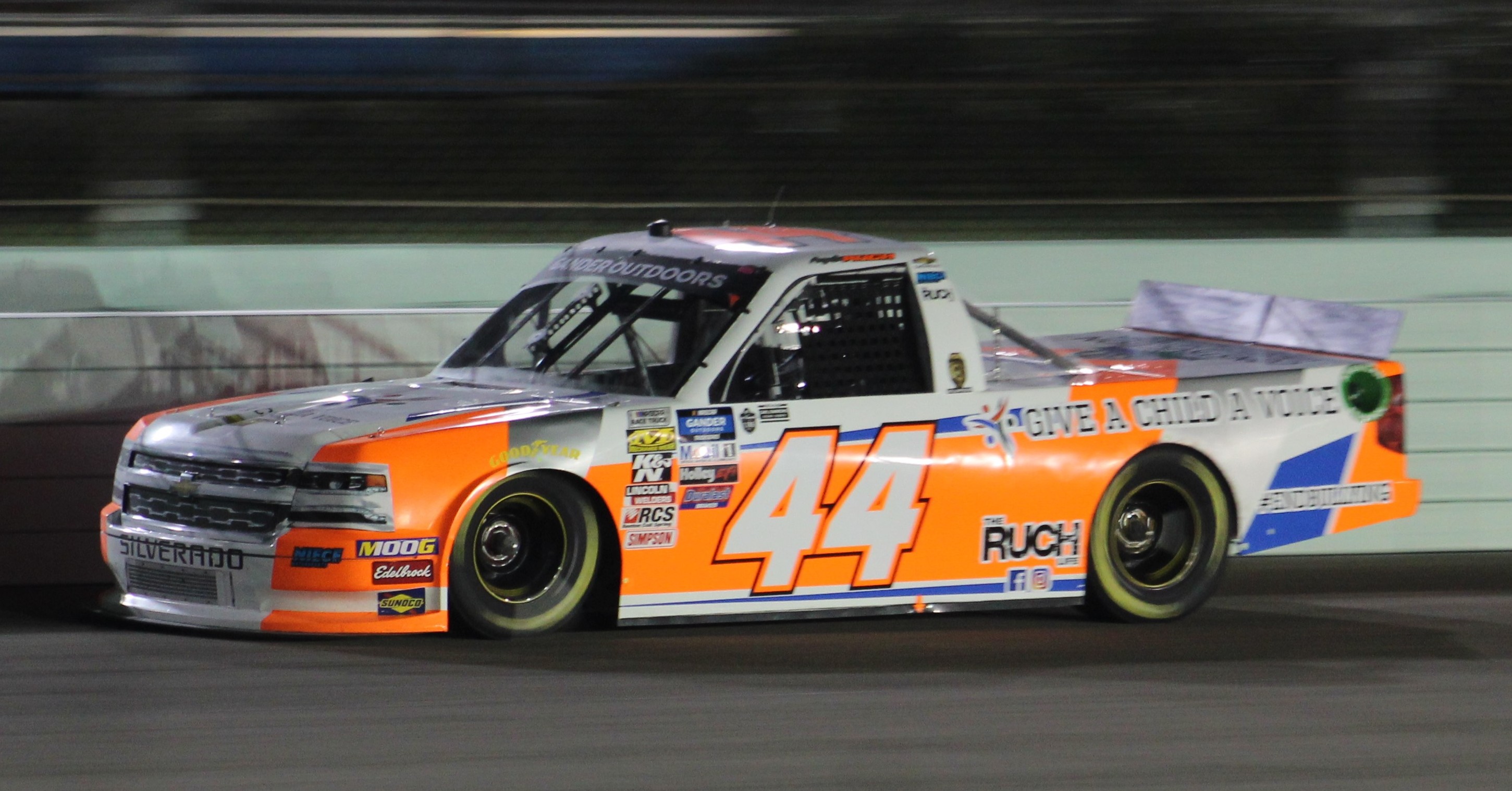
Chevrolet Silverado
"The plant manufactures axle components for the Chevrolet Colorado GMC Canyon and heavy-beauty Silverado and Sierra pickups."
The Chevrolet Silverado is a full-size pickup truck. The podcast mentions it because axle parts for these trucks are made at the plant that’s facing a labor walkout.
The Chevrolet Silverado is a full-size pickup line from General Motors. The segment ties it to production risk because axle components for Silverado are made at the supplier plant in Three Rivers, Michigan.

GMC Sierra
"The plant manufactures axle components for the Chevrolet Colorado GMC Canyon and heavy-beauty Silverado and Sierra pickups."
The GMC Sierra is a full-size pickup truck. Here it’s mentioned because the axle parts for it come from the same supplier plant that’s currently disrupted.
The GMC Sierra is GMC’s full-size pickup line within General Motors. It’s referenced because the supplier plant manufactures axle components that can affect Sierra production if labor negotiations stall.

Ram
"Ram posted a 20% sales gain in Q1 while Ford dealt with its own truck supply constraints from supplier plant buyers."
Ram is a truck brand. The podcast is saying Ram is doing well in sales, and supply problems at other brands can help Ram attract more buyers.
Ram is the truck brand within Stellantis, best known for its lineup of pickups. The segment mentions Ram’s sales gain and CEO strategy because supply disruptions at GM can create an opening for Ram to win truck buyers.
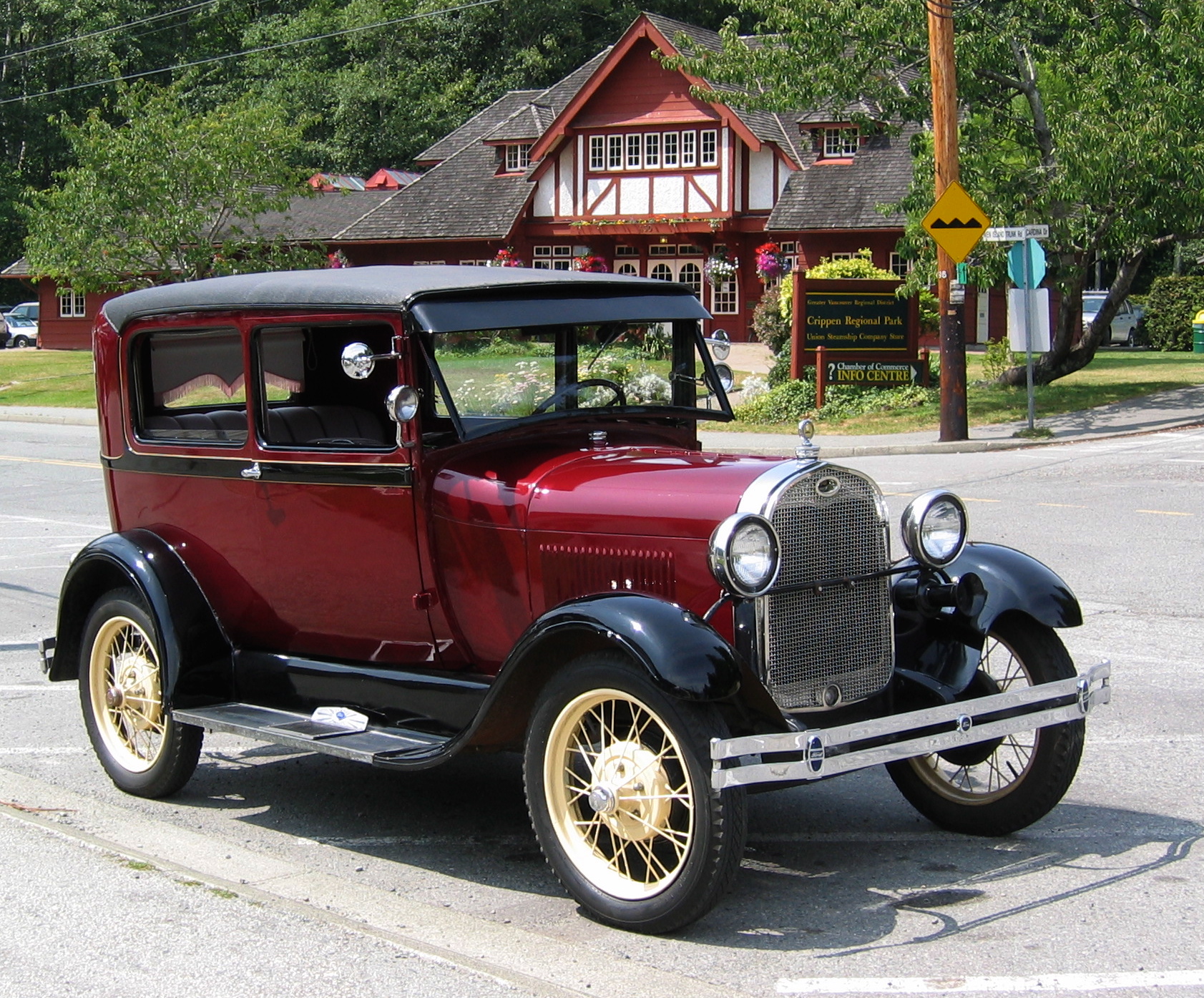
Ford
"Ram posted a 20% sales gain in Q1 while Ford dealt with its own truck supply constraints from supplier plant buyers."
Ford is a car company that makes trucks. The segment mentions Ford because its truck supply was also constrained by supplier problems.
Ford is a major automaker whose truck production can be affected by supplier constraints. Here it’s mentioned alongside Ram to show how different brands are dealing with supply-chain timing issues.
inventory gap
"Ram's CEO has been openly looking for ways to capture more truck buyers, and a GM inventory gap, even a temporary one, gives rivals a window."
An inventory gap means there aren’t enough vehicles available to sell right now. If one brand runs short, shoppers may buy from competing brands instead.
An inventory gap is a shortfall between how many vehicles (or key parts) are available and how many are needed to meet demand. In this context, a GM inventory gap—especially if temporary—can shift sales toward rivals like Ram and Ford.
CDGR
"They renamed it CDGR and bringing the Michelacca-based group to 24 stores across five states."
CDGR is the new shortened name for that dealership after it was rebranded. It still represents the same set of brands the store sells.
CDGR is the shortened dealership name used after Victory Clyde Chrysler Dodge Jeep Ram was renamed. It’s a branding shorthand that signals the store’s Chrysler/Dodge/Jeep/Ram franchise identity.
Ferrari of Denver
"And Jason Patak of Woodhouse Auto Family closed on Ferrari of Denver, props to him in that acquisition, from Lithia Motors on May 28th."
Ferrari of Denver is a dealership that sells and supports Ferrari cars in the Denver area. The podcast is talking about a dealership acquisition and what happens to the store name.
Ferrari of Denver is a Ferrari-branded dealership location. The segment notes it was acquired from Lithia Motors, which is relevant to how dealership ownership and local service/sales channels shift for the Ferrari brand.
Lithia Motors
"And Jason Patak of Woodhouse Auto Family closed on Ferrari of Denver, props to him in that acquisition, from Lithia Motors on May 28th."
Lithia Motors is a company that owns dealerships. Here, it’s mentioned because it sold a dealership location (Ferrari of Denver) to another dealer group.
Lithia Motors is a dealership company that owns and operates many stores across the U.S. In this segment, it’s the seller in a dealership acquisition involving Ferrari of Denver.
Jason Patak
"And Jason Patak of Woodhouse Auto Family closed on Ferrari of Denver, props to him in that acquisition, from Lithia Motors on May 28th."
Jason Patak is the person credited with completing a dealership purchase. The episode is tracking dealership ownership changes, so his name matters.
Jason Patak is identified as the person completing a dealership acquisition (Ferrari of Denver). In dealership-focused episodes, named buyers are useful because they signal who is expanding store footprints and brand presence.
Monaco
"[817.4s] once he gets back from Monaco, says, [819.4s] Hey, Sam, I'm in Monaco for the annual F1 Grand Pre-Race Rally [822.7s] with a ton of dealer principles."
Monaco is a famous place in Europe known for luxury and for hosting major motorsport events like Formula 1.
Monaco is a principality on the French Riviera and a major motorsport destination. The episode references an F1 Grand Pre-Race Rally there, tying the dealer audience to Formula 1 culture.
warranty reimbursement
"[831.5s] The issue with tech is payouts for hours from warranty companies. [835.8s] Do you give any advice as you're going through this training, Joshua, [840.3s] on warranty reimbursement, labor reimbursement?"
When a car is fixed under warranty, the shop has to do the work first. Warranty reimbursement is how the shop later gets paid back for that warranty repair.
Warranty reimbursement is how a dealer gets paid back for work performed under a manufacturer’s warranty. It typically covers the approved labor time and parts costs, but the exact payout can vary by contract and by location.
labor reimbursement
"[835.8s] Do you give any advice as you're going through this training, Joshua, [840.3s] on warranty reimbursement, labor reimbursement? [843.7s] And Igor, I would say you're correct,"
Labor reimbursement is what the shop gets paid for the technician’s time. If the paperwork or time allowance doesn’t match what the repair actually took, the shop may not get fully covered.
Labor reimbursement is the payment for technician time spent on a warranty (or other approved) repair. Dealers are usually reimbursed based on a standardized labor time guide, so disputes often come down to whether the job is being paid at the correct hours.
NADA
"[843.7s] And Igor, I would say you're correct, [845.2s] but I would actually say that very state by state. [847.9s] The NADA has done a great job of creating reimbursement rates [851.6s] state by state across the country,"
NADA is a dealer industry group in the U.S. Here, they’re mentioned as helping set up reimbursement rates that can differ from state to state.
NADA refers to the National Automobile Dealers Association, an industry group that represents franchised car dealers in the U.S. In this context, it’s credited with helping create standardized reimbursement rates by state, which affects how dealers get paid for warranty work.
OEM
"[851.6s] state by state across the country, [853.4s] and OEM labor reimbursements very wildly. [858.2s] But there's a lot of protections in the individual states"
OEM means the original car maker—the company that built the vehicle. In warranty talk, it usually refers to the brand’s rules for how repairs get paid.
OEM stands for original equipment manufacturer—the company that built the vehicle and supplies the warranty program. In dealer discussions, “OEM” is often used to distinguish manufacturer-approved reimbursement rules from other payment sources.
Ford It Model
"...inspect what we expect versus a set it and forget it model that most dealerships start to implement"
service bay
"...give them an incentive to come in and experience the service bay, come in for a oil change."
A “service bay” is the shop area where the dealership works on cars. The idea is to get customers in for service so they’re more likely to come back.
A “service bay” is the garage/work area inside a dealership where technicians perform maintenance and repairs. The hosts are describing using a service visit (like an oil change) to improve customer retention and future business.
oil change
"...give them an incentive to come in and experience the service bay, come in for a oil change."
An oil change is when a shop replaces the old engine oil with new oil. It helps keep the engine running smoothly, and it’s also a common reason people visit a dealership for service.
An oil change is routine maintenance where the engine oil is drained and replaced with fresh oil, often along with an oil filter. It’s a key service visit that dealerships use to keep customers coming back and to maintain vehicle health.
repeat purchase
"...it also increases the repeat purchase of those folks that went out of cycle, bought somewhere else, but then they're coming back to the dealer."
“Repeat purchase” means the customer comes back to buy again. In this case, it’s about people returning to the dealer after they previously went somewhere else.
“Repeat purchase” refers to customers buying again after an initial transaction—here, returning to the dealer for service after going elsewhere. Dealerships track this because it’s a major driver of long-term profitability.
price sensitive
"...appreciate your perspective on how customers are becoming more price sensitive."
“Price sensitive” means people care a lot about the cost and deals. If they’re price sensitive, they may switch dealers if another place offers a better price.
Being “price sensitive” means customers are more likely to choose based on price and discounts rather than brand loyalty or service experience. The segment ties this to dealership competition and the need for follow-up and incentives.
FTC
"So a couple months ago, the FTC sent out a letter to 97 dealer groups across the country ...that might be flagged to the FTC"
The FTC is a U.S. government agency that helps protect consumers from unfair or misleading business practices. In this segment, it’s being mentioned because the FTC sent a letter about dealership advertising and pricing behavior.
The FTC (Federal Trade Commission) is a U.S. federal agency that enforces consumer-protection and advertising rules. Here, it’s referenced in connection with alleged dealer-group practices involving advertised price and related conduct.
defection
"In your date on defection, are you seeing a shift over the past 60, 90 days that kind of takes in that letter ...we are bringing to market a capability to survey those defectors three days after they purchase at a competitive dealership, asking them about the reasons for loss."
“Defection” here means a customer didn’t end up buying at the dealership you’re talking about—they bought somewhere else. The discussion is about why that happens and what dealers can learn from it.
In dealership talk, “defection” means a customer leaves one dealership and buys elsewhere. The hosts discuss how dealers can lose sales due to issues like pricing tactics or poor customer treatment, and how those reasons can be surveyed after purchase.
bait and switch
"Amongst the things that we see when it is price related, we've even seen some things like bait and switch, or those things that might be flagged to the FTC"
“Bait and switch” means a dealership advertises a great deal to get you interested, but then tries to move you to a different deal that costs more. The host says this is the kind of behavior that could be flagged by regulators.
“Bait and switch” is a deceptive sales practice where a seller advertises an attractive price or offer (“bait”) but then steers the buyer to a different, usually more expensive outcome (“switch”). In this segment, it’s mentioned as a pricing-related issue that could trigger FTC scrutiny and hurt dealership trust.
loss leader
"Let the dealer take that 1K loss leader if they're going to do that [2140.9s] to try to put a month together at the end of the month."
A “loss leader” is a deal where the dealer may not make money right away. The hope is that it brings the customer in, and then the dealer makes money later through other work—like service.
A “loss leader” is an offer priced so the dealer expects to lose money on it in the short term to attract customers. The segment suggests using a loss leader strategically to help “put a month together,” then ultimately retain the customer through ongoing service.
Eric Damont
"So Eric Damont, executive director, dealer solutions and growth at Urban Science. [2150.9s] Thanks so much for joining the show to discuss all things defection."
Eric Damont is the guest in this part of the show. He works with dealer-focused solutions and is here to talk about how dealerships can keep or regain customers.
Eric Damont is identified as an executive director for dealer solutions and growth at Urban Science. He’s the guest being brought in to discuss dealership “defection” and how dealers can win customers back.
Urban Science
"So Eric Damont, executive director, dealer solutions and growth at Urban Science. [2150.9s] Thanks so much for joining the show to discuss all things defection."
Urban Science is a company that helps car dealers with data and technology. The guest is talking about dealer strategies using that kind of support.
Urban Science is a company that provides data and technology solutions for automotive retail operations. In this segment, it’s referenced through an executive role focused on dealer solutions and growth.
Starlink
"So Eager, if you got a bunch of dealers, you're on a boat, [2185.5s] you can fire up that Starlink and join the show live Friday."
Starlink is satellite-based internet. They’re mentioning it so someone can livestream or join the show even while away from normal internet access.
Starlink is a satellite internet service. The host mentions it as a practical way to get reliable connectivity to join the show while traveling (e.g., on a boat).
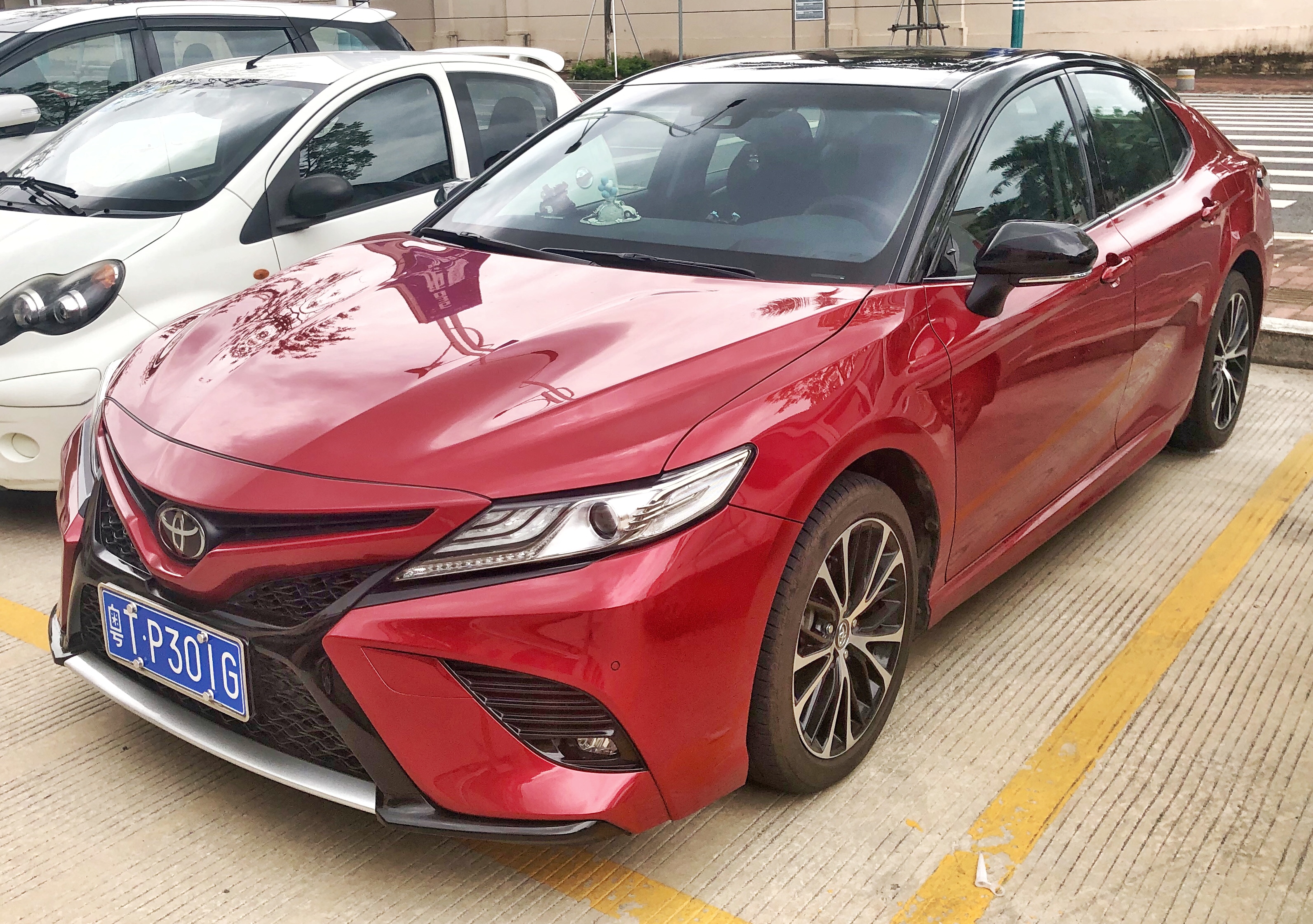
Toyota Camry
"...ok $20,000, $30,000 losses to get into this cheap Camry with good gas mileage. We haven't seen that this ..."
The Toyota Camry is a regular-sized family car (a sedan). It’s known for getting good gas mileage, which is why people look for it when they want to spend less on fuel. The podcast brings it up while talking about the cost of finding a Camry that’s both affordable and efficient.
The Toyota Camry is a mid-size sedan that’s widely known for efficient everyday driving and strong fuel economy. It’s frequently mentioned in pricing discussions because it can be a relatively affordable way to get into a reliable, gas-efficient car. In the podcast context, it’s used to illustrate how buyers may face significant price differences when shopping for a “cheap” Camry with good mileage.
buy center culture
"Last time you were on, you were six months into building out a buy center culture from scratch. Tell us where that sits today because getting that great used car, that's still job number one or two..."
A “buy center” is where a dealership focuses on getting used cars in stock. “Culture” here means how the team is organized and trained to buy cars consistently and efficiently.
A “buy center” is a dealership operation focused on acquiring used vehicles (often via trade-ins, purchases, and sourcing). “Buy center culture” refers to the internal process and mindset that prioritizes consistent buying and conversion of those acquisitions into inventory.
inventory cliff
"And we're seeing what I would describe as like an inventory cliff right now in automotive. We have fewer leasing happening."
An “inventory cliff” means there are suddenly fewer cars available for dealers to sell. In this case, it’s tied to fewer leased cars coming back and people keeping their cars longer.
An “inventory cliff” describes a sharp reduction in available vehicle inventory—here, specifically fewer used cars available to dealers. It’s often driven by upstream changes like lower leasing volumes and longer vehicle retention by owners.
leasing
"We have fewer leasing happening. I think in 2019, we were seeing about 32% of new vehicles were leased. And now that number is down to 23%..."
Leasing is like renting a car for a few years with monthly payments. When fewer people lease, fewer cars are returned later, so there can be fewer used cars available to buy and sell.
Leasing is a financing structure where you pay to use a vehicle for a set term, then typically return it (or buy it at a pre-set price). When leasing drops, fewer vehicles come back to the market later, which can tighten used-car supply.
SAR dip
"Now you have a situation where four years ago, 2022, we saw the SAR dip is lowest 14 million. It's starting to rise again. But that's a huge drop in available used cars right now."
“SAR” is a dealer-industry number that tracks something about how many cars are available and how sales are moving. The point here is that it bottomed out around 2022 and is improving, but the earlier shortage still hurts used-car availability.
“SAR” is an industry shorthand often used in dealer reporting for a sales/availability metric related to used-car supply (the exact definition can vary by source). The speaker is saying that the SAR metric hit a low point around 2022 and is now rising again, but the earlier drop still left a large used-car shortage.
holding onto cars longer than ever
"But that's a huge drop in available used cars right now. And to boot, which it's a good thing for service, we have people holding onto cars longer than ever."
It means people are keeping their cars for more years instead of switching sooner. That can reduce the number of used cars dealerships get from trade-ins and returns.
“Holding onto cars longer” means owners are keeping their vehicles for more years before replacing them. That reduces the flow of trade-ins and lease returns, which can worsen used-car inventory shortages even if demand stays steady.
transport
"He's buying around 15. But that's 15 unique cars that are not paying transport and are not paying auction fees and are giving me a little bit of life in my used car department"
Transport is the shipping or moving cost to get a car from where it was purchased to the dealership. Avoiding it means the dealership keeps more money on each car.
In used-car sourcing, “transport” refers to the cost and logistics of moving a vehicle from where it’s bought (or where it’s located) to the dealership. The speaker says the cars coming through the buy center avoid transport costs, which improves the used department’s economics.
auction fees
"But that's 15 unique cars that are not paying transport and are not paying auction fees and are giving me a little bit of life in my used car department"
Auction fees are the extra charges you pay when you buy cars through an auction. The speaker is saying the buy center helps avoid those extra costs.
“Auction fees” are the charges a buyer pays to participate in and purchase vehicles at an auction (separate from the bid price). The speaker contrasts buy-center sourcing with auction sourcing by saying these cars aren’t incurring auction fees, improving used inventory profitability.
reliance on auctions
"Has it allowed you to reduce your reliance on auctions? Have you bought less vehicles at auctions?"
If a dealer relies on auctions, they’re mostly buying cars through auction houses. The question here is whether the buy center lets them buy more cars another way instead.
“Reliance on auctions” describes a dealership’s dependence on auction channels for acquiring used inventory. The host asks whether the buy center has reduced that dependence, which would typically mean more predictable sourcing and potentially lower acquisition costs.
105 days supply
"You flagged forward at 105 days supply. Give us your take on OEM winning in first half of 2026."
“Days supply” is a way to estimate how long the cars sitting on lots will last. If it’s high, there are more cars than the market is buying right now; if it’s low, cars may sell out faster.
“Days supply” is an inventory metric that estimates how many days the current stock will last at the current sales pace. In dealer and OEM discussions, a higher days-supply number can mean slower sales or excess inventory, while a lower number can mean tighter availability.
Stellantis
"As it relates to supply, I don't know how Stellantis is doing on a day supply standpoint. I know Ford is doing okay still."
Stellantis is a big car company that makes multiple brands. Here, they’re being discussed in terms of whether they’re getting enough cars to dealers and how that affects deals.
Stellantis is a major automaker formed from the merger of Fiat Chrysler Automobiles and PSA Group. In this segment, the host discusses Stellantis’ supply situation and how dealer buy-sell activity is responding to inventory availability.

Ford F150
"I know Ford is doing okay still. F-150 is an issue, but that's mostly because we are not building enough of them right now."
The Ford F-150 is a very popular pickup truck. The host is saying the issue is that there aren’t enough of them being produced, so dealers can’t get as many as customers want.
The Ford F-150 is Ford’s best-selling pickup, and it’s being singled out here as a supply problem. The host’s point is that the truck is constrained not because of demand, but because Ford isn’t building enough of them right now.
Carvana
"We've just talked about Carvana, what they're doing at some of these Stellantis stores, and amazing."
Carvana is a company that sells cars, often through an online-first shopping experience. In this segment, it’s mentioned as part of what’s happening at certain dealer locations and how deals are changing.
Carvana is an online used-car retailer that also operates physical vending-lot style stores. Here, the host references Carvana’s actions at some Stellantis stores as an example of how dealer inventory and pricing momentum can improve when supply tightens and then eases.
multipliers
"So, I'm feeling good about Stellantis. Stellantis is on the upswing in terms of multipliers."
“Multipliers” here is a shorthand for how strongly the market is responding to inventory—basically how much demand and pricing strength you’re seeing. The host is saying Stellantis is getting better on that measure.
In dealer/OEM inventory talk, “multipliers” typically refers to a pricing or sales-rate factor used to describe how inventory levels translate into demand and deal strength. The host uses it to say Stellantis is improving in terms of how strongly cars are moving and being priced relative to supply.
Nissan Infinity
"Stellantis is on the upswing in terms of multipliers. I also think Nissan Infinity. You see people that got great deals on those brands and they're riding the wave up, we hope."
This seems to be talking about Nissan and Infiniti (Nissan’s luxury brand). The host is saying people who got good deals earlier are now seeing things get better.
The transcript appears to reference Nissan and Infiniti together; Infiniti is Nissan’s luxury brand. The host’s point is that shoppers who found “great deals” on those brands are now benefiting as the market improves.
Request an Explanation
Heard something you'd like explained? We'll add it to this episode.
Sign in to request explanations for terms you heard.
Want to learn more?
Browse our glossary for plain-English explanations of automotive terms, jargon, and concepts.
Help improve this episode
See something that's not quite right? Our annotations are AI-generated and can sometimes miss the mark. Click the flag icon on any annotation to suggest a correction.