Annual reviews are a policy approach where trade terms are reassessed year-by-year rather than being fixed for a long period. For automakers, this can add uncertainty to long-range planning for factories, sourcing, and vehicle production volumes.
Guanajuato is a region in Mexico where Toyota builds vehicles. The host is using it as an example of how production locations affect jobs and trade across North America.
Tariffs are extra taxes on imported products. If cars or parts cost more because of tariffs, companies often build them closer to where they’ll be sold.
A free trade partner is a country with trade arrangements that reduce barriers like tariffs. The segment contrasts that relationship with the new tariff approach, implying it changes the economics of where automakers produce and ship vehicles.
Toyota is the car company in the story. They’re changing where they build cars so they can keep making money, especially when trade rules and tariffs change.
“Maxed out” means the factories are already running at full capacity. So Toyota can’t easily make more vehicles without adding new production space.
Term
small compact pickup
This means a smaller, more compact type of pickup truck. The host is saying Toyota wants to make this kind of truck, but their factories can’t add more output right now.
SOP stands for “Start of Production.” It’s the target time when a new factory actually begins making cars, and the host is saying it won’t happen until 2030.
A tariff bill is the total cost of import taxes. If a company brings vehicles or parts into the U.S. from other countries, tariffs can make that more expensive—so building in the U.S. can reduce the bill.
USMCA is a trade agreement between the U.S., Mexico, and Canada. It helps determine what tariffs or trade rules apply to things like car parts and vehicles moving between those countries.
SAR means “seasonally adjusted rate.” It’s a sales number adjusted to account for seasonal patterns, so you can compare one month to another more fairly.
Cox Automotive is a company that follows car-market data. Here they’re being cited because they estimate how many cars will be sold over the full year.
A hybrid is a car that uses two kinds of power: a gas engine and an electric motor. Because it can rely on electricity sometimes, it usually costs less to drive than a regular gas-only car.
An affordability crisis means cars (and the payments to buy them) have gotten too expensive for a lot of people. Even if people are still buying, it can feel harder to justify or manage the cost.
Average transaction prices are the typical prices people actually pay when they buy cars. It helps show whether buyers are paying more or less over time.
Negative equity means your car is worth less than what you still owe on it. If you try to switch cars, that shortfall can follow you into the next loan.
Certified pre-owned programs are a way automakers sell used cars that have been checked and come with extra coverage. They rely on enough people turning in cars (like lease returns) to keep the supply steady.
Lease returns are the cars that people hand back when their lease is up. If fewer cars come back, there are fewer used cars available for sale, which can keep prices higher.
MSRP is the official price on the car’s window sticker that the manufacturer sets. When MSRP is high, it usually means fewer discounts and higher out-the-door costs for buyers.
Lean inventories means there aren’t many cars sitting at dealerships. When there’s less supply, prices tend to stay higher and discounts are harder to find.
The Toyota RAV4 is a very popular compact SUV. The point here is that when there aren’t many cars available, even a normally strong seller can’t move as many units.
The Ford F-150 is a very popular full-size pickup truck. If dealerships don’t have enough inventory, buyers can’t buy them easily, so sales can slow down.
Concept
oil and gas prices
Oil and gas prices are basically the cost of fuel and energy. When those prices jump around, it can make people less willing to buy cars because their future fuel costs feel less predictable.
Concept
macroeconomic
Macroeconomic just means the overall economy. If the economy is shaky or expensive to borrow money, fewer people buy cars or they buy later.
Concept
microeconomics
Microeconomics means the smaller, industry-level stuff—like how expensive it is to build cars and how much demand there is for them. That can affect whether the market grows or shrinks.
Contraction means things are getting smaller—like fewer cars being sold or built. It usually signals a weaker market and more cautious planning by automakers.
GM Energy is a part of General Motors that works on energy technology. Here, they’re talking about tools that help the electric grid handle demand more reliably.
Grid stability means the electric system stays “steady” and reliable. When lots of new loads like EV charging come online, the grid needs smarter balancing so power stays consistent.
Grid reliability is how consistently the power system delivers electricity without failures or interruptions. Improving reliability often involves better forecasting, faster control systems, and flexible resources like batteries that can respond quickly.
EV battery recycling means taking old EV batteries and reusing their valuable materials. That can reduce waste and make it easier to build new batteries without relying as much on new mining.
A tariff is a government tax on imported products. If it’s 25%, that usually makes imported cars or parts cost more, which can affect where companies build and how much they charge.
Unifor is a union in Canada that represents workers in industries like auto manufacturing. The discussion is about what the union wants companies to do—especially when tariffs and plant locations are involved.
Brampton is a city in Ontario, Canada. The host is naming it as one of the places with auto plants that may be sitting idle, which matters for jobs and future factory investment.
Place
Cammie
“Cammie” sounds like it’s referring to Cambridge in Ontario, Canada. The host is listing Ontario locations where car factories may be sitting idle, which affects jobs and future plans.
Ingersoll is a town in Ontario, Canada. It’s mentioned as another location tied to auto production, where idle plants can create uncertainty about future investment.
Unused production capacity means factories and production lines that could be making cars, but currently aren’t. When that happens, it can make it harder for companies to plan investments and keep costs under control.
Turnkey solutions are “ready-to-go” setups. The supplier handles most of the work so the factory can start producing cars again faster, instead of the buyer having to figure everything out from scratch.
BYD is a big car company from China, especially known for electric cars and batteries. The host is mentioning it as an example of a company that could move into an idle plant and start building cars.
LIVE
Welcome to this Weekend Drive edition of Daily Drive for the second week in July,
2026. I'm Jake Nier in Detroit in for Kellan Walker.
It was another big week for the auto industry. Toyota made a multi-billion-dollar commitment
to American manufacturing. The auto market finished the first half on steadier footing than most people
expected, and the U.S. passed on locking in a long-term USMCA deal, choosing annual reviews instead,
which could be a problem for an industry that plans a decade out.
Joining me to talk about all of it are two of automotive news best. Larry Velikwet covers
Toyota, Mazda, and Subaru for us. Larry Legend, welcome back.
Jake, it is wonderful to be here.
Of course it is. Now, Michael Martinez is also here. He covers Ford and the
UAW. Mike, great to have you with us. Thanks, Jake. I appreciate what you said,
but if we're the best, we might be in trouble. Two of. Two of the best. You are among many.
We are two of the best who are both hired on the same day, five years apart.
I did not know. Oh, yes, I did. Yes.
All right. Larry, let's start with the news of the week. You brought us this story.
Toyota's board approved a $3.6 billion expansion of the San Antonio truck plant this week.
That's more than double what they originally described. I know you and I talked a little bit
about this on the show already this week on Daily Drive, but walk us through
what Toyota is actually doing here. What they're doing is they're going to move
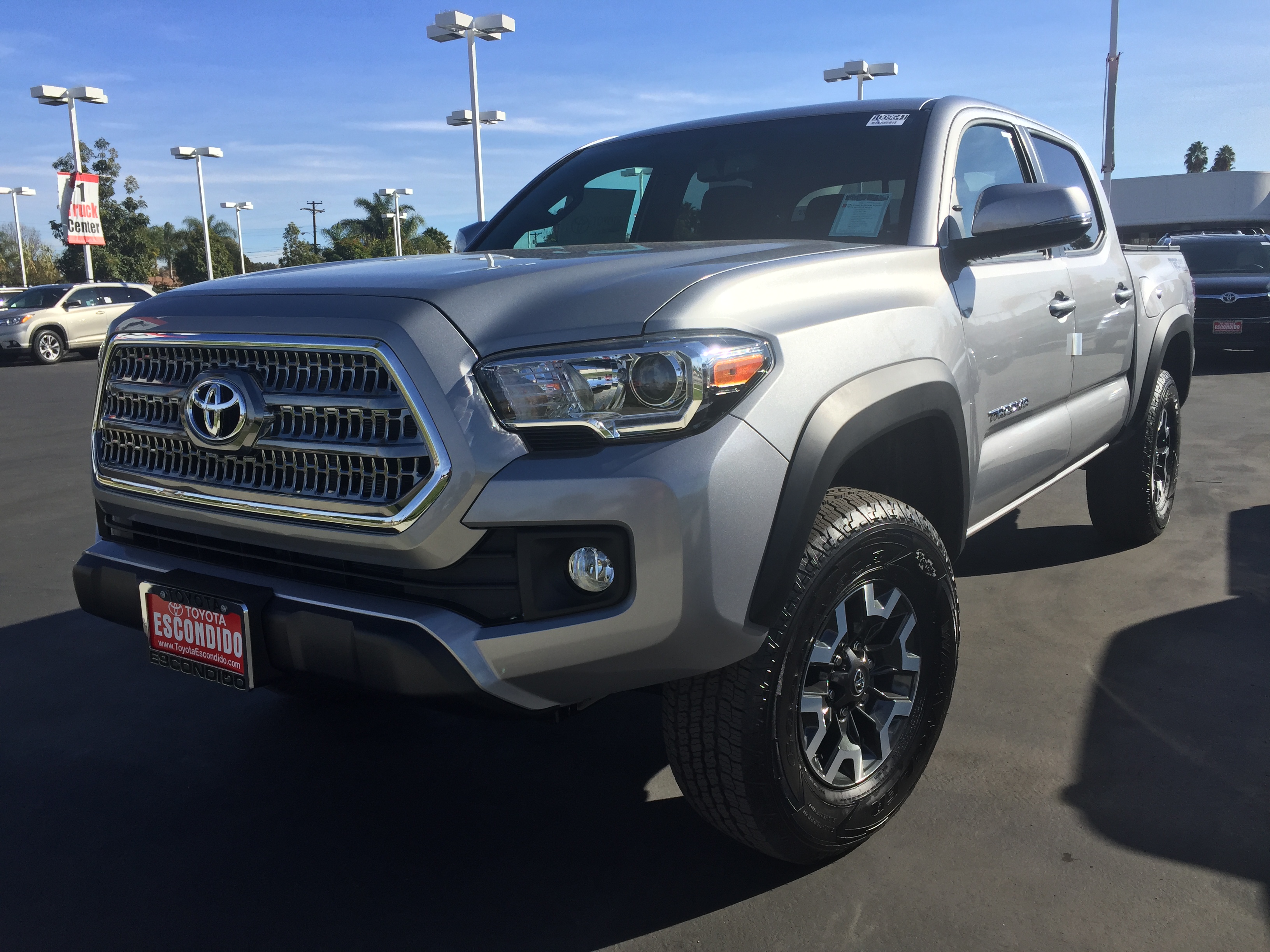
150,000 Tacomas that are currently built in Mexico back to the US for US consumption here,
for sale here. That is going to start in 2030. They're spending what they identified this week,
and as the board approved it in Japan, it's $3.6 billion for this project.
A very large project that's going to open up a plant in Mexico, which continues to have a free
trade agreements with the rest of the world. We don't know what's going to happen there in 2030
at that plant in Baja, California. There will still be Tacomas built in Mexico at the new plant
that they finished in 2021 in Guanajuato, which is near Baja. That will continue,
but we are getting more US productions, 2,000 jobs for that complex down there that
it's going to now be among the largest plants in North America.
I know that there's a lot of, is this the right word, freaking out in Mexico right now
about what this is all going to mean for their auto industry? It's a huge part of their economy
in Mexico. Any word, what are you hearing about that and what this means for North American trade?
Well, what it means, long story short, extortion works. You slap a bunch of tariffs on
a former free trade partner and a bunch of really, really regressive tariffs that cost
billions of dollars for automakers. Yeah, they're going to move. They're going to decide,
they got to make money. Toyota didn't do that last year, as we described. They didn't do it
here in North America, despite having their fourth best year ever because of those tariffs.
So they're making moves to try and address that, but we should note though, as we described,
we talked about the clues that this plant was coming, that they were thinking about expanding
their manufacturing footprint back like six months ago. And it's not just because of tariffs.
They are maxed out. out not only in North America, but globally.
Their production is maxed out. They don't have room to build what they want to build
like a small compact pickup to fight other small compact pickups who we no longer name here.
And we always come back to the small pickups every week. It's like the bingo card. It should be
it is a salute. But anyway, so they don't have the capacity. This is going to address that,
at least in some form. But again, takes a long time to stand up an auto plant.
First SOP is not until 2030. Now, Mike, Toyota moving production into San Antonio,
that's great for Texas. But for the Detroit three here in Michigan,
does this put more pressure on them to make similar commitments? Are they playing a completely
different game here than Toyota? Short answer is no, it doesn't put any more pressure on them.
And you take a look at the three and there's different reasons for that. Ford, no pressure
because they've already done this, right? They've been building here. So this isn't new to them.
They're telling everybody else, thanks for coming aboard and doing what we're doing. GM
also builds a lot here, could build more. They've made that announcement last year. They invested
billions of dollars said they would invest billions to
reshor some production from Mexico and other countries. So I don't know that this puts any
more pressure on them to make moves, but it could put more pressure on them in the truck segment
that we've talked about the past few months. Very competitive. You have more and more
automakers hopping in and looking at that midsize and compact space. So for Toyota to be able to
bring Tacoma here, lower that tariff bill. Remember, they paid, what was it, Larry,
$8.6 billion in tariffs. That's a tremendous amount of money.
That was last year and that's what their anticipated goal is, Bill is going to be in this year.
So the pressure ramps up from a competitive standpoint once they start to build these
trucks here and can make more money building them and selling them here. And it also gets
Trump off Toyota's back. You've seen how he's tweeted and truthed, I guess, about them and
talked about them in such congratulatory terms, even though he fudges the reality. They're not
moving all production here. They're still going to build some in Mexico. And as Larry alluded to,
that's strategically smart for Toyota because they can still have free trade with the rest of the
world and lower their tariff bill in the United States. So very smart from their standpoint.
I don't know that it will force the Detroit three to make a different move that they were
otherwise planning or hadn't already done, but it will ramp up the competition in an already
competitive segment. Well, guys, we're going to talk a little bit more about trade later in the
show. We'll talk about USMCA and what's going on there. That's a really interesting aspect of
all this. But first, Mike, I wanted to talk a little bit about the market. And we've been
checking in quite a bit now that we're more than halfway through the year. But
Cox Automotive is projecting a full year SAR of around $15.8 million. June came in at $16.1
million. It was a pretty resilient first half, given all the higher gas prices, the conflict in
the Middle East, the tariff uncertainty. What's holding the market up right now?
In short, hybrids are having a tremendous year. People are rushing out to buy them,
the automakers that did well in the second quarter. In June, in the first half,
all have plenty of hybrids, like Toyota, like Honda, like Hyundai. And quite frankly, they're
the answer to all this economic uncertainty. Vehicles are getting more expensive. Gas is
getting more expensive. In the short term, if you can go out and get a vehicle with a hybrid
powertrain, you're not going to be spending as much at the pump. Consumers like that,
they're still nervous about going full EV. So you see a real bright spot in the hybrid space.
But as you mentioned, Jake, it's still tough. We've talked about the market's resilience,
and it's commendable that it's doing as well as it is. But it was still down 2.7% for the first
half. Just all these factors in terms of uncertainty don't point to growth. They point to market
contraction, which is what Cox and a bunch of other forecasters are expecting. So we can expect
to see further shrinkage in the market through the back half of the year.
So Larry, interesting perspective on this from Cox Automotives, Erin Keating, this week on the
show, she was on the Friday episode of Daily Drive, made the case that the affordability crisis,
one of those things making it feel like the market shouldn't be so resilient,
she says that that's actually more nuanced than the headline suggests. The cheapest new model in
America right now is around $22,000. Average transaction prices have basically kept pace
with inflation over a decade. And yet the market feels unaffordable for a lot of people. What is
your read on that disconnect? And do you agree that maybe the headlines are rushing a little bit
to put affordability crisis everywhere that we can? No, I actually think there is a crisis
in affordability. And I think the reason that we're not seeing it in the sales numbers
is a leftover from COVID. You have a number of people who are still dealing with negative
equity from COVID. And we have, as we talked about back in September of 24, we have just
lopped off of the new vehicle market, probably 2 million consumers who were there five years ago,
who are just priced out. It's not even a concern anymore, not even a possibility.
Many automakers right now, their certified pre-owned programs are turning records even
though there aren't that many lease returns coming back in. We're still on the bottom end of that
trough of having lease returns coming back to dealers to satisfy certified programs.
But I think that what we're doing, we've knocked 2 million people out of the market
so that the SAR is not, we're never going to see an 18, again, not with pricing like this.
I think what's happening is affordability is just lopping people off, but it's staying consistent
because those people are already gone. The folks that are already gone, so who's buying
new vehicles are people who can still afford it. And we'll keep driving up prices because
tariffs and inflation and everything else, we're eventually going to see that shrink too.
So Mike, then there's also the second half concern. Cox has the full year at 15.8 million.
That would actually be a step down from where the first half pace would project.
What are the headwinds that make people nervous about the back half of the year?
You can sort of lump it all together just in the phrase economic uncertainty,
right? But when you drill into that, there's a lot going on both inside the auto industry and
outside. Inside, I'd say obviously you have the continued dwindling of pure EV demand. You have
the record high MSRP prices we've talked about recently. You have lean inventories,
and Cox has said that's the reason why if you go out shopping now or in the next few months,
you're not going to find the summer deals that you normally find around this time of year. Just
a lot of folks don't have the inventory, and we've talked about how it's affecting some really key
models like the RAV4, like the F-150 that would otherwise be selling even better
than they are now. You have all that, and then when you take a step outside the auto industry,
consumer confidence is still on pretty shaky ground because of things like the Iran war,
which isn't ending anytime soon, or we thought it ended maybe for the 10th time, and that
fell apart yet again, but it's just-
Shrodingers war.
Exactly. It's a great encapsulation of all this uncertainty because we don't know
when oil and gas prices are going to come down. They'll dip for a few days and then suddenly shoot
back up, so that may drive buyers away for the foreseeable future. If that all changes,
we may end up with a stronger full year forecast, but there's just so much uncertainty right now.
Like I said earlier, all the factors, macroeconomic, microeconomics specific to the industry outside
of it, all of them are pointing to contraction. It doesn't seem like we're going to grow like
we did last year.
I guess we'll see if there are other factors out there in the second half of the year that
keep the buoyancy of the market going. Coming up, speaking of the foreseeable future,
are we really going to go through the USMCA song and dance every year for the next-
How many years? We'll talk about that next on Weekend Drive.
Grid demand today is unprecedented, and this week on Shift, we're digging into how GM Energy
is building new technology to meet that demand. GM Energy Chief Revenue Officer Asim Kapoor
talks about the technology the General Motors subsidiary is piloting to improve grid stability.
In the future, the energy companies would be able to draw energy from or power from the batteries
to be able to balance the grid, and that can be very significant in terms of improving
grid stability and reliability going forward. Kapoor also talks about GM Energy's partnership
with Redwood and how EV Battery Recycling can help make battery materials more sustainable.
Join us for Shift, available this Sunday wherever you get your podcasts.
Welcome back to Weekend Drive. I'm Jake Nier and for Callin' Walker.
All right. I'm here with Mike Martinez and Larry Velquette as always, guys. We spent a lot of time
this week on trade Toyota moving Tacoma production out of Mexico like we talked about,
USMCA falling short of a long-term annual review. The US opted instead for annual reviews
through 2036. For an industry making decade-long investment decisions,
that's not a small thing. We've all been following all of the twists and turns of leading up to this
renegotiation this year. Now it looks like we're going to go through it over and again.
Larry, do you think this is going to be the new normal going forward? If so, what does it mean
for automakers, suppliers, and dealers? God, I hope not. I know, right?
There is a standard in this industry that you can give it anything to do, give it any goal,
but you have to give it two things. Time to make the adjustment and the ability to
work with other folks, if that's the case. What does this do? This destroys both.
If there's no consistency, this industry, which turns at best like a battleship,
it just cannot steer. If you don't know from one year to the next what your supply chain is going
to look like, and if you're a supplier, what you can count on and what you can't,
that's really problematic. Now the upside is that if this agreement goes through 2036,
this administration is not going to go through any longer than 2028, right? So it's not,
at any point, any subsequent administration can change this policy.
And if people are upset because they can no longer plan, they'll probably adjust their
behavior according. I would just say real quick here, Jake, I wonder if this is more of a
negotiating tactic than what the final result will be. And if things basically stay the same,
it's just that every year they have the potential to change. Yeah, every point Larry says right,
but it does at least add a little more certainty because what the automakers have been telling us
is that this year is slightly better than last year from a tariff standpoint because
they've baked those costs in. For the most part, they're in place now and they know what's coming.
So they can find some change under the couch cushions and find savings elsewhere or move
vehicle production back in order to find some savings, but they at least know what they're
dealing with. So if the tariff levels remain the same and it's just that the trade agreement's up
for review, at least gives these guys something to work with to know that, hey, if I don't change
my supply chain, if I don't change my sourcing, here's what it's going to cost me. I'm not saying
it's ideal, it's not great at all, but at least compared to last year when there was no idea and
those numbers were fluctuating on a day-to-day basis, maybe that's the silver lining we can
look for because at the end of the day, what's not changing is the fact that we have really
integrated auto industries with both Mexico and Canada, the supplier parks, the assembly plant,
structures in all three countries aren't just going to change overnight. So it's going to be
there and as Larry said, maybe we'll have even more certainty two or three years from now.
Yeah, the other good news, Jake, is that manufacturers and consumers, they don't pay
tariffs, only countries do that export. Oh, wait, that's the other reality, never mind.
A little sarcasm there from Larry. A little sarcasm just to make sure your sarcasm meter is working
today. Well, Mike, there's also an interesting union angle here too, you cover the UAW,
USMCA uncertainty lands hardest on the Detroit three in a lot of ways because of how integrated
their production footprints are across all three of these countries. It's been that way for such a
long time. This is also happening right as Unifor is trying to negotiate new collective bargaining
agreements and the UAW has its own contracts coming up. How do you negotiate when nobody knows
what the trade environment looks like? It's tough, obviously from the manufacturer standpoint,
from the union standpoint, they want what they want and that's not changing. But yeah, I feel
sorry for Unifor having to negotiate now. It is their own fault. They set the length of the
contracts and four years ago, that's what they picked. But yeah, I don't know how you can win
a lot of investment to Canada in this environment right now. They have a lot of factors working
against them. You look at the UAW, Sean Payne extended that contract from the usual four-year
cycle so they're not up until May day 2028. So they could have a little more leverage by then.
There could be a little more certainty by then. But yeah, from a manufacturer standpoint,
you're not going to be quick to put down investment dollars in any country that's not the United
States right now, certainly. Both of these sets of negotiations will be tough because
you can still make the argument they're making very good money in spite of everything that's
happening economically. But then the automakers will argue that if they do have to give more or
invest more in either country for either union, that those thin margins will get even thinner.
So good luck to whoever on the bargaining teams there. Yeah, we should remember too that there's
a 25% tariff coming out of Canada for everything that's coming out of Canada
and as long as well as everything coming out of Mexico.
Yeah, but also at the same time, what what Unifor is going to want is that, okay,
well, don't worry about the tariffs, just build more here and sell here or whatever you build.
But the companies aren't going to want to make that extra investment right now.
Well, and also there are empty plants sitting idle right now in Canada. It seems like they're
stacking up Larry. You got Brampton, Cammie, Ingersoll. It seems like not only does this
put their future in question, but also like, you know, how do you invest when you get,
you know, obviously depends on the company, but there's a bunch of unused production capacity
going on. Yeah, you know, what's really interesting, right, is Canada's move with was a couple months
ago to invite in the Chinese on a very limited basis. But if you're Mark Carney and you see those
plants empty and you'd like to see them used and Canada or China is saying, Oh, yeah, yeah,
we'll take those. And the US automakers are doing everything possible to make sure that
that the Chinese don't get access to the US market. That's not a bad defensive play to keep those
plants, you know, to give those pants new product, just to keep them out of the hands of the Chinese.
Because if it's their turnkey, their turnkey solutions, if you're, you know, BYD or or a
Chinese automaker to say, Oh, yeah, we'll build a plant there, or we'll take this plant, we'll
put all those folks back to work, we'll pay them exactly what they were making. And they'll make
cars here that we're going to sell cheaper, you know, across North America. That's going to be
that that'll get really interesting. And you think they're eyeing that actively right now?
Wouldn't you be? Well, sure. But I mean, this, of course, it's just, you know, as we said, these
are negotiating tactics, right? And to you negotiate with at least two people. So if you
bring in, you know, there's that old Arabic proverb, the enemy of my enemy is my friend.
And you can use China to leverage to leverage actions from the United States.
Why wouldn't you? Guys, 2026 is, you know, it's not a boring year. I'll say that that's for sure.
I really appreciate all of your insights today. Thank you so much to both of you. And, you know,
Cal is back next week. So you'll have the regular lineup back for the next couple of weeks at least.
Gentlemen, enjoy your weekend. Mike, Larry, thanks again. Have a great vacation, Jake. Oh,
thank you. Yes, get a little, little R&R. That's all for this weekend drive edition of Daily Drive.
You can get the latest news on Toyota's US manufacturing push, USMCA trade negotiations,
and everything happening in the auto industry at AutoNews.com.
We'll be back on Monday with a brand new full episode of the show. And we'd love to hear from
you. Send us an email at dailydrive at autonews.com or leave us a voicemail at 313-444-2774.
And if you enjoy the show, remember to like, leave a review, and subscribe so you never miss an episode.
About this episode
Toyota’s board greenlit a $3.6B expansion of its San Antonio truck plant, aiming to shift 150,000 Tacomas from Mexico to the U.S. for sales starting in 2030. The discussion frames it as both a response to tariff pressure and a capacity problem—Toyota is maxed out globally, so reshoring helps protect margins even though some production stays in Mexico. The hosts also assess a resilient 2026 market: hybrids are driving demand, while affordability issues persist beneath steady sales. Headwinds for the back half include lean inventories, fading EV momentum, high MSRPs, and macro uncertainty.
Larry Vellequette and Michael Martinez break down Toyota’s $3.6 billion San Antonio expansion and what it signals for U.S. manufacturing strategy. Plus, the auto market has held up better than expected through the first half, but headwinds are building.