
Stalantis
This is the automaker the host is talking about—Stellantis. They’re a big company that sells cars worldwide, and the episode is discussing how many cars they shipped and where that growth happened.
operating margins
Operating margin is a measure of how profitable a company is from its main business. Higher operating margin usually means the company is spending less (or earning more) for each dollar of sales.
Volkswagen Group
Volkswagen Group is the big company that owns several car brands. In this segment, they’re described as simplifying their product lineup to make more money.
Asim Kapoor
Asim Kapoor is the GM Energy executive who’s interviewed in this episode. He talks about the future of electric-car charging and how EVs may be used for more than just driving.
inventory concerns
Inventory concerns means there’s a worry that dealerships or the company might have more cars than they can sell soon. That can lead to discounts or slower sales.
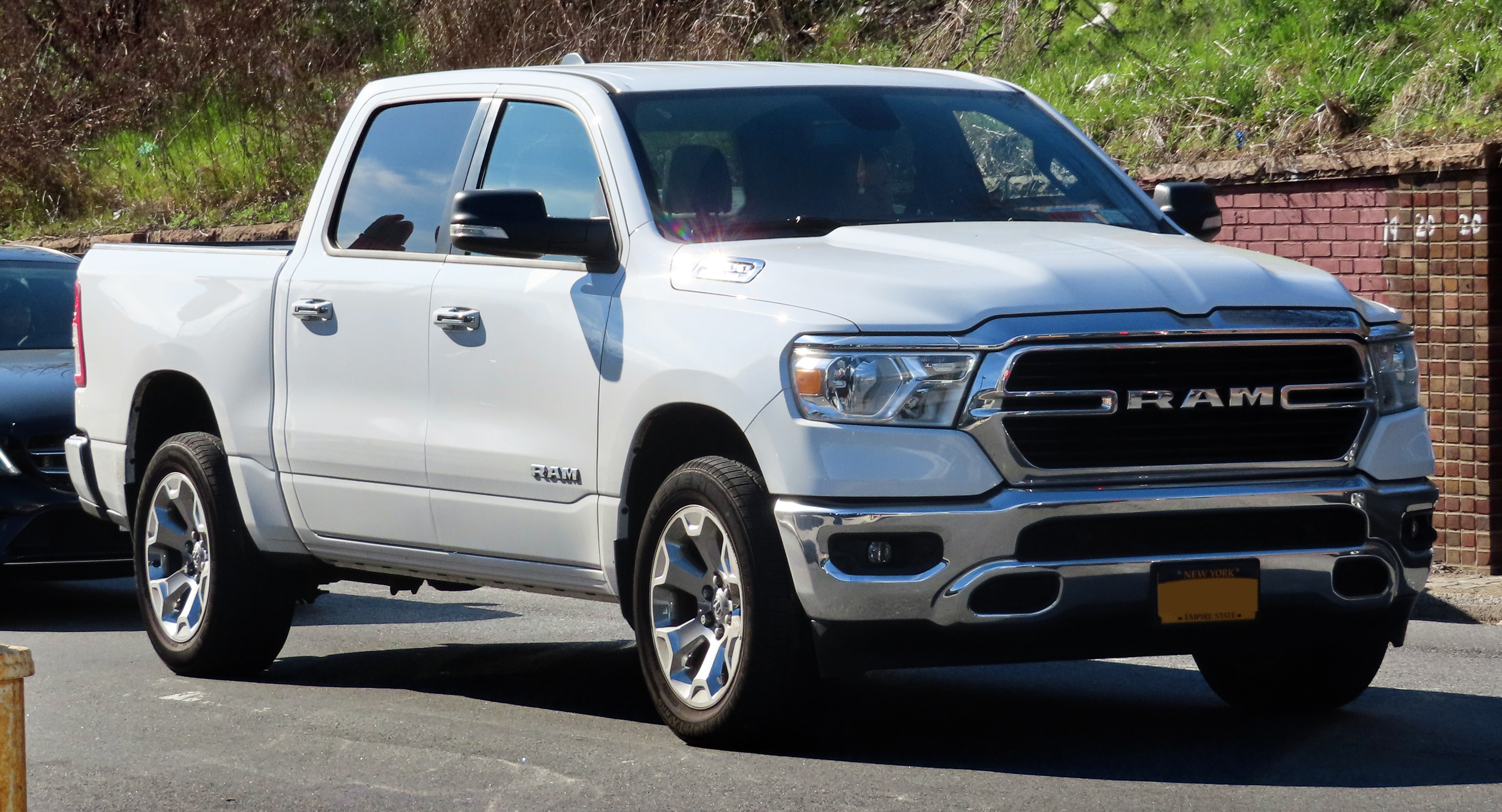
Ram 1500 pickup
The Ram 1500 is a popular full-size pickup. The host is saying it’s getting back a Hemi V8 engine, which is a big deal for buyers who want stronger, traditional V8 power.

Dodge Ram
The Dodge Ram is a line of pickup trucks, and the Ram 1500 is the most common model. A “Hemi V8” is a bigger engine option that can provide more power for tasks like towing and highway driving. The podcast is mentioning that this truck was updated with that engine again.
Hemi V8 engine
A Hemi V8 is a type of V8 engine design. The “Hemi” name comes from the shape of the combustion chamber inside the engine, and it’s often associated with strong power.

Dodge Charger
The Dodge Charger is a well-known Dodge performance car. The host is saying the newer generation is being delivered in larger numbers, helping sales.

Jeep Cherokee
The Jeep Cherokee is an SUV model from Jeep. The host is saying they’re starting to deliver the newer generation in higher numbers, which can boost sales.
auto industry confidence index
This is a survey that gauges how confident people in the auto business feel about the near future. In this episode, it’s used to summarize sentiment across different parts of the industry.
trade tensions
Trade tensions are disagreements between countries that can make it harder or more expensive to move goods across borders. For cars, that can affect costs and prices.
product complexity
Product complexity means how many different versions of vehicles and options a company has to manage. Fewer versions can make it cheaper and easier to build and support cars.
Oliver Bloom
Oliver Bloom is the CEO mentioned here. The host says he’s pushing changes at Volkswagen to make the company more profitable.
GM Energy
GM Energy is a GM company that helps EV drivers charge their cars. They also work on smarter charging ideas that connect the car to the electric grid.
grid demand
Grid demand is how much electricity the electric system needs. When lots of EVs charge, that demand can rise and change the timing of when power is needed.
sustainable battery loop
A sustainable battery loop is the idea of using batteries more than once—either by reusing them in other roles or recycling them so materials can come back into new batteries. It’s meant to be better for the environment and supply chain.
public charging
Public charging is charging your EV at stations that are open to the public. It’s different from plugging in at home because you rely on where the stations are and whether they’re working when you arrive.
Charge Point
ChargePoint is a company that provides public EV charging stations. They’re included here because they help expand where drivers can charge.
Pilot Flying J
Pilot Flying J is a big chain of travel stops in the U.S. They’re mentioned here because they help host EV chargers in public places.
EVGO
EVgo is a company that runs public EV charging stations. The host is listing it as one of the charging partners helping more people access chargers.
bidirectional charging
Most EV charging only moves electricity one way: from the charger into the car. Bi-directional charging lets the car also send electricity back out—like a backup battery for your home or the power grid.
vehicle to grid
Vehicle to grid means your EV can talk to the electric grid and share electricity back when needed. Think of it as your car helping the power system, not just being charged by it.
rising energy demand
Rising energy demand just means people and businesses are using more electricity over time. The idea is that if demand keeps growing, the power system needs better ways to deliver electricity reliably.
electrification
Electrification means switching to electricity for things that used to run on other fuels. In this discussion, it’s why EVs and electric buildings can increase how much power the grid must supply.
utilities
Utilities are the electric companies that deliver power to your home. They’re working with EV systems so the grid can get help when demand is high or conditions are changing.
blackout
A blackout is when the power goes out for an area. They’re saying some regions are more likely to experience that, which makes backup power options more appealing.
grid congestion
Grid congestion means the power lines and system are getting “jammed” and can’t send enough electricity to certain areas. When that happens, utilities may need extra help beyond just building more infrastructure.
flexible resources
Flexible resources are things that can change how they use or provide electricity depending on what the grid needs. EVs can help by supplying power when demand is high or supply is tight.
vehicle to home
Vehicle to home means your electric car can act like a backup power source for your house. If the power goes out, the car’s battery can run some of your home’s electricity needs.
aging infrastructure
Aging infrastructure means the power grid equipment is old. Older equipment is more likely to fail, which can lead to more outages—so people look for backup power.
resilience from climate change
Resilience from climate change means being prepared for extreme weather that can knock out power. The host is saying EV backup power is part of how people can stay powered during events like storms or fires.
energy independence
Energy independence means relying less on the utility grid by making and storing your own energy. Here, it’s why people with solar also want ways to store that energy, including using an EV.
solar energy
Solar energy is electricity made from sunlight, usually using panels on your property. People use it so they can have power even when the grid is unreliable—if they also have a way to store it.
home energy management system
A home energy management system is a control setup that helps your home decide how to use electricity. It can coordinate solar, batteries, and EV charging so you get the most useful power, especially during outages.
power bank product
Here, a power bank product means a home battery that stores electricity. Instead of using solar power immediately, you can save it and use it later, like when the grid goes down.
bi-directional systems
Bi-directional charging means the EV charger can do more than just charge the car. It can also send power out from the car’s battery to your home or other systems.
gasoline generator
A gasoline generator is a machine that makes electricity by burning gasoline. The question is whether an EV backup power setup can handle outages as well as that kind of generator.
kilowatt hours
Kilowatt-hours are a way to measure how much energy a battery can store. More kWh usually means you can use it for a longer time.
stationary system
A stationary system is a fixed energy storage setup installed at a home or facility, separate from the EV. Because it’s not limited by the car’s daily driving needs, it can provide flexible capacity for backup and energy management.
reliability metrics
Reliability metrics are the rules utilities use to judge how quickly they get power back after outages. They often have targets like restoring power to most customers within a set number of days.
leasing program
A leasing program means you pay to use the equipment instead of buying it all at once. That can make home energy storage more affordable upfront.
DTE
DTE is an energy company mentioned as a partner. The point is that utilities can help customers get incentives for EV charging and backup-power tech.
PG&E
PG&E is an electric utility. In this story, they’re working with GM so customers can get discounts for installing equipment that can help during outages.
planned outages
Planned outages are power shutoffs that the utility schedules ahead of time. They’re often done for safety, and that’s why backup power matters.
power the grid
Powering the grid means using EV batteries as extra electricity storage for the utility. Instead of wasting energy, the system can send it back when the grid needs help.
grid stability and reliability
This means the power system can keep electricity flowing consistently. The idea is that EV batteries can help the utility prevent outages and keep service dependable.
energy storage
Energy storage means saving electricity so it can be used later. Here, it’s connected to using EV batteries (and related systems) to help during outages or grid stress.
Redwood Energy
Redwood Energy is a company working on energy storage. The host connects it to using EV batteries in smarter ways so they can do more than just power the car.
circularity
Circularity is about getting more use out of things instead of throwing them away. Here it means using EV batteries for more than just driving, so they can help in other ways too.
EV
EV means electric vehicle. It’s a car that runs on electricity, and this discussion is about what happens to the battery after it’s no longer ideal for driving.
propulsion use
Propulsion use is the battery doing its main job: powering the car to move. The point here is that batteries often still have life left after they’re no longer great for driving.
battery recycling
Battery recycling is the process of recovering usable materials from spent EV batteries. The goal is to reduce waste and reintroduce valuable components back into new battery supply chains.
rare earth materials
Rare earth materials are special metals that are hard to find and are used in some batteries. Recycling can recover them so new batteries don’t have to rely only on mining.
circular loop
A circular loop means the battery’s value is kept going through multiple steps instead of being thrown away. In this case: drive with it, use it for the grid later, then recycle it.
second use
Second use means using an EV battery again after it’s worn out for driving. Instead of scrapping it, you can use it for things like storing energy for the power grid.
grid applications
Grid applications are ways energy storage is used to help the electric power system. Here, the host is saying used EV batteries can be used to help the grid work better.