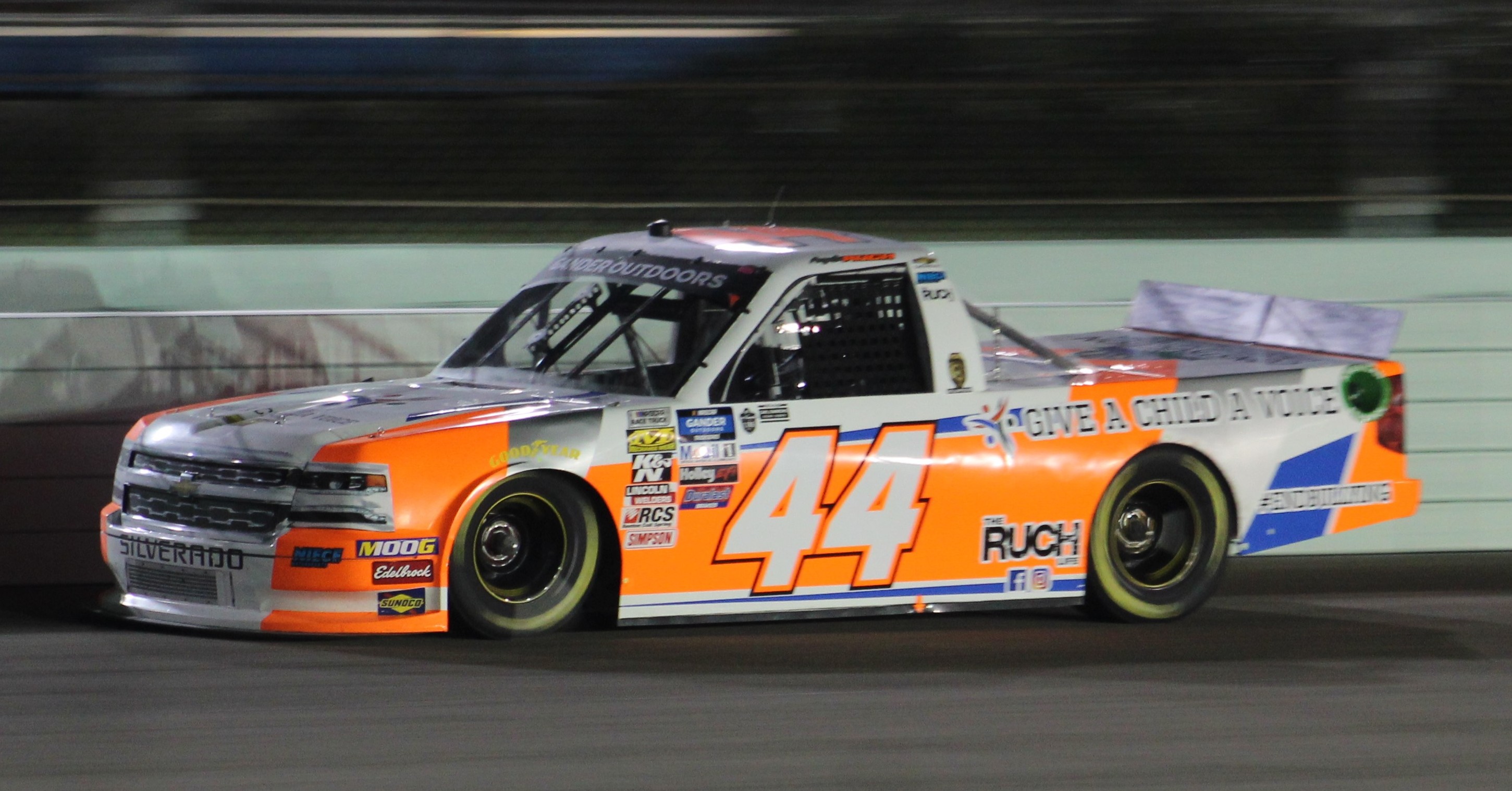
The Chevrolet Silverado is a large pickup truck. People use it for hauling, towing, and everyday tasks, and it’s also important to the company that makes it because it sells in high numbers. That’s why it often shows up in discussions about profits and sales.
The GMC Sierra EV is a full-size pickup truck that runs on electricity instead of gasoline. It’s designed for the same kind of truck use—like carrying and towing—but with an electric power system. It comes up in news because it represents the shift toward electric trucks.
Import tariffs are taxes on products that come into a country from other countries. For cars, that can make parts and vehicles more expensive, which can ripple into pricing and production decisions.
Negative equity means your car is worth less than what you still owe on the loan. When you trade it in, that leftover debt often gets added to your next loan, making the new payments bigger.
An “upside-down” car is one where you owe more money than the car is worth. That can make trading it in harder because you may still owe money even after the trade.
A trade-in is when you give your current car to the dealer to help pay for the next one. If you still owe too much on the old car, that debt can carry over into the new loan.
Counter-tariffs are tariffs a country adds back after another country starts charging tariffs. It’s basically retaliation, and it can make trading cars and parts across the border more expensive.
Term
Section 338 of the U.S. Tariff Act of 1930
Section 338 is a specific rule in an older U.S. tariff law that the government can use to justify new tariffs. The question is whether that legal basis will survive challenges, which affects whether the tariffs actually stick.
De-escalation means things cool down and become less tense. In this case, it’s about trade measures like tariffs being reduced so businesses can plan more confidently.
A digital retail solution is a set of online tools that helps a car dealer sell cars through websites and apps. The goal is to reach shoppers earlier and turn more online interest into sales.
Rout 1 Fusion is a computer program used by car dealerships. It’s meant to help them interact with shoppers online and improve lead capture.
LIVE
Route 1 Fusion connects trade and valuation, pre-qualification,
scheduling and protection products into one seamless experience.
Create a more connected buying journey. Visit route1.com
slash fusion to schedule your demo.
Welcome to Daily Drive for Tuesday, July 21st,
2026. I'm Kellan Walker in Las Vegas. Today on the show,
General Motors raised its guidance for the second time this year.
Why negative equity is becoming a problem for FNI managers
and Canada's counter-tariffs are costing the U.S. billions of dollars in exports.
Plus, automotive news reporter Mark Holmer
joins us to talk about how dealers are using TikTok to sell more cars.
Crucial moment was last year when TikTok launched a platform that was specific to dealerships
to allow them to run advertising.
Let's run through all the news you need to know to keep up in the auto industry.
General Motors net income fell by almost a third in its second quarter
after more electric vehicle write downs.
But the automaker raised its guidance for the second time this year
as sales and transaction prices continue to go up.
GM's North American profits surged by 43% from a year earlier.
Global adjusted earnings before interest and taxes rose 30% to almost $4 billion.
Globally, operating margins and revenue are both up.
Despite the operational gains, net income declined because the company took a $2.3
billion charge tied to its electric vehicle realignment.
Upcoming redesigns to two of GM's top-selling and most profitable vehicles,
the Chevrolet Silverado and GMC Sierra, should further boost profits, said CEO Mary Bara.
She also noted that the company plans to bring significant production
into the U.S. to reduce its exposure to President Donald Trump's import tariffs.
Consumers trading in upside-down vehicles are now financing record numbers of monthly payments
and interest costs, according to Edmund's Q2 Negative Equity Data Report.
Such financial challenges when buyers owe more than their vehicles are worth,
forcing increasingly difficult conversations between clients and dealership finance and
insurance managers. Edmund's found buyers trading in upside-down vehicles carried an
average debt of almost $7,000 on their previous loans, which is the highest second-quarter figure
on record. The trend reflects the aftermath of 2022 when inventory shortages and transactions at
or above sticker price pushed many consumers into larger loans.
Four years later, many of those buyers are returning to dealerships still carrying thousands
of dollars in debt from their previous purchase. The average underwater trade-in is now four years
old, another second-quarter record. U.S. President Donald Trump called Canada's counter-tariffs on
U.S.-made vehicles discriminatory and ordered 50% tariffs on an array of Canadian imports.
The executive order claims Canadian tariffs on U.S.-built vehicles have cost the American
auto sector billions of dollars in lost exports. However, the order does not acknowledge that
Trump began the U.S.-Canada trade war with 25% duties on Canadian vehicles in April 2025.
The latest set of U.S. tariffs are set to take effect August 19 to justify new tariffs Trump
cited discrimination under Section 338 of the U.S. Tariff Act of 1930. It remains to be seen
whether the rarely used provision will stand. And those are today's headlines. You can find
more details on all those stories at AutoNews.com. Joining me now to talk more about U.S.-Canada
trade tensions is Toronto Bureau Chief David Kennedy of Automotive News Canada. David,
welcome back to Daily Drive. Thanks for having me.
All right, David. So what impact could these new tariffs have on automakers and suppliers that
rely on the deeply integrated North American manufacturing network?
Well, the good news for the auto industry in this is that there's likely to be essentially no effect
to these 50% tariffs. You know, the target, there's a huge list of targets, targeted industries
and goods that the Trump administration has come out with for this. But auto isn't on it.
Despite using auto as a bit of a pretext to put them in place, surprisingly, you know, vehicles
and parts aren't going to see any added tariffs, which is good news for auto manufacturers. But at
the same time, you know, those 25% vehicle tariffs are still in place. So they're not going anywhere
with this. But there'll be no added, you know, pain when it comes to this.
Now, with both countries continuing to exchange tariffs, is there a realistic path toward
de-escalation? Or should the auto industry prepare for even more trade-related uncertainty?
Well, I think for this summer at least, I think the auto industry knows it's going to have to
buckle up and get ready for some rocky road ahead. But that said, longer term, I think there's also
some acknowledgement here that there probably is a path to de-escalation that would benefit
both the United States, Canada and Mexico. Working together to get the USMCA back on
track and free trade and auto is back on track is really what everybody in the auto industry
across North America wants. And I think this is becoming abundantly clear to the White House as
well. You know, it's tough to say exactly how we're going to get there and how long it's going to
take. But the reality is that is the way the industry is pushing. And there is, you know,
at least opportunity for all sides, you know, to come to terms on this and, you know, move forward
together as opposed to, you know, putting in tariffs that ultimately cost consumers in all
three of the countries. David Kennedy, Automotive News Canada, Toronto Bureau Chief.
Thank you so much for joining me. No problem. Coming up, automotive news reporter Mark Homer
discusses how dealerships are using TikTok to triple their sales. That's next on Daily Drive.
Rout 1 Fusion is a digital retail solution designed to help dealerships engage customers
earlier in the process and help you capture more opportunities from your online traffic.
Today's consumers expect a fast, connected experience with clarity from the start,
especially when it comes to payments, trade ins, and financing options. With Fusion, dealerships
can bring key parts of the buying process together, combining trade and valuation,
pre-qualification, appointment scheduling, and protection product presentations into one connected
experience. This allows customers to explore their options earlier, arrive better prepared,
and move through the process with a clearer understanding of what to expect. That leads
to more realistic expectations, more productive conversations, and a smoother transition from
online to in-store. With Fusion, you can customize your digital retail experience and create a more
connected buying journey for your customers. It's designed to support your team, reduce friction,
and create a more consistent experience from first click to final steps in the process.
The result? Higher quality leads, stronger interactions,
and a more efficient path to purchase. Ready to see it in action? Schedule your personalized
demo at rout1.com slash fusion. Welcome back to Daily Drive. I'm Kellan Walker.
TikTok has become a marketing tool for dealerships to show off their service and inventory.
For some dealers, it has doubled or tripled their sales. But other social media apps like
Instagram may still have their purpose too. Our own Jake Nier sat down with Automotive
News reporter Mark Holmer to talk about how dealers are integrating social media into their
business models. Mark Holmer, welcome back to Daily Drive. Thank you. It's a pleasure to be here.
All right. Fascinating story and interviews that you've been doing about TikTok in dealerships.
I'm curious if you could set the scene for us here. When did TikTok stop being something that
dealers were just sort of experimenting with and start becoming something that they're actually
integrating into their business? Well, it's been on their radar since it launched in around 2017.
But the crucial moment was last year when TikTok launched a platform that was specific
to dealerships to allow them to run advertising. So that set off an apparent explosion in interest.
And one of the more memorable interviews was you had your main story here features Russell
Richardson who literally tripled his own sales before he started doing coaching for other
dealers. What is it about TikTok specifically that makes it so effective for moving cars as
opposed to other social media sites like Instagram or Facebook? That's with an asterisk.
It's effective because it's complementary to the other ones. People on TikTok aren't necessarily
as much on Facebook or Instagram. And they're often younger. And so it's a unique audience
that they can just grab that's ripe for the taking. TikTok launched dealership specific
advertising tools in 2025. So obviously it is aware of this relationship. How does that sort of
formalize what's been a pretty organic and grassroots thing up to this point that dealers
were essentially just doing on their own or even employees were just doing on their own?
Well, because there are more resources for advertising that the marketing firms the dealerships
use to place ads and to fulfill their multimedia strategy. That makes this part of the equation
because you need every social media platform to maximize your audience. And so because it has
the tools that are needed, it's not quite an aphor thought, but it's just part of the routine.
And what do those tools look like? I'm curious. What is it that TikTok saw and was like, oh,
we can really help dealers specifically out with these features in the app?
It's to allow for basically advertising links and other functionality for
businesses. Got it. Okay. So what does that look like? Is that just sponsored ads that they can
get into? Or is it different ways of presenting the content? I think what it basically comes down to
is it allows to have a formal venue or a template on which they can place ads. It allows them to
make more money in terms of advertising fees. Got it. Okay. Mark, I think one of the more
interesting angles in your story to me is that dealerships are also using TikTok to hire technicians,
not just sell cars as a trend that we talk about all the time here on the show, the tech
shortage for dealerships and service drives. How significant is that, given how hard it's been
for dealers to staff their service base? It's a pleasant surprise because TikTok followers
link on to pages or channels of a dealership or a salesperson. So it attracts
obviously people interested in buying cars, but also like-minded people in the industry. So
it's another and creative way to reach potential employees. I mean, there's a shortage of technicians
and the dealership I spoke to for the story said that they basically don't have one anymore because
they've been able to hire people through TikTok. Wow. So clearly there are young technicians,
maybe not all young, but there are a lot of technicians out there, possible technicians,
and that's where they are. So they found a way to not go through the traditional routes, go
to the channels that they're already viewing and get that message that this could be an option for
you. Yeah, exactly. It's becoming, I mean, it's an increasingly important advertising channel,
but as a community link that's industry specific, it's also becoming more significant.
Yeah. So we're going to hear a couple of interviews that you did. I got the pleasure
of being able to listen in live on a couple of these, but what's interesting to me also is that
this isn't a universally accepted strategy, at least in terms of going all in. Not every
dealer is convinced that this is going to be a real boon for them. One marketing firm actually saw
its TikTok client count drop from 40 to 20. What's holding some dealers back? Is it the
platform's sort of political baggage, maybe the learning curve of getting into this platform,
or something else entirely? I think it's more about not, there isn't a single
platform that solves everything. And so in certain markets, TikTok is going to do better than others
where they can get more younger shoppers, younger fans, for example. So as they piece together
their multimedia strategy, for some, they'll need all of the social media platforms, but others
not necessarily. Now, the other downside here, maybe not downside, but a note that dealers
have to be aware of and employees as well, is that the FTC has its own thoughts and
enforcement mechanisms for advertising, and TikTok can fall into that. Obviously,
we've been talking about that a lot on the pages of Automotive News this year and on Daily Drive
that the FTC is cracking down. Where does that leave these TikTok videos?
Well, it's not necessarily a bad situation because it's important for dealerships to screen them
and to monitor them to make sure that anything advertising a satellite, for example, is current
and that the price accurately is reflected on TikTok is the same that's in the showroom.
And basically, truth in advertising, if they monitor these things, they're fine. If the
sale is done, take the video down. If you want to avoid some of these pitfalls, recommendations are
to just keep the videos broad and light and entertain, which is what many TikTok videos
already do. And there is a possible issue, though, with a lot of times maybe a salesperson
might not realize that they're essentially advertising for their company if they're just
showing a car on the lot and they really want to get some attention for the vehicles that
they're personally trying to sell, that sort of thing. Dealers need to be aware when that's
happening, correct? It comes down to a big umbrella for all of this is as exciting as TikTok
can be to both entertain and attract customers and attract employees. Dealerships need to remember
that training allows them to stay compliant with regulations. So sit down with your form
manager or with your sales team and go over the rules that FTC rules say this, this, and this.
That means these videos need to have this, this, and this. And so training is key here.
So for anyone in a dealership or any other industry insider that's thinking about this
issue, whether to get into it, any final thoughts on what you've learned through this journey of
reporting for this story? It goes back to Russ Flipp's whips. I love that moniker.
So good. He was one of the early auto dealership TikTok pioneers. And he did so well, as you
mentioned, that he's become a global trainer for dealerships in terms of how to use TikTok.
It's dive in. Don't be afraid. Try things. Be funny. Be yourself. Just don't stop trying
because you can always film it again. And also don't limit to just TikTok. Post a video posted
on TikTok reaches a lot of people, but post it on all your social media because you reach even
more customers and people that can learn about your brand.
You could find all of Mark Holmer's reporting on this and other stories related to
retail tech and all the interesting trends going on, including TikTok at autonews.com
and in the pages of Automotive News. Mark, wonderful reporting on this. Really excited to
hear more of your interviews throughout the week this week. Thanks again for joining us.
My pleasure.
That's Daily Drive for today. I'm Kellan Walker. Thanks to Clara Martinez,
as well as our own Nick Bunkley, Nancy Dunham, David Kennedy, and Mark Holmer for their reporting
for today's podcast. You can get the latest news on GM sales performance, negative equity on loans,
and everything happening in the auto industry at AutoNews.com. Come back tomorrow for an interview
with an automotive mentor who is coaching dealers on using social media to boost sales.
So I did something very unique. I kind of created a dealership within a dealership.
We'd love to hear from you. Let us know what you think of the show and the topics we cover today.
Send us an email at dailydrive at autonews.com or leave us a voicemail at 313-444-2774.
And if you enjoy the podcast, remember to like, leave a review, and subscribe so you never miss an episode.
About this episode
General Motors raised its guidance for the second time this year as Q2 profits surged, even as the company absorbed EV-related pressure including “the company took a $2.3 billion charge tied to its electric vehicle realignment.” The show then zooms in on consumer financing stress: “Consumers trading in upside-down vehicles are now financing record numbers of monthly payments and interest costs,” creating “negative equity” headaches for F&I managers. The hosts connect that backdrop to tariff uncertainty and highlight how dealers are using Fusion and TikTok—plus FTC compliance—to sell cars and recruit technicians.
General Motors raised its guidance for the second time this year as North American profits jumped 43 percent from a year ago, even though net income has fallen in the second quarter with more electric vehicle write-downs. Finance and insurance managers are concerned about the number of customers with negative equity, and Canada’s counter tariffs are costing the U.S. $5 billion in vehicle exports. Plus, Automotive News Reporter Mark Hollmer discusses how dealers are adding TikTok to their arsenal of social media marketing.