Ford’s F-Series is a line of big pickup trucks. The episode says problems getting aluminum sheet can slow down building F-Series trucks, which then affects sales and dealer inventory.
Novelis makes aluminum products. Here, the host says Novelis restarted a plant that produces aluminum sheet used in Ford truck bodies, which helps get truck production back on track.
Oswego, New York is where the aluminum plant is located. The episode connects that plant’s output to aluminum sheet used on Ford trucks, so if the plant is down, truck production can suffer.
BASF is a big chemical supplier. The episode says BASF provides materials that go into cars—like coatings and plastics—and that shortages of those inputs can slow down car production.
Catalysts are substances that help chemical reactions happen more effectively. The episode mentions them because shortages of certain industrial inputs can make it harder to produce car parts and materials.
Sulfur is a basic chemical input used to make other materials. The episode says the conflict is already causing shortages of sulfur, which can ripple into what factories can produce for cars.
Helium is a gas that some factories use for industrial processes. The episode says shortages of helium are part of the broader problem—when basic supplies run short, manufacturing can slow down.
Person
Marcus Kameet
Marcus Kameet is identified in the segment as the BASF CEO (or BASF executive) speaking to journalists in Frankfurt. His warning is that geopolitical conflict is already causing shortages of industrial inputs, which can affect how smoothly car assembly lines run.
General Motors is working on batteries not only for cars, but also for storing electricity on the power grid. The idea is to help the grid handle more electricity demand as it grows.
Sodium ion batteries are a type of rechargeable battery that uses sodium instead of lithium. In this context, they’re being considered for storing large amounts of electricity for the power grid.
Peak Energy is the company GM mentions as a partner in developing these battery systems. In this segment, they’re tied to building large-scale electricity storage.
Magna International is a company that supplies parts to carmakers. The CEO’s perspective matters because part of their business is tied to how many cars get built and how factories are planned worldwide.
USMCA is a trade agreement between the U.S., Mexico, and Canada. If it gets renegotiated, the rules for sourcing and building cars and parts can change, which can force companies to rethink factory locations.
The Ford Edge is a midsize SUV that’s designed for everyday driving, with room for passengers and cargo. It’s not a specialized off-road vehicle, but it’s meant to be practical and comfortable. It may be mentioned in EV news because the company’s plans and parts used across vehicles are changing as electrified cars become more common.
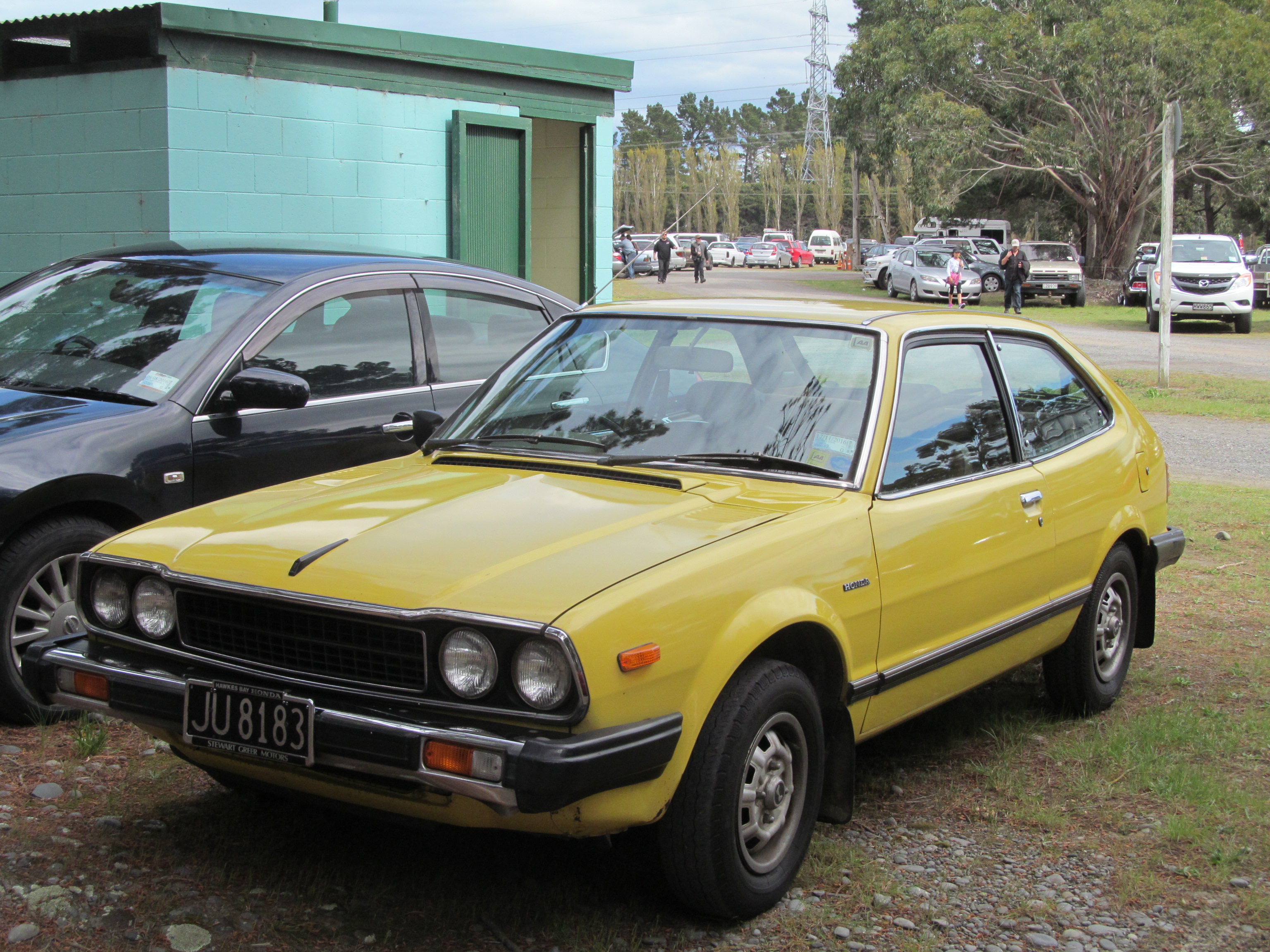
The Honda Accord is a regular passenger car (a sedan) meant for daily driving and family use. It’s designed to be comfortable and efficient, and Honda periodically updates it with changes to keep it competitive. It may be mentioned in the news when Honda talks about improving the car for current market conditions.
The Honda Passport is a midsize SUV, which is a taller vehicle than a sedan and usually offers more space. It’s made for people who want a bit more ruggedness and versatility for everyday trips. It’s often discussed when Honda updates it to better match what drivers want right now.
LIVE
Welcome to Daily Drive.
For Wednesday, June 10, 2026, I'm Kellan Walker in Las Vegas.
Today on the show, there's a light at the end of the tunnel for Ford's aluminum supply
problem.
A top supplier CEO warns that the war in Iran could bring car assembly lines to a halt
by the second half of this year.
NGM is making a play for the energy storage market, with AI data centers driving the opportunity.
Plus, Magna International CEO Swami Kodagiri joins the show to talk about navigating tariffs,
stranded EV capacity, and Chinese brands knocking on the door.
Not locking in on one outcome and overinducing is the big lesson you learn from this whole process.
Let's run through all the news you need to know to keep up in the auto industry.
Good news for Ford.
Aluminum supplier Novellis has restarted its plan in Oswego, New York.
That's the facility that makes the aluminum sheet that goes into the F-Series truck bodies.
Two fires knocked it offline last fall.
And the ripple effects have been brutal.
Ford took up to a $2 billion charge.
F-Series sales are down 15% year to date and lot inventory is still 16% below where it was a year ago.
Ford says supplies won't be back to normal until later this year.
Think about everything that goes into building a car.
The coatings, the plastics, the battery materials, the catalysts.
A lot of that comes from one company, BASF, and its CEO is worried.
Marcus Kameet told journalists in Frankfurt that the U.S.-Israeli conflict with Iran
is already causing shortages of basic inputs like sulfur and helium.
He warns that tightly run production lines like car assembly
could grind to a halt in the second half of this year.
And General Motors is pivoting its battery business toward the electrical grid,
developing sodium ion batteries with California-based peak energy for industrial-scale energy storage.
GM says electricity demand from AI data centers could triple by 2028,
straining grids and creating a new market for battery technology.
Magna International operates in 27 countries, generates roughly $5.5 billion in revenue
from China alone, and makes components that go into vehicles regardless of what's under the hood.
So when its CEO talks about the state of the industry, it's worth listening.
Swami Kodagiri sat down with Kurt Nagel of our sibling publication,
Cranes Detroit Business, to talk about what's really driving hesitation in capital deployment
right now, what Magna learned from the EV volume shortfall, how the company is navigating its
relationships with Chinese OEMs, and how it's preparing for whatever comes out of the USMCA
renegotiation. I'm here with Swami Kodagiri, CEO of Magna International. Swami, thanks for being here.
Good morning, Kurt. Thanks for having me. So sourcing rules, inflation, tariffs, incentives,
all of these various factors that are complicating manufacturing footprint decisions.
If you had to point to one that's the most challenging to account for, what would you say?
Uncertainty.
That kind of encompasses everything.
Absolutely, right? Because the reason why we are having this conversation and you bring it up is
the disruption that each of this thing has created, and the disruption is nothing that is
lasting, but it's having an impact on how you think about it today, and it causes hesitation
in deploying capital. So you take away uncertainty, that means you solve the problems and there is
nothing bubbling. So you talked a bit about making the manufacturing process more efficient,
and making the design process such that you simplify products. Would you say that's
the focus of a supplier now is not necessarily making the next cutting edge product, but
making the cutting edge way to make the product?
Unfortunately, Kurt, this is not anything new, right? Even when I was in school,
which is a long time ago, we learned something called simultaneous engineering.
So when you design a product, you should be aware of where it's going to be made,
what equipment is going to be used to make it, so that you can design for manufacturability,
right? And the engineering lingo that is learning the failure modes, what can go wrong,
put the right controls in place, and so on and so forth. So this is really manufacturing
and design working together. It's always been there, should be there for any good practice,
but it's become more relevant now because of the rate at which the design of the car and the use
of the car and the way the cars are manufactured is all changing at the same time because
technology is changing, consumer habits are changing, there is propulsion systems are
coming in, and so on and so forth. So it's just become a little bit more relevant,
but I think it was always an important thing.
So let's talk about something that, from my perspective, seems to have changed a little
bit, and that's the relationship between supplier and automaker, especially in light
of the EV volumes coming up short of expectations. Could you talk a bit about how that now informs
your decision with customers when you're quoting programs and such?
I think look, the EV is the example that you gave electrification was just a reaction to
the market signals, whether it's consumer demand, policy, whatever, or technology.
If you sit back and look at it, we always need to have that conversation which brings
a little bit of pragmatism to the table. So in other words, if the OEM and the suppliers
sit together as partners and say, this is what we are trying to make, this is what we're going to
invest together, and here is the possible implications if you don't hit the volumes.
So can we phase it in, or is the premium worth the market you're trying to capture?
So those are the discussions that we've had in the past, but now we have data to show that, hey,
if we had taken this path, we could have mitigated the impact.
Not locking in on one outcome and overindexing is the big lesson you learn from this whole
process. I still believe electrification is a secular trend, but it's just not moving at the
trajectory that everybody thought it would. So unlike, I mean, automakers don't promise
volumes. I don't think that that's changed or maybe it has, but what sort of, I guess,
protections can you put in place from a supplier perspective that maybe in the past automakers
wouldn't have agreed to? Yeah, maybe not as much protections, but call it a paint share
to bring a little bit more pragmatism into the thinking. I've talked about in the last couple
of years, when inflation came in and EV surge was happening and it withdrew or recalibrated itself,
we started talking about a few things. One, the labor economics are going to be reset when the
program is starting versus when you want the job, right? And the gap is two years sometimes. You win
the job two years after you launch it. So that's one example. The other one, we always have a
viewpoint on what we think the volume is going to be, right? Either based on historical data or just,
you know, what we believe. And that's a mutual discussion to have. In some cases,
we have asked the OEM to participate in the capital deployment, not just the supplier
putting in the capital. So there have been some instances where we have had that. The third one,
we call not volume protection, but banding. There is a band off. We think we're going to produce
100. If it's 80, it's 120, we'll find a way to go along with it. But if the, you know,
change is higher than that, then we'll have a discussion commercially, right? So some of these
things have helped, you know, constrained the problem a little bit better. And that's a lesson
learned. Got to talk about China. Obviously, that's the, if not the focal point, one of the central
topics in supplier conversations is growing your Chinese domestic business in China, obviously,
now in Europe, and now Canada. Yeah. In what ways is magna sizing up the opportunity
generally? And are you in talks with Chinese domestic OEs trying to enter and grow in Canada?
So like I said, I think about $5.5 billion of our total revenue is in China, coming from China.
And we have typically always focused on localizing production where there is demand and
meeting the policy requirements. And 65% of that total China business is with Chinese OEMs,
right? So we are in the Chinese ecosystem supplying them today as supplier partners.
And if you go back 20 years when the Europeans who we were producing for in Europe came to North
America, we came, you know, with them to start supplying for their assembly plants in North
America, what we're going to do with Chinese OEMs is no different, right? There is nothing
specific we're doing by country, we are in 27 different countries. So this is going to be no
different other than how we worked with OEMs before. So what can you say if you're in talks with
Chinese OEMs trying to grow and establish themselves in Canada? Not specific to Canada,
but as I told you, we have business in China with Chinese OEMs. So we are part of their ecosystem
and we'll have discussions on many programs, right? Not specific to a country. And I got to
ask one more question on that just because obviously it's a it's a competitive issue with
your major customers here in Detroit. How sensitive is that relationship that, you know,
Magna is forging with these new Chinese domestic entrants? And how do you balance that with your
legacy business, these competitive Detroit automakers? Honestly, we work with all customers
globally today, right? And this is no different because they are all mutual competitors to each
other. We have everything in place. And we highly respect the confidentiality that comes along with
producing parts. We've been in business for almost 70 years now. And that's that's something we take
very seriously. So I don't think this is any different. They know we've been working with
different OEMs all across the world. This is no different. On the topic of auto automation,
artificial intelligence and such, is that more driven, like in house by the supplier to try to
be more competitive in bidding these products? Or do you see a feel pressure from automakers
and customers saying, Hey, Magna, you need to, you know, implement this piece of automation or
what have you? No, I think it's most customers care for is quality in time delivery and being
competitive, right? To me, a lot of these tools are enablers of continuous improvement,
improvement in productivity, which ultimately results in, you know, being competitive and
therefore better for the consumers in terms of affordability. So it's more internally driven to
keep the advantage that we have and get that little bit of edge.
On the topic of EVs again, Magna is no different than other suppliers and some strannic capacity,
these big EV investments and now suppliers trying to fill out these plants that are not producing
parts in the way that, you know, was previously predicted. Can you tell me what the conversation
is like with General Motors or Ford where you made these big investments so you're not getting the
payback that you planned? How are you being made whole? Yeah, I don't think anybody's being
made whole. Now you have to define what being made whole is, right? So in some cases, it is
redeployment on different programs. Sometimes it is the customers compensating in terms of
the capital that was put in place for a specific program, but it's still an opportunity lost,
right? You don't want to be getting back your capital. What you really want is the capital
working to get the revenue and therefore the profits. But the market conditions changed,
it was dynamic, so it was a mutual way to find the best way to solve the problem that we have at hand.
I would say that the discussions have been fair given the difficult situation we were all in.
They're never easy, but it's not as simple as here's my bill, they pay, it goes into what other
programs can we work on? Where can I redeploy? How should we look at this in the long term?
The combination of these things is how we're addressing the problem.
To drill down into that just a little bit, so like the investments announced here in Michigan,
there was I think like half a billion dollars or so and 2022 was announced for these EV programs.
Could you provide maybe just a high level sort of status check on where these projects stand and
how you're using that capital in that capacity? Yeah, you must be talking of the MAF's plant
and Sinclair Shores. Again, all of these things have been in place. Some of it was compensation
by the OEMs on capital that was put in place, but programs were canceled. Some of it was
reutilizing the equipment for other programs. Some of it is where the customers are coming in to
say here's other programs that we can put in place and they don't necessarily have to be EV
and that's the advantage of MAF. 80% of our business is agnostic to propulsion system,
so it doesn't matter whether it's EV or hybrid or EV. There is a lot of conversations with
different customers. We have seen programs already awarded that are going to be launched there,
so it's a continuing process of reutilizing the space and resources that were meant to be
for one specific program. What are those programs that are being launched there?
Can't talk about it. We can break news if you want. I know, but this is what I was talking about
respecting the confidentiality of the customers. Understood. And tariffs because we couldn't let
you get away without talking a little bit about the tariffs. I've heard just generally that
tariff refunds either haven't hit yet or they're coming very, very slowly. What is Magna's
perspective on that? We are in the process. I think we've gone through the normal process
and you have to recognize that when we were going through the last one and a half years,
we have got compensated for the tariff exposure by the customers. So when and if you get this
tariff recovery, it's a pass through to the customer. So 80 cents to a dollar we've been
compensated, so all of that goes back. So there might be a little upside to the exposure that we
taken in the last year. I talked about 10 basis points for Magna roughly being the
headwind of the impact last year, similar this year. If these things come, it'll offset a small
piece of that. Have they come yet? Do you know? I don't know how far you are in the weeds of that,
but has the government actually issued the refund checks? Honestly, I don't know the
details of it, but it's in process. And then just last question for you on the USMCA and the
trade negotiations and such. Can Magna do anything or has it done anything proactively
in preparation for what may come of these negotiations or is it really just a wait and
see and figure out where all the pieces fall? As we went through the tariff discussions,
we've been working with customers to first of all, under the existing framework,
what can we do to make it USMCA compliant? What alternatives do you have in the supply
chain to mitigate tariff exposure? We've always talked about localizing production to meet
demand and policy requirements. So we have the footprint. It'll depend on how the OEMs are
thinking about their long term strategy because we supply to the OEM assembly plants, taking
into account the logistics and the size of the part, ease of transportation. So we'll have to
wait and see, right? But do we have scenario planning? Again, based on discussions with customers?
Of course, yes. We can't be sitting and waiting. So let's see what scenario works out.
That's Daily Drive for today. I'm Kellan Walker. Thanks to automotive news executive producer
Jake Nier, as well as our own John Irwin for his reporting for today's podcast.
You can get the latest news on supplier strategy, GM's battery business, and everything happening
in the auto industry at AutoNews.com. Come back tomorrow for a conversation with our own Urvash
Kakaria about Honda targeting Toyota with a refreshed Accord and a more rugged Passport.
With current fuel prices being high, affordability being an issue across the industry,
sedan's sort of maybe having their renaissance and Honda wants to be there for it.
We'd love to hear from you. Let us know what you think of the show and the topics we covered
today. Send us an email at dailydrive at autonews.com or leave us a voicemail at 313-444-2774.
And if you enjoy the podcast, remember to like, leave a review and subscribe so you never miss an
episode.
About this episode
Tariffs, geopolitics, and raw-material shortages are reshaping auto manufacturing decisions, from Ford’s aluminum disruption to Magna’s tariff recovery timing and USMCA compliance planning. Magna’s CEO also frames uncertainty as the key constraint on capital deployment, while describing a propulsion-agnostic business model and China exposure. On the technology side, GM is pivoting battery strategy toward grid-focused sodium-ion systems as AI-driven electricity demand grows. Suppliers discuss simultaneous engineering and “banding” to manage EV demand volatility.