Just made up - 9 June 2026
About this episode
UK new-car registration numbers set the tone, with May hitting “160,662” and the Ford Puma topping the model list. The hosts then unpack brand swings, warning that “percentages are a bit misleading,” and contrast that with what they’re seeing at dealerships. From there, the show debates zero-emission targets for 2030, EV definitions, and several manufacturer plans—from Ford’s electrified Fiesta and Bronco expansion to Monroe’s Scotland EV startup. The episode also detours into quirky beach cars and shooting brakes, plus Hot Wheels Legends Tour entries.
May’s registrations were the highest, for the month, since 2019. BEVs also were up, as is to be expected, with a monthly market share of 27.3%. The UK Government released the seventh Carbon Budget with an expectation that zero emission vans and cars will be 95% of all new registrations by 2030 - which bears no reflection with reality. For more, click this link to the SMMT article, here.
FORD OUTLINE EUROPEAN PLANFord Europe has revealed their plan to turn around their fortunes, with five new models in the next four years thanks to collaborations with Renault and Geely. The Bronco name will be used to create a global sub brand for the company, with one SUV being inspired by the US based version. You can read more, by clicking this Autocar article link here.
MUNRO LOOKS TO EXPAND PRODUCTIONMunro’s new CEO, Avinash Rugoobur, and CFO, Tim Holbrow, has announced very ambitious targets for the company. Rugoobur previously worked as head of strategy at Cruise and also for Arrival, where Holbrow also worked. The plan is for a new manufacturing facility in the UK enabling them to up the production numbers, whilst providing vehicles their commercial customers specifically need and want. If you want to find out more, click this Autocar article link here.
WESTFIELD SPORTSCARS COMPANY BOUGHTWestfield entered liquidation back in April, but has now been bought by a Driving-Fun.com, who is a European trackday company and owner of Circuit Meppen, in Germany. A new production facility will be built at Meppen, with plans for a series of new models, for both the road and track. Click this EVO article link here, for more.
CHERY TO BUILD CARS AT NISSan’S SUNDERLAND PLANTNissan and Chery have agreed a deal that will mean the Chinese company is building their vehicles at Sunderland from 2027. This is a non-binding agreement but few other details have been revealed. To read more, click this Autocar article link here.
SAIC TO BUILD MGS IN SPAINSAIC has decided that their European production facility will be in built in Spain. Costing around €200 million the factory will have a capacity of up to 120,000 vehicles. For more information on this story, click this MotorTrader article link here.
If you like what we do, on this show, and think it is worth a £1.00, please consider supporting us via Patreon. Here is the link to that CLICK HERE TO SUPPORT THE PODCASTNEW NEW CAR NEWS -Audi NuvolariAudi has revealed the Nuvolari, their fastest ever production car, with a design language that we first saw on the Concept C. This is the Germany company’s version of the Lamborghini Temerario. Powered by a hybrid V8, producing 987bhp, getting from 0-62mph in 2.6 seconds and up to 124mph in 6.8 seconds, finally topping out at 217mph. Click this Autocar article link here, for much more.
Bentley Flying SpurBentley has face lifted the Flying Spur. For the first time since 1962 their four door saloon comes with only single main lights either side of the grille and not twin. Production starts in September this year. Click this Top Gear article link to read more.
Fiat GrizzlyFiat has shown off the design of the Grizzly, which tops out the Panda range, using the same platform as the Citroën C3 Aircross and Vauxhall Frontera. There are two body styles, a boxy SUV and a coupe-style SUV. The idea is to expand the Fiat brand into segments it has not had any vehicles in recently. Click this Autocar article link here, for more.
LUNCHTIME READ: VAMOS A LA PLAYA - PARTS ONE AND TWODriven to Write provides our recommendations for more long form pieces, this week. Bruno V dives into the history of the beach car and the various fabulous options and versions from a variety of manufacturers.
To read Part One, click this link here.
Click here to read Part Two.
LIST OF THE WEEK: THE BEST EVER SHOOTING BRAKESAutocar provide the slideshow we are pointing you towards, this week, all about shooting brakes (and some estates). Lots of very good choices for you to check out, which you can do by clicking this link here.
AND FINALLY: HOT WHEELS LEGENDS TOUR RETURNS FOR 2026The Hot Wheels Legends Tour returns for 2026 and entries are now open. The UK part of the World Tour will be at CarFest, held at Silverstone on 29 August 2026. Entries must be in by 3 July 2026. Click this Motoring Research article link to see all about it and what’s happened in past tours.

Volkswagen Tiguan
"...l Frontera at 2,372. Number eight, the Volkswagen Tiguan, number seven, the Mini Cooper, number six, the V..."
The Volkswagen Tiguan is a compact SUV made by Volkswagen. It’s designed for everyday driving with extra space compared to smaller cars. The podcast brings it up because it has a specific registration number in a ranking.
The Volkswagen Tiguan is a compact SUV that’s commonly included in popularity and registration lists. In the podcast context, it’s mentioned by its position and registration count, indicating it’s part of a ranked set of models. That makes it relevant to a news segment tracking which SUVs are doing well.
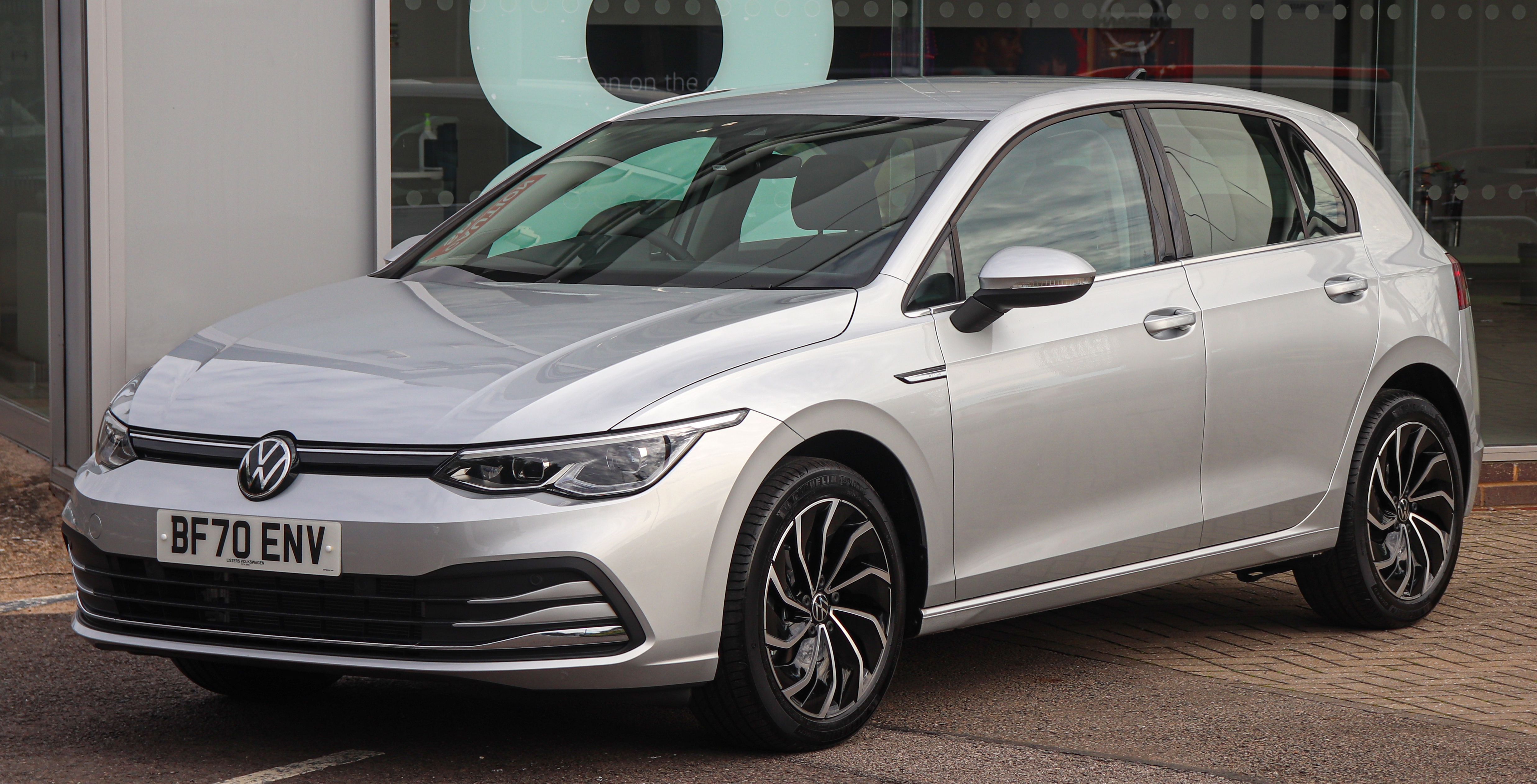
Volkswagen Golf
"...even, the Mini Cooper, number six, the Volkswagen Golf, 2,637 registrations. Number five, the Nissan Qas..."
The Volkswagen Golf is a small car (a hatchback) made by Volkswagen. People buy it for everyday driving because it’s practical and widely available. The podcast mentions it because it has a certain number of registrations.
The Volkswagen Golf is a long-running compact hatchback that’s known for being practical and easy to live with. It often shows up in sales and registration lists, which is why it’s discussed in a news-style segment about which models are most popular. In this context, it’s being referenced by its registration count.

Nissan Qashqai
"...olf, 2,637 registrations. Number five, the Nissan Qashqai, and number four, the Jaikoo 7, 3,027 registratio..."
The Nissan Qashqai is a small crossover SUV made by Nissan. It’s designed for everyday driving and is popular with many buyers. The podcast mentions it because it has a certain number of registrations in a list.
The Nissan Qashqai is a compact crossover that’s been a major mainstream model for Nissan. In the podcast, it’s listed with a specific registration number, placing it in a ranked group of popular cars. That’s why it’s included in the news segment—its registration figures reflect demand.

Vauxhall Corsa
"...aikoo 7, 3,027 registrations. Number three is the Vauxhall Corsa with 3,075. Number two, the Kia Sportage with 3,4..."
The Vauxhall Corsa 5-door is a small car with four side doors plus a hatchback. The extra doors make it easier for passengers to get in and out. The podcast mentions it because it has a specific registration number.
The Vauxhall Corsa 5-door is the practical, family-friendly version of the Corsa supermini, offering easier rear-seat access than a 3-door. In the podcast, it’s referenced by its registration count, which places it within a ranked list of popular models. That makes it relevant to the segment’s focus on which cars are selling or being registered most.

Kia Sportage
"...he Vauxhall Corsa with 3,075. Number two, the Kia Sportage with 3,439. You can see that this is where we're ..."
The Kia Sportage is a small SUV made by Kia. People choose it for everyday driving with space and comfort. The podcast mentions it because it has a certain number of registrations compared with other cars.
The Kia Sportage is a compact SUV that’s widely sold and often appears in sales or registration rankings. In this podcast segment, it’s cited with a specific registration number, showing it’s among the more popular models in the list. That’s why it’s included in the news-style discussion.

Ford Puma
"...g to see the steps. And then number one, the Ford Puma, 4,019 registrations. Right, I'm going to take us..."
The Ford Puma is a small SUV/crossover made by Ford. It’s designed for everyday driving with a higher seating position than a hatchback. The podcast mentions it because it has a specific number of registrations.
The Ford Puma is a compact crossover that’s popular in markets where small SUVs are in demand. In the podcast, it’s specifically referenced by its registration count, indicating it’s part of a ranking of model popularity. That makes it relevant to a news segment tracking which cars are selling or being registered most.
DS
"so much so that I have to get all the way down to D to start, and a DS is down 94%. We talked about DS number eight recently about that being the number that's held, so they actually registered nine DS in May in the UK."
DS is a car brand that sells more upmarket models than regular mainstream cars. Here, they’re talking about how many DS cars were registered recently and whether that number went up or down compared to before.
DS is a premium car brand within the Stellantis group, known for styling-led models and a more upscale interior focus than mainstream Citroën-era products. In this segment, the hosts are discussing DS registration numbers in the UK, using percentage changes to show how demand is shifting.

Hyundai Genesis
"...the most registered vehicles models, is down 19%. Genesis is down 31. GWM is down 64. Hyundai is down 16%. ..."
The Hyundai Genesis is a luxury car line made by Hyundai. In the podcast, it’s mentioned because its registrations are down by a stated percentage. That’s part of a broader comparison of how different car brands are doing.
The Hyundai Genesis is a luxury vehicle line from Hyundai, and the podcast references it in the context of overall model registration changes. The segment notes that Genesis is down a certain percentage, which makes it relevant to a news roundup of how different brands and models are performing. It’s included as part of the comparison across multiple manufacturers.
Lexus
"KGM is down 38. Lexus is down 21%. Maxus is down 33%."
Lexus is Toyota’s luxury car brand. They’re saying Lexus registrations are down compared to the earlier period.
Lexus is Toyota’s luxury brand, focused on comfort, refinement, and (increasingly) electrified powertrains. In this segment, Lexus’s registration decline is used to illustrate shifting demand across premium brands in the UK.
Jeep
"Unios is down 45%. Jeep is down 37. KGM is down 38. Lexus is down 21%."
Jeep makes SUVs. They’re noting that fewer Jeeps were registered than before, based on the percentage they read out.
Jeep is a brand best known for SUVs and off-road heritage, and it has a strong presence in European markets. The hosts mention Jeep’s registration drop as part of a quick sweep of brand-level UK registration changes.
percentages are a bit misleading
"2025, the registered three in 2026, the registered two. Again, sometimes percentages are a bit misleading. Mazda is down 52%. That is a mighty chunk, down mind you."
A percentage can make something look like a huge problem even if the actual number of cars is small. The hosts are basically saying you should also look at the real counts, not just the percentages.
When hosts say percentages can be misleading, they’re pointing out that a large percentage drop can come from a small starting number, while a smaller percentage change might represent a bigger absolute decline. That’s why they also reference raw registration counts elsewhere in the segment.
Mazda
"Again, sometimes percentages are a bit misleading. Mazda is down 52%. That is a mighty chunk, down mind you."
Mazda is a car brand from Japan. They’re reporting that Mazda registrations are down by a large percentage.
Mazda is a Japanese automaker known for its driving-focused engineering and engines like the Skyactiv family. Here, the hosts cite Mazda’s registration percentage decline to quantify how its UK sales are trending.
plug-in hybrid
"But then are they doing whole EVs include plugins, [536.5s] hybrids and... No, I checked that out. It is purely battery electric vehicles. It is not a [543.8s] hybrid. It's not a plug-in hybrid."
A plug-in hybrid is a car that uses both electricity and gas. You can charge it by plugging it in, but it can also run on gas when the battery runs low.
A plug-in hybrid (PHEV) combines an internal-combustion engine with an electric motor and a battery that you can recharge by plugging in. Unlike a full EV, it can run on either electricity or fuel, depending on battery charge and driving conditions.
battery electric vehicles
"It is purely battery electric vehicles. It is not a [543.8s] hybrid. It's not a plug-in hybrid."
A battery electric vehicle is a car that runs only on electricity from a battery. It doesn’t have a gas engine, unlike plug-in hybrids that can use both gas and electricity.
Battery electric vehicles (BEVs) are fully electric cars that run only on electricity stored in a battery pack. They do not use a gasoline engine, and they are not the same as plug-in hybrids, which can use both electricity and fuel.

Ford Fiesta
"There will be an electric... It's called Fiesta, [596.4s] but they haven't decided on the name yet."
The Ford Fiesta is a popular small Ford car name that’s been around for years in Europe. Here, they’re talking about Ford trying to bring back that familiar name for a new electric model.
The Ford Fiesta is a long-running Ford nameplate best known for being a compact, mainstream European hatchback. In this segment, the hosts discuss Ford Europe’s plan to launch an electric model and the importance of the “Fiesta” brand name for that comeback.

Renault 4
"Do you think that will be based [622.6s] on the Renault 4? No, because that's going to be..."
Renault 4 is a well-known older Renault small car name, and Renault has also used it for a newer version. The discussion is basically about whether the new “Bronco Mini” idea would be based on that Renault 4—then they say it likely won’t be.
The Renault 4 is a classic, boxy small car from Renault’s history, and it’s also the name used for a modern revival. The hosts mention it as a possible reference point for what a “Bronco Mini” could be based on, but they suggest it won’t be directly tied to that model.

Bronco Sport
"The Bronco Sport sold in North America is based on the same platform as [639.6s] the Cougar, whether you're listening in American, that's an escape."
The Ford Bronco Sport is a smaller SUV. The point they’re making is that it uses a shared vehicle “foundation” (platform), so it could potentially have been sold in Europe using existing engineering.
The Ford Bronco Sport is a compact SUV built on a shared platform with other models, which affects packaging, engineering, and how easily it can be adapted for different markets. The hosts say it’s based on the same platform as the “Cougar” (as they describe it), and they argue Ford could have sold something similar in Europe earlier.

Ford Escape
"..., whether you're listening in American, that's an escape. They could have had it. It would have sold here ..."
The Ford Escape is a compact SUV made by Ford. It’s meant for everyday driving and family use. The podcast mentions it because it’s a well-known model name and they’re talking about availability in different places.
The Ford Escape is a compact SUV sold in North America, and it’s referenced in the podcast as a model name that “would have sold here.” That suggests the discussion is about which vehicles are available in different markets and how names translate. The Escape comes up because it’s a recognizable SUV model in Ford’s lineup.

Ford Cougar
"...orth America is based on the same platform as the Cougar, whether you're listening in American, that's an ..."
The Ford Cougar is a Ford model name mentioned in the podcast. The hosts say it uses the same basic underlying design (“platform”) as another Ford vehicle. That’s why it’s brought up in the discussion.
The Ford Cougar is referenced as sharing the same platform as the Bronco Sport, according to the podcast’s context. Platform sharing matters because it can influence how vehicles are engineered and how they feel in terms of structure and components. The Cougar is brought up specifically to make that connection.
B and C segments
"Yeah. Ford are going to be targeting the B and C segments, [669.3s] "
“B and C segments” are just a way of grouping cars by size in Europe. B is smaller, and C is the next size up.
“B and C segments” are European car-size/market categories used by automakers and analysts. The B-segment is typically small cars (often superminis), while the C-segment is the next size up (compact cars like hatchbacks and small sedans).

Ford Bronco
"This is my point. Yes. The Bronco name, that's going to be a sub-brand now and that's going to be a global sub-brand because it's done well in America, so they reckon it'll do well everywhere."
The Ford Bronco is Ford’s off-road SUV. Here, the host means Ford wants to use the “Bronco” name like a brand umbrella for more off-road models and versions.
The Ford Bronco is Ford’s off-road SUV nameplate, originally built for rugged, trail-capable driving. In this segment, the host is talking about Ford turning “Bronco” into a broader sub-brand so it can expand beyond the original model into multiple variants.
Jim Borbick
"Okay, good luck with that. They could be a house of Broncos. Obviously, whoever the journalists were that were at this announcement have made some very pointed questions because there's a lot of quotes in here from Jim Borbick, who's the head of Ford Europe."
Jim Borbick is a Ford executive. In this segment, he’s quoted explaining what Ford wants these new off-road vehicles to be like for European customers.
Jim Borbick is described here as the head of Ford Europe. The host uses his quotes to explain Ford’s strategy for how the Bronco-branded vehicles should feel, look, and drive like a Ford.

F-150 Raptor
"... Bronco name as well as the Broncos Sport and the Raptor variants for the pickup. The firm is focusing on ..."
The Ford F-150 is a large pickup truck made by Ford. Pickup trucks are built for hauling and towing, but many people also use them for everyday driving. The podcast mentions it while talking about what Ford is focusing on.
The Ford F-150 is a full-size pickup truck and one of Ford’s most important vehicles. The podcast mentions Bronco variants and then brings up the F-150 in the context of Ford focusing on certain models, which highlights how the brand allocates attention across its lineup. It’s discussed as part of that broader strategy.
Raptor variants
"thanks to the Bronco name as well as the Broncos Sport and the Raptor variants for the pickup. The firm is focusing on becoming the Porsche of off-road."
“Raptor” is Ford’s performance off-road trim line, known for upgraded suspension and durability aimed at rough terrain. In this segment, the host groups “Bronco Sport” and “Raptor variants” together as part of Ford’s off-road expansion plan.

Ford Ranger
"Yeah. I did notice this. They're going to launch a super duty variant of the Ranger pickup for use by emergency services in the military."
The Ford Ranger is Ford’s midsize pickup truck platform, and the host is discussing a “super duty” variant of it. The key point here is that this Ranger-based offshoot is being positioned for heavy-duty, specialized use (emergency services and military).
payload
"It can tell up to four and a half tons, payload of close to two tons. It's going to be more than a three and a half tonne about the size of it."
Payload means how much weight the truck can carry. In this segment, they’re talking about how much cargo or equipment the special version can handle.
Payload is the maximum weight a vehicle can carry in addition to its own weight. Here, the host is quoting payload capability for the planned Ranger “super duty” variant aimed at emergency services and military use.

Ford Transit
"Yeah. Obviously, the van division has propped up all of Ford Europe as much as they have been propped up. That's what they've been focusing on. Yeah. There's more stuff coming from them. There's [770.7s] a transit city electric van which has been developed with JMC, which is a Chinese firm,"
The Ford Transit is Ford’s popular van. The host says it’s been important for Ford Europe, and they’re also working on an electric version.
The Ford Transit is Ford’s commercial van line, and the host credits it with supporting Ford Europe’s overall business. The segment also mentions a “Transit city electric van,” tying the Transit name to Ford’s electrified van plans.

Transit City
"...h. There's more stuff coming from them. There's a transit city electric van which has been developed with JMC, w..."
Transit City is an electric van mentioned in the podcast. It’s being developed with JMC, and it’s aimed at commercial use. The hosts bring it up as part of upcoming electric-vehicle plans.
Transit City is an electric van project mentioned in the podcast, developed with JMC. It’s brought up as “more stuff coming,” which frames it as part of a broader push toward electrified commercial vehicles. The key point is that it’s an electric van platform being developed in partnership.
JMC
"There's more stuff coming from them. There's [770.7s] a transit city electric van which has been developed with JMC, which is a Chinese firm,"
JMC is a company in China that Ford is partnering with. Here, they’re teaming up to help develop an electric van.
JMC is referenced as a Chinese firm that Ford is working with to develop an electric van. In this context, it’s a partner company for product development rather than a car brand being discussed for ownership.

Ford F-250
"European super duty. Oh, okay. Right. European super duty. Yeah. Yeah. Because it's based on the Ranger, not the F series. 786.1s] Yeah. Yeah. Because it's based on the Ranger, not the F series. [789.3s] Okay. [789.8s] It's not an F250, for example."
The Ford F-250 is a big, heavy-duty pickup truck. The host is saying the new Ranger-based “super duty” isn’t the same thing as an F-250.
The Ford F-250 is a heavy-duty pickup in Ford’s F-Series, typically larger and more work-focused than a midsize truck. The host contrasts the planned “European super duty” Ranger-based approach with an F-250 example to emphasize it’s not the full-size F-Series platform.
Monroe
"Okay. You can come to me. Monroe. We've talked about Monroe a few times. [824.0s] They are an EV startup based down in East Kilbride just south of Glasgow,"
Monroe is a company making electric vehicles. They’re based near Glasgow and are trying to build specialized electric off-road trucks for things like defense and fleet use.
Monroe is described as an EV startup located in East Kilbride, near Glasgow. The segment frames the company as focusing on specialist electric off-road vehicles aimed at defense and fleet customers.
EV startup
"They are an EV startup based down in East Kilbride just south of Glasgow, [830.2s] and they're focusing on specialist electric off-road vehicles for defense and fleet use."
An EV startup is a newer company trying to make electric cars or trucks. Because they’re new, there can be extra risk that deliveries take longer than people expect.
An EV startup is a young company focused on building electric vehicles rather than conventional internal-combustion cars. Startups often face higher execution risk—like delays between taking orders and delivering production vehicles.
electric off-road vehicles
"[830.2s] and they're focusing on specialist electric off-road vehicles for defense and fleet use. [837.9s] Essentially. They have been taking orders for the Series M since 2023."
These are electric vehicles built to go off-road—on dirt, mud, and uneven ground. Here, the host says Monroe is making them for specialized buyers like defense and fleet operators.
Electric off-road vehicles are battery-electric vehicles designed to handle rough terrain and low-traction conditions. The segment highlights that Monroe is targeting this niche for defense and fleet customers rather than general retail.
Series M
"Essentially. They have been taking orders for the Series M since 2023. [844.1s] They are producing those orders where they employ between 20 and 30 people in East Kilbride,"
“Series M” is the name of Monroe’s electric vehicle line. They’ve been taking orders for it since 2023 and are now starting to deliver customer vehicles.
“Series M” is the named vehicle program Monroe has been taking orders for since 2023. In context, it’s the specific line of electric off-road vehicles they’re producing for customers.
arrival
"One thing that is slightly concerning to us is that they are both X arrival, [866.4s] and we all know what happened to arrival."
Arrival is mentioned as a warning story about an electric-vehicle company that ran into serious problems. The host is basically saying Monroe should avoid the same kinds of mistakes.
Arrival is referenced as a cautionary example of an EV company that didn’t execute as expected. The host connects Monroe’s leadership changes to concerns about what happened to Arrival’s plans and corporate setup.
Cayman Islands
"Now, I'm sure that Messers Ruguba and Hall Brow were not the ones who decided that [875.2s] arrival should have offices in the Cayman Islands."
The Cayman Islands are referenced as where Arrival had offices. The point is less about geography and more about the host’s skepticism toward how the company was set up.
The Cayman Islands are mentioned as the location of Arrival’s offices, implying a corporate/financial structuring choice. The host uses it to illustrate how Arrival’s strategy and execution diverged from delivering vehicles.
Avanish Ruguba
"Yes, before that, Mr. Avanish Ruguba is a new CEO. Before that, he was head of strategy for General Motors' cruise self-driving operation."
The host says Avanish Ruguba is the new CEO. They also mention he used to work on strategy for General Motors’ self-driving program, so he’s connected to the autonomous-car world.
Avanish Ruguba is described as the new CEO of a company the hosts are discussing. The episode also notes he previously led strategy for General Motors’ cruise self-driving operation, which ties him to autonomous-vehicle development and corporate decision-making.
General Motors
"Before that, he was head of strategy for General Motors' cruise self-driving operation."
General Motors is a big car company. In this segment, the hosts connect it to Cruise, GM’s self-driving project.
General Motors (GM) is the major automaker referenced here in connection with its autonomous-driving efforts. The hosts specifically mention GM’s Cruise self-driving operation, which is a corporate program aimed at developing and deploying driver-assistance and self-driving technology.
self-driving operation
"Before that, he was head of strategy for General Motors' cruise self-driving operation."
A “self-driving operation” means the whole project behind making cars drive themselves. It includes the technology and the work needed to test it and roll it out safely.
A “self-driving operation” refers to the organizational effort behind autonomous-vehicle technology—software, testing, safety processes, and deployment plans. In this context, it’s GM’s Cruise program, which is focused on vehicles that can drive with little or no human intervention.
Mappen
"which is a European track day organizer and operates the circuit Mappen, which is just over the border from Holland in Germany."
Mappen is the place where a track-day organizer runs a circuit. The hosts say Westfield plans to build its future production there too.
Mappen is mentioned as the circuit location operated by a European track-day organizer. In this context, it’s where Westfield’s future production facility is planned to be built.
track day organizer
"which is a European track day organizer and operates the circuit Mappen, which is just over the border from Holland in Germany."
A track day organizer is the group that puts on events where regular drivers can drive on a race track. They handle things like timing, rules, and safety so people can enjoy the track.
A track day organizer runs events where drivers can use a racetrack for non-competitive driving. These events typically coordinate scheduling, safety rules, and access to the circuit for enthusiasts.
Westfield
"and that's where future Westfield production is going to go to. That will effectively be Westfield's base of operations, obviously because that's where the owner is based, and they will, from there, provide parts support for the owners throughout Europe"
Westfield is a car brand known for making lightweight sports cars, often aimed at track use. The hosts are saying Westfield is continuing and expanding, with a new factory and parts support for owners in Europe.
Westfield is a kit-car and road/track-focused sports car brand, and the hosts are discussing its manufacturing footprint in Germany. They say Westfield production will move to a new facility at Mappen and that the company will provide parts support across Europe.
autonomous vehicle
"I think many of the other parts of formerly Westfield have gone like the autonomous vehicle and the building a little. It used to be that the little pods at Heathrow Terminal Farmer were Westfield's."
An autonomous vehicle is a vehicle that can drive without a human doing the driving. The hosts are saying some of Westfield’s earlier work in that area has moved on.
An autonomous vehicle is a car or vehicle that can drive itself using sensors, software, and control systems. In the segment, it’s referenced as one of Westfield’s former projects that has “gone” or changed.
Heathrow Terminal Farmer
"I think many of the other parts of formerly Westfield have gone like the autonomous vehicle and the building a little. It used to be that the little pods at Heathrow Terminal Farmer were Westfield's."
The hosts mention Heathrow Terminal Farmer as a place where small “pods” used to be linked to Westfield. They’re using it as an example of how Westfield’s other projects have evolved.
Heathrow Terminal Farmer is referenced as the location where “little pods” were previously associated with Westfield. The mention is used to illustrate that some Westfield-related activities have changed or moved on over time.
non-binding memorandum of understanding
"Kiri has finally admitted in public that they and Nissan have signed a non-binding memorandum of understanding with a view to start building Kiri vehicles on the Weirside Plants line one in the 2027 financial year. I don't know how to read that from the article by Felix Page that's linked in the show notes,"
A non-binding MoU is basically a “we intend to do this” agreement. It’s not a final contract, so the plan can still change before anything is fully committed.
A non-binding memorandum of understanding (MoU) is a formal statement that two parties intend to work together, but it doesn’t legally force them to complete the deal. In this segment, it’s used to emphasize that Kiri and Nissan’s plan to build vehicles is still subject to change.
SAIC
"SAIC, similarly, which owns MG, amongst others, it's looking to build a manufacturing plant in Galicia, in Spain, investing about 200 million euros, the aim is that it will create more than 2,000 jobs across Europe."
SAIC is a big car company group that owns MG. Here, they’re planning a new factory in Spain, with investment and jobs tied to when production starts.
SAIC is the Chinese automaker group that owns MG, and it’s discussed here in the context of building a new manufacturing plant in Galicia, Spain. The segment also ties SAIC’s investment to job creation and a scheduled start of production in 2028.
Galicia, in Spain
"SAIC, similarly, which owns MG, amongst others, it's looking to build a manufacturing plant in Galicia, in Spain, investing about 200 million euros, the aim is that it will create more than 2,000 jobs across Europe."
Galicia is a region in Spain. The hosts say SAIC wants to build a new factory there, and they connect it to investment and jobs.
Galicia is a region in northwest Spain, mentioned here as the location for SAIC’s planned manufacturing plant. The segment links this location to a specific investment amount and expected job creation across Europe.

Audi R8
"...agship that's going to be more exclusive than the R8. And according to the boss, Gernot Dordner,"
The Audi R8 is a sports car made by Audi that’s built for strong performance. The podcast mentions it because Audi is talking about how it will be positioned as a more exclusive top model. It’s part of a discussion about the brand’s lineup.
The Audi R8 is a performance-focused sports car, and the podcast describes it as a flagship that will be more exclusive than a new model. That kind of comment usually comes up when brands are discussing how they’ll position different cars in their lineup. In this context, the R8 is referenced to explain the hierarchy of models.
torque
"[1467.6s] 40 to V8 is an attempt Merario, which offers 789 horsepower, [1473.7s] 538 pound feet of torque and can rev to 10,000 RPM. [1478.0s] Added to that a three axial flux."
Torque is the “twisting strength” that helps a car pull forward. More torque usually helps with quicker acceleration, especially when you’re not already at high speed.
Torque is the twisting force an engine (or motor) produces. It’s often measured in pound-feet (lb-ft) and strongly influences how quickly a car accelerates, especially at lower speeds.
axial flux
"[1478.0s] Added to that a three axial flux. [1480.5s] Electric motors, each which produces 148 brake horsepower, [1484.9s] two are mounted in the front axle, delivering up to 1500 and a bit pound feet."
“Axial flux” describes a type of electric motor design. It’s one way engineers build motors to fit packaging space better and deliver strong power.
An axial-flux electric motor is a motor design where the magnetic forces act along the motor’s axis. Compared with more common radial-flux designs, axial-flux layouts can be more compact and efficient for certain high-power applications.
kilowatt battery
"[1494.1s] There's a 7.3 kilowatt battery and the total system output is 987 brake horsepower, [1501.1s] 80 brake horsepower more than the equivalent Lamborghini."
The battery can be described by how much power it can deliver. That matters because it affects how hard the car can accelerate and how long it can keep that performance up.
A “kilowatt battery” is a battery described in terms of power capability (kW), not just energy storage. In practice, battery systems are often discussed by both energy (kWh) and power (kW) because power limits affect acceleration and sustained output.
regenerative braking
"[1521.7s] There's brake by wire carbon ceramics that link in with regenerative braking that recharges [1527.9s] a battery and all sorts of stuff and means that it will probably,"
Regenerative braking is when the car slows down and also “recharges” the battery. Instead of wasting all the slowing energy as heat, it turns some of it back into electricity.
Regenerative braking uses the electric motors to slow the car while turning that motion back into electricity. That recovered energy is stored in the battery, reducing how much brake friction material you need to use.
brake by wire
"[1521.7s] There's brake by wire carbon ceramics that link in with regenerative braking that recharges [1527.9s] a battery and all sorts of stuff and means that it will probably,"
Brake-by-wire means your brake pedal sends an electronic signal instead of directly moving brake parts with cables or rods. It lets the car coordinate braking systems more precisely.
Brake-by-wire replaces traditional mechanical linkage between the brake pedal and the brakes with electronic control. Sensors and actuators manage braking pressure, which can enable features like coordinated regen braking and more consistent pedal feel.
carbon ceramics
"[1521.7s] There's brake by wire carbon ceramics that link in with regenerative braking that recharges [1527.9s] a battery and all sorts of stuff and means that it will probably,"
Carbon-ceramic brakes are a high-performance brake type that can handle hard driving without losing stopping power as quickly. The tradeoff is they’re often costly if you ever need new discs.
Carbon-ceramic brakes use carbon-fiber ceramic brake discs instead of conventional cast-iron discs. They can resist fade under heavy use and typically offer strong performance at high temperatures, though they’re usually more expensive to replace.

Bentley Flying Spur
"Okay, well, I am going to move us on then. [1560.7s] Something a bit more... [1561.8s] More posh Volkswagen subtle though. [1564.1s] And the Bentley Flying Spur has been updated and the big thing that this top gear article"
The Bentley Flying Spur is a high-end luxury sedan by Bentley. In this part, the host is saying it’s been updated, and the changes are more than just cosmetic.
The Bentley Flying Spur is Bentley’s luxury sedan, and this segment is talking about an update to the car. The host references a Top Gear article and says Bentley provided the details, implying changes beyond just styling.

Bugatti Veyron
"...ll excited about. In fact, I think we saw Bugatti Veyron in that, in essentially the same color scheme in ..."
The Bugatti Veyron is a very expensive, very fast supercar. It’s built for performance rather than everyday practicality. The podcast brings it up because they saw one and described how it looked.
The Bugatti Veyron is a high-performance supercar known for extreme power and speed. It’s discussed in the podcast because the hosts mention seeing one in a particular color scheme, which points to a visual or event-related reference rather than a sales ranking. That kind of mention typically highlights the car’s presence and reputation.
V8 hybrid powertrain
"There will be a V8 hybrid powertrain with 671 brake horsepower, 686 pound foot of the Torx. Then you can go up the, if you want to, because this is going to be the S."
This means the car uses a V8 engine plus an electric motor. The electric part helps the car feel quicker and can also reduce fuel use.
A V8 hybrid powertrain combines a V8 engine with an electric motor and a battery system. The goal is to improve efficiency and provide extra torque for quicker response, while still delivering the smooth, strong character of a V8.
limited slip diff
"There's a limited slip diff, torque vectoring, twin valve dampers or wheel drive, blah, blah, blah."
This is a drivetrain part that helps the car put power down when one wheel has less grip. It reduces wheel-spinning so the car can accelerate more confidently.
A limited-slip differential (often shortened to “limited slip diff”) helps transfer power to the wheel with more grip. Instead of letting one wheel spin freely, it biases torque to the wheel that can actually move the car forward, improving traction and stability.
twin valve dampers
"There's a limited slip diff, torque vectoring, twin valve dampers or wheel drive, blah, blah, blah."
These are upgraded shock absorbers. They help the car’s suspension react better to bumps and cornering so the ride feels more controlled.
Twin-valve dampers are shock absorbers that use two internal valve paths to control how quickly the suspension compresses and rebounds. That can make the ride feel more controlled—absorbing bumps while still keeping the car stable during cornering.
LED matrix headlamps
"You get black wings, gloss black grills, a dark Bentley lettering, [1681.2s] black mirror caps and dark tinted full LED matrix headlamps,"
LED matrix headlamps are headlights made of lots of tiny LED lights that can be controlled separately. They can adjust the beam to avoid dazzling other drivers while still lighting the road well.
LED matrix headlamps use many individually controlled LED elements to shape the light beam. That lets the car dim or avoid specific areas (like oncoming traffic) while keeping more light where it’s needed.
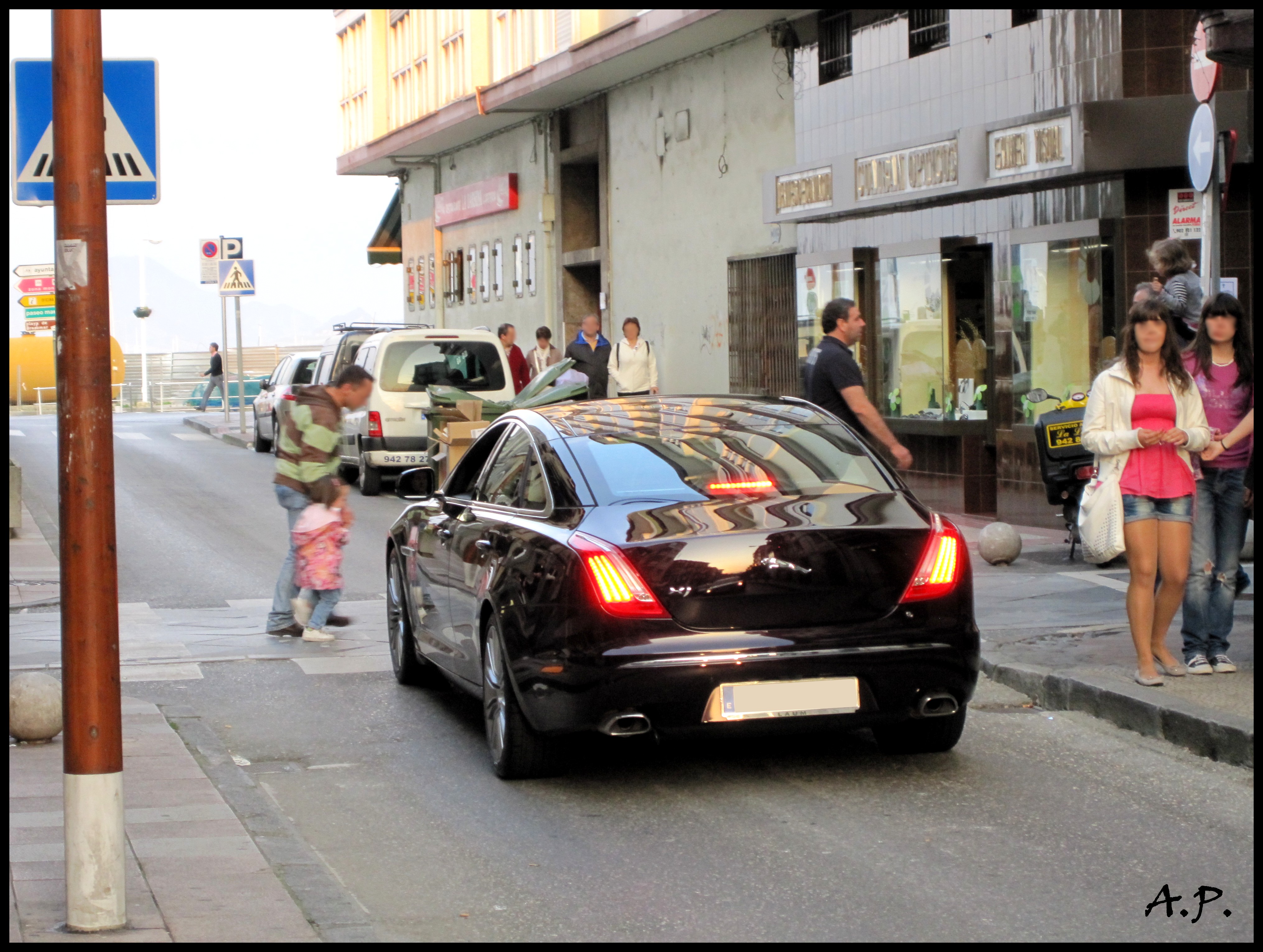
Jaguar XJ long wheelbase
"This might have taken over from the previous generation Jaguar XJ long wheelbase as my [1699.5s] vehicle to be driven around in if I decide to be an evil supervillain or CEO of a multinational"
The Jaguar XJ long wheelbase is a luxury Jaguar sedan with more space, especially for rear passengers. The host is just using it as a familiar example of a big, executive-style car.
The Jaguar XJ long wheelbase is the stretched version of Jaguar’s flagship luxury sedan, with extra rear-seat space. The host mentions it as a hypothetical “vehicle to be driven around” in, using it as a reference point for a classic executive-style car.
Fiat Grizzly
"but it is the Fiat. [1716.7s] Okay, the name is ridiculous. [1718.2s] The Fiat Grizzly SUV, unwrapped as the Grandé Panda's bigger brother."
The Fiat Grizzly is a new Fiat SUV idea being talked about in the show. They’re saying it’ll come in different versions and with different types of engines (petrol, hybrid, or electric).
The Fiat Grizzly is a Fiat SUV concept/next model being discussed as a larger, more serious sibling to the “Panda” name. The segment frames it as a new midsize SUV plan with multiple powertrain options and a choice of body styles.
drivetrains
"It will be available on the choice of petrol, hybrid or electric drivetrains, [1733.8s] just as every other Stellantis midsize SUV on the same platform."
A drivetrain is what makes the car move—how the power gets from the engine or battery to the wheels. In this case, they mean the Grizzly will be sold with different kinds of power systems: gas, hybrid, or fully electric.
A drivetrain is the set of components that deliver power from the engine (or motors) to the wheels. Here, the hosts are saying the Fiat Grizzly will be offered with petrol, hybrid, or electric drivetrains—meaning the power source and how it’s transmitted to the wheels will differ.
platform
"It will be available on the choice of petrol, hybrid or electric drivetrains, [1733.8s] just as every other Stellantis midsize SUV on the same platform."
A platform is the shared “base” the car is built on. If multiple models use the same platform, they can share a lot of the underlying structure even if the styling and features differ.
A vehicle platform is the shared underlying architecture—things like the chassis structure and major mounting points—that multiple models can use. The hosts are implying the Fiat Grizzly will share that base with other Stellantis midsize SUVs, which can help reduce development cost and speed up production.

Bmw X4
"And there will also be a rickish fastback for those of you who want something like BMW X4, [1752.8s] but not as gopping."
The BMW X4 is a BMW crossover that looks a bit like a coupe because the roof slopes down. Here, the host is saying the new Fiat would feel similar in style to that kind of vehicle.
The BMW X4 is a compact luxury crossover with a sloping, coupe-like roofline (often called a “coupe SUV”). In this segment, it’s used as a reference point for the shape/positioning of a new Fiat model.
fastback
"And there will also be a rickish fastback for those of you who want something like BMW X4, [1752.8s] but not as gopping."
A fastback is a car shape where the roof smoothly slopes down toward the back. It’s meant to look sleeker than a boxier design.
A fastback is a body style where the roofline slopes continuously down toward the rear, creating a more streamlined silhouette than a traditional hatchback or SUV. The host is describing the new Fiat as having that kind of shape.
world car
"This is going to be something of a world car. [1773.1s] The idea is that it completes the Panda and Grandé Panda families,"
A “world car” is a car designed to be sold in many countries. The idea is that it can work for different regions without needing a totally different design each time.
A “world car” is a vehicle engineered to be sold across multiple regions and markets with minimal changes. The host frames the new Fiat as being designed for Europe, Latin America, and the Middle East/Africa, which is the point of a world-car strategy.
revenue margins
"And that it's intended to bolster Fiat's, and I do appreciate this particular piece of honestly, [1787.7s] revenue margins and brand as well."
“Revenue margins” is a way of saying how much money a company makes after costs compared to its sales. The host is basically saying the new model is meant to help Fiat make more profit and support the brand.
“Revenue margins” refers to how much profit a company keeps relative to the money it brings in from sales. In the segment, it’s used to explain that the new Fiat model is intended to improve profitability and strengthen the brand.
Citroën C3 Aircross
"Yes. [1790.5s] Same on the panning as Citroen C3 Aircross, Vauxhall Frontera, etc."
The Citroën C3 Aircross is a small crossover—kind of like an SUV, but more compact. The host is using it as an example of the kind of car the new Fiat will compete with.
The Citroën C3 Aircross is a small crossover aimed at buyers who want an SUV-like stance without going full-size. In this segment, it’s listed alongside other rivals to show the new Fiat is targeting the same general crossover customer.
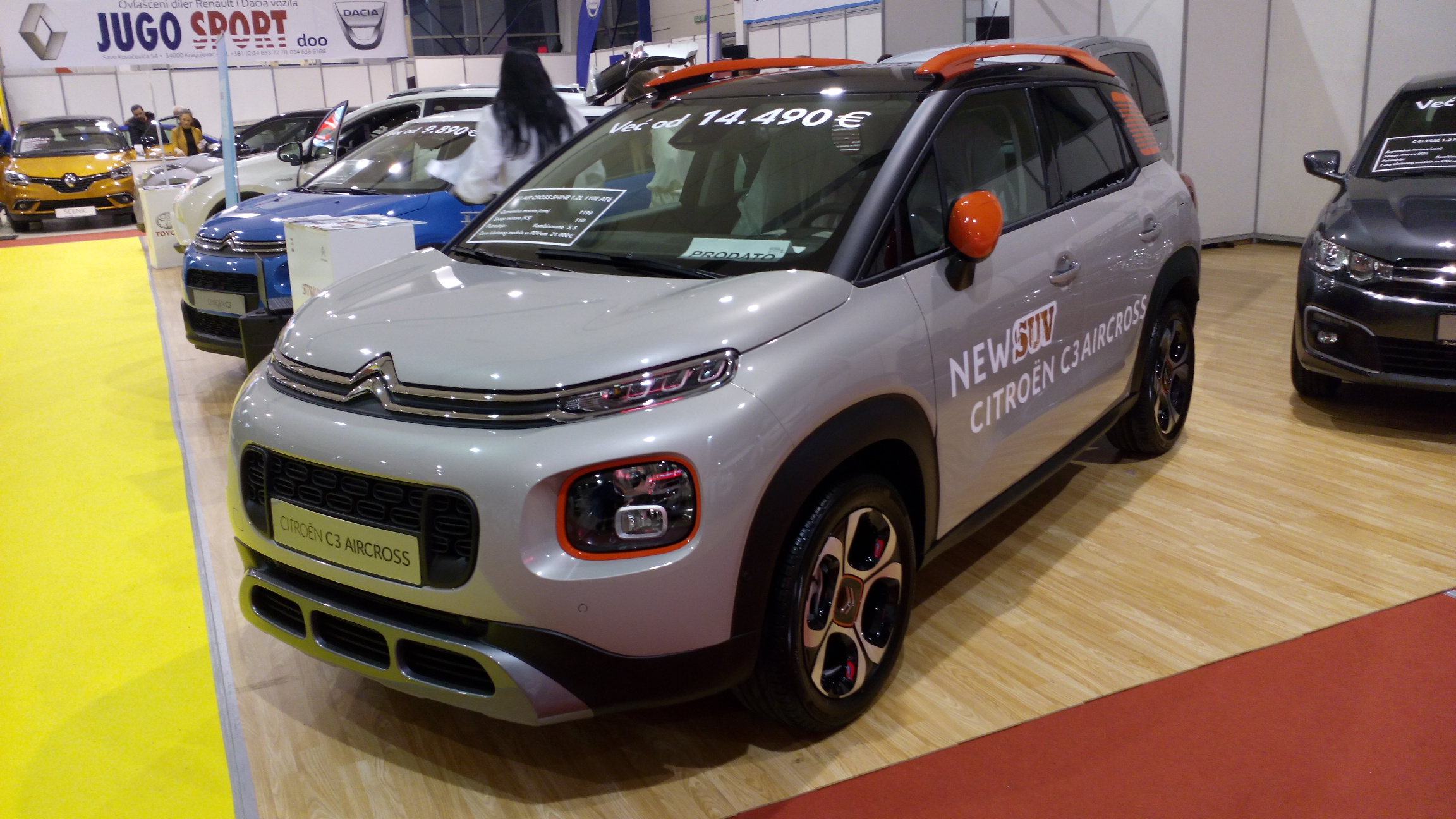
Citroen C3 Aircross
"Yes. Same on the panning as Citroen C3 Aircross, Vauxhall Frontera, etc. I think it's quite attra..."
The Citroën C3 Aircross is a small SUV made by Citroën. It’s meant for everyday driving with a bit more ground clearance than a typical hatchback. The podcast mentions it alongside other similar cars.
The Citroën C3 Aircross is a compact SUV/crossover from Citroën. The podcast groups it with other similarly sized models, implying it’s part of a comparison of popular small SUVs. It’s mentioned in a context that sounds like discussing design or market positioning rather than deep technical details.

Chevrolet Impala
"...ke the Mini Mocha, as you would expect. The Fuchs Impala, which, okay, as well as Reliant Fox, that sort o..."
The Chevrolet Impala is a large sedan made by Chevrolet. It’s the kind of car people used for comfortable everyday driving. In the podcast, it’s mentioned as part of a list of car names and figures.
The Chevrolet Impala is a full-size sedan that has been a well-known nameplate in Chevrolet’s lineup. It’s mentioned here in a playful or historical context alongside other model names, suggesting the segment is about registrations or model popularity. The “Impala” reference is likely to connect the name to a specific entry in that list.

5 Renault 5
"I'll do. Basically, a Renault 5, not Renault 4, isn't it? That's what I said."
The “5 E-Tech Electric” is an electric car based on the Renault 5. The podcast is basically saying it’s the electric version of the Renault 5 name. It’s mentioned to clarify what the model is called and what it relates to.
The “5 E-Tech Electric” refers to an electric version of the Renault 5, as the podcast explicitly clarifies. It’s mentioned in a casual way to connect the name to the original Renault 5, which helps listeners understand what the electric model is based on. The discussion is about the car’s identity and naming rather than performance details.
soft top
"It's a Renault 5 that someone's chopped the back off and put a soft top on."
A soft top is the fabric roof you can fold down on some cars. It’s different from a hard roof, and putting one on a modified car usually means major changes to the body and roof frame.
A soft top is a fabric roof (often with a folding mechanism) used on open-top cars instead of a hard roof. Converting a hatchback into a soft-top setup typically involves cutting bodywork and adding a frame and weather seals to keep the cabin usable.
bikini thing
"Yes, it's not even a bikini thing that they put sometimes on those tricked out jeeps that go up."
A “bikini top” is a very small, minimal fabric roof on some modified cars. It usually doesn’t protect you much from weather—it’s more for style and open-air driving.
“Bikini top” is a slang term for a very minimal convertible roof—often just a small fabric section—used on some modified vehicles. It’s typically less about full weather protection and more about the look and open-air feel.
shooting breaks
"List of the week this week, the best ever shooting breaks. Everyone loves a fast wagon, and in this story we're rounding up the very best you've ever been able to buy according to AutoCar. For a change, there are quite a lot of actual shooting breaks, and then there's some some estates that are being called shooting breaks in the modern age."
A shooting brake is a type of car body that looks a bit like a sporty coupe, but it’s meant to be practical like a wagon. In modern times, people sometimes call some estates “shooting brakes” even if they’re not the classic shape.
A shooting brake is a car body style that blends the look of a coupe with the practicality of a wagon/estate. Traditionally it was a two-door (or coupe-like) design aimed at leisure use, and modern marketing sometimes applies the label to certain estates.

Lancia Beta HPE
"But in the end, I went for slide number 12 in your packs, the Lancia Beta HPE. Oh, okay. Always loved this. Always loved the shape of this. Always wanted one. And if I just went and got a pile of rust and put it in the corner of my drive, I could have one."
The Lancia Beta HPE is a 1970s-era Lancia that’s known for its unusual, stylish shape and cult following. Here, the host picks it as their favorite “shooting break” choice, and jokes about how you’d need to deal with rust if you wanted one.
The Lancia Beta HPE is a classic Italian fastback/hatchback-style coupe derived from the Beta range, known for its distinctive shape and enthusiast appeal. In this segment, it’s singled out as the host’s pick from a list of the best shooting breaks, and the discussion also hints at the model’s reputation for rust.

Lancia Delta
"And remember, I talked last week when I chose the Lancia Delta."
The Lancia Delta is a small hatchback made by Lancia. It’s especially known by car fans because it was very successful in rally racing, and the host is mentioning it as a previous pick.
The Lancia Delta is a compact hatchback from Lancia that became famous for rally dominance, especially in the Group A era. In this segment it’s used as a personal choice point, setting up the host’s theme of unusual or enthusiast-known cars.
Lynx Eventa
"My choice actually, I just went to the left of that slide 11, which is the Lynx Eventa."
The Lynx Eventa is a rare, custom-built version of a Jaguar XJS. It’s basically a special conversion that makes the car more like a wagon/shooting brake, and the host is saying it’s recognizable to enthusiasts.
The Lynx Eventa is a niche, coachbuilt-style conversion based on the Jaguar XJS, created by Lynx to turn the coupe into a more practical shooting-brake/estate-like form. Here it’s highlighted because the host thinks people will recognize it even without knowing the details.

Jaguar XJS
"But if you don't know what it is, then it was one of 67 Jaguar XJS shooting breaks with an extended rear and a hatch. ... especially the later ones on the facelifted XJS, which used all the same lights and everything."
The Jaguar XJS is a classic Jaguar grand tourer—basically a stylish long-distance cruiser. Here, the host is talking about special Jaguar XJS versions turned into shooting brakes, and how the later facelift cars look more integrated at the back.
The Jaguar XJS is a grand tourer from Jaguar known for its long hood, stylish body, and (in many versions) V12 power. This segment focuses on a rare subset: Jaguar XJS shooting brakes, including Lynx conversions, and how later facelifted XJS models integrated rear lighting better into the hatch.
motor fests at Conventry
"And you quite often see the motor fests at Conventry, it used to see quite a few of them, would gather."
They’re talking about car events in Coventry where people bring and show cars. The point is that these unusual conversions tend to show up and get attention there.
The host is referencing car meet-ups (“motor fests”) held in Coventry, which is relevant because it explains why these rare conversions get noticed and gathered in one place. It’s more of a scene-setting detail than a technical topic.

Tesla Model
"...nd it's curious that this list includes the other Tesla Model S estate, which I don't feel is as well resolved ..."
The Tesla Model Y is an electric SUV made by Tesla. It runs on a battery instead of gasoline. The podcast brings it up because it’s included in a list of registered or discussed Tesla models.
The Tesla Model Y is an all-electric compact SUV from Tesla. It’s frequently discussed in news because it’s a high-volume electric model and often appears alongside other Tesla variants in sales or registration rankings. In the podcast context, it’s part of a list that also mentions the Model S estate and how that lineup is “resolved.”

Tesla Model S
"And it's curious that this list includes the other Tesla Model S estate, [2161.5s] which I don't feel is as well resolved as Neil's."
The Tesla Model S is an electric luxury car made by Tesla. Here they’re talking about a “Model S estate” version—basically a wagon-style take on the Model S—rather than a normal factory model.
The Tesla Model S is an all-electric luxury sedan from Tesla, known for its long range and tech-forward interior. In this segment, it’s mentioned in the context of a “Model S estate,” which is a fan/coachbuilt-style interpretation rather than a standard factory body style.
Hot Wheels Legends Tour
"and is the Hot Wheels Legends Tour is back for 2026. [2178.5s] They have their entries open now and they will remain open until the 3rd of July."
The Hot Wheels Legends Tour is a contest where people submit real cars they think should become Hot Wheels toys. You usually upload photos and explain what makes your car special, and then the program picks winners.
The Hot Wheels Legends Tour is a competition where car owners submit vehicles they think deserve to be turned into Hot Wheels die-cast models. Entrants typically provide photos and a short description, and the program selects cars that stand out for design and story.

Volvo P1800
"Overall one with the P1800 drag racer back in 2021. [2221.2s] Yes."
The Volvo P1800 is an older Volvo sports car that’s become a classic. Here they mention a “drag racer” version, which is a heavily modified setup focused on fast acceleration in a straight line.
The Volvo P1800 is a classic Swedish sports coupe known for its distinctive styling and long-running popularity among enthusiasts. In this segment it’s referenced as a “P1800 drag racer,” meaning a modified version built for straight-line acceleration.

Chevrolet 57 Chevrolet
"...ied as well. It's not just like a row of modified 57 Chevrolet or whatever, Tram times or something."
Request an Explanation
Heard something you'd like explained? We'll add it to this episode.
Sign in to request explanations for terms you heard.
Want to learn more?
Browse our glossary for plain-English explanations of automotive terms, jargon, and concepts.
Help improve this episode
See something that's not quite right? Our annotations are AI-generated and can sometimes miss the mark. Click the flag icon on any annotation to suggest a correction.