Scott Holbrooks shares insights into Kabuto Motorcycle Helmets, a brand he is now bringing to the Americas after his tenure with Simpson helmets. The discussion covers the history of Kabuto, its Japanese roots, and the transition from injection-molded to high-quality fiberglass helmets. Holbrooks elaborates on the unique properties of their helmets, the brand's focus on the U.S. market, and the differences in helmet standards globally. Listeners will appreciate the depth of knowledge Holbrooks brings, along with anecdotes from his extensive experience in the motorcycle helmet industry.
Kabuto Helmets is a new brand to America but far from new to the motorcycle helmet world! In this episode, we sit down with Scott Holbrooks to get the history of Kabuto along with many insights into the inner workings of the helmet industry! We also explore two of Kabuto's flagship helmets available here in the U.S. market!
"...t really specifically means is on the front of a samurai helmet there's sort of an endowment that's you k..."
The Suzuki Samurai is a small SUV that people liked because it can drive on rough roads and is easy to handle. It's known for being simple and fun, especially for those who enjoy outdoor adventures.
The Suzuki Samurai is a compact SUV that gained popularity in the 1980s and 1990s for its off-road capabilities and simple design. It is often discussed for its unique styling and the cult following it has developed among off-road enthusiasts. The Samurai is notable for its lightweight construction and ability to tackle rugged terrain.
"...the legends at Arlen S have been building the boldest customs and crafting premium parts that turn heads and stand the test of time..."
Arlen Ness is a company that makes custom parts and motorcycles. They have been around for a long time and are famous for their stylish and high-quality products.
Arlen Ness is a well-known brand in the motorcycle industry, recognized for its custom motorcycles and high-quality aftermarket parts. They have been in business for over 50 years, creating unique designs and performance parts for various motorcycle models.
"...I just got the reputation as this guy that um knew how to get my hands on a bunch of really rare and really cool Ducati parts..."
Ducati is a famous brand that makes motorcycles. They are known for making fast and stylish bikes that many people love to ride.
Ducati is an Italian motorcycle manufacturer known for its high-performance bikes, particularly in the sport and racing categories. They have a strong following among motorcycle enthusiasts and are recognized for their distinctive design and engineering.
"...take suitcases back of Brembo rotors and stuff and I mean it was amazing to me as a young guy working in the industry..."
Brembo makes brakes for cars, especially for those that go fast or are used in racing. They are known for making really good brakes that help cars stop quickly and safely.
Brembo is a well-known manufacturer of high-performance brake systems, particularly for sports and luxury vehicles. Their products are often used in racing and aftermarket upgrades due to their superior stopping power and quality.
"...what kind of speeds do you think they're entering those kind of turns in well at the top the hill I mean they're breaking hard from they're breaking hard from I think they're I think they're going maybe 225..."
MotoGP is a top-level motorcycle racing series where the best riders compete on fast bikes. They race on special tracks, and it's known for exciting and challenging races.
MotoGP is the premier class of motorcycle road racing, featuring the fastest bikes and most skilled riders in the world. Races take place on closed circuits, and the competition is known for its high speeds and technical skill required to navigate turns.
"...you can see these little wake stabilizers right here they're patented to help with the aerodynamic efficiency and absolute also the stability that's the big part"
Wake stabilizers are parts that help cars stay stable by controlling the air that flows around them. This is especially important when driving fast to keep the car from wobbling.
Wake stabilizers are aerodynamic devices designed to reduce turbulence and improve stability by managing the airflow around a vehicle. They help maintain control at high speeds.
"...patented to help with the aerodynamic efficiency and absolute also the stability that's the big part"
Aerodynamic efficiency is about how smoothly a car can cut through the air. The better it is, the faster the car can go without using too much fuel.
Aerodynamic efficiency refers to how well a vehicle can move through the air with minimal resistance. It is crucial for performance, especially in racing, as it affects speed and fuel consumption.
"...we had MIPS so it's the only Moto GP or FIM certified helmet that has MIPS..."
MIPS is a safety feature in helmets that helps protect your head during accidents. It works by allowing the helmet to move slightly on impact, which can reduce the risk of injury.
MIPS stands for Multi-directional Impact Protection System, a technology designed to reduce rotational forces during impacts in helmets. It is not a standard but rather an added feature that enhances safety.
"...you're talking about safety standards you're talking about you got your DOT which is kind of like a Department of Transportation..."
DOT is a government agency that makes sure helmets are safe for people to use. If a helmet has a DOT sticker, it means it meets safety rules.
DOT refers to the Department of Transportation, which sets safety standards for helmets in the United States. Helmets must meet these standards to be legally sold and used on public roads.
ECE is a set of safety rules for helmets in Europe. If a helmet has an ECE label, it means it has passed certain safety tests.
ECE stands for Economic Commission for Europe, which sets safety standards for helmets in Europe. Like DOT, helmets must meet these standards to be sold in European markets.
"...it gets sort of a bad rap a lot of people like... Federal Motor Vehicle Safety Standard number 218 specifically..."
This is a specific set of rules that helmets must follow to be considered safe for riding motorcycles in the U.S. It ensures that helmets protect riders properly.
Federal Motor Vehicle Safety Standard number 218 is the specific regulation that governs the safety requirements for motorcycle helmets in the United States. It outlines the testing and performance criteria that helmets must meet.
"...looking to jump on a new 2026 model or a certified pre-owned Harley that's ready to go Cowboy has you covered..."
Harley-Davidson is a famous company that makes motorcycles. They are known for their powerful bikes and have many fans around the world.
Harley-Davidson is an iconic American motorcycle manufacturer known for its heavyweight cruisers and touring bikes. The brand has a rich history and a strong following among motorcycle enthusiasts.
"...that's when you want law tigers and motorcycle lawyers to have your back..."
Law Tigers is a group of lawyers who help motorcycle riders if they get hurt in accidents. They know a lot about riding and the risks involved.
Law Tigers is a legal service that specializes in representing motorcycle riders who have been injured in accidents. They understand the unique challenges faced by motorcyclists.
"we're developing some tear-offs specifically for a flat track um that are different than the road racing tear-offs but uh they'll largely use the same helmet"
Tear-offs are special plastic sheets that you can pull off a helmet visor to keep it clean while racing.
Tear-offs are thin layers of plastic that can be attached to the visor of a helmet, allowing riders to pull off a dirty layer during a race to maintain visibility.
"...the turbulence it's there's a name for it uh when like your riding and your head starts getting this it's uh um the buffeting buffeting that's right..."
Buffeting is the shaking or turbulence you feel on a motorcycle when the wind hits you in a certain way. It can make your ride uncomfortable, especially at high speeds.
Buffeting refers to the turbulence or shaking that a rider experiences, often due to wind interference while riding a motorcycle. It can be particularly noticeable when riding at higher speeds or when there are changes in wind direction.
"...i was the yoshimir exhaust buyer and it was my job to buy the yoshimir exhaust to put them in all those warehouses based on..."
Yoshimura is a brand that makes parts to make motorcycles and some cars go faster and sound better. They are famous for their exhaust systems, which help the engine perform better.
Yoshimura is a well-known aftermarket company that specializes in performance exhaust systems and other parts for motorcycles and some cars. They are particularly recognized for their high-quality products that enhance performance and sound.
"...there was parts unlimited which still exists today and there was another one that was based in missouri called motorcycle stuff..."
Parts Unlimited is a company that sells motorcycle parts and accessories. They are well-known in the motorcycle community.
Parts Unlimited is a major distributor in the motorcycle aftermarket parts industry, providing a wide range of products for motorcycle enthusiasts and shops.
"...like they understand the models behind like drag specialties and stuff but like these smaller distributor companies help like a small you..."
Drag Specialties is a company that sells parts and accessories for motorcycles, especially for Harley-Davidson bikes. They help shops get the parts they need to fix or upgrade motorcycles.
Drag Specialties is a well-known distributor of aftermarket motorcycle parts and accessories, particularly for Harley-Davidson motorcycles. They provide a wide range of products, including performance parts and custom accessories.
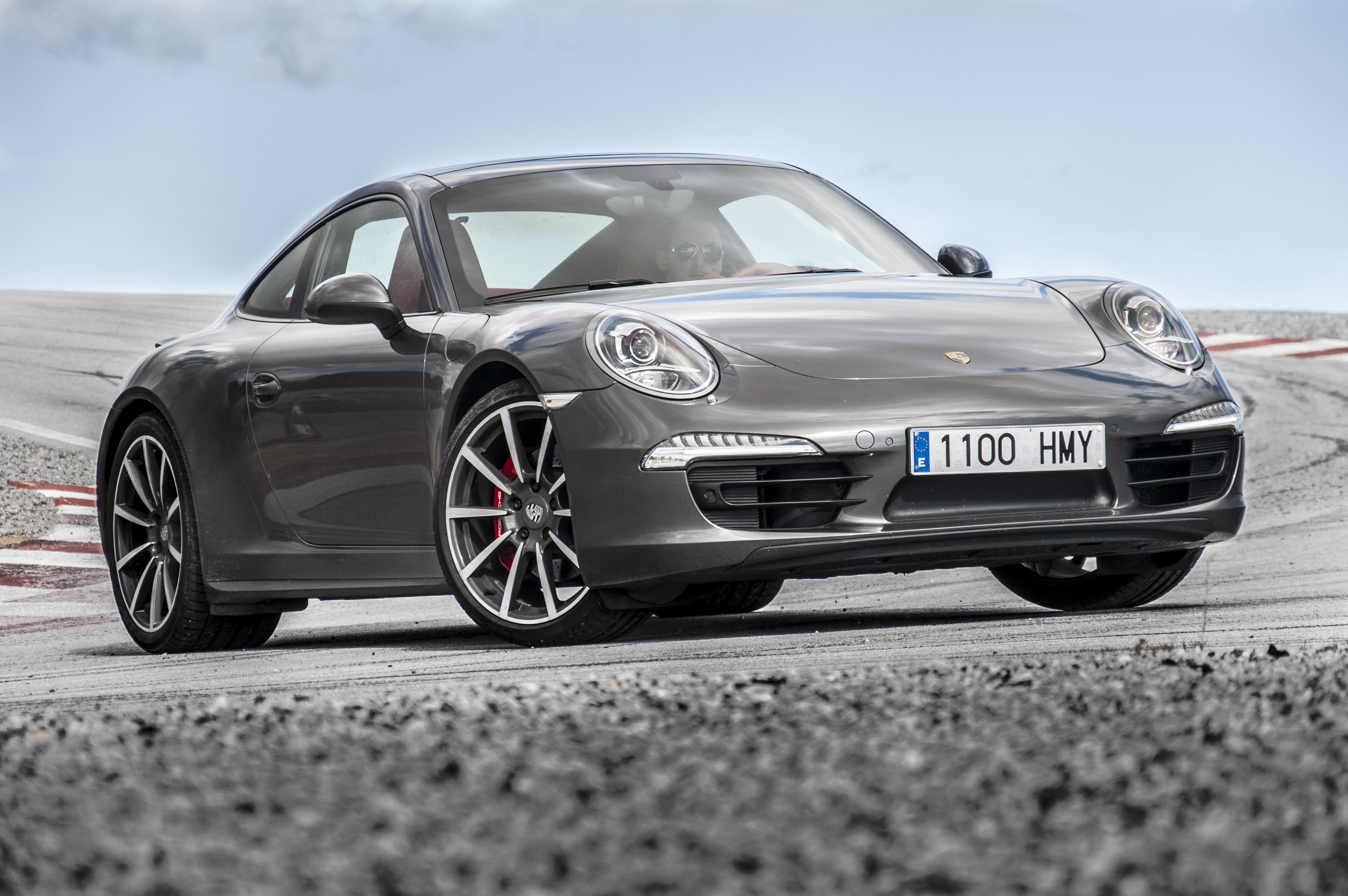
"...n't have too many citizens calling in uh you know 911 on you um you know you know going to a place tha..."
The Porsche 911 is a fancy sports car that has been around for a long time, and it's famous for being fast and fun to drive. People love it because it looks cool and feels special, making it a popular choice for those who enjoy nice cars.
The Porsche 911 is a high-performance sports car that has been in production since 1964, known for its distinctive design and rear-engine layout. It is celebrated for its balance of luxury and performance, making it a favorite among car enthusiasts and collectors. The 911 is often discussed for its iconic status in the automotive world and its evolution over the decades.
"...one of my customers was Simpson and I went there for maybe 18 months..."
Simpson is a brand that makes safety gear for racing, like helmets and seat belts. They help keep drivers safe during races.
Simpson is a company known for manufacturing safety equipment for motorsports, including helmets, harnesses, and other protective gear. They have a strong presence in various racing disciplines, including NASCAR and motorcycle racing.
"...with like original like the very first like Z1R super bikes and stuff..."
Z1R Super Bikes are a type of motorcycle that was very fast and popular in the late 70s and early 80s. They were known for their cool design and performance.
The Z1R Super Bikes are a line of high-performance motorcycles that were popular in the late 1970s and early 1980s. They are known for their speed and design, contributing to the motorcycle culture of that era.
"...when NASCAR kind of blew up for Simpson it was all hands on deck..."
NASCAR is a type of car racing that features cars that look like regular cars but are specially built for racing. It's very popular in the U.S. and has many fans.
NASCAR, or the National Association for Stock Car Auto Racing, is a popular motorsport organization in the United States known for its stock car racing events. It has a significant following and has influenced automotive culture and vehicle design.
Select text to request an explanation
What is up everyone and welcome back to the fast life podcast today I'm sitting down with
my longtime friend Mr. Scott Holbrooks who I met back in 20 early 2017 while he was still
the man behind the Simpson motorcycle helmet brand he since moved on and he is now the
guy who is bringing this new brand that we're talking about today Kabuto Americas into the
Americas Scott is a very very deep wealth of knowledge when it comes to the motorcycle
helmet industry and in this podcast you guys are going to hear everything there is to know
about Kabuto the helmets that they have to offer a little insight to some of the motorcycle
helmet industry and a little bit of his backstory all in this episode but first get here from
the sponsors real quick my guys over at Arlen S motorcycles if you guys are looking for
some great products for your motorcycle they are the go to and you can use the offer code
which is down in the description below to save yourself some money on whatever you get
for your motorcycle also my guys at cowboy Harley Davidson down in Austin Texas they'll
get you dialed in on a brand new or use motorcycle you pick they got them all down there go check
them out link in the description my guys over at Law Tigers are going to be there for you
in the unfortunate event that you are in an accident don't forget 1-800 Law Tigers to
get you on the right path and last but not least Kabuto Americas you're going to hear
about him in this podcast so I'm not even going to double whammy this let's just get
into it.
Hey guys you ready to let the dogs out?
We're here in New Braunfels is that how you properly say it I feel like I'm always saying
it the improper way.
Yeah you said it's New Braunfels so people add an extra S or they put the S in the wrong spot
I feel like I say New Braunfels or something like that a lot of people say New Braunfels
so that's pretty normal but it's New Braunfels yeah and so this is a new facility that's kind
of right off the interstate 35 for the most part right absolutely we're right off post road we're
on post road basically right behind Woods cycle center so if everybody knows where Woods is at
we're right there and basically out of this location you're you're fulfilling the orders of
everything for all the dealers on this side of the world basically so we're setting up
distributors in other countries but in America we'll be self-distributed and then we're doing
some direct sales to consumers as well so but we've already got a number of dealers set up
around the country and we're looking for more and we'll be at select events selling we have online
sales so all that kind of stuff yes absolutely so Kabuto like where does this brand come from
like what is the the whole backstory to its existence sure so it's a family-owned business
in Japan multi-generational and it started off as a brand called OGK and that stood for Osaka grip
company in Japan company the way they spell it has like a K when they do that so it's Osaka grip
company we made injection molded plastic and rubber parts one of the funny claim to fame's
is that you know there was a Japanese bicycle in E.T. called a kuhara which was a really cool
BMX bike and there's like a milk crate like a plastic milk crate that E.T. actually sat in
on the front of Elliott's kuhara and we made that crate so kind of a weird sort of tie in there but
the company sort of got its start I think right after World War II and then this part of the family
kind of split off and started a new division in early 1982 called OGK helmets and they specifically
focused on helmets initially injection molded helmets and then that's been over 40 years now
so injection molded helmets that would mean it was plastic right yeah there's and there's
still a number of a great number of plastic helmets made in the world and it's it's it's
you don't really want to call them plastic they're injection molded thermo injection molded
polycarbonate alloy so it's a poly ABS blend and you know when people make helmets out of that
you're still solving to the same exact standards but they have different properties and how they
absorb impact and and spread impact over the shell and so you know you're still going for the same
exact homologations but you're just you're you're basically skin skinning a cat a different way
so while we do make helmets like that for other markets around the world all the helmets that
we're bringing to the United States are Japanese made and they're fiberglass helmets yeah so we're
not doing any which is industry standard right it is and I mean there's a the majority of helmets
sold in the world are injection molded so absolutely the majority of helmets but you
know the majority of helmets are also several hundred dollars so is it are you kind of like
wrapping in every type of helmet yeah no no motorcycle helmets so there's but but in like
places like India they're selling you know they sell probably 10 times more motorcycle helmets than
in India every year than sold in America but there are also helmets that in India it's probably the
equivalent of like $25 US so they're very very simplistic injection molded completely different
standards so to go back to the history of OGK Kabuto in about 1982 we started the helmet brand
at that point was called OGK and I think about right roughly about 20 years ago they decided to
change the name to Kabuto and for those that don't know Kabuto is sort of a generic term
for helmet in Japan so when you say it's like the Kleenex right so when you say helmet or Kabuto
it it basically implies that like helmet let me go grab my Kabuto real quick right before we leave
they don't really say it like that but that's what it sort of implies there's actually even a Pokemon
character that's a little helmet yeah called Kabuto kind of funny so but what it really
specifically means is on the front of a samurai helmet there's sort of an endowment that's you
know it can be really wild or it can be pretty simple but it was I guess to guard against like
sword blows and swings and and it's kind of a stylized kind of piece that goes in the front
specifically that's really what a Kabuto is but over time it's just become synonymous with just
another way of saying helmet so if you look at our logo on the front the oval it's kind of a
stylized version of what you'd see on the front of a samurai helmet and so that's where that logo
sort of comes from nice so right so I've had an association with them and we can talk about that
a little bit later but I've had an association with Kabuto for the family that owns the brand
and the brand itself I've worked with them for about the last 15 years on another project
they really they tried coming to America about 15 years ago and it just didn't work out
the logistics of it was just really hard to do for Japanese company to come to America and set up
and understand the ins and outs of how we do business over here is very different so
since I had a long-term relationship with them and we knew each other very well and they
they were interested in coming back to this marketplace it was a great opportunity for the
both of us and so I agreed that I would sort of set this up and get this going and you know I've
still got maybe 10 or 15 more years before retirement and you know we'll at least get them
a great foundation and get them a place in the U.S. market for sure so when they decided to kind of
break off and create their own division and focus mainly on the helmets like what was it was it all
the injection molded helmets or they have a market whether it's bicycle motorcycle like what was
their their 80s like so we still make a huge number of bicycle helmets and we're the biggest
bicycle manufacturer in in Asia in Japan it is the biggest brand of bicycle helmets by far
right now at this point we want to really focus on the motorcycle helmets so we're not going to
do bicycle helmets at all but they also have an industrial division that does a bunch of industrial
type hard hats and some other things some personal protection device type stuff for industrial
even medical so their kind of focus goes well beyond motorcycle helmets into kind of all
protective gear specifically around the head so we make some very very high-end glasses
that are for a bunch of different applications but but really focus on bicycling so
so I think that we still do injection molded helmets we have a giant factory in China
and that's where a lot of the injection molded helmets are being made
for the domestic market and things like that but again for the US market or for all in
north of South America we're just going to do the Japanese made helmets and focus on that
and the high-end product they have a bunch of other styles that are popular in Europe popular
in Asia for scooters and things like that that just really weren't right for us in the US
so right now we're just bringing in two models we really don't have that kind of a
motorcycling commuter like you know vespas and like yeah maybe in your San Francisco's you're
you're more urban areas but it's not the way it is in other countries where it's
absolutely yeah it's it's a great thing you touched on that so you know we're I won't say we're
spoiled but we're spoiled and a lot of other parts of the world motorcycles are basic transportation
and it's one of the cheapest ways a little more expensive than a bicycle but but not as laborious
you can you know buy a scooter a used scooter fairly inexpensive it's inexpensive to operate
and you know that's in countries where you're selling tons and tons and tons of helmets I mean
just thousands bond thousands of helmets here we certainly have people that commute on motorcycles
every day year-round even in places where the weather is horrible don't ever tell somebody they
can't do something on motorcycle because they'll prove you wrong we had the ice storm a couple
weeks back yeah literally I saw it was a sport bike it was going down my street and I mean it was
slushy right but it was dry sure I was like man are you crazy like yeah yeah no there's I mean
obviously there's people who have done crazy stuff on motorcycles and you know you never say
you know there's there's people who have to have the exact perfect bike for each purpose they ride
or whatever and then there's people who you know use what would what most people deemed the absolute
wrong bike the wrong application and they do the wrong kind of riding with that bike
but more power to them because I think it's kind of cool you know don't tell me what I can't do
because yeah I can do anything sounds like a racing baggers yeah yeah exactly exactly like you know
it's it's kind of fun to do something with something that it's not intended it's intended
purpose that's kind of interesting so yeah so we do a ton of injection mode injection molded
helmets and we do a lot of also fiberglass and fiberglass composition so these are this is our
own proprietary fiberglass there's actually some organic material on it as well and it's it's a
process we've been developing in kind of our own style and everybody has that everybody has
what they deem is is best you know for us it just it works for us we will we'll talk about a little
bit later you know we're we're gonna have a carbon fiber version of this helmet but so that for
people that are out there like the process of making a carbon fiber helmet and making an injection
well not injection but a regular fiberglass it's like you're still vacuum yeah in a sense
it's it's the process is really the same and I only speak on this because I spent time in my life
you know laying up fiberglass race cars and then we would take those in the re
re-pop molds off of it to like do a carbon fiber bodies yeah in the old days
helmets were kind of made like that like there's some people kind of lower level
but there's still some people that use fiberglass molds to make fiberglass helmets
and you know they look kind of funny because they bolt together and you have to unbolt them and
the way you the way you do those is they're they're they're upside down you have a female cavity and
you're basically you know all of us when we were kids had art class and it was paper mache
and it's you're almost doing it exactly the same that's the real old school way
now it's very very specific layers and the fibers are the strips of material are laid in a certain
way instead of using you know dipping in some resin or something like that and having the
really really wet and pooling in the bottom it's pre-preg so it's already sort of wet
with the exact amount of resin and you're also for the most part building modern helmets
you're building them on a male mold which looks like the helmet and then it goes into
metal like a female mold and and so you're laying it up on a mold that looks like this
it's made out of rubber and you put it on there and like I said there's there's an instruction
sheet for each and every model of which direction the pieces go and things like that because you
want the helmet to I mean part of a helmet's protective qualities is it sacrifices itself to
protect your brain yeah so you want the characteristics of what this helmet does
as far as absorbing energy you want it to be consistent so you have to make each helmet
exactly the same when you test a helmet it destroys it so the only way to know that your
testing is as accurate is to make the helmet exactly the same every single time with them
specifically having a direction to lay out each one of the you know the the shards of of glass
or or carbon or whatever like I would imagine that's also to kind of keep it and even kill
around the whole thing and not have too much overlap and create like heavier spots for sure
absolutely absolutely and there's a certain way I mean there there even each size shell which
are's multiple shell sizes for each that has to be cut different so you have stacks of material
that these are all cut and you know I don't know off the top of my head but you know you might have
you know the the cutting people in the factory will cut this material and they'll stack it and
it's like kind of rubber banded together and it'll come on like a tray and it will be like
this is a medium helmet just one helmet and it's all stacked up and you have a guide that
basically and of course yeah once you've made a thousand of them or five hundred of them you know
exactly but it basically again instead of working down inside of a mold you're putting on an outside
of mold and it gets turned upside down and it gets extreme pressure and heat and has to sit there
and basically cure it's a vacuum as well yeah and that what that's doing is also helping getting
rid of all the excess resin which is kind of where the weight comes from is from the weight
where the weight comes from in the old days fiberglass helmets that were made in that upside down
method you know and working by hand with resin and basically a cup it was really easier to work
with material when you used a lot more resin you needed but the problem is since it's upside down
you would have a pool of resin at the very top of the helmet yeah and that's exactly where you
don't want weight yeah as the highest point so they haven't really made helmets like that
or I should say they the majority of people haven't yeah the industry the majority people
haven't made helmets that way in a long time but there's still some lower level factories that
probably aren't selling helmets to the US that do things that way still if you're ready to take
your motorcycle to the next level with style performance and quality this is where Arlen S
motorcycles comes in for over 50 years the legends at Arlen S have been building the boldest customs
and crafting premium parts that turn heads and stand the test of time from the classic big
sucker air cleaners to the new carbon fiber parts line to bars risers wheels brakes the list goes on
Ness even has a full parts line for the 2024 and up touring models whether you're pushing a Harley
Indian or a custom build Arlen S delivers with quality parts that I personally run on all my
bikes from my choppers to the new 2026 bagger I just picked up this year head on over to arlenness.com
and check out the new drops for 2026 and don't forget to drop the fast life 10 offer code to
save yourself 10% off your order your helmet better be as serious as you are Kabuto motorcycle
helmets brings Japan's legendary helmet craftsmanship with cutting edge technology that keeps you
ahead of the game with advanced aerodynamics like the wake stabilizer and crest spoiler you will
slice through wind with rock solid stability at triple digit speeds all while boasting a lightweight
composite shell with ACT tech and MIPS safety standards for the last year I have been exclusively
wearing the F 17 which is a full face model GP race helmet that has an aggressive profile
while having some proper ventilation to help with these extremely hot Texas summer days.
Kabuto helmets are new to America and I'm very honored to stand beside them this year
you can check out these helmets and find out more information at kabutoamericas.com and don't
forget to give my friends a follow at Kabuto underscore Americas on Instagram but this process
is very very high tech it's it's the most modern and even things like cutting out the
eye port which this is filled in when you when you mold the helmet cutting out this eye port
for a long time you know the newest technology was a water jet cutter and you know it has its
drawbacks you know the the little diamond tip it kind of needs its maintenance and wears out
and then you just have the mess of all this water so now the hot setup is this will go in a jig
and there'll be a robot come down and use a laser it's pretty cool and it just it's super super
slick and clean and and the big thing is the accuracy so when you're doing things like
adding events and and your shields and even in modular helmets when you've you've got all the
parts you need them to be super consistent so again every single helmet's exactly the same way
hmm so when did Kabuto get into the motorcycle side of like helmet manufacturing so right off
the bat and and um and like 82 um they were doing it's kind of I'll I'll go into a little bit of
a story how I knew about OGK crazy amount of time ago um I was working at a big shop in Ohio
called Iron Pony a lot of people have heard of them um and I had all these guys coming in
we were very close to Honda North America um in Ohio where they built cars and at that time they
built motorcycles and ATVs as well and this is for four internet days and all that there was no
way to look online to look up parts I just got the reputation as this guy that um knew how to get
my hands on a bunch of really rare and really cool Ducati parts which was kind of odd but I did
use the Ducati plug yeah I knew I knew um Eldor Aldo Farachi and and I knew each other and
these guys these Japanese engineers um were just crazy about air-cooled old school Ducati's so we're
talking about like um late 80s late 80s really yeah and um and so they would come over and
they would come to the shop I don't speak Japanese they spoke very little English but we could
figure it out they could look in some brochures I had and I would call up Eldor Aldo or we did
falicon cranks and we did so many cool things big bore kits and um they would throw away their
clothes and take suitcases back of Brembo rotors and stuff and I mean it was amazing to me as a
young guy working in the industry um zipping credit cards for more than 20 grand back then
with the little slide yeah with the with the you know the the one that does the imprint and um
it was really cool and and what would happen is these guys would rotate in and out and then
there would be a guy that would show up you know my guy would go home with a couple suitcases full
of parts and uh somebody else would show up a couple weeks later and they'd have my business card
and they would you know walk in and be like uh yeah need to talk to this guy um and so
what was cool is is I developed a relationship and a friendship with a lot of those guys and
they started sending me stuff from Japan so I had this collection of motorcycle magazines you know
that was stuff we couldn't even fathom you know there was no Barnes and Noble getting back then
getting like magazines from all over the world yeah it was stuff that you'd never get to see
at all in the US and you know the whole thing about it opening the wrong direction yeah and I'll
I'll never forget um one of the coolest helmets that I saw ads for in there was a brand called
OGK and um on top of the helmet they had this big diffuser this big like it wasn't so much an air
scoop it was just a system of intake and exhaust and and um I'd never seen it like that before
later on a rye had sort of a version of that but OGK was like the first to to do that
yeah the rye helmet has always been this like really round shape yeah with like the yeah I mean
they have a certain kind of design philosophy and that's another um that's another family-owned
business in Japan it's been around a long time and uh the family that owns Kabuto and the family
that owns a rye are really good friends so Hatfield and McCool yeah no no not at all not at all
they're they're actually um I wouldn't say I mean we're still competitors I don't think we're
collaborating on anything yeah but they're very very friendly with each other they're it's no
nobody steps on each other's toes it's you know their society is a little different than ours
it's very respectful and very you know there's there's boundaries and so that was my first
observation of anything to do with with uh Kabuto was this magazine called Clubman and the magazine
still exists um it's kind of cool uh one of the guys that worked at Han to actually quit and went
to work for that magazine so I basically almost had a subscription to it like back in the day
and it's so funny um I still have the original I didn't I'm a pack rat about stuff like that
I still have those original Clubman magazines and the ads the first time I laid eyes on any
Kabuto and these ads that was kind of cool it was kind of a full circle no I know exactly where
they're at well you need to send me a picture of that so I could put it in this video all right
right on yeah and there's some modern Clubmans up front that they gave me when I was over there
just recently so if I'm over there I would do they have like marketplace like Facebook marketplace
or anything like that over there that kind of like uh um like a kind of like a craigslist kind
of thing going on or I don't know maybe probably be there in a while to find out yeah they so I
know one of our racers was there and found some super special bike and we helped him get it
crated up and sent home uh and he lives in Spain um so we did go last time I was there
we did go to a bike shop that specialized in like vintage really cool bikes really bizarre stuff
stuff I'd never seen and there was a couple like really really cool like there was a Ducati there
that was incredible I don't know how much it would sell for here but um you know it's just
motorcycles are much much bigger part of their general society you know here we talk about
maybe four percent of people ride motorcycles that's not money that's not many there it's just you
know um it was winter it snowed a little bit when I was there and um you'd still if you were at an
intersection at any given time in the city we're based in Osaka there was motorcycles even in the
winter at the intersection and scooters and mopeds things like that but um very much so
that it's just part of their everyday life and so um there's lots of shops from brand new high-end
shops um we stopped at a Harley shop and a Ducati shop but but I was getting ready to leave and
they were closed on on Mondays and Tuesdays they need two days off in a row so they were open on
Saturday and Sunday so yeah yeah for sure but um yeah so they're you know it's just it's just
different um so would you say that like that that original helmet you were talking about with the
diffuser on the back yeah so their initial jump into it was to create helmets that kind of fit
a racer profile kind of thing for sure absolutely so right from the very start um we have um I call it
a wind tunnel but it's actually it's more of the building itself as a piece of equipment
so it's it's really awesome um we're one of the few helmet companies that has their own wind tunnel
and um even early on um you know you can look online and find find out some history and things
but we were the first to make kind of that teardrop crazy looking bicycle helmets at some of those
road guys use um and and um you know we were one of the first we've always been um a supporter of
the Japanese Olympic team so they're always wearing kibuto bicycle helmets and so right from the very
star arrow was something we really really paid attention to I know we've worked with several
different universities in Japan as well to kind of understand the dynamics um high pressure points
low pressure points um and you know racing motorcycles has sort of changed over the years as
well so with with moto gp bikes now you know I think here at koto maybe we're going to 225
I mean 225 ish up the hill basically yeah and um even some of the events here you can see that
you know we have something called omnidirectional aerodynamics they play a big giant role in our
focus um you can see for a moto gp helmet the f17 kind of has a smaller wing than some other
people's helmets have these enormous wings and those work well when you're tucked into the bike
and you're under the bubble and you're you know you know you're trying to get as as much aerodynamic
efficiencies you possibly can but as soon as you pop up out of the bubble and you're on your brakes
and then you're you know you have to look through the turn um as soon as you do that you're turning
your helmet and you need the helmet to be stable from kind of the side as well and you can even see
these little vents here in the front they're designed to scoop air when your head is actually
turned sideways not so much when it's turned front so that's specifically for that what kind of speeds
I mean obviously it depends on the turns but like when you're kind of coming into that like on a
moto gp what kind of speeds do you think they're entering those kind of turns in well at the top
the hill I mean they're breaking hard from they're breaking hard from I think they're I think they're
going maybe 225 and they're breaking and and I don't know I mean maybe maybe they're um that's a
top of the hill is a u-turn essentially yeah yeah basically not quite a hairpin but a u-turn right
I mean I don't know the speeds at which I've not done a track day there I wish I did and I wish I had
a chance to do it but it's you would think it's still significantly fast enough to where
you're going to get some wind turbulence and stuff coming at you through things for sure I mean
especially when you're you know the idea when you're tucked in behind basically the shield
and even if you're doing like fast s curves or something you're still going to be looking through
it absolutely and so that's still probably going to have a yeah I mean we've all seen pictures of
guys hanging off so hard yeah that now no are they they're not rubbing their elbows they're
actually rubbing their shoulders now and so when you're doing that the windshield is someplace else
you know you're completely out in in and pretty dirty air actually and so we've got a lot of
things on this helmet you can see these little wake stabilizers right here they're patented
to help with the aerodynamic efficiency and absolute also the stability that's the big part
so this helmet also has something called MIPS actually both helmets that we have in the US
right now have MIPS and and what that is is the easiest way to explain that if we think for boxing
for instance if we were in a boxing match and you get hit in your chin or you get hit in your nose
straight on we're designed to take a pretty good punch straight on yeah and we can absorb that
but you've always you know you've you've absolutely seen people who got a right or left hook on the
chin and it's lights out it just turns your it turns your brain off basically and so MIPS the idea
of MIPS is that you know when you have a motorcycle crash and you have basically a rotational impact
or you're glancing off something and the helmet twists a little bit rather than having
it be rigid to your head and then transferring that force even if it's just minute and very quick
transferring that rotational force to your skull and therefore your brain it's it's damaging and so
what MIPS does is MIPS creates a little tiny bit of slip so that helmet shell basically or the
interior where your head is touching is it's connected but there's a little bit of give to
where the helmet will move a little bit and it's not like a ill-fitting helmet it still fits perfect
it's not it's not perceptible but you have to think about you know when you're trying to
make a helmet that it will will basically have some give if you will but also has to be stable
enough to go 225 miles an hour and pop up out of the bubble it's got to be stable it can't vibrate
or do anything weird like that but yet if you do have an accident and you have a glancing blow
that it helps dissipate some of that energy and not you know reduce the the effects of a brain
injury so this is the only Moto GP helmet that has MIPS MIPS is a much much bigger deal in the
bicycle industry a lot of everybody knows about MIPS in the bicycle industry the rider that that
we've had for a number of years that's still a test rider for us but he's largely retired now
Alessia Sparghio he was a Prelia rider now he's on a test rider for Honda
he's a big bicyclist he's huge in bicycling and it's one of the things he loved about our brand
is that we had MIPS so it's the only Moto GP or FIM certified helmet that has MIPS
so in talking about safety standards you're talking about you got your DOT which is kind
of like a Department of Transportation that's our stuff here in America then EC is a European
standard yeah that's right and then MIPS is that just an additive bonus thing it's not quite a
standard yet for me it's it's not a standard it's it's it's a basically a feature it's a feature so
the the three there's multiple homologations here in America we have DOT which is a Federal Motor
Vehicle Safety Standard number 218 specifically and it gets sort of a bad rap a lot of people like
to talk bad about it that it's not you know it's not that great of a standard um they really
you know it's kind of one of those old adages I always like to tell people you know tell me
exactly what kind of accident you're going to have and I'll tell you what the best helmet
to wear is for that accident because there are times when a plain old DOT helmet probably works
better than anything else yeah but first and foremost all helmets that are sold in the United
States even if it's like for dirt bike riding have to be DOT has to be so that right off the
bat you start there and then ECE we're now at 2206 that standard changes every 10 years or so
DOT typically doesn't change it has a little bit but not much ECE 2206 is the newer standard there
it's actually put out by the United Nations so the UN actually does that and you have to have your
helmet certified to that so they they do testing in in they don't have their own test facility they
contract to labs and then we have to pay to have all the testing done and things like that and we
basically get a certification sticker and you'll see the the note of that on the back of the helmet
and actually there's a notation on the chin strap as well for the ECE
DOT is self-certified so that means I as a helmet manufacturer I know what the certification is
or the standard is and I have to build helmets to that standard
DOT goes out and buys hundreds of helmets a year in the marketplace they buy them off dealership
shelves like secret shopper kind of secret shopper type thing and then it goes to a laboratory
that's contracted there there's there's one the contract moves around so it's not always in the
same spot but there's a fantastic lab that I used in the past in San Antonio called Southwest
Research Institute and it's a you know it's a private for-profit research institute it's
incredible to go there and they've been contracted at some point you really don't know who has the
government contract at any given time but they blind taste they taste test they blind test helmets
in the marketplace and basically it's pretty scary because if you fail any of those tests
you're going to recall your helmet and that's a nasty thing nobody wants to do that so you
you absolutely make sure that you meet the DOT standards things still happen yeah people so by
doing it that way it's kind of like you can slap that sticker on your helmet but if you you're
going to probably get catching major fine or something like that huge yeah you're going to
you're going to spend you know probably they're going to want you to pull yeah all of them they're
going to try to you you have to do advertisements and all kinds of things where you have to pull
those helmets back in if you possibly can so you don't want to do that so you don't want to
mess up with your dot stand your dot standard so and it and again testing wise I would encourage
anybody who's really interested you know there's dwell times and things like that there's jewels
or how much energy gets transferred from the outside impact to the inside impact
DOT has a penetration test where they've got like it's about a 10 pound spike with like a 60 degree
point that gets dropped from I don't know like 12 feet and the spike can go through the shell
but it can't go through the EPS and there's a way to test that and so the European standard
actually doesn't have the penetration test or I shouldn't say that they have a penetration test
but you know as a manufacturer going in exactly where they can drop that spike so you can build for
that the DOT specification you can drop that spike anywhere you want and so you have to build the
helmet strong enough and if you think about something like this like a foot peg on a motorcycle
or something the penetration test shows you that something pointy you know you don't encounter
things pointy too often but let's say you're a motocross guy and you're riding dirt bikes
metal foot peg a lever yeah you know something that would poke right through your shell and
so it also shows the ability of the helmet to take a sharp impact that's at one specific point
and how to spread that impact over the whole entire shell and resist penetration but also
kind of not deflect that impact but kind of spread it out and again like when you would
it would show the crash test in cars sure how a unibody like yeah yeah it would absorb yeah
so again helmets sacrifice themselves when you crash the fiberglass will crack and delaminate
and the pieces kind of slide and and and come apart basically I mean you know people
you know you it's surprising I don't think people really realize you're not trying to make your
helmet strong that's not the idea you're trying to make your helmet like like something to protect
you it's in a way it's actually kind of soft and the outside part is is hard to
absorb the energy and spread it out over a larger area the inside part which is expanded polystyrene
which is basically styrofoam it looks like a styrofoam coffee cup it's an insulator that's
your shock absorber and when you feel that it feels really hard but all it has to do is give a little
bit and when you you know from a coffee cup if you scratch it with your fingernail that the
it's the scratch stays there and so that's another reason why the helmet destroys itself
and protecting you you might get cracks and delamination here but when you have an accident
your head is pushing on the inside against the impact and you're basically squishing from both
directions that EPS and so what happens is once you've had that impact the helmet largely is no
good yeah yeah here in Texas when you're ready to level up your ride there's only one dealership
that I go to and that's Cowboy Harley Davidson of Austin whether you're looking to jump on a new
2026 model or a certified pre-owned Harley that's ready to go Cowboy has you covered genuine Harley
parts expert service by factory trained technicians finance options all from the dealership that I
have trusted to buy my last five motorcycles in the past 10 years swing by or hit them up at Cowboy
Harley Austin dot com and don't forget Cowboy hosts weekly events so follow them on instagram
at Cowboy HD Austin to get real-time updates and one split second your ride can turn into a fight
for your life your bike and your future that's when you want law tigers and motorcycle lawyers to
have your back they're not just attorneys they're riders real ones they've been in the wind they
understand it they know the risks they fought for thousands of injured riders across the country
to get the compensation they deserve 1 800 law tigers needs to be the first call you make they
would get you on the right path with free case evaluations 24 7 call law tigers before the
insurance company starts spinning their wheels again 1 800 law tigers or hit up law tigers dot
com to get on the right path and give them a follow on instagram at law tigers and once again
1 800 law tigers the first call you make so i mean that that's just kind of like one of the added
features of this helmet you know i mean with all the testing and all the stuff that they do for all
these different things what is like moto gp expect you to have to be able to be a moto gp that's a
good question so fim is another standard altogether on top of that and that's this helmet is fim approved
helmet it is the actual helmet we use in moto gp racing it's not like we have one helmet we use
for that another helmet we sell to the public this is our moto gp helmet it's like the prototype
car and then the car that comes right to the public like you're right yeah this is the prototype
right no this is the real this is the exactly the helmet we use in moto gp you know our our painter
that works with a lot of with a lot of the racers he's in i think he's in holland maybe he's in
netherlands i think so anyhow slg graphics we send him a ton of just white helmets just like
that at the beginning of the year and and uh he paints them for a bunch of the racers and uh yeah
so fim is another one of those that you you have to pay um for their certification um they
regularly test the helmets i mean they are absolutely um beating them up and testing them
all different kind of aspects of the helmets and um because they want you know it's catastrophic
if a racer gets a head injury so yeah it's kind of like anything like you know like when you have
a basketball player running down the court and his shoe blows up yeah that's like devastating for
that shoe manufacturer right so you want to make sure when you never know when the cameras are on
the bike or whatever but you always want to make sure that you know this is the the the spoilers
not flying off of it on the camera absolutely absolutely absolutely without question yeah it's
it's uh every once in a while you know you'll have somebody who have a shield problem and there has
been a a time in the past where um shields uh if you watch moto gp you'll see that shields
were coming off and that was a big problem and because if a shield comes off in an accident
there's a chance your rider could have a pretty serious eye injury or some facial injury or
something like that so most moto gp shields now have a locking system and um in fim2 which is
coming up a new standard fim will have they'll even be a more robust locking system that will be
absolutely required in all moto gp helmets so so when did like cabuto finally or when did they start
getting racers in moto gp and things like that so we've been road racing like from the very very
start yeah and we've had uh it's like superbike world superbike those kind of things um a lot of
times as azuka and endurance racing and things like that but our first moto gp rider was a young
man named remmy gardener and um racing fans have been around a while um know his father's name
wane gardener he was a world 500 cc champion from uh want to say late 80s early 90s and so remmy's
his son and uh remmy's not doing moto gp anymore he was our first rider he's gone and he's doing
world superbike now um and then um we got uh um highlasha spargeo and uh he was with aprilia
and he retired at the end of 2024 and he moved on to be a test rider for honda
you were just talking about yeah yeah and then now we have yoan mir who is a champion from a few
years ago on azizuki now he's a honda rider and uh he's our current guy he was with us last year
and uh he's still with us this year we also have uh michael piero who's a ducati test rider
he's a well-known guy that's been with ducati a very very long time and really has played an
important role in helping ducati um develop a pretty dominating bike in moto gp and then we
have a lot of other riders um in in the other two classes um and then all over all over the world
in many different aspects of racing from australia to europe and um there's a lot of people racing
with kabuto helmets right now not so much in the us we're still getting just started with that um
so right now i think we've got um you know torrin collins who's the supersport champion in canada
and comes down and does some some racing in united states um and then we're going to be doing some
flat track so um we've got a rider um signed up to be a flat track racer next year um for us um
we're developing some tear-offs specifically for a flat track um that are different than
the road racing tear-offs but uh they'll largely use the same helmet what does that mean tear-offs
tear-off so um you can see that um not this shield that's chrome but the shield is clear right here
you have these big buttons on the outside on the inside there's uh there's a um pin lock system
where you basically can install a little shield that keeps you from fogging up we'll talk about
that a little bit later but specifically for tear-offs they're they're basically sheets of like
cellophane that go on there and have a tab and and you have basically clear vision again
yeah you pull it off and and um the ones that we use in europe for road racing are just plain
sort of plastic the ones that we use um for dirt track racing us you can stack a lot more of them
because they're actually um there's adhesive between them and they're actually laminated
each other so they're almost like a stack of clear stickers you peel them off one by one and
some guys will use 20 of them on there at one time which is kind of crazy but um yeah so we're
developing those right now um there's a company in in las vegas that makes those custom for us
so i guess let's uh some of the helmet stuff like features and uh you know like go over
the venting system and some of the aerodynamics as to why maybe some of it's that way sure and
um we can kind of give people an insight to some of the helmet stuff in that regard you know what
i mean sure absolutely so this is the f17 which is our moto gp helmet and um you'll see in the
front you've got a couple chin vents right here that you can open up independently and and this is
these largely um they're not going to like add air or send air to your mouth it's more about
keeping the inside of the shield um the same the same temperature as the outside so you don't have
fogging um most racers don't use pin locks it's mostly for street riders um they could use a
pin lock in like really extreme conditions let's say they're doing an endurance race and wet or
something like that um and you got your locking shield it's a little cumbersome on the table
but once you get used to it um and you i use my index finger um you basically um push with one
and it locks it's i mean it's locked down nice and nice and tight yeah when i was wearing mine
it did take a little bit of time to get used to it yeah but it's like any learn it's learning
buttons on a controller right absolutely absolutely then you got these vents right here on the top of
the forehead and again these are really designed so when you pop up out of the bubble and you're
going to the turn these are going to scoop air in when your head's sideways when you're looking
through a turn um you got a central um vent on the top and then you got exhaust vents in the rear
with the spoiler
and then you got this wake stabilizer right here which really helps with
the aerodynamics of the helmet um and basically what you're trying to do is you can see this on some
aerodynamic um commercial vehicles like big trucks and things if you're not if you don't
make something like this and again it's patented um this is designed normally the air is going to
follow the shape of the helmet and it would come on back to here and would break away and cause a
lot of turbulence right behind the helmet this actually makes the help this makes the air actually
break free right here on the side of the helmet and so it makes it move through the air much much
cleaner so again uh super serious so much time has spent on this helmet in the wind tunnel
making sure it's just as perfect as it possibly can be um you know there's uh some people are very
sub susceptible to like wind noise when they're riding a bike and some people seem to not to
care about it these helmets are really quiet um but again it has a lot to do with your height
the windshield you have on your bike um or no windshield how dirty the air is maybe you have
t bars no fairing big risers no fairing ape hangers there's so many different factors in play
if we just had this helmet out in clean air it's super super easy to design a helmet that
works in perfectly clean air but as soon as you start adding other elements yeah the bars are
going to turbulent air the way that it comes off the the fairing or not yeah all that stuff
is going to make a difference even your riding position because you think about how a guy you
know on a bike like this st is going to be riding position it's like sit up and beg compared to a
sport bike guy who's going to be you know tucked in um even when he's riding relaxed he's going to
be much more aggressive i'm not i'm not suggesting people get on the highway and you know tuck it
completely that's ridiculous but um but really uh so the helmet is is sort of optimized to work
as a racing helmet but it still works as a street helmet yeah you've been riding with one for a
while do you find it pretty quiet yeah and and i i guess that's where it kind of gets complicated
trying to um i guess i don't know if the word is educate or just kind of like relay i guess is
better how i would say it relay how i feel because it's almost like you gotta wear a really unknown
or known loud helmet right and then put it on because i've never really been very susceptible
to loud noises sure i'm not a earplug plugs kind of guy like the the noise in the general doesn't
bother me so i've always felt like i've really suck at being the person to answer that question
right but i do notice a difference in like say putting on an awry a showy uh anything that has
more of that almost like sock like sure coming on right it's just it's blocking more and more
areas from like noise to kind of get in absolutely and just knowing from like doing podcasts and
like uh audio stuff i kind of know how sound works how it how it bounces and whatnot and
i don't know i feel like i i don't really have an issue with that at all but i also like i said
i've never really been one that hasn't it's complained about it right what i do what i do
notice and you know when it comes to like an everyday like street rider like myself like the
things that i look for in a helmet is airflow yeah um especially here in texas where it's 110 degrees
right um and and like the pin or not the pinlock but the the detents sure because again when it is
110 degrees you're right with your shield up and sometimes you use maybe not all the way up but maybe
just a little bit of air to come in and give you some like some fresh air or whatever and
the thing is that like whenever the visor is down and you do have the vents right here open
i don't know what the technical term is for those but when those are open i can feel the air kind of
just like as if it was just fingers rubbing over the top of your head right which to me like adds
a lot of value in in the ability to like have you know cool air on your head while wearing a helmet
in a place like texas right right absolutely you know what i'm saying yeah and this is the other
thing because when i when i did my my video of picking up the harley and i was kind of giving
people hey this is riding around blah blah blah the biggest thing that people i think in the harley
space have issues with is um is uh what do you call it the turbulence it's there's a name for it uh
when like your riding and your head starts getting this it's uh um the buffeting buffeting
that's right so i need to ride more to officially say this and i but i feel like me and my wife
which she she's rocking she was rocking the aero blade yeah that's riding around like that didn't
happen i usually only would get a buffeting when i have a passenger sure um the way i sit and the
my bars and the the the visor the windshields i usually do i try to optimize for looks and then
sure what not sure i understand but i i really haven't had much of an issue with that i don't
want to go on record saying that i don't have an issue but that's all a lot of uh like my height
where i'm sitting on the bike the wind is coming over like there's so many variables that like
you know i had said on the video that i didn't have any and i was just saying maybe that's a
testament to the new harley design right but realistically there's just so many factors to
go into that it's hard to make that a blanket statement well even even hd you know for a while
you know it was basically accepted wisdom that you would just put a big block in front of all
the wind and you'd be in this little pocket behind it yeah but they realized as that's where
there was a lot of turbulence and buffeting was that tumbling air behind there and that kind of
low pressure zone and so you see all the new harleys um you know they have vented fairings
where you pop open vents and even that in the center of the windshield at the bottom
there's a pretty big vent and what that does is that allows air behind so you're equalizing the
pressure um that air comes through and hits you in the chest and things like that and what it's
going to do is equalize the pressure and stop that crazy buffeting so they're starting to even
understand that from the bike manufacturing side of things now that i think about it well my wife
is riding and she doesn't have a backrest and she's closer to me i really don't get right but when
she's sitting back on a rest and there's gap between us yeah i feel like that's when you're
gonna get that because you get the dirty air from my element yep in that pocket there yeah absolutely
absolutely so it's kind of interesting um i noticed when i i don't have a road glide now but
when i had a road glide previously you could open and close those doors i don't know if the newest
ones like that they just have them open now they got rid of the mechanisms yeah that when you closed
it was pretty horrible it it might have been a little warmer like in the winter time yeah
but i i didn't really i mean i don't really ride in the winter anyhow but um it might have been
in ohio at the time at the time it was really cold when it's winter um but i had to ride with
them open all the time to basically stop that buffeting so um you know so we're we're trying to
make the cleanest aerodynamic helmet you possibly can
and i was thinking about this earlier not sorry to cut you off but i was thinking about earlier
when you were talking about the wind tunnel and for racing like that's a specific thing that kind
of like encompassing encompasses like the the initial problem at hand we need to make an aerodynamic
helmet to do this job right but then i was thinking like well what if you made what if you went through
the process of doing that for your everyday riders right right but then i'd answer my own question
when i was talking about all the different ways that air is going to be turbulent differently
through the different fairings windshields right manufacturer motorcycles yeah how could you build
something that yeah and i mean and everybody has different ideas of what they want to do you know
right now half helmets are pretty much falling out of fashion um they're kind of in in certain
segments like so right now what's weird is like all the cali dudes they're they're running those
like jockey kind of style like helmets with the they have like the covers for their ears i don't
know if that's just a winter thing or if it's the whole style but that's gotten pretty popular
out there so at one point working for another helmet company many many years ago we were selling
hundreds of thousands of half helmets a year yeah and the funny thing is i couldn't wear one
i was manufacturing them i was developing the the how they fit how they look all of the engineering
side of it i was working on but yet i couldn't ride with them because to me they were just
insanely noisy like the wind i just couldn't ride with them is this the former days yeah just drove
me crazy we were selling massive amounts of those helmets and you know they work for some people
that's great i think most people realize that you when you're wearing a helmet like that
you you have less coverage and and therefore less protection so i think i think mainly those like
small little half shells for its inception time was just to solve the helmet law problem i think in
those cases um ece 2205 2206 and and people like fmi fim and snel and people know none of those guys
authorize those helmets it's only dot and they're largely not available any of those helmets are
not available in europe so it's pretty much an american thing and and it probably was for people
to get by um in states where helmet law states um and that's the closest thing they could do
to still have an open yeah to have no is as minimal a helmet as possible um the projects
i always worked on were absolute dot we wouldn't do the novelty type you know i don't i've never
been involved in that but um you know i think uh a couple different things have happened one um
they've sort of fallen out of favor with um with the younger crowd i think a lot of the older
crowd still wears them maybe in california that's coming back around yeah um and i think also a lot
of a lot of um states that had helmet laws now have changed their helmet laws and they've they
haven't made helmet use mandatory they might have helmet laws but it might be that you have to have
insurance or you have to be 21 or you have to be you know there's a multitude technically i think
it's like that here where you're supposed to have sure a certain uh life insurance policy
and and uh of you know at least i think it's at least 18 years old or something like that right
yeah almost every single state has some form of helmet law but that doesn't mean you necessarily
have to wear a helmet it just means you have to wear a helmet unless you meet certain criteria
want to say even like i want to say vegas had some or not vegas but nevada had some weird one where
it was like on a highway you have to wear one but not on the streets but i could be completely
asked backwards on that but you know i it was either that or it was lane splitting helmets
or lanes but i can remember which one but but i think i think you know that's also kind of um
you know people have have sort of changed up from that you know and um you know styles morphe
and and um helmet technology you know full face helmets are a lot more comfortable now um than
they used to be um they're better venting um better peripheral vision things like that so
i think that um and maybe as we age we we worry about getting in accidents more maybe
we're not as invincible as we once were and um and maybe uh maybe they are more comfortable when
it comes to you know wind in your face all day long yes uh is yeah traveling on a bike it definitely
changes the dynamic the first time i ever rode across country i was doing everything i could
i think i did have like a a full face it was like a cheap little sure hjc or some something you get
from like cycle gear real cheap and uh it was on the it was strapped to the back seat in all the
states that i didn't have to wear it but when i got to california i threw it on and then you
start to realize like man like i've been riding all day long and just the wind burn and the sun and
all the different things and they get to your your destination for the day and you just look at
yourself looking like a raccoon and all the different stuff right got the little half moon
shell from your your backwards baseball cap going down the road you know um even even from a
dehydration standpoint your exposed skin on the highway um you really get crazy dehydrated i mean
it basically the wind pulls the moisture out of your body and so again you start getting fatigued
you start getting dehydrated you start making bad choices it can just snowball into all kinds of
bad stuff so proper gear um and and we're you know we're not the type of people to tell people
that they have to wear this they have to wear that you know i'm every once while i jump on a bike
with a t-shirt on yeah i know that that is less protection than a jacket yeah um but i also know
that all of motorcycling is risk management yeah you know even getting on a bike the majority of
people in america 96 of people don't risk riding motorcycles and so um even deciding to take
that risk means that um you know we can do all the right things and it still go horribly wrong
so as motorcycle riders what i what i hate is i don't like telling people how they should ride
or what they should ride with gear wise or not that at all that's not my place yeah that's your
risk to manage and it's my risk to manage yeah so yeah don't tell me how to raise my kids no
not at all not my job so you know maybe jumping around a little bit like where like you you kind
of always been working within the motorcycle industry right i have but where was the transition from
being in the parts and all that kind of other side of it to getting specifically into the
helmet brands and manufacturing and all that type of stuff so um i went to work for tucker rocky
which is one of the big giant distributors um they're no longer around they've been kind of
private equity out of business basically but they were actually based in Irving Texas
Dallas area up in your neck of the woods um and so i actually lived there um i don't know you might
have been three or four years old or something like that was the nineties it was uh early nineties
okay yeah i was uh i was i was eight nine yeah okay yeah yeah so um you know it was it was a funny
time uh we worked for a motorcycle wholesale distributor um it's a place where for people who
don't know um you like the Harley dealer gets a lot of parts directly from Harley Davidson
but then there's a lot of parts that come from the aftermarket and like tucker rocky's division was
was biker's choice and at one point it was nemco um our friend bob k mutual friend um from that
and i worked with bob at tucker rocky for a long time and so um you know i went to work for them
after working in motorcycle shops initially after school um i went to work for them as a buyer
and um basically i i was we had i think at that time 10 buyers and we bought all this stuff you
know it's hundreds of millions of dollars in sales a year to all the dealers united states
and um you're buying from brands to bring into the catalogs right yeah we're buying from brands
to bring into the catalogs and we didn't do any it's all wholesale so we only sold the dealerships
and at the time i think at the peak i think we had 12 warehouses 10 in america and two in canada
and they were strategically placed all over the america and it was my job like for instance uh i was
the yoshimir exhaust buyer and it was my job to buy the yoshimir exhaust to put them in all those
warehouses based on you know we had already decided we were going to be a yoshimir distributor so
then what you're doing is you're just letting your numbers do the talking like what demand is
coming out and then you're because maybe yoshimir is not going to do as well in like the the pacific
northwest sure but you know downward the tracks and where the people that are riding sports bikes
absolutely so you're basically going by demand so i mean there was a number of different i mean i
think each of us had 50 or 60 brands and at that time we had our senior product line manager they
were called product line managers or buyers a guy from dallas a dear friend of mine his name is
ronnie han he bought all of takaraki's helmets he was the helmet guy i focused on exhausts i did
yoshimir and f m f um a couple other brands that came and went i did a bunch of chemicals so a lot
of the chemical companies i dealt with and i did all street apparel so field shear first gear hind garrick
those were all my brands and you know i'm a 24 year old guy and i'm writing purchase orders for
several million dollars you know you some of that and it was blowing me away i mean i was like shocked
in the 90s in the 90s yeah and and uh what was crazy is you know we're a motorcycle company
and uh we were required every single day to wear a suit and tie to work damn and it kind of drove
me crazy like i really really hated that yeah so i i i did that for many many years and um
then uh an opportunity arose uh for uh another distributor that's kind of the third
distributor and at that time the third largest one um there was parts unlimited which still exists
today and there was another one that was based in missouri called motorcycle stuff and it was a family
owned business um not uh you know private equity or not like that and it was a family owned business
and they only had three buyers and three guys did all the but it was a much smaller volume yeah
not as wide of product line and i went to work for them and i did exhaust um they didn't have
any street apparel at that time but we brought in some street apparel and i bought that um we
developed our own line of leather and that's where i had my first um involvement with buying
helmets and some of my brands that i bought then were um bell there's an italian brand
that's no longer with us called bfa or bafi uh it was the bfe buyer and uh m2r which was a brand
um of kind of inexpensive helmets and they also did some dirt bike racing um by a friend tonia
oliver out of australia had that brand and so and i think o'neill o'neill dirt helmets so those were
our brands there and i bought those and again um mostly exhaust and street clothing yeah and for
everybody listen like i think most people get like they understand the models behind like drag
specialties and stuff but like these smaller distributor companies help like a small you
know a smaller shop like a mom and pop shop be able to have access to parts lines to sell to
customers yeah absolutely and so this day there's like smaller ones that aren't as big as like your
specialties or uh hard drive i think it's what they call it now but like mid usa is still out
there and they do a lot of consumables so like your oils your gaskets that way people can still
maintain spikes and have less of a 10 or 12 000 are buying to get set up with companies yeah and
there's there's regional guys that have been around for a long long time there's guys that
specialize in certain things um you know there's a company called helmet house that does helmets
and apparel basically um there's another company called western power sports of course parts and
limited um tucker rocky's been bought up by some company called turn 14 that's usually like it's
it's more focused on automotive type stuff um but so the distributors kind of operate in
kind of the background and um and now a lot of brands kind of like what we've decided to do
instead of going with distributors and having that extra discount that extra level in there
because they need to get paid we just work directly with dealers even even like tucker rocky
because ups and fedex and everybody got so much more efficient they certainly didn't
need 10 warehouses around america so they they pared that down smaller and smaller and smaller
and now that we're here in texas we can service west coast and east coast pretty well yeah
fairly quickly out of out of central texas so south central texas so yeah i want to say that like
the one maybe good thing that came out of amazon was that now i see a lot of uh ups and fedex
trucks running on sundays now sure yeah yeah you know you see a lot more uh you see like i mean
it just seems like it doesn't make sense for it not to it's a competitive world everybody's you
know and everybody's trying to offer a better service level the next guy and i think that sort
of peaked right before covid and then covid was an excuse for everybody to pull back a little bit
you know no more breakfast at hotels and all this stuff and and and people pulled back and started
doing almost the bare minimum and now we have again because you want a competitive advantage
now hotels are starting to add breakfasts back in and things like this just because they they
want to beat the next guy yeah and so uh covid was kind of a reset for all that stuff
this is a pullback but like a rubber band it's like now everybody's having to do
twice the amount of work that they would have had to do right to keep up or to keep right alive now
right yeah for sure so you're buying all this stuff and and you're you're in Missouri at the
time in Missouri Cape Cape chart of Missouri which is a really cool place motorcycle riding is epic
what's it closer to so it's right on the border it's on i-55 it's um about 120 miles south of
st louis and about 200 miles north of memphis oh so 55 is what goes north and south right there
kind of along the mississippi a little 55 goes new orleans to chicago that's right that's right
and so for for riding um it's was it like poplar bluff or something poplar bluffs a little bit west
of there but yeah so for riding going west towards poplar bluff and all that and then down into northern
and western arkansas kind of where the camp out was yeah incredible riding some of the best
riding that i've ever experienced my entire life i mean um you know it's great to ride in california
it's great to ride in east um and the smokies and things but man those arcs are pretty special
yeah and it's like uh there's it's not crowded and people sort of leave you alone yeah kind of
like it a lot so and we're like hey get get your gas and get right right well i just you know it's
it's uh you know where you have a lot of motorcycle riders showing up and riding in bunch and then you
have you know more law enforcement and and you have to be a little bit more careful and you
know as long as you're you know not doing too many passes on wo lines yeah yeah and and you
don't have too many citizens calling in uh you know 911 on you um you know you know going to a
place that there's not many bikes out is uh is preferable so yeah there's some there's some
great riding in arkansas and southern missouri no question so i i did that um i worked there for
a number of years and um you know things changed uh the family decided to sell that uh company into
some private equity and um you know basically the company that owned custom chrome they wanted
they had the v twin thing locked down with custom chrome they also owned chrome specialties and
paco frames yeah and they thought that they needed in their portfolio a company that was
focused on japanese and european stuff and that was us and so i stuck around for about three years
after that transition and it was it was to be expected i mean it's kind of how those things go
and um i was reading one of the trade publications uh and um
there was an ad in there for a company a helmet company based in memphis tennessee
called arthur fulmer and i knew about them but they weren't in distribution they kind of
they kind of you know they operated to beat of their own drum like they didn't do things normal
they were largely outside of the motorcycle business they didn't go to any of the trade shows
which is weird yeah and so i decided to take a day off work at motorcycle stuff and go to memphis
and talk to him yeah i sent my resume down and uh it was funny i i didn't keep a resume at work but
it just so happened um a friend of mine wanted to plagiarize because we'd had kind of the same career
path and he wanted to plagiarize what i'd written previously and so i happened to have it and i was
just like i did a couple updated lines in senate and uh you know i got early 2000s this would have
been right at um 2000 yeah so um 2000 2001 and so i got a call from home and my significant other
that was at home at the time was like um hey uh you just got a call like 10 minutes ago from like
fulmer helmets and uh they needed you calling back and i was like wow i sent it 15 minutes ago
like cool so we set something up a few days later i just drove the 200 miles down to memphis
it was a really interesting process um very very wealthy family owned that family owned business
for a long long time and they did have a very different approach to motorcycling uh
the motorcycle helmet business they just they'd been doing it since the late 60s and um they'd
had some real success and then they kind of forgot about it for a while and then success
was coming back to them and it was getting a little bit out of control and they needed they
needed a motorcycle guy to kind of manage that whole thing and so that was my first time working
for a company and solely focusing on helmets and only helmets and that's where i really got my
basically my education and product development so i started traveling um all of their product
was made in asia so i started traveling for them to taiwan china uh korea and vietnam
on a pretty regular basis so it was kind of interesting i had a lot of say in what the
helmets look like and how they fit and the range of sizes and when we would introduce new models
and when we would discontinue models and the whole life cycle of helmets and um investing in
tooling and testing and all these kind of things and it was a it was a wonderful time for me to
really um take it i have to use the term to the next level but the the family was wonderful to
me they were really great people um they treated me so well and and um and i learned a lot and it
was great and i was there um for 10 years for 10 years so that was a fantastic um it was a fantastic
time for me um i uh unfortunately my father uh passed away and um at that time nobody worked
from home nobody you know everybody was in the office and even though i was away a lot traveling
to different events and visiting dealers and interviewing them about what they needed for
their helmets and going to the factories overseas um when i was home i was in the office and i tried
to kind of work it out to where i could work remotely and come you know for one week a month
or something like that and we just we i worked on that a year so um on the anniversary date they
say it when somebody you know close to you when something happens to somebody the best thing to
do is nothing for a while um i resigned that position on the day my father passed away one
year later so i went back to Ohio where my mom was um i had a house in Ohio and um i went back to
work for my friends at at iron pony um the debt for a while did help them they added a bunch of
new brands to their portfolio i think now they're over 20 different brands of motorcycles um at the
time when i was there i think they just did Yamaha and Suzuki but we i mean i was there a couple
years and we added another five or six brands including indian um so i had a lot of a big
experience with like the initial setup of an indian dealership and the very reverse bikes they did
and things like that it's kind of cool process um being part of that and then a person i worked with
at fulmer um was working for another helmet company based in california's office but they were in
china in shanghai and they needed some help and uh they needed more of like a
not so much a product development guy they needed like a person who understood the helmet
business and the manufacturing side and actually kind of you know what that process looks like
and um they had all these customers already set up like um arctic cat was a customer of mine
simpson helmets was a customer of mine and so i would basically go around the country
and offer them our services to develop a helmet specifically for them or to take helmet that was
already existing and update it or do new graphics or whatever was needed for their marketplace but
also helped them understand the timeline of how long that takes to get that done so you kind of
like created a new business of being kind of like a middleman or kind of a a little bit i mean they
sort of had that already and that still exists for many many companies i mean i i don't know if
people realize this but like harley davidson does not make any helmets yeah like they're not a helmet
manufacturer so the helmets harley davidson has they've got a guy that works for that helmet company
that goes to harley and says this is what we can make for you yeah and this is the timeline and this
is you know i need to talk to your graphics people and we need to you know you can't just do any
graphic you want there's a certain way you have to do it and harley's gonna want a specific kind of
box and specific kind of packaging and all these different rules and stipulations so
that still exists yeah for a bunch of different companies but one of my customers was simpson
and i went there for maybe 18 months or so maybe close to two years and we would talk for a brief
moment about the helmets that i was making for them and then um their business was starting to
kind of take off and they didn't fully understand it because they were all race car guys yeah and
they'd had some real uh success back in like the 80s with like original like the very first like
z1r super bikes and stuff um late 70s early 80s but when nascar kind of blew up for simpson it was
all hands on deck motorcycles and small potatoes we need to focus on nascar yeah when nascar started
going downhill they decided to take another look at motorcycles they had some initial success
but they just couldn't really quite figure out how to like where that success was coming from and
they were worried they couldn't maintain it and so i would go and we would talk about my helmets the
couple helmets i was making for them and uh then we'd spend the rest of the day talking about
general motorcycle business and how it all works and how you approach dealerships and i had a lot
of experience with that and so they um they asked me to come to work for them and so i was there for
10 years and did all the product development and traveling to the factories and that for or that's
how you and i met so i left there to start cabuto americas this and you know we're a division of the
company um i left there uh my last day was may 31st 2024 so um we really the first year um we took
to get all of our ducks to row with dot and third party testing and warehousing and going to events
and you know for the first year i didn't even have any product yeah so we're right now we
received our first product in may of 2025 and so we're not even fully have been up and running
even for a year yet yeah so still still new yes so you had to you know this space that we're in
right now you had to acquire this which this is the the you had a smaller one while this was being
built out right right you had to get the van get it wrapped you had to yeah you know you texted one
day i said i've never spent you think you said you spent 20 000 on boxes yeah and you know helmets
already come in boxes but then when you ship it to a consumer you ship it to a dealer and you need
a box that's you know these are all six packs well i need a single pack i need a two pack i need a
three pack i need a four pack and then i need a box for somebody just orders a shield and a t-shirt
yeah so suddenly i'm like okay and uh you know you're doing artwork on the boxes and you're
trying to figure this all out and of course i want to you know keep japan involved so it's all
you know you want to have consistent branding of course yeah um and so there's a lot of hoops
to jump through and then all of a sudden it's like okay how many boxes what's the minimum order
quantity to get a decent enough deal how much and it's like you're going to stroke check for
20 000 just for cardboard boxes and those are things that i'll i'll completely admit that i took
it granted for at places like full it was already kind of established and that was already established
people didn't have i didn't have to worry about that yeah yeah so i mean you got pallet racks in
here you have a forklift right um like like i said uh or what we're kind of implying here is that
this this thing is existed in japan but you know being on this side of the world north south canada
yeah you know like this is where it all kind of comes from now yes what's the market like
in like south america so it's growing there's pockets i mean there's there's certainly that
there's um you know there's there's a lot more business there for people um to use the bikes as
basic transportation you know and then and when that's the case they're it's inexpensive helmets
but like anything else um there are people there with money and when they have money they want to buy
yeah all the cool european bikes you know dual sports harleys um and they want premium products
i mean there's there's uh you know there is you know like the dynamite mic crew guys down there
yeah brazil is huge um brazil has really weird helmet laws and it's really really tough so most
motorcycle helmet companies ignore brazil even there's a lot of business there and they really
want your business the government is kind of um it's not a horrible thing you know it depends
on where you live the government is very very protective of their business and they they sort
of really want you to have a helmet factory there is what they'd prefer oh it's like a og terrace
a little bit a little bit yeah yeah exactly exactly so yeah so uh in regards to like what
it's on the market right now for for the helmets and stuff like that sorry someone's blowing me up
no worries um you have the f17 yes you know there are some race replica graphics that you guys offer
some of these but your solid colors are basically the white the black uh there's a there's a gray
that kind of matches kind of in my opinion it matches pretty well like uh my roglad which is the
the billiard gray or something like that billiard gray and then there was um battleship gun gunship
gray yeah and and it's we call it nardo gray because that was audi originally called it nardo gray
but that's sort of a sample that that is right in the middle so we try to hit a bunch of different
bikes basically the gray on the band right basically the gray on the band right exactly it's it's uh
people call it flat but it's not what they really want to call it is non-metallic so it's like a
pan-tone color so metallic colors have depth you know all these things um that doesn't have
depth when you see something painted like that you don't look into the paint you're looking at
the surface and it does do some cool stuff with your eyes yeah as does paint that you look into it
so just a different vibe yeah it seems to be really popular right now and so this is the
flagship model this is what let's run around the race tracks um the visor setup that you have
is now the the arrow blade is the other one that's coming out it's not quite not out yet
so we're looking at what april may yeah that it will be this spring for sure um and the arrow
blade is largely um the same shape um it doesn't have as big a wing in the back and and some of the
parts of them are molded into the shell instead of applied turn around sure yeah and the wake
stabilizers are kind of built into it um this helmet we haven't finalized pricing exactly yet
but it should be probably about two-thirds of what the f-17 is now it's going to use the same exact
shield system so that makes it kind of nice um it is a a hair lighter because it it's not an
FIM approved helmet it's just DOT and ECE 2205 but it is going to be a little lighter um it is going
to be um about two-thirds of the price so a third less yeah so what like these venting
is that like just more of like exiting like kind of like yeah because you don't have the
absolutely okay yeah yeah i like the shape on this i'm actually in this one for us that are
into the custom painted helmets this one i think is going to be a much uh more i wouldn't say the
word is easier i would say it's it's just more compatible to paint because you have less of
the uh the these spoilers these uh these more i'm gonna this spoiler is very very complicated i
spent a day um learning how to put this spoiler on in japan and and i don't i won't say it was a
mr. Miyagi experience but i had to put it on and take it off and put it on and take it off
a hundred times and i mean it's like lexus level of getting it lined up so perfect there's no
there's no um margin for margin for error at all i mean it's not acceptable and so
that makes it really really difficult for a painter to pull that off and then you to get that back on
even the little tapes are on there especially cut so they fit perfect and it's very very difficult
like i said i spent a day learning how to do it myself um then i mean we'll get it figured out one
way or another but you know the thing is that like i think that you know you know what's what's
crazy is like what people i think what people tend to do shopping wise or being a consumer
things is when they go to someone's website they automatically go to us the most expensive thing
they show i'm gonna go see what uh you know dodge sells well what's the most expensive car and then
i'm gonna work my way back sure um i've actually had both of these helmets for quite quite a while
i've been riding with this one a lot and to me this one solves like it is lighter i find it
a little bit easier sometimes just though that went on it's got a much like i know this is like
simple technology stuff but being able to throw some sunglasses on on the inside like i've always
worn sunglasses in my helmet um it's it's like uh you know you have the other helmets that will
have the drop down visor but it's so clunky it's so far away it you know it it does kind of weird
things with light coming through it sometimes um so just sunglasses on is just super simple for me
and i find that this helmet's like the the space that it allows for it is so much more comfortable
sure and i'm a little bougie and i have like those uh those meta glasses that like play music
oh yeah and record and i found that like other than the battery life on that because it's not
like you can rock them all day long or be on a road trip and listen to it for eight hours right
like a traditional headset but i can put those glasses on in those pockets in there such a
it's so nice that i can hear a podcast okay you know just clear as day you know what i mean
i need to try those out i love them so right now um melissa and i have um we have uh
kardo pack talk edges in in our cabudos and they work perfect there's little plugs that you pull
out and you can install a pack talk edge in these so quick and uh we prefer the the adhesive style
instead of the clamp style but it's super super easy to to add those but i've been thinking about
the meta the meta glasses for sure even the f17 and the other the dual sport helmet the geosis
have special little cutouts between where the crown eps is and the cheek pad starts
to allow glasses to fit a little bit easier in these helmets than most traditional helmets
this is absolutely without question designed to be a street helmet first and foremost these
are designed to be race helmets yeah and and so you know the difference there race racers want
their helmets really really small and tight they just do and uh we have a crazy variety of interiors
and and um you know we can um adjust cheek pads and the crowns and and fit nearly anybody
but for instance um i'm an extra large and and uh you know there's not a whole lot of room i
like my helmets tight um and they break in um i always encourage people to wear them as about
as tight as you can stand because they're going to break in and what we hear from a lot of people
especially the first helmet purchase or two they make in their life they buy a comfortable helmet
and then six months later it's sloppy on their head and it's 70 miles an hour it's moving around
which makes it feel heavier even it makes it noisier and they're really dissatisfied with
their helmet of course as a person that's selling helmets um you want to encourage somebody to wear
a helmet that's about as tight as they can stand but if i keep pushing them that direction
they'll just walk away from me yeah so at some point you have to like try to help explain it
that it's you know it's it's something that you want uniform tightness you don't want any hot spots
or any pinching or like that and we want to focus on the crown which is where a baseball cap would
fit we want that to be as close to the perfect fit as you possibly get it in the different sizes
of helmets it's going to break in less because right behind that padding is your eps which is
fairly hard down in here where you're having the cheek pads um i tell people this all the time
you shouldn't be able to chew gum when you ride your motorcycle it should be pushing on your cheeks
enough to where it's going to push your cheeks into your yeah into your teeth um so we can just
cheek pads we have lots of different size cheek pads but i would encourage you just people to start
off with the with the pads that come in it and and these are going to break in more than the
crown well yeah the crown's going to stay pretty much there but the cheek pads are going to break
in a lot and again you want the hell i mean we've we've got a highway here between here in austin
that's 130 that's marked 85 and if you're not cruising at 100 miles an hour you get ran over
i just came down it yeah yeah i mean people they don't mess around yeah
yeah the i think that so for me coming from a simpson to this like i'm traditionally a large
and most helmets sure i had a large in the bell star helmet large in these um now on simpson i fit
mod bend it's like the modular helmet mediums the large was like it was comfortable but then it
would break in so much that i could almost pull it off yep but i found that the medium uh fit me
better and i would sometimes have to massage a little bit of the eps just personally i was really
in between sure two shells basically right um on these how many shells are they are there for
in size options so for this particular helmet the f17 there's three different size shells
and it's a little different than what we did in other kind companies um there is uh extra small
small and medium are all in the smaller shell they really wanted medium most of the moto gp guys
are mediums and they really wanted medium in the smallest shell possible yeah because they want
the outer dimensions to be as little as possible as as aerodynamic as possible so then large is a
standalone shell that's only one size just for that helmet and then large and extra large is another
bigger shell and for some people it just depends um you know it's one of the reasons why motorcycle
helmet manufacturers you'd think you'd start off with one head shape and you build all your helmets
to that one shape but if you did that it would be like nike making all their shoes fit exactly the
same you want to make a variety of head shapes um so you can fit different people um and so maybe
this one doesn't really work for you but this one might or vice versa for melissa and i've mentioned
her before she's um my wife and um she's also helping me with kabuto she's um basically running
all the operations so i'm doing more of the sales and that kind of thing and she's the one that's
helping me uh get all the stuff up and running and getting it done in a timely manner uh more so than
me um but for instance uh in whether it's our dual sport geosys helmet um or the f17 uh the other
brand of helmet she's worn in the past she typically was a medium and she had to go to a large in this
brand for me i'm an extra large i wasn't the previous brand of helmet and i'm also an extra large
in this so it just depends on how your head shape is and what your expectations are and what what kind
of options do you have as far as padding like like say you are a medium helmet is you you're
already if you're a medium in this helmet you're kind of already at the max you're at the max as
far as the crown is concerned okay the next step is to go to the large right if you bought this and
let's say uh it loosened up on you or you want to do you want to buy a new helmet and you want to
give this to your girl or something like that you could make a medium theoretically you could make
a medium into a smaller extra small yeah um but the crown itself is going to stay the same um you
know there's there's very little you can do in that particular one you can you can do three
different options the cheek pad there's a multitude of options yeah so mate like maybe to hit at home
it's like this circumference of your crown is the is the main focus like get that right yep and then
you can tweak the rest absolutely kind of like get it out there absolutely absolutely and that's
something we do when we're at the track or any kind of event or even here um somebody comes by we
you know we break out the extra cheek pads and we'll get people fitted up to where but we're
going to encourage you to keep it pretty tight in the cheeks and and uh you know try that and
once it breaks in if they're not right for you we'll we'll send you some more yeah you know we
want it to be um we want it to fit correct yeah it's the whole idea so like i said we have the
aeroblade probably coming out within the next couple of months uh you want to show them the
sure the crown jewel over there yeah so working on the f17 r which is basically the f17 in carbon
yeah and um it's very very cool it's beautiful um you can see the carbon is really nice um
for somebody who's been doing this a long time uh there's a lot of different quality of carbon
you can see that people have a tendency to hide certain things and for the general public you
really don't pick that up but but i can pick that up and and these are really really nice carbon
helmets uh believe it or not carbon is not the ideal material for um for a helmet it doesn't
delaminate and crap and absorb energy the same way like fiberglass does it looks really cool
you might save about a hundred grams because it is lighter than a typical f17
um but it it is it isn't the best material um we know carbon fiber is very strong and very
stiff and i just talked about earlier how you're not really trying to build a strong helmet that's
not the idea you're trying to build like crumple zones so um it's almost too good uh to be to be a
helmet but it looks fantastic and people people love carbon fiber so this is probably going to be
2027 oh yeah it's probably going to be 2027 and um and it's you know it's going to be
significant this is already the f17 is a pretty expensive helmet and and this is going to push
the price up there um i don't know exactly what it's going to be yet but it's going to be something
that's um an aspirational helmet yeah and we got to have the have the nice baller stuff for the
absolutely absolutely it is beautiful it is a nice helmet i think it's you know for a lot of
the helmets that are out there that are carbon fiber it does get complicated for the you know
and i'm speaking on just my experience of painting a lot of these helmets and what i've learned from
knowing you all these years like say a mod band you know because we both come from simpson yeah
that whole front piece is plastic and for it to be able to have all the things that have to go on
there it it has to be yep absolutely um you did work on ways with the newer versions of
like the the the adventure helmet to have like a carbon fiber shell that goes over the plastic
yeah they kind of still gives you the the the feel of this but when you have venting and
i i guess for me it just it works with this uh the spoiler system it looks good still having that
while still having carbon fiber if you like the race star from bell has like some weird thing that
goes on in the carbon helmet when you get up there by all the venting it's like it's not solid carbon
it's like they painted some of it or something like that or it might be the way the weave comes
together in the top or something like that um i don't want to specifically say anything bad about
any helmet brand and i won't but that's what i was talking about when you when you have a really
really nice shell um we're not having to hide anything in these areas where you have these
details it's just carbon fiber um you will see where there are some other brands that subtly
where there are some details and maybe the carbon's not so perfect um almost air they'll air brush it
they air brush it by hand in black and it looks nice it doesn't look horrible but when you start
really looking at it you realize oh there's you know and that paints there to sort of hide booboos
yeah so um you know it's just an observation i had when i did my i had bought a a race star years
ago to to paint and to ride with um before we worked together at simpson sure i think that was
the helmet that made you guys like say hey look we're gonna we want you riding the simpson right
you know what i mean so um it was a it was a cool experience but you know like like coming from
sport bikes in the early 2000s i kind of had some idea of helmet technology you know i've
worn them but then i had about eight years of like really trying to avoid wearing helmets on on
motorcycles you know sure and then when i got into the fxr's and the dinas and then you know
at the same time was kind of like when the boom was happening with simpson through unknown and
things like that yeah you know our mutual friend brad was like you gotta try this helmet so it gets
us back into the helmet world and now fast forward you know nine years later you know
thinking about the helmets that i'm wearing and what not is much more part of my
motorcycling than it's ever been even back in the day i can afford to have nicer helmets now
right you know what i mean uh when i was 21 years old i was you know before even craigslist it was
more like hey i bought this uh you know Kawasaki zx six r and it came with two extra helmets right
and whether they fit or not like it's you know you just wore it right right and then when you go to
the cycle gear or the bike shop you know you it's you know there there were always the rf
you know 1200 or whatever it's at now whatever it was in but i mean i was that was the thousand
hour helmet in like 2003 you know i mean four so you needed tires you needed other yeah i you had
to have the tires had a white cord in it and i still was right right because you know right i
wanted to be on the bike so bad but it's just you know there's different levels of like i think cost
and and helmet styles and all this stuff that it it exists for a reason you're paying for a quality
of certain aspects maybe you don't care about those aspects sure you know maybe you just it's all
about looks which right i get because i'm i'm that way in a lot of my shit you know what i mean
i'm just glad that like i actually do dig the shape of these helmets the look of the helmets and
like i said i've been riding them for almost a year now and i have no issues with anything that's
going on it i just want to get the painting step down if i get it so i can paint these things yep
it's gonna be uh it's gonna be a game we're gonna we're gonna get that worked out yeah and and you
know we were i was very proud to be part of um a small group of people that i think that um
that took guys that the young hd guy that was probably not going to wear a helmet at all
and we sort of made something that was cool enough for them to accept and wear and so that's
it's really seldom that you take something like that a piece of safety equipment and you make it
part of and i always called it a crown of a subculture you know because for a long time
that's the helmet you had to wear yeah you know for for that scene basically and so i'm i'm proud
of that of of helping um of having a hand in that that was a pretty cool agree and i think that it
like i said it it did a lot to just get a community of riders like like harley riders like to the
point where like you know what i want to try a helmet sure you know everybody's always you know
like we kind of you touched on earlier someone's always saying you need to wear a helmet you need
to wear a boots you need to do this what's like every once while you're like yeah i think i might
try a helmet you know what i mean sure absolutely um and i don't know i think it's it's better late
than never sure for that for that thing uh there's a lot more people on the roads nowadays there
these these especially in in in terms of talking about harley david sins these bikes are a lot faster
out of the box than they ever have been yeah so you know i i remember distinctively like
early sport bike days where i had my first jigsaw was like a oh one two or three jigsaw 600 right
and i remember the ship from like that that kind of bigger bulkier one to like 0708 when these things
got tiny and just way faster yeah you know and the thing is there used to be a used bike parts
thing with the old jigsaws and then now the newer ones are at the time they're old now but like you
know eight those things would just explode right it's just poof you know what i mean so there wasn't
much left to kind of pick through and part out but yeah it's just different i think that the helmets
are just kind of becoming more a part of the just the everyday thing you know i mean when i ride my
chopper i have a little half shell that it fits the feeling of that bike that that's really trying
hard to do 70 miles an hour right you know well it's an open face right yeah but it's it's not a
half well it's the the three-quarter yeah open face yeah that's the proper term yeah well you
don't want to wear a half helmet it's like it's like what your grandpa'd wear yeah i just don't i
don't feel like the did i have the i don't know i know it's just not my you don't want your mug out
in the in the wind like that i mean i really are you wearing a three-quarter i i think i've
what i've loved about wearing helmets over the last like you know religiously over the last seven
eight nine years is that the just being kind of like not having my face out there you know a little
bit of autonomy or not while you're riding a motorcycle so that is i mean that's a that's
something i always like to talk about and and uh you know motorcycling is one of those things that's
i want to say we you know we don't wear outfits or costumes but it is one of those things where
when you're wearing some gear and you're wearing a helmet maybe you have a dark shield you're
you're pretty anonymous you're really visible to everybody else around you because you're so exposed
but yet they don't know who you are they don't know what you look like they don't
know your race they don't know sometimes your gender they're just you're just anonymous you're
just someone on a bike yeah and you're so out there but yet anonymous like you said and it's
kind of um i think some people find that really empowering to kind of be like that i remember
you know because i grew up loving basketball played basketball and i remember when michael
jordan got into into racing like you know motorcycle racing yeah he loved and i remember
reading this in a magazine that he loved the motorcycle because he could be anonymous right
you know sure and putting on that stuff and going to ride a ducati or whatever he was on
around he could just be normal in in the world and not have to worry about the mob
coming over him and then you had a race team for quite a few years yeah he has a couple bikes at
barber at the museum at barber nice you need to go there so yeah it's it's you know you can imagine
somebody like that um some celebrity just getting mobbed at traffic lights and stuff like that where
if you're on a bike um you know i think it's pretty normal for a lot of celebrities that ride to to
kind of um you know if you know what to look for you probably can't pick out if you you know if
you ride in the same circles you probably can pick out when Brad Pitt rides by or Keanu Reeves
is probably riding one of his bikes yeah so that's super super cool um but it is a neat aspect of
being kind of out there but anonymous you know it's kind of cool yeah i think you know to send
this one off and to kind of wrap it up i think the the one thing about helmets it's it's a very
if i would put my take on i would say it's just like your seat your handlebars it's something
that that fits you you know what i mean that what maybe you don't like about this isn't necessarily
because it's bad like you know someone may be like i feel like i sit or i like a Corbin seat
more than i prefer a saddleman seat sure and then someone might be the other way and that's why i feel
like you always see seats and handlebars on you know resell sites quite a bit because it's like well
i tried that seat it didn't didn't like it as much right and that's kind of what the helmet
stuff is like sometimes yeah um i mean i've i've been fortunate there was specific helmets within
the brand of simpson over the years that i found myself more keen to um and the same thing that i'm
here i i am kind of torn between these two because the aeroblade sometimes i'm like man it's just so
much easier my glass is fitting it so well i like the shape it still has it so it's you know
but i do love the venting on this for the summertime so it's kind of like one of those
situations where i found myself in quite a bit where i'm like i i like the fit is it fits very
similar on each on both of them so i think that's it goes back to as you know i i ride a variety
of different kind of bikes and i don't really try to match my helmet to the bike i'm riding
i try to match my helmet to the ride i'm going on whether it's the vibe or you know if i'm
riding a dual sport bike i'm going to wear our geosis um it's just it's just sometimes i like to
wear a solid white helmet you know we and we have a lot of other things coming out i'm working on a
modular um we've just started uh we just hired a designer um that i'm going to be doing a project
designing a a true motocross professional level motocross helmet so we've never had that before
so i think that's important for the u.s market like i said a modular helmet we have a lot of
people asking us for a modular helmet we make a modular helmet overseas but it's not right for
this market so instead of bringing it and having the wrong thing i'm like we could we we need we
can wait and have the right thing yeah so that's going to be important to us um and you know no
what um we're gonna remain small yeah um we're handmade in japan um we don't have that much
capacity i if this thing blows blows up um we're gonna be out of helmets and i won't be able to
supply them it's it's gonna be one of those things that's sort of exclusive um i think i worked very
very hard to build sort of a family at my previous employer and i'm going to be doing the same thing
here i mean there's people who have already made the switch for sure um people that are close to me
that that you know um they're going to ride um wherever i go probably there's that you know and
that's the family will want to build i can tell you these people are it's a family owned business
they're so um serious about what they do and they love it so much and they love you know they
they just embrace it all around and they're they're worthy of of our business they're worthy of uh
of being part of that and it's you know it's it's kind of cool to have something that you don't see
everybody in their brother wearing yeah you know i think that's kind of another reason
when i first saw the ogk brand back in those club and magazines yeah um you you couldn't
you know it was something you couldn't get in america and that made it that much more attractive
to me is i wanted something that nobody else could get yeah i kind of i kind of dig that well
that's that's i mean that's literally the philosophy of custom you know i mean like i want something
that's that's uniquely mine or something that i don't have to worry about running into someone
has the same thing um you know that's why the custom painted helmet thing i think went really
well with a lot of people in the harley world wanting to open their ideas to wearing helmets on
motorcycle so then they can personalize them right and i think it's just kind of synonymous with
with the v-twin world sure you know what i mean sure absolutely i mean i was painting you know
custom painted helmets to sport bike world long before sure i do my leg over harley so it's it's
i mean all the helmets are all my favorite helmet painters of all time you know the air
tricks and guys like that of the world chris woods they were painting rad sport bike helmets
sure you know for sure you know bin boss room and so and so and even on the v-twence side of
things since you've been on it um doing that for more than a decade now look at how it's morphed
and changed yeah and it's it's every evolving you know it just it just really is it's it changes
all the time i think big wheelbaggers never coming back the audience is drops off right here
sorry the uh yeah all my listeners are big old guys uh well i mean those dudes a lot of those dudes
you know want the helmets i mean they they they've been the they've they've i've done a lot for
those guys as well you know sure i know the problem is that like this shit can get expensive yeah
i mean and when i say expensive to some it's it's expensive just to buy this helmet to others
you know like that's the smallest part of what they're about to put on top of this helmet right
i mean so it's it's really i mean i've i've painted simpson helmets that were in the four
thousand dollar range paint wise sure and i don't do it much but i get guys every once
while they just want everything on the menu right you know what i mean right and it gets
up there you know it's it's not to say that we don't offer paint jobs less than two grand right
but we don't offer anything right less than a thousand for sure you know what i mean so but
you also make sure that when something leaves your hands you know you don't paint anything twice
the same thing so nobody's gonna get you know and and a lot of people that i i know you know this a
lot of people that aren't very creative they're gonna see somebody else's helmet they're gonna go i
want one just like that but a different color yeah and and you still change it up so it's different
enough to where there's no and that's important and that's part of what you're paying for is that
you know yeah it's always funny because like we we post a picture of a helmet we painted
you know it shows you how many times it's get it gets shared to somebody right so
it's usually someone sharing that picture to their painter right or it's someone that's saving that
picture the craziest thing is when someone who's having a helmet painted will tag the painter
hey i want it just like this in my post of the thing which i i i can only paint around 20 to 25
helmets a year tops right that's about as much capacity as i can do right and i get scared
whenever i post more pictures of the helmets i've painted because of the the amount of people that
start asking you know you'll get you'll get an influx of people that start following you right
and then you'll start getting a lot of messages about dirt track cars uh my kid softball team
sure um i got a retarded kid i probably should cut that out um you know you'll get all these things
and it's like whether i kind of like the idea of painting a helmet for someone in the world that
i'm in the motorcycle world right so i'm not really super i don't really drag race drag bikes sure
you know not saying i wouldn't do one for them but like i would rather paint 20 helmets
for dudes that are going to be ripping their baggers or their bikes across the country or
riding them you know just there i don't i don't know i've i've done a lot of dirt bike helmets
or uh dragged bike helmets but the thing is that like i don't you you came to me i don't
need to advertise right so i don't necessarily need to do the work and put my logo like i don't
put my logo on anything i paint right unless it's mine you know and i don't know i'm just kind of
going on a on a tangent here i've gotten inundated quite a bit the last couple weeks with helmet
paint work if if somebody um wants you to paint their fighter jet helmet i think you got to have
to do that i've had people ask me that someone did ask me to do that and i lost the message
in like i know how easy that is to do yeah yeah when you're getting messages from like
eight different accounts yeah and so it's tough i i hate it because that makes me feel like i'm
not on top of things and i yeah it's i'm going to message his personal instagram because he
he'll he checks that no no no i never check my personal stuff i'm going to message him on facebook
i'm like i don't even that is only for marketplace right and whatever i post on social media or on
instagram fault it it dumps into facebook right or you'll get an email and you're like god damn it
like yeah or or you know you have a message and you know you want to follow up yeah and you
can't find it yeah i mean i i'm looking my ass off and i cannot find it's like i know that he sent
me a message i can't find it yep it's a it's a it's a good problem to have i mean i don't have i
used to have a binder that was this full of like pictures that i would have printed out of like
walgreens and i used to walk into shops like this you know uh not so much like this but like a shop
that sold motorcycle stuff or whatever and be like hey man i can i'm a painter i can do this and
talk about a lot of awkwardness right being able to be in the person cold call cold yeah
that's tough man knocking on the door like you know so it feels good to be able to say like hey
i can only paint 25 helmets a year and you're number 26 sorry about that yeah um are we going
to talk at all about about about uh about a sponsoring the podcast yeah yeah i mean i think
that it's it's uh you know like you got you you specifically supported me with simpson uh for
many years yeah uh you were the first podcast we ever did yeah on the fast life podcast and
technically this is kind of like an eight-year anniversary sure kind of a recap um you know
when you decided to go this direction with your career you know i i did stick with simpson
for a time and they you know they had other plans with with their brand and uh it kind of
left me wide open to be able to come over here and follow you here you know i i want to support you
as a friend 100 but when simpson decided not to work with me anymore they made it completely
easy to switch sure i'm saying sure well i think they don't um their decisions they make are their
decisions so that's that's whatever but um i will give you huge huge credit for um playing a
giant role in the success simpson had in this in this space in the marketplace um i think that you
being part of the podcast um you exclusively painting simpson helmets all those years um
and the quality of your work and your your close ties of simpson um really helped their success
so um you know i'm hoping that uh you know we've got some close friends that that i i'm sure will
will ride with cabuto um um already some of them are will have more that will that will start riding
with us um i still love i mean my my dna is all over the simpson product um for years those were
my babies and and i always have love for that and and um you know i don't want to throw any shade on
their their uh their brand it's an awesome brand it's been around for a long time and uh still have
a lot of love for that brand um but um these are fantastic helmets i think um it's it's um it's
something different and uh it's exciting and um you know we're we're focused on uh maybe going a
little faster uh a little quieter yeah well as as uh as we said earlier you know the harleys
you know especially for the people that listen this are mostly on harleys and you know a few
indian people out there right these these motorcycles are getting pretty fast yeah and
we're we're we're in a spot now where the helmets probably the technology needs to resemble what's
been available for the sport bike market sure for a long time um and i think that as as we see more
more uh progression in the in these bikes and what what harley's putting out what indians
putting out like these bikes are just going to get more technologically advanced sure and so i
think so should the things that we put on our bodies you know um so yeah it it works absolutely
well i appreciate you coming down yeah and uh the opportunity to talk to you about about cabuto
i'm excited man right all right guys uh yeah this is uh our new helmet sponsor scott and he's been
with me for a long time so this is an easy transition for me but hopefully you guys will
you know take a chance to check out these helmets uh if you see scott at any events like any events
you're going to be at this year for sure um this year i'll probably um probably focus a little you
know i did last year i did a lot of the between events just because i knew everybody there and i
wanted to have some continuity this year i'll be focused on a lot more racing type stuff um so we'll
be at kota um for moto gp we'll be at several super bike races a lot of the bagger races of
course we'll be at um hopefully some flat track races i'm probably going to go to mama tribe and
just be there i don't think i'm going to have a booth this year um i just want to go and and see
friends and shake hands and hugs and all that stuff um and um i don't know about born free um
we'll have to see cross that bridge born free texas for sure yeah absolutely 100 but born free
california maybe not yeah um i just gotta play it by ear um we'll definitely be on the road a lot
this year though yeah yeah for sure all right guys check them out there's links down in the description
you can go straight to this website check out these products and uh yeah we appreciate it all right
thank you thanks thanks who i hope you guys enjoyed that i want to thank scott again for
sitting down i had a great time sitting and talking with him about all of this stuff uh i have been
rocking this helmet for over a year they are absolutely badass if you guys enjoy these podcasts
it's imperative that you check out our sponsors down below it's also very very recommended that
you check out our patreon something that you know helps keep this podcast alive keeps it financially
afloat keeps gas in the tank keeps lights on in the shop i appreciate all the support
i appreciate everybody taking the time to listen to it and hopefully you're finding value in all
these episodes that we put out and um i do truly appreciate it there's a lot of great stuff coming
up we have the lone star swap meet here in dallas fort worth and i think the weekend of march 7th
two weeks after that we have the nitty gritty chopper city going down and then the week after
that down in austin you have the modal gp which is also going to have the uh the harley racing
on the track which i'm pretty excited to go check that out i haven't i've only done one of the
brl things before so i haven't seen the moto america i'm looking forward to going to check
that out and um yeah all right that's it we'll catch you guys on the next one peace
Request an explanation for:
2 cars
2 cars featured
Request an Explanation
Heard something you'd like explained? We'll add it to this episode.
Sign in to request explanations for terms you heard.
Want to learn more?
Browse our glossary for plain-English explanations of automotive terms, jargon, and concepts.
See something that's not quite right? Our annotations are AI-generated and can sometimes miss the mark.
Click the flag icon on any annotation to suggest a correction.