The caliper is the part that squeezes the brake pads onto the spinning brake disc. If a small rock gets stuck in that area, the brakes can make a crunchy or scraping noise.
The brake rotor is the metal disc your brakes squeeze to slow the car. If something small gets stuck near it, you can hear grinding or crunchy sounds when you press the brake.
A diagnosis is how a mechanic figures out what’s really causing the problem. Instead of replacing random parts, they check and confirm what needs fixing.
Concept
timeline plan it budget it
It means you figure out when the repair should happen and roughly what it will cost. Then you can decide the best next step instead of rushing into it.
Concept
catastrophic situations
They mean major failures that can happen when something has been ignored for a long time. Regular upkeep helps prevent the worst breakdowns.
Whining is a higher-pitched sound. The host is suggesting that whining noises are more likely to come from the transmission than from the engine itself.
Knocking is a harsh, tapping-style noise. The host is saying knocking is often linked to something loose, while other noises like whining may point more toward the transmission.
“Under the hood” means the area where the engine and exhaust parts are. They’re saying a leak there can create noise and heat, and that’s why it should be fixed.
The exhaust manifold is like a collector for the engine’s exhaust. If a pipe there is cracked, exhaust can leak out under the hood, making noise and creating extra heat that can damage other parts.
Exhaust leaking means hot exhaust gases escape from a crack or gap in the exhaust system instead of flowing through it as designed. The host explains that this can create noise under the hood, let exhaust enter the cabin area, and increase heat that can damage other engine-bay components.
They’re saying you should drive enough to get the brakes hot. If you don’t use them for a while, rust can build up on the brake surfaces, and heating them up helps clean that off.
Term
steering suspension components
They’re talking about parts that help the car steer and ride smoothly. Driving helps those parts move and stay in good working condition instead of sitting for months.
They’re talking about what you do when you put a car away for winter. The goal is to prevent problems that happen when a car sits—like rust, tire issues, and fuel problems.
A jump start is how you restart a car when the battery is dead. Someone (or a battery pack) provides power so the engine can start again, and then the car’s charging system should keep the battery topped up.
When a car sits unused, the battery can lose charge over time, especially if there’s any ongoing electrical draw. Even if you drive briefly afterward, the battery may not fully recover if the underlying issue is a weak battery or a charging/drain problem.
The alternator is what keeps your battery charged while the car is running. If it’s not working right, the battery can go dead again soon after you park.
A battery drain means the car is still using power even after you turn it off. That can slowly empty the battery, so it won’t start the next time you need it.
This is a check to see if your car’s electrical parts are working right. Mechanics use it to find problems like a battery that won’t hold a charge or a charging system that isn’t working.
“0W-20” is an oil viscosity grade that describes how easily the oil flows when cold (the “0W”) and how it behaves at operating temperature (the “20”). Using the viscosity your vehicle specifies helps ensure proper lubrication and fuel economy.
Full synthetic means the oil is made with synthetic ingredients rather than being mixed with conventional oil. If the label says “full synthetic,” you’re getting that type of oil.
A “tune-up” is regular car service that helps the engine run smoothly. In the past it meant adjusting ignition parts, but now it usually means things like replacing spark plugs and checking other engine items. It’s done on a schedule so small issues don’t turn into big repairs.
Points and condensers are older parts that helped make the spark for the engine. They controlled when the spark happened and helped the spark stay strong. Modern cars usually use electronic ignition instead, so these parts are mostly a historical reference.
Spark plugs make the spark that starts combustion in your engine. As they wear out, the engine can misfire and run poorly. That’s why many maintenance schedules include checking or replacing them.
A maintenance interval is the recommended schedule for when to do certain services on your car. It’s there to prevent problems before they get expensive. Your driving conditions can change how closely you need to follow it, but the manual’s schedule is a good starting point.
Your owner’s manual tells you what maintenance your car needs and when to do it. It’s written for your exact model, so it’s usually the best guide. The segment is basically saying to follow that schedule as a baseline.
A timing belt keeps the engine’s moving parts in sync. If it breaks, the engine can be badly damaged. That’s why it’s replaced on a schedule listed by the manufacturer.
Transmission fluid helps your transmission work smoothly by lubricating and helping it shift. Over time it can wear out, so it may need changing on a schedule. The owner’s manual usually tells you when.
A Hyundai Sonata is a regular everyday car (a midsize sedan). In this segment, they’re using it as an example of how maintenance and inspections help you keep the car running longer.
They’re saying it helps a lot to have a mechanic you trust. When you build that relationship, the shop can explain what’s urgent versus what can wait, so you don’t feel pressured into unnecessary work.
This means changing the oil about every 5,000 miles. They’re saying some car makers recommend different schedules, but the idea is to keep up with maintenance so problems don’t build up.
They’re basically saying that if you don’t keep up with routine car care, small issues can turn into expensive problems later. Regular oil changes and inspections help catch things early.
The purge valve is an emissions part that helps the car use fuel vapors instead of venting them to the air. If it doesn’t work right, the car’s computer can detect the problem and turn on the check engine light. If the same code returns after replacement, there may be another issue in the same emissions system.
The Ford EcoSport is a small SUV made for regular commuting and errands. A purge valve is part of the car’s emissions system that helps manage fuel vapors, and if it goes bad the car may run poorly or trigger a warning light. That’s likely why someone would talk about replacing it on a 2018 model.
The evaporative system keeps fuel vapors from escaping into the air. It stores those vapors and then later sends them into the engine to be burned. If it isn’t working properly, the car can detect it and trigger warning codes.
The check engine light is a warning that the car’s computer found a problem. It can be caused by emissions parts, sensors, or other engine-related issues. If the light comes back after a repair, the problem may still be there or something else may be connected.
“Evap system” is just a shorter way to say the emissions system that handles fuel vapors. It’s meant to keep vapors contained and then send them to the engine when the car can use them. EVAP-related codes can bring the check engine light back if something else is wrong.
A vacuum leak means there’s a small air leak in hoses or connections that the engine uses to control things. That extra air can confuse the engine computer and cause warning signs or odd behavior. It’s one of the possible causes the host is suggesting to check.
A vent valve is a small valve that helps control how gases move through a system. If it doesn’t work right, the car may not handle fuel vapors properly, which can lead to smells or warning lights. The host is saying it could be part of the problem.
This is a 2019 Dodge Ram 1500 pickup. The heater core is what warms the air inside the cab, and if it leaks you can get wet floors and smell coolant. The caller bypassed it to stop the problem and is now deciding whether to replace it.
The heater core is the part that uses hot engine coolant to make warm air for the cabin. If it leaks, you can get wet spots on the floor and a sweet/chemical coolant smell. Fixing it can be a bigger job because it’s usually buried behind the dashboard.
A bypass means you route the fluid around the broken part instead of through it. In this case, bypassing the heater core stops coolant from leaking through it, but it also means you likely won’t get normal heat inside the cab.
The dashboard is the big interior panel in front of you. On many cars and trucks, getting to the heater core means taking parts of the dashboard apart, so it’s easy to create rattles or accidentally leave something disconnected if you rush.
A rattle is that annoying vibrating or shaking noise you hear inside the car. It can happen if trim pieces or fasteners aren’t put back correctly after you take the dashboard apart.
LIVE
Good morning again welcome back I'm Suzy Jones in this next hour we're going to talk all things
automotive and we have with us on our news line Nick Stoffel with Lloyd's Automotive in Saint Paul
good morning Nick Suzy Jones in for Laura good to have you on thanks for having me how are you
I'm good thank you I have a situation a car situation that just happened to me I was driving
my car recently and I heard I love it when people do their noises and me too okay it was
like that in the back all right and I was thinking I wonder what that is and then
I thought well maybe I've been up north in northern Minnesota where I've been on dirt roads
good job yeah and I thought maybe it's some rocks or something with all this road construction
over in my neighborhood on Louisiana it's like driving on a mountain you know what I mean because
you're up and down I think you're under something I think you're under something so usually when
people have those noises and they you know they give us the the example and it's you're sometimes
silly and comical but the follow-up questions what's important now you give me one clue you
did say from the rear I believe what else makes that noise change that speed you're
applying the brakes are you turning is there anything that makes it change what makes the noise
change brakes when I hit the brakes so you apply the brakes I think you're also right on when you
mentioned rocks because a lot of times you get on dirt road or really we'll see when they when
they oil the streets and they put that gravel that really light gravel down or the alleyways here in
st paul we will people will come in the following weeks and I've got something with my brakes a
pebble a rock some gravel got caught up between the brake rotor and the caliper and obviously it's
stuck there and when you rotate or apply the brakes you get the little record crunchy noise
first thing you can try doing is backing up and applying the brakes maybe you've already done that
but a lot of times going one direction gets stuck you go the other direction to freeze it up
sometimes it's a matter of bringing it in we pull the wheel off it's pretty straightforward you'll
find that debris that whatever it is remove it pretty easily put the wheel back on you're going
down the road so I would hope in this situation it's nothing more than that well can I in the spirit
of true honesty because that's how I live my life to the best of my ability it I did take it in and
it was the brakes brake pad oh dear so that was a pretty hefty little bill I must say
well now that you can do a little diagnosis maybe you can start moonlighting at the shop
that's a thing I'll talk about later we want to make sure that we get our listeners involved here
at 6514619226 a texture did right just now I had a scratching sound in the rear a while ago and it
turned out it was a stick so sometimes it can be benign and not hurt your pocketbook correct
absolutely and that's the biggest thing that I feel that by nature we hear something think
something we try to avoid or ignore it thinking it's going to get better oh the noise went away
it's gone it's better that can be the case but it also could mean something's gotten worse so
I always tell people is at least let somebody look at it let them perform the diagnosis there
might be a little cost associated with that but at least you know what you're dealing with you can
talk with those folks come up with a timeline plan it budget it it doesn't necessarily mean that show
up today and have to give them all my money you know there are situations where something like
something has failed when that situation something has failed but if something can be maintained
or you can carry it for a little time you actually can try that yeah absolutely again
if you're just tuning in it is 11 minutes past seven o'clock on a Saturday morning and it is our
car care show with Nick Stoffel with Lloyd's Automotive in St. Paul a great shop how I always
wonder this how long can a car go in terms of miles you know you hear some styles will go 250
thousand miles what is the is there an average mileage of a car or do they all vary based on
different problems within the car I think it's more to people like everything right maintenance
I think most every new vehicle on the road if you do the maintenance and take care of it there might
be some hiccups along the way you can't predict that but I think typically what happens is either
we get a new car we give the car to a relative or sell it or trade it in I don't think there's
necessarily a reason where a car is worn out I mean it happens but usually when we see catastrophic
situations it's usually related to the lack of maintenance over an extended period of time so
is it the other car that you like yeah is it oil the biggest oil yeah I mean oil is the
the basic the thing that we always focus on you know you do the oil changes in Denny and I would
always talk about 5000 miles on synthetic conventional oil which is kind of old school at
this point most all newer vehicles have synthetic oil but a conventional oil would be 3000
miles manufacturers might recommend differently I give my recommend based on what we see every day
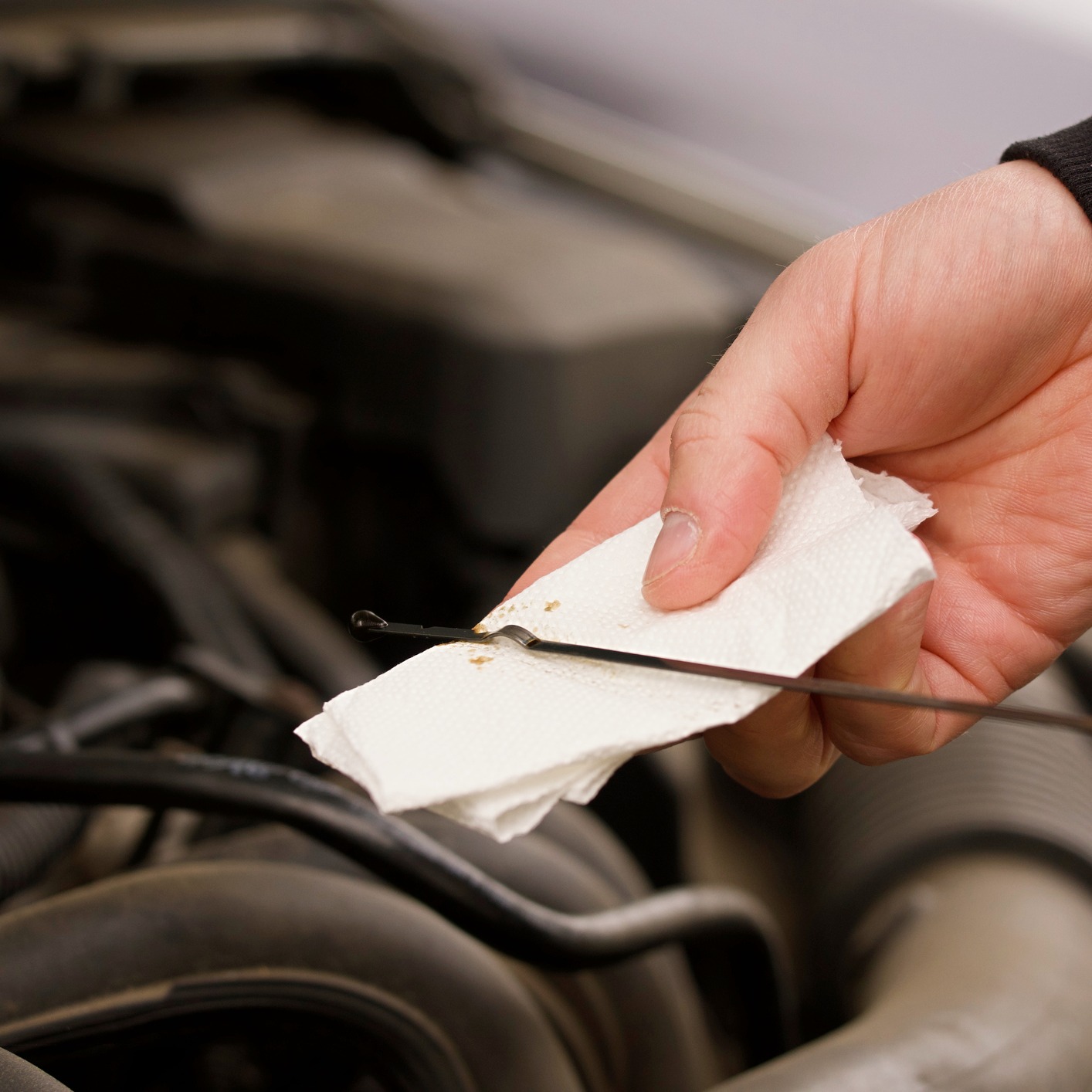
and it is oil you know the lack of lubrication the sludge the build up oil does more than just
lubricate it runs a lot of the timing mechanisms and engine so there's a lot more responsibility
for oil now than there used to be so keeping good clean fresh oil in there is the best thing you
can do for your car there's other systems obviously you follow us your maintenance interval your
schedules they talk about spark plugs coolant transmission fluid so there's a lot of things
that need to be done but not all the time you know you follow that interval or that schedule
you spread it over a period of months or years it makes it a little more reasonable
6514619226 that is the number to call if you have a question for Nick Stoffel with
Lloyd's Automotive in St. Paul we're talking car care with you this hour I also I do have a
question oh you do every now and then I'll throw up when I would fill in with Denny I would also
have a car oh wow Nick knows kind of I mean I had a fender bender I went to him about that
so Nick I'm currently I drive an equinox and I've been the last week or so
hearing and this is when I accelerate and or I'm driving it I'm hearing a rattling noise which
sounds obviously because I've heard these sounds before it sounds like something is under the hood
what could this possibly be just what we were talking about I wonder if the condition of the
oil the level of the oil there's a lot of valve timing that uses that oil if the oil is a little
bit low or used up you might have some ticking or rattling from that have that looked at because
that's an example where I heard this noise and I'll just wait I'll wait there's something going
with that because of oil you get fresh that system working properly again it's happy
if we ignore it or avoid it it can get worse and create a permanent damage just to know if it was
a transmission thing or whatever because it's it sounds like something like that's in the engine
that's making like the knocking or rattling noise usually transmission we hear more like a whining
got it I mean type of deal usually knocking is something loose which is more likely something
with the engine okay 6514619226 if you have a question about your car
maybe it's making a noise maybe you would like to know what time and what mileage point to get
what done 6514619226 let's take this question from a texture
this person writes nick that they have noise under the hood on an equinox
and on an it is a cracked exhaust manifold pipe okay so the that should be fixed a couple reasons
the main reason is we'll have exhaust leaking that that that noise that you hear I'm making
examples too that that is exhaust escaping under the hood which means it can make its way into
the compartment where we're seated and we don't want that that's bad also that's excessive heat
which can create other damage to systems and things under the hood so that can be costly
depending where the failure is but it's sometimes probably a priority I guess I don't I have no idea
what the cost of the timeline on that is I can't visualize how that's all assembled and put together
but I do I know I with most newer vehicles as we know they really can jam a lot of stuff into a
small space so there might be a little bit of um a little cost associated with that but have it
looked at get the estimate it's something that you need to budget sooner than later because we
don't want that exhaust getting inside the vehicle very good we're going to take our first break again
it is almost 17 minutes past seven o'clock news talk a 30 w cco 63 degrees outside it is
731 on a Saturday morning my name is Susie Jones in for Laura Oaks this weekend as she is on vacation
it is the time of the week we take a look under the hood our car care hour with Nick Stoffel who
is with Lloyd's automotive in St. Paul and we invite you to be part of the show at 6514619226
please call us or text us we like it when you make sounds that's an incredibly important part
of this show we like to hear what Nick we have a text question it's kind of an interesting one
i'm going to read it for you good morning i have three vehicles the oldest being a 2013 the newest
a 2025 i have maintained each according to the manufacturer i'm wondering how often i should drive
each car the 2013 has 52 000 miles and is the end is only driven in the summer which means the other
to sit most of the summer thank you it's a great question and a good problem to have more more
wheels know to do with you know it's important for everything to stretch its legs whether it's a car
it's us you know all all things considering you know we always tell a lot of folks that ask you
know i just don't drive as much as i used to it's just to you know my place of worship it's to the
the doctor to the grocery store and i always like to say um if the weather's good you're
comfortable you're confident take the long way you know if you can get it on the highway you
still have the confidence to do that you need to do that it's good for the exhaust to kind of get
all that moisture out good for the those brakes to heat up and clean up the steering suspension
components let that lubrication work its way through around um so it's not that
you know i start the vehicle let it run in the in the driveway for 10 minutes that doesn't do
what you need to get behind the wheel and get down the road so if you're in capacity to be able to
hit the highway go for a 10 minute 15 minute drive you know if you're going to the grocery
store go to the one in the next town over you know dude you know don't make a whole change in your
life but a few extra miles from time to time is really good for the car so that person listening
should drive each of the vehicles periodically in the way you've just described
in order to keep the juices flowing i think so now the the one you only drive in the summer
obviously there's a process when you put it away for the winter you store it you do some things
with the fuel and the tires and you know depends on how you store it where you're stored a variety
of things there you know i wouldn't say take your classic car out on the salty road that wouldn't be
good but uh yeah i think even the cars that are your you drive your round you know take you know
take them from time to time you know to do an errand and you know keep things like you said
keep the juices flowing i like that example because i think it's important that the cars
do have that happen so we can prevent any excessive corrosion or rust or you know things
happen when things sit too so a nice and a bit of driving is not a bad thing
6514619226 that is the number to call if you have a question or a thought josh you want to
just tell us who's on the air uh yeah we have kathy and webster on the line oh hi kathy good
morning how are you well hi good morning i'm fine and i'm so glad i got in to talk to you all
about my car yeah i have a car that i store in our garage and it's used twice a year when my
family comes in for christmas and when they come in for uh fourth and july weekend of course they're
coming in now this week but what happened is uh just before they came in for christmas i put in
a new battery and it was running fine but then it sat in the garage now for the last six months
i couldn't get it started last week so had somebody come and do a jump start for me and
i drove it for about oh 45 minutes or so just to you know get it up and running again and
pulled it back in the garage next day i thought well i'll take that car over to the grocery
well i couldn't get it started i needed to jump start it again so jump started it again
uh and i thought oh i'm just i better just run it out you know again another half hour or so put
it back in the garage a little bit later that afternoon uh wanted to go to the grocery finally
and the battery was dead again had to jump start what do you think's happening
well the the the key point there is that even after you've driven for a half hour 45 minutes
which puts a decent charge um you know ideally we'd drive it an hour or longer but i think you've
driven enough to put enough charge back into the battery especially since it only sat for a
couple hours before you went to the try to go to the grocery store so i wonder a couple things is
the battery defective it's a possibility have them test that you know have them charge it and test it
is the alternator not charging that battery meaning you're driving the vehicle and it's
putting something up but not enough to fill the battery up or when you shut the vehicle off of
something staying on now not necessarily saying like a light staying on but if something's not
shutting down creating a drain on that battery you may not realize it but you shut the car off
you go inside there's something that's wearing the battery down so i i think it's fair to say
if you can get in before your family comes into town have them do an electrical systems test
share that story with them you know had it jump started i've driven it it only sat for a couple
hours it wouldn't start again that should give them some clues to check for a drain check the
output of the alternator and then retest that battery makes it's not defective hopefully it's
an easy fix and get that fixed up before your family comes into town 651461
9226 we are talking to nick stopple with Lloyd's automotive in st paul taking your
questions on car care 6514619226 we have judy on the line next
with a question morning judy how are you good morning i'm just fine i have a question regarding
oil i have a 2020 to blue forest or touring and i understand i think i understand that there's
different levels of synthetic oil is that correct well there's different marketing levels of the
term synthetic if your vehicle i believe uses a zero w 20 weight oil that's probably full
synthetic because it's ways engineered you go back a few years or a decade and there was
semi synthetic and synthetic blend which is kind of a marketing theme where they really didn't know
what you're getting but a full synthetic if it's advertised full synthetic it should be full
synthetic so i wouldn't i wouldn't worry on that front okay any follow-up judy or did you get
yeah full synthetic okay all right thank you so much yeah thanks for listening this morning and
if you are listening and you have a question about your vehicle whether it's an SUV a truck a car
a motorcycle maybe not you don't do motorcycles do you next oh well what we try not to but we'll
dabble in anything we've what you can imagine over the years of things that people come in with you
know and we we help how we can when we can but sometimes it's not in our wheelhouse how long
is Lloyd's automotive been in operation long time right right in st paul long time oh yeah well i
think if i remember right when you've been there before i think we've done a few spots with with
dan you know as you know yeah Lloyd started in the 40s um Harold Lloyd i believe his name was he
had sold it to a gentleman named Don Lavelle who'd worked there for a long time Dan bought it from
Don and i believe 1990 1991 i started working for Dan in 1998 wow had the opportunity to buy
Lloyd from Dan in 2021 and Dan still works sometimes believe it right he was there this week so he
he's he's not he's not far he's still around and i love having him there it's
uh having your mentor there to make sure you're not screwing up you know it's been five years but
i still need a little guidance from time to time but yeah we're things are great
well you tell him Susie Jones said hi Dan and i i've done shows and i've done interviews at your
place before you know we're coming to the bottom but i want to remind people to keep calling and
texting with questions at 651-4619-226 we're talking about i wanted to ask about tune-ups like
you get your winter tune-up for your air conditioner and tune-up in the summer
your furnace i mean how is there such a thing as a tune-up and should we be getting them
at the summer and winter time that term has stuck strong in the in the industry in our lives of
cars you know tune-up goes back to when you could adjust things you know you had points and condensers
and timing and all these things they were adjustable and it's kind of morphed into spark plugs and
some of these other fluid services and i always say it kind of follows along with your maintenance
schedule you know if you look at your owner's manual or if you get online and you know find
something from the manufacturer that gives you a timeline or interval on certain fluids or services
um you know whether it's a timing belt or a transmission fluid or the spark plugs as i mentioned
all those things have an interval or a time schedule that they require repair or work on them
now those maintenance intervals are a good guide it isn't saying you have to follow the letter of
the law obviously but it's a good guideline each vehicle is a little bit different we all
drive a little bit differently you might be living in a rural area we're on dirt roads all the time
i suspect your air filter is going to get dirtier faster than mine because i live in the city you
know so there's scenarios like that that can make things a little bit different but i think
getting that maintenance interval following that schedule if it's 30,000 60,000 90,000 miles what have
do the best to follow that like you said asked earlier how long the cars last if you follow
those schedules to get a couple 200 300,000 miles out of any vehicle is not unreasonable oh that's
good to know especially if you don't want a car payment and i own my car and it's a Hyundai Sonata
and it has 160,000 and i just spent some money with those brakes so i'm going to keep that thing
even though i really want an SUV but my mechanic and i think and i'm going to get to the break here
how important it is to have a relationship with your mechanic i want to talk about that too because
that's there's so much trust involved in this process when you're spending money on your car
to get repaired that it's so important to you know what i mean to have that relationship right
you're 100 correct you know i would say we're fortunately successful because of the relationships
a lot of people can put parts on cars however to be able to articulate explain help to make
the decision like i said earlier you don't have to do everything today there might be some things
that are necessary you know you're necessary you have to do but there's some things that we can
schedule plan out let's do this before the winter let's do this before the summer you know there's
things that you can push out and budget for so it is that they had to do everything today
and if you have that relationship and those conversations with your mechanic or with your
garage i think you have a much better experience all right it is 732 i am ready for the bottom of
the hour break we'll do some weather and we'll be back with more of your questions here on news talk
830 w cco and we're back with the final segment of our car care hour here on news talk 830 w cco
if you're just tuning in i'm susie jones and i'm in today for laura oaks who is on vacation
and we have with us on our news line nick stoffel with loyds automotive in st paul taking your calls
and texts that 6514619226 a texture rights nick how many miles can i get on full synthetic
0w20 i'd like to say um we want to stick with the 5000 mile interval you know i mentioned earlier
that some of the manufacturers might advise differently um and you know i'm not a scientist
or a chemist or an engineer i just know when we do a lot of repairs it's kind of based on oil or
those oil engine repairs are based on lack of maintenance so that 5000 mile interval is good
for the oil it's also good for the car because having the car in a couple times a year just to
get it in the air and inspect the tires the brakes is during suspension all these things that we just
assume are going to work for us as we know we as we get out of pothole season we all had a lot of
rough roads that we went across having that suspension checked is important you know you
want to make sure if something is loose or worn it can be repaired or tightened you don't want to
have a situation where you have a failure then you're stranded so um not just having the oil
change done at that time frame but also having the car looked at you know assess to make sure it's
a good work in order i was at my mechanic and mentioned the fact that there is a need for
mechanics i know people are out there looking for jobs um talk about that yeah i think the trades
as a whole are doing better i would say that the trade schools are at least the mechanic or the
automotive side have a good enrollment and it takes a little time you know it's a you most of
schools are a two-year program you know you get out of school and you have a very good grasp of all
the the concepts and theories and it's time to put it to practice and that can take a couple
years on the job to become more proficient and you know after a handful of years you become a
master technician master mechanic and you can make a very good living um you know the the term
grease monkey i think is behind us there's a lot more computerization electronics a lot
more thinking you know the critical thinking is probably one of the biggest um traits you need
to have to do fix cars because there's such a variety of things that you see and possibilities
and you have that you know the mechanical aptitude to go with it but to have that critical thinking
and the understanding of electronics is more important now than ever so i feel that the young
people or the any people get into our industry see it differently than it was 23 years ago
all right 6514619226 a texter writes i have a 2018 board
escort or ecosport i had the purge valve replaced about a month and a half ago and now
the same code is coming up again uh purge valve is part of the evaporative system
um you know we you know when the check engine line comes on unfortunately people say oh it's just
the gas cap well it could be but not necessary uh the evap system is designed to contain those
fuel vapors the purge valve is designed when the car is running in the right situation that purge
valve opens and allows those fuel vapors to be consumed by the engine so they burn them off and
clean them versus going out into the atmosphere something with that system isn't working they
replace that valve it's possible that there could be a vacuum leak it's possible there could be a
vent valve there's other components in that system so i would say take it back have them reassess
and see where that fault lies all right thank you for that call thank you for that text we have
gary on our news line with a question for you gary go ahead you're on what's nick
yeah hi nick thank you for taking the call i have a 2019 dodge ram we were
driving and we could smell a strange smell and then all of a sudden my wife said that she
she felt the the floor there was a wetness on the floor and it i believe it's well i'm pretty
certain that it was the heater core and so i disconnected those and reconnected them to bypass
the heater core so now i'm faced with thinking that i'm going to have to replace that heater core
um and and you know we've driven it now for a month and there hasn't been an issue by bypassing
it my question is how involved is it to change out that heater core in my 2019 ram 1500
to be honest i don't know the procedure um you sound pretty handy you were able to take
those heater hoses and you know splice them together to bypass it so you have some attitude
there which is great um get the manual read on it a lot of cases you're taking part of the dashboard
apart and if you're if you do your due diligence you have the the ability to take your time and
read it through i would have no issue with anybody attempting that the problem that we see is that we
get in a hurry and people take shortcuts and within that dash there's a lot of things behind
that dashboard if something gets forgotten or damaged then you create a rattle or you create
something else that's not working um so i would advise you read the manual if you have the tools
the time frame by all means go ahead and have at it just you know make make sure you're you're
aware of that and if you get that apart another car stranded also so don't don't get in a situation
where you back yourself into the corner where i've got this thing all apart now you need to have a
towed somewhere and finding someone who want to reassemble something you've already taken a park
could be difficult too so just have a lot of conversations do your research um a lot of cases
it can be a good 810 hours worth of work to be honest some cases it's two or three hours so
wide range of possibilities there so once again do your research make sure you're prepared if you
do attempt to do it on your own how many people are are cars so complicated these days nick that
it's hard to do a repair on your own it's getting that way you know this is what we do every day
and i feel like almost on a monthly basis we need to buy a specialty tool it's not just sockets and
renters anymore there's just all these different types of fittings and you know in heaven even if
you disconnect some can electrical connector sometimes you need a tool to remove them you know
it's everything is not as you know it used to be a fractional socket or a metric socket or wrench
and you can take anything apart those days are behind us if you like i said if you have the
tooling and there's a lot of smart people out there you know and you can be very book smart
but make sure you have the mechanical attitude to go with it because when you get you know you
watch a youtube video people say this all the time i watched the video it's two minutes it didn't
look that hard well i can promise you if it was that easy sometimes we wish it was but you know
so this just be me you know a little soft aware i guess is the best way to put it you know don't
put yourself in a position where you take something apart because like i had said if you take it apart
and it didn't go well it's gonna be a hard time finding somebody to help you put it back together
yeah no kidding so where are you in st paul remind folks listening yeah absolutely so we're in
st paul and grand avenue at 982 which is two blocks east of lexington parkway uh if you ever
have a question we will always give you advice we're not afraid and don't be afraid to call us
651-228-1316 you can find all that information and more at our website which is loydsautomotive.net
hey can you say the phone number one more time for me yes 651-228-1316 so if you have a question
about your car don't take it apart yourself well make sure you're prepared to be careful in the twin
city
About this episode
Nick Stoffel and the host walk through practical ways to keep a car healthy: don’t ignore noises, get a diagnosis, and check common culprits like debris in brakes, oil-related ticking, and exhaust leaks. They also cover what to do when a car sits—driving helps clear moisture and reduce corrosion—and how to troubleshoot no-start issues tied to battery drain or alternator charging. Maintenance intervals, trusted shop relationships, and careful under-hood work round it out.
Susie Jones in for Laura with Nick Stoffel of Lloyds Automotive and today we tackled oil, car maintenance and different aspects of keeping your car in check when it comes to mileage and all around car care. From manifold issues, to knowing your oil - as the summer months heat up - keeping your car in check is key! If you have a car question or need your vehicle looked at visit Nick and his team at lloydsautomotive.net or give them a call 651-228-1316!