
KEYS TO LONGEVITY
About this episode
Longevity gets framed less as a medical mystery and more as a lifestyle choice: keeping your social circle from shrinking, and building low-pressure routines that make it easier to show up for others. The hosts also share practical community-fundraising details around an auto show closet sale and a “duck pond” grab bag. Later, they pivot into car-buying strategy—what destination fees are, why they affect pricing beyond MSRP, and how spec comparisons can mislead.
Audi Q9
"Okay, so the big story that broke last night... is Audi released their new Q9. Which is their new upcoming SUV that is larger than the current Q7 and the Q8."
The Audi Q9 is Audi’s next big SUV. The hosts are saying it’ll be bigger than the Q7 and Q8, aiming more at families who want more room.
The Audi Q9 is described here as Audi’s upcoming larger SUV, positioned above the current Audi Q7 and Audi Q8. In the luxury market, moving “up” in size usually means more interior space and a more family-oriented layout, similar to how other brands stack their SUV lineups.
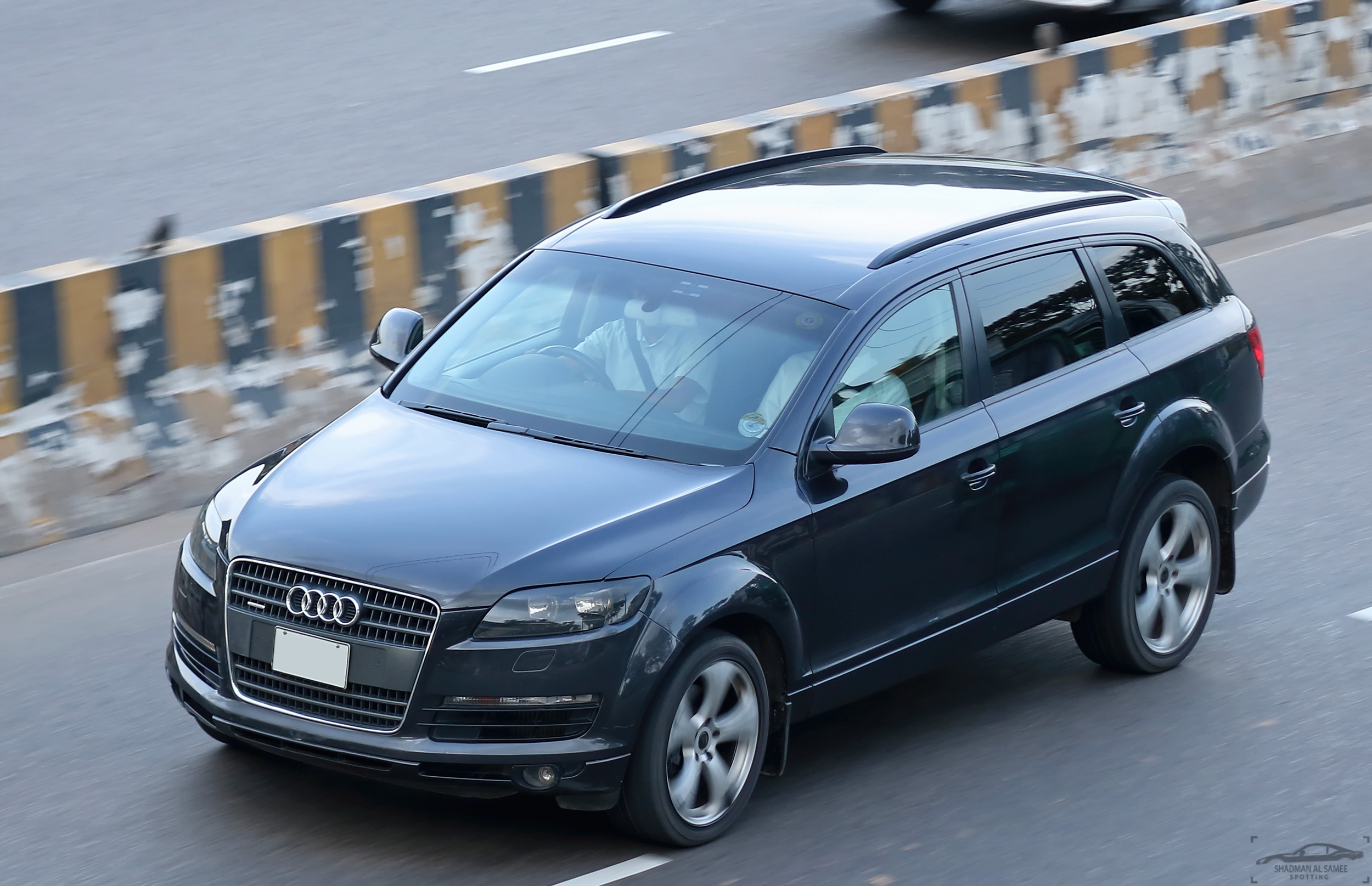
Audi Q7
"Which is their new upcoming SUV that is larger than the current Q7 and the Q8. ... And the problem is the Q7 and the Q5 and the Q8 were just like not it in any capacity."
The Audi Q7 is one of Audi’s bigger family SUVs. Here it’s mentioned as the current size that the Audi Q9 will surpass.
The Audi Q7 is Audi’s current larger three-row SUV in the lineup, and it’s used in this segment as the size benchmark for the upcoming Audi Q9. When a new model is “larger than the Q7,” it typically signals a bigger footprint and more passenger/cargo capacity.
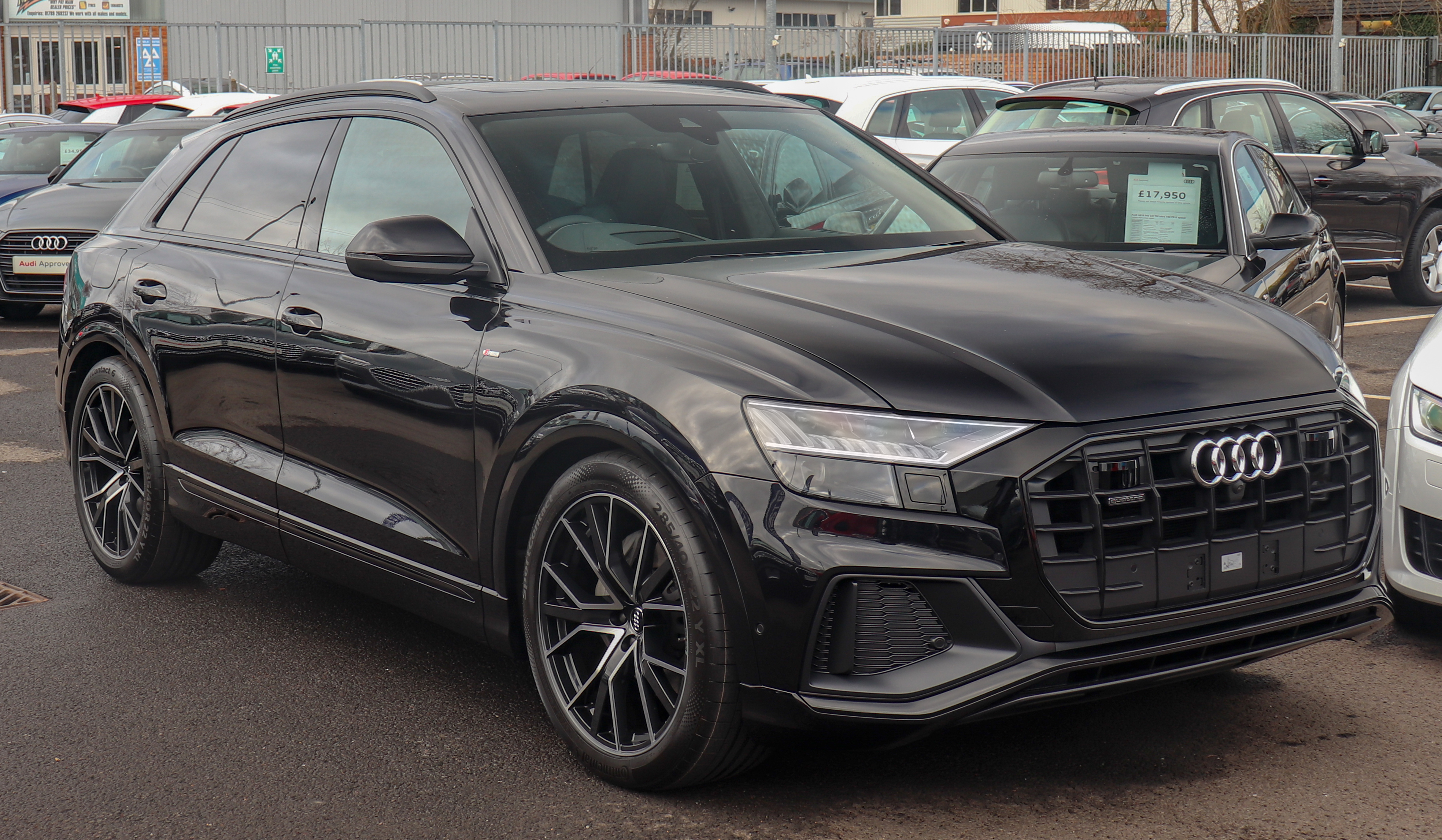
Audi Q8
"Which is their new upcoming SUV that is larger than the current Q7 and the Q8. ... And the problem is the Q7 and the Q5 and the Q8 were just like not it in any capacity."
The Audi Q8 is another big Audi SUV. In this conversation, it’s used to explain where the new Audi Q9 will sit in terms of size.
The Audi Q8 is Audi’s larger, more upscale SUV in the lineup, and it’s referenced here alongside the Q7 as a size comparison point for the upcoming Audi Q9. The Q8 is often positioned as a more premium, style-forward alternative within Audi’s SUV range.
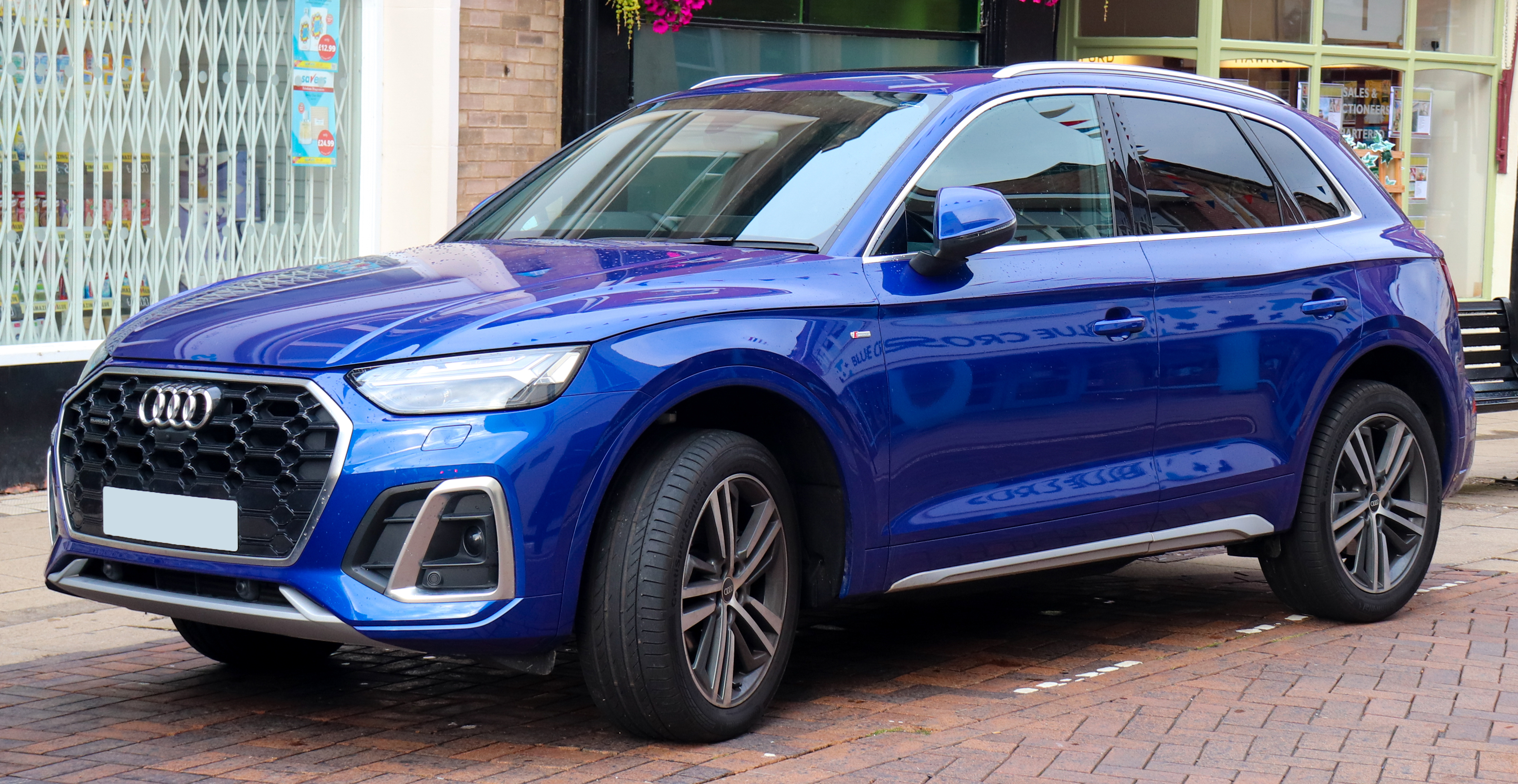
Audi Q5
"Yeah. And the problem is the Q7 and the Q5 and the Q8 were just like not it in any capacity. Well, I shouldn't say that."
The Audi Q5 is a smaller Audi SUV. The hosts mention it because they think Audi hasn’t nailed the family-car segment with its SUV lineup.
The Audi Q5 is Audi’s smaller SUV in the lineup compared with the Q7/Q8, and it’s mentioned here as part of the lineup that the hosts feel hasn’t worked for “family cars.” In other words, they’re arguing Audi’s SUV range hasn’t covered the family-focused niche as well as competitors.
Volvo
"Like they didn't have the Volvo XT90, Lexus TX, Vibe. And it was so disappointing..."
Volvo is mentioned as one of the brands that already has a big family SUV option. The hosts are using it to compare what Audi is (or isn’t) offering.
Volvo is referenced via the Volvo XT90 as an example of a competitor offering a family-focused large SUV. The point in this segment is competitive positioning: Audi’s lineup is being compared to other brands’ three-row offerings.

Lexus TX
"Like they didn't have the Volvo XT90, Lexus TX, Vibe. And it was so disappointing..."
The Lexus TX is another big SUV that’s meant for families. The hosts mention it to show what other brands are already doing that Audi hasn’t.
The Lexus TX is referenced as a competitor large SUV aimed at families, including the three-row “room for everyone” use case. Here it’s part of the host’s argument that Audi’s current Q lineup doesn’t meet that family-focused demand as well as rivals.

Volkswagen Atlas
"Volkswagen owns Audi and you guys know how much I love the Atlas. And the Atlas is such a good family car."
The Volkswagen Atlas is a big family SUV with three rows. The host is saying that since Volkswagen already has a great family car in the Atlas, Audi should be offering something similar with the Q9.
The Volkswagen Atlas is a family-oriented three-row SUV, and the host uses it as a reference point for why Audi’s new Q9 feels overdue. The key idea is that the Atlas already “covers” the family SUV role, so Audi’s larger SUV push is framed as a long-awaited move to match that demand.

Infiniti QX60
"The Infiniti QX60 and the Nissan Pathfinder are basically the same. So it was just like disappointing..."
The Infiniti QX60 is a family SUV. The hosts mention it alongside the Nissan Pathfinder to say some brands basically sell the same kind of vehicle under different names.
The Infiniti QX60 is referenced as a large, family-oriented SUV, and it’s paired with the Nissan Pathfinder to make a point about how brands sometimes offer very similar vehicles under different badges. In this segment, that comparison is used to argue Audi should have a comparable family-focused offering.

Nissan Pathfinder
"The Infiniti QX60 and the Nissan Pathfinder are basically the same. So it was just like disappointing..."
The Nissan Pathfinder is another big family SUV. The hosts pair it with the Infiniti QX60 to say other brands offer similar family vehicles even if they’re sold under different badges.
The Nissan Pathfinder is mentioned as the mainstream counterpart to the Infiniti QX60 in the host’s comparison. The takeaway is that some competitors cover the family SUV niche with closely related vehicles across brands, while Audi’s lineup is criticized for not doing the same.
tether anchors
"It's got tether anchors in all four seating positions, only two seats in the third row,"
Tether anchors are built-in points in the car that let you attach a child seat’s strap. They help keep the child seat more secure during an accident.
Tether anchors are attachment points used to secure a child seat’s top tether, reducing forward head movement in a crash. They’re typically installed in the vehicle structure and are important for proper child-seat installation.
third row
"It's got tether anchors in all four seating positions, only two seats in the third row, and apparently it's going to come in both a six and a seven passenger."
The third row is the back row of seats in a three-row SUV. Here, they’re saying there are only two seats back there, not three.
The third row is the rearmost seating area in a three-row vehicle, usually intended for kids or shorter trips. In this segment, the speaker notes the vehicle has only two seats in the third row, which affects passenger capacity and how the interior is used.
Car Edge
"I had been following with Car Edge. I was listening to Car Edge's podcast and they were talking about destination fees."
Car Edge is a car-buying show/podcast. In this segment, they’re the reason the hosts started talking about destination fees and car pricing.
Car Edge is a car-shopping media outlet/podcast that discusses pricing and buying topics. Here, it’s referenced as the source of the hosts’ discussion about destination fees and how they affect what buyers should expect to pay.
destination fee
"they were talking about destination fees. I don't think people will know what a destination fee is, but it's going to make me start talking about car prices differently because a destination fee is a fee that comes from the manufacturer."
A destination fee is money the automaker charges to get the car from where it’s built to the dealer. The idea is that everyone pays the same basic delivery charge, even if they live farther away.
A destination fee is a charge added by the manufacturer to cover shipping the new car from the factory to dealerships. It’s typically applied broadly so customers in different regions pay the same baseline delivery cost, rather than being charged strictly by distance.

Mazda Cx90
"So like it's like the perfect example is like the Mazda CX90 legroom, how we like discovered that [2446.5s] it's not 39 inches of legroom. [2448.2s] It's 39 inches when the passenger seat is pushed all the way forward."
The Mazda CX-90 is a family SUV with three rows. The hosts are saying that the legroom measurement you see in ads can change depending on how the seat is adjusted.
The Mazda CX-90 is a midsize three-row SUV where packaging details like second-row legroom matter for real-world comfort. In this segment, they point out that the “legroom” number depends on seat position—pushed fully forward versus the fixed “on paper” measurement.
legroom
"So like it's like the perfect example is like the Mazda CX90 legroom, how we like discovered that [2446.5s] it's not 39 inches of legroom. [2448.2s] It's 39 inches when the passenger seat is pushed all the way forward."
Legroom is the space for your legs in the back seat. The amount can be different depending on how the seats are set up.
Legroom is the usable space between a seated person’s knees and the seat in front of them. Because seat position and adjustment vary, published legroom figures may not match what you get in a specific car with seats set to your preferred position.
apples to apples
"And it shouldn't be so difficult in my opinion. [2465.7s] Yeah. [2466.3s] And I think the annoying thing is that they can just keep raising it and they're never gonna"
“Apples to apples” means comparing cars in a fair way. The hosts are saying it’s tricky because the numbers you see and the way the car is actually set up can be different.
“Apples to apples” in car shopping means comparing vehicles using the same criteria and assumptions (trim, options, seat settings, and pricing structure) so the comparison is fair. The hosts argue that it’s hard to do this because published specs and real-world setups don’t always line up.

GMC Yukon
"It was the GMC Yukon. Yeah. What is it?"
The GMC Yukon is a big SUV made by GMC. People often keep them for a long time, so it’s a common choice when talking about car longevity.
The GMC Yukon is a full-size SUV from GMC, known for seating capacity and family-friendly practicality. In longevity conversations, it often comes up because large SUVs tend to be kept for many years if maintenance is kept up.

Bmw X7
"Oh, no, it was a 24. Oh, it was the BMW X7. Okay."
The BMW X7 is a large luxury SUV from BMW. If you’re trying to keep a car for a long time, luxury SUVs like this can be more costly to maintain, so maintenance habits matter.
The BMW X7 is BMW’s large luxury SUV, built around comfort, space, and a more premium driving feel than smaller crossovers. When longevity is the topic, the X7 is relevant because luxury SUVs can be expensive to maintain, so upkeep habits matter.
Request an Explanation
Heard something you'd like explained? We'll add it to this episode.
Sign in to request explanations for terms you heard.
Want to learn more?
Browse our glossary for plain-English explanations of automotive terms, jargon, and concepts.
Help improve this episode
See something that's not quite right? Our annotations are AI-generated and can sometimes miss the mark. Click the flag icon on any annotation to suggest a correction.