Custom Chrome Europe is a company that sells special parts and accessories to make motorcycles look and perform differently, mostly for big bikes like Harley Davidson.
Porsche is a famous car company from Germany that makes sporty and stylish cars. Their designs have stayed similar for many years, which many people like.
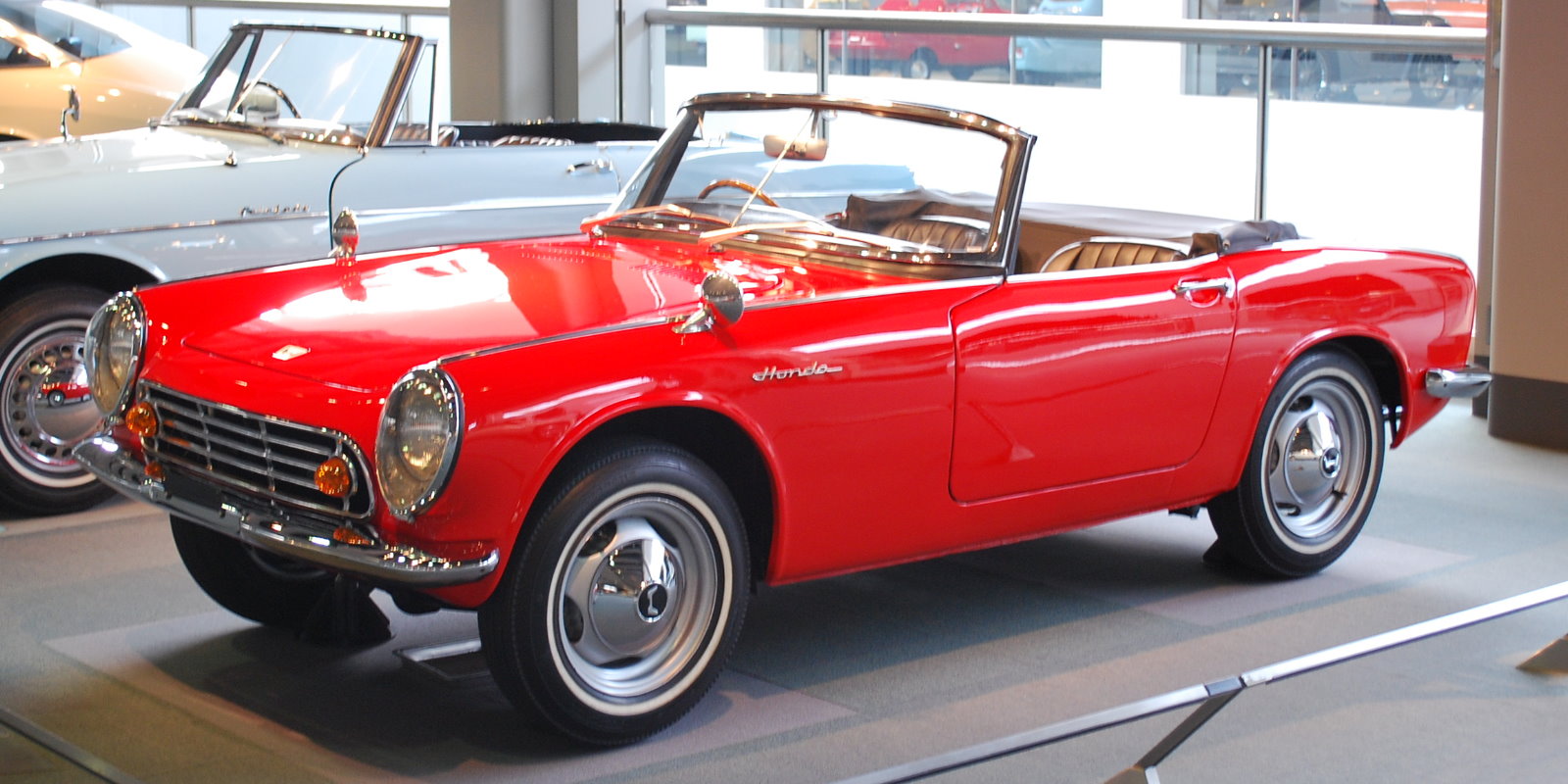
The Honda S500 is a small, old convertible car made by Honda a long time ago. It was one of the first sports cars Honda made and is now a collector's item.
The Ford Mustang is a sporty car made by Ford. It is known for being fast and fun to drive, and many people like to change parts of it to make it more comfortable or look cooler.
Aftermarket parts are extra pieces you can add or swap on your motorcycle to make it look cooler or work better. They aren't made by the bike's original company but by other companies.
Rotors are round metal discs on your motorcycle's wheels that help it stop when you press the brakes. Some people change them to better ones for safer or cooler brakes.
Car
Harley-Davidson Low Rider ST
The Harley-Davidson Low Rider ST is a type of motorcycle that sits higher because of longer shocks, making it taller than other similar bikes.
LED lights are special lights on vehicles that use tiny electronic parts to shine very brightly without using much electricity, and they last a long time.
with cutting edge technology that keeps you ahead of the game.
With advanced aerodynamics like the wake stabilizer and crest spoiler,
you will slice through wind with rock solid stability at triple digit speeds.
All while boasting a lightweight composite shell with ACT tech and MIPS safety standards.
For the last year, I have been exclusively wearing the F 17,
which is a full face MotoGP race helmet that has an aggressive profile
while having some proper ventilation to help with these extremely hot Texas summer days.
Kabuto helmets are new to America, and I'm very honored to stand beside them this year.
You can check out these helmets and find out more information at Kabuto Americas dot com.
And don't forget the of my friends a follow at Kabuto underscore Americas on Instagram.
That's important.
It is. I mean, as Don's obviously dealing with to and I'm dealing with,
it's easy to do what we're good at doing.
But there's always those two sides of the business, right?
There's all the paperwork, all the, you know, online, the, like you said, the marketing,
all these different things that go into play that, you know, when you're sitting there
racking your brain over designing a part or designing a paint job or whatever it is.
If you tap in, oh, yeah, I need to go do a meeting, a marketing meeting with someone.
You know what I mean?
It changes a different part of your brain all of a sudden. Oh, yeah.
You know, and it's like switching from those different parts back and forth.
Sometimes can be just to cause you a crazy.
Well, and some people make that mistake.
They think they have to be good at everything.
They think they have to do everything yourself.
Now, obviously, when you build a company, you have to do a shit ton of stuff.
You got to know how everything works.
But you also need to surround yourself with people that can do things that you're not good at.
Yeah. I mean, this is my philosophy when I was running companies.
I always tried to find the best people to do, you know, to run a certain department.
And I wanted them to be a hell of a better than me.
Yeah, yeah, yeah.
Because otherwise, I would probably still be sitting in that, you know, shop there in Germany
and help the guy, you know, how to fix the old portions, right?
You got to surround yourself with good people.
Now, obviously, when you build a company from scratch, you got to get your hands dirty.
You got to do everything for a while, right?
But don't be a fool and think that you.
Some people think it's weakness not to be able to be doing everything yourself.
And that's total bullshit.
Right. I mean, look at the look at the technology road, right?
You know, whatever I figured out when we started five years ago on the website,
it's completely obsolete now, right?
Yeah, yeah.
In your case, right, when you do your social media, your YouTube, you know,
you got to stay on top of this stuff.
And you just think you cracked the Instagram code.
Yeah, then they change it.
And then two months later, it's a whole new game, right?
So you need people around you that that stay on top of that and are good at that.
Yeah, it's it's an ever changing thing.
And I think that's the maybe for, you know, I'm I.
I got in the industry in 04, it was my first year.
And there felt like things move, things change slower.
Like it was things had longer shelf life the way you did something.
You know, whether it was advertising through a magazine, whether it was
building a bike and hitting the easy rider shows and they tone it.
Like there was a there was a system that if you built a cool bike
and you brought it to the places, then opportunities were waiting at those places
to exploit you basically, you know, you get invited into magazines.
And there was 40 of them to showcase your bike.
You get invited to different bike shows and there was actually money in purses.
And, you know, we're going to take you to the big boy across in Europe
for the grand finale and stuff like that.
Yes, none of that shit exists anymore, you know, and then when social media comes out,
like I think my generation did pretty good because we we knew how to kind of
we already had established ourselves in some form or fashion.
And then this thing came out that we kind of been practicing since my space, right?
And then we start, you know, posting our shit, it does well.
And it's kind of like, you know, for the first six years of Instagram
and Facebook and stuff, it was pretty the same.
And then when the algorithm shit got real fucking good or, you know, not good for us,
but good for, I guess, stealing your attention away, it made it to where
you have to constantly change how you you you show your shit to the world.
And it gets complicated because it's like, I guess, you know, not to bitch
and not to complain right now, but I am.
It it's not about like nowadays to stay on top of the shit.
It's not always about like building like the best stuff.
And it's not like you're rewarded for being the best at it sometimes.
I slightly agree with you on that.
OK, I agree with the philosophy, but for us internally.
For us, it's always product first.
Yeah, yeah, we have.
And I said that earlier, our products got to be the best in our opinion.
Right.
Our opinion is the best looking and it's definitely, you know, top quality.
Yeah.
Just that's just how Len and I operate.
If it doesn't meet, if we wouldn't be able to meet that criteria,
we're not going to make any noise about it.
Right.
So I know where you're going from a marketing perspective.
Yeah.
But for us, it's a product as a center.
The product's got to be bad ass.
Then we build a marketing campaign around it.
Right. If you can't accomplish this, we will not bother.
That's just how we are.
Maybe we're just in a position where we're able to do that.
I 100 percent agree.
That's the way to do it.
That just thrown to the years, right?
I've been doing this for 30 years and I've found people thrown out some stuff
where you look at it like, wow, what's that?
Then they put a huge marketing campaign on it and it explodes
and suddenly disappears again.
Right. Then you look at brands.
Let's talk about the brands in my opinion that do it right for centuries.
Alness, right?
They've been building the best shit for years, decades.
Right. And and yes, they also are really great at marketing, right?
But even with Al and now Corey and Zach and the whole gang,
they're always first class and the product was always perfect.
Right. No, it might not meet your taste or this guy's taste, right?
But they make a beautiful product and it's great quality.
They have that stuff figured out.
That's their role model for us.
Yeah. Yeah. I agree.
I mean, that's the best one to have, right?
King of custom.
Oh, yeah.
I agree. And that's kind of what I'm getting at is that I guess what I'm seeing,
maybe not so much in the products side of things, but maybe the skill side of things.
Yeah. You know, that like people can oversell their skills now through social
media because their content's good and it overshadows the product.
You know what I mean?
And most people are making decisions and choices to buy shit based on social media,
not based on seeing it in person anymore.
Like we would like what I was saying, we are accustomed to of I saw that
back at Daytona, I got to meet the guy that built it and I love their products.
Now I'm a buyer for life.
I'm a fan for life now.
You know, it seems like a lot of that stuff is shifting in ways.
And I was kind of mentioning earlier that like I'm just being in this
and doing this podcast stuff, it's kind of like I just bet I want to put the question
on the table, does it change?
Does it evolve?
And if it does, does it does it is it good or should we talk about it now
so that people see it?
Maybe they avoid some of it or do we got to let it happen?
It is what it is.
Yeah, it is what it is.
Yeah, you got to, you know, you got to, you know, adjust yourself
and make sure you follow that market.
But isn't it a little painful for like really talented, hardworking people
that spend hours to kind of create like this amazing part?
And there's somebody else that cuts corners and just throw something
out there and is potentially more successful.
100 percent.
That's unfortunate.
So you know, we cannot build a bike anymore, like the best bike ever put
in a bike show in Daytona, right?
And then just stand there and wait for people to call.
Yeah, that's not going to happen.
We know that.
So you got to play the game.
You got to be involved.
And it's fun to you want to.
Yeah, marketing is fun.
I love it.
But for for some people, that's just what I said earlier.
Right. It must be very painful to see others being successful with
something that's just mediocre and it happens.
Yeah, it does.
Yeah.
But I still believe in the end of the day, if you if you if you come out
with a really cool product with something innovative, a product or service,
right, and the quality is there, you eventually going to win.
You got to make sure you put some behind it to promote it.
But you're going to be you're going to be OK.
Yeah, at the end of the day, no matter how, I mean, you can always stand
behind that, right?
That's the main thing is that, you know, you can stand behind
whatever you created, whatever you put out, whatever you build, you know,
like at the end of the day, like there is still the real world that exists.
And that's what happens, you know, in when you can touch it and feel it.
And I think that's probably an important place.
And then you could figure out how to do the marketing, you know, later on.
But yeah, it's a, you know, I I love that.
The having the conversations about it, just seeing where other people's
minds are in the things.
Because when you think about it a lot, like you can kind of put yourself
in a weird little rabbit hole or in a dark place of just thinking it's all
going to shit, you know, a little bit, you know, negative about the things.
But on the other side to play devil's advocate of what I was saying is that
when the things change, it kind of shakes up the market and it makes people
have to stay on their toes.
And I think it keeps things fun ish unless you lose it all.
But for the most part, I think it's fun to like know that you can't just do
the same thing you were doing 20 years ago, and it's going to work today.
You know, to know that you've had to grow yourself, how you connect with the
world and all these different things, you know, 100 percent.
And you've seen, you've seen big brands in this industry, right?
That I don't want to say became irrelevant, right?
Some of them maybe did, but definitely lost its edge.
And it's in its share of the market.
Yeah, 100 percent throughout the years.
I mean, you look at the different categories, look at exhaust, right?
Big one. You look at, you know, would you say a lot of that's happened
once they became, you know, private equity type stuff?
When you you get like a when these companies get bought up and then
there's no creative, there's no hungry.
That's just a check for these people now or what?
Maybe not so much the people, but like it it snips a lot of things in the bud,
do you think I get asked that a lot because I was involved as private equity
quite a bit. And I should say, I didn't always see it end well.
Yeah. And because it's it's it's just suddenly it's, you know,
I mean, I don't want to go too far right now.
Yeah, I think about what we're doing here.
Right. I've been 30 years up in playing with motorcycles, basically.
And and I would I was able to make a good living, raise a family, you know,
buy a house, live a good life because I'm fortunate enough to be in the motorcycle
industry and there's people out there that buy product and are excited about it.
Right. But it's it's based on that, you know, where we're here
because we have people out there that are as enthusiastic about something that we are.
They don't necessarily need all those, you know,
crazy parts that we that we create, but they love it. Right.
So we love it too. That's that's why we do it every day.
That's why we excited to go to work on a Monday morning.
Right. You can't wait for it.
And when some of these and I don't want to call it private equity,
but but if some of these investment company get involved,
their focus changes, you know, they build these groups and it's all about paying
paying down the debt, right, that they had to take on to buy the company.
So from top to bottom, the focus shifts a little bit
and you suck a little bit out of that passion and that love out of those businesses.
Right. And then suddenly you talk about improvement plans and and turns.
There's all it's all important stuff.
You have to make money. We got to do inventory.
But this becomes the center. Right.
The nerdy guys that you put, you know, in the office and you close the door
and you tell them to work on something, they take over. Right.
And these guys take over innovation, you know, gets less.
The excitement becomes less. There's less product launches.
There's the owner of the business spends more or less time talking to
the consumer and to the customer out there and goes out and rides with them
and figures out what they need.
He spends more time in the boardroom and in board meetings. Right.
So it's very dangerous.
I can see how you were good at the consulting because you're you're paying
a great picture for me right now, how this worked.
It's just how it works. It's just a reality.
Right. So so that's why some of these brands suddenly don't come out.
And I'm not going to name the brands, but they don't come out with the new
products that they usually came out with.
There's a company that would launch like 100, 150, 200 new part numbers a year.
And suddenly there's some some stuff that they announced. Right.
So then there's other passionate hungry people that take over the spot.
And that's why a lot of these new brands that are out there.
Kotlin is just a small part of this. Right.
There's a lot of other brands.
Kraus, right. Yeah.
And Trash and, you know, 20 years ago,
you know, Sacha was building some bikes. Right. Yeah.
Right. But suddenly he saw this as opportunity, right.
And he came up with a cool line of products.
Same thing with Trash and same thing with some of the others.
Right. And they just take over that market share and people get excited about it.
Now you've got the social media.
You get all the marketing on top of this.
But the core to me is when these guys lost the passion,
I mean, these guys lost the focus.
That's when they're open for for new brands and new companies.
When you started that whole spill, like it, all I could think of and we don't
have to say names, but all I can think of is the exhaust companies that were so
massive when I got into this industry 20 years ago, that you would open up the
drag catalog and it was just like every year is a new new style, new design, new
finish. And now the market share, I feel like in a lot of ways has become a lot
of the private small groups that are coming up that are, you know, can produce
three pipes a week out of their garage and does a really good job and becomes a
hot thing. And maybe they're not selling in drag yet, but like you said, it opens
up the door for these new people to come in that are passionate, hungry and
things like that. Because I mean, yeah, I'm just thinking in my head, like all
the lot of brands, a lot of brands have kind of gone to the wayside because of
that, I think, you know, and they want to, you know, when you look at the rallies
too, right, when you go to rally and the average consumer, right, he just walks
out that he does not want to have any corporate feel. He might work for Bank
of America. Yeah. Right. And then now finally he's out there, you know, with
his buddies, you know, with his wife, whoever it's right. He wants to be out
that have good time. So so when they go to some of these big ricks, right, that
out there, they still need to get that feel that the people that are there are
doing it for the passion too. And once and this is where again, when these
investment groups come in, once that feeling gets lost a little bit, it's
not really authentic anymore. Right. And then I don't really want it. Yeah. Because
I have the corporate bullshit I got at home. I got when I go back to being a
clerk at Bank of America on Monday, right? Yeah. If I'm out there riding with
my buddy, they want to have a good time. I want to I want to feel like the
people I'm dealing with have the same passion for it. No, that's, that's,
that's well said. That's that's exactly what I, you know, on both sides of the
coin as a rider myself and as a guy that has a brand, I want it to always be
about the passion of going and, you know, being stoked that you got this part of
this paint job or this build or, you know, this cam, whatever it is, like, you
know, I think about, you know, Black Hills Harley during Sturgis, you know, and
I think about all my friends that are set up in Booth and how everybody's
waiting to go get a trash turbo because they want to do it there at the
rally or, you know, a Thunder Max or whatever the case may be. You know what
I mean? But how cool is it when you go and wait in line to get the trash turbo
to meet Nick? Yeah. Because he's probably just hanging out there or
wrenching himself. Exactly. And you can talk to Nick Trask, the guy that started
that whole thing. It's all in his, it was all in his brain. Yeah. And he has
obviously an amazing team to be there too. Yeah. But you get that opportunity,
right? I mean, how often can you go to an Apple convention and well, meet, I was
about to say meet jobs, meet past, you know what I'm going with. You meet AI
people. And that's that's key. Well, sometimes you, you know, these companies
that you get, you know, I'm not talking shit about any of them. I don't think
either one of us are. But you think about the big brands and maybe the ones that
started as families, but then it's gotten to the point where the family's not
really involved in it anymore. You know, and, and it's basically whatever
marketing team they have brought in for this timeframe becomes the face of the
company or the, the, the, the presence the company has in the culture. And then
when you go buy something from it, it does kind of, you don't feel like you're
buying from passionate, like you said, you know, I'm trying not to say any
names because I'm thinking of 100 of them right now. But here in Texas, when
you're ready to level up your ride, there's only one dealership that I go
to. And that's cowboy Harley Davidson of Austin. Whether you're looking to jump
on a new 2026 model or a certified pre-owned Harley that's ready to go.
Cowboy has you covered genuine Harley parts, expert service by factory trained
technicians, finance options, all from the dealership that I have trusted to buy
my last five motorcycles in the past 10 years. Swing by or hit them up at cowboy
Harley Austin.com. And don't forget Cowboy hosts weekly events. So follow them
on Instagram at cowboy HD Austin to get real time updates. And one split second,
your ride can turn into a fight for your life, your bike and your future. That's
when you want law tigers and motorcycle lawyers to have your back. They're not
just attorneys, they're riders, real ones. They've been in the wind. They
understand it. They know the risks. They've fought for thousands of injured
riders across the country to get the compensation they deserve. 1-800-LAWTIGERS
needs to be the first call you make. They will get you on the right path with
free case evaluations 24 seven, call law tigers before the insurance company
starts spinning their wheels again. 1-800-LAWTIGERS or hit up lawtigers.com to
get on the right path and give them a follow on Instagram at lawtigers. And
once again, 1-800-LAWTIGERS, the first call you make. And it's not to talk shit
about. I'm just saying like, yeah. And then you know what? Here's the sad part
about it. 90% of the staff in those companies, they were passionate. They
loved it. Yeah. They probably could have found jobs that made them more money, but
they love the brand. They love the product. They love the industry. Yeah. And
those were the ones that that suffered, right? And that's why I got so upset
with it, right? Because I had, I was in positions where I had to let these people
go. Yeah. Because other people, other brands in the group didn't hit the goal
and the short term investment group was like, take cost out, right? Yeah. So
that, that gets to a point where you're like, look in the mirror in the morning
and you're not so sure if this is the right thing. That's why that's why I
stepped out of it. And I was, for a while, I was passionate and trying to change
it. But I realized at one point I hit the ball. So my remember that one, one
year I was at the Mac group, right? And we had to go as presidents of these
different brands. We had to go to the board meetings pretty often. So we had
that one board meeting and they were debating about like, okay, where should
we have the next board meeting? And I told these guys, I said, why don't we all
go to stretches for that? Right? Because it wasn't that, you know, that July,
August timeframe. Yeah. And they were like, oh, that's good idea. Yeah. Yeah. And
then they start to pull out their smartphones. And they realized, you
know, there wasn't a freaking five star hotel there. And it was a pain in the
ass to get in. But I wanted these guys to come out and actually experience it
there with the customers. And it never happened. Damn. Unfortunately, I still
think it was a good idea. But they kind of liked that out of the boxing game.
In actual impracticality, they didn't care for it. So, you know, you guys got
the brand off the ground here in America in Morgan Hill, basically in, you
know, NorCal, the southern part of NorCal, essentially. What made the push
to come to Texas? Like, what was the thought process behind that?
You know, it was pretty simple. So we kept growing the company, you know,
obviously, that covered effect kind of disappeared. And a lot of the brands,
Taplish brands kind of had that rip effect, the opposite, right? Yeah. Yeah.
Where they had to kind of reinvent them a little bit. We didn't because we kept
launching new products. We were the new kids on the block, right? So the company
keeps growing. We keep adding different categories to it because that's a
cool thing. Len and I making all the decisions, right? Yeah. The only people
we argue with about some of the bigger things is Len and I, right? Yeah. So
and we probably look at the same direction 95% of the time where we're
completely aligned. So we keep coming up with new products. We added drag
specialties as a distributor, which was a huge step for us. I'm sure we get to
that later on the bike that we built for them. But where we got to the point
where we were like four years into the thing, the lease for our building was
up, you know, in the last year in November. And we're looking at this and
that we selected the building kind of under circumstances where we were not
100% sure who we want to be when we grow up, right? Yeah. So we had a showroom
and we had the warehouse and we had a shop and, you know, at the beginning,
we were thinking we do a lot more bike building for customers. We figured out
pretty rapidly that this is not really what we want to do. So we only built
like three, four bikes a year. We usually built one for Len and one for me. And
then maybe one or two more for certain projects or just to showcase new
products, right? So we cut to that point. And we were looking at, OK, where we
want to move to, we need a new building. And I think the shortest way to describe
it is we both realized at one point that keeping the business in California is
going to make it harder, right? We still be successful. We still do good.
But why make it hard on yourself if there's, you know, better places to do
business in the United States? So we were looking at different options. And of
course, there's families and, you know, they look at this thing too, which we
have a very small team. But, you know, you want to make sure everybody is on
board. So we threw a really weird circumstances. I learned about New
Brownfields, particularly the whole country, but then, you know, being on
that corridor between Austin and San Antonio. So I found that and I was
able to sell it to Len. I was able to sell it to my wife, you know what I
mean? But everything just lined up. You know, it was a brand new, beautiful
building available, which is more of a warehouse, R&D and shop and not so much
showroom and not catering for consumers, really. When somebody comes by, we're
happy, you know, to show what we got. But there's not much to see on purpose. And
we just felt like this is the best step forward for us as a business. Texas
being extremely business-friendly, the Hill Country being beautiful, where you
can actually ride. We love to ride, right? We love to jump on our bikes and
go for a ride. So it's all that. And then, you know, New Brownfields, just as
icing on the cake, we got that German heritage, which is kind of funny. We
didn't move there because of that, but it's just kind of cool.
Major coincidence.
Yeah, you know, but it's not like Disneyland Germany, you know, it's just
there. People, they have the Worst Fest, which is freaking awesome. And we went
there when we moved and it's cool. It's like a smaller, classy version of the
Oktoberfest in Munich. So we love all that, you know. And then, you know, we
had a friend and customer from us, Don, you mentioned him earlier from Miami,
who worked with us in Daytona. He got a performance shop and, you know, jokingly
he lost at Daytona by Greek. He said, well, if you guys ever decide to move, let
me know, because I'm thinking about moving out of Miami. So we could just
build a nice package. So he's next door. So if somebody ends up, you know, in our
place and he wants to buy a cart and product and he wants him, you know, he
wants somebody to put him on. We just, you know, set him next door and don't
care of that. So that was just a little, there's also a little nuances that were
great, but we knew we had to get out of California in order to continue to drive
the business at a pace that we wanted to. And we've been very happy. We've been
there since last November. So it's, what is it, in February? So we're heading
the four-month mark soon and we've been really happy. The people are great.
Everybody's very, very supportive. I think Texas in general is kind of
hungry for more motorcycle industry to kind of make a home here. We have all
year riding. It'd be really dope if we can get some lane splitting legalized
here and some, at least some filtering. It's such a, we're just, we're getting
so populated in our highway systems and our roads are just so congested that
I personally feel that that would open up to a lot more commuters on motorcycles,
which if more people ride motorcycles and there's more maintenance, there's more
sales, there's more everything that, you know, maybe not the super nice custom
stuff, but the tires, the oil changes, the batteries, that stuff is just a rising
tide that floats off ships, you know? I don't know what it would take to kind
of like go be legislative, whatever. I'm just saying words I've heard. I don't
know what none of it means, but I feel like as more motorcycle brands choose
Texas, you know, like I said, Lindahl also moved from California here in San
Marcos just north of you guys. There's a lot of great brands, especially in
between that Austin and San Antonio situation now. And I think it's only
going to grow. Yeah, you get racetrack right down the street in there. Yeah.
Caputo, you got to get a bunch of really, really cool brands in the area. And I
actually, I've been advertising a lot. I'm still very connected to the industry that
people ask me about it. And, you know, there's a lot of brands that are still
in California or other places that are considering, you know, to move. And I
think where we are, it's a great place. You look at it, if you get, you know,
two major cities, you get Houston, you're kind of the triangle there, right?
Between those three, you got the Hill Country as we talked about, but then you
got two great airports just around us. You like, it takes an hour to three
hours to be pretty much anywhere in the country. Yeah. You know, when Lennon's in
town, he flies in from Frankfurt in nine hours, you know, so he can go pretty
much anywhere from there. We drive now to the MVP show, for example,
especially it has in Kentucky in Louisville. And well, this year was not a
good example because the weather got so bad on us on the way back, but you can
just haul your stuff. You can bring more stuff. It's easy. You don't have to pay
like, you know, all the freight companies or drainage fee. You know, I remember
the first time we went to MVP, we had to pay drainage. I'm like, what's that $50
not a buck there on that bill? Well, that's for this one guy that took
the crate from one corner of the building to your booth and back.
You're like, okay, got it. So now we're at a location where we feel like we can go
to some of those events a lot faster. Daytona by Greek is not too far, but even
if you go back to Born Free in California in late June this year,
you know, yeah, it's a, it's a, it's a haul, but it's not stupid.
Yeah. It's logistically, it has advantages. And, you know,
well, back in the day, you had in California used to have the IMS shows,
international motorcycle shows. You had it, I think two stops for the Easy Rider show.
I know that they used to do one in Sacramento for sure. And I don't know if
they did one in, I would, I want, they had to have done one like in Long Beach or
somewhere south, I would think. But you were kind of, you had Reno,
which was a street vibes, it still goes on. And then you had like Laughlin and then
all the stuff in Phoenix and then Vegas, you would have a lot of stuff.
So, but it seems like a lot of the bigger events are kind of spread across the country now.
Born Free is one of the best events there is on the West coast for sure.
But other than that, like industry wise, there's not much of a draw to be anywhere out there.
Yeah, it changed. There's a lot of really cool little events now.
Yeah, the smaller ones.
I mean, we had the Bay Area Swaddle Fest that we attended to it three times
with Jackie behind the helm. She has such, such energy and she's again authentic.
She put that together, but that's a local thing, right? And of course,
you got Born Free, which is awesome. But man, you look back, you think Hollister,
right? The independence rate, it was huge. It was huge. It disappeared, right? Because
I don't know. I don't know if they don't like us bikers in some of these areas, but
politics gets involved, especially in Hollister. Got all messed up there. I mean,
there's not a lot going on in that area. Once you check off the Born Free show,
it's crazy, right? Because you got so many brands, so many companies in the industry
that are headquartered there.
Yeah, yeah. And you have like Phoenix, Hotbed as well, a lot of companies, a lot of brands.
A lot of weird things going on with Arizona Bike Week and Bike Week Arizona depending on how,
which side of the fence you're on. And such a great area, but like it still feels like it's,
as a business, that if you're going to go there to go set up, nobody really wants to go set up
at Westworld. It's like you got your motorcycle brand next to a roof company, next to a window
company. You know what I mean? You want to go set up in like Cape Creek or something or one of the
it's lost its luster. The same way Rock Rally was in Austin, it just kind of lost its way.
The city grew too big. The rally didn't have a home. It couldn't really fit into the,
to all the other things going on in Austin anymore. And then when you made, they tried to
move it to the track, it just didn't fit a track thing. It's not a racing thing. It's a
different event, you know, but Austin, we don't have a lot of events here in Texas. We do have
Born Free Texas and it is growing. It's getting, it's, I keep telling everybody to get in now and
help build the show instead of everybody that complains because they can't go be a part of
the Born Free show in Cali. You know, like that event, it's been there for, it's going on a year
17 now. And, you know, 10 years ago when they had space and people wanted to become vendors,
nobody cared. Oh yeah, it's not a big event. I mean, it like industry industry and now
everybody wants to be a part of it and there's no space. You know, so I would love to put on an
event at New Braunfels, to be honest with you. We got the Westfest that I mentioned earlier.
That whole area is, is beautiful. I don't know if you've been there, but it's beautiful. It's
cool. They got the, they got real structure. They got these, these older, you know, houses and they
got, it's cool. You can build something there. We're doing our grand opening in a few weeks on
March 26th this year, right? And we're doing it on a Thursday for a reason because there's a motor
GP weekend, right? But we love doing events and I, wide array when I, when I got to New
Braunfels, I'm like, this is perfect for it. You get, you can ride, you can do, just the whole
city is catered towards, you know, tourists in this case, you know, us all having a good time.
So I think you can build something there, but you know, where do you start? It's always a question,
right? Yeah. I mean, you go on the other side, you know, of Green and other side of River Road
and you're in like a little bit more rural, better riding areas and it's, you know, this is a whole
another topic and whole another rabbit hole, but it just, there's a lot of new development going
on everywhere. It seems like every field is getting a new home housing development and that
once that all gets built and it gets way more populated with that, you're going to get a lot
more pushback for people trying to do motorcycle events and rallies. So you're going to have to go
further west, which trust me, it's not a bad thing. There's some really good spots out there.
A lot of good events to do, take place, Texas Hill Show, obviously they're,
they're in Austin proper, but they've done a lot of their events in the Hill Country area.
But I'm with you. I think it's got a lot of potential and it just needs,
it really just needs structure, people that have structure and they know how to like get in and
get things done and, and like kind of going back to what you said about the business,
like put together a team of people to come in and do different aspects instead of just trying to be
the one person like, this is my event. You know what I mean? Cause that, you know, your event,
when it's a good event, but then when it's bad event, it's all in your back. You know what I mean?
So if you do something big, not one person alone can pull it off. But you think about it,
if you think about motorcycle events, right?
Wells and like South Dakota or Texas, do you think you can, you can do something cool and fun for
everybody, right? Without too many restrictions, I think so far my impression is this is a place
you could definitely do it. 100%. I think a lot of it has to do with just, I think the right,
like a lot of it, like Lone Star Rally is a big event. It takes place in Galveston.
It's a good fucking time. It's not, it's not a riding event. I mean, you get a nice little,
it's like a, in my opinion, it's a better version of Daytona. I said it, hate me, all you want.
It's better because it's just more together. It's more put together. Like Daytona is like
everybody's trying to rip that place apart. Like you got Orlando trying to get a piece of Daytona.
You got, you know, Teddy up there with the, the dealership getting a little bit of Daytona,
then you got Daytona itself that's pulling some and then you got the track. It's like,
it's just spread out thing that you feel like you, you jump from bike rally to bike rally
instead of like you're just at a rally. You know, when you're in Sturges, like every,
there's not an exit you take off a 90 that doesn't feel like the rally's going on.
Well, and it's a riding event, right? I mean, and that's a cool thing about Sturges. You just
out there riding all day long. And then, you know, you're right for half an hour, an hour,
and you end up at Deptwood for, for a drink or something, right? And it's, boom, it's happening.
To me, Sturges is its own league, right? It's its own freaking sport. Daytona, to me, was always
kicking off the season, right? That's why it was always important. Exactly. And, you know, like,
like we did, we did, we set up there for a few years. And then this year, we're just going to,
you know, go out and hang out a little bit, check everybody out. I had a lot of people
and it's just, it feels like even though we, we don't really have a winter here, right? But it's
like after the winter, you finally get out and see your buddies, right? And, but we definitely
want to check out Galveston this year and just go out there and see what's going on. So it,
Galveston is definitely more of a party than it is anything else, but there is, it is a good
time though. Like I have, as a consumer, like stripping away the business side of it as a consumer,
you get out there, you're riding along the ocean, there's restaurants and more importantly,
like the city wants you there. That's awesome. That's the thing about Daytona that I felt,
like it felt like you were in the way a lot of ways. And when you're in Sturges, come on,
they're Airbnb and they're, they're houses out. Like it's like they, they need that money and
that's the way Galveston is. Galveston's the end of the year. It's like you said, Daytona, I think
it's always going to be what it is because it is that kickoff for the season, especially for the
Northeast. But I have struggled to enjoy Daytona myself personally, but that's all I'll say about
that before I say too much and get into a rabbit hole with all the East Coast dudes.
But no, the, the products man, like I, like I, I remember when y'all came out with the
risers and things like that. Like I said, I've been following the brand for a very long time,
even before you guys were part of, you know, in the American market, the way you are now.
And I agree. I've always been drawn to the, at least the perception of the quality that I saw
through the internet of the paintwork, you know, and I, when I say to the paintwork, when a, when a
brand chooses to put quality paintwork on their bike, it says a lot about the rest of the work
they do their bike. When you apparently are the best at everything you do, then you cheap out on
paint or you do some half ass paintwork on it. It kind of null and voids the rest of your bike to
me because you don't care enough to put quality work on top of your quality work. Does that make
sense? And not to talk shit about anybody. I think paint can sometimes be subjective as to what
people think is good or not, but sometimes like subjective or not, if that, that color don't work
or that graphic scheme looks like shit, like it is what it is, right? Always been a big fan.
With you guys building this product line now here. How did the, you know, before we start talking
about products all the, how did the process go with like building the bike for drag and
being on the catalog? How is that? You're fast forwarding now. Yeah, jump over to that. But you
know, that was pretty straightforward, right? So when y'all get in drag, like, yeah, so we
start to sell through drag, what does it know, 26, four years ago, four years, okay, January of
22, I think is when we started to get the deal finalized. And then the following September,
August, I think it was late August, that's when MVP show was still in August. We went to Madison
at our first MVP show. But that was a hit because we're again, we're like the new guys with everything
we had on display was new for drag. So we got the, we got the reps fired up, you know, they got
60 plus sales reps in the field, right? And those are your best friends. And they're, by the way,
they're cool, cool guys. But those are the people you want to make sure they're educated and they
know what's going on. So we got them hyped up. And that was a great kickstart. And then, man,
it wasn't too far. I think maybe a year or two later, I, yeah, it's when I, when I had my,
my, our first made road bike, that was my personal bike. And it had the fat tire and
big engine and the air ride and all this. And Tom Motsko, who, who actually just retired after 50
years of drag specialties, that guy is a legend, right? But Tom was the new vendor guy. I've known
Tom for many years. We've been friends for a long time. And he was tremendous help to get the program
started. But Tom used to come to, you know, whenever I had my bike with me, or we had it at the show,
he's like, man, I love your bike, right? And it used to be a joke where I'll be like, well,
you know, everything got a price tag, right? And you know, Tom Motsko, he can build himself
10 other bikes, right? But that was kind of our thing. And then at one point, after a year or so,
I said to Tom, I said, well, if you want your own Kotlin bike, you know, we can, we can always,
you know, build one for the catalog, right? And he just looked at me with a straight face. It's
a, well, I don't want to speak for them. But yeah, yeah, yeah, we can do this. And so,
but the conversation, you don't want to push these things too hard. It was just, it was just
good conversation. And then he calls me, you know, a few months later, he's like, Hey, remember,
we talked about you guys building the catalog cover by, I thought about that, that would
actually be great. I think you guys could do a good job. And I told him, I said, Well, Tom,
I said, think about it for a little bit more. But I can guarantee you that if we get that
opportunity, we're going to put everything in this that we have. Now, we're still going to
stay within the frame of a drag specialties catalog cover bike needs to feature parts that are in
the book, right? You don't want to step so much up, which is for, for somebody like Len growing up
in that custom scene, right, his whole life, you have to slow him down a little bit because he
wants to just do stuff. It's in his nature, right? But we knew we had to stay in a certain
parameter. But then the next MVP show came around and Tom came back to us and says, Hey,
you know, I really want you to do this. Do you think you can build the 2026 catalog cover bike,
which means you start kind of working that in some time in 25, because you hand it over in
August that we handed over in Sturgis 25, because then they take it and then they do their
photo, video, all this because a catalog needs to be printed and all this.
So correct me if I'm wrong, but I heard that they changed it from where, like,
do you keep the bike now as opposed to before they used to like, it just became drag specialties,
and they'll be like a warehouse full of their bikes. Yes, exactly. They start and they start
to auction them off, I think. Yeah, dealer shows. Yeah, you keep it. So we bought the bike
and they send us the product that we picked, you know, other than our own. And then they have
a budget for paint and all this. But, you know, again, for us, we said, Oh, are we going to go all
in? So we decided again to stay within the parameter, but to not just, you know, do like a
simple paint job and just do a bunch of boat on stuff. So Len took the bike apart completely.
And then we powder coated the frame, powder coated a little budget matching components.
He still did a lot of details that average guy doesn't see right away, but then you start
looking closer at the bike. You're like, Oh, yeah, that's all this is going on. We wanted to be
a performance inspired bike. And we decided to go with chrome finish because it hasn't been done
for a while. And we feel like there's more people are going back to using chrome parts.
So yeah, Len took it completely apart. And then we called our buddy Marcos file from
file design in Austria to paint it. And people are like, Are you guys nuts? Why would you do this?
But it's we've known him for 25 years, right? Len has done multiple bikes with that guy in Europe.
He's extremely, extremely talented. One of the best. Yes. And so we shipped all these parts to
Austria. He painted them and shipped them back, right? And then then let them put the bike back
together. And it was so worth it, right? Yeah, it was not within the budget. But we said,
what the hell do it plus Marcos talking again about, you know, being being excited, you know,
being passionate. For him, it was also a huge honor for us to be the guy that painted the bike,
right? And wait, you know, for us, it's a motorcycle that, you know, you can always argue,
right? And then pick the green base coat for reasons, you know, I think I told you, I think I
told you when I was at your shop, the couple weeks ago, like, I am very into that that green right
now. Like, I think my bag is going a version of that. Sweet. It's just, I don't know what it is.
I don't know if it's just the, I feel like a lot of that color is starting to come back right now.
Maybe it's bikes like that one that you guys just did for the cover, it's going to help
reinforce it, you know what I mean? And a lot of us, but I feel like I got two customers that
want to go green route. I'm trying to go green. So it's probably going to be the year green,
to be honest with you. Well, it's sweet. Well, then you have the book down there? Yeah, the majority
of the people said, you know, majority of people said, I love the bike. Oh, yeah. But there's always
a guy that says, how can you paint the bike green? And that's fine. And that's their opinion.
And that's good for us. We actually, we actually like it that way. But the overall feedback was
amazing. Yeah, I feel like sometimes the color you do paint the bike becomes, if you do something
that's off of your red, white or your red, white, blue, black, gold, or orange, pretty much are
always a safe bet. But like when you do a green or a purple or these off colors, you either get them,
they either love it or they keep staring at it because they hate it or they keep staring at it.
And then it, you know what I mean? It gets their attention more. So
But here it is on the on the cover, right? And the way I look at this, we love doing this stuff,
right? Yeah. Len is extremely talented bike builder. We mentioned that earlier, right? But
then you start thinking about our business here. And we started the US business only five years
ago. And here we are on the cover of the of the largest distributor on planet Earth for
motorcycle aftermarket parts. This thing is going to be at every Harley shop on the planet and at
every custom shop, right? The motorcycle is going to be at every major event. We did again, we kind
of went above and beyond like the average guy that probably get this opportunity. We took it down,
we were still in California, we finished it, we took it down highway one, did a great photo shoot
and videos and all this. But this is why it's used, you know, a lot on, we got on their magazine
too. We got a poster somewhere. So for us, it's just
combining to do what we love to do with being on this platform. So been phenomenal. And even,
I mean, we had our distributors from outside of the US at our somehow competitors to drag
to they ask us if they can use the bike images to and we double checked and it has a big drag
logo on it. And it's fine. And it shows you too that they just appreciate a cool bike with a lot
of products. So we had a lot of fun just diving deep into the catalog. Now, of course, we used a
lot of our own parts. We have a lot of products for the for the for the new touring bikes, right?
From the license plates to the risers to the water reservoir covers, etc. But then, you know,
going into deep and picking nest parts. And, of course, legend got involved, custom dynamics,
trash and bizani is a bunch of really cool parts that we're able to use. I'm sure I forgot one or
two, right? And then we leveraged some of our partnerships. We put a Kotlin seat made by Mustang
on it, which is just a cool opportunity to show what we think is one of the best quality seats
combined with, you know, lens design talent. And then the same on the rotors. We used the
the SPS by Kotlin rotors, the black version of them that we just launched with that bike.
We had them before for the softails. Now we got them for the touring bikes. We got, you know,
a black spokes. They match those nests. It works well, right? Split spoke. Is that what that is?
I think that's what they look pretty good. They work with it. Well, that's why I was
because I'm running the same wheels on my bag. And I was like, man, that's actually going to look
pretty good. Yeah, we're happy with that. I mean, the Nests quality, that whole front end
is Nests was awesome. But then our rotors just fit great with it. And they have that's about 500
miles on them. So you see a little wear from the brake pads, of course. But it's like a polished
black. But the way SPS does it, that was very important to us is in a way where the black stays
black because the black is in the material. So it's not a coating. And you can just use anybody's
brake pads, right? You can you can use stock ones, of course, SPS. Yeah, we say that to SPS makes
great brake pads are used as good. If you're into EBC, whatever your thing is on the brake pads,
yeah, you can use a bottom lines, you can use a high performing brake, show the road. Yeah.
You put it underneath there. Very professional. Yeah. So that's one of the soft tail designs.
So you got the seven spoke and black
for the for the M8 soft tails. We got, like I said, more fitments now we got the touring
fitments. That's a 10, a 10 spoke that is very similar to the one put on the touring bike. Nice.
Yeah, you can see the different shape on the pad or on the friction rings here.
Yeah. They did a nice job. And for us, when we started the partnership, we told them that,
you know, if we do this, we want, you know, there's certain things that need to work. And one was kind
of those parameters on the black finish. Yeah. And they nailed it. I mean, we're very excited
with the SPS partnership. They hired actually sales and marketing manager now, specifically for
the S. Her name is Angel. She's from San Diego. She worked at San Diego Halle. She worked with
Indian before. I think she worked for Polaris as an OEM. So she really gets what the dealers need,
what the consumers needs. She's a rider too. She got a low ride ST. She really gets it. So we're
excited about having her being part of the team now to send the message.
Are you planning on these rotors, like these different designs? Are they going to come in
the different carriers, basically? Well, this is an initial launch, right? So we are open to
anything. We're looking at different sizes. We're looking at different carriers. We get another,
we get a nine spoke design also that I didn't bring. We're going to build out the touring
offering. So this is just the beginning. And obviously, again, we're doing it
because we love what we do, but also because we got to make some money. Having it on the cover
of the Drag Specialties catalog is really going to help to send that message out because
here's the bottom line. A lot of people don't know about them yet. We launched them last summer,
then we add now the touring version. And so far, people see them. They go crazy.
What's that? Why didn't I know about it? It's a new product, right? So we're just at the start
of that partnership. Yeah, push it out there. So what you were saying, like when you first kicked
off the brand, I mean, I kicked off the product line, what was your soft till lowering kit?
Like so lowering it made it. It's crazy because when basically when you got to this point,
it's like the culture was kind of shifted where half of them wanted to lower it and the other
have wanted to raise it. We got both. But remember the brand was inspired by what's going on in
Europe. Initially, that was me helping Kotlin to manufacture a few products where they didn't
have to do it in-house. So this was the very first product we did together. Of course,
Kotlin did many products years before without my involvement, but that was the very first one
that Len created and it's an M8 soft till lowering kit. It is made out of steel for a reason. It's
not aluminum. Man, I didn't butcher the word aluminum this time. I think it's my first time.
So it's made out of steel. It get pressed in bearings. It's sealed up. We sell thousands of
them. They do great. We got two versions. One is for the shock with a remote preload adjuster and
one with a preload adjuster. How far is it? Is it adjustable to load or is it just like a single?
It's about an inch and a half. It depends on the setup, but it's between an inch and a quarter
and an inch and a half that's lowering. What this thing does, there's two things. One is what you
and I thought about first is the look. You want to lower the bike, but then there's also some people
that are vertically challenged and they want to get more control of the bike. Sit somebody that is
below 5.5 on a low-rider ST. The ST has the extended shock. It's like the S after 22. That thing is
high. You put this on and you're just a few more comfortable on the motorcycle and it does not
impact the way it handles at all. But then for the rider that wants more ground clearance,
we have a lift kit too. We have two versions. One is a one-inch and we have one that is 7.16 where
that would be the maximum lift you can do on low-rider STs and low-rider Ss with the extended
shocks that would be doable without hitting the swing arm. So those came right after.
Maybe our most unsexy product. Well, probably definitely. There's nothing great about this.
From a look perspective, but it does a great function. Yes. When you make a product that is
kind of invisible but solves a problem in one way or another, that becomes your like flagship
product. Exactly. That you're like, this bike has that product on it. Where's it at? It's just in
there somewhere. You know what I mean? Exactly. But that was for a lot of consumers. That was
the first impression with the brand. And to this day, we got two back out of all the thousands we
sold and it's because of installation error. And I remember this was very, very early. The guy
sent us pictures and he says, you know, his hair screwed up here. He just didn't install it. The
whole bearing was all banged up. But he was very honest and direct and it was very early in the
day. And I said, look, here's the deal. You take this thing because you said, I'm not a good
mechanic. I said, here's the deal. We're going to set you a new one for free. But we take your word
that you're going to take it to a qualified mechanic. You take it to a dealer or you take it to
somebody that's a qualified mechanic and you have that installation done. But that was the first
impression a lot of people had with the brand. And then they started to look for more. And we
launched shortly after we did a ton of new lighting options with our tiny
LEDs, our three in ones for the rear or two in ones for the front, soft tail fitment,
later on touring fitment. Did y'all kind of focus more on the soft tails initially coming out?
Yeah. Absolutely. Because there wasn't a whole lot of brands that I felt like jumped on the soft tail
thing quick, you know, like it was more, I mean, obviously, as a company's going to make products,
you want to make sure that the bycast staying power that's going to people want to buy it,
you know what I mean? You don't want to design parts for the V-Rod in America, right? So it makes
sense that a lot of people waited a couple of years to really go full force in creating products
for it. But like, I did notice that you guys had a lot of stuff forward out of the gate.
Absolutely. There were two reasons why. One is in Europe, the soft tails were way more popular
than the baggers, right? We're talking, you know, 2019, 2020. So we did it for the European market,
but then I also felt that there is an opportunity in the US because there was an underserved market,
right? And we had the mini fender struts indicators for the for the M8 soft tails. It's one of our
top sellers too, right? The three in ones that you put in right there where the oval is on the
strut. Those products were launched, but we even did and we still sell that and we're doing good
with it. We sell a, you know, stretch gas tank for the M8 soft tails. We have a right fender for
the fat boys and the breakouts, right? We have a chin spoiler. We have a lot of products that are
specific around some of the software models, all of them were specific ones like the breakout
really a headlight conversion kit. If you don't like that, you know, the original breakout light
right now, they changed to a round headlight in 24, 25, right? But if you don't like that,
we have a little bracket where you can just put a regular bait style headlight on, make it more
look like a chopper, right? If that's what you want. Then we get into the risers and into, you
know, the, I think, and we really like looking at Harley Davidson, what they launched and you
can see kind of what we did with it, right? So Harley Davidson launched the low rider ST and
that's where Len designed a line of products specifically for the ST. And then obviously some
of them work for other software models, but this was our fastback risers. We had a specific two
and one city mount and the low ride ST for the, for the front on the fairing. We have our engine
guards that came out. We were, we were, we were told that our bronze that we use for our engine
guards matches the stock bronze with the wheels better than anybody else's, right? But we had a
bronze version, we have a black version. They were a little more high end than just like a regular
engine guard. And then we had the little, you know, guard in the center, we call it the spoiler in
the center to protect your regulator too. So we kind of launched that. And then there was just
other products kind of coming out along with it, you know, floorboard line and things like this.
And then the next huge step for us was when Harley came out with the new road bikes and the new
street lights with the 23 and a half VVT style touring bikes. That was the next major step for
us. That's where we sat down and really looked at that bike and looked at opportunity and came out
with, I don't know, good 10, 15 parts for that platform. And that was kind of the next, and
you always have like one, you have, you have always have products that do better than others,
right? But you always have like one or two and they're like just crazy, right? And that for us,
but that bike was the water reservoir cover that I mentioned earlier. And the,
and the ledge covers because we were the first to market with a lot of this product.
So here's your water reservoir cover. The thing stocks ugly. I like to show the chrome one,
especially on the bike, because otherwise it's kind of black on black. But you basically,
you just slide that cover over. There's two set screws that you put on and put the, put the
cover in place. And then you have the top cover, same thing. You have two set screws, you know,
and so on the, on the, on the reservoir itself from Harley, it has like the radiator cap and
all this. So this goes over it essentially to kind of just completely cover and do that.
There's a little slot. So you see a water level on the side, right? Exactly. And then, you know,
if you need to add water, if you need to add coolant, you can take the top off, but you know,
with the two set screws, you just take off the whole piece. But as I mentioned earlier to you,
that thing installs in like minutes, it takes you longer to find the right
Allen in your toolbox, you know, put it on then the actual installation process takes.
It's a cool product. You know, it's, it's 200 bucks. It's priced right. And then, you know, then
that's not bad for that's a lot of, that's a lot of material that gets taken away for 200 bucks.
Yes. And a bunch of machining that's going on. And it's our signature lines. So we have
matching parts in, in the ledge covers and the, in the, we have that horn relocation
kit where there's a cover. We got the master cylinder cover though. These are all the same
machining lines, you know, across the line. Yeah, that's it. That's crazy. That's actually
a really good price point on that. Thank you. I mean, you're talking about a,
a, does it start off as a, it's probably more cylindrical, huh? Like this piece,
it's like a cylinder. Not so much. No, you think it starts off as a block?
It's pretty round. No, no, it's pretty, it's a, it's a, it's a, what we do is we do the forging
for it and then have a forging and then a machine around that forging. Otherwise you
wouldn't be able to hit the price point, not, not with that sophisticated. Yeah. If you were
drilling all that material out, that would be, yeah, it'd be gnarly. We're coming out with a,
I don't want to call it 2.0 version, but like next level cover along that line, but it also
includes the bracket that is, you know, the stock one is plastic. So that will be a little bit more
sophisticated and we have to charge a bit more for it. But we're trying, you know,
let's cover the same thing, the 200 bucks that lowering kit is 150 bucks. You know,
we try to price it, right? And then sometimes you have a part like our fastback riser,
that's machine porn on that thing, right? And it's 6.99, right? But then we also have,
no, the S&PRO risers, they're 5.49, they're not as sophisticated, they have a pullback,
they get internal wiring, so they're kind of the opposite of the other one. So we're always
trying to stay in line with everybody else, but every so often you just also want to show the
guys, hey, this is how it really can look like. You know, when we were talking about them earlier,
but when, did you ever meet the MJK, MadJab, those guys back in the day? So when they,
of course, that whole thing kind of crashed and burned with what he was doing, but what he was
doing was making such high end stuff and charging whatever, I mean, just whatever he thought like
it, you know, it's like price is right, just running a thing down it. And people wanted it,
they ate it up. So it's like the price point, it really depends, like when you look at those
risers, like the, your higher end ones that has all the machining and everything going on, like,
I think it would absolutely have no problem selling at that point, as opposed to, you know,
everybody this wants to kind of dumb it down and that's the only thing they offer because
they're trying to be affordable all the time. It's like, you got to have a level, a swing,
you know, from the highest end to like, I just need the same to do the job,
but still look good. You know what I mean? That's what we're trying to do, you know, we're,
obviously we got to pay the bills too. And we think we got, you know, we do plenty good with
some of the products. And here's another great example. This is our track bar, right? And we
got them in one inch, this is the one with the inch and a quarter clamping, right? This is a,
this is a VVT star one.
We got product liability too.
But this one here is made of aluminum. And for the black version, we charge 140 bucks.
Okay. Yeah. So it's on point with most of the market.
It is. And the product is cool. We coming up with a, with a high one and a low bar too now, but
sorry, you're, you're not doing this, this thickness on all the bars, are you? Or how does
that work? The logo or the thickness? No, we got a one inch. And then this one is an inch and a
quarter. So the one inch version works great with our fast spec risers. And then the inch and a
quarter works with our S and 12. But you can also, we have people actually the inch and a quarter
that we have people put them on a breakout, right? Because they got the inch and a quarter
clamping, right? So we have those two versions. Then we do have the VVT style for the, for the
new touring control, the new soft take controls. And then we got the throttle bar via version too.
Nice. Yeah, that's good. Yeah, I was saying earlier, I really like a 29 inch bar, but
I think these, it's got a good pullback. I just hate when they're wide and, and they don't have
pullback, you know, they're four and four. And I think I remember they're 31 and a half inch white,
31, 31 and a half. Yeah, that's not bad at all. But then, you know, like I said, we also want to
show the industry like what else can be done and what hasn't been done. So this is our
NXL line in this particular case, we call the red line. So what makes NXL cool is it's an
aluminum base, right? Now I did butcher the word, I think. Yeah, I think, yeah. Anyway,
it's hard. And it got a stainless steel top, right? So that was already created to be very
customizable. It's super light, it's a performance product. But then when the new CVOs came out,
we added this red plate. So it matches the exact powder coat that Holly is using for the lower
boxes and some other components they do in red. So the CVO crowd, they see this, they want to use
it right away. But we actually use this board for the drag cover bike too. And just to show
that you can actually also use your own creativity, we took the red plate out,
powder coated the same color and that same green. Yeah, got what it was called, but that green
sparkly green that we use for the frame to match it. So now this is matching your frame.
And then there's, you know, your imagination is a limit. You can heat treat the stainless,
for example, you can powder coat the base. And the part is super light. But we were still able to
sell it for 549, which is very competitive with other floorboards that are out there, right? So
again, we're trying to be fair on the pricing side, but we also every so often we want to kind
of push the limits a little bit on coming up with something new and something different.
No, yeah, that's nice. Well, the stainless stuff, I mean, you could engine turn this stuff,
you could brush it like it is now. Yeah, you say put some heat on it, get a little color in it,
different spots, that'd be cool as hell. Yeah, and we started to see customers to send us pictures
on what they did with it. Yeah. And that's, that's very exciting. It is super light. Yeah. Nice.
And then just to wrap up the parts, you know, just talking about how we start to use different
categories. Now, though, this is a brand new mirror that we launched a few weeks ago.
Again, our, our machining lines that are matching some of the other products that we do. It's very
thin. We, we're going to use that same stem for for different mirror designs. We're coming out with
with a new arm that actually has a two in one LED in here. So you can actually use them as
turn signals to for if you're on a touring bike, you know, just to have additional
signals, but, you know, especially like on some of the softels would be really cool.
You can go back to twin cams and put them on. Yeah, yeah. Or the softels just have really,
really funky like turn signal locations, like some of them are, I don't even know.
I usually, whenever I've built softels in the recent years, like I would just get rid of the
front turn signals all together. You know what I mean? But yeah, like fine, like these right
here, your other ones that I know you're going to pull out in a minute, having the LEDs on this
stuff would be super clean and just not having these bulky lights hanging off the front of the
bike. You know what I mean? Yeah, we like that. We like it small, but we also like it to be very
visible. You know, that we're working on a project right now that we're going to launch this summer
to replace the rear lights on the new touring models. And one thing Holly did with those is
they're bright, you know, they work. Yeah. And for us, the challenge was how can we make them look
cooler and make them work at least as good, if not better. And we have a project that's coming
out that's using three of our new LEDs that we developed for each site. So they are super,
super bright. And the products are in prototype phase. That's why I didn't bring it, right? Because
there could be some changes. But they would be pluck and play, right? You take the stock ones
out, put ours in. That's an exciting new product. And then I did bring, we just finished the
new soft taillights. So we do have four, four M8 soft tails up to 24. We do have the Perchmound
indicators for the front. So they kind of go right under the exactly bars. Yeah. And then the new
and 25 Holly changed the handlebar controls for the soft tails too. So we had to start from scratch.
So we have the different on the left and the right side. So we have a kit out that's launched.
This is like the world premiere. Yeah, yeah. The first time we've shown it in public.
These are is a kit where So the one on your left hand, that's for the new
new hand control stuff side and then break side. Okay, so you take the lower piece of the handlebar
controls off with the lights, the whole thing goes off. And then you put ours in. And they have this
round LED in it that we it's a brand new that we're going to use for all of our new lightings
going forward. It's a right running in and return. The right side is not as complex. It's a little
different, right? But this is a break side. And same thing, you take the stock piece off. Yep.
And then you mount this guy in and you're good to go. Very excited about that. A lot of people ask
us because people used our, our, we call them ellipse two and ones for the front on the old
soft heads. Now they got a new bike and they want the big clunky one, right? They want the small one
and they disappear and the bikes turn off. Yeah, I feel like some like good, good design elements
is some products need to just disappear on the bike. You don't need them all to stand out, right?
If every little piece of the bike stands out, it becomes too hard to look at it becomes,
you know, a Jackson Pollock painting or something like that. It needs to have,
you know, so like some lighting, some things that are functional, like turn signals and stuff,
they need to just be seamless in the bike. You know, I feel like sometimes people do their
seats a little bit too flamboyant. And it takes away from like the, the just the rest of things
going on, you know? So lighting, I mean, I think, uh, you know, 15 years ago, lighting was definitely
something that the aftermarket, there was a big opportunity to make better stuff than what, what
the manufacturers are coming out with. Now they've kind of caught wind of, or not caught wind, they
just kind of elevated their stuff to where the new headlights and stuff that's coming on, like
especially the touring bikes, it looks pretty badass, right? It's a, it's a kind of an iconic
look now, in my opinion. So the lighting that comes that people are bringing to it, they kind of have
to, it's like you have to do as good as that and be cooler now, which it's a tall, it's a tall order
in some aspect. Yeah. I'm gonna hop some with you. And that's why, you know, it's just got a little
harder, but I think, um, you know, to your point, and especially around the lights, you know, they
shouldn't be, when the bikes turned off, they shouldn't be in your face, right? Yeah. And we
had, at many shows, we had, you know, the rear ones too, we had our bike parked, right? And then
people just kind of checking it out. And then we turn it on for them. And then, you know, it blinds
you. That's how bright they are. And they're all like, Oh my God. And that sells a product without,
you don't need to do much other than that, right? Yeah. Yeah. So that's our philosophy on the lighting
side for sure. Small, you don't see it when the bikes turned off, but very, very bright when you
did it. It does its job. So yeah, I mean, you got, how many, how many products do you have now in
the catalog? Like, I mean, is everything you make available through Drag or is there still
like stuff that you're only through, uh, like your own personal website? No, the majority, I want to say
95% of the product that we have is available through Drag and their dealers. Um, there are some,
you know, some, some, some kits and stuff that we do on the website that's specific.
We, we have over 200 part numbers now. I think we're like in the 220s. And by end of the year,
we'll probably be around 300. I don't think people realize like when you like different products,
having that many excuses a lot, you know what I mean? It's, it's, I mean, there, you, you,
that's a, that's like a percentage of this book saying. So, um, yeah, that's a lot of parts,
man, like to keep up with, keep, keep up with manufacturing and stock and all those type of
things. Like it's a lot. Yeah. And it's funny because you are so in my, my old world, I was not
as hands on of course, right? Because I was managing a big group of people. So of course,
you, you know, you love the parts and you have your favorites, right? But, but now, um, I don't
love the kids, right? Everybody's special in its own way. And of course you get your favorites,
right? But, um, uh, you have a relationship to every part because you're involved from
the idea all the way to, you know, marketing it and selling it. And that's just, that's great.
It's exciting. And, you know, we, you know, at one point I'm sure, you know, we're going to obsolete
a few, you know, uh, but right now we're still, everything is still selling, selling good, some
are better than others, of course. Yeah. Yeah. But yeah, we'd be at 300 by the end of the year.
We got a ton of stuff at the pipeline. I was, uh, I was, we were just going through the list the
other day and it's like, oh my God, there's a few things you just don't have in the radar because
they are like in the sampling part or out there in the quoting area. And then they come back and
you're like, oh my God, I forgot that one in the pipeline too, right? So there's some exciting
stuff coming out with the whole new line too, um, of covers, you know, for the, for the new touring
bikes, again, the, the whole LED product line will be revamped. Uh, but you know, even brand new
product or updated LEDs that we developed. And that's, you know, creating new LEDs. It sounds
like, oh yeah, they came up with a new LED, but to us it's really like going from iPhone 10 to
iPhone 15 and one jump, right? Because technology is developing that fast, but we kind of tool up
for, for new LEDs every year. So that's, that's pretty exciting for us too. So what all like,
you know, as we, you know, we're kicking off 2026, right? So you guys are going to Daytona,
like what's some of the other events that you guys are trying to have a presence at this year?
So we, what we, what we decided not to do so much is, and I'm going to say that very, very
respectfully, but it's spending two weeks on a parking lot in front of an alley dealer
simply because we're not set up for that, right? We did that in the past and Daytona specifically,
and it just takes so much resources from our company where it's a pretty small company,
right? And then Len and I, being away for two weeks, it feels like you come back and you like
miss two months, right? So we teaming up with RigRack for a lot of those bigger events because
they have a big show drug, they got five, six mechanics on the team, they're great, they have
the same values, so they're going to be out there representing some of our best selling
products at those events, and then we're going to support them at certain events.
Yeah. What is this RigRack place? I've been hearing about them more.
Oh, they're from the East Coast, they got a nice business, they got a great website,
they got their own little product line too, in fact, we used their shift-a-link,
a carbon shift-a-link on our drag bike that we built.
Because I just ordered their little dongle so I can use my carplay.
That's how I found out about their company because I just googled it real quick and then I
got it and it does the job. Same thing, private ownership, Shane owns it, he's a great guy,
him and his dad started it with just some being bikers, riding bikes forever,
they came out with a few product ideas, now they got this big show truck, they go to
all major events for a few years now and they focus on different brands and one of them is ours,
so we wanted to be part of this. And then there's other events where we would just go
ourselves, so Born Free for Us is a highlight in California. We're going to be out there and
we're going to set up and there's a lot of our people there and there's a lot of industry people
too. Were y'all set up there last year? Yeah, we were. What area were y'all in?
San Diego costumes. Oh, okay, nice. We were actually, we last year were making German
brats and German beer and handing them out, so we're always... I'm going to eat at this,
I'm going to come get some this year. I'll make some brats for you, we might do something else
this year just to keep it fresh, but that's definitely a highlight for us, we do all the
all the track events. The bike's going to be at the truck like I said, so we're going to show up
here and there and just talk about the brand and the bike at track events or at track rallies.
We're going to ride to Sturges, we're probably going to do some pop-ups here and there,
and then we're going to check out some of the local stuff. We're going to be in Galveston and
see what's going on there. I want to ride over to the Texas Born Free, check that out and see what
the rest of the year brings. When you ride to Sturges, let me know because you kind of got to
pass me and I'm riding that bag of Sturges this year. Oh, you do, huh? Yeah, it's going to be a
good one. Yeah, let's hop on. I'll show you some good routes from here up there because this is
where we go every year. Yeah, I used to ride in from California a lot and we did all the Norse
and Sours and I've done that many times. All that beauty you get to see, none of that.
You got to find the beauty. Probably go into Colorado a little bit. I mean, the problem is if
you go in there, you could, but then you're just sitting in traffic in Colorado because you're
on 25 and it's just city and then traffic and city and traffic, but you have to go deep into
Colorado and go through the mountains and then there's not really a good north-south Colorado
route because most of it's east-west. Like 70 goes across. Million-dollar highway goes north,
but it ends in Grand Junction and you kind of zigzag through it. But there are a couple gems
going across Kansas. I think it's just a mindset. Get to a cool little town, pull over,
grab a beer or two. We usually try to jam up to, once you get to Western Nebraska,
it's rolling hills. It's kind of like, I mean, it's beautiful, honestly, especially because
you're riding in flat all the way there. And then as soon as it starts to get nice and rolling,
you're like, oh, this is pretty sick. Well, I definitely want to ride from here. We're going
to go back to the West Coast to ride with the Hamsters out. You do all the stuff with the...
That's the yearly thing we do and I've probably done it 15 times. My first one was actually with
Fred. Fred and I were riding in 2004. I had probably one of the most radical choppers in Europe.
That was the Custom Chrome Europe catalog cover bike back then. And it was an extreme
hit-and-break system. It was a Richard, first of all. It was one of those bikes when I shipped it
over and the other guys at the Hamster saw it. Apparently, they were putting money down on it
to make it or not. And I did make it and then they threw me the yellow shirt when we got there.
Oh, that's better. It was a little easier with that. So, is that how long you've been in the
Hamsters? 2004, yeah. So, that's awesome. What is it? 21? It's two years, yeah. We expect that beer
look even grayer than it is, but yeah, that was my first ride with them. Two Sturges. I've obviously
been known most of these guys before and then we got into it that year. So, that was... There's
always been a great memory. And again, it was before social media. So, I think I have two pictures
of that trip, me on a bike, right? Nowadays, you probably have 500 and a freaking... In the cloud.
Yeah, following you and the video being made of it, but it was authentic. It was fun back then.
I remember a quick story on that, but I remember we were... Always, you had the big group and then
there was smaller groups. And one time, it was probably 10 of us and it was Arlenness leading
the group, right? And at one point, it was like four o'clock in the afternoon. I was maybe like
two bikes behind Arlen. And I saw him looking next to a guy riding next to him and he did one of these.
That was Arlen's way of showing the group. We're going to stop for a drink. We're going to have
some beer or a Montini. And you're just behind that and you're like, it has hurts, right? You've
been on the bike for a day and your leg hurts because you've been sitting on it like a madman.
And then he just puts a smile on your face. You're like, man, they got to figure it out.
That's wild. Every route from basically San Francisco up, I mean, even if you go straight
across 80, it's still nice. You still have some cool stuff. It's fun. It's fun, right?
I wish... I've been working with the Ness family for many years. I'm very close with them and very
love that brand, love that family. So they always ask and I'm like, man, I just,
I don't know if I can swing getting all the way to Cali to then come back up. It's just like,
it's hard. Do it. I want to, yeah. Do it. Do it. You will not regret it. You will look back and
it will be one of your best memories. I promise you that. It's just fun. It's a great group,
but it's just so much fun riding from the West Coast to Georgia. To me, that was always
a highlight. Once you get to Georgia, it's great, right? But then you get pulled in a hundred
different directions. I think it'd be cool to do it with, because I've written a lot of this country
and not to say that's a brag or anything. I'm just saying, I've got to experience it all,
but when you change the bike and the people you do it with, that changes the entire experience.
So I think going up there and riding with them on their ride and just seeing how they do it and
what the vibe is, that would be such a unique way to experience all that stuff.
It's all of that. For me, some of these rides, I associate with meeting some of my best friends
for the first time. I got Maury and then Terry and Klik who passed away back then, a few years back.
I remember riding into Sun Valley and we hit the hotel. We were exhausted. Again,
on the chopper for like freaking 10, 12 hours. And there's these guys and they're wearing yellow
shirts. So I'm like, okay, it's part of the tribe, right? Hey, how are you doing?
You guys want to crown in seven? Yeah, right? And that was just the first conversation, right?
And they became one of my best friends. I was still in Europe at that point and
I invited them to a dealer show. We had the Custom Chrome dealer show. We had the European
Championship of Custom Bike Buildings. That was a big deal, right? And after that thing and after
the ride and get to know, but I'm like inviting him and you're going to come to that show and
forgot about it, right? Sure enough, these guys a day before the show, they're like, hey, we're
coming, you know that. So they stayed there. I mean, this is just friendship and connection that
you take away from doing that and it'll be with you for your whole life. And there's not a lot
of other things in motorcycling that get you there, I think. So I'll agree, yeah. To do it,
you will have a good time and you will meet people that might end up being your best friends.
Yeah, I mean, it'll happen. I'm for sure going to end up doing that stuff, but I think it's
been cool. I'm glad that you guys have moved to Texas. I think it's crazy that you guys
came to America and I remember watching this stuff happen and now I'm able to begin a friendship and
whatnot with you guys, have you on the podcast and everything and get some connection to this
thing I used to see through Pinterest and other apps back in the day, these bikes I used to find
and shit. It's cool, man. I'm glad you guys chose Texas and great products. I've always
loved everything and I do appreciate you coming out to do this, man. Sure. Thanks for having
us. Thanks for having me. We're excited to be here. It's one of those stories that you never
know life is full of choices and now we're in Texas and we're loving it. Yeah, I feel bad though
because I kind of told you about all the wild shit we used to do in here and this has been super
proper. Yeah, where's the drink? Yeah, I know. There's a bunch of half-drank whiskey bottles over
there and it's just, I don't know. I guess I'm trying to grow up or some shit. I don't know
what's going on, but I do appreciate it. Thank you for doing this and yeah.
You got it. Thanks for having us. All right, man. Yeah.
Hope you guys enjoyed this. If you listen to this podcast throughout, then you've probably heard
about the grand opening that both Kotlin USA and Evolution Performance is having down in New
Braunfels. It's on the, hold on, hold on, pull it up. It is on Thursday, the 26th down there in
New Braunfels. I'm going to be riding one of my bikes down there to hang out, check it out and
support the show. Also, we have Nitty Gritty popping off next Thursday, the 19th of March
going on until the 22nd. We are hosting a performance motorcycle show within this event
and that is thanks to Law Tiger's Dallas and big shout out to my man, Loudomah Devin, for all the
help with that. We're awesome. We've got some cool belt buckles courtesy of LFG. LFG will be there.
It's going to be a great time. It's got the camp out vibes that are, you know, fast life camp I
used to have with a lot more attractions, to say the least. Hopefully see you guys there.
Yeah. I really appreciate you guys support watching these, listening to these podcasts,
however you're taking it, consuming it. I appreciate it. It helps feed the algorithm,
I guess, you know, daddy algorithms out there. If you guys want to see more, support more,
do more with this, go check out our Patreon. There's links down in the description,
along with all of our sponsors to help keep the show rolling. So don't hesitate to give them a
gander. All right, we'll catch you on the next episode. You guys have a good one.
About this episode
Holger from Kodlin USA shares the brand's rich history, originating in Germany in 1984 and evolving into a key player in custom motorcycle building. The conversation dives into the European and American custom bike cultures, regulatory challenges, and the influence of German engineering precision. They discuss collaborations with other brands, the impact of regional styles, and the evolution of bike building from the 90s to today. The episode offers insights into the blend of tradition and innovation that defines Kodlin's sleek, high-quality motorcycle parts and builds.
On today's episode, we're talking with Holger about the brand, the culture behind it, and how Kodlin USA has become one of the most exciting names in the custom V-Twin industry. Known for their killer builds and sleek, eye-catching parts design.