Holger from Kodlin USA shares the brand's rich history, originating in Germany in 1984 and evolving into a key player in custom motorcycle building. The conversation dives into the European and American custom bike cultures, regulatory challenges, and the influence of German engineering precision. They discuss collaborations with other brands, the impact of regional styles, and the evolution of bike building from the 90s to today. The episode offers insights into the blend of tradition and innovation that defines Kodlin's sleek, high-quality motorcycle parts and builds.
On today's episode, we're talking with Holger about the brand, the culture behind it, and how Kodlin USA has become one of the most exciting names in the custom V-Twin industry. Known for their killer builds and sleek, eye-catching parts design.
"So Germany is a lot about bike building. Kotlin in Europe is associated with Harley Davidson and custom bike building period."
Custom bike building means making a motorcycle special and different by changing parts and how it looks to fit what the owner wants.
Custom bike building refers to the process of designing and assembling motorcycles with unique parts and styles tailored to individual preferences, often involving modifications to the frame, engine, and aesthetics.
"I used to run custom Chrome Europe and custom Chrome was like the Coca-Cola in the industry."
Custom Chrome Europe is a company that sells special parts and accessories to make motorcycles look and perform differently, mostly for big bikes like Harley Davidson.
Custom Chrome Europe is a company specializing in aftermarket motorcycle parts and accessories, particularly for custom and Harley Davidson-style bikes, serving the European market.
"Before carb and EPA became an issue here, this shit was going on in Europe, like on steroids, right?"
Carburetors are parts in older cars that mix gas and air to make the engine run, but new rules have made them less common.
Carb refers to carburetors, a device that mixes air and fuel for internal combustion engines. Regulations around carburetors have been replaced by stricter emissions standards.
"Before carb and EPA became an issue here, this shit was going on in Europe, like on steroids, right?"
The EPA is a government group that makes sure cars don't pollute too much and follow rules to keep the air clean.
The EPA (Environmental Protection Agency) is a U.S. government agency responsible for regulating emissions and environmental standards for vehicles to reduce pollution.
"That's like lighting its emissions that comes from the European Union. But then there's also standards for different countries."
The European Union is a group of countries that make shared rules about how much cars can pollute and how their lights should work.
The European Union sets unified emissions and lighting standards that apply across member countries to standardize vehicle regulations and reduce pollution.
"But then there's also standards for different countries. Germany is very strict. Germany, Austria, Switzerland, kind of the central European countries. They're really strict."
Even though many countries share rules, some like Germany have extra strict rules for cars to follow.
Despite EU-wide regulations, individual countries like Germany, Austria, and Switzerland have their own stricter vehicle standards and enforcement.
"And they got TUV, TÜV, probably heard about that. That's where testing of frames and things, you know, become very relevant."
TÜV is a group in Germany that checks if cars and bikes are safe and legal to drive, especially when you make custom changes.
TÜV is a German organization responsible for vehicle inspection and certification, ensuring that vehicles and components meet safety and environmental standards. It is especially important for custom builds and modifications in Europe.
"You know, I'm a new, recent lover of Porsches. I've just, you know, basically just got turned on here recently, always known they existed, obviously, but like just really started to fall in love with like the design and the aesthetics of the thing, of the machines,"
Porsche is a famous car company from Germany that makes sporty and stylish cars. Their designs have stayed similar for many years, which many people like.
Porsche is a renowned German automotive manufacturer known for its iconic sports cars, especially the Porsche 911, which has maintained a consistent design lineage over decades. The brand is celebrated for its engineering precision and timeless aesthetics.
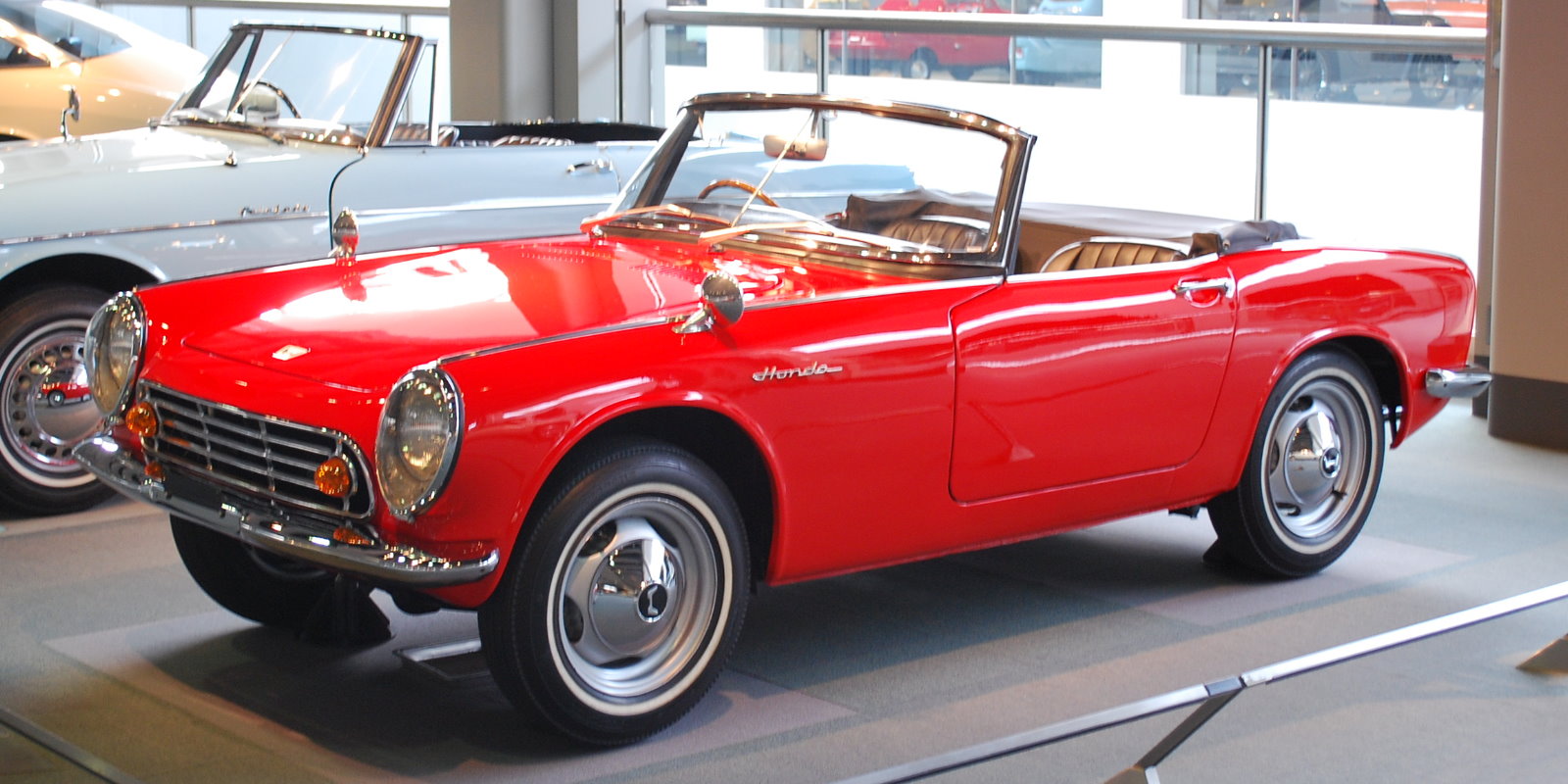
"And if I open my marketplace right now, it's literally like nothing, but BMWs, a couple like S 500, you know, the convertible one from like a 95. It's just prime drug dealer cars."
The Honda S500 is a small, old convertible car made by Honda a long time ago. It was one of the first sports cars Honda made and is now a collector's item.
The Honda S500 is a classic small convertible sports car from the 1960s, notable for being Honda's first production sports car. Despite its age, it remains a collectible vehicle, though examples are rare and often valued by enthusiasts for its historical significance.
"I did all that. I was running Kuri Alkin and Mustang Seats. And the more I did that, the less I felt ..."
The Ford Mustang is a sporty car made by Ford. It is known for being fast and fun to drive, and many people like to change parts of it to make it more comfortable or look cooler.
The Ford Mustang is an iconic American muscle car known for its powerful performance and sporty design. By 2026, the Mustang continues to be popular among enthusiasts for customization, such as upgrading seats and interior components to enhance driving comfort and style.
""Right. First, first big hit was our M8 Soft Day lowering kit. And we just started to create a website and start selling it on the internet.""
A lowering kit is a set of parts that makes a car sit closer to the ground. This helps the car turn better and can make it look cooler.
A lowering kit is an aftermarket suspension modification that reduces a vehicle's ride height. This can improve handling by lowering the center of gravity and can also enhance the car's appearance.
"Kabuto motorcycle helmets brings Japan's legendary helmet craftsmanship with cutting edge technology... You can check out these helmets and find out more information at Kabuto Americas dot com."
Kabuto makes motorcycle helmets that protect your head and help you ride safely. They use smart designs to keep helmets light and strong.
Kabuto is a Japanese brand known for manufacturing high-quality motorcycle helmets with advanced safety features and aerodynamic designs.
"All while boasting a lightweight composite shell with ACT tech and MIPS safety standards."
MIPS is a safety feature in helmets that helps protect your brain better if you fall and hit your head at an angle.
MIPS (Multi-directional Impact Protection System) is a helmet safety technology designed to reduce rotational forces on the brain during angled impacts.
"instead of like you're just at a rally. You know, when you're in Sturges, like every, there's not an exit you take off a 90 that doesn't feel like the rally's going on. Well, and it's a riding event, right? I mean, and that's a cool thing about Sturges. You just"
The Toyota Supra is a fast sports car made by Toyota. It is designed to be fun to drive and is often used in car races and events.
The Toyota Supra is a legendary Japanese sports car celebrated for its performance and handling, especially in motorsports and car culture. The latest generation available by 2026 continues to offer advanced technology and a powerful engine, making it a favorite for driving events and rallies.
"And then we powder coated the frame, powder coated a little budget matching components."
It's a way to paint metal parts by spraying powder that sticks and then baking it to make a strong finish.
Powder coating is a finishing process where a dry powder is applied electrostatically to a metal surface and then cured under heat to form a durable, protective, and decorative coating.
"largest distributor on planet Earth for motorcycle aftermarket parts. This thing is going to be at every Harley shop on the planet and at every custom shop"
Aftermarket parts are extra pieces you can add or swap on your motorcycle to make it look cooler or work better. They aren't made by the bike's original company but by other companies.
Motorcycle aftermarket parts are components and accessories made by third-party companies that are used to customize or replace original parts on motorcycles. These parts allow riders to personalize their bikes or improve performance beyond factory specifications.
"We have a lot of products for the for the new touring bikes, right? From the license plates to the risers to the water reservoir covers"
Touring bikes are motorcycles made for long rides. They have comfy seats and space to carry your stuff so you can travel far without getting tired.
Touring bikes are motorcycles designed for long-distance travel, featuring comfortable seating, large fuel tanks, and accessories like luggage compartments and windshields. They prioritize rider comfort and storage capacity for extended trips.
"From the license plates to the risers to the water reservoir covers, etc. But then, you know, going into deep and picking nest parts"
Risers are parts that lift the handlebars on a motorcycle higher so it's easier and more comfortable to hold and steer.
Risers are components used to raise the height of motorcycle handlebars, improving rider comfort and control by adjusting the handlebar position to suit personal preference.
"From the license plates to the risers to the water reservoir covers, etc. But then, you know, going into deep and picking nest parts"
Water reservoir covers are caps that go on the container holding the bike's coolant. They can be changed to make the bike look nicer.
Water reservoir covers are protective or decorative caps for the coolant reservoir on motorcycles, often customized for aesthetic appeal or to match other bike components.
"From the license plates to the risers to the water reservoir covers, etc. But then, you know, going into deep and picking nest parts"
License plates are the metal tags on your bike that show its registration number. Some people change them to look cooler or fit better.
License plates are metal or plastic plates attached to vehicles displaying registration numbers. On motorcycles, aftermarket license plates can include custom designs or mounting hardware for aesthetic or functional upgrades.
Rotors are round metal discs on your motorcycle's wheels that help it stop when you press the brakes. Some people change them to better ones for safer or cooler brakes.
Rotors are the disc components of a motorcycle's braking system that the brake pads clamp onto to slow down or stop the bike. Aftermarket rotors can improve braking performance or aesthetics.
"below 5.5 on a low-rider ST. The ST has the extended shock. It's like the S after 22. That thing is high. You put this on and you're just a few more comfortable on the motorcycle and it does not impact the way it handles at all."
The Harley-Davidson Low Rider ST is a type of motorcycle that sits higher because of longer shocks, making it taller than other similar bikes.
The Harley-Davidson Low Rider ST is a motorcycle model known for its extended shocks which raise the ride height, offering a taller stance and different ride characteristics compared to other Low Rider variants.
"Yeah. Absolutely. Because there wasn't a whole lot of brands that I felt like jumped on the soft tail thing quick, you know, like it was more..."
A soft tail is a type of motorcycle frame that looks like it has no rear suspension but actually does, making the ride smoother and more comfortable.
Soft tail refers to a style of motorcycle frame that mimics the look of a hardtail frame but actually has rear suspension hidden under the frame for improved comfort. It is a popular design in Harley-Davidson motorcycles.
"We were told that our bronze that we use for our engine guards matches the stock bronze with the wheels better than anybody else's... They were a little more high end than just like a regular engine guard."
An engine guard is a part that protects the motorcycle's engine if the bike falls over or hits something.
An engine guard is a protective component mounted around the engine area of a motorcycle to shield it from damage in case of a fall or collision. It can also provide mounting points for accessories and enhance the bike's aesthetics.
"...the new street lights with the 23 and a half VVT style touring bikes. That was the next major step for us."
VVT is a system in engines that changes when the valves open and close so the engine can work better and use less fuel.
Variable Valve Timing (VVT) is a technology that adjusts the timing of a vehicle's valve openings and closings to improve performance, fuel efficiency, and emissions. It allows the engine to optimize power delivery across different RPM ranges.
"You just slide that cover over. There's two set screws that you put on and put the cover in place. And then you have the top cover, same thing. You have two set screws..."
Set screws are small screws that hold parts tightly together so they don't move or fall off.
Set screws are small screws used to secure an object within or against another object without the need for a nut. In this context, they hold the water reservoir cover in place on the motorcycle.
"And then you put ours in. And they have this round LED in it that we it's a brand new that we're going to use for all of our new lightings going forward."
LED lights are special lights on vehicles that use tiny electronic parts to shine very brightly without using much electricity, and they last a long time.
LED lighting refers to light-emitting diode technology used in vehicle lights, which offers brighter illumination, lower power consumption, and longer lifespan compared to traditional bulbs.
"like turn signals and stuff, they need to just be seamless in the bike."
Turn signals are the blinking lights on a vehicle that tell other drivers when you want to turn or move to another lane.
Turn signals are vehicle lights that indicate the driver's intention to turn or change lanes, improving safety by communicating movements to other road users.
"brats and German beer and handing them out, so we're al..."
The Subaru Brat is a small truck made by Subaru. It has seats in the back and is good for carrying things and driving on rough roads.
The Subaru Brat is a small utility vehicle produced in the late 1970s and early 1980s, known for its unique pickup truck design with rear-facing jump seats in the cargo area. It has a cult following for its quirky style and off-road capability, often associated with outdoor and casual social events.
Select text to request an explanation
What's up everyone and welcome back to the Fast Life Podcast.
On today's episode we're sitting down with Holger, the man behind or one of the men behind
the Codland USA.
This brand is known for some killer motorcycles, some very sleek, very classy designed parts
for your motorcycle.
They're now located here in the great state of Texas, which I'm very honored to have them
here.
Had a great time talking with them and you're going to learn a lot about this brand and
this podcast.
But before we get into it, I want to tell you guys real quick about the sponsors that
make these podcasts possible.
My guys over at Arlen Ness Motorcycles, some of the coolest parts in the game.
Check them out, Fast Life 10 at checkout is going to save you 10% off.
Cowboy Harlow Davidson in Austin, that's where I get my bikes from.
You should check them out.
They got great deals.
They're going to take care of you.
They've been doing me solid for many, many years.
Law Tigers has your back, 1-800 Law Tigers.
If you or anyone you know it's been in an accident, give them a call, they're going to take care
of you.
They're going to get you on the right path.
And last but not least, Kabuto Americas, my man, Scott, Kabuto helmets, great helmets.
I've been rocking them, MotoGP inspired, really, really high tech stuff for your head to keep
you safe, keep you cool, and keep you looking badass going down the road.
Now, let's get into it with Holger.
Hey, guys, you ready to let the dogs out?
Fast Life 5.
All right, man.
First off, thank you and you, who is off air for coming in today, making the trip up here.
I'm glad both of you guys moved to Texas.
And we're kind of doing a two podcast day here, but we're going to focus on individuals
right now and how, I'm not going to try to pronounce the name now.
Which one?
My first name.
No, the brand.
The brand even?
Brand is a little easier than my first name.
I do agree.
And so before you say it, though, let me just give you my point.
Let me tell everybody why.
I feel like my education allows me to sound out things and I say it like, like, in a way
that I think like Americans would say it, like sounded out, you know what I mean?
So how do you say it and go?
I'm sure there's different people that pronounce it in different ways.
I'll just call it Kotlin USA.
Kotlin?
So cod instead of code, I don't know why I like to say code.
Is that, does that change like the meaning of it?
If you say it that way?
The code, I guess it depends on the language.
Oh, I'm trying to shove that thing right up.
So yeah, yeah, just pull the arm.
Yeah, yeah, you got to overdo it and let it rest back like that.
Yeah, yeah.
But, man, I've actually been following, I guess, the mother page Fred, right?
Is that the main guy behind the whole thing?
Fred is the main guy behind the whole thing in Europe.
He started Kotlin in Germany in 84.
84.
And then the main guys behind Kotlin USA is his son Len Kotlin and myself.
We own the company.
Nice, nice.
I've been a fan of the bikes that they've been building in Germany for years.
The paint works always top notch from the, I think there was like errors of like,
I would say kind of big wheels, not.
Yeah, I would say some big wheel stuff back in the day.
I saw some pretty cool ones that you guys had done.
And then you'd always tackled bikes that one of my favorite ones that y'all had done.
And I think maybe you guys did this one.
The American side was the BMW a couple of years ago.
No, that was Germany.
That was Germany.
So Germany is a lot about bike building.
And, you know, it goes like I said, it goes back to 84.
Is when Fred started the company in Europe and he became the number one bike
building in Europe, period, right?
Whatever you heard or read, otherwise.
Kotlin in Europe is associated with Harley Davidson and custom bike building period.
Fred and I used to be friends in Europe.
I used to run custom Chrome Europe and custom Chrome was like the Coca-Cola
in the industry.
Yeah, this is like mid late 90s.
They picked me to build their European presence.
And Fred became Kotlin motorcycles became one of our largest customers, but also
supplier, and he would build custom bikes for the business.
So he would build like a catalog cover bike back in the day.
They were big bikes.
Yeah, yeah, yeah.
They were big bikes, right?
You can almost buy everything out of the custom Chrome.
Like, I want this style, this style, this style, right?
Exactly.
So this is when the custom bike building was at its prime, both in the US and in
Europe and custom from Europe.
We would have, you know, all the engine brands, we would have RefTech, of
course, our house brand, but we would have a great partnership with SNS.
We would be exclusive as TP engineering.
And then what we would do is we would make all that stuff legal, right?
Before, you know, before carb and EPA became an issue here, this shit was
going on in Europe, like on steroids, right?
You had to approve the frames.
You had to, you know, get emission approval on engines.
All those components break parts.
You name it.
Why do you think it was so like harsh out there?
Well, I guess because the Germans came up with the idea, right?
We're like, you know, we'll have things in the box where we can say these are
the rules and that's how you stick to them.
But it's, you know, all the, all the emissions, all the compliance.
Actually, how does that work?
You know, with, with all this, the countries over there, does there become
like one kind of umbrella encompassing type regulation that works on all the
countries and the way we have in the States?
Or does it become like individually as you cross borders?
It's different rules and regulations.
It's kind of both, right?
So you have everything that's called EC approval.
That's like lighting its emissions that comes from the European Union.
But then there's also standards for different countries.
Germany is very strict.
Germany, Austria, Switzerland, kind of the central European countries.
They're really strict.
And they got TUV, TÜV, probably heard about that.
That's where testing of frames and things, you know, become very relevant.
But then there's still countries out there that don't really care, especially
once you get really up north to, you know, Sweden, even the UK is not that strict.
But, you know, my experience back is like what I said earlier is in the 90s
and early 2000s nowadays, it's like nearly impossible to build a custom bike
and to, you know, ride it, leaving me on the street.
It's getting really, really hard over there.
But, you know, back to Fred Kotler, that's how we reconnected.
So we would have the components.
He would put his, you know, individual parts on it.
We teamed up a lot on building these bikes.
Nice.
There are other brands that we teamed up with, hardcore cycles,
Marcus Wilds, I'm sure.
Yeah, I mean, the hardcore would always have those like single sided
swing arm, like V-Rods and stuff, which the V-Rod never took off here in America
the way, but like when you would see those pictures of the hardcore ones,
you'd be like, man, that's pretty badass.
But it just never seemed to really take off here, though.
No, I think that especially the Germans had a special relationship
with the V-Rod because I think Porsche did develop the engine with Harley
back in the day, Marcus was famous for his drag style bikes.
There were a lot of stuff that was different.
But that's where the brand started.
That's where Colin started, was in Europe.
Yeah.
And then I'm sure we're going to touch on that later, how we ended up doing it in the US.
Yeah, I'm very fascinated because I've heard so much and done so many podcasts
with so many people that have been a part of the 90s industry culture that was going around.
Like you said, the custom chrome and how that was like kind of the top dog
and how it's kind of shifted now or actually custom chrome isn't around anymore.
But but yeah, when it comes to Europe, like I never even considered
like the things that were going on there in the 90s and how the culture
of custom motorcycle building was was being played out over there.
If that makes sense, you know?
Yeah, if you haven't lived through it back then, there was no Instagram
and no social media in early days.
It wasn't even really like an internet.
But most of the trends really started in the US
and then they ended up in in Europe with like two year delay.
But there's also some trends that started over there in Europe, Germany, Italy.
It was like you look at Scandinavia.
There was really strong shops, right?
So some of the stuff went the other way.
Yeah.
But the bottom line is in we
however we look at this thing, the core of the culture
right started in the US and there's a generation
you know, that that, you know, we're there in the 80s, I guess,
in the early 90s, that was inspired by easy riders.
And there was, you know, different inspirations down the road.
But it all started here.
There's no question about that.
Yeah, you know, when you think about styles of like Air Coast choppers,
you know, the different styles in different parts of the country
were fit to ride the different types of styles of terrain and traffic
and shit like that.
You know what I mean?
So when you're out in California, you got really tight bikes for lane
splitting, things like that.
You get up in Frisco, you got taller stuff.
Yeah.
You know, you get out here, you have the D Ray or the Midwest.
You got the D Ray tall bikes.
Like a lot of different styles kind of fit the the the I guess the the
not the terrain, but like just the areas, right?
So I wonder if that also works because, you know, you mentioned
like Swedish style choppers, which is a whole style that come almost
kind of gets into the D Ray look a little bit, the high and tight and stuff
like that. I wonder how much that is out there.
Like is London have a style of bike?
Does Italy have a style of bike?
And, you know, you have a little bit of that, but I wouldn't call it the London
style, but you definitely have, you know, there's a lot of German bike
builders that inspired a lot of others.
And there's a lot of trends that came from that.
There's South Europeans, but put it put that into a category and then
there's kind of things that happen in the North, Eastern Europe played
a role at one point.
But but you have we have a lot of that going on and then it's all, you know,
as Europe is, you know, obviously the whole of Europe with so many countries
and so many different languages, cultures.
I mean, you can fit it into the US a few times, right?
So you look at that and you see how all those those different cultures
inspired some of the custom bike building.
I'm sure once you really dive into it, it's kind of cool.
It's kind of interesting.
You know, I'm a new, recent lover of Porsches.
I've just, you know, basically just got turned on here recently, always
known they existed, obviously, but like just really started to fall in love
with like the design and the aesthetics of the thing, of the machines,
the cars and how they've kind of carried a lineage their entire existence,
not like one day they look like this and then next day look like this.
They've just kind of been a refining of itself, you know, the kind of question
I guess I'm kind of trying to ask is like the culture of Germans, like being
creative in that kind of way of like, like precision and making like, you know,
so many great car companies, you know, from from there, you know, BMW, obviously
that's a big, big motorcycle thing now too, right?
So like, is that something that I think is like just in the people of Germany?
You know what I'm saying?
Or is it more culturally that you kind of get drawn to be into things like
that or the design and it's a good question.
I did a shitty job asking the question, but you know, but I know where you get
into that. I think Germans just like to make the best shit.
Yeah, I think that sums it up.
And engineering is so deeply rooted into the culture.
Sometimes they over engineer stuff too.
But trust me, we've worked on cars.
That's why the stuff works, you know, to me.
And I think that kind of leads us later into what Kotlin USA is about.
Yeah, I like kind of taking the best of all worlds, right?
You got you got really good stuff coming from Europe, particular Germany
in our case, then you got all this cool stuff going on in the US, right?
And we just like to blend all the stuff together.
This is where Len Kotlin, my business partner, how he's so great at is.
He has such an eye for all that and bringing all this together, right?
But in the end of the day, with all this
blending that we're doing, what we should never compromise,
what we never compromise with is quality.
Yeah, the stuff got to work.
Yeah, you put it on a motorcycle, right?
And, you know, we talked about that earlier, how, you know,
you go and cross country with them, right?
You want to make sure you get there in one piece, right?
And nothing falls off.
So for us, that was always like the like the goal.
Absolutely, you got to make sure the quality is there.
You know, I make sense.
I just like I said, I just wondered, you know what I mean?
Because when you think of the different cultures, you know, whether it's
Japanese in the way that they kind of do everything better than like
they do our culture better than us sometimes, you know, Americans, right?
So like they have a style of like craftsmanship that goes into everything they do.
And you can see that in the German engineering and the styling even, you know,
like I said, Porsches earlier, but like I'm really, really horny with
all kinds of 80s and 90s, BMWs, Benz's.
I don't know what it is.
It's just like something at the time I wasn't into it, but maybe it's
tapping into some nostalgia to my millennial nature or something like that.
But I'm just I'm fucking in love with them, man.
And if I open my marketplace right now, it's literally like nothing, but BMWs,
a couple like S 500, you know, the convertible one from like a 95.
It's just prime drug dealer cars.
You know what I'm saying?
I love that shit.
I worked at that dealership for 15 years.
Yeah, he worked at Mercedes.
Yeah, they did a bunch of different brands, but Mercedes and Porsche
mostly is what I like to work on.
And I got to drive them and be around them, worked on some classics too.
Yeah.
Well, I grew up with this stuff, right?
I moved to the U.S. when I was like 30, right?
But you grew up with this stuff.
It's everywhere.
You just take it for granted.
Actually, when I was like 16, 15, 16, 17, I worked in the little town
next to where I grew up at this guy that would restoration 50s and 60s Porsche.
And you bring a bunch of stuff you actually bought in from California
because they were not as rusty as the German stuff, right?
So and that was just that was just a side job to make some money as, you know,
the teenager.
We look to the U.S. and said, oh, look at look at the muscle cars, right?
Look at all the cool stuff that was done here in the 60s and 70s, right?
That got us a kick.
My first dream car was a Chevy pickup truck with a long bed, right?
And I was, shoot, I was maybe 21.
Yeah.
And I wasn't having when I bought that car, right?
Here, it wouldn't have been nothing.
It's just, you know, everybody in the neighborhood has like three of them, right?
Yeah.
So so it's just like the perspective.
Like, yeah, where you look at the stuff that makes sense.
Yeah, I mean, they the old Chevy trucks were they were pretty affordable here
until like Instagram, right?
Essentially, Instagram made them where they're all of a sudden they're 100 grand.
So it's a mess.
When you guys, you know, when Lynn came and you guys connected,
what was the the initial goal coming to the United States?
Like, how did you pick where to start?
What year was it?
You know, I believe it was when y'all brought the blue bike to Daytona.
Was that kind of the kickoff?
It was some of that.
The blue bike definitely was part of it.
It was, you know, things sometimes happen for a reason.
You know, I was getting out of corporate.
I was, you know, obviously I was a CEO at Custom Chrome of the U.S.
there for a bunch of years and I joined the Mac group.
I did all that.
I was running Kuri Alkin and Mustang Seats.
And the more I did that, the less I felt connected to the actual industry
and the scene and the parts because you just hang out with a bunch of,
you know, investment group people at board meetings.
And, you know, it's important, don't be wrong, right?
Everything has a time and a place.
But once it consumes like 50 percent of your time, you start questioning yourself.
Why did I get in the motorcycle industry to hang out with those guys?
Right, to be out there and work on cool motorcycle shit.
Right. So I left that world and I started, you know, a small business,
just do a bit of consulting, help some friends and their businesses.
And then, you know, sometimes things happen.
I go to Daytona.
I think it was in in 18. Yeah.
And I hung out with Fred and Len and we had a beer and, you know,
just talk about some stuff and they needed some help.
They were manufacturing some products in-house for the European market
and they were hitting capacity, right?
Because how much can you do?
They were building the best bikes in Europe.
Yeah. They were manufacturing products in-house.
They were powder coating in-house, they were painting in-house.
They had all the stuff going on.
So they asked me if I can help them.
And I said, sure, you know, so we kind of worked on a project or two.
And at one point, we would just talk about the U.S. market.
You know, and obviously the brand was known definitely from people
that used to go to, you know, Daytona Bike Creek in the 90s and 2000s
where Fred would win a Red Soul show, Best of Show, Red Soul.
Walk all these things that he did with one-off crazy creations, right?
But just in general, there was always demand for their product.
But between making it in Germany and shipping it and exchange rate
in customs and nowadays duties, right?
All this stuff made it really hard for the average guy to buy their product.
And they were just really not set up because they were so focused
on the creative side, on the builder side, on the manufacturing side.
So we talked about that for a little bit.
And we just came out with a small line of products
that we thought could do really well in the U.S.
And, you know, I've seen people that come up with great ideas
and then they go all in and throw a lot of money at it and they fail miserably.
That was not really an option for us.
So I said, well, why don't we just leverage my little company that I got?
And then, you know, basically started from my garage.
So we came out with, I think it was 15 part numbers.
I bought a few of those.
I'll show you later.
Right. First, first big hit was our M8 Soft Day lowering kit.
And we just started to create a website and start selling it on the internet.
That was 2020.
Yeah. Right.
So we got started in late 19.
We get into 2020 and then COVID hit.
Yeah. And you were based out of California at the time?
Yeah, up in the Bay Area, just half an hour south of San Jose today.
And that was like the point when it started.
I'm like, OK, we've got to find a real job again at one point here.
Yes. We all thought that was the end.
And then the opposite happened, right?
People were sitting at home, nothing to do.
They were playing with their motorcycles.
They had additional income, right?
All those things happened.
And suddenly our website starts going crazy.
Right. And that's when I started to set up distributors.
So, you know, we had Suzuki and Associates in Japan,
Rollies, Speed Shop in Australia.
People have known for a long time.
Yeah. They like the best in their market, right?
So, we're setting these guys up and they're starting to do really well.
And at that point, we realized this was like mid-2020,
when kind of that first COVID dip was over and it went the other way.
Yeah. We were like, OK, we got something here, right?
And so, Len and I worked really hard on on increasing the product offering.
We moved to, you know, out of the garage, into a real facility.
Yeah. And just, you know, started to build up from there.
But that's really as simple as it is.
It just happened that way.
I always wanted to own my own company, but I always knew
it's got to be the right timing.
It's got to be the right thing.
And, you know, pretty, pretty fast.
I realized, OK, this is it.
This is going to be fun because between Len and I,
we compliment each other so well.
You know, Len is an amazing designer,
but he grew up in the workshop in probably the best workshop
in all Europe and our industry, right?
At Kotlin Motorcycles in Germany.
So he he knew how to weld.
He knew how to, you know, work on the CNC machine.
He can paint. He can fab.
He can do all those things.
He can build a motorcycle, a really cool chopper,
whatever you want to build from the ground up.
But at the same time, he got the talent to sit in front of a screen,
use solar works and come up with the next great product.
Nice. Yeah.
So he is taking care of all the design engineering, all that creative part.
And then I take care of the rest.
I make sure the stuff gets manufactured at the right place at the right time.
I take care of sales and marketing and the day to day operations.
Things that really doesn't really bother them too much.
Right. Yeah. So that makes us a great team.
And it's been fun, you know, if you're ready to take your motorcycle
to the next level with style, performance and quality.
This is where Arlen S motorcycles comes in for over 50 years.
The legends at Arlen S have been building the boldest customs
and crafting premium parts that turn heads and stand the test of time.
From the classic big sucker air cleaners to the new carbon fiber parts line
to bars, risers, wheels, brakes, the list goes on.
Ness even has a full parts line for the 2024 and up touring models.
Whether you're pushing a Harley, Indian or a custom build,
Arlen S delivers with quality parts that I personally run on all my bikes
from my choppers to the new 2026 bagger I just picked up this year.
Head on over to Arlen S dot com and check out the new drops for 2026.
And don't forget to drop the fast life 10 offer code to save yourself 10 percent off your order.
See something that's not quite right? Our annotations are AI-generated and can sometimes miss the mark.
Click the flag icon on any annotation to suggest a correction.