Lookers staff claim they face 'fresh threats of redundancy', Autotrader customer advisory groups take place, and Swansway's impressive results – with Sandy Burgess, episode 255
Car Dealer Podcast
Lookers staff claim they face 'fresh threats of redundancy', Autotrader customer advisory groups take place, and Swansway's impressive results – with Sandy Burgess, episode 255 Car Dealer Podcast · Apr 24, 2026
Annotations will appear as you listen
0:00
66:42
Topic
fresh threats of redundancy
“Redundancy” refers to job losses due to organizational changes, not individual performance. When the episode title mentions “fresh threats of redundancy,” it signals ongoing workforce uncertainty within a dealership group, which can affect service levels and staff experience.
Topic
Autotrader customer advisory groups
Autotrader sometimes asks customers for feedback through groups. The goal is to learn what people like or dislike so the platform can improve for buyers and sellers.
Buying intent means how likely someone is to actually buy a car, not just browse. If a site can tell that a person is more serious, it helps dealers focus on the right leads.
They’re saying customers are still buying electric cars. That matters because it shows EVs aren’t just a trend—they’re already part of what people purchase.
A warranty claim is when a customer reports a problem and the warranty covers the repair. If you sell more cars, you usually end up dealing with more warranty issues.
PDI means the dealer does an inspection before you take the car. They check the car’s condition and make sure everything is working and ready to drive.
They’re saying that if a used car sits around for a while, problems can show up once someone starts driving it every day. That can lead to complaints and repairs.
They’re referring to a Volkswagen up!, which is Volkswagen’s small city car. Someone damaged one and also messed with the lock area, which suggests it was targeted rather than random damage. It’s the kind of thing dealers watch for because it can lead to theft attempts.
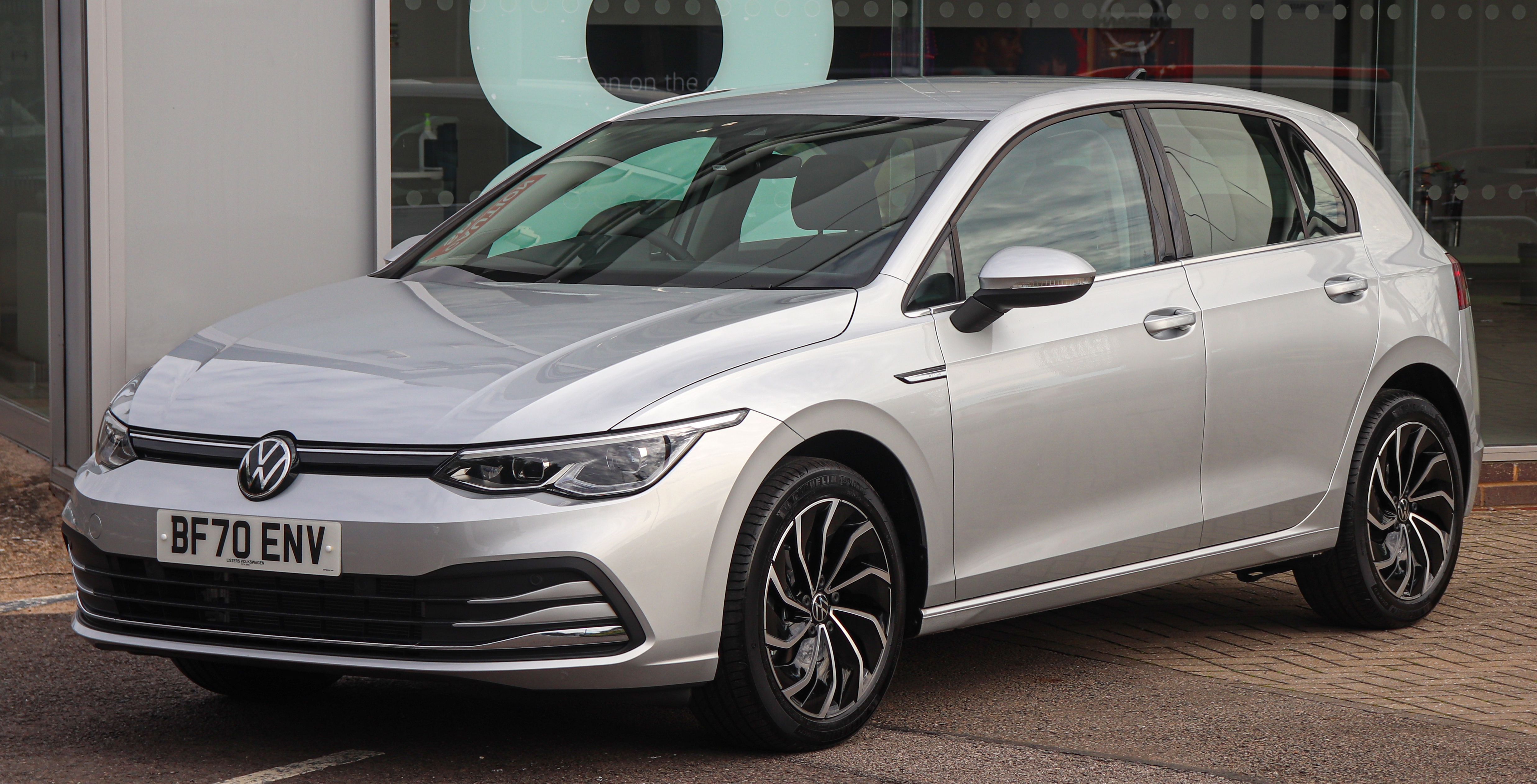
A Golf GTI is a sportier, more performance-oriented Volkswagen Golf. In this story, it’s brought up to show the attackers didn’t just smash everything—they chose a different car. That suggests the up! was targeted for a reason.
The Suzuki Jimny is a small, rugged off-road-style car. They mention it to show the attackers passed by other vehicles without damaging them. Instead, they went after the Volkswagen up!
The windscreen is the front window of the car. It’s important for safety, and it’s also a common target for damage. Here, they’re trying to figure out whether the damage was from a bird impact or someone deliberately breaking it.
Concept
selective vandalism vs bird strike
They’re debating what caused the broken windscreen: could it be a bird, or did someone do it on purpose? At first it looked like it might be a bird strike, but then they found signs of tool marks on the lock area. That’s why it’s important to check the whole car, not just the glass.
Locks are the security mechanisms used to prevent unauthorized entry. The hosts say it looks like someone put something in one of the locks—specifically, a screwdriver—to try to open the car. That’s a key clue that the incident may involve attempted theft or forced entry, not just accidental damage.
Concept
vandalism/theft risk from unsecured parking
This is basically about how cars left parked can get messed with or targeted. Things like broken glass and attempts to get in can happen even when you’re not doing anything wrong.
The windscreen is the big front glass on the car. If it gets cracked or smashed, it can be costly to replace, and sometimes the car needs recalibration if it has cameras or sensors behind it.
Lockpicking is when someone tries to open a car without the key. It’s a common method used in car theft attempts, especially if the car’s security isn’t strong enough.
A seagull is a type of bird. If someone mentions seagulls around cars, they’re usually talking about birds causing problems like mess or damage. The “chips inside” part sounds like something that may have been affected by birds rather than a car model.
Foot-and-mouth is a serious animal disease. The speaker is saying it hit their area hard and caused major business disruption, even though they were in the car industry.
IMI is a UK organisation that helps train and support people working in car-related jobs. They focus on things like apprenticeships and making sure training meets required standards.
SME just means smaller businesses. The hosts are saying the plan is aimed at independent repairers and smaller companies, not the biggest dealer groups.
They’re talking about warranty coverage—promises to pay for certain repairs. The point is that the program is designed to create more workshop/after-sales work, not just sell cars in the showroom.
After sales means what happens after you buy the car—like servicing and repairs. They’re saying the workshop is where the business can grow and keep customers coming back.
The idea is: sales gets you the first car, but service is what convinces you to buy again later. If they fix problems quickly and properly, you’re more likely to come back.
They’re saying problems aren’t just headaches—they can help you build trust. If you fix things fast and do a good job, customers are more likely to buy again.
“Carbys” sounds like shorthand for a specific kind of older engine repair. They’re saying some small repair businesses may move away from low-paying jobs that aren’t worth the effort anymore.
“Retention” here means keeping customers coming back after their initial purchase—often by supporting them through service and repairs. In dealer terms, it’s about turning repeat service visits into ongoing revenue and customer loyalty.
Concept
predecessor ran the business
They’re talking about how the previous leader ran things differently. The point is that leadership changes can lead to new ways of doing the job and improving how people benefit from it.
A subscription is a recurring payment you make to keep access to something. The host is saying the group has to prove it’s worth the money before the renewal date, so people don’t hesitate to pay again.
DVSA is a UK government body that regulates vehicle testing and standards. Here, they’re talking about a dealership losing (or being threatened with losing) permission to test vehicles.
A dealership’s “license to test” being rescinded means it loses authorization to perform vehicle testing work. That’s a serious compliance and operational risk because it can directly impact revenue and the dealership’s ability to serve customers.
The “points” system described is a compliance scoring approach where enforcement outcomes can be reduced by appealing. The transcript suggests they try to lower the severity so the dealership faces a shorter suspension rather than a longer one.
A warranty is like a repair promise from the seller or warranty company. It only really matters when you have a problem and try to get the repair paid for.
This is basically a measure of how fast warranty payouts are happening compared to what the warranty company is collecting. If payouts are too high, the program can lose money.
Premiums are the cost of the warranty coverage. If the money collected (premiums) doesn’t cover the repairs paid out (claims), the warranty provider has a problem.
Car
EcoBoost engine
EcoBoost is Ford’s name for many of its turbocharged engines. If those engines have common problems, warranty claims go up and warranty coverage becomes more expensive.
Car
JLR
JLR is short for Jaguar Land Rover. They’re saying that, in their warranty data, JLR cars were more likely to lead to expensive repairs covered under warranty.
A trade association is a group that represents a whole industry, like car dealers. It can help members learn from each other and support initiatives that benefit the community.
Electrification means cars are moving away from gasoline engines and toward electric motors. That also changes how cars are serviced, so garages need training and equipment to work on them.
“Rurality” basically means living in a more remote, less populated area. The point is that in rural places, it’s harder to get car repairs—so garages may be slower to learn how to work on electric cars.
The “electric vehicle journey” means the whole experience of owning an electric car, not just buying it. It includes being able to charge and also having garages that can service and repair it.
A hybrid car uses two power sources—an engine and an electric system. The point here is that if there’s nobody nearby to service that type of car, some buyers won’t consider it.
The “30 miles” part is about how far people are willing (or able) to travel for repairs. If there’s no one nearby to fix the car, buyers lose confidence and may not purchase.
Topic
IMDA
IMDA is an organization Sandy says she’s working with. In this clip, it’s connected to dealer support and campaigning, but the excerpt doesn’t explain what IMDA is.
Dealers have to follow a growing list of rules set by regulators. Those rules can change what paperwork they need, how they run finance deals, and what details they must record from customers.
When people say “finance” in car sales, they mean the loan or payment plan used to buy the car. The point being made is that the paperwork and rules around these deals are getting heavier, so some dealers are reconsidering how much they want to deal with it.
The segment highlights a “latest wave” of regulatory requirements that force dealers to collect detailed customer information (the example given is down to a customer’s date of birth). This kind of compliance can increase admin time and cost, which is why dealers may question whether certain processes are worth it.
The hosts mean dealers have to decide whether a new process is worth the time and money. It’s not automatic—they weigh the benefits against the hassle.
A masterclass here means a training session or event where dealers learn practical things. The hosts also like that it’s interactive, so attendees can swap ideas with other dealers.
They’re describing a group chat where dealers can ask other dealers for help. If someone has a tricky vehicle issue, they can reach out to people who might have seen it before.
“Four Nations” means the four countries that make up the UK: Scotland, Northern Ireland, Wales, and England. In this conversation, it’s just describing where the organization operates.
They mean the traditional dealer setup where you sell cars for a specific brand. That system can feel restrictive compared with selling used cars more freely.
They’re talking about running the business with a specific type of car focus. It can help you attract the right buyers, but if that car type is hard to find, it can slow everything down.
“Corner painted” means part of the car’s body was repainted, usually because it was scratched or lightly damaged. It’s a cosmetic repair, not necessarily a major structural problem.
They’re saying the car listing is based on just a few photos. If the photos don’t show a problem clearly, you might discover damage later when you inspect the car.
The “near side wing” is the front fender on the left side of the car (in the UK). They’re saying a part/panel wasn’t there as expected, which shows why photos can be misleading.
A “retail check” is a dealer’s comparison of what a vehicle is likely to sell for at retail, used to estimate profit potential and margin. The host is arguing Motability-related cars have low margin because the retail pricing doesn’t leave much room after costs.
It’s talking about a “popular” used-car category. Because lots of cars match that description, buyers can compare many options, which can push prices down.
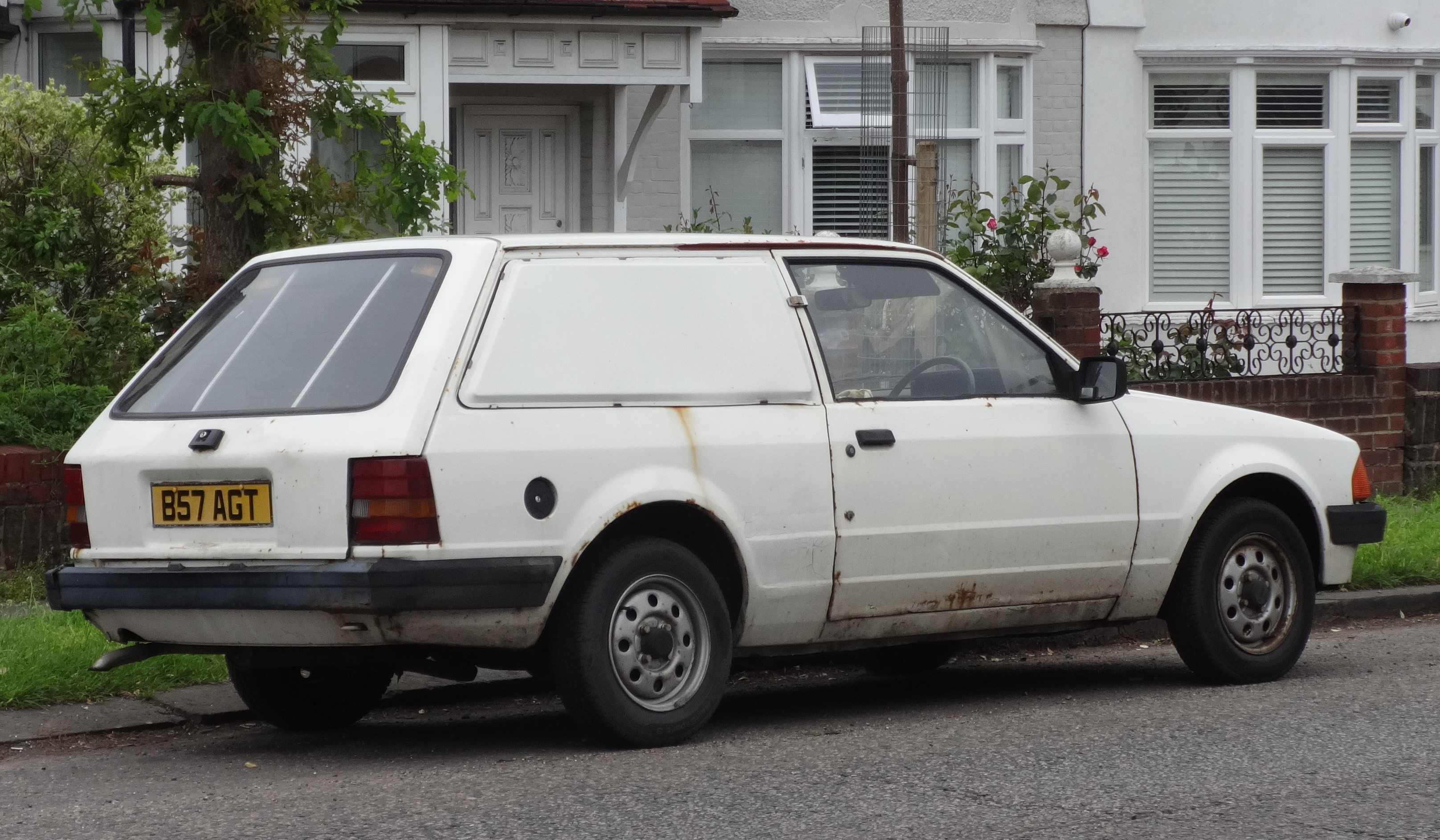
The Ford Escort is a classic Ford model that’s been around for many years. Here it’s mentioned as an example of a car someone owned and sold, and how the numbers can look different depending on how you calculate costs.
The Ford Puma is a small Ford crossover. They’re using it as an example of how dealers sometimes get a run of sales on one model and assume it will keep going.
The Ford Five Hundred is a mid-size car (a sedan) that was sold a number of years ago. Dealers may mention it when explaining how some models sell slowly and don’t get many buyers. If you’re shopping used, it’s mainly about understanding how common it is and what condition the specific car is in.
Dealerway is a service that helps car dealers sell cars to other businesses. It’s designed to make the process faster and clearer, including auctions and trade-buyer matching.
Trade buyers are car dealers or other businesses that buy cars to sell again or use for their business. “Vetted” here suggests they’re checked so sellers are dealing with serious buyers.
A “custom auction” is an auction you set up for your own cars, with choices that fit what you’re selling. The idea is to make it easier to get the right buyers involved.
“Buying signals” are like a score or clue that suggests whether a shopper is serious about buying. Instead of guessing, dealers can focus their time on the leads most likely to turn into sales.
“Redundancies” means people losing their jobs because the company is removing certain roles. It often happens when a business reorganizes or tries to save money.
They’re saying the job cuts might be focused in the parts of the business tied to Ford and Volkswagen. Different brand divisions can be organized differently, so the impact may not be the same everywhere.
They’re describing the people providing the information as unhappy employees. The hosts are using those tips to discuss what might be happening inside the company.
They say the business cut £21 million in yearly costs. Big cost cuts like that usually mean the company is trying to run with fewer expenses, which can include reducing staff.
This means the company plans to have its accounting work done by teams in India instead of locally. It’s often done to lower costs, but it can lead to layoffs or role changes at the original offices.
Car Giant is the company being used as an example of how a business can respond publicly to claims. The speaker is comparing their approach to another company’s response.
Lookers is the company being criticized in this segment. The speaker says they should communicate clearly with employees instead of staying silent.
Brand
VW
They’re saying Volkswagen is struggling too, and they think it might be because Chinese car brands are putting more pressure on the market. That kind of pressure can make it harder for dealers to sell as many cars.
They’re suggesting Chinese car brands are competing harder, which can make it tougher for European brands to sell cars. That competition often shows up as better deals or more attractive new models.
They’re saying car selling isn’t just about cars—it’s about people. If staff are worried about their jobs, it can affect how they talk to customers and how customers feel about buying.
They’re making the point that customers experience the brand through the people they deal with at the dealership. If those people are stressed or worried, customers may sense it and lose confidence.
Concept
Government encouragement and dealer/manufacturer consolidation (takeover of supply chain)
They’re saying the government can push companies to combine and take over parts of the business. That can speed up how quickly new cars and technologies get rolled out. It’s about how the market is organized, not a specific car feature.
Citroën is referenced as another brand whose dealer presence has disappeared in the speaker’s local area. This highlights how dealer network changes can affect multiple manufacturers, not just one brand.
“Annual price rises” refers to yearly increases to what dealers pay AutoTrader, following the deal builder rollout. The speaker links these increases to dealer dissatisfaction, which then led to listening sessions and advisory groups.
Lead attribution is the process of determining which marketing channel (in this case, AutoTrader) caused a specific customer inquiry or sale. Dealers want clearer reporting so they can confidently connect leads and sales back to the platform they’re paying for.
LIVE
The Cardiola podcast is sponsored by AutoTrader.
John, have I mentioned that we sell more cars from adverts on AutoTrader than anywhere else?
Yes, I think I read that somewhere.
Well, with over 84 million consumer visits per month, they connect retailers like us
with more potential buyers than any other platform.
But it's not just about the numbers, is it?
Is that what you say to your accountant?
Because the support and the value we get from AutoTrader is, well, invaluable.
We now get AI-powered insight on every online inquiry about the level of buying intent from
each customer, incredible amounts of data about the cars that we'll sell in our local area,
and around-the-clock service support from our account manager.
It sounds like AutoTrader is basically doing all the work for you, James.
No, John, I still do some things, like take out the bins.
Anyway, to find out more about how AutoTrader can help you, visit autotrader.co.uk
slash partners slash retailer.
Welcome back to the Cardiola podcast, where we pick our favorite stories of the week
and ask an industry guest to choose which were the best.
I'm John Ray, and joining me this week is a man that's bought two three-litre petrol
Volvo's and a five-litre V8 Range Rover just before all the world's oil supply is shut down.
It's James Bagger. James, how are you?
I mean, they say business acumen is all about your timing, isn't it?
I've got neither of those.
Yes, you're right.
But they're very nice cars, John, so I'm sure someone will buy them.
Have been buying lots of electric cars still, so there are some elements of the business
that may be firing on all cylinders.
Apart from the Golf GCI you've got.
Anyway, so how is business at the moment?
I've not been down this week, I've not seen what's going on.
It's been a mixed week, John.
Like after the highs of last week selling loads of cars, obviously, just like day follows night,
so too do the warranty claims.
Within a week, they've won.
The thing is, when you've got lots of cars in stock, we try and drive as many as we possibly
can before we send them out.
We obviously PDI them, we service them, we MOT them all, but they're 10-year-old used cars.
You never know what is going to happen when someone starts using it on a daily basis,
especially when they've been sat around for a couple of weeks.
And yeah, frustratingly, a few phone calls from customers from last week,
so we're working through those.
I've found that really hard at the start of this business,
but you just sort of come to get used to it now.
The more cars you sell, the more warranty claims you're going to get.
It's just, that is the used car business, unfortunately.
You just have to, I mean, I think that's where your customer service kicks into gear,
isn't it?
That's the way you've got to look after the customers and it's the important part,
really, I think.
Selling the cars the easy bits, looking after them afterwards, that's a little bit harder.
But yeah, we've had some problems as well, John.
You know, we've got this second storage site where all of the expanded stock has gone.
We went up there yesterday and someone vandalised our cars,
which is a bit annoying.
Well, I say cars, a car.
They've targeted one of our Volkswagen Ups.
I mean, what have they got against Volkswagen Ups?
It was the fourth one in the row, which is weird.
They walked past a really nice Golf GTI in a Suzuki Jimny
and targeted a white Volkswagen Ups, smashed the windscreen.
At first, we couldn't find anything around it.
You know, looking for a brick or something that, you know, they'd obviously done it with
or whatever they'd hit it with, nothing around, hadn't run over the top of the car.
You know, there's no marks on the bodywork or anything.
So we spoke to the windscreen man and he said, oh, I guarantee you that would be a bird.
He said, the birds at this time of year carrying nuts around.
Not sure how big these nuts are.
And he dropped it from a high height.
He said, I've had seven this week.
Exactly the same.
Yeah, exactly.
Well, I mean, we didn't believe it.
But then we took the car back to the dealership and we have had a little look at it.
And it does look like someone's put something in one of the locks.
Looks like they've stuck a screwdriver in and tried to open a Volkswagen up.
I mean, what are they going to get?
It probably won't start.
It's been sat there for about three weeks.
But yeah, not only have the birds worked out how to drop things from a great height directly
onto the windscreen, but they're also now having to go at lockpicking.
Well, maybe they saw some chips inside or something.
You know what the seagulls are like around here?
But yes, I was sort of saying to you, what do you gain from,
like if I was going to vandalize anything, you wouldn't go and break the windscreen,
would you?
Surely that's the hardest thing to break.
Yeah, very weird.
Don't really get that anyway.
Bit frustrating.
Bit frustrating.
But you know, we'll deal with that.
And you know, I'm sure many people listen to this have had far worse.
So yeah, it's the first little upset that we've had on that front.
But we roll with the punches, John.
Indeed.
Shall I introduce our guest then?
Please do.
So our guest this week, well, I'm going to describe him.
I can't talk this week as a motor industry expert, which I think is fair.
Legend.
I'd say legend.
Legend.
Sandy Burgess.
Sandy.
Thanks for joining us.
Good morning.
Nice to see you, Sandy.
Very nice to see you.
Nice to see you, James.
Long time no see.
Long time no see indeed.
Yeah, a long and varied career you've had.
I mean, and I'd love to chat all about it.
I mean, just tell those people listening who might not know who you are,
what you've been doing these years, over these years.
Wow, you see long and varied, yes.
52 years and counting in the motor industry.
It's a, so it's a, I have quite a few scars.
Well, the short version is that I trained as a technician or a mechanic as it was in those days.
It was a company called Datsun, which in the 70s was never expected to survive.
But guess what is now called Nissan and the largest car maker in the UK.
It's a, then went into sales, then traveled through the Ford dealer development program
buying a Ford dealership, grew that up to six dealerships, two Ford, four Peugeot, four Peugeot.
Then had the, without doubt, one of the darkest periods of my business life
when a foot and mouth hit the region that I was in business in.
And we took 93% of Scotland's foot and mouth in that one area and devastated the area.
Very similar business environment to the COVID situation
with the exception that the rest of the world was still functioning.
So, and there was no support.
So it was tough times.
We managed to get through that, eventually sold the company to a larger group, worked with them
for a while and then decided to go off and do different things.
I had seven fantastic years with the IMI, covering obviously training and compliance
and all matters relevant to apprenticeships and development of people.
And then I had a 10 year stint as chief executive of the Scottish Motor Trade Association,
which is where you and I, James met.
And then decided that it was time to maybe do less traveling, get more involved in some of my
own business interests in Dumfries and Galloway where I live.
And that's what I'm now doing.
However, I do care passionately about the industry and I care passionately about people
and businesses in the industry.
So for that reason, I was fortunate I joined the IMDA, Independent Motor Dealers Association
and became a committee member.
And that keeps me reasonably fluid in that.
And as I just returned yesterday from Belfast, where I was over launching this year's Motor
Industry Awards for Northern Ireland, because I'm the head judge.
So yeah, it's like life's interesting, but everything round about cars.
So the second Scotsman we've had on the podcast in two weeks, the second IMDA member as well in
two weeks, it's like we're getting a bit of a set here, John.
Sandy, tell us about the businesses you've got now then.
Tell us about what you're actually doing.
Well, excuse me, my core business to be frank is commercial property.
I have a, my wife and I have a pretty decent commercial property portfolio where we buy
property and we renovate it, restore it, do what necessary and then we let it out.
And that's across from Fries and Galloway in the west of Scotland.
That has always been an interest and so I've stepped more into it to get my wife time to
go off and deal with grandchildren.
I have two other businesses that operate.
One's a travel agency, which is actually situated below my offices here in town.
And the other is a small used car site.
I call it a lifestyle business.
It's really the business that my daughter's in, one of my daughters.
And it's an old fashioned, very low volume, we like to think we've got decent quality
sales of vehicles to an audience that, it may be a diminishing audience,
but an audience that appreciates the personal touch rather than the digital touch.
Obviously, we all know how the industry has changed dramatically and digitization has had
a huge part in that.
We rather uniquely do not do distance selling.
We categorically won't do it, but we're not interested in that type of business.
We want to have the business that we know the customer, deal with the customer,
effectively can maintain that customer.
It means the volumes are far lower, but also strangely enough,
means the margins tend to be a bit better.
So it's that type of business.
That keeps me reasonably busy, but I'm about to launch a new business,
which anybody who knows me will know that when I stood down from the SMTA,
I stated that I wanted to go off and do something that would help the SMEs,
because I see a growing gulf between the top end of the sector, the big groups,
and how they control things.
I also see that the SMEs maybe can't access some of the opportunities that the bigger groups have.
We're putting together a program.
It's hoping to launch September, October this year.
It's developing quite nicely, and it's nothing new.
It's actually taking some traditional programs that have always been available out there
and bringing them to market in a different way, but absolutely targeted to the SME market.
It's effectively a partnership that we will run with a warranty business.
I heard you mentioning warranty, and I was having a laugh about that.
But it's this time that our target is not the showroom.
Our target is the workshop, the after sales, and it goes right back to the very start.
When I first joined the motor industry, there was a saying that went around,
and it was that the sales department sell the first car,
the after sales department sell the next car.
And that touches with the comment you made about how your business is developing.
You're getting more and more issues coming back to you.
But I see issues as potential opportunities,
because if you resolve that quickly, effectively, and to the satisfaction of your customer,
then you've got a foundation for the next deal.
And I think there's a lot of that.
But as we see the development of the consumer selling of vehicles,
we'll also see that the SMEs who are into repairs,
they're going to step away from doing the odd carbys that won't be worth the time anymore.
This product, we are calling extra cover,
this product will allow them still the opportunity to do some retention type business
and selling opportunities with their customers who go to them for the repairs.
So that's basically my current situation and my future situation in a nutshell.
A busy man.
Yeah, I mean, we say to customers, we can't promise you the cars not going to go wrong,
but we can certainly promise you we'll look after you if it does.
And I mean, you're right.
You do have to really look after these customers when these things happen,
especially when you're selling used cars.
Sandy, you've been doing this for some time as you've explained.
Tell me about some of the stuff that you did at the SMTA.
What were the big things you were working on?
And what are the big things that stuck out during your career there?
Well, I went into the job, James, with a bit of an advantage,
because I had been the president of the SMTA for five years in a previous spell.
So I suppose when I took the role on, my predecessor ran the business in a certain way.
And it sounds different being critical of him.
I wasn't, he did a fantastic job, but he ran it totally different to the way I thought it should be.
So I spent a lot of time reshaping the business.
And that was around making sure that the members could conceive their value from money.
Because to my mind, if you're going to ask somebody to pay a subscription,
then you really have to make sure they understand why they're paying it.
Because come the renewal period, if the subscription lands on their desk,
then you don't really want them to linger too long before it moves out to let's get it paid.
With that view, we changed a lot of the ways we dealt with people.
We made sure that there was a field team out there that were calling on people.
And even if it was just to say hello, it just meant that there was a presence there,
there was an understanding.
But the biggest issue was to make sure that we could deal with, again,
customer complaints.
Because, and I'm not talking about consumer complaints, I'm talking about the business
complaints, we had to make sure that if we had a member, for example,
that was having a problem with the DVSA, we need to make sure we had the proper skills
in the business to be able to deal with that and deal with it effectively.
And I'm very proud of the record we had.
We had some spectacular situations.
I remember once, and I won't obviously name anybody,
but I remember once having a call with the DVSA where they told me that this particular
dealership was having its license to test rescinded.
And we would normally try and appeal that and maybe get it down from the number of points
to reduce the situation so that they maybe were suspended and the suspension would maybe
last three months, rather than threaten 12 months.
And we would gauge that as a success.
In this particular case, they told me that they had just simply stopped counting
because the number of infringements were so large.
And that was one case I knew that we just couldn't defend.
I'm proud to say that was the only one.
Talking about warranties, SMT again have a very, very good warranty program.
And it had a good record with claims handling in the offices, but again,
very much a partnership situation because you obviously sell warranties, James.
You know that people, you get consumer issues when they come and say the warranties
are not worth the paper it's written on.
And my argument to that is, well, the situation is you don't know until you claim.
One thing's for certain, if you don't have a warranty, you won't be claiming.
So it's a softener.
It's not a guarantee, it does soften, but we're very proud of our record there.
We managed also to make sure that we worked with dealers if they were starting to get
a particular high burn rates, where the claims was far higher than the premiums gathered.
We would speak to the dealer and assess why that might be.
In some cases, not all, but in some cases, it was possibly because of specializing
in certain product.
And obviously, as we know, there's product ranges that can have issues.
Ford's had their issues with the EcoBoost engine.
JLR was one in particular that tended to drive quite high premiums.
So it was very much a moving piece.
And then you had the big thing was obviously the annual dinner, the annual awards that we ran.
And I took the decision.
You guys all know about the awards structure.
There's lots of awards for the best this, best that, and best the next thing.
I decided the SMTA should reward dealers for their community activity.
And we called it the Castar Awards.
So it was community activity recognition.
And that was simply highlighting what happens out there, what the industry is putting back
into the community, because that's often taken for granted.
And we had some spectacular results there.
The very top of the tree, Arnold Clark, they ran a program they may still do.
Where they actually gave money out to local sports clubs, the Linton Brids of Britain.
And that was such a rewarding program, because they would give a thousand pounds to a small
junior football team that might be facing up, facing difficulties to buy strips.
And Arnold Clark would pay those.
They would also have Arnold Clark stamped in the front of them.
It's got to be said.
But the funniest one was we had a very small garage in a wee tiny town called Winchborough.
And they picked up an award because every year the entire staff, there's about seven or eight staff,
and they would build a Santa sleigh and go around all the villages off in the evening
with their Christmas carols and all the rest of it.
And when we gave them the award, the entire garage turned up on the stage.
They got quite busy, but it was their night, and that was fantastic to see.
What was even more sort of exciting was the next week they went back out with their Santa sleigh
to start the whole process again.
And they were joined by a lady who decided to go and sing with them on their Santa sleigh
as it went round the villages.
That lady was Susan Boyle.
Did you say Susan Boyle?
Yes.
Brilliant.
So you're thinking about horses.
She was thinking about everything, but the point I'm trying to make there is, James,
it's so rewarding when you, obviously I'm passionate about trade associations,
but it is so rewarding when you enhance somebody's business, particularly the very small businesses,
because they do tend to get sort of missed in all the comments and the commentary about our industry.
And yet they are so essential.
I talk about, with the Scottish Government, I've spoken about this, and it's still an issue,
as far as I'm concerned, I talk about a term of rurality.
And rurality to me is the single biggest block we currently are facing with regards to electrification
of vehicles, because rural garages, at this moment in time, are not really embracing the
whole electric vehicle journey.
They're not investing in the technology, they're not investing in the training,
because they're not there yet.
But the issue is, and we go back to that very comment I made about selling the first car
after sales, the second car, and if you get people where they can't get a vehicle at that
repair, they won't buy.
We actually had a customer less than two months ago who wanted a car, and my daughter asked me
to go up and speak to the lady, she wouldn't take a hybrid.
Categorically, I didn't want a hybrid, and I actually sat down with the lady and said,
can you tell me why that is?
And she explained that she lives in a very small village down in Galloway,
and there's nobody within 30 miles wants to touch them.
That's hybrids.
So these are things that can happen.
So it's an interesting situation.
Yeah. Sandy, tell me about the work that you're doing with the IMDA then.
I mean, you've campaigned on Dealer's behalf for a long time.
You've always spoken up on their behalf.
What are the big things at the moment that are on their minds?
Dealers in general, I think the sheer amount of legislation and regulation,
that is, I see more and more people questioning why they're doing things,
especially around finance, and obviously we've had the latest wave of regulatory requirements
where you have to fill in everything almost down to your date of birth.
And more and more dealers are starting to look at that and say,
I'm not sure if that's worth my while.
And that's a judgment call for them.
What the IMDA role is to make sure that they have the best information before they make
that judgment call so that they understand fully what the opportunities are,
so they understand where the challenges are.
And we try to do that with making sure that there's access to quality information.
And also one thing that I particularly like about the IMDA is their masterclass process.
I think that's where people can join in.
They can go to an event and they can get high quality training, high quality knowledge
for a very limited investment.
It's taking time out of your business just to try and sit in that room.
And obviously there's added benefit.
You're also sitting in the room with like-minded souls,
because once you start to get those conversations going,
we quite often all pop up with different ideas and solutions.
So I like that side of it.
I see a lot of IMDA situation where a dealer might contact the chat room
and suggest they've got a problem with the vehicle in some other parts of the country
and they're looking for somebody to help them out.
So there's a camaraderie in there, which is quite interesting.
Obviously the IMDA covers Scotland, Northern Ireland, Wales and England.
My motor trade industry was purely in Scotland,
but I saw a lot of that same camaraderie in the IMI situation,
which also covered the Four Nations.
So it's good from that point of view.
And the freedom of speech is very good.
The structure is slightly different.
It is more of a networking situation that the members are more involved
than the traditional trade association.
Do you enjoy running a motor trade business?
That's the question I didn't expect to be asked.
I do enjoy it.
It's a passion for me, unfortunately.
I say that because you think at my age I would learn better,
but what I enjoy about it, James, is that no two days are the same.
I do, yes, like you, I get challenges.
I've got one this morning that I have to go and deal with.
But in all honesty, I wouldn't know what else to do.
I mean, my property business is far, far more profitable.
There's no question about that.
But it is mind-numbing adult because, you know,
well, I give you an example, we bought a set of offices two weeks ago
and we've now got it late.
So the tenant's going in in three months' time.
So in the next three months, we have to get it decorated,
get the electrics checked.
But the thing is, once that tenant's in, they're in for 10 years.
And unless something catastrophic happens, I never hear from them.
And so there's not a lot.
Once you get over the 40 of the buying bit and all the rest of it,
it's not like the motor business.
You're not working out how to make sure you get the next deal.
And in the motor business, as you know, no two days are the same.
No two deals are the same.
No two consumers are the same.
Unfortunately, no two used cars are the same.
I do enjoy used cars far more than I did when I was selling new cars.
I will be honest, I don't miss the franchise world
because that was tough going.
What sorts of, what sort of cars do you stock?
Do you have many in stock?
We carry about 30 to 40 cars on YouTube.
And we've had a few different profiles.
There was a time when we specialized and used Porsches
and that was all very good, all very exciting, very profitable,
but trying to get them was a nightmare.
Now we are moving the business.
I mentioned at the start the type of customer we are looking for.
So we're now moving the business towards predominantly
it's small SUV, very, very staid, boring type vehicles,
but we buy a lot of vehicles from Motability
because we, yes, we know they are kind of a bit more expensive,
but we like the idea that the car, we know the history of the car,
we know what to expect, not being disrespectful to the brand,
but we know that every Motability car we buy,
chances are it will need a corner painted
and there's going to be one of them that's got a bit of a ding in it.
We only buy assured cars, which means we can send them back.
I mean, we never send any cars back and in March,
I sent three Ford EcoSports back in a row.
I was getting to the point where I thought it was a conspiracy.
They kept sending the same one.
They always kept painting it and I mean,
if you do the Motability thing, you know that one of the challenges
is you get one photograph and you're buying that car and one photograph
and in one piece, the one photograph was the front photograph,
side three quarters on, which was fine.
When you went down the other side, the left hand, the near side wing was missing.
And Motability recognised they've got issues as well,
but I find them, they're very fair people.
I'm happy with them.
Do you make money on them?
Because I've looked at them quite a few times
and I do a retail check on them and they've got very little margin in them.
How do you make it work?
Mainly because of the type of customer we look for.
If you go by AutoTrader and the larger markets, yes, they are very, very tight.
We don't tend to do that.
We also tend to try and find the ones with the ultra-low mileage.
I just bought a 19 plate car last week with under 5,000 miles an hour.
So it means there's not going to be too many comparisons out there.
If you go for the three-year-old 30,000 mile car,
then there's going to be 150 similar vehicles,
and then that's the race to the bottom.
But we tend to pitch ourselves into the ultra-low mileage ones, which we pay for.
But we get to that age, it's everything else, it's a gamble.
I laughed when you said you bought the high-engine vehicles just before all this went wrong.
Listen, I remember many, many years ago, Ford used to have a color called Doom Blue.
And I can remember when I was with part of Ford,
my German Ford Auditor criticised me because I had this Ford Escort, which I long ago was,
in Doom Blue, ex-motability, and it'd been installed for a year.
And I was still looking at this car, but it wasn't wrong with the car.
And eventually I did sell it, and I remember phoning up saying, I sold that car.
My view was that I'd made money on it.
His view, of course, was totally different, you know,
the interest costs and all the rest of it.
But sometimes you just don't know, and the classic situation never changes in this business.
You get a run of cars, you sell maybe four or five Ford Pumas, for example,
and you think, that's it, that's the car I'm going for it.
You go and buy another three, and they just say good morning to you every morning you walk in.
Funny you should say that.
Yes, Sandy, you're in the market for about 10 VW ups by any chance.
Any colour but white.
Oh, dear, my dear. Sandy, we could chat all day, but we probably should do some stories,
John, do you not think?
We probably should.
Now, a quick word from one of our sponsors.
List your cars on dealer way today and connect with over 3,000 vetted trade buyers actively
looking for vehicles. No hidden fees, no hassle. Start your own custom auctions from your desk
or the palm of your hand in our game changing app or advertise your stock on quick, easy,
buy it now, listens to our eager buyers who are waiting to quickly acquire vehicles.
What are you waiting for? Join dealer way today at dealerway.co.uk and streamline your disposals.
John, have you ever wondered why I, along with 14,000 other dealers, choose to partner with
Australia? Well, actually, I didn't think so. I'll tell you anyway, with more than 84 million
consumer visits every month, it connects us with more engaged car buyers and delivers more deals
than anyone else in the UK. And now with the launch of buying signals, we'll have brand new
insights on every deal showing how likely a customer is to buy the car they're interested in.
Plus, as someone who set out to use AI and data as much as possible in my business,
I've found their technology, data and tools genuinely invaluable. But when I do get stuck,
which is let's face it most of the time, AutoTrader is always on hand and committed
to supporting us to get the very best from our package to find out how they can help you visit
trade.autotrader.co.uk. Now, back to the podcast.
So James and I are going to run through our favorite stories of the week and at the end,
Sandy gets to decide which one of us chose the best ones and who is the winner. I think I
continued my winning streak last week, which means I have to start this week. I'm going to start by
stealing one of James's stories as I usually do and talk about lookers because James has had,
well, we have had lots of correspondence with various disgruntled looker's employees who are
suggesting to us that redundancies are on the way across multiple divisions of the car dealer group.
I think it's within Ford and VW divisions in particular. There seem to be things coming down
the track. I mean, it's probably better if James explains this, but the other part of this is
divisional and dealership finance roles seem to be key and seem to be the biggest part where this
is going to hit because the suggestion that accounting is going to be moved to India says
our sources. James, do you want to talk about this rather than me? Well, let me give you a
since they've been taken over by global auto holdings, that took place in 2023. You'll probably
remember, we've spoken about this a lot on this podcast, haven't we? Lots of problems over the
years. They cancelled Christmas parties. There have been lots of threats of redundancies and
redundancies since then. In fact, the business has cut £21 million worth of annual costs out of the
business since that Canadian company took over. Now, all the way along the line, we've been told
these stories by disgruntled staff members. I mean, this happens in this industry. I've been covering
this industry for long enough that people know how to contact me. They know that they can trust us
and they know that they can send us tip-offs and we get a lot of them, especially from looker staff
who seem to be pretty upset. I think morale there is very low at the moment. It has been for quite
some time. It's been a difficult place to work. And yet again, we're seeing the threat of redundancy.
So I was told this by a couple of people in the business. They told me that these redundancy
consultations are coming. We don't know whether for a fact they have happened just yet, but we know
they are coming down the line. We know it's going to be in those divisions, as you mentioned,
Volkswagen and Ford and their accounting areas across the business. They're talking about moving
the accounting functions to India. So we got told this and I went to the company. So firstly, I sent
them an email the night before we were going to publish the story. I then contacted them again
the day we were going to publish the story saying we're going to go live with this piece at 11 o'clock.
They came back and said, no, this is categorically untrue. None of this is right. None of this is
untrue. But this is all off the record. None of this. They didn't put any of this on the record,
John. So I went back to them and said, hang on a minute. Okay, look, we are going to be publishing
the story. They said they'll come back to us with some official comment later that afternoon.
By mid afternoon, I still hadn't had anything. Got to about three o'clock in the afternoon,
went back to them again and said, where's the comment? I've held off on this story now for
for quite some time. Nobody else would have held off this amount of time.
They came back and said, we're not going to put anything on the record.
It was no comment, basically. No comment. So I ran with the story, published the piece,
and the reason I bring up that slightly back story is because look what happened with Car Giant.
This is a massive business. They have been running for 50 years. All the way along that, again,
members of staff within that business were contacting us telling us what was happening.
So we know what's going on because we're being told it by people affected.
Very different to look as Car Giant came out, hands up, said, look, this is what's happening.
This is why we're doing it. This is what's going on. Here's a long statement.
Every single time within an hour of me contacting them saying, we've got a story about this.
What's your side of the story? They would come and give us a comment.
Look is very different. Look is very different. I mean, our job as journalists is to tell both
sides of the story. I mean, of course, one side is going to say the other side is lying or isn't
true. We're not here to judge. We're here just to present the facts and make sure that we go to
both sides and give them the opportunity. So I am surprised, John, that lookers haven't made an
official statement because there will be a lot of people in that business affected by this who
are worried. Lookers is a very big business that employs a lot of people. And I just find it upsetting
when big corporations like this treat their staff in this way by not being upfront and honest.
I think they should have just come out and said, look, all businesses are going to be struggling
at the moment. There is difficult times. We understand that their staff understand that,
but you just need to put it on the record and explain what's going on. There will be people
listening to this saying, well, why do they need to tell you? Well, they don't need to tell us,
but what they do need to realise is that actually we are a conduit to their staff. A lot of their
staff are reading our publication. And I think that they should have just had the good will to
just to put something in writing and send it to us. Rant over, John. Rant over.
Well, I think that was very well put, James. I mean, just going all that aside, going back to the
general thrust of the story, I think it's interesting to me that it's Ford and VW that are
really taking the hit on the Ford and VW bits of lookers that are really taking hit on this.
I don't want to keep bashing the Ford drum as I often do and say, what is going on with Ford's
product lineup at the minute? But that one doesn't hugely surprise me. VW is a bit more of a surprise
because it just makes me think maybe VW is feeling the pressure a bit more from,
let's say, Chinese. Chinese. Yeah, I think they are. I genuinely think they are. I think, you
know, Ford is well documented. I mean, I think they're problems that they've had over the years,
but I think Volkswagen in particular have had it really tough. Sandy, what do you think? I mean,
I know it's a quite hard one to comment, but I mean, feel free to say or don't say what you want,
but I mean, what's your take on this? Well, first and foremost, James, I've always said that
regardless of everything that goes on in the motor industry, all the noise,
it is a people business. And I agree totally at where lookers have a responsibility is to their
people. But the danger they're also facing is, and it's something I used to always say to people,
that the person closest to the customer is the brand. So if you have got your staff in a situation
where they are uneasy, will not say unhappy, just uneasy, nervous, on top of all the issues that
are going on in this big bad world we live in, people are fearful for their jobs and how they'll
pay their mortgages, then that same individual will not be the confidence sort of individual that
you want to be speaking properly with your consumer. And they will pick it up because consumers are
very educated people. So it may actually backfire on them slightly if they don't treat their staff
right, then effectively their business will not operate properly. And that becomes one of those
sort of race to the bottom spirals. So that's definitely difficult. As far as the industry is
concerned, I think the increase in Chinese product, both in range and new products coming into the
market is giving this industry a real shake up. I'll go back to my situation. As I mentioned,
I started in 1974. Yes, that long ago as a young apprentice mechanic selling Datsun. Now, this is
an odd story, but once a year, we used to have an invasion in our Datsun workshop. And it was
the British Legion who would march in on a certain day and just make a silent sort of protest at the
fact we were selling Japanese vehicles. Bear in mind, it's not that terrible long after the war.
And there was a resistance against Japanese, then there was a resistance against Korean,
and the resistance against the Chinese has disappeared so dramatic quickly. It's quite eye
watering. And that's because of their whole value from what money product situation. I had a very
interesting conversation with a young lady who I can't remember her name at the IMI dinner,
and she was a Chinese lady from the Chinese motor industry. And I found it fascinating,
because she started talking about the number of Chinese manufacturers and how they all operate.
And I was sort of mindful of the fact that I had this pyramid that you've likely seen of
the Chinese manufacturers. I think there's 109 on there. So I thought I was being quite
educated and quite intelligent, telling her that yes, I'm aware of 109. And she told me,
oh, that's nothing, Sandy. There's over 500. And I said, well, how are they all going to survive?
Of course, she said they won't. But what they all have, they're not car manufacturers, they're
basically technology design companies. So what happens is the Chinese government will encourage
car dealers, car manufacturers A, to take over BC and D. And of course, they've got technology,
they've got ideas. So they just build a huge program where all this information, all this
sort of design thinking goes into this pot. And they just, they're so much quicker at what we
traditionally would do. That's where the frightening thing is, they're so good, they're so fast.
And I don't have a great experience with Chinese vehicles, but I have to say that once I've driven,
I've been really impressed with them. Standard finish inside, quality of feel of the car,
and value for money. So it's the traditional legacy manufacturers. It's a big challenge for them.
It must be. As far as dealers are concerned, that's when it's going to get even more interesting,
because you just look at how that consolidation keeps going, and how few you look at landscape
50 years ago, 40, 30, 20, even 10 years ago. I've mentioned several times I live in Dumfries and
Galloway. I used to have the Ford franchise and the Persia franchise for the whole region,
which is 2,500 square miles. And there's now not a Ford dealer in Dumfries and Galloway,
all the borders, not one, not a retail dealer of any kind, not a service or peer dealer, nothing.
Same with Persia, same with Citroen, the story goes on. And that landscape is changing as well.
So that was maybe the reason why I said I'm quite happy selling used cars.
Yeah, yeah, I'm not surprised. Not surprised. Right, let me move us on, John, to a story that
I've published in my sub-stack. And this is news this week that AutoTrader has held its first
customer advisory groups. So I've published a write-up in my sub-stack newsletter about this.
I've been chatting to people who were at that first customer advisory meeting. I'm sure Sandy
knows many of those people who were actually in the room too. There was lots of them there.
I think they had 25 dealers that were advising them at that first meeting in Manchester. AutoTrader
has published an update this week to its customers, explaining some of the stuff that was discussed in
that meeting. You remember, this comes off the back of some consternation, I would say, following
the deal builder rollout. There was also the price rises, excuse me, the annual price rises that
AutoTrader put in place that followed that deal builder rollout. There were some dealers that
were not happy about that. And off the back of that, AutoTrader launched a number of listening
sessions. Firstly, there was one in December. And now, more formally, there are these regular
customer advisory groups. People on LinkedIn have probably seen many of those members posting that
they are in them. So off the back of that, there was this update that was published. AutoTrader
said that the customers in that meeting flagged a number of different challenges. One of the crucial
points was the fact that they'd asked for more transparency and balance when it came to the
partnership that those dealers have with the ad platform. AutoTrader said that those dealers wanted
to see more flexibility and control over their packages and the pricing that they pay. Dealers
also said they found it quite hard to stand out on the platform. And they wanted to see some clearer
reporting so that they could accurately attribute those sales to AutoTrader. The firm showcased
a few tweaks that they're making. Importantly, one of those is to the price flags. You'll remember,
John, they've been quite controversial over the years, telling people whether cars are overpriced
or high, good, great, low priced cars. Some dealers really dislike those, say it doesn't take into
account their prep standards and some other things that they do that is different to other dealers.
And AutoTrader showcased some of the things that they are changing.
So I spoke to a few dealers who were in the meeting. I haven't named them because I don't
think it's fair. Also, it's quite nice that they've told me actually what happened in the meeting
off the record. So I've quoted them in this story. They were happy to have their quotes in it, just
in one of them attributed. One of them said that they really now want to see, they said, well,
firstly, they did feel listened to. Nathan Coe, the CEO was there, they did feel like they
AutoTrader was listening to them. But what they really want to see is some real action off the
back of it. Some of the things that they are concerned about, one of the main topics was this,
the fact that AutoTrader is making customers sign into the platform now to send a lead.
A lot of dealers, I mean, us included, did notice a drop off in leads off the back of that.
And a lot of dealers think that is the reason. And AutoTrader, I think they,
AutoTrader would argue otherwise. So there are some dealers who would like to see that gone.
Don't think that's going to happen, John, but it's one of the things that dealers would desperately
like to see. A few of those people in the meeting said to me that there was a lot discussed,
but what they don't want to be doing is going back into the next meeting, which takes place in
June and discussing the same things again. I think they want to see some action now.
And it will be interesting to see what AutoTrader does off the back of it. I mean, fair play to
AutoTrader. They're listening to their customers. Good for them to set up these customer advisory
groups. But I do agree with those dealers. It's all very well listening to people,
but you've got to do stuff off the back of it, too. There are some things that dealers and
AutoTrader are never going to agree on. I mean, as we know, it's that two-sided marketplace.
They're serving dealers and the consumers. Some of the stuff they're doing for consumers
sort of benefits the dealers because that's why the website is popular. So they are in a very
difficult situation, aren't they, in pleasing everybody? But I mean, fair play to them for
listening. Donal, what do you think, John? Yeah, absolutely. And I think the login thing is a key
example because AutoTrader would say their job is to give dealers, obviously leads,
but also as much insight as possible into the customers that are going to be inquiring.
Their argument would be that it's helpful for you to know James, for example. If someone sends
you a message about VWR, they're also interested in, I don't know, a polo and a Seat Ibiza or
something like that. Something that's a different car that you might also have in stock, but they've
just not noticed. Or that they're, you know, they've loved, hearted, or whatever the word is,
liked cars that aren't automatics as well as the automatic they've inquired about. That's
useful information because you can sort of use that to your advantage. I don't know really how
it comes down to a dealer to dealer basis, how valuable that information is, doesn't it?
And I suppose the argument from dealers would be that you're putting roadblocks in place
at the inquiry stage. AutoTrader's argument is, well, all platforms do this now. I don't think
that's strictly true. Like I've been looking at things on RightMove recently and you don't have
to create an account to necessarily contact the estate agent, for example. So I don't, you know,
that's a comparative thing. Sorry, John, on that point, you don't have to have an account
on AutoTrader to see the phone number either, do you? You still pick up the phone and you probably,
when you're looking at houses, just pick up the phone to the estate agent. So it's the
sending the message thing where it's a bit of a blocker. I mean, I hate logging into stuff,
but that's the best personal thing. And the thing is, it comes down to customers, doesn't it?
Like if you're the sort of customer, and I think houses is a great example, you don't look at one
house and go, yeah, that'll do. I'll have that. You look at 30 or whatever, you know, you spend
quite a long time looking and comparing and it's helpful to have a portal where you can have all
the ones you like and you can sit and compare them. I don't think people are necessarily the same
way with cars. I think some people are, they have a short list of lots of different cars.
Some people have just had their cash guy crashed into and they're just looking for the nearest
possible cash guy to go and replace it with, for example, they're not going, oh, but this one's got,
this one's, I don't know, burgundy and this one's blue, but which one do I prefer? I better consider
this for the next six to eight weeks. So you're not going to get as much information out of those
kind of customers, are you? And if those are the ones being blocked or not blocked, that's the
poor choice of words. Those are the ones being feeling there's a block in the way of
inquiring. That's where you're going to get a problem. On the whole though,
just to sum up, I do think it's, you know, I think it's good. These are positive comments coming
out of these meetings, aren't they? And I think it seems to be maybe the, what's the word, the
frosty atmosphere is thawing slightly. Yeah, I think, yeah, I would agree with you on that.
Sandy, I mean, a lot of your colleagues were at that meeting, I think, weren't they? I mean,
what have you heard? Yeah, I've heard mixed comments, to be fair, mixed, but I would have to say
most are positive. The level of positivity possibly alters. My view is that it's better to be sitting
at the table than it is standing in the carpark, which is something you can be heard. And so,
and it was only the first meeting. I think the game changer was also trade at, and you've got,
well, I respect the auto trader business model. It is a fantastic business model. They have built
themselves up to, into what effectively is really version towards a monopoly. They certainly have
the majority of the marketplace. What we need, what the industry needs is serious competition to
auto trader. And that's, that's going to be the interesting thing on the horizon,
which to see where Amazon goes, because it's going to have to be somebody with really deep
pockets. And, you know, they're able to hold their breath, because the auto trader have a
very commanding position in the marketplace. So I'm very respectful of that. But I think
it may be a time for a wee bit of a, of competitive spirits and strong competitive
spirit to be in there. I know there are other people in the marketplace, but overall, definitely
a positive move. It's far better than a year ago when it was the dictatorship, at least now,
there's some, some level of conversation taking place. The good thing is that I go back to the
collective again, when you've got so many knowledgeable people from the industry in the one
room, and they can all feed off each other as well. So I don't think it's a bad thing at all.
No, it sounded like a, sound like a positive meeting in some respects and, and like you say,
some, some very good people there with a, with a lot of knowledge. John moves on.
I'm going to move us on to the story that never ends the FCA and its finance compensation scheme.
But the news this week is that they are facing a legal challenge over the whole scheme and the way
that it compensates customers who may or may not have been wronged. So consumer voice, this is a
little group that, well, I'll say a little group, sorry, not a little, but this is a group that,
as you might have judged by the name, goes after big corporations and tries to get money back
for customers that perhaps have a legal claim to some sort of compensation, whether that's,
I think there's various things they've done, taken like Apple to court and all sorts of things.
They're a bit of, they're not a claim management company or solicitor. They sort of sit in the
middle and suggest to consumers what action they could possibly take. Anyway, they are launching
legal action against the FCA because they deem that the way that the compensation is calculated
doesn't fairly reflect the harm drivers have suffered, to quote them. Which, well, it's to do
with, because there's been lots of back and forth, doesn't there, with the FCA about how this is all
going to work. And I think it's reasonable to say there's some nuance, your favourite word, James,
there's some nuance in the way that the... That's banned for this podcast, that word.
There is some nuance in the way that this is calculated because there's so many
people who are likely to get compensation from this that you couldn't possibly sit down and
examine every individual claim and try and work out whether it was fair or not. I mean, as we've
said, Sandy said, you know, no one deal is the same as any other. They're all completely different,
no one used car, no one customer. So there are, I think it's reasonable to say people who are going
to do not quite so well through the compensation scheme as they would if you looked at the overall,
well, put it this way, it's not, through the compensation scheme, let's say lenders are going
to be handing less money back to some customers than they perhaps might if they were taken to court.
But of course, if you take a lender to court, you've got all the legal costs as well. So I don't
really know what consumer voice wants out of this and how they want this to all be calculated.
They're suggesting that they should, you know, don't pause the whole scheme at the moment,
just don't start calculating people's compensation. But I mean, they better have a really good idea
on exactly what they're going to change on this because it's a monumental thing. And I think the
FCA is, I don't think we have the FCA, a lot of credit on this podcast, and I think that's probably
fair. But they are having to deal with an enormous number of claims and some sort of
streamlined system to just get people some form of compensation is needed, I think. What did you
think of this, James? I'm bored of talking about it, if I'm honest with you. I mean, how much we
talked about this blooming FCA scheme over the last few months. Yeah, I was, I'm not surprised,
if I'm honest, that someone's come out and wanted to battle it. They have come up with a sweeping
scheme that has to cover all different eventualities, which is very, very difficult. And to be honest
with you, I think the market needed something that was quick, as simple as it possibly could be for
consumers to get some money back, and for all of the lenders to know where they stand. And I think
this case, this compensation scheme does that. I don't think it is actually in consumers'
interest to start challenging it, because yes, they might get a couple hundred quid more, but really,
if it drags on even longer, it's not going to do the economy, the industry, or consumers any good.
I think this just needs to be wrapped up. People need to get their money, we need to move on and
stop blooming talking about it.
Can you tell? Sandy, any thoughts on that?
I couldn't agree more with James. He's hit it right in the nail, and my parting shot is this,
that yes, we all know dealers who maximise their opportunities when they were selling finance.
There is no question about that. In my genuine experience, they were in the minority.
The vast majority of dealers would do the job properly and fairly. So for every consumer
who's ever signed a document and doesn't even need to prove their exposure to get some form of
compensation, my view is more people will benefit out of this than those that will be penalised by it.
So I'm 100% with James, stamp the book, get it done, get the money back into the economy,
at a time when the economy is desperate for that money, and let the finance houses move on,
because there's some challenges starting to appear there. Moto Nova, for example, we know
are going to exit the marketplace, and a consequence of that that I didn't even consider
was that there are dealers who have good stocking facilities with Moto Nova,
and there's other people pulling out of the stocking situation. So there could be ramifications
further down the line here, so we just need to move on. Yeah, definitely. Talking of moving on,
let me ram in the last story, John, of the week, because we're running out of time, and I just
like to talk about Cardi and the Groups, Swansway, and their very impressive accounts. Firstly,
what I like about Swansway is they rapidly get out their accounts. First one's out of the block
for last year, giving us a look at 2025. The good old Smives working very hard to make sure that
their numbers are out quickly. So we can say that for last year, their profits rose pre-tax profit
to 10.1 million up from 7.7 million the year before, not a bad year indeed. Their revenue
topped a billion in the latest set of accounts. Their new car retail sales were up, their new fleet
sales were up, and their used car sales were up. They sold 19,357 used cars during the year,
very impressive number, up 6.2%. So yeah, a very nice and positive set of accounts from the
Swansway team. I know that they were clearly very happy about it, and it goes down to a
very hard-working family-run team and a very, very good business that has got some fantastic
staff pulling all in the same direction, and off the back of that you get a very impressive set
of accounts. I bought a nice family-run business, not a huge one, but doing a very, very good job.
So hopefully those accounts will be a sign of things to come and that 2025 was a better year
for the motor trade. So if there are a bit of a barometer for the motor trade, maybe we're going
to see some more positivity coming out over the next few weeks. So yeah, ending on some
positive news, John. You like to do it. That's nice. I'm glad you did that because I was going to
talk about this, but I hate talking about things with numbers in, so I just got it to you, to be
honest. But no, I thought that was a really good story. And I think one of the lines that stood
out to me is the increased diversity of the portfolio, which I think is lots of Chinese
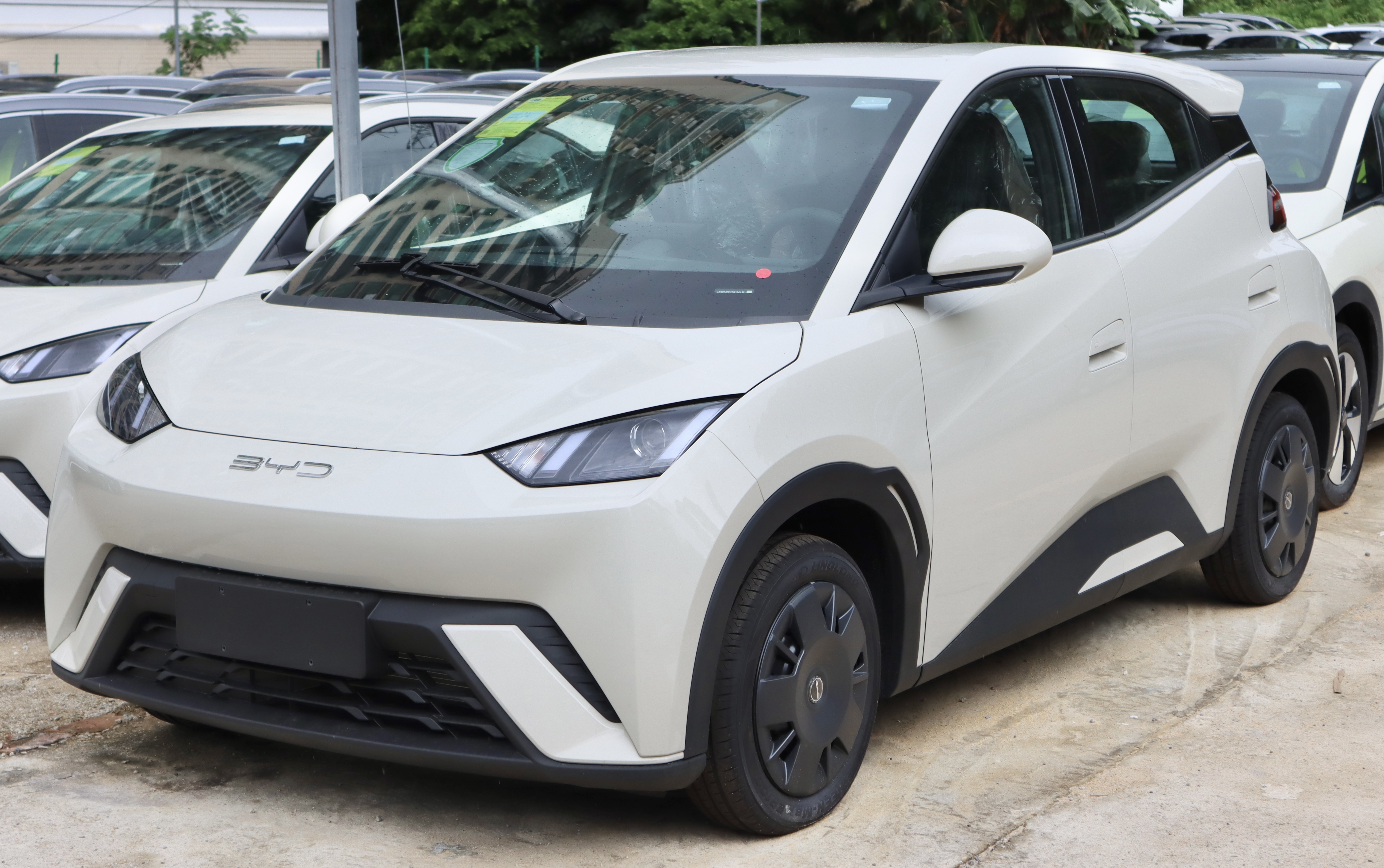
brands. They've got JQ, Emoda, BYD and so on. Disciplined used vehicle strategy was the thing
that really jumped out. I remember seeing a different podcast. I think it might have been
an auto trade podcast where they were talking about how they deal with used cars. They are
really hot on that and I just think that's crucial at the moment and partially why they're doing
really well. Would you mind me, I should probably sell that Nissan Juke that I've had in stock for
45 days. Yeah. And how long did you have to be WB some in stock, James?
Might have bought it in October. Right. But I did sell it last week, so happy days.
Sandy, any thoughts on the results? Again, I concur with James. I think it's fantastic.
The key critical comment for me is family business. I think it's wonderful to see
and obviously we have a lot of the larger dealer groups in Scotland that are family-owned.
It's wonderful to see family businesses prospering, but I think a lot of that is down to the fact that
they are genuinely at the core face. They're in touch with their staff, they're in touch with their
customers, they're in touch with their product and the environment and the communities that they're
working in. And I think that's likely going to be the defining logic that applies to them
relevant to some of the PLCs who just simply move the numbers around the desk.
It's a go back to, again, it's a people business. Absolutely.
So Sandy, before I ask you about it, are there any stories you think we might have missed this week?
Well, there's always stories, but I think the one that underlines for me is just the fact that
every time I look at a new vehicle launch at the moment, A tends to be Chinese and B tends to be
mind blowing with regards to the level of technology and the pace of that technology.
It's the entertaining part of the business and it's the one that makes me wonder what the used
car business will look like in four or five years time. I did actually come across that situation
just this week where we were asked to price an electric vehicle as a past exchange.
And it's interesting from my point of view, because the first thing you used to do in a past
exchange would be we've all done it. You walk around the vehicle, you check it, you sit in it,
you rev it up, you might take it around. But now all of a sudden the key question is,
what's the battery like? Because you can't smell it, you can't kick it, you can't look at it.
So you have to get the V, get them all out and stick it in and get the certificate. It's just
another evolution of our industry. And I think that's going to be really,
really critical because consumers will ultimately get onto that as well. People used to
interest in consumers was about a range on electric vehicles. I'm quite sure within a
period of time it becomes a standard issue. What's the battery life?
Well, I'm going to have to ask you, what was your favourite story of the ones we've
talked about? Who's your winner? I'm going to say it's definitely James, because I think I liked it.
I like to finish on a high with the Swansea Group commentary. I think the rest are just depressive.
Well, I'm slowly catching up with you, John. 8-7 to you in the competition you really care about,
because I know you think about all the time. Okay, yeah, I'll go and drown my sorrows now.
Lovely. Well, all that's left for me to say is thank you to Sandy for joining us today. It's
been great to chat to you and hear your insights as ever. And yes, I'm pleased to hear that Motor
Trading is still keeping you entertained, even if it's not the most profitable bit of your
enterprise. No, I think it always will. I think it always will, because the most of trade
is still full of personalities. Sandy is lovely to see you, Sandy. Thank you so much for giving up
your time. Thanks all for calling. Delighted. Thank you as well to James for telling us about
vandalism. And thank you for listening. We'll be back next week with another episode. Make sure
you're subscribed so you'll be notified when that goes live. If you want to check out the stories we
mentioned today, take a look in the show notes below or head to cardiganmagazine.co.uk. Thanks
for listening and goodbye.
About this episode
Dealers are juggling warranty headaches, staffing anxiety, and a fast-changing market—while trade platforms and regulators reshape the rules. James Bagger and guest Sandy Burgess (52 years in the motor trade, ex-SMTA/IMDA) discuss used-car reality, including vandalism at stock sites, and why aftersales and customer care drive repeat business. The panel then debates Lookers’ alleged redundancy threats, AutoTrader’s new customer advisory groups and proposed platform tweaks, the FCA finance compensation legal challenge, and Swansway’s strong results as a sign of renewed momentum.