Lookers staff claim they face 'fresh threats of redundancy', Autotrader customer advisory groups take place, and Swansway's impressive results – with Sandy Burgess, episode 255
About this episode
Dealers are juggling warranty headaches, staffing anxiety, and a fast-changing market—while trade platforms and regulators reshape the rules. James Bagger and guest Sandy Burgess (52 years in the motor trade, ex-SMTA/IMDA) discuss used-car reality, including vandalism at stock sites, and why aftersales and customer care drive repeat business. The panel then debates Lookers’ alleged redundancy threats, AutoTrader’s new customer advisory groups and proposed platform tweaks, the FCA finance compensation legal challenge, and Swansway’s strong results as a sign of renewed momentum.
Staff at car dealer Lookers claim they ‘face fresh threats of redundancy’
Weekly Briefing: What dealers said at Autotrader’s customer advisory groups
FCA faces legal challenge over £9.1bn car finance compensation scheme
Family-run Swansway sees profits and turnover soar in impressive set of 2025 accounts
fresh threats of redundancy
"Episode: Lookers staff claim they face 'fresh threats of redundancy', Autotrader customer advisory groups take place, and Swansway's impressive results – with Sandy Burgess, episode 255"
“Redundancy” refers to job losses due to organizational changes, not individual performance. When the episode title mentions “fresh threats of redundancy,” it signals ongoing workforce uncertainty within a dealership group, which can affect service levels and staff experience.
Autotrader customer advisory groups
"Published: 2026-04-24T14:56:59Z Episode: Lookers staff claim they face 'fresh threats of redundancy', Autotrader customer advisory groups take place, and Swansway's impressive results – with Sandy Burgess, episode 255"
Autotrader sometimes asks customers for feedback through groups. The goal is to learn what people like or dislike so the platform can improve for buyers and sellers.
The hosts reference Autotrader running “customer advisory groups,” which are structured forums where customers share feedback with the company. In automotive retail, these groups can influence product features, customer service policies, and how listings or dealer tools are presented.
buying intent
"We now get AI-powered insight on every online inquiry about the level of buying intent from each customer, incredible amounts of data about the cars that we'll sell in our local area,"
Buying intent means how likely someone is to actually buy a car, not just browse. If a site can tell that a person is more serious, it helps dealers focus on the right leads.
“Buying intent” is a measure of how likely an inquiry is to turn into an actual purchase. In practice, platforms like AutoTrader use signals from customer behavior to estimate how serious a shopper is.

Land Rover Range Rover
"...and a five-litre V8 Range Rover just before all the world's oil supply is shut down. It's James Bagger. James, how are you?"
They mention a Range Rover with a five-liter V8 engine. That’s a big, powerful engine choice, and Range Rover is Land Rover’s well-known luxury SUV.
The segment references a five-litre V8 Range Rover, highlighting a specific engine configuration (a large-displacement V8). Range Rover is Land Rover’s flagship SUV line, often associated with premium pricing and strong demand among buyers who want power and comfort.
electric cars
"But they're very nice cars, John, so I'm sure someone will buy them. Have been buying lots of electric cars still, so there are some elements of the business"
They’re saying customers are still buying electric cars. That matters because it shows EVs aren’t just a trend—they’re already part of what people purchase.
The host notes that people have still been buying electric cars, which points to ongoing EV demand even during broader market uncertainty. This is a useful context clue for how dealers are balancing inventory between EVs and traditional powertrains.
warranty claims
"so too do the warranty claims. Within a week, they've won. The thing is, when you've got lots of cars in stock..."
A warranty claim is when a customer reports a problem and the warranty covers the repair. If you sell more cars, you usually end up dealing with more warranty issues.
Warranty claims are the repairs or replacements a dealer must handle under a warranty agreement after a customer buys the car. The hosts connect higher sales volumes with more claims, which is a common used-car business reality: more cars sold means more opportunities for issues to show up.
PDI
"We obviously PDI them, we service them, we MOT them all, but they're 10-year-old used cars."
PDI means the dealer does an inspection before you take the car. They check the car’s condition and make sure everything is working and ready to drive.
PDI stands for pre-delivery inspection. It’s the checklist process dealers do before handing a used or new car to a customer—verifying condition, fluids, basic operation, and that required items are ready.
MOT
"We obviously PDI them, we service them, we MOT them all, but they're 10-year-old used cars."
An MOT is the UK’s required roadworthiness test. It checks safety and emissions, and a valid MOT helps a dealer sell the car as ready to drive.
MOT refers to the UK Ministry of Transport test, an annual safety and emissions inspection for most road cars. Dealers often mention it because the car’s MOT status affects readiness to sell and can influence warranty/service work.
used cars that have been sitting
"You never know what is going to happen when someone starts using it on a daily basis, especially when they've been sat around for a couple of weeks."
They’re saying that if a used car sits around for a while, problems can show up once someone starts driving it every day. That can lead to complaints and repairs.
The hosts note that cars can be “10-year-old used cars” that have been sitting for a couple of weeks before being used daily. That storage period can lead to problems that only appear once the car is driven regularly (e.g., battery/fluids/condensation-related issues), which then trigger customer calls and warranty work.

Volkswagen Ups
"They've targeted one of our Volkswagen Ups. ... and targeted a white Volkswagen Ups, smashed the windscreen. ... it does look like someone's put something in one of the locks."
They’re referring to a Volkswagen up!, which is Volkswagen’s small city car. Someone damaged one and also messed with the lock area, which suggests it was targeted rather than random damage. It’s the kind of thing dealers watch for because it can lead to theft attempts.
The hosts are talking about a Volkswagen up!, a small city car from Volkswagen. In the segment, it’s the specific vehicle that was vandalized—its windscreen was smashed and there are signs of tampering with the locks. That matters because it points to common dealer-lot theft/vandalism patterns targeting easy-to-access entry points.
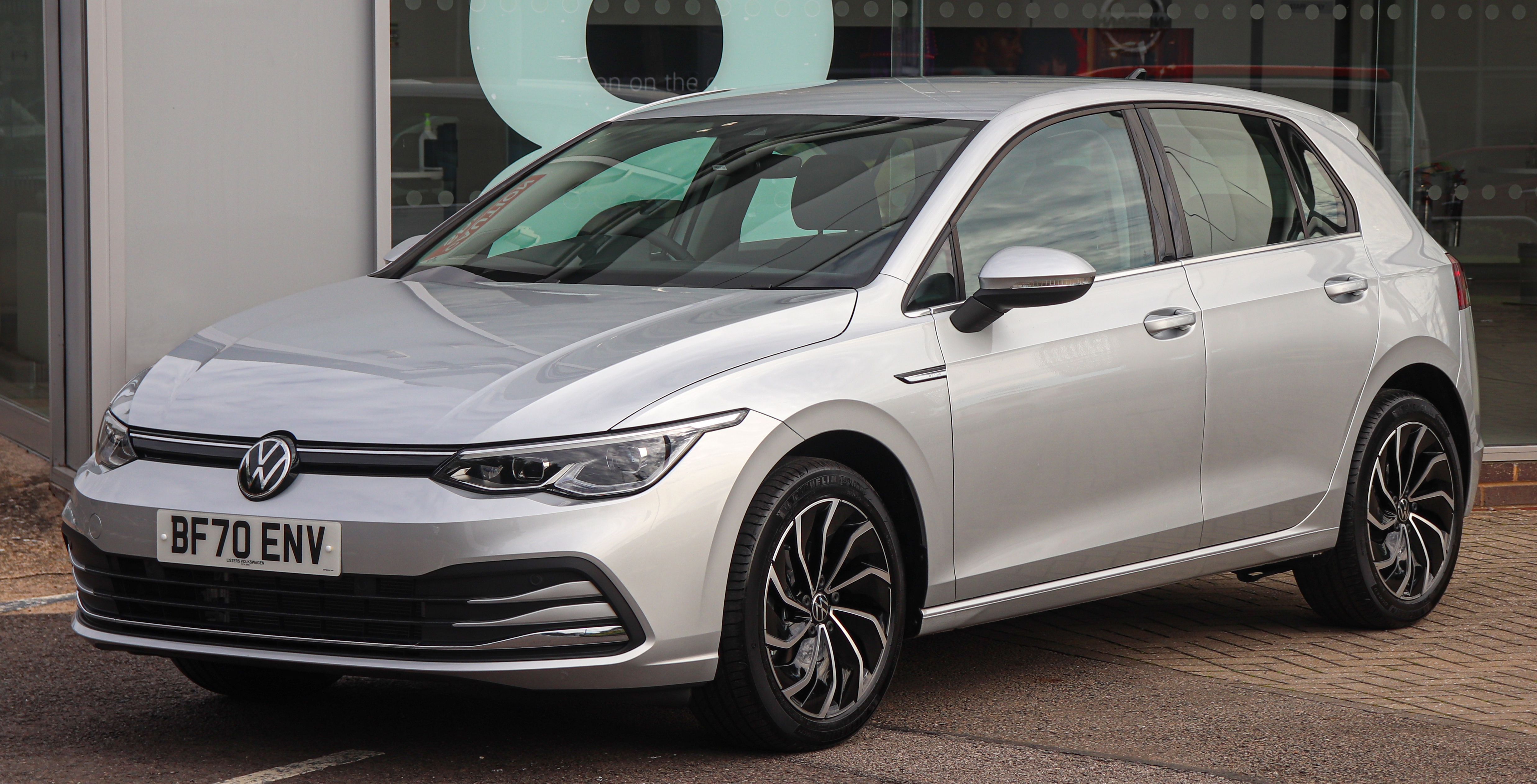
Volkswagen Golf
"They walked past a really nice Golf GTI in a Suzuki Jimny and targeted a white Volkswagen Ups, smashed the windscreen."
A Golf GTI is a sportier, more performance-oriented Volkswagen Golf. In this story, it’s brought up to show the attackers didn’t just smash everything—they chose a different car. That suggests the up! was targeted for a reason.
The Volkswagen Golf GTI is the performance-focused version of the Golf, known for its sporty tuning and strong enthusiast following. Here it’s mentioned as a “really nice” car that the vandals walked past, which highlights that the up! was specifically targeted rather than everything being damaged. That kind of detail can help listeners understand how theft/vandalism can be selective.

Suzuki Jimny
"They walked past a really nice Golf GTI in a Suzuki Jimny and targeted a white Volkswagen Ups, smashed the windscreen."
The Suzuki Jimny is a small, rugged off-road-style car. They mention it to show the attackers passed by other vehicles without damaging them. Instead, they went after the Volkswagen up!
The Suzuki Jimny is a compact, off-road-capable SUV/4x4 known for its boxy shape and rugged reputation. In the segment it’s used as part of the comparison—someone walked past a Jimny and a Golf GTI before targeting a Volkswagen up!. That helps frame the vandalism as selective rather than random.
windscreen
"...targeted a white Volkswagen Ups, smashed the windscreen. At first, we couldn't find anything around it. ... So we spoke to the windscreen man and he said, oh, I guarantee you that would be a bird."
The windscreen is the front window of the car. It’s important for safety, and it’s also a common target for damage. Here, they’re trying to figure out whether the damage was from a bird impact or someone deliberately breaking it.
A windscreen is the front glass of the car that protects occupants and is designed to be strong and safe. In this story, the windscreen was smashed, which is a common form of vandalism and can also happen during attempted break-ins. The hosts then discuss whether it could be impact damage from a bird versus deliberate action.
selective vandalism vs bird strike
"So we spoke to the windscreen man and he said, oh, I guarantee you that would be a bird. ... And it does look like someone's put something in one of the locks. Looks like they've stuck a screwdriver in and tried to open a Volkswagen up."
They’re debating what caused the broken windscreen: could it be a bird, or did someone do it on purpose? At first it looked like it might be a bird strike, but then they found signs of tool marks on the lock area. That’s why it’s important to check the whole car, not just the glass.
The segment contrasts two explanations for windscreen damage: a bird impact versus deliberate vandalism. The “windscreen man” suggests it was a bird strike based on the pattern, but the dealership later finds signs of tampering around the locks. This illustrates how dealers often need to investigate beyond the first visible damage to determine whether it’s random or targeted.
locks
"...we took the car back to the dealership and we have had a little look at it. And it does look like someone's put something in one of the locks. Looks like they've stuck a screwdriver in and tried to open a Volkswagen up."
Locks are the security mechanisms used to prevent unauthorized entry. The hosts say it looks like someone put something in one of the locks—specifically, a screwdriver—to try to open the car. That’s a key clue that the incident may involve attempted theft or forced entry, not just accidental damage.
vandalism/theft risk from unsecured parking
"It probably won't start. It's been sat there for about three weeks... Bit frustrating. ...it's the first little upset that we've had on that front."
This is basically about how cars left parked can get messed with or targeted. Things like broken glass and attempts to get in can happen even when you’re not doing anything wrong.
This segment highlights how parked vehicles can be targeted by opportunistic damage (like broken glass) and theft attempts (like lockpicking). It’s a reminder that real-world risk often comes from the environment and how secure the car is when left unattended.
windcreen
"...drop things from a great height directly onto the windscreen, but they're also now having to go at lockpicking... Surely that's the hardest thing to break."
The windscreen is the big front glass on the car. If it gets cracked or smashed, it can be costly to replace, and sometimes the car needs recalibration if it has cameras or sensors behind it.
The windscreen (windshield) is the front glass panel that protects occupants and provides a clear field of view. If it’s damaged, it can be expensive to replace and may also require recalibration of any driver-assistance sensors mounted near the glass.
lockpicking
"...onto the windscreen, but they're also now having to go at lockpicking. Well, maybe they saw some chips inside or something."
Lockpicking is when someone tries to open a car without the key. It’s a common method used in car theft attempts, especially if the car’s security isn’t strong enough.
Lockpicking refers to gaining entry by manipulating a vehicle’s locks without the correct key. In modern cars, this can be tied to theft attempts that may also involve bypassing alarms or immobilizers, depending on the vehicle.
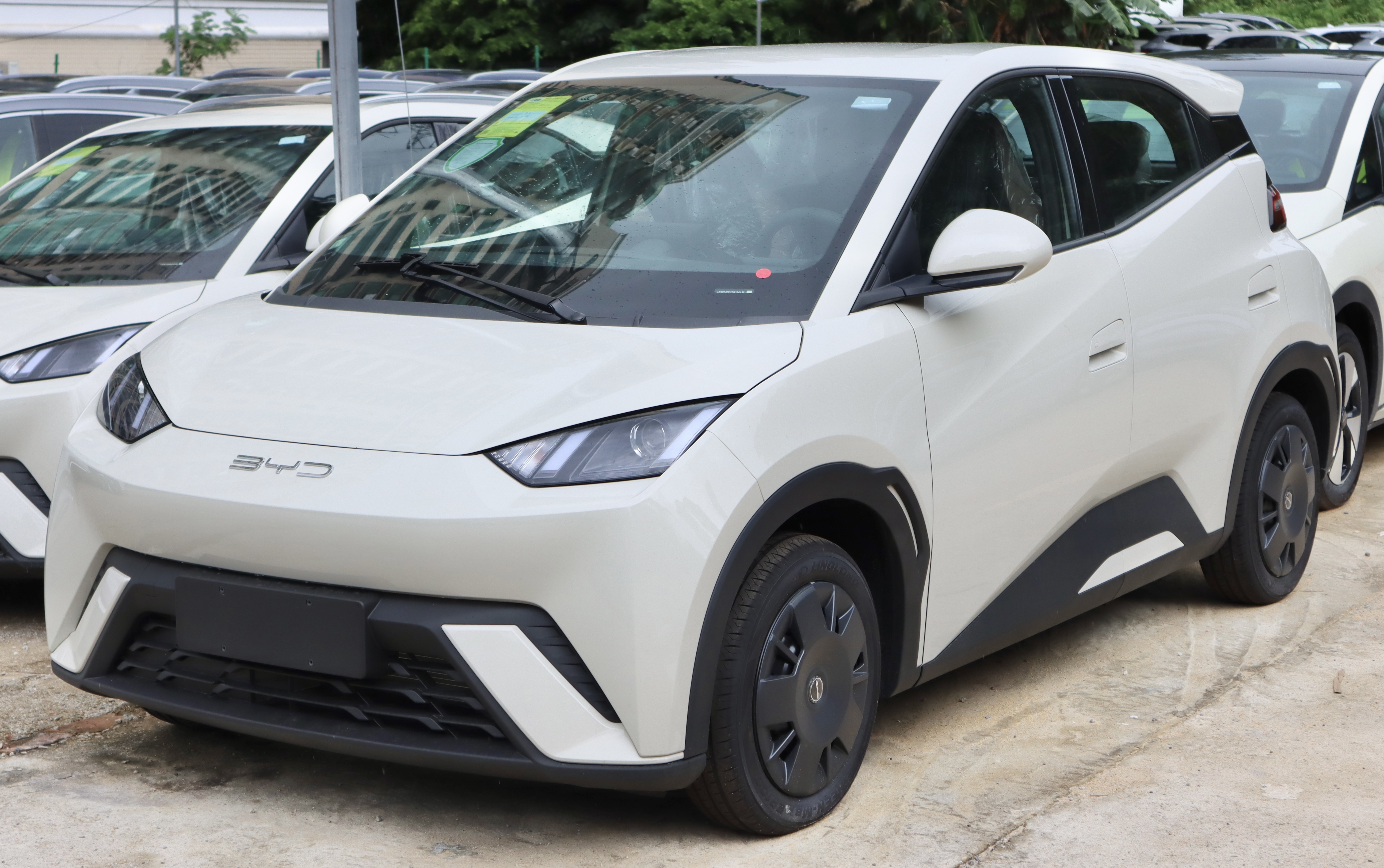
Seagulls
"...ome chips inside or something. You know what the seagulls are like around here? But yes, I was sort of say..."
A seagull is a type of bird. If someone mentions seagulls around cars, they’re usually talking about birds causing problems like mess or damage. The “chips inside” part sounds like something that may have been affected by birds rather than a car model.
“Seagull” in this context appears to refer to a bird, not a vehicle. The mention about “chips inside or something” and “what the seagulls are like around here” suggests the discussion is about damage or mess caused by seagulls in the area. It’s being brought up as a practical, local issue that can affect cars or inventory.
Datsun
"It was a company called Datsun, which in the 70s was never expected to survive. But guess what is now called Nissan and the largest car maker in the UK."
Datsun was an older name for Nissan. It’s the same company/brand, just rebranded over time.
Datsun was the original name used by Nissan for many markets. In the 1970s, Datsun was still building its reputation, and the brand later became known as Nissan.
Nissan
"But guess what is now called Nissan and the largest car maker in the UK. It's a, then went into sales, then traveled through the Ford dealer development program buying a Ford dealership..."
Nissan is a big car company from Japan. The speaker is saying the old Datsun name became Nissan, and Nissan is now very large in the UK.
Nissan is a major Japanese automaker, and the host links the earlier Datsun company to what is now Nissan. The mention also frames Nissan’s scale in the UK.
Peugeot
"...grew that up to six dealerships, two Ford, four Peugeot, four Peugeot. Then had the, without doubt, one of the darkest periods..."
Peugeot is another car brand. The speaker is saying they expanded their dealership business to include several Peugeot locations too.
Peugeot is mentioned as part of the dealership portfolio the speaker grew—“four Peugeot” dealerships. This highlights multi-brand dealership ownership rather than a single-marque operation.
foot and mouth
"Then had the, without doubt, one of the darkest periods of my business life when a foot and mouth hit the region that I was in business in. And we took 93% of Scotland's foot and mouth in that one area and devastated the area."
Foot-and-mouth is a serious animal disease. The speaker is saying it hit their area hard and caused major business disruption, even though they were in the car industry.
Foot-and-mouth disease is a highly contagious livestock illness that can severely disrupt local economies and movement of animals and people. The speaker describes it as a major shock to their dealership region, illustrating how external events can impact automotive sales and operations.
IMI
"I had seven fantastic years with the IMI, covering obviously training and compliance and all matters relevant to apprenticeships and development of people."
IMI is a UK organisation that helps train and support people working in car-related jobs. They focus on things like apprenticeships and making sure training meets required standards.
IMI (Institute of the Motor Industry) is a UK-focused organisation involved in training, standards, and professional development for people working in the automotive sector. In the segment, Sandy Burgess references working there on training and compliance, especially around apprenticeships.
SME market
"I see a growing gulf between the top end of the sector, the big groups, and how they control things. I also see that the SMEs maybe can't access some of the opportunities that the bigger groups have."
SME just means smaller businesses. The hosts are saying the plan is aimed at independent repairers and smaller companies, not the biggest dealer groups.
The “SME market” refers to small and medium-sized businesses rather than large dealer groups or national chains. In automotive retail and repair, that distinction matters because smaller operators often have less access to the same buying power, marketing channels, and commercial programs.
warranty business
"It's effectively a partnership that we will run with a warranty business. I heard you mentioning warranty, and I was having a laugh about that. But it's this time that our target is not the showroom."
They’re talking about warranty coverage—promises to pay for certain repairs. The point is that the program is designed to create more workshop/after-sales work, not just sell cars in the showroom.
A “warranty business” in this context likely means selling and administering vehicle warranty coverage tied to servicing/repairs. The key idea is that the program is structured around warranty support, which can drive work into the workshop and after-sales channel.
workshop, the after sales
"But it's this time that our target is not the showroom. Our target is the workshop, the after sales, and it goes right back to the very start."
After sales means what happens after you buy the car—like servicing and repairs. They’re saying the workshop is where the business can grow and keep customers coming back.
“After sales” and the “workshop” are the service side of an automotive business—repairs, maintenance, and warranty work after a vehicle is sold. The hosts frame this as a core revenue and customer-retention engine, especially as vehicle ownership and repair needs evolve.
sales department sell the first car, the after sales department sell the next car
"When I first joined the motor industry, there was a saying that went around, and it was that the sales department sell the first car, the after sales department sell the next car."
The idea is: sales gets you the first car, but service is what convinces you to buy again later. If they fix problems quickly and properly, you’re more likely to come back.
This is a business model idea: the sales team closes the initial purchase, and the after-sales/service team earns the customer’s trust so they return for the next vehicle. It emphasizes customer satisfaction and fast issue resolution as a pathway to repeat business.
issues as potential opportunities
"You're getting more and more issues coming back to you. But I see issues as potential opportunities, because if you resolve that quickly, effectively, and to the satisfaction of your customer, then you've got a foundation for the next deal."
They’re saying problems aren’t just headaches—they can help you build trust. If you fix things fast and do a good job, customers are more likely to buy again.
The hosts describe a customer-service strategy: treat incoming problems (“issues”) as opportunities to strengthen the relationship. Resolving them quickly and to the customer’s satisfaction can build trust and create momentum for the next transaction.
carbys
"But as we see the development of the consumer selling of vehicles, we'll also see that the SMEs who are into repairs, they're going to step away from doing the odd carbys that won't be worth the time anymore."
“Carbys” sounds like shorthand for a specific kind of older engine repair. They’re saying some small repair businesses may move away from low-paying jobs that aren’t worth the effort anymore.
“Carbys” is likely slang for carburetors or carburettor-related work, implying older-style repair jobs. The context suggests that as consumer vehicle sales and repair patterns change, some small repairers may stop doing low-value, time-consuming jobs that no longer pay.
retention type business
"this product will allow them still the opportunity to do some retention type business and selling opportunities with their customers who go to them for the repairs."
“Retention” here means keeping customers coming back after their initial purchase—often by supporting them through service and repairs. In dealer terms, it’s about turning repeat service visits into ongoing revenue and customer loyalty.
predecessor ran the business
"So I suppose when I took the role on, my predecessor ran the business in a certain way. And it sounds different being critical of him. I wasn't, he did a fantastic job..."
They’re talking about how the previous leader ran things differently. The point is that leadership changes can lead to new ways of doing the job and improving how people benefit from it.
This is about organizational change—how leadership style and processes affect the way a business operates. In a dealer/industry context, reshaping a business can mean changing member value, service approach, or how programs are delivered.
subscription
"So I spent a lot of time reshaping the business. And that was around making sure that the members could conceive their value from money. Because to my mind, if you're going to ask somebody to pay a subscription..."
A subscription is a recurring payment you make to keep access to something. The host is saying the group has to prove it’s worth the money before the renewal date, so people don’t hesitate to pay again.
They’re talking about a membership model where people pay a subscription to access value. The key idea is that the organization needs to clearly demonstrate benefits before renewal so members don’t delay or cancel.
DVSA
"...we had to make sure that if we had a member, for example, that was having a problem with the DVSA, we need to make sure we had the proper skills in the business to be able to deal with that and deal with it effectively. I remember once... having a call with the DVSA where they told me that this particular dealership was having its license to test rescinded."
DVSA is a UK government body that regulates vehicle testing and standards. Here, they’re talking about a dealership losing (or being threatened with losing) permission to test vehicles.
DVSA is the UK’s Driver and Vehicle Standards Agency, which oversees vehicle testing and related compliance. In the transcript, it’s involved in enforcement actions against a dealership’s ability to test vehicles.
license to test rescinded
"...I remember once... having a call with the DVSA where they told me that this particular dealership was having its license to test rescinded. And we would normally try and appeal that..."
A dealership’s “license to test” being rescinded means it loses authorization to perform vehicle testing work. That’s a serious compliance and operational risk because it can directly impact revenue and the dealership’s ability to serve customers.
appeal that... get it down from the number of points
"...And we would normally try and appeal that and maybe get it down from the number of points to reduce the situation so that they maybe were suspended and the suspension would maybe last three months, rather than threaten 12 months."
The “points” system described is a compliance scoring approach where enforcement outcomes can be reduced by appealing. The transcript suggests they try to lower the severity so the dealership faces a shorter suspension rather than a longer one.
warranties
"very much a partnership situation because you obviously sell warranties, James. You know that people, you get consumer issues when they come and say the warranties are not worth the paper it's written on."
A warranty is like a repair promise from the seller or warranty company. It only really matters when you have a problem and try to get the repair paid for.
In car retail, warranties are promises to cover certain repairs for a set time/mileage. The key point here is that warranty value is judged by how often claims get approved and paid out when something breaks.
high burn rates
"We managed also to make sure that we worked with dealers if they were starting to get a particular high burn rates, where the claims was far higher than the premiums gathered."
This is basically a measure of how fast warranty payouts are happening compared to what the warranty company is collecting. If payouts are too high, the program can lose money.
A “burn rate” in warranty context is how quickly the insurer’s money is being used up by claims. If claims are higher than the premiums collected, the warranty program becomes financially stressed.
premiums
"where the claims was far higher than the premiums gathered. We would speak to the dealer and assess why that might be."
Premiums are the cost of the warranty coverage. If the money collected (premiums) doesn’t cover the repairs paid out (claims), the warranty provider has a problem.
Premiums are the payments dealers/customers make for warranty coverage. The speaker contrasts premiums collected versus claims paid to explain why some warranty programs become unprofitable.
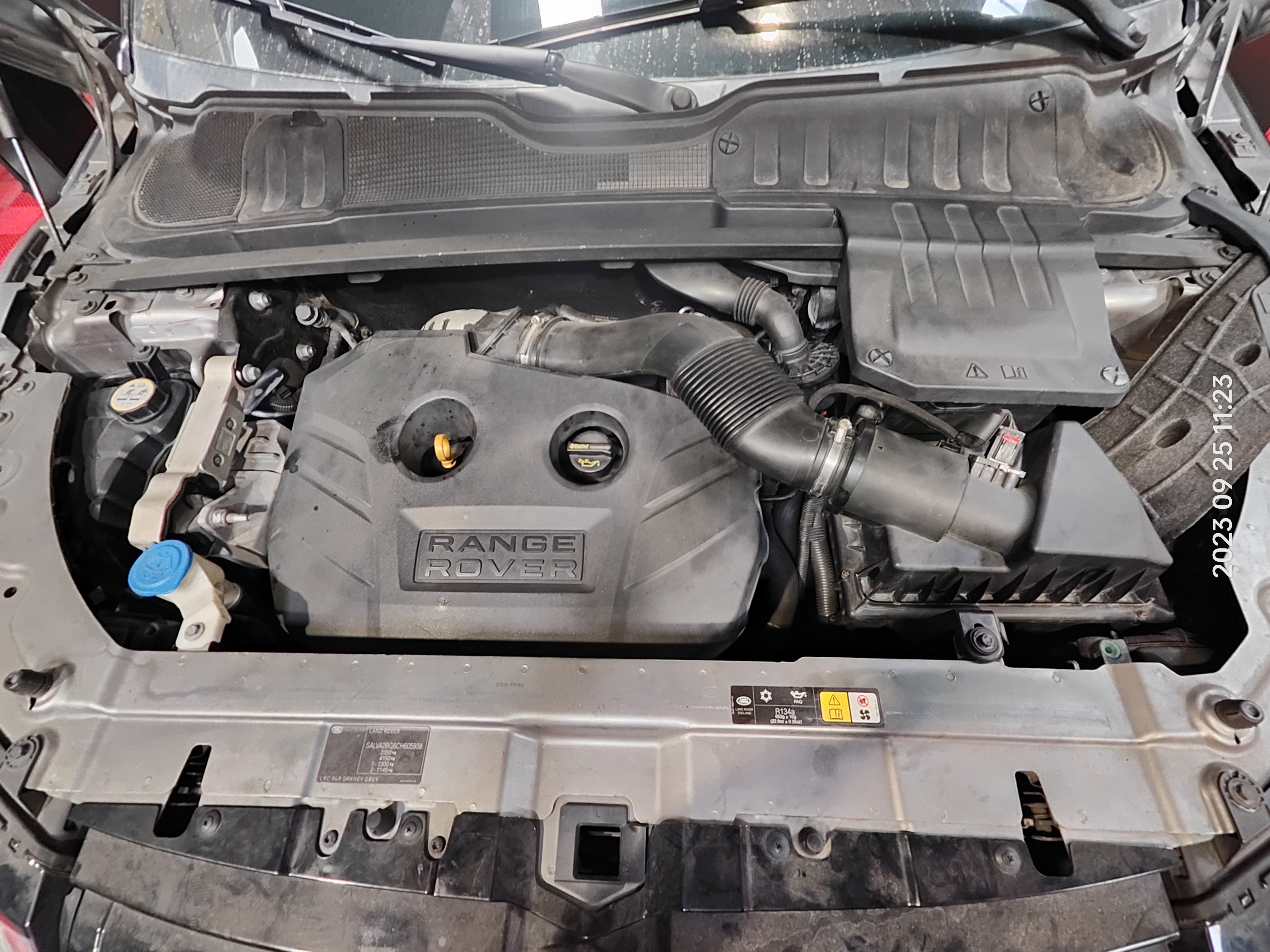
EcoBoost engine
"And obviously, as we know, there's product ranges that can have issues. Ford's had their issues with the EcoBoost engine."
EcoBoost is Ford’s name for many of its turbocharged engines. If those engines have common problems, warranty claims go up and warranty coverage becomes more expensive.
EcoBoost is Ford’s family of turbocharged engines. The speaker is saying that certain EcoBoost-related issues drove higher warranty costs, which can raise premiums or lead to tighter monitoring.
JLR
"Ford's had their issues with the EcoBoost engine. JLR was one in particular that tended to drive quite high premiums."
JLR is short for Jaguar Land Rover. They’re saying that, in their warranty data, JLR cars were more likely to lead to expensive repairs covered under warranty.
JLR refers to Jaguar Land Rover, which includes brands like Jaguar and Land Rover. The speaker notes that JLR vehicles tended to drive higher warranty premiums, implying more frequent or costly claims in their experience.
annual awards
"And then you had the big thing was obviously the annual dinner, the annual awards that we ran. ... I decided the SMTA should reward dealers for their community activity."
They’re talking about a yearly awards event for dealers. Instead of only rewarding sales, it also rewards dealers for helping their local communities.
The hosts discuss an annual awards program run by the warranty/industry group. It’s used to recognize dealer performance and behavior beyond sales—specifically community involvement.
Castar Awards
"I decided the SMTA should reward dealers for their community activity. And we called it the Castar Awards. So it was community activity recognition."
The Castar Awards are a dealer recognition program. In this case, it’s meant to celebrate dealers who are active in their communities.
The Castar Awards are the name of the awards program the speaker created to recognize dealer community activity. It’s positioned as highlighting what the industry gives back locally.
Arnold Clark
"The very top of the tree, Arnold Clark, they ran a program they may still do. Where they actually gave money out to local sports clubs, the Linton Brids of Britain."
Arnold Clark is a big car dealership company in the UK. They’re mentioned here because they do community events and sponsorships, not just car sales.
Arnold Clark is a major UK car retailer and dealer group. In the segment, they’re described running community programs (like funding local sports clubs) and using branded giveaways, which highlights how dealer groups build local goodwill beyond selling cars.
trade associations
"...the point I'm trying to make there is, James, it's so rewarding when you, obviously I'm passionate about trade associations,"
A trade association is a group that represents a whole industry, like car dealers. It can help members learn from each other and support initiatives that benefit the community.
Trade associations are industry groups that represent businesses in a sector and often provide networking, training, and advocacy. In this segment, the host connects the value of trade associations to rewarding community-facing initiatives and shared best practices among dealers.
electrification of vehicles
"And yet they are so essential. [1243.1s] I talk about a term of rurality. [1247.7s] And rurality to me is the single biggest block we currently are facing with regards to electrification of vehicles, because rural garages..."
Electrification means cars are moving away from gasoline engines and toward electric motors. That also changes how cars are serviced, so garages need training and equipment to work on them.
“Electrification of vehicles” refers to shifting from internal-combustion cars to electric powertrains (typically battery-electric vehicles and plug-in hybrids). In this segment, the host argues that electrification is being slowed in rural areas because local garages aren’t ready for the new service and repair demands.
rurality
"[1238.5s] I talk about, with the Scottish Government, I've spoken about this... [1243.1s] as far as I'm concerned, I talk about a term of rurality. [1247.7s] And rurality to me is the single biggest block..."
“Rurality” basically means living in a more remote, less populated area. The point is that in rural places, it’s harder to get car repairs—so garages may be slower to learn how to work on electric cars.
“Rurality” here is used as a shorthand for how remote or sparsely populated an area is, and how that affects access to vehicle service. The speaker connects rurality to slower adoption of electric-vehicle readiness because fewer garages, fewer technicians, and longer travel distances make it harder to invest in EV training and tools.
electric vehicle journey
"because rural garages, at this moment in time, are not really embracing the [1262.7s] whole electric vehicle journey. [1265.9s] They're not investing in the technology, they're not investing in the training..."
The “electric vehicle journey” means the whole experience of owning an electric car, not just buying it. It includes being able to charge and also having garages that can service and repair it.
The “electric vehicle journey” refers to the full lifecycle of owning and operating an EV—buying, charging, and especially servicing and repairs. The speaker’s argument is that rural garages aren’t embracing that journey yet, because they haven’t invested in the technology and training needed to support EV customers.
hybrid
"[1284.3s] We actually had a customer less than two months ago who wanted a car... [1290.8s] she wouldn't take a hybrid. [1294.8s] Categorically... [1308.7s] That's hybrids."
A hybrid car uses two power sources—an engine and an electric system. The point here is that if there’s nobody nearby to service that type of car, some buyers won’t consider it.
“Hybrid” refers to vehicles that use both an internal-combustion engine and an electric motor/battery system. In the segment, the speaker uses a real customer example to show that even hybrids can be rejected when local service access is limited, highlighting how service networks influence buyer confidence.
30 miles
"[1300.6s] can you tell me why that is? [1300.6s] And she explained that she lives in a very small village... [1304.8s] and there's nobody within 30 miles wants to touch them. [1308.7s] That's hybrids."
The “30 miles” part is about how far people are willing (or able) to travel for repairs. If there’s no one nearby to fix the car, buyers lose confidence and may not purchase.
The “30 miles” detail illustrates a practical service-access threshold: if there’s nobody within a reasonable distance willing to work on a vehicle, customers may refuse to buy that vehicle type. It’s a concrete example of how geography and service coverage can directly affect electrification uptake.
IMDA
"[1316.6s] Yeah. Sandy, tell me about the work that you're doing with the IMDA then. [1321.2s] I mean, you've campaigned on Dealer's behalf for a long time."
IMDA is an organization Sandy says she’s working with. In this clip, it’s connected to dealer support and campaigning, but the excerpt doesn’t explain what IMDA is.
IMDA is referenced as the organization Sandy Burgess is working with, in the context of campaigning for dealers. Without additional context in the excerpt, listeners may benefit from knowing what IMDA stands for and what role it plays in the industry.
legislation and regulation
"Dealers in general, I think the sheer amount of legislation and regulation, [1337.3s] that is, I see more and more people questioning why they're doing things,"
Dealers have to follow a growing list of rules set by regulators. Those rules can change what paperwork they need, how they run finance deals, and what details they must record from customers.
The hosts are talking about how dealer operations are increasingly shaped by legislation and regulation. In practice, this can affect how cars are advertised, how finance is handled, and what information dealers must collect and store for customers.
finance
"...especially around finance, and obviously we've had the latest wave of regulatory requirements [1349.1s] where you have to fill in everything almost down to your date of birth."
When people say “finance” in car sales, they mean the loan or payment plan used to buy the car. The point being made is that the paperwork and rules around these deals are getting heavier, so some dealers are reconsidering how much they want to deal with it.
“Finance” here refers to the financing side of buying a car—how dealers structure loans or finance agreements for customers. The discussion suggests dealers are questioning whether the compliance burden around finance is worth the effort.
regulatory requirements
"...we've had the latest wave of regulatory requirements [1349.1s] where you have to fill in everything almost down to your date of birth. [1353.0s] And more and more dealers are starting to look at that..."
The segment highlights a “latest wave” of regulatory requirements that force dealers to collect detailed customer information (the example given is down to a customer’s date of birth). This kind of compliance can increase admin time and cost, which is why dealers may question whether certain processes are worth it.
judgment call
"And that's a judgment call for them. [1362.4s] What the IMDA role is to make sure that they have the best information..."
The hosts mean dealers have to decide whether a new process is worth the time and money. It’s not automatic—they weigh the benefits against the hassle.
A “judgment call” is the decision dealers make about whether to continue investing time and resources into compliance-heavy processes. The episode frames this as a business trade-off: the rules may bring benefits, but they also add cost and effort.
masterclass process
"...their masterclass process. [1389.0s] I think that's where people can join in. [1392.3s] They can go to an event and they can get high quality training..."
A masterclass here means a training session or event where dealers learn practical things. The hosts also like that it’s interactive, so attendees can swap ideas with other dealers.
The “masterclass process” is described as a training format where dealers can attend events to gain knowledge and skills for a low investment. The hosts also emphasize the networking benefit—people share ideas and solutions during discussions.
chat room
"...where a dealer might contact the chat room [1429.4s] and suggest they've got a problem with the vehicle in some other parts of the country..."
They’re describing a group chat where dealers can ask other dealers for help. If someone has a tricky vehicle issue, they can reach out to people who might have seen it before.
The segment describes dealers using a chat room to ask for help when they have a vehicle-related problem in another part of the country. This is essentially peer-to-peer problem solving within the dealer community.
Four Nations
"which also covered the Four Nations. [1458.4s] So it's good from that point of view."
“Four Nations” means the four countries that make up the UK: Scotland, Northern Ireland, Wales, and England. In this conversation, it’s just describing where the organization operates.
“Four Nations” is a common UK phrase referring to Scotland, Northern Ireland, Wales, and England. Here it’s used to describe the geographic coverage of an industry organization.
used cars are the same
"Unfortunately, no two used cars are the same. I do enjoy used cars far more than I did when I was selling new cars."
They’re saying used cars aren’t all identical. One used car might be ready to go, while another needs work, so every deal can be different.
The host is contrasting the variability of used cars with the more standardized flow of new-car sales. With used inventory, each car’s condition, history, and repair needs can differ a lot, which changes how dealers manage risk and customer expectations.
franchise world
"I will be honest, I don't miss the franchise world because that was tough going."
They mean the traditional dealer setup where you sell cars for a specific brand. That system can feel restrictive compared with selling used cars more freely.
“Franchise world” refers to selling under an official manufacturer dealer agreement (a franchise), where the dealer’s operations, supply, and sometimes pricing/stocking are constrained by the brand. The host says they don’t miss that structure, implying more flexibility in their current used-car approach.
stocking cars
"What sorts of, what sort of cars do you stock? Do you have many in stock? We carry about 30 to 40 cars on YouTube."
They’re talking about how many cars the dealer has on hand. Having more (or the right mix) helps you sell faster because customers have options.
The host discusses how many cars the dealer keeps available for customers, including the idea of carrying inventory to support sales. Inventory levels matter because they affect customer choice, turnaround time, and how often the dealer can meet demand.
specialized inventory
"There was a time when we specialized and used Porsches and that was all very good, all very exciting, very profitable, but trying to get them was a nightmare."
They’re talking about running the business with a specific type of car focus. It can help you attract the right buyers, but if that car type is hard to find, it can slow everything down.
This is a discussion of dealer specialization—choosing a narrow set of vehicles (here, Porsche-focused inventory) to build a clear customer proposition. Specialization can improve marketing efficiency and margins, but it can also create supply bottlenecks when the cars are hard to source.
corner painted
"we know that every Motability car we buy, chances are it will need a corner painted and there's going to be one of them that's got a bit of a ding in it."
“Corner painted” means part of the car’s body was repainted, usually because it was scratched or lightly damaged. It’s a cosmetic repair, not necessarily a major structural problem.
“Corner painted” refers to repainting a damaged area on the vehicle’s bodywork, usually a bumper corner or adjacent panel edge. Cosmetic repainting is common in used-car recon and can indicate prior minor impacts.
ding
"chances are it will need a corner painted and there's going to be one of them that's got a bit of a ding in it. We only buy assured cars, which means we can send them back."
A “ding” is a small dent in the car’s body. It’s usually minor cosmetic damage from everyday bumps.
A “ding” is minor body damage, typically a small dent from impacts like parking lot contact. The host is saying this kind of cosmetic damage is common in the vehicles they buy through the Motability channel.
assured cars
"We only buy assured cars, which means we can send them back. I mean, we never send any cars back and in March, I sent three Ford EcoSports back in a row."
“Assured” means the deal comes with some protection—if the car isn’t right, the dealer can send it back instead of being stuck with it.
“Assured cars” here refers to a dealer purchase category/condition guarantee that allows the dealer to return the vehicle if it doesn’t meet agreed expectations. It’s being contrasted with the idea of keeping every car they buy.

Ford Ecosport
"I mean, we never send any cars back and in March, I sent three Ford EcoSports back in a row. I was getting to the point where I thought it was a conspiracy."
The Ford EcoSport is a small SUV. Here it’s mentioned because the dealer kept getting similar cars and ended up sending several back.
The Ford EcoSport is a small SUV that’s often used as a practical, lower-cost option. In this segment, it’s used as an example of a Motability supply pattern where the dealer returned multiple units in a row.
one photograph
"you know that one of the challenges is you get one photograph and you're buying that car and one photograph ... When you went down the other side, the left hand, the near side wing was missing."
They’re saying the car listing is based on just a few photos. If the photos don’t show a problem clearly, you might discover damage later when you inspect the car.
The segment describes a buying process where buyers receive limited photos of the vehicle condition. That can create risk because damage may be visible from one angle but not another, affecting what the dealer expects to find in person.
near side wing
"When you went down the other side, the left hand, the near side wing was missing. And Motability recognised they've got issues as well, but I find them, they're very fair people."
The “near side wing” is the front fender on the left side of the car (in the UK). They’re saying a part/panel wasn’t there as expected, which shows why photos can be misleading.
The “near side wing” is the front fender on the driver’s side in UK terminology (near side = left side for right-hand-drive cars). The host is describing a case where a panel was missing or not shown in the photos, highlighting inspection/condition risk.
retail check
"Do you make money on them? Because I've looked at them quite a few times and I do a retail check on them and they've got very little margin in them."
A “retail check” is a dealer’s comparison of what a vehicle is likely to sell for at retail, used to estimate profit potential and margin. The host is arguing Motability-related cars have low margin because the retail pricing doesn’t leave much room after costs.
margin
"Because I've looked at them quite a few times and I do a retail check on them and they've got very little margin in them."
“Margin” is the dealer’s profit on the car. If the margin is small, it means there isn’t much profit left after buying and preparing the vehicle.
“Margin” is the difference between what the dealer pays for the vehicle and what they can sell it for (after costs). Here, the host claims Motability cars have “very little margin,” meaning the dealer’s profit per car is limited.
ultra-low mileage
"We also tend to try and find the ones with the ultra-low mileage. I just bought a 19 plate car last week with under 5,000 miles an hour."
It just means the car has been driven very little. Those cars usually look “newer,” so they can sell more easily and sometimes for better money.
“Ultra-low mileage” refers to used cars with very few miles on the clock, which typically makes them easier to sell and can reduce buyer concerns about wear. Dealers often target these cars because there are fewer direct comparisons and the pricing can be more favorable.
race to the bottom
"If you go for the three-year-old 30,000 mile car, then there's going to be 150 similar vehicles, and then that's the race to the bottom."
It means prices get pushed down because lots of similar cars are competing with each other. Dealers may have to discount more just to get the sale.
A “race to the bottom” describes how, when there are many similar used cars listed, dealers feel pressure to keep lowering prices to win sales. The more comparable inventory there is, the harder it is to maintain strong margins.
three-year-old 30,000 mile car
"If you go for the three-year-old 30,000 mile car, then there's going to be 150 similar vehicles, and then that's the race to the bottom."
It’s talking about a “popular” used-car category. Because lots of cars match that description, buyers can compare many options, which can push prices down.
This is a pricing-and-competition strategy example: once a car hits a common age/mileage band (like three years old and around 30,000 miles), there are usually many listings. That increases comparison shopping and can compress prices.
Doom Blue
"Ford used to have a color called Doom Blue. And I can remember when I was with part of Ford, my German Ford Auditor criticised me..."
Doom Blue is a named paint color Ford used. Some colors can make a car more desirable, which can affect how easy it is to sell.
“Doom Blue” is mentioned as a specific Ford paint color. Special or unusual factory colors can influence buyer appeal and resale value, especially if the car is otherwise in good condition.
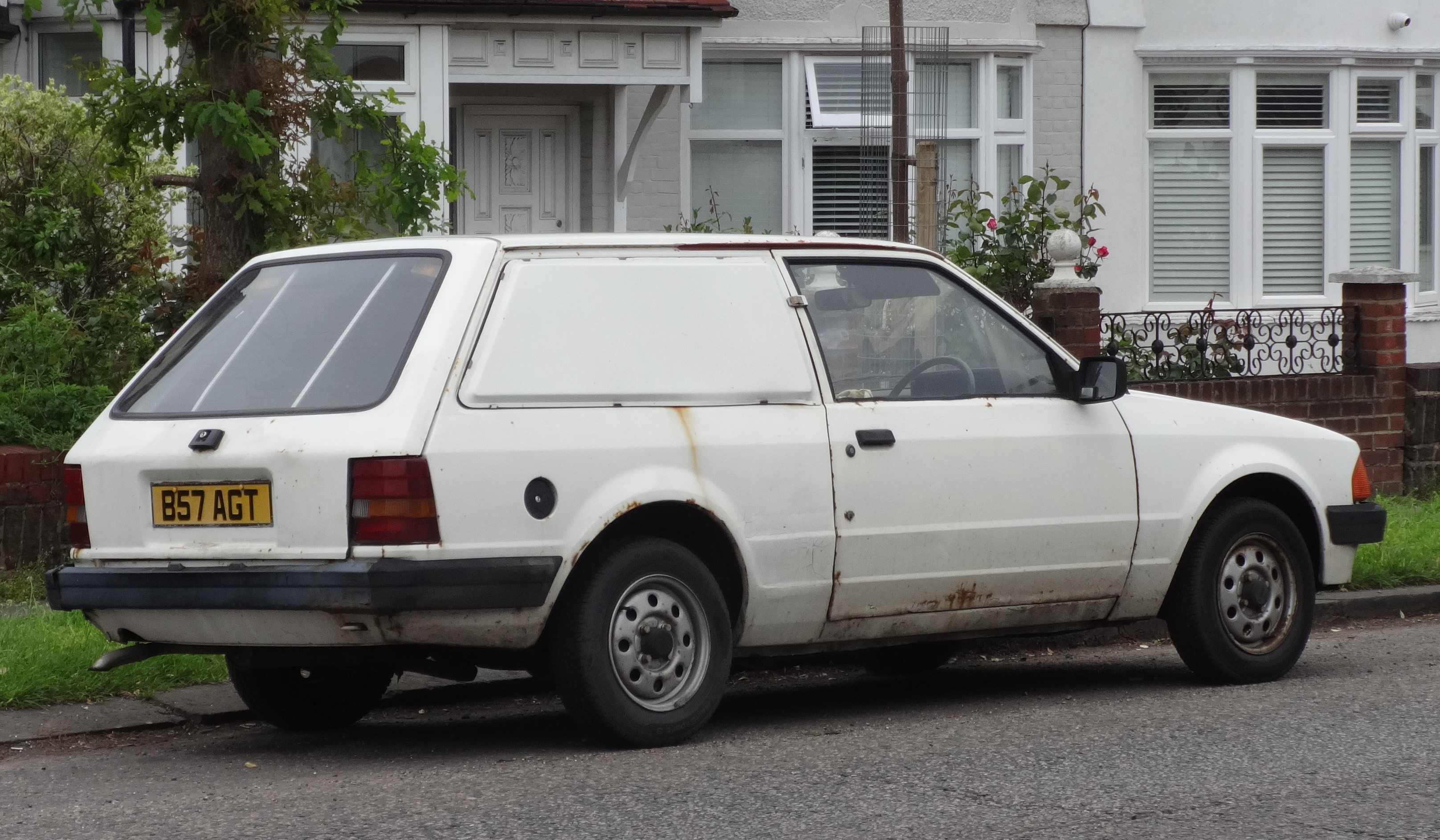
Ford Escort
"my German Ford Auditor criticised me because I had this Ford Escort, which I long ago was, in Doom Blue, ex-motability, and it'd been installed for a year."
The Ford Escort is a classic Ford model that’s been around for many years. Here it’s mentioned as an example of a car someone owned and sold, and how the numbers can look different depending on how you calculate costs.
The Ford Escort is a long-running Ford model that has existed in multiple generations over decades. In this segment, it’s used as a personal example of how a specific car’s color/condition and market perception can affect whether a dealer thinks they “made money” or not.

Ford Puma
"You get a run of cars, you sell maybe four or five Ford Pumas, for example, and you think, that's it, that's the car I'm going for it."
The Ford Puma is a small Ford crossover. They’re using it as an example of how dealers sometimes get a run of sales on one model and assume it will keep going.
The Ford Puma is a compact crossover that’s been a common seller in the UK, and it’s used here as an example of dealer inventory cycles. The host describes selling multiple Ford Pumas in a short run and assuming that’s the “right” car to chase, which illustrates how demand can feel predictable until it changes.

Ford Five Ford
"...s. You get a run of cars, you sell maybe four or five Ford Pumas, for example, and you think, that's it, th..."
The Ford Five Hundred is a mid-size car (a sedan) that was sold a number of years ago. Dealers may mention it when explaining how some models sell slowly and don’t get many buyers. If you’re shopping used, it’s mainly about understanding how common it is and what condition the specific car is in.
The Ford Five Hundred is a mid-size sedan that was produced in the mid-2000s and is now mostly discussed as a used-car option. It’s the kind of model that can come up in dealer conversations when talking about how certain cars sell in small numbers and how inventory turnover varies. The podcast context suggests it’s being used as an example of a model that doesn’t move as quickly as others.
dealer way
"List your cars on dealer way today and connect with over 3,000 vetted trade buyers actively looking for vehicles... Start your own custom auctions from your desk or the palm of your hand... Join dealer way today at dealerway.co.uk and streamline your disposals."
Dealerway is a service that helps car dealers sell cars to other businesses. It’s designed to make the process faster and clearer, including auctions and trade-buyer matching.
Dealerway (referred to here as “dealer way”) is presented as a platform for listing vehicles and connecting with trade buyers. The segment emphasizes features like “vetted trade buyers,” custom auctions, and avoiding “hidden fees,” positioning it as a streamlined way for dealers to dispose of stock.
trade buyers
"List your cars on dealer way today and connect with over 3,000 vetted trade buyers actively looking for vehicles."
Trade buyers are car dealers or other businesses that buy cars to sell again or use for their business. “Vetted” here suggests they’re checked so sellers are dealing with serious buyers.
“Trade buyers” are businesses that buy cars for resale, fleet use, or refurbishment—rather than individual retail customers. The segment highlights that Dealerway connects sellers to “vetted trade buyers,” implying a curated pool of professional purchasers.
custom auctions
"...Start your own custom auctions from your desk or the palm of your hand in our game changing app..."
A “custom auction” is an auction you set up for your own cars, with choices that fit what you’re selling. The idea is to make it easier to get the right buyers involved.
“Custom auctions” means dealers can run auctions tailored to their specific vehicles and sale goals, rather than using only a fixed, one-size-fits-all auction format. In practice, this can affect how buyers are targeted and how the sale process is managed.
buying signals
"And now with the launch of buying signals, we'll have brand new insights on every deal showing how likely a customer is to buy the car they're interested in."
“Buying signals” are like a score or clue that suggests whether a shopper is serious about buying. Instead of guessing, dealers can focus their time on the leads most likely to turn into sales.
“Buying signals” are data-driven indicators that estimate how likely a customer is to purchase the specific car they’re viewing or interested in. For dealers, this can help prioritize leads and tailor follow-up based on intent rather than treating all enquiries the same.
redundancies
"...suggesting to us that redundancies are on the way across multiple divisions of the car dealer group... And yet again, we're seeing the threat of redundancy."
“Redundancies” means people losing their jobs because the company is removing certain roles. It often happens when a business reorganizes or tries to save money.
“Redundancies” refers to job cuts where roles are eliminated, often due to restructuring or cost-cutting. In a dealership group context, it usually means consolidating functions across divisions or locations to reduce overhead.
Ford and VW divisions
"I think it's within Ford and VW divisions in particular... We know it's going to be in those divisions, as you mentioned, Volkswagen and Ford..."
They’re saying the job cuts might be focused in the parts of the business tied to Ford and Volkswagen. Different brand divisions can be organized differently, so the impact may not be the same everywhere.
The hosts discuss how the redundancy risk is concentrated in specific manufacturer-linked divisions—Ford and Volkswagen—within a larger dealership group. This matters because different brands can have different operational structures and cost centers.
took place in 2023
"...since they've been taken over by global auto holdings, that took place in 2023. You'll probably remember..."
They’re giving the year of the takeover as 2023. After a takeover, companies usually reorganize over time, which can lead to layoffs later.
The takeover timing (“took place in 2023”) provides context for why redundancies and cost-cutting are being discussed now. Post-acquisition integration commonly leads to operational changes over subsequent months or years.
disgruntled staff members
"Now, all the way along the line, we've been told these stories by disgruntled staff members... We don't know whether for a fact they have happened just yet, but we know they are coming down the line."
They’re describing the people providing the information as unhappy employees. The hosts are using those tips to discuss what might be happening inside the company.
“Disgruntled staff members” is a framing device for how the hosts are sourcing information about upcoming consultations. It highlights that the claims are coming from internal employees rather than official company statements.
cut £21 million worth of annual costs
"...the business has cut £21 million worth of annual costs out of the business since that Canadian company took over."
They say the business cut £21 million in yearly costs. Big cost cuts like that usually mean the company is trying to run with fewer expenses, which can include reducing staff.
Cutting “£21 million worth of annual costs” indicates a large-scale cost-reduction program. In dealership groups, these savings often come from consolidating roles, renegotiating vendor contracts, and streamlining corporate functions like finance and accounting.
moving the accounting functions to India
"...They're talking about moving the accounting functions to India. So we got told this and I went to the company."
This means the company plans to have its accounting work done by teams in India instead of locally. It’s often done to lower costs, but it can lead to layoffs or role changes at the original offices.
Moving accounting to India is an example of offshoring/outsourcing back-office work to a different country. For dealership groups, this can reduce costs and standardize processes, but it can also trigger internal restructuring and job changes.
Car Giant
"and the reason I bring up that slightly back story is because look what happened with Car Giant. This is a massive business. They have been running for 50 years."
Car Giant is the company being used as an example of how a business can respond publicly to claims. The speaker is comparing their approach to another company’s response.
“Car Giant” is discussed as a major business that reportedly ran for decades and responded with an official statement. The contrast is used to highlight differences in transparency and how companies handle staff- or operations-related allegations.
lookers
"So I am surprised, John, that lookers haven't made an official statement because there will be a lot of people in that business affected by this who are worried. Lookers is a very big business that employs a lot of people."
Lookers is the company being criticized in this segment. The speaker says they should communicate clearly with employees instead of staying silent.
“Lookers” is the dealership group at the center of the discussion, with staff reportedly affected by workplace concerns. The speaker argues Lookers should issue an official statement and be more upfront, especially when employees are worried.
VW
"...VW is a bit more of a surprise because it just makes me think maybe VW is feeling the pressure a bit more from, let's say, Chinese..."
They’re saying Volkswagen is struggling too, and they think it might be because Chinese car brands are putting more pressure on the market. That kind of pressure can make it harder for dealers to sell as many cars.
“VW” refers to Volkswagen, and the hosts say it’s a bigger surprise that Volkswagen is taking a hit compared with Ford. They speculate Volkswagen may be feeling pressure from Chinese brands, which can shift consumer attention and pricing.
Chinese
"...maybe VW is feeling the pressure a bit more from, let's say, Chinese. Chinese. Yeah, I think they are..."
They’re suggesting Chinese car brands are competing harder, which can make it tougher for European brands to sell cars. That competition often shows up as better deals or more attractive new models.
The discussion attributes part of Volkswagen’s pressure to competition from “Chinese” automakers. In the UK/Europe context, this typically means more aggressive pricing, faster model expansion (especially EVs), and stronger value propositions that can pull demand away from established brands.
people business
"...I've always said that regardless of everything that goes on in the motor industry, all the noise, it is a people business..."
They’re saying car selling isn’t just about cars—it’s about people. If staff are worried about their jobs, it can affect how they talk to customers and how customers feel about buying.
The host frames the motor industry as a “people business,” emphasizing that dealer performance depends heavily on staff confidence and customer-facing relationships. When employees fear job losses, they may not deliver the same level of confidence and service that customers feel.
the person closest to the customer is the brand
"...the person closest to the customer is the brand. So if you have got your staff in a situation where they are uneasy..."
They’re making the point that customers experience the brand through the people they deal with at the dealership. If those people are stressed or worried, customers may sense it and lose confidence.
This is a customer-experience concept: the “brand” is experienced most directly by the person closest to the customer—often the dealer staff. If staff are uneasy or nervous, the brand’s perceived confidence and reliability can suffer even if the product itself is unchanged.
Government encouragement and dealer/manufacturer consolidation (takeover of supply chain)
"“So what happens is the Chinese government will encourage car dealers, car manufacturers A, to take over BC and D. And of course, they've got technology, they've got ideas.”"
They’re saying the government can push companies to combine and take over parts of the business. That can speed up how quickly new cars and technologies get rolled out. It’s about how the market is organized, not a specific car feature.
The segment describes a policy-driven approach where the Chinese government encourages consolidation—having dealers or manufacturers “take over” other parts of the value chain (the transcript says “BC and D,” likely referring to segments of the supply/production ecosystem). The idea is that government support and centralized direction can accelerate scaling and coordination. This is a market-structure concept that helps explain why competition can intensify quickly.
Citroen
"Same with Persia, same with Citroen, the story goes on. And that landscape is changing as well."
Citroën is referenced as another brand whose dealer presence has disappeared in the speaker’s local area. This highlights how dealer network changes can affect multiple manufacturers, not just one brand.
Manchester
"I think they had 25 dealers that were advising them at that first meeting in Manchester. AutoTrader has published an update this week to its customers..."
Manchester is where the first AutoTrader dealer advisory meeting took place. It helps pinpoint the real-world event the discussion is about.
Manchester is mentioned as the location of AutoTrader’s first customer advisory meeting. For listeners, it’s a concrete detail that grounds when and where the dealer feedback process started.
deal builder rollout
"You remember, this comes off the back of some consternation, I would say, following the deal builder rollout. There was also the price rises..."
“Deal builder rollout” sounds like a new tool or system AutoTrader introduced for dealers. Some dealers weren’t happy with how it changed things.
The “deal builder rollout” is described as a change that triggered dealer “consternation.” While the segment doesn’t explain the feature in detail, it clearly refers to a platform or listing-product update that affected how dealers present or price vehicles.
annual price rises
"There was also the price rises, excuse me, the annual price rises that AutoTrader put in place that followed that deal builder rollout."
“Annual price rises” refers to yearly increases to what dealers pay AutoTrader, following the deal builder rollout. The speaker links these increases to dealer dissatisfaction, which then led to listening sessions and advisory groups.
listening sessions
"And off the back of that, AutoTrader launched a number of listening sessions. Firstly, there was one in December."
Listening sessions are meetings where AutoTrader asks dealers what’s working and what isn’t. It’s a way to gather feedback and adjust the platform.
“Listening sessions” are described as formal feedback meetings AutoTrader ran after dealer pushback. They’re part of a shift from reacting to complaints to creating ongoing channels like customer advisory groups.
lead attribution
"And they wanted to see some clearer reporting so that they could accurately attribute those sales to AutoTrader."
Lead attribution is the process of determining which marketing channel (in this case, AutoTrader) caused a specific customer inquiry or sale. Dealers want clearer reporting so they can confidently connect leads and sales back to the platform they’re paying for.
Request an Explanation
Heard something you'd like explained? We'll add it to this episode.
Sign in to request explanations for terms you heard.
Want to learn more?
Browse our glossary for plain-English explanations of automotive terms, jargon, and concepts.
Help improve this episode
See something that's not quite right? Our annotations are AI-generated and can sometimes miss the mark. Click the flag icon on any annotation to suggest a correction.