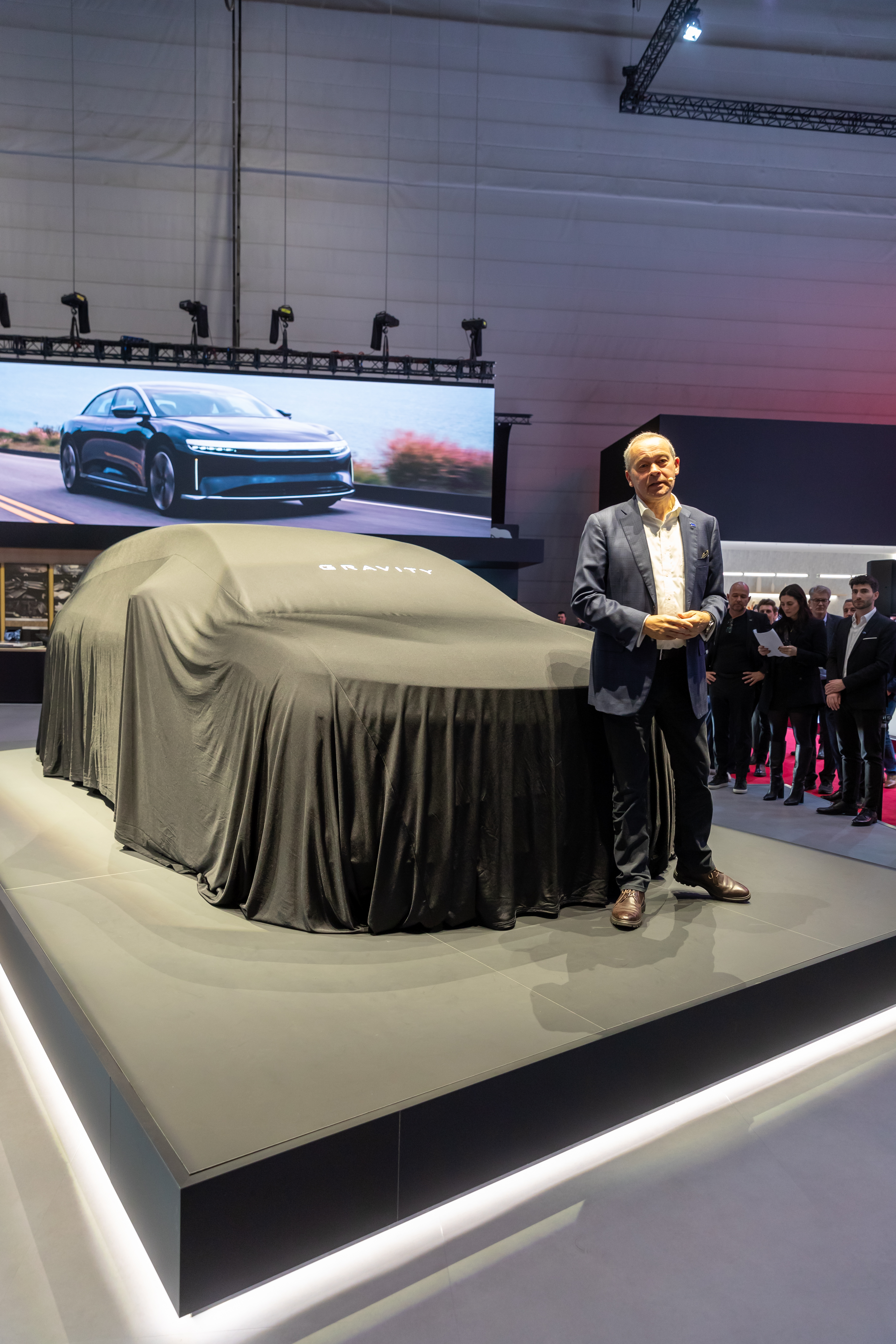
Lucid Motor is the electric-car company behind the earnings call. They’re talking about what cars they plan to build and how they expect costs and production to change.
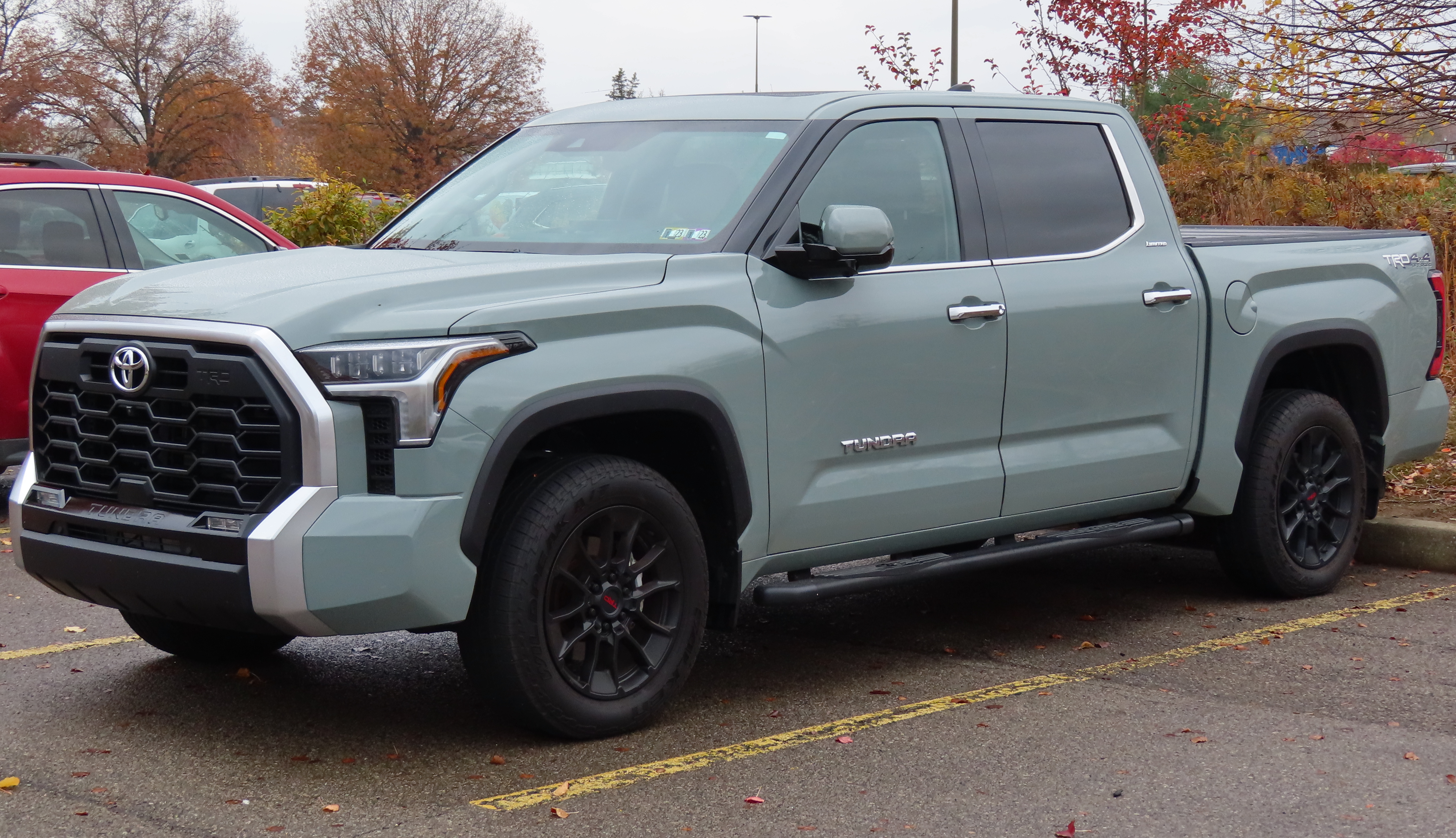
The Toyota Tundra is a large pickup truck. People use it for towing and hauling, and it’s also driven like a normal vehicle for everyday trips. In the podcast, it’s mentioned as a typical truck you might bring on an outing.
The Ford Explorer is a mid-size SUV, meaning it’s a larger family vehicle with room for passengers and cargo. It’s designed for everyday driving and road trips. The podcast mentions it in a way that connects the name “Explorer” with the idea of travel.
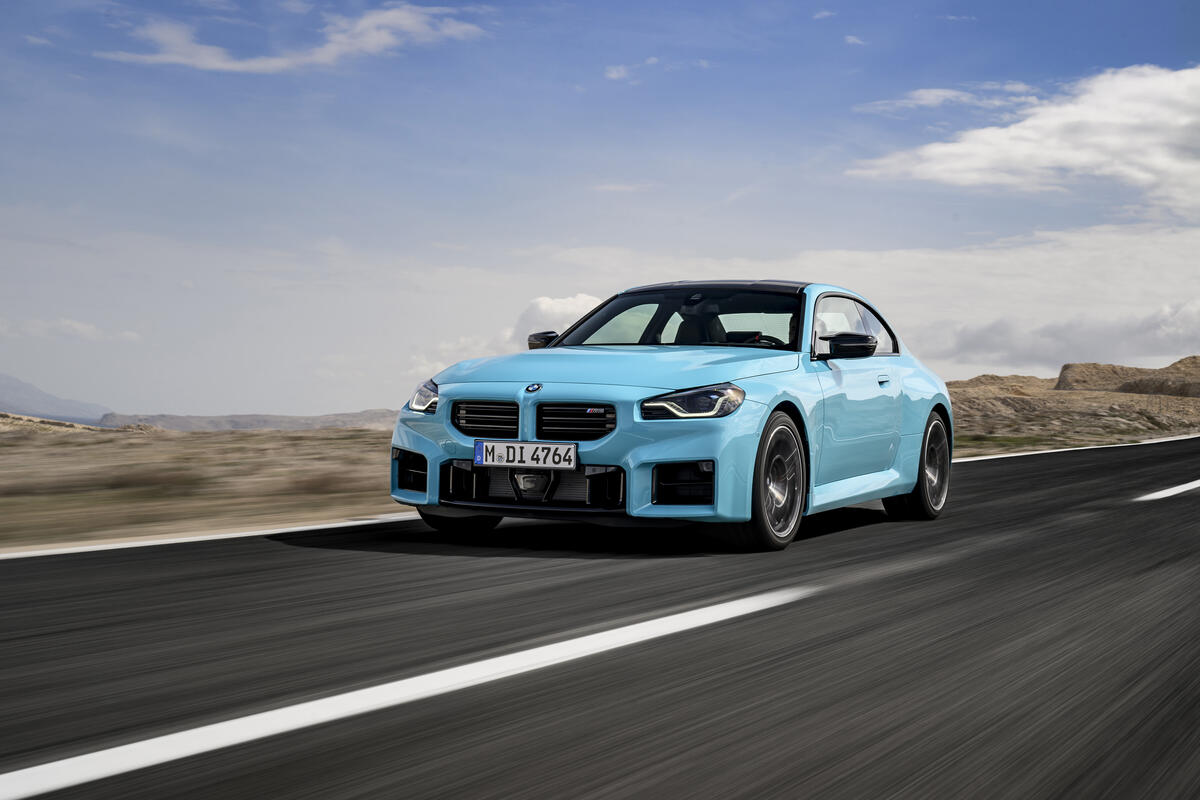
The BMW M2 is a sporty two-door car designed for performance driving. It’s made to feel quick and responsive, with a focus on handling. The podcast mentions it as part of BMW’s ongoing work with the M2 line.
Concept
start-off production
“Start-off production” is when the factory starts making cars for real. It’s an important step before full-scale production.
This means the company is trying to cut costs quickly to improve its financial results. In car terms, it often involves reducing manufacturing and operating expenses.
“Bomb cost” here means the cost of the car’s parts and materials. It helps explain how expensive it is to build the vehicle before you add things like marketing.
A “bill of material” is basically the parts list for a car. It’s the cost of the materials and components needed to build the vehicle, not including marketing and other extra expenses.
CAPEX (capital expenditures) refers to upfront spending on long-term assets like factories, equipment, or major infrastructure. The call claims a “partnership approach” enables faster market entry with minimal CAPEX.
Engineering vehicles are prototype or test cars used to work out bugs and validate the system. They’re not necessarily the exact same cars customers will get.
“Mileage accumulation” is the process of driving large numbers of miles during testing to gather data and improve the autonomous system. In autonomy programs, more real-world miles typically means better training/validation and more confidence before scaling.
“End-to-end customer experience” means the full workflow from the customer’s perspective—requesting a ride, selecting a destination, and completing drop-off—rather than only testing the driving system. The call emphasizes that employees can test the whole app-to-vehicle loop.
The California DMV (Department of Motor Vehicles) is the state agency that regulates vehicle licensing and approvals. The segment says Nuro received approval from the California DMV, which is a key regulatory step for deploying autonomous vehicles in California.
Driverless testing is when a self-driving car is tested without a person actively driving. Companies do this to prove it can operate safely and legally before offering it to customers.
Commercial autonomous operations are when self-driving cars are used for an actual service people can pay for. It means the company is preparing to run it in the real world, not just test it.
Robot taxi operations are self-driving cars that act like ride-hailing taxis. The company is describing the steps they’re taking to make sure the whole system is ready to run for customers.
Production validation builds are test vehicles made to match the design they plan to build at scale. They help the company check that the car and its features work correctly before mass production.
Exterior beaconing refers to visible signals on the outside of the vehicle—like lights or indicators—used to communicate the vehicle’s status to people nearby. In robot-taxi contexts, it helps passengers and pedestrians understand when the car is available, moving, or operating autonomously.
Interior cameras are cameras mounted inside the vehicle used to monitor the cabin and occupants. For autonomous vehicles and robot taxis, they can support safety monitoring, user interaction, and evidence collection for incidents.
Term
consumer interfaces
Consumer interfaces are the user-facing systems inside the vehicle—screens, apps, and controls—that let riders interact with the service. For robot taxis, these interfaces handle tasks like pickup/drop-off flow, ride confirmation, and guidance during autonomous operation.
Homologation testing is the legal approval testing a vehicle must pass to be allowed on the road in a given place. It checks that the car meets safety and regulatory requirements.
End-to-end testing means testing the whole self-driving system as one complete workflow. Instead of checking parts separately, they check that everything works together in real scenarios.
Advanced driver assistance features (ADAS) are automated safety and convenience functions designed to help the driver, such as monitoring, alerts, and partial automation. The segment frames them as a growing revenue stream via subscriptions, implying these systems will be a major part of the product strategy.
Subscription-based offerings are recurring-fee plans where customers pay periodically to access features. In this segment, Lucid is describing subscriptions for advanced driver assistance features, shifting revenue from one-time sales to ongoing payments.
Driverless taxis are rides where the car drives itself instead of a person driving. The transcript connects it to the companies building the self-driving tech and getting permission to test it.
Nuro is the company providing the “eyes and brain” parts—its sensors and software—for the driverless taxis. They also have permission to test these vehicles in California.
An autonomous driving package is the complete self-driving tech bundle in a car. It includes the systems that sense the road and make driving decisions, and Lucid is still improving it for regular customers.
ADAS means advanced driver-assist features—things that help the car stay in its lane or keep distance from other cars. Lucid’s version is called DreamDrive in this discussion.
A “stop sale” means the company has to pause selling certain cars for a while. It usually happens when there’s a problem that needs fixing before customers can buy the vehicle.
Gross margin break-even is when selling the cars brings in enough money to cover the direct costs of making them. After that point, the business is closer to being profitable overall.
Free cash flow is the cash a company has left after it pays its day-to-day bills and invests in things like equipment. Positive free cash flow means the business is generating real cash, not just accounting profit.
Fixed cost absorption means the company’s “overhead” costs get divided by more cars as they build more units. Building higher volume helps each car carry less of those overhead costs.
A mid-size platform is the shared “car design base” used for vehicles in a certain size category. Using one platform can help a company build cars more efficiently and cheaper.
Recurring revenue is money that keeps coming back regularly, like a subscription. The call mentions software and driver-assistance features as sources of that repeat income.
Addressable market is the “realistic customer pool” a company can reach with its cars. They’re saying the mid-size platform opens up more potential buyers.
The Saudi Wealth Fund (PIF) is a major investor with a lot of money. The speaker’s point is that its investment helped Lucid survive early struggles with making and delivering cars.
Concept
production problems
“Production problems” means the company had trouble building cars consistently. The speaker connects that to delays in getting cars to customers.
Brand
Thrupple
Thrupple is mentioned as a partner connected to the autonomy topic. That usually means it’s involved in using or running autonomous vehicles in real-world settings.
A “platform” is the shared engineering foundation—like the vehicle architecture and key components—used across multiple models. A mid-sized platform suggests Lucid is targeting a vehicle class between compact and large, aiming to scale production and reduce per-vehicle costs through shared design.
A direct-to-consumer model means the company sells cars straight to buyers. Here, they’re saying they’ll still do that in some places, but also work with partners in others to grow faster.
An agency model is a different way to sell cars where a local partner helps customers buy the car for the brand. The brand keeps more control over how sales work than in a traditional dealership setup.
Importers are local partners that help bring the cars into a country and get them sold there. The point is that they already have the connections and systems, so growth can happen faster.
LOIs are paperwork that says, “we intend to work together,” but it’s not the final deal yet. They’re using LOIs to describe partnership talks that may turn into real contracts.
Production guidance is a company’s forward-looking estimate of how many vehicles it expects to produce over a given period. On earnings calls, investors use it to judge whether manufacturing plans are on track. The speaker emphasizes that the volume target remains unchanged, while the timing and ramp details are being clarified.
Robot taxi timing refers to the planned schedule for when autonomous ride-hailing services are expected to launch or expand. For EV companies pursuing autonomy, this timeline is often tied to software readiness, regulatory approvals, and fleet readiness. The speaker is reassuring that these medium-term goals are expected to remain on track.
Midsize timing is the schedule for a planned midsize vehicle program—when it’s expected to reach key milestones like production start and ramp. The speaker later notes that the midsize plan is “subject to the suspension right now,” implying that a specific subsystem or supplier readiness could affect timing. This is a common way automakers communicate that hardware readiness can influence launch dates.
Suspension is the vehicle’s system for controlling ride height, wheel motion, and how the tires maintain contact with the road. In production planning, “subject to the suspension” usually means the suspension design, supplier parts, or validation testing isn’t fully finalized yet, which can delay launch timing or ramp readiness. It’s a reminder that chassis systems must be production-ready, not just the vehicle concept.
Here, SOP means “start of production,” basically when the factory begins building the cars. The host notes that SOP can also mean something totally different in companies, like internal procedures. Either way, the key idea is that starting production is a milestone, but ramping up is the harder part.
SOP means when the factory starts making a car in regular volume. “SOP fail” is basically being used to mean the launch/ramp didn’t go as planned, so some cars got pushed into the next quarter.
Average selling price is the average amount of money the company gets for each car it sells. They’re saying you might be able to estimate what happened by looking at that average price.
Tesla is another major electric-car company. They’re using Tesla as an example of how companies choose what sales numbers to break out publicly.
Concept
under a $50,000 price point
“Under a $50,000 price point” is a common affordability threshold in the auto market that can strongly influence demand. The hosts connect it to broader accessibility—if the car is priced below that level, more buyers can qualify or justify the purchase.
Term
gravity over the air
It sounds like they mean “over-the-air” updates. That’s when your EV gets software updates wirelessly, like updating your phone, instead of going to a shop.
The Tesla Model Y is an electric SUV, so it runs on a battery instead of gasoline. It’s made for regular driving with room for passengers and cargo. The podcast brings it up as an example related to affordability.
The Tesla Model 3 is Tesla’s more affordable, high-volume electric car. The speaker brings it up to make a point about whether Tesla’s early strategy really worked as advertised.
“At volume” means making lots of cars. The speaker is saying it’s hard for very expensive EVs to be produced in big numbers, which makes them harder to price competitively.
Here, “scale” means making enough cars in a consistent way. If production or suppliers get stuck, the company can’t build cars fast enough, and that can make it harder to make money.
A “production snag” is something that slows down or stops car manufacturing. If the factory can’t build cars as expected, deliveries slip and the business can struggle financially.
A “supplier snag” is a problem at a company that provides parts or materials to the automaker. For EVs, shortages or delays in key components (like battery-related parts, electronics, or motors) can stop or slow vehicle assembly, impacting the production ramp.
This refers to a government-backed investment fund from Saudi Arabia. The speaker is saying Lucid has support from it, but that support may not last forever if the company keeps losing money.
When “leases come up,” it means lease terms end and vehicles are returned to the leasing company or owner. The speaker links that to more cars entering the used market, which can increase EV availability for buyers who can’t afford new prices.
LIVE
Hey campers, it's Jan from Toyota!
This summer we're headed to Camp Toyota and the fun starts now!
We're kicking things off by kicking up mud.
Jump in campers, we're going off-roading in a forerunner.
Next, we're heading to the hot springs in a RAV4.
And finally, park your tundras and Tacomas around the campfire
because we're roasting marshmallows.
Your summer start here!
Dealer in between Mayberry, so you're participating in Toyota Delivery Details event and stream first.
Toyota, let's go places!
You never know where your next unforgettable experience will pop up.
That's why bringing along an American Express card opens the door to rewards wherever you go.
Morning coffee run with an old friend?
Earn cash back.
Weekend getaway, earn miles.
Dinner at the hottest restaurant in town, you get the idea.
No matter the place or the plan, AMEX rewards your inner explorer.
Learn about card options at americanexpress.com.
Term supply.
Ladies and gentlemen, thank you for standing by and welcome to the Lucid Group First Quarter 2026 earnings conference call.
Please be advised that today's conference call is being recorded.
I will now like to turn the conference over to your speaker for today,
Nick Tulk, Vice President of Communications.
Please go ahead.
Thank you and welcome to Lucid Group's First Quarter 2026 earnings call.
Joining me today are Silvio Napoli, incoming CEO.
Mark Waineroff, our interim CEO.
And Tufik Lucid, our CFO.
Before I hand the call over to Silvio, let me remind you that some of the statements on this call
include forward-looking statements under Federal Security's blotish.
These statements are based on various assumptions, whether or not identified in this communication,
and on the predictions and expectations of our management as of today.
Actual events or results are difficult or impossible to predict.
It may differ due to a number of risk-jump searches.
Hello everyone and welcome to Kill The Water podcast about electric vehicles,
renewable energy, autonomous driving, and much, much more.
My name is Bodhi and I am your host.
And on today's episode, we are going to be obviously talking about Lucid's Q1 2026 earnings call.
And I'm kind of trying to keep my voice down because I'm losing it.
So I don't, we have a long way to go in this earnings call
and I don't want to, by the end, just be completely fried in the voice department.
So if I sound subdued or overly quiet, I'm trying to save my voice.
Before we jump into our earnings call, I would like to thank a new patron.
And that is Jonathan.
Jonathan, thank you so much for supporting the show.
I do owe you an email yesterday.
I was very busy, but I will get it to you.
But I really appreciate it.
We live in a world where things are increasingly more expensive.
So I do appreciate that whenever somebody takes the time to contribute
some of their hard-earned money towards the show, it really means a lot.
So Jonathan, thank you so much for that.
And thank you to all of our patrons who support the show as well.
Jonathan, I will send you a proper thank you later this afternoon.
But thank you again for supporting the show.
If you want to support the show, you can go to supportkilowatt.com
and then on that page you'll be forced.
You'll see two choices.
You're not forced to support the show.
You'll see two choices.
You can support the show via Supercast or you can support the show through Patreon.
And it gives you links to both.
All right, let's go ahead and start this show.
We're going to start off with Silvio Napoles.
I hope I'm saying his name right.
We're going to start with his opening remarks.
He is going to be the new CEO.
He's not the CEO yet.
So let's go ahead and start with those opening remarks.
This is my first earnings call with Lucid.
And as already had the opportunity to share with many of you,
I'm extremely pleased to be here and part of the Lucid team.
With not even a month with the company,
I'm still at a very early stage, so I'll keep my remarks brief.
Let me start by reiterating why I'm here.
Lucid brings together state-of-the-art technology,
a premium product platform,
and a unique opportunity to build a strong,
enduring position in a transforming industry.
And that combination is compelling.
That is the reason that brought me here.
Today, three weeks into the journey,
I'm even more convinced that this is the case.
In my first days, I've had the opportunity to meet with our teams
in Newark High Quotas and in some of our key markets.
In fact, on the very first day,
I traveled to build a factory in Arizona.
The heart of Lucid.
Last week, I traveled to Saudi Arabia
to witness a strong brand recognition in this fast-growing market
and to see firsthand the progress of a new factory and reconstruction.
As you know, this manufacturing center is an essential part of our commitment
to drive scale, profitability, and to position Lucid on the wall stage.
While there, I've also been meeting with employees, shareholders,
and with local stakeholders.
And everywhere I go, I'm focused on listening
and beginning to understand where we are strongest
and where we need to improve.
And what stands out immediately is the incredible domain competence
and outstanding motivation of the Lucid team
and the strength of a product.
At the same time, it's clear that realizing Lucid's full potential
will require sharper focus and consistent execution,
particularly around simplification, prioritization, and speed.
My near-term priorities are straightforward.
Resent all our activities around the customers,
ensure the organization operates with clarity and accountability,
focus resources on the highest impact areas,
and embed a stronger culture of cost and capital discipline across the business.
A central objective over time is to build a more self-sufficient company,
one that progresses towards funding its own growth.
And that means being rigorous in delivering on our commitments.
And now we allocate capital to few vital priorities.
In simple words, this means making clear choices on where to invest
and just as important, where not to.
At the risk of stating the obvious
and not in the position to comment on results reached prior to my joining.
Accordingly, I trust you will understand that today
I will not comment on any specifics, including the outlook.
My goal over the coming weeks is to deepen my understanding of the business
so I can engage more fully with you in the future discussions.
With that, I'll turn the call over to the team to watch you through Q1 results.
Thank you.
Alright, I mean, that's to be expected.
You know, somebody's gonna come in, they've only been there for a few weeks
and now, you know, they have an earnings call to give
and they're not gonna really have a lot to say.
So I think this is a reasonable thing to come in and say,
you know, I'm looking at what we do well, I'm looking at what we need to improve
and making sure that we deliver on our promises.
I'm down with that, so we'll have to kind of see how that goes.
And yeah, we're gonna get to kind of the more meat of the matter in our next clip.
They don't actually say who's talking here, so I don't want to assume.
So we'll just go ahead and listen to the clip and we'll chat about it on the other side.
We have made meaningful progress on each of these fronts, among the highlights.
First, we expanded our partnership with Uber
to provide a minimum of 35,000 robot taxis, up from 20,000 previously announced
and increased their investment to 500 million up from 300 million,
improving our visibility into the future.
We also have a long-term demand and revenue in a new and growing market.
Further reflecting the strengthening relationship between our companies,
Sachin Kanzal, Chief Product Officer at Uber, has been nominated for election
to lose its board of directors.
Second, we significantly strengthened our financial position,
raising approximately $1.05 billion, including 550 million investment
from the Public Investment Fund through a private placement,
reaffirming their continued support and long-term commitment to lose it.
We maintained approximately $2 billion of undrawn commitment under the DDTL
after drawing $500 million of cash in April, further enhancing our financial flexibility.
Proforma for the capital raise and the DDTL increase, liquidity at quarter-end
would have been $4.7 billion, providing ample flexibility to continue
to support development of our mid-sized platform and the continued build-out of M2.
Third, we continue to execute to deliver scale and profitability,
delivering $282 million in revenue, despite the unforeseen geopolitical tensions
and logistical obstacles in the region during Q1, our M2 construction never stopped
and we continue to install capital equipment and work toward start-off production.
The plan remains to ramp up mid-size vehicle production in 2027
and we launched an aggressive cost reduction program targeting cost savings
across all areas of the organization in all geographies.
Alright, so far so good.
You know, we're bumping up the RoboTaxi order from Uber from about $20,000 to $35,000.
I'm sure most of that's going to come from the mid-sized vehicle
that Lucid is going to show off in 2027 or release in 2027.
I don't know when they're going to show it off.
It's still a little bit early if they show it off now.
I mean, that's not unheard of.
I mean, they showed off the air and the gravity years before they released them,
but I think the trend of doing that kind of thing is going away.
When you show off your new upcoming vehicle too early,
you run the risk of missing deadlines
or not completely fulfilling on the promises of what this vehicle can do
or maybe possibly because we live in a nutty place right now with the way the world is going
or the way it's going now.
I'm not a doom and gloomer.
I do think things will correct,
but the way that we're in the short term looking that direction,
prices are going up and if you announced something in 2025
and you're going to release it in 2027
and you announced a price of let's say $40,000,
it's going to be very hard to hit that target and still keep your margins.
It's not to say that you couldn't do it initially
and lose a little bit of money on each car
and then jack that price up over time,
but then people will be writing stories that said the $35,000 car
or the $40,000 car that now costs $50,000.
So I do think it's a good idea to keep your powder dry
and really kind of you can tease it
and I wish as a fan I want to see the specs.
I want to see the car that Lucid's planning on building,
but I do understand from a business standpoint
like it just adds noise when you don't really need that noise.
So it's kind of a long drawn out way of saying
I can't wait to see their new mid-sized car.
Let's see, $500 million investment from Uber.
They also are going to put somebody from Uber on Lucid's board of directors,
which is great and they raised about a billion dollars.
Let's go ahead and move on to our next clip.
Our priority now is consistent and predictable conversion of production into deliveries.
Central to our framework to scale and drive profitable growth is the mid-sized platform.
The mid-sized platform brings Lucid's signature range,
efficiency and driving experience to a much larger time
and broader set of customers
and is key to unlocking scale affordability and improved unit economics.
At our recent investor day, we provided a clearer view of the future product portfolio
with the expected pricing starting below $50,000,
reinforcing Lucid's entry into a more accessible segment of the market.
I'm pleased to be able to share that our bomb cost position remains favorable,
still tracking below our initial cost estimates.
During the quarter construction on M2 and installation of capital equipment continued,
and we remain on track for production ramp-up of the mid-size in 2027.
I don't know that this is huge news, but it looks like everything's moving in a positive direction
in terms of the mid-size vehicle that they're building.
They still think they can keep it under $50,000, which is great.
Whenever you hear someone say bomb cost, that's the bill of material.
That's the total expense of all of the raw materials that go into the car,
the different components, the different assemblies.
Everything you basically need to finish the vehicle.
That doesn't include marketing or any of the other stuff.
That's just the bill of materials.
Just in case that comes up again.
Something I forgot to mention at the beginning of this episode
is I cut these earnings calls up and I try to keep the original message as intended.
I don't try to edit in a way that makes one company look bad
or another company look better or any of those other things.
I try to make sure that when I present a clip to you,
it is fully explained and easy to understand and I don't make any changes.
There's lots of different things that you can do with editing
to make something sound better or worse.
I don't do any of that stuff.
Just so you know, I've already cut up and left some things out,
but I believe with the clips that I'm providing you,
you still get the essence of what they're saying
because they will say the same thing multiple times.
They have a message and they're getting it out.
Let's go ahead and move on to our next clip, which is going to talk about autonomy.
Turning to our third priority, autonomy.
In mid-April, we announced the expansion of our partnerships with Uber,
increasing their total investment to $500 million
and expanding the planned deployment to at least 35,000 robot taxi vehicles.
This represents a meaningful increase in both scale and long-term visibility for the program,
which generates a new revenue stream through a partnership approach
that enables rapid speed to market in a new and rapidly growing market with minimal capex.
I'm excited to share that we have met all milestones so far in our joint project with Nuro
to provide autonomous lucid gravities to Uber for commercial launch by the end of the year,
and remaining milestones are on track.
We delivered 75 engineering vehicles,
and testing and mileage accumulation is ongoing in several cities throughout the US.
Starting in mid-April, Uber and Nuro employees are now able to test the end-to-end customer experience,
including ordering a robot taxi within the Uber app and choosing from select destinations for drop-off.
Our partners at Nuro have also received approval from the California DMV
for driverless testing of the lucid gravity in the state,
making it one of the only handful of vehicles that have received such approval.
This is a key step in paving the way for launching commercial autonomous operations later this year.
Looking forward, we are targeting the following milestones as we track toward commercial robot taxi operations in late 2026.
This quarter, lucid will start our production validation builds,
which are intended to reflect our production intent design and some of the key robot taxi features,
like exterior beaconing for customers, interior cameras and consumer interfaces.
This build is expected to be completed in Q3 and allows us to begin more comprehensive end-to-end testing with our partners,
as well as homologation testing and validation.
And following the completion of testing in Q3,
we anticipate starting regular production of robot taxi vehicles for commercial sale in early Q4 at M1.
As you can see, we are well on our way to achieving our goals
with our robot taxi program and commercial launch is on track for late 2026.
In parallel, we continue to expand advanced driver assistance features across our consumer vehicles.
Over time, we expect these features to become an increasingly important source of recurring revenue,
with subscription-based offerings being launched starting in 2027.
In closing, Q1 highlights areas where we still need to improve execution
and we are taking clear actions to address them.
I'd like to close with a few personal words.
It has been a privilege to serve as interim CEO.
We delivered two years of consecutive record quarters when it comes to deliveries until the end of 2025.
We rent the gravity throughout 2025, resulting in a production increase of about 100% last year.
We've navigated real headwinds and the team's ability to keep moving through them is something I'm proud of.
We sharpened and expanded our strategy with a clear and capital efficient approach
to provide leading autonomy solutions both for robot taxis and personally owned vehicles.
We made meaningful progress across our partnerships, including expanded commitments from both PRF and Uber.
I'm confident in this team, in Sylvia's leadership, and in where Lucid is headed.
And I'm looking forward to continue to contribute as chief operating officer.
Alright, so that was Mark Winterhoff. I mentioned when we first started this. They didn't introduce him.
So I wasn't 100% sure who it was, and I figured it was Mark, but I also did not want to make that assumption and be wrong.
So Mark Winterhoff, everybody, let's give them all a hand on the autonomy stuff.
If you didn't know, obviously we've talked about this in the past, but Lucid and Uber, the big news is Lucid and Uber are partnering on driverless taxis.
What doesn't get reported a lot on is that Nuro, which is a company, autonomous driving company, is providing the sensors and the software to make this all happen.
So Uber is providing the platform, and I'm sure this is more complicated than this, but to simplify it down, Uber is providing the taxi platform.
Lucid is providing the vehicles, and Nuro is providing the sensors and hardware and software that are needed to make that all work together.
So it's a three-way partnership. Some might call it a threple, but there's actually three companies that are all involved in this.
Uber, Nuro, and Lucid. Nuro doesn't get the credit it deserves. This is kind of what I'm going through here.
They have approval for driverless testing in California. This is something that Tesla has not applied for yet as of May of 2026.
So that's interesting. Nuro has approval to start testing these vehicles in California, which is great.
And then he mentioned that they're continuing to work on the autonomous driving package for their consumer vehicles.
When I drove the Lucid Air and the Lucid Gravity recently, I thought that the DreamDrive, which is what their ADAS package is called, I thought that was pretty good.
I had a very limited experience testing it because I only had an hour with each car. Out of the two hours that I had with each car, I probably spent 45 minutes to maybe an hour and 20 minutes at an time at using the DreamDrive package.
And I thought it was pretty good overall. I don't want to compare it to other systems because I haven't been in a Tesla with full self-driving hardware for yet.
So we'll just say that Lucid's doing a good job in this area.
So in order to keep this down to a reasonable time, I did not include any of Tophik's financial, the CFO opening remarks.
Simply because, one, I feel confident we're going to hear about more of this when we get the investor questions or especially the analyst questions.
And two, I mean, again, not something we talk about here.
So some of the highlights from that though is revenue grew 20% year over year from Q1 2025.
So they had about $282 million in revenue in Q1.
However, they did have a net loss of around a billion dollars.
They produced 5,500 vehicles.
They delivered 3,093 vehicles.
And part of the delivery problem, or I guess delivery problem, probably the delivery numbers had to do with a stop sale on the Lucid gravity in February.
Lucid has corrected that issue and they are moving forward.
They're also going to be changing the way they report vehicles that are produced versus how they were doing it in the past.
And really, I don't think this changes anything for us, so I'm not going to spend a lot of time on it.
Hey campers, it's Jan from Toyota.
This summer, we're headed to Camp Toyota and the fun starts now.
We're kicking things off by kicking up mud.
Jump in campers.
We're going off-roading in a forerunner.
Next, we're heading to the hot springs in a RAV4.
And finally, park your tenders and Tacomas around the campfire because we're roasting marshmallows.
Your summer start here.
Dealer in between Mayberry, so you're participating in Toyota Delivery Details event and stream first.
Toyota, let's go places.
You never know where your next unforgettable experience will pop up.
That's why bringing along an American Express card opens the door to rewards wherever you go.
Morning coffee run with an old friend?
Earn cash back.
Weekend getaway, earn miles.
Dinner at the hottest restaurant in town, you get the idea.
No matter the place or the plan, AmEx rewards your inner explorer.
Learn about card options at americanexpress.com.
Terms apply.
Next up, we have questions from retail investors.
When is Lucid going to turn a profit?
What is the plan?
As our investor today, we laid out a clear path to profitability.
The target is gross margin break-even in the midterm,
building toward the mid-times by late-detail.
And on cash flow, we expect to reach positive free cash flow on a similar horizon.
The levers to get there are straightforward.
It starts with improving fixed cost absorption as volume grows,
continuing to bring down bill of material and manufacturing costs,
scaling gravity, launching the mid-size platform,
and developing higher margins, recurring revenue from software, ADAS, and autonomy.
On the mid-size platform specifically, this is a meaningful expansion of our addressable market,
and importantly, it has been designed from day one with cost,
scale, and manufacturability at its core.
Man, was that straightforward?
I mean, if every single car company just took that advice of lowering the bill of materials,
manufacturing at scale, I didn't hear creating demand in there.
They just assumed that people were going to want to drive the Lucid gravity,
which is nice. Don't get me wrong.
But also, there's only a certain amount of people that can afford that car.
Yeah, I do think that the path to profitability is straightforward.
However, it's not easy.
It's not just as easy as saying we're going to bring down the bill of materials.
It's not just as easy as saying we're going to improve scale.
You have a new platform coming up, and every new platform has issues,
and it takes time to ramp.
I do think Lucid is going to be successful because they have a big giant piggy bank
called Saudi Arabia, the Saudi Wealth Fund, or the PIF, Public Investment Fund.
Just give me a second.
In that regard, they're the biggest supporter of Lucid.
They're also the biggest investor.
They own something like 66% or something like that, something close to that.
Actually, let me look, because that's probably how much of Lucid does Saudi Arabia own.
Let's see here.
It looks like 64%, but we can just say 60%.
They own the majority.
They're the biggest investor.
You know what?
I'm happy that Lucid or Saudi Arabia, the PIF, stepped in and basically saved this company
because I don't know if they would be around if the folks from Saudi Arabia hadn't decided
to make these big investments into the company.
They may not.
Lucid's not been profitable.
They have had issues with delivery.
They've had issues with production.
Early on, when the Lucid air was coming out, there was all over social media.
Drivers would be really frustrated because they'd be waiting to pick up the cars
so they can deliver them somewhere else.
Because of production problems and logistics problems and all this other stuff,
the drivers are just sitting there not making any money because they're waiting for Lucid
to figure their stuff out.
That's not to say they don't have it figured out more now than they did then.
They've definitely made progress, but Lucid made a lot of very big mistakes early on,
which had they not had the support of Saudi Arabia, they most likely would not have survived.
The fear or the rumors of it being taken private, Lucid
it's not that far.
Saudi Arabia already owns 60% of Lucid.
We're not that far away from 100%.
Yes, it's a straightforward path to profitability, but it is not an easy path.
I think that his answer, well, again, correct.
I'm not a business person, but from my very infantile way of seeing these things,
that is the path to profitability.
However, it's not accounting for your building new platform.
There's lots of weird stuff going on in the world.
You happen to have a factory in Saudi Arabia and we have this whole thing going on with Iran
and you're an American company, although you're kind of not.
You're an American company in Saudi Arabia with this factory.
Well, I'll say this.
I wouldn't be surprised if Lucid and their partners didn't have a plan for this already.
There's just a lot that goes into this.
If you could just say, here's our path forward and that meant that you were profitable,
then that's awesome, but that's not how that works.
There's just a lot of unforeseen possibilities.
All right, that completes our retail investor questions portion of the show.
This earnings call was only 45 minutes long.
It wasn't very long.
I have a theory that the quarter didn't go as well as a company wanted it to
and it isn't Lucid, specifically it's any company.
If the CEO is monopolizing the conversation for let's say 20 minutes
and then the CFO gets on and he gives his opening remarks for 15 or 20 minutes.
Well, that doesn't need very much time for analyst questions because those are the hard ones.
So then maybe they take a couple of retail questions and then they round out the hour with analyst questions.
That's what Tesla did.
I think Tesla had about 15 minutes-ish of analyst questions at the end of their last earnings call.
It might have been a little bit more, but it wasn't a lot.
They took a lot of retail investor questions, which I would argue there's value in doing that
because the retail investors are the people that are actually investing in your company
and they have questions and you should answer those questions.
In my opinion, Lucid hasn't said a whole lot this earnings call so far when it comes to how their business is going.
Now, that might very well change when we get to the analyst question, which is next,
but they really hit hard on the autonomy portion of things like the Uber Neuro Lucid partnership or Thrupple.
They hit hard on the mid-sized platform and scaling up gravity and that's a common theme,
but that's about it so far.
You know, bringing down costs, all the companies want to bring down costs.
They want to find efficiencies where they can find efficiencies.
That's all there, but I haven't heard a lot of substance beyond just that little bit that they're bringing us here.
Maybe I'm wrong.
If you heard something that maybe I missed, let me know.
All right, let's jump into our analyst questions and kind of see what rises to the top.
Our first question comes from the line of Michael Ward with Citigroup.
Your line is open.
Thank you very much. Good afternoon, everyone.
Can you share any volume targets for M2 for 2027?
It sounds like it's going to be a gradual type of launch throughout the year,
and I'm just wondering if the launch is better than expected, does that liquidity take you into 2028?
The targets on the volume we actually revealed at the investor day and they have not changed.
They have not changed. No, no, we are really laser focused on that ramp.
All right, normally I would not include that in the earnings call.
I would include that in the show, right?
But we got a laser focused, and for those who have been listening for a long time,
Peter Rawlinson, which was the former and original CEO of Lucid, used to say laser focused all the time.
They are laser focused on everything.
Honestly, it didn't seem to matter what question was asked of him.
They were laser focused on that particular problem.
The reality is you can't be laser focused on everything unless you have a very inefficient laser.
So, yeah, so I threw that in. I left that in as an homage to Mr. Rawlinson.
Hey campers, it's Jan from Toyota.
This summer we're headed to Camp Toyota and the fun starts now.
We're kicking things off by kicking up mud.
Jump in campers, we're going off-roading in a forerunner.
Next, we're heading to the hot springs in a RAV4.
And finally, park your tenders and Tacomas around the campfire because we're roasting marshmallows.
Your summer start here.
Dealer in between Mayberry, so you're participating Toyota Dealer for details event and stream first.
Toyota, let's go places.
You never know where your next unforgettable experience will pop up.
That's why bringing along an American Express card opens the door to rewards wherever you go.
Morning coffee run with an old friend?
Earn cash back.
Weekend getaway, earn miles.
Dinner at the hottest restaurant in town? You get the idea.
No matter the place or the plan, AmEx rewards your inner explorer.
Learn about card options at americanexpress.com.
Terms apply.
Let's move on to the next question.
Okay, and then the second thing I would ask is as it relates to the robo taxis,
are the volume deliveries to Uber depending on them getting certified?
Or is there some sort of a schedule for those volume numbers to start to accelerate?
Well, it's basically actually neural getting the certification.
As we just mentioned, they make a very good progress on that.
So we are on track with this.
I mean, still you have to have final certification to be able to do this.
For instance, when we start in the Bay Area here in California,
but so far even all the development and the certifications are moving as we expected.
I had to listen to this a couple of times and I think I understand what he was saying.
At first, I didn't think he answered the question.
I thought he was being maybe a little pedantic about, well, it's a neural,
but still not answering the question.
But it sounds like the deliveries are based on neural getting certification.
And that's how they're basing the deliveries, not based on at this day,
you get X amount of robotaxies.
And then six months later, you get another amount, another tranche of robotaxies.
It sounds like as long as neural is working these certifications through local governments,
then they're able to, Lucid is able to provide the vehicles for that.
All right, let's go ahead and move on to our next question.
Just maybe the first one, could you maybe talk more about the sales partnerships,
which I guess will be very important, especially as you introduced the big size vehicle.
You mentioned one in Europe.
Yeah, I mean, what we're doing there is basically extending our approach there
from a pure direct-to-consumer model into also partnering either with dealerships
in an agency model, for instance, within Germany,
so in areas where we already have a D2C network,
or with importers in new markets that we are entering right now.
And we are in the midst of all this process
and recently launched the first agent in addition to our D2C outlets in Germany,
which gives us from one day to the other two additional cities to cover.
And we have numerous LOIs.
I think the recent number is like 12 LOIs that are, you know, we're pushing forward
and hopefully get to a contract situation and launch very soon.
But it allows us to much faster grow within the areas and the countries we are already in,
for instance, in Germany or in the Netherlands,
or you can expand into new countries through an importership,
where you then use existing infrastructure and existing business relationships
of those importers to scale much faster.
You know, he didn't put a lot of emphasis on dealers like auto dealers,
not drug dealers, but he didn't put a lot of emphasis on automotive dealers.
I don't know why I'm going down the subtraction. I'm so sorry.
I'm starting to get silly.
I got to reel it in. Otherwise, I'll get myself in trouble.
But they didn't put a lot of emphasis on dealers.
And the ironic thing about this is Lucid and other companies, startups,
are fighting here in the United States to not go through dealers.
And you know what? I totally support that.
But I think we do have to recognize that there are definitely roles such as service
that dealers can play, but also, you know, they have the network.
They can get cars from point A to point B.
It kind of makes sense.
So I would imagine that those partnerships will, as Lucid finds more success,
maybe fade a little bit.
But yeah, I think that was an interesting question and an interesting answer.
I don't think they want to do that here in the U.S.,
but definitely somewhere like Europe where they don't have as big of a presence.
That seems like it would make a lot more sense.
Moving on to our next question.
Our next question comes from Alana Pondres-Cheford with Canterford Sturro.
Alana's open.
Hey, everyone. Good afternoon and thank you so much for taking our questions.
Congratulations on the quarter and just wanted to maybe take a brief moment to thank Mark
and congratulate him on all his great efforts over the past two years.
First question, I just wanted to clarify on the guidance.
So just to be clear, you'll give us an update in Q2 regarding the production guidance,
as well as the CAPEX guidance.
But just to be clear as well, the midsize timing,
robot taxi timing, and also the medium term goals will roll on track and unchanged.
Just wanted to clarify. Thank you.
Well, on the midsize, this is also what we guided before.
So that is also subject to the suspension right now.
But I think what is important to understand is that what really counts is the ramp up in 2027.
And that's what remains unchanged.
As I said in the beginning, the volume that we're looking at is unchanged.
On the start of production, that's something that we will guide up to review with Silvio and the team
then by the end of Q2.
Also want to point out that when we talk about the start of production,
that is less impactful actually than the ramp.
I mean, we've seen this, you probably remember with the gravity where we had an SOP,
but then you weren't able to ramp as we intended to.
And that is something that we definitely absolutely want to avoid.
And that's why we want to review everything and make the right decision for the business.
Yeah, I mean, he said SOP there, that's start of production, not standard operating procedure,
which is how I always hear that when someone says SOP.
But I don't think he's wrong here.
I don't think he's lying or anything like that.
But I mean, start of production is still pretty important.
Ramp is still pretty important.
Like there are so many things that can go wrong in both of those things that stall you.
Hopefully, fingers crossed, they're able to weather that a little more successfully than some of the other companies have,
including big automotive companies that have been around for hundreds of years.
But I doubt it.
And I don't want to be a negative Nelly here.
I'm just saying, I've been talking about this stuff this year for 10 years as of August.
So I'm a few months away from 10 years.
And the rosy expectations that sometimes, or maybe I shouldn't say that.
I shouldn't say rosy expectations.
That's not right.
The expectations that are sometimes given are hopeful.
And in reality, especially when you're dealing with a company like Lucid,
who really doesn't produce all that many cars throughout the year,
they might, you know, maybe they were having an issue with, you know,
ram chips and all these other things going on right now.
It may be that a company like Apple buys out all the supply.
And, you know, Lucid can't get theirs now because if a company had to pick,
are they going to make chips for Apple or chips for Lucid,
they are going to 100% even if they have to pay Lucid a fine.
They are going to 100% make chips for Apple and given, you know, that given that choice.
So again, not to say that he's not right in what he says because he works at a very high level at a car company.
And I am sitting in my room, an over air conditioned room, not bragging.
It's just really cold in here with a sweater on.
So just for your information, these things are, there's going to be problems with the midsize ramp.
There's just going to be problems. They'll overcome them, they'll do great,
but it's not that simple and they might not even be able to ramp in 2027.
I would be quite surprised if they were at anything that looked like volume production in 2027, to be honest.
Okay, this next question is actually a really good one.
I didn't, very few of these questions that I listened ahead on this one,
I was doing something else and it just kept playing.
So I heard a little bit of this question and I think it's a good question.
We'll see if there's a good answer following it.
Wonderful. Okay, that's super helpful. Thank you.
And maybe just as a quick follow up, I wanted to touch again on the second production facility, the one in Saudi,
just given the geopolitical conflict still going on.
Do you foresee any bottlenecks or any issues to the timeline for the construction there or is that on track?
Just any updates there will be helpful. Thank you.
Well, so far, I mean, it is going and we have never stopped doing it.
I mean, we had a few delays when it comes to arrival of equipment to be installed,
but our team was able to mitigate that.
And so, yeah, on that as well, we will update at the end of Q2,
but so far we haven't seen any impact.
I would want to ask a very, very blunt question in that are you concerned that the factory could be bombed at some point in time?
That's what I would want to know.
Like, I hope it's not, listen, this is, I am not a fan of war and I'm not a fan of going to war for a lot of different reasons.
But the reality is that we are the US, we're into it with Iran.
Lucid is technically an American company and they have a factory that they're building in Saudi Arabia.
And Saudi Arabia and Iran don't really get along either.
I would honestly hope very much that everybody is able to come together and solve this issue.
And so we can all move on and mourn the people who have lost their lives.
This all sucks.
But that would be a real question that I would ask because that's a real concern that I have.
And I'm, I would be shocked that it's not a concern on the, it's not something on the minds of the folks who are running the company.
All right, let's move on to the next question.
Our next question comes from the line of James Piccarello with BNP Paribas.
Your line is open.
Hey guys, this is Jacob for James.
First, could you give us some idea of the split between the gravity and air deliveries in the first quarter and approximately how many units were pushed from the first quarter into the second by the SOP fail?
I mean, as we said in the, the past, so the majority of our deliveries are now the gravity.
We don't give a direct, you know, projection of that.
I mean, on the average selling price, you may, maybe can reverse engineer the math somehow.
When it comes to, you know, how many sales are being pushed into the second quarter, that's actually a number that I don't have handy right now.
I mean, the, the numbers of deliveries and, and, and orders are rebounded in March significantly.
But that exact number I don't have handy.
I think this was a good question.
I'm surprised that we're at the end of the earnings call and somebody finally asked it.
You know, it's nice to know that you had, you know, 5,500 per vehicles produced.
You delivered 3,093 vehicles.
Great.
But how many gravities, like how, how popular is it?
Much more popular, a little bit more popular.
Are you selling two lucid airs versus, you know, all of the rest are lucid gravities?
I do think that's an important question.
And I generally don't understand why these companies aren't like, I can kind of understand why Tesla doesn't split out the cyber track numbers because they're probably truly a visible in terms of like,
especially if they, they, if they took away all of the cyber tracks that were sold to Elon companies, they're, they're probably not great.
Right. I can kind of understand why they do that.
But in general, like Lucid's got, they delivered 3,000 cars.
Like you can say a thousand of them were lucid airs and the rest of them were gravities.
Great. But they're not going to say that.
And I don't know why.
I don't know what the advantage is to not saying that if you're like, well, we don't want people to think that the lucid air is not selling well.
None of your cars are selling well.
Neither one of your cars are selling well.
You don't, even if a hundred percent of these sales and deliveries were gravities, your gravity is still not selling well.
It's not selling great.
So great car really enjoyed my time when I had with one, but not, not a best seller.
So let's kind of keep all this in, you know, perspective.
I don't think it would be a big deal to, to call out how many.
I think that would be, that's a reasonable question.
All right.
That is our Lucid air or Lucid air that is our Lucid motors Q1 2026 earnings call.
Bump, bump, bump, bump.
Oh, that was my price is right.
Sad music.
I don't know if this is sad.
I think Lucid's going into some good places.
I think the midsize platform is going to be great for the company.
You know, it's going to, especially under a $50,000 price point, that's going to make it so that more people can afford these cars.
I, I really enjoyed my time with the air and the gravity.
Like it wasn't very much time, but I was like, man, these are really good cars.
I enjoyed the gravity over the air, but I just like, I enjoy sitting up a little bit higher in a car.
But the, the air was fantastic.
It's a big vehicle and it did not feel, I mean, it felt big inside, but it didn't feel like you're driving a big old boat around.
It was very sporty.
So I guess what I'm trying to say is I want Lucid to succeed.
They have great engineers.
They have great technology.
You know, their, their infotainment system is snappy dream drive, which is their ADAS system is really nice.
Comparable, we'll say to Tesla's autopilot, probably a little better than autopilot.
They just have a lot of things going for them.
Unfortunately, you know, they went hard with the $100 plus thousand car early on because they're like, well, that's like in the Tesla model,
that's going to pay for the more affordable car.
In reality, I don't know that that even worked for Tesla because the model three came out and I don't think when the model three was out,
I don't think Tesla was profitable.
So I don't know that that there's a lot of myth making there when Elon says, you know, the, the Roadster paid for the S and the S paid for,
or the SNX paid for the three and the Y.
I don't think that was true because they weren't profitable for a very long time.
Now they're making boatloads of money.
But I think that myth making was also kind of the strategy for other companies like Rivian and Lucid and Faraday Future and, you know, you name it.
And it didn't necessarily come true because it turns out these cars are very expensive to build and they can't build them at volume because not everybody can afford these cars at,
you know, even at $70,000, which Peter Rawlinson used to say was people don't realize how affordable Lucid start at $70,000.
And he would say this with a straight face as if $70,000 is an affordable car, you know, not that long ago.
When I was in my twenties, which we know was a little bit ago, there wasn't that long ago.
You could buy a house for $70,000.
It's like, it still lets a lot of money, 70 grand.
So it's more affordable than 100 grand, but it's still not attainable for a lot of people.
So with any luck, you know, they're going to come out with their midsize platform.
That midsize platform is going to be, you know, a really good car for the price, full of all of Lucid's great technology.
And maybe it's, maybe it's even of not only a value, but a deal for how much $49,000 or whatever they're going to charge for it.
But my point here, a very long way of saying this is that more people are going to be able to afford a Lucid.
And that is going to allow Lucid to have the opportunity to make more money.
But that means that they need to be able to scale.
That means that they need to be able to build these cars in volume and not stall because they ran into a production snag or a supplier snag or whatever.
Like there's a lot riding on this.
Now I've said this many, many, many times is the Lucid has a giant piggy bank in the public investment fund for Saudi Arabia.
But that, you know, that's not a forever thing at some point in time if they're continuing to lose money and there's no sign that they're going to make money.
You know, I'm sure that that money tap will turn off.
But for now, you know, midsize platform, more people can afford it.
Hopefully they'll turn a profit.
And then as people, you know, as leases come up and as people start upgrading their cars from Lucid's midsize platform to other things, you know, that goes into the used market and more people can have EVs with really cool technology.
So I think it's, you know, a win for everybody long term.
But we'll, you know, we'll have to see what, what happens as Lucid gets everything going and ramping up and all that stuff.
All right, everybody, that is our show.
That is my rant.
I hope you all enjoyed this episode.
If you want to email me, it's bodeye at 918digital.com.
You can also find me on LinkedIn.
Just search for bodeye and then grim G R I M M and you'll find me on LinkedIn.
And big thank you to Jonathan for supporting the show on Patreon.
And thank you, Jonathan.
Really appreciate that.
And yeah, I hope you all enjoyed this episode and I will talk to you soon.
Ladies and gentlemen, I'm showing no further questions than the queue.
That concludes today's conference call.
Thank you for your participation.
You may now disconnect.
Hey campers, it's Jan from Toyota.
This summer we're headed to Camp Toyota and the fun starts now.
We're kicking things off.
Jump in campers.
We're going off-roading in a forerunner.
Next, we're heading to the hot springs in a RAV4.
And finally, park your tundras in Tacomas around the campfire because we're roasting marshmallows.
Your summer start here.
Dealer in between may vary, so you're participating Toyota Deliberty Tales event and stream first.
Toyota, let's go places.
You never know where your next unforgettable experience will pop up.
That's why bringing along an American Express card opens the door to rewards wherever you go.
Morning coffee run with an old friend?
Earn cash back.
Weekend getaway, earn miles.
Dinner at the hottest restaurant in town, you get the idea.
No matter the place or the plan, AmEx rewards your inner explorer.
Learn about card options at americanexpress.com.
Terms apply.
If you liked the show, please take a moment to rate, review and subscribe.
It really does help the show to grow.
Thank you for listening.
About this episode
Lucid’s Q1 2026 earnings call takes center stage, with hosts framing the big themes around autonomy, scaling, and getting production to deliveries. Lucid leadership highlights factory momentum, capital allocation, and a growing Uber robot-taxi plan, including a higher RoboTaxi order and autonomy milestones tied to Lucid Gravity. The call also emphasizes the mid-sized platform and a 2027 production ramp, plus profitability targets like gross margin break-even and positive free cash flow. Along the way, DreamDrive ADAS gets hands-on praise, and delivery timing is linked to a February stop sale.
This episode dives into the details of Lucid Group’s first quarter 2026 earnings call, featuring the debut of incoming CEO Silvio Napoli. Napoli outlines his core priorities for the company: a relentless focus on the customer, enhanced accountability, and strict cost and capital discipline. A major highlight of the call is the expansion of Lucid’s partnership with Uber, alongside a review of the company's strengthened liquidity position following new capital raises. Listeners will also get the latest updates on the mid-size platform, which remains on track for a 2027 production ramp with a target price point below $50,000. Additionally, the company provides progress reports on its autonomy program with Uber and Nuro, aiming for a commercial launch by the end of the year. Despite acknowledging execution risks, Lucid maintains that its primary growth targets and international expansions remain on schedule.