
Lucid Motor's Q1 2026 Earnings Call
About this episode
Lucid’s Q1 2026 earnings call takes center stage, with hosts framing the big themes around autonomy, scaling, and getting production to deliveries. Lucid leadership highlights factory momentum, capital allocation, and a growing Uber robot-taxi plan, including a higher RoboTaxi order and autonomy milestones tied to Lucid Gravity. The call also emphasizes the mid-sized platform and a 2027 production ramp, plus profitability targets like gross margin break-even and positive free cash flow. Along the way, DreamDrive ADAS gets hands-on praise, and delivery timing is linked to a February stop sale.
This episode dives into the details of Lucid Group’s first quarter 2026 earnings call, featuring the debut of incoming CEO Silvio Napoli. Napoli outlines his core priorities for the company: a relentless focus on the customer, enhanced accountability, and strict cost and capital discipline. A major highlight of the call is the expansion of Lucid’s partnership with Uber, alongside a review of the company's strengthened liquidity position following new capital raises. Listeners will also get the latest updates on the mid-size platform, which remains on track for a 2027 production ramp with a target price point below $50,000. Additionally, the company provides progress reports on its autonomy program with Uber and Nuro, aiming for a commercial launch by the end of the year. Despite acknowledging execution risks, Lucid maintains that its primary growth targets and international expansions remain on schedule.
Support the Show https://www.supportkilowatt.com/
Other Podcasts:
Beyond the Post YouTube (https://www.youtube.com/@beyondthepostfm)
Beyond the Post Podcast (https://www.beyondthepost.fm/)
Shuffle Playlist (https://shows.acast.com/shuffle-playlist)
918Digital Website (https://www.918digital.com/)
News Links:
*Show Art Created By Gemini
Hosted by Simplecast, an AdsWizz company. See pcm.adswizz.com for information about our collection and use of personal data for advertising.
Lucid Motor
"At our recent investor day, we provided a clearer view of the future product portfolio ... reinforcing Lucid's entry into a more accessible segment of the market."
Lucid Motor is the electric-car company behind the earnings call. They’re talking about what cars they plan to build and how they expect costs and production to change.
Lucid Motor is the EV company discussed in this earnings-call segment. The hosts reference its product portfolio and manufacturing ramp plans as part of the company’s financial outlook.
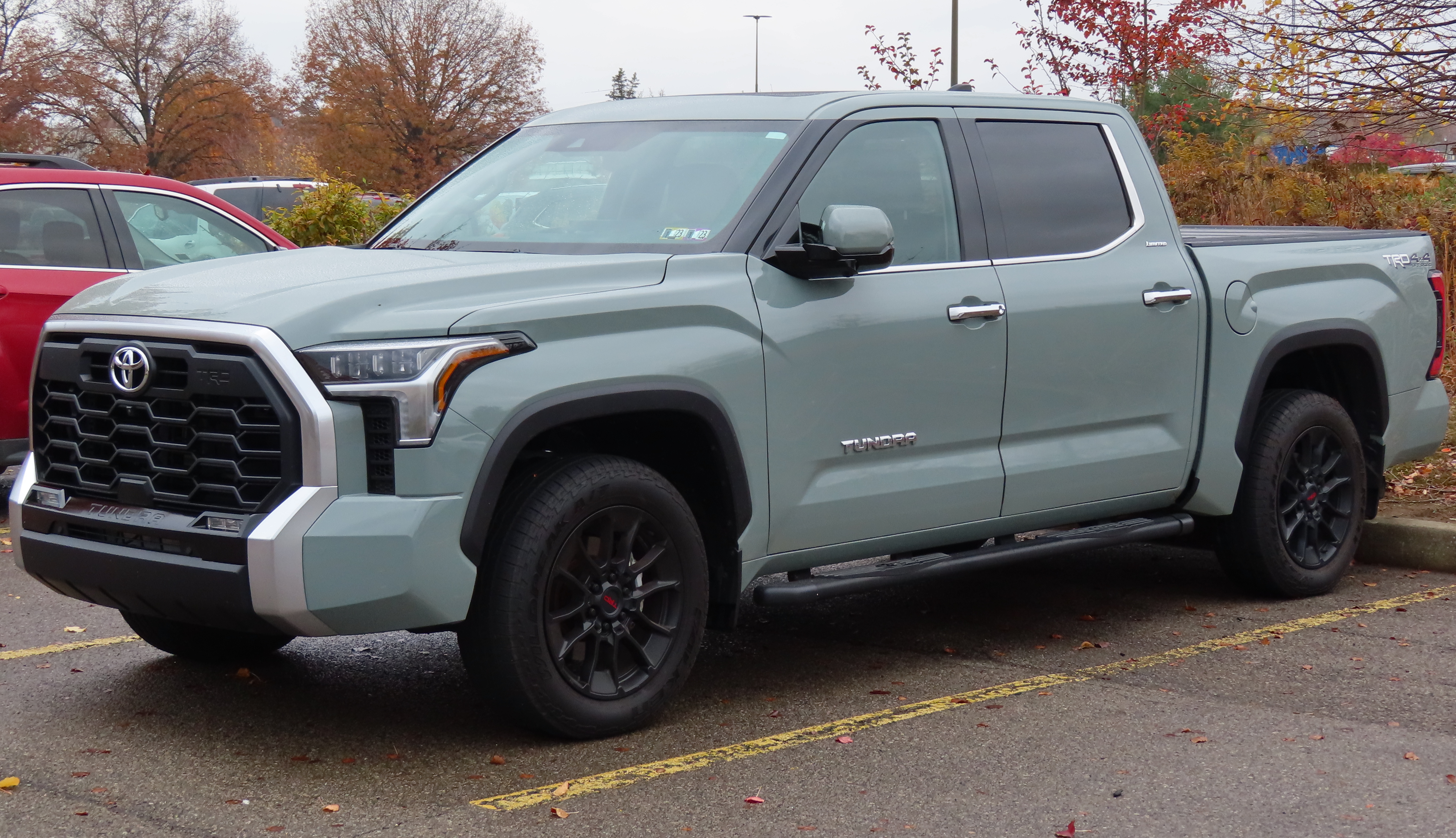
Toyota Tundra
"...the hot springs in a RAV4. And finally, park your tundras and Tacomas around the campfire because we're roa..."
The Toyota Tundra is a large pickup truck. People use it for towing and hauling, and it’s also driven like a normal vehicle for everyday trips. In the podcast, it’s mentioned as a typical truck you might bring on an outing.
The Toyota Tundra is a full-size pickup truck built for towing, hauling, and everyday driving. It often comes up in EV discussions because buyers who use trucks for work or road trips are a key group when comparing charging needs and electric alternatives. In the podcast context, it’s mentioned as something to park around a campfire, highlighting its common presence as a go-anywhere vehicle.

Ford Explorer
"...er the place or the plan, AMEX rewards your inner explorer. Learn about card options at americanexpress.com."
The Ford Explorer is a mid-size SUV, meaning it’s a larger family vehicle with room for passengers and cargo. It’s designed for everyday driving and road trips. The podcast mentions it in a way that connects the name “Explorer” with the idea of travel.
The Ford Explorer is a mid-size SUV known for family-friendly space and versatility. It’s frequently discussed in the context of electrification because SUVs are a major segment where buyers care about range, charging access, and practical daily use. In the podcast, it’s referenced as part of a promotional line, likely tying the word “Explorer” to the idea of going places.

BMW M2
"...mid-sized platform and the continued build-out of M2. Third, we continue to execute to deliver scale a..."
The BMW M2 is a sporty two-door car designed for performance driving. It’s made to feel quick and responsive, with a focus on handling. The podcast mentions it as part of BMW’s ongoing work with the M2 line.
The BMW M2 is a performance-focused compact sports coupe built by BMW’s M division. It’s discussed in broader automotive podcasts because it represents a “driver’s car” approach—where handling and power are central—even as the industry shifts toward electrification. In the podcast context, it’s mentioned alongside “continued build-out,” suggesting ongoing production or model development.
start-off production
"we continue to install capital equipment and work toward start-off production."
“Start-off production” is when the factory starts making cars for real. It’s an important step before full-scale production.
“Start-off production” means beginning initial production runs—when a factory transitions from construction and setup into making vehicles. It’s a key milestone because it’s when companies validate manufacturing readiness and begin delivering units.
ramp up mid-size vehicle production in 2027
"The plan remains to ramp up mid-size vehicle production in 2027 and we launched an aggressive cost reduction program"
“Ramp up” means gradually making more cars. The company is saying they expect to increase production of their mid-size vehicles in 2027.
“Ramp up” refers to increasing manufacturing output from early production toward higher-volume, steady production. For a new vehicle like Lucid’s mid-sized platform, ramping typically involves scaling factories, stabilizing processes, and hitting production targets on schedule.
aggressive cost reduction program
"we launched an aggressive cost reduction program targeting cost savings across all areas of the organization in all geographies."
This means the company is trying to cut costs quickly to improve its financial results. In car terms, it often involves reducing manufacturing and operating expenses.
An “aggressive cost reduction program” is a company-wide effort to lower spending to improve margins and profitability. In vehicle manufacturing, this can include reducing material costs, streamlining operations, and negotiating supplier pricing across multiple regions.
RoboTaxi
"You know, we're bumping up the RoboTaxi order from Uber from about $20,000 to $35,000."
A RoboTaxi is a self-driving taxi. Instead of a person driving, the car is meant to handle the driving for ride-hailing.
RoboTaxi refers to a vehicle service where cars operate with high levels of automation to carry passengers without a human driver. In the earnings-call context, an “order” for RoboTaxi suggests Lucid is selling vehicles (and likely related autonomy capability) for robotaxi fleets rather than only for consumer ownership.
Uber
"You know, we're bumping up the RoboTaxi order from Uber from about $20,000 to $35,000."
Uber is a rideshare company. Here, they’re mentioned as placing an order for Lucid’s robotaxi vehicles.
Uber is being referenced here as a customer for Lucid’s RoboTaxi program. In this context, the “RoboTaxi order” implies Uber is placing an order for vehicles intended for autonomous ride-hailing or robotaxi operations.
mid-size vehicle pricing under $50,000
"with the expected pricing starting below $50,000 ... They still think they can keep it under $50,000, which is great."
They’re talking about a mid-size EV they want to sell for under $50,000. They explain how keeping parts/material costs down supports that goal.
This segment focuses on Lucid’s plan to price a mid-size vehicle starting below $50,000. It connects that target to cost structure (BOM cost) and scaling affordability.
bomb cost
"I'm pleased to be able to share that our bomb cost position remains favorable ... Whenever you hear someone say bomb cost, that's the bill of material."
“Bomb cost” here means the cost of the car’s parts and materials. It helps explain how expensive it is to build the vehicle before you add things like marketing.
“Bomb cost” is used here as a shorthand for BOM cost—how much the listed parts and raw materials cost to build the car. The key point is that it’s a manufacturing input cost that can influence pricing and unit economics, distinct from marketing and other non-material expenses.
production ramp-up
"During the quarter construction on M2 and installation of capital equipment continued, and we remain on track for production ramp-up of the mid-size in 2027."
Production ramp-up is when a factory starts making more cars over time. It’s the process of moving from initial builds to higher-volume production.
Production ramp-up is the phase where a factory increases output from early production toward steady, higher-volume manufacturing. The segment ties ramp-up timing to a mid-size vehicle planned for 2027, which affects costs, supply readiness, and unit economics.
bill of material
"Whenever you hear someone say bomb cost, that's the bill of material. That's the total expense of all of the raw materials that go into the car, the different components, the different assemblies."
A “bill of material” is basically the parts list for a car. It’s the cost of the materials and components needed to build the vehicle, not including marketing and other extra expenses.
“Bill of material” (often shortened to BOM) is the list of all the raw materials and parts that go into building a vehicle. In this segment, the host explains that BOM cost is the total expense of those materials and components, separate from things like marketing or other overhead.
autonomy
"Let's go ahead and move on to our next clip, which is going to talk about autonomy. Turning to our third priority, autonomy."
“Autonomy” here means the car can drive itself. Instead of a person doing everything, the system handles driving decisions using sensors and software.
In EV and robotics contexts, “autonomy” means the vehicle can drive itself using sensors and software rather than a human controlling every action. The call is framing autonomy as a core business priority tied to robot-taxi deployments.
robot taxi vehicles
"increasing their total investment to $500 million and expanding the planned deployment to at least 35,000 robot taxi vehicles."
A “robot taxi” is a self-driving car used like a rideshare. You request a ride in an app, and the car drives you to the destination.
“Robot taxi vehicles” are autonomous vehicles operated as a ride-hailing service, where the customer requests a trip and the car handles driving. This segment ties the scale of robot-taxi deployments to Uber and Lucid’s autonomy program.
capex
"which generates a new revenue stream through a partnership approach that enables rapid speed to market in a new and rapidly growing market with minimal capex."
CAPEX (capital expenditures) refers to upfront spending on long-term assets like factories, equipment, or major infrastructure. The call claims a “partnership approach” enables faster market entry with minimal CAPEX.
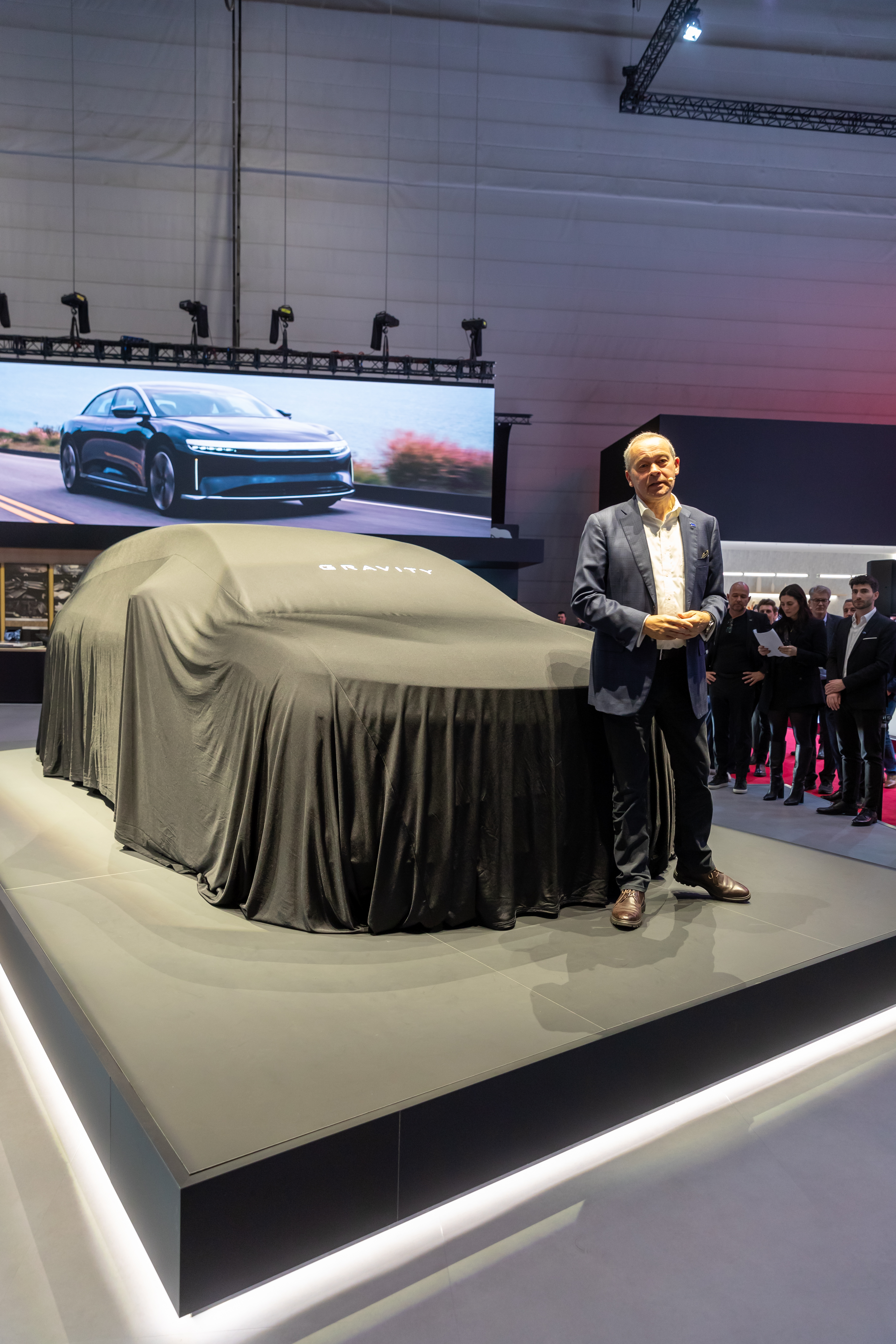
Lucid Gravity
"I'm excited to share that we have met all milestones so far in our joint project with Nuro to provide autonomous lucid gravities to Uber for commercial launch by the end of the year,"
Lucid Gravity is an SUV from Lucid. Here, the company is saying they’ll use it as the self-driving robot taxi vehicle for Uber.
Lucid Gravity is Lucid’s SUV platform being positioned for autonomous “robot taxi” use. In this earnings call segment, Lucid Gravity is specifically mentioned as the autonomous vehicle provided to Uber for commercial launch.
engineering vehicles
"We delivered 75 engineering vehicles, and testing and mileage accumulation is ongoing in several cities throughout the US."
Engineering vehicles are prototype or test cars used to work out bugs and validate the system. They’re not necessarily the exact same cars customers will get.
“Engineering vehicles” are test mules or development cars used to validate hardware and software before full production or commercial deployment. Here, Lucid says it delivered 75 engineering vehicles for autonomy testing.
mileage accumulation
"We delivered 75 engineering vehicles, and testing and mileage accumulation is ongoing in several cities throughout the US."
“Mileage accumulation” is the process of driving large numbers of miles during testing to gather data and improve the autonomous system. In autonomy programs, more real-world miles typically means better training/validation and more confidence before scaling.
end-to-end customer experience
"Starting in mid-April, Uber and Nuro employees are now able to test the end-to-end customer experience, including ordering a robot taxi within the Uber app and choosing from select destinations for drop-off."
“End-to-end customer experience” means the full workflow from the customer’s perspective—requesting a ride, selecting a destination, and completing drop-off—rather than only testing the driving system. The call emphasizes that employees can test the whole app-to-vehicle loop.
California DMV
"including ordering a robot taxi within the Uber app and choosing from select destinations for drop-off. Our partners at Nuro have also received approval from the California DMV"
The California DMV (Department of Motor Vehicles) is the state agency that regulates vehicle licensing and approvals. The segment says Nuro received approval from the California DMV, which is a key regulatory step for deploying autonomous vehicles in California.
driverless testing
"for driverless testing of the lucid gravity in the state, [1063.0s] making it one of the only handful of vehicles that have received such approval. [1067.2s] This is a key step in paving the way for launching commercial autonomous operations later this year."
Driverless testing is when a self-driving car is tested without a person actively driving. Companies do this to prove it can operate safely and legally before offering it to customers.
Driverless testing means running autonomous vehicles without a human safety driver controlling the car. It typically requires regulatory approval and is used to gather real-world data and validate safety before commercial deployment.
commercial autonomous operations
"[1067.2s] This is a key step in paving the way for launching commercial autonomous operations later this year. [1073.9s] Looking forward, we are targeting the following milestones as we track toward commercial robot taxi operations in late 2026."
Commercial autonomous operations are when self-driving cars are used for an actual service people can pay for. It means the company is preparing to run it in the real world, not just test it.
Commercial autonomous operations are real, paid services where autonomous vehicles transport passengers without a human driver. This is different from basic R&D testing because it involves operational readiness, safety validation, and regulatory compliance.
robot taxi operations
"Looking forward, we are targeting the following milestones as we track toward commercial robot taxi operations in late 2026. [1082.3s] This quarter, lucid will start our production validation builds, [1085.6s] which are intended to reflect our production intent design and some of the key robot taxi features,"
Robot taxi operations are self-driving cars that act like ride-hailing taxis. The company is describing the steps they’re taking to make sure the whole system is ready to run for customers.
Robot taxi operations refer to fleets of autonomous vehicles providing ride-hailing service without a human driver. The segment ties it to milestones like production validation builds and end-to-end testing with partners, which are meant to ensure the full system works in real service conditions.
production validation builds
"[1082.3s] This quarter, lucid will start our production validation builds, [1085.6s] which are intended to reflect our production intent design and some of the key robot taxi features, [1090.9s] like exterior beaconing for customers, interior cameras and consumer interfaces."
Production validation builds are test vehicles made to match the design they plan to build at scale. They help the company check that the car and its features work correctly before mass production.
Production validation builds are pre-production vehicles assembled to confirm that the planned manufacturing design and features work as intended. They’re used to validate both the hardware and the system behavior before scaling to regular production.
exterior beaconing
"[1085.6s] which are intended to reflect our production intent design and some of the key robot taxi features, [1090.9s] like exterior beaconing for customers, interior cameras and consumer interfaces."
Exterior beaconing refers to visible signals on the outside of the vehicle—like lights or indicators—used to communicate the vehicle’s status to people nearby. In robot-taxi contexts, it helps passengers and pedestrians understand when the car is available, moving, or operating autonomously.
interior cameras
"[1085.6s] which are intended to reflect our production intent design and some of the key robot taxi features, [1090.9s] like exterior beaconing for customers, interior cameras and consumer interfaces."
Interior cameras are cameras mounted inside the vehicle used to monitor the cabin and occupants. For autonomous vehicles and robot taxis, they can support safety monitoring, user interaction, and evidence collection for incidents.
consumer interfaces
"[1085.6s] which are intended to reflect our production intent design and some of the key robot taxi features, [1090.9s] like exterior beaconing for customers, interior cameras and consumer interfaces."
Consumer interfaces are the user-facing systems inside the vehicle—screens, apps, and controls—that let riders interact with the service. For robot taxis, these interfaces handle tasks like pickup/drop-off flow, ride confirmation, and guidance during autonomous operation.
homologation testing
"This build is expected to be completed in Q3 and allows us to begin more comprehensive end-to-end testing with our partners, [1104.5s] as well as homologation testing and validation."
Homologation testing is the legal approval testing a vehicle must pass to be allowed on the road in a given place. It checks that the car meets safety and regulatory requirements.
Homologation testing is the certification process to prove a vehicle meets legal and regulatory requirements for a specific market or jurisdiction. For autonomous robot taxis, it often includes verifying that safety-critical systems and equipment comply with applicable rules.
end-to-end testing
"This build is expected to be completed in Q3 and allows us to begin more comprehensive end-to-end testing with our partners, [1104.5s] as well as homologation testing and validation."
End-to-end testing means testing the whole self-driving system as one complete workflow. Instead of checking parts separately, they check that everything works together in real scenarios.
End-to-end testing verifies that the entire autonomous system works together—from sensing and decision-making to vehicle control and passenger-facing behavior. It’s called “end-to-end” because it tests the full chain rather than isolated components.
advanced driver assistance features
"In parallel, we continue to expand advanced driver assistance features across our consumer vehicles. [1135.8s] Over time, we expect these features to become an increasingly important source of recurring revenue,"
Advanced driver assistance features (ADAS) are automated safety and convenience functions designed to help the driver, such as monitoring, alerts, and partial automation. The segment frames them as a growing revenue stream via subscriptions, implying these systems will be a major part of the product strategy.
subscription-based offerings
"[1135.8s] Over time, we expect these features to become an increasingly important source of recurring revenue, [1141.4s] with subscription-based offerings being launched starting in 2027."
Subscription-based offerings are recurring-fee plans where customers pay periodically to access features. In this segment, Lucid is describing subscriptions for advanced driver assistance features, shifting revenue from one-time sales to ongoing payments.
driverless taxis
"Lucid and Uber, the big news is Lucid and Uber are partnering on driverless taxis... So it's a three-way partnership."
Driverless taxis are rides where the car drives itself instead of a person driving. The transcript connects it to the companies building the self-driving tech and getting permission to test it.
“Driverless taxis” refers to taxi services operated without a human driver in the vehicle, relying on an autonomous driving system to handle driving tasks. In the transcript, it’s tied to partnerships and regulatory approvals for testing and deployment.
Nuro
"Nuro, which is a company, autonomous driving company, is providing the sensors and the software... They have approval for driverless testing in California."
Nuro is the company providing the “eyes and brain” parts—its sensors and software—for the driverless taxis. They also have permission to test these vehicles in California.
Nuro is described as an autonomous-driving company supplying the sensors and software for the driverless taxi system. The transcript also notes Nuro has approval to start driverless testing in California, which is a key regulatory milestone for deploying autonomy.
autonomous driving package
"they're continuing to work on the autonomous driving package for their consumer vehicles."
An autonomous driving package is the complete self-driving tech bundle in a car. It includes the systems that sense the road and make driving decisions, and Lucid is still improving it for regular customers.
An “autonomous driving package” is the bundled set of hardware and software that enables automated driving features. The transcript says Lucid is continuing to work on this package for its consumer vehicles, implying ongoing development of the self-driving/driver-assist system.

Lucid Air
"When I drove the Lucid Air and the Lucid Gravity recently, I thought that the DreamDrive, which is what their ADAS package is called, I thought that was pretty good."
Lucid Air is one of Lucid’s main electric cars. The host drove it to try Lucid’s driver-assist features called DreamDrive.
Lucid Air is Lucid’s sedan, and it’s notable here because the host says they recently drove it to evaluate Lucid’s driver-assistance system. The transcript specifically ties the experience to “DreamDrive,” Lucid’s ADAS package name.
ADAS package
"When I drove the Lucid Air and the Lucid Gravity recently, I thought that the DreamDrive, which is what their ADAS package is called, I thought that was pretty good."
ADAS means advanced driver-assist features—things that help the car stay in its lane or keep distance from other cars. Lucid’s version is called DreamDrive in this discussion.
ADAS stands for “Advanced Driver-Assistance Systems,” which are automated safety and convenience features like lane keeping and adaptive cruise. The transcript says Lucid calls its ADAS package “DreamDrive,” and the host spent a significant portion of their short test time using it.
DreamDrive
"I thought that the DreamDrive... was pretty good... I probably spent 45 minutes to maybe an hour and 20 minutes... at using the DreamDrive package."
DreamDrive is the name Lucid uses for its driver-assist features. The host spent a lot of their test time using it and felt it worked well.
DreamDrive is Lucid’s named driver-assistance/ADAS software package. The host describes using it for much of their limited test time and says they won’t directly compare it to Tesla’s system because they haven’t driven a Tesla with full self-driving hardware yet.
stop sale
"And part of the delivery problem, or I guess delivery problem, probably the delivery numbers had to do with a stop sale on the Lucid gravity in February. Lucid has corrected that issue and they are moving forward."
A “stop sale” means the company has to pause selling certain cars for a while. It usually happens when there’s a problem that needs fixing before customers can buy the vehicle.
A “stop sale” is when a manufacturer is required (or chooses) to pause selling certain vehicles due to a safety or compliance issue. It can directly reduce deliveries because dealers can’t legally sell or sometimes even deliver the affected cars until the problem is corrected.

Toyota RAV4
"Jump in campers. We're going off-roading in a forerunner. Next, we're heading to the hot springs in a RAV4."
The Toyota RAV4 is a popular SUV. Here it’s just used as part of a fun summer road-trip ad, not for any car details.
The Toyota RAV4 is a compact crossover SUV known for being practical and widely used. In the ad, it’s referenced as the vehicle for “hot springs,” but the mention is not tied to any technical discussion.
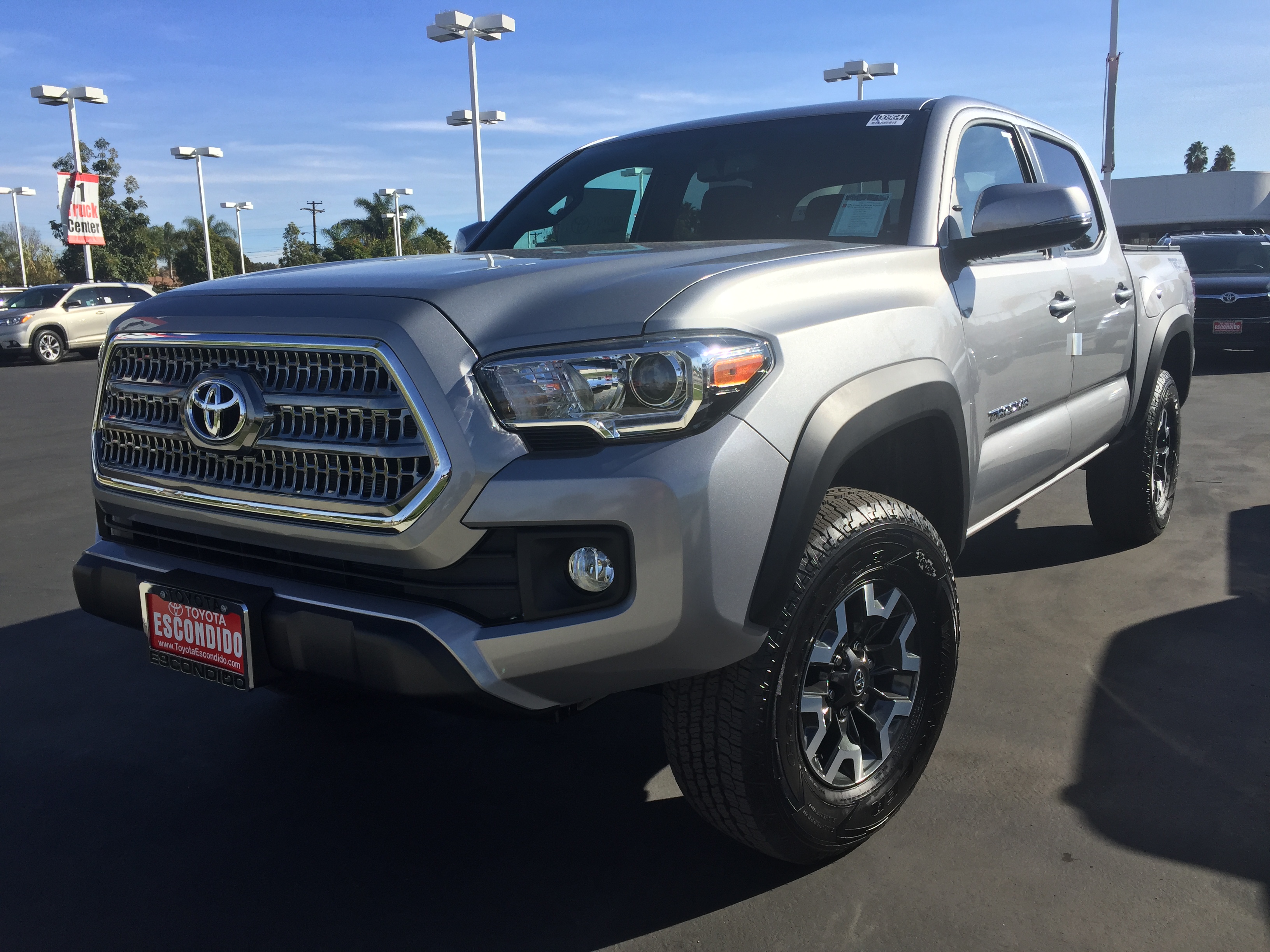
Toyota Tacoma
"And finally, park your tenders and Tacomas around the campfire because we're roasting marshmallows. Your summer start here."
The Toyota Tacoma is a pickup truck. Here it’s just part of a playful camping-themed ad line.
The Toyota Tacoma is a midsize pickup truck. It’s mentioned in the ad as something to “park” around the campfire, with no technical or ownership details provided.
Toyota Delivery Details event and stream first
"Dealer in between Mayberry, so you're participating in Toyota Delivery Details event and stream first. Toyota, let's go places."
This part is basically a Toyota promo about an event called “Delivery Details.” It’s more about marketing than car technology.
This is a promotional segment about Toyota’s “Delivery Details” event and streaming it first. It’s not a technical automotive topic, but it’s a distinct show segment marker.
gross margin break-even
"The target is gross margin break-even in the midterm, [1519.3s] building toward the mid-times by late-detail."
Gross margin break-even is when selling the cars brings in enough money to cover the direct costs of making them. After that point, the business is closer to being profitable overall.
Gross margin break-even means the company’s revenue from selling vehicles covers the direct costs of producing them, before operating expenses. It’s a profitability milestone used in financial planning to show when the core product economics stop losing money.
free cash flow
"And on cash flow, we expect to reach positive free cash flow on a similar horizon. [1528.6s] The levers to get there are straightforward."
Free cash flow is the cash a company has left after it pays its day-to-day bills and invests in things like equipment. Positive free cash flow means the business is generating real cash, not just accounting profit.
Free cash flow (FCF) is the cash a company generates after paying for operating costs and capital expenditures (like factories and equipment). For automakers and EV startups, reaching positive free cash flow is often a key sign they can fund growth without constantly needing new financing.
fixed cost absorption
"It starts with improving fixed cost absorption as volume grows, [1534.4s] continuing to bring down bill of material and manufacturing costs,"
Fixed cost absorption means the company’s “overhead” costs get divided by more cars as they build more units. Building higher volume helps each car carry less of those overhead costs.
Fixed cost absorption is the idea that as production volume increases, fixed costs (like factory overhead) are spread over more vehicles. That lowers the cost per car and can improve margins as the company scales.
mid-size platform
"scaling gravity, launching the mid-size platform, [1542.3s] and developing higher margins, recurring revenue from software, ADAS, and autonomy. [1547.5s] On the mid-size platform specifically,"
A mid-size platform is the shared “car design base” used for vehicles in a certain size category. Using one platform can help a company build cars more efficiently and cheaper.
A mid-size platform is a shared vehicle architecture intended to underpin multiple models in a certain size class. Platform strategy matters in EVs because it can reduce engineering and manufacturing costs through common parts and scalable production.
recurring revenue
"and developing higher margins, recurring revenue from software, ADAS, and autonomy. [1547.5s] On the mid-size platform specifically, this is a meaningful expansion of our addressable market,"
Recurring revenue is money that keeps coming back regularly, like a subscription. The call mentions software and driver-assistance features as sources of that repeat income.
Recurring revenue is income that repeats over time rather than coming from one-time hardware sales. In EVs, companies often target software subscriptions and ongoing services to stabilize cash flow and margins.
addressable market
"On the mid-size platform specifically, this is a meaningful expansion of our addressable market, [1552.3s] and importantly, it has been designed from day one with cost,"
Addressable market is the “realistic customer pool” a company can reach with its cars. They’re saying the mid-size platform opens up more potential buyers.
Addressable market is the portion of the total market that a company can realistically sell to with its products and business model. Here, the speaker argues the mid-size platform expands Lucid’s potential customer base.
Saudi Wealth Fund
"I do think Lucid is going to be successful because they have a big giant piggy bank called Saudi Arabia, the Saudi Wealth Fund, or the PIF, Public Investment Fund."
The Saudi Wealth Fund (PIF) is a major investor with a lot of money. The speaker’s point is that its investment helped Lucid survive early struggles with making and delivering cars.
The Saudi Wealth Fund—also referred to here as the PIF (Public Investment Fund)—is a state-backed investor that can provide large amounts of capital to companies. In this segment, the speaker argues that PIF funding was critical to keeping Lucid alive during its early, unprofitable period.
production problems
"They have had issues with delivery. They've had issues with production... Because of production problems and logistics problems..."
“Production problems” means the company had trouble building cars consistently. The speaker connects that to delays in getting cars to customers.
“Production problems” refers to difficulties in manufacturing vehicles at the required quality and volume—often tied to ramping new platforms, supply constraints, or process issues. The speaker links Lucid’s production problems to broader logistics and delivery delays.
Thrupple
"but they really hit hard on the autonomy portion of things like the Uber Neuro Lucid partnership or Thrupple."
Thrupple is mentioned as a partner connected to the autonomy topic. That usually means it’s involved in using or running autonomous vehicles in real-world settings.
Thrupple is referenced here as a partner in autonomy-focused work. In these contexts, the name typically points to a company involved in deploying or operating autonomous/robotaxi-style services, where vehicle autonomy and real-world operations matter.
mid-sized platform
"They hit hard on the mid-sized platform and scaling up gravity and that's a common theme,"
A “platform” is the shared engineering foundation—like the vehicle architecture and key components—used across multiple models. A mid-sized platform suggests Lucid is targeting a vehicle class between compact and large, aiming to scale production and reduce per-vehicle costs through shared design.
efficiencies
"They want to find efficiencies where they can find efficiencies. [1944.7s] That's all there, but I haven't heard a lot of substance beyond just that little bit that they're bringing us here."
“Efficiencies” here means making the business run with less waste and lower cost. It’s about producing cars in a smarter, cheaper way.
In manufacturing and EV business updates, “efficiencies” generally means reducing waste and improving how quickly and cheaply vehicles can be produced. It often shows up as cost-reduction initiatives across sourcing, labor, and factory processes.
direct-to-consumer model
"extending our approach there [2237.0s] from a pure direct-to-consumer model into also partnering either with dealerships [2243.2s] in an agency model"
A direct-to-consumer model means the company sells cars straight to buyers. Here, they’re saying they’ll still do that in some places, but also work with partners in others to grow faster.
A direct-to-consumer (D2C) model means the automaker sells vehicles directly to customers rather than relying primarily on traditional dealer networks. The speaker says Lucid is extending this approach by adding partnerships (dealers/agents/importers) in certain regions.
agency model
"partnering either with dealerships [2243.2s] in an agency model, for instance, within Germany, [2247.1s] so in areas where we already have a D2C network"
An agency model is a different way to sell cars where a local partner helps customers buy the car for the brand. The brand keeps more control over how sales work than in a traditional dealership setup.
An agency model in auto retail typically means the partner represents the brand and sells vehicles on the manufacturer’s terms, often without the partner taking full ownership of inventory. The speaker contrasts this with Lucid’s D2C approach as part of its Europe expansion.
importers
"or with importers in new markets that we are entering right now. [2255.3s] And we are in the midst of all this process ... [2300.7s] where you then use existing infrastructure and existing business relationships of those importers to scale much faster."
Importers are local partners that help bring the cars into a country and get them sold there. The point is that they already have the connections and systems, so growth can happen faster.
In EV market expansion, importers are local partners that handle bringing vehicles into a country and managing distribution/sales operations. The speaker argues that using importers lets Lucid leverage existing infrastructure and business relationships to scale faster in new markets.
LOIs
"And we have numerous LOIs. [2275.2s] I think the recent number is like 12 LOIs that are, you know, we're pushing forward"
LOIs are paperwork that says, “we intend to work together,” but it’s not the final deal yet. They’re using LOIs to describe partnership talks that may turn into real contracts.
LOIs (letters of intent) are non-binding agreements that signal the parties’ plan to work together, often as a step before a final contract. The speaker cites a number of LOIs as evidence of active partnership discussions that could lead to launches soon.
production guidance
"you'll give us an update in Q2 regarding the production guidance, ... As I said in the beginning, the volume that we're looking at is unchanged."
Production guidance is a company’s forward-looking estimate of how many vehicles it expects to produce over a given period. On earnings calls, investors use it to judge whether manufacturing plans are on track. The speaker emphasizes that the volume target remains unchanged, while the timing and ramp details are being clarified.
robot taxi timing
"the midsize timing, robot taxi timing, and also the medium term goals will roll on track and unchanged."
Robot taxi timing refers to the planned schedule for when autonomous ride-hailing services are expected to launch or expand. For EV companies pursuing autonomy, this timeline is often tied to software readiness, regulatory approvals, and fleet readiness. The speaker is reassuring that these medium-term goals are expected to remain on track.
midsize timing
"So just to be clear, you'll give us an update in Q2 regarding the production guidance, ... Well, on the midsize, this is also what we guided before. So that is also subject to the suspension right now."
Midsize timing is the schedule for a planned midsize vehicle program—when it’s expected to reach key milestones like production start and ramp. The speaker later notes that the midsize plan is “subject to the suspension right now,” implying that a specific subsystem or supplier readiness could affect timing. This is a common way automakers communicate that hardware readiness can influence launch dates.
suspension
"Well, on the midsize, this is also what we guided before. So that is also subject to the suspension right now."
Suspension is the vehicle’s system for controlling ride height, wheel motion, and how the tires maintain contact with the road. In production planning, “subject to the suspension” usually means the suspension design, supplier parts, or validation testing isn’t fully finalized yet, which can delay launch timing or ramp readiness. It’s a reminder that chassis systems must be production-ready, not just the vehicle concept.
SOP (start of production)
"I mean, we've seen this, you probably remember with the gravity where we had an SOP, ... Yeah, I mean, he said SOP there, that's start of production, not standard operating procedure,"
Here, SOP means “start of production,” basically when the factory begins building the cars. The host notes that SOP can also mean something totally different in companies, like internal procedures. Either way, the key idea is that starting production is a milestone, but ramping up is the harder part.
SOP in this context means “start of production,” the point when a plant begins producing vehicles for sale at scale. The speaker contrasts it with “standard operating procedure,” which is another common meaning of SOP in business. In automotive planning, SOP is a milestone, but the ramp afterward is often where the real risk shows up.
SOP fail
"First, could you give us some idea of the split between the gravity and air deliveries in the first quarter and approximately how many units were pushed from the first quarter into the second by the SOP fail?"
SOP means when the factory starts making a car in regular volume. “SOP fail” is basically being used to mean the launch/ramp didn’t go as planned, so some cars got pushed into the next quarter.
“SOP” stands for “start of production,” the point when a vehicle enters regular manufacturing. “SOP fail” here is being used as a shorthand for a production ramp or launch hiccup that causes units to slip from one quarter into the next.
deliveries
"First, could you give us some idea of the split between the gravity and air deliveries in the first quarter... ... You delivered 3,093 vehicles."
“Deliveries” here means how many cars the company actually handed over during that quarter. They use it to track sales volume and timing.
In auto earnings calls, “deliveries” usually means the number of vehicles handed over to customers (or otherwise counted as delivered) during a period. This segment uses deliveries to compare Lucid Air vs Lucid Gravity and to discuss quarter-to-quarter timing.
average selling price
"I mean, on the average selling price, you may, maybe can reverse engineer the math somehow. ... When it comes to, you know, how many sales are being pushed into the second quarter..."
Average selling price is the average amount of money the company gets for each car it sells. They’re saying you might be able to estimate what happened by looking at that average price.
Average selling price (ASP) is the mean price the company receives per vehicle sold, typically across different trims and regions. In this segment, the speaker suggests you might infer delivery timing effects by working backward from ASP.
orders
"When it comes to, you know, how many sales are being pushed into the second quarter, that's actually a number that I don't have handy right now. ... I mean, the, the numbers of deliveries and, and, and orders are rebounded in March significantly."
Orders are customer requests to buy a car. They can go up even if the cars don’t get delivered right away.
“Orders” are customer commitments to buy a vehicle, which may not immediately translate into deliveries. The speaker mentions deliveries and orders rebounding in March, implying demand improved even if the exact quarter timing is different.
Tesla
"And I generally don't understand why these companies aren't like, I can kind of understand why Tesla doesn't split out the cyber track numbers..."
Tesla is another major electric-car company. They’re using Tesla as an example of how companies choose what sales numbers to break out publicly.
Tesla is an EV manufacturer used here as a comparison point for how companies report sales metrics by model. The speaker says Tesla doesn’t split out certain model numbers, implying reporting choices can affect how outsiders interpret performance.
under a $50,000 price point
"it's going to, especially under a $50,000 price point, that's going to make it so that more people can afford these cars."
“Under a $50,000 price point” is a common affordability threshold in the auto market that can strongly influence demand. The hosts connect it to broader accessibility—if the car is priced below that level, more buyers can qualify or justify the purchase.
gravity over the air
"I enjoyed the gravity over the air, but I just like, I enjoy sitting up a little bit higher in a car. But the, the air was fantastic."
It sounds like they mean “over-the-air” updates. That’s when your EV gets software updates wirelessly, like updating your phone, instead of going to a shop.
“Gravity over the air” sounds like a mis-transcription of an over-the-air (OTA) update experience. In EVs, OTA updates let the car receive software changes wirelessly—often for infotainment, driver-assistance features, and vehicle performance tuning—without visiting a service center.
ADAS system
"You know, their, their infotainment system is snappy dream drive, which is their ADAS system is really nice. Comparable, we'll say to Tesla's autopilot, probably a little better than autopilot."
ADAS means “driver-assist” technology. It’s the stuff that helps the car stay in its lane, manage speed, and warn or prevent crashes.
ADAS stands for Advanced Driver-Assistance Systems—software and sensors that assist the driver with tasks such as lane keeping, adaptive cruise control, and collision avoidance. The speaker is comparing Lucid’s ADAS performance to Tesla’s Autopilot.

Tesla Model
"...on because they're like, well, that's like in the Tesla model, that's going to pay for the more affordable car."
The Tesla Model Y is an electric SUV, so it runs on a battery instead of gasoline. It’s made for regular driving with room for passengers and cargo. The podcast brings it up as an example related to affordability.
The Tesla Model Y is a compact electric SUV designed for mainstream buyers who want an EV with practical space. It’s often discussed because it represents a high-volume approach to electric driving—where cost, charging convenience, and everyday usability matter. In the podcast context, it’s mentioned as the reference point for “the more affordable car,” tying it to EV pricing and value.

Tesla model three
"Unfortunately, you know, they went hard with the $100 plus thousand car early on because they're like, well, that's like in the Tesla model, that's going to pay for the more affordable car. In reality, I don't know that that even worked for Tesla because the model three came out..."
The Tesla Model 3 is Tesla’s more affordable, high-volume electric car. The speaker brings it up to make a point about whether Tesla’s early strategy really worked as advertised.
The Tesla Model 3 is Tesla’s mass-market EV that became a key volume driver for the company. In this segment, the speaker uses its release timing to argue that Tesla’s earlier high-end Roadster/S-model strategy didn’t automatically translate into profitability.
build them at volume
"And it didn't necessarily come true because it turns out these cars are very expensive to build and they can't build them at volume because not everybody can afford these cars at, ...even at $70,000..."
“At volume” means making lots of cars. The speaker is saying it’s hard for very expensive EVs to be produced in big numbers, which makes them harder to price competitively.
“Building at volume” means producing enough vehicles to spread fixed costs (like tooling, engineering, and factories) across many units. The speaker argues that very expensive EVs are hard to scale to high production numbers, which affects profitability and pricing.
scale
"But that means that they need to be able to scale. That means that they need to be able to build these cars in volume and not stall because they ran into a production snag or a supplier snag or whatever."
Here, “scale” means making enough cars in a consistent way. If production or suppliers get stuck, the company can’t build cars fast enough, and that can make it harder to make money.
In an EV business context, “scale” means producing enough vehicles at a steady pace to spread fixed costs and improve unit economics. The speaker connects scaling to building “in volume” and avoiding production or supplier bottlenecks that can stall deliveries and hurt financial performance.
production snag
"That means that they need to be able to build these cars in volume and not stall because they ran into a production snag or a supplier snag or whatever."
A “production snag” is something that slows down or stops car manufacturing. If the factory can’t build cars as expected, deliveries slip and the business can struggle financially.
A “production snag” is a disruption or problem that prevents a factory from producing vehicles as planned. In EV manufacturing, these issues can come from tooling, quality problems, staffing, or ramp-up delays, and they directly affect whether the company can hit volume targets.
supplier snag
"That means that they need to be able to build these cars in volume and not stall because they ran into a production snag or a supplier snag or whatever."
A “supplier snag” is a problem at a company that provides parts or materials to the automaker. For EVs, shortages or delays in key components (like battery-related parts, electronics, or motors) can stop or slow vehicle assembly, impacting the production ramp.
public investment fund for Saudi Arabia
"Now I've said this many, many, many times is the Lucid has a giant piggy bank in the public investment fund for Saudi Arabia."
This refers to a government-backed investment fund from Saudi Arabia. The speaker is saying Lucid has support from it, but that support may not last forever if the company keeps losing money.
The Public Investment Fund (PIF) of Saudi Arabia is a sovereign wealth fund that can invest in large industrial and technology projects. The speaker frames it as financial backing for Lucid, but suggests that funding could change if losses continue and profitability doesn’t arrive.
leases come up
"And then as people, you know, as leases come up and as people start upgrading their cars from Lucid's midsize platform to other things, you know, that goes into the used market and more people can have EVs with really cool technology."
When “leases come up,” it means lease terms end and vehicles are returned to the leasing company or owner. The speaker links that to more cars entering the used market, which can increase EV availability for buyers who can’t afford new prices.
Request an Explanation
Heard something you'd like explained? We'll add it to this episode.
Sign in to request explanations for terms you heard.
Want to learn more?
Browse our glossary for plain-English explanations of automotive terms, jargon, and concepts.
Help improve this episode
See something that's not quite right? Our annotations are AI-generated and can sometimes miss the mark. Click the flag icon on any annotation to suggest a correction.