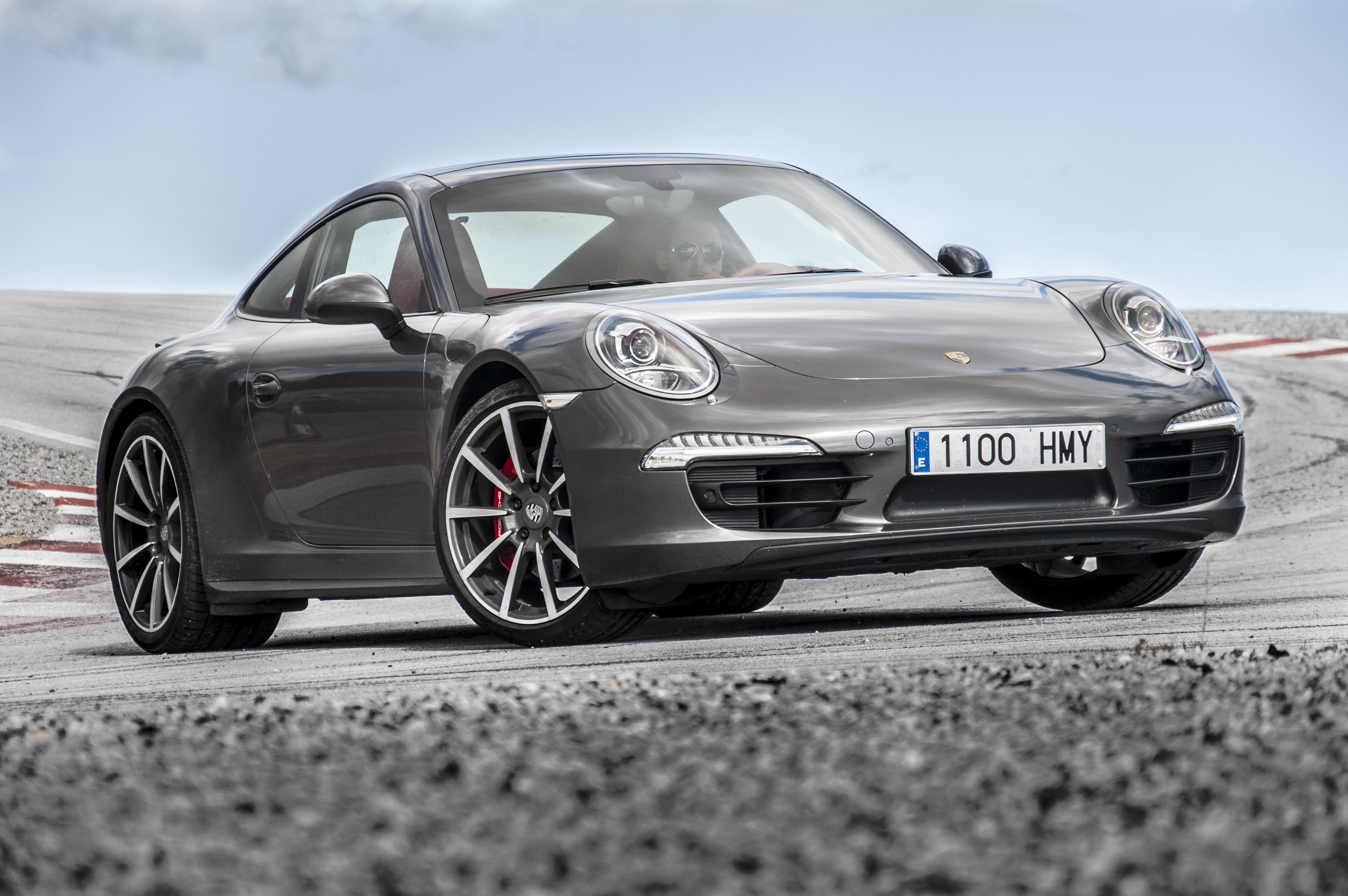
The Porsche 911 GT3 is a super sporty version of the regular Porsche 911, designed for people who love to drive fast and enjoy racing. It’s built to be lightweight and powerful, making it really fun to drive on a racetrack. Many car fans admire it for how well it handles and performs.
Pirelli P-Zero tires are designed for sports cars and are known for their good traction and handling. However, they might not be suitable for every type of driving, especially in wet or cold conditions.
The Porsche Taycan GTS is an electric car that is known for being fast and luxurious. It has two motors, which help it drive all four wheels, making it very powerful and fun to drive.
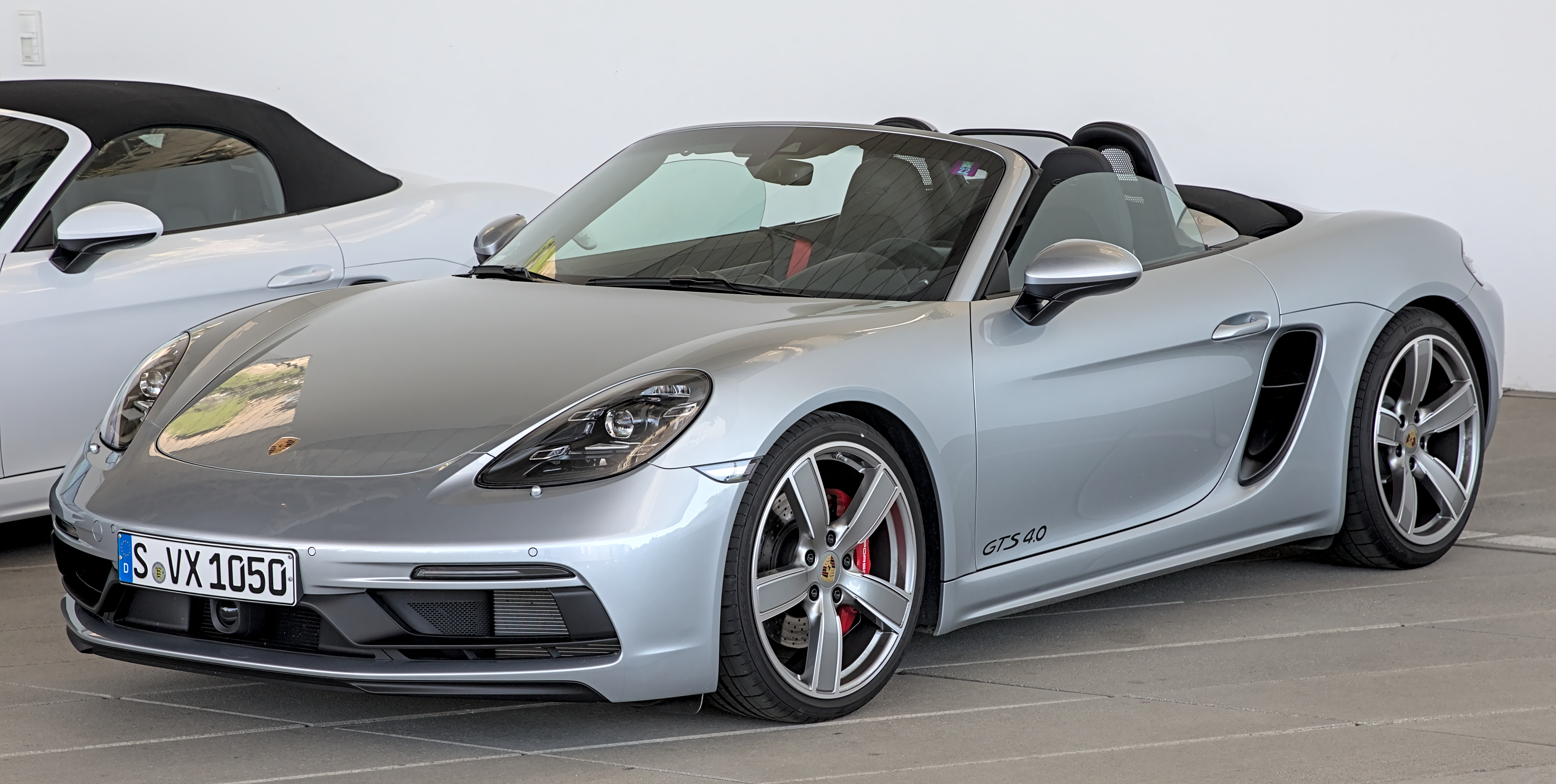
The Porsche 987.2 is a version of the Boxster sports car made by Porsche. It was updated with better features and performance compared to earlier models.
Mantai Racing is a company that makes special parts and upgrades for Porsche cars to make them faster and handle better. They are known for their expertise in improving the performance of these vehicles.
The Porsche GT3 is a special version of the Porsche 911 designed for racing and high performance. It has features that make it faster and more stable on the track.
Downforce is a force that helps push a car down onto the road, which helps it grip better and stay stable when going fast. It's especially important for racing cars.
The Porsche Cayenne is a high-end SUV made by Porsche. The new electric version means it runs on electricity instead of gasoline, which is a big change for the brand.
Heel and toe rev matching is a way to make shifting gears smoother in a car. It involves using your heel and toe on the pedals to control the gas and brake at the same time while changing gears.
Auto blip is a system in some cars that helps you shift gears more smoothly by automatically adjusting the engine speed when you change down to a lower gear.
A GT car is a type of car made for fast driving over long distances. They are usually comfortable and powerful, making them great for road trips or racing.
Left foot braking means using your left foot to press the brake pedal while your right foot controls the gas pedal. It's a technique that helps drivers keep speed while turning.
A sequential gearbox lets you change gears in order, one after the other, usually by pushing the gear stick forward or backward. It's faster than a regular gearbox and is often used in racing cars.
A 4.0-liter engine is a type of engine that has a total size of 4.0 liters. Bigger engines like this usually provide more power and speed, making cars faster.
Paddle shifters let you change gears in a car with an automatic transmission using levers behind the steering wheel. It makes driving more engaging, especially when you want to go faster.
A naturally aspirated engine gets air into it without any extra help from a turbo or supercharger. This means the power comes on smoothly and predictably, which can be easier for drivers to handle.
A manual gearbox is a car part that lets you change gears yourself. You use a stick and a pedal to do this, which can give you more control over how the car drives.
Left foot braking means using your left foot to press the brake pedal instead of your right foot. This helps drivers control the car better, especially when going around turns.
Nose lift is a system that allows the front of a car to rise up slightly. This helps prevent the car from hitting the ground on bumps or steep driveways.
A lightweight flywheel helps the engine rev up faster, making the car feel more responsive when you press the gas pedal. It's a common upgrade for performance cars.
RS means 'Rennsport' in German, which translates to 'racing sport.' It's used by Porsche to label their high-performance versions of cars that are designed for better speed and handling.
Cup 2 tires are special tires made for sports cars that help them grip the road better, especially when driving fast or on a racetrack. They are great for performance but might not last as long as regular tires.
Heel-toe downshifting is a way to shift gears while braking, using your heel and toe to control the pedals. It helps keep the car stable and smooth when slowing down.
The Porsche Cayman is a smaller sports car that sits between a regular car and a race car, designed for people who enjoy driving. It’s known for being fun to drive because it’s light and handles really well. Many people like it because it’s a bit less expensive than other Porsches but still gives a thrilling experience.
A dual mass flywheel is a special part that helps make the car's engine run smoother and reduces shaking when you change gears. It has two parts that work together to absorb vibrations.
The Porsche 911 is a famous sports car that has been around for a long time, known for its unique shape and powerful performance. It’s designed to be both fun to drive and comfortable enough for daily use. Many car lovers talk about it because it represents a perfect mix of style and speed.
The Porsche Carrera GT is a very rare and powerful sports car that was made in small numbers, making it special among car collectors. It has a super strong engine and is built with lightweight materials, which helps it go really fast. People talk about it because it’s not just a car, but a piece of automotive history.
LIVE
This is NineWorks Radio, brought to you by the NineWorks marketplace and powered by the
driven, not hidden, collective. Sign up now at NineWorks.co.uk.
Welcome, ladies and gentlemen, to NineWorks Radio. There's three of us in the virtual
building today. It's myself, Lee Sibley. I'm joined by my fellow amigo, Andy Brooks.
Hello.
Slightly weird, but we'll go with it. I'm not sure if that was a strangled cat or not.
And we're also joined by the third amigo for today's show. It's Steve. Steve Kav from
The Driven, not Hidden Collective. How are you doing good, sir?
I'm good. Hello, both of you. Good to see you.
So we're starting this episode with slight trepidation, Steve, because the last time
you graced the podcast, you did such a stellar job, along with Sikib reviewing what was 2024.
Andy and I were worried for our jobs. It was so... I mean, you've obviously scared Max
into submission.
Max has gone, yeah.
Oh, yeah.
That's it.
In the game of attrition, it's just two to go now. But yeah, it's a real, real
pleasure to have you back on. So thanks for giving us your time.
No, you're welcome.
It seems really like a couple of weeks ago, since you and I were sitting on the pit wall
at the Abbeville track day, and we were watching your GT3 go around. I think it was your brother
driving it, or it might have been somebody else with your brother.
Yeah, a couple of people took it around. Yeah.
Yeah. So yeah, but obviously the year is zipped by in a flash. Any automotive highlights
that you'd like to mention?
Oh, it's really good. I mean, it's been a great year, actually. It's been a great
year. Obviously, we did some road trips with you guys. We took the... When I picked up the
R, literally days after that from Harpercars, I was on the Welsh road trip, which was fantastic
as ever. That's always a great event. So yeah, that was great. Slightly concerning with
46 PSI tires. I wondered why the car moved around a bit at the back, and it wasn't
until we checked the old pressures at the back that they were 16 higher than they
should have been.
Was that when I drove it or before?
No, I think they might have been sorted. It was when we got down to the... It was on
the last day, actually, when we got down to the bottom. And then you were going back
up and down, and you left your SC.
Oh, yes. Yeah. Yeah. That was when I checked the pressures. Because it felt... It just
didn't... And it felt... Because you don't know the car, right? You don't know exactly
what it's like. And it had... It's still got P-zeros on it, and they're not my first
choice of tire. And so new car to you, tires that you're immediately more
suspect about, like a four-arrest or similar. So it was moving around a little bit,
but it was so inconsistent in how it felt. Sometimes it felt amazing, and it
was just flowing through those roads. And other times, I was like, oh, it's
little... I'm not sure about that. And it was on that first morning, we got to the
bottom of that thing. And I just felt... I think I was following James in his
997. And I was like, oh, this doesn't feel right. I think he had a moment as well.
And I was like, perhaps we're both... Perhaps it's both a bit... Just conditions
or whatever. And we got down to the bottom. And I borrowed someone's tire
pressure monitor. And it was... Yeah, they were like 16 over. And it's like
crikey. And I don't know how that had happened. I don't know whether... I don't
know how they got to that. Anyway, I put them down to 30. They meant to be 30s
all around. And it was amazing. After that, you know, you just, oh, yeah, this
is perfect. But yeah, you would have driven it... You would have driven it
with the pressures not quite right. And I think it didn't fit. And it felt
fine. It was so inconsistent. Yeah, that was... That... What's that
road? It sort of comes down from the top, from where we were staying down
to Bala. It's kind of the road that drops down over the sort of almost
more like... Yes, yes, exactly. It's quite a lovely, lovely road.
Floaty and nice. And it's just like... There's no trees there. It's just
more grass and more type place. It's beautiful. I love that road.
Gorgeous. Gorgeous. Yeah. Good car. Good car.
Yeah, that was great.
Yeah, that was great. But Abbaville was great in the white
GT3. And then Thruxton was great in the red one. So
yeah, that's been a good year. Good year all round, really.
Excellent, Steve. Excellent. Yes. I mean, as you've alluded to
there, you know, old and new GT3, you've got a really
interesting story, which we feel listeners to not much
radio be particularly interested in today. Because in the realm of
manual versus PDK, which is the best transmission for a GT car
GT3, you've quite literally sampled both as an owner. So we've
got a really lovely conversation in the offing in terms of
comparing apples with apples. So really looking forward to
hearing your insights on to that shortly, particularly as well,
I kind of forgot. And you've you've you've you would have
driven both those cars on road and track as well. So
Yes, yes. Yeah. And I've been I've been compiling. I didn't
want to get straight in because you have honeymoon period,
don't you? And then you have the, and I did I do the right
thing bit. And then it's so I wanted to I wanted to have
experienced it, how I experienced the PDK car, I
wanted to be able to have amassed enough information and
context to feel like I could yeah, okay, I've got an informed
opinion now rather than just being ways got the manual and
you know, and just that like kind of overseeing everything. So
yeah, the only thing I haven't done in it for full disclosure
is is a big old road trip, right? But but but everything
else is, you know, I've got a masternough miles now to be
comfortable chatting about it.
Excellent. Excellent. Well, that's very analytic, doesn't
it? It does. It does. It does. Before we dive into, yeah,
like manual VP DK GT three, I just want to say a bit of a
shout out because aside from Steve, who's had his buying
boots on this year, some other members of the driven
within collective have also done so particularly in the last
week, it's been a busy week within the collective. So Andy
your initiative to fling out a load of complimentary buying
boots t shirts is going down a storm, my friends. So it
does seem to be like another ordering. Yeah, yeah, yeah. So
just want to say a bit of a shout out really. So Ian has got
himself into a Taycan GTS. Paolo has got himself into a
987.2 KMS. Beautiful thing that. And I think more than a
little bit of influence from following Steve and your are
around Wales in the spring for sure.
He said, Lee, he said Wales has got a lot to answer for
love that. Love that. Lee has got himself into a spider RS.
Mark has got himself into a none on 2.1 Carrera for GTS. This
is all in the last week, by the way, since we last
recorded how do you remember? The DNHC is propping up the
economy, I think, automotive speaking, also just want to
give a shout out to Ben as well as had a little bit of a
bump in the road in the last week, we're looking
forward to seeing what positivity comes out of that,
my friend. So we'll cover some news because in the off
chance, there's going to be some journalism covered here, we
kind of feel compelled to do so. Just before we went on air,
Porsche released details on the Mantai kit for the new GT3
992.2. Not sure if you guys have seen that at all. I
didn't see that. Yeah, no. Yeah, so it's kind of usual
Mantai fare really. So aerodynamic tweaks, tweaks
to like the brakes upping their performance and suspension
tweaks as well. And I'd imagine there'll be a geometry to
kind of bolt in on top of all of that. What's interesting is
on the press release, Porsche hasn't given the price of it,
which is a slightly weird with the RS version. It was 99,999
quid in the UK. I think the previous GT3 was around 60. So
it's going to fall somewhere in between there, isn't it really?
Porsche does say that it's 540 kilos of downforce. Let me just
check the exact speed, because I feel like some context is key.
504 up to 540 kilos of downforce at 285 kilometers an
hour. Without the Mantai kit, again, I've struggled for
figures really, but it just gives 140 kilos in a road
setting, but that's 200 kilometers. What I will say
is we can compare it to the RS at the same speed 285 kilometers
an hour. The RS hits 860 kilos, whereas as I said, this new GT3
is 540. So somewhere a little bit down the way from that. But
yeah, for whatever reason, Porsche has not released figures
for that worldwide. We have asked our friends at Porsche
Centre Bournemouth if they're privy to the price. And as
soon as we know, we shall let everybody else at home
How about a new KN? Have you seen that?
Yes. Yeah. Yeah, so
Electric.
Okay, should we move on?
I think it's worth covering it. I know like we, yeah, in the
main, we're kind of a Porsche sports car podcast, but I think
it will be of interest to some listeners as well. So it's a
new evolution to the Cayenne story with this Cayenne
electric now. It's at top level 1150 PS.
Hell.
It's crazy, crazy stuff. 2.7 tons, I think 640 kilometers of
range as well. And 2.5 seconds 0 to 60, which or to 62, that is
100 kilometers an hour, which is extremely quick for
something that's over two tons, I have to say.
It's mad, isn't it?
Yeah, I think the most interesting thing for me is the
concept of the wireless charging. Did you guys see any of
that?
I haven't seen that, no.
Pretty cool, because I think, you know, that technology
can be used on all sorts going forward. It's not gonna be
exclusive to the Cayenne, is it?
What's that actually included in the car? Is it?
It's optional.
Oh, okay.
Interesting.
It's basically, it's basic. You couldn't have it, Andy. I
will say that. If you had your Cayenne electric, you
couldn't have it, because it's basically a wireless mat that
sits in your garage. And I know you've got a cat. So unless
you want to turn your cat into a hedgehog, I'm not really
sure how that works, if little doogie goes and has a little
nap. But yeah, I think that sort of thing is the
technology at large needs that sort of evolution to allow it
to work for a wider band of people, doesn't it? Simple as
that. So I think that's quite a cool and ingenious
development from Porsche engineers.
It is. I think that sort of thing, getting it, you know,
just being able to park over the top of that thing and not
have to plug anything, anything that reduces the barrier to
entry to having, you know, having the car live with
you and work for you, I think is a win, essentially.
Yeah. Yeah. Without a doubt. Without a doubt. Yeah. Yeah.
Well, let's dive into the meat and bones of this
episode then, which is GT3 manual VPDK. So I guess Steve, to
begin with, would you mind giving us kind of a top, top level
lowdown, really, on what you started with, why you've gone
into what you have?
Yeah, it's a great show. And actually, I'm going to bring a
third car in for some context, actually, which is the car I
started with, which so before, before the before's my first
GT car was a 981 GT4.
So that that that was manual, obviously, because they only did
those in a manual. And specifically, it had steels,
steel brakes, and that will come on to that because that does
play a part in in the kind of manual driver experience of the
other two cars, which have both got carbon ceramics. So yes,
like the I learned to with every car I buy, I want to learn
something about it. I want I want it to make me a better
driver, ultimately. And so one of the things the GT4 taught me
essentially was to heal and toe rev match, because I used the
auto blip to work through how much you know, how how how that
engine and where you needed to play with that. And then I
turned it off and basically worked through that and you
know, got some level of skill of doing so.
And then I wanted to do GT3. And I looked around and my spec
was I was going to go I was looking for a manual, you know,
I was, you know, I've never I've never been a, you know, a
strong advocate for desiring the auto box. But I've never been
against them. It's not, you know, and and I was looking
for the right car. And at the time, at the time, manuals
were, you know, rocking horse poo in terms of being able
to find it find one with the right spec, all of that
stuff. Because, you know, it's the rest of the story is
equally, if not more important, right? And actually, that's
where the car turned up at Paragon on the marketplace, you
know, it must have been one of the first cars through the
marketplace, even I don't know, but it was it was back in the
day, right? And I saw that car came up and I was like, you
know, everything about it, I didn't want I didn't want a
white car, but it was, you know, and but the, you
know, the allure of of power, it being a Paragon car and
everything else, I thought, this is the right, yeah, this
this could be right could well be the right car for me. And so
yeah, I ultimately took the decision because of the rest
of the story of the car was fantastic. It was about 4k
miles, four and a four and a half k miles when I picked
it up. Yeah, it was like, I tell you what, you know,
this is this is going to be insane. It's a GT car. This
isn't going to be a problem. And, and, you know, it
proved to be very much the case. But, you know, I always
had that in the back of the mind, I wonder what the manual
slide because, you know, it was it was there. The PDK is
insane. The you know, I I always knew that it matched
the engine incredibly well. And what's interesting with
those cars is, for both the manual and the automatic,
there's multiple ways you can drive those things. So when
I was when I picked the car up, I was chatting to Jay, and
he's and, you know, he's talking about he was saying
about, you know, he's got a big brake pedal, you could you
could learn to left foot brake in it. And I was asked, that's
interesting. You got the double width pedal. Okay, you
know, you're engaging both feet, you know, salesmanship
there, you know what Jay's like, you know, sand to the
Arabs. And so I thought, well, I'll do that. Let's let's
try a bit of that. And you can flick the gear shift over
to the right and you can do the sequential and it's the
right way with the correct way around in my view on the GT
cars where you're, you know, you're pulling back to go up
through the gears and you're blacking forward by pushing
it forward towards the so you feel like a rally hero. And
and so that was, you know, and I was so quite frankly,
worried and scared about the engine alone, just being a
lot, right? Because that the difference between the GT
four and the GT three when you drive it is is I mean,
the GT four is an incredible car, absolutely incredible.
But then you get the other engine that four liter
motorsport engine and it's you're like, Oh my God, this is
completely different gravy and and you know, and having it
tied to an automatic pop into a lot for you, you can just
leave it in leave it in auto. So I think I drove the
entire way home, you know, from Paris about three hour
drive from from where I am. And yeah, I don't think I
took it out a man took it out of auto and I just I was
like, kind of got home. And no, yeah, yeah, no, it was
literally, I think, you know, I put it in a garage. Oh my
God. And then I started taking it out and get learning
carbon ceramics are insane, you can feel the difference
between those in the steelys at the top of the pedal. But on
an auto, it doesn't matter quite so much, you're just
using it to to to balance the car, which is great, you
can just you can, you can have both pedals pressed
at the same time, you don't have to come off the the
throttle to be able to just dip the nose and tuck that
in. So that became, you know, a skill that I was
learning. And then then I was the next iteration was to
push the, you know, push the gear shift to the right. And
when I was driving spiritedly, I would have it on the
paddles, you know, with the rest of the time, it would
just be an auto for the entire time I own that car, I
didn't turn on the sports PDK. I think I tried it
once. It held the revs at about seven and a half,
you know, in every gear, I thought, well, this, this
like, I might as well be a manual here. So that
wasn't for me. So that's really interesting, like
that particular, that particular facet of the of
the gearbox just was, if I was on track, I wanted to
be manual, if I was driving spiritedly, I wanted to
balance the car with the pedals and the paddles. And
if I wasn't on it, I wanted it in auto and just
called as a cucumber, right? It would be 30 mile an
hour, it'd be up in fifth or something. And so it
was just super smooth and and what have you. So
yeah, the that car, that gearbox, they suited
each other so so well. And that was the car that I
took on nine works road trip to the to the museum.
Yes. And and and that is one of those moments
where you, you know, it's that bonding moment with
the car. And I had John with me in the passenger
seat and we had such a laugh on that trip and
just following all of the other metal and late
I was you forget, right? Once you're driving
that car, you or once you've made the
purchase, I felt I never once again thought about
the manual. I didn't feel like oh, I was looking
for a manual once I once I was learning the car
that I had. There was no comparison. I wasn't
looking to to to to go on. I wonder what that
other ones like I just got to learning that
car. And I felt over those road trips over
the track days, you've you really got to be
able to get comfortable with the power that's
there. It's a naturally aspirated engine. So
it's not going to scare you to bits because
you've got to be, you know, got, you know,
got put foot to the carpet to have to, you
know, to rev it up and out. Because it's got
so many gears, it's got seven gears, the
gears don't feel as long as they did on
the on the GT4. You know, that that that
manual gearbox, you definitely felt they
were perhaps a little longer on road than
you'd like on a on a big track, they
were fine. But on a smaller track, you
were you weren't using many of them.
You know, it's that sort of thing.
Whereas on the PDK, again, I forgot the
length of the gear was irrelevant because
it was it was the resonance around the
car was was the, you know, you could
control it quite nicely. And and it's
very, it's very easy to just, if you're
if you're in a gear too high, you can
immediately be in the next gear down or
up and you can move that around. The
car's not going to not go because not
going to give you a gear you don't
want. Or you shouldn't have more
importantly. And that was key because
I'm a I'm a sharer, right? And so,
you know, that part of me owning a
car is that I can actually have that
being driven by as far as locked into
concerned anyone over the age of 35,
right? And I wanted to be able to have
you know, people experience that car
and in the PDK, you can just hand
the keys and just go, you're going to
be fine, right? You know, don't be
a hero. The brakes are going to stop
you on a sixpence and the you know,
the car's not going to give you a
key you shouldn't have. No way, you
know, like, and you're on the road
anyway. So you know, so from that
perspective, it was I could always
just sit in the passenger seat of
that car, give the keys to anyone.
And you know, the biggest danger
was being put through the windscreen
because somebody's left foot break
to the the brake pedal, right?
And the old ceramics of, you know,
like, you know, the old seatbelt
stopped you, you know, because you
would get a bit of that. But that's
about it.
That's exactly what I was going to
ask when you when you said when
you were left learning to like
left foot break and it's like,
hang on, left foot breaker with
ceramics is like, yeah, did you
did you snozz on forward penetrate
the winds?
Definitely had a few of those.
And actually, my technique for that
was was quite interesting in as
much as what I would do is I would
left foot break on the left side of
the pedal, but I would still come
off the throttle and I would hover
my right foot over the right
hand side of the pedal. So if
ever I felt like I need to get
back to normal, I could just, you
know, the right foot would take
over. And there was a very
early on, you you definitely dab
a bit too much. But I'm not, you
know, I do a lot of sim sim
driving. So it's not like my left
left peg is entirely devoid of
the idea. But your brain
definitely does. And those
breaks are insane. They are
truly, truly insane. And a lot
of they they are, they are one
of the things that give you
such the confidence in being
able to drive that car, because
the the whole car is so well
balanced. Those 991.2 GT3s are
done if we actually expressed
exactly what car it was. But
we're talking about 991.2 GT3s,
the balance in those things and
the way that you can shift the
weight around and do so safely.
And and and feel where it is,
you can feel on, you know, where
where the weight is going. And
then, you know, the car helps
you out. You know, for for
better or worse, some people
obviously don't want to help
them and will have you. But
for the most part, it's
such a confidence inspiring
drive. And for me,
absolutely, I'm not Chris
Harris, right? Like, you know,
it's I'll take all of the help
and then I slowly want to dial
that back, you know, at the
right times. And so so for me
being able to, to, you know,
not have to focus on the box
and just focus on the brake
pedal helps you learn the
brake pedal. And once you
feel you've got the
confidence that you can go,
okay, right, I'll go back on
the paddles now. And I'll do
the paddles and the pedals
and you're doing, you're
doing, you know, left, left
and right foot are doing
something at the same time as
your hands left and right
hands are going up and down
the box and you're going
into a corner, you're
balancing the whole, the whole
the whole car shape of the
car on whether you've, you've
just taken a little bit off
with the brake, but you're
still the revs are still up
because you're on the, you're
on the throttle, you've
adjusted which gear you are
going in. And so there was
never any lack of engagement.
I know people say that the,
you know, the PDK is less
engaging. That is so not
the case with that car
when you're driving it, you
know, that's the key you
can drive it around town,
like golf, absolutely. And
it'll look after you. But
actually in terms of when
you're doing, when you're
wanting to drive and you're
in a position where you can,
like there's no lack of
engagement there. You've just
got to be able to, you know,
you've got to put, you've
got to think about what it
is, you know, where is the
weight in the car? Where
do I want it to be? You
know, is there a way of me
taking the nose in here
without lifting off or
dropping another gear or
is exactly, is that
exactly what I need to do
in this situation? So there's
so much to learn, but
you can do it in a, in a,
in a really, really safe way.
Because if you overcook it,
you can, you can anchor on
if you've, if you're on the
wrong gear, the car will
look after you, all of that
stuff.
Yeah, it's a, it's such a
clever gearbox that PDK,
which I know kind of
the populace tends to
appreciate, but perhaps
not as much or to the
degree that it really
should. And, and funny
enough, Steve, your
experiences with that car
on the trip to the Porsche
Pats a couple of years
ago really sticks with me.
I don't know if you
remember you had a GoPro
on board, I think.
And when you were
traversing our favourite road
in, in France, the squiggly
one, just the way
that car and you were
flowing through those
corners with the car was
absolutely outstanding.
And then obviously there was
a bit of auto barn in there.
There was a little bit of,
yeah, driving into urban
areas when we were like
hitting our overnight stops
and whatnot. And that car
is one of the kind of
core takeaway memories
for me from that trip was
just how good that car
was at doing everything.
And that's the thing with
PDK, it just makes
a very hardcore
track car. Extremely
multifaceted, really.
100%. It's like, I mean,
and that 981 GT4
I was daily and that was
my daily car, right?
No nose lift,
scrapeathon, you know,
you soon, soon realise
that the front lip was
slightly less than a tyre
at the time.
You know, I think they were
150 quid for the,
for a new front splitter,
you know, which is
definitely not the case now,
but at the time they were
about that. So there was less
than a front tyre.
So you just got used to,
oh, well, I just,
yeah, I'm hearing that again,
you know, and you have to do
the whole wiggle to get
over stuff.
And but you just, you know,
you just got used to it.
Whereas the GT3 is so nice.
Got nose lift.
Why they didn't put that
on the 981 GT4 or even
the 718, I don't know
because it changes
the usability of that car
in a way that no other
feature would.
And so just having,
you know, some of those,
some of those
kind of down ramps into the
hotels we were on on that trip.
You know, I was coming down
behind Guy and I know, you know,
like he's he's in a
in an earlier edition GT3.
And you're like, oh, I forget
the guy can get down.
I'll be able to get down.
And, you know, and the nose
lift goes up and it just
makes it so, so easy.
The one thing I didn't have
on that car that the red
manual's got is the
reversing camera.
And actually, one of the,
one of the things I was most
worried about doing the switch
was going backwards, right?
The as in reversing or
slow maneuvers.
Because I've got to put it in
and out of the garage.
And I got, I got
really the PDK is really smooth.
You know, you can engage a gear
and and it's not jumpy.
There's definitely like
performance BMWs where
where it's like trying to
deliver a thousand pound
foot of torque, you know, as
you've lifted off the break,
let alone touch the throttle.
And with that car,
I could maneuver that car
around car parks and into
garages and really going
backwards, I did not have
the camera.
And so you got, you got,
you know, kind of used to
know in where the edge of the
wing was and how much
you had behind.
And I thought going to
the manual with a lightweight
flywheel because the PDK's
got it's got the dual weight
flywheel.
They can't put the lightweight
flywheel on the on the PDK
because of the resonance
and something to do with
the gearbox, whereas the
manual has got that
lightweight flywheel.
So it's really cutty
on the on the throttle.
And I thought, yeah, putting
this in and out of spaces
and whatever, you know, I'm
going to be going through a
hedge backwards, starting
backwards, you know, rather
than spinning into it.
But actually that that wasn't
a case at all.
And this car's got the
camera on it, which just
changes the game as well.
So yeah, backwards was my
first concern.
So yeah, Steve, you've done
a grand job of selling
the use case for a GT3
paired with a PDK gearbox.
But evidently, at some point,
there must have been at least
a little nagging in the back
of your mind that said, I
really want to try the manual.
So when did that happen?
And after how long of PDK GT3
ownership did that change
take place?
Yeah, it's a great show.
And and yeah, so I did.
I think I handed that car
back in on 16 K and change
something like that.
So I'd had it, you know,
I've done I've done the
miles in it.
And it was fabulous.
By the way, that car was
the air who has got that
car now.
Congratulations, that is
an absolute balter.
It's going to look after you.
It was like I literally
know not a light on.
It was it was seamless.
Get the keys, drive it
constantly, hand it back.
It was perfect.
But over the course
of that ownership,
you know, there's a Porsche
out there for everyone.
And there's always
there's always like you
get to the edge of where
you feel you know you are.
And and I at the end
of last year, the aim
on the pod was to maybe
getting a 997 dot one or
dot two, three RS.
And I was waiting
and looking, looking
and waiting.
And the dot twos felt
they were a little bit
late.
They escaped my grasp a
little bit.
They were they were coming
out more than they were
two years earlier, quite
reasonably.
But the dot ones have
stayed around the same price
for a long time.
And I was like, maybe
that's the maybe that's
the move and and I was
looking.
And then the the
red GT three manual
turned up as an opportunity
at Paragon.
I was like, oh, actually,
like that is this is the
perfect opportunity to
back to back the experience
going to be an expensive
way of doing it.
Ultimately, I also thought
that that, you know,
if I don't do it now,
I'm never going to have
that lived with I know
exactly how that PDK car
works.
I could drive that
in my sleep, right.
And and so I felt
that actually this is
the opportunity.
And spec wise, the cars
you know, outside of the
exterior color and a bit
more carbon flapping around
on the inside, it's the same.
They are the same spec.
So so they've got
they've both got the car
and ceramics.
They've they've both got
the buckets that their
club sport cars, all of that
stuff, it is.
They are about as like
for like as you could get.
They're both on forest
tires because I took
I took the cup twos
off the white one,
the PDK car
because I'd like to drive them
all year round or as much as
possible.
The forest is just
a has got a longer
or like a wider edge to it.
So you can drive it more
comfortably throughout the year.
So they're both on forest tires.
So again, they are as like for
like as you can, you could do
apart from the middle of the
middle of the car.
So I thought, you know,
this is perfect.
This will give me I will know
I will I will be able to
judge, you know,
how they're different, where
they're different.
And and so I went for it.
And yeah, another car.
Again, it was on.
It was a low mileage car
picked up on around 5K,
you know, so 5K miles.
And when from there
and what was interesting
is is is it was
immediately comfortable, right?
You immediately.
OK, yeah, 95 percent
of this car is the same, right?
You know, like that
when I touch the brake pedal,
it behaves exactly as the
as the other one did.
But it's a bit smaller
the actual brake pedals
with smaller.
So you've got to if you're going
to do left foot braking,
you need to you need to think
about where that is going
because you have to move
the foot further over.
And, you know, all of that sort
of stuff. And as you've pointed
out, I'm quite analytical.
So I like to I like to kind
of dig into the details,
even to the point where,
like where my heel is,
where the heel of my left foot
is, like I work out
where that needs to go
so that I can do it.
And the same on a heel
toe when I'm doing doing
here, so I all of that
stuff, I think about those
things when I'm driving.
But I was really surprised
at how light the clutch was.
I was a bit almost disappointed
that, you know, it was a
it just felt a bit like a normal
clutch, not in a bad way,
but it didn't.
It's like, oh, this is there's
no effort there.
This is going to be easy
to drive around town.
That's a shame.
You know, I was almost like,
oh, you know, you wanted to.
It didn't feel like a
performance clutch and it's
lighter than the R.
So it's lighter than
than the Cayman R.
By by a fair distance,
it's lighter than the 981 GT
4. It's lighter than JIT's
GT 2 clutch, but I don't think
it's much heavier to be
brutally honest.
That is a proper leg workout.
But but I was surprised
at how light it was.
And the gear shift is is a
delight. It is gorgeous.
It is interestingly
higher sprung than I was
expecting. So first, second,
third, fourth, fifth
behaves exactly as you expect.
But coming from fifth to sixth,
it is naturally sprung
to go back to fourth because it
is probably expecting you to do
a you know, it's going to help
you with the downshift.
Yeah. And if in it first,
I was going from fifth
to fourth
because I was being late.
Yeah, I wasn't putting the right
amount of putting the
effort came in our amount of effort
in to get the shift over there.
And that's got the GT3
short shift in it.
And it and it was I was
hitting fifth and that's a bit
bloody odd. And but again,
it's just that it's just a
rotation of the wrist to make
sure you're guiding it.
And so it's even that little
nuances of how how the
gear shift is sprung.
And we'll, yeah, we'll avoid all
of the classic tropes about
being a rifle about one of those
other things, right?
It's just a really, really,
really good gear shift.
If you yeah, if you if you
think of the some of the best
six speed shifts, it's one of
those is out outrageously good.
But what was the clutch was
interesting clutch was lighter.
But what was immediately evident
the first time I drove it
on one of my normal routes is
the the ratios, the noise,
the ambient noise in the cabin,
the resonance that goes through
the cabin, it felt an angry
car and it felt an angry car
and allowed a car because
first isn't the same length
as the PDK, neither second,
neither third, neither fourth.
The the flywheel, you've got
the lightweight flywheel
versus the dual mass flywheel.
Everything sounds like a bit
loud and a bit anger,
which I really enjoyed.
I really liked it.
Of course, no one's shifting for you.
So you're not doing the PDK
get you up to fifth in 30
immediately, you know, you
stood in first at 30.
And then you know, so I mean,
like, even if you shifted
when the little arrow tells you to go,
it's still it's still shifting
at a different point.
So the resonance.
Yeah, it's different.
But yeah.
And so I started learning.
I went through the same roads,
all of my normal roads
and and honestly,
I felt like I couldn't drive.
I felt like I'd lost a load of ability.
It's like somebody had, you know,
like, forgotten how my feet work
because I was going into corners
that I knew the speed
that that car would go around.
And and you know,
it wouldn't be feeling comfortable
and what's what is going on?
And it was it came down to.
I was trying to drive it
how I drove the PDK
and you can't do that.
You can you have to drive it differently.
And and so I was like,
OK, well, what does differently?
Like how what's going to be different about this?
And so I started again,
I don't want to use the autopilot, right?
So bad. And I thought, hey,
I've I've sussed this in the, you know,
I can the Cayman R is a is a cheat code
for being able to do rev matching
and he'll so and all of that.
And and the duty for I learn it.
So I thought we're off to the races here.
And the reality was like that lightweight flywheel
where the bike where the bike point was on the clutch,
which isn't where it is in the R,
the sheer inertia and spin up that that engine has is insane.
So everything is much choppier.
And then you throw that brake pedal
in that wants to put you through the windscreen.
If you even think about touching it, right?
Like trying to balance the plate of the car
in that in, you know,
where you want to put the weight of the car,
where you want it as it's not an amateur game.
You know, when you know when and so that that really set me back.
I was like, oh, I think you know, I've not made the right move here.
This is, you know, this is this is a disaster.
I've just spent a fair bit of money getting cars in a nice red.
But I'm I'm not going to be able to drive this thing.
And so it took weeks and weeks and weeks.
There was a little bit of, oh, here we go.
But I saw that it was like, actually,
I'm just going to have to relearn this.
Like I'm expecting it to be the same
because it's the same car and it really isn't.
And then over the weeks and months,
I drive it more and more and just like really learn,
relearn the engine, relearn where that bike point was
on the clutch, relearn where the how to how,
how much pressure to put on the brake.
And the biggest challenge was
being able to I got used to rev it.
So I went back to learning to rev match in that car
without doing the heel type.
So you're just downshift, blip, bring it back up.
I started getting that right again.
And then went into being able to heel toe
with your weight on the brake and making sure
that the balance of the car on the brake
was ready before you did the blip.
And how, at what point you blipped,
at what point the gear stick was moving
and at what point the clutch was already moving
to come back up because it's not a sprung,
the GT4 clutch is quite sprung.
So it's helping you out of it.
Whereas the, if you keep your weight off the,
if you relax your leg on the GT3,
but a little stay down,
whereas on the GT4 when it will start moving it back out
for you, well, that's how I felt with this what it got to be.
You've got to be doing that action yourself.
And so I relearn all of that.
And yeah, the hard, the final piece
was being able to break hard on the ceramics,
roll your foot over without changing how much brake
you need to apply or trail and get the blip right
and get the gear stick moved and the clutch up.
And I like I said, I'm not going to embarrass it.
So it took me a long time.
Yeah, that is, that is an extremely difficult thing to do.
I think anyway, in that car with that engine
and also with those brakes as well, definitely.
Because there's, as we've said before,
just with the ceramics at road speeds,
there's just not a lot of pedal travel needed
to curtail speed.
So that is quite a talent to master that.
Yeah, it took a long time.
And that's why I mentioned the GT4.
It's more the fact that that had the steels on it.
And I actually think that if I had my time again,
knowing what I know now,
or if I was going to give somebody some advice,
unless the ceramics were an absolute deal breaker
for whatever reason, there's reasons to have them
and they will all still stand.
But if, or if you're going to use the auto blip,
don't worry about it.
But if, like me, that's the sort of thing
that you want to learn from the car,
then the steels, the steels make, just take that,
make that a little bit easier.
There's just less, like you say, bite at the top.
And that's where I use, I learned it thruched.
And so one of the APC Bournemouth Nine Works Track Day,
that was great.
I barreled around that
and I started off with the auto blip on.
And then, you know, by the end of it,
it's, I was, that was often,
and I felt super comfortable going into that last hairpin,
145 or whatever, down a couple of cogs
into that hairpin left, right?
And then by then you were in second or third,
depending on where you left it, and then accelerate out.
And I felt I was okay.
That was the point where I was like, okay,
I'm beginning to feel like I can say I can do this again.
And it was quite, I was driving home
and I was quite chuffed that, like,
A, that track day is always fun, right?
Track day is always fun.
But I just felt like that track time,
I kind of got to that point with that car
that I felt, okay, I'm almost back to where I was.
And that's the people doing those different things
in those cars.
That's why, you know, there is,
you can't just drive around town in one of those cars
and say you've experienced it.
You can't just take it out on track
and say you've experienced it.
You can't just take them on a road trip
and say you have to do all,
you have to live with all of those things
before you can say, you know,
it's a great car, everything.
But to understand it,
you have to try all of those things.
And they are, you're not gonna be unhappy
with either of those cars, right?
You know, ultimately, if you are a,
if you, from an affordance perspective,
or you're a PDK diehard,
that is to me one of the pinnacles of that gearbox.
And if you're coming from, say, a 997 or into that,
it is telepathic, genuinely telepathic.
You have all of them.
And if anyone tells you it's not engaging,
like, yeah, like get them into one and prove different
because it really isn't the case.
If you're a diehard manual fan,
then get the manual.
The manual is an incredible manual.
There's lots to learn there.
And if you don't want to use the auto blip,
then there's even more to learn.
If you're on the fence,
then there are no losers.
Find the car that's got the rest of the spec to suit you
and don't hang the decision on the transmission.
There's so many other parts of that car
that might be more important to you, you know,
and that would be my takeaway.
Because if I was buying again, right,
like ultimately I feel the pair of them
have taught me a lot about it.
And actually, you know, I'm going to get another car, right?
If I ever came back to a 991.2 GT3,
the transmission wouldn't be the deciding point.
It would be like, you know,
some other facet of the car.
And I'd probably look for steels, you know,
because I think that might be a manual with steels.
That might genuinely be the sweetest of sweet spots.
Yeah, particularly, I mean, this is fascinating, Steve,
because again, you can deliver
the most comprehensive experience all round
in order to deliver like something of a verdict here
rather than us kind of bleeding on about it all the time.
But there's something I've always felt
quite strongly about that if you're, you know,
regardless of whether it's a GT car or not,
if the majority of your driving is on the road,
then steels with a manual is such a lovely pairing
that allows you to really get the most
from that hilltop experience.
If you're an absolute hardcore track addict
and you're all about lap times, lap times, lap times,
then PDK and ceramics is absolutely what you need.
And just, you know, those two facets of spec alone
create two very different cars, you know?
And again, correct me if I'm wrong,
but what I'm hearing from you and indeed what I've seen
via some lovely highlights you shared
on your Instagram page of the Thruxton Track Day
because what watching that car
and you pedal that car round track,
I think I even commented saying, you know,
the speeds that you're able to carry
even through corners with that car was pretty frightening.
And it's a manual gearbox,
you're doing all the work there, right?
So for me, it looks like with a PDK,
which is a race gearbox,
lest we forget first debuted on the 962 and whatnot,
that can almost kind of come down
to deliver the urban driving as well
and execute that to perfection.
Whereas the manual car, the six-speed manual
with that engine can almost pucker up really well
to deliver the driving around town
but can then absolutely execute a highly thrilling
and ultimately very fast track experience.
Yeah, no, you're absolutely right.
And one thing on those cars
that intrigues me about the ST actually
is Abbeyville's a tight old circuit.
That is not a modern GT circuit by,
you know, it's not your first choice, right?
If there was four in the car park,
you're gonna be taking the air called
and having a right or a 996 or, you know,
that is absolutely the right track for the cars,
for those tracks.
But the rear wheel steer on those cars
on the 991.2 GT3s, they can change,
they can make a Titan twisty track
or a Titan twisty road just accessible
in a way that you're thinking, hang on,
I'm still going like,
how is this front end pointing in like this?
Cause it isn't the same front end as the 992.
That's got a different level of point in this again.
But the way that that rear,
the whole arc of the car shrinks around
with that rear wheel steer,
it changes the types of terrain
that you can do in a car that powerful
and a car that, you know,
that's really set up for a Silverstone, right?
That's the Thruxton and Silverstone.
That's kind of GT3 territory there.
Spa would be amazing.
But actually, Abbeville, like smile on my face, right?
Like there was no, there was no point was I think,
you know, this car's a bit wide and a bit long
and a bit, you know,
because you could, the rear wheel steer
just soaks up those curves.
Yeah.
And literally, yeah,
shortens the wheelbase, right?
And it's almost like it will pivot
from its hips on a six-pence.
It's clever, clever tech.
Yeah, Steve, it's been really interesting
getting that apples with apples comparison, as we said,
and how, and it's classic Porsche engineers
while we love these cars,
it doesn't just come down to the difference
between a gearbox.
It's the different ingredients
that puts into the overall recipe, you know?
Exactly that.
Exactly that.
Interesting.
So your car to go forward
would be possibly a manual, but with steels.
Steels, that would be, yeah,
like in the market right now.
For me, based on, you know, like I say,
I think you're not gonna be disappointed
in any way, shape or form,
but for me with the recipe of the things
that I do most in that car,
I reckon a steels and a manual
might be the way forward,
which is, you know, what I'll probably find
is on my 997.1 RS.
Yeah.
In the next.
Yeah, yeah, yeah.
It's really interesting as well,
again, like just with your observations
and about like the light clutch pedal
in 991.2 GT3,
with a 992, it's lighter still.
Is it?
Really?
Yeah, yeah, yeah.
And I have to say that with the DOT2 touring
that we've recently driven
and we spoke about last week,
that was perhaps a detail that we didn't mention.
It was so superficially lightweight,
I found myself craving that feedback
that you get from the older stuff,
you know, and again,
what I, because I personally feel,
and it charms with exactly what you're saying, Steve,
you know, whether you go manual or PDK
with your 991.2,
you're still winning because you're in a 991.2.
That is such a good and possibly for me
just like peak GT3.
And the 991.2 over the cars
that followed the 992 generation cars,
they feel and they certainly sound
a lot more mechanical.
So those extra sounds that you're hearing
in that manual car,
which I thought was really interesting,
you've mentioned that.
For me, you lose a little bit of that in the 992.
So, yeah, it's all really interesting,
all these just molecular changes
and the overall experience it delivers.
Yeah, no, and what's interesting,
and this is maybe a question for listeners,
is I continually question this concept
of like, you know, analog,
what does analog driving mean, right?
And, you know, we talk about the 99,
your QT3, right?
Which is the last of the analog GT3s?
And I find that really, really interesting
because that 991.2 GT3
does not feel digital in any way, shape, or form, right?
You can do, you can turn on all of the assists
and drive it around like a golf
and absolutely nothing wrong with that.
But like, round-fructs that I didn't feel like
that was a particularly digital car, right?
You know, you definitely feel that
a little bit more with the PDK
just but that's predominantly because of the paddles.
But the reality is it doesn't feel like a digital GT3,
but of course, it has got systems
keeping you out of the bushes,
but like, it gives you so much feel
even through the E-pass, you've got so much,
but you can feel the edge of grip,
you can feel the balance,
you know where the weight is,
like, you know, and again,
I'm really intrigued to hear others' opinions on this,
like, what actually defines analog?
If a car is talking to you in a way of,
you know where its weight is,
where the edge of grip is,
where the limit of grip is the noise,
all of that stuff, like, you know,
do we really need to be in Andy's SC
to say that this is analog?
And that is an analog experience, right?
I've been there, I've owned that car,
that is pro, you know, yeah,
I agree that you would tick the analog box there,
but where does that disappear?
Because I'm not sure.
Yeah, depends whether you're buying or selling,
doesn't it really?
Yeah, oh yeah.
So let's have that for DNHC
because on WhatsApp there, you know,
what is, what's your, it's a great question, Steve,
what's your personal definition of analog
when it comes to a Porsche sports car,
new or old?
Just going back to the GT3,
so with the manual, are you flat-shifting?
Well, that's interesting,
because yes, I tried it at Thruxton,
and, well, yeah, essentially,
the mechanical sympathy part of my brain
decided that after I tried it,
like trying to keep your right foot buried in the carpet,
whilst you do what naturally would be to lift,
I found it really difficult, really challenging,
and to the point where I tried it a few times,
just like, that's not for me.
And I will, you know, in the same way
that launch control in the PDK,
like, you know, that's just, it's not for me,
like, you know, great, great, great,
but the mechanical sympathy element of that,
and then, you know, on all of that,
you just, then it was the same with the flat-shift,
I just, the stress it caused to try and keep your right foot
buried in the carpet,
at pace, being able to then go up through the box,
flat-shift, yeah, it wasn't for me,
but, you know, fair play, if anyone else,
yeah, if you can do it and get good on you.
I know, like, John Cocker will be able to do that
in a heartbeat, but me, too.
Yeah, I'm so with you, I'm so glad that,
yeah, we've covered this,
because my brain is, and again,
like, with the manual gearbox,
Porsche has built some systems in to allow you to keep up,
bring your talent up, our talent up to the levels
that are possible with that engine,
because I think ultimately we are the weak link,
and that's why a PDK gearbox exists,
because it's the perfect marriage
to extract the full performance from that engine.
And so, yes, you've got the rev matching on the way down,
and then, like, the flat-shifting on the way up.
The rev matching, I'm really happy to use.
When I've had press cars, I've found I've put it,
I've done a Steve and allowed myself
the luxury of doing it myself,
but then sometimes I just think it's just easier with it in,
and if I'm just popping to the shops or something,
and I'm not quite aiming for this apex, whatever,
it's just a really nice way to get that harmony
from the way the power is put onto the road.
The flat-shifting, I'm exactly the same with you.
I want to do it, but my brain is just saying,
don't do it, bro, it's like farting in church.
Like, your brain is going, you can't do it,
you can't do it, brother, don't do it.
But even just currently, like today,
I've been editing the GT3 touring video,
992 Gen 1 V Gen 2,
and I didn't do the flat-shifting in the Dot 2,
which was a manual car,
and even watching the footage back,
it needs it because just that bit
when you're going across the gate
and the revs are shooting skywards,
and it just isn't quite as harmonious.
So it does feedback in, Steve, what you're saying,
you know, if you can work around the car
and, well, work with the car ultimately,
that is quite a talent.
It is quite a talent.
I think it's the way, you know, it's the, it's,
it's anyone that's done any performance driving
or, you know, precision driving, anything like that.
You can drive the car and you think,
okay, that's quite, that's that's that.
And then somebody will get in next to you
and tell you to turn in two meters earlier
or brake earlier or later or like,
like shift up, be down.
When you exit that corner, you're like, oh my God,
that, you feel the difference
and you're absolutely right, those cars,
they make that experience as easy as possible
because I suspect in some of the earlier models,
if you go in a little less perfect,
you're gonna come out a little less perfect the other side,
whereas the 991.2 kind of like,
it definitely assists you there in as much as it makes that,
that's such a balanced car.
Like, I love driving behind one of them
because the way that they eat the road up
and float magic carpet like over the road
when you watch them is you can see how much they're doing
to kind of level out some pretty bumpy roads.
Yeah, yeah.
With them, again, for listeners that aren't O.F.A. with it.
So, and yeah, you talk about like the various safety nets.
In the manual GT3, there isn't a button
to just turn off flat shifting, isn't it?
So when you're in sport mode,
you have to turn off traction
and stability control from memory.
That's right.
Yeah, so Porsche will give you the safety nets
and then it's up for you to take them away really.
Yeah, and what's interesting,
you mentioned like using the auto blip just around town.
Like, actually, I turned that off and I didn't,
because the PDK, it just doesn't,
it sorts the reps out for you up and down the box,
however it's been done.
So it was always doing that for me even when in auto
because I went up the road and round and whatever else.
But I found the manual was proper aggy
because, again, you're in a different rev range,
you're coming, you're at different ratios,
you know, the blip would often be higher.
And actually it's about like, I was that guy,
you know, you'd be pulling up to a round,
and you're like, oh, in the PDK, you didn't get that.
It got really like, it went through five gears
rather than three.
And so every little step was a little bit smaller.
So it was a bum, bum, bum, bum, bum,
like, you know, and you would all have heard the difference.
But yeah, I had to turn it off for that reason alone,
because you're like driving around.
You're only doing 30 coming up to a round,
but it's just...
Making granny's jump.
Yeah, yeah, yeah, it was proper aggy.
And if you like that, you like that.
But yeah, definitely, I know it's bright red
and the last one had a promise livery on it,
but I don't, you know, and I love a wing.
I love the wing car.
Absolutely love the wing car over the touring.
But it was, you know, I don't actually like to stand out.
That's not my, not my vibe.
You know, when I was a bright red Porsche this time
and the other one had a race livery on it,
but actually I don't like to stand out.
I don't want, I want to be that guy in that car
that's driving, you know, sensibly
and you know, when you're going through town and stuff,
you're not the guy in the sports car being a bell end.
So yeah, I quite, for that reason,
I had to turn off the rev match
because it made me feel like I was making,
presenting myself constantly.
What's the color?
How does that affect your feeling towards the car?
I love it, I love it.
And yeah, like, so I wasn't looking for a white car
previously because I'd had my last four cars
or something, it'd been white.
So it's more like a step change rather than anything.
But I love the car dread.
I fell in love with it driving home.
It made the car, it was the biggest difference
on the drive home from Paragon.
Cause when you're looking out, you're looking over red,
you know, you've got the red, the bonnet line going down
and the older, the wings and stuff.
And it just, it made, if it had been a white car,
I think the cost of change might have felt even more,
if you know what I mean, but the spec inside
is different and it does, you know,
but all of the touch points are the same.
Everything's Alcantara and all of that stuff.
So that didn't feel quite so different.
But the, yeah, but the color outside color did it.
I felt like I've got a colorful car.
And it was, it was, it was really, really nice.
It doesn't lend itself to a, to a motorsport livery
in the same way as the other one did.
So gotta be a bit careful there.
But for Le Mans next year, maybe,
maybe the wheels will go white
and will put something on it just for a bit.
You know, that's, that's definitely a potential.
So I think motorsport, like that's,
the red is tricky to, to pull that off.
So that is, that is rad.
I mean, yeah, like there's, personally for me,
a bit of a crusade this year with like, yeah,
white wheels is just, I think it's back.
It's definitely back, baby.
It's so cool with them.
I mean, obviously, Saltzburg's the obvious,
I guess with red, but it wasn't the
none on one RSR a couple of years back.
There was a Coca-Cola.
Yes.
That was, and did that have the white wheels?
Can't remember.
I can't remember.
I think the Coke one might well have done.
Yeah, it works, doesn't it?
We're, there's, I've seen a few on Instagram
that really, really work.
And I'd probably actually knock something up.
Funnily enough, the first thought that came to mind
was actually to, to Gustavo it
and actually put some, put some,
like three colored stripes in and then,
but I think I should probably go a little bit more motorsport
because it's probably gonna be full of mom.
So I should, I might just,
I might use the same guys that did last time
and did a great job and, and you know,
put something together, but the white wheels are a must.
And with the, that's the beauty of the ceramics
is like, you know, those wheels, you know,
they, that, that is nice that you don't,
you don't get the, you don't get the brake dust
in the same way.
Yeah.
That is definite plus.
And neither of them, actually neither cars
have squeaked overly.
That was the other worry with the ceramics
is that every time you pulled up,
it sounded like you had, you know,
something stuck in the brake,
but it was never a particularly great, you know,
squeaky, squeaky car.
And this one's, this one seems to be fine as well,
which is nice.
Excellent. Excellent.
That's amazing, Steve.
Thank you so much for such insights.
Again, unparalleled out there
and there will be plenty of people thinking,
I'd love a GT3, but should I go manual or PDK?
You have provided a super in-depth
and unequivocal synopsis of both.
So thank you so much for doing that.
Absolute pleasure.
Absolutely.
Just if you're on the,
if you're on the cups, just go and buy one,
find the right car and buy it and enjoy it.
Yeah.
And they're great value at the moment.
You know, they are,
they're a lot of car for, for, for, for the money.
I think they are.
It's interesting because 997s are now beginning
to squeeze the bottom end of that market as well,
you know, and, and, you know,
I've driven both and, and we've all got our favorites
in terms of the generations for lots of different reasons,
but as a performance vehicle, the 991.2 in my view
is, you know, seven years of evolution plus, you know,
on however the difference is between a 997.2 GT3
and the 991.2 GT3, they, you know,
you can feel, I think every year of that
in terms of, of, of outright performance on track.
Yeah. Yeah. Definitely.
But I think something else that perhaps shouldn't be overlooked
is, and we said it before, that with every GT3,
the level potential capability for performance increases,
but, but they are kind of more usable.
They work the other way as well.
And I think like if I had a 997 GT3 in my garage,
I'd probably want another Porsche
just to balance things out in terms of that lifestyle.
Whereas I think you, you possibly,
you could have a 991.2 GT3
because you're only Porsche.
So whether, you know, it's the weekend coming up,
am I cars and coffeeing or am I track daying?
That is still a great place to be
and a great car that will do both convincingly.
No, you're absolutely right.
It is a one car garage in that, in that case.
You know, if you take the wing,
I've never driven a 991.2 touring,
but I'd love to give it a go on.
I took the white one to, obviously we did some auto barn
when we were over in Germany.
And John and I could feel the exact moment
with the resonance in the car
when the downforce kicked in.
You got to a certain point
and you could feel that the whole car
just suddenly settled in, like it went, oh, here we go.
I'm home, you know, and it just felt like the car,
you know, yeah, sucked down.
And I had the same thing when I took it to Milbrook
and we were on the bull and go in
and I had that car up to 180 something round there.
And it felt unbelievable.
You can feel, you know, it's so unusual to feel downforce,
you know, and I'd love to experience that with the touring
because it's got, you know,
the numbers aren't massively different.
They're just done differently, right?
And, you know, yeah, I'm a tar, I love the wing,
but to be able to feel, if that feels different
when it kicks in, you know,
does the downforce come in smoother?
But on that car, you felt it, you hit,
I can't remember what speed it was,
but it's about 130 modern hours.
I mean, it just suddenly just sucked down.
OK, so I've just worked out what the next car is then.
Yeah, it's a touring, isn't it?
With manual gearbox and...
And steels.
Steels.
Baxies, dog bed, living in a dream.
We've got it lined up.
Yeah, yeah, there's not many to choose from
with this kind of dream, so, yeah.
Amazing, amazing.
I wouldn't want one, actually, for the reason is
that I'd be the guy that took it from being 46 left to 45,
you know, I mean, I want that responsibility.
There's plenty of wingcars around.
If one goes through a bush, it needs to be
supported off the lot, that's OK, but the touring's not so much.
You'd get a Christmas card from the other owners
because you'd be increasing the value of their cars.
10 grand on ours, lovely work, cheers, Steve.
Exactly, exactly.
Amazing, all right, we'll wrap it up then.
Steve, thank you, mate, much appreciated,
and have a great weekend.
Thanks, Steve.
See you soon, take care.
Bye, guys. Cheers, mate, boy.
See you next Friday.
So that was Steve, such a valued member
of the Drivennaught Hidden Collective as well.
It's always a pleasure to have him on my radio.
He's so good at articulating that sort of stuff, isn't he?
Such a dude, such a dude.
Thanks, Steve.
Absolutely, absolutely.
Which would you go for, manual PDK?
Are you with the same viewer, Steve?
Cool, what a great question that is.
I think I, definitely with a touring,
definitely would, obviously it has to be manual,
there was no PDK for 911.2,
absolutely would have the steels, absolutely.
If it was a track car, I would go PDK.
Okay.
I think I'd go PDK anyway, if I'm honest.
I'm a big believer that we are a huge weak link
in, with that four-liter engine.
So it needs PDK to extract the best of it.
So I would have a GT3 with PDK and ceramics,
and then I would also have just like a base Carrera manual
that just relies on you screaming the life out of the engine
and doing all the rowing yourself for me.
I would treat it as a Porsche Motorsport car,
that GT3, you know.
How about you?
I'd still be manual, just yeah.
Flappies, nah, not for me.
You know, it's going to be the standard answer for me.
Boring.
No, that's good, we like what we like.
Indeed.
Also, I am really interested to hear what analogue means
to me individually.
Yeah, yeah.
Where does that cut-off point come
in the different series of cars?
Yeah.
Yeah, are you like first musings from Andy B,
what does analogue mean to you?
I think I would pick 997.1 just about still feels it.
I think the .2, some systems start coming in
and I'm sort of backing out a bit there for me.
Okay, so yeah, you can pinpoint a generation.
Yeah.
What were you thinking?
How were you thinking of quantifying it?
Just in terms of characteristics, I guess.
What does it mean?
First, for some, someone might say,
to me, analogue is a 911 that's being called by air.
To them, the idea of a water-cooled car,
well, that's modern,
and modern is the antithesis of analogue.
That's an interesting thing, isn't it?
Because talking about electric cars,
I always look at my i3 as an analogue electric car.
Yeah, okay.
But that's got lots of systems on there,
there's lots of traction control,
there's electric power steering.
But it's, yeah, you have to, when I drive it,
I work around a lot of sort of not bits that are shit,
but bits that are maybe not ideal.
Okay, that's my reference of analogue is,
it's not driving itself,
it's, I feel like I'm still driving
and I'm having to drive around a few weird bits
that not everybody could drive around.
So you might get somebody else that would drive that car
and they would see it as a disaster
because it's got suspension
that doesn't quite do what it should do,
but I like to have that so you kind of drive around it.
I'm not sure that makes much sense.
You're looking at me quizzically.
Well, I'm just thinking, I have driven that car
and I definitely would not describe it as analogue personally
because, yeah, like it's a two-pedal car
that predominantly is an electric car.
And I know you said for an electric car, it's analogue,
which- Yeah, for an electric car, yeah.
Yeah, maybe, I mean, you could argue
that that is actually a one-pedal car
because when you lift off the gas,
it's already kind of slowing down.
It's a bit like a dodger in that sort of way.
But, no, I mean, I started this week
driving one of the most analogue cars
you could possibly hope to drive.
It was a 911e at Williams Crawford.
So 1970, it had like the throttle adjuster
in between the front seats, you know, there is-
That's the car that's not been restored, isn't it?
That's it, yeah.
Yeah, oh, yes.
Yeah, I mean, that was, that was,
it was really cool.
It's really, really cool.
I did enjoy it, and as I've kind of saying on the video,
which was the reason for the drive,
that a 911e is for me the sweet spot
for those long bonnet cars
because the S is like a GT3 from back in the day.
Pretty unapologetic in what it's trying to be.
The TO always just find a bit breathless.
I know people bang on about them being the lightest
because they're like the most paired back
as the entry-level car.
But just the way that, yeah,
they're just, it's just an underpowered flat six in a way.
The E is just really talky and really easy to drive.
So if you're wanting a long bonnet car
that you could use as often as possible.
Yeah.
Within the scope of it being what it is.
I think the E's the place to be,
but that is, that is to me, analog.
Then when I think of your I3, yeah, I'm like that,
that's not right.
So do you know where I'd put it?
And like thinking about this,
so I think this would help in terms of
where you can apply to generations
and Porsche lineage and everything else.
To me, definition of an analog car
is it has a mechanical handbrake.
So that encapsulates 997.2
because that has got the most loveliest six speed gearbox.
And obviously 991 did away with that
and it had a seven speed
which just isn't anywhere near as enjoyable.
The feel is completely different as well.
And it had the E brake.
And I mean, to this day when I'm jumping in on
on ones, twos, I still couldn't tell you
which way takes the handbrake on
and which way puts it off.
So to me, if it's got a mechanical handbrake,
a normal handbrake.
That is a very good call.
It's an analog car to me.
Yeah, I'm just going back to a holiday
that we had earlier this year
and we had a Volkswagen R, what was it?
R-Rock or something, T-Rock or something like that?
T-Rock, yeah, yeah, yeah.
And that's still got a, that was a brand new car.
You know, it's a 2025 car.
But that still had a handbrake.
And I liked that.
And it still had a key with a, you know,
a flip out thing that came out
and went into a thing in the column.
Yeah, yeah, lovely.
So it felt kind of old school and analog.
Yes, I think you've hit the nail on the head.
Well said. Excellent, excellent.
Well, yeah, let's see, let's see what everybody else thinks.
Because again, there's no hard and fast rule.
It's just all, yeah, personal opinion.
But for me, if it's, I mean, imagine this now
at Cars and Coffees, you know,
oh, I've got the mechanical handbrake.
You know, it's a pre-brake model.
It'll happen.
They're out there, folks.
They're out there.
Right, AOB.
It's also your initials, by the way.
It is. AOB, AOB.
That's me.
Shall we do a gem of the week?
Oh, yeah, yeah, yeah, yeah.
Did you say you've got one?
I have got one.
It was one I threw out onto the WhatsApp groups this week.
I think it's already been sold, but hey,
it's an interesting car and it's, I really like it.
Yeah, if I had 52 and a half thousand pounds
sitting in my bank account,
not needing to do anything else,
I think I might have made a trip down
to Harbour Cars this week.
So it's a Cayman 981 3.4 GTS manual
in PTS Riviera Blue.
It's a beauty.
What a great looking car that is.
Yeah, if you need one, then give them a shout.
I'm pretty sure it's sold, but I could be wrong.
Yeah, that is a lovely car.
And you know how certain colors work with certain cars.
I think if that was on a 911 equivalent,
it'd be too much blue.
Yeah, yeah.
Yeah, it's a good size for that color, isn't it?
Quite great.
Yeah, yeah, absolutely lovely looking thing.
Real beauty.
So down at Harbour Cars and therefore coming
with 12 months bumper to bumper warranty.
It has indeed.
Mega stuff, mega stuff.
Check that out alongside a host of other cars,
quality cars for sale on the Nummers marketplace.
Yeah.
Shall we do a spread of the love?
Yeah.
I've got a spread of the love this week.
A video by that guy from Sheffield that lives over in LA.
What the F is I rock.
Don't know if you've seen it yet,
but it's Magnus has put together this little 21 minute,
22 minute video going through the history of I rock.
And it's not just the Porsche I rock,
it's all the different I rock cars over the years.
And he's he's a I'm not sure where he is.
He must be at one of the maybe it's Willow Springs
or I don't know, he's talking to lots of people
that seem to be in the know,
but it's a real good video.
Going through the history.
I didn't realize there were so many different cars
that were I rock cars.
And it's quite interesting in the history
of some of the US cars when they they rebodied them.
So the one year there was like Chevy's
and then the next year it was Ford's.
Yeah, yeah, yeah.
But what they did is they just basically
took the body off of it,
put a new wings like doors and everything.
But the roof line, still the Chevy,
even though it's a Ford,
but and then it's got the Chevy engine in it as well
with a Ford badge on the front.
There's all sorts of weird shit that went on over the years.
So yeah, it was an interesting watch.
Give it a watch.
Yeah, yeah, yeah.
We'll definitely take a look at that.
The whole like premise of I rock
and the concept of it fascinates me really.
It's, I know there are like modern interpretations of it,
but it should be more popular,
I think what it is, to be honest.
Particularly when you think of like other sports,
that's kind of it's in vogue at the moment
as to put the champion of one discipline
against a champion of another.
Well, we walk back with racing.
Let's put so many great drivers in the same car
and see what happens.
Yeah, yeah.
It's brilliant watch.
I've got a book actually on I rock
that I must I've read fully yet.
Just had a little flick through it.
But yeah, I think that goes through similar sort of stuff.
I'm gonna dig that out and have a look.
Yeah, sounds good.
Sounds really, really good.
Excellent.
Have you got any spread the loves?
Yeah, I have.
I for my spread the love this week,
I'm going to give a shout out to Elliot Brown watches,
which Andy is a fine watchmaker based in the same town
as you and I down here in Paul Dorsett.
Good local goodness.
Yeah, yeah.
Great great guys Ian Elliot and Alex Brown
that formerly worked at Animal.
And then yeah, in I think just over 10 years ago,
maybe yeah between 10 and 15 years ago
created the brand that we know as Elliot Brown.
Fantastic watches.
I've worn my blocks worth for about 10 years now.
Blocks worth being a small village
just outside Paul in Dorsett again.
So I love the story behind the brand.
There are certain synergies I think as well
between Elliot Brown and Porsche.
For the example, they're high on performance, rugged,
but not showy.
They're just kind of understated,
brilliantly engineered products.
Yeah.
So definite synergy between the two brands.
Also at passing resemblance as well,
the Elliot Brown logo,
you could skew that for a Porsche shield potentially,
I would say.
But so yeah, go and check out all of the fantastic watches
that Elliot Brown do for men and women
at ElliotBrownWatches.com.
Very good.
DNHC Admin?
Yes, we didn't do it last week.
So I'm gonna get in
because we've got a lot of new members
that I need to give a shout out to.
First up is Steve Manclow,
who is based in Guernsey,
driving a 991 GT3,
which is very apt, isn't it?
Given we've been talking about today.
He's been viewing your YouTube content
and listening to our podcast for a good while.
So he's joined up.
Well, thank you, Steve, and we can only apologise.
Neil Patterson,
based just west of Edinburgh,
in a little town called Bones.
He is currently driving a 987 Cayman S,
being following us on YouTube and Instagram for ages.
So again, great to have you aboard.
Yeah, what a lovely car for those super roads around the lowlands.
Oh, yeah. Oh, makes me jealous.
That does Andrew Baker,
based in Newport in South Wales.
He drives a 981 GT4
and Dylan Davis,
based in Flitwick in Bedfordshire.
He has got a heavily modified 2018 Carrera T,
which is yellow, which is Simon...
Is it Simon Gwynne that's now got the 992 T?
Yes.
Yeah, that's his old car.
OK, yeah, Simon being the chief T fluffer.
Indeed, very much so.
That has got...
I think when Simon had it,
it had a load of litchfield upgrades on it.
And since then,
Dylan's gone even further.
I can't remember what he said.
It's got power-wise.
I think it's stupid.
400 and something around the...
Like, high 400s.
Absolutely mental.
Crazy man.
And I'm going to give you one more.
That's Richard Shepard, who is down in Cornwall.
And he says we have to blame, actually,
for the latest car that he's bought.
So, 997 GTS, he has recently acquired,
and he was watching the videos
where both you and I were mucking around with...
I think you did a video which was PDK vs. manual GTSs,
and we also did that S vs. GTS video.
So apparently those two videos were the fort
for him actually making that purchase of his 997 GTS.
Well, I'm glad our journalism could help point people
in the right direction to get the right car for them,
because, as we've very well discovered on today's episode,
there are lots of cars out there,
but finding the right one for us is the tricky bit,
and also the fun bit too.
Absolutely.
Just say that Richard's also got a 964,
which was in one of your videos in a toy shop tour.
So I think he traded his 964 in for the 997
down at Williams Corford.
Ah, very nice indeed, very nice indeed.
Which 964 was that?
I think it was a target, red target maybe?
Okay.
Maybe.
God's red, yeah, God's red, 964 target.
Ah, okay, yeah, very cool, very, very cool.
Very nice.
Well, a big welcome to everybody,
all our new members in the Drivenot Hidden Collective.
We really, really appreciate all the love that we've had,
and yeah, two more to go,
and then we'll roll into another year.
Hey, it's Christmas.
I can't believe we're saying that.
Yeah, yeah, yeah.
Catch you next week.
See you next week.
About this episode
A deep dive into the ongoing debate of manual versus PDK transmissions in the Porsche GT3, featuring insights from Steve, a seasoned owner of both variants. The discussion covers personal experiences, driving dynamics, and the unique characteristics of each gearbox. Steve shares his journey of transitioning from a PDK to a manual GT3, highlighting the challenges and joys of mastering the manual transmission. The episode also touches on recent automotive news, including updates on the Porsche Cayenne and Mantai kit for the GT3, making it a comprehensive listen for Porsche enthusiasts.
Andy & Lee are joined by Steve from the Driven Not Hidden Collective to dissect the key differences between the manual & PDK transmissions available in Porsche’s 911 GT3.
Steve has owned both manual and PDK versions of the 991.2 GT3 with an otherwise near identical spec, and has driven both on road and track, so is best placed to offer you an owner’s perspective on the question facing anybody in the market for a GT3.
‘9WERKS Radio’ @9werks.radio is your dedicated Porsche and car podcast, taking you closer than ever to the world’s finest sports cars and the culture and history behind them.
The show is brought to you by 9werks.co.uk, the innovative online platform for Porsche enthusiasts. Hosted by Porsche Journalist Lee Sibley @9werks_lee, and 911 owner and engineer Andy Brookes @993andy, with special input from friends and experts around the industry, including you, our valued listeners.
If you enjoy the podcast and would like to support us by joining the 9WERKS Driven Not Hidden Collective you can do so by hitting the link below, your support would be greatly appreciated.