“F1 system” refers to the current set of rules and procedures that govern how Formula 1 operates—such as how points, qualifying, sprint formats, or other regulations are applied. The segment frames it as something teams might “game,” implying strategic exploitation of the rule structure.
The Nürburgring 24 Hours is a race that lasts an entire day. Teams have to balance going fast with not breaking the car, and they also have to manage driver changes and strategy.
GT3 is a category of race cars based on real production models. The idea here is that Verstappen will be competing against experienced GT3 drivers who race these cars regularly.
In racing, “pace” means how quickly you can keep going lap after lap. In a 24-hour race, the best pace might be different because the team has to manage the car and avoid breaking it.
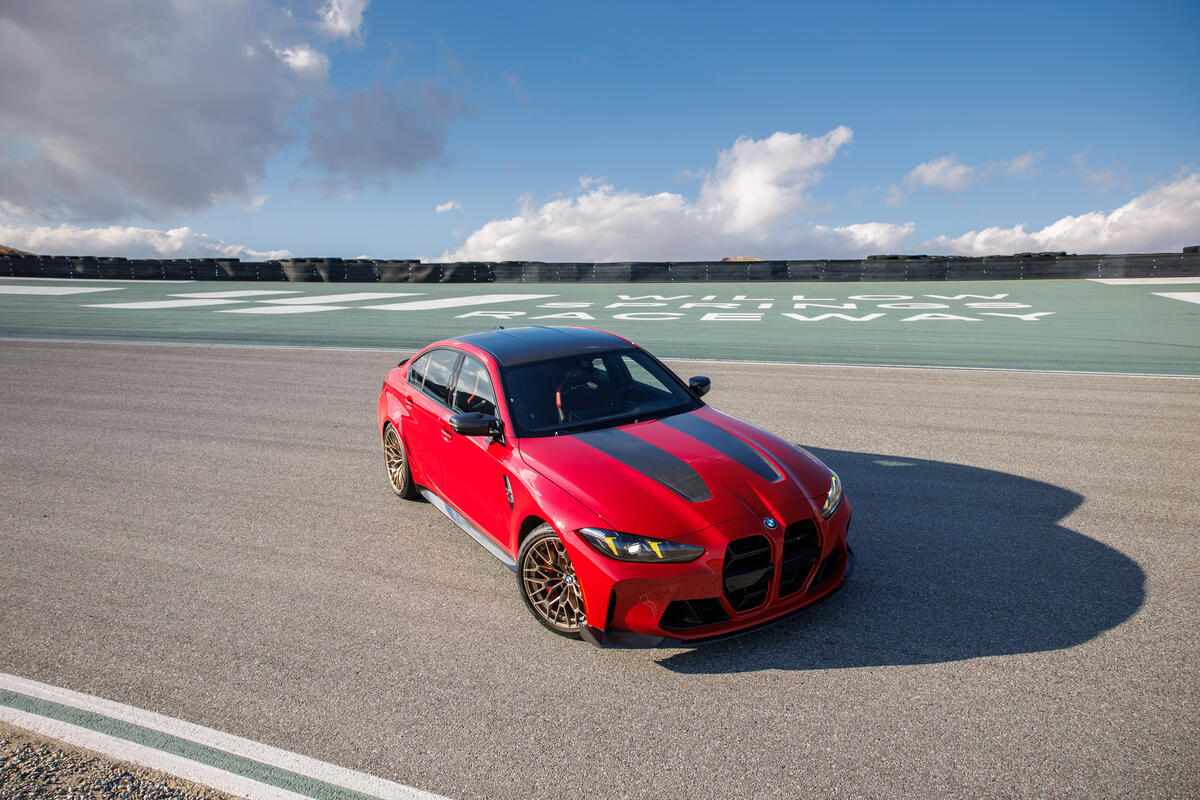
The BMW M3 is a high-performance BMW made by BMW’s M division. Here it’s mentioned as a car that was leading a Nürburgring 24-hour race before it had trouble late in the event.
They’re talking about whether practice in a racing video game can actually help you drive faster in real cars. Some skills carry over, like timing and control, but the real car has real physics and feel that a simulator can’t fully match.
Braking is how a driver slows down before a turn. In racing, it’s not just “stop”—it’s done carefully so the tires keep grip and the car is ready for the corner.
Throttle means how much power you ask the engine for by pressing the gas. In racing, how you use it after a turn can change how well the tires grip and how stable the car feels.
Term
gold category
The “gold category” is a way racing series group drivers by level. It helps decide who races in which team setups and categories.
Michael Schumacher is a legendary Formula 1 driver used as an example of a competitor who was famously private off track but extremely aggressive and dominant on track. The point is about how a driver’s personality can differ between public life and racing behavior.
A Grand Prix is a Formula 1 race event held on a circuit, typically as part of a multi-week calendar. The segment discusses whether a driver could realistically miss a Grand Prix for another major motorsport event, which would involve contractual and scheduling constraints.
Le Mans usually refers to the 24 Hours of Le Mans, a long-distance endurance race in France. It’s brought up as an example of another form of racing that an F1 driver might theoretically miss a Grand Prix for.
The Indy 500 is a marquee American open-wheel race held at Indianapolis Motor Speedway. The transcript references Fernando Alonso’s participation while discussing how rare it is for an F1 driver to take on another top-tier series event.
McLaren is a Formula 1 team and constructor known for high-level engineering and racing success. In this segment, it’s referenced because Fernando Alonso competed in the Indy 500 while he was associated with McLaren.
Lewis Hamilton is a multiple-time Formula 1 World Champion whose comments are used here to frame the debate about sim racing. The segment cites his view that sim racing may not provide enough “feel” to translate to real cars.
In racing, “feel” refers to the driver’s sensory feedback from the car—through steering, brakes, throttle response, and tire grip—used to judge traction and balance. The host argues that sim racing lacks this physical feedback, which is why some drivers worry it won’t translate to real lap times.
“Sim expertise” is being really good at racing in a computer simulator. The simulator can mimic how a car responds, but you still have to spend a lot of time learning how to drive it well.
Balance-of-performance is how race organizers try to make different cars compete more evenly. Instead of one car always being faster, the rules help level the field so driving and tuning matter.
GT World Challenge Europe is a European racing series for GT3 race cars. It’s one of the places where drivers compete in sports-car racing, not Formula 1.
Brand
snaphen.com
“snaphen.com” is the name of the racing team/brand mentioned in the segment. It’s tied to who runs the GT3 car and how the team manages multiple drivers.
“Setup compromises” means the team can’t perfectly tune the car for just one driver. Since several drivers will drive it, they pick a setup that’s good enough for everyone.
Endurance racing is about lasting a long time. Instead of just pushing hard for a short race, drivers have to keep the car in good shape and stay consistent for hours.
Formula 1 is the highest level of open-wheel racing. Even though the team helps with strategy and car setup, the driver’s performance on track is what mostly decides who wins.
Concept
race time
“Race time” in motorsport is the total elapsed time to complete the race distance, including the effects of strategy, traffic, and pit stops. In endurance events, minimizing race time often means balancing outright speed with fewer slowdowns and better consistency.
Max Verstappen is one of the top Formula 1 drivers. The discussion is about whether his skills can carry over from F1 to a different kind of race, like the Nürburgring 24 Hours.
This is an F1 rule that tries to keep the competition closer. If a team starts the season poorly, the rules can give them extra help so they can improve.
The cost cap is the maximum amount teams are allowed to spend in F1. If the rules give extra allowances, it means some teams can spend more than usual to catch up.
They’re talking about the engine part that burns fuel. In F1, the car also has electrical power, but this discussion is only about the fuel-burning engine section.
They’re talking about how the FIA tries to measure engine performance fairly and what rule changes might happen next. Teams are worried because the process isn’t perfectly clear, so everyone suspects everyone else.
Ferrari is one of the F1 teams/brands involved in this engine debate. They’re being discussed as possibly holding back or shaping performance to avoid triggering rule allowances.
Mercedes is another F1 brand in this discussion about engine performance. They’re portrayed as arguing that Ferrari is holding back to look slower than it really is.
Power delivery is how the car gives you acceleration from the engine. It’s not just how much power there is, but how it shows up when you press the throttle.
Red Bull is being discussed as having the strongest engine package. The host suggests their fuel-burning engine might be leading, though it’s not guaranteed to be the absolute best overall.
In F1, the power unit is the car’s main engine system. It’s not just the engine—it also includes the hybrid/electric parts that help the car make and reuse energy.
In F1, regulations are the official rules that limit what teams can change. The idea is that some parts—like the power unit—should be similar enough that comparisons are fair.
GPS traces are data logs from the race that show where a car is over time. By comparing those logs, you can estimate how much faster or slower one car is than another.
They’re talking about whether teams will be able to improve their cars right away at Monaco. The point is that upgrades take time, and teams might not see big changes immediately even if they get extra allowances.
“Gaming the system” means using the rules to your advantage in a clever way. It’s not necessarily illegal, but it can still feel like bending the spirit of the rules.
A turbocharger helps the engine make more power by forcing extra air into it. In racing, how quickly it responds can matter a lot depending on the track.
This is about teams trying to plan around the rule changes coming in 2027. Instead of pushing everything right now, they may adjust their strategy so they’re better positioned for the new rules.
Fuel flow rate is basically how much fuel the engine is allowed to use. If the rules let teams use more fuel, it can change how the engine is built and how much power it can make.
Formula 1 limits how much fuel the engine is allowed to use at a time. Teams have to tune the car to get the most power possible while staying under that fuel limit.
The combustion chamber is where the fuel and air actually burn inside the engine. Changing its shape can change how completely and efficiently the engine burns fuel.
Valve angles describe how the intake and exhaust valves are oriented in the cylinder head. They affect airflow into and out of the engine, which matters for combustion efficiency and for meeting performance targets under F1’s fuel and engine regulations.
Simulation is computer modeling used to predict how the car or engine will behave. It helps teams try ideas virtually before spending time and money testing for real.
Dyno time means testing the engine on a machine that measures how much power it makes. Teams use it to check upgrades and tune the engine before running it on track.
Steering angles are basically how much you turn the front wheels. More or less steering angle changes how the car points into the corner and how it behaves.
It means the car’s weight moves around while you’re driving—like when you brake or turn. That weight shift changes which tires have more grip, which affects how the car turns and stays under control.
“Scrub” is when the tires don’t grip smoothly and instead waste motion, costing speed. The goal is to turn the car effectively without making the tires slip too much.
Machine learning is a way for computers to learn from lots of past examples. Instead of being programmed with fixed rules, it gets better as it sees more data.
Energy deployments are how the car decides when to use its stored energy. Teams try to use it at the right times so the car is fast when it matters most.
Concept
AI
AI means “artificial intelligence,” basically computers trying to think or decide in a smart way. Here it’s mentioned as a possible influence on what teams say and do.
“Formula One stats” means the official numbers from F1 races, like how many races someone started and how they finished. The point here is that Zanardi’s F1 numbers weren’t his biggest story.
Hand controls are driving controls that allow a person to operate the vehicle using the hands instead of the feet, typically for accelerator/brake functions. In Zanardi’s case, the host credits hand controls with enabling him to drive and complete laps after losing both legs.
LIVE
The world's best driver in one of the world's greatest races. Can Max Verstappen win the
Nürburgr 24 hours and would life as a GT driver be more satisfying than F1?
Speaking of which, Ferrari and Mercedes suspect each other of sandbagging all season as a crafty
way of gaming a new F1 system. And we pay tribute to Alex Zinardi.
So stay tuned for another episode of the MotorSport F1 Show with Mark Hughes.
Well Mark, welcome back to your show. How's your week been?
Good, thank you. There's been plenty going on despite another significant gap in between the
races but yeah enjoying the weather as well which is a bit of a bonus but yeah all good.
Now I know what you're referring to and we will come to a promise. This is the topic of your latest
MPH column but before we get to that I want to talk to you about Max Verstappen. As you know
it's a big Nürburgring 24 hours, 24 hours of the Nürburgring, whatever you want to call it,
race coming up this weekend and Max Verstappen is taking part. How well can he do when he goes up
against week in week out GT3 factory drivers? I would think if he gets in any car and drives it
to the maximum of his ability he will be faster than the regular guys. That's him, that's where he's
at and he's given plenty of indication of that sort of potential. The N results much more likely
to be how the team is operating and how the drivers are coordinating with each other and
how smoothly that all works. Pace is always important but 24 hour race especially in that
type of racing it's not necessarily the same demand for our right pace. I'm sure it's a bit
more competitive these days but I did in the 90s report on a couple of Nürburgring 24 hour races
and it was once that it's about two o'clock in the afternoon of the closing stages really,
sort of a couple of hours to go before the flag and Terry Tassan was leading in a BMW M3
and you saw that he pulled off to the side of the track with smoke coming from the car
and so that was the the longtime leader out of the race and so I went for some lunch and I was
away for about 45 minutes and I came back and that car hadn't moved an inch but it only dropped
down the second place so I'm sure it's a bit more competitive than that now but it's not as
intense as Formula One obviously. You've written a book on Max Verstappen, a biography on him
called Unstoppable. You wrote that I think three world championships in. What are your thoughts
on Max and his moving into GT racing, GT3 in particular? It's just immersed in all levels
of racing and including sim racing isn't he so? It's quite interesting that transference because
when you talk to the sim racing guys and you talk to the driver coaches that are that are
involved in it so the driver coaches that are involved in F1 driving coaches as well as the
sim racing side they're saying that he is able to translate his technique from the real world
into sim racing in the way that he transfers and the braking and uses the waiting in the car
and all four corners and how he's able to use the throttle and all those things you can't do it
necessarily the other way around it's the primary thing is still the real world and just because
you've become extremely good at sim racing doesn't automatically translate but it's an intriguing
possibility and there's been a few semi successful converts from sim racing to real world racing
but I think it's something that intrigues Max because he gets so much into the data of it and
he's absolutely immersed in the whole thing with his own with red line and his own you know
efforts there that I think he's um he's keen to become a mentor to try and follow that sort of
experiment through. Yeah it's interesting he brought Chris Lullan through who is a sim racer
went into GT World Challenge Europe last year and uh into into gold category he stepped up to pro
this year and he's looking really good but that is a mentor role I've got loads of questions to
ask you about Max Westap and racing at the Nurburgring but is this mentor role is this
something that Max might be looking at you know way down the line he's only 28 way down the line
this is a future for Max? I think Max has still got many years of racing in him at whatever level
he decides is going to give him the the nicest life the most satisfying life which might be in
Formula One it might not be and this is him just sort of testing the waters I think just
what does it feel like what would what would it feel like if I just did this
and split my time between home and this and didn't have to think about Formula One
and if so would that be enough and is is there a deeper role I could have but I this isn't I don't
see this as the transition of Max becoming an ex-race driver he might become an ex Formula One
driver but he's going to be around for for years and years yet but I do see him getting extremely
intricately involved at this level of of racing just much as Joss Verstappen did is his dad
when he was still a Formula One driver he was very very involved in the karting scene and
would prepare engines for half the field and you know he's um you would run it you'd run his own
team and he was very very on top of that world even when he was in Formula One so I think it's
it's a similar sort of immersion in the racing it's with Max it's not karting it's it's a different
branch but of racing but it is that that's similar you know just there's absolutely
it takes some sort of their core of um of of what interests them and it it's just that intense
focus on um how how can you get good at this how can you get better at this how can you excel at
this how can you become the best at this and just how you what that whole process entails um and you
know he's achieved what he's achieved in Formula One and you know you never stop learning but I
would think there's certainly an element of being earlier on a learning curve that may be
intriguing so yeah I can definitely see this pointing towards his future but I wouldn't say
it's a definitive um direction. You must have spent a fair bit of time in this company over
the years as well certainly been around him when he's growing up as well particularly right in the
biography for his life. Does it surprise you that he's taken on a mentor role? I think because
I think from the outside looking in people think Max is all about Max so to some people it might be
surprising to learn that actually he's bringing people through. I think as he matures you see
the side of him more and more you see him developing as a person more you see him um
and just off-guard moments when you hear him talking to his colleagues and friends like um
Lando or like Gabi Bottoletto you hear him offer an advice to these guys in almost like an
elder brother sort of type of role so I think it is something that is just sort of coming
quite naturally to him and out of the car and away from racing he is a very um given sort of
person you hear about how he is with his sister for example and he's a very different personality
to the image of him as a racing driver he's completely different from that so no it doesn't
surprise me at all. It wouldn't be the first champion to be you know ruthless on the track and
very gentile and different off the track I mean even look back to people like Michael Schumacher
he was notoriously private in his life wasn't he but on track he was an absolute beast as we all know
what about the the timing of this it fell nicely didn't it this this race in between
Grand Prix weekends because Montreal comes the weekend after this one coming up is there a
maybe a foreseeable future where Max will miss a Grand Prix or a driver any Formula
1 driver will miss a Grand Prix for another form of racing a Le Mans or anything like that or is
it too stuck in their contracts and that's Formula 1 first. I think you have to carry a lot of
weight to be able to do something like that you know Fernando Alonso did it when he was at McLaren
when competed in the Indy 500 and got them Super Sub Jensen but named for him but
I can't I can't see that that's going to be in his plan but you never know but he would certainly
be able to one of the maybe two drivers on the grid that would carry enough weight
to be able to do that if they wanted to. Yeah just quickly on the sim the sim world I've read over
the years where Lewis Hamilton has said he doesn't really like or doesn't really take part in any
sim racing because because he's scared that he'd lose the feel because if you're in a sim there's
really little feel compared to a racing car Max doesn't seem to have that problem does that
completely just blow Lewis's theories out the water or is there a valid point in what Lewis says?
No I think it depends on what you've been brought up with and Lewis wasn't brought up with
same he was brought up in carts and already did a little bit of radio control stuff before that
but it's it's there is no feel involved in sim racing it's all it's all visual it's all translating
your knowledge onto you know the simulated world but there's no there's no real
feel which and that feel is the essence of what makes one guy quick and quicker than another guy
so it's perfectly feasible with enough training to be absolutely amazing at sim racing and a complete
no hopper in the real world but if you are absolutely ace in the real world
it is just a case of transferring those skills through a different medium because they are
it is it is the same things that you're doing because it it's copied it's copied from the real
world how the car reacts and responds to different inputs is copied from the real world so if you
can find a way of doing that without the feel just just the visuals then you could excel at that as
well but doing it the other way around much harder and I think if you want to do if you wanted to
translate the real world expertise into a sim expertise it would take a lot of work and then
take a lot of immersing yourself in it and I don't think Lewis you know is motivated enough to
to do that it's it's it's not he doesn't feel that it would help his real world performance
one thing that is also interesting about max racing in gt3 it's sp9 by the way but gt3 sp9
nerbo green gt3 for the rest of the world but gt3 at the nerbo green is that he has to share a car
now he has a team for snaphen.com that races in gt world challenge europe he pops in from time to
time when there's no formula one on to oversee or just to kind of take it all in because he likes
being immersed in it but he has to share a car with other drivers so there becomes setup compromises
and things like that this seems to be something that that he embraces as well if you are the
snaphen.com the team setting a car up for four drivers do you set it up for max for snaphen or
does max for snaphen have to just deal with with the weakest in inverted commas link or the driver
that has specific requirements for the car you've gone for the best average on you so no you wouldn't
be setting it up to for max for snaphen to get the absolute maximum from himself out of it because
then the other guys would tend to be left behind and and find a car that's a little bit too responsive
as many of max's Formula 1 teammates have found so no you would you would be looking at the best
average um either the best average performance from the the four drivers and that that would
determine where you went and in terms of setup and do you think from somebody who knows max in
the way you do that as a person he enjoys that that camaraderie of having a team
around him as opposed to being the one person that gets in the car the one person that has to
you know rag it around the track and it all falls on his shoulders yeah i think so i think um
there's it's a nice combination of both you know because there will be instances where
you know if you do it long enough um only a very very special performance from him can grab the
result that you know there may be an earlier setback has put them in um so yeah i think it'll be a
nice combination for him because it's uh i think you will enjoy the the team aspect of it it's a
very different type of sport to the more singular Formula 1 you know it's a even any form of sports
car racing where you're sharing with others it's a very different dynamic and it's it's it's about
working out between you what's the best way of minimizing your race time between you so i think
he will of course he will understand that dynamic and of course he will um given that it's his own
team he will he'll be looking to he won't be looking to say to prove he doesn't have anything to prove
he won't be looking to prove that he's the fastest driver out there and by as big a margin as possible
he'll be looking to you know maximize the result of the team there's a huge entry this weekend
for the Nurburgring 24 hours a huge entry in some rude really top drivers there it's going to be
fascinating to see how Max Verstappen gets on what is the and it's hard to bottle this i know but
what is the the magic ingredient that someone like Max Verstappen has and and who else in the
history of Formula 1 do you think has has got the same magic or has had the same magic this
that's transferable across across different forms of motorsport i think really it's more to do with
are they curious enough to try other forms of motorsport not just try it but to learn how
to excel in it and i think any of the top Formula 1 drivers could excel in any of those other
categories of of the sport if they were motivated to do so um a lot of them are and a lot of them
just you know i'm quite happy being f1 drivers and and and just maximizing their careers there but i
i don't you know max is you know almost certainly the the the best driver in in the world at the
moment and has been for a while um but i don't think there's any particular special quality
other than that you know which is enormous thing to say in itself it allows them to excel
in in other categories in a way that others wouldn't be able to do if if they were as motivated
and i think it's just that curiosity and i think it's also the fact
that he's achieved everything he's really wants to achieve in Formula 1 um he said before you know
once once i win the first title after that everything's just been just been cream you know it's just
an indulgence and i'm just enjoying myself i'm not chasing numbers i just wanted to win i just
wanted to be world champion i've done it and he's done it four times now and he's just you know
enjoys those days where he's able to demonstrate a very special level of his ability and and and
those days give him a big a big kick but another thing is anything other than that he just he's
just in love with the whole sport he's probably fallen out of love a little bit with Formula 1
recently but he still loves the sport it's like what we're saying about Fernando Alonso and another
episode a few weeks ago about desire curiosity desire and drive they seem to be a linking thing
between both Max Verstappen and Fernando Alonso who went on to do some pretty good things outside
of Formula 1 before he returned now i'm going to move this on to Formula 1 and i really hate to
do this to you Mark but it's the topic of your latest mph column and our audience can go and
read it for themselves but this is all about the adduo now the adduo changes to the engines
can you give us some idea of what a duo is very briefly and then what the changes have been
because i don't want to bring the r-word in the regulation wording but i think we might have to
once again drag that one out of the cupboard so first of all what is a duo how does it work
and then let's go on to the the the intricate season what's going on in your and your latest column
well as as most listeners viewers probably know it's a performance equalizing mechanism for the
power units given that this is the very first year of this formula of power units so in order to
ensure that anyone that has fallen behind doesn't get frozen in their specification and stays behind
they are assessed after the first five races so after canada they will the fia will have made
those assessments and will have informed which if any of the power unit manufacturers are going to be
allowed these additional privileges which include extra dyno time extra upgrades financial
allowances in terms of the cost cap they either either be allowed to spend a little bit more
and depends how far off they're judged to be it's not a it's not an exact science and it concerns
only the internal combustion engine not the combined internal and electrical
so yeah they have to have some pretty intricate measuring ways of measuring it and that it's
quite opaque even the teams aren't absolutely certain of every detail and how they're going to
be measured but yes so that these things will come into effect after montreal which is montreal's
next race so monaco is in theory when these things will anybody that's got these additional privileges
will will be free to use them from it brings the regulations the changes what's been going on with
the teams and the cars for the season to this point into into light though doesn't it because
what about teams that maybe have been sandbagging a bit holding back and seems that that maybe
haven't been because if you're trying to equalize something how much of a clear picture of the FAA
got at this stage yeah there's always that um doubt it's a very competitive endeavor and when
there's such intense competition there's always paranoia from all sides um so yeah ferrari believe
that Mercedes has been sandbagging in order not to appear more than two percent ahead in terms of
its power delivery um and because of two percent is a threshold at which the other manufacturers
might be given allowances um Mercedes in turn believes that Ferrari has been deliberately
holding back so it's to appear to be more than two percent behind and it of course hasn't been
sandbagging um so um we've even had Mercedes saying they think the red bull power unit is
actually the best one and it's the internal combustion engine um which might be true if
both Ferrari and Mercedes have been sandpacking it could could well have the most uh performance
but it doesn't mean that it is actually the most potential but you know the red bull is a very good
engine so um yeah not at all clear and I don't envy the FIA in trying to sort through all all of
those variables and uh coming up with an answer because whatever their answer is going to be
you can guarantee that um not everyone is going to be happy yeah and how do they then deal with the
fact that there are four teams running the Mercedes power unit there are three teams
running the Ferrari power unit there are two teams running the the four red bull powertrains power
unit how do they deal with that do they have to take four teams into consideration and get an
overall for what's been developed from that power unit or if the um if the power units are
in equal specification as they or should be by regulation then the way that they have of
measuring them won't be polluted by which cars got more downforce or less drag or any of those
other determinants of lap time it's purely a measure of the power unit so in theory if you
measure the engine performance of the Williams it should show pretty much the same as if you're
measuring it of um Kimmy Antonelli's Mercedes so of the power unit the other not the other factors
obviously um so yeah that that that it should be that the other the manufacturers are all providing
engines of the same spec to their customers is the same as the factory one yeah I'm sure I'm sure
they are you know so it's just worth asking the question what about uh upgrades and significant
upgrades what sort of lap time to be looking from the first pass the first opportunity for a duo would
a team game what two seconds a lap a second a lap where are we looking I'd circuit by circuit I know
it changes but you know where are we going I think two seconds a lap that we've got catastrophically
wrong it brings me to a question come up later on though this is why I put that yeah um
a couple of 10s is a feasible amount that Ferrari may be short of the Mercedes and as
measured on the power unit um that's just you know very very approximate looking at GPS traces
from the the races that we've had so far um and where that where the performances of those
respective cars are it would appear I'd say they're probably the Ferrari is probably a
couple of 10s off in and power unit um but yeah it'll be measured more accurately than
me seeing it looks a bit like that but the reason I cheekily asked that question is teams like
Aston Martin for example we are 44 and a half seconds down on that they need to have
some significant improvements in in not and I know it's not just power unit that's the issue
with someone like Aston Martin but they need to start seeing these sorts of improvements
can they do that with what they can achieve from a duo alone I don't think the duo as it's
structured at the moment would um give you 44 seconds a lap uh the don't think is a mechanism
to give an engine manufacturer 44 seconds a lap but um there are um moves afoot to help Honda
sort of hurry up its development outside of a duo possibly but it would require everybody
else's agreement um but the other point is that just because you have these allowances and you
you are allowed an upgrade and you are allowed extra dyno time that just gives you the potential
to find a couple of tents it doesn't mean that you will find them you've still got actually do the
work and you still got it's going to be productive work um so it just it just given you the opportunity
to do it so um as we get to Monaco the first race from which any privileges have been granted
I doubt very much are you going to see any difference um in power units performance from
free Monaco because it the power unit said amazingly long lead time to do anything to
make any upgrades now you may think well surely if they've been behind they will have been preparing
something in anticipation of being given these um adjustments possibly but maybe not because
you have still have to spend the money to do that and if you've spent the money on an upgrade
and you don't get that allowance given you then that's money wasted and it's an upgrade that you
won't be able to use so um yeah I don't think you're going to see a night and day difference
immediately but you may see through the season um you know Ferrari or Red Bull or whoever um
becoming progressively stronger against societies I understand the obvious the obvious benefits of
kind of sandbagging to conceal just how powerful your your advantage happens to be
but isn't it seen better off going full tilt and and showing what they can do and maximising
the points early on in the season I'm sure some are um and I'm not even sure that they're they're
obviously what I mean I think it's just that paranoia between Ferrari Mercedes in particular
that each thinks the other one's gaming the system I don't necessarily think they have been but
it's possible um and it wouldn't be illegal it would just be gaming the system so what's the most
advantageous way of doing it in theory um well yeah there'd be a trade-off between the two because
you know the season's not just about the early part it's about you know if you compromise the
first five races and get a benefit for the remaining 20 then you quits in on you but
I don't think it'll be quite as simple as that but there's an element of that in the thinking I think
I know Ferrari are the favourites of Monaco because of their small turbo and that's but if they if
the others start turning the wick up ahead of Monaco it could be interesting it
suddenly bring it into maybe not as clear as we think it is I think what um may happen if Ferrari
were to be given um some ideal help post-Canada is that we go to Monaco and they take their first
pole position in their first win of the season and everybody will say there you go that's it's
ideal and it won't be that the Ferrari is always super quick around those type of circuits um slow
corners fantastic adjustable balance um better than any cars it's been like this for the last four
five years it's still like this now um small turbo response so just fantastic out out of the slow
corners it I'd be amazed if the Ferrari is not the quickest car in Monaco but it won't need
assistance to do that it would be I think would be set to be the quickest anyway I think a more
realistic uh indication would be Barcelona the race after Monaco uh much more conventional
circuit with a much bigger mix of corner type so I think there you'd be look at the sea the first
signs of any pattern yeah yeah and then there's been this announcement for 2027 so will teams be
looking to not be sandbagging but manipulating the system going into 2027 when the changes take
place and what are these changes that are coming in in 2027 well because they've the hands if I
haven't yet specified exactly how they're going to give the engines um an extra 100 kilowatts
and reduce the electric by a similar amount then said how they're going to do that on the engine side
but they have suggested it will involve an increase in the fuel flow rate which is a very very
significant change and not a change that will have been built in to the plans of the engine
manufacturers of the development of the these power units because it's essentially a very
different set of regulations once you increase the fuel flow limit it's not just a you know a little
detail it's absolutely fundamental to the design and performance of the engine it's it's it's like
saying oh we're going to change the engine capacity it's a similar sort of level of um importance
as that so um yeah all of a sudden you're going to have all this extra expense that you're not
figured on having to spend in order to to fully exploit um what you need to do to around this
the new revised um fuel flow limit at the very least and it impacts on everything
combustion chamber shape valve angles that cooling it fuel what size fuel tank you'll need or
it's absolutely fundamental so this is an awful lot of simulation and research um so if you've
been given some um audio help from canada this year as a result of the first five races
with the the the adios intention has been to help you you know become more competitive this season
you could use that extra budget and extra um dyno time to have a real crack at the the 27
engine and just accept where you are with the 26 one so yeah i think um it might end up having a
more powerful effect into 27 than it will have in 26 well wow now don't forget you can read
mark's latest column the mph column on motorsport magazine dot com on the app you'll be able to
find it all there as well and it's really interesting it talks about duo talks about this
exact point going into 2027 as well mark is it is it a cock up or a conspiracy you know look at this
yeah what you know they went into this years ago people were warning them that this would be a
problem and they they they relentlessly just carried on or pigheadedly went on and did it
and here we are in 2026 with the problems that everyone has said being realized
what what was it that's driven this from from formula one's point of view
i don't think it was a conspiracy and i don't think it was through any bad actors i think what it
was was the management of the sport wanting to please everyone and and believing that they
they had it in their power to do so and had been um sufficient technology advancement
in battery technology from when they first decided to go this route and took to the first race this
year um maybe they could have done but it didn't happen so we've got a situation that you know
drivers did say on on simulators that we've talked about many times they pointed out the
problems that formula one was going to have with this so it's it's not really you could call it a
cock up but i i don't i don't think it's incompetence i think it's just being ambitious just being too
optimistic in in its reach because it does tend to be able to do remarkable things
in a very short space of time with with technology formula one um and i think it's maybe
tripped itself up on this occasion um with this new technology that's it's not at its core
so yeah it it has reacted very quickly it's in trying to minimize
the problems that are on our parent and it's reacted in terms of 27 as well but um
it's now looking beyond this formula too so i think it's been quick to recognize despite
what the the headline never you know the the the spokespeople at the top have been saying
i think that it has been quick to recognize what the problem is and and to try and correct it
which i suppose we should be giving credit to them as well we should rather just be hitting them
with a stick the whole time we should be saying look we'll hit you with the stick and then we'll
give you a bit of cake afterwards because at least you've you know at least you've realized
at least you're trying to to get through it's in no one's interest it is not in formula one's
interest to be under a cloud the whole time so um yeah i think uh we should leave that bit there
but like i say go and check out marx column the mph column and also while you're doing that go to
the the subscription area to the f1 newsletter subscribe to the newsletter and you'll stay up
to date with all the latest developments within formula one over the course of the season now mark
it's time to move on to the audience questions as always i've selected three for you the last one
um i really really want to kind of focus in on a lot on actually because i think it's a really really
important thing we talk about but the first one uh the first one's from danie rutter he says hi mark
the f1 tv team do a great job of continuously evolving their on-screen graphics to give us
greater insight into driver and car performance but they haven't managed to represent visually the
incredible car control skills that you explained so eloquently in your recent article in particular
the driving techniques that are opening up gaps between teammates do you think there's a way
to display this graphically on screen so that we can appreciate what the drivers are doing in real
time in theory there would be but it would um be a major program to to build the models to do it so
you'd need um tire loadings you'd need grip coefficients of the track and how that was
changing uh you'd need steering steering angles you'd need um dynamic weight transfer
and you'd need to find a you know a genius modeler to be able to bring all those things together in a
visually understandable way um what you're seeing the drivers doing is very very um momentary that
tiny little moments in time have a disproportionate impact on how quick they are and it's all about
that trade-off between getting the rotation of the car without then losing time with scrub
through the next bit of the corn and yeah that's that's really what is separating
the drivers doing a good job and those less so so um how you would get that across it's it's it's
quite it's quite an involved concept to get across and then it would have huge numbers of
variables that you would need to be measuring in real time and then that would need to be
converted into a visual image um almost instantly so i think in theory possible but i think um
requiring an awful lot of investment and time and money yes but no kind of kind of thing that
possible isn't it but um i don't see it this practical let's say yeah fair enough great question
frank harold has sent a message saying this is about AI do the teams employ AI artificial
intelligence to help optimize battery deployments and recharging both pre-race and in real time
during the race yeah that's a really good question i think um AI in the broader sense not yet
but machine learning which is a sort of subset of AI isn't it yes um the distinction where the
machine learning it allows the software to learn from previous data into modified models
accordingly um so the more races will go the more simulating power it will have and more data the
more the accurate the correlations will be um but AI in the sense of the machines simulating
like human intelligence and creating completely new ways of of doing things rather than just
improving existing models i don't think were there yet um energy energy deployments harvesting
over different circumstances tracks temperatures drivers game theory against the opposition it
is a good set of equations for AI to solve and i did i did write a column to that effect pre-season
but from what i understand to really exploit it the teams would need to heavily invest in it a
bit like we're talking about with modeling the different driver techniques and the advantage
would be temporary because it would just be long enough for machine learning to follow what was
going on and emulate what AI has just invented so um i think with a cost cap the teams are seeing
more efficient ways of spending getting bang for buck let's say um but of course the team might just
be saying that or maybe AI has told them to say that yeah exactly maybe this entire show
is AI maybe mark doesn't exist either who knows so many questions final question for you mark and
this is about Alex Zanardi so on the build up to the Miami Grand Prix the Friday we we caught
win the news that Alex Zanardi said he passed away at the age of 59 years old a question from
Roland Jones has come in say mark could we have an appreciation of the wonderful brave inspirational
Alex Zanardi please and i think it's worth on on on this one mark talking about him as a Formula
One driver and what went beyond that because his Formula One stats weren't the greatest Formula
One stats 44 race starts in his career over a four-year period i know he's extended but his
legacy is way beyond Formula One yeah i mean his um he was seen to his best as a racing driver in
champ car where he did some extraordinary performances with Chip Canasi but his his
stature goes transcends whatever it was he was as a racing driver you know it's staggering what he
did the resilience and the unimaginable trauma of losing both legs in an accident and coming back
and just not just succeeding in touring cars and that time he came back the louts ring louts
ring 22 years later and completed the missing 13 laps you know using um hand controls and his
best lap would have qualified in fifth for that race and just oh that's before we even talk about
his um career as a gold medalist Paralympic so yeah he was just the embodiment of what's possible
from the human spirit um he just absolutely refused to allow his injuries despite the severity to
define him um you know that even if he'd not then gone on to his olympic career
he would have been enough he would have done enough to have gone in the book of sporting
legends you know you'd be one world touring cars are you and um he just did amazing things
things in cars before he then transferred his skills to the olympics so he did it
what's more was he like a great cheer and a love of life you know how how can you be
more inspirational that you talk about a a glass half full sort of guy he said when he
he woke up without legs he decided he'd look at the first half that was left and not the
half that was lost you know um and when his friend and teammate Jimmy Vasa visited the
hospital he said hey Jimmy do you want a new pair of shoes just you know it's how how that spirit
he was he was always a fun loving warm generous individual how you retain that absolutely
un you know undamaged despite everything you've been through is just extraordinary um so yeah I
think he was um one of the most remarkable people we've ever we've ever seen
and it goes it transcends his status as a racing driver yeah and how fitting was it that Kimmy
Anthony won in Miami and is from the same region from Bologna in Italy and dedicated that win
to him that was a lovely moment as well and kind of written in the stars almost
wasn't it yeah and there were friends of the family weren't there so yeah um yeah it was it was a
just one of those nice alignments yeah certainly was and as Mark says I mean the things he did in
paricycling six Olympic medals four of them gold over London 2012 and Rio in 2016 it's absolutely
incredible and you know no one has said a bad word about him I know that that's not unusual but it's
do you know I wish I wish we'd all got to meet him because he sounds like he was absolutely incredible
yeah amazing man best and uh yeah we won't see his leg again well on that note mark we shall
end this episode as always thank you so much for your insights and your knowledge it's it's been a
real pleasure thank you and um thank you for some great questions at tonight one day and so yeah thank
you well there you go another episode in the can thank you so much for tuning in hopefully you
enjoyed it if you did give it a like and subscribe tell your friends as always and don't forget to
get your questions into mark for next time you can do so by going to motorsportmagazine.com
or by putting your questions in the comments below the youtube video now the latest issue the
Le Mans special is still available in the shops it's a bumper preview issue of the 24 hour race
with an exclusive interview with last year's winner that's Robert Kubica will it be Ferrari
that wins Le Mans again we've also got the inside story of the greatest race car of all time reborn
how Lotus recreated the lost 49 there's motorsports most famous crash helmets too and the extraordinary
stories that they tell you can get that in the shops you can go to motorsportmagazine.com or you
can read all on the app as always thanks so much for watching we'll see you next time
About this episode
Max Verstappen’s Nürburgring 24 Hours challenge becomes the episode’s anchor: the hosts weigh whether his F1-level pace and sim skills can translate against “week in week out GT3 factory drivers,” and how endurance demands differ from F1’s rhythm. They also explore what makes driving transferable—especially the “feel” gap in simulators—and how GT3 multi-driver sharing forces “setup compromises.” The conversation then widens into F1 power-unit equalization, sandbagging, and the 2027 fuel-flow rule shift.
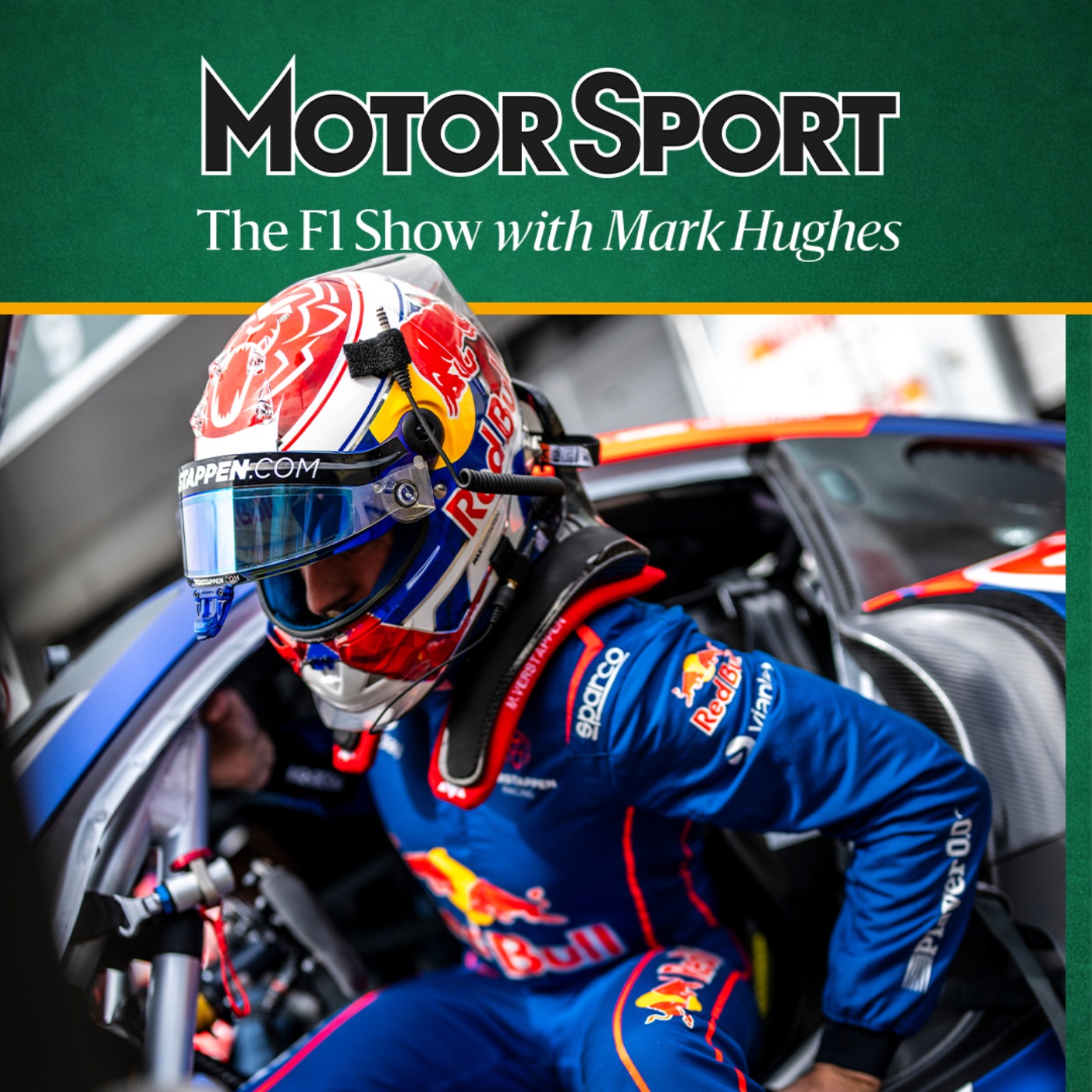
Max Verstappen races in the Nürburgring 24 Hours this weekend on a mission to win.
But it's not just about the four-time F1 champion taking on one of the world's greatest races amid a packed grid and sell-out crowd - it could also point to his own racing future, says Mark Hughes
After heavily criticising the current generation of Formula 1 cars, could Verstappen find more satisfaction in GT racing?
Plus: Are Mercedes and Ferrari still sandbagging as part of a crafty plan to game a new F1 system?
Mark also answers your questions on F1's AI strategies and pays tribute to Alex Zanardi.
More from Mark Hughes and Bryn Lucas on the stories that really matter, in the latest episode of the Motor Sport F1 Show.
Subscribe now for every weekly episode and tell us what you want to know from Mark. Send us a message on social media or find this podcast at https://go.motorsportmagazine.com/4dm1Nu5 and drop your questions in the comments. He'll answer a selection of the best every week.
Read Mark's column every Wednesday at https://go.motorsportmagazine.com/4dm1Nu5