
MID SEASON REVIEW AND JUNE UPDATE BTCC 2026
About this episode
The BTCP British Touring Car Podcast does a June mid-season review, bridging a long Turing Cars break with the latest news and on-track action from Alton Park. Driver availability is a big storyline: Osamu Karasima is set to race rounds 9–10 for Accelerate, likely replacing either Collard or Hamilton, while Tom Ovendon has also been linked after testing. The hosts debate the “driver merry-go-round” and its impact on teams and the sport. On track, June’s race delivered three winners and a tightly competitive grid, with WSR’s Charles Rainford highlighted as a standout “best of the rest.”
WE UPDATE YOU IN THE OFF SEASON WITH ALL THE HAPPENINGS AND TAKE A LOOK AT SOME OF THE HIGHLIGHTS SO FAR THIS SEASON.
Osamu Karasima
"That Osamu Karasima, apologies, apologies if that is their mispronunciation, has confirmed on his Instagram page that he will be racing in rounds nine and 10 later this season for Accelerate Motorsport."
Osamu Karasima is a race driver. The hosts are saying he’s likely to race for Accelerate Motorsport in later BTCC rounds.
Osamu Karasima is a racing driver mentioned as confirming he will compete in later rounds of the BTCC season. In this segment, the hosts connect his entry to team/driver availability for Accelerate Motorsport.
Accelerate Motorsport
"That Osamu Karasima, apologies, apologies if that is their mispronunciation, has confirmed on his Instagram page that he will be racing in rounds nine and 10 later this season for Accelerate Motorsport."
Accelerate Motorsport is a racing team. The segment is about who will drive for that team in the later part of the season.
Accelerate Motorsport is the racing team the hosts say Osamu Karasima will drive for in rounds nine and 10. In touring car series coverage, team entries and driver lineups are key because they affect car development, strategy, and championship competitiveness.
Collard
"It's Collard or it's Hamilton. And obviously, we know that Collard has had more public pleas and more public announcements that he won't necessarily be able to complete the full season."
Collard is mentioned as one of the possible drivers who could step in later. The hosts say he’s previously suggested he might not be able to race the whole season.
Collard is referenced as a likely candidate to replace another driver for rounds nine and 10. The hosts note he has made public statements suggesting he may not be able to complete the full season, which matters for championship battles and team planning.
Hamilton
"It's Collard or it's Hamilton. And obviously, we know that Collard has had more public pleas and more public announcements that he won't necessarily be able to complete the full season."
Hamilton is mentioned as the other possible driver who could step in later. The hosts are talking about who can realistically race those rounds based on season commitments and resources.
Hamilton is named as the other likely replacement option for rounds nine and 10. The segment frames this as a driver availability issue, which is especially important in touring cars where budgets can limit how many races a driver can commit to.
budget
"Obviously, we have seen in the past that Nick has also struggled for a budget, but at the moment, there's been no suggestion that it's him that would be struggling... But I think this is part of the problem with touring cars is that drivers can't get budget"
Here, “budget” means money. The hosts are saying that not having enough money can stop drivers from racing the whole season in touring cars.
In touring car racing, a “budget” refers to the financial resources needed to run a season—covering things like car preparation, team staffing, testing, and entry costs. The hosts argue that limited budgets can prevent drivers from completing a full season, which directly affects driver lineups and championship outcomes.
Nick
"Obviously, we have seen in the past that Nick has also struggled for a budget, but at the moment, there's been no suggestion that it's him that would be struggling."
Nick is mentioned as someone who, in the past, didn’t have enough money to keep racing. In this discussion, they’re saying it might not be him this time.
Nick is referenced as having previously struggled for a budget in touring car competition. The hosts say there’s currently no indication it’s him, but the mention highlights how financial backing can determine who can race and for how long.
minimal sponsorship
"it was already a car that was running minimal sponsorship and to already have Ovendon out in the car."
It means the car doesn’t have many sponsors paying for it. Less sponsorship can mean less money for things like parts and preparation, which can affect results.
“Minimal sponsorship” refers to a car running with very limited sponsor branding and financial backing. In touring car paddocks, sponsorship levels can affect budgets for testing, parts, and staffing, which can influence competitiveness over a season.
driver merry-go-round
"I don't think any team should really be doing a driver merry-go-round unless there are extenuating circumstances like we saw last year..."
It means a team keeps changing drivers a lot. That can make it harder for the team to learn the car the same way and keep improving race after race.
“Driver merry-go-round” is a motorsport phrase for frequent driver changes across races or rounds, often involving swapping drivers between teams or seats. In series like BTCC, it can disrupt team continuity and car development because drivers provide different feedback and driving styles.
Alton Park
"We did also have a round at Alton Park for the Turing Cars in June."
Alton Park is a race track in the UK. It’s the kind of track where cars can stay close together, so the racing can get really exciting.
Alton Park is a motorsport circuit in the UK used for touring car and junior-series events. It’s known for a mix of fast and technical corners that can produce close racing and frequent position changes.
Dan Kamish
"We had three different winners there in Dan Kamish, Ash Sutton and Charles Rainford, and I believe the championship gap narrowed by a point or two, which makes"
Dan Kamish is a driver in the BTCC. The hosts mention him because he won one of the races at Alton Park during June.
Dan Kamish is a British touring car driver who competes in the BTCC. His win at Alton Park is part of the episode’s point about how many different drivers are taking victories this season.
Ash Sutton
"We had three different winners there in Dan Kamish, Ash Sutton and Charles Rainford, and I believe the championship gap narrowed by a point or two, which makes"
Ash Sutton is a well-known BTCC race driver. They bring him up because he was one of the winners at Alton Park, showing how close the season is.
Ash Sutton is a prominent BTCC driver known for consistently strong results. The episode cites his win as evidence that the championship is staying tight and unpredictable.
championship gap
"Rainford, and I believe the championship gap narrowed by a point or two, which makes all the difference."
The championship gap is how many points separate the top of the standings from the chasing drivers. If it shrinks, the title race stays close and anything can happen.
The championship gap is the points difference between the leading driver(s) and the rest of the field in the season standings. A smaller gap means results can quickly reshuffle who’s leading, making the title race more tense.
grid
"which is over half the current grid have already stood on the podium in just four events."
The grid means the group of drivers competing in the race. Saying “over half the grid” means many of the regular drivers have already finished in the top positions.
In racing, the grid refers to the set of drivers entered for the event (and by extension, the competitive field). When the hosts say “over half the current grid,” they mean a large portion of the season’s regular competitors have already been on the podium.
podium
"which is over half the current grid have already stood on the podium in just four events."
A podium finish means finishing in the top three. It’s a big deal because it shows the driver and car were among the best in that race.
A podium finish means placing in the top three of a race (first, second, or third). In BTCC, frequent podiums are a strong indicator of a car’s competitiveness and a driver’s consistency.
F1
"It's a really close championship. And we had this in F1 last season."
F1 is Formula 1, the top tier of open-wheel racing. They mention it to compare how close the racing can be when the usual front-runners aren’t the only story.
F1 refers to Formula 1, used here as a comparison point for how a championship can look after removing a couple of dominant names. The hosts are drawing a parallel between BTCC competitiveness and a recent F1 season pattern.

Oldsmobile Intrigue
"...ason, WSR came into this season as an independent intrigue. We're two very young, sort of inexperienced driv..."
The Oldsmobile Intrigue is a mid-size car that was made for everyday driving. In the podcast, it’s being used as a race car by a team, not just as a normal street vehicle. They mention it because the team is running an Intrigue this season and is still building experience.
The Oldsmobile Intrigue is a mid-size sedan that can be used in motorsport as a competition car, even though it’s not primarily known as a racing model. The podcast references an “independent Intrigue” run by WSR, highlighting that this specific car is part of their season entry and driver/team development. It’s discussed because the team’s use of the Intrigue is tied to their current campaign and experience level.
Charles Rainford
"Yeah. So after four rounds, Charles Rainford is fourth overall in the championship with a couple of wins, which actually gives him more wins than both Ingram and Camish."
Charles Rainford is one of the drivers in the BTCC championship standings. In this segment, they’re talking about how well he’s doing so far and what he might be able to achieve later in the season.
Charles Rainford is being discussed as a current championship contender in BTCC, sitting fourth overall after four rounds. The hosts focus on his wins and what he needs to do in the second half of the season to improve his championship position.
Camish
"Yeah. So after four rounds, Charles Rainford is fourth overall in the championship with a couple of wins, which actually gives him more wins than both Ingram and Camish."
Camish is another driver in the BTCC standings. In this segment, they’re saying Rainford’s best chance is to fight Camish for third place in the championship.
Camish is discussed as a key rival for the third-place championship position. The hosts suggest Rainford’s best path is to battle Camish for that spot, which could set up a stronger platform for next season.
Ingram
"Yeah. So after four rounds, Charles Rainford is fourth overall in the championship with a couple of wins, which actually gives him more wins than both Ingram and Camish."
Ingram is another BTCC driver mentioned for comparison. The hosts use Ingram’s results to explain why Rainford may not be able to catch the leaders for the championship.
Ingram is referenced as one of the other drivers Rainford is being compared against in the championship. The segment uses Ingram’s win count and points gap to frame why Rainford’s realistic goal is third rather than the title.
best of the rest
"of the season. If he wants to be, quote, best of the rest, possibly fighting for that third in the championship to go, look, I'm here."
“Best of the rest” means you’re not necessarily winning the whole thing, but you’re the best among the teams/drivers chasing the next positions. In this segment, they’re saying Rainford should aim for third.
“Best of the rest” is a racing shorthand for being the highest-finishing competitor outside the main front-runners. Here, it’s used to describe Rainford’s realistic target: fighting for third in the championship rather than the top spot.
consistency and overall pace
"But I think what you struggle for, sort of like in the first half of the season, is consistency and overall pace. Yes, there have been these flashes and highlights of brilliance"
This phrase means doing well again and again, not just having a great race once in a while. In a season-long championship, steady results usually help you climb the standings.
“Consistency and overall pace” describes the ability to perform well repeatedly across races, not just occasionally. In touring car championships, that usually matters more for championship position than isolated race wins.
52 points
"No, no, no. I just think that certain and Ingram and even the gap between those two at the point, this point this season is, I think, 52 points. It's just too insurmountable at this stage."
“52 points” is the size of the gap in the championship standings. The hosts are saying that gap is so big that Rainford probably can’t catch the leaders this year.
“52 points” refers to the championship points gap between the leaders and Rainford’s group at that stage of the season. The hosts argue that such a gap is too large to overcome, making the title unrealistic.
bogey track
"There's always normally one bogey track for a car or even a driver. So as long as you compete, shall I say, at nine out of 10 rounds, you should be in the chance of the championship"
A “bogey track” is a race track where a driver or car usually has problems. The idea here is that if you’re strong at almost every race, one bad track won’t ruin your season.
A “bogey track” is a circuit where a particular car or driver tends to struggle compared to others. The hosts say there’s usually one track that doesn’t suit a given car/driver, but performing well at most rounds keeps you in the championship fight.
saloon
"but I think they will end up ditching that car and go for perhaps a more, I mean, it already is a saloon, but there's other slippery saloons in the BMW range that they might look at."
A “saloon” is just a sedan-style car body (a normal passenger car shape). They’re talking about which sedan-shaped cars might be best for racing because of aerodynamics.
In touring-car racing, a “saloon” is a passenger-car body style—basically what many countries call a sedan. The speaker is saying the current BMW is already in that body category, and they’re considering other “slippery” sedans in the BMW lineup.
BMW range
"but there's other slippery saloons in the BMW range that they might look at."
“BMW range” just means BMW’s lineup of models. They’re suggesting switching to a different BMW model shape that might be more aerodynamic for racing.
“BMW range” means the set of BMW model options available for consideration under the series’ homologation/entry rules. The host is implying that if they ditch the current car, they may switch to a different BMW saloon model that offers better aerodynamics (“slippery”).
regulations
"Well, there's going to be the interesting change up in regulations soon where different engines can be run with different suppliers and stuff like that that could really shake things up in the championship."
“Regulations” are the racing rules that decide what teams are allowed to use. If the rules change—especially around engines—teams can build different cars and the results can shake up fast.
In BTCC, “regulations” are the rule set that governs what cars and components are allowed. Here, the host is previewing a major upcoming rules change that will affect engines and suppliers, which could significantly alter competitiveness across the field.
different engines
"Well, there's going to be the interesting change up in regulations soon where different engines can be run with different suppliers and stuff like that that could really shake things up in the championship."
They’re talking about teams being allowed to use different engine choices. That can change how the car drives and how teams set up the rest of the car, so it can affect who’s fastest.
The phrase “different engines” refers to allowing multiple engine options under the rules, rather than forcing everyone into one standardized power unit. In touring-car terms, engine choice can change power delivery, packaging, and how teams develop their cars, which is why the host expects a competitive shake-up.
independent driver outright
"they are going to challenge for the independence because they're not in the manufacturers now, but they're going to be challenging for both the independent driver outright and also the champion outright."
This means being the best among the non-factory (independent) drivers. It’s like a second leaderboard inside the same race series.
“Independent driver outright” refers to the top result among drivers who are not part of the manufacturer-backed teams. In BTCC, that’s a separate competitive target from the overall championship, so a team can be strong even if they’re not currently winning the overall title.
champion outright
"but they're going to be challenging for both the independent driver outright and also the champion outright. They need a car that can compete every round, not,"
“Champion outright” means winning the whole championship overall. The point is they need consistent results across the season, not just a couple of good races.
“Champion outright” means winning the overall championship rather than a sub-category. The host is arguing the team needs a car that can score strongly every round, not just occasionally, to realistically target the overall title.
Selby
"On the other hand, Selby has looked quite scraggly at times. Yes. But then is that just because he's a new driver in the new sport in a brand new car?"
Selby is another driver in the series. The host thinks his results have been a bit inconsistent, possibly because he’s still adjusting and feels pressure from competitors.
Selby is discussed as a driver who’s been “scraggly” at times despite being in the championship mix. The host speculates whether his inconsistency is due to being new and under pressure from other drivers.
new driver
"Selby has looked quite scraggly at times. Yes. But then is that just because he's a new driver in the new sport in a brand new car?"
A “new driver” is someone who hasn’t done much racing in this series yet. They may still be getting used to the car and how the competition works.
A “new driver” is someone competing in the series for the first time or after moving up, so they’re adapting to new cars, teams, and race routines. The hosts are suggesting Selby’s results may be influenced by that learning curve.
Senna Proctor
"Do you think he might be feeling a little bit of pressure of having Senna Proctor just sitting there and waiting possibly in the wings to take over if a driver is not performing well?"
Senna Proctor is another driver being talked about as someone who could step in. The host is basically asking whether Proctor is there to replace a struggling driver.
Senna Proctor is mentioned as a potential replacement or challenger “in the wings” if Selby isn’t performing. The host is weighing whether Proctor’s presence is a real pressure factor or just a contingency.
Napa
"No, because I think that if that was ever a possibility, Napa would have put him in the car ahead of Selby anyway."
Napa is mentioned as the company supporting the team or driver. The host is saying that sponsorship influence could affect who gets the seat.
Napa is referenced as the sponsor or backing entity that would control driver placement decisions. The host argues that if Napa truly wanted Proctor in the car, they would have arranged it.
Osborne
"they need to say, right, we're kicking Selby out or Osborne out for rounds nine and 10. We put Proctor in because we know he can run it at the front..."
Osborne is another driver being discussed. The host says his results have been inconsistent, and there’s talk of possible changes for later races.
Osborne is described as having highly variable performances—brilliant one week, then seemingly missing the pace the next. The host suggests the team might consider swapping drivers for specific rounds if results don’t improve.
Silveston
"I think we're just waiting for Silveston to come round each season. Osborne's going, I'm still here."
Silveston is a driver name being brought up as someone who shows up regularly. The host is contrasting that with Osborne’s inconsistent performances.
Silveston is referenced as someone the host expects to “come round each season,” implying a recurring presence or periodic return. The comment is framed alongside Osborne’s fluctuating results.
front end
"As long as he's got the base setup there where he's got it nice and sharp on that front end, able to get the back end a bit loose"
The "front end" is the part of the car that steers and controls how it turns. If it’s "sharp," it means the car responds quickly and predictably when the driver turns the wheel.
In race-car setup talk, the "front end" refers to how the front axle and front tires behave—especially steering response and grip. When hosts say the car is "sharp on the front end," they mean it turns in predictably and holds the line well.
back end a bit loose
"As long as he's got the base setup there where he's got it nice and sharp on that front end, able to get the back end a bit loose and be able to get that turning in all the corners."
This means the rear of the car doesn’t stick as tightly as the front. Drivers sometimes want that because it helps the car rotate into and out of corners—if it’s loose in a controlled way.
"Back end a bit loose" describes a handling balance where the rear tires have less grip than the front, so the car can rotate more easily. In touring-car terms, it often means the driver can induce oversteer for better corner exit, but still keep control.
mid corner speed
"that's where he makes all of his speeds in the corners. The amount of sort like mid corner speed that he's able to carry is just where all his lap time comes from."
Mid-corner speed is the speed the car has while you’re actually in the turn. If you can go faster through the middle of the corner, you usually keep more momentum and end up quicker over the whole lap.
Mid-corner speed is how fast a car is traveling while it’s at the apex/through the middle of a turn. In touring car racing, carrying higher mid-corner speed usually means you can keep more momentum and set up better exit speed, which directly affects lap time.
lap time
"speed that he's able to carry is just where all his lap time comes from. And then on liver drivers,"
Lap time is how long it takes to do one complete lap around the track. When people talk about lap time, they’re usually talking about overall speed and consistency.
Lap time is the total time it takes a car to complete one full circuit. In racing analysis, lap time is broken down into sections (like cornering speed) to explain where performance is gained or lost.
engine penalties
"And then Osbourne is only ahead of Dorlin who's had some real trouble with the car. We've seen that engine penalties"
Engine penalties are race-imposed disadvantages tied to engine-related rules, such as exceeding allowed engine components or using them beyond a permitted limit. In BTCC, these penalties can affect competitiveness by forcing drivers to start from further back or lose points/positions depending on the specific regulation.
restart
"He's behind people like Chris Smiley who's not had a particularly strong, we both said restart a bit a bit anonymous this year."
A restart is when the race starts again after being paused or slowed down. The restart can be a big deal because small mistakes can cost you positions right away.
A restart is the race restart procedure after an interruption (like a safety car period or red flag). Restarts are high-impact moments because tire temperatures, car positioning, and driver reaction can swing track position quickly.
same chassis base chassis
"because obviously Napa have gone in a different direction with the same chassis base chassis and just added that saloon style rear end to the car..."
The “chassis base” is the main framework the race car is built on. If teams keep the same base but change other parts, they’re often trying to improve how the car cuts through air or how it cools.
“Chassis base” refers to the underlying vehicle structure that the race car is built on. When teams keep the same base but change bodywork, they’re usually targeting aerodynamic and cooling changes without redesigning the whole car.
top line speed
"I think it's lost a little bit of its top line speed or forward of found some of the top line speed. But you look at what cars bring pulling out that car..."
“Top line speed” means how fast the car can go at its highest point, usually on straight sections. If a car loses top line speed, it may feel slower even if it still handles well in the corners.
“Top line speed” is the vehicle’s maximum speed on the straights. In touring car terms, it’s often tied to aerodynamic efficiency, gearing, and engine output, and it can change with setup or car updates.
papering over some of the cracks
"Are Napa any good? Is it a case of sudden sort of papering over some of the cracks? Or are we being a little bit..."
This phrase means “covering up problems” instead of fixing them for real. In racing talk, it can mean the team made changes that look good, but the car still has deeper issues.
“Papering over some of the cracks” is a metaphor meaning to hide underlying problems with superficial fixes. In motorsport discussion, it suggests the team may be masking performance weaknesses rather than solving the root cause.
accelerator
"Well, my second point of interest is actually to do with accelerator. And it's to do with the difference in the drivers between Tom Chilton and Ricky Collard..."
Here “accelerator” is basically how the driver uses the gas pedal. Two drivers can press it differently, and that can change how well the car accelerates and grips when exiting corners.
In racing, “accelerator” usually refers to throttle input and how the car responds when you press the pedal. Differences in driver technique can strongly affect traction, acceleration out of corners, and consistency across stints.
Tom Chilton
"the difference in the drivers between Tom Chilton and Ricky Collard and how accelerator possibly going to be able to use those drivers throughout the rest of the season. For me, Chilton's been nowhere near good enough this season."
Tom Chilton is a racing driver. In this segment, the hosts are talking about how his results this season compare to another driver and what that might mean for the cars.
Tom Chilton is a British touring car driver discussed here in the context of his season performance. The hosts compare his results and consistency to another driver to explain how much driver skill versus car performance might be affecting the championship.
rating GTs
"Whereas you look at a driver like Ricky Collard going into the championship fresh off of rating GTs, so cars that are nothing like these touring cars."
“GTs” are a different type of race car series than touring cars. The hosts are saying Collard recently raced in GT events, so he’s coming from a different style of car.
“GTs” refers to GT racing categories (grand touring cars), which are different from touring cars in car design, aerodynamics, and race format. The phrase “fresh off of rating GTs” implies the driver recently raced in GT machinery before switching to touring cars.
media day
"If not more, yeah. And to jump straight into that car, no testing, came in on media day."
“Media day” is when teams do interviews and filming for the press. In racing talk, it can also hint that the driver didn’t get much track practice beforehand.
“Media day” is an event where teams and drivers do promotional activities and interviews, often with limited or no track time. In racing context, arriving on media day can imply the driver had little preparation compared with a full testing program.
titles overall
"So Tom Chilton sits 12th in the titles overall. He's had a single podium this season."
That phrase means where the driver sits in the season-long championship standings. It’s based on points from many races, not just one event.
“Titles overall” refers to the championship standings across the whole season, not a single race result. In BTCC, drivers accumulate points over multiple rounds, and “overall” position reflects that total.
retirements
"If I was to be playing Chilton's defense lawyer, he has had a couple of retirements. Yes. Three. Yes."
A retirement is when a driver has to stop and can’t finish the race. That usually costs points, which is why it matters for the championship.
A retirement in racing means the car couldn’t finish the race due to a mechanical issue, accident, or other problem. The host uses “retirements” to explain why Chilton’s points output may be inconsistent.
laser tools branding
"How much of an influence do you think the, the laser tools branding and the team coming in to that Toyota setup has had on the very slight uplift on performance that both him and Aaron Taylor Smith have had this season?"
“Laser Tools” is a sponsor name. In racing, sponsorship can mean more support for the team, which can help them improve the car and results.
“Laser Tools” is referenced here as a sponsor/branding partner tied to the team’s identity and resources. In touring car racing, sponsor involvement can correlate with funding, engineering support, and the quality of team operations that affect on-track performance.
independent entry
"I do think that, that comes to mind. I think they are both running, they're an independent entry this season, rather than a manufacturer of one which they were last."
An independent entry is a racing team that’s not run directly by the car maker. They still race the same kind of cars/parts, but they manage their own team and car program.
In BTCC, an independent entry is a team that runs its own car program rather than being directly operated as a factory/manufacturer team. It often means the team has more control over setup and logistics, even if it uses manufacturer-supplied components.
manufacturer
"I do think that, that comes to mind. I think they are both running, they're an independent entry this season, rather than a manufacturer of one which they were last."
A manufacturer is the car company itself. If they run the entry, they usually have more say in how the car is built and developed than a private team.
A manufacturer entry means the car maker is directly involved in running the team or program, typically with tighter control over engineering direction and parts. In touring car series, this can affect how much the team can deviate in setup and development.
Tocarem Sport engine
"They are both running the same engine. I've just checked out the Tocarem Sport engine and it does appear to me that the laser tools side of things have got it more right than wrong."
This is a named engine setup used in the series. If a team understands it well and sets it up correctly, the car can feel quicker and more consistent.
“Tocarem Sport engine” appears to be a specific engine package used in the BTCC grid for that season. When teams get the engine integration and calibration right, it can show up as small but meaningful performance gains over a race weekend.
new regs
"He's not really, well, he hadn't raced this era for all this. When he came back as a surprise, he'd been away for the grid for such a long time. And now he's in a brand new era of a brand new set of regs, et cetera."
“Regs” are the rules for the racing series. When they change (“new regs”), teams have to adjust how they build and set up their cars to match the new rules.
“Regs” are the series regulations, and “new regs” means the rule changes that reshape how cars are built and raced. When regulations shift, teams often need to rework car setup, strategy, and sometimes even core technical approaches.
marginal gains
"point to the data, can point to this little change you can make. Touring cars is a sport of marginal gains. You tweak something by half a degree."
It means trying to get tiny improvements everywhere. In racing, small tweaks to how the car is set up can make it faster and easier to drive, even if the change sounds small.
“Marginal gains” means chasing very small improvements—like tiny setup changes—that add up over a race season. In touring car racing, even a half-degree adjustment can improve tire behavior, balance, and lap times enough to matter.
Shedden
"But yeah, Shedden really has impressed me. As I say, what people were saying, well, what's he coming back for?"
Shedden is the name of a racing driver the hosts are talking about. They’re saying he’s still capable of strong results, but that other drivers may be faster right now.
“Shedden” refers to a driver being discussed in the BTCC context, with the host evaluating his current competitiveness and career trajectory. The segment contrasts his current form with other top drivers and talks about his team’s ability to keep scoring points.
scoring points
"to be solid, even the top 10 to be constantly scoring points and actually looking really at home in the car."
“Scoring points” means earning championship credit based on where you finish in each race. The host is saying consistency matters a lot in the standings.
“Scoring points” is the championship mechanic where drivers earn championship positions based on race results. The host emphasizes that even top teams aim for consistent point finishes, not just occasional wins.
legacy building
"And also, if you want this team to carry on far into the future, it's about legacy building. And if you can keep the team in a strong place where sponsors are still interested"
“Legacy building” means planning for the long run. Instead of only chasing short-term results, the team keeps building knowledge and support so it can stay strong for years.
“Legacy building” here means developing a team so it stays competitive long-term, not just for one season. The host links it to keeping sponsors interested and using ongoing data learning to improve future car setups.
set cars up
"where data is being learned on the car, where things are being understood and how to set cars up for the future, et cetera, one day Gordon will step away"
“Set cars up” means adjusting the race car so it drives the way the driver needs. Teams change settings to make the car handle better and be easier to drive fast.
“Set cars up” refers to race-car setup work—adjusting things like alignment, suspension settings, and balance so the car behaves predictably in corners. The host ties it to using data to understand what changes will work for future development.
Gordon
"where things are being understood and how to set cars up for the future, et cetera, one day Gordon will step away and somebody else will take the seat."
Gordon is the person the host is talking about stepping away from driving (or a key role). The point is that the team needs someone else ready to keep improving the car.
“Gordon” is mentioned as the person who will eventually step away from the seat, implying a driver/team role change. The host frames it as succession planning so the team can keep developing the car with data and setup knowledge.
top 10
"Where do you think he can end up this season in terms of championship finishing? I think top 10 is a great achievement for him."
“Top 10” is a shorthand for finishing near the front. The host is using it as a realistic goal because finishing in that range helps you earn points toward the championship.
“Top 10” is used as a performance benchmark for championship progress, implying a realistic target for finishing positions. In BTCC-style racing, repeatedly finishing in the points-paying top range can be crucial for season momentum.
Mikey Day
"Mikey Day was an incredible start and PMR have been a revelation. There's no doubt about that."
Mikey Day is a driver the host says had a strong start to the season. It’s part of a broader point that the team has been performing better.
“Mikey Day” is mentioned as having an “incredible start,” indicating strong early-season performance. The host also credits PMR’s overall competitiveness, tying driver results to team development.
Daryl Leon
"Daryl Leon is really quick. I wouldn't necessarily expect Shedden to be beaten to Leon now at these stages in their career."
Daryl Leon is described as very fast. The host is using him to explain who looks strongest right now in the series.
“Daryl Leon” is singled out as “really quick,” suggesting standout pace relative to the field. The host also discusses expectations about whether Shedden can be beaten, emphasizing current competitive order.
Rainford's
"And then you get into your Rainford's, Camish Ingram and Sutton, who are on my opinion now a level above Shedden"
Rainford’s is another driver name in the discussion. The host is saying that, at the moment, Rainford’s seems to be performing at a higher level than Shedden.
“Rainford's” is mentioned alongside other drivers as being “a level above” Shedden. The host is making a relative performance comparison, implying Rainford’s current form is stronger.
decline in touring car terms
"But you've got to remember Shedden is he's on the decline in touring car terms. There's no doubt about it."
The host is saying Shedden isn’t as competitive as he used to be. They’re comparing his current level to other drivers who are at their best.
“Decline in touring car terms” is a performance framing meaning the driver’s competitiveness has dropped compared with his earlier peak. The host contrasts this with other drivers who are described as being at or near their prime.
consistency across the whole season
"If it's to bring out good performances, but it's the consistency across the whole season."
They’re talking about doing well repeatedly, not just having one great weekend. In a points-based championship, steady results across many races can be the key to winning.
The speaker emphasizes that strong results aren’t just about peak performances; they’re about consistency across the entire season. In BTCC, where races are frequent and points accumulate, consistency often matters as much as outright speed.
new era
"These days are beyond him. His style of racing doesn't fit in the new era."
“New era” here means the sport has changed over time. The speaker is saying one driver’s style may not match what’s expected in the current period.
The speaker refers to a “new era” of touring car racing, implying changes in how the sport is run or how cars/drivers are expected to race. Without specifics in this excerpt, it’s a broad reference to evolving competition standards.
Mark Blundell
"There was a big question marks after last season's performances, whether he would carry on. And I think actually Mark Blundell's had quite a lot of influence over whether he would carry on being able to sign with NB Motorsport and laser tools."
Mark Blundell is a well-known motorsport figure. Here, the speaker is saying he helped influence whether a driver could keep racing by supporting the driver’s situation.
Mark Blundell is described as having influence over whether the driver could continue racing. In BTCC, experienced figures like Blundell can affect driver confidence and career decisions through team connections and guidance.
NB Motorsport
"And I think actually Mark Blundell's had quite a lot of influence over whether he would carry on. And I think that's given him the confidence to go, okay, we can continue to grow this rather than plateau or even drop off further."
NB Motorsport is a racing team. The point here is that having the right team and support can make it easier for a driver to keep racing and improving.
NB Motorsport is a touring car team the speaker says Mark Blundell helped him sign with. In BTCC, team backing and resources can strongly affect a driver’s ability to keep developing and staying competitive.
PMR
"So my third highlight of the season, I think it has to be the Audi's that PMR have bought to the grid to bring a new car to the championship is difficult, the best of times."
PMR is a racing team. The speaker is saying PMR made a big step forward by bringing in new Audi cars and running more cars in the championship.
PMR is the team the speaker credits with buying Audi cars and expanding from two cars to three on the BTCC grid. That kind of grid expansion usually requires significant funding and operational capability to run multiple entries reliably.
Adam Moffitt
"Yes, they've had the helping hand, shall I say, of Adam Moffitt being able to bring a wedge of money and a wedge of sponsors with him as well."
Adam Moffitt is mentioned as someone who brought financial backing and sponsors. In racing, that kind of support can help a team afford extra cars and development.
Adam Moffitt is credited with bringing money and sponsors that helped PMR expand. In touring car series like BTCC, driver-linked funding can be a major factor in whether teams can add an extra car and keep it competitive.
brand new cars
"coming in with brand new cars, brand new drivers for the most part, I mean, I know Dober was there last year, but Paterson wasn't always Moffitt."
“Brand new cars” means the team is using brand-new or newly built race cars. Getting good results early with a new car usually shows the team has it set up well.
In a racing season, “brand new cars” implies a fresh build or updated chassis/technical package that can be harder to perfect early on. Strong early results with new machinery suggest the team’s setup and development are working.
consistency of performance
"they need. And their consistency of performance, they're normally well within the top 10 in scoring points in most races, if not all."
Consistency of performance means the car and driver do well again and again, not just once in a while. In a season-long championship, that steady scoring is really valuable.
Consistency of performance means repeatedly delivering similar results across races, rather than having only occasional strong finishes. In championships, this often matters as much as outright speed because points accumulate over the season.
non points finishes
"Moffitt's had no retires with three non points finishes. Mikey Dober was had no retirements and one non point finish. And of course a win."
Non points finishes are when you finish the race but not high enough to earn championship points. You still complete the race, but you get zero points.
Non points finishes are race results outside the positions that earn championship points. Even if a driver completes the race, finishing outside the points-paying places yields no points for that round.
junior series
"And obviously PMR have been asked to do the junior series and be able to build a car that's cheap yet competitive and produce good racing."
A junior series is a lower-level racing league that helps young drivers gain experience. It’s meant to prepare them for bigger, more competitive racing categories later.
A junior series is a feeder championship designed to develop younger drivers before they move into higher-level touring-car categories. Teams often focus on cost control and learning how to build competitive cars for that step.
token package
"to get into the sport and to get onto a token package where they can see development come through and go from that into minis and then into touring cars."
A “token package” sounds like a smaller, cheaper racing entry plan. It’s meant to help people get started without paying for a full, expensive program.
A “token package” here refers to a limited, lower-cost entry package for drivers/teams—likely with restricted resources compared to full factory-style programs. The goal is to let drivers progress while keeping costs manageable.
Mikey Doble
"And I also think that with Mikey Doble, when this is perhaps, I don't know if it's a left field shout or not, I think if he can stay in the championship and get the right car, that might well be at PMR. ... We saw that win at Stetterton last season, where he had to hold off a charging Ash Sutton."
Mikey Doble is the driver they’re talking about as a serious championship contender. They say he’s good at racing wheel-to-wheel, can defend when someone is pushing hard, and has cut down on mistakes.
Mikey Doble is discussed as a potential championship-level driver for PMR, with emphasis on his racecraft and ability to manage pressure. The hosts cite a past win where he held off Ash Sutton and note that he has reduced errors this year.
race craft
"I think he's a championship winner. I'm going to say, I think he's a championship winner. I think he can win. I think he is quick enough and good enough for his race craft that he can win a championship."
“Race craft” means how good a driver is at racing in the real moments—like defending, picking the right time to pass, and staying calm under pressure. It’s about smart driving, not just speed.
“Race craft” refers to a driver’s skill at managing on-track situations—like defending, choosing when to attack, and handling traffic and tire/brake limits. It’s often used as a shorthand for how well someone performs in real racing conditions, not just qualifying pace.
Stetterton
"Yeah, he's shown already that his race craft, he can stick it to the best. We saw that win at Stetterton last season, where he had to hold off a charging Ash Sutton."
They mention Stetterton because it’s where Mikey Doble proved he could manage a hard race and hold someone off. Race venues like this are commonly used as examples of real performance.
Stetterton is referenced as the location of a key race result used to judge Mikey Doble’s racecraft. In a BTCC context, specific race venues are often used as evidence of performance under pressure.
errors
"And one thing he has done this year as well, which I think is key is that he's eradicated a lot of the errors, which are always going to be a case of a brand new driver"
“Errors” here means driving mistakes that make you lose time or positions. They’re saying Doble has been making fewer of those mistakes this year, which helps him stay competitive.
In racing, “errors” usually means mistakes that cost time or positions—such as poor braking points, missed shifts, or losing traction. The hosts credit Doble with “eradicating” many of these, which supports the idea he can maintain consistency across races.
Dex Patterson
"And there I say, at the start of the season, I called him as a driver to look out for. You did? Yeah, he did. He's in the top 10... And there I say... Dex Patterson, whose main focus at this point is going to be on the Jack Sears."
Dex Patterson is one of the drivers in BTCC. The hosts are talking about what he needs to achieve later in the season.
Dex Patterson is a BTCC driver mentioned here as the other PMR driver. The hosts discuss his likely strategy and expectations for podium contention in the second half of the season.
Silverstone
"But actually the pace is there. And I think that somewhere like Silverstone, where I think that car is going to be electric, somewhere like Silverstone, I think they really need to be very good."
Silverstone is a well-known racing track in the UK. The hosts are saying it’s the kind of circuit where this car could do especially well.
Silverstone is the famous UK circuit used for major motorsport events, including BTCC rounds. The hosts mention it because track characteristics and the current season’s technical direction (they say “electric”) can influence how competitive a specific car/driver pairing will be.
Toyota garage
"I'm going to focus on the other side of the Toyota garage. I spoke about Gordon Shedden to a lesser extent, Aaron Taylor Smith."
In race weekends, each manufacturer/team has its own garage area. “Toyota garage” means the Toyota team’s area in the paddock where they work on their cars.
In touring car paddocks, “garage” refers to the team’s working area where mechanics and engineers prepare the cars between sessions. “Toyota garage” means the pit/garage area associated with the Toyota-backed side, which the hosts contrast with the other manufacturer side.
Aaron Taylor Smith
"I spoke about Gordon Shedden to a lesser extent, Aaron Taylor Smith. It's a really weird one."
Aaron Taylor-Smith is another BTCC driver being discussed here. The hosts are comparing how the Toyota-supported side is performing.
Aaron Taylor-Smith is a BTCC driver mentioned alongside Gordon Shedden as part of the Toyota-side discussion. The hosts frame him as someone whose results and manufacturer support affect expectations for the championship’s front-runners.
Cook
"That's why we always go to the season if Cook's there. We go, yeah, he finishes sixth in the championship. What do his results say?"
“Cook” is the name of a race driver they’re talking about. They’re looking at how well he’s been finishing in races to judge whether he’s doing better than the car seems to allow.
“Cook” is referenced as a driver whose championship position and race results are being compared over the season. The hosts use his finishing places (e.g., sixth, eighth) to argue he’s outperforming what the car can do.
Buxton
"Then we go down to his teammate, Buxton on the other hand, who has not scored a single point in the touring cars yet."
“Buxton” is another driver on the show’s team list. They’re saying he hasn’t been scoring points yet and that his results have been weak compared with what you’d hope for.
“Buxton” is discussed as a teammate who has struggled to score points so far. The hosts contrast his lack of points and retirements with the expectation that he should be able to build momentum once he’s fully settled into the team and circuits.
teammate
"Then we go down to his teammate, Buxton on the other hand, who has not scored a single point in the touring cars yet."
A “teammate” is the other driver from the same team. Since they share the team setup, comparing teammates helps tell whether results are more about the driver or the car.
A “teammate” is the other driver in the same racing team, typically using the same car platform and team resources. The hosts use the teammate comparison to judge whether performance differences are due to driver execution versus car capability.
halfway
"The only driver not to have done so at this halfway. Last season, who I thought, okay, maybe he's got a little bit about him..."
“Halfway” means the season’s midpoint. They’re using that point to see who has started scoring points and who hasn’t.
“Halfway” refers to the mid-season point in the schedule, used as a benchmark for judging whether a driver is on track. The hosts say Buxton is the only driver without points at this halfway stage.
circuits
"No, so obviously, Buxton hasn't driven any of these circuits because he came in at the heart of the season last year."
“Circuits” means the different race tracks on the schedule. If a driver hasn’t raced on those tracks before, it can take time to learn the best lines and braking points.
“Circuits” are the specific race tracks on the BTCC calendar, each with different layouts and driving demands. The hosts note Buxton hasn’t driven “any of these circuits” yet, which can explain slower adaptation and fewer point-scoring finishes.
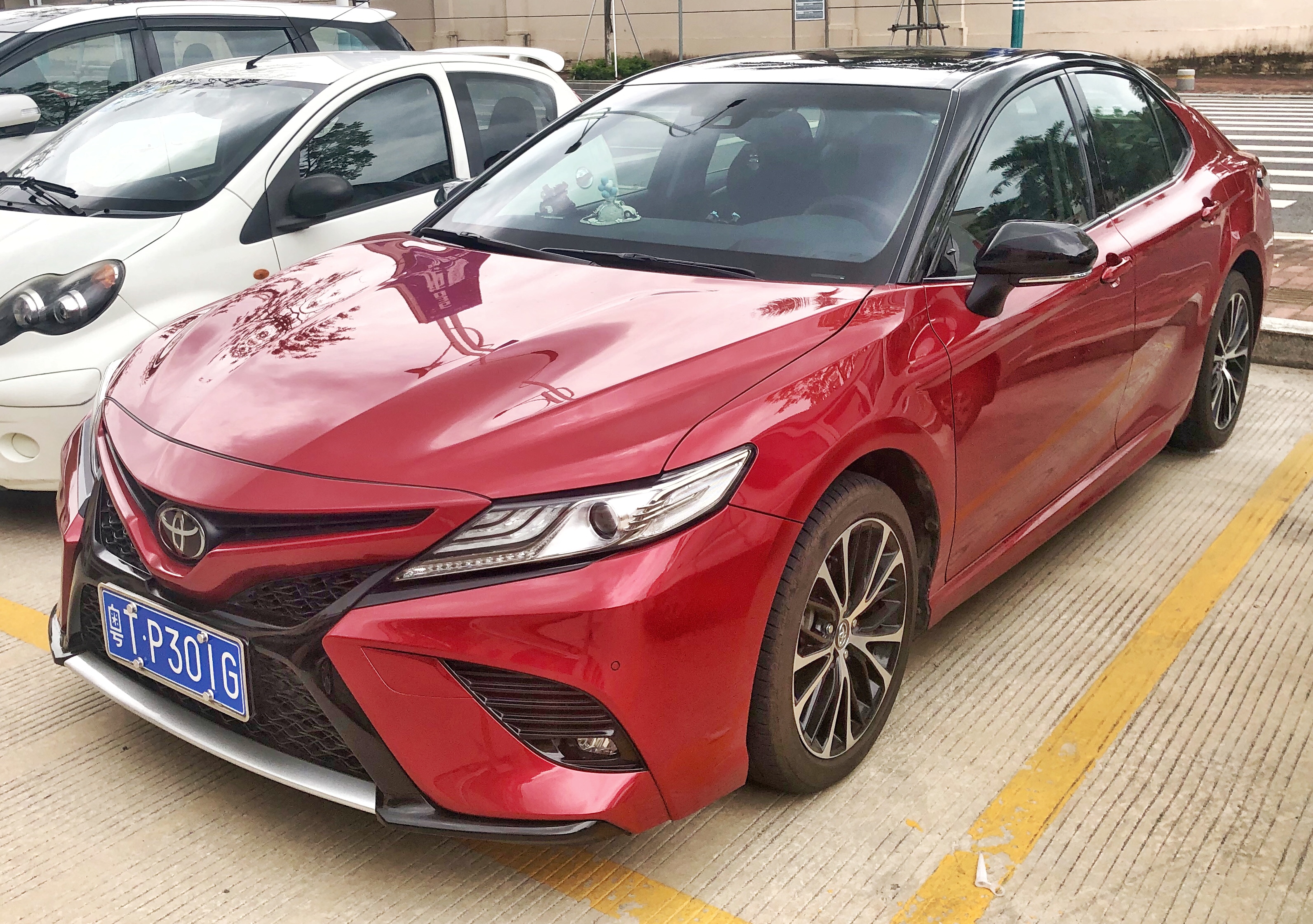
Toyota Cars
"...Cook sits in a chair a bit ahead of the other two Toyota cars. Cook does this, as you say, and Cook is very exp..."
ultimate setup
"is are they running two completely different setups to try and find the [2474.4s] ultimate setup and say, right, you're going that way."
“Ultimate setup” means the best way to tune the car for the track. Teams change settings to make the car handle predictably and go faster.
In touring car racing, the “ultimate setup” means the best overall balance of mechanical and aerodynamic settings for a specific track and conditions. Teams adjust things like suspension, tire pressures, and differential behavior to maximize lap time and consistency.
two completely different setups
"is are they running two completely different setups to try and find the [2474.4s] ultimate setup and say, right, you're going that way."
They’re saying the team might set up two cars differently to see which one works better. The goal is to figure out what makes the car faster and easier to drive.
This highlights a common BTCC strategy: running different car setups across entries to learn what works. Even within the same manufacturer, teams may split approaches to find which direction improves speed and reduces mistakes.
Red Bull
"I think there's [2527.1s] something like Red Bull. You're right. Don't care. Red Bull is all about. I think that Red Bull, [2531.3s] and not just in F1, I think across in the football, every is Red Bull is about winning."
They bring up Red Bull as an example of a company that strongly focuses on winning. The point is that some brands push hard for top results, not just progress.
Red Bull is discussed as a brand whose motorsport (and wider sports) philosophy emphasizes winning and being at the front. The hosts use it as an example of how different brands may value results versus development or driver patience.
F1 terms
"Don't care. I do think there's other brands that care about this more. I think a brand like Mercedes care about this more. Again, I'm thinking about F1 terms. I think McLaren care about this more,"
They’re using “F1 terms” to mean ideas and language that come from Formula 1. Formula 1 often talks about things like reputation and how teams are perceived, not only wins.
“F1 terms” refers to terminology and concepts borrowed from Formula 1 (F1) when discussing other motorsport series. In this context, they’re talking about how teams and brands are judged and managed, not just race results.
pie rules
"I actually think McLaren care too much about how they're perceived. It was just all last year, the pie rules. And everyone's good friends,"
“Pie rules” is a slang way of talking about rules that decide how money or resources get split among teams. Those rules can strongly affect who ends up competitive.
“Pie rules” is a nickname for a points/financing distribution rule set that affects how resources are allocated among teams. The hosts use it as a shorthand for how the sport’s regulations shape team behavior and competitiveness.
young driver
"From a looking after young driver point of view and trying to keep young drivers coming through the sport,"
A “young driver” program is how racing teams develop newer drivers. It’s about helping them get better and move up, not just winning today.
A “young driver” program is a development pathway that gives up-and-coming racers seat time and coaching to build future talent. The hosts frame it as a key reason some brands care about results beyond just the current season.
track side
"I'm not saying that if you go track side, you have a different, well, no, I'm going to say, if you go track side, you have a different perspective of how these cars are forming,"
“Track side” means watching the cars from near the track during the race weekend. You can often tell more about how a car sounds and looks when it’s moving.
“Track side” refers to observing cars from the spectator areas beside the circuit, where you can judge real-world behavior like sound, stance, and how the car looks at speed. The hosts contrast this with impressions from other settings (like Media Day).

Toyota Corolla
"...orry. Yes, they are weatherhead of the Speedworks Corolla racing side of things. Yep. And then possibly the..."
The Toyota Corolla is a regular compact car made by Toyota. Some racing teams use the Corolla as the base for a track car, then modify it for speed and handling. The podcast mentions it because a team is running a Corolla in their racing program.
The Toyota Corolla is a compact car that’s widely used as a racing platform, including in touring-style series where teams prepare a Corolla for competition. In the podcast context, it’s specifically tied to the Speedworks Corolla racing program, which is why it comes up—Corollas are recognizable and adaptable for motorsport builds. It’s discussed because the car’s racing version and team involvement are part of the season’s story.
Request an Explanation
Heard something you'd like explained? We'll add it to this episode.
Sign in to request explanations for terms you heard.
Want to learn more?
Browse our glossary for plain-English explanations of automotive terms, jargon, and concepts.
Help improve this episode
See something that's not quite right? Our annotations are AI-generated and can sometimes miss the mark. Click the flag icon on any annotation to suggest a correction.