The Ford Model T was one of the first cars that regular people could actually afford. When it came out in 1908, it changed how cars were built and who could buy them.
A “price point” is the price a company aims for so lots of people can afford it. Ford focused on keeping the Model T cheap enough to sell in big numbers.
They’re talking about how Ford paid workers more money than was typical back then. The idea was that workers could then afford the cars they were making.
An assembly line is how factories build cars faster by breaking the work into steps. The episode is saying the Model T’s famous moving assembly line came later, not at the very beginning.
Before starters were common, you had to start the engine by physically turning a crank. The episode warns that it could snap back and hurt your hand or fingers.
Suspension is what helps the car absorb bumps. A more flexible suspension lets the wheels follow rough ground better, so the ride is less jarring and the car stays more stable.
Ground clearance is how much space the car has between the bottom and the ground. More clearance helps it travel over bumpy, uneven dirt roads without getting stuck.
A swap meet is like a car-parts flea market. People show up with parts and projects to trade or sell, so you can often find stuff you can’t get easily anywhere else.
In this context, a swap meet is closely tied to the idea of a flea market—vendors sell used items, often with a wide range of quality and completeness. For car parts, that usually means you should inspect carefully for wear, missing hardware, and compatibility.
This is a specific big swap meet in the Dallas–Fort Worth area. It’s set up for lots of vendors and car-related activity, so it’s a good place to hunt for parts.
This identifies the venue for the October event, which is important for listeners planning attendance. Fairgrounds locations often have predictable parking and vendor access, which can make it easier to browse efficiently.
Muscle cars are performance cars made to be fast, especially in a straight line. The term usually points to big engines and a classic American performance vibe.
A project build is a car someone is working on over time. It might be a restoration or a custom build, and swap meets help people find parts they need.
The Corvette is Chevrolet’s long-running sports car line, and it’s often the centerpiece of enthusiast events and parts hunting. In this segment, it’s used to describe a swap meet that’s heavily focused on GM—especially Corvettes.
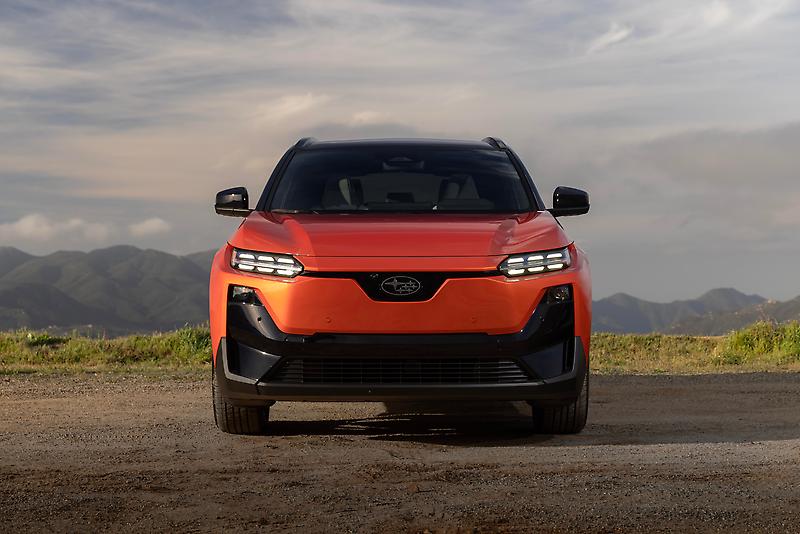
Front fascia is the car’s front styling—think bumper, lights, and the area around the grille. They’re saying it looks tidy and not like a typical electric-car design.
A radiator helps cool a car’s engine by moving heat out to the air. The point here is that electric cars usually don’t need the same kind of engine cooling, so they don’t always need a big front opening.
The C-pillar is the part of the car’s body behind the rear door. They’re saying the door handle is hidden there to make the side look smoother and more stylish.
Rear legroom is the distance your legs have when you’re sitting in the back seat. In smaller cars—especially with certain rooflines—it can be limited, affecting comfort on longer trips.
The center console is the area between the front seats, often holding the gear selector, cupholders, and storage. How it’s packaged can affect usability and where controls end up.
Henry Ford’s Model T gets the spotlight: its 1908 pricing, how “black” became standard in 1914 because the paint dried faster, and why Ford cut costs with simplicity and quality instead of big ad campaigns. The discussion also corrects myths about the assembly line, highlights the moving-line rollout in 1913, and covers the Model T’s global reach and rugged design. The hosts then shift to swap-meet culture—bring cash—and recommend several major Texas events. Finally, a review of the 2026 Subaru Uncharted EV covers styling, tech, 287-mile range, and pricing.
The Ford Model T gets talked about like a simple origin story, but the real history is full of weird details and big misunderstandings. We walk through the facts that actually explain how the Model T changed American transportation and manufacturing, including what it cost in 1908, why “black only” became a thing, and how Ford’s choices around simplicity and efficiency helped put everyday drivers behind the wheel. We also clear up a major myth: the Model T didn’t launch with the moving assembly line, and the timing of that innovation matters if you want to understand how mass production really took over.
From there, we widen the lens to the human side of early cars and car culture. Starting a Model T could be physical and even dangerous, and the engineering workarounds like early ignition solutions show just how fast the auto industry was evolving. We also connect the Model T to a bigger story about roads and infrastructure, because the car shows up before America has proper roads, then helps create the demand to build them.
Then we shift gears into practical present-day fun: swap meets. We talk about how parts hunting has changed, which Texas swap meets still feel like the real deal, and the simple rules that make the day a win, like bringing cash, arriving early, and preparing to walk a lot.
Finally, Don shares a straight-shooting car review of the 2026 Subaru Uncharted EV, covering design, interior tech, comfort, range expectations, pricing, and competitors, plus a teaser about what happens when you actually commit to plugging in a plug-in hybrid. If you like car history, EV talk, and real-world ownership advice, hit subscribe, share this with a car friend, and leave us a review with your biggest takeaway.
Disclaimer: This post contains affiliate links. If you make a purchase, I may receive a commission at no extra cost to you.
---- ----- Want more In Wheel Time car talk any time?
In Wheel Time is now available on Audacy!
Just go to Audacy.com/InWheelTime where ever you are. ----- ----- Be sure to subscribe on your favorite podcast provider for the next episode of In Wheel Time Podcast and check out our live multiplatform broadcast every Saturday, 10a - 12nCT simulcasting on Audacy, YouTube, Facebook, Twitter, Twitch and InWheelTime.com.
In Wheel Time Podcast can be heard on you mobile device from providers such as:
Apple Podcasts, Amazon Music Podcast, Spotify, SiriusXM Podcast, iHeartRadio podcast, TuneIn + Alexa, Podcast Addict, Castro, Castbox, YouTube Podcast and more on your mobile device.
Follow InWheelTime.com for the latest updates!
Twitter: https://twitter.com/InWheelTime
Instagram: https://www.instagram.com/inwheeltime/
https://www.youtube.com/inwheeltime
https://www.Facebook.com/InWheelTime
For more information about In Wheel Time Podcast, email us at