Exploring the challenges of finding repair information, Jeremy shares insights from his recent trip to Alaska, including adventures with a broken F-250 and a search for parts. The hosts discuss modular vehicles and a new website offering free factory manuals for various makes. They also dive into the importance of quality content in automotive repair videos and the nuances of maintaining vehicles in remote areas. Listeners will find practical advice on fuel management and vehicle storage, along with entertaining anecdotes from Alaska.
Grant and Jeremy discuss how to find parts for your project, best websites and tools for searching. Jeremy's trip to Alaska, the last frontier rundown.
"Like the Ford Lego system or are you talking about Chevy LS?"
The 'Ford Lego system' is a way Ford makes cars where different models use the same parts. This makes it easier for them to build and change cars.
The 'Ford Lego system' refers to Ford's modular vehicle platform strategy, where various models share components, making it easier to design and manufacture different vehicles. This approach allows for greater flexibility in production and customization.
"Like the Ford Lego system or are you talking about Chevy LS?"
The 'Chevy LS' is a type of V8 engine made by Chevrolet. It's known for being powerful and is often used in many different cars, making it a favorite for upgrades and swaps.
The 'Chevy LS' refers to a series of V8 engines produced by General Motors, known for their performance and versatility. These engines are commonly used in various Chevrolet models and are popular for engine swaps in other vehicles due to their power and aftermarket support.
"...it's got Audi, um, uh, Alfa Romeo, Ford, Chevy, Toyota, Subaru and it's like legit shop manuals..."
Audi is a car brand from Germany that makes luxury cars, known for their high-quality interiors and advanced features.
Audi is a German automotive manufacturer known for its luxury vehicles and advanced technology, including all-wheel drive systems and turbocharged engines.
"...it's got Audi, um, uh, Alfa Romeo, Ford, Chevy, Toyota, Subaru and it's like legit shop manuals..."
Subaru is a Japanese car brand that makes vehicles known for their all-wheel drive and ruggedness, popular with people who enjoy outdoor activities.
Subaru is a Japanese automaker known for its all-wheel drive vehicles and rugged designs, particularly popular among outdoor enthusiasts and known for models like the Subaru Outback and Subaru WRX.
"...it's got Audi, um, uh, Alfa Romeo, Ford, Chevy, Toyota, Subaru and it's like legit shop manuals..."
Toyota is a Japanese car brand famous for making reliable and fuel-efficient cars, like the Camry and the Prius hybrid.
Toyota is a Japanese automotive manufacturer known for its reliable and fuel-efficient vehicles, including the best-selling Toyota Camry and the innovative Toyota Prius hybrid.
"...it's got Audi, um, uh, Alfa Romeo, Ford, Chevy, Toyota, Subaru and it's like legit shop manuals..."
Alfa Romeo is an Italian car brand that makes stylish and sporty cars, often recognized for their unique designs and performance.
Alfa Romeo is an Italian luxury car manufacturer known for its sporty vehicles and distinctive design, often associated with performance and racing heritage.
"Like for example, on my Mustang, I've got a full factory, uh, manual on there, uh, on the website that allows me to kind of dive deep into specific problems going through it."
The Mustang is a popular sports car made by Ford. It's known for being fast and stylish, and many people love to customize them.
The Ford Mustang is a classic American muscle car known for its performance and style. It has been in production since 1964 and has undergone several generations of design and engineering changes.
"...your Audis, your BMW, your Buick, uh, Cadillac, Chevrolet,..."
BMW is a well-known car brand from Germany that makes luxury cars and motorcycles. They are famous for their sporty performance and quality.
BMW, or Bayerische Motoren Werke, is a German company that produces luxury vehicles and motorcycles, recognized for their performance and driving dynamics.
Mercedes is a luxury car brand from Germany that makes high-quality vehicles known for their performance and advanced features.
Mercedes-Benz is a German automotive brand known for luxury vehicles, high performance, and advanced technology, often setting standards in the automotive industry.
"...There's a Peugeot Renault, uh, what else you go."
Peugeot is a car brand from France that makes various types of vehicles, including small cars and SUVs, known for their stylish designs.
Peugeot is a French automotive manufacturer known for producing a range of vehicles, including compact cars and SUVs, often recognized for their design and efficiency.
"...There's a Peugeot Renault, uh, what else you go."
Renault is a car brand from France that makes many types of cars, including affordable models and electric vehicles, known for their innovation.
Renault is a French automobile manufacturer known for producing a wide range of vehicles, including affordable cars and electric vehicles, with a focus on innovation.
"...he's expanded now more towards, uh, vipers and, uh, and to, uh, Audis."
The Dodge Viper is a very fast sports car made by Dodge. It's famous for its powerful engine and unique look, making it a favorite among car lovers.
The Dodge Viper is a high-performance sports car known for its powerful V10 engine and distinctive styling. It has a reputation for being a raw and thrilling driving experience, appealing to enthusiasts.
"...to learn about like, for example, the intake manifold, why it's better to use that, a stock one than a racing one..."
The intake manifold is a part of the engine that helps bring air into it. It makes sure that the engine gets the right amount of air to work well, which is important for how powerful the car is.
The intake manifold is a key component of an engine that distributes the air/fuel mixture to the cylinders. It plays a crucial role in engine performance, especially in terms of torque and efficiency.
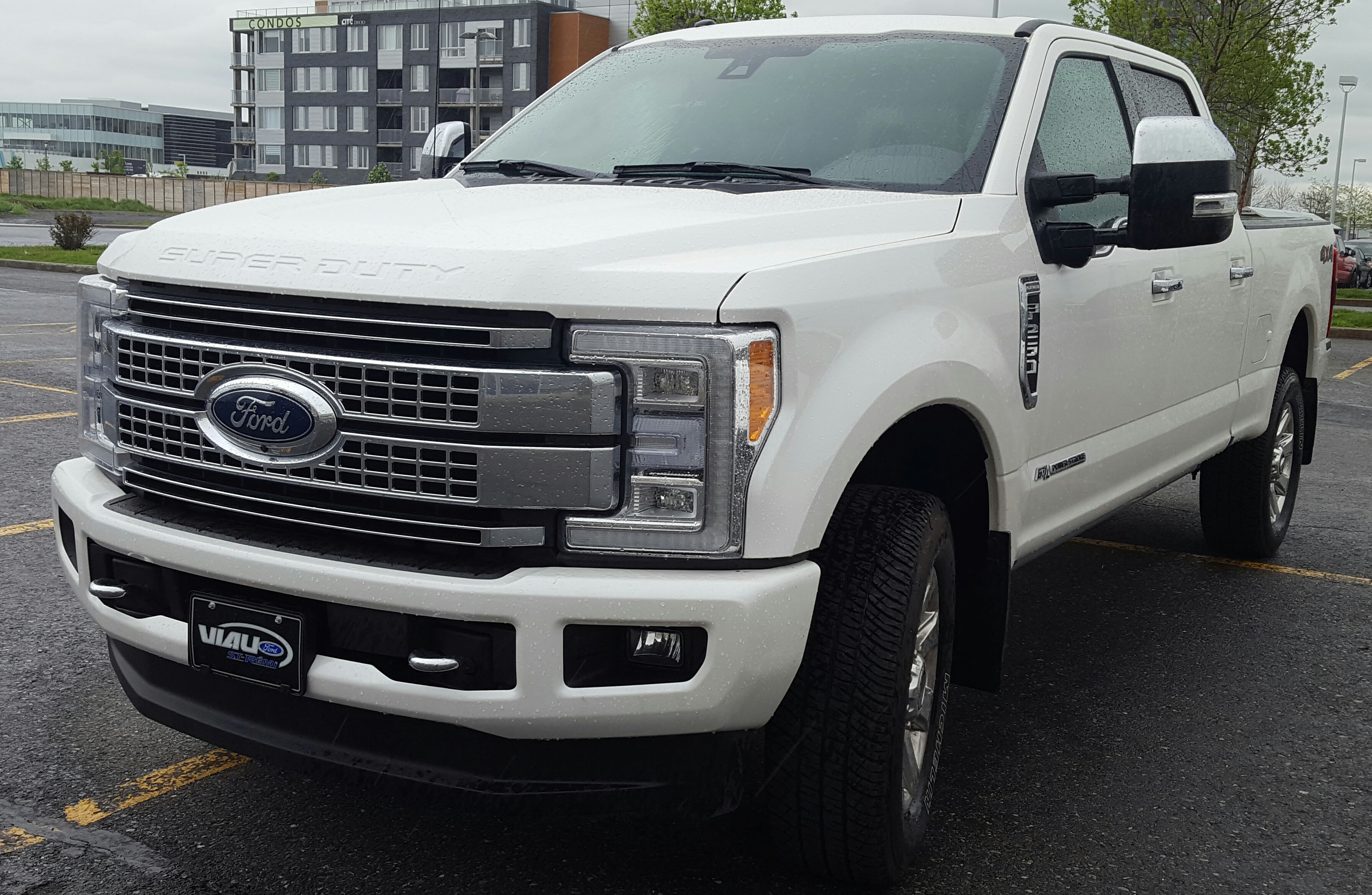
"That was a night would have been 2003 F 250 with a diesel. Correct."
A diesel engine is a type of engine that runs on diesel fuel instead of gasoline. They are often used in big trucks because they can provide more power and are more fuel-efficient.
A diesel engine is an internal combustion engine that operates using diesel fuel. Diesel engines are known for their fuel efficiency and torque, making them popular in heavy-duty vehicles like trucks.
"That was a night would have been 2003 F 250 with a diesel. Correct."
The Ford F-250 is a strong pickup truck designed for heavy work. The 2003 version is part of a series that is built to handle tough jobs and carry heavy loads.
The Ford F-250 is a heavy-duty pickup truck known for its towing capacity and durability. The 2003 model year is part of the Super Duty lineup, which includes more robust features compared to standard F-Series trucks.
"2003 would have had the, the six O in that or seven three had a seven three or six O late 2003 was between the, sorry."
The 6.0L engine is a type of diesel engine used in some Ford trucks. While it can provide a lot of power, it has had some problems that buyers should be aware of.
The 6.0L engine refers to the 6.0-liter Power Stroke diesel engine used in the Ford Super Duty trucks. It was known for its high torque but also had some reliability issues, particularly with the head gaskets.
"Um, the shift cable was the entire issue with getting that thing to start. Okay."
The shift cable helps you change gears in your car. If it's broken, you might not be able to start the car or switch between gears like you should.
The shift cable is a component that connects the gear shifter to the transmission, allowing the driver to change gears. If the shift cable is damaged or malfunctioning, it can prevent the vehicle from starting or shifting properly.
"but in reality, it's, um, down on the transmission, it was popped into reverse."
The transmission is a part of the car that helps it move by transferring power from the engine to the wheels. It allows the car to change speeds.
The transmission is a crucial component of a vehicle that transfers power from the engine to the wheels. It allows the vehicle to change speeds and is essential for driving.
"...he had a buddy come out with an OBD2 reader. That's a rare item in those parts."
An OBD2 reader is a device that connects to your car to check for problems. It tells you if there's something wrong with the engine or other systems by reading error codes.
An OBD2 reader is a diagnostic tool used to communicate with a vehicle's onboard diagnostics system. It helps identify issues by retrieving trouble codes and other data from the vehicle's computer.
"I think there's some, some O2 sensors that are bad, but I think there's temperature sensors and stuff like that."
An O2 sensor helps your car's computer understand how much oxygen is in the exhaust. This helps the engine run efficiently and keeps emissions low.
An O2 sensor, or oxygen sensor, measures the amount of oxygen in the exhaust gases of an engine. This information is crucial for the engine control unit (ECU) to optimize fuel efficiency and reduce emissions.
"I think there's some, some O2 sensors that are bad, but I think there's temperature sensors and stuff like that."
A temperature sensor checks how hot the engine is running. If it stops working, you might not know if your engine is overheating, which can cause serious problems.
A temperature sensor monitors the temperature of the engine coolant or other fluids. If it fails, it can lead to overheating or poor engine performance.
"...bout the other truck I found. Oh, not the Bronco Blazer with everything. No, that was what we talked abo..."
The Chevrolet Blazer is a type of SUV, which is a bigger car that can hold more people and gear. It’s designed to be tough and can handle rough roads, making it great for adventures or family trips. People talk about it because it combines good looks with a lot of useful features.
The Chevrolet Blazer is a mid-size SUV that has gone through several generations since its introduction in 1969. It is known for its rugged design and versatility, making it a popular choice for both urban and off-road driving. The Blazer is often discussed for its blend of style, performance, and practicality in the SUV market.
"... If you tell me you opened up a barn and found a cobra, I'm going to die. There's nothing that nice up ..."
The Shelby Cobra is a classic sports car that was made a long time ago and is famous for being very fast and exciting to drive. It has a sleek design and a powerful engine, which makes it a favorite among car lovers. People often talk about it because it represents a special time in car history when performance was everything.
The Shelby Cobra is a high-performance sports car that was produced in the 1960s, known for its lightweight body and powerful V8 engine. It has become an iconic symbol of American muscle and racing heritage, often celebrated for its speed and agility. The Cobra is frequently discussed for its classic design and the legendary status it holds among car enthusiasts.
"But what I did find was a 7-3 diesel. Early 7-3 or late, like 20, 0-2. Okay."
The Ford 7.3 Diesel is a powerful engine used in some Ford trucks. It's known for being very reliable and good for heavy-duty work, like towing trailers.
The Ford 7.3 Diesel is a turbocharged V8 engine that was popular in Ford's Super Duty trucks and vans. It is known for its durability and strong performance, particularly in towing applications.
"...it's better to have it with a full tank as best as possible and fuel stabilizer. You have less oxygen in there and you have less room for expansion."
Fuel stabilizer is a special liquid you add to your gas to keep it from going bad when you don't use your car for a while. It helps the gas stay fresh and prevents problems like rust or gunk forming in the tank.
Fuel stabilizer is a chemical additive that helps prevent fuel degradation during storage. It keeps the fuel fresh and prevents issues like varnish buildup and oxidation, which can occur when fuel sits for long periods.
"On day two, let's say I want to use some of that 36 gallons of spent fuel over there. Can I take a five gallon can and fill it halfway up with that, that gas and give it another..."
Spent fuel is old gasoline that has already been used in a car. It's not as effective as fresh fuel and can cause problems if mixed together.
Spent fuel refers to gasoline that has been used and is no longer fresh. It can degrade over time, leading to performance issues in engines if mixed with new fuel.
"mixing year old or older fuel with new fuel is generally not recommended. As it can lead to performance issues and potential engine damage..."
Performance issues mean that the car doesn't run as well as it should. This can happen if the fuel is old or mixed with new fuel.
Performance issues in a vehicle can arise from using degraded or mixed fuel, leading to problems such as reduced power, poor fuel efficiency, or engine knocking.
"...provided you have a fully charged battery and it's an electric fuel pump, one thing you can do is disconnect the fuel line..."
An electric fuel pump helps move fuel from the gas tank to the engine using electricity. It's important for making sure the engine gets the right amount of fuel to run properly.
An electric fuel pump is a device that pumps fuel from the tank to the engine using electricity. It is commonly used in modern vehicles to ensure a consistent fuel supply and pressure for efficient engine operation.
Select text to request an explanation
Welcome to another episode of Untitled Car Project.
I'm your host, Jeremy Moult, Rankin' Dolls.
We are missing today Rob Spring.
Yeah, probably going to be out the next couple of weeks.
He might call in next week, we'll see.
But today, it's just the two of us.
Just the two of us today, we've got some really exciting topics.
You want to talk about what we're talking about on today's episode?
Sure.
So today's episode, we're going to talk about our ongoing discussion of how to find information
on repairs.
I'm going to delve into my Alaska trip since I'm just coming back from that and it's fresh
in my mind.
And then I was having a conversation with the guy at work about modular vehicles today
and he pointed one out.
So I'm going to point that one out to you today and we'll talk a little bit about that.
Like the Ford Lego system or are you talking about Chevy LS?
Kind of.
It's like a Lego.
It's a legit car.
Rob's not going to like it though.
But he might like the theory behind it, but not the vehicle.
Okay.
Okay.
Well, any more topics you're talking about today?
Nope, that's it.
All right.
So before we get into the episode, I want to let our listeners know to check out our
socials Untitled Car Project on Facebook and Instagram.
We also have a Facebook group Untitled Car Project as well as if you would like to hit
us up on our show at untitledcarproject.com.
We are currently looking for guests that have finished and or are currently working
on a kit car.
We think that'd be a really interesting topic to talk about.
Yeah.
And some motorcycle guests.
Oh, motorcycle guests too.
Yeah.
I have one in mind, but I'm trying to convince him to come on.
Well, we got Rob on there too.
Oh, yeah.
Rob's a motorcycle guy.
All right, Jeremy, let's start getting into the first topic.
Sure.
All right.
So I want to talk about the ongoing discussion we've been having about how to find information
and repairs, right?
Other than the internet.
Okay.
So ignore this.
Well, I can't.
Oh, no, no, no, that's the one I wanted to talk about.
We'll start talking.
Okay.
Um, so I mentioned early, earlier, uh, we were, I was talking to a guy at work about modular
vehicles.
Um, he also mentioned this charm dot li.
I've never heard that as an application.
Is it a website?
It is a website.
Okay.
Um, you don't type in dot com or anything like that.
Just charm dot li.
What's the li stand for?
I don't know.
Okay.
We should probably figure that out.
I will need to figure it out.
Um, when it comes up, you're going to be amazed by this.
Okay.
I already am.
It is, um, all car makes and it's the, um, manuals for all of these vehicles online and
they're free.
Interesting.
And it, I don't want to say it's all of them, but there is a large number of them from like
1982 to 2013, I think was the newest one.
And they're of like just factory manuals or yes, they're like, they're like factory
manuals.
Um, it is all of the repair information in there and I kind of was started digging into
it for like Fords and stuff like that just to see what was in there and there's straight
to the Ford.
So they're always breaking.
How dare you?
Well, I went straight to the Ford's cause that's kind of what I have right now, right?
So I thought it was really interesting and that's what kind of sparked this.
How do you find your information again?
Um, it's another website for people to go to to find information.
Yeah.
Um, I also looked it up.
L I stands for listed items, listed items.
Yeah.
That's what Google said on that.
Okay.
Cool.
So it's a listed items.
Yeah.
Um, yeah.
Anyway, it's or list item.
It had, um, I don't know if you went to the site, but it has like, you want me to go
to site right now?
Yeah, do it.
All right.
It's got Audi, um, uh, Alfa Romeo, Ford, Chevy, Toyota, Subaru and it's like legit
shop manuals, um, for all of these vehicles.
They're, you know, 82 to 13, 2013, right?
But I'm, I'm looking at it like most of the people that are working on their vehicles,
they're probably not working on their 2020, right?
Okay.
2018, you might see a few more people working on those 2015.
Definitely going to see a few more people working on those.
You know, as you go back, you're going to see more and more people starting to work
on those, right?
Because shops a lot of times won't work on things unless they're, um, 10 years
old or newer.
So, uh, you know, you get back to the, the 2015, that's 10 years old now.
Mm hmm.
And it doesn't feel like it, right?
No.
And I know this is a conversation we had 90s, 95.
It was 30 years old at this point.
Yeah.
On the level of classics now.
Yeah.
I will say, so going to this website, my first thing that catches my eye, it doesn't
look like a very flashy website.
And that's not always a bad thing.
No, it's not.
But just dive into it.
The one thing that really caught my eye on top of parts, it tells you labor
times expected per job, as well as item numbers for OEM, part equipment.
Now that's interesting.
The labor times are not for the lay person or the guy that works on his vehicle.
It's for a shop though.
It's for a shop, which is nice because it gives you a really good
estimate of like what you can expect.
Yeah.
So if you have a vehicle that you're taking in, you're like, Hey, how, how
much time should this take?
Well, if they're charging you 40 hours for it and the shop manual says five, you're
going to call them out on it?
I don't know.
Sometimes there's a reason for that.
No, there is.
But I might, I might would be like, dude, you guys are charging me $40.
The shop manual says five.
What happened?
And if, if they give me a legitimate reason, okay, fine.
You found more things.
Fine.
If you give me a bullshit reason or, you know, you try to tell me whatever it took,
it just takes this long.
I'm going to call it out because, you know, that's not fair, right?
Um, but that's me.
Okay.
Um, I don't know.
I thought it was really interesting.
Oh, it's a very interesting website.
Just off the bat.
I like the amount of variety that's onto it, like that for different vehicles
it covers through.
There's a lot, right?
And I think some of the best, uh, information you can get for vehicle
sources for parts and for repairs and stuff, not just this website, but a
lot of it can be found deep in the internet on like forms that are forgotten
for sites that, you know, um, that haven't been seen in decades.
Like for example, on my Mustang, I've got a full factory, uh, manual on
there, uh, on the website that allows me to kind of dive deep into specific
problems going through it.
Uh, personally, I'd rather have into a book, but on the website going through
means I can hot search, uh, key topic words, as well as dive down, uh,
diagnostic trees and figure out like what actually I need to specify down.
What's it doing?
How, okay, if it's doing this, go this route and figure it out from there.
Yeah.
So just like running through this, like looking at the list, um, most of them
are vehicles that, you know, you'd think of every day, right?
You got your Akras, your Audis, your BMW, your Buick, uh, Cadillac, Chevrolet,
blah, blah, blah, right?
Daihatsu, DeWoo, freight liner, uh, Land Rover, Mercedes.
Yeah.
Okay.
There's a Peugeot Renault, uh, what else you go.
So if it helps out, uh, one other thing about this is, uh, from their about page,
uh, they go from 1982 to 2013 models, um, and it's being updated, but the people
that are the programmers for the site, uh, which to be anonymous.
So that's a thing.
Yeah.
Yeah.
But, you know, if they say, if you want to contact them, there's an email on there.
So that's probably to help out for expanding onto specific searches.
Or if you have things to add to their database.
Yeah.
What's UD?
UD?
Yeah.
Never heard of a UD before.
Uh, I don't know.
But they have the manuals from 99 to, uh, 2007 on here.
Nice.
So, uh, check it out, guys.
You know, let me know what you think.
Um, give them a read through and see if any of the manuals are, are legit.
What we need to do is Jeremy, get your project on here.
So you can start using it more.
Project.
Exactly.
That might be a spoiler for coming up.
Well, maybe probably, probably not.
No.
I thought you said you had some stuff from Alaska to talk.
I do have some stuff from Alaska to talk about.
We'll, we'll get there.
We'll get there.
Um, oh yeah, that's actually a really good idea.
That's what I was saying.
So on top of that, let's dive back into finding information on the line.
Is there any goods other than tech space and other than form base?
Is there any good, like for example, videos, uh, from streaming services or
YouTube that you use?
Because nowadays a lot of people don't have the time to sit down and read
through forms and dig through and find the guy who commented once 10 years ago.
Right.
Sometimes the best just to say, I have this need.
What is this pair?
Give me videos, skip to two minutes in.
Let's see it happen.
So I do have a couple of people I follow online.
Um, I honestly, I can't tell you who they are.
I can tell you right now.
Hey guys, Chris fix it here.
Well, not me.
I don't have him on my thing.
Every mechanic has Chris fix it.
I should probably.
So, um, yeah, that was kind of one of the other topics I wanted to talk about.
Talk about, right?
Some of the YouTube channels, I have a problem with some of them.
Well, let's talk about ones you don't, which ones do you use the most and which
ones do you find most?
Well, that's, that's the thing.
I don't remember what they are.
Okay.
I'm never going to remember what they are at the top of my head.
If I like them and they're, they actually have good information.
I'm going to subscribe and I'll go back to it.
So let me talk about some of the ones I use then.
Okay.
Yeah, do example.
So one of the ones I use fairly often is a channel that posts about once per every
couple of months and is called a four eyes.
I think it's just four eyes or four eyes racing.
Okay.
Uh, let me check on that one.
Uh, and I, I, I, I, uh, no, like, uh, eyes is in like the number
four and then eyes is what E Y E S.
Okay.
Um, four eyes racing.
So the reason it's called that is the guy's where, where's glasses?
He wears glasses.
Okay.
Uh, but on top of that, his original, uh, goal of the channel, uh, again, was
a Mustang channel because Mustangs have the two fog lights and two normal lights.
So four eyes.
Um, he's expanded now more towards, uh, vipers and, uh, and to, uh, Audis.
But why it's interesting on his, and again, um, being a Mustang guy, it's like, okay,
why are you focused on this?
He makes more of like a video documentary of higher quality.
Okay.
And while you're watching that you're learning not only the repairs or an upgrade
that he's doing for it, but the reason why, and he's making it, uh, as a storytelling.
So one of the things is, even if you're not say a Mustang guy in particular, it's
very fascinating to learn about like, for example, the intake manifold, why it's
better to use that, a stock one than a racing one on a non-boosted Mustang.
Because the, the way the, uh, uh, variable ventures in the intake actually
helps with low in torque and most people get rid of them.
And it makes sense if you do, for say a lopier cam, um, or things that already
add, um, you know, help with airflow, what they do on that one is they help, uh,
reduce it and make a venturi effect.
So it speeds up the air faster.
So it helps low in torque.
Um, and just the process of going through it, dinowing it, um, you know,
the shots are, are great as well as like the biggest thing I know about you,
Jeremy, any YouTube video I'm watching or any video for that matter, audio is one
of the most important things.
It'll help keep me in, uh, in the mood, in focus as well.
Heck, you can even turn off the video.
And as long as you're listening to it and it's consistent and it's of good
quality, no pops, no ans, no ums, uh, it keeps you in the moment engaged.
A hundred percent.
Um, I totally agree with that.
Like if I'm listening to a podcast or I'm listening to YouTube channel or, you
know, some other streaming service, right?
And I hear that the audio quality is just trash or the dude standing out in the
wind and it sounds awful.
Yeah.
I'm probably not going to watch that.
Um, or I'll get a couple of minutes in and it'll irritate me enough that I just,
I won't continue.
Yeah.
Even if the quality is good, yeah, even if the quality of content is good.
Okay.
Um, I, it has to have good, good audio quality for me.
Otherwise it, it like, I don't know if it's a pet peeve or if it's, uh, um, I
can't hear it because my hearing's starting to go.
You know what I mean?
So maybe it's hard, uh, hard to hear.
So it just kind of, I don't know.
It gets, it grinds on my nerves and I just, I can't finish it.
If you're listening to a guy that's underneath a car trying to work and his
audio is muffled by his shirt, muffled might be okay.
If it's muffled a little bit, but the audio doesn't have that wind and it's
not crackling and stuff like that.
Yeah.
Um, I can deal with that.
You know, or if he kind of turns away from the microphone as you are doing,
you know what I mean?
Yeah.
Um, a little bit like that.
Okay.
I can, I can totally understand that.
Let's back up a moment.
You, we were talking about content.
What's something on the channel that brings you into it?
And when the, just you can't stand, especially for automotive repair and
information missing fundamentals.
Okay.
So you mentioned a few minutes ago, um, uh, the guy that you're
watching is actually explaining, uh, the reasons why, the reasons why he's
doing something, right?
That is good content to me.
Yeah.
Um, if he or she, they are explaining what they're for the heck of doing it,
brother, right?
What they're doing.
One, why they're doing it, how they, how did they get to the point where
they're replacing this part?
Yeah.
Walk me through your troubleshooting steps.
Yeah.
I, I don't just need to know that, you know, I don't, I don't need to just
know that, that you've, you're replacing this part in most cases.
I want to know how you came to the fact that you needed to replace that part.
Is that necessarily true?
Because sometimes, like as much as I like for eyes, um, it's not looked up.
It's called F O U R eyes for the four eyes channel.
Um, there's, sometimes I want to have a two minute video that tells me a
wiper that I don't know this way.
It's Jury rigged how to fit it back in and call it good.
So as an example, if your video is 20 minutes long and it gives me that, that
why and that how to, but you tell me exactly what minutes you're replacing
that part and I can fast forward to that and I can watch the rest of the video
later, I'm okay with that.
So you like to have, you'd like to have a story being told as a journey, but
have it also labeled out so it's easy to follow if you're doing that journey.
Yeah.
Tell me what your car was doing.
Tell me what the car was doing.
Give me a good problem statement.
Car was doing X Y and Z while doing this, right?
Driving down the road, it was popping and skipping, right?
Okay.
That's giving me a story as to why you're replacing this thing.
Is my car doing that?
Maybe.
You know, maybe I'm explaining it different, right?
But I'm going to try to get that visual in my head.
What is my car doing?
And then walk me through a couple of the troubleshooting steps that you did.
I looked at this, I looked at that.
Um, I took my multimeter out and tested from this point to this point.
Um, I dug through here and found information on this.
Here's the link to that, you know, in the, in the description, whatever.
Yeah.
I think that's a key thing, by the way.
I like that.
A key thing is if you're using in any kind of video heck, if even let's step it back.
If you're in any kind of repair, uh, form format, whatever it is, and you have to
use a very specific tool or an item that you used on that link, give a link, give
where you bought it, because it doesn't make a hell of a lot of sense to have
someone who's watching a video that say from 10 years ago, that has a specific
tool that you bought a store that doesn't exist anymore or that you made as a one
off.
Yeah.
If you made it as a one off and there's no instructions how to show me how you
did it, yes, or, or show me the tool and walk me through what you did to do that.
Yeah.
Right.
Yeah.
I'm okay with that.
I want, I want content for the whole story.
And if I only need two minutes of that video and I can walk through or go scroll
down and look at your video and say, it says, you know, at one minute and two
seconds, I was talking about this at two minutes and five seconds.
I start doing the repair replacement at five minutes and seven seconds.
I'm completed on the replacement.
Uh, and then I talk about my troubleshooting steps between here and here.
Dude, that is money.
Yeah.
I am totally going to follow this dude and watch.
So, and here's one of the step even further, because most of the time nowadays,
people want to consume it and faster.
They don't have time for a full opera of a story being told in short term, or
short form content is actually being consumed more days, whether it's
Instagram shorts, YouTube shorts, whatever.
What do you think then is if you're given 60 seconds to give a video, what kind
of video do you want to see?
What can you recommend to people that be like, Hey, this was helpful.
In 60 seconds.
Yeah.
Like for me, for example, if I'm giving a short video of that, if it would be
something in six seconds, I can learn quick.
Yeah.
It retained fast.
Like a hack, a life hack.
I mean, for a quick and easy repair for, you know, looking up something.
If you're, if you're doing something in 60 seconds, it's probably going to be
like a quick button snap replacement.
Right.
Yeah.
Okay.
If, if my button's broken and I just need to know how to replace this button or I
need to know how to replace the shifter knob on my, you know, 2007 Mustang.
Okay.
I get that short video.
I understand that.
But if I'm doing something like I'm replacing X sensor, I want to know why.
You know what I mean?
That, so yes, there are times that a 60 second video or a two minute video is totally worth
it, right?
In other cases, when it's a little bit more in depth and the issue you're
having is, you know, maybe it's a timing issue.
Maybe it's, you know, who knows what it is, right?
It's a little more in depth.
I need more information.
Okay.
You know what I mean?
Does that make sense?
Yes.
Okay.
Um, I, I totally understand the, the 60 second, 30 second, two minute videos too.
They're also, but on the same token, you know, if you can give me the replacement
in the first 60 seconds and then give me the Y at the end, I think it makes better
content.
Also, I think YouTube has a, um, logarithm for 10 minute videos, right?
So if your videos 10 minutes long, uh, they're
filter, they can go through is between four and 20 minutes and over 20 minutes and
less than four minutes and less than 30 seconds, I think is what their filters
to them goes through.
Yeah.
So, but I think there's a, if they're trying to make money, they need to be 10
minutes long or something like that, right?
Uh, their monetization program, uh, varies.
Okay.
Cause you can, it, uh, not diving too deep into it, because it's a whole
different, let's just say for monetization YouTube, you can get, uh,
depending on the amount of user view, it stays connected on the video.
So if you have say a million views and it's for a 20 minute video and everyone's
watched 20 minutes, that's a lot of money being generated versus say, uh, a million
hit or, uh, a hit video where only like the first two seconds is being hit.
It's not going to give you as much as the viewer time overall.
It wasn't going into that.
That makes sense.
Yeah.
Okay.
So, uh, the next portion of that is how do you, how do you pick the right YouTuber
vlog for what you need?
Yeah.
So I think there's a couple ways to look at it.
If you're looking for a specific repair, um, find the vehicle that you're looking
at and see if that channel focuses on that.
Um, and if you can gain any kind of information from it, hit subscribe and,
and as well as one of the things that people don't understand is the
comment section is actually a really good source for not only people looking
into the video, but also letting the creator know that the audience is being
engaged for your with, as well as, um, asking any questions and getting through
that, um, the comment section is what helps in my opinion.
A lot of creators bring out the next thing, know what to dive into.
What are you looking for?
Um, so that's, or how to change their content for the next type of video.
Correct.
So if you find a page that maybe is not having is specific on your repairs and
on the videos you're looking for, and doesn't have a lot of user subscribers,
um, one way to help progress that to maybe get the problems you want fixed,
um, or have them cover or whatever is, make sure you're liking, subscribing
and commenting, because it helps them know people are actually engaging with
this.
I'm not talking to random microphone and it's going nowhere.
Sure.
You know, yeah, no, totally makes sense.
And, uh, for me, um, I think I'm, I'm looking for that content, right?
And, and not only the content, I want good content.
I want somebody that's going to engage me and, and entertain me also.
You're looking for it.
Like, so, okay.
So like, I just explained like a repair user site.
Let's say you were looking for more of a consumer content of, of a story base.
So something, let's just say on the large show that most people might know,
is like doughnut media that covers all sorts of automotive repairs, challenges,
uh, science behind vehicles.
And they've adjusted over the years on what they've covered history of vehicles.
Um, but a site like that would be something that would engage you in that
and, or you'd recommend to people.
So yes and no.
Okay.
Now let's hear it.
Yes and no.
So doughnut media totally watch them, right?
I think there's a lot of really good content on there.
Yeah.
I'm looking for the backyard mechanic that, that, uh, has a lot of knowledge.
Maybe he's a mechanic in his, in his real job, something like that.
Right.
Yeah.
And like our buddy Chad, the C 10 nerd.
Right.
Like Chad, isn't he a police officer or whatever.
Um, so I'm looking for that guy that, that has that knowledge.
Right.
One, two, um, if he has funny and, and, and, and, and, and, and, and.
Antics, whatever.
Antidotes, uh, that he throws in to this show or maybe the dude does funny things
like falls off his boat every show or, you know,
gives the show some personal buses, knuckles up once in a while and says
something colorful, you know, that's the kind of entertainment I'm talking about.
That should be a catchphrase has something colorful written on a shirt.
All right.
It says, oh, that's the next T-shirt, Rob.
Um, says something colorful.
Um, that's the kind of entertainment I'm talking about.
Like it doesn't have to be like 10 minutes of stamped up comedy, but like a
little blurb of something funny or something.
That has some life in your show.
Like your, your, uh, dad jokes at the beginning of every show, which we missed
today.
Oh, I know.
It's sitting out too.
How do we miss that?
Anyway, uh, it's like your dad joke.
It's the beginning of the show, right?
Something like that.
If they were to do that, or, you know, say something funny to maybe somebody
comes out while they're doing this and they say something funny to them and they
walk away or, you know, whatever.
Well, you don't want to have it where it's so distracting.
No, it gets you away from the whole point of getting to the video.
Cause most, bringing back to this is finding information on repairing.
You want to have it so that way you're gaining information.
You're knowing what you're doing, but in your opinion, you think you should
have, and that's why I'm here, right?
I'm here for the information.
Yeah.
If you throw the anecdote in there and it's funny, you're probably going to
draw me in even more.
So then you're going to be more likely to get me to hit that subscribe button.
Okay.
Then how about this then?
Flipping it going the opposite direction back to where we're with forms and stuff.
If you're searching Reddit, if you're searching Google, if you're searching
whatever, does that mean that you expect to find the story out of that?
Or should it just be straightforward information?
This is why I'm came here for.
Cause I feel like if I'm having to read text and go through, it needs to be more
of, if I'm looking on Reddit, yeah, I'm looking for specific information.
Okay.
I, I don't know about you.
I don't read very fast.
I read well.
What I read, I retain really well, but I do not read fast.
So if I have to actually sit and read something and it's got a, the whole story,
it had better be bullet pointed and it had better be very clear and concise.
I feel like if it's going through a long story on those kinds of websites,
yeah, in my opinion, because I'm a visual learner, um, pictures are a must
required just to help out talking about the specific thing you're doing.
Because if we're doing repair and you're going for it, that's going to be
something I'm going to need to see.
Okay.
This, even though I came there saying this topic I'm looking for, say a, you
know, thermostat, uh, sensor relay, whatever, you know, why did it fail?
And have, and then have, find this whole story about a guy, you know,
as in his garage, whatever, I don't want to hear about that.
But if you're showing me pictures of step by step, how you got there.
Okay.
Makes sense.
Right.
So, and that's the other thing, right?
For the video.
Okay.
If you're looking at the timestamps,
those are like the bullet points, right?
It should be clear and concise and very short, right?
Yeah.
So this is where we talk about the troubleshooting steps.
This is where I find, uh, this pin is pushed.
This is where I find, um, whatever, this is where I, I do the repair.
I think you're looking too much into it.
Most bullet points are like installation and they'll say like
yes, sensor, and then it'll say like, I don't, I don't know, drain.
Like it'll, it'll lily one word.
Boom.
That's what it is.
Right.
Yeah.
Drain oil pan.
Yeah.
And that's exactly what I'm looking for in the bullet points.
Right.
Drain oil pan.
Okay.
Let's say you're replacing a sensor, unplugged two pin connector, uh, used X
French to remove turning counterclockwise.
Okay.
Install in reverse order.
Plugged two pin connector back up.
Right.
Yeah.
That's your bullet points.
Yeah.
I don't need, I don't need a 30 page story on how you replace that sensor.
Yeah.
Give me the highlights.
Okay.
And in your video, you can walk me through exactly what you're doing.
Yeah.
You know what I mean?
That's the, that's the story.
Yeah.
I don't know.
That's, that's how I feel.
Yeah.
Do you have to look up a lot of videos when you're in Alaska for any of the
project you've been working on?
Um, no.
Um, and let's talk about those projects.
Let's, okay.
Let's jump into that.
Okay.
So let's talk about the, the truck that is still sitting in the driveway
broke down.
That would be from our last episode we talked about, this was over a year ago.
Yes.
That was a night would have been 2003 F 250 with a diesel.
Correct.
Six, it's not a three.
It's not a three.
2003 would have had the, the six O in that or seven three had a seven three or
six O late 2003 was between the, sorry.
So it's a 2000, it's two, it's a six liter, six there.
It is a six liter to 2005.
Yes.
Yeah.
Um, it's still sitting.
Did you get a running?
It starts.
That's good.
Um, the shift cable was the entire issue with getting that thing to start.
Okay.
So basically the shift cable, it had a big crack right in the middle.
Yeah.
And it was, um, reading park on the dash, but in reality, it's, um, down on the
transmission, it was popped into reverse.
Okay.
So if you crawl under, there's a little adjuster screw on the bottom underneath
the dash.
Yep.
Yeah.
I did play with that, but remember the cable is actually broken.
Yeah.
So even though it's broken adjusting that doesn't all you're doing is adjusting
what it looks like on the dash.
Okay.
That makes sense.
So if you actually jump under there and push that thing forward into park fires
right up, no issue.
Okay.
Um, so, so real fast backing up for our listeners.
Um, you have a, let's just give a backstory of Alaska, why you went in all
that jazz.
Okay.
So this year you went on your annual Alaska trip, which is up in, uh, it's on
Prince of Wales Island.
Okay.
Um, not that far from Ketchikan as the crow flies.
Okay.
Uh, it's about a 30 minute flight out to the island and then it's about a two
and a half hour ish drive from the airport on the island up to, um, the house.
And typically every year you go for vacation relaxing, but also you guys own
property up there that, and there are pieces of equipment, some vehicles, some
boats, et cetera, that you need to maintenance and repair.
Yeah.
And to catch up our listener, uh, last year you were working on one of the
vehicles, which is the F 250 and getting it a non-running truck at the time.
Well, it ran.
Oh, well, no, when you would start first, it wasn't starting.
Well, when I first got there, it started after fiddling with it a little bit, it
no longer would start, but a year later, a year later, finally got figured out what
it was.
And you know, I'm, I'm up there in short bursts and two weeks at a time.
Yeah.
Two weeks at a time.
And when I'm out there, it's not like I'm, I can do the troubleshooting and
stuff like that because there's plenty of time while I'm there, but the running
into town, it's not a thing.
And the Amazon's not a thing up there.
Amazon's a thing, but it, it'll take you two weeks to get something.
It's not a two day delivery.
No.
Yeah.
So like when I go up, I do some troubleshooting and then I ship
something up there in hopes that it's there when I get there next time.
Did you know about the website charm li before you went up?
No, I found out about that today.
Okay.
That was literally today.
Especially on the side notes on the website, you can download all the stuff.
Yes.
About 700 gigs worth of data.
Yeah.
But regardless, I'm saying is that would have been helpful in that area with
100% information.
100%.
Um, so here's the issue we were having.
Mm hmm.
Um, my wife's cousin was helping and he actually did some of the troubleshooting
while I was down here.
Okay.
Um, um, issue is that, that exact thing, right?
Where there is a part store on the island, but it's two and a half hours,
almost three hours away, right?
So jumping in the car and driving out there, it's, it's not, it's not trivial.
Well, first you got to get the car running.
Right.
Well, and they have other vehicles out there.
So, um, with that being said, because the cable you knew was broken from last year,
not this year, correct?
It was broken from last year.
Did you bring a spare cable up then first?
He actually had ordered one.
Who's he?
Uh, William.
Okay.
So which is one of the caretakers up there?
That is my wife's cousin.
Okay.
Yeah.
So he, um, he actually lives right across the road from our house, uh, along with
his aunt and, or my wife's aunt and her other cousin.
Yep.
Um, so he ordered a cable.
Mm hmm.
First one showed up.
It's not right.
Yeah.
Second one showed up.
It's not right.
He ordered a third one from a different place and it showed up not right.
So I'm going to take a stab at it.
So because of an F 250, uh, the transmissions they had was a four D 100.
And that was in the, I believe the V 10s and I think also the seven threes.
So the transmission end is not the wrong, uh, not the bad part.
Well, I'm just saying real fast.
There's, I can't name mall off top of my head.
There are, I believe for those trucks, there are three different types of
transmissions, which means for a cable, a shift or cable needs to be different
lengths to actually reach it.
The shift cable links were identical.
Oh, okay.
Then never mind.
The ends is where he's having the problem.
Over.
Okay.
So one, the, all three of them that he received were, I want to say it was either
a square end or a round end and it needs the opposite.
Okay.
Okay.
Three times.
Okay.
So what I've asked him to do is send me a picture because down here, at least I
can go to a part store and have them pull it out and look at it.
Right.
Yeah.
And send me a picture.
I'll go get the, the cable find the right one.
I'll package it up and send it.
Yeah.
However.
Oh, no.
Oh, no.
After helping with the mail plane three times while I was up there, the mail
plane, are you a sexist?
No.
So the mail comes in on a float plane.
Okay.
And, uh, my wife's aunt is actually in charge of the mail plane.
Okay.
When it comes in, she,
Does that make it your uncle?
No.
I'm going to punch you right in the fucking mouth.
So, um, they basically pick the mail up from the plane on the dock, load it into
the truck, drive it up to the post office where there are actual mail slots.
And then they have like an area where they can put large packages.
Right.
All right.
So it's kind of cool.
900 pounds of mail.
Oh, wow.
Showed up on one of the three planes that came in the two weeks while it was there.
Okay.
Okay.
900 pounds of mail.
That's a truckload.
That is a truckload of mail.
Okay.
So we get it all up there.
We get it all sorted out.
And here's where this, this mail plane comes into, into play.
Grants over here dying, by the way.
Sorry, I've got like an eight year old mind going.
So here's another pounds of mail.
God damn is this drip club.
I hate you.
Hey, I absolutely hate you.
Okay.
So coming back to reality, I'm back.
Um, half of the problem is, yeah, when you ship something up there, yeah, the
packages look like they've actually been run through a meat grinder.
Oh, Jesus.
So some of these boxes, like coming off of the plane looks like they might have
fucking parachuted their way in without a parachute.
Is it near impossible to ship fragile stuff up there then?
Like say, look, here's a big example.
Can you get replacement glass up there for like vehicles?
Was that near impossible?
Cause you gotta have something.
Plexiglass.
Do they sip up?
Well, you could probably get a piece of glass, but you're going to have to.
I don't know how, dude.
I don't know how they would do it.
Cause it, a lot of the stuff comes up on, um, Alaska Airlines, right?
Yeah, it goes through a hub in Washington somewhere, gets shipped up to
Ketchikan and then it's loaded onto planes and flown out from, from Ketchikan.
And, um, I don't know where it gets damaged, but some of these packages, like I
said, they look like they parachuted out of the plane without the parachute.
Oh, wow.
And, uh, I'm sure you can get a piece of glass.
Yeah.
Um, the bed I sent up last year, the package looked fantastic when I got there.
Yep.
Right.
So some of the things do come up and they're fine.
And I'm sure if it said fragile on it and it was a piece of glass and it said
glass, they'd probably take a little bit of extra care on that.
Um, but you, you definitely are going to want to package it a little bit more consciously.
You know, um, so that being said, did you ship up the actual right cable?
Not yet.
I'm waiting for the picture.
Um, and then I'm going to go and do a little shopping around, see if I can find
the right one next year.
It's going to be there.
Um, I'm going to get it up there before that.
I, I'm hoping to have it up there before the end of the summer.
Okay.
Um, at least before the end of September.
Okay.
And then, uh, he had a buddy come out with an OBD2 reader.
That's a rare item in those parts.
No, there's mechanics up there.
So I'm coming part in the, he had a Ford guy come out with the OBD2 reader and, uh,
plugged it in after he got it started up and all that stuff.
Apparently there's a bunch of, uh, um, sensors that are shot on that thing.
I bet if it's been sitting there for years, yeah.
Well, it hasn't really been sitting for, well, yeah, actually, it's been sitting
for two years right now, hasn't moved in two years.
It has started, but it has not moved.
So were you able to assess if it was a cascading effect that one sensor went bad
that caused others, or did you verify that all these sensors were actually bad
and you need to ship sensors up now?
I'm going to have to ship sensors up.
I, he verified that they were not good.
He did not verify how they went bad.
And what I'm assuming is it's more than 20 years old at this point.
So what sensors went bad?
Um, I don't know yet.
William has a list of it somewhere.
Okay, very helpful.
He's supposed to send that to me.
I think there's some, some O2 sensors that are bad, but I think there's
temperature sensors and stuff like that.
Apparently there's a couple of them that the mechanic said, I'm not sure I'd drive this very far.
Yeah, interesting.
Because if they go bad, they're probably going to leave you stranded.
Yeah.
Well, if a temperature sensor goes bad and you can't see what you're actually going for,
technically you still have to drive without a temperature sensor.
But if a crank sensor goes out or a cam sensor,
cam you can still drive, but a crank sensor won't let you.
Right.
Yeah.
Well, it must not be a crank sensor if it'll run.
So maybe a cam sensor.
Maybe.
But like I said, I don't know.
Not sure.
Yeah.
I knew he can't be taking shots at the door.
Yeah.
So I'm, I'm waiting for that list and I'm going to send a bunch of those sensors up and,
you know what else you should send up there?
3D printer.
Yeah.
I mean, honestly, if you're in a place with limited resources, why would you not?
Yeah, that's true.
You know?
That's true.
Yeah.
As long as you got air in it up there.
Yeah.
Even now you can save and bring files up there and be like, okay, I'm printing off a coffee table.
Printing off a coffee table.
I know.
Just an example.
You're funny.
I am hilarious.
I thought about shipping one up there.
You should.
Like legitimately.
I don't know how.
Listeners.
I don't know how beat up it would be by the time it got there though.
Right.
Fragile on the side.
Fragile.
But regardless, I agree.
I think this is also an important thing.
Like if you're in a spot where you're limited on parts, 3D printing and provided you know
how to use it or have the ability to wanting to learn how to use it would not be a bad idea
to have in parts where it's limited because then you can make tools and,
and specialized parts where if you can't have access to them, you know,
if it takes you a couple hours to get to say the store when you print one off and say 30 minutes.
Sure.
And that's your fix.
And then you'll have to do multiple trips to the store.
Sure.
That's not a bad idea to have.
Yeah.
And it wouldn't be a bad idea to have a bunch of.
Or if you, for example, have a shifting cable that's a square that need to be round,
you can 3D print an adapter.
So now it's round.
I mean, yeah, I guess you could.
Yeah.
Just little things again.
Yeah.
Okay.
What other projects did you work up there?
I know there was more than just the truck.
So come on.
Let's talk about the other truck I found.
Oh, not the Bronco Blazer with everything.
No, that was what we talked about last year.
So you found another truck.
So that Blazer that I found last year.
Yes.
When I went up there.
So we, I had known there was one up there.
Yes.
I went up and found it.
Yes.
Last, last year.
Yes.
It was a lot more rusty than I thought it was going to be.
And it was missing the rear axle and driveline and motor and whole bunch of things.
Right.
So that one kind of fell off the, the old radar.
Yeah.
This year I was talking to some people and Maria's uncle who lives up there.
I swear.
If you tell me you opened up a barn and found a cobra, I'm going to die.
There's nothing that nice up there.
But what I did find was a 7-3 diesel.
Early 7-3 or late, like 20, 0-2.
Okay.
Just for a little second.
I don't know if you know this Jeremy.
So with Ford, with the 7-3, they made it from what, 80, 87 up.
But the Holy Grail year for the 7-3 was the turbo diesel years, which was the 99 through 2002,
late 2002.
2003.
2003, mid-2003.
Yep.
But the Holy, Holy, Holy Grail is a 1990 to 1999 one.
Early, meaning the first six months, they were the only ones from factory with fully forged internals.
Interesting.
Yeah.
So if you ever find a early year serial number 7-3, 1999 Ford, the connecting rods,
everything else is built up.
You don't have to add anything to the bottom end block to build power.
You learn the bigger turbo, bigger injectors.
I think in most of the 7-3s you can do that anyway.
You do have to be a little more careful.
That's true, but if you already have it forged internals.
Yeah, then you're good to go.
Yeah.
So anyway, I found it.
He has it on his property.
So just the engine.
He has the truck.
Okay.
So what's the truck?
The engine's blown.
Is it a 350?
It's a 350.
Yeah, I think it's a 350.
It's either a 250 or 350.
They blew the engine?
The engine was blown.
So then why the hell did you keep it?
Because you don't get rid of things up there.
Okay.
But what he did was he bought a wrecked one.
Okay.
So he has a motor sitting on another property in a truck.
Isn't that something you want to take out, especially in Alaska, where like snow gets deep?
Like if you leave a truck out and you buy the truck.
It's protected.
As long as it's in the vehicle, it's protected.
Okay.
As long as like the hood's on and stuff.
Yeah, the hood is on.
The front grille is smashed up a little bit, but the hood is in place.
So you don't need to keep in something like that.
Like say, for example, a tarp over that to keep like when things melt.
No, it should be good to go.
And that one is a running motor.
The other one has the blown motor.
I don't know what he did to blow that motor, but he blew it.
Yeah.
It's because he didn't have forged internals and just probably put a bigger turbo in it.
So what I was thinking was that's the project because one truck is gorgeous.
Okay.
It's got a little mold inside and stuff like that right now because
that's that's dangerous.
It is, but if it's black mold, if it's normal, it's just,
there's a little bit of mold on the seatbelts and stuff like that.
It's the hairy mold, not the black stuff.
Okay. Well, it's going to be a year.
You think that mold is not going to grow in a year?
I don't think it's going to grow anymore.
Okay.
Um, that being said, the other truck's not moldy.
Okay.
And the seatbelts in it are still good.
Okay.
So it could be doing a little swapping around with some of that.
So is your plan next year to go up and be working on that?
Or is it you're going to have Williams working on that?
If I'm going to go up and do some work on it, I want to get a crew of people to go up.
Okay.
I don't know if it'll be next year or if it would be something like the year after,
but my thought was, since he's not out there anymore,
he's actually down in Washington right now.
But the kids like to come out and see their cousins and stuff
if they had a place where they could go.
Using child free labor?
No.
Okay.
Doing the labor for the child.
My thought was to get the truck up and running.
So if they wanted to come out, they would have something that they could
jump in and drive to the store if they needed to.
At least if there was a vehicle already up there, you could drive to the store and back.
There are, but they're not theirs.
Right?
So you want to fix up this truck and give it to the one of the kids?
Well, it's already theirs.
Okay.
I just want to fix it up so they have it available if they want to come out and spend a week or
whatever.
Okay.
I just, they've got a lot of family on the island.
And yes, there are people that will pick them up and drive them around and stuff like that,
but sometimes you don't want that, right?
Sometimes you want to be able to jump in your own vehicle and drive to the damn grocery store or,
you know, run down to the hardware store and pick shit up and bring it home.
Or jump on the boat.
Or in the boat.
Yeah, whatever.
I mean, they'll have to take the boat from where they live to get out there.
Because that's, you're either taking a float plane or a boat to get there.
But yeah, I mean, I don't know.
I think it would be a fun project.
Be kind of an interesting thing for a group of guys to go up and do over like a week or two.
And, you know, have fun with your buddies.
Yeah, makes sense.
You want to give a quick highlight though of like what fun is like up there,
what you've been doing on your trip?
Yes.
And then I want to talk about letter A there.
Well, you know, need to give behind the scenes.
Okay, so let's talk about some highlights.
Okay.
What do you think my favorite part was?
I'm going to guess.
If I had to guess, you talked about 900 pounds of mail.
No.
No, some of the highlights, I did get a get a chance to go fishing.
Nice.
Before I had left, I had bought a bunch of lures and stuff like that.
So, is there any steelhead up there?
No, there are steelhead.
They're not running.
Salmon were running on the outside, not necessarily the inside.
I think there was a couple of them running in some of the rivers, but
mostly what I wanted to do was a rockfish.
I wanted to fish for sea bass and red rockfish and stuff like that.
I did get a chance to go up there and do that.
Oh my god, it was so fun.
Do you do that from the bow or did you do it from the bow?
Yes.
So, real fast.
Because last year, remember, you were saying you were going to go also.
We did it from William's boat.
Okay.
I did not license the boat this year, the other boat this year.
I do have plans to do that next year, but my wife's got to come up with me.
Okay.
Because it's in her name.
Okay.
So, you got a boat project and a truck project for next year planned out.
Yes.
And we'll get into that.
Okay.
So, William took me and two other guys fishing and we caught a couple halibut,
caught some red rockfish, caught our limit in sea bass for all four of us.
Nice.
Ended up bringing home, I want to say five, two pound packages of fish.
Oh my god, I'm so excited about that.
I am totally planning on doing some really good rockfish meals out of those things.
Right on.
So, yeah, looking forward to that.
I didn't get a whole bunch.
I would like to have done a few more days of rockfish outings, but you know,
just kind of didn't work out that way this year.
I did get to do some whale watching.
Nice.
That was fun.
We went out in the boat one day out in the outside waters.
And I bet we saw a dozen whales while we were out there.
Humpbacks?
Mostly humpbacks.
I don't know what all of them were, but I think most of what we actually saw
breach were humpbacks.
And then the cool thing was watching the whales breach when they're really close.
And then watching how fast they were and how long they'd stay underwater.
And then all of a sudden, you know, you'd be kind of close.
Kind of like 100 feet?
Kind of, probably 100 yards away.
And then you'd see one come out of the water and then go back in.
And you'd kind of be tooling 10 miles an hour, 15 miles an hour in the same direction
they're going, but you know, quite a ways off.
And then the next time they come up, they're closer.
And you're probably a quarter mile, half mile from where you were.
And it just, you see the blowhole come out and blow mass amounts of water up in the air.
You're like, oh, that was cool.
Nice.
That was really cool.
And so that day when we were out on the water,
we actually got a tsunami warning because of earthquake over in Russia.
There was an earthquake that happened this?
Yeah, over in Russia on the east coast of Russia.
So yeah, they got an earthquake and William goes, huh, we've got a tsunami warning.
First thing I think is, fuck, we're in the water.
And we're on the west side of the island, right?
Safer to be in the boat or on land?
Well, that's where it's interesting.
Yeah.
If you're out in the open water.
Yeah, like far out in the open, right?
Well, not even far.
If you're out in the open water and it's a couple hundred feet deep,
you don't have anything to worry about.
Okay.
Where you start running into the worrisome part is when you're close to shore.
And that water is able to arch back.
It's able to.
So basically, when you're out in the open water and it's coming at you,
it's like a big hump, right?
There's no actual capsizing idle wave.
No, you have just a big hump of water.
Just a big hump of water.
As it gets close to shore.
That's when it starts capping.
That's when it starts to turn into a breaking wave.
Because the water from the shore is coming back and then going up
and then suddenly being a smooth hump.
Well, part of it, yes.
It's arching up.
Yes.
So that wave is mostly underwater.
And then when it starts to come out of the water.
Are you telling me the perfect storm, the movie lied to me?
I don't know.
It's the movie where that little ship in the giant wave.
Maybe.
So yeah, that was interesting.
So most of the day, I sat in the boat in the front of the boat
watching kind of the Northwest of where we were at.
There was a bunch of islands, little rock islands up there.
I was watching those islands to see if any of them were going to disappear on us.
Would that really happen?
Oh yeah.
Oh wow.
Oh yeah.
If that water gets into the where we were,
definitely it would have been enough to cover a island that was only five or six feet out of the water.
So yeah, 100%.
So I was watching for that and I was a little sketched out by it.
And then we decided to, when we came out, we came out one direction
and then we decided to go back into where the boat launch was, a different direction.
Now from the boat launch back to the boat launch, I would say we probably went 20 miles or more.
That's a good amount of distance on water.
Yes.
That's a really good distance on water.
So on the inside, when you're in the base, it's not bad.
It gets a little rough in certain spots when the bays are pretty good size
because of wind and stuff like that.
But then you get out into the open water and it actually, you have the rollers all the time.
It's always rolling.
Well, we were in that always rolling part doing the halibut fishing and then
we decided to go back a different way.
Well, to go back a different way, you've got about three miles, four miles where you've got a
go from rough water through two miles of that rough water to get to a little bit calmer water
and then another mile-ish to get around the point into the bay.
So going through there, we were in five, six feet of water and it was starting to get windy.
I was watching waves coming up behind us and they weren't quite breaking,
but some of them were getting pretty close to breaking and some of that water was getting
in the back of the boat.
Mind you, when you're going down one side of the wave, it's pushing you.
But when you get to the other side where you're trying to go up the next wave,
it slows you down and then you do it all over again.
So part of that time, you're down in the bottom and that's when the waves are trying to catch up
to you again.
And just going over all of those, best stomach workout I've ever had in my life.
My stomach hurt for three days after that boat trip.
So you can do any gym training up there?
You're like, I'm on the boat.
I want my crunches.
Yeah, no, dude, it hurt for like days afterwards.
So that was kind of fun.
And then the last highlight, there was a Boy Scout troop up there from Ohio.
Oh, cool.
And I made some new friends with a couple of the adults.
Okay.
I was going to say, if you have kids, I'll be like Jeremy.
No, a couple of the kids, they're like early 20s.
We hung out with those guys quite a bit because they helped us do a bunch of things,
mostly for them.
And then we ended up having to extract some people one day.
Extract some people?
Why?
Well, do you mean like a medical emergency?
Yes.
There were three medical emergencies on day one.
No, day two.
Or a peanut allergy or something?
Or what?
What's that?
From a peanut allergy.
No, no, no.
So I don't really want to get into it.
Okay.
Yeah, that's fine.
Yeah, it's not really my emergency that happened.
We had an emergency, we had three emergencies in the first half of the second day.
And then the second half of the second day, one of the children got sick.
So we ended up having to extract a kid and one of the parents.
Well, there goes the motto, always be prepared.
They had to just get going.
Yeah.
But there was 31 people on that trip, on that kayak trip.
And they launched at one point in a lake, went all the way down,
had to go out into saltwater from freshwater and then camped.
They camped at a cabin or at a cabin one night.
They camped legit in the woods the next night.
And then the third, they made it all the way back to the dock to get picked up.
So that was kind of interesting having to go up and extract them.
The most interesting part was coming out of the lake.
Okay.
The lake is brackish water.
What's that mean?
Which means it's freshwater meeting saltwater.
Okay.
So it's salty-ish, but it's not like ocean salt.
It's like more freshwater saltwater mix.
Right.
Okay.
So it's like half saltwater, right?
That's not what saltwater is.
No, it's less salty saltwater.
Yes.
It's like half the salt.
It's like diet saltwater.
It's diet salt.
So when we went in to the lake, we were at high tide.
Okay.
When we left, we were at low tide.
They don't see a problem here.
Well, you wouldn't.
Except when we were coming out of the lake, the lake is trying to drain.
Yeah.
So the lake is higher up than the saltwater at this point.
And you back up your truck even further.
We weren't in a truck.
We were in a boat.
Well, you back the boat up even further.
You don't back up.
You're driving through the five-foot drop in a...
aluminum skiff with four people on the boat.
Until two people get out and mix it lighter.
Yeah, I know.
Yeah, that was interesting.
So you guys made out safe and sound?
Oh, yeah.
Yeah.
And then we came back in and picked up a bunch of water containers
and stuff like that the next day and moved it to the next camp form.
But that was fun.
Okay.
I want to talk about one more thing about Alaska.
Okay.
I want to talk about prepping the boat for next summer.
Okay.
So...
Let's talk about what's the size of the boat, what it's about,
what kind of engines got.
Let's go into some details first.
Okay.
So I've got some adventures I want to do next year.
Okay.
Gage wants to go up there with me.
He wants to go play on the boat.
Gage is for listeners.
Yeah, Gage is my stepson.
Okay.
And him and I want to go up there and we have very different things
that we want to do on the boat.
He wants to go play on the boat.
I want to go fishing.
He wants to see the whales.
I'm into that.
Okay.
So...
Uh-oh.
The boat's been sitting for a few years.
And I kind of...
I just said you took out the boat.
Oh, that was William's.
We took William's photo.
Okay.
Um...
So this boat that's been sitting for years...
This boat that's been sitting for a few years...
What kind of boat?
It's a older Boston whaler.
Okay.
It has a newer Honda 225 on it.
Okay.
Outboard.
For someone who's not a boat person, what can you describe what it looks like?
I guess it like...
Well...
Like a aluminum kind of bottom one that has like a tow motor in the back.
Is it kind of like a double decker?
So it's an outboard motor on the back.
It is a fiberglass hull.
Okay.
It has a cabin underneath.
So it's a two-story boat?
No.
It is a single story.
It's got a cabin underneath?
It's underneath the front of the bow.
Is a...
It's just a bed.
Okay.
So it's got like a...
Just a lower deck.
Yes.
So it's not too...
It's not even a lower deck.
It's on the same deck.
Okay.
You just have to duck under the bow to get under there.
Okay.
So it's covered?
It is covered.
Okay.
And there's a bed type thing under there.
Okay.
How old is it?
90s, 80s.
Late 80s?
Okay.
So really 90s?
It's an old boat.
But Boston Whaler was one of those boats that you could break in half and the pieces would still float.
Okay.
So if you had to, you could hold on to it.
Yeah.
So what's the current condition of it now?
Is there like a lot of moss growing onto it?
No, no, no.
It's actually in really good shape.
It needs to be pressure washed?
Has it been out of the water in dry storage or is it?
No, it's out of the water on a trailer in the open elements.
That's good.
Up in Alaska.
So it definitely needs to be pressure washed.
I probably need to wipe out the interior and stuff like that.
A legitimate question.
Sure.
Might be a stupid question.
If you've got a boat on a trailer in Alaska where it's known to snow and go through them.
Oh yeah, I got filled with snow.
Is there a worry that when it starts to melt or if snow gets so high that the boat will rise and shift off the trailer?
Do you understand what I'm saying?
Yeah.
So how do you prevent that in deep snow weather?
In the deep snow there's not really a huge worry of the melt because it's got a door
and the interior is about three inches lower.
The deck is about three inches lower than the main deck.
But all of that goes down into the bottom and out to the plug.
The plug is pulled.
So when the snow starts to melt and turns into water it's all going to go down to the bottom of the boat and out the back.
I understand.
I'm saying like because you have snow on the outside it just like building around on the outside.
If it will, the snow will rise up the boat at all.
No, the snow is not going to pick up the boat.
What the worry would be is if the boat filled up so much with snow.
That it collapsed the trailer.
I wouldn't even worry about that.
No.
What I would worry about is the back of the boat filling up so much with snow that it lifts the front of the trailer.
Oh, okay.
Interesting.
But the motor is down and it's only about four inches off the ground.
So it's not going to go very far.
Okay.
Could it damage the bottom of that motor?
Maybe.
As long as it doesn't move around a whole bunch probably isn't going to be bad.
Okay.
So we haven't really worry about it all that much.
Yeah.
My biggest worry are two things.
Mold.
No.
Wow.
Because mold the seat cushions are mold resistant.
Okay.
So there's not a whole bunch of worry about the mold growing in there.
Okay.
My two big worries are one, the fuel that's in it.
Do you not have a stabilizer into it when you put it in storage?
I don't know what was in it.
Oh, was at least filled all the way.
I have no idea.
So you didn't even check the fuel when you're last up there?
No.
Okay.
I think it's full.
Okay.
But I don't know for sure.
Here's a question.
Is it an aluminum tank or a gas, a steel tank?
You have no idea.
So the reason I bring this up is for our listeners because so one of the big concerns
about having fuel in the vehicle.
So in my opinion, if you're storing a vehicle for a long time,
it's better to have it with a full tank as best as possible and fuel stabilizer.
You have less oxygen in there and you have less room for expansion.
So say if stuff like water gets into it.
Water is the ultimate enemy for fuel for a couple of reasons.
One, it deludes the quality of your fuel and makes it so that it's not as combustible.
Two, if it is a steel tank, you're going to have, start rusting in there.
If it's aluminum, you'll have oxidation, correct?
You can have a little oxidization with the aluminum.
If it was an aluminum tank, honestly, the only thing I would worry about is moisture in the lines.
Yeah.
So, but yeah, if you're having a vehicle that's sitting, whether it's a boat,
truck, or car, whatever, and you don't know how old that fuel is,
so you're going to have to go up there and have to empty out that tank.
That's what I'm wondering.
Do I need to, do I need to empty it completely?
Yes.
And the other question and the big question.
Where the fuck do I put it?
Yeah.
What do you do with, because you're on an island that's so limited, what would you do with that?
Well, and here's the thing.
I don't know how full it is.
Let's say it is, an average boat is about 100 gallons.
Well, that one's got a 36-gallon tank.
It's a small boat, right?
It's only a 21-foot.
36 gallons is a lot of fuel to deal with.
Do you have anyone up there that has an oil heater?
I think, well, we have an oil heater.
You can dilute that with diesel then, right?
Maybe.
Okay.
I don't know.
We do have maybe somebody that has a 55-gallon tank that we can dump it into.
Okay.
I'm definitely going to dump the fuel filters before pumping it all out.
But I kind of want to run it through the fuel filters to pump it into the 55-gallon barrels.
Just to see if it's, I want to see if it's gelled or if it's actually gas still.
Well, gasoline doesn't gel, I believe.
It's diesel gels.
Diesel gels.
Diesel gels, gasoline, I believe, does.
It just collects moisture.
Collects moisture.
And it loses, the biggest thing is it loses, it's not oxidation.
It's the octane.
It's octane rating.
And when you have a high or lower octane rating, it won't burn as right.
It doesn't burn as smooth.
And you can have pre-detonation.
You can have no detonation.
And that's one of the big things that you can have for your vehicle.
So, because I don't want to completely lose that fuel,
because 36 gallons, if that's actually what's in there, there's a lot of fuel, right?
Yeah.
Can I, can I mix it?
With what?
New fuel.
That, are you asking me or are you asking people?
You, the people, whatever.
Somebody, if you guys, if somebody knows this answer and...
Email us at Untill Ecologic, gmail us.
Send us a quick email.
Or in the comment section.
I, I personally wouldn't try, it depends on what it is.
If it's something like a lawnmower, something I really don't care about.
Maybe like a, you know, weed wacker.
Something that could take abuse in that.
Pressure washer, weed wacker.
I would, a mixture would probably be okay.
You're not getting your full oxidation,
but it's something that doesn't need to be perfect with it.
If it's something on a race car that has to be right on the money.
Yeah, yeah.
I'm not running a race car.
A boat's different though.
And especially an older boat, because it may not need to have that perfect.
I would do your research and look into that.
I mean, you got your phone right there while I'm speaking.
You could be Googling it.
Apparently I got to do this for non-sendance.
I'll look, I'll look.
Look it up later.
We'll let, listen.
But I mean, I would be curious, like, you know, if I'm, let's say I'm going out one day.
Yeah.
And I drain that tank into a 55 gallon barrel and I refuel the tank and go test it with a
fresh tank of 30, you know, a fresh 36 gallon tank of fuel, you know, and it tests fine.
On day two, let's say I want to use some of that 36 gallons of spent fuel over there.
Can I take a five gallon can and fill it halfway up with that, that gas and give it another,
you know, half of some fresh stuff and run it?
Okay.
So from what AI from Google says, mixing year old or older fuel with new fuel is generally
not recommended.
As it can lead to performance issues and potential engine damage,
those often considered safe, if done in small quantities and diluted with plenty of fresh fuel.
The potential elements is older gasoline can cause lighter and more violent,
volatile components, making it harder to start an engine and especially in cold start weather,
as well as older fuel can degrade over time, gum and varnish leading to clogged fuel injectors
and other components and moisture absorption.
So like if it's on your big engine and parts are hard to get up in Alaska,
I think it'd be better to try to get rid of that fuel or use it in a better way on something that
wouldn't be as hard to replace up there.
On a small motor?
Yeah, I would do it on a small motor, not on the boat or like a car or something like that,
but if you're using it for a heater, for like maybe a snow blower or, you know,
air blower, whatever it's called, or a chainsaw that's on its last leg, something like that,
right?
Yeah, and you dilute it, you know.
Right, but that's a lot of fucking fuel to dilute.
Yeah, but I mean, that's a lifetime worth for a small engine.
Right.
I mean, or maybe I donated to somebody.
You could do that too.
The hardest part I think you're going to have is getting maybe a $55 drum up there and just
to store it in, because you don't want it to leak on the property.
So here's the other question, right?
How do I store it?
How do I store that boat?
Because I know leaving a tank half empty is not good.
And I know you don't want to leave fuel in the tank for like two years at a time.
Well, the one thing you can do, and this is like, for example, what I've learned from car museums,
what they'll do on some of their vehicles.
So what I've been told in the past for, say, if you're using a personal car, like we do with
my dad having some use pressures, we'll put a fuel tank in there.
We'll put a fuel stabilizer.
That'll be about a year, because we don't leave them for that long.
Sure.
You know, a couple of months, maybe before they start up, whatever, and that keeps it longer
than a year, a little bit different.
If you know that's a potential being left longer than, say,
nine months to, say, a couple of years, your best bet is to drain all fuel.
I mean, all fuel.
All the way out of the lines.
All the way out of the lines, all the filter, all that.
Run the motor completely empty?
I would.
Just try to drain as best you can.
I mean, because I can put the little water thing on the boat motor,
turn the water on and start the motor and let it run until it dies.
Yeah.
I would recommend try and get all the fuel as best you can.
And if you're going to leave it that long, I would also remove probably all the oil and
oil filters from that.
Don't let.
Really?
I mean, that's what some people do in their vehicles.
You drain the oil in the motor?
Yeah.
And leave it oil-less?
So it doesn't come up.
It doesn't sludge.
We're going to leave it there for three years plus.
The downside onto it, I mean, you're not going to have oil on the other side to say help with
the seals, but at the same time, it's not moving, it's not sitting, it's not lubricating.
Right, right.
So if you're having something in long-term storage, try to remove as much of that stuff
that's going to degrade over time.
Yeah.
You know?
So that'd be my opinion and recommendation.
That way, when you are ready for it, you come there, put new filters, new oil into it,
nothing's sludging, so like it's just a clean system.
You want to make sure the system is also going to be, no moisture can get in there.
So, you know, if it's a gas tank, seal it up.
If it's, you know, the oil system, make sure it, you know, like have the dipstick down and
the cap's on tight, so that way nothing gets inside of it.
And very clearly, make it labeled.
No fuel, no oil, so no one tries to start it.
Right, right.
You know?
I mean, even to some point with a boat, you don't have to do it, but like coolant's another big thing.
That way it's not sitting, it's not, you know, rusting inside, I shouldn't say rusting inside
the block, but like cause a electrolysis that happens in your coolant lines.
But that, you should be able, coolant, you could leave for longer.
And, you know.
Well, there's no coolant.
I'm just saying like it was a vehicle.
Yeah.
For example.
But you don't have to worry because boats are water cooled from the water itself.
Yeah, yeah.
But yeah, that's what I would do.
Granted, you're planning on using it next year.
Yeah.
It ultimately comes down to how often are you going to use it years after that,
or people going to use that.
So my goal is to use it every year.
So if the goal is to use it every year, I would, you can leave potentially the oil into it,
but change it every year then.
Right.
Change it when I get there.
Yeah, or if you take it out beforehand.
Yeah.
Like you know that you're not going to use it for another year,
then that means that oil has no possibility of sludging.
So you change it when you first get there, then use it.
Okay.
Then use the boat and then do it again when I come back the next year.
Correct.
Okay.
Okay.
That's one option.
Yep.
You know, I would then, when you're done using it, drain all the fuel.
Heck, even if you still have like 10 gallons left or whatever of 30 gallons,
or say five gallons, you could probably dilute that pretty good with new fuel.
Sure.
You know, where it's like, you know, 80% of its new fuel.
That should be fine because it's an older motor.
It's not.
For one year.
For one year.
And it's got stable in it.
Yeah.
I, if you got that stuff, if it's going to be a year and you know you're going to do it,
dang, I will, that's a tough one because I would, I would kind of put stable into it.
I think if it's going that long, I would say whatever fuels in it then throw some stabilizer
and it call it good, but have it as low as possible.
So if you do go longer, you can drain out the five gallons, 10 gallons, whatever in it.
But if you're going to, you know, that way you're not going through 35 gallons.
I've been taught in the past to leave it full.
So that way is less oxygen in there.
No, not, not, what did I say?
No, oxidation.
I'm getting words confused.
Moisture?
No, 92 octane, not octane rating.
What you want to have it, what I've been taught in the past is have it more fuel in there,
less room for air, which means less oxygen stuff to happen and less room for moisture.
That's the big thing.
But the problem with that is then I can't dilute it.
Well, here's the other thing they make.
Don't they make, I believe they do, there's like moisture packets you can put in fuel tanks.
You know what I'm talking about?
Well, don't moisture packets absorb the moisture.
Well, they draw it to it, right?
So like drys years, if you were storing a car for, let's say you're over the winter or whatever,
you would put a drys year thing in there and it would draw the moisture towards those little beads
and fill a bucket underneath it.
But it's drawing that moisture towards it.
I would think you'd want to draw the moisture away from the openings.
Okay, I know we're going to hang on moisture.
I just know there's a product that makes that you put in a fuel tank that it goes there.
That might be something to look into if you're doing the long-term storage because then you
put stabilizer in there.
If there's any potential in the moisture, whether that's directly from rain or whatever,
or it's indirectly from just condensation going to that, it collects in that.
You can remove that, that way the fuel that's there, you can dilute with new fuel
as well as it should be still relatively good because the stabilizer's in there.
I can tell you, I'd feel a hell of a lot better about draining five gallons out of a tank.
Exactly, that would be my recommendation for what to do.
If I left it empty and just drained the tank of all moisture or water
when I came back and refilled it with fresh fuel, I would feel good about that too.
Yeah, and you could do that too.
I just don't know how hard that is.
You're going to need probably on that because it's in the boat, you're going to need something.
There's two ways you can do it, and same within the car.
If you're trying to drain fuel out of it and you have to be safe,
I'm going to put a caveat on this for any of our listeners going through that.
Anytime you're working around fuel, you have to be dealing with safety in mind
because you're working with a flammable object.
That being said, two ways that's easier to drain fuel, provided you have a fully charged battery
and it's an electric fuel pump, one thing you can do is disconnect the fuel line,
turn the pump on and have it drain that way, that's one way.
A second way to do that is have an external pump and either by hand pump or by an electric pump
and suck it through that way.
I don't recommend an electric one because you're having potential of spark and doing
something flammable and just put it in the container that way.
A hand pump works easier, especially a plastic one.
You don't want to be using a metal one, nothing with sparks.
That way you could put it in the container that way.
Third way, and I've seen it done and on some, sometimes there's a drain or a pet cock in the
back of it and some of them have that way, you can do that again.
This is all, be very careful, fire extinguisher, any kind of flame retardant,
make sure you have a cell phone and button nearby so stuff happens.
If not, recommend having a shop do that because I don't want to be like, oh yeah, do this, it's so
safe. I'm not going to have that option. Yeah, I'm just saying for safety and legal reasons.
But those are some of the ways you can drain a tank.
If it's a mechanical fuel pump that's going on that route, your best bet then is to use,
like I said, a plastic hand pump to remove the fuel going that way.
If you have the tank sitting higher than the lowest fuel line, then you can remove that fuel
line and have it gravity fed into something. For example, if it's in a boat and you have
access to get to a bottom fuel line and it's able to get outside the boat,
then you can unplug that and just have it drain into, say, a bucket or into a 55 gallon drum.
That's one way to do it. Okay. Yeah. Yeah, so I'm trying to think of where that drain would be.
I know where the fuel inlet is. Yeah. Well, the other thing is with a boat,
especially an outboard boat, most fuel tanks are either external or they should be able to be removed.
Correct. Not on the bigger boats. Okay. On a skiff, yes. Usually they're underneath the
driver in the back. My wife's cousin, William, has two five gallon fuel cells more
up toward the front seat, like behind the front seat, but middle of the boat type thing.
But yeah, most people put them kind of in the back. Yeah. Well, the reason I say is if you have a
removable fuel tank, then you can remove it from the boat or vehicle and put it higher and gravity
bleed it off that way. Right. Yeah. Or, you know, you could pull it completely out and store it in
the fricking building overwinter. Provided it's capped off where it's not going to leak?
If you've got some, here's the thing. If you've got something... Not in the house, in the shop.
Still, if you've got something that's potentially flammable, you want to have a designated area
at your home or whatever it could be store. Like for us at the shop, it's in a specialized container
that's where flammable objects... Where do you keep it at home? I don't. If I do, it's very rare to keep
it at home. See, I've got a five gallon, I've got a five gallon and a one gallon gas can in the garage
right now. Okay. Is that not safe? I wouldn't keep it in the house. Like for me, if I have a fuel
tank, which for example, like for the lawn mower and stuff, I keep that in the shed separate from
the main house. Okay. So if something does happen, you're not on your main property, it's, you know,
you want to check on it to make sure it's also, you know, not, for example, expanding or possibly
causing... Sure. It's something that you want to be checking on to make sure it's in good condition.
Yeah. Yeah. Okay. All right then. Well, that's, that's a conversation right there. I know it is.
I like it. You do. Yeah. Yeah, let's call that and we'll move this last subject to the next one.
All right. The modular vehicles we'll, we'll talk about in the next show. On episode 65. On
episode 65. So look, we appreciate you guys listening to another episode of Untiled Car Project.
Make sure to hit like and subscribe wherever you're listening to our podcast. If you got
any questions, hit us up on Instagram, on Facebook, at Untiled Car Project, as well as if you would
like to contact us directly. One of the best means is by Gmail, at untiledcarprojectedgmail.com.
And keep in mind, again, we are looking for anyone currently who is working on a kick car or project
or finished a kick car and or who are into motorcycles. We'd love to have guests on and or
hear from them. So yeah, guys, this was a fun episode. I appreciate you telling us some stories
from Alaska journey. Can't wait for the next show. We'll talk again next week. All right, bye.
Request an explanation for:
6 cars
6 cars featured
Request an Explanation
Heard something you'd like explained? We'll add it to this episode.
Sign in to request explanations for terms you heard.
Want to learn more?
Browse our glossary for plain-English explanations of automotive terms, jargon, and concepts.
See something that's not quite right? Our annotations are AI-generated and can sometimes miss the mark.
Click the flag icon on any annotation to suggest a correction.