Restoration just means fixing something up so it’s in much better shape. Sometimes it’s kept close to how it was originally, and sometimes people add improvements while they’re at it.
Plumbing issues mean something is wrong with the pipes that bring water in or take waste out. If a pipe leaks, it can cause water damage and be expensive to fix.
A crawl space is the open area under a house where pipes and wiring can be reached. It can help prevent big problems because leaks are easier to find and fix than if everything is buried in a concrete floor.
A mobile home is a house built in a factory and placed on a chassis. Since it’s not usually on a concrete slab foundation, the plumbing setup can be different from a regular house.
An HOA is a group that manages a condo or neighborhood. Everyone pays a monthly fee to cover things like upkeep and shared services, and in expensive areas those fees can be very high.
“Van life” means living in a van instead of renting or owning a home. The point here is that even if you travel by van, popular places can still cost a lot.
The segment discusses buying small RV parks—specifically those with around 4 to 10 spaces—as an investment strategy. Smaller parks can have lower overhead and more predictable occupancy, but profitability depends heavily on location and demand.
They’re describing a deal where the seller helps you pay for the RV park instead of you getting a traditional loan. That can make it easier to buy, but you need to understand the payment terms clearly.
NHRA Winternationals is a big drag racing event. Teams race down a straight track and try to get the fastest, most consistent runs, especially with the car’s launch and setup.
A top fuel driver is the person who drives a top-fuel dragster in drag racing. The car is so specialized that the driver focuses on driving and the team handles the technical work and setup.
A supercharger forces extra air into the engine so it can make more power. In drag racing, getting it right helps the car launch hard and run consistently.
A clutch helps transfer power from the engine to the rest of the car. In racing, the clutch has to be set up carefully so the car launches correctly and doesn’t bog or slip.
This is a type of drag race where the cars use alcohol fuel and are built specifically for huge acceleration. They’re called “funny cars” because they look like modified versions of production cars, but they’re really purpose-built race machines.
Qualifying is how racers set their position for the elimination races. In the first qualifying round, teams make runs to get a good time and dial in the car.
MoonEyes is a car-culture brand that shows up in motorsports sponsorships. Here, they’re supporting a funny car team, which helps pay for racing and promotes the brand.
That sounds like the car didn’t stay perfectly straight after launch. In drag racing, even small grip or setup issues can make the car drift, and the driver has to correct it fast.
Concept
beer stand
This is just talking about the food and drink area at the track. It’s more about the event vibe than the car tech.
They’re talking about how rain changed the event timing. When the schedule slips, teams have to adjust their plans for getting the car ready and running.
Topic
grandstands were full
They’re just saying the stands were packed. It’s about how many fans showed up, not about car mechanics.
Topic
Pomota is always a good race
They’re talking about a particular race/track stop and saying it’s usually a good one. The exact location isn’t clear from this snippet.
IndyCar is a major kind of race in the U.S. with open-wheel cars. The host is saying they’ll be there for the IndyCar event and then watch other racing too.
Sports car racing refers to endurance-style and GT-style events where cars compete for position over time, often with multiple classes on track. In this segment, it’s mentioned as additional racing beyond IndyCar.
Trophy trucks are big off-road race trucks. The host is saying they’re fun to watch, but they should run after the other races because they can kick up debris on the track.
In racing, “carnage” usually means wreckage or debris left behind. The host is saying they don’t want to bring other race cars out while the track is messy.
Vintage racing is when older cars from earlier decades race again. The host is saying there’s also vintage racing there, and they want to know what the theme is.
IMSA is a big U.S. road-racing organization. When someone says “IMSA cars,” they mean the race cars from that series, which often includes different kinds of cars competing together.
Street closures are common for major motorsports events held on or near public roads, especially in cities. The host notes that Long Beach experiences daily closures during the event period, affecting commuting and parking.
Concept
pay to park
Event parking pricing can become a significant cost during major race weekends, especially in dense urban areas with limited spaces. The host suggests it’s unlikely to find cheap/free parking once you’re not there early.
They’re saying the movie is trying to be accurate by using real racing history and real cars. That helps the story feel more believable to car and racing fans.
They’re saying they’re using real race cars from that 1962 event. For fans, that’s important because those cars look and behave like the originals, not like generic stand-ins.
Concept
EV charging at home vs public charging
They’re talking about how charging an EV can cost more when you use public chargers than when you charge at home. That difference can make EVs feel less “cheap” than people expect.
Eibach (commonly spelled Eibach) is an aftermarket suspension brand known for springs and handling-focused upgrades. The hosts mention taking their EV to Eibach suspension for adjustments, which implies suspension tuning work rather than a factory service.
Tesla’s charging network is referenced as an example of public fast charging that can be priced much higher than home charging. This matters because charger pricing varies widely by network, location, and speed.
EV charging is usually priced based on electricity usage. A “kilowatt” is a measure of how much power is being used, and it’s related to the cost you see at the charger.
They’re talking about using solar panels to make electricity for charging. The idea is to reduce how much you rely on the grid, but it depends on how much sun you get and how much power your setup can produce.
Concept
EV cost savings vs gas prices
They’re asking: if gas gets really expensive, would you save money by buying an electric car instead? It’s not just about the price of gas—it’s also whether the EV works for how you use your car day to day.
They’re saying that if you tow a trailer with an electric car, the battery doesn’t last as long. The car has to work harder because towing creates extra resistance, so you use more energy.
The Hyundai Ioniq 5N is an electric Hyundai made for performance, not just commuting. It’s the sportier “N” version, so it’s meant to feel quicker and more exciting to drive.
They’re talking about how expensive gas affects what people buy. When gas gets pricey, some people consider EVs—but the government may also add fees that change the math.
They’re saying the used-car market is getting more expensive. If used prices go up, it can make buying a used EV (or any used car) cost more than you’d expect.
This is an explanation of the “gas tax funding” model: fuel taxes are used to pay for road and infrastructure spending. The hosts argue that if fewer people buy gasoline, governments may shift to other revenue sources (like EV fees) to keep funding roads.
They’re talking about a possible extra charge for EVs when you renew your registration. The reason is that EVs don’t use gas, so the state wants another way to collect money for roads.
Even if EVs are great, the charging system around them has to be ready too. If there aren’t enough chargers or the local power grid can’t handle demand, charging can become unreliable.
If you don’t drive far every day, you can often charge less often—like once a week. Also, many EV owners avoid charging to 100% all the time because it can be gentler on the battery.
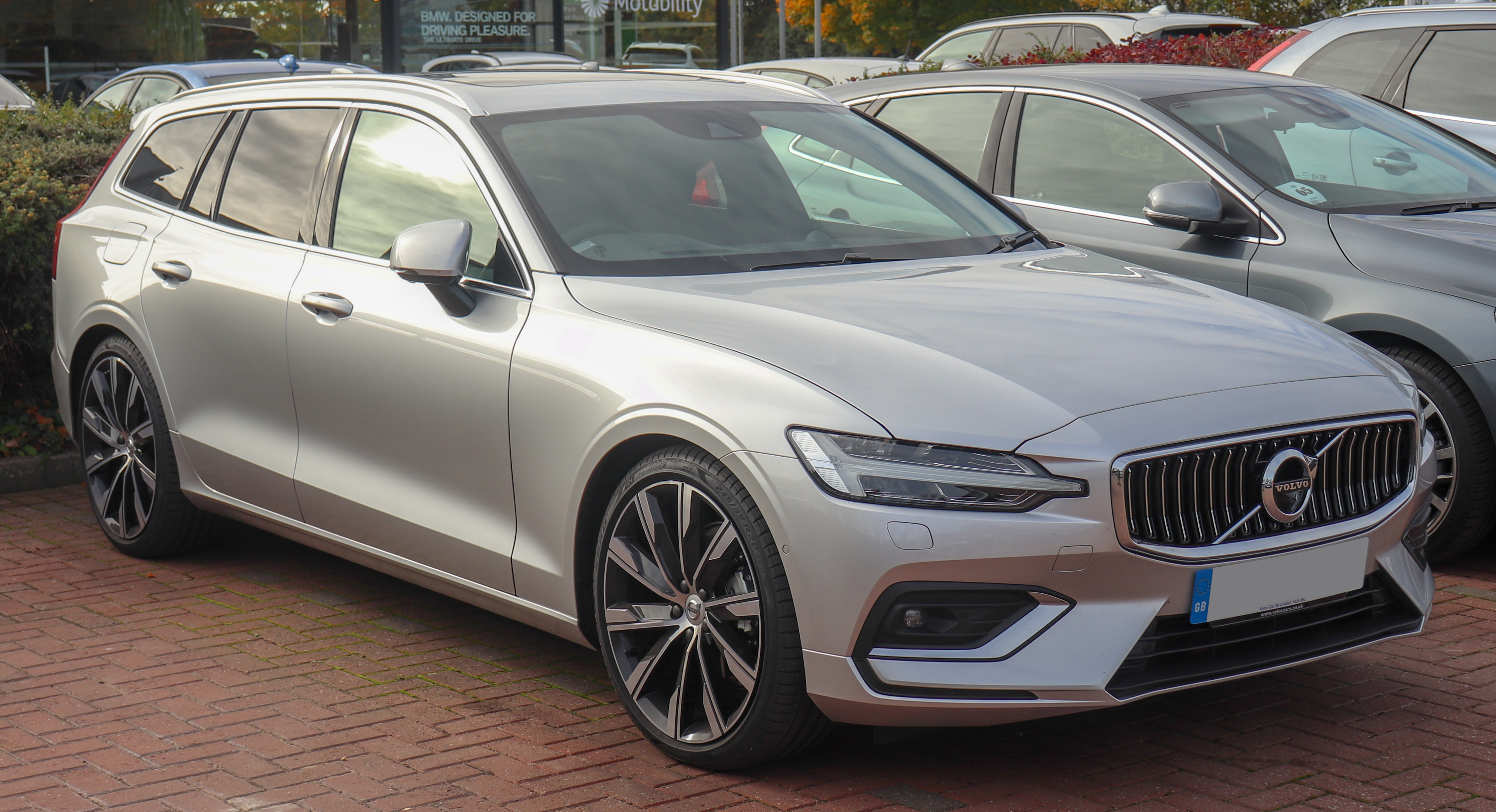
The Volvo V60 Cross Country is a wagon that’s designed to feel a bit more “adventure-ready” than a normal wagon. It’s also a tech-and-comfort-focused daily driver, and the host is basically saying it’s worth comparing to other family wagons/SUVs in the same price range.
CarPlay and Android Auto are systems that let you use your phone’s navigation, music, and calls through the car’s screen. “Wireless” means you don’t need to plug your phone in every time—this Volvo still needs a cable.
The Hyundai Palisade is a large family SUV with three rows of seats, so it can carry more people. Some versions cost around $60,000 and include extra features and technology. It’s the kind of vehicle people mention when comparing what you get for the money.
The Volvo EX60 is Volvo’s new electric SUV. The big points here are a high-quality screen (OLED), faster software, and different power setups depending on the trim—some versions are single-motor and others are dual-motor.
An OLED screen is a type of display that can look especially crisp and bright because each pixel makes its own light. That helps the infotainment screen be easier to read and nicer to use while driving.
The host is saying the car uses more powerful computer hardware (NVIDIA chips) to run the software. The goal is to make the screen and menus feel quicker—less delay when you tap things.
Concept
single-motor rear-wheel drive vs dual-motor
Some electric SUVs use one electric motor, usually driving the rear wheels. Others use two motors, which can help the car grip better and feel quicker because power can be sent to more wheels.
All-wheel drive means the car can send power to all four wheels. That usually helps the car grip better, but it can use more battery than a single-motor setup.
Concept
range (100% charge vs real-world)
EV range numbers are usually measured under ideal conditions. When you drive faster on the freeway, the car has to work harder and uses more energy, so you’ll often get less range than the marketing figure. Also, some cars don’t let you use every last bit of the battery, so “100%” doesn’t always equal the full theoretical range.
Many EV manufacturers recommend charging to around 80% for daily use to help battery longevity. Charging to 100% typically increases stress on the battery cells, which can reduce long-term capacity retention. For road trips, 100% is used because the extra range is worth the temporary tradeoff.
Concept
steady state batteries
“Steady state batteries” refers to next-generation battery designs aimed at improving how efficiently the battery can deliver power over time and under different conditions. The goal is typically better energy utilization and less performance drop-off, which translates into improved real-world range. It’s a forward-looking topic because current batteries still have limitations in how they behave during sustained high-demand driving.
Instead of lots of separate computers that don’t fully “talk” to each other, the car uses one main software system to coordinate everything. That helps the car run more efficiently and makes it easier to update the car over the internet. Sometimes those updates can even improve range by changing how the car controls the motors.
ABS is the system that helps prevent the wheels from locking up during hard braking. The ABS module is the computer that controls that behavior. Newer cars can connect that computer with the rest of the vehicle’s software so everything works together better.
On an EV, when you slow down—especially going downhill—the car can “make electricity” to recharge the battery. Going uphill usually costs more energy than you can get back from regen, so range changes a lot with elevation.
EV range numbers can be optimistic. “Real range” is what you can truly drive in everyday conditions—like hills and driving speed—so it’s the number that matters for planning a trip.
Tesla has a network of fast chargers along popular routes. If there are lots of cars waiting, even a fast charger can turn a quick stop into a long delay.
Using a retail stop like Walmart as a charging pause is a common EV road-trip strategy: park at a charger, then spend time shopping while the battery tops up. The downside is that charger queues can erase the time advantage if many drivers arrive at once.
Charging isn’t equally fast the whole time. EVs usually charge quickest after you start (like around 10%) and then slow down as the battery gets fuller (like near 70%).
Concept
charging stop time vs gas stop time
They’re comparing how long you’d normally spend at a gas station to how long you’ll spend charging. Even if charging is fast, the real trip time depends on how long the stop takes (and whether there’s a line).
A fast charger is a special EV charger that puts power into your battery much quicker than a regular outlet. It helps you add range in a short time so you don’t have to wait around.
MagSafe is a type of wireless charging that uses magnets to help align the charger and device. The transcript is saying the EV charging pad idea doesn’t need that magnetic alignment.
Wireless EV charging uses a pad on the ground or in a garage so your car can charge without plugging in a cable. You just park over the pad and it transfers power.
Concept
high speed rail
High-speed rail is a big government project to move people quickly using trains. The speaker is using it as an example of how expensive and complicated big infrastructure plans can be.
The Boring Company is a company that builds tunnels. In this discussion, it’s brought up to compare how much different infrastructure ideas might cost.
The Ford Model T is an early mass-produced car from Ford that the museum is letting people drive as part of a paid experience. The hosts emphasize how different it is to operate compared with modern cars, including starting procedures and manual controls.
“Bone stock” means the vehicle is essentially unmodified from factory condition. In this context, it suggests the museum’s Model Ts are preserved as-original, which matters for authenticity and for how the cars drive and start.
The choke helps a cold engine start by making the fuel mixture richer. On older cars, you often have to adjust it by hand before the engine will run well.
Instead of pressing a button like modern cars, older cars may start using a pedal or lever you operate with your foot. It’s one of the reasons vintage cars feel so different to drive.
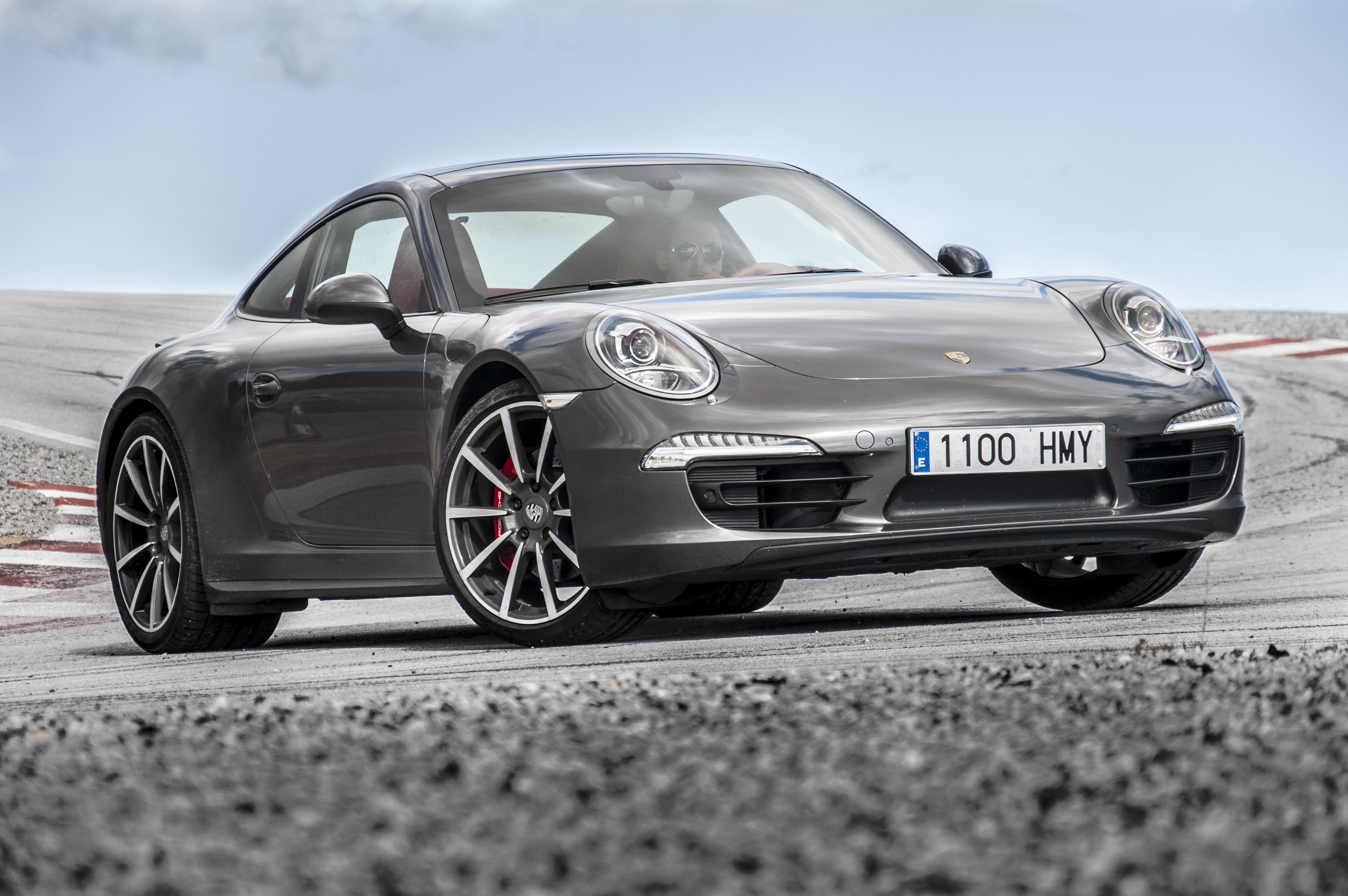
They’re discussing a new Porsche 911. The 911 is Porsche’s famous sports car, and Porsche makes special versions of it for different driving styles—here, it’s a GT3-style convertible.
A manual transmission is when you shift gears yourself using a clutch pedal and a stick. Some drivers like it because it gives you more control and can feel more fun.
Carbon-fiber doors are made from a lightweight material. Using lighter materials helps the car feel quicker and more responsive, but it usually costs more.
A carbon fiber package is an add-on option that includes multiple carbon-fiber parts. It costs extra because carbon fiber is a premium, lightweight material.
Making a car a convertible adds extra parts for the roof. They’re saying Porsche redesigned those parts to be lighter so the car doesn’t lose as much performance.
They’re talking about an upcoming car event in Orange County called “Air Water.” It’s the kind of event where lots of car people show up, so you can expect to see many Porsches.
They say the event is at the Orange County Fairgrounds in Costa Mesa. They also mention an auction, so it’s likely to be a busy place with more than just car displays.
The hosts kick off with ticket-buying and sports-betting sponsor chatter, then swap stories about home remodel chaos—especially porcelain flooring and a plumbing-flood mess at a rental. Racing takes center stage as they recap NHRA Winternationals: rain delays, full grandstands, and meet-and-greets with Ron Capps and Alexis DeJoria, plus Maddie Gordon’s transition from wrenching to fan-facing duties. The EV segment debates whether gas prices will truly drive EV adoption, covering charging costs, infrastructure limits, and California EV taxes. They also preview Volvo’s new EX60 EV, discuss its range and software, and wrap with Model T driving experiences and a Porsche 911 GT3 SC convertible.