spray and pray
“Spray and pray” is a photography term meaning you take lots of shots quickly and hope some of them come out sharp or well-timed. In motorsports, it often describes firing off many frames during fast action because getting the perfect moment is difficult.
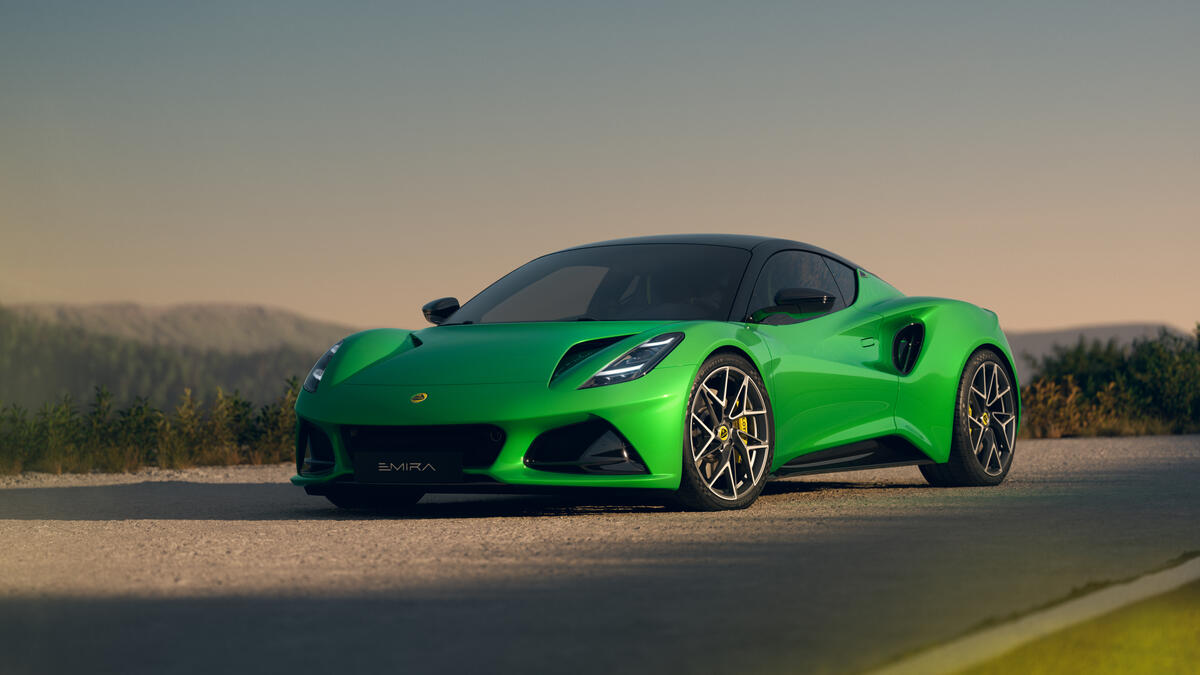
Lotus Amira
The Lotus Emira is a sports car made by Lotus. The podcast mentions it because they saw one driving on a track at an event. That’s a common way people judge how well a sports car really performs.
whip pan
A whip pan is a camera trick for moving cars. You move (pan) the camera fast to follow the car, and the slower shutter makes the background streak while the car stays clear enough to tell what it is.
shutter speed
Shutter speed is how long the camera “looks” at the scene. A slower shutter lets motion blur happen, which is what you want for a whip pan effect.
motion blur
Motion blur is the streaky look you get when the camera captures movement while the shutter is open. In this technique, it’s intentional to make the car look faster.
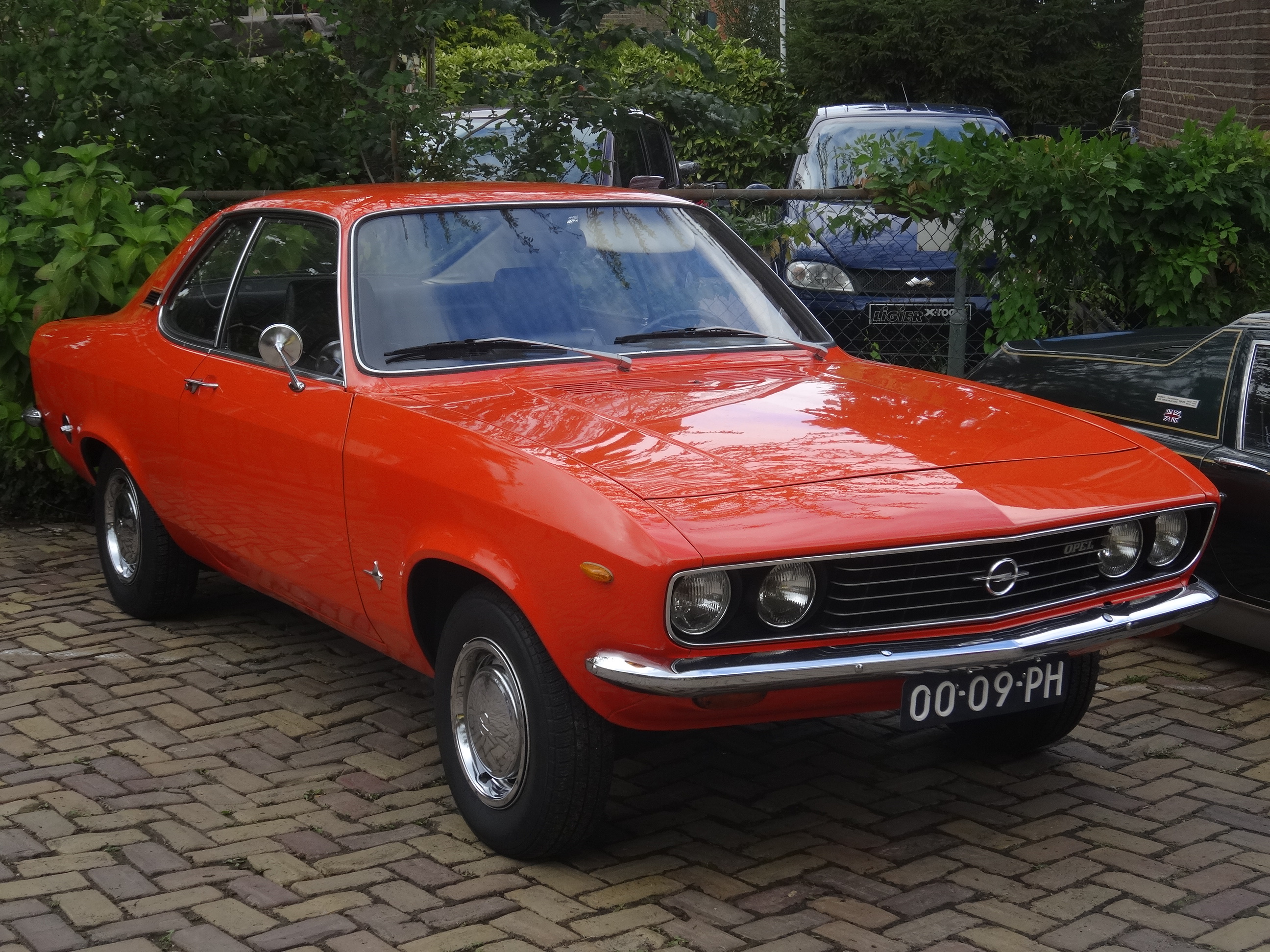
Opel Manta
The Opel Manta is an older sports coupe model. In this podcast moment, the word “Manta” is being used as part of a racing package name for a track car. So it’s not just about the original car—it’s about the package branding.
suspension
Suspension is the system that connects the wheels to the car’s body and controls how the tires move over bumps and during cornering. In racing, suspension tuning helps maintain tire contact and grip under load.
aero
“Aero” is short for aerodynamics. It’s how the car’s shape helps it push down onto the road so it can grip better, especially in corners.
grip
“Grip” means how well the tires can hold the road. More grip lets the car go faster through turns without losing control.
cheat code
“Cheat code” here just means the car feels unfairly good—like it has an advantage that makes it much easier to go fast. The speaker is praising how well it sticks and handles.
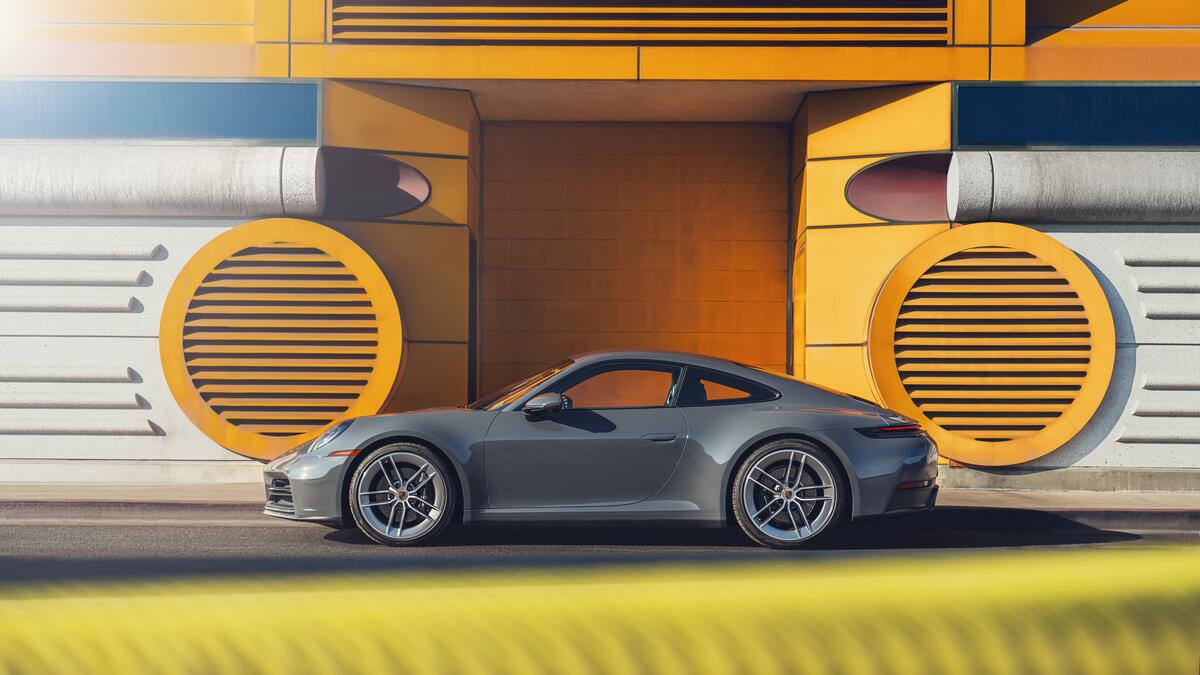
GT3 Cup car
A “GT3 Cup car” is a Porsche race car built for a one-brand racing series. Because it’s a spec series, the car’s grip and handling—plus tires and setup—matter a lot for speed.
better tires
“Better tires” means racing tires that grip the track better. If the tires have more grip, the car can brake and turn harder without sliding.
more power
“More power” means the engine can push harder, helping the car accelerate faster. But you still need grip and good handling to use that power effectively.
hairpin
A hairpin is a very tight turn, usually taken slowly compared to other corners. Drivers have to slow down a lot and turn carefully to stay on line.
corner 10
Race tracks use numbers to label specific turns. “Corner 10” means a particular turn on that track that drivers can talk about precisely.
back straightaway
A back straightaway is a long straight part of the track where the car speeds up. Drivers use it to build speed before the next turn.

Honda Fit
The Honda Fit EV is a small car that runs on electricity instead of gasoline. The podcast mentions it because they had one at a track event. It’s an example of an electric car being used in a driving setting.

Cadillac Cts
The Cadillac CTS is a regular Cadillac sedan that’s meant to drive more like a sporty car than a typical family cruiser. Here, they’re saying someone brought a standard CTS to the event, not the special high-performance V version.
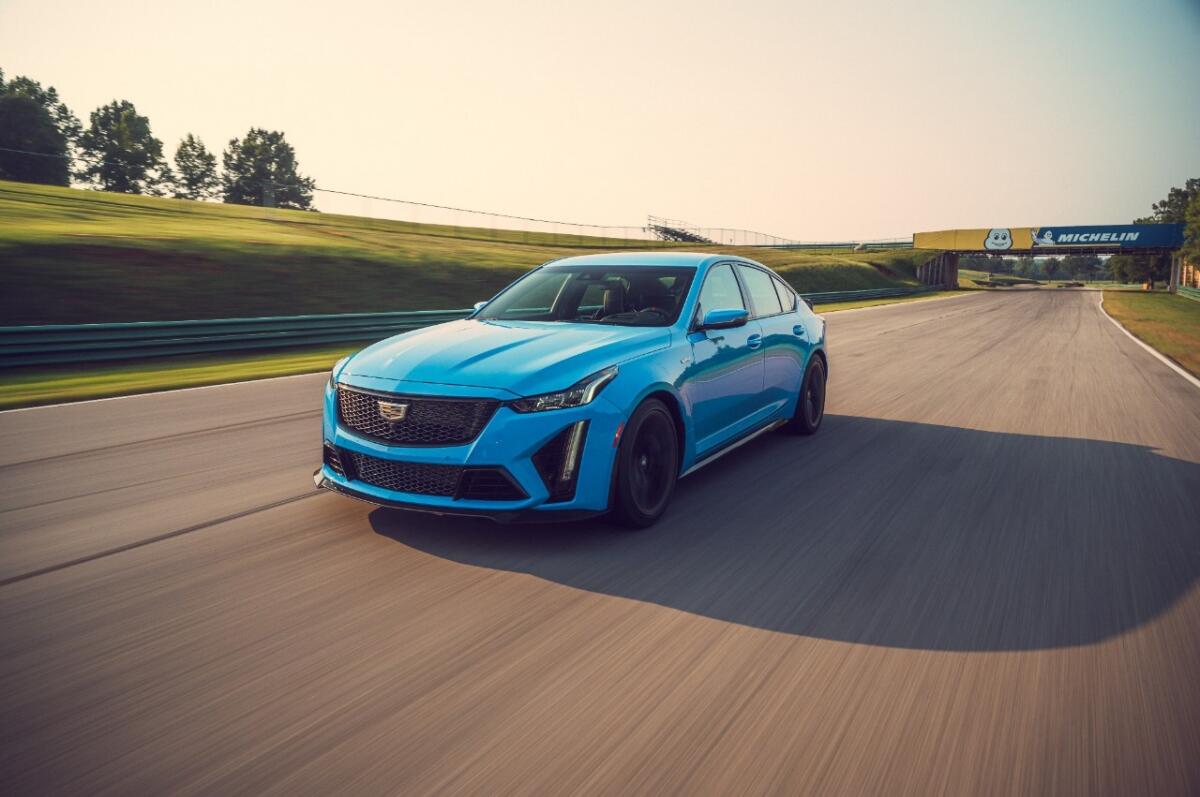
Cadillac CT5
The Cadillac CT5 is a mid-size luxury sedan. In this segment, they’re saying there were several CT5s there, including special versions, which shows the CT5 is popular with track/enthusiast groups.
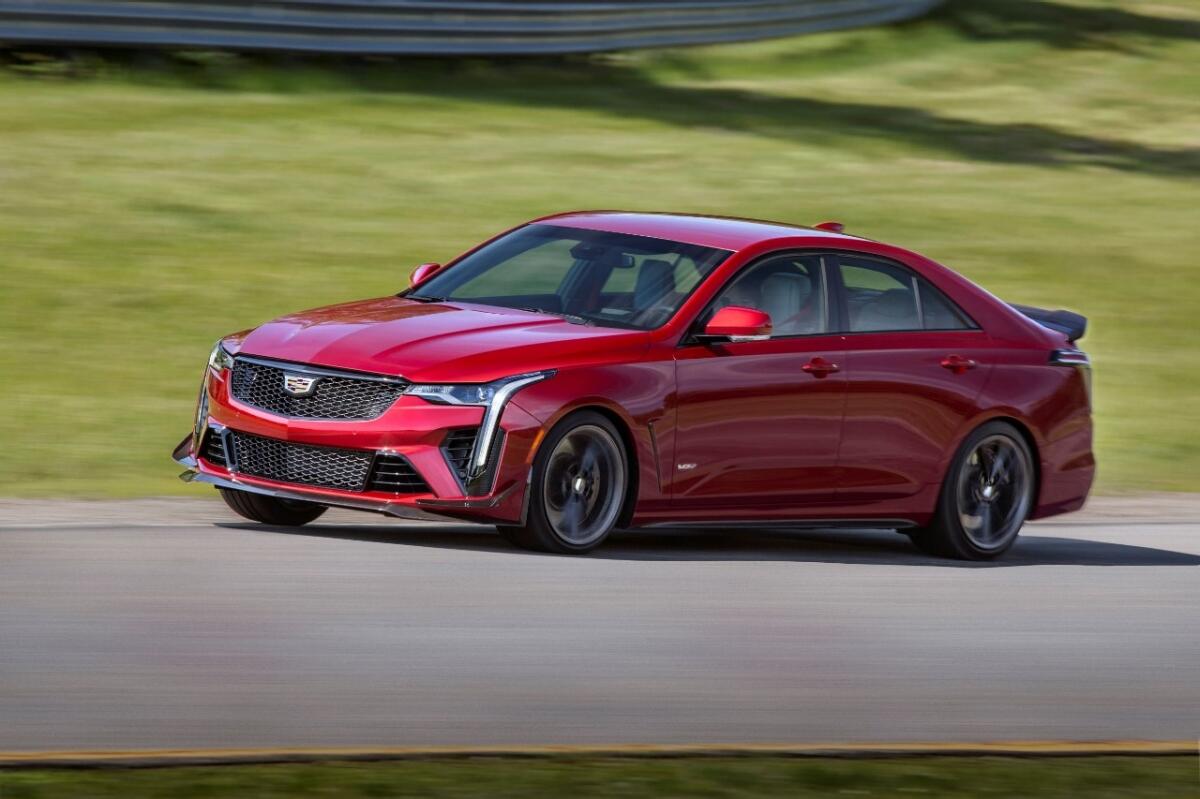
Cadillac CT4 Black Wings
The Cadillac CT4 is a compact luxury sedan, and “Black Wing” appears to be a specific enthusiast/trim or track-prep designation the hosts are using for CT4 cars. Mentioning both CT5 and CT4 Black Wings suggests a themed lineup of Cadillac sedans built for spirited driving and track use.
Pirelli World Challenge
Pirelli World Challenge was a racing series in North America where race cars were based on real production models. The hosts are saying these kinds of cars used to race there years ago.
class
In racing, a “class” is like a division of cars that compete under similar rules. They’re saying the series had a specific division for these cars.
Spec B
“Spec B” is likely a racing category where the rules limit car changes. That helps make races more about driving than expensive modifications.
TC
“TC” here is another name for a racing class. The exact meaning isn’t spelled out in this excerpt, but it’s part of how the series groups cars.

Mini Coopers
The Mini Cooper is a small car that can be used in racing classes. In this segment it’s mentioned as an example of the cars people used to compete.

Audi R8
The Audi R8 is a high-performance Audi supercar with its engine placed in the middle of the car. It’s the model being discussed as being replaced by a successor.
Audi Nuvalari
Audi is introducing a new supercar called the Nuvalari to replace the R8. The name is meant to honor a famous race driver from the past.
Tazo Nuvalari
Tazio Nuvolari was a famous early race car driver from Italy. Audi is using his name as inspiration for the new model being announced.
F1
F1 is the highest level of open-wheel race car racing. The host is saying Nuvolari raced before F1 became the main reference point for fame.
24 hours of Le Mans
The 24 Hours of Le Mans is a super-famous long-distance race in France. It’s hard because cars have to keep running fast and reliably for an entire day.
hypercar
A hypercar is an even more extreme version of a supercar. It’s meant to be one of the fastest and most advanced cars a company makes.
three axial flux electric motors
These are electric motors designed to be efficient and powerful. The host says the car uses three of them, which helps it deliver strong acceleration when you need it.
Audi space frame
A space frame is the car’s main structural “skeleton” made from a network of strong parts. The idea is to keep the car rigid and light, which helps it handle better.
carbon exterior
“Carbon exterior” means parts of the outside of the car are made from carbon fiber. Carbon fiber is light and strong, which can help the car feel more agile.
dynamic energy management
Dynamic energy management is the car’s computer deciding how to use and recharge energy. It coordinates when to add extra power and when to recover energy during slowing down.
recuperation
Recuperation is when the car recovers energy while slowing down. Instead of wasting that energy as heat, it turns it back into electricity.
boost
Boost means the car can add extra power when you ask for it. In this context, it’s part of how the hybrid system delivers strong acceleration.
ceramic discs
Ceramic brake discs are a high-end type of brake rotor made from ceramic material. They’re designed to keep braking strong even after repeated hard stops, but they can cost more than normal brakes.
break by wire
Brake-by-wire means the brake pedal is connected electronically rather than through a direct mechanical linkage. The car’s computer controls braking more precisely.
10 piston calipers
Calipers are the parts that press the brake pads against the disc. “10 piston” means there are many small pistons working together to squeeze the pads firmly for stronger braking.
monolith
Here “monolith” is describing the car’s design style. It means the body looks like one solid, heavy shape rather than lots of separate design pieces.
radiator
A radiator is part of the cooling system that helps keep the car from overheating. The speaker is saying the car’s front design looks like it’s trying too hard to look like it’s full of radiators.
side blade
A “side blade” is a sharp-looking design feature on the side of a car, like a fin or fin-shaped panel. It’s mainly there to make the car look more aggressive and sporty.
B pillar
The B-pillar is the support post in the middle of the car, between the front and back doors. It helps hold the car together and it also affects how the car’s body lines look.
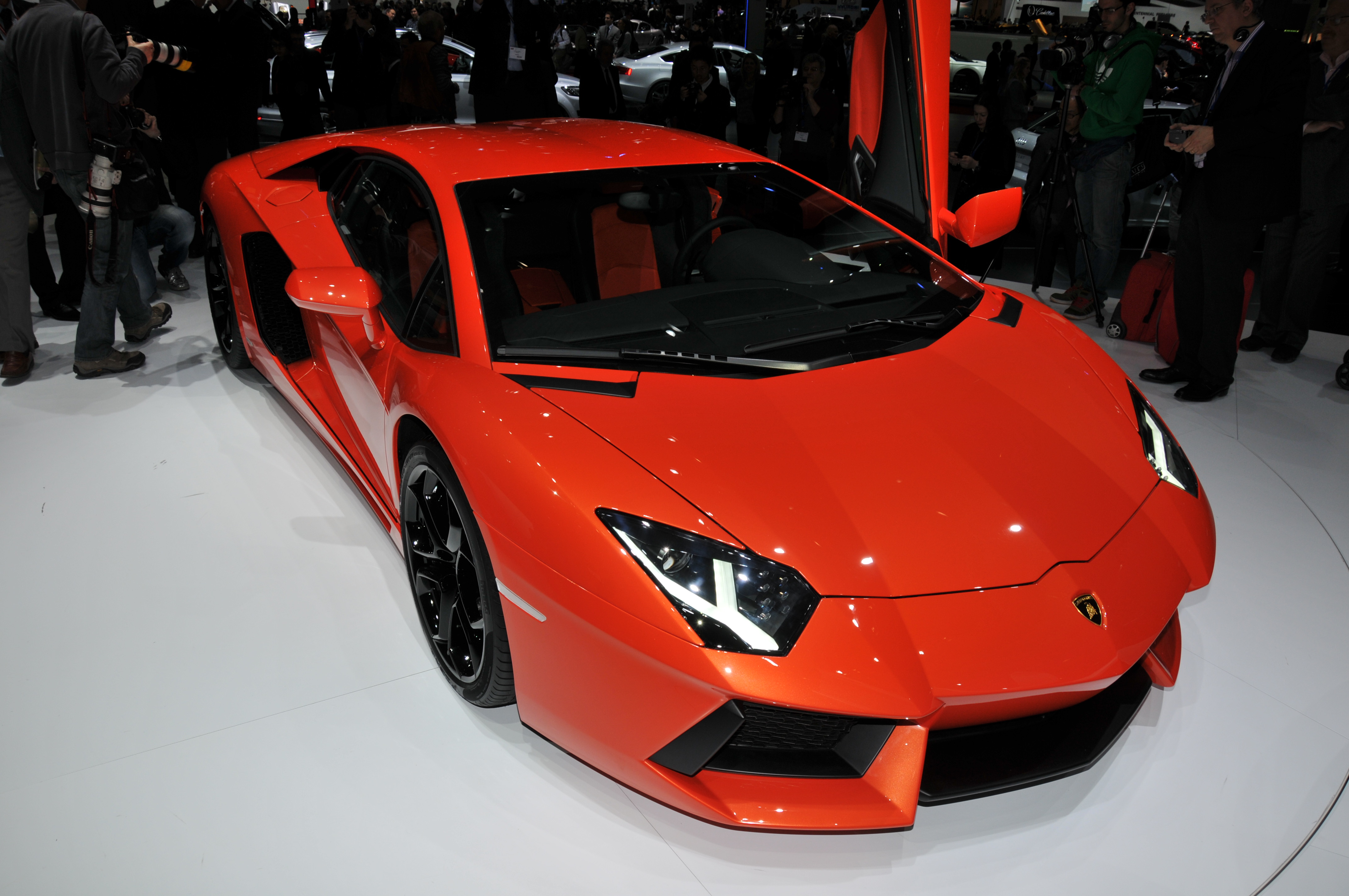
Lamborghini Ventador
The Lamborghini Aventador is a loud, high-end supercar with a powerful V12 engine in the middle. The speaker is basically saying they meant the Aventador when they referenced their Lamborghini.

Lamborghini Huracan
The Lamborghini Huracán is a high-performance supercar from Lamborghini with the engine mounted in the middle. Here it’s mentioned just as a comparison for the car’s look and shape.

Veyron
The Bugatti Veyron is a famous hypercar known for being extremely powerful and very wide. The speaker is comparing the other car’s look and size to the Veyron.
mid engine
“Mid-engine” means the engine sits closer to the middle of the car instead of the front or the back. Putting the weight more evenly helps the car feel more balanced when you turn.
hybrid
A hybrid uses both a gas engine and an electric motor. It can save fuel and sometimes make the car feel quicker because the electric motor can help instantly.
top speed
Top speed is the highest speed a car can reach. They’re using it as a benchmark to talk about how fast these supercars are supposed to be.
shared platforms
“Shared platforms” means different cars might be built on the same basic skeleton. That can make them cheaper to develop and sometimes makes them similar in how they’re put together.

Lamborghini Gallardo
The Lamborghini Gallardo is a famous Lamborghini supercar, known for its V10 engine. In this segment, it’s brought up as part of a comparison about how similar Lamborghini and Audi models might be under the skin.

4Runner Forerunner
The 4Runner is a Toyota SUV. The podcast is using it as a reference for how an SUV looks and fits in size. It’s mentioned because it’s known for being a tough, practical vehicle.
LED DRLs
LED DRLs are the lights a car uses during the day to help other drivers see it. They’re powered by LED bulbs and often look like part of the car’s design.
FCP Euro
FCP Euro is a parts retailer focused on European cars, emphasizing DIY-friendly support and parts availability. In this segment, they’re presented as a source for “genuine OE parts” and a program that guarantees parts for the life of the car.
guaranteed for the life of your car
“Guaranteed for the life of your car” refers to a long-duration parts warranty/guarantee promise tied to the vehicle rather than a short, time-limited coverage window. In practice, it’s meant to reduce the risk of buying replacement parts that might wear out again later.
OE parts
OE parts means “original equipment” parts—components made to match what the automaker installed on the car when it was new. The host is contrasting these with aftermarket parts, implying OE parts are the safest match for fit and function on European cars.
X Drive
BMW’s xDrive is its system for powering all four wheels. That usually helps the car stay planted and handle better on wet or snowy roads.
zero to 60
“Zero to 60” is how long it takes a car to accelerate from 0 to 60 mph. It’s a simple way to compare how quickly different cars feel at launch.
directional stability
Directional stability is how well the car keeps going where you steer it. On slippery roads, it helps prevent the car from feeling like it’s sliding out of control.
traction
Traction is how well the tires can grip the road. More traction means the car can accelerate without the wheels spinning uselessly.
winter tires
Winter tires are tires made to work better in cold weather. They grip more reliably on snow and ice than regular tires, which is why people swap to them in winter.
torque
Torque is the engine’s pulling force that helps the car speed up. Higher torque usually helps with stronger acceleration, especially when you’re not already going fast.
automatic transmission only
This means the car is only available with an automatic gear system. You don’t have to shift gears yourself.
pounds
Weight matters because it changes how hard the engine has to work to accelerate. The host is saying the AWD version is heavier, which can make it feel less quick.
all wheel drive
All-wheel drive means the car can send power to both the front and rear wheels. That helps it get moving and stay stable when the road is slippery.
DSC off
DSC is the car’s stability/traction control. When you turn DSC off, the car is less controlled by electronics, so it can feel more willing to slide—especially on dry roads.
rear wheel drive mode
Rear-wheel-drive mode means most of the power goes to the rear wheels. The car can still add front-wheel power if it detects the rear wheels are losing grip.
AC Schnitzer
AC Schnitzer is a company that modifies BMWs for better performance. Here, they’re saying the M2 was tuned by AC Schnitzer.
RSR
RSR is the group connected to the car the speaker drove. It’s likely a shop or team that prepared or supports performance builds.
coilovers
Coilovers are upgraded suspension parts that let you adjust how firm the car rides. They’re often used to lower the car and make handling feel more precise.
cage
A cage is a reinforced metal frame inside the car. It’s there to protect people in the event of a crash and is common on track-focused cars.
harnesses
Harnesses are upgraded seat belts used for racing. They hold the driver more securely than normal seat belts, especially during hard driving.
bus stop
The bus stop is a named section of the Spa race track. It’s a tight part where you slow down a lot and need good grip to get through cleanly.

BMW M5
The BMW M5 is BMW’s super-fast version of the 5 Series. Here they’re saying the newer M5 is only available with all-wheel drive, meaning power goes to more than just the rear wheels.
Gazoo Racing
Gazoo Racing (GR) is Toyota’s performance and racing team. When you see GR on a car, it usually means Toyota tuned it with a lot of track testing in mind.
Nurburgring
The Nürburgring is a very famous race track in Germany. Car makers use it to test handling and tuning, because it’s hard enough to reveal real-world weaknesses.
downforce
Downforce is the “squeezing” force that pushes the car toward the road. More downforce usually helps the car grip better in corners, especially on a track.
JDM
JDM means “Japanese Domestic Market.” It’s a car-enthusiast term for Japanese cars and styles that were originally meant for Japan.
Fast and Furious body kit
A body kit is a set of add-on parts that change how a car looks, like bumpers and side skirts. They’re comparing it to the flashy style associated with the Fast and Furious movies.
rally car
A rally car is designed for off-road-style racing on rough roads. The speaker is saying the car’s styling looks like it’s inspired by that kind of race car.
GT3 RS
The Porsche 911 GT3 RS is a hardcore, track-style 911. Those front fender vents are there to help move air for cooling when you’re driving hard.
front fender vents
Front fender vents are openings in the front fenders that let air flow where it’s needed. On performance cars, they often help cool important parts when you drive hard.
charging more and getting less
They’re complaining that the car costs more but gives you less—like fewer features. Here, they’re pointing at the lack of rear seats.
AWD
AWD means the car can drive all four wheels. That usually helps it grip the road better, especially in bad weather or on slippery surfaces.
Volkswagen
Volkswagen is the car brand being discussed. The host is saying Volkswagen’s performance lineup feels limited—like they don’t push the idea far enough beyond their “R” models.

Toyota Supra
The Toyota GR Supra is a sports car known for being fun to drive. Here it’s mentioned as the most recent “real” version of the Supra, used as a comparison point.
G.R.M.N.
GRMN is Toyota’s label for a more hardcore, enthusiast-focused version of a car. It usually means extra tuning and a more performance-first setup compared with the standard model.

Toyota Gr86
The GR 86 is Toyota’s sporty, driver-focused 2-door coupe. Here, they’re talking about a possible even more hardcore version of it under the GRMN branding.

Toyota MR2
They’re talking about the Toyota MR2, which is a small sports car with the engine placed more in the middle. The host wants Toyota to bring it back as a more powerful, performance-focused version.
Hedge Hollow Raceway
Hedge Hollow Raceway is a track in Missouri where people go to drive cars on a closed course. The hosts are saying it’s a great track for fast, fun track-day driving.
JMP lightning track
“JMP lightning track” sounds like a particular track layout used for timed driving. The hosts are describing it as part of an event where drivers run laps against the clock.

Ford F-150 Lightning
The Ford F-150 Lightning is a pickup truck that runs on electricity. The podcast mentions it in the context of track activity and photos. It’s included because it shows how an electric truck can be driven hard, not just used for commuting.
time trial
A time trial is a timed driving format where the goal is to set the fastest lap or best elapsed time. Unlike racing with direct wheel-to-wheel competition, it’s typically about individual performance against the clock.

Pontiac Solstice
The Pontiac Solstice is a small sports car. The podcast mentions it around event plans and track-day dates. That’s why it’s part of the conversation.
Thunder Hill Raceway Summer Solstice
This is a named event at Thunder Hill Raceway. The hosts are using it to point out another weekend where they’ll be running track activities.
PIR, Portland International Raceway
PIR is Portland International Raceway, a race track in the Portland area. The hosts are saying it’s supposed to be a great track, even though they haven’t visited yet.
Sonoma Raceway
Sonoma Raceway is a famous race track in California. People use it for professional racing, and it also hosts events where regular drivers can take their cars on track.
Ridge Motorsports Park
Ridge Motorsports Park is a road course in the Pacific Northwest (Washington state) that’s popular with driving enthusiasts. It’s known for technical corners and elevation changes that make it a fun, challenging track for track days.
North Carolina Center for Automotive Research track
That’s a track facility in North Carolina run by an automotive research organization. It’s used for events where people can drive their cars on a closed course.
Watkins Glen
Watkins Glen is a well-known race track in New York. It’s famous for being a tough, exciting course for both racing and track-day events.
Stars, Stripes and Speed
“Stars, Stripes and Speed” is the name of a weekend event at Watkins Glen. It includes track time and other fun stuff like car-related activities and entertainment.
HPDE
HPDE means “High Performance Driver Education.” It’s a track-day where regular drivers go learn how to drive their cars better on a closed course, often with coaching and organized groups.
drifting
Drifting is when a driver intentionally makes the car slide sideways while still moving forward. It’s usually done on a track where it can be done safely.
hookedondriving.com
hookedondriving.com is a website where you can find and sign up for track-day events. It’s basically where the event info and registration live.
e-trons
“e-tron” is Audi’s electric-car line. The hosts are saying they look good and making comments about the sound they make while driving.
electronic sort of burble, rumbly world kind of noise
Electric cars are usually very quiet, so some makers add an artificial sound. The host is describing that added sound as a rumbling, “burble” type noise.
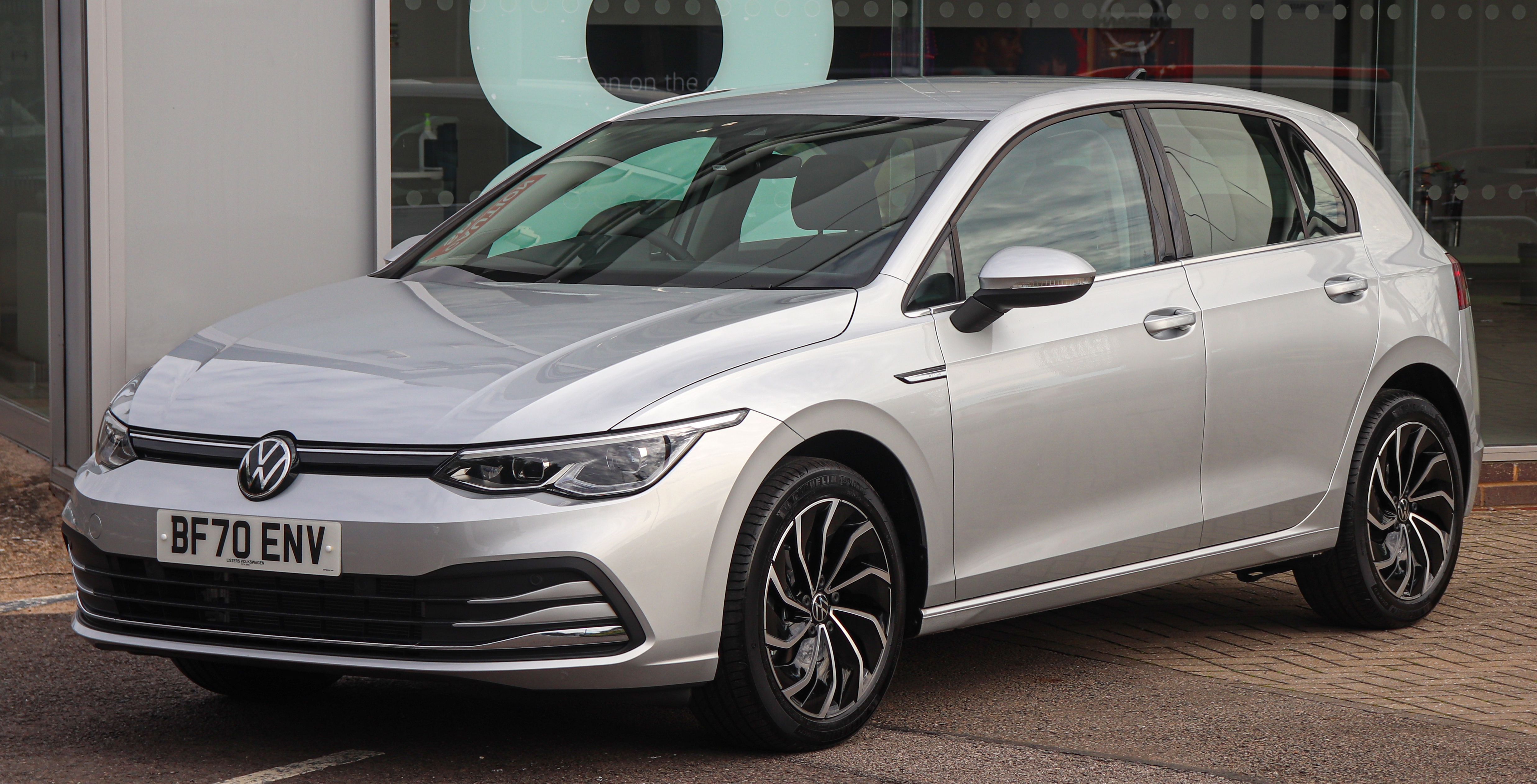
Volkswagen Golf
The Volkswagen Golf is a popular compact car (often a hatchback). Here it’s just mentioned as the kind of car Michael was looking for years ago.
charging curve
A charging curve is how fast an EV charges over the course of a charging session. If it stays near the top for longer (a “flat” curve), you usually get a quicker, more consistent charge.
efficiency
Charging efficiency (and overall energy efficiency) is how effectively the vehicle converts stored electrical energy into usable driving energy. For EV owners, efficiency affects how far you can go per charge and how much energy you waste during real-world driving and charging.
BMW weekend warrior
A “weekend warrior” is a car you mostly drive for enjoyment, not as your everyday commuter. Here, the speaker is saying the e-tron was supposed to be the calm, comfortable one, while the BMW is the fun one.
high voltage software faults
This means the car’s computer detected a serious problem involving the battery’s high-voltage system. If it can’t guarantee safe operation, the EV may shut down and need the dealer to fix it.
bricked
“Bricked” here means the car got stuck in a broken state where it won’t work properly. With EVs, that can happen when the computer detects a serious issue and locks the car until a shop fixes it.
high voltage electronics
Electric cars have a high-voltage system that runs the power for the drive. If the electronics that control that system fail, it can cause major electrical problems, not just a minor warning light.
battery shorting all 400 volts
A short is when electricity flows where it shouldn’t. Here, the concern is that the car’s 400-volt battery system could accidentally connect to the car body, which can be dangerous.

Porsche Taycan
The Porsche Taycan is Porsche’s electric car. The host mentions it as an example of an EV that seems to avoid the same kind of problems—at least in their view.
software defined vehicles
Some modern cars are controlled a lot by software instead of separate hardware parts. That can mean repairs and troubleshooting are more complicated if something goes wrong.
disposable black boxes
The idea is that the car becomes hard to understand and fix. Instead of being something you can diagnose and repair step-by-step, it can feel like you just swap the whole system.
checklist
Here, “checklist” means the official list of things a car has to be checked for before it can be called certified. If something on the list isn’t right, it may need to be fixed or replaced first. Passing the checklist doesn’t mean the car is guaranteed to be problem-free forever.
CPO
CPO means “Certified Pre-Owned.” It’s a used car that gets inspected and approved under a program, usually with extra coverage compared to a regular used car. It doesn’t guarantee the car will never need repairs later, but it does mean it met the program’s checklist at the time.

Volkswagen Jetta
The host is talking about a 2009 Volkswagen Jetta that had a five-cylinder engine. They’re using it as an example of a CPO purchase and what they noticed when the warranty period ended. The main takeaway is about how coverage timing can matter after you buy a certified used car.
warranty
A warranty is the coverage that helps pay for certain repairs for a limited time. The host is saying that once the warranty period ends, you may start paying for repairs yourself. Even a certified car can still need work after coverage runs out.
ABS module
ABS is the system that helps you stop without the wheels locking up. The ABS module is the computer that controls it—if that computer fails, the car may warn you and braking behavior can get weird.
brake master cylinder
The brake master cylinder is the part that turns your brake pedal push into hydraulic pressure that makes the brakes work. If another component sits under it, repairs can become much more labor-intensive.
reblead the brakes
When you open the brake system, air can get in the lines. Rebleeding pushes that air out so the brakes feel firm and work correctly.

Mazda three
A Mazda3 is a small, everyday car from Mazda. Here, they’re saying they ended up buying one instead of the original car because the original option was too expensive.
controller area network
Modern cars have lots of computers, and they need a way to communicate. CAN is the car’s internal “data network,” and the host is saying it can make it harder to diagnose or verify safety without the right access tools.
firewalls
A firewall is a security feature that blocks unauthorized access. In a car, it helps prevent random tools or people from getting into the car’s computer systems to check or change things.
kicking the tires
“Kicking the tires” is an idiom, but in this context it’s used to mean the old-school practice of doing a quick physical inspection to judge a used car. The host argues that modern cars’ locked-down electronics and network security make that approach less reliable for verifying safety.
inline five
An inline five is an engine with five cylinders lined up in one row. Here it’s mentioned as the type of engine in a specific car the host references.

09 BMW 128 I
This is a BMW 1 Series from the late 2000s, specifically the 128i. The host likes it because it’s an older-style, more engaging setup—naturally aspirated engine, manual transmission, and hydraulic steering.
naturally aspirated
Naturally aspirated means the engine doesn’t use a turbo or supercharger to force air in. It’s the traditional way of making power, and the host is saying he prefers that feel.
130 I manifold
The exhaust manifold is the first part of the exhaust system right after the engine. Swapping to a different manifold can change how easily exhaust flows out, which can affect sound and sometimes performance.

Protege Mazda Protege
The Mazda Protegé is a compact car. In the podcast, it’s mentioned because someone owned one and is talking about what they looked for in cars. It’s part of a list of vehicles they’ve had.
Mazda Protegé
The Mazda Protegé is a Mazda compact car model. They’re just name-checking it while talking about how they used to pick cars based on the engine.

Dodge Dakota
The Dodge Dakota is a pickup truck. Here they mention one with a V6 engine while talking about how they used to buy cars for the engine.

Jeep Cherokee
The Jeep Cherokee is a long-running Jeep model that’s especially popular with people who like off-road driving. Here, they’re talking about a Cherokee with a straight-six engine and an older Cherokee (the XJ) that their dad modified for four-wheel drive.
straight six
A straight-six is an engine with six cylinders lined up in a row. Because of how it fires, it tends to sound unique, so people can sometimes recognize it just by listening.
lifted six inch lift
A “lift” raises the truck or SUV higher from the ground. A six-inch lift is a big change that helps with off-road obstacles and usually allows bigger tires.
four wheel drive
Four-wheel drive lets power go to all four wheels, which helps the car grip better on slippery or rough ground. Converting from two-wheel drive to four-wheel drive usually requires more than a simple fix.
starter motor
The starter motor is the part that helps your car start by turning the engine over. It makes a recognizable sound when you first start the car.
miles
Miles tell you how much a car has been driven. More miles usually means more wear, but maintenance matters a lot.

E-tron
The Audi e-tron is an electric SUV. Here, they’re talking about it as a practical daily car—quiet in traffic and able to handle bad roads.
potholes
Potholes are road surface failures that can hit tires and suspension hard. They’re especially relevant when discussing tire wear and ride quality, because repeated impacts can damage tires and stress undercarriage components.
wheelbase
Wheelbase is the distance between the front and rear wheels. A longer wheelbase usually helps with stability and can make the cabin feel roomier.
asymmetrical secondary cowl hood
This is a fancy hood shape where the front part of the hood near the windshield isn’t perfectly even. Some designers do it to look more aggressive, but some people think it makes the front end look cluttered.
infotainment street screens
These are the car’s built-in touchscreens for things like maps and music. If sunlight reflects off them, designers may add a cover to reduce glare so you can see the screen better.

Toyota Land Cruiser
The LC 200 is the Toyota Land Cruiser 200 series, a big, rugged SUV. The speaker is saying they think this particular Land Cruiser generation costs too much compared with what they want.
Genesis models
Genesis is Hyundai’s luxury car brand. The speaker is saying their designs look more like short-term trends than classic styling that stays attractive for years.

Subaru Outback 3.6
This is a Subaru Outback with a 3.6-liter engine. The host is complaining about the headlight design they call “Hawkeye,” saying it doesn’t look right to them.

Porsche Cayenne
This is a Porsche SUV called the Cayenne. The host is talking about a VR6 engine, which is a special engine shape that’s more compact than a typical V6. That compact design can change how the car feels and how it handles bumps and potholes.
VR six
A VR6 is a type of V6 engine that’s built to be more compact. Instead of the two sides of the engine being spread wide, they’re closer together, which helps the engine fit in the car. Because of that, the way the engine is mounted can affect how well the car isolates vibration.

BMW X5
The BMW X5 is a luxury SUV from BMW. The discussion here is about whether the ride will feel too stiff or too tightly controlled on bad city roads with potholes.

Ford Expedition XL
The Ford Expedition is a large SUV. The host is using their old one as a size reference, talking about how long it was and how that affects ride and fit in city driving.

Cayman
The Porsche Cayman is a sports car. The host is comparing its size (wheelbase) to other vehicles so you can picture how long each car is.

Volvo V60
The Volvo V60 is a wagon-style car, meaning it has extra space behind the seats. The podcast is talking about a newer version with a turbocharged four-cylinder engine. They’re wondering if that engine makes the car feel exciting or not.
I four single turbo
“I4” is a four-cylinder engine where the cylinders are lined up in a row. “Single turbo” means the engine uses one turbocharger to help it make more power than a non-turbo version.

Jeep Grand Cherokee WK two Summit 5.7
The Jeep Grand Cherokee WK2 is a larger SUV with a more upscale trim level. “5.7” here means it has a big V8 engine, and the host says they bought one and had a not-so-great experience with it.
Hemi
“Hemi” is a nickname for a certain type of V8 engine design used by Chrysler. In plain terms, it’s the engine people want when they’re looking for that bigger, punchier V8 feel.

Volvo XC 70
The Volvo XC 70 is a wagon-style Volvo that’s built for everyday driving and bad weather. The host is talking about adding modern tech (CarPlay) to an older version of the car.

Volvo XC 90
The Volvo XC 90 is Volvo’s bigger SUV, often chosen by families because it has more space. The host is comparing it to another Volvo and talking about engine/tech choices and how that affects day-to-day ownership.
car play retrofit
A “CarPlay retrofit” means adding Apple CarPlay to a car that didn’t have it from the factory. After the upgrade, you can connect your phone and use apps like maps and music on the car’s display.
older platforms
“Platform” means the car’s underlying design and engineering base. The host is saying that older designs can be more of a hassle to deal with, so they take time away from other things you want to work on.

Jaguar XF sport break
This is a Jaguar XF, and “Sportbrake” is Jaguar’s wagon version of that car. The host is saying it looks great and is uncommon, so it feels special compared with more common choices.
timing chain tensioners
A timing chain tensioner is a small mechanism that keeps the timing chain properly tight. If it’s not working right, the engine timing can get off, and that can lead to expensive problems.
plastic coolant pipes
Plastic coolant pipes are the hoses/lines that carry engine coolant through the cooling system. On some engines, these plastic components can become brittle or crack with age/heat cycles, leading to coolant leaks and overheating risk.
aluminum cross pipes
These are replacement coolant lines made from aluminum instead of plastic. The idea is that metal parts tend to handle heat better and may last longer, reducing the chance of leaks.

Gx460
The Lexus GX 460 is a rugged luxury SUV that’s built to handle rough terrain. The host is basically saying it might be the wrong choice if the buyer never uses that off-road advantage.
Cadillac CTS sport wagon, non V
This is the wagon version of the Cadillac CTS. “Non-V” means it’s not the top, more powerful V model—so it’s the regular version rather than the performance-focused one.

Buick Regal Tour X
The Buick Regal Tour X is a wagon version of the Regal. The host likes the wagon shape, but they’re wary because they think some GM interiors use plastics that don’t feel or hold up as well.
GM interior plastics
This is about the plastic parts inside the car—like trim and the dashboard. The host is saying they don’t like how those plastics typically feel or age in GM cars.
great engine
They’re saying the buyer wants a car with a really good engine. It’s more of a preference than a specific technical part being discussed here.
bottomed out in the market
This phrase means the car is at a low point in resale price. So it’s cheaper to buy now than it used to be.

Mercedes W 163 ML 500
This is a Mercedes-Benz SUV from the late 1990s era. The ML 500 is the V8 version, and the point here is that it feels more “mechanical” and characterful than newer, more modern-looking SUVs—though the inside may feel dated.

ML-Class M Class
The ML-Class is a Mercedes SUV. The podcast mentions a specific older version, the W163 ML 500. It comes up because they’re talking about a particular SUV they saw or discussed.

G-Class G Wagon
The G-Class is a Mercedes SUV with a very recognizable, boxy shape. The podcast is using it as a comparison point to describe what kind of SUV it is. It’s brought up because it’s a well-known model.
Lexus Gx Lexus
The Lexus GX is a luxury SUV. The podcast mentions it in a personal ownership story about someone who had one and then changed to another GX. It’s included because it’s a common type of SUV people consider for comfort and capability.
V8
A V8 is an engine with eight cylinders. It’s often associated with stronger, smoother power, and here it’s used to say the ML 500 is the V8 model.
ML 500
The Mercedes-Benz ML 500 is a luxury SUV. Here, it’s being used as the starting car that someone would pay to have the inside redone with high-end leather.
$30,000 cap
A “$30,000 cap” just means there’s a hard budget limit. The idea is to keep the whole plan under that amount.
wrenching time
“Wrenching time” means working on your car—like fixing things or doing upgrades yourself. The point here is that the plan would turn into a weekend project instead of just driving.
software defined madness
This is a joking phrase about cars where a lot of how they work is controlled by software. The speaker is basically saying it can feel chaotic compared with older, more straightforward cars.
retro insulated oasis
They’re talking about customizing the car’s interior to feel quieter and more comfortable, with an old-school style. The “insulated” part means adding sound-deadening/thermal insulation so it feels more peaceful inside.
Santa Monica
Santa Monica is a city in California. The speaker is using it as an example of where you’ll drive, and they’re pointing out that the roads can be rough (potholes), which affects car choice.
Jaguar shooting break
It’s a Jaguar wagon with a more stylish, coupe-like shape. People call it a “shooting break” because it looks more like a sporty car than a regular family wagon.

BMW three series wagon
This is the wagon version of the BMW 3 Series. It’s meant to be practical like a station wagon, but with BMW’s sportier feel, and the “M package” adds more performance-oriented styling and features.
M package
BMW’s “M package” is a set of upgrades that makes the car look and feel more like an M car. It can include sportier styling and extra features (and sometimes more performance parts).
B 48 and B 58 engines
B48 and B58 are BMW’s engine “families,” meaning two different straight-six engine designs. They’re used in different BMW models and power levels, with the B58 typically being the stronger one.
six cylinder
A “six cylinder” engine has six combustion chambers. In this discussion, they’re saying the six-cylinder versions are harder to find than the four-cylinder ones.
four cylinders
A “four cylinder” engine has four combustion chambers. The point they’re making is that four-cylinder Supras are more common to buy than the six-cylinder versions.
manual
A manual transmission is the kind where you use a clutch pedal and a gear shifter yourself. The host is saying manual Supras are hard to find in the U.S.

1998 Aston Martin DB7
The Aston Martin DB7 is a classic luxury sports car from the late 1990s. Here, the discussion is about finding a 1998 DB7 with low miles for around $30,000, which sounds like a great deal—but they also raise concerns about whether it’s reliable.
clean title
A “clean title” usually means the car’s paperwork looks normal—no major accident write-off history. It’s a good sign, but you still want to check the car’s condition before buying.
reliability
Here, “reliability” means how likely the car is to keep working without unexpected problems. With an older luxury car, even a low-mile example can still be expensive if something has aged or wasn’t maintained.

2006 Bentley Continental GT
This is a Bentley Continental GT from 2006, which is a luxury “grand touring” car meant for comfortable long drives. The hosts are pointing out that you can sometimes find one for around $30,000 with moderate mileage.
flat plain dash
They’re talking about the dashboard shape and style. It’s basically describing a dashboard that looks more simple and clean rather than busy or deeply sculpted.
organ pulls
They’re describing the vent controls as lever-like “pulls.” The idea is that they feel more mechanical and old-school than purely touch or digital controls.
mechanical character
They mean the car’s controls feel physical and “real,” not just digital. The host likes that tactile feel, and thinks it’s more satisfying than flashy controls.

Bentley Flying Spur
The Bentley Flying Spur is a very upscale Bentley sedan. Here they’re saying you can sometimes buy a 2008 one for around $25,000, especially if it has low mileage.

Jaguar Xjr
The Jaguar XJR is a performance-focused version of the Jaguar XJ, known for its supercharged V8 and executive-car comfort. In this segment, the host highlights a 2002 Jaguar XJR as a “unicorn,” emphasizing its rarity and desirability as a used buy.
supercharged V8
A supercharged V8 uses a forced-induction system (a supercharger) to push more air into the engine, which lets it make more power than a naturally aspirated V8. The “V8” part means eight cylinders arranged in a V shape.
unicorn
In car talk, calling a car a “unicorn” usually means it’s unusually rare or hard to find in the market, often with a specific desirable spec. It’s a shorthand for “this is not common, so it stands out.”
J shifter pattern
It’s the pattern on the gear shifter that shows where each gear position sits. Some cars use a J-shaped layout, and it changes how you move the shifter when you’re driving.
flat plane
“Flat plane” describes how the engine’s crankshaft is shaped. That shape affects how the engine runs—especially how it sounds and how it feels when you rev it.
Change the oil and go
They mean the car is simple to live with: you do the normal upkeep (like oil changes) and you’re good. It’s a contrast to cars that feel more complicated because of extra tech.
Apple CarPlay
Apple CarPlay is a way to connect your iPhone to the car so you can use certain apps on the car’s screen. It’s mainly for navigation, music, and calling while you drive.
Porsche badge
A “Porsche badge” refers to the Porsche branding on the vehicle’s exterior, typically on the hood or grille. In enthusiast talk, it signals the model’s identity and performance heritage even when the car is being discussed in a practical, everyday context.
plummet in value
“Plummet in value” means the car gets cheaper quickly. The hosts are saying EVs may lose value faster than people think, so used prices could fall a lot.

Audi e-tron GT
The Audi e-tron GT is Audi’s electric sports-style car. The hosts are talking about what it might cost if EV prices keep dropping, especially for used cars.
white goods item
“White goods” is a nickname for everyday home appliances. The point here is that the speaker thinks EVs may be treated more like appliances—so they could get cheaper faster instead of staying expensive.

Porsche Macan
The Porsche Macan is a luxury SUV made by Porsche. It’s meant to be practical for daily life while still feeling sporty to drive. The podcast mentions it as a good match for what someone wants.
W-12s
A “W-12” is a type of engine with 12 cylinders arranged in a special compact layout. The host is using it to talk about buying a particular kind of car for a certain price.

Volkswagen Phaeton
The Volkswagen Phaeton is a large, luxury-style sedan. In the podcast, it’s mentioned as one of the big, high-end cars someone might choose. It’s brought up because it’s a different kind of luxury option than the more common picks.
lower trims
A “trim” is the version of a car with a certain set of features. “Lower trims” usually cost less because they include fewer options.
supercharger
A supercharger is a device that forces extra air into the engine. More air helps the engine make more power, which is why someone might prioritize it when shopping.
Griot's Garage
Griot’s Garage makes car cleaning and detailing products. The host is saying their products help make the cars look great, whether you’re careful or just want an easy routine.
touchless shine
“Touchless” means you clean the car with chemicals and water pressure instead of rubbing a lot by hand. It’s meant to be easier and gentler on the paint.
foam cannons
A foam cannon sprays car soap as a foamy layer. It helps lift dirt off the paint before you scrub or wash with a mitt.
headlight fixes
“Headlight fixes” are products or steps that make cloudy, yellow headlights look clear again. Clear headlights help you see better at night.
concourse clean
“Concourse clean” means “show car clean.” It’s the kind of finish you’d expect from a car that’s been detailed to look perfect for a judging event.

68 Mustang
A “68 Mustang” is a 1968 Ford Mustang. It’s a classic American car, and in this case it had a straight-six engine, which is a simpler setup than the more famous V8 Mustangs.

Smart for two
The Smart for two is a very small city car made by Smart. It’s meant for crowded places where parking and maneuvering are tough, like Manhattan.
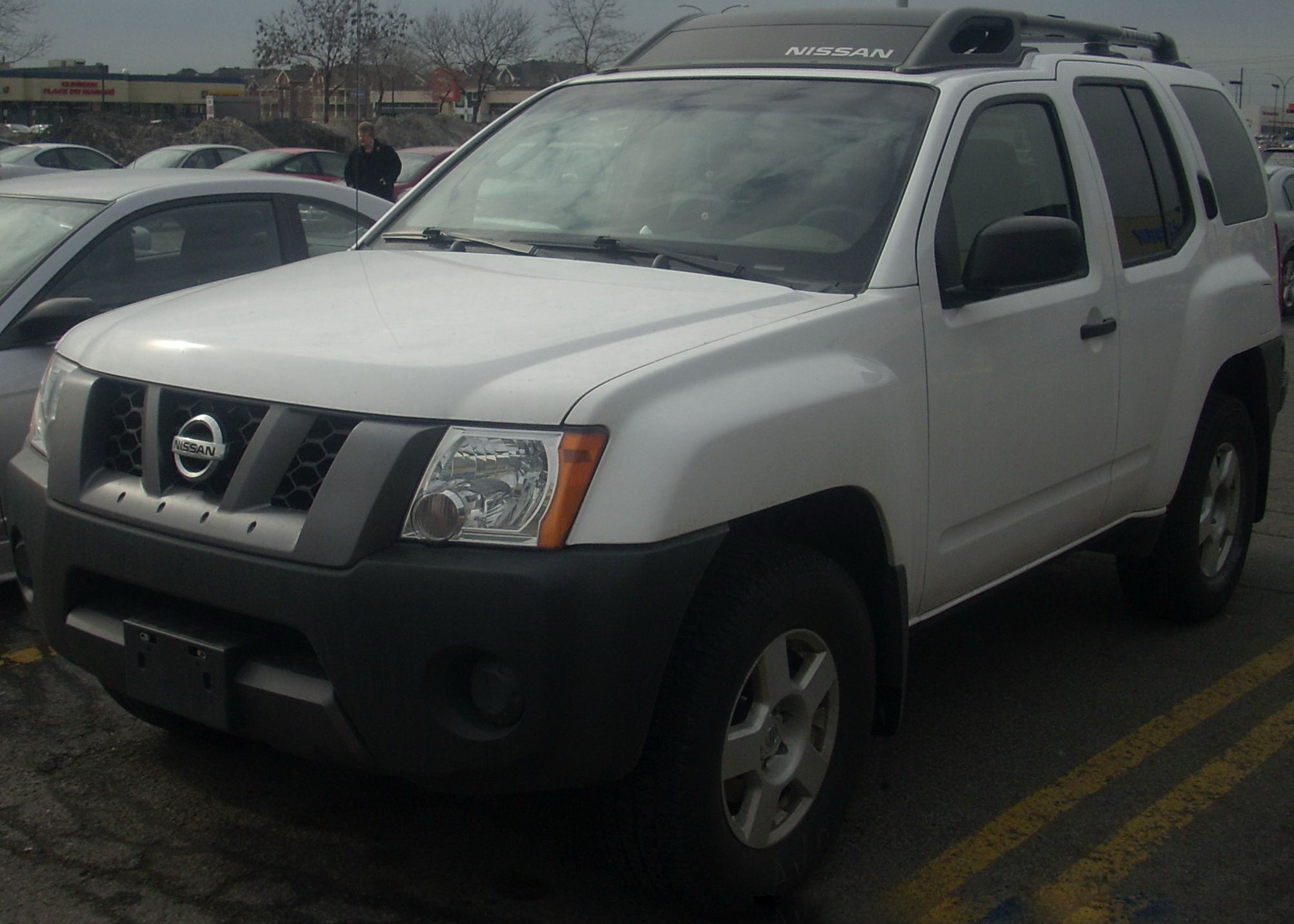
Nissan XTerra
The Nissan Xterra is an SUV that’s built to feel more rugged than many regular family crossovers. Here it’s mentioned as one of the cars on a list the person is considering.

Ford Bronco
The 1990 Ford Bronco is an older, rugged SUV with a reputation for off-road capability. It’s mentioned as one of the cars on a short list, especially because the conversation is about manual/older vehicles.
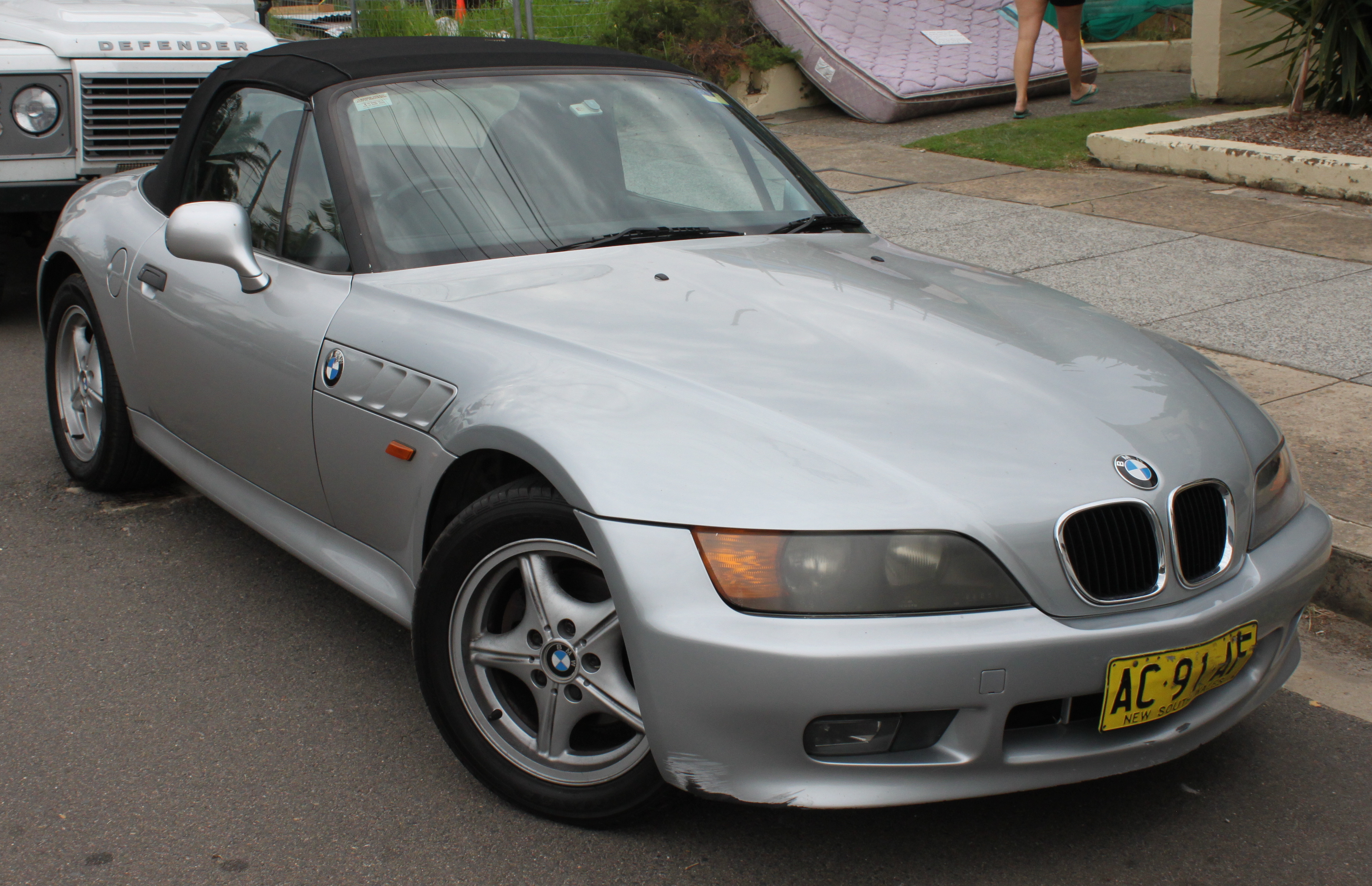
BMW Z three
The BMW Z3 is a small sports car, often thought of as a fun roadster. The host is pointing out they want it with a manual transmission.

BMW 2002 Bmw
The BMW 2002 is an older BMW model that’s known for being a fun, simple car to drive. The podcast mentions it in a list of classic manual vehicles. It’s brought up because it’s part of the “old-school” car conversation.

Volkswagen all track
The Volkswagen Alltrack is a wagon meant to handle rougher roads than a typical wagon. In this conversation it’s mentioned as part of a list of wagons people are considering.
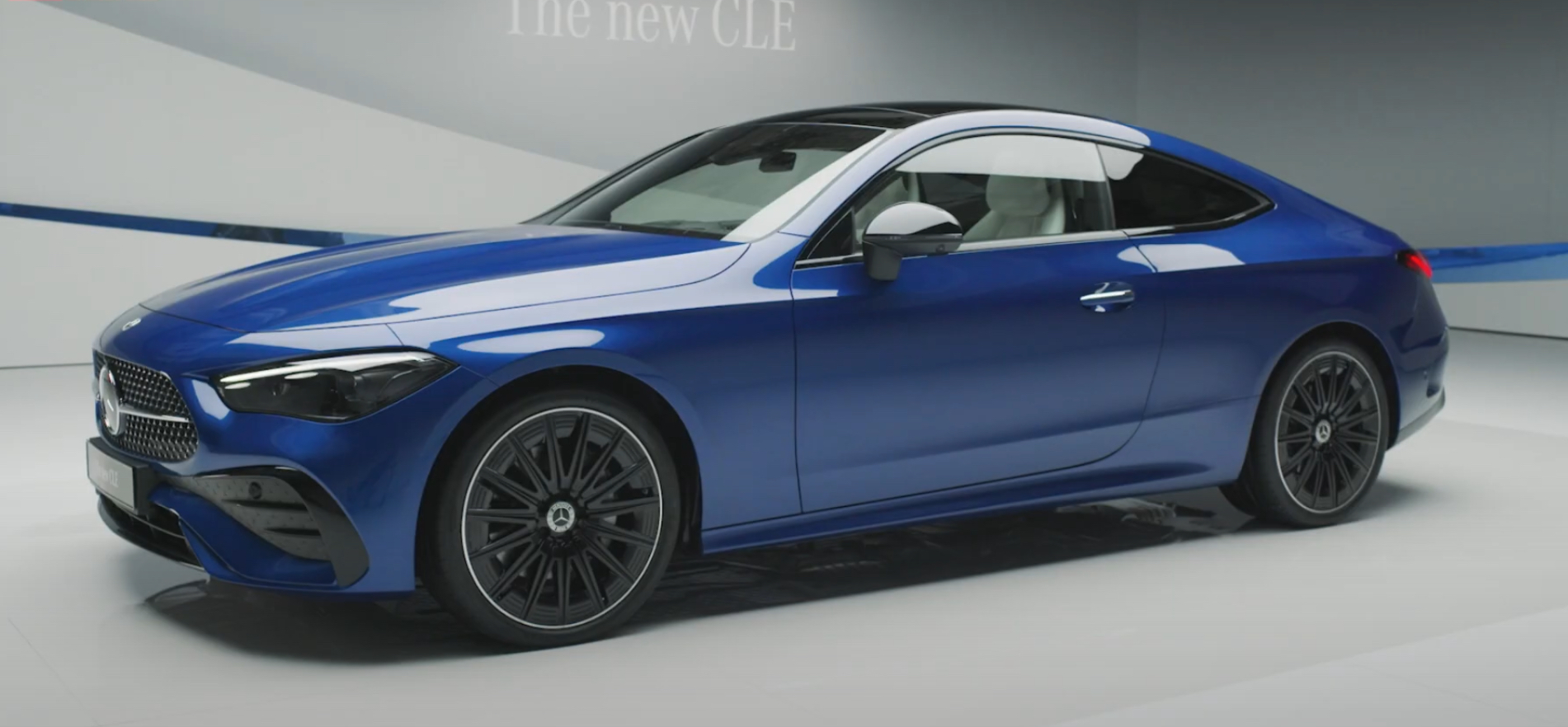
2016 Mercedes C 250 wagon
This is a Mercedes-Benz wagon from 2016. A wagon is basically a car with extra cargo space behind the seats, so it’s great for families. The host is saying this one has mainly been used for everyday family driving.
parking constraints
This means they don’t have enough parking space for multiple cars. Because of that limitation, they had to choose one vehicle that would work for their family.
three row SUV
A three-row SUV is a bigger family vehicle with seats in three rows. It’s designed to carry more people, which is why it comes up for a family move.
rear wheel driver
Rear-wheel drive means the power goes to the back wheels. People who like driving feel it can make the car handle and accelerate in a more fun, predictable way.
Porsche 911
The Porsche 911 is a famous sports car from Porsche, built with an engine mounted toward the back. Here, they’re considering a 911 as a daily driver, but it may not work if you need lots of room for work stuff.
trunk space
Trunk space is how much stuff you can fit in the back storage area. They’re comparing how much luggage and gear each car can realistically hold.
magnet ride
“Magnet Ride” is an adaptive suspension that can stiffen or soften the shocks electronically. That helps the car feel smoother on bumps but more stable when you drive harder.

Bmw M
The BMW M Coupe (E36) is an older BMW sports coupe. It’s a performance-focused version of the E36-era BMW lineup. The podcast brings it up because someone is looking at these cars and considering them.
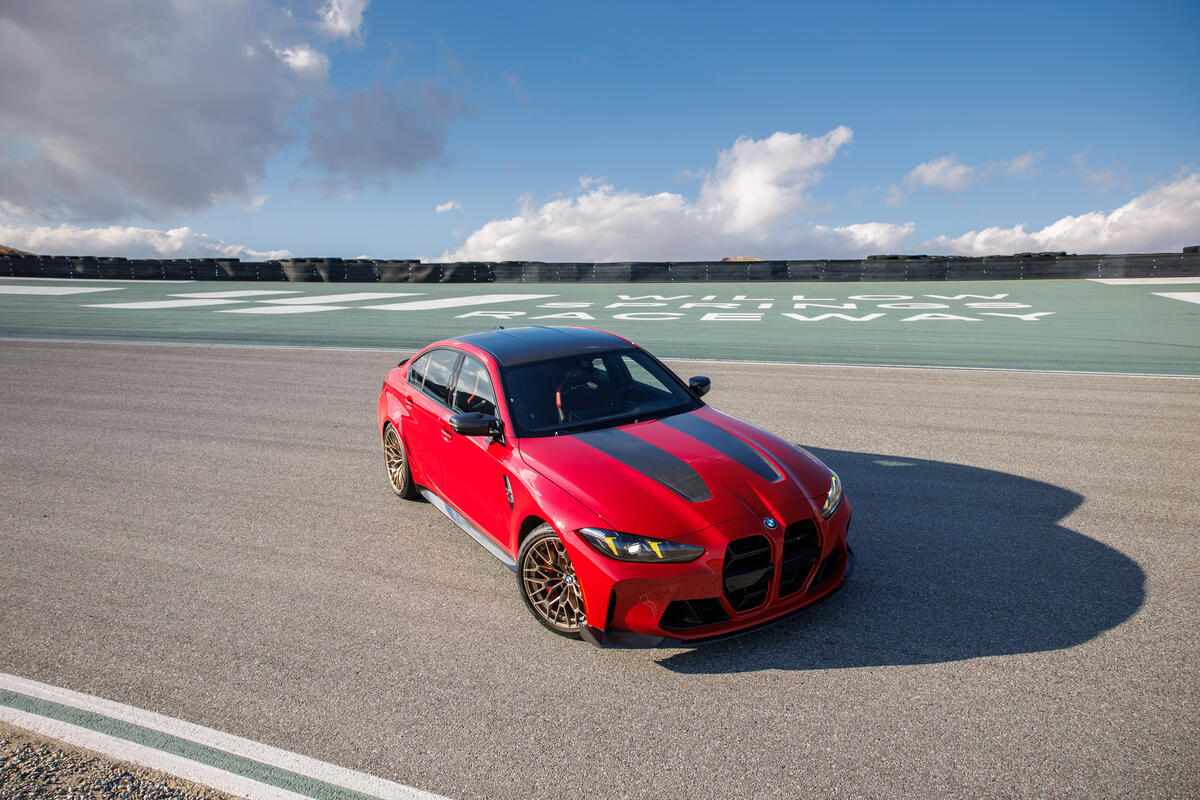
BMW M threes
The BMW M3 is BMW’s performance model. The F80 generation is the one they’re talking about here, and they’re saying it can still be a fun manual car while fitting the “four-door” family requirement.

Honda Civic
The Honda Civic Type R is Honda’s high-performance Civic. They’re considering it, but they don’t like that it’s front-wheel drive.
front wheel drive
Front-wheel drive means the front wheels do the steering and the driving. Some people prefer rear-wheel drive because it can feel different when you accelerate hard, but FWD is often easier to live with day to day.

Elantra
The Hyundai Elantra is a common compact car. They’re using it as an example of a front-wheel-drive car that can tug or pull sideways a bit when you accelerate hard.

Toyota GR Corolla
The Toyota GR Corolla is a sporty version of the Corolla, but in a hatchback form. The podcast is saying it might be the best pick and that it’s interesting. It’s mentioned because it’s designed to feel more performance-oriented than a normal Corolla.
G-R-A-C-R-O-L-A
That’s a word they spelled out letter-by-letter, probably a brand or model name. The clip doesn’t clearly say what it stands for, so it’s hard to pin down exactly what car-related thing they mean.
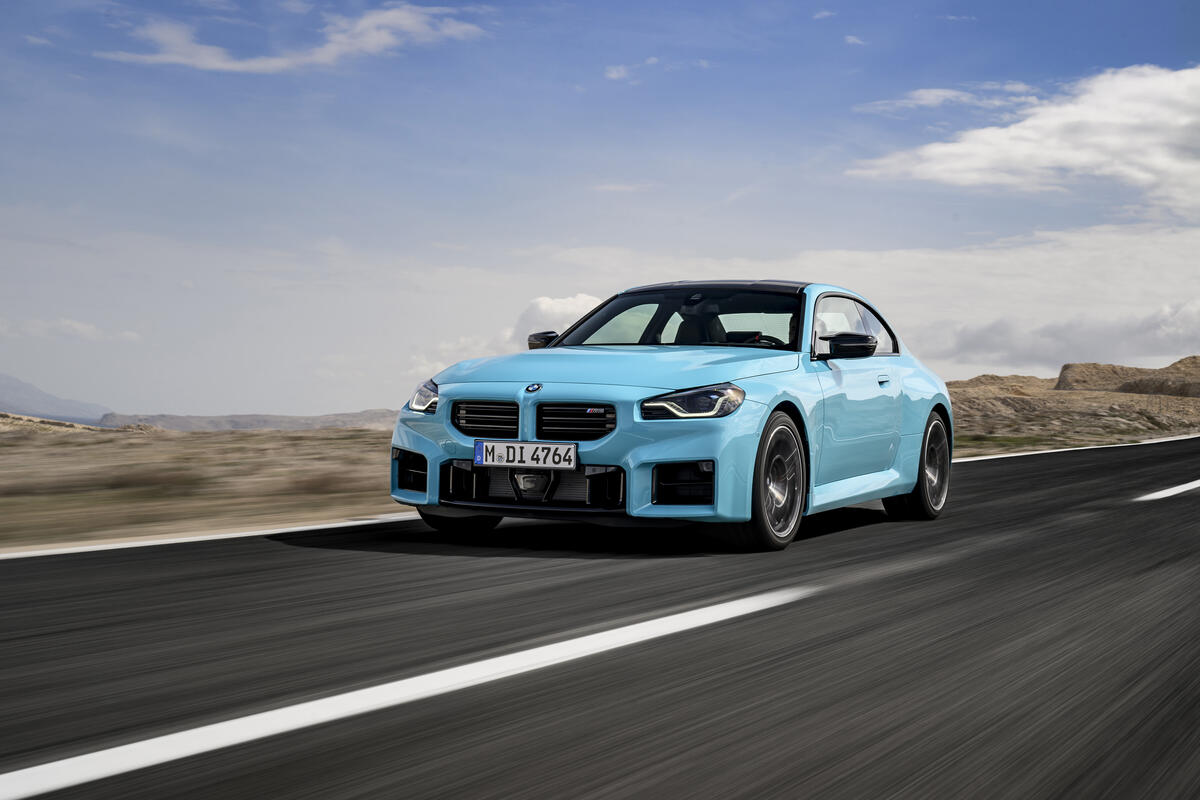
M2 competition
The BMW M2 Competition is a small BMW that’s tuned for driving fun. Here, the host is saying it can still work as a family car because it has real trunk space and back seats.

Audi RS3
The Audi RS3 is a small, sporty hatchback from Audi. It’s meant to be quick and fun, but still usable day-to-day—so the host thinks it can work as a family car too.
drift mode
Drift mode is a special driving setting that helps the car slide more easily. It adjusts the car’s traction and stability behavior so you can steer while the rear end breaks loose.

2011 to 2013 BMW 335 IS
This is a BMW 3 Series from 2011 to 2013 with a turbo engine. The host is saying it feels punchy—especially because it has a lot of torque—and they point out styling details to help identify the right version.
driver's car
A “driver’s car” is a car that’s fun and engaging to drive, not just something that gets you from A to B. It usually feels responsive and rewarding when you steer and use the pedals. In this segment, they’re saying this one fits that idea.
enthusiast car
An “enthusiast car” is a car that people buy because they really care about driving feel, not just transportation. Owners of these cars often talk about them a lot and know the details. Here, it’s used to explain why this pick makes sense for the right buyer.
auto tempest.com
Auto Tempest is a website that helps you search for cars by pulling listings from many other sites. It can also track price changes and notify you when new listings match your search.
secondhand cars
“Secondhand cars” means used cars. The point here is that when you shop for a cheap used car, the real prices you end up seeing can be higher than you expected.
entry level
“Entry level” here means the cheapest cars you can buy. When you’re shopping in that price range, the selection and the condition of cars can vary a lot.
MG three
MG is a car brand that usually makes more affordable cars. Here, they’re mentioning an MG model as an example of what you might consider when your budget for a used car grows.
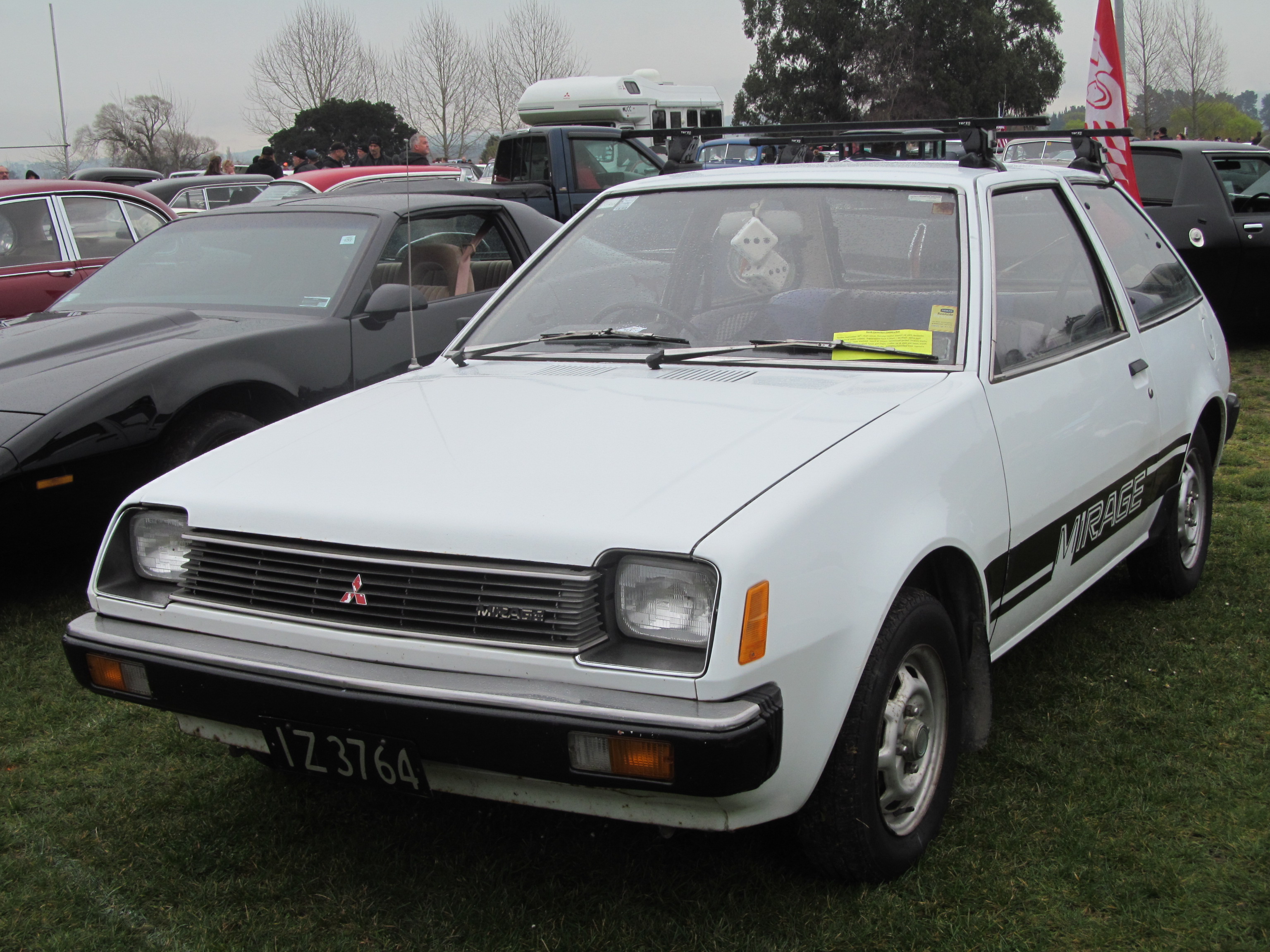
Mitsubishi Mirage
A Mitsubishi Mirage is a small, low-cost car. The host is comparing something else to it to say it feels like a basic, budget rental.
handbrake turn
A handbrake turn is when you pull the parking brake to make the car’s rear end slide around so you can turn around quickly. It’s a stunt-like move that can wear out tires if you do it often.

Toyota Corolla
The Toyota Corolla is a very common, dependable small car. The host is saying they considered it, but the deal didn’t look good compared to other options.
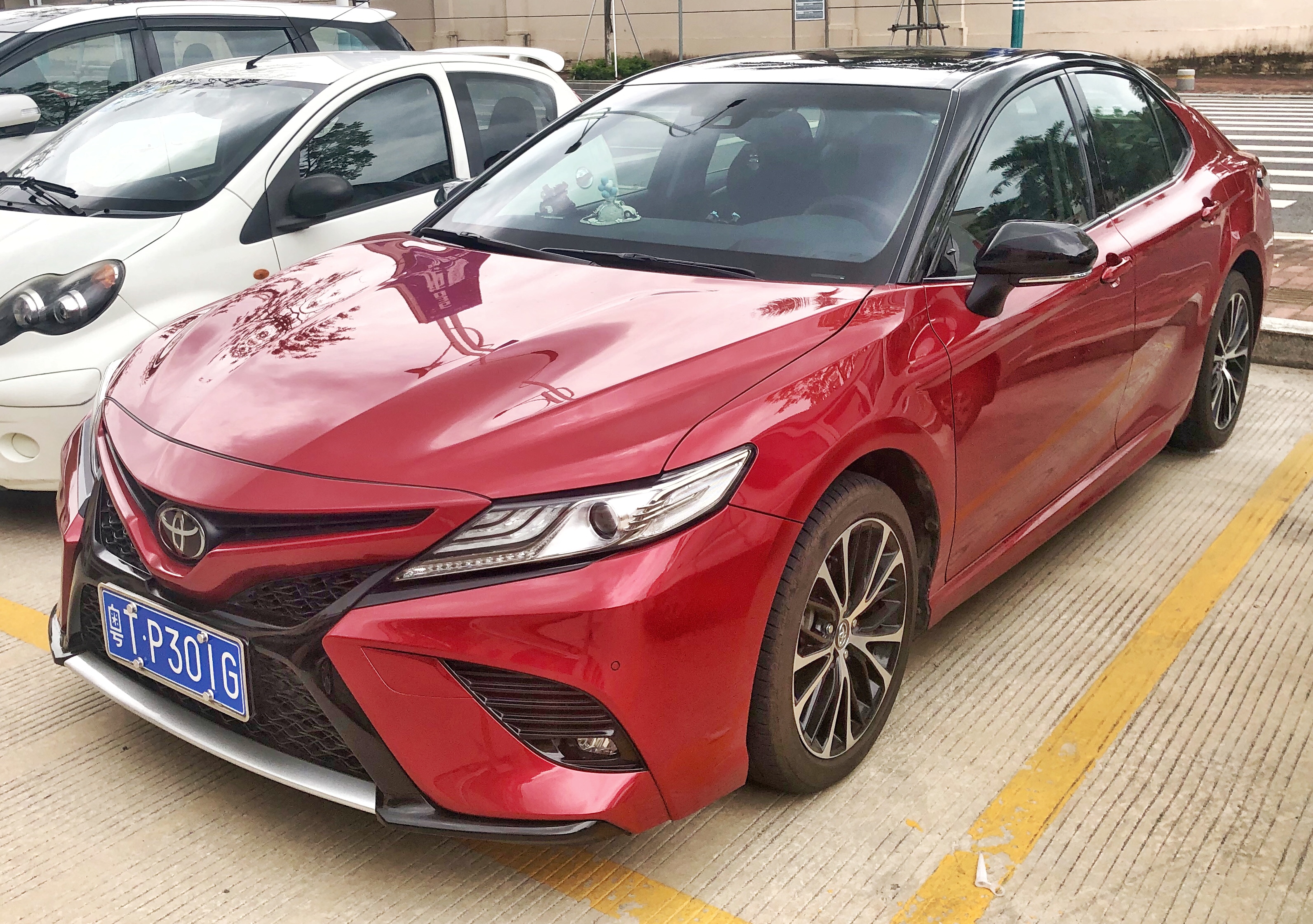
Toyota Camry
The Toyota Camry is a popular midsize sedan. The host is saying it’s usually a reliable pick, but the specific used-car deal didn’t add up.

Ford Orion
The Ford Orion is a car model mentioned in the podcast as something that didn’t meet expectations. The speaker then compares the idea to another “Orion” they describe differently. It comes up because they’re deciding which option makes more sense.

Toyota Highlander
The Toyota Highlander is a family SUV meant for everyday driving and carrying people comfortably. In the podcast, they’re comparing it to another model they describe as a sedan version of the same idea. That’s why the Highlander comes up in the debate.
three and a half liter V6
A “3.5-liter V6” is an engine with six cylinders arranged in a V shape. The “3.5-liter” part is about the engine’s size, and V6 engines are often smooth and reasonably strong.
cheap, reliable Japanese
This is the idea of buying a Japanese car that’s known for being dependable, but not expensive. The host uses it to decide which used cars are worth considering.

Kia Picanto
The Kia Picanto is a very small city car. The host is saying it’s a straightforward, budget-friendly choice that’s easy to live with.

2013 Mercedes B 180
This is a 2013 Mercedes-Benz B 180, a small Mercedes hatchback. In this story, the big issue is the dual-clutch transmission—when it breaks, the repair bill can be so high it can cost nearly as much as the whole car.
warning light on the dash
A warning light on the dashboard means the car detected a problem. Here, the host connects that light to a transmission problem, which is why it becomes a big deal.
dual clutch transmission
A dual-clutch transmission is a type of automatic that shifts very fast. It uses two clutches to keep the next gear ready, but if something inside it breaks, fixing it can be expensive.

GLA 45
The Mercedes-Benz GLA 45 is the sporty version of the GLA crossover. The host brings it up to suggest it’s from the same general generation as the B-Class, meaning they can share similar design foundations and components.
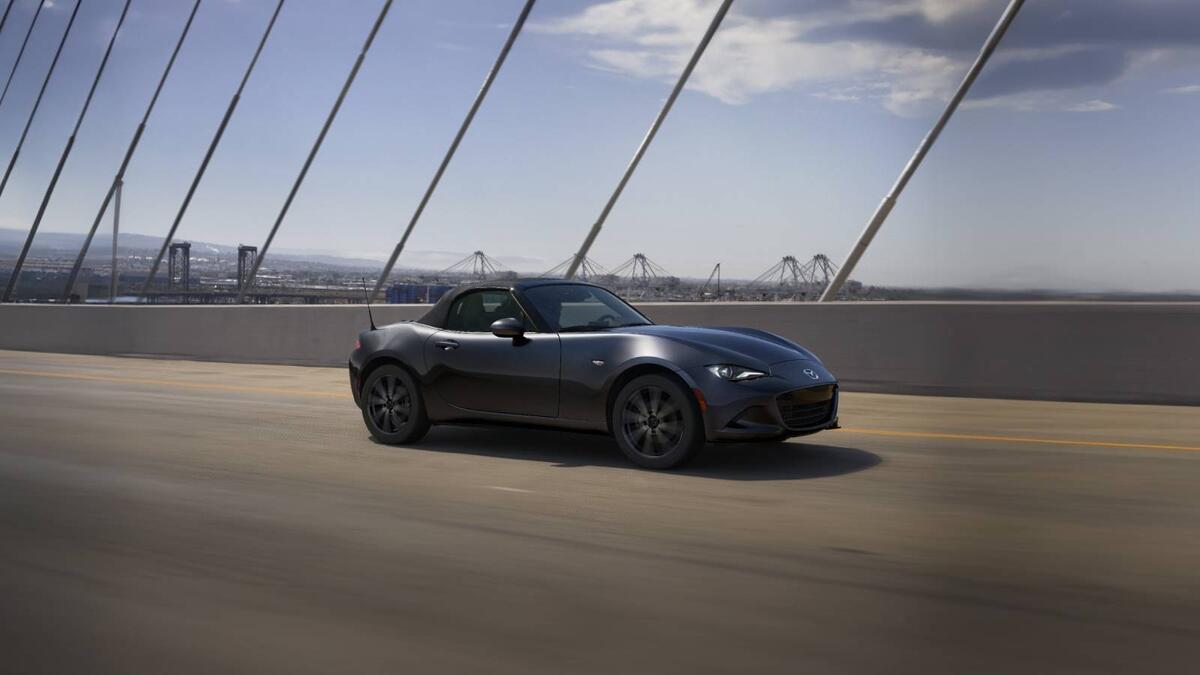
ND to Miata
The ND Miata is a Mazda MX-5 Miata from the newer generation. It’s a small, light roadster that’s meant to be easy and enjoyable to drive.

Honda Odyssey
The Honda Odyssey is a family minivan. It’s built for carrying people and gear comfortably, especially when you have kids.

Mazda CX five turbo
The Mazda CX-5 is a compact SUV. The turbo version is the more powerful one, meant to feel quicker for everyday driving.
convertible
A convertible is a car with a roof that can open up so you can drive with more fresh air. It’s often chosen for the fun, open-air feeling.

Audi Rs
The Audi RS e-tron GT is an electric performance car. The podcast is talking about how its styling can be a little polarizing, meaning some people like it and others don’t. It’s brought up because it’s a fast, EV version of a performance Audi.

Cadillac Ct
The Cadillac CT6 is a large luxury sedan. The podcast is talking about Cadillac models and mentions the CT6 while discussing what kind of car someone wants. It’s included because it’s part of the luxury-sedan decision-making.
Cadillac CT 4 Blackwing
The Cadillac CT 4 Blackwing is a sporty Cadillac sedan. What stands out here is that it can be had with a manual transmission, which the speaker really wants.
Cadillac CT 5 Blackwing
The Cadillac CT 5 Blackwing is a bigger sporty Cadillac sedan in the Blackwing family. The speaker liked it, but they couldn’t afford it.
BMW M2
The BMW M2 is BMW’s smaller, sportier M model. The speaker is saying they don’t like the look of both the newer and older versions.

Genesis G70
The Genesis G70 is a luxury car from Genesis that’s meant to feel more sporty than a typical “nice” sedan. In this part of the show, it’s just one of the cars they looked at.

Acura Integra
The Acura Integra Type S is a sporty version of the Integra. They’re comparing it directly with the Civic Type R to decide what to buy.
big wing
A “big wing” is a spoiler on the back of the car. It helps push the car down onto the road at higher speeds, which can improve grip.
Canadian Tire Motorsports Park
Canadian Tire Motorsports Park is a real race track in Canada. They’re planning to drive their car there to see how it handles at higher speeds and in corners.
limits
In track driving, “limits” refers to the point where the car’s grip, braking, and stability start to break down. It’s usually about maximum cornering capability and how the car behaves when pushed hard.
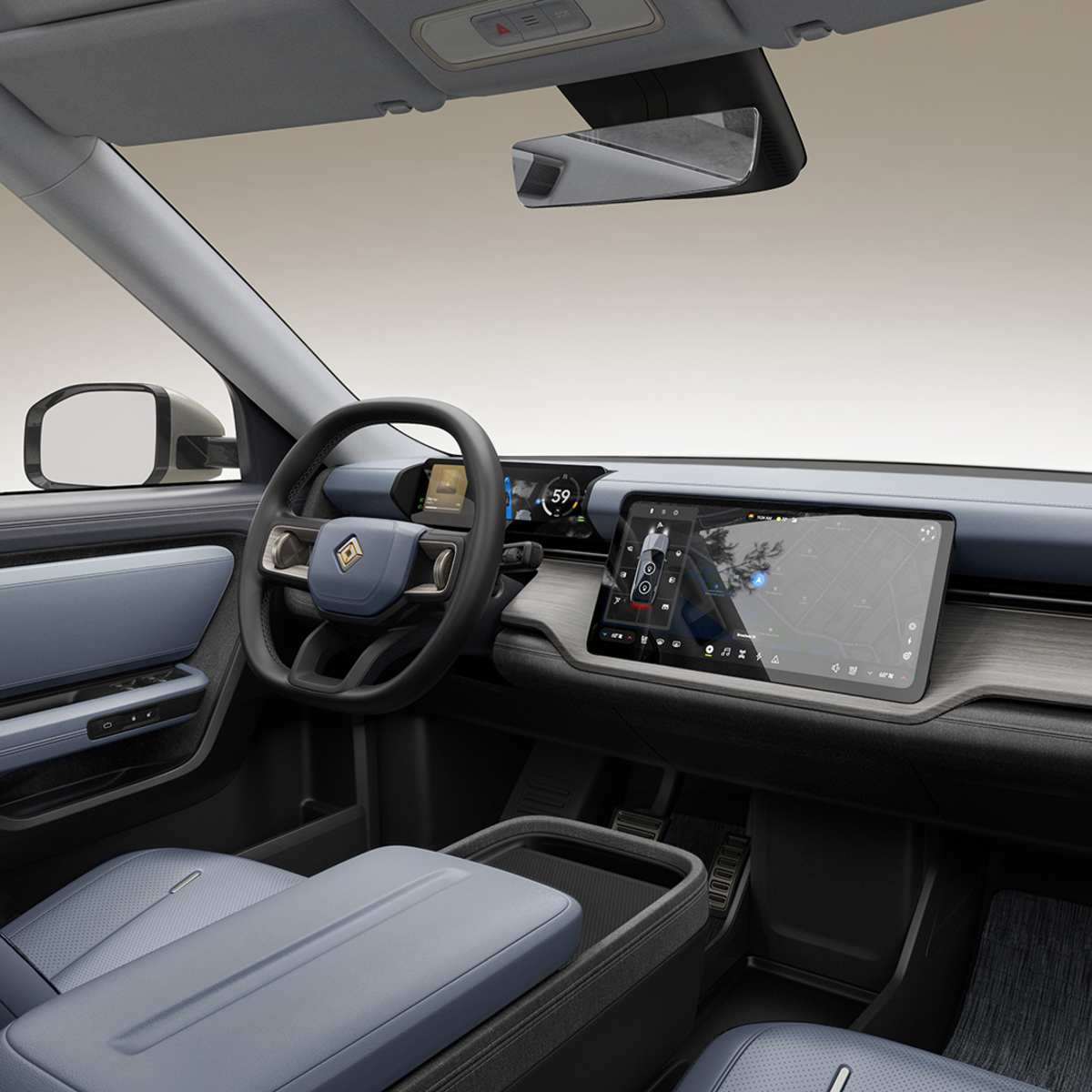
Rivian R2
The Rivian R2 is an electric SUV/EV from Rivian. The episode is pointing you to their videos because it’s a big new model launch and people are comparing it to other cars.
Park City
Park City is a place in Utah. The hosts are saying a lot of people went there for the Rivian R2 launch, which made the event feel special.
three car comparison
A “three car comparison” means they’re comparing three cars side-by-side. The goal is to show how one car stacks up against the others so you can judge which fits you best.