
Nostalgia & Build Updates - EP.180
About this episode
The hosts bounce between garage updates and deep nostalgia, comparing current projects with the early days that pulled them into car culture. They revisit the influence of magazines, games, Option videos, Fast and Furious, and local builds, then move through memorable meet spots in Nashville and Maine, including street-racing stories and convoy chaos. The episode also circles back to how cars, trips, and old features keep becoming new memories.
In this episode of the Right Hand Drive Guys Podcast, we check in on where our current builds stand — what’s done, what’s next, and what’s taking way longer than expected. From parts on order to big-picture plans, we get real about the highs and headaches of building cars the right way.
Then we take it back. Way back. We dive deep into the nostalgia that made us who we are — the DVDs we wore out, the local meets and events, the car clubs, the early internet forums, and the movies that lit the spark. It’s a look at the era that shaped our taste, our standards, and our obsession with JDM culture.
This one’s equal parts update and throwback — a reminder that every build today is rooted in something that inspired it years ago.
🎙️ From late-night DVDs to late-night garage sessions — this is the story behind the builds.
Find us on Facebook groups - RHDGUYS-JDMBOYS
Socials - @RHDGUYS
Merch - http://RHDGUYS.COM
Want a discount on Nissan parts?
Use code "RHDGUYS" at
Need An ECU? Visit Haltech!
oil change interval
"So like an oil chain like for that motor normally that would have just been an oil change interval anyways, right? Yeah, but yeah, I did a drift event and like"
Oil change interval just means how often you should change your engine oil. If you drive hard or for long stretches, the oil can wear out faster than the “normal” schedule.
The oil change interval is the recommended mileage/time between oil services. It’s based on how quickly engine oil degrades from heat, contaminants, and driving conditions.
drift event
"Yeah, but yeah, I did a drift event and like Yeah drove it a bunch on the highway and stuff spun the tire in the driveway a little bit. Yeah. Yeah, definitely some of that"
A drift event is when people practice sliding the car around corners on purpose. That kind of driving usually wears out tires and can be harder on the car than normal driving.
A drift event is a motorsport session where drivers intentionally oversteer and slide the car through corners. It typically increases stress on tires, brakes, and drivetrain components.
Advent Filivas
"Nice kind of tires of those they are the advent filivas Leave was leave is so yeah, I got that and"
Advent Filivas is the specific tire model they’re talking about. Tire models can feel different—some are better for grip, some last longer, and some do better in rain.
Advent Filivas appears to be the tire model/line the host is planning to install. Different tire models prioritize grip, tread life, or wet-weather performance.
wide body
"I eventually here within the next few days or so. I'm gonna start cutting for the wide body I know I've been saying that for like the last month is just one of those things."
A wide-body conversion widens the car’s fenders and bodywork to allow larger wheels/tires and a more aggressive stance. It often requires cutting and reshaping the fenders and sometimes inner structures.
35 conversion
"Yeah, we got the reciprocating air saw because I'm doing the 35 conversion on the on their brakes so with that conversion you have to cut the"
“35 conversion” sounds like a specific brake upgrade they’re doing—changing the car’s brake setup to a different spec. The exact meaning depends on what “35” refers to in their parts list.
“35 conversion” likely refers to a brake-related upgrade that changes the setup to a different specification (the “35” is probably shorthand for a component size or model). Without more context, the exact parts being converted aren’t fully identifiable from the excerpt.
dust shield
"Dust shield. Yeah, and so that reciprocating... you know the pain on the dust shield, but otherwise that thing is sweet."
A dust shield is a small metal cover near the brakes. It helps keep road grime away from the brake parts so they stay cleaner longer.
A dust shield is a thin metal cover near the brakes that helps block dirt and debris from reaching the rotor and brake components. When it’s damaged or removed during work, it can affect how clean the brakes stay and how easy future service is.
reciprocating air saw
"But with these we got the reciprocating air saw it cleaned up nice a few spots where we got a touch up"
It’s a power tool that runs on compressed air and moves the blade back and forth. People use it to cut or clean up metal parts, especially when you need to be precise.
A reciprocating air saw is a pneumatic (air-powered) tool with a back-and-forth blade motion. It’s often used for cutting or trimming sheet metal and brackets because it can be controlled and can reach tight areas.
brake conversion
"So, yeah, I'm doing that brake conversion. I just threw on the least spec exhaust... Yeah, I mean we gotta we're gonna have to bleed the brakes"
A brake conversion means changing your car’s brake parts to a different setup. After the swap, you have to bleed the brakes so there’s no air in the lines.
A brake conversion is a swap from one brake setup to another—often changing rotors, calipers, and related hardware to improve stopping performance or fitment. Conversions usually require bleeding the brake system afterward to remove air and restore proper hydraulic pressure.
Nismo intercooler
"I just threw on the least spec exhaust the Nismo intercooler and intercooler piping I"
Nismo is Nissan’s performance brand. An intercooler cools the air coming from the turbo so the engine can run more efficiently and make better power.
Nismo is Nissan’s performance brand, and a Nismo intercooler is an aftermarket upgrade for turbocharged engines. Intercoolers cool compressed air from the turbo, which can improve charge density and help reduce heat-related performance losses.
intercooler piping
"the Nismo intercooler and intercooler piping I"
Intercooler piping is the tubing that carries turbo air to and from the intercooler. Better piping can help the system flow more smoothly.
Intercooler piping is the set of tubes that routes air between the turbo, intercooler, and intake. Upgrading piping can improve fitment and reduce restrictions, which helps the turbo system respond more consistently.
air cups
"I Put on the Olin suspension with the air cups with the air cups Yeah, so I still got to install the compressor for the air cups"
Air cups are components that use compressed air to lift or lower the car. They’re part of an air suspension system that can change ride height.
Air cups are part of an air-suspension setup where air pressure supports the car and controls ride height. They’re typically used with compressors and valves so the system can inflate/deflate to achieve the desired stance.
Olin suspension
"I Put on the Olin suspension with the air cups with the air cups"
Ohlins makes performance suspension parts. Upgrading suspension can make the car ride and handle better, and here it sounds like they’re combining it with an air-based system for ride height.
Ohlins (often misspelled as “Olin”) is a well-known suspension brand, and an Ohlins suspension upgrade typically means higher-quality dampers and/or coilover components. In this context, it’s being paired with air-cup setup, suggesting a custom ride-height/handling configuration.
bleed the brakes
"Yeah, I mean we gotta we're gonna have to bleed the brakes and I got Some carbon parts painted."
Bleeding the brakes means pushing out air from the brake fluid system. It helps the brake pedal feel firm and makes sure the brakes work properly.
Bleeding the brakes removes trapped air from the brake lines and calipers. Air in the system can cause a spongy pedal and reduced braking force, so bleeding is essential after brake work or component swaps.
carbon parts
"and I got Some carbon parts painted. I got him painted. Yeah, you did dude like I walk into the garage and I see"
Carbon parts are made from carbon-fiber material, which is light and strong. People use them to make a car look more “race” and sometimes to save weight.
Carbon-fiber parts are lightweight components made from carbon composite material. They’re commonly used on performance and appearance builds to reduce weight and add a distinctive look, but they still require careful handling and proper finishing.
satin
"Like I don't know anything about the flat car. Is it Matt? It's satin. It's satin. I know but it looks dude"
Satin is a finish that’s not shiny like gloss. It’s more muted, so the surface reflects less light.
Satin is a low-gloss surface finish that sits between matte and glossy. In automotive finishing, switching from gloss to satin changes reflectivity and can make carbon-fiber parts look more uniform and less “shiny.”
wet carbon
"Yeah, cuz it's wet carbon So you know he Aaron was like dude they they can just sand those and spray them satin and it'll at least"
Wet carbon is carbon fiber finished with a clear coat that makes it look glossy. Satin finishes look more matte, so the carbon pattern can look different.
Wet carbon refers to a carbon-fiber finish where the clear coat is applied over the carbon weave, creating a glossy “wet” look. It’s often contrasted with satin/matte finishes, which can hide the shine and change how the weave appears.
dry carbon
"they actually match the the painted dry carbon. Yeah, like"
“Dry carbon” is a type of carbon-fiber material used for parts like trim or panels. It’s made in a way that can give a distinctive look compared with other carbon finishes.
“Dry carbon” refers to carbon fiber that’s produced without the wet resin process—typically using prepreg/controlled curing—so it can have a different surface look and finish. Enthusiasts often choose it for its appearance and the way it reflects light compared with other carbon finishes.
strip it down / build it back up
"He's gonna strip it down Build it back up put a coating over it nice in that way"
They’re describing a process where the car gets taken apart for work, then put back together afterward. It helps make sure the final result looks clean and consistent.
This describes a body/paint workflow where the car is disassembled (“stripped down”), then reassembled after repairs or coating work (“build it back up”). It’s a common approach when you want consistent fitment and a uniform finish rather than quick touch-ups.
v-spec hood
"And I didn't end up doing the z-tune fenders or the v-spec hood"
A “V-Spec hood” is a hood style linked to Nissan’s V-Spec look. It’s a different shape than stock, so repainting and matching the color can be more work.
“V-Spec hood” refers to a hood associated with Nissan’s V-Spec styling/trim identity, typically meaning a particular shape and fitment. Like other body parts, it can complicate repainting because the painter must match color and finish across panel edges.
z-tune fenders
"And I didn't end up doing the z-tune fenders or the v-spec hood"
“Z-Tune fenders” are body panels associated with the Nissan Z-Tune program/appearance package, known for a distinctive wide/modified fender shape. Choosing or skipping them affects both the car’s look and how well paint and panel gaps match during bodywork.
rear spats
"my rear spats because coming off the trailer when it got unloaded it like crunched a spat"
Rear spats are small aerodynamic body pieces near the rear wheels/underside that help manage airflow and reduce drag. They’re also easy to damage when loading/unloading a car on a trailer, which is why the speaker mentions a “crunched” spat and repainting.
front lip
"In my front lip Just because it was a little off in color and it was kind of destroyed from rocks from all the toge runs"
A front lip is the low add-on at the bottom of the front bumper. It’s easy to scrape or chip from road debris, so it often needs repainting after driving on rough or busy roads.
A front lip is the lower front bumper extension that improves aerodynamics and adds visual aggression. Because it sits low, it’s prone to rock chips and scrapes—matching the speaker’s mention of damage from “toge runs” and the need for repainting.
toge runs
"destroyed from rocks from all the toge runs and yeah"
“Toge runs” refers to driving sessions on mountain passes (often in Japan), where enthusiasts push pace on winding roads. That kind of driving commonly increases exposure to rock chips and paint damage, which explains the speaker’s front lip condition.
re-spray
"We'll see because my hood I mean my roof needs it anyways Right, so you're like so close to needing a full re-spray."
A re-spray is repainting part of the car. Shops do it when the paint is damaged or when the new paint won’t match the old paint well enough.
A “re-spray” is repainting a car panel or section because the current paint no longer matches, has damage, or won’t color-match well. It can range from spot repairs to repainting large areas, depending on how far the color mismatch or damage goes.
blend the fenders and doors
"So I mean I could have him blend the fenders and doors and the little bit that they would need to you know the roof and the pillars, but at that point what I just didn't spray the rear end like why yeah, right?"
Blending is when a shop paints a new section so it smoothly matches the old paint. Instead of a sharp line where panels meet, the color is gradually mixed so it looks natural.
“Blending” in a paint context means feathering and matching new paint into the existing paint so the color transition is hard to notice. It’s often used on adjacent panels (like fenders and doors) to avoid a visible “panel edge” where paint was replaced.
roof and the pillars
"So I mean I could have him blend the fenders and doors and the little bit that they would need to you know the roof and the pillars, but at that point what I just didn't spray the rear end like why yeah, right?"
The roof is the top of the car, and the pillars are the vertical parts between the windows. If paint doesn’t match across those areas, they may need repainting too.
The roof is the upper body panel, and the “pillars” are the vertical structural trim sections between windows (often called A-, B-, and C-pillars). These areas can require repainting when the color match is off across multiple panels.
get-track
"Everybody always asked me and like oh which one's there, you know, I feel like whether it's because it's Mostly stock or it's the get-track or it's the just you know the refinement of the chassis like I feel like"
“Get-track” here sounds like a specific trim or package name the hosts use to describe a more track-oriented version of the car. It likely implies changes aimed at sharper driving dynamics compared with a mostly stock setup.
refinement of the chassis
"Everybody always asked me and like oh which one's there, you know, I feel like whether it's because it's Mostly stock or it's the get-track or it's the just you know the refinement of the chassis like I feel like"
This means how “smooth” and well-behaved the car feels when you drive—how stable it is and how nicely the suspension and steering work. It’s more about feel and comfort than top speed.
“Refinement of the chassis” refers to how smooth, composed, and predictable the car feels through suspension and steering inputs. It’s a subjective way to describe ride quality and stability rather than raw power or outright speed.
stock
"It is you know, it has been a while since 2019 or 2020 since that thing was stock So like I'm judging it based off its modified condition"
“Stock” means the car is basically as the manufacturer built it, not modified. If it’s not stock, the way it drives can be different because parts have been changed.
“Stock” means the car is in factory-original condition, without the owner’s modifications. When someone says they’re judging a car that isn’t stock, they’re acknowledging that aftermarket changes can affect ride quality, drivability, and how the car feels compared to how it left the factory.
modified condition
"So like I'm judging it based off its modified condition probably mostly which is a little unfair because you know It's it's not stock for stock"
“Modified condition” just means the car has been changed from how it came from the factory. Those changes can make the car drive and feel different.
“Modified condition” refers to a vehicle that has been changed from factory spec—often with upgraded or replaced parts. The speaker is saying their evaluation is based on how the car currently behaves with those changes, not how it would feel completely stock.
new tires
"Yeah, and it's got new tires on it and everything that I bought for it in 2020 so like"
New tires can noticeably change ride feel, grip, and noise compared with worn tires. The speaker is pointing out that the car has fresh rubber, which can make it feel smoother and more confident even if other parts haven’t changed.
Fast and furious
"We're like it's always Fast and furious Grand Turismo, right, you know what option videos right"
They’re talking about “Fast and Furious” as a movie series that helped get them interested in cars. A lot of people start learning about car culture because of stuff they see in movies like this.
The hosts reference the “Fast and Furious” franchise as a piece of media that influenced their interest in cars. In car culture, movies like this often spark curiosity about specific models, tuning, and the broader enthusiast scene.
Grand Turismo
"Fast and furious Grand Turismo, right, you know what option videos right like a lot of these things"
They’re mentioning “Grand Turismo,” which is a racing video game series. Lots of car fans got into cars by playing games like this and learning about different cars.
“Grand Turismo” refers to the Gran Turismo video game series, a long-running racing franchise that has influenced many enthusiasts. The speaker is tying it to how media shaped their car interests and knowledge.
import scene
"He was into the import scene I guess back then and he had a 240 like an s14 It was purple like and at that point it was"
“Import scene” means a group of car fans who like imported cars—often Japanese ones—and modify them. It usually includes things like new wheels and lowering the car.
“Import scene” refers to a community focused on Japanese (and sometimes other) imported cars, especially ones that are modified for looks, handling, or engine performance. In the U.S., it often overlaps with tuning culture like wheels, lowering, and engine swaps.
lower it
"I see him put wheels on it and see him, you know lower it and Then his buddies would come by and one of his buddies had a CRX with some wheels on it"
“Lower it” means making the car sit closer to the ground. People do it for looks and handling, but it can reduce ground clearance and make the ride harsher.
“Lower it” means lowering the car’s ride height, usually by changing suspension components like springs/coilovers. Lowering can improve appearance and reduce body roll, but it can also affect ride comfort and clearance.
wheels
"I see him put wheels on it and see him, you know lower it and Then his buddies would come by and one of his buddies had a CRX with some wheels on it"
Wheels are the rims the tires mount to. Upgrading wheels is often done for looks, but it can also change how the car grips and rides.
Wheels are a major part of a car’s stance and style, and they can also affect performance. Changing wheel size/width and tire setup can influence grip, steering feel, and ride comfort.

Honda CRX
"Then his buddies would come by and one of his buddies had a CRX with some wheels on it And another friend had like a EG Civic"
The Honda CRX is a small sporty Honda that a lot of car enthusiasts like to modify. People often upgrade the suspension and other parts to make it handle better.
The Honda CRX is a compact, sporty hatchback/coupe that became popular in the tuning world. It’s often associated with lightweight handling and a strong aftermarket for suspension and power upgrades.

Honda Civic
"And one of his buddies had a CRX with some wheels on it And another friend had like a EG Civic Nice Honda boys."
An “EG Civic” is a specific older generation of the Honda Civic. Enthusiasts like it because it’s a common, mod-friendly car with lots of parts available.
The “EG Civic” refers to the Honda Civic generation with the EG chassis code. This era is well-known in enthusiast circles and has a large aftermarket, especially for suspension and performance upgrades.
springs and shocks
"Putting springs and shocks on this 240 to lower it. Yeah, like And I don't know just seeing that was like kind of I"
Springs and shocks are what help the car ride smoothly and control bouncing. Changing them is a common way to lower the car and make it handle differently.
Springs and shocks (struts/shock absorbers) are the core of a car’s suspension. Swapping them is a common way to lower a car and change ride quality and handling by controlling how the car compresses and rebounds.
carbon hood
"[760.7s] Yeah, and dude this dude had it painted like this sick light blue with a carbon hood with wheels with coilovers [769.1s] Yes, like it was crazy. It was like who is this dude and it ends up being"
A carbon hood is the front panel of the car made from carbon fiber. People use it because it can look cool and can be lighter than a stock hood.
A carbon hood is a body panel made from carbon fiber composite. It’s often used to reduce weight and to give a distinctive look, especially on modified cars.
coilovers
"[760.7s] Yeah, and dude this dude had it painted like this sick light blue with a carbon hood with wheels with coilovers [769.1s] Yes, like it was crazy. It was like who is this dude and it ends up being"
Coilovers are suspension parts that let you adjust how high or low the car sits. They also help the car handle better by controlling how the wheels move.
Coilovers are adjustable suspension setups that combine a coil spring and shock absorber into one unit. Enthusiasts use them to lower the car, fine-tune ride height, and improve handling response.
Twin Turbo
"[831.9s] Doing that. So that was my kind of like wow like yeah, you know, and then he ends up getting [839.0s] Twin Turbo 300 CX. Yeah [842.3s] Gets rid of that ends up getting a USDM accurate and Tiger Type R sick nasty"
“Twin turbo” means the engine has two turbochargers. Turbos help the engine make more power by pushing extra air into it.
“Twin turbo” means the engine uses two turbochargers to force more air into the cylinders. This can improve power and throttle response compared with a single-turbo setup, depending on the design.
USDM
"[842.3s] Gets rid of that ends up getting a USDM accurate and Tiger Type R sick nasty [848.5s] It he has he's like because we're in Maine. There's no like performance shop"
USDM means “U.S.-spec.” It’s basically the version of the car/parts made to meet U.S. rules and standards.
USDM stands for “U.S.-spec” (United States Domestic Market) parts or vehicles. In enthusiast talk, it usually means the car is configured to match U.S. regulations and availability rather than being a pure JDM import.
Al's a car
"[848.5s] It he has he's like because we're in Maine. There's no like performance shop [854.3s] So he brings it to Al's a car like just this like, you know random [858.8s] Yeah, and at the time it was like in an old gas station, right? He brings it there"
“Al’s a car” appears to be the name of a local shop the speaker uses for work. The excerpt doesn’t provide enough detail to identify the company precisely, but it’s clearly a real-world service provider in the story.
limited number
"Yeah, it ends up getting stripped out of all of the parts that had the The limited number on it. Yeah, like the arm rest the center console the yeah"
They’re talking about a limited-edition car—only a certain number were made. That can make the specific car more collectible than a regular one.
“Limited number” here sounds like a production-number or limited-edition reference—i.e., only a certain number of cars were built. In enthusiast circles, that kind of numbering can affect collectability and how desirable a specific example is.
Super Street
"Dude, the magazines are still feeding us like Super Street import tuner on the tuning like all of these different Absolutely, dude, like the magazines dude, I think I was into the magazines more than I was the movie"
Super Street is a car magazine that covered how people modify cars, especially imports. The hosts are saying magazines like this helped inspire builds back then.
Super Street is an automotive magazine focused on import and street-performance culture. In the episode, it’s mentioned as a major source of tuning ideas before the internet dominated.
compact mag
"But de-sport there was like import tuner and like sport compact or compact mag Yeah, dude, there were so many of them. It seemed like so many magazines and each one had like their different thing like I"
They’re mentioning another magazine that focused on compact cars and modifications. It’s part of the list of print sources that influenced their builds.
“Compact mag” appears to be shorthand for another magazine title in the sport-compact space. The context suggests they’re talking about multiple print publications that covered similar enthusiast builds.
sport compact
"I would just go to the magazine aisle stand there Yeah, yeah, dude, and I was fortunate enough to like see the Super Street the I don't think de-sport was out yet But de-sport there was like import tuner and like sport compact or compact mag"
Sport Compact is another magazine that covered modified compact cars. The hosts are listing magazines that helped people learn what to build.
Sport Compact is referenced as another magazine title that covered the sport-compact modification world. It’s part of the “magazines fed the scene” point the hosts are making.
V-dub
"Even think they had the V-dub stuff like Yeah, I never looked at that But yeah, I was like you stay away from them porno's you stay away from them your mags"
“V-dub” is a nickname people use for Volkswagen. They’re talking about seeing Volkswagen-related stuff in the magazine aisle.
“V-dub” is slang for Volkswagen (often used by enthusiasts). In this context, it’s part of the hosts’ discussion about the different types of car magazines they’d browse.

Ford Mustang
"Well, some mustangs and fast forwards try that one Got some hair on your chest that year No, but seriously that was like one of the things dude"
They’re talking about Ford Mustangs. The speaker isn’t naming a specific year, just using it as an example of the kind of cars magazines covered.
“Mustangs” refers to Ford Mustang cars, mentioned as part of a magazine/scene comparison. The excerpt doesn’t specify a particular Mustang generation or year.
Need for Speed Underground
"You know from the magazines would be the video games Like there was like dude need for speed underground. Oh, sure. Yeah, dude That was a big dude. I do not think that gets enough love"
Need for Speed: Underground is a racing video game from the early 2000s. They’re saying it was a big part of how people got excited about car culture back then.
Need for Speed: Underground is a racing video game that became popular in the early 2000s and helped popularize the “street import” vibe. The hosts mention it as a major media influence alongside magazines.
liveries
"[1003.8s] I like like so many cool aspects of that game like you can do your liveries [1008.8s] You know, yeah, all that shit and that was like what like probably"
A livery is the car’s paint and sticker design—like the racing-team look. In games, you can usually change it to make your car stand out.
A livery is the paint scheme and graphics design applied to a car, often inspired by racing teams or personal style. The hosts mention it as a feature in a racing game that lets players customize how cars look.
Gran Turismo
"[1038.0s] I mean the video games for sure, of course, like we've already mentioned many times Gran Turismo [1043.1s] You know and even later on when the first fours that came out"
Gran Turismo is a racing video game series. People play it to learn about cars and to mess around with car looks and setups.
Gran Turismo is a long-running PlayStation racing video game series known for realistic driving and car collecting. In the episode, it’s referenced as an early influence on car enthusiasts and customization culture.
customization
"[1050.3s] using these games to like [1052.6s] Feed your need for customization and like all that right and like when you're talking about the magazines"
Customization just means making a car look (and sometimes drive) the way you want. The hosts are saying games and magazines helped people get ideas for that.
In car culture, customization means modifying or personalizing a vehicle’s appearance and sometimes its performance. Here, the hosts tie it to racing games and magazines as a way to “feed your need” to make cars your own.
D1 GP
"Dude D1 GP like at the same time when you know, I'm talking about that like [1146.2s] D1 GP was [1148.4s] Like Japan, you know, like that was that was big over there."
D1 GP is a drifting racing series from Japan. The hosts are talking about how big it was there—and how people in other places started watching it too.
D1 GP is a Japanese drifting competition series. It became popular enough that fans outside Japan started following it, which the hosts connect to how Japanese car culture spread internationally.
Japanese market
"And like, you know people in metropolitan areas [1176.4s] There's like, you know, there's gonna be that Japanese market that carries, you know, the Japanese DVDs and yeah [1182.4s] You always hear about that"
Here, “Japanese market” means stuff that was made for Japan—like Japanese DVDs. The hosts are saying it’s usually easier to find in big cities, so finding it in a smaller place feels surprising.
In this context, “Japanese market” refers to products and media that were produced for Japan and circulated through niche channels. The hosts are describing how Japanese DVDs and related car culture items can be hard to find outside major cities.
Option
"[1240.2s] Option video D1 GP series as well [1243.2s] Like I watched every one of those races multiple times and like I was talking to you earlier. It was like [1251.1s] Like the Japanese are really into and proud of their production like the production aspect of what they make yeah, and so"
“Option” is a motorsport media brand that puts out content about Japanese racing. Here it’s mentioned because their videos are edited like a story, which makes the racing more exciting.
“Option” is referenced as a Japanese motorsport media brand associated with how D1 GP content is presented. In this segment, it’s used to highlight the production style—characters, narration, and a storyline feel.
Fast and the Furious
"[1293.8s] Yeah, so those videos in the way that they did them like that really reeled me in back then, you know, like yeah [1301.4s] Fast and the Furious played a part in it because that glorified, you know, I [1306.3s] Not necessarily street racing, but the culture like I you know street racing like sure, of course"
Fast and the Furious is a movie series about cars and car culture. The hosts are saying it made people see that world as exciting and social, not only about racing on the street.
Fast and the Furious is a film franchise that the hosts credit with shaping how people romanticize car culture. Here they argue it “glorified” the culture and the idea of cars bringing people together, rather than just promoting illegal street racing.
street racing
"[1301.4s] Fast and the Furious played a part in it because that glorified, you know, I [1306.3s] Not necessarily street racing, but the culture like I you know street racing like sure, of course [1311.7s] I have like street race. Yeah, but like street racing was never [1315.3s] The thing the culture was the thing right street racing was just like I guess a byproduct of the culture and the need"
Street racing means racing cars on public roads outside of official tracks or events. The conversation is about how the movie influenced people’s view of that culture.
Street racing refers to informal, unsanctioned races on public roads rather than on a closed track. The hosts discuss it as part of car culture, while also distinguishing it from what they see as the broader “culture” behind Fast and Furious.
car meet up at the mall
"But for me, it was like, you know, there was a like car meet up at The mall in Waterville. Yeah, you know, I mean and there's like there's like maybe 10 or 12 of us likes and yeah Eclipse talent, you know these different whatever but like right"
They’re talking about meeting other car fans in a public place, like a mall. It’s a way to find people who like the same cars and start getting involved.
This describes a common early-enthusiast pattern: meeting other car fans at public locations like malls. These meetups often serve as entry points into local scenes before people move on to more specific car events.
Eclipse
"The mall in Waterville. Yeah, you know, I mean and there's like there's like maybe 10 or 12 of us likes and yeah Eclipse talent, you know these different whatever but like right You know for you, maybe"
“Eclipse” is probably a reference to a specific car model people were showing or talking about. It’s a name you’ll hear a lot in car scenes because it was a common enthusiast car.
“Eclipse” likely refers to the Mitsubishi Eclipse, a popular sports coupe that has a long history in car culture and aftermarket communities. In meetups, mentioning a model like this usually signals the kind of cars people were into at the time.
bridge meets
"And if you don't know what I'm talking about, it's a the bridge in downtown Nashville that everyone used to meet after these Yeah, it was it was sick It was like but because of the time that it was like you said, you know, because"
A “bridge meet” is basically a big car meetup where lots of car people gather in one place. It’s less about racing and more about hanging out, showing cars, and meeting other enthusiasts.
“Bridge meets” refers to large car gatherings where enthusiasts meet at a specific bridge location. In many cities, these meetups became a recognizable part of local car culture, often drawing huge crowds and creating a social hub for drivers.
walking bridge
"[1501.8s] This bridge is a walking bridge across the river [1505.4s] Yeah across the Cumberland from the Cumberland the Titan Stadium from the Titan Stadium in downtown and so"
A walking bridge is a bridge meant for people to walk across. In this episode, it sounds like it was a cool place to look out and see lots of cars and the city around them.
A “walking bridge” is a pedestrian bridge, and here it’s being used as a viewpoint over a river where people can see cars below or nearby. In enthusiast contexts, these kinds of public overlooks can become iconic photo spots for car culture.
car meets
"[1576.1s] Me pulling up to the bridge for the first time only getting to go to car meets here. Oh, dude. Yeah [1582.0s] Like what's going on? This is insane"
A “car meet” is when car fans get together in one place to show their cars and hang out. It’s like a car-themed meetup where people talk about mods and share what they’re building.
“Car meets” are informal gatherings where car enthusiasts park together, talk about their cars, and sometimes cruise or show off builds. They’re a big part of local car culture and often become nostalgic landmarks for people who attended regularly.
parking garage
"[1620.2s] The ninth and commerce the parking garage is it? No, it's like a it's like a lot [1627.8s] On a corner. I feel like I did once yeah, anything commerce. Yeah, and it was like right off a broad"
A parking garage is a building where cars are parked, usually in multiple levels. In this story, it’s where people likely met up for car-related hangouts.
A “parking garage” is a multi-level structure for storing cars, and in car culture it can become a meeting spot because it’s central and provides lots of parking. The hosts are referencing a specific local parking location tied to their car-meet memories.
interstate 65
"we would do like 20 kicks. We'd slow all of 65. I'm talking like interstate 65 or whatever that was right there"
They’re talking about a specific highway (Interstate 65) they used for driving around. It’s part of the story about how they’d cruise and mess around with cars.
The hosts reference Interstate 65 as the road they’d drive and “slow” down on before accelerating again. This is a discussion of local driving routes and cruising culture rather than a specific vehicle or part.

Honda S2000
"The so it was me as 2002 STIs the two STIs just bounce me and the S2000 pull over. Yeah"
The Honda S2000 is a sporty two-seat roadster. It’s known for revving high and feeling very “connected” to the road. Here it’s just one of the cars involved in the story.
The Honda S2000 is a lightweight, rear-wheel-drive roadster famous for its high-revving engine and driver-focused feel. In the segment, it’s mentioned alongside the Subaru STIs as part of the group that pulled over after the police encounter.
spring meet on 420 in Atlanta
"Yeah, like dude. They were foolish enough to have the spring meet on 420 in Atlanta"
They’re talking about a car meet in Atlanta that happened on April 20 (“420”). It’s part of the local car community memories they’re sharing.
This refers to a car meet event in Atlanta scheduled for April 20 (“420”), a date commonly associated with cannabis culture. It’s mentioned as part of the hosts’ nostalgia and local scene history rather than a technical automotive topic.
Carried the valve
"[1995.8s] Okay, yeah, so [1998.7s] Carried the valve [2001.0s] So, you know, there's this there's this time which it isn't for everybody, but and I feel like"
This sounds like they’re talking about something going wrong with the engine’s valves. Valves control airflow, and if one isn’t working right, the engine can run poorly or make noise.
“Carried the valve” is likely referring to a valve-related engine issue or a valve train problem (valves and lifters/cam components). In car talk, it usually means the valve wasn’t operating correctly—often due to wear, sticking, or improper clearance.
Japan multiple times
"We've gotten to meet so many cool people. We've gone to Japan multiple times like we this will be enough"
They talk about going to Japan more than once. In this conversation, it’s tied to cars and meeting people in the scene.
The hosts discuss traveling to Japan multiple times, framing it as part of their car hobby and community connections. While “Japan” isn’t a car term, the repeated travel is a key context for the episode’s nostalgia/build theme.
nostalgia points
"You know, there's like nostalgia points in your timeline, you know and like This will be another like point of nostalgia for us in 20 years"
They mean “nostalgia points” as special memories that stand out over time. It’s basically a way to say, “this trip will be a big memory for us later.”
The hosts are using “nostalgia points” as a way to describe memorable milestones in their car/JDM hobby timeline. It’s not a technical car term—more like a personal marker of when and how the scene shaped them.
fat five land
"Remember when we went to fat five land with Diego Saito and friggin Diego himself dude ripped"
They’re referencing a specific spot or event they went to in Japan. The episode doesn’t explain what it is, but it sounds like it’s connected to cars and the community there.
“Fat five land” appears to be a specific place/event the hosts visited during their Japan trip, likely tied to the car community. The transcript doesn’t provide enough context to confirm what it is (a shop, event, or location).
COVID tests
"We were having to yeah, we ever having to get COVID tests like within a few days. Yes, that's right. Remember that panic... You had to show it on when you get there. Yeah to get through customs"
They’re talking about the rules during the COVID period that required proof of a recent test to enter the country. It meant you had to plan your trip around getting the right test results in time.
The hosts are describing COVID-era travel rules that required recent test results to enter Japan. This is an example of how pandemic restrictions affected logistics like timing and document checks at customs.
cops
"[2365.9s] Nostalgia and I know you do too. That's why you frigging have been watching cops for a year straight [2371.1s] Yeah, I just called you out on the podcast dude"
The hosts discuss watching the TV show “Cops” as a form of comfort/background entertainment. They treat it as part of their nostalgia habits—something that reminds them of a certain time in life.
MacGyver
"[2395.0s] It's cool, dude. I'd like dude. Yeah MacGyver is mine [2399.5s] Mr. MacGyver like it's it's cool and that is a form in nostalgia, right?"
MacGyver is the name of a TV show. The host is saying they like it as a comfort show, kind of like a nostalgic background thing.
“MacGyver” is a TV series brand the host uses as an example of a show they like to put on. They frame it as nostalgia—bringing back a time when the show felt relevant to them.
Zima
"[2415.7s] Like whether you think so or not I fully believe that yeah, I start watching. I'm just like I kind of want a cigarette [2420.9s] Yeah, where are the mar breads dude frigging cops is on dude, right? Where's my Zima?"
Zima is the name of a drink brand. They mention it as a joke to bring up a specific “old-school” vibe.
“Zima” is a consumer beverage brand referenced as a punchline (“Where’s my Zima?”). It’s not an automotive term, but it’s a specific brand name used to evoke a particular era.
import night of the drag strip
"What I mean what really comes to mind is like the import night of the drag strip because my job would always at the hill or yeah [2481.2s] Yeah, yeah, you said that was"
They mean a themed event for import cars at a drag racing track. People usually show up with their cars, and sometimes there’s racing or judging going on.
They’re talking about an “import night” event held at a drag strip. These are usually themed gatherings focused on import cars (non-domestic brands) and often happen alongside drag racing or car-show-style meetups.
hot import nights
"Remember what no, I was just thinking like mine was hot import nights [2510.6s] Down in Boston."
Hot Import Nights is a big car event where people bring import cars to show them off. It’s known for car-show vibes—plus activities and sometimes competitions.
Hot Import Nights (HIN) is a real-world car event series focused on import cars, typically featuring car shows, vendors, and sometimes racing or competitions. It’s become a major gathering for enthusiasts of Japanese and other non-domestic brands.
DSMs
"Like I said, there was some DSMs and some other stuff like the dude with his type R [2539.1s] But otherwise everybody was down in southern Maine"
“DSM” is a nickname for a group of Mitsubishi cars from a certain generation. People like them because they’re popular for upgrades and performance builds.
“DSM” is shorthand for Mitsubishi Eclipse and related models from the DSM era (commonly the Eclipse/Talon/Laser platform). Enthusiasts often associate DSMs with turbocharged performance and a strong aftermarket.
SR
"Dude, it was our thing dude. It was cool like the the like ringleader had like a 240 with like an SR and like whatever"
“SR” is shorthand for a Nissan engine family that’s common in tuner cars. In many builds it’s the turbo engine people upgrade for more power.
“SR” likely refers to the Nissan SR-series engine family (most commonly the SR20DET in the 240SX). It’s a turbocharged inline-four used in many tuner builds because it responds well to upgrades.
turbo kit
"I had a CTR clone and [2588.0s] You know, we put a turbo kit on it and stuff like in their garage, you know, it was that type of thing"
A turbo kit is an upgrade that adds a turbo to the engine. The turbo forces more air into the engine, which can make the car significantly faster.
A turbo kit is an aftermarket package that adds a turbocharger system to an engine, typically including the turbo, piping/intercooler, fuel/air management changes, and supporting hardware. It’s a common upgrade path for making more power than the stock setup.
hot and port nights
"Like there was a group of 27 of us going down the hot and port nights [2606.6s] Damn that was deep and around here for sure."
This sounds like a local name for a regular car meet or event. People in the scene would show their cars and hang out together.
“Hot and port nights” appears to be local slang for a recurring car meet or event. In tuner communities, these gatherings are where people show builds, swap parts, and cruise together.
Northeast auto design
"Yeah, it was in a convention center inside and outside and [2685.7s] Back in the day the only performance shot for tuners for Maine was called Northeast auto design. Yeah, and the dude Ned"
They’re talking about a local performance shop or scene reference in Maine. The point is that back then, tuners mostly had one main place to go.
The speaker mentions “Northeast auto design” as the only performance shop/event-related reference for tuners in Maine at the time. It’s a topic marker for the regional tuner ecosystem rather than a technical concept.
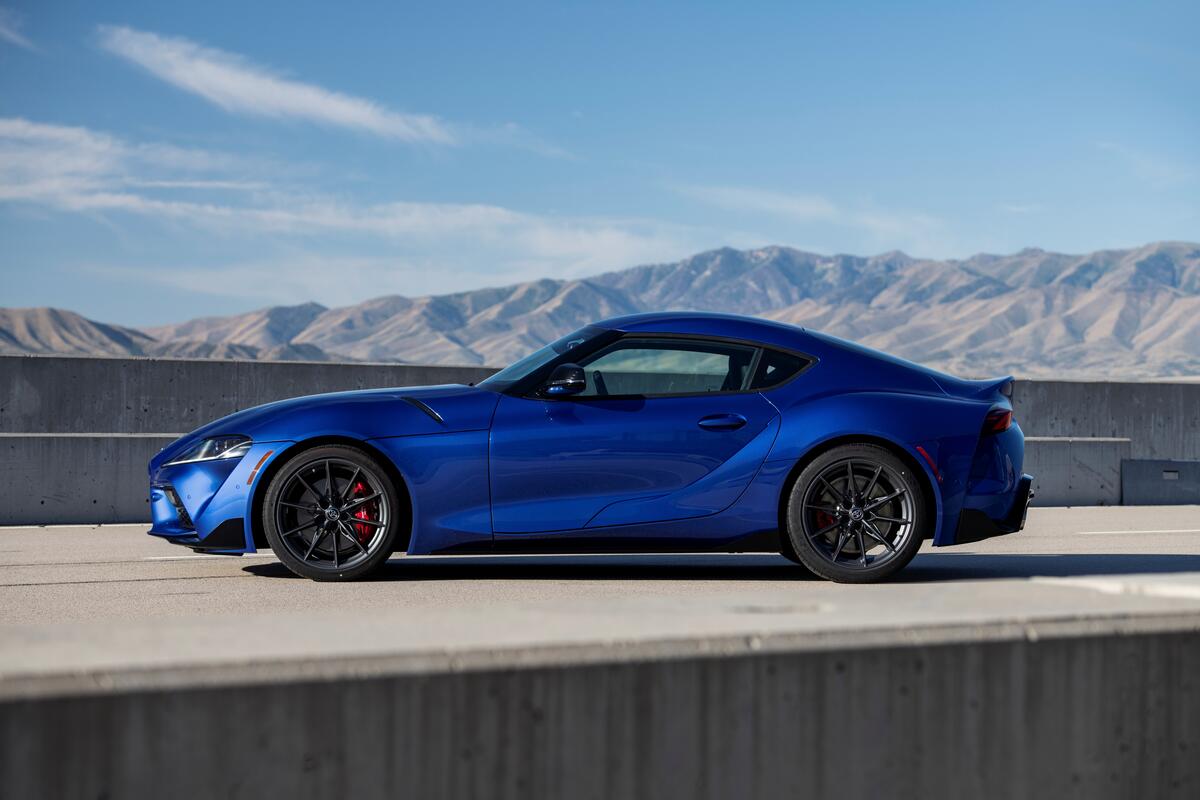
Supra
"Yeah, he had that Ryan was the owner. He had a sick Supra and so that got him he like built everybody's stuff and then he got a skyline... they bring out the Supra. I Don't understand how this happened to this day... this guy is doing a burnout a doughnut in his Supra"
The Toyota Supra is a popular sports car that people often modify for more power. In this segment, someone is doing a burnout/doughnut in a Supra, and something breaks off and causes an injury.
The Toyota Supra is a performance sports coupe known for its turbocharged engines and strong aftermarket support. In this story, the Supra is the car used for a burnout/doughnut event, and a part failure during the stunt leads to an accident.

skyline
"...and then he got a skyline. Oh Shit. Yeah, what do you what yours is? Yeah, this is 2004... It was a 2.5 T like a 33... Yeah, this guy's in Portland and has a 33 that's pretty sick..."
A “Skyline” is a Nissan sports car. In this conversation, they mention a “33,” which points to a specific Skyline GT-R generation known for being fast and popular with enthusiasts.
“Skyline” refers to the Nissan Skyline, a famous Japanese performance car line. Here it’s specifically tied to a “33,” which strongly suggests the Nissan Skyline GT-R R33 generation, a highly regarded turbocharged model.
GTR
"...It was a 2.5 T like a 33. Yeah, but like back then dude, we got no clue. Yeah, you know fucking GTR It's a GTR. It's a fucking is what you see..."
GT-R is Nissan’s name for its high-performance sports cars. In this segment, they’re talking about the Skyline GT-R, which is known for being fast and popular with tuners.
GT-R is Nissan’s performance model name, short for “Grand Touring—Racing.” It’s commonly used to refer to the Skyline GT-R family, which is famous for turbocharging and all-wheel-drive traction.

Nissan Gtr
"...then dude, we got no clue. Yeah, you know fucking GTR It's a GTR. It's a fucking is what you see. I do..."
The Nissan GT-R is a very fast sports car made for performance driving. People talk about it because it’s known for strong acceleration and overall speed. If someone says “GT-R,” they’re usually referring to a serious, high-end performance car.
The Nissan GT-R is a high-performance sports car famous for combining serious speed with advanced engineering. It’s widely recognized as a “supercar-level” machine that became a benchmark for performance in its class. In the podcast context, it’s mentioned as a standout car—something people immediately recognize and associate with extreme performance.
Napa tuner series
"...Napa had like this thing called the tuner series back then... you know fucking GTR... Napa had like this thing called the tuner series back then... There'd be like a party with a DJ at Napa and then they'd have a burnout contest..."
The “NAPA tuner series” was an event series sponsored by NAPA to bring car fans together. They’d do things like music and car competitions, including burnouts.
The “Napa tuner series” refers to a branded event series run by NAPA that promoted car culture and tuning. In the segment, it’s described as a local gathering with DJs and competitions like burnouts.
burnout contest
"...There'd be like a party with a DJ at Napa and then they'd have a burnout contest in the in the law All over Maine all over..."
A burnout contest is when people intentionally spin the tires to make smoke. It’s basically a “show off” driving event, but it can be rough on the car.
A burnout contest is an event where drivers intentionally spin the tires to generate smoke and heat, usually to demonstrate traction and vehicle control. It’s hard on tires and drivetrain components, especially if the car is modified or pushed aggressively.
downpipe
"...I'm not sure exactly like thinking about it Like I am not sure what part because everybody said downpipe, but like It that it doesn't make sense..."
A downpipe is part of the exhaust system on turbo cars. It helps route exhaust gases from the turbo, and if something breaks or comes loose, it can cause problems during aggressive driving.
A downpipe is an exhaust component that connects the turbocharger to the rest of the exhaust system. It’s often discussed in turbo setups because changing it can affect exhaust flow and turbo response, but it can also be stressed during hard driving if installed or supported poorly.
doughnut
"...this guy is doing a burnout a doughnut in his Supra Yeah"
A doughnut is when a driver spins the car in a tight circle, usually with the tires smoking. It’s a flashy stunt, but it can be dangerous if the car isn’t in good shape.
A doughnut is a driving maneuver where the car rotates in a tight circle while spinning the tires, typically producing smoke. It’s a common stunt in car meet culture but can be risky if parts are loose or the car isn’t set up for repeated hard use.
main right here
"[2831.6s] That's just like dude, this is main right here, dude, like yeah, wow [2837.6s] It's been good, you know"
They’re using slang to say “this is the main highlight right here.” It’s about how important that moment felt, not about car mechanics.
The phrase “main right here” is used as slang to emphasize a standout moment in the scene. It’s not a technical automotive concept, but it signals that the speaker considers the event the highlight.
S3 magazine
"[2874.5s] one time out in [2876.4s] 2009 I was in [2878.5s] S3 magazine and import tuner in the same month..."
They mention a magazine called “S3 magazine” where their car got featured. It’s basically a car-media outlet.
“S3 magazine” is mentioned as a publication the host appeared in with the same car. It’s a brand name in the context of media coverage rather than a technical automotive term.
import tuner
"[2876.4s] 2009 I was in [2878.5s] S3 magazine and import tuner in the same month with the same car"
They’re talking about “Import Tuner,” a car magazine that covered their car. It’s the kind of publication that features modified or enthusiast cars.
“Import Tuner” is referenced as another car magazine/publication that featured the host’s car in the same month. It’s a brand name tied to automotive media exposure.

Audi S3
"2009 I was in S3 magazine and import tuner in the same month with ..."
The Audi S3 is a small hatchback that’s built to be quicker than a regular version. It’s meant for people who want a practical car but still want sporty performance. It often shows up in car magazines because it’s a well-known performance model.
The Audi S3 is a compact performance hatchback that blends everyday usability with a more powerful, sport-tuned setup. It’s significant because it’s designed to deliver quick acceleration and confident handling in a smaller, practical package. It may be discussed in the podcast due to its presence in enthusiast magazines and its role as a mainstream “performance” option.
rigs
"...we did all kinds of cool [2935.7s] light stuff and rigs and but one of the rigs fell on the car and dented the hood."
They mean the equipment setups used to take photos—like stands and mounts for lights and cameras. It’s not a car part here; it’s the photo gear.
In this context, “rigs” refers to camera/lighting setups used for photoshoots. These are physical support systems (like stands and mounts) that position equipment for the shot.
suction cup
"[2967.1s] It's this huge thing. Yeah, it's like suction cup and zip tied and yeah [2971.7s] I just strapped and like but the pictures are sick"
A suction cup is a temporary mount that sticks to a smooth surface using suction. Photographers use it to attach gear to a car for shots without installing anything permanently.
A suction cup mount is a temporary camera mounting method that uses suction to hold equipment to a smooth surface. In car photography, it’s often used for quick setup on body panels or glass without drilling or permanent brackets.
zip tied
"It's this huge thing. Yeah, it's like suction cup and zip tied and yeah [2971.7s] I just strapped and like but the pictures are sick"
“Zip tied” means using plastic cable ties to fasten something in place. It’s a quick way to hold a camera or mount on a car for a photo/video shoot.
“Zip tied” refers to securing equipment with cable ties (plastic ties tightened around something). In automotive shoots, cable ties are sometimes used to fasten a camera rig when a quick, non-permanent attachment is needed.
rolling speed
"[2981.4s] Like rolling speed. Yeah, like barely push barely pushing the car. [2988.8s] Yeah, I was like looks like you're doing a hundred miles"
“Rolling speed” just means how fast the car is moving while the camera is filming. Even if the photo looks like you’re going super fast, the car might actually be moving only slowly.
“Rolling speed” in this context means the vehicle’s movement during the shot—how fast the car is traveling while the camera rig captures the image. The speaker implies the car is moving slowly enough to keep the shot controlled, even if it looks like higher speed.
JDM cars
"[3062.7s] different lives almost the one constant has been the love of [3068.7s] The automobile right the love of the car specifically obviously JDM cars [3073.5s] That's why we're here"
JDM means “Japanese Domestic Market.” It’s a label car fans use for Japanese cars (or Japanese-market versions) that are especially popular in the enthusiast community.
JDM stands for “Japanese Domestic Market,” referring to cars that were originally sold in Japan (and often the enthusiast versions that never officially came to some other markets). The speaker frames JDM cars as a key part of their automotive culture and identity.
Request an Explanation
Heard something you'd like explained? We'll add it to this episode.
Sign in to request explanations for terms you heard.
Want to learn more?
Browse our glossary for plain-English explanations of automotive terms, jargon, and concepts.
Help improve this episode
See something that's not quite right? Our annotations are AI-generated and can sometimes miss the mark. Click the flag icon on any annotation to suggest a correction.