
JSPEK Projekt Veterans & JDM Cars - EP.187
About this episode
Lupe and Alan from J-Spec join Right Hand Drive Guys to connect Japanese car culture with veteran community. The conversation traces how drifting and JDM obsession started—like seeing two Silvia cars at a show—and how military service and injury pushed people toward cars, woodworking, and model building. J-Spec is explained as a culture built around Japanese cars, low-drama events, and “boost therapy” stress relief. They also swap build stories, parts sourcing, and plans for GTR Fest.
In this episode of the Right Hand Drive Guys Podcast, we sit down with Alan and Lupe from the J Spek Projekt to talk about the powerful connection between military service, brotherhood, and the JDM community. What started as a shared passion for Japanese cars has grown into something much bigger—a network of veterans and enthusiasts using cars as a way to reconnect, heal, and support one another.
We hear how both Alan and Lupe found their way into the automotive world, from deployments overseas and discovering Japanese car culture to building some of the cleanest, most well-known project cars in the community. They share the story behind the J Spec Project, the idea of "Boost Therapy," and how a simple cruise with friends can be just as valuable as any formal therapy session.
The conversation also dives into the changing car scenes across the country, from Florida to Utah and Oklahoma, the friendships built through JDM culture, and why preserving the sense of community is just as important as building the cars themselves. Whether you're a veteran, an enthusiast, or both, this episode is a reminder that sometimes the best therapy is a full tank of gas, a winding road, and good people beside you.

91 Nissan Maxima
"Came back had a bunch of cash and I was like, I need to buy something cool [334.9s] So I just bought like a 91 Nissan maxima. That's what started it [340.4s] Coolest kid in town, man. I was like it was a little it was like a 91 maxima sc five speed"
A Nissan Maxima is a popular Japanese sedan. This one is a 1991 model, and the host says it was an “SC” version with a manual transmission, which usually means it’s a bit more fun to drive than the base versions.
The Nissan Maxima is a long-running Japanese sedan known for blending everyday usability with a more driver-focused feel than many family cars. A 1991 Nissan Maxima is an early-90s example of that formula, and in this case the speaker specifies a “SC” and a five-speed manual, which points to a more enthusiast-oriented setup than a typical automatic Maxima.
17 inch chrome
"[353.6s] And like down that street was like all these like rem shops and I was like I want some a rally [358.8s] 17 inch chrome [361.7s] You know, it's like the point of money."
They’re talking about shiny chrome wheels that are 17 inches wide. People upgrade wheels like this mainly for the look, but chrome can be a pain to keep clean and shiny.
This refers to 17-inch chrome wheels, a common visual upgrade in car culture. Chrome wheels are popular because the polished finish stands out, but they can be harder to keep looking perfect due to pitting and corrosion.
drop springs
"[384.0s] Went to the hobby shop and the old man at the hobby shops like always there were old retiree, right? [388.4s] It's like, yeah, man, you got to take this off [391.9s] Just the drop springs and everything it probably took like two days and now now like it'll take me an hour [396.7s] You know, drop a car and I'm like"
Drop springs are springs that lower the car closer to the ground. That usually makes the car look cooler and can change how it handles, but it can also make the ride harsher and needs proper alignment.
“Drop springs” are aftermarket coil springs designed to lower a car’s ride height. Lowering changes handling feel and appearance, but it can also affect ride comfort and may require additional setup (like alignment) to avoid uneven tire wear.
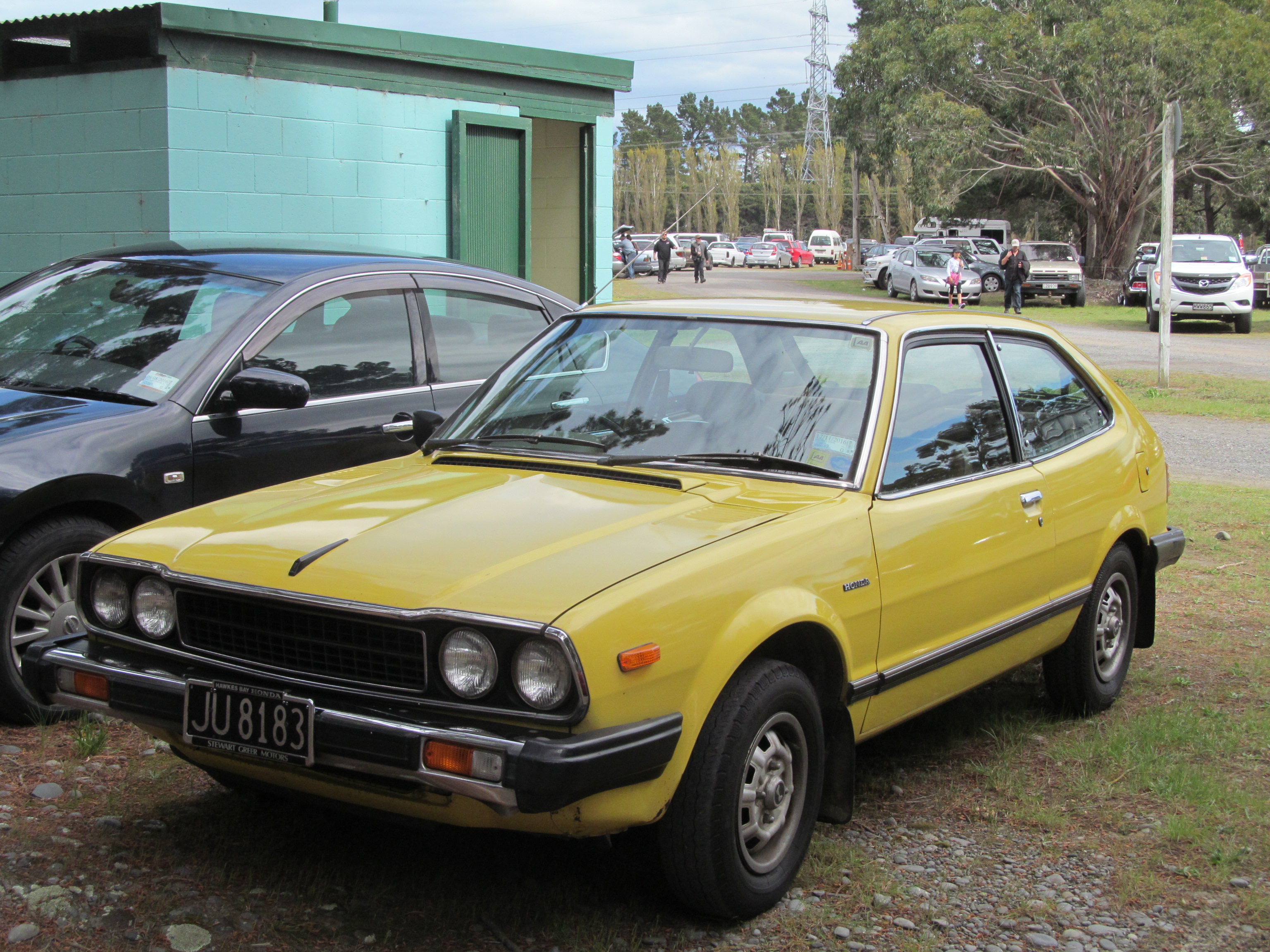
Honda Accord
"[405.8s] I wanted like, you know back in fast and furious and before actually before fast spirits came out like [410.4s] It's like I wanted like a Honda Accord. I don't know why I thought they're the coolest cars and stuff [414.7s] So yeah had a Honda Accord and I can I think it was 2000 with the Altezza tail lights"
A Honda Accord is a popular Honda sedan that many people choose because it’s dependable. Here, they’re saying they owned one and modified it to match the car-scene look they liked.
The Honda Accord is a mainstream Honda sedan known for being reliable and easy to live with, which is why it’s a common base for enthusiast modifications. In this story, the host ties it to a JDM/“Fast and Furious” era vibe and mentions specific styling changes.
Altezza tail lights
"[414.7s] So yeah had a Honda Accord and I can I think it was 2000 with the Altezza tail lights [421.0s] You know, I couldn't [423.0s] Right, you know, like weapon arc or others. It was the worst fucking ride known to man."
Altezza tail lights are a specific style of rear lights that got popular in the JDM scene. They’re often swapped onto other cars to make the back end look different.
“Altezza tail lights” refers to the distinctive Lexus IS-style tail lamp design that became popular with JDM-inspired swaps. People often use them to change the look of a car’s rear lighting, even if the original car didn’t come with that design.
headlights
"[423.0s] Right, you know, like weapon arc or others. It was the worst fucking ride known to man. I [430.0s] And I like the headlights and like they would blow all the time [434.4s] I had like the stupid uh, the remember like the arrow speed from like import 200 magazine arrow speed bomb speed exhaust"
They’re talking about the car’s front lights. The point is that theirs kept failing or acting up.
In this context, “headlights” are mentioned as a recurring problem area on the car they owned. The host is implying the lighting setup (likely bulbs or wiring/aftermarket parts) was unreliable.
exhaust
"[434.4s] I had like the stupid uh, the remember like the arrow speed from like import 200 magazine arrow speed bomb speed exhaust [440.16s] "
They’re mentioning the exhaust system. People change exhausts to change the sound (and sometimes power), but if it’s not set up right it can cause problems.
“Exhaust” here is part of a mention of aftermarket or enthusiast modifications (the host references magazine culture and a “bomb speed exhaust” idea). Exhaust upgrades are often done for sound and sometimes for performance, but they can also introduce fitment and reliability issues if poorly installed.
fart cannon
"I was like, oh hell yeah fucking fart cannon on there. I thought"
“Fart cannon” is slang for a super-loud exhaust that makes a goofy, loud sound. It’s usually done on purpose to be obnoxious or funny.
“Fart cannon” is a slang term for an exhaust setup that’s intentionally loud and obnoxious, often associated with a cheap, straight-through muffler or an exhaust that produces a “burbling” sound. The host uses it to describe the kind of car vibe he thought was cool at the time but later mocked.
500 horsepower
"These little opals put down 500 horsepower and I was like, what the fuck is that?"
Horsepower is a number that tells you how much power the engine can make. When someone says “500 horsepower,” they mean the car is very strong.
“500 horsepower” is a power figure describing how much work the engine can produce, usually measured at the crankshaft or at the wheels depending on the context. The host uses it to emphasize how surprising and intense the cars he saw in Germany felt.
JDM
"got like an tech or gsr [473.6s] Like a 96 and I was like, okay, and that's like the jdm bug hit"
JDM means “Japanese cars” (or parts) that come from the Japan market. People use it to describe the whole style and culture of those cars.
JDM stands for Japanese Domestic Market, meaning cars and parts that were originally sold in Japan (or are styled and marketed to match that scene). The host frames “the JDM bug” as getting into that specific culture and modding style.
Hana Tech
"You know, that's back when hana tech was jamming the whole nine and everything was [482.3s] higher back in the day [508.5s] Fucking and like photobucket and all that an image station."
Hana Tech sounds like a website/community where people shared JDM car stuff—photos, videos, and build talk.
Hana Tech is referenced as an online community/platform that the host used for JDM content and for building the scene around cars. The host also mentions using it alongside image-hosting sites to post videos and pictures.
turbo kit
"They're like the old rev hard the t3 turbo kit that everyone had on a on a gsr"
A turbo kit is a set of parts that lets a car make more power by adding a turbo. It’s basically the “turbo conversion” package.
A turbo kit is an aftermarket package that adds forced induction—typically including a turbocharger, piping, and supporting parts—so an engine that wasn’t originally turbo can run boost. The host mentions a “T3 turbo kit,” which is a specific style of turbo conversion people commonly installed on JDM cars.
Photobucket
"All my all my videos like my my pictures were like, I don't know if you guys remember like we taught did racing on that [508.5s] Fucking and like photobucket and all that an image station."
Photobucket was a popular website for hosting and sharing photos. The host is saying they used it to post car pictures back then.
Photobucket is an image-hosting service the host mentions as part of how they uploaded and shared car photos online. It’s relevant here only as a snapshot of the early-2000s/early-social-media era of car forums and image sharing.
Type R tail lights
"Shift to my house in germany and I'll buy the type r tail lights. So those are 300 bucks"
“Type R” is Honda’s more performance-focused version of certain cars. “Type R tail lights” means the special rear lights that match that Type R style.
“Type R” is Honda’s performance trim line, and “Type R tail lights” refers to the specific rear light assemblies used on those higher-performance versions. Enthusiasts often hunt these parts because they’re unique to the Type R look and sometimes match the car’s performance identity.
Recaro's
"From that from the the headliner all the way down to the carpet was like 500 bucks at the time Recaro's everything the whole dash."
Recaro makes racing-style seats. The speaker is saying they replaced a lot of the interior with Recaro seats and other parts to make the car feel more like a track car.
Recaro is a well-known performance seat brand, famous for supportive, track-oriented bucket seats. When the host says they got “Recaro’s everything,” they mean they sourced the car’s interior with Recaro seats and related components for a more performance-focused driving position.
USDM seats
"You can have my shitty s usdm seats go for it, bro"
USDM means the parts were made for the U.S. market. The speaker is saying they replaced the U.S.-spec seats with better-looking or more performance-oriented seats from the Type R setup.
USDM means “U.S. Domestic Market,” i.e., parts and cars intended for the American market. The host is describing swapping out “shitty USDM seats” for Type R/Recaro-style interior pieces, which is a common JDM/Type R conversion approach.
gauge cost
"But like their gauge cost was once I 260 kilometers or something like that versus like the 180 So I was getting these bed clusters"
“Gauges” here means the instrument cluster in the dash, like the speedometer. The speaker is saying the cluster with the right units (kilometers vs miles) can cost more depending on what you’re trying to swap in.
In this context, “gauge cost” refers to the price and desirability of instrument cluster gauges (speedometer/cluster) that match a specific market. The host mentions the gauge reading in kilometers per hour, highlighting that different markets use different measurement scales and that affects parts pricing.
bed clusters
"So I was getting these bed clusters Older steam wheels and slinging the shit out of them like"
This sounds like they mean the dashboard instrument cluster. They’re buying the right one so the speedometer/guages match the style they want.
“Bed clusters” appears to be a mis-transcription of “dash clusters” or “gauge clusters,” meaning the instrument cluster assemblies. The host is talking about sourcing these clusters to match the desired market look/spec (e.g., kilometer-based speed readings).
Recaro factory
"They're like, do you get a chill? Yeah, and there's the recaro factory, right? So recaro factory is like 15 minutes from ramstein"
They’re talking about going to Recaro’s seat factory to get seats. Since Recaro seats are popular with car fans, getting them directly can make sourcing easier.
The “Recaro factory” refers to the seat manufacturer’s production site, which the host uses as a source for buying seats directly. This matters because Recaro seats are a high-demand enthusiast component, and buying from the manufacturer can be cheaper or more reliable than hunting parts elsewhere.
Ramstein
"So recaro factory is like 15 minutes from ramstein I'll go to recaro factory. I want these seats."
Ramstein is a place in Germany the speaker uses to describe how close the Recaro factory is. It helps explain where they were getting parts from while stationed there.
Ramstein is referenced as a nearby landmark to the Recaro factory location. In this episode’s context, it anchors where the host was living/working in Germany while sourcing parts.
J-spec
"So it was alan's idea to to bring up the word j-spec because you know, Japanese [832.0s] Cars and that that's what we were really into. Yeah ... [881.1s] And that's what j-spec really is [882.9s] um, it's to bring other people with like-minded"
“J-spec” sounds like the name of their group or club. It’s centered on Japanese cars, and they want to connect people who are into the same kind of cars. They also seem to have rules about who can join.
“J-spec” here is being used as a club identity built around Japanese cars—especially JDM cars. The hosts describe it as a way to bring together people with similar interests, while also setting boundaries on who’s allowed in.
burning out
"you know, if you're an adult and you're mature enough [906.7s] And you're mature enough to do anything stupid, you know, um [910.3s] burning out revving your motor"
“Burning out” means spinning the tires so they smoke and make noise. It’s a flashy driving move, but it can wear out tires quickly and isn’t great for the car.
“Burning out” is a driving stunt where a car spins its tires to generate smoke and heat, usually to show off or warm up tires. It’s often associated with aggressive driving and can be rough on tires and drivetrain components.
revving your motor
"And you're mature enough to do anything stupid, you know, um [910.3s] burning out revving your motor [913.0s] Uh any kind of takeover stuff like we don't"
“Revving your motor” means pushing the engine to spin faster, which raises the RPM. It’s often done for sound, but doing it a lot can be harder on the car.
“Revving your motor” means increasing engine speed (RPM) by pressing the accelerator. Enthusiasts may do it for sound or response, but doing it repeatedly—especially in a stunt context—can increase wear and stress on engine components.
takeover stuff
"Uh any kind of takeover stuff like we don't [916.1s] entertain any of that like we're just"
“Takeover stuff” is a slang reference to illegal or disruptive car meet behavior—typically groups taking over a public area with cars, loud driving, or blocking traffic. The hosts are saying their group doesn’t support that kind of activity.
wounded warrior project
" [1099.9s] And they have like, you know some stuff here and there [1102.4s] And the jspec project came from I went to like a wounded warrior project event [1106.9s] and I was I was like man like [1109.8s] That's what we are because you know like a lot of us a majority like jspec dudes like 90 90 percent of us are probably like [1115.7s] Military guys. I was like, that's what we are like. We're like the wounded warrior project, but it's a jspec project of just like"
The Wounded Warrior Project is a charity that helps injured veterans and service members. In this episode, the host says their car project is tied to that kind of support.
The Wounded Warrior Project is a well-known U.S. nonprofit that supports service members and veterans who were injured in the line of duty. Here, the host connects the “jspec project” to that mission, framing the car group as community support rather than just a car meet.
boost therapy
"like he came up the whole thing of like boost therapy [1139.5s] I'm like, hey, let's go for a ride boost therapy session. No questions asked ... [1194.2s] That's what's up like we even made shirts about boost therapy, you know"
They’re using “boost therapy” as a joke/term for feeling better by going for a drive in a turbo car. It’s about the fun of hearing the turbo spool and getting your head cleared.
“Boost therapy” is a slang phrase for using turbo boost (and the driving experience around it) as a stress-relief ritual. In this context, it’s tied to the sound and sensation of a turbo spooling up—turning a drive into a kind of emotional reset.

Nissan Gtr Skylines
"... 30 motherfuckers just go right around a bunch of gtr skylines fucking Supra and in texas or whatever you want. ..."
The Nissan Skyline is a Japanese sports car that comes in different performance versions. Car fans talk about it a lot because it has a strong reputation for speed and tuning. It’s brought up in meetups when people are listing the kinds of cars they see in a group.
The Nissan Skyline is a long-running Japanese sports car line known for performance variants and a huge enthusiast following. It’s often discussed in the same breath as other iconic Japanese cars because many Skyline models are associated with tuning culture and track-ready builds. In the podcast context, it’s mentioned as part of the lineup of cars people gather around and compare at events.

Toyota Supra
"a bunch of gtr skylines fucking Supra and in texas or whatever you want. You name it. S..."
The Toyota Supra is a sports car made for going fast and driving for fun. People talk about it at car meets because it’s a well-known model that many enthusiasts like to own and show. It’s usually brought up when discussing what kinds of cars show up in a group.
The Toyota Supra is a performance sports coupe known for its strong acceleration and enthusiast following. In the context of car meets and track-style gatherings, it’s often mentioned alongside other iconic Japanese performance cars because it’s a popular choice for drivers who want a fast, modern-feeling platform. It may come up in discussions about what people show up with and how certain models cluster in specific scenes.
turbo of just spooling up
"There's nothing better than like a sound of a fucking turbo of just spooling up and just blowing the fuck off, you know"
A turbo has to “spin up” before it can make extra power. When it spools, it builds boost and you can usually hear it ramp up.
“Spooling up” describes how a turbocharger speeds up to build boost pressure. When the turbo spools, you often hear a distinct whistle/whine and then stronger acceleration once boost is established.
blowing the fuck off
"There's nothing better than like a sound of a fucking turbo of just spooling up and just blowing the fuck off, you know"
They’re describing the loud “pssh/pop” sound turbo cars can make. It usually happens when you lift off the gas and the turbo system vents pressure.
“Blowing the fuck off” is a common enthusiast way to describe the loud pressure-release sound from a turbo setup, often associated with a blow-off valve or similar venting behavior. It happens when boost is reduced (like lifting off the throttle), creating that signature “pop” or “pssh” sound.
therapy sessions
"But with cars like JDM cars, you guys are definitely the first guys that I've seen that have kind of adapted this into like [1248.2s] Yeah, therapy sessions, right? Definitely."
They’re talking about using cars and driving together as a way to help people feel better. It’s like a support routine that helps you deal with stress and emotions.
The hosts are describing using car meetups or driving together as “therapy sessions.” In this context, it’s a structured way to process stress and emotions through a shared activity rather than a traditional clinical appointment.
health services offered to veterans
"since you're a veteran, you can kind of understand, you know, the health services [1260.5s] Offered to veterans sometimes the best or yeah veterans don't have access to what they really need"
The speaker contrasts what veterans can access through “health services” with what they “really need,” framing the car-based outlet as a gap-filler. It’s a situational concept about access to support and finding alternative coping mechanisms when formal options aren’t sufficient.

Volvo S40
"... you know, very very nice cars You know, Pagani's s40s Carrera"
The Volvo S40 is a small four-door car meant for normal daily driving. It’s generally more about comfort and practicality than being a track-focused sports car. It may be mentioned because it’s one of the different cars people show up with.
The Volvo S40 is a compact sedan from Volvo, typically known for comfort and a more practical, everyday focus. It’s notable in a car-meet context because it represents a different side of the lineup—less about headline performance and more about mainstream driving. When it’s mentioned alongside sports cars, it usually highlights the variety of vehicles present at the event.

Hyundai Kona
"Carrera Day some really nice cars, you know, kona's eggs Um, you know the cars and coffees that they have here, you know"
The Hyundai Kona is a small SUV meant for everyday driving. It’s popular because it’s practical and easy to live with. It may be mentioned simply because it’s one of the cars people bring to meetups.
The Hyundai Kona is a compact crossover SUV, typically chosen for practical daily driving and easy ownership. It can show up at car meets because it’s common enough to be seen in numbers, even if it’s not always the headline “performance” car. In the podcast context, it’s likely mentioned as part of the overall mix of vehicles present at events like Cars and Coffee.
off-roading
"And in the roads the roads here are pretty rough, you know, and there's a lot of off-roading Here like a tons of off-roading, which is crazy. It's really cool to see, you know, rock crawlers"
Off-roading means driving on rough dirt or trail terrain instead of normal paved roads. It usually needs tires and suspension that can handle bumps and loose ground.
Off-roading is driving on unpaved, uneven, or rough terrain where tires, suspension travel, and traction matter more than on-road grip. In the transcript, it’s used to describe a local culture with lots of vehicles built for challenging trails.
rock crawlers
"It's really cool to see, you know, rock crawlers um, the razors"
Rock crawlers are off-road vehicles made for climbing over rocks slowly. They’re built to keep traction and handle big bumps without losing control.
Rock crawlers are off-road vehicles built to move slowly over rocks and obstacles with maximum traction and suspension articulation. They’re designed to keep tires gripping at low speeds rather than to go fast.
razors
"rock crawlers um, the razors uh"
“Razors” usually means Razor off-road side-by-sides—small off-road vehicles you sit in like a buggy. People use them for trails and desert riding because they’re quick and handle rough ground well.
“Razors” is a common enthusiast shorthand for Razor off-road vehicles, most often referring to Polaris Razor side-by-sides. These are lightweight, high-traction UTVs used for trail riding and desert/off-road events.
Moab
"And in the roads here are pretty rough, you know, and there's a lot of off-roading Here like a tons of off-roading, which is crazy. It's really cool to see, you know, rock crawlers um, the razors uh The bahaa trucks a lot of the trucks that go down to moab"
Moab is a desert region in Utah famous for off-road driving, with trails and rock-crawling routes that attract UTVs, trucks, and dedicated rock-crawler builds. It’s also a major hub for off-road events and tourism.
Bonneville
"And then you have bonneville, which is about two hours from all about two and a half hours from my house And then when I go down that way to wind over you see the rocket cars"
Bonneville is a famous salt-flat racing area where people try to set land-speed records. Cars built for it are designed to go extremely fast in a straight line.
Bonneville refers to the Bonneville Salt Flats area, known for land-speed racing on salt. It’s where teams build specialized “rocket cars” to chase very high top speeds with low drag and careful aerodynamics.
rocket cars
"And then when I go down that way to wind over you see the rocket cars you see The classic cars that are built up for land speed, uh racing"
“Rocket cars” are cars built to go very, very fast for land-speed racing. They’re usually shaped and engineered to reduce drag and stay stable at high speed.
“Rocket cars” is a nickname for land-speed racing cars that look and behave like high-speed machines—often with extreme aerodynamics and sometimes rocket-assisted concepts. In the transcript, it’s tied to Bonneville-style land-speed racing.
land speed racing
"The classic cars that are built up for land speed, uh racing uh"
Land speed racing is about going as fast as possible in a straight-line run. The cars are built to be stable and aerodynamic so they can hit top speed safely.
Land speed racing is timed racing focused on achieving the highest possible speed over a measured distance, typically on flat surfaces like salt flats. It emphasizes aerodynamics, stability, and power delivery more than traditional circuit handling.

Honda NSX
"...w, they have supras. They they have uh art sevens nsx is I mean they have everything here um"
The Honda NSX is a sports car made by Honda. It’s designed to be quick and fun to drive, and it’s known for being a special, high-end model. People mention it at car events because it’s not something you see everywhere.
The Honda NSX is a mid-engine sports car built to deliver a balance of performance and everyday drivability. It’s significant because it’s a respected, high-technology model that often appears in discussions of notable Japanese sports cars at events. In a podcast about car lineups, it’s the kind of car that stands out due to its reputation and rarity compared with more common performance models.

Honda S2000
"Uh, and so I see you got an s2k in the background there Oh, yeah, yeah, actually, that's my wife's car. That's 2000."
The Honda S2000 is a classic Honda roadster that’s loved for how it drives and how high it revs. In this clip, they’re saying the “S2K” belongs to their wife and it’s a 2000 model.
The Honda S2000 is a lightweight, rear-wheel-drive roadster known for its high-revving engine and driver-focused feel. The host mentions an “s2k” in the background and clarifies it’s a 2000 model, tying it to the S2000’s early production years.

Nissan S14
"So here this is this is my little shit box. That's my s14 I got the lmgd for them boxes. So this like I just since we just moved here I put those wheels on here"
The Nissan S14 is an older Nissan sports car that’s popular with tuners. People like it because it’s a great base for modifying and building a fun, aggressive car. Here, they’re talking about their own S14 and what they’ve been doing to it.
The Nissan S14 is a 1990s Silvia/“S-chassis” platform that’s heavily used in JDM tuning, especially for track and drift builds. In this segment, the host calls it their “little shit box,” and it’s the car they’re actively working on with new wheels.

Infiniti Q50
"I put those wheels on here and then I have like the q 50"
The Infiniti Q50 is a regular daily-driver sedan from Infiniti. In this clip, it’s just mentioned as part of the cars they have at home.
The Infiniti Q50 is a mid-size performance-oriented sedan that’s often chosen as a daily driver in enthusiast households. Here, it’s mentioned alongside the S14 and S2000, indicating the speaker’s garage lineup includes a Q50 as well.

350z
"Is like just like my little daily driver cruiser and the wife's actually cleaning the the 350z right now as a matter of fact Uh, like this first time we drove in like four or five months"
The Nissan 350Z is a popular Japanese sports car. It’s rear-wheel drive and has a big enthusiast following, and here it’s just being used as their everyday car.
The Nissan 350Z is a late-2000s-era Japanese sports coupe known for its rear-wheel-drive layout and enthusiast-friendly character. In this segment, it’s mentioned as the car the wife is cleaning, which frames it as a current daily-driver in their garage.
s r20
"I'm pretty excited about that thing. So it'd be bad ass. I got like s r20 sitting here an ls motor just sitting here You could do six"
SR20 is a Nissan engine family that’s popular for swaps and tuning. The host is talking about having one (or considering one) for their project car.
SR20 refers to Nissan’s SR-series inline-four engines, commonly associated with the SR20DET in enthusiast circles. Here it’s mentioned alongside an LS motor, suggesting the host is considering or comparing engine options for their Z-car project.
ls motor
"So it'd be bad ass. I got like s r20 sitting here an ls motor just sitting here You could do six"
An “LS motor” is a Chevy V8 engine family that people love for engine swaps. It’s known for making good power and having lots of parts available.
“LS motor” refers to General Motors’ LS-series V8 engines, which are famous in the swap community for being compact, powerful, and relatively easy to support with aftermarket parts. Mentioning it next to an SR20 implies a potential engine swap plan for their older Nissan Z.
cd09
"You could do six Somewhere over there cd09 over there. It's just my garage is in shambles."
“CD09” is likely shorthand for a Nissan transmission code (often seen in swap discussions), but the exact model isn’t clear from the transcript alone. It’s mentioned in the same breath as other drivetrain options, implying they’re considering different gearbox setups.

Nissan GTR
"But like like three cars rolled in as a a mark 4 supra a gtr"
The Nissan GT-R is a super fast Japanese sports car. The host is basically saying, “I’m used to seeing normal cars, but here there are GT-Rs everywhere.”
The Nissan GT-R is a high-performance Japanese sports car known for its all-wheel-drive traction and race-bred engineering. In this segment, the host reacts to seeing multiple GT-Rs at a meet, highlighting how common these cars feel within the JDM community compared to “regular traffic.”

Mitsubishi Evo
"a mark 4 supra a gtr and an evo and everyone's fucking going."
The Mitsubishi Evo is a well-known Japanese performance car. It’s popular because it’s quick and handles well, especially in enthusiast circles.
The Mitsubishi Lancer Evolution (“Evo”) is a rally-derived performance sedan/coupe that became a JDM icon for its turbocharged power and all-wheel-drive grip. The host name-drops an Evo among the cars arriving at the meet, underscoring the concentration of enthusiast cars in one place.
midnight purple 34
"Another fucking midnight purple 34. What the fuck? You know what I mean?"
“Midnight purple 34” is the Nissan Skyline GT-R R34 in a very recognizable purple color. The host is amazed to see another one at the event, which shows how special and common that exact vibe is to the crowd.
“Midnight purple 34” is a reference to the Nissan Skyline GT-R R34, a hugely popular JDM performance car. The “midnight purple” color is especially iconic because it’s strongly associated with the R34 GT-R’s most famous factory paint shade in enthusiast culture.

Mazda Rx7
"and then you have like nsx has come along and fucking rx7 is down the street like"
The Mazda RX-7 is a famous Japanese sports car. It’s special because it uses a rotary engine, which makes it feel different from normal cars.
The Mazda RX-7 is a legendary Japanese sports car best known for its rotary engine (Wankel), which is different from the piston engines most cars use. That rotary design helps it rev freely and gives it a distinctive driving feel that enthusiasts still chase.

Acura NSX
"and then you have like nsx has come along and fucking rx7 is down the street like"
The Acura NSX is a high-end sports car. It’s known for being well-balanced and fun to drive, not just straight-line speed.
The Acura NSX is a mid-engine Japanese supercar that’s known for its handling balance and advanced engineering. It’s often discussed as a “halo” car because it blends everyday usability with track-capable performance.
2JZ
"The owner david at 2jz motorsports and salt lake. He's he's a great person like down to earth"
2JZ is a Toyota engine that a lot of enthusiasts build for big power. It’s known for being tough and upgrade-friendly, which is why it comes up a lot in JDM car projects.
“2JZ” refers to Toyota’s 2JZ engine family, a popular inline-six used in many JDM builds because it’s strong and responds well to turbo upgrades. The episode ties it to “2JZ Motorsports,” implying the shop specializes in that kind of platform and tuning work.
Texas 2K
"Um, and he runs at texas 2k every year"
Texas 2K is an event where fast cars show up and run. The host is saying their tuner participates there regularly.
Texas 2K is referenced as an annual event the tuner “runs” every year, suggesting it’s a drag-racing or performance-car gathering where tuned cars compete or test. The mention signals the build is aimed at real-world event use, not just street tuning.
Cody Phillips
"um, and it's just uh, cody phillips. He's he's been in the super game probably"
Cody Phillips is the person the host credits for tuning and helping with their car. The host says he’s been doing this for a long time and knows a lot about the setup.
Cody Phillips is named as the tuner in the episode, described as being in the “super game” since the late 1990s and as a MoTeC dealer who builds harnesses and tunes. This frames him as a key local specialist for the host’s JDM/performance build.
MoTeC harnesses
"but you know, he's a mo tech dealer. Uh, he builds mo tech harnesses and he tunes"
A harness is the wiring that connects the car’s sensors to the tuning computer. A “MoTeC harness” means it’s built to work with MoTeC’s system so the car can be tuned properly.
A MoTeC harness is the wiring/connector setup that connects the MoTeC engine management hardware to the car’s sensors and actuators. Proper harnessing matters because it affects signal integrity and makes the ECU integration clean and reliable for tuning.
PDM harness
"let's do the harness. Let's do a pdm harness. Um"
A PDM is like an advanced power box for the car. A “PDM harness” is the wiring that lets the tuning computer control which accessories get power and when.
A “PDM harness” refers to integrating a PDM (Power Distribution Module) into the car’s wiring so the ECU can control power to various circuits (like fans, pumps, solenoids, and other accessories). It’s commonly paired with standalone engine management setups for cleaner, more controllable electrical distribution.
traction control
"this is what I want what's next, you know, let's do the harness. Let's do a pdm harness. Um, and then let's get traction control"
Traction control helps prevent the tires from spinning when you accelerate. It uses sensors and the car’s computer to reduce power if it detects wheel slip.
Traction control is an electronic system that reduces wheel spin by cutting engine torque and/or adjusting power delivery when the tires lose grip. On high-power builds, it’s often added or upgraded so launches and acceleration stay controllable.
800 horsepower
"um, you know, and then if they have a friend who has you know, 800 horsepower a thousand horsepower 1200 horsepower"
Horsepower is how strong the engine is. “800 horsepower” means the car is making a huge amount of power, far beyond what most cars can do.
“Horsepower” is a measure of engine output—how much power the engine can produce. When someone says “800 horsepower,” they’re talking about an extremely high power level that usually requires significant engine and fuel/boost system upgrades.
40 plus psi
"knowing that Anything can happen to your car that you built and you're running 40 plus psi and you're there to do one thing and that's race and um"
“psi” is pounds per square inch, a unit used to measure boost pressure in turbocharged or supercharged engines. “40 plus psi” indicates very high boost, which typically means the car is running an aggressive turbo setup and needs careful tuning to manage heat and engine stress.
Request an Explanation
Heard something you'd like explained? We'll add it to this episode.
Sign in to request explanations for terms you heard.
Want to learn more?
Browse our glossary for plain-English explanations of automotive terms, jargon, and concepts.
Help improve this episode
See something that's not quite right? Our annotations are AI-generated and can sometimes miss the mark. Click the flag icon on any annotation to suggest a correction.