“90 days of ownership” is the time window JD Power uses to evaluate early problems. It’s long enough for owners to notice defects, annoying noises, and other issues that show up after the car has been driven and lived with.
This is a survey that checks how good a brand’s new cars are right after people buy them. They ask owners about problems the car had within the first few months.
IQS is short for a JD Power report that checks how many problems new cars have soon after purchase. It’s based on what owners report after about three months.
A cup holder is the built-in spot in a car where you put a drink. The point here is that even small design details can make people like (or dislike) the car more.
Design quality refers to how well a vehicle’s design supports everyday use—things like ergonomics, usability, and how controls and storage work in real life. The segment argues that design quality now matters as much to customers as traditional manufacturing quality.
Manufacturing quality is the traditional idea of how well a car is built—how consistent the production process is and how often defects occur. In the segment, it’s contrasted with design quality to explain why customer “quality” perceptions have broadened.
Infotainment is the car’s tech system—things like the touchscreen, music, navigation, and phone connections. Some people think quality studies should focus more on this kind of experience than on mechanical breakdowns.
A “90 days” study is a short-term customer feedback window used to assess early ownership quality. The segment argues that early issues tend to show up quickly and can predict longer-term durability patterns.
A vehicle dependability study (VDS) is a longer-term reliability assessment that tracks how often vehicles develop problems over time. In this segment, it’s used to support the claim that early (90-day) issues correlate with problems found after years of ownership.
VDS stands for “vehicle dependability study.” It’s a multi-year survey used to measure how dependable vehicles are, and the segment claims VDS results align with what shows up in the earlier 90-day window.
Concept
early feed
“Early feed” here refers to the idea that very early ownership feedback can indicate how a vehicle will perform later. The segment claims that problems showing up at 30–90 days tend to align with longer-term ownership outcomes.
Door panel squeaks are annoying noises coming from the interior trim of a car door, often caused by loose clips, poor material damping, or friction between components. They’re a common early-ownership complaint because they show up quickly as the car is used in daily conditions.
Correlation analysis is a way to check if one problem tends to go along with another over time. In this case, they’re seeing whether early complaints usually mean you’ll have more issues later.
Term
repair metric
A repair metric is a quantified measure of how often and how severely vehicles need repairs during ownership. In the segment, it’s described as being added to the quality tracking so the data reflects real service visits, not just customer surveys.
“Squeak and rattle” refers to annoying interior noises caused by loose trim, poorly damped panels, or contact points inside the cabin. In initial quality studies, these noises matter because they affect customers every day and can be difficult to eliminate completely.
Apple CarPlay lets you use your iPhone through your car’s screen and controls. If it won’t connect reliably, it’s frustrating because you can’t easily use maps, music, or calls while driving.
Android Auto lets you connect an Android phone to your car so you can use apps on the car’s screen. If it connects slowly or keeps dropping, it’s annoying and makes the car feel less dependable day to day.
The Honda Civic is a common everyday car. The host mentions a 2025 Civic to show that even in a normal commuter car, the in-car phone connection (CarPlay) can be unreliable.
Wi‑Fi connectivity in a car refers to the vehicle’s ability to connect to networks (often for in-car apps, updates, and data services). If Wi‑Fi is unstable, connected features like navigation, streaming, or app access can become unreliable.
Software-defined vehicles are cars where software controls lots of features. If you update the software, engineers have to make sure it doesn’t accidentally mess with other car systems.
Firewalls here mean safety barriers inside the car’s computer system. They help keep one app or feature from accidentally causing problems in other parts of the car.
Your gauge cluster is the screen behind the steering wheel that shows things like your speed. Some cars use a digital screen instead of classic needles. If that screen goes blank, you may not immediately know how fast you’re going.
A touchscreen is the big screen in the car you tap to control things like navigation, media, and settings. Over time, it can start responding more slowly, which makes the car feel less quick to use. It’s annoying and can distract you even if it doesn’t change how the car drives.
The Honda Pilot is a family SUV people use every day. In this story, it’s an example of how the car’s screen can start feeling slow after around 10 years. The host is saying the driving itself is fine—the screen just responds slower.
Driver assistance systems are features that help you drive more safely, like keeping you in your lane or helping with speed. The point is that if they’re confusing to use, people notice it as a quality problem.
Hard buttons are the physical knobs and buttons you can feel and press. They’re usually faster and safer because you don’t have to tap through screen menus while driving.
Climate control is how the car heats or cools the cabin. It controls things like temperature and fan/air direction so you’re comfortable while driving.
BMW iDrive is BMW’s dashboard screen-and-knob system for things like navigation, music, and climate. The early versions could make you tap through several screens just to do simple tasks.
Menu depth means how many “levels” you have to go through on the screen to change something. Fewer levels usually makes the system quicker and easier to use.
This is about how the car’s screen organizes everything—like whether you have to click through several pages to get to a setting. More layers usually means more steps to do simple things.
Porsche is discussed here as the top overall brand for initial quality, based on having the fewest reported problems per 100 vehicles. In this segment, the key point is that Porsche’s owner-reported reliability score leads the industry.
Ford is singled out as the top “mass market” brand in this report. That means it’s the best performer among the more mainstream brands, based on fewer problems.
“Problems per 100” is a reliability metric that counts the number of reported problems normalized to a base of 100 vehicles. It’s used to compare brands by showing which ones tend to have fewer issues among owners.
A “launch year” is when a lot of new models are coming out. New cars can have more problems at first because the factory and design are still settling in.
“Carryover models” are cars that mostly continue from the previous year. Since they’re not brand new, they tend to be more sorted out and can be more reliable.
An “EV credit” is a government incentive that makes electric cars cheaper to buy. If it runs out, fewer EVs get sold, which can change what shows up in a quality survey.
“ICE” means gas or diesel engines. “ICE counterparts” just means the similar non-electric versions of the same kind of car.
Term
continuous improvement
They mean the company keeps making small quality fixes over time. Instead of one overhaul, they improve little by little each year, which can show up in the quality rankings.
Term
electro vehicle brands
They’re talking about electric vehicles (EVs). When a brand is new to EVs, it can take time for the technology and manufacturing to get fully dialed in.
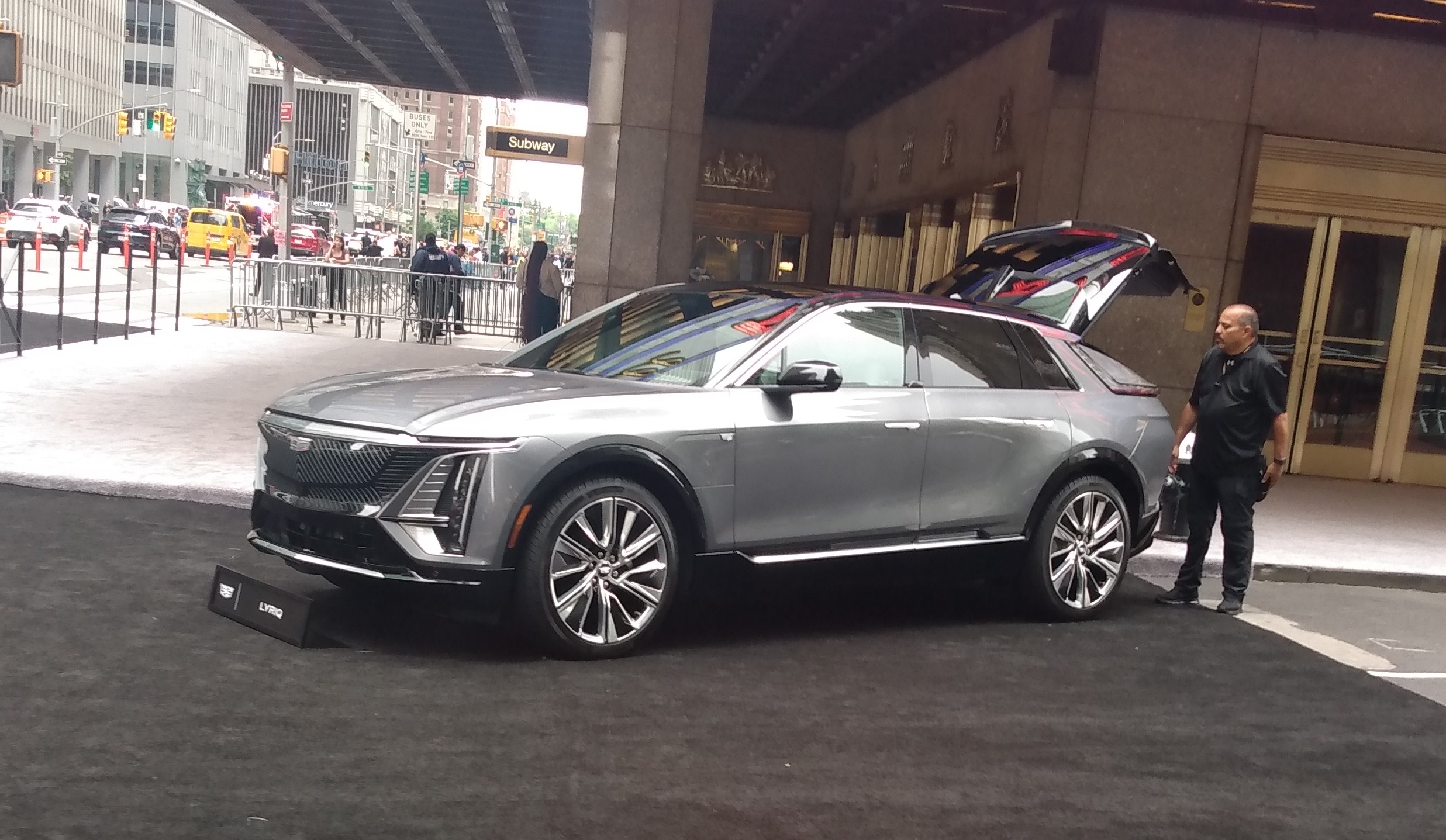
Cadillac’s Lyriq is an electric SUV. They bring it up as an example of Cadillac’s EV lineup and connect that to the idea that EVs can have more early problems than traditional cars.
Tesla is a company that makes electric cars. Here, it’s mentioned because the ranking treats Tesla differently based on how the data was collected.
Term
sample their models in all 50 states
They’re talking about collecting enough owner feedback across the whole country. If they can’t gather data the same way everywhere, they don’t want the ranking to be unfair or misleading.
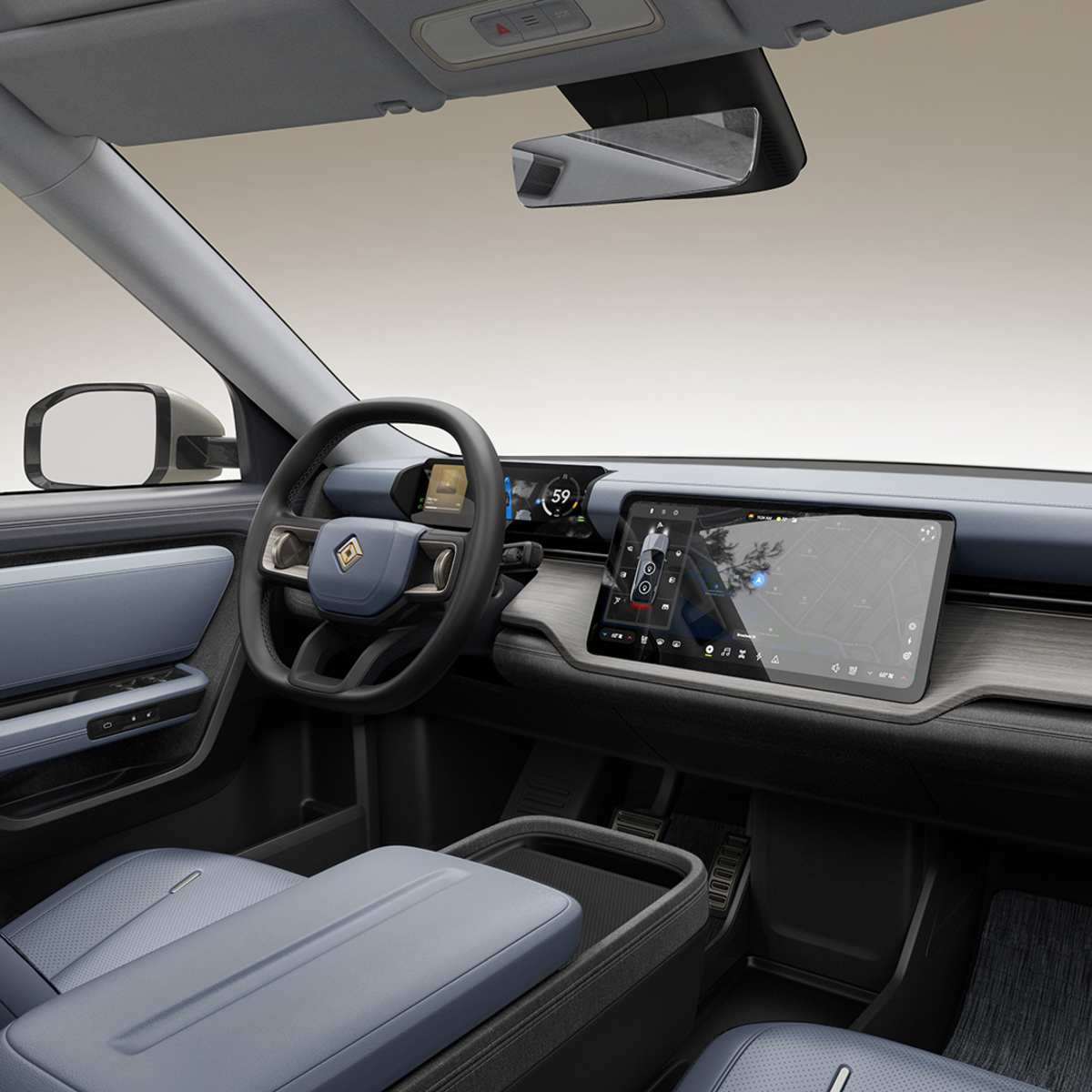
Rivian makes electric vehicles. In this episode, it’s mentioned because the quality chart doesn’t rank it the same way as some other brands due to how the data was gathered.
“Methodology” means the exact way the study collects and compares information. They’re saying some brands can’t be compared using the same process, so they’re handled differently.
“Brand eligible” means a brand only gets ranked if there’s enough owner feedback. The idea is to avoid ranking a brand based on just a couple of cars or too few reports.
Mitsubishi is mentioned as part of the explanation for how the ranking decides which brands qualify. If there aren’t enough models or owner reports, the brand may not be ranked as a whole.
Jaguar is brought up as an example of a brand that may not show up in the overall brand ranking. The reason is that the study needs enough models and owner reports to rank it fairly.
Chrysler is mentioned because the ranking rules require enough different models with enough owner feedback. If Chrysler’s lineup is mostly one or two models, it may only be ranked by those models.
Dodge is mentioned because, in this study, a brand has to have enough models with enough owner feedback to be ranked at the brand level. The episode points to which Dodge models are currently in the mix.
“100 returns” is the minimum number of owner reports needed before a car model counts in the study. It helps make sure the results aren’t based on just a few people.
The Dodge Charger is a well-known Dodge model. In this episode, it’s mentioned because the ranking needs enough models and owner reports to fairly compare brands.
The Dodge Durango is an SUV model. Here it’s mentioned because the episode is talking about how the ranking depends on having enough different models to compare.
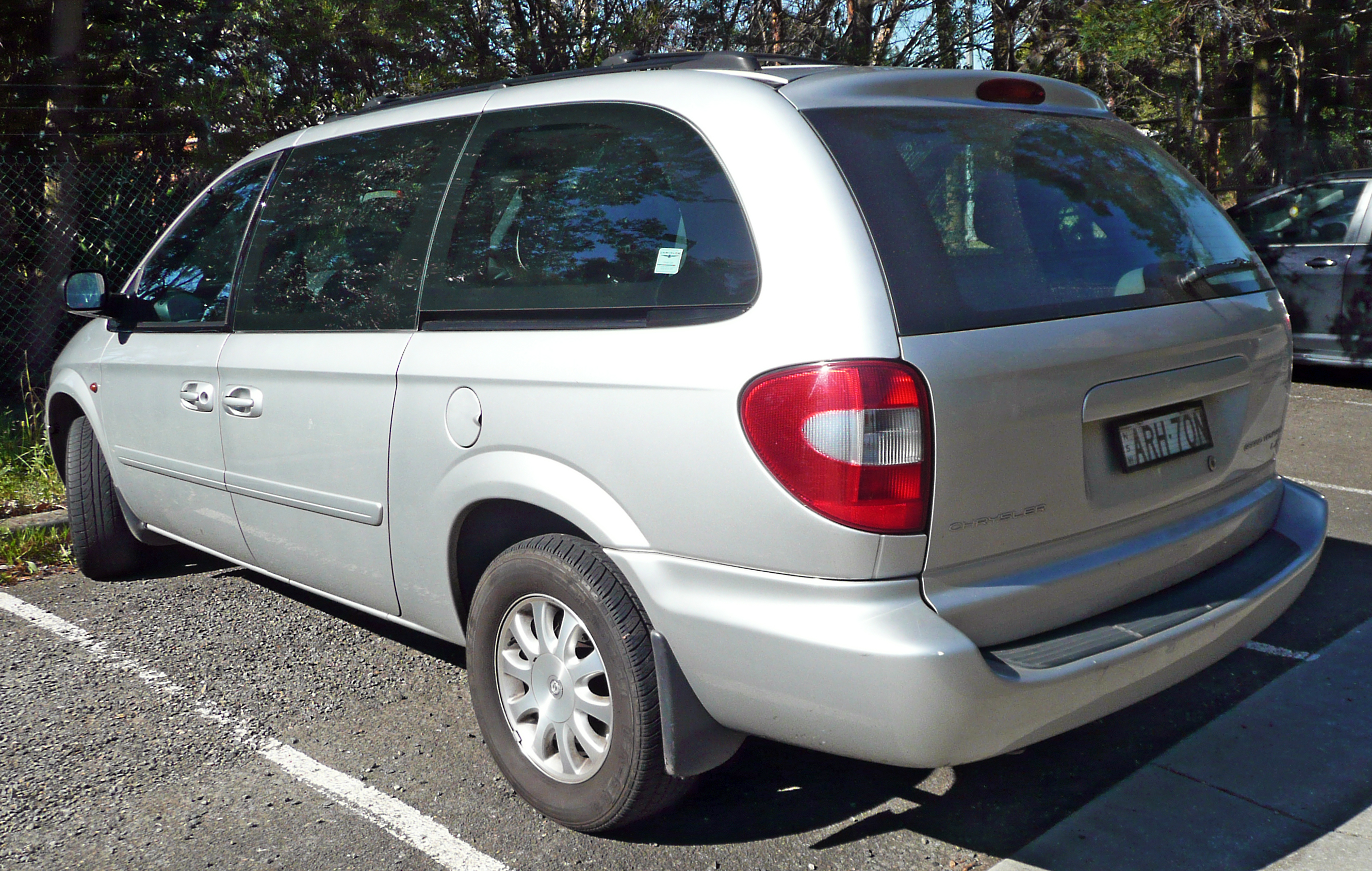
The Chrysler Voyager is a minivan. It’s mentioned because the ranking needs enough models to compare brands fairly, and Chrysler’s mix is described as too limited.
Driving assistance features are safety tech that helps you drive, like keeping in your lane or slowing down to avoid crashes. Some of these systems can improve as the car’s software gets updated.
“Fit and finish” is how well the car is put together. Think panel gaps, how straight things line up, and whether the interior/exterior looks and feels carefully made.
The Rivian R2 is Rivian’s next electric vehicle that’s coming out soon. It matters here because new EVs are where quality and manufacturing progress show up for real buyers.
The Audi A6 is a luxury sedan. In this segment, the host says a new A6 launch is part of why the brand’s ranking looks worse—because brand-new vehicles can have early problems.
Dodge Ram is a brand of pickup truck made for tasks like hauling and towing. The Ram 2500 is one of the heavier-duty versions people talk about. In the podcast, it’s mentioned because it wasn’t included in a specific survey.
The Ram 2500 is a heavy-duty truck. The host says it didn’t show up in the earlier survey because it arrived late, which can change how the rankings look.
The Volkswagen Tiguan is a compact SUV. The host mentions it to illustrate that newer or refreshed vehicles can sometimes have more early issues than the older version they replaced.
On many EVs, your phone app is basically the main way to check what the car is doing. It can tell you things like how much battery range you have and whether it’s charging correctly.
They’re saying that if an EV can go about 300 miles on a charge, people tend to feel a lot more confident using it. Below that, it can feel harder to plan trips.
Range anxiety is the fear that your electric car won’t have enough battery to finish your trip. People worry they’ll have to find a charger at the worst possible time.
The BMW X7 is a big SUV from BMW. It’s designed for people who want a premium feel and lots of space. The podcast mentions it because it stands out among large luxury SUVs.
The Cadillac XT4 is a smaller luxury SUV made by Cadillac. In the podcast, it’s mentioned because it didn’t come out on top compared with other SUVs in that group. It’s the kind of vehicle people consider when they want a luxury SUV but not the biggest size.
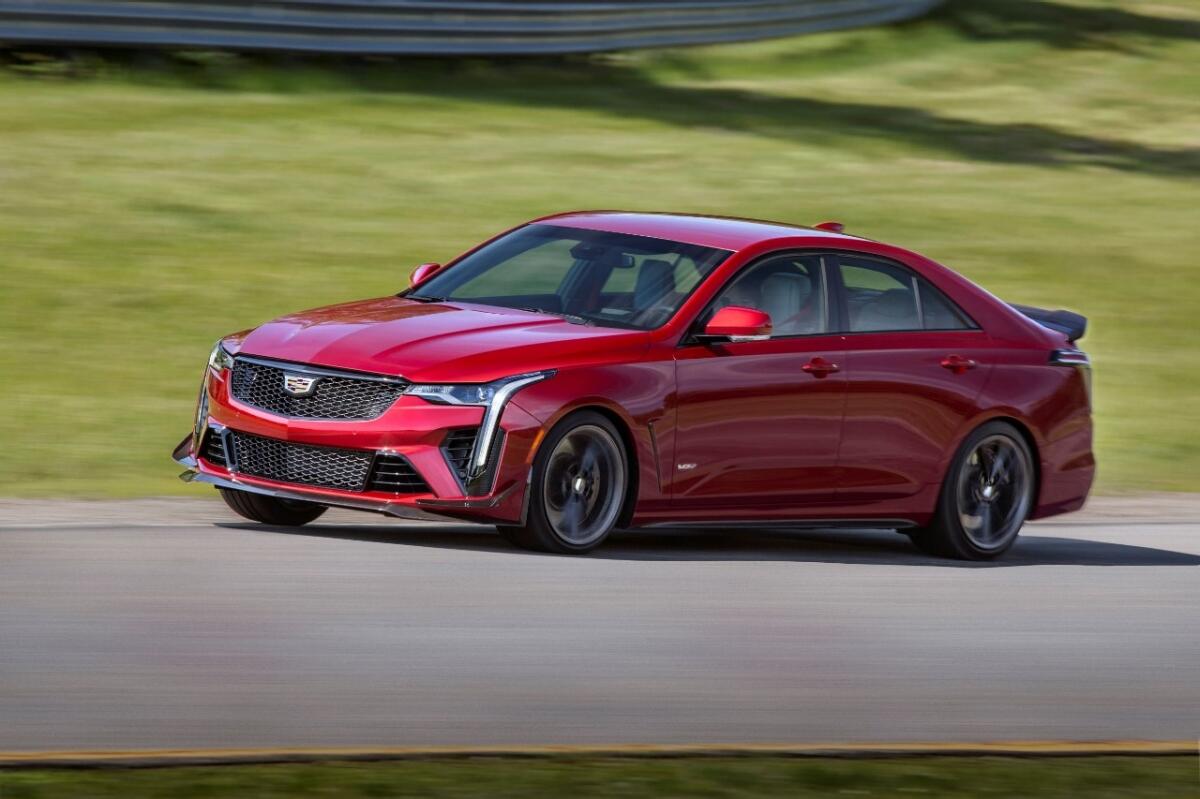
The Cadillac CT4 is a compact luxury car (a sedan) made by Cadillac. In the podcast, it’s mentioned because it didn’t match the results of the other cars in that group. It’s the smaller, more car-focused option compared with Cadillac’s SUVs.
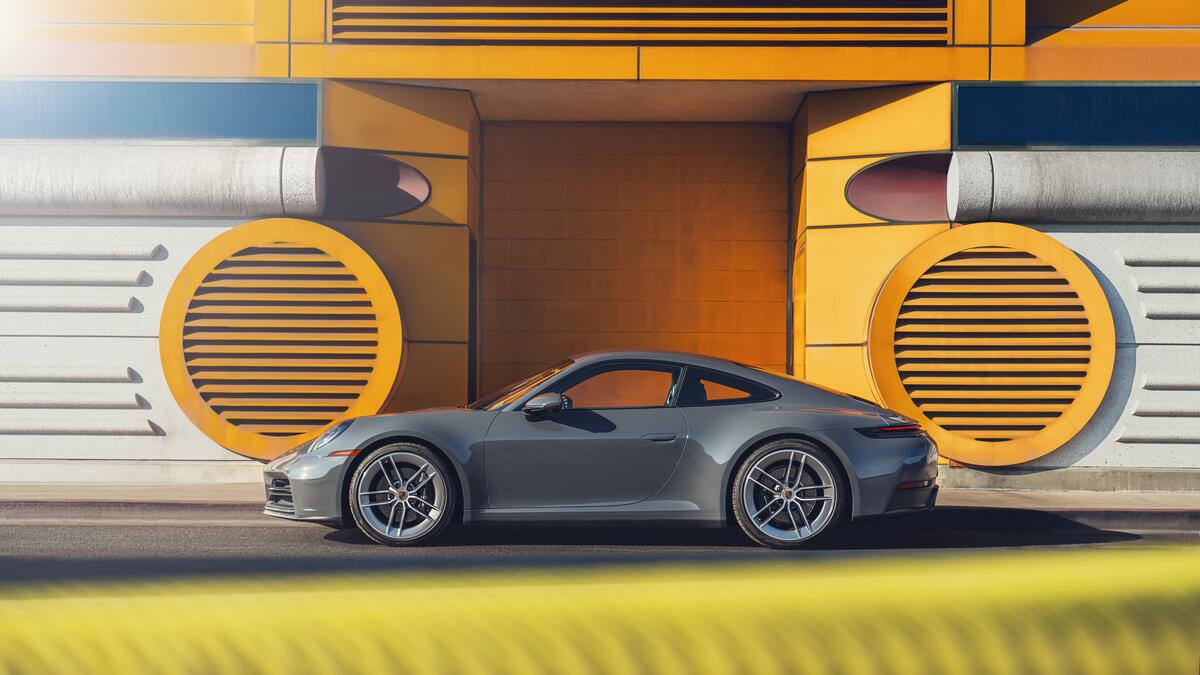
The Porsche 911 is a famous sports car known for being very fun to drive. Here, the hosts are basically saying it’s the safest bet if you want a high-quality car to own.
LIVE
Welcome to another episode of the AutoGuide show, today we're talking about the best
and worst brands for initial quality, this is from a new JD power study coming out,
we'll have a guest on very soon and we will dive into what cars and brands you should be looking
at and which ones you probably should afford. All right, we've got an exciting show for you today,
I've got here Frank Hanley from JD Power Frank, maybe you could tell us a little bit about yourself
and then we can jump into what we, the nitty gritty. Sure, my name is Frank Hanley from JD Power,
I actually run our initial quality study and appeal study for automotive that looks at vehicles,
quality and satisfaction at 90 days of ownership, so. How long have you been at JD Power?
I've been at JD Power for almost 25 years now. Really? Yeah, I started as an intern right out of
college and I have been here ever since. Good for you, good for you. Before we get to how much
have things changed in that time, like is it a very different outlet and things staying pretty
stable? I mean it's just size wise is the biggest change, I mean I remember when I first started,
Dave Power was actually still walking around the office and we've gotten a little bit bigger
since then, so I think that's the biggest thing is we used to be a small quarter of an office at
this point and now there's hundreds of us now, so the size is what's I think the biggest thing.
Oh cool, I mean it's a tremendously influential study, so maybe you can give us a little background
on like what is the IQS study, like what does it measure, why is it important? I feel like it's
one of those things in the industry that people love to, love to cite as much as they love to
hate on, because the journalists side were always like what, this doesn't mean that, so
so give us a little background on it if you could. Yep, so IQS our initial quality study
that JD Power does in 90 days of ownership, so what we actually do is we reach out to new vehicle
buyers after they've had the car for 90 days and we just asked them about any problems they had
with the vehicle in that time frame. There can be quality issues like hard defect malfunctions
like something broke or they got squeaks and rattles or I mean is quality is really changing
the industry anymore where you know you don't see a ton of cars broken down on the side of the road
anymore. Customer's perception of quality has changed and the studies kind of changed with
it over time as well, so now it also includes some design type elements because we found those
actually are just as important to customers anymore if you can't get your cups in the cup holder
every single day you get in the car, your satisfaction with the car goes down and you
they will report problems with it, so that's kind of how the studies evolved over time just as
quality's gotten better. Customer's focus on you know what is true quality has shifted so it's not
just manufacturing quality anymore but also that design quality as well, so. Gotcha, so the
Stanley drinking cup is the new big golf or something like that. It is, it is, if we saw that as a
big impact last year we actually saw quite the impact on a couple of their complaints going
I can't fit my Stanley in the cup holder now and or it's blocking something else in the car so
yep there's always a challenge for OEMs as the market evolves to keep up with it so.
That's funny I have more to talk about on the cup holder later but that's good so if you look at
like I just briefly mentioned there's some criticisms on this study sometimes people say
they're not about like you know like you said cars are more reliable this isn't about transmissions
breaking it's more about maybe like the experience of infotainment or some people say that oh it's
like 90 days isn't long enough to have a good judgment what do you say to people who who have
those sort of criticisms. Yeah I mean for people with the 90 days I mean we both have the 90 day
study we also have a long-term durability study we do VDS which is the vehicle dependability study
we do that three years. I mean obviously though if you're in the market for a car you don't want
necessarily wait three years for us to do a survey so this you know and we do see a very
strong correlation between the two I mean if you look at the vehicles that have issues at 90 days
those are the same vehicles that have issues at 30 days if the vehicle has good quality at 90 days
they tend to have good quality at three years of ownership so it's kind of that really early feed
on how a vehicle is going to do I mean obviously there could be things that go wrong long term
but and it also gives a manufacturer the ability to as they get data early to impact that vehicle
and make changes so it's better for the vehicle so they don't have to wait three years to say hey
is something going to break you know they can be very proactive with this early data they get
at 90 days so hey we have a big problem with squeaks in the door panel and we need to get
on it so you know it's also a pre read for that so interesting that's interesting to hear that like
because that that was a later question I had was about yeah does the does IQ it's just initial
quality those 30 90 days is that carry on for the life cycle of the car and you're saying generally
that's true it's it's an anomaly what it doesn't when we do correlation analysis between
the two and there's a very strong like if it's if it's good at 90 days it's usually pretty good
three years and yeah if you have tons of problems at 90 days you're going to have tons of problems
at three years of ownership so and the interesting thing is so we actually now have the ability to
bring in repairs too so it's not just the customer survey anymore back in 2024 we actually added a
repair metric in so we actually now see when people take their vehicles in for repair so that
is part of the metric as well for people who have initiated a service visit on their vehicle and
there's also strong correlation between that if you have a lot of repair problems at 90 days
they balloon by the time you get to three years so both metric sides now we're seeing you know
very strong correlation between the two interesting so so maybe if we go back to cup holders now
so so it sounded like the biggest reason for improvement this year was related to cup holders
so so there was a look at there's like a quote here I was reading in the press release this
year sees notable improvements in cup holder usability drive assistance alert ev range on
road noise at fit and finish in fact cup holders are the biggest single contributor to the year
over year improvement in initial quality based on more accessible location and capacity to hold a
variety of sizes etc etc yep it was last year was a big deterioration so this year we actually
did see good improvements so we did have a couple new models that did redesign this year
and a couple of brands who you know had very problematic cup holders in the industry
that actually redesign their vehicles put in much better cup holders easier to access larger
cup holders and that really helped the industry this wet year so it's interesting to see year
from year to year how things change and are impacted but deterioration last year with everybody
bringing in the standlies and stuff and then good improvement this year because a couple OEMs
you know redesigned their cars and took those things in consideration and it helps improve so
it's funny right because when I read this first and I was going to ask them like to me that just
seems really silly right this is a stupid thing but then we think about it it's true like if if
your cup the good what you want to drink out of doesn't fit is that going to know you more or less
than a car like a squeaky rat it's probably the same it's going to drive you nuts right and it is
I mean because this is actually what we're seeing on design stuff that they actually have the same
impact on customers because if you think if it's a quality issue and it has a squeak and rattle
you can take it to the dealership and they fix it a cup holder that doesn't hold your cups there's
nothing they can do so every single time you get in your car now you go to and you know it doesn't
fit it doesn't so I mean that's where you can see those can really build up to
annoyances on customers because there are no fixes for it so you got to get that design right
cup holders are our big part of americans life you know it's it's very different we're very
different that way in the rest of the world for sure yeah it's funny my my my father in law sorry
my father came to visit just like last week he doesn't come all that often he has a a Porsche
Boxer about a 10 year old one and and he's got the big you know and I'm like that he's like I didn't
even try put it because it pops out of the dash okay and I'm like yeah I'm like it would probably
just snap off you know a big water bottle it so yeah that's funny um so it sounds like like those
are like the negatives on the positive side um like it sounds like infotainment is still a pretty
big issue and specifically you guys highlighted like apple carplay uh android auto connectivity
I know like I have a I just bought a 25 civic as like that sort of a runner at runabout and I find
like 50 of the time apple carplay doesn't connect like or it takes a long time or it reconnects and
reconnects and I'm not alone is what you're saying no you are not alone um actually connectivity
issues just android or carplay was one of them but connectivity in general this year seems to be
pretty problematic for the industry so we did see an increase in problems for android auto
carplay not connecting we also saw just a general problem with bluetooth connectivity
so the phone not being as great it was and problems there um also some of the top problems are
wi-fi connectivity in the car app connectivity to the car um so connectivity just across the
board was really problematic um and as we do see more and more customers using that android auto
carplay um you know it just keeps continues to be me more more and more problems uh we also know
this year um you know there was a big update that came to some of the phones and that did cause
connectivity issue with the new software from the phone to some of the vehicles that manufacturers
had to um you know correct uh to improve those connections so gotcha oh man I would I would
never want to work I think you know building a car is very complex I think I would definitely not
want to work on the infotainment side of that business it just sounds horribly complex yeah
I mean all the software and technology that aren't cars anymore you can definitely see you know it's
it's just getting harder and harder for them to keep up um you know is a phone it's a lot easier
to make a software change and update it than is I mean a car you got to make sure it doesn't
interact with other components of the car obviously with engines transit you know who knows if they
make an update to the radio with all the you know interactions with all the technology obviously you
can't have something that's going to create a problem with transmissions or engines or stuff
so they got to validate a lot more than the phone manufacturers do so yeah that's a good
point and it's funny I was talking to someone recently on the journalist and I was saying I
would love to do an interview with some some automakers about like they always talk about
the software defined vehicles they want it to all be one thing but it's like clearly you would think
there have to be some sort of firewalls within that one brain to make sure that like you said or
or maybe there aren't and they just have to do a ton of evaluations but I feel like you know you
really got to make sure that yes a you know the you know loading the weather app doesn't impact
you know your ability to shift gears or something like that's or hit the brakes that's kind of a
big issue exactly so they got to make sure that you know all this stuff is they make changes it
doesn't impact some other part of the car and you know create problems for customers or you know
screens blacking out I mean we don't have traditional gauge clusters anymore even where it's
just a needle in a dial it's all digital now so if that blacks out all of a sudden you don't know
how fast you're driving down the road so yeah I'll be curious to you know like just a this is idea
I'm sure people tell you do your job all the time but it is just coming up of thinking about how
when you see specifically cars with screens when they start to get like a much older like 10 years
because that's really when those those brains they get it's like you have an old laptop and
things just don't load fast anymore right or a really old phone and it starts to slow down
and that's not a big issue but like you know I also have like a 10 year old Honda pilot and
you know the screens it had a screen you know the before that didn't but but but it's now after
10 years you know it's run so many cycles of things that is kind of like a little sluggish
and it just I feel like there's a you know not a safety concern there but just a real sort of
it's like oh it operates slowly you know it's not my transmission that's slow to shift out of gear
that's fine right but the the screen is like you know chug chug chug you push it and it takes a
little bit longer than you expect to to actually transition to the next thing for sure yeah no
and I mean that's something again like even you know car manufacturers I mean you figure the average
life type of car before they redesign is 78 years and Apple's coming out with a new
phone every year yeah so you know it sets those customers expectations of you know hey my phone
operates this fast why is the screen of my car not operating that fast or why once I push something
does it take a while to you know process and transition and so yeah I mean that's actually
something we see quite often as customers actually complain about how slow the touchscreen is to
respond because they have this benchmark of their phone now that the automakers now have to compete
with that they didn't before it was like they were competing strictly against you know GM Ford
Lexus Toyota and now they're competing you know against Apple and Samsung and Google and and all
these others now so yeah well it's funny because like you said the brands themselves have gotten
a lot better those screens work way faster than they used to but at the same time if they they
slow down a little bit over time versus your phone generally doesn't I mean if you got a really old
phone if you load it up with like every app possible they can get a little chunky sometimes
but otherwise they you know it's it's not a big concern so well and if you think about in the car
too I mean you're driving you can't wait for it to be slow I mean every single time you go to and
I have to look over that radio screen you're now not paying attention to the road which is
you're in the car driving so yeah that's a great point so in terms of I was looking at another
quote from the sort of the preview of the study that came out and talked about that it said it was
the biggest gains in quality come from features that are easy to use so simple controls less
of juice of driver assistance and software that works for the customers expect like is it really
that the brands are like they added all this tech to cars but now they're actually that sort of
happened as much as you know at least 10 years ago like loading in technology but now they're
actually starting to refine it and make it just easier to use definitely I think too what we saw
was kind of almost a lot of Tesla location of the market where everybody thought Tesla and their
giant screen and putting everything in the screen was the way everybody was going to want to go
and as we've seen in the industry right now we're getting a lot of complaints about hey I don't
have hard buttons anymore everything's in the screen and now it takes multiple steps to do
things like I just wanted to increase the temperature on my climate control by two degrees and I have
to go through three menu screens now versus just we pushed a button you know years ago so
I think that's where we're definitely seeing the industry kind of changing its ways again now
realize like hey maybe you went a little too much with everything in the touchscreen and we need to
bring back some of those hard buttons on simple things like changing temperature changing modes
changing the radio station yeah presets you know things that should just be a real quick glance one
touch you know and not having to dig through menus so I think we're gonna see you know kind of the
industry writing itself a little bit on that bringing some of the buttons back for customers to
make it easier to use than than what we've seen the past couple years it's funny you think we would
have figured it sooner I remember the original like BMW iDrive like that was like the prototypical
version where you're like yeah you wanted to change the temperature and you had to go in like
three screens and it it was a great idea right and it actually worked fine but it was just like
nobody wants to have to go through all those screens and you would think that we but maybe
Tesla was so cool that we all just had to push into that space again well Tesla I think did them
they were very good at keeping things very simple you know if you actually use theirs most of the
menus are one or two layers deep you don't ever really get you know really bogged down in menus
and layers and at even the number of options you have to adjust is very limited in a Tesla compared
to most OEMs yeah so I think that's also part of it was you know every every other manufacturer
Tesla wanted to put everything in the radio it give them all still all the options they had
so like menus and structures really got bogged down compared to what Tesla was doing
so it was just Tesla did a very different approach of keeping things really simple versus what others
did I have a Tesla question for you later but first here let me pull up here the I think we
can see it on the right side I know if there's a better we get a better layout here or not but
maybe maybe not no that's going to be as good as we get so this is uh people feel
see that on the screen I mean this is the you know the the actual uh report of the different
top models and I like this is kind of the juicy the juicy bits what people want to want to know
like like the top brands and so look at so the so the top brands that this year it looks like is it
Porsche and then Genesis and then Ford that's like overall correct so Porsche was the top brand
in the industry this year overall they had the fewest number of problems per 100 on their vehicles
followed by Genesis Ford was the best mass market brand in the industry this year Nissan
just below them a little bit was number one last year but I mean very strong performance by these
these manufacturers for sure it actually was a great year for the industry when it came
to quality just in general I mean of the 33 brands you have listed there 28 of them show
improvement year over year in quality wow so it was a huge improvement the average car had 17 less
problems sorry the average 100 car has had 17 less problems so 1.7 problems less per vehicle this
year than it did previously the last time we saw that kind of improvement in the industry was
was way back in the 90s so it was very successful the industry this year for sure
is there a general reason for that like there's actually a couple reasons that really drove the
improvements one of the things was it was a light year for launches you know there's obviously
adage in the industry about launches and they tend to have more problems in a launch year than
you know once we started to get serious production so it was actually a very light year of launches
in the industry typically we see about 15% of the models are launches it was only
5% this year so that really helped the industry with less launches giving manufacturers the really
the ability to focus on those carryover models make really strong improvements also something
that had a big impact was with the expiration of the EV credit this year we had less electric vehicles
in the study electric vehicles always tended to be more problematic than their ice counterparts so
as they made up you know a less a less part of a lot of these manufacturers that also helped the
industry improve but like I said it was just a really carryover models saw all really good
improvement across the board a lot of these were even bubble digit improvements so just really hard
work on the manufacturer side this year for sure and so I was going to mention so you said that
Nissan was second last year on their first issue like I you know not to dump on Nissan but that's
not the expectation that I would have I guess especially because I know it seems like mostly
we hear about Nissan in the news lately is like you know financial troubles but it's seen but I saw
a press release yesterday about how they've had like 10 or 16 straight months of actual like sales
growth so it's like okay so my head I think things are bad at Nissan but now you're telling
you know I'm reading a press release yesterday saying their sales are going up and you're saying
their quality is actually really good so yeah I mean like I said they were number one last year
in mass market go down to second this year they were a launch brand this year so they
did have a couple launch models but honestly when you look at like these brands like Ford and Nissan
we almost call them like the ghost improvers they don't make giant strides I mean obviously
they're a full brand so to make changes it takes a while but when you go back and look at these
history of IQS the past couple of years those brands have really just been slowly moving up
the rank chart and nobody's noticing them as they move up two or three ranks each year
but they keep doing it and they end up where they're at with this continuous improvement year
over year for brands like Ford and Nissan that really you know kind of I think catches a lot
of people off guard but it's definitely something we see at JD Power where you know just improvement
year over year them really working at it and they end up taking the top spots in quality.
Very cool that's interesting so and then if we look at like we already have a lot of the luxury
the premium brands tend to always rank there but if you look specifically and highlight them out
so the top we're looking at are that's again the Porsche then Genesis and then Lexus.
Yeah so Lexus is in fourth this year also good improvement for them I mean Lexus always tends
to be performing really well in the study overall I mean they've always had really solid quality
so for them being in fourth really not a surprise this year I mean Buick, Hyundai again always really
solid GM a lot of times you know they they did receive four awards this year overall within
the industry so GM always tended to be with their brands at the top of the rank chart as well.
I mean we talked about Cadillac and they are one of those electro vehicle brands now more so than
anything so that's where we're seeing some of their problems as you think they're very
heavily electric cars now with you know the Vistake, the Optique, the Lyric at this point so
you know that's where Cadillac is with that with the electric vehicles but that's no different
than what like I said earlier with the electric fields in the industry they just tend to be
more problematic they have a lot more technology people are still getting used to an electric vehicle
versus an ice vehicle and what that means so. Interesting so then maybe it's like talking on
electric vehicles when we look on this chart here there's the the gray ones down at the bottom and
that includes Tesla and so what does what does the gray represent those like not enough data or?
So the product tests on Rivi and we don't have the ability to sample their models in all 50 states.
Gotcha so because we can't sample them the same as the other brands in the industry we don't
officially rank them because of that because you know obviously you want to be equitable to
everybody regular sample all 50 states and since we aren't able to do that with Tesla and Rivian
we make them not rank as well we do collect data on them so everybody can see how they are performing
but because it's not the same methodology we have for the other brands we have to isolate them
for consistency in our methodology the other brands like Jaguar Dodge Mitsubishi Chrysler
we also implemented a new rule this year at the brand level so all this is a brand ranking
that for a brand to be brand eligible you actually have to have at least two models in it both with
100 100 returns in it and when you think about some of these at this point Jaguar it's transitioning
it's line up they're down to one model Dodge is largely Durango charger wasn't enough of the mix
Chrysler is largely only Pacific of voyagers and a big pair to the mix so because they're down to one
model we don't rank them officially at a brand level only at them those models at the model level so
Gotcha so I mean I know that it would be messing with the figures I'm not necessarily a Tesla fanboy
but but like if you if you're if you extrapolated from those states to all states and the numbers
stayed accurate which seems like a reasonable assumption like that that's Tesla's like coming
in a second they're very high up there no Tesla the past two years had it I mean they've been
fairly problematic in the past and have always been towards the bottom of the rank chart these
past two years they've had really strong improvements I mean probably not a surprise some of their
biggest improvements are in the technology area it's something they've always been really successful
at made big improvements in their driving assistance features streamlined a lot of their
applications and stuff for the app on the phone to the vehicle made those better so strong
technology improvements also manufacturing was an area of weakness for them I remember there's
been a lot of stories around that over the years yes but that's something that they've actually
improved on quite a bit in the past couple years so fit and finish inside the vehicles exterior
body panel fits and stuff they've all gotten better so they're they're definitely working on their
quality and making big strides these past two years in both the technology side as well as the
manufacturing side so and I guess they'd benefit from not really having new models necessarily
I guess they did some updates but like they didn't do some facelifts yeah so they're not they're not
brand new this year so a little bit of a facelift compared to what others do in the industry but
but yeah so that that does help them continue some improvement on the existing models also helps
so got you but then Rivian reverse like just bottom of the barrel pretty much
I mean there's still one of those infancy brands I think we'll start seeing them making some good
improvements coming up I mean obviously they have the launch of the R2 coming up this year
so I think we're going to see them moving in the right direction for sure definitely showing
your commitment to what they're doing to the quality and getting customers and again they're
very tech driven vehicle again so you know if something goes off it can go off very wrong so
yeah absolutely but then what do I so you mentioned Cadillac like looking at looking at the bottom
right that people everyone loves to know what to hate and what's terrible right so so Cadillac good
good reasoning right like it's got some brand new models very EV focused whatever but so Volkswagen
I guess some EVs too but but Infinity what's what's really dragging those brands I mean those were
some of the launch brands where we talked about you know hey it wasn't a launch big launch year for
the industry but those are some of the brands that did have launches this year that that that
hurt him I mean Audi brought out their new A6 was a launch for them Ram last year the 2500 wasn't
in the survey because it was a late launch outside of when we normally sample so we do have 2500 in
the survey this year and its second year so you know that impacts those so again and when we look
at the bottom of the rank charts it's a little bit it's a lot of that launch going on Volkswagen
had the Tiguan so that's not something we don't it's not abnormal once you you know if you launch
your vehicles they tend to be a little more problematic than their carryovers so it does
have an impact and when you know the industry has a strong improvement anything you know that
creates additional problems for your brand it definitely hurts this year gotcha gotcha interesting
it's always fascinating so moving along to the I don't know maybe I can pull up the
charger of the the different sort of vehicle specific you know top rated like you I guess
you do actually rank a like the best car that one with the fewest issues which I think was
maybe not a surprise the 911 was the best performing car in the industry this year it's
actually the second year in a row it's won the award for the model with the lowest number of
problems overall in the industry you know it's just a vehicle that you know people that buy it
really love it like we said earlier they're they're not buying it for cup holders they're buying it
for you know definitely the the ride and performance of that vehicle and it's definitely
delivering to its customers and they're really satisfied definitely not having a lot of problems
with it but I mean it was when we look at the top three so this this shows the top three models
within each of the segments we segment each of the cars I mean obviously because we have many
vans and large SUVs and compact SUVs and cars in the survey so we got to look at and compare them
apples to apples so we do create these surveys on how to look at the cars but
I mean in general it was just a yet again another good year across the board for the industry lots
of brands receiving awards I mean BMW receives six awards overall Ford received three GM receives
four Hyundai and Kia receive five in total Nissan gets one Subaru gets one Toyota gets two
and then like I said the Porsche 911 was the best model in the industry as well as the best performing
car in its segment so again when we had this these big quality improvements this year a lot of
manufacturers did really well in the study this year which is great and now so this is I've got
I don't think I need to bring them all up but I've got the cars the SUVs the trucks right
I think I maybe I'd have to look through them all again but I am pretty sure there isn't an
electric vehicle on any one of those three slides there is not an electric vehicle on any one of
those three slides so that definitely is we're definitely see electric wheels did show good
improvement this year especially around the Tesla but there's still more problematic than their
ice counterparts for sure a lot of it just has to do with the technologies on the car and how
customers use them differently one of the big weaknesses still we see for electric vehicles
is the mobile app so I mean on an ice vehicle the mobile apps kind of a you know fun thing to
have you don't really need it you're like oh I can unlock unlock unlock my doors but I all
have a key fob but on electric vehicles it's that lifeline you know you need to know is the car
charging how much range do I have so you know we definitely see a lot more problems in that area
for them because customers are relying on that mobile app and when it's not giving them right
information it's worrisome so you know and they also do have a lot more safety features on them
and stuff than their their ice counterparts and penetration higher there so some issues there
um and then they do have the charging issues um you know connecting the cable charging slowly
range anxiety still so it's gotten a lot better but it's still a thing where we do seem to see
like 300 is the magic number now in the industry if you get a car that has 300 mile range people
seem to have to be a lot more comfortable than those EVs out there that are still below 300 so
interesting I actually had a uh fascinating conversation with a gentleman from BMW the
other day who was his theory as a like uh sort of on the EV side of the business is that that
brands once they get to a a number that is big enough uh like a a range that's big enough that
is okay for everyone to come on over they will then actually start reducing the range on vehicles
as a way to get the price down well and I think that's where I think we're out of customers
comfortable I mean we're used to our ice vehicles you fill the whole tank up and you say hey I got
356 miles and like I said that seems to be the magic number right now about 300 for the battery
electric at this point um so I think once we and then we get people into it going okay I can still
drive just as far on the battery electric as I done the ice model you know people will will
start buying into it and getting used to it and I think once they realize hey you know I go home
at night plug in and I charge it and all of a sudden I have another 350 miles opposed to your
ice vehicle where you know you're eventually gonna have to stop at the gas station because
you can't refill it every night um that that'll start changing again and we might see some of
those you know range anxieties becoming lower and uh being able to go back to lower miles and
a little bit smaller batteries in these cars yeah that makes sense that's very cool um so what
and is there a there's a top car you said the 911 is there a top there isn't a top like SUV
overall because it's too segmented yeah no I mean we it's that one's the worst segment we do top
model in the industry we do top mass market top premium brand which was Porsche and Ford overall
this year um but then because they are so different between you know small uh premium SUVs like the
two series all the way up going to a large premium SUV like the BMW X7 which you know wins
there's such a big size difference between the two we keep them all segmented
but BMW Chevrolet both were very you know did very well in their SUVs this year
BMW ran were in three awards for its SUVs Chevrolet all the wins except for the XT4 or sorry CT4 was
for their SUVs so they're definitely the strongest in the industry when it comes to the SUV market
which obviously is extremely hot here in the US for sure hot everywhere yeah so is there is there
anything um anything I missed I should have asked you that I didn't no I think the big thing is just
the improvement in the industry this year really profound infotainment still seems to be a big
area of opportunity you know every other category seats powertrain driving assistance all show
improvements infotainment is the one area that still saw a decline this year when everything
got better for the industry so um you know still some struggles with technologies there in the
industry working towards improvements but um you know integrating more and more technology in the car
is definitely you know proved problematic for sure gotcha but I guess that the real though the moral
of the story here is if you're a responsible individual you should go out and buy yourself a
Porsche 911 that's yes we I think we'd all be much happier if you're a driver on Porsche 911s
awesome great well I really appreciate you coming on today this is enlightening uh great
great information no problem thanks for the time appreciate it thanks take care thank you
all right I think that's a good cut so thanks yeah that's great this is a problem cool cool yeah
that's uh fascinating there's so many little bits and pieces of of you know what you guys do and
yeah it's just that information that you get like both the grace that it's not like I guess it's
they're great out for different reasons like you said some are insufficient um yeah yeah it's
efficient data and some are just like by by number of vehicles and some are by you know where you
can get the data from well that's where we were running into to like some of the brands with only
one model like they could move up and down so fast in the industry because it was only one versus
you look at somebody like Ford who has 10 miles or GM at like 17 models and it's like for them to
move it's really hard so it's like sorry if you if you only have one model at this point you're
you're really not a brand anymore you're kind of a a model so we gotta kind of rate you guys
differently so that's why this year we did implement the new rule on that one so cool awesome well I
I can let you go okay sounds good thanks a lot have a good holiday weekend yeah you too thank you
About this episode
JD Power’s Frank Hanley breaks down the Initial Quality Study (IQS), which surveys new-vehicle owners about problems after 90 days and now also tracks repair visits. He argues the 90-day window still strongly predicts longer-term dependability, citing strong correlation with JD Power’s three-year Vehicle Dependability Study. The discussion highlights how “design quality” matters as much as mechanical quality—especially cup-holder usability, which drove year-over-year improvements. Connectivity issues (Apple CarPlay/Android Auto and Bluetooth/Wi‑Fi) remain a major pain point as software updates and vehicle integration get more complex.
Are cars actually getting more reliable, or are we just getting better at designing cupholders?
In this episode of The AutoGuide Show, we dive deep into the shocking results of the newly released 2026 J.D. Power U.S. Initial Quality Study (IQS). To help us unpack the data, we sat down with Frank Hanley, Senior Director of Automotive Benchmarking at J.D. Power. He gives us the unfiltered truth on which automakers are crushing it, which ones are crashing out, and what these rankings actually mean for everyday car buyers. If you want to know if your favorite brand made the top of the list—or sunk to the absolute bottom—this is the episode you can’t miss!
Learn more about your ad choices. Visit megaphone.fm/adchoices