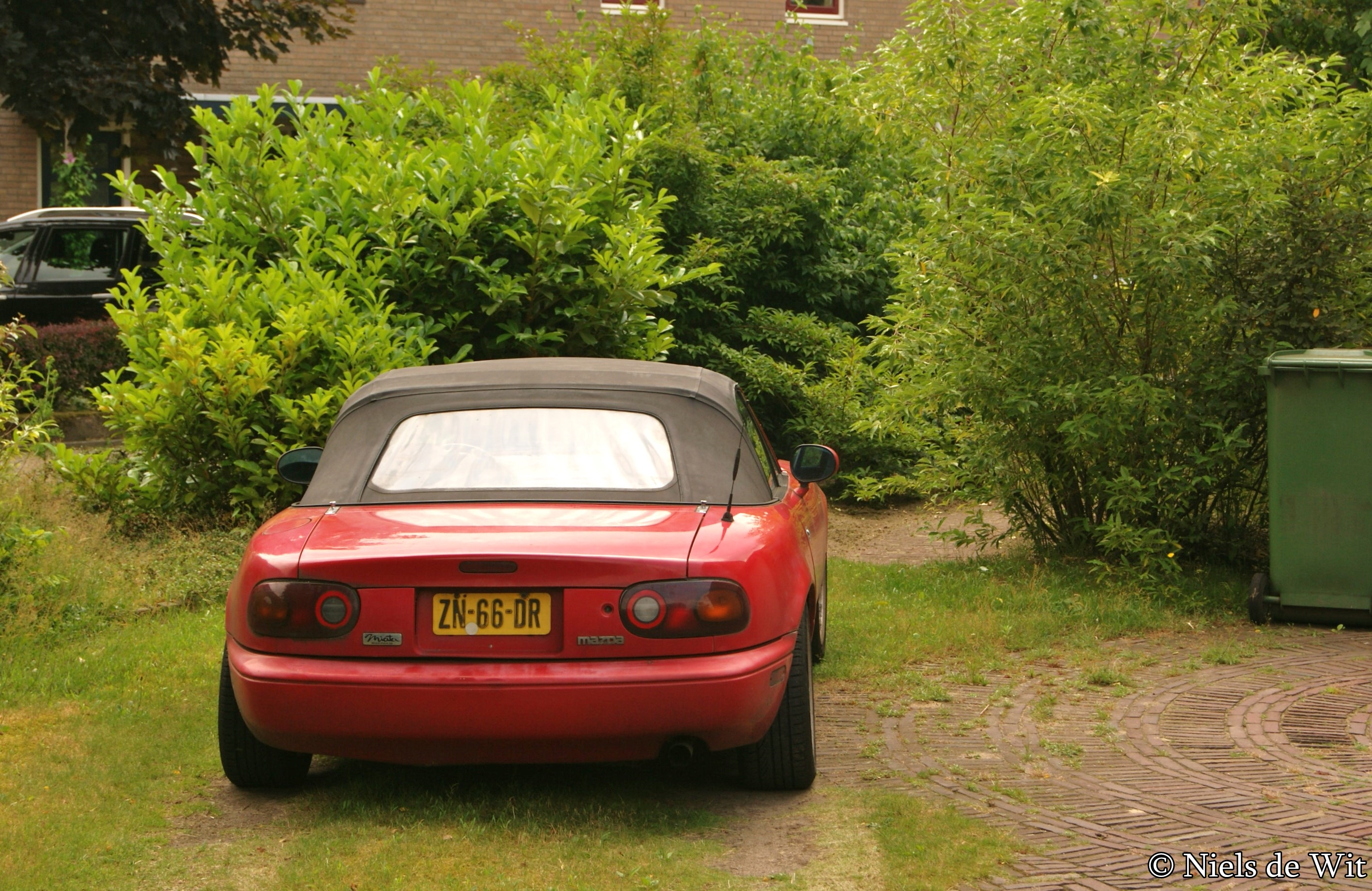
Classic cars are older vehicles, usually at least 20 years old, that are often valued for their history and design. They can be harder to fix than newer cars because they may need special parts.
A restorer is a person who fixes up old cars to make them look and work like they did when they were new. They do a lot of work on the car's outside, engine, and inside parts.
A generational car is a car that has been in a family for a long time, often for many years. People usually feel a strong emotional connection to these cars because of their history.
Charer Salvage is a special kind of insurance that lets you keep your car even if it gets damaged badly and can't be fixed. This is important for people who have cars they really care about.
The Porsche 911 is a famous sports car that has been around for many years. The 2026 model will have new features and improvements, keeping it popular among car enthusiasts.
Guaranteed value coverage means that your car is insured for a specific amount that you and the insurance company agree on, rather than just its current market value. This is useful for classic cars that can be worth more than their age suggests.
An actual cash value policy is a type of car insurance that pays you what your car is worth at the time it gets damaged or totaled, not what you paid for it. This amount usually goes down over time as the car gets older.
The Sunbeam Tiger is a classic sports car from the 1960s. It's famous for being fast and sporty, and it's often compared to the more expensive Shelby Cobra because it has a similar engine and style.
A Cobra engine is a powerful V8 engine that was used in the famous Shelby Cobra sports car. It's known for making cars very fast and is sought after by car enthusiasts.
The Shelby Cobra is a classic sports car that became famous for being fast and powerful. It has a strong engine and a unique look, making it a favorite among car lovers and collectors.
A V8 engine has eight cylinders arranged in a V shape, which helps it produce a lot of power and run smoothly. It's commonly found in larger cars and trucks.
The Sunbeam Alpine is a small British sports car that was made in the 1950s and 1960s. It's known for being fun to drive and has a classic look that many people love.
The Pontiac Trans Am is a sporty car that was popular in the 1970s and 1980s. It's known for its powerful engines and cool design, making it a favorite among car lovers.
LIVE
Welcome to The Accelerator, a podcast for insurance agents and brokers who know there's
more to life than bundling home and auto.
Yeah, we're talking collector cars, better sales strategies, and ideas to grow your business
without boring you to death.
This isn't just another industry podcast.
It's the one you're actually going to want to listen to.
Welcome, everybody, back to The Accelerator, the podcast by Hagerty for insurance agents
and brokers who want to stay ahead of what's next.
And we have got a special one today, because this is not only our ninth episode, but also
our final episode of 2025.
I mean, honestly, John, to say that out loud is wild.
This time last year, I was in a coffee shop and someone said we should do a podcast.
I kind of took it as a half, like, ah, I call you, of course, you're used to my crazy ideas.
And here we are, nine episodes later, thousands of listens.
Like, I couldn't be more proud.
Thank you, listeners.
Thank you, everyone, for your support this year.
Your notes, your texts, your LinkedIn messages, your emails.
They've all been incredibly supportive.
So thank you.
Yeah, and I'm no stranger to your crazy ideas.
And this was, like, not even close to the craziest one.
So it was an easy yes for me.
And just want to reiterate that we are grateful, really humbled by all the support and feedback
we've received.
And it's honestly just been, like, a blast to hear that the show is actually helping folks
out in the real world, whether they're selling or servicing, leading, or just trying to stay sharp.
Yeah, so if you enjoyed the podcast, do a quick favor, please.
Like it, subscribe.
Send it to one agent in your office or a coworker who would enjoy it.
That simple share helps encourage us.
And I think, John, do we say we might have a season two?
I think we can.
I think we can officially announce it.
Yeah, season two of the Accelerator podcast coming in 2026.
Now, before we get into that, we got another show today.
And today's guest is a big one.
It's a guest that we've had on our wish list all year long.
And Santa's come early.
We are going to close the year with Hagerty's president of insurance, Jeff Briglia.
This was a gig.
He's going to enjoy this one.
He is really one of my favorite leaders I've ever worked with.
And, you know, just to give you background, Jeff leads all aspects of Hagerty's insurance
products, right?
So that is important.
But he also plays a major role in scaling the business, overseeing our direct consumer,
obviously our agency channel, new partnerships, product development, our call center claims.
Like you name it.
If it's anything to do with insurance at all, all roads lead to Jeff.
That's right.
And prior to Hagerty, he has more than 20 years of insurance experience.
Previously, he was the president and CEO of Plymouth Rock Assurances Direct and Partner Group.
And before that, the chief operating officer and the chief insurance officer of Metro Mile,
not to mention experience as an executive leader at both progressive and all state.
Jeff's one of those leaders, which I love because he hops on airplanes with me.
He hops in cars.
He gets his hands dirty.
If there's a problem, he'll call someone, talk about it.
You know, customer, agent, client, doesn't matter.
He's always asking for feedback.
He's always thinking about how we can get better.
He's truly lived it and he provides an outstanding example.
That's right.
So basically what we're saying is when it comes to insurance, Jeff knows his stuff.
Today, we're going to talk about Jeff's story.
What drew him to Hagerty, what he thinks makes Hagerty different,
where he wants the insurance business to go over in the next few years,
and the role that you, our agent and broker partners, play in driving the next chapter.
At the end, we're going to have a little rapid fire fun to get to know Jeff,
including his brand new collector car that he bought.
Unfortunately, in December, even though he lives now in Michigan,
I feel your pain, Jeff.
Yeah, I'm just maybe a little bit jealous of the car that he purchased,
and we'll hear all about it.
So without further ado, let's get into it.
Jeff, welcome in.
Would you like to share a little bit about your background,
kind of how you got into insurance, maybe a little bit about yourself personally?
Just introduce yourself to the audience.
Absolutely. Brian and John, thanks so much for having me on.
I'm honored and I appreciate it very, very much.
You guys put on a really great podcast, and I'm just delighted to be part of it.
So just to introduce myself really quick to the audience, just to get started.
So my name is Jeff Brillia, and as Brian had mentioned,
I'm the president of the insurance division at Hagerty.
Most people think about Hagerty as an insurance company,
but as you all know, Hagerty is much more than just insurance,
though insurance is a major part of the business, and delighted to be here.
I've been with Hagerty about a year and a half coming up on two years,
and just so, so delighted to be here.
It's an amazing company, amazing team, amazing purpose, and a dream come true.
So I will stay here until the end of my career and not go anywhere.
That's right. And, you know, we got to start, I think, with a question that a lot of people
get asked in insurance circles is, how did you get into insurance?
It doesn't seem like anyone, a very small exception of people,
have a clear, direct path into insurance,
whether they're family owns an agency, or they find themselves a lover of math
and actuarial sciences in school.
You did not necessarily take that path.
So I'm just curious if you could talk to us a little bit and share your,
how I got into the insurance industry story.
It's a funny story. Some people, I think, that know me personally,
I've heard this story before, and I swear that every word of it is true.
So it's going to sound hard to believe, but I had no idea what insurance even was.
So I was good in math, went to school to be an engineer,
and I got a degree in civil engineering.
Civil engineering worked as an environmental engineer for a number of years,
doing like soil and groundwater remediation.
That was kind of my specialty.
So if anybody ever wants to chat about that, happy to do so.
And I after doing that for a few years as an engineer,
I thought it was good for me to go and get a business degree.
So I went to school, got an MBA, and then ended up not going back into engineering,
which is my original plan.
Instead, I ended up going into management consulting and did that for a few years.
And that was a great experience, but it was nonstop travel, right?
And you guys know what those jobs are like.
I'm on a plane Monday morning, I come back Thursday afternoon,
and I'm working all weekend.
And at that point, my oldest daughter was an infant,
and I wasn't seeing her enough.
And that was not aligning with my personal values of who I wanted to be as a human being.
And so I wanted to find a more stable job.
And here's where the story kind of gets interesting.
I had known of a couple of people from management consulting that had gone over to this company.
I was living in Cleveland, Ohio, and there was this company called Progressive Insurance.
And there were a few people I knew that went over there.
And I'm like, well, I need to brush up on my interviewing skills before I look for a real job.
So let me just do some practice interviews.
And so I literally applied to Progressive for a product manager job.
So it was kind of a P&L owner job to run a couple of states or a state or two in their business.
And I started to talk, and they called me for an interview, which was great.
And I went in and started speaking with them.
And once I started talking with them, I started saying, wow, these people are really smart.
They're engaged, they're motivated.
This industry is really interesting.
What do you mean you're selling something,
but you actually don't know how much it costs until after you sell it?
Like, this is really, really strange.
And so it just captivated me.
And the people there captivated me.
And my practice interview ended up turning into a job offer.
And at that point, I hadn't interviewed with anybody else
because I was completely sold on Progressive and ended up joining there.
And so that's how I got my start.
Total, total and complete accident.
I didn't know the first thing about insurance.
And fortunately, I ended up at a really great company that does a pretty good job training people.
And they actually know quite a bit about insurance.
So it worked out.
And thank you for sharing the story.
Everyone's got, I feel like everyone's got one.
That's a good one.
Yeah, bizarre.
Bizarre how life turns and twists, right?
You don't, you had no idea.
No idea where you're going to end up.
It is, absolutely.
And I think a lot of people, a lot of the listeners can relate to
that underlying motivation of making that career pivot when you did.
Young family, traveling a lot, working a lot,
wanting to find something a little bit more stable.
And so you got into the insurance space.
Was there a moment when you had landed at Progressive
and you had been there for a while?
You seemed intrigued right from the get go,
but was there a moment that really affirmed for you like,
okay, this is where I'm supposed to be, this really jives?
Yeah, I mean, so I think the culture at Progressive is just,
it's such a unique and wonderful place.
My congratulations go to all of the folks that I used to work with there
that have just built such an amazing company over the years.
The culture there is really good.
And so I think what kind of kept me there is it felt
there was just good people, right?
And I like to be surrounded with good people.
I've worked in places that I'm not going to name in my past,
early, early past, where it wasn't really a good culture.
It wasn't a good team.
There were toxic behaviors and the company wasn't out to win, right?
And so those things, all those dynamics were not present at Progressive, right?
And so it was good, some people, they were smart.
They knew what they were doing.
They were very, very focused on what they wanted to achieve.
And the jobs that I had, I was fortunate where I had a number of different jobs there
throughout my career at Progressive, where I had a lot of autonomy
and a lot of empowerment and was able to really make an impact, right?
And so when I was at that kind of place,
there was no reason for me to ever even think about being anywhere else
because it was just such a wonderful, wonderful place to work.
A lot of great people over there.
Yeah, that makes total sense, Jeff.
And it sounds like, to your point, after Progressive,
you hit a couple of different places.
And before you joined Hagerty, when we met, you were at Plymouth Rock,
which I didn't really realize was an actual company.
I thought it was the landing spot of the Puritans.
Is that so?
And they started an insurance company right away.
Yeah, it's exactly.
So talk a little bit about, before you came to Hagerty,
what you were doing right before joining Hagerty.
Right, at Hagerty, I spent about five years with Plymouth Rock,
which for those of you that don't know about Plymouth Rock on the podcast,
they're a pretty large insurer.
So if I look at just auto insurance premiums, they are in the top 20 in the US.
But they're a regional company.
So in the states that they operate in, they're very, very significant.
And they're two primary states, they're Massachusetts and New Jersey,
but they operate in almost all of the Northeast part of the country.
And at Plymouth Rock, they have a decentralized operating structure,
and they had three different group presidents,
and I was one of the group presidents.
And so I ran their direct distribution business
and their partnership business, focusing specifically on their auto product,
which was kind of a daily driver product.
But good company, really, really interesting success story
that Plymouth Rock has also had, very different than a progressive,
which has kind of went national and has just been gigantic.
What Plymouth Rock is very, very good at is deeply
and intensively understanding the markets in which they operate.
And so Massachusetts and New Jersey, as you guys know, are not easy markets to be in.
And Plymouth Rock has made their living and been a very successful company
by just studying and understanding those markets
and figuring out how to embrace the complexity that's
resident within that market to carve out a successful business.
And they've been fantastic about that.
And the founder of that company, it's a privately held company,
so there's not a ton of public available data on it.
But the founder of the company, Jim Stone, puts out an annual letter every year,
which reads like a Warren Buffett letter.
It's a really good read.
And so if you're interested, go to their website
and find his letters to read more about the company.
But also, great success story, good people there.
It was tough for me to leave Plymouth Rock
because I really loved the team I was working with.
And I loved some of the people I was working with.
But ultimately, the appeal of Hagerty was just too strong
for a lot of different reasons, which I'm sure we'll talk about at some point.
Yeah, absolutely.
Sounds like everywhere you've been, we've worked with good people
and good cultures, and that seems like a theme stuff.
And it's actually, I've read into it.
What about Hagerty?
Is it the brand, the mission, the people?
If you've been to our home office, the cars that you get to drive,
like what really made you say, wow, this is my next chapter.
I'm going to come to Hagerty.
Yeah, yeah.
So Brian, it's a great question.
So I think Hagerty, again, most of my career moves
when I think about them, they kind of were related to people, right?
Or kind of opportunities in one way or another.
The first conversation that I had with the folks at Hagerty,
I was just really impressed with the drive that the company had,
their ambition, the leadership perspective.
They have a really strong leadership position in the marketplace that they serve,
which is a classic car space.
And I thought that aside from the people,
that was very unique about Hagerty compared to any other insurance organization
that I had experienced was that Hagerty had really had a very clear definition
of who their customer was, right?
So like if you think about a progress, it's not at all a criticism.
But if you think about a progressive countrywide or Plymouth Rock in the northeast,
their customer target, their TAM, is anybody that drives a car, right?
And as a result, it sort of gets very hard to know and understand who that customer is
and what drives them and how do you build better products, better solutions,
better experiences for them.
Hagerty is a completely different story.
With Hagerty, they know exactly what the cars are.
They know exactly what the mindset is of the customers that drive the cars
and they focus and have focused over the past 40 plus years
to just build solutions that are tailored to that.
And that is so unique in the insurance industry.
And I think it's part of the reason why Hagerty has risen to be that by far,
the number one insurer of cars like these, right?
So it wasn't because I was a car enthusiast.
I just actually bought a car, so I now have a car or shall have a car soon.
And I love cars and appreciate them.
But I didn't get into Hagerty because I've got a Mustang in my garage
and really wanted to be with Hagerty.
But really, really good here.
Good people, good company, good culture.
And it feels in some ways, if I've lived my life in an insurance video game,
I have just discovered the secret level in that insurance video game.
And that's Hagerty.
It's just a great place to be.
Yeah, thank you for sharing that perspective.
It's really nice to hear, and it resonates deeply with me.
I didn't really know anything about insurance.
This is my first insurance industry job and company.
And so I kind of luckily just got ported right into that secret level
and skipped some of those more difficult ones.
Well, you mentioned this unique kind of understanding that Hagerty has
about its customers and these strong connections
that we have with our customer base and the hobby in general.
I'm wondering if we really kind of get a focused lens on the insurance piece.
How does that connection that we have with them,
that understanding of our customers influence the way we think about designing products
or the claims experience, the partnerships that we seek out?
Can you speak a little bit to that?
Yeah, for sure, John.
I'd love to.
So, listen, I think let me start with the claims experience
because the claims experience, ultimately from an insurance perspective,
like what are we doing?
We're selling a product that will help to protect our customers when they have a claim.
And most of our claims activity is centered around repairing the cars
because obviously we repair the people when they get injured too,
but the cars are really difficult to repair.
Some of these classic cars, if you're getting into even a 20-year-old car,
a 25-year-old car, it's not what the typical body shops look at each and every day.
And so when you have a car that is insured with Hagerty
and you end up having a claim with Hagerty because somebody bumps into you
or something happens, you want to make sure the car is treated the right way when it's repaired.
And so what we have done at Hagerty is over the years,
we have invested literally millions and millions of dollars over the years
in building an ecosystem of claims experts that know these cars
and they know them really, really well.
They know all the body shops that are out there
and they know which body shops are good with which cars
and they know where all the parts are.
So you think about it if you had pick a really old car like a 57 Chevy Bel Air,
if you need a certain part for that, they just don't make them anymore.
So you have to know where to get the parts.
And so Hagerty has invested in building up that whole ecosystem
so that when that customer has that claim, which is the moment of truth,
we have the ability to get that car back on the road where it should be
so that it could be driven, enjoyed, and loved and cherished.
And so that's like that example.
And then if you think about the customer experience example,
right, so when somebody calls in to Hagerty to talk to one of our professionals
that handle it, our folks go through a lot of training
and they get a deep education in terms of obviously what the product is
but obviously what the hobby is about.
And so we do things like we have had employees restore cars, right?
And we do that because not because they're car aficionados,
it's because we want them to have a better appreciation
for what it's like to restore a car.
And it does and it works.
And it helps to kind of connect our employees in a much deeper way
in a more meaningful way with those particular customer.
And we have lots of examples where when a customer calls in
or an agent calls in, we'll be able to tell that customer or agent
more about the car than they might even know, which also helps.
Like we just know it.
We want to know this stuff really, really well.
And then the last thing I'll touch base on is from a product perspective.
This is one of the things that I think has really helped
to differentiate Hagerty over the years is because we understand
the hobby, the enthusiast's lifestyle, whether you're a racer
or whether you're a restorer,
or whether you like to just kind of buy and sell the cars.
We understand that so well that we've been able to build
a set of kind of product features that really are tailored
to better meet that customer's needs, right?
And so if you like to go to the track a lot, we have an endorsement
that you can get that will help protect your car, not while it's racing,
but while it's in the paddock, the while it's out there,
we have something around that, right?
If you've got a car that maybe is a generational car,
maybe it's been in the family for 50 or 60 years,
and it's got such a deep emotional connection to you.
We've got a coverage that's called Charer Salvage,
which would allow you to keep that car in the event something happens
and the car is not repairable.
Typically the insurance company gets to keep the car, right?
In this case, we have a coverage that will let you keep that car
so that you could kind of keep that in your family,
even if it's not drivable.
And there's a whole series of things that the product team
has built over the years that are just there to deliver a stronger value
to that customer.
It's a very, very member focused company.
We think about Hackerty, what we try and do on the insurance side
is just keep everything that's better on a member or customer.
And then outside of insurance, there's a whole ecosystem
that also kind of supports that enthusiast.
So we've got a membership program that's really, really powerful.
We've got about a million members
that are part of the Hackerty Drivers Club.
There's a whole set of sweet benefits that you get
for being a Hackerty Drivers Club member.
We've got a digital marketplace business.
We've got a live auction business to help people buy and trade cars
and sell cars and obviously a ton of stuff on the event side
and the media side.
So we do it.
Everything that we do, it's all centered on that enthusiast
and that lever of cars.
Yeah, Jeff, you hit a lot of things, a lot of variety.
Why Hackerty?
What makes it unique?
And to your point, the next month is my 20th year at the company,
which I can't believe I'm saying.
And so it's the reason why I've stayed here so long too is
I just strongly believe when I wake up in the morning
that I'm generally helping people that have these type of cars
with the very best coverage they could possibly get
and the very best your point like parts finding,
discounts on car covers and waxes.
That's what wakes me up in the morning.
I think I'm actually helping people and I truly believe that.
So thank you for sharing your perspective.
It's super exciting.
I agree.
The cheat code, I got lucky.
My first insurance job happened to be the cheat code of insurance.
Well, I mean, Brian, you've been there for 20 years.
You helped to kind of create the secret level.
Like it may not have been there 40 years ago or 20 years ago
when you started, but it's the culture.
Everything this company has built that makes it so special.
Over time.
Thank you.
Thank you.
I agree.
Let's talk about in the future.
Obviously, we've talked a lot in this podcast
about what we're kind of doing this year,
but obviously as a publicly traded company,
we can't talk about every single thing we want to on this podcast.
But if we look at a year from now or two years from now,
what are some things that Hagerty is a company,
maybe you specifically on the insurance side,
or maybe to Hagerty in general?
Like what gets you excited?
What gets you up out of bed that we're trying to fix and work on
for the whole industry in the near to short term,
two to three years out?
What gets you excited, Jeff?
I just quickly thank you, Brian, for asking that question.
So listen, so our market, it's a big market, right?
So when I look at Hagerty and kind of what Hagerty
is going to do over the course of the next couple of years is,
is we've always been a very fast growing company.
And I expect that fast growth to continue, right?
I think there's and there's no reason for it not to.
It's a big market.
We have a lot of demand for our product,
from our customers or from our agents.
And so we're going to continue, from my perspective,
to make investments to be able to build even better experiences
than we have today.
We have great customer retention and we have great
net promoter scores and great customer satisfaction.
But I want it to be even better than it is today.
And so we need to invest in more product features
to be able to like, what's the besides share salvage
and track coverage and other stuff.
There's other things that we're thinking about,
which I don't want to talk about, I'm a competitive
standpoint, but there's other things that we're going to build
that's going to make our product even more attractive.
Or what can we do to be able to deliver even better
customer experiences or better agent experiences?
So as good as we are, insurance is really, really complicated.
And I'd love to be able to do more and have us do more
as a company to be able to get those experiences to be as
forward 20% as they can be, which they are.
Honestly, they're not always as 20% free as we all want them.
And it's because of the complexity of insurance.
So that's the second thing.
But I think that the biggest thing of them all, Brian,
is that what I see from an appetite perspective
is that there's a lot of customers that will come to
Hagerty through the Asians who are directly to Hagerty,
where the customer has a vehicle that we like,
but they don't necessarily use it in the way that
Hagerty would typically like.
And so an example might be you have a car,
but with Hagerty today, you typically
need to drive the car, not a lot.
So it has to be an extra vehicle for you.
You've got other daily driver vehicles.
You store the car in a garage or in some kind of secure spot
and you have a good driving record, right?
Like, so those are kind of some of the components
of what you need to do to qualify for Hagerty.
There are some instances where those criteria
can be accommodated with other types of customers.
So maybe you have an old Mazda Miata,
and maybe you have two drivers and two vehicles,
and one of you works from home all the time.
So the Mazda Miata is typically,
it really is the extra vehicle.
It's not driven every day,
but like our rules don't accommodate that today.
And so we're looking at either making changes
to our underwriting processes or where we don't do that.
We're actually thinking about whether or not
we come up with other product solutions
to be able to serve more customers that are out there.
And these are folks that have an interest in Hagerty
because of all the things that we provide and offer.
And I just want to be able to say yes more, right?
And so that's, I think that the theme of the next three years
is figuring out how to say yes more.
And we say yes a lot, but I want to say yes even more.
Music to the agent, music to my ears.
To your point when I started 20 years ago,
we really didn't do a new car.
And now I continue to, like it still shocks me
how many agents and partners I meet.
Yes, we can do a 2026 new 911 that's coming off.
At the dealership today, right?
And so like, I think it's awesome to hear that, Jeff,
the energy, the passion you have around saying yes more.
And the product design we've had over the last 20 years
has drastically expanded.
And we're just going to keep going, it sounds like.
That's exciting.
Absolutely, 100% right, Brian.
And generationally, like the world is evolving, right?
And what's really exciting is that, you know,
I think 15 years ago there was a question
about whether or not the next generation of drivers
was going to have the same degree of passion
about cars that the prior generation had.
And we're seeing now that is absolutely true, right?
The difference is that the cars that these folks love
are slightly different.
It's not necessarily, you know, a 57 Chevy.
It's now, it's a Miata or it's a newer Porsche
or it's something, you know, something of that era.
And but they love them just as much.
They cherish them just as much.
They take care of them just in the right way.
And so we have to evolve as a business
and to make sure that we're able to serve the needs
of those customers that are coming through.
The psychology and the mindset is the same.
It's just the cars are a little different
and we need to make sure that we're tailoring our approach
so that we could provide them the best insurance experience
humanly possible.
Yeah, thank you.
I'd love to hear that.
And I'd say that's been true since day one
of my time here at Haggerty.
One of the things that really attracted me here
was the company's authenticity.
We really do live and breathe the car enthusiast,
auto enthusiast lifestyle.
We understand the members and we take what's happening
in the market really seriously
and we create new products and amend existing products
and processes to really serve that base
better and better every year.
And as a marketer, it makes my job a lot more interesting
and exciting to work for a company
that really does talk the talk and walk the walk.
You've shared a lot of your previous experience.
You have a wide breadth of things
that you've done in the insurance space
and that includes what you're doing today.
You've got the direct-to-consumer channel.
You've got new and emerging insurance partnerships,
a member service center, new product development.
How do you think about balancing the growth
in these different areas so that they complement
and not compete with one another?
Yeah, that's a great question, John.
Yeah, and so just to give folks some context,
so the scope of my role as president
of the insurance group at Haggerty,
so anything related to insurance,
whether it happens to be distribution
or whether it happens to be products,
customer servicing, claims, et cetera,
I've got responsibility ultimately for all of that.
And the way I think about this is that,
and I'll kind of tie it back
to kind of my personal career journey.
So when I got into insurance,
as we talked about earlier,
it was a complete accident.
I didn't really know what insurance was, right?
But then I got into it and then once I got into it,
what, the way that my career evolved,
it was one that was very zigzaggy, right?
And so what I ended up doing was I didn't,
I didn't start in the product space
and then just stay in the product space
and become more senior.
What I did is I started in the,
actually the customer experience space,
then I moved into the product space
and then I moved into the finance space
and then I moved into the call center space
and then I moved into a more general management space
and then I moved into a claims role.
And I kind of went across the board all over
and the reason that I ended up doing that,
that wasn't necessarily intentional at the outset,
it was really more driven by curiosity
and wanting to understand the business better
because I didn't know insurance when I first started
and I just thought and ultimately came to believe
that the more that one particular area
understands another particular area,
the better decisions that we make, right?
The more trust that we have,
the faster that we're able to evolve as a business, right?
And so that integration or the breaking down of silos
to me is really, really, really important.
And so a haggardy, the way that I think
about things philosophically here is that
it's of paramount importance to me
to make sure that we have really well integrated teams, right?
Because it's all really complicated.
Like I can tell you, like when I spent time
in a claims organization,
like for the two years that I did that
and that was my full-time job,
I didn't think about anything but claims.
That was at 100% claims all the time,
never thought about anything else.
And that was great because I learned
but we get so much better decisions
if we have claims people talking to product people
who are talking to distribution people
so that we can make better holistic decisions, right?
And so it's good from a business outcome perspective.
It's also really good from a leadership development perspective, right?
Because what we need for the next generation of leaders
at haggardy are people that understand
all those different parts of the business
and how they all fit together, right?
And so from my perspective,
like that's absolutely critical
and kind of it's a, and I talked about it before,
but from an internal focus,
that's a key internal focus of mine
is to try and break down those.
We don't really have too many silos at haggardy
but to try and facilitate the cross-pollination
as much as possible.
Yeah, Jeff, I think you just mentioned,
I don't have as long of a breadth of experiences as you do,
but I spent five years in claims
and I spent time developing a motorsports product
and now I'm obviously running partner distribution,
but I use those experiences every single day
and I didn't realize at the time, to your point,
that I'd be able to use a claims adjuster background
or a claims manager background to do partner management.
But to your point, you must have just a lot of experiences
to draw upon because you're right,
like you have a different view
if you have experiences in those, but you're right.
I remember like my analogy of a claims adjuster
when I was doing that was like, man,
you sit and you like strap yourself into an F-15 co-pilot
and you have the cockpit and you're just like ready to go.
Hold on, hold on, hold on and don't pass out
when the cheap horses get too high, right?
That's exactly what that's like.
And you are a great example on that, Brian,
because you have had some of those different experiences
and they just do nothing but make you more well-rounded.
They give you better perspective.
It gives you a better chance to make better decisions
and to also help others, right?
It's a part of how we are successful as a company.
And this is why Hagerty is also a great place to work, right,
is because it's a culture where people truly,
I think, do want to help each other.
Like I don't see people saying no, right,
and say or being passive-aggressive about it.
Like I do think that there's a strong motivation
and you could do that better because you were in claims, right?
And because you've done that product job
and because you have done tons of things
on the distribution side, right, as well.
Like your distribution experience is very broad,
very varied and very deep, right?
And that makes you the great executive that you are, right?
Yeah, thank you. Appreciate it.
No, absolutely.
Well, we have a few minutes left.
I want to get into a couple questions
on how we talk about agents and brokers
and then renew some rapid-fire fun questions to get to know you.
But my question really is,
you know, these are either from Hagerty or another stop,
but is there a partner story we could share
where you felt like the agent relationship with the carrier
really created outsized value for the client
or just, you know, went above and beyond.
And those agent relationships are really important at Hagerty.
And I was just wondering if you had a story that comes to mind
of when you worked with an agent that you could share?
For sure. I probably won't share specific names of partners
or agents for the sake of kind of protecting confidentiality.
But I think Hagerty has got lots of good examples.
And one of the things that an amazing drive record at Hagerty
is that from a distribution system perspective,
as it relates to insurance, right,
Hagerty's got a strong direct-to-consumer business channel.
They've got a strong independent agent business channel.
Obviously, they work with brokers as well
and work with some of the network agencies.
But then they also have a very well-established partner ecosystem.
And the partners are typically daily driver carriers.
So like, you know, we work with most of the top 10 carriers
and most of the top 20 carriers, as a matter of fact.
And what's fascinating about that is that the value
that we're able to kind of bring to those partnerships
is pretty deep and strong and powerful, right?
And I just know this from sitting on the other side of the fence,
that bringing in and trusting your customers to another company
is a really big deal, right?
And so Hagerty's been able to do that very successfully
over the years and has developed a long list
of very successful partnerships.
And we have, I think, a 100% retention on all our partners,
to my knowledge, Nakam Wood.
We've never lost a partner and I hope we never do lose a partner
because they're all very valuable.
But what we get from that to answer part of your question, Brian,
is that by embedding ourselves with those partners
or the agents that are part of those partners
or the customer service reps that are there, the sales reps,
we're able to get them to understand our products in better ways.
But then we're also able to help understand
their companies in better ways, right, by talking to them.
And so part of what helps us be successful
in this base, and this goes to independent agents too,
is that I really think it's important for any good company
to really listen to what the challenges are that are being faced
so that we can effectively work together
to solve the problems that are there, right?
And when I see relationships,
intermediated relationships that aren't going that well,
which I don't see at Hagerty,
but I've seen it in other places of my career,
like it typically is because people are talking at each other
and they're not really partnering together
to try to figure out what is the solution.
Like there is a solution, like let's figure out what it is
and let's be creative about it and let's be relentless about it,
but it requires trust and perseverance.
And I think your team, Brian and John,
I know you get involved with this too,
like that's part of what you guys do each and every day.
And that is super, super critical for us, really is.
Yeah, thanks, Jeff.
If we could, I've got maybe one more question,
but it's a two-parter around our agent broker partners.
And then we'll get into a couple of fun,
rapid-fire questions to round us out.
If we could click the Enhance button
and just go one level deeper on the agent broker space
to that individual agent broker, producer,
that agency office itself,
how do you view their role in the Hagerty growth story?
And hopefully it's a joint growth story
between us and our agency partners.
We can stick with the next two to five year time horizon we've been in.
And then the second part to that is what are a couple of things,
or one, that an agent could start doing in the next quarter
or the next two quarters to be better positioned
to be successful in partnership with Hagerty
and where Hagerty is heading.
Yeah, great, great question, John.
So listen, so I think the way I think about Hagerty,
so this gets back to I think a little bit
of what I was just talking about,
if I'm an independent agent, you've got a really hard job.
It's hard to be an independent agent.
Like I get it, I know it, I've been there,
I've talked with many agents
and I have a deep and profound appreciation
for the challenges that are faced day to day.
And when I think about kind of what Hagerty
tries to do to help that agent see be successful,
it's really around giving them access
to the best product in the industry
for what is typically a very, very important customer
for that independent agent.
And so when you think about that,
if you've got a customer that has a classic car,
they probably have a home, they probably have a couple of homes,
they might have other cars,
they certainly have a need for umbrella insurance,
life insurance, annuity products,
that's actually where the list goes on and on and on and on.
And what I think the value,
when you talk to Hagerty agents that are engaged with Hagerty,
what you hear from them is that there's a piece of mind
that comes from working with Hagerty
because going back to that claims experience,
like you know that customer has a claim,
they're going to be taken care of
and you want them to be taken care of
because you don't want to lose that household.
Your business and your whole reputation
as an independent agency can crumble, right?
If you've got a couple of customers
that have started to have bad experiences with companies
and we provide the security to the agent
to know that we're going to treat that customer really well, right?
And it's usually important to us too
because from a distribution perspective,
there's a lot of cars out there
and there's a lot of cars that I would tell you
and I would tell agents this to your second part of your question
that are probably not insured the right way, right?
So, and the simple example being from a Hagerty perspective,
all of our physical damage coverage is guaranteed value, right?
So, customer comes in and says,
hey, I've got this car and I think it's worth $50,000
and this is what I want to insure it for
and well, we have a team that works to say,
yep, that is, sounds about right, that is $50,000
and we're going to insure you for that.
If you go with a daily driver company,
it's typically going to be an actual cash value policy, right?
Which means that that customer
is not necessarily going to get what they want
if that car is totaled, right?
Or it might be totaled when it shouldn't be totaled
because the CV views $10,000 on it
and the guaranteed value is $50,000
because that's worth of that particular consumer
because it's got a, it's a special car to them
for whatever reason.
And so like from an agent perspective,
what I would say is connect with the Hagerty teams
or reach out to me directly,
reach out to Brian or to any of us, right?
Because our appetite is probably broader than you think it is
and for those types of customers,
we do provide a great solution, right?
And the other thing that I kind of tell you
that's important over the next quarter or two
or first half of the year
is that one of the things that I'm making
a lot of investment in is trying to,
I talked about the customer experience earlier,
I didn't talk about the agent experience.
And from an agent experience perspective,
there's a lot of things that we're working on internally
to try and make that agent experience better than it is today.
So I think it could be simpler.
I think it could be faster.
I think it could be easier.
I think it could be more efficient and I want to do that
because if I make it easier for the agent
then I'm helping to build and secure their success as well.
Give us more of a chance on that and try us out
because a simple example being around underwriting blocks, right?
Like we used to do a lot of them,
we're doing a lot fewer of them than we were a year or two ago
and we'll be doing even less of them a year
from now than we are doing today.
And that's again, part of that,
it's around agent experience.
I don't want to have an agent quote a customer
and then all of a sudden say,
okay, hold on a second,
we're not ready to rate that customer yet.
We want to go and check X, Y, and Z.
I'd rather just say no, we want to say yes more, right?
And take that customer on board
and give the agent the ability to provide a solution right away.
Yeah, outstanding, Jeff.
I think to your point when I'm hearing from you
and I want to reassure the listener,
Jeff has been in the trenches with me.
He's traveled with me, he's visited agents,
he had our top cure agents who by the way,
we'll be announcing that list very soon.
Whoever made top cure in 2026,
he had them in Trevor's city and he asked them for feedback.
He's talking constantly about how he can make things better.
So, Jeff, your passion around making things faster,
making things easier,
making sure we have the best product,
it's coming through and I've seen it firsthand.
So I'll vouch 100% real, that is real,
what you just heard from Jeff.
So Jeff, I know you,
you like to spend time with your daughters,
you like to get outdoors, you play the drums,
you like to travel, you don't sit still.
I have to ask this question is that,
I was going to ask you about that,
but I have to ask you, what car did you just buy?
Hey, I'm glad you asked me that question.
So I bought a 1966 Sunbeam Tiger.
So, and if you don't know about,
and so Brian, you and John probably know about Sunbeam Tigers,
but I'm sure not everybody listening knows about those,
but they're a really interesting car.
They've been called the poor man's cobra
and the reason why is it's got a cobra engine in it.
So it's got a, this particular one's got a V8 and 260,
260 cubic inch engine in it,
but the body is not a Ford body,
it is a British Roadster car, right?
So it's a super small light James Bond looking kind of car,
a little bit like that,
but it's got a really fun engine in it
and they're just a blast to drive, right?
The same body with a different engine
was called the Sunbeam Alpine.
And so if you go back, if you remember,
you're probably, you guys are too young for this,
but if you remember,
there's a show in the sixties called Get Smart.
And so the main character in that drove,
it was really an Alpine, but it was supposedly a Tiger.
So I can't wait for it to get here.
My only problem, Brian, is that I bought it in December
and I'm not going to be able to drive it
until the snow melts,
so you're up in Northern Michigan.
And so my timing is not good,
but I'm so, I cannot wait to get out there.
Yeah. We'll sit in your garage
and drink a beer and look at it together, Jeff.
How about that?
Well, we want to have the beer,
we'll drive it and then we'll have the beer.
Yeah, there you go.
Assign me up.
Those are such cool cars.
It's, we have one in the Hagerty Collection.
We host partners and agents that come into town
at the Hagerty Learning Garage.
We have a collector vehicle collection
and almost invariably when we host folks there,
we'll get asked,
all right, which one's your favorite?
You know, which one would you take home if you could?
And the Sunbeam Tiger is always my number one.
So very happy for you.
Very, very cool car.
All right, one last question.
I'm going to take us maybe,
and we'll kind of stay in this same vein.
I'm curious, and this is kind of putting you on the spot,
but just something to end on,
either a piece of advice,
the best piece of advice you've received,
or something that comes to mind
that you tend to share with your daughters
or with colleagues or folks that,
you know, work on your teams.
Is there, can you leave our listeners
with just a piece of advice to end the year
and to start 2026?
I'm sure if you asked me this on different days,
I might give different pieces of advice,
but like, I think generally,
try and end each day better than it began, right?
Like, and that's how you treat people, right?
Like, do something positive for people,
be a force for good in life, right?
Like, what are you going to do to make yourself better,
to make others better?
And it could be people that you know and love,
like whatever suits your purpose,
or it could be random strangers,
it could be coworkers, whatever.
But focus on doing that, right?
Like, life is not about you.
Life is about what you, I think,
can do for others and help others.
And so, from my perspective,
I think that is always a good mantra.
If you live by that,
I think you'll have more good days than bad days.
Thank you.
That is a great piece of advice
and a really nice way to wrap up this conversation
and the Accelerator Podcast 2025.
Thank you, Jeff.
Hey, thank you guys so much for having me.
On this, it was a delight and an honor
and happy holidays to everybody.
Thanks, Jeff.
Wow.
What a way to close out 2025
outstanding conversation
with our president, Jeff Brilio.
Seriously.
I mean, just huge thanks again to Jeff
for joining us, spending that time with us,
and for being so open about his story
and also how he thinks about the business.
Yeah, some takeaways.
I heard that I wanted to recap
and things that you should be listening for.
And the key words for me were saying yes more.
So, Jeff talked about continuing to invest,
you know, better experiences,
agent experiences, making it simpler,
faster, easier, fewer speed bumps,
expanding solutions for those newer enthusiasts,
like those young people like myself
that have those 97 transams, the 2007,
you know, whatever it might be
that you grew up in high school with.
Those situations don't perfectly fit all the old boxes.
Wow, calling yourself young, Brian.
Bold move.
Bold move.
I mean, our last podcast guest was talking
about how old I was and you were the young guy.
So, I get to be the young guy this time, all right?
Okay, Brian, it's the holidays.
So, you can have that.
Next thing we want to recap here
that we heard from Jeff, this is why Hagerty.
It was so clear.
He sees Hagerty as a place
that truly understands a defined customer,
the automotive enthusiast,
and then actually build the claims experience,
the service model, and the product,
everything else that we offer around that customer.
Yeah, and we just kind of touched on this
a little bit already, but that generational shift,
the passion is still there.
It's just different.
That hero car is different,
which means we have to evolve our product
and our expectations to set you up.
So, you, when that client walks in your door,
have the right solutions.
We're really excited for that though.
I think 2026, John, do I dare say
we should probably lead off with maybe like
the bull market list that we just announced?
Like, we're going to really talk
about this generational shift next year,
but you can hear Jeff positioning our teams,
getting ready for it,
and we're going to maybe take it home
and then future episode in 2026
about what that actually means for you
and how you can actually take advantage of that.
Oh, great idea.
Definitely see a bull market list episode in the near future.
And speaking of cars,
the perfect Hagerty ending to our conversation with Jeff,
his recent purchase of a 1966 Sunbeam Tiger,
such a cool car, one of those understated cools.
If you looked at it, it might catch your eye,
it might do a double take,
but under the hood, it's got a big surprise
and just looks like a ton of fun to drive.
So congratulations to Jeff.
Hope you enjoy staring at it for the next few months,
during the winter months,
and then really getting out and enjoying it
as driving season hits Northern Michigan.
Before we go, again, I just want to reiterate from John and I,
thank you so much for listening this year.
The support has been a lot.
The notes, the shares, the conversations on LinkedIn, emails,
the in-person conversations too.
Seriously, we're extremely grateful.
I'm glad that this podcast maybe helped you
in just the slightest way.
Next year, we're going to take it even to a newer level.
That's right.
That was the whole point of this.
We started this podcast to bring useful conversations
to agents and brokers to help you win in this specialty space.
And it's just been awesome to hear that it's actually landing.
So again, if you enjoy it, please subscribe,
leave a review, share, especially over the holidays,
maybe just text it to a friend,
text it to someone in the office that might enjoy this.
All right, and let's end on a message
that Jeff shared with us.
Try to end each day better than it began.
And be a force for good.
From all of us at the Accelerator Podcast and Hagerty,
happy holidays and thank you for everything you do
for your clients and communities.
We'll see everyone in 2026.
Until then, never stop driving.
About this episode
A conversation with Jeff Briglia, president of Hagerty's insurance division, highlights his journey into the insurance industry and his vision for the future of Hagerty. Briglia shares insights on the unique customer focus of Hagerty, emphasizing the importance of understanding the automotive enthusiast market. He discusses the company's commitment to enhancing customer and agent experiences, including the introduction of new products and coverage options. The episode concludes with Briglia's personal passion for cars, showcasing his recent purchase of a 1966 Sunbeam Tiger, and a motivational message about making each day better.
As the year comes to a close, it’s time to reflect on what truly moved the needle.
Bryant Kolle and John Gessner look back on a year defined by growth, community, and meaningful industry insight. They’re joined by special guest Jeff Briglia, President of Insurance at Hagerty. Jeff shares his career journey through companies like of Plymouth Rock, and what makes Hagerty genuinely different in insurance.
The conversation explores customer-first culture, shifting generations of car enthusiasts, and what it all means for agents today.
Here’s what we’ll cover in this episode:
(00:35) Reflections from The Accelerator in 2025
(06:01) Career shift for work-life balance
(06:38) Pivoting to Progressive
(10:47) Plymouth Rock’s market mastery
(16:07) Hagerty’s classic car expertise
(17:14) Building connection through car restoration
(21:52) Enhancing insurance for modern needs
(25:09) Adapting to today’s car owners
(27:26) Cross-functional growth through curiosity
(31:38) Hagerty’s distribution and partnerships
(35:07) Supporting independent agents
(37:07) Specialized car insurance guidance
(42:23) Being a force for good
(44:47) Generational shifts and future solutions
(46:50) End better, be good
Links mentioned in this episode:
Connect with Jeff Briglia on LinkedIn
The Hagerty approach to collector car claims: https://www.hagertyagent.com/resources/hagerty-insights/accelerating-trust-hagerty-claims-team
The difference between ACV, Stated Value, and Guaranteed Value®: https://www.hagertyagent.com/resources/hagerty-insights/guaranteed-value
Hagerty’s Cars You Should Know for agents and brokers: https://www.hagertyagent.com/resources/hagerty-insights/cysk-shift-into-high-gear-for-a-winning-year-ahead
Send your questions and feedback to Bryant and John at [email protected]