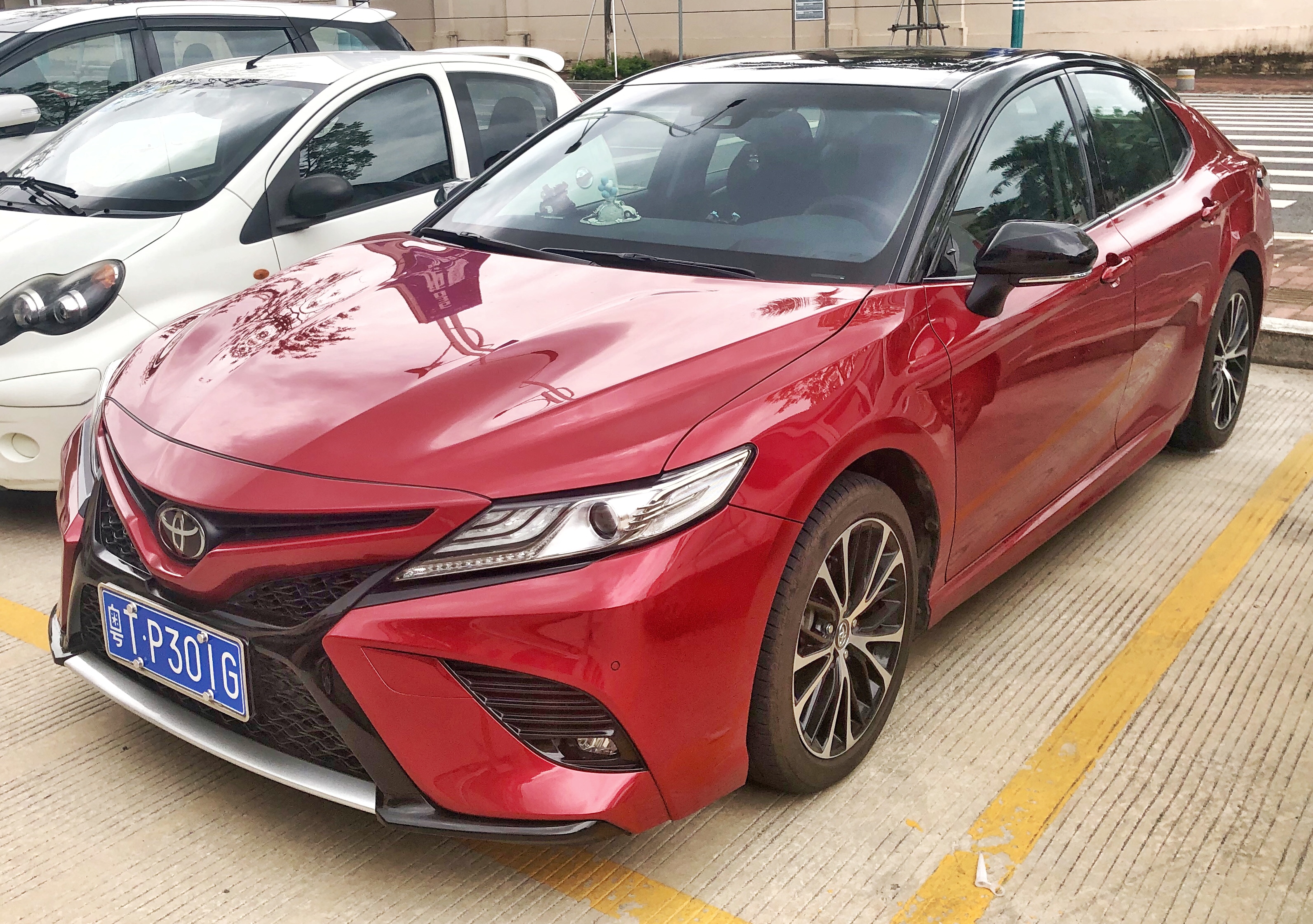
The Toyota Camry is a regular everyday car (a sedan) made for comfort and easy driving. People talk about it a lot because it’s common and generally dependable. In the episode, it’s just referenced as a specific Camry someone wished they had.
They’re waiting for some filters and checking whether the parts inside will fit. With car filters, the shape and height can affect whether everything clears and mounts correctly.
On a carburetor intake, “trumpets” are like tuned intake tubes. Changing their size can change how the engine pulls air, and it can also help fit everything under the hood.
carparts.eu is an online shop the host uses to buy specific carb parts. The point is that it’s a source for parts that are otherwise difficult to track down.
NPT is a common screw-thread standard used for pipes and some fittings. The host is saying the sensor connection on this engine isn’t the usual NPT type, so they need an adapter so a different sensor can screw in.
That “dash” number is part of how screw threads are sized. The host is pointing out the sensor fitting uses a specific thread size, and that mismatch is what makes normal sensors not fit without an adapter.
Volvo is the car brand the host is working on. They’re saying Volvo’s engine uses a special sensor-thread type, so normal aftermarket sensors may not screw in without the right adapter.
“Red blocks” is a nickname for a Volvo engine family. The host is using it to say that only certain Volvo engines use the special sensor-thread type they’re trying to adapt.
A gauge cluster is the dashboard unit with the fuel and temperature meters. The host is saying their gauges aren’t reading correctly, so they’re trying replacement clusters to get the readings back.
Here, “resistance” means how electricity flows through the sensor. If the sensor isn’t giving the gauge the right electrical signal, the needles won’t move properly (or will sit at the wrong spot).
The host is saying the car overheated and the engine failed. Their theory is that the temperature gauge wasn’t reading correctly, so they didn’t catch the overheating in time.
Momo is a company that makes racing-style steering wheels. People like them because they look cool and feel good to drive, especially on older or modified cars.
Term
three spoke
A three-spoke steering wheel has three main spokes connecting the rim to the center hub. This is often chosen for a cleaner, more classic look, and the spoke layout can also change how you see the instrument cluster and how your hands sit while driving.
Monte Carlo is the name of another steering-wheel style they’re comparing. They’re saying one is flatter, and the other has a slight curve that can change how it feels to sit behind the wheel.
A wheel adapter is a spacer-like mounting piece that changes how a wheel fits—typically to match bolt pattern, center bore, or offset. In this segment, they mention needing the “right adapter” to mount the wheel properly.
An exhaust leak means some of the car’s exhaust gases are escaping where they shouldn’t. It can make the car louder and may cause fumes or warning lights.
The exhaust manifold is the engine’s “collection box” for exhaust gases. If something isn’t tightened correctly there, hot exhaust can leak out before it reaches the rest of the exhaust system.
“Turbo-back” means replacing the exhaust parts starting at the turbo and continuing to the back of the car. It’s done so the whole system works together, especially when you’re changing the turbo.
Leaf springs are the spring system in the suspension that uses curved metal strips stacked together. They help the car ride smoothly and keep the wheels in contact with the road. Here, they’re talking about replacing them to fix or refresh the rear suspension.
Control arms are the metal links that hold the wheel in the right position. Having an upper and a lower one helps the wheel move up and down in a controlled way. In this car, the spring is mounted in relation to the upper control arm.
A strut is a suspension part that combines a shock absorber and a spring into one assembly. The host is saying this car doesn’t use that style, so the top mounting area isn’t a typical “strut tower.” That affects how the spring gets installed.
Shock bolts are the bolts that hold the shock absorber’s top mounting parts together. When you’re compressing the spring, those bolts help secure the tool so the spring can be installed correctly. The host is describing that exact step.
Term
shock hat
The shock hat is the top mount area for the shock absorber. When you install or remove the spring, you often need to attach the tool to the top of the shock assembly. That’s what the host is describing here.
An upper control arm is a metal link that helps hold the wheel in the right position. It also guides how the wheel moves when you hit bumps so the car stays aligned.
The frame rail is a strong metal part of the car’s body that other parts bolt to. Suspension pieces attach to it, so lining everything up correctly helps the suspension work as designed.
A ball joint is a pivot that lets the suspension move while keeping the wheel attached. If it’s not seated or aligned right, the suspension can feel wrong or bind.
When they say “tension the spring,” they mean compressing it with the tool so it can be installed. If it compresses unevenly, it can tilt and not line up with the mounting points.
A spring compressor is a tool that squeezes the coil spring so you can fit it into place. If it’s positioned wrong, the spring can tilt or bend, making the job harder and less safe.
Clearance issues are when two parts are too close together. With brake lines, that can be a problem because the suspension moves and the line could rub or get damaged. They’re addressing that by getting the correct brake line routed properly.
A crossover brake line is a metal brake hose/pipe that carries brake fluid between parts of the brake system. If it’s bent wrong, it may not sit correctly or could rub against something. They’re trying to get the correct replacement so the brakes are routed safely.
The 1968 Mustang (by Ford) is a classic American muscle car, and it’s the project car they’re working on in this segment. They’re planning to remove the tank area in the back and replace the tank rather than refurbish it. The host’s decision is based on cost and practicality for a 1968 Mustang-specific restoration workflow.
Fuel injection is how a car delivers fuel to the engine. It uses pumps and valves to spray the right amount of fuel at the right time, instead of a carburetor.
Return lines are fuel hoses that send extra fuel back instead of letting the pressure get too high. They help the fuel system stay stable and work correctly.
The rear suspension is what helps the back wheels move smoothly over bumps. It affects how the car rides and how well the tires stay planted.
Car
Royal Enfield Himalayan
The Royal Enfield Himalayan is a motorcycle built for both city riding and rougher roads. Here, the host is basically saying it’s for sale and giving the year, mileage, and price.
“Z” here is being used to talk about a specific sports-car model family. The conversation is focused on whether it’s a convertible or not. The speaker is trying to make sure the right type of Z car is being discussed.
The Mazda RX-7 is a sports car made by Mazda. It’s known for having a special engine design (rotary) and it’s usually discussed as a performance car. In the episode, the speaker is clarifying that the RX-7 they mean is not a convertible.
The Honda S2000 is a small two-seat convertible (a roadster). It’s known for feeling sporty and responsive when you drive it. The podcast mentions it while talking about which convertible model someone meant.
The Toyota Celica is a sporty Toyota model. Some versions are coupes and some are convertibles depending on the year. In the episode, someone is correcting the model name and saying it was a Celica convertible.
The Dodge Omni is a small, practical car. In the episode, someone wonders if there was ever an Omni in a convertible form. They’re basically trying to confirm whether that version exists.
This is a Chrysler LeBaron convertible from 1984, with a special “Mark Cross” trim level. The interesting part is that it’s from the early 1980s, when some cars got unusual engine setups—especially around turbocharged options.
That means the engine is 2.2 liters total, and it has four cylinders. Smaller engines like this were common in the early 1980s, especially when people wanted better fuel economy.
The Nissan 200 SX is a small sports car. The episode is talking about whether a specific version existed—one with a turbo and a convertible body. They’re basically checking if that exact combination was available when the car was sold.
Turbocharged engines use a device that squeezes extra air into the engine. That can make a smaller engine feel stronger, which is why turbo cars were a big deal in that era.
TorqueFlite 727 is a classic Chrysler automatic transmission. The “aluminum” part is about how that transmission was built, and it can help confirm what version you have.
That’s the name of a specific style of AM radio that would have come in the car. The host is basically saying it’s the original radio, which helps the car stay “correct” for its era.
Place
drain concours
A concours is a high-end car show where cars are judged on how original and well-kept they are. The host is saying this car made it to that kind of event and still looked right.
Topic
American class
At concours events, cars are sorted into categories. “American class” means it was judged against other cars in that same general group.
“Period-correct” means the car has been set up to match how it would have looked back in its original time period. Collectors care because it keeps the car authentic.
A Stromberg WWC carburetor is an older-style device that mixes fuel and air for the engine. It helps the engine run smoothly by controlling how much fuel gets added as you drive. If it’s worn or set up wrong, the car can run poorly until it’s adjusted or rebuilt.
A road draft tube is an older way to vent “blow-by” gases from inside the engine. As the car moves, airflow helps pull those gases out so they don’t build up. It’s basically an early version of the modern PCV system that keeps the engine cleaner.
PCV stands for a system that vents gases from the engine’s crankcase back into the engine to be burned. That helps reduce sludge and keeps emissions under control. It’s a modern, more regulated version of older venting methods.
The 1962 Chrysler New Yorker is a big, comfortable luxury car from the early 1960s. The discussion uses it as an example of how older engines handled crankcase ventilation. It’s the kind of car people buy today for its classic styling and cruising feel.
The Chrysler Newport is a large classic Chrysler from the early 1960s. In this conversation it’s specifically a four-door “jet age” style car with a distinctive look. The hosts are basically saying a clean one can be a good buy if you want a comfortable classic cruiser.
Term
fuselage style body
It means the car’s shape looks smooth and streamlined, kind of like an airplane body. It’s a styling description you’ll often see in older-car ads.
An “AI generated description” means the listing text was likely produced by an automated system rather than the seller writing it themselves. For project cars, that matters because AI can repeat generic phrases or misstate details, so you still need to verify the car’s actual specs.
Disc brakes use a spinning rotor and a clamp to slow the car down. If the ad says “front disc brakes,” it usually means the car has better braking than older drum brakes.
Borgeson is a company that makes aftermarket steering parts. If a listing mentions it, it usually means someone upgraded the steering system with their parts.
It’s a manual transmission with four gears. That changes how the car drives—more driver involvement and different engine revs than an automatic.
Term
four-brow intake carb setup
This refers to the engine’s air/fuel setup using carburetors. Multi-carb setups can make the car feel more responsive, but they also usually need careful tuning.
Term
350-4 air cleaner
That’s the filter housing for the engine’s carb/intake setup. It’s meant to match a 4-barrel carb on a 350 V8 so everything fits and breathes correctly.
A “four-barrel” carb is a carburetor with four openings that can deliver more fuel/air when you press the gas. It’s often used to make older engines feel more responsive.
They’re talking about a specific classic car: a 1970 Oldsmobile Cutlass convertible. “Convertible” just means the top goes down, and that usually affects the car’s setup and parts.
They correct themselves and say the car is a 1968 Pontiac Firebird convertible. That’s a classic “pony car,” and “convertible” means it has a removable roof/top.
“F body” is an enthusiast nickname for a specific GM car platform—cars like the Camaro and Firebird. It helps people talk about the same basic car layout.
Term
WC code
“WC code” sounds like a factory code used to identify how the car was built. On classic cars, these codes help confirm the original engine and options.
A “power convertible top” means the roof opens and closes with a motor. It’s more convenient than a manual top, but it also means there are extra parts that can wear out.
This means the car was owned by just one person. People like that because it can mean the car’s history is simpler and maintenance may have been more consistent.
Carburetors are devices that mix fuel and air for the engine. “Quad carburetors” means there are four of them, and that can make the car feel more responsive but also harder to tune.
They’re saying the car has an inline-six engine and it’s rated at 140 horsepower. That’s the engine’s basic power and layout, which affects how it feels to drive.
“2.7 liters” is how big the engine is inside—its displacement. Bigger displacement often means the engine can move more air and fuel, which can change how it performs.
This is a 1966 Chevrolet Corvair Corsa, a special version of the Corvair. The Corvair is famous because it has a flat-six engine mounted in the back, so it drives and feels unusual compared to most cars.
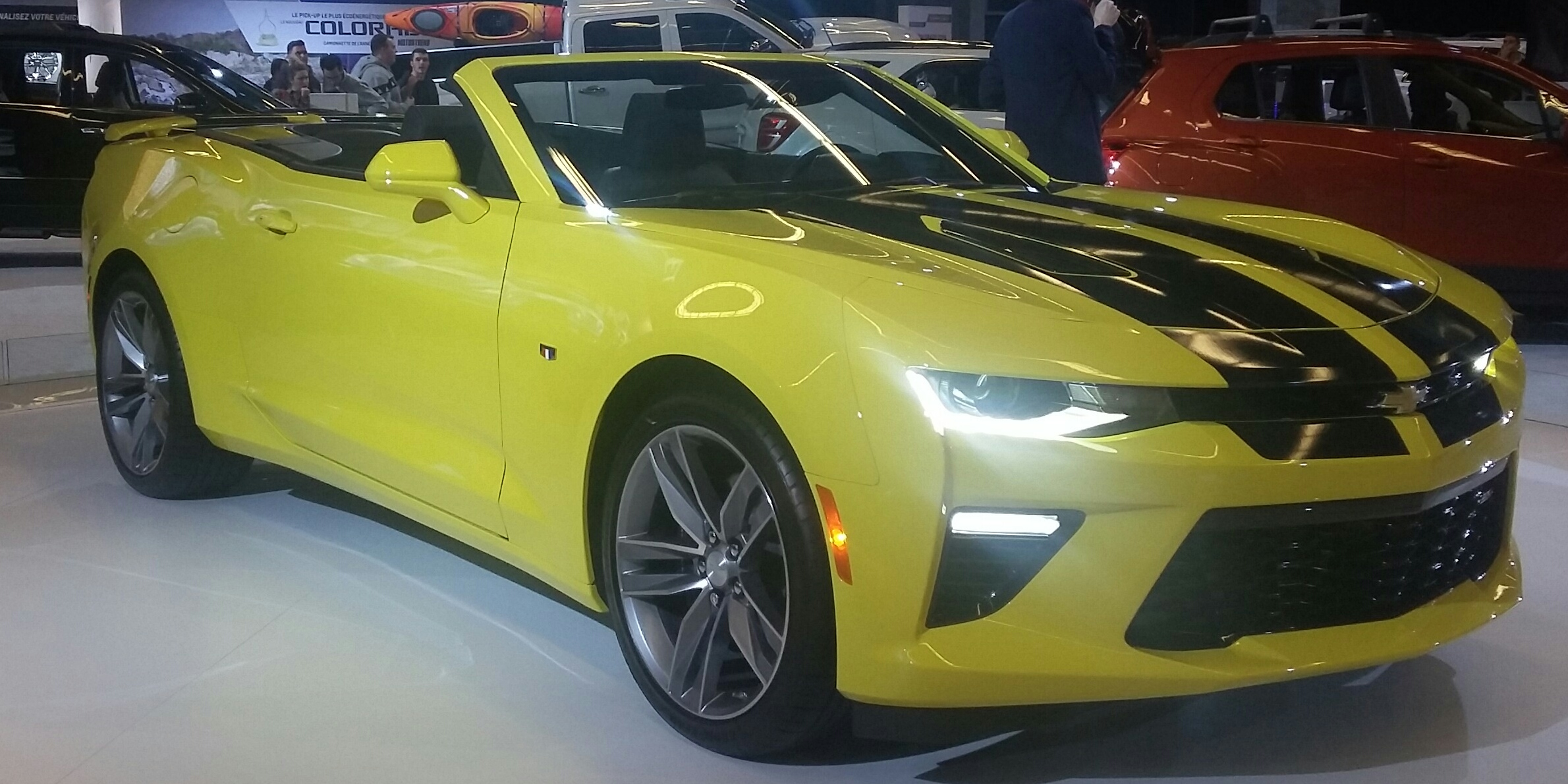
The Chevrolet Camaro is a sports car from Chevrolet. People usually bring it up because it’s designed to be exciting to drive and it has lots of parts available. In the episode, the speaker mentions an older Camaro and comments on the wheels.
Keeping carburetors “in sync” means adjusting them so each one meters fuel and air the same way across the engine’s operating range. If they’re out of balance, the engine can run unevenly, feel sluggish, or be harder to tune.
A shock cartridge is the replaceable “inside part” of a strut or shock that controls how the car soaks up bumps. Instead of replacing the whole strut, you can swap the cartridge to get the damping back to how it should feel.
Firestone Indy 500 is a specific type of tire from Firestone. Different tires grip and feel different, especially when turning or braking. Here it’s mentioned because it’s part of the car’s wheel-and-tire combination.
Brand
max light AG
Max Light AG is a brand of aftermarket wheels. Wheels can change how the car feels because they affect the weight and balance of the rotating parts. Here, it’s mentioned because it helps identify the car’s setup.
LIVE
1000 cars sir you have a thousand cars I don't think I'd attempt to try this
stunt or we owe this horsepower to Uncle Sam's too big a car like I put my beer belly on
it yeah you can't immediately tell somebody how many cars you have you'll
really give those up at a yuppie something to think about stay on the bar
don't go off the bar with your Bronco 1980 Volvo horns what's right man's
coolant he's like oh I thought I'd be small it's for a small car and oh yeah
but it's still an automatic transmission they're never gonna be light
it's definitely gonna have to crash starting off with Brad by another car
that's the West you know is this a Nigerian oil print I also wish you drove
a tan Camry anyways that's a very horrible podcast content very inside
joke they'd love to be driven hard
well to our topic hello Brad eat an Andrew how are you I'm good hoping you
did some project our stuff because I have not I did a little bit I'm waiting
on a few more parts like the car is basically ready to drive I the oil
changed in the Volkswagen because I've just been busy and what was over at
Autobahn I threw the tires and wheels for the Volvo in the back of the car and
had them mount them for me so that's all set I just gotta put them on the car
and Marco was like I want to help you put them on so I didn't put them on yet
the wait till I have a chance to bring over there help me put them on he thinks
that we're gonna change them fast again ask our team I'm like we'll change them
normal speed so let me use a little practice before you get an ask our team
yeah start somewhere I indulge him I got I was waiting for so I got the shorter
filters still waiting for the other filter which is annoying that's coming I
asked them this is the 24th it's kind of annoying but I was a little worried the
trumpets in there were a little too tall for the height of the filter because I
ordered the shortest height filter I could get to maximize clearance you're
technically supposed to have like some distance between the trumpet and and the
filter and they're like basically right up against the inside of the filter at
like one and a half inches so I got one inch trumpets just to give a little
extra space there and it's funny again the stuff I got from that car parts dot
you the trumpets that they send just like the chokes that I changed out are in
much like much nicer than what comes in the original carbs like just the
machining and the way the aluminum is made it's much much nicer so I would
even though unfortunately the shipping is very expensive because of the tariff if
you need Weber parts definitely look up it's carparts.eu and they'll just ship
took like two days came from Czechoslovakia I think is what they're
out of but all their parts are made in Europe may have all sort of parts that
make that they fit they make parts that fit all those styles of Weber and then
the clones of all the Webbers so good place to get parts for Webbers and
because I think really the only other place to get Weber parts is like
Pegasus auto racing which is where I'm getting the filters for them.
I look at them right from Redline as well can you? Maybe they don't have it's
interesting like it was really hard to find these shorter trumpets anywhere
else and the ones I found on Pegasus were made by ITG the same as the filter
company but then I was reading one of the somebody left a review they're like
two pieces glued together I was like that doesn't sound right so then the
car part ones are one piece of aluminum that's machined so it's weird but they
look a little better so I got those I got an adapter that goes in the head so
apparently the head or the so we're talking about the temp gauge wasn't
working so the where you put the temp sensor in the head of the Volvo it uses
a it's not NPT thread it's 5 eighths dash 18 so it's just a standard thread
which is extremely unusual sensor thread like only for red blocks only for
Volvo so a guy on eBay sells an adapter that lets you thread into the head and
then it will accept a eighth inch NPT sensor so a lot of aftermarket gauges
sell an eighth inch style sensor which I thought it was the 12 millimeter style
GM one because the listing didn't really say what it was it just said GM style so
I ended up messaging them and asking them no yeah it's one eighth style one
why don't you just put that in the description but anyway I ordered one of
those that matches the classic instruments gauge so that will go in and
I'll have a separate temp gauge so don't have to worry about the gauge cluster in
the in the dash anymore and then I ordered a couple extra gauge clusters
that were used off eBay supposedly working because the gauges in the car don't
seem to have any resistance and not really working so at least I have ones
that are supposedly usable at least for the important I go plug them in and see
if they work and you can I can disassemble them I could swap out the
gauges and make sure they work because the other thing is like I'm looking at
the two used ones and you can actually see the needles of the fuel and the
temp gauge are actually at rest you can see them in the little window and when
you look at mine the fuel one is like buried way to the left like below where
you really can't see it and almost the same for the temp gauge so I'm like this
these just not work and that's why the car was overheated and blew up I don't
know so check it out but interesting so close yeah I am really close and then I
just messed up the headphones here and now I can hear again I think alright so
yeah that's I know it's it's almost there we're getting there it's like a few
more you make will you make Marvel Hickers in this month I hope so it is
next Tuesday I don't know I also have to travel for work possibly next week so
I might not make it for that reason so we'll see okay by yourself another whole
month unfortunately I really like this time of year because
like it's light out for so long the temperature is not too bad yet it's
usually really hot by the time we get to July so we'll see the other thing it's
annoying too is there's like there's actually a cars and coffee like a mile
from the house I'm in New Hampshire so this weekend but I won't make that be
there unfortunately no that guy anyway no well we've got other stuff going on
like last soccer game and a couple kids birthdays so and then we should be free
for summer but yeah the cars are very very close to being done almost there
I expect to go for a ride next time I'm there so not sure what that'll be but
it's not point yeah we just gotta get now I gotta find let's start driving it I'm
really really want different seats because even just sitting in those in the
car or stationary like the position is all weird and stinks so and also they're
ugly they are so ugly and the steering wheel is huge too so you'll kind of
change the steering wheel probably do something a little more period cool
even I thought of what you're doing for a steering wheel probably some Momo some
wood with aluminum oh wooden wheel okay yeah I think they look cool yeah more
than likely I think actually I was looking at just I think the Momo Indy
was kind of cool looking as I've been to Indy so I was like kind of tie in
there the Indy's the one with the three holes in the in the spokes yeah yeah
three spoke three holes in the spokes aluminum I think that one has a little
dish to it too which would help yeah it's a little bit of a dish yep it looks
very much like the Monte Carlo yep but then the Monte Carlo is flat I think
that's the difference yeah maybe I know I know the money I have is flat no the
Monte Carlo is the one this sorry the pro tipo is the one with the holes in it
okay it doesn't matter this bunch of everyone's are very similar yeah there's
only so many so many sides the Monte Carlo is the more modern looking one that
looks similar to the wheel in your town and yeah I don't that's too modern
looking that's too racy yeah the prototype is the one that has the holes
and it has two holes on the left and right spokes and three holes in the
bottom spoke so the Indies get three holes on all three spokes yep and a
slight dish yeah the pro tipo has a slight dish very slight dish as well you
know what that's only one yep very slight dish are the flat
dish 37 350 millimeter yeah I have a pro tipo sitting around to put in the
staring on eventually so I just keep forgetting to buy the adapter for it yeah
I don't like technically bought it yeah go ahead I technically bought it for the
McCore but I put it on the car yeah because it was always being fixed mm-hmm
so I still have it yeah I don't like the one with the black spokes that work I
like the little pop of aluminum yeah no it was much better yeah it looks much
better but yeah no that look good in that car for sure yeah California would
also look good basically the same just more holes but yeah I gotta find the
right adapter to I think I had it save somewhere on my tabs but anyway that's
once it's driving
switch yeah make it move first we got a steering right mm-hmm but sweet and you
haven't worked on any project cars I did I changed the oil in the starry from
the road trip I finished buffing it and then I waxed
it and it's actually hard to look at in the sun it's so bright the white but it
came out really nice I am incredibly stoked so I have a couple more things to
do I found the exhaust leak or at least the main exhaust leak and it is 100%
self-induced so I can but I'm fixing that this weekend when I was obviously I
rushed to get that car together and I think I forgot to put the last nut on
the exhaust manifold so the lower lower exhaust manifold by the firewall the
lower nut by the firewall I started the car was cold I was putting my hand like
around all of the different openings and I felt air coming out the back of the
cylinder head and I was like huh there's the exhaust leak I wonder why and I
looked and there's absolutely no nut on the stud so I probably just forgot
because I was rushing to get the car put together so that explains why there's a
giant exhaust leak once the car warms up the exhaust leak goes away but it's
definitely quite obvious need first start the car so I do have nuts that are
the right size so I'll throw one of them on there this weekend and hopefully
that'll get rid of that exhaust leak the car still does need an exhaust but I'm
really trying to hold off until I replace the turbo eventually so that I
could just do a full new turbo back all at once so we'll see what happens then
because it is a giant wrought hole in the side of the muffler but it doesn't
sound bad so I haven't concerned myself with it it has a decent sound too so
it's fine I want to do a whole new exhaust when I replace the turbo but I
may do a back section or because it's a giant hole in the muffler already I may
just unbolt the muffler and just put a pipe back there for now because it
won't be any louder because it's obviously not being muffled currently and
the car is not super loud so we'll see what happens but yeah I found the exhaust
leak I still have not found the air conditioning leak that I discussed last
week because I haven't really worked on it but I did buy some dye and some stuff
to look at that and that also hopefully be this week but the only other thing we
did here we cleaned up the yard from all the projects and we spun the Mustang
around in its work on spot so that the now finished front suspension is facing
the garage and the rear suspension is accessible so that she can drop the gas
tank out of the car and we do have new possibly have new leaf springs for the
rear and go through the rear brakes and make sure everything's as fresh as the
front but not being all replaced so I felt good to actually have that car put
in the ground and pushes around the yard and turn it around the other way it's
been sitting for like I don't know 18 months in one direction on jack stands so
it was a huge moment to put the car on the ground oh actually I can talk about
the springs with the springs in it I hadn't done that last week right no he
is hadn't I did some sketchy stuff so I don't know if you're familiar with
early 60s forward front springs all the cars have the same spring setup it's a
upper and lower control arm with a spring that sits on the top of the
upper control arm on a little saddle and the spring sits inside a pocket on the
fender well and goes up to the top of like this I can't call a strut tower
because there's no strut but what would be a strut tower and make figures in car
and there's a special tool for doing this which I probably talked about we
talked about the strut at the car part it's this long like three foot metal rod
that has a clip on the bottom like a straight bar with two u-shaped channels
in it and then you put another straight bar you bolt it to the top of the shock
hat and you use the shock bolts to hold the top of it and then this giant rod is
threaded with a inch and inch and three-quarter not it's a huge nut and you
crank that nut and it tensions the spring so compresses the spring you have
to compress this spring a foot and a half the spring is long
almost too long and you have to compress it like over a foot to get the car
together because you have to have the spring installed with this part and have
it high enough so that you can slip the upper control arm between it and the
frame rail to get it in the pocket and then you also have two bolts on the back
of the control arm that fit through the fender well so you have to also line
those up plus the ball joint it is I don't know if we did it wrong I don't
think so it's way harder than it feels like it needs to be and the biggest
issue that we were having was you know and again Naomi's trying to do most of
this project by herself but she was struggling because every time she would
tension the spring or compress the spring it wouldn't go straight it would get
up to a certain point and the spring would start curving yeah in the in the
little tool because the tool only holds the bottom and the top is held by the
actual fender of the car so as you're tensioning it up you can picture you
hold like a you know a pen spring in your hand if you squeeze you can see it go
like sideways left or right and fling out of your hand you get lost across the
room right it was doing that and it wouldn't go up straight and we couldn't
figure out why and we did it like three or four times and it kept bending every
time you know making sure everything was set properly and making sure everything
was being done the right way and everything seemed to be perfect it's a
brand-new spring so it shouldn't be any issues with being bent or not so I was
getting frustrated but I had an idea which whether it was the right or wrong
idea I don't know but it got done and that's all that matters so the spring
was bending to towards the front of the car like the center of the spring on the
vertical plane was towards the front of the car it was like bending in that
direction so I was like well we can use this spring compressor and I can get out
the McPherson compressors and put it on one side of the spring and put it on
that front leading edge of the spring and carefully we can tension them like
tension the main one little then tension the McPherson one little and tension the
main one tension the other one and that should hold it straight but it felt
sketchy so we use two different style spring compressors at the same time in
order to get this thing to work but it worked thankfully neither one of us died
as much as I was positive we were going to or at least lose some teeth but we got
it done and it was one of the most satisfying car repair things I've ever
done at the end because it fought so much and we couldn't get it to work the
right way that we just made it work and once it worked it was fine and then she
goes over to the other side and uses just the main you know forward style spring
compressor and I think goes straight up to problem at all hmm so anyway I don't
remember if I shared pictures or not I think I did in the discord it's pretty
sketchy looking at the multiple styles of spring compressors on one spring but
it was in there and now everything's good and the car is back down on the ground
so the only thing we're waiting for now as far as the front goes is I think I
talked about the clearance issues with the brake lines she reached out to the
company that she bought them from and they're reaching out to their supplier
to see if they can send us a replacement line for the crossover brake line on the
caliper because that one was clearly bent in the wrong way which we can fix if
they won't do it but we paid a lot of money for this kit we'd like to have it
done correctly so hopefully they'll hopefully they make they do right by us
on that so that that's the project I still have in this house so that the car
is one step closer it's gonna get jacked up in the back now tanks gonna come out
of it we're not fixing that tank because it's a 1968 Mustang it costs pretty much
the same to have a tank boiled and cleaned as it does to buy a brand new one
yeah so we're just gonna buy a brand new tank drop that in place and you can buy
them all preset up now for the fuel injection so it'll already have everything
it needs for pumps and return lines and everything all set up so that'll be nice
and work on the rear suspension and then once that's all done
Carl be back down all four wheels again and it rolled in the garage and the
engine and trans installed so I think we're actually getting somewhere pretty
good in that car
theory is it'll run by the time the weather breaks for the cooler weather
here so and last but not least two more things I guess we can talk about with
my cars I keep saying the Mercur will be live at auction by the next episode but
I think this time it really will because they're doing the story now and waiting
for it to come back so I could have them make any corrections on that but they
have all the pictures they wanted everything they need they kept coming
back I only pictures this only pictures of this picture this so whatever it's
fine that's all done I think there's like a hundred and seventy pictures in the
gallery now they're putting together the story getting that all taken care of
and that should go live hopefully by the next episode I can't see why not now
and once that car is gone we'll be able to put the Mustang in the garage no
problem so and finally I kind of soft listed the motorcycle for sale today so
if you want a Royal Enfield I have one here for a pretty good deal I looked
online to see what they're selling for and I priced mine a little lower than all
of them just to entice somebody to buy it so 2022 Royal Enfield Himalayan maybe
it's a 23 I double-check anyway Royal Enfield Himalayan 22 or 23 with 3,000
miles on it 2800 bucks so somebody wants that come buy it I don't need to sell it
I don't necessarily want to sell it but it's summertime here and I'm not gonna
ride it anyway and I could use that money to purchase other vehicles that I
don't think I've publicly talked about in the podcast I still won't but it would
be just a little bonus money to help that stuff move along so doesn't need to
be sold so don't come at me with a super low price because I'll just keep it but
yeah hit me up before the motorcycle all maintenance up to date on that one as
well which maintenance on that is basically adjust the valves to change
the oil which I've done so yeah that's a project car updates in the household
here in Arizona so I did a lot more than I thought I did I guess yeah I guess so
it's been all week working on RC car stuff so I kind of forgot I did all the
stuff hmm so anyway what else is going on today Andrew how about a little bit
Craig Craig don't tell me I would act surprised but I'm not because we already
prepared I had prepared for it yeah we've done it a while and we have a
time and a big big shout out to people on Discord for calling us out for not
having done it for a while so we can do one all right you want to go first you
want me to go first I can go first all right all right first car for your Craig
Craig don't tell me should I stop here so you can insert the Craig Craig don't
tell me music mm-hmm
mm-hmm
get ready for my remote viewing yeah exactly we don't cheat relive the blank
and that blank is a decade I'm just gonna say a decade yet very clean
condition blank convertible blank edition leather seats digital speedometer
talking voice that works drives real smooth and strong I've owned the car
for 15 years as we garage the entire time four-cylinder turbocharged engine
turbo works great paint is in great shape black gray combination rare for
this vehicle any questions ask me okay we're in the 80s pretty clear from the
options I mean digital dash talking voice yeah we're in the 80s the screams
80s for me the first sentence is relive the 80s yeah yeah that's the decade
all right and the turbo force owner so let's see what am I getting off this I'm
trying to think of what I know the maximum I had a talking voice but that
was not a convertible it was not I'm trying to think of what else had a
talking voice who would have even have been crazy to do it
they own a car with a talking box yeah so it's and I don't know of any I think
was only very Japanese I don't know of any other people that would do it cars
would have had that it must be it's not gonna be a Z car turbo for convertible
yeah it's convertible so immediately not a Z car and not I mean there is a
turbo for Z car but not a convertible Z car no and not an RX-7 comparable the
second-gen it is not an RX-7 convertible yeah
I don't know off top my head many other turbo for convertibles I I want to say
it's a some sort of K car but I don't know that they had a talking part to
them hmm I don't think Honda did it
he named a Honda convertible prior to an S2000 and no 600 no I can't I really
want I really it's really I feel like I'm really in the Nissan it's a Nissan or
Datsun what car would be what's the first hint you would like I can give you the
blank edition the size of the engine what's the blank edition is the mark
cross edition okay are we on this is a Toyota Celica convertible you are
incorrect and there were no 80s Toyota Celica turbos in this country yeah not
ones oh well yeah you're gonna get a turbo coop in a first gen not first gen
but ST 115 I think I don't think you can get a turbo coop until you can get an
all-track yeah that's every turbo front driver certainly was not a convertible
all-track nope no I think I'm stumped you've already said it really you said it
in your I'm thinking it could be a but I don't think it is it's a it's a K car
convertible it is really though oh is it like a Dodge Omni I don't know they
do an omni convertible so this is a 1984 Chrysler LeBaron mark cross edition
convertible they had a talk box huh talk box and a digital dashboard I bet they
borrowed it from it to be she with a 2.2 liter four cylinder you are correct
though in thinking Nissan because Nissan was the company that was more known for
yeah their talk boxes and you could get a 200 sx convertible in the early 80s
but you could not get a two-point you could not get a four-cylinder turbo
charged 200 sx convertible at the time so I don't think so I won't I wouldn't put
money on that one but I don't think you could I think this I think as far as a
four-cylinder turbo convertible in the early 80s this was pretty pretty weird
combo so I didn't know if Mark Cross edition would have given it away I
think if I'd said 2.2 liter it would have given it away if you're looking for a
very interesting 1980s turbocharged convertible car this one here is an
80,000 mile car priced I guess reasonably at $10,000 I feel like that's
what it costs new but it's very clean car I have no interest in owning one but if
I were to buy one this one looks like the one to do so anyway what do you got
under for me first car all right this one's pretty cool all right unrestored
blank blank bike 361 cid engine first year is the aluminum 727 torque flight
that's Chrysler original paint and interior have all the original documentation
let's see all interiors control work properly along the original AM
golden tone radio over 200 miles this completed a highway trip to the
our drain concours around this past fall that issue one first in the 3030 American
class let's see
period corrected 1962 plug wires I got a year now why I knew it'd be pre I think
65 to be 361 so I like rise I said it I was like don't say it
I said it anyways when you said 361 I had the errors late 50s early 60s so 62 is
fine Stromberg WWC carburetor road draft tube removed that is yeah maybe this
wasn't this had a lot of words in it maybe it wasn't as good as I thought but
any any guesses well a couple of things I torque flight I know we're in the
early 60s yeah because the 361 was late 50s early 60s with torque flight wasn't
I don't think that aluminum one until
61 62 but we have the year anyways that doesn't matter but the problems it
could have been in any any Mopar of the time like that's the world is open it
could be a Chrysler new port it could be a whatever it could be anything it's
it's anything and the road draft tube is like a rudimentary PCV system
oh yeah I I I don't know I'd let's say 1962 Chrysler New Yorker you actually had
on your first run yes it's Chrysler Newport it wasn't really nice it's
actually it's a really cool 62 it's a four-door Chrysler Newport I don't know
really cool styling it's white over red if this is truly an original car it's
very very nice I can see why I wanted the class materials like that red would
like the multiple stripes on the inset very cool looking car is it a two-door
sorry a four door with a post or a four door it is a four door with a post yep
nice yeah that's cool that's how that's that's the canted like late 50s style and
everything yeah yeah jet age early jet age stuff right or late late age yeah yeah
yeah very this is a very cool car and I think a decent price at like the guy
wants 138 for it yeah that's probably about right it's always don't hold much
value but I always I always say a clean four door of that era from any of the
big three is 10 to 15 grand yeah this to me it feels like a good price for what
looks like a really nice car they could cruise around and it's a cool big like
family cruiser if you had a big garage yeah I like those I like the slightly
newer ones I think a little bit more I think it's 64 or 5 that get that really
like fuselage style body yeah with the cool like the taillights that are very
integrated in the room anyway we're off we're off the list here off the rails
yeah all right cool car though this one might be too easy I have three for you in
total so I have some might be too easy yeah so I have I have three and then I
have one I'll talk about it I think it's our first one that I've seen with an AI
generated description on Craigslist oh sweet so I'll read it and you see what
you think all right so this is a blank blank convertible C code 289 automatic
Borgeson power steering power front disc brakes four Correa new shock springs
Emberglow exterior with two-tone interior brand new styled steel wheels runs and
drives great okay 289 so we're into Ford I'm gonna go with 68 Mustang
convertible so close 66 Mustang okay 289 C code automatic and it's a deluxe
two-tone pony interior so what's the pony interior is a little ponies in it it
does have little embossed horses that run across the seats my little my little
ponies in there yeah basically I think it does has little it has
kind of embossing on the seats I don't know if they're actual horses or not
the deluxe is usually the two-tone but maybe they're not horse other horses
yep so it is on on the seat back there's like a little chrome doodad in the
middle and then on either side of the little chrome doodad there are three
horses running towards it so very of the era so all right let's get for me
all right beautiful and highly documented blank blank finished in its
original meridian turquoise exterior with original parchment bucket seat
interior white convertible top factory 350 v8 four-speed manual
too much away engine has been upgraded with period style four-brow intake
carb setup and 350-4 air cleaner for improved drivability and performance
can you say the engine spec again 350 v8
but anything else about it at the end I missed it four-speed manual
that was it that was about a carburetor engine has been upgraded with a period
style four-barrel intake carb setup 350-4 air cleaner for improved
drivability and performance
convertible white top veridian green I think Pontiacs veridian meridian meridian
with an M meridian yeah because there's a like a bird of Verde is green
obviously and their veridian was a green color for Pontiac
no no I'm like 350 is I'm like mom meridian turquoise I don't know what
color that is depending on the year 350 is gonna be I was gonna be GM what I
or olds if not Chevy or Pontiac I'm not enough information here I'm gonna say
it's a 70 cutlass convertible nope
it's not a color it's a similar a body what is it it's an F body 68 Pontiac
fiber convertible okay so I was right on Pontiac by accident yeah I know because
they had it they call it was like ver veridian or ver veridian which
is what I thought you said no but I did not know the meridian color so yeah
stuck with my number yeah see I didn't want to do I don't want to
give you the ph s documentation because that would give it away that would have
given away right away and the day I did having the wrong color yeah the WC code
engine maybe would give it away to the UC WC like water closet WC now no no it
wasn't enough info in that one yeah they further go on the car was born with a
factory 350 V8 factory four speed manual meridian turquoise exterior which is
like a teal metallic teal parchment bucket seat so white 323 reaxle power steering
power convertible top factory center console rally two wheels it's a pretty
car pretty color I just looked it up it's a very pretty color yeah it's good than
car it's like typical 60s Pontiac yeah yeah I like it with that white top too
yeah it's it's it's almost like a it's more blue than green and turquoise scale
but that's it's more green but yeah 45 thousand dollars that's a lot of money
but that's probably correct mm-hmm all right one last one for you yeah upper
sale is my blank a true one owner car with 120,000 miles
powered by the desirable 140 horsepower six paired to a factory four speed manual
transmission with the factory quad carburetor setup true one owner car true
120,000 miles factory 140 horsepower six factory four speed factory quad carb
factory power seats runs and drives great all original you mean the paint
stop but that's okay turnkey ready to enjoy clean title hand the kind of
classic you rarely come across anymore starts right up shifts smooth cruise is
great to extension everywhere if you want something different from the same
old classics and want a unique piece of automotive history this is it this isn't
a project car a car you can hop in turn the key and enjoy immediately that is
what you have for information hmm four speed six cylinder 140 horsepower four
speed four carb four car but not four carbs quad carb quad barrel four barrel
carb was it no it is four carburetors four carburetors six cylinder engine
okay used all right for a whopping 140 horsepower well as that is finicky a
finicky setup it feels British feels like a weirdly British thing to do
I feel like it's an obscure British thing like I tell you the engine is 2.7
liters yeah or 164 cubic inches oh man so bad at this game they just like
blank out on vehicle names I can tell you that this car would have come with a
dual exhaust with the setup yikes it's like I'm trying to hear seven or
something let's say the next big hint because you're off the car could be
in a four-door a two-door a convertible a van a station wagon or a pick up
it's a Corvair you're on the right track now so is it that Ford version of the van
the cab over van thing but no it's a corv the Corvair van this isn't the van
this is a car but oh I'm gonna give it to you it is a Corvair yes so I didn't
want I didn't say flat six because yeah that would give it away immediately but
it's a 66 Chevrolet Corvair Corsa the Corsa was the quad-carb hundred and
40 horsepower this is a super rad car yeah it's very clean decent interior the
dash is cracked but that's fine I can easily see spending $12,000 asking
price for this car okay super super cool car I was wondering if you're gonna get
there with it comes in a sedan a coupe a convertible a station wagon a van and a
pickup that really went wild with that car they really put a lot of effort into
it just to have it killed yeah it's it's super super cool I kind of want to have
one just to show up to Porsche events that are labeled as flat six events but
not labeled as Porsche events I'm actually gonna send this one to you so you
can look at it because the car is really pretty the wheels are garbage they're
like 70s Camaro base model wheels but car is rad otherwise I would definitely I
would gladly pay $12,000 to own this car it's a very similar color actually to
that firebird that looked up
neat neat car I don't know that I want to tune and keep four carburetors in sync
but no also I kind of do so
neat cars and it's got cool front spoiler on it just needs a right set of
wheels to be super cool
we have my last one Andrew sorry that I stumped you yeah I mean I'm sure some
people again and though somehow all right here's the last real one and then
I'll do the other one for sale is a black blank blank 2.5 liter four cylinder
engine five-speed manual transmission in very good condition this starts right up
and runs well engine has 52,000 original miles let's see here what else would
give you a clue I've replaced the rear shocks the set of sacks and rebuilt the
front struts with new replacement sacks shock cartridges as well as one ball
joint the front rear wheels have been replaced with 16 inch max light AG
aftermarket rims and firestone Indy 500 tires
that's pretty much it you have chosen poorly this week Andrew I think because
2.5 liter four cylinder is the only technical spec that I got out of that
yep I mean I don't think it's American because of the shock absorber brand and
the wheel brand yep but I don't know what I mean what would have a 2.5 liter four
cylinder I don't know what would have it nothing nothing British I don't think
they ever went that big on a four cylinder maybe something German like a
Mercedes 250
nope
I'll think BMW you're gonna be so mad
you're gonna be mad so mad 2.5 liter yeah four cylinder yeah five
speed manual
2.5 yeah can you give me country of origin for hint
awesome it's German it is German
2.5 year five speed yeah is it a beetle no
with a big motor in it yep
I the technical specs are not enough to get me there I don't think I'll Mercedes
Ben 250 SL nope 83 944 oh my god that's why I picked on that car that's why I
pass you were what are the wheels on it I don't max lights max light AG after
market they look like fuchs they're like 16 inch few reps black fuchs polished
lip and I am just not deep enough in my 944 lore huh yeah that's not max lights
website it's all Porsche wheels yep it's all replica black and black car good
comp for your 53,000 miles 13.5 way less miles yeah but it's not Eurocar either
though yeah no it's I'm I'm mad that I forgot that the car that I own is a 2.5
year car and those shocks would fit it but I did I did not recognize the wheel
brand yeah but it looks like they're a replica company they have replicas of
factory wheels for BMW, Autobiaki, Alpha and Porsche so probably not very big in
the States which probably I don't know them yep all right so this is your car
they have a whole Volvo section oh do they you know I already got some cool
ones cool vintage ones that match the patina of the car all right so yeah
this one was not good for Craigslist, Craig Craig don't tell me but I'll read
it to you and I think just the way it's written out from my what I've interacted
with on AI descriptions this is what it sounds like so this is a 1924 Buick
Master 6 convertible I never seen one of these early early early car but all
right so sale price $32,000 or best offer functional fully restored 10 years
ago so then the listing the listing goes number one engine and power power
train specifications and then has bullet point engine architecture colon this
vehicle is propelled by 255 cubic inch overhead valve straight six engine power
output another bullet point colon the power plant generates approximately 70
brake horsepower bph in parentheses another bullet point fuel injection colon
equipped with a marvel carburetor then we go number two injection and a
carburetor fuel induction sorry oh induction okay then number two chassis
and braking systems bullet point braking mechanism colon so yeah all it goes on
and on like this so I'm like this is definitely this feels like somebody said
describe this right feels feels like it so yeah this 1924 1924 models equipped
with a landmark four wheel and mechanical brakes this is a combination of AI and
somebody that read too many bring a trailer listings maybe yeah yeah like
they trained it on bring a trailer I don't know or yeah I mean I bet if you
ask it and tell it to write it like a specialty vehicle auction it will
probably do it that way because I'm sure it's great yeah wheel configuration
colon this is interesting the vehicle features authentic artillery wooden
wheels derived from military gun carriages yeah artillery wheels yeah but
carriages is spelled wrong cartridges oh interesting it's funny because
artillery wheels on like a forward products were steel wheels interesting
but that's right later yeah I know
what I wanted to I wish I wish would have been able to run for you was an 88
Jaguar XJ asking renewable but there wasn't enough info but the funny thing
about it is that the pictures show it sitting in a backyard with their roof
torn to tatters yeah here in Phoenix so in the heat in the sun yep and it has
plywood over the holes in the top but it says interior mint condition yeah it's
no pictures of the interior yeah but there is absolutely zero chance that
has a factual state oh and here's here's probably what seals the deal of the
last paragraph here this vehicle has been maintained to preserve its
mechanical synchronization ensuring all internal components function and
harmony it represents a significant acquisition for collectors focusing on
the pre-war era a term used to scribe vehicles manufactured before the onset
of World War II yeah yeah that's this is a hundred percent AI written yeah
hundred percent anyway zero question thought that was interesting our
broadcast yeah yeah I've actually yeah we've got an
even lazier and I just told it to write two guys bickering about cars I can't
figure out yes I can't figure out a gore bear
okay to figure out the car they own has a 2.5 liter horse cylinder exactly you
know you know what it is and this is a very factual statement and
something that I've been dealing with a lot lately in my own personal life
and actually I was watching I don't know if you're familiar with any of the
person a scato from hoonigan he has a podcast now and I find it very
interesting but one of the things he was talking about
was his recent ADHD diagnosis yeah which I was diagnosed in like fourth
grade so it's not this is not a self-diagnostic thing this is very true
that I have but he was talking about one of the things is that like he gets
like he gets hyper focused on a car because that's just one of the factors
of ADHD and like he'll he has so many cars and he has a you know everything
from a Volkswagen rabbit to a Nova to a Ferrari right and when he's dealing
with one of those cars right in front of him it's the only thing he think about
so just then I had that same kind of conversation I'll go back to why I brought
the scato thing in a second but I had that same thing where in my brain I was
like 2.5 liter four cylinder that's almost as big as the 2.6 liter four cylinder
which is a big four cylinder in my starion but it's not a starion because
it's 2.5 and that's 2.6 so it's not a Mitsubishi so it can't be anything else
that I'm aware of because I'm hyper fixated right now on Mitsubishi's
more so than normal because the starion is
right at the front of my brain because I've been obsessed with it for the past
couple of months so I think that's where I'm at
but I bring up the whole thing with his podcast because
I had to laugh because the other day he was talking about having too many cars
and why he never sells cars and why he's a hard time with it
and it was this very similar thought process
to the way my brain works and I wonder if there's I mean there probably are a
lot of people listening to the show right now that have that same thought
process where we tie an actual item to memory
versus having the memory of the item and we don't want to get rid of things
and it really kind of made me like sit back and think about my car collection
like I haven't driven my nsu or I have never driven the yellow colt
or I haven't driven the Sapporo in a long time and I haven't driven the Kamaro
more than a couple of miles in the past year
and it's like but I can't get rid of these things for some reason
and I don't know why and I was listening to that podcast
and it was like oh that's a valid point and I've heard some of these things
before about you know ADHD and having to hold onto things
versus memories because the thing is tied to the memory
and it just kind of struck and I was like maybe I should sell some stuff
maybe I should really try to like get past this mental block where I can't get rid of things
and just really make and enjoy the things that I have that much nicer
and obviously I'm selling them record so that's one part of the process
but I really do need to make sure I sell at 944 and that's why I listed the motorcycle today
and like it's just funny where inspiration can strike you from time to time
and somebody else who's you know I don't I don't know him personally he's not a friend
but he is you know age and hobby he's a peer because of that right
and to hear somebody else kind of vocalize those issues it was like huh
maybe I should try to pare down some stuff and it's funny because you know it was the podcast
was him and John from the graphic designer artist from Destroyer
and he's like how many cards do you have he's like 25
he's like what do you want to get down to what's a reasonable number and he's like
I don't know 12 and I was like all right I could be worse
so anyway it was just interesting because that that whole thought process came down to me after
that it's like I'm going to list the motorcycle I am going to make sure I list the portion what
I'm done doing the other thing and maybe I will finally let go of the eclipse and just kind of
let these things go so we'll see keep keep keep in mind it's coming up on my middle of the year
date too here so I if you remember my new year's resolution was to unload any cars that haven't
been touched from January to July or something along those lines so
we're quickly approaching that date I just start turning a couple ranges on some things
make sure I don't have to get rid of them but anyway that's just a mental health
moment in the middle of the podcast here so sure try to make things simple I need to buy
more RC cars and less real cars because they're easier oh carefully wish for I've got I went from
having two years ago I had well I had one sitting here that was going to build Marco and now I've
got 10 chassis's more it's maybe 10 or 12 yeah but they're small they're a little yeah let's
say just five oh yeah they only they only take up the space of less than one real car yeah so I
went from having one to like six or seven so yeah um but they do display nice they really aren't that
big they're at this huge garage that I have to display things at now so that's my justification
uh you know just as far as like something to like tinker on and keep my hands occupied my brain
occupied they're very useful sometimes the real cars gets a little frustrating like just
either or like the size real car parts are also expensive yeah and while RC car parts can be
expensive for what they are they're you know for not that much you can get a bunch of them for a
lot less like I have to spend $300 on a car part I or $200 on a car part I I think the fuel pump
finally died in the 944 $200 buys me a lot of cool RC car parts sure does I did take and I do find
that and this is also a recent upgrade to my mental health and status of life um after work
sometimes it's hard to want to go out and start taking apart a project on a car because it's
so much more work and effort but I can sit down at my my my model car workbench and take
care of the RC car stuff without all that extra effort and it's it's the it's the dividing line
between getting involved with the big car project or sitting on the couch and doing nothing yeah
it's like a no I mean like I sometimes there's no podcast but it's basically no screen activity for
me so yeah I'll I'll put a podcast on or yeah then it's our music or lately it's actually been uh
nba playoffs finals so for me that's been a great way to like sit there and watch the game without
just sitting there and watching the game yeah so we're scrolling or watching nascar or whatever yeah
so yeah which I did take uh all the mini gts I had of like imsa cars and all the line l
nascars I bought the 164th um I don't buy a lot I buy I'm very strategic with how I buy those
because they release 40 of them basically for every race right um but I ended up putting
them into I got another display case those carney plastics display cases so it's nice
I can actually look over instead of bumping my feet into the box full of them
I can actually look over and they're on the wall and they look really good on the wall
what did you do with all the boxes they came in I did put them in another box
no no I I'm not I'm not saying to shame you I'm just genuinely curious because I had this
this thought process as well recently like I have all the boxes they came in
but I don't want to get rid of them because if I ever want to like exchange things out in the
displays those boxes are perfect for protecting them yeah so and they don't uh unlike the other
like there's other ones that come in the hard plastic cases those display well in the cases
so I just leave them in the cases these just come in yeah these just come in closed cardboard
boxes so you can't see them so yeah uh but I just took one of those you know there's a clear version
of the home depot totes now there's yellow yellow top totes and I just have them in one of those
and just neatly stack them all in there yeah that's that's my basic thought I don't have a
clear one but same same basic deal well as long as you know what's in that box label it then
yeah of course so all right we're on the same page there yeah I don't have many of the NASCAR ones
but I have a lot of the other racecar ones yeah anyway if you want to continue on with scale car
stuff I did finish the monster beetle chassis cool uh incredibly satisfying yeah incredibly
satisfying looks good um I've not run it yet but that is coming next I got to finish the body I
don't want to run it until I finish the body I'm hoping to have it done because you're actually
going to be out here visiting in a couple of weeks and I want to have it done by then so you can
you and Marco could maybe rip the park a little bit with it so that's hopefully coming soon maybe
you might not want to roll over so I'm not sure I listen it's an RC car it's
I uh I was considering I might actually just do this body as box art so that it can be used by
Marco or other people in my other children in my life you can get it a second body
for it pretty easily yeah so I was thinking and do something neat for the second body and just kind
do this one box art or maybe do box art with different colors um just kind of and have something that
because I'm trying to also remember that not everything is precious and this is ultimately
a car that was marketed for children um so I want to have children use it and kind of
there's a lot of children in my life that I'd like to be able to use the toys that I have
and kind of see if I can addict them too right so yeah what better way to do with them
have them run it so anyway so I was considering just doing this one here box art polish them to
plastic maybe and put the decals on and doing a second body for display but anyway that's
where we're at right now but I finished it it's super cool it's uh significantly
larger than a grasshopper or a hornet even though the wheelbase is the same it's surprisingly large
one spills big tires big body so pretty cool anyway NASCAR Andrew get quick NASCAR update
before we go for the day here yeah um that race was awesome it was on a little late it's kind of
weird credible but it was a really good race and I watched most of it before I had to go bed because
east coast um I hope you watch the end of it without knowing what happened uh sort of I saw your
message in the morning and then I opened up Instagram and I was greeted with the last lap
video but yeah it's pretty incredible uh last five laps were the five best laps of the past five
years it was amazing I mean again battle the win the Toyotas are so dominant right now it's crazy
and then that first you know I think I think they didn't even have qualifying or practice
because of the rain so by points yes qualifying got rained out you know you know how hamlin ended
up on the pole by points was it there must be some metric for that it's a combination of points and
last race finishing order okay all right that makes sense and then uh so on the first start
the green flag drops uh he jumped the start by like a huge amount it was so weird it was like
like half a straight away and like it was weird because I was watching it I was like they did
they were like kind of questioning it in the broadcast but they didn't really call it out
because I think they I don't know why they didn't want to but they definitely knew it was a jump
start and then and then like uh you know of course like within the first lap they like made
them do a drive through penalty and up at the back of the pack yeah he went from first to last in one
lap yeah and then like midway through the broadcast dale jr was joking about did you just
want to do it on hard mode go to the back come to the front basically like that yeah and uh he did
spoiler uh danny hamlin ended up running the race which is pretty wild but there was a lot of
good stuff in the meantime a ton of good passing and uh yeah there were a lot of lead changes a
lot of passes the whole thing a lot of there was a couple times where they were four and five wide
like there was I mean there was a lot of wrecks too which is not always ideal but it was a mile and a
half it's not another mile and a half track yeah yeah that's why uh both so there's three track
house cars two of them exploded brake rotors early on that was kind of weird yep um because then
because svg was running really well and you're like oh no um did you hear the audio broadcasts
yeah they said that he had a different brake setup thing that you cars do yeah he's like uh
should i be worried they're like no we have to break setup and you're like are they just lined him
yeah exactly yeah don't worry about your cars uh it's uh different we put special tires on for you
yeah it was interesting they were talking about them they were overheating
and I assume it's like a ceramic so that's what they they weren't they weren't sure if they were
cooling too fast I don't think they had figured that out yeah that's already too hot no I think
they figured out that they're cooling too fast because where they're breaking they weren't on
the brakes they're exploding they're exploding at the top of the straight away yeah
so interesting um yeah it was wild and svg finished fifth his best oval finish yet
yeah dude's gonna wait a matter of time it's only a matter of time
yeah and we're likely going to see him win in a couple weeks when we're in San Diego too so
yeah although uh was it Kevin Magnuson is gonna run is his name Kevin it's definitely Magnuson
yeah f1 driver yes but he also drives uh I believe he drives endurance for the Corbettes I think
it is Kevin look at that yeah seems like a normal name for an f1 driver
but um Johann or something yeah like I said I think uh trackhouse just needs to get an endurance
racing team and just do a do a few races a year I agree in between when there's time
a touring car team for sure it's interesting because I first pulled up his name to make sure
it was correct and the first line is Wikipedia pages he holds the formula one record for most
career starts without ever leading a lap sorry it's not a great stat
well his middle name is very Danish Jan Kevin Jan Magnuson
well I've never said an f1 race so then to me that's not making fun of the man it's just an
interesting just an interesting thing to be the first sentence in his Wikipedia page
he's certainly a better driver than you or I no question it'll be cool to see an f1 driver out
there I mean they they do that every once in a while so I mean project 91 right yeah I mean I
can tell you this if I ever got to start an f1 race with the Indy 500 out you'd never I'd never
shut up about it at one time I started it I also would never leave a lap so I'd be in the same boat
yeah exactly I did start it I did run it yeah I would lead a lap if I started in the front
but I wouldn't be starting in the front because I wouldn't be fast enough in qualifying
I've driven enough f1 cars in video games so no I couldn't do it in real life
anyway yeah that was an excellent excellent excellent race I think that if you're not sold
on NASCAR yet watch a mile and a half racetrack because they seem to be
watch a road course or a mile and a half track because they have been the most entertaining
this year by a long shot which is awesome that New Hampshire is a mile and a half you'll get to
see that in person nope it's a mile oh shit magic mile yes but I think for everything a mile and a
half down got the lighter reduced downforce higher horsepower and that was what the rule
change was so you'll still have the less downforce more horsepower for the mile track so that should
be fun yeah because Phoenix is also a mile yeah so as I saw here feels like it's bigger but anyway
Phoenix feels bigger because it has the like a mini Daytona look to it has that like dog leg
kind of kink in the front it also has that turn for like no track limits or everybody just
goes crazy so but yeah anyway it's uh it's been some good racing and I do like how at least
on the prime broadcast they do call out what the driver is doing to the other drivers
as far as arrow drafting and arrow stuff 100 percent that is like really interesting to see
like because it it shows the skill like that isn't like people think it's just driving around in
circles but no there's a skill to pulling up to someone but not directly behind them because
you want clean air so you're kind of offset and then the guy in front of you will try to cross your
nose and make you lose the front of the car so you back off uh or if you can get to the person
in front of you's quarter panel you can pull air off the rear spoiler and it slows them down and then
you can make the pass like that stuff's interesting that you have to really understand of what you're
doing Dale Jr is not a polished broadcaster but he's a good broadcaster but he is so knowledgeable
of what the car is doing because he's driven this car and he drove for so long and I know that the
other broadcast the Fox broadcast has X drivers too they're just they're not as
they're not able to explain it the same way that Dale Jr does and just the way he talks about it
he tells you basically what the driver is going to do before the driver even does it and I don't
want to give too much credit to Amazon Prime because at the end of the day it's Amazon Prime
and the whole broadcast should be as we said commercial free because we pay for it but how
about that last the last half of the final stage is commercial free yeah thanks again listen I
take what you can get right because yeah the NASCAR on Fox broadcast was every five laps
was a commercial so we're gonna go to the side by side for the last 10 laps like no
can we just watch the race actual racing please so yeah that the the broadcast is
it's not even like you can't explain with words how much better it is than the Fox broadcast
so good so it reminds me a lot of earlier NASCAR it's like watching Darryl Waldrip call NASCAR race
again exactly even the level of excitement Dale Jr's like excitement level is out there with
previous broadcasters like it's but he just has a true true fan an actual technical knowledge
even more so than like Larry McReynolds or whatever as the Fox you know crew chief well
well Larry max a good technical guy but he doesn't have the driving skill yeah and you had
what's his name on the other broadcast the driver
yep which one which broadcast Fox broadcast Clint Boyer or Kevin Harvick Kevin Harvick
yeah Kevin Harvick up there who's also a former driver but Dale Jr is a driver a former driver
he still drives sometimes is a former driver he's been a crew chief a team owner like he's done
everything yeah so he has such a rounded knowledge of the sport and on all aspects of it and it's
and then it's pretty pretty crazy and then it was interesting too that they actually
had cameras in it felt more like an f1 type thing where the cameras in on the track house cars with
the brake failures during the caution laps because otherwise they'd just be having like the Fox broadcast
to be like dumb banter or something sure or or completely commercial brake during the
caution laps but they're actually down with cameras watching the mechanics jack the car up
they're trying to like get the wheel off figure out maybe get back out there do more laps which
is kind of what happened how much damage there is all that stuff yeah yeah no it's it's it's a much
better broadcast I can't even can't even explain and I I mean yeah I'll stop it there I don't
but anyway um anything else I don't think so all right cool so you can follow the podcasts
on off topic on instagram uh hit us up for a link to the discord come hang out uh I'm on
I'm racing anger on instagram I always we've also got scale out of cast on instagram and
brad where can they find you thank you for an instagram at tsi ss 350 all right cool as always
keep cars analog and names and roses
About this episode
Project-car progress takes center stage as the hosts swap wheels and wait on filters, then dig into Weber carb intake fitment and Volvo temperature-sensor thread adapters. The conversation widens into classic-car and listing sleuthing—AI-written ads, pre-war definitions, and guessing models from engine clues—before landing on hands-on suspension and exhaust leak troubleshooting. Between wrenching stories, they also talk ADHD-fueled hyperfocus, decluttering a Porsche 944, and even an RC build, plus NASCAR heat-management and drafting strategy.
We're back for another week. Andrew is painfully close on driving the Volvo, Brad did way more project car projects than he realized. We also simp again this week for the Prime NASCAR broadcast and we played a nice game of Craig Craig don't tell me. With what we think is the first AI description we've seen on Craiglist.
Please Rate, review and subscribe to the podcast on your favorite listening platform.
Comments, Questions, complaints; email us at [email protected]
Join the Discord, message us on the socials for a link.