The hosts mention a NASCAR track to describe the regional motorsport landscape in North Carolina. It’s used as context for why the area has a strong car culture even if it’s a different “flavor” than what they personally prefer.
The Camaro is a Chevrolet muscle car, and race teams also build special race versions of it. When they say “race cars,” they mean track-focused cars built for competition.
Topic
Garage 42
They mention “Garage 42” as a named workshop area. It sounds like a special build/collection space with a cool theme. The takeaway is that there are dedicated areas for building and showing cars.
A “clean room” is a controlled environment where dust and contaminants are minimized. In automotive or racing-building contexts, that can mean precision assembly areas where cleanliness helps protect sensitive components and improves build quality. It’s a way to describe how serious and controlled the manufacturing process is.
They’re saying car culture isn’t just one generation—it’s passed along. People may grow up around cars and then keep working on them, selling them, or building them. That’s why the community feels like it has history.
A private race track is a track that’s mainly used for racing events and club activities, not everyday driving. Because it’s run for specific groups, it often feels more “purpose-built” for motorsports.
Company
Speedway Group
The Speedway Group is mentioned as one of the groups involved with building the track. It sounds like they’re connected to running or developing racing facilities.
The Hendrick Group is the organization connected to Richard Hendrick. They’re described here as one of the major partners behind building this track facility.
Elevation change means the track goes up and down. When it’s “flowing,” it changes smoothly, which usually makes the driving feel more fun and less jerky because the vehicle keeps moving through the turns.
Detroit is famous for car manufacturing history. The hosts are basically saying that in places like Detroit, lots of people you meet are connected to cars in some way.
Brand allegiance is the strong loyalty enthusiasts show toward a particular automaker or marque. The hosts say this kind of loyalty is more noticeable in some places than others, which can influence what cars people buy, how they talk about them, and what events they attend.
Hendrick Motorsports is a well-known racing team. If the event has a “Hendrick side,” it usually means there’s a team area connected to how they run race weekends.
A paddock is the team area at a race track. It’s where cars are set up and worked on, and where team members hang out during the event.
Topic
zip onto the racetrack
The hosts describe a setup where vehicles can quickly access the track from a nearby private area. This is essentially about track access logistics—how close the paddock/warehouse space is to the racing surface.
Racing slicks are special track tires with smooth rubber. They grip the road really well when it’s dry, but they’re usually not great for rain or normal street use.
Carbon fiber accents are fancy-looking parts made from a lightweight, strong material. On performance cars, they help cut weight and usually make the car look more track-focused.
A satellite dish is an antenna that helps you get TV or internet signals from space. They’re pointing out that the vehicle is set up like a “home” even while traveling.
“NASCAR life” means the whole lifestyle around NASCAR—traveling to events, being around teams, and living the schedule. They’re saying this event gives a peek into that vibe.
Concept
million dollar pusher RV bus
A “pusher” RV is a big motorhome designed for long-distance travel, usually with a powerful rear-mounted setup. They’re exaggerating to make the point that these race-world RVs can be extremely expensive and fancy.
Ray Evernham is a well-known person in racing. Here, they’re using his RV as a reference point for the kind of casual, real-life setup people have around race weekends.
Term
RV
An RV is basically a travel home on wheels. They’re talking about how racers sometimes hang out and cook/socialize in their motorhomes during race weekends.
They’re talking about IndyCar, the big open-wheel racing series in the U.S. The point here is that the weekend culture can feel more normal and less like drivers are kept away from everyone.
They mean the event feels more like a local, down-to-earth scene instead of something super formal. In racing, that can mean drivers feel more approachable and the whole weekend feels less “showy.”
They’re talking about the “social scene” around the race—what it feels like when you’re near the teams and drivers. Some series feel more like regular people hanging out, while others feel more like a big, managed spectacle.
They mean Formula 1. Their comparison is basically that F1 can feel more like a big, tightly managed show, while other series feel more casual and accessible.
A restorer is a person who takes an old car and fixes it up so it looks and feels like it did when it was new (or close to it). At car shows, that usually means paying attention to the details, not just the engine.
NASCAR Cup cars are the cars that race in NASCAR’s main top-level series. They’re not just regular cars—they’re built to survive racing and follow NASCAR rules, even if they look like they come from the same world as street cars.
RADwood is a car event that celebrates awesome, nostalgic cars and the people who built, restored, and collected them. It’s basically a themed show where the history and details are part of the fun.
Hand-painted means the sponsor logos and graphics were painted on by people, not put on with vinyl. It usually looks more “authentic” and can match the original style from when the car was raced.
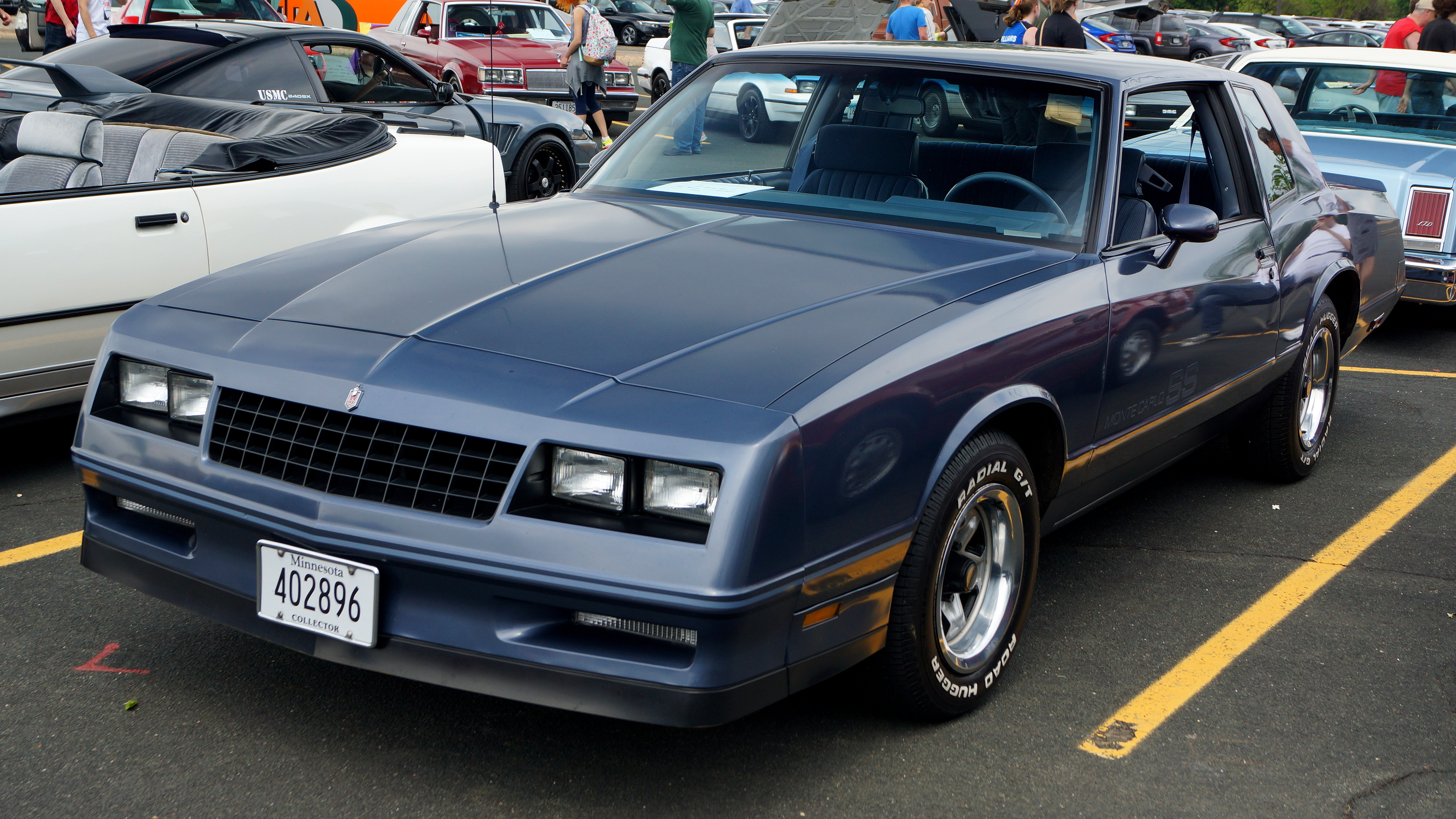
This is a classic Chevrolet Monte Carlo variant. The big point here is that the paint looks way more interesting in real life—especially a pearl/orange-pearl color—than it usually does in pictures.
“Pearl” refers to a pearl-effect paint finish that uses special pigments to create a shimmering, multi-dimensional look. It often makes colors appear deeper and change slightly with lighting and viewing angle, which is why the hosts say it’s hard to capture in photos.
Hotchkiss is an aftermarket suspension and chassis parts company known for improving ride quality and handling on classic and enthusiast cars. Here, the host mentions “Hotchkiss like do all the suspension for me,” which signals using a specialist supplier rather than stock components.
“Fat rubber” means wider tires. Wider tires can grip the road better, but they can also make the car feel heavier to steer and may rub if the fitment isn’t right.
“Aero wheels” are wheels that look like they’re shaped to cut through air. They’re often chosen for style, and they might help a little with airflow, but it’s not usually a huge performance change.
Term
RPF ones
“RPF1” is a specific style/model of aftermarket wheel (commonly Enkei RPF1). People like them because they’re lighter than many wheels and are popular for performance builds.
A “custom setup” here implies building a personalized car configuration rather than keeping it stock—likely including drivetrain and suspension choices to achieve the desired look and feel. In enthusiast circles, this often means sourcing parts and doing conversions (like manual swaps) to match the owner’s preferences.
The Chevrolet Beretta is an older Chevy coupe that some people love because it’s a little different from the usual classics. At events like RADwood, it’s the kind of car people build up for style and personality.
Car
mark one GTI
“Mark one GTI” means the first-generation Volkswagen Golf GTI. It’s a classic hot-hatch that people still love because it’s fun to drive and easy to modify.
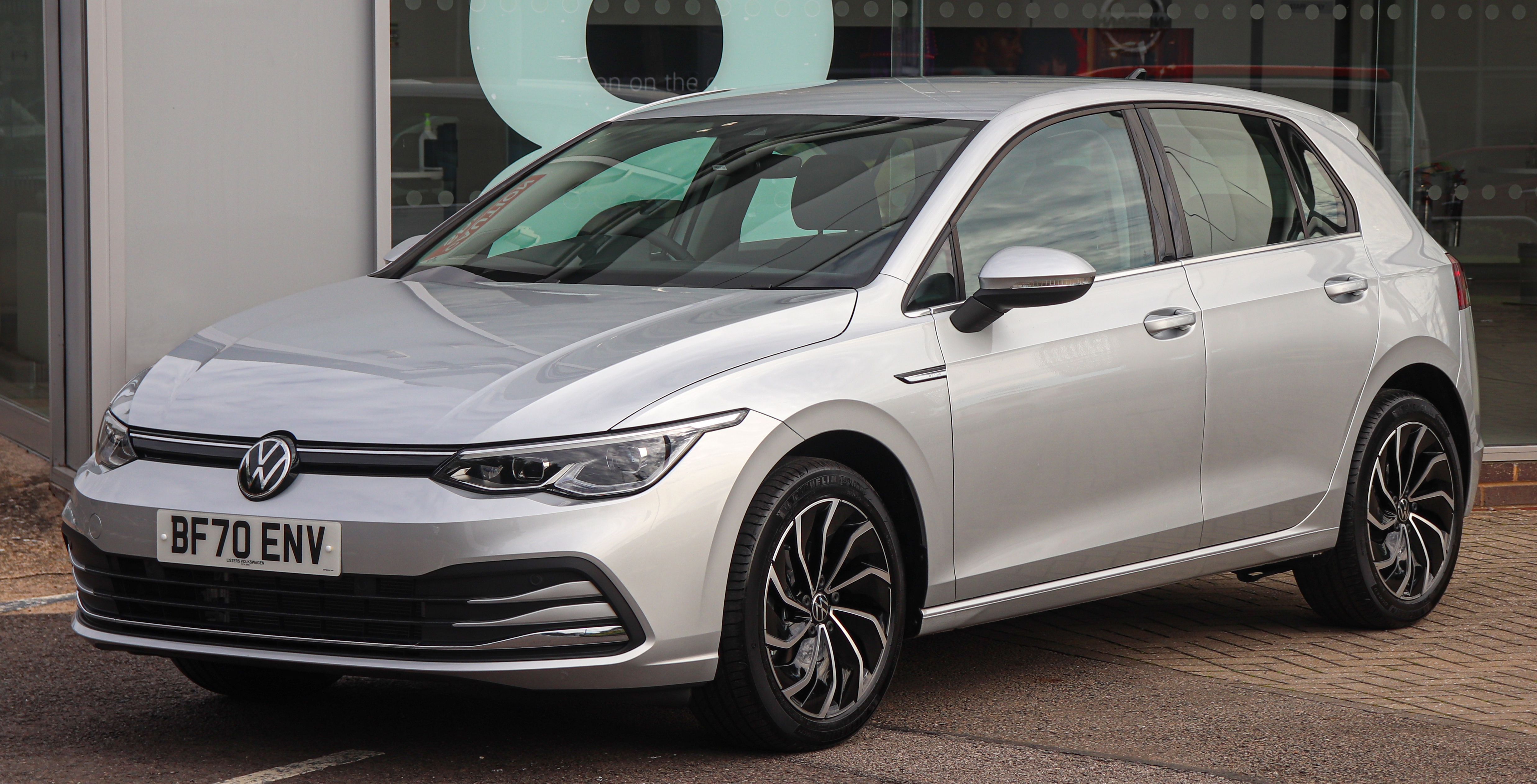
The Volkswagen Golf is a compact car that many people use for everyday driving. Some versions, like the GTI, are tuned to feel more sporty than a standard Golf. The podcast is mentioning the Golf/Rabbit/GTI as an example of a standout performance model.
Zender is a brand known for aftermarket styling parts, like body kits and aero pieces. Mentioning it usually means the car has a specific classic “look” from that tuning era.
The Honda Prelude SI is a sportier version of the Honda Prelude. The hosts are basically saying they saw an unusually clean, well-kept 1985 one, which is a big deal for collectors.
The McLaren F1 is a legendary supercar from McLaren. It’s famous for being extremely special and rare, so seeing one at an event like Radwood is a big moment.
Term
Genesis blue
“Genesis blue” is the name of a specific paint color. It’s how people describe the exact shade of blue on the car.
An enclosed trailer is a covered trailer that shields the car while it’s being hauled. It helps keep the car cleaner and safer from things like rain and road grime.
The Ferrari Enzo is one of Ferrari’s most famous supercars from the early 2000s. It’s a “halo” car, meaning it was built to show off Ferrari’s top technology and performance.
The Ferrari F50 is a rare Ferrari supercar from the 1990s. It’s remembered for its special V12 sound and for being a “serious” performance car, not a daily driver.
The Ferrari 288 GTO is a very special old-school Ferrari supercar. It’s known for being fast and “serious,” thanks to its turbo engine and race-inspired design.
The Ferrari F40 is a legendary Ferrari from the 1980s. People love it because it’s loud, fast, and feels like a real performance machine rather than a luxury car.
Monterey Car Week is a big yearly event where car fans all meet up in California. It’s famous for auctions and show-and-tell for classic and collectible cars.
Auto Fair refers to a classic-car event that’s being used as a scheduling reference in the show’s discussion. The hosts are comparing how the Heritage Invitational will be placed alongside other car-weekend activities.
The Heritage Invitational is a car show/event that the hosts are excited about. They’re saying it’s becoming part of a bigger weekend schedule, like other famous car events.
Goodwood is a very well-known car and motorsport festival in the UK. Saying they want to be the next Goodwood means they want their event to feel just as big and exciting.
“Festival of speed” is a way of describing a car event that feels exciting and fast, not just a bunch of cars parked in a row. It’s about the overall vibe and motorsport energy.
The crankshaft is a heavy metal shaft inside the engine. Pistons push on it, and it turns that motion into the spinning that ultimately drives the wheels.
They’re talking about having a hard time parking at SFO and then forgetting where they parked. It’s basically the “where’s my car?” problem after a busy parking situation.
They’re describing the challenge of remembering where you parked in a big parking area. They mention taking a picture, but it’s still hard to keep track of your spot.
The PT Cruiser is a Chrysler car known for its retro, boxy look. Here, they’re basically saying that a real car story—like the PT Cruiser’s—could make a good movie.
The Chevrolet SS is a performance-focused sedan from Chevrolet, best known for its V8 power and rear-wheel-drive layout. The hosts mention it alongside the PT Cruiser to frame a potential “automotive story” movie concept.
Senna refers to Ayrton Senna, a super famous race car driver. The host is saying a documentary is more like real footage and facts, while a biopic is a movie that tells the story like a drama.
A vignette is like a short highlight reel of someone’s life. Instead of telling the whole story, it focuses on one interesting slice—like a year or a specific chapter.
“Bentley boys” refers to a group of rich, famous early Bentley racers and fans. It’s basically the story of how Bentley became associated with glamorous, high-profile racing.
Concept
Bentley blue train
The “Bentley blue train” is a famous Bentley story from the brand’s racing past. It’s remembered because it represents a big, dramatic speed-and-endurance moment in Bentley history.
Tarmac just means a paved surface, like asphalt. Race cars handle differently on pavement than on dirt.
Concept
golden age
They’re talking about a time when car engineering was improving really fast. Think of it like an “innovation peak” before big events made it harder to keep pushing new technology.
They mention the Great Depression because it was a huge economic downturn. When money and investment dry up, big projects like new car engineering often slow down too.
Concept
mechanical engineering progression
They’re basically saying cars improved because mechanical engineering kept getting better. When engineers learn new ways to design and build parts, the whole car can advance.
They’re saying that when war happens, it changes what engineers and factories focus on. Cars and new technology can get delayed, and progress resumes later.
The Ford Fiesta is a small car that’s generally cheaper to run. When gas prices jump, people often look at cars like the Fiesta because they can be more economical.
They’re talking about electric cars and how they can be efficient. The idea is that EVs can use less energy to go the same distance than gas cars, but the overall cost still matters.
“Gas mileage” refers to how efficiently a gas-powered car uses fuel, usually measured as miles per gallon (MPG). The hosts contrast efficiency with affordability, arguing that even if cars get better mileage, high prices can still be the limiting factor for buyers.
Concept
efficiency vs price
They’re basically saying that even if cars use less fuel, the bigger issue is that the cars cost too much. So the “math” only works if the purchase price is reasonable.
Cars have to meet government safety rules before they can be sold. Newer rules often require extra safety features and engineering, which can make cheap cars harder to build.
Concept
active safety / driver-assistance requirements
It’s not only about how the car protects you in a crash. Newer safety rules also push cars to prevent crashes in the first place using extra technology.
Term
detection stuff
They’re talking about the sensors and tech that “see” what’s around the car. That tech can help prevent crashes by warning you or slowing the car automatically.
They’re saying car companies can’t just build something cheap and hope it works. Safety and tech upgrades cost a lot upfront, so the company needs to keep the design around for a long time to make the money back.
When a mechanic “torques” a bolt, they tighten it to a measured spec. That helps keep the part secure and avoids problems like a bolt loosening or getting damaged.
When a car is rare or special, you often have to act fast when one shows up. Even if it looks perfect, it can be gone before you can get there.
LIVE
KG Tsuchiya.
Can you imagine like his?
I'd be inside his little head.
White on gray Toyota Camry.
Egasitle vehiculum.
There's no doubt Corvettes are fast.
I'm riding dirty right now.
The Croc GT4.
The one and only.
Hashtag Don Patrol. Hashtag Senior Citizen.
Alright, hearts fired.
Welcome to driving.
Well awesome.
My name is Warren and I'm Lane.
Martin and we're back from
Charlotte.
Well, I'm still here.
You're still here. You've been around.
I never left. You did.
You went back from somewhere.
You probably hit up a cat cloud or maybe you hit up
a pizza place you really like.
I was on the west side, dude.
I came back from the west, dude.
Charlotte, man. I think you'd like this one, Lane.
Maybe next year.
Heritage Invitational.
Hey, you know.
Dude, what about for driving?
Well awesome. We'll figure it out.
We'll get you sponsored.
Yeah, this is cool. It's a cool one.
They're trying to do some things.
Race track stuff. It's got some angles.
It seems really cool, dude.
It's a funny part of the world because
on paper, it's just
North Carolina and like outskirts.
There's a NASCAR track and stuff.
But this part of the world
loves cars.
They are so into cars.
And it's not the same flavor of cars
that we're into per se.
But then again, like after this weekend,
it's all kind of tied into the Atlanta scene
with the Porsche stuff.
Well, they like the stuff.
They like good stuff.
I like Marcus.
Marcus is a cool dude and he's into
the Porsches and all the kind of stuff.
Well, I'm going to
not necessarily counter what you're saying,
but I think it's adjacent to that.
It's what Warren's saying because
my takeaway is that
it's fascinating. The more I talk to people there,
especially like people who are in the NASCAR
world, like they work at Team Hendrick
or you know, they're actively
building these cars or they're, you know,
part of the organizations.
They're like telling me about how they love
like B13SERs and they're telling me
how they had an S2000.
That one dude who's like one of the operations
managers, he rolled up in a Z3M coupe.
You know, like, and he works
on the Camaro race cars.
You know, so like it's interesting how
yeah, these are just
car people through and through overall, which you said,
you know, and it's, but it's also like,
yes, like it's the epicenter for NASCAR
specifically, but like they also,
we just learned, which I was very surprised
by, they also
build the Cadillac Formula One cars just down
the street from where we were. And
if we had more time, we know who to ask.
We should have gone. We could have gotten
some access, but I know, I know.
We need to do that next time because the last time
we were there at Hendrick, we could see them
building the Le Mans Camaro
Garage 42
or I forget what it's called, but
56, thank you.
So I imagine it's the same garage and
you can look into like, it's like a clean room,
you know, as you look in, super cool, but
yeah, it's
not only like people like cars now, but it's
generational. You know, people have been
in the industry either like building,
modifying,
selling, whatever it is. And then
another thing, another takeaway is that
these two organizations, so just a little
backstory, we're part of the Heritage Invitational.
It was at this new
motoring club, private race track
kind of thing. And it's
between the Charlotte Motor Speedway,
the Speedway Group,
which is the Smith Family
and the Hendrick Group, which is obviously Richard
Hendrick. And
they came together to build this facility and
they just like spared no expense, right? It's
pretty epic and the track is rad.
Art and I only got to drive it in side-by-sides
in many vans, but you can just
ton of flowing elevation change
and really fun track. So
the thing about it is, there's
a ton of people here that this is, their
whole life is working for these organizations.
Like
there's two dudes that we work with
on the Hendrick side that's like,
that's all they've ever done. Like they got
a job at 18 probably
and they've just worked their way up and they're like
Hendrick for life. And the same thing on the Smith side,
like there's so many just like lifers
that this is just the path
you get into and go. I feel like that's more rare
on the West Coast or at least other parts of
the world. Like, it's very like, you're
kind of bouncing around on who you know
and how you can get to this organization, from
that organization, like, you know,
going to competitors is totally fine, where
this is seems like, oh no, I got
I'm in with Hendrick, like I'm going.
It's family. We're family.
Yeah, we're family. You know,
it's like Vinnie Del Toro
on Fast and Furious says
we only drink Corona dude.
Yeah, like tuna crusts and stuff.
Yeah, but it's all, I mean, it could
also be,
I mean, it's a few things, but I think
a lot of it has to do with the industry itself,
right? Like where's like, tech
is like very different and there isn't
that like marriage of like and commitment
from people. I'm not even talking
tech. I'm talking automotive in other
parts of the world. I'm not saying
automotive is tech adjacent
here, where it's like there, it's
more, it's a different.
Yeah, I think with Detroit is similar, right?
Like I feel like you go to Detroit and like
when we have events there, like
and I think this is not necessarily
a bad thing or a good thing. It's just like a fact. It's like
Detroit like Charlotte, it's
awesome to like almost every person
that you interact with is in
the automotive space, whether they're designers
or building cars in a factory or whatever.
Yep. And there's also that level
of like dedication to a brand, right?
Like that allegiance is very, very
noticeable.
But yeah, we don't, we don't, yeah, it's
not a common thing here. It's rare. Yeah.
So anyways,
we, Radwood was there
at a gym, we had our display
on the racetrack
adjacent to their concor
which is cool. We had a
kind of our own little world up there and this
is on the Hendrick side.
Oh man, just the Hendrick
paddock, essentially this is
just a private
warehouse paddock meeting
space that you can
zip onto the racetrack, do your thing, zip
off, have a party. They had like
four motor homes and an
airstream and
our stuff was kind of like left there to
set up from. So we were kind of working
out of the paddock and
it's totally private. There's security
and no one goes up there unless you're
supposed to be there. And there's
the airstream pottery barn addition,
Lane, you know something about these
additions. Hell yeah, dude. I know
it's all about addition. And there's a...
Did you send it to Ali when you were there?
I need to, but then there's a new suburban,
brand new black suburban
in front of it. And then the next car in
front of that is a brand new,
what is it called? The new Corvette
XRZ,
ZR1 XRX.
So anyway, the top dog Corvette,
brand new, brand new, like slicks, racing
slicks on it, big wing,
black, thousand horsepower,
carbon fiber accents, the whole thing,
it's insane. So that's this
pottery barn airstream brand new,
new suburban black, new Corvette black
parked next to like $800,000
RVs next to it.
So we come to find out that that's
a home base for Jeff Gordon.
That's Jeff Gordon's little
zone that he can just work out of
there, chill, get away from the crowds.
That's his little spot.
And so we said what's up to Jeff.
And Warren, I should say also that it's not
that we've come to find like through
word of mouth, like we were standing right there.
He's just hanging out and we're like unpacking
pallets. Yeah, he's getting ready to go do
stuff and like in his, you know, Corvette.
And that just happens to be his little
home base. But I thought that was like perfect.
You know, like, what else do you need?
What else do you need? You got your suburban.
You could tow the thing around. It's got a
satellite dish on it. You know, you're doing
your thing in there. Well, specifically the
pottery barn. Pottery barn edition. Thank you.
Thank you so much. And then the next one over
to him was Ray Evernham who organizes
this event. And then the next motor home
was Mark Martins. And so it's just like
a little sneak peek of the
NASCAR life. You know, you're just
you get a million dollar,
million dollar fucking pusher
RV bus. It seems very
very, very family.
Very like totally
after the event was over, we
looked in between Jeff Gordon and Ray Evernham's
RV.
They had just like the most basic like kind
of party setup. It was red solo
cups, a bucket of ice.
They were mixed in drinks, you know, how the music
on just stand around chatting having a good
time. So there's something cool about that.
I think Indy car has a little bit of that too
and it's like it. There's something very grass
roots about it compared to like F1 where it's
that traveling circus and and all the drivers
don't have families, you know, like they're
all single access, right?
Like they're just not they're just that versus
like in this case, it's just like normal dudes
hanging out and like in Formula One, it's like
they're on a pedestal and they be kind of
like they like escort them away, you know,
like item that's all behind the glass.
I remember when Grojan went
to Indy car and he was posting
a lot about this and it was him and his family
in a motor home and it was like
barbecuing with the other drivers kind of
thing and their families. It's like
it's really neat. Yeah.
So we had a cool setup on the track and then
we had a great
collector slash builder
Restorer, Bill Ryan, who
restores these NASCAR cup cars
from I think all generations, but he
brought a lot of his cars
from the 80s and 90s and then some customers
brought their cars to combine
with them and it was so awesome.
I mean, these are like
kind of the quintessential
Radwood, you know, NASCAR
cars and to have them at the
space and they had one of
them fire up and ended up winning Radisson
show, the Tide
Darrell Walltrip car, but all the details
are so cool on those. It's painted by the way.
It's not a wrap or a sticker.
It's like hand-painted and I mean, how
many times do they have to paint that thing
to get that Tide, right? Like they crash
in every place. Yeah, and
I mean, Lane, you probably, I mean,
you can't tell from a photo, but like
it just looks like a super bright
fluorescent orange, right? That Tide car
and they're super iconic. Like everybody knows what this
Monte Carlo looks like, but when
you see it in person, it's actually pearl.
It's an orange pearl.
It's so rad. Yeah. And it has
this depth to it that you normally
don't get to see, you know, like you can't really
perceive in photos. So
yeah, it's like, I mean, as rad as it gets
and I know we've historically talked about
that particular body style being our, you know,
like our favorite and like it was
so sick. Like the Monte Carlo Aero
Coupes, like I was telling
Warren again, like I know I always bring
it up when I see them, but like I still like have
a dream of like one day having that big
garage where and I can build
one, you know, and have like
Hotchkiss like do all the suspension for me
and like have it like slammed
on like those wheels, you know, maybe I'd do
Watts with like fat rubber or something.
Just to make it mine. I love it.
Those aero wheels with the fat
rpf ones. I do rpf ones.
But most importantly though,
I want like a, you know, four
on the floor or something. You know, I don't want
because those are like, you know, they never
offered a manual. So like build like a full
like custom setup.
Yeah, that'd be so sick.
Yeah, it was a great turnout.
We were at the auto fair across the street last
year and this year we moved over
to this spot and it just worked way better
for everybody and like
some heavy hitters. I mean, it was just like
yeah, great, great turnout.
An amazing
Chevy Beretta
an incredible mark one GTI or golf
or I'm sorry, rabbit
that thing looks so cool. Zender
yeah, like period race car
that one rat is modified
what else
super clean Honda prelude
from a local dealership that is just like
pristine and prelude SI like an 86
87 or something.
And by local dealership
it means not the dealership didn't bring it.
It was sold there new
and it was a local car that remained
nearby and it was like immaculate.
I mean, the nicest 1985
prelude SI you've ever seen
just survived. Yeah, so
it's cool to see that kind of stuff come out of the woodwork
and the appreciation
for and then like, you know, it has to
be said, we're going to
we're going to give ourselves credit here
McLaren F1 finally
at a Radwood
it did have to make
an appearance at the Radwood supercar
class in the
Concord down the hill. So it was at our
space for, you know, a couple hours and then
I went down to the Concord,
you know, understandable.
They had put a lot of effort into getting
the car there, but we got to see
the color, huh? Yeah, that's such a cool color.
It's that dark, I think they call it
Genesis blue or
I can't remember, but that car
has been around and
got to see it quite a bit that weekend
like we saw it drive out of the garage
saw it drive back, getting the
transporter and stuff and the transporter
the owner
of the car we're familiar with
it's just it was just like a
regular, you know, diesel truck
and a white closed trailer
like old, not new and fancy
or anything just like, you know, scruffy
and it had in it a McLaren F1
and a real Ford GT40
Oh, wow.
So I mean that raced at Le Mans
combined value is like
fricking, I don't even know
at least
at least 60. Yeah,
that's yeah, exactly. Probably 60, 50
60 million and it was just a dude
one single dude
old truck and a closed white
trailer. That's the way
you just kind of be roll low key man
roll super low key so
and then I was just going to say
that Hendrick
is now in the business of buying
and selling exotic collectible cars
which is surprising
because all the things I said
about just being in that part of the world
but they're really savvy at it
and they're the kind of people that are like
yeah, like we'll just
buy the nicest F50 we can
and we'll get it serviced and then we'll sell it for like a million more
like, okay, yeah,
it makes sense. So they're going around the world
I mean, he bought car, they bought cars at Monterey Car Week
last year and so they have
the Ferrari
the what do they call it
the trifecta but it's the big five
and so it's
288 F40 Enzo
LaFerrari F50
and yeah, that's the five
so they had done
a photo shoot inside the paddock and then they
went out at dawn before our show to do this
photo shoot on the racetrack and then drove
them back in but Art and I were there
early and they're just the
288 GTO sounds rad and
they all look amazing, the F40 looks
so killer
nobody looked at the LaFerrari
and then
seeing those cars in the garage it was like
those five, the McLaren F1
a black Carrera GT
and the black GT40
all in one pristine
white room, just like whoa
pretty sweet
so yeah, it was a little bit of
you know how this goes, like overload
Monterey Car Week on a very small scale
but super cool
and next year, it's always
run, they've done it at the same
weekend as the Auto Fair, next year it's going
to be Auto Fair, the first weekend
Heritage Invitational
the second weekend, so it's going to be sort of this
once again, everyone wants a car week
everyone's trying to do it so
here we go, the Charlotte
car week is coming your way
mark your calendars for sometime
next year
Spring. Yeah, it's becoming
a thing, I overheard people
talking about it, because
their plan is to be
the next Goodwood, like that sort of festival
of speed style experience
they can pull it off
they have the means to do it
they have the resources, they have the connections
they can draw the cars, they have the facility
they've got the know-how
totally, and we
get to put in our little 2 cents
to help kind of direct that
what we want to see on track and all that
so, yeah, it's pretty cool to be working
with these guys, they're amazing people
also, we hung out with Farrah
and Zach Klapman, they were there
they said it was up too late
nice
we're talking about
you and Zach at Fat Ice
I guess I just talked a bunch of shit
and what was
the guys from
I'm spacing
nevermind, something crankshaft
something, they were there
yeah, I think so, those two dudes were there
I don't know who that is
I talked to Jay Ward from Pixar
he was there and
some other buddies from the
car judging world
it was a good time
we were there very
very short, I felt like
because we got in really late, my flight was delayed
7 hours from SFO
the old get there
at 9am to get a text saying
you have the worst luck
I've had three in a row
this is annoying but
I also got to watch the masters on my phone
and just sit there and it was in the new terminal
the new Harvey Milk terminal
which is like totally fine
there's plenty of food options
and good seating
Tony's Pizza and so on
and tall ceilings
very tall ceilings
big windows
you go to Charlotte and it's like
you're in a fucking portable at school
and then you go to Tacoma or C-Tac
and then you're in a fucking container
that was brutal dude
you get there at 9 and right as I park
it says your flight's been delayed 2 hours
I can't
I can't with this, also quick rant
I was going to park the local garage
I usually park long term because my truck
it's easier
I'm like fuck it, I'm just going to park
in arts garage, we used to call it
back in the Radwood days
and I forget
that it's spring break
so it's just fucking madness for parking
and it says
parking on level 1
and you go in there and you already got your ticket
and it's like okay I'm level 4, 3
level 2
and there's a sign it's like there's parking so I'm driving around forever
can't find anything
I'm yelling at this attendant like is there any parking down here
it's like I don't know
so I'm like fuck this
I'm going to go to my old trusty
and I go out and it's like $4 please
I'm like oh hell no
I will die here, I'm going to die on this
I'm not paying you $4 no matter what
just out of principle, never
so I just hold the attendant button until forever
and finally a guy comes on and he goes
well you took longer than 10 minutes to find a spot
and I go there's no spots
get me the fuck out of here and I just hold it again
and finally the thing opens up
and I drive off these fucking bastards
bastards
I yeah
it was so hard to park last summer
to SFO too
I've also been really bad at parking lately
and I can't find my car when I go to leave
that's awesome
no picture?
no I take a picture but it's hard to like
I end up parking
in the wrong turn
it's just a whole thing dude
I've had a hard time the last two times
but have you guys been
to Portland lately? Portland's killer
not long time
they redid it but they kept the famous carpet
I was about to ask the carpet
they kept the carpet
but they redid the airport
and the airport's like really nice dude
it has trees in it and stuff
actually I saw something about that
wood paneling on the roof right?
yeah the wood slats
it's cool
I was just going to say we didn't get in
so my flight didn't land until after midnight
in Charlotte
and then had to get a rental car
Art waited for me because his flight was a little delayed
but it all kind of worked out
and then we
had to go to Taco Bell of course
and then get to the hotel about
I don't know after 1.30
almost 2
and then got to set up the next day
but we had the whole day to kind of like
watch some of the racing that was going on
and get our act together
and then show Saturday morning
and then fly out Sunday morning
so it was a quick one
but it was good times
good times
next up is
Griot's garage
July 18th
Tacoma Washington
but before that the rally of course
so how much time you got Art?
about 20 minutes
actually no half an hour
let's do some questions maybe
huh?
let's go
let's go
let's not like leave
let's answer some questions
you know what I'm saying
Ditto's dad
you know Ditto's dad
he's got a dinosaur for his
fucking picture for some reason
a new movie trailer for a
Schumacher biopic just premiered
recently
what automotive story do you think
is deserving of a movie?
I think we've answered this before
we've been asked this before
you know what I hate biopics dude
hate
I think so
you know a movie I watched on the plane
was Flowers of the Killing Moon
with Leonardo DiCaprio
Robert Tenero, Scorsese Flick
the Indians
getting killed for their oil money
oil land
was Oscar nominated last year
yeah
it stinks
that movie stinks
is it really long and boring?
it's really long and boring
and nothing really happens
it's kind of like modern Scorsese
dude I hope
I kind of felt like I'm the only one that feels that way
because it was so like
well maybe it didn't do well
I don't think people like that movie though
okay good because it is not good
anyways
automotive story you think deserves a movie
Brian Nesbitt's story
the PT Cruiser to the
Chevrolet SS
that could be good because I don't know the story
anything where you know the story
sucks
biopic I mean I love me a documentary
biopic is like so it's traumatized
biopics are boring
you know why I don't like
a typical biopic because it's always like
and then and then
and then and then
that's the way they go it's like
and then this happened
and then this happened and then this happened
and then this happened and then the end
I'm struggling to think of a great one
I can think of like Senna it's a documentary
and it's great but it's not a biopic
and maybe that's what he means
or anyways
what automotive story
I like vignettes
I like when they do a vignette
so it's like a year of someone's life
for a small little piece
like that that's cool
you know what would be cool to see is some of the
like the Bentley boys
like back in the day
like the Bentley blue train like
Wolf Bernatto or whatever his name was
that'd be that'd be an insane
story because those guys were like
kind of the billionaires of today
but they were doing like
extreme shit you know
and a lot of people don't know about that
right I don't know the story so
that could be cool
it's not like Muhammad Ali story
we know what happened
well Will Smith was so good
yeah
and this is and I remember now
this is my answer
I'm thinking back and I'm pretty sure
that my answer the last time this question was asked
was I wanted to do something around
the silver arrows right
same era right
1930s Mercedes versus
Auto Union
and these guys just
basically driving like
rocket ships on the street
I'm not on the street but on tarmac right
like these guys are going over 200 miles an hour
unbelievable in
these cars in the 1930s
which is just unbelievable yeah and the personalities
like I don't know anything about them outside of
like the little that I read right like
and so just having I feel like
I think it's a very
unique sort of like golden age
in a way obviously there was the great depression
and all that but like this particulars
like what do you call it
not series but like this particular
era was like you know
like heavily funded from like yeah
an engineering standpoint
and really kind of like
progression of like the mechanical engineering
right as far as they could push
technology and then the war
came and set everything back
you know 10 15 years so
that was like the peak where they were
they could get with automotive
you know engineering and all
that so that would be cool and it's that same era
of like you know very
kind of glamorous
and yeah
luxurious and stuff would be kind of cool
to see their life
John Rye says
will our current gas crisis bring back
cars like the Honda Fit and the Ford Fiesta
if it lasts more than a year
I don't know
what happened
what happened to Trump saying we were going to get
K cars
weirdest thing ever
that was just bullshit
that was just he had a meeting or something
and it was like you know how he reacts
he just like says stuff right
well of course
that was weird
actually going back to the last question
how about what's the same Hoffman
that brought all like brought
the BMWs
that brought BMWs and stuff
to America and all that
I heard that there's anything on
Luigi Canetti
I think that could be cool too
for yeah
that would be kind of fun I bet
because it's like the whole Hollywood aspect
of it and all the California stuff
I bet that would be a fun movie
and do you think now with AI being so
usable that you could really do it
well
with the backgrounds and stuff like that
yeah you can make it look cool
exactly because it's so hard to make those
period pieces you know
signs and doing all that kind of stuff
yeah you're probably right
do you think I don't know like don't you think
that's where like electric cars come in and stuff
like for gas mileage
also like new cars are pretty efficient
dude these little Mazdas and stuff
like gas cars are
already
I think it's the price of these cars is a problem
it's not efficiency it's the fricken price of them
there's this
I think there's only four cars
that are under $25,000
now and
they're just too expensive
so I don't know it doesn't really have to do
with efficiency but can you make an inexpensive car
and the cars need
to be like
to meet safety standards to meet like
you know four stars at five star they need
they need all these like
detection stuff
you know they need
to meet those like the levels
or whatever
you have to meet the standards
I think it's unlikely
just because it's too
knee-jerk-y right and like
the automobile industry
needs to future like whatever they do has
to be like has to have a it's a long-term investment
right and has to have a pretty long
lifespan and
you know this is what's happening now
is that going to continue indefinitely
I highly doubt it right like this is very much
like based on like
the current world affairs right so like
I mean it's I think
people will write it out I mean I don't know
how there's a lot happening the world is so
complicated right now especially when it comes to
economics and all that kind of stuff
so you know
it is gnarly
because yeah at some point you know like
for people it will
from ultimately if you're lower income
right like it is a huge problem so
like just like
getting to and from
everything in life right and so
especially in a country that
has a very limited public
transportation relative to the rest of the world
like that's a whole other thing
right but I don't think that that's going to trigger
you know Honda to like target this market
for a couple of years
you guys have an interest in a really long
train ride in America like
the Oakland to Chicago
they do it every day yeah
yeah I'd say yeah I'm down I've
taken the leg from
Emoryville to Tahoe
which is the same one it just keeps going
and I've taken it down south to
LA
I wanted to do the one up to like Washington
or you know Oregon
I've always wanted to do that one kind of cool
you get a sleeper car I mean you go through family
or I don't know it just sounds
sounds cool it's not as cheap as you
think it's not it's actually kind of
expensive it's very expensive but
it's kind of one of those like
once in a lifetime sort of sort of things but
yeah
Joshy Josh I
Peralta I don't know if it's Joshy or just
Josh I or is that kind of like a reggae
thing yes I you know
yeah yeah what's the biggest
mistake you've ever made
concerning cars over
torqued bolt or fastener the one that got
away a stalled repaint with
the primer car out in the rain or a
really bad purchase forgive me if you
fielded this question before
I'm sure we have but I don't remember
really bad I'm gonna say just recently
I've asked I asked some
on the podcast to look for a
GTI 337
very nice listener which I don't have his name
in front of me sent me an awesome car
in Sacramento on Facebook and of course
it's like the three days
before we're leaving for Charlotte and how am I
gonna get to Sacramento to look at this car
and it was like perfect that was
well-written great pictures silver
look exactly what I was looking for
and now it's sold
like biggest mistake
you've ever made though no it's crazy
not I'm just I'm just throwing that out
as like biggest mistake I made last week
yeah there you go
yeah
I mean if it is a
if it is the
the what do you call it
missed opportunity or whatever
I know I've talked about it on the
podcast a million times but like
I had the chance
to buy an F 355 and the exact
color combination that I wanted
what a mistake I was $5,000 away
and I didn't fucking do it and I'll
hate myself forever for not doing that it was
all I was I went 10,000 over
my budget but I would have been it's not
like I was gonna be eating ramen or anything I would
have got yelled at by my wife I would have been
sold you know six months after you bought it
anyways so no big deal no big loss
so NBD or I mean it would have been
it would have been the I bought the skyline
instead of that car right so like
you would have made the skyline a year and a half
when I sold the skyline a year and a half later
and I lost money and the F 355
would have made like 50 grand
that's the only difference is like
you definitely would have made money on that purchase
yeah so there's a
there's a combination there it's not
I don't know if the biggest ever but it's pretty big
especially because I mean
those cars are just yeah they just keep
climbing I answered
this question before about pain priming
my 914 or no
dude I did it twice
you're freaking
priming my rabbit dude
the sidewinder edition
the sidewinder edition
just because I had a little
rust around the windshield like the tiniest
little speck
I was gonna ask you about that because I don't know
if we ever talked about it like I always
envisioned it you know it was your first car so it was
kind of a beater you know I know I had really cool
paint like the scheme but was it actually
nice and then you primed it
it was a 50,000 mile
perfect condition car
oh dude that's even worse yeah
original owner
perfect condition perfect interior
it was like cherry it just had
a little speck of rust around the windshield
which they all get
but the reason I painted it is because I was embarrassed
by the color and the I mean I was really
like you know 16 year old and I thought
it was lame looking
because it was like a mustard yellow kind of
I mean it was yellow with brown and
orange racing stripes it said sidewinder too
on it with a picture of a snake dude
it was like not that cool
for a 16 year old
for 1995-96
that was not super cool and you could
make it cooler you thought
and then it was quickly in hindsight
it was like oh I shouldn't have done that
and by the way we've looked for that
addition it's like
undocumented yeah you can
find shurakos you can find picture
up like one picture of a shurako
with it or like a or a
rendering from like
a sales brochure
but you never see the rabbit
one that was a huge
mistake I also did not torque
my lug bolts once it was not
the biggest of snakes because they did not fall off
but I took the car out it was
on 944 I had and I went around
the fish hook too and I hear clock
clock clock clock clock clock and I'm like what's that
noise and I pull
over and they were all
just hand tight dude
and they went they had
loosened so they weren't even hand tight
that's good times dude
that is good times
let's see
what do we get
Bobby Reid with the car says what 2000s
car do you think is heading
toward 240 sx territory
once everywhere now nearly impossible
to find stock and unmodified
oh yes for
a
Chrysler
Charger
Dodge Charger
Audi S4 is a good one
they're like almost people
live in them now and they have
aftermarket wheels
what about like
oh gosh
I'm trying to think
Audi S4 is such a good one but it's like
the M3 can you know
how many
completely unmodified M3s
are there from past
E46
and they're all been
tweaked somehow it feels like
and usually for the best
part of the question is also like ubiquitous
right so like I feel like it's
almost like a
BRZ would be a good example right I don't
know if it's heading in that direction I have a feeling
that BRZs are going to become Miata's and
they're going to be raced everywhere and it's going to
be the cheap entry to racing and motorsport
so I because
it's already going there there's like spec series
and there's like so much aftermarket support
so like those are going to be around
but like I don't know
like I was thinking
about this it's unbelievable like the timing
of this because when I open right now
I opened up Instagram on my computer
to look to read the questions as you go
through them and the first thing that popped
up was the drive and I was thinking
like a 350Z right
and and the first
thing that I see is the drive
stereotypes are bad show owners and budget
jeffing sports cars who can't stop crashing
into crowds are being banned from
from shows and so
car show bands VQ
nissans to maintain a safe and
enjoyable environment there's an event
called Supercar Sunday in Omaha, Nebraska
and they're banning all
VQ engine VQ powered vehicles
so rad dude it's so rad
350 370 Z
all the G series
that has to be fake
it's not an easy decision
the number of complaints and incidents
that occurred blah blah we believe
this step is necessary to help maintain a safe
and enjoyable environment for everyone
and I love the enjoyable because it's probably because they sound
like absolute shit right so like nobody
wants to hear them
so good that's so good
I remember I think
Lexus GS is a really
hard to find stock when I
at one point I kind of wanted one
I was looking and they're all
clapped out because they're on like the fifth
owners and they
it's the straight six I mean
it's the 2JZ right
yeah and then they also have the V8's but yeah
yeah it's a good looking car they're
super well built like it's yeah they're
they're really cool cars
yeah pedal commute says
what do y'all think of a DWA dawn patrol
drive up the coast coffee and donuts
afterwards I like it
I mean probably means you have to get
up early I think is what that means
really early I think it does
so long before
what's up
I was going to say we're
talking about doing like a
in you know a fill
thing yeah coming up you know at some
point so that'll probably down and
you know a dawn patrol things are
situation yeah keep keep your eyes
and ears open
Art how you looking
I got 15
minutes sweet
automotive omnivores says any project
car updates or down dates how's the rally
prep coming along
I got nothing I'm very low key
I got something
all right so
last podcast I spoke
about power steering right
and wanting to go with power steering and
I was looking at electric power steering
originally because there were no
real good options for me to do a hydraulic
setup and
I do like the fact that it's adjustable
because you know that's something so particular right
to be able to tailor it that's that's awesome
but I had been reading about like you
know the lack of fuel whether or not that's
true whatever that's an issue but
guess who has
a hydraulic power steering
kit for K 24 swapped
E 30s
K power
K power industries now
sells a hydraulic power steering
kit for E 30s that are swapped
with K series so I just talked
to him earlier today I saw it last week
before I went to Charlotte and I was going to buy it but then
you know I wanted to confirm because we're
super tight here like timing wise and
I've already purchased
stuff from them in the past and it doesn't say that
it's out of stock or backordered so I
just called them to double check and he's like yeah we have
several so I'm going to order
that and it uses an rsx
type s power steering pump
so it's used it's good for revs
you know and it's like a bracket setup
that attaches in front of where
the alternator used to be kind of
or whatever so I know
actually the air conditioning unit I think
not the alternator that would be weird
and so
you know it basically just plums right
in and you can use it
but they do recommend
using an oil cooler especially because
you know high revving and all that shit so
I've been looking
around I talked to chase base
earlier today about that they have
an oil cooler but they don't have the
right lines how to customize the lines
so I'm like on the fence I'm like do I just
run it without an oil cooler for one rally
and just like get going or like do I try to
plum it up I'm kind of like stuck
but I'm kind of like excited it's a cool
route it's not going to be super hot so
you got that going for you
yeah I mean it'll probably be okay
and I mean I could do it after the fact it's just
like it's a custom solution right that's
the tricky part because there's plenty of oil
coolers out there for this sort of thing it's just like
do I just like not
you know screw myself over and just like get
the thing it literally is you know as plug
and play as it gets they have they they
have everything you just get a new reservoir which I want to get anyways
right so
yeah it looks it looks it's looking
very likely that I'll have power steering for this rally
which I'm pretty excited about sweet
I think we covered your updates last
time Lane
tires and stuff yeah I'm up to date dude
sweet SF production
Gabe says please
share an example of when you missed a
classic car purchase opportunity because you opted
for another ultimately
Lamer purchase
just answer this a little bit I should have bought
a Porsche when I
bought my NC Miata many years ago as
an example so yeah
I guess if you were in the position to buy that Porsche
back then
that would have been smart
anything come to mind
I was a Lamer
you bought a Lamer car that another one came along
I mean sorry
Art kind of named his but I
I feel like every time I
I feel like I was never in the
position you know my story is always
like I was like a couple thousand
or shy or something like that you know yeah
it wasn't just as easy as saying oh I should
have done that exactly it would
it would have taken
it would have taken a lot to buy that
thing you know a lot of
yeah
yeah I don't know I don't really have
or you're just saying that you never made a
lame purchase
well definitely made lame purchases
is there anything like
when you bought the Alfa Romeo
that you're like why did I buy that I should have bought
blank oh you know what
actually I drove
when I bought the alpha the alpha was
cool but I
literally
two weeks after
I helped
a friend sell that rav
four oh yeah the two door killer
rav four two door with the three
spokes yeah and like a little lift kit
the emu lift kit or whatever oh right
yeah it was so killer
and I could have got that for like
a song basically I could have
got it for the same price yeah and
that thing was so
cool and it by the and
it had four seats and it would have
been so fun around town
and it was a manual transmission
convertible
it did everything the alpha did
for it did way more for
it was a way better use case
thing than the alpha was because it fit
my whole family so that would
have been a way better purchase but I didn't
know it was coming right yeah
so if I would have
waited that would have been a way better car
for me and my family and I'd
still have it today
and it would be really cool
that also is like
the most like
that car is such a fun
machine like such a smile
machine and like every time we
posted on Radwood it gets the most likes
of any post
so cool and it's
a car that like
basically going but you know to add to what
you're saying is like you can take it anywhere
regardless of what type of event it is
like if it's a car event like people are
so amped on it like totally walk
past you know most cars to go check
it out right because it is so rare
and very cool yeah that's
interior I know it's a graphics but
that that car right there it's like
four-wheel-drive
manual two-door convertible
Toyota
and splash interior
whatever
yeah very rat
three
it'll fight the lighted
fiddle lighted you guys
have done a ton of rallies what's the one object
that you would recommend one always keeps
in the car given this experience
one object
a good phone mount
that's
oh that's key dude
water
if I had to
pick one single thing to have in the car
it's water okay
what do you think of that water water's pretty
good not water ice
I would love water ice
water ice
yeah
I like
one item there's several items
fight a lighted
ten millimeter
ratchet
he needs to say how to say this
because I know
Paul has a hard time
saying this on his podcast as well
I know Fidel
Fidel is the one who bought Travis's old
911 he will be our
rally
and
yeah but
I you know what the things that
really give me the most joy
when I go are having
a nice cup holder
and having a nice phone mount
and having a good connection
to my stereo
there you go those are
those are the most like those are those like
nice things in the cabin
that give me the most joy that's your one
object all right I mean this
that's several
what am I supposed to say
I'll throw one in here that's like
a little more like practical
in the sense of like you know what you're out there
doing zip ties
like I always have zip ties and I've used them
many times in multiple ways
and I've helped other people zip ties and
yeah it's just it's there
that's like an essential item that I bring on
every rally in addition to all my tools
the other one is the rally blanket
it's great if you got to get under the car
if you got to like kneel down on shit
yep if you used it many times if you get cold
if you want to go to the river
rally blanket
mine is a shirt I like to wear a shirt when I drive
you pussy
yeah fucking loser
I'm going to pause the rest of these questions
so we'll get to these next time
so we can do a little trivia
I'm sure you guys saw
and it was teased last week but Porsche
is releasing their GT3
SC
cabriolet
kind of dope
and there's a package
that they stole from the driving while awesome
podcast
they named it something that I
may have coined
what is it
what package is it
stolen
the name of said package
is something we talk about on the
podcast
oh gotcha
like a trim package I was thinking of
physical box
what the hell something stole a package from you guys
some trim
spec
okay
let's see
waft
ooh the waft package that'd be nice
little button
we definitely preach like
minimal
bullshit
and really analog
something
that's a very good guess but no it is
street style
ah street style dude so it's slammed on like
bastard wheels with like thick fucking
good eagle up ones exactly dude it's on aero
wheels with
white letters chunky avons
good stance
little rake a little rake
street style package
a side exit pipe for sure
for sure for sure yeah
so that's it
what does it mean what is street style
what is the whole thing what is it
what do you mean stand by
what do you think it means let's figure it out
I don't know dude
I have no idea
it's really called street style this does not make sense
with a Porsche like called street style
so lame
is it under glow kit or what
wait you think it's lame what the hell
I mean yes it's awesome
no it's not
street style package here we go
that's not a cool name for a Porsche
package Porsche exclusive
offers an optional street style package this
quote unquote director's cut
from the pen of the design studio
style Porsche
conceptually picks up on modern
combinations of colors
and materials in the interior
and exterior
so it's just you know you get these stupid
racing stripes on the front fenders
red wheels
Warren it's like Arlene it's like
the Grand Sport stripes on the fender
so ugly
it's so ugly
Porsche is doing ugly
street packages and like the graphics
on the hood like on those little ones
on the center of the hood going down
with like
they're going after that Corvette crowd man
I hate the color match like
vents and all that kind of stuff
oh side note at the heritage
they had some there's a dealer
or something that had a new
singer
turbo study I sent you that picture
yeah with our tight jeans boy
oh yeah yeah thing is so
rad in person it's like all the details
are so killer what I didn't realize is that the
the trim between that would usually
be rubber between the bumper and the body and then
like the accordions and stuff is is raw
carbon on this this one was rock carbon
but I imagine you just get that painted black
like to make it look like rubber right
or whatever
yeah it's just
every detail is so perfect on it
the gauges are so rad and
all this stuff so it was just
cool to like talk about it for a while in the last
episode and then like boom and then really see it
yeah and and Warren was
and like he came super close to
posting a Porsche moment
like
I wish he did
guys flat
alright
I'll still post it for the people
do you think we're hashtagging
that one
hashtags aren't aren't real anymore
flat asses and flat sixes you know I'm
saying
alright that's podcast
thank you for joining us
see you next time
peace
you
About this episode
Charlotte’s Heritage Invitational is the backdrop for a RADwood-style weekend that blends NASCAR-level industry culture with serious collector car energy. Hosts trade stories about lifer careers at Hendrick/Smith, Jeff Gordon’s private paddock setup, and standout restorations like a hand-painted Darrell Waltrip Tide Monte Carlo. The conversation also covers exotic-car trading by Hendrick, the arrival of a McLaren F1, and what’s next for “Charlotte car week.” Between Q&A, they debate biopics, project-car power steering plans, and rally essentials, ending with Porsche’s new “street style” GT3 package talk.