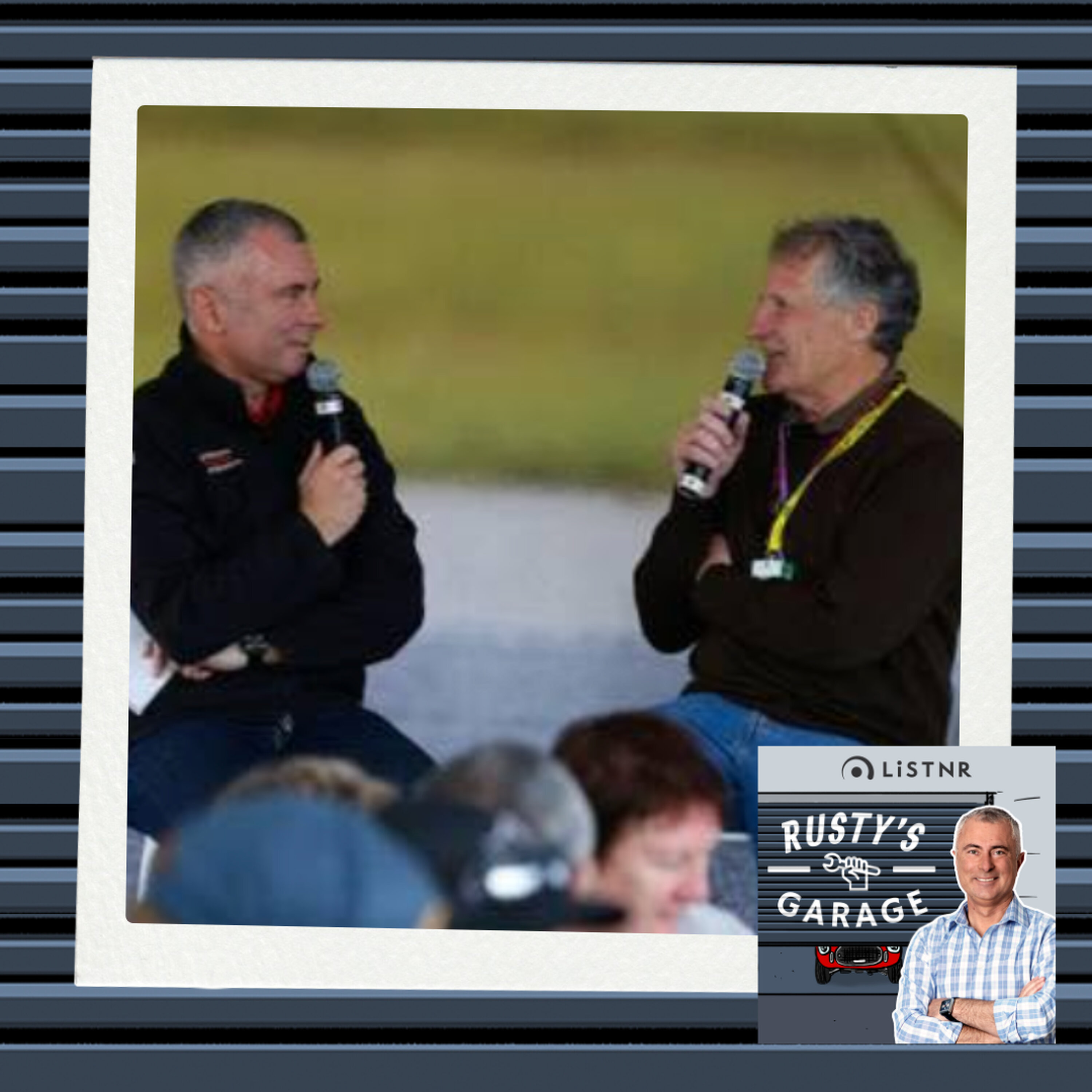
Jeremy Burgess is a well-known Australian motorcycle racing expert. He worked as a mechanic and later as a crew chief, helping top riders and teams make their bikes faster and win races.
Randy Momola is a former top-level motorcycle racer. The episode says he was very young when he got his first win in the top class, and Jeremy Burgess helped him as a mechanic.
A crew chief is the main leader of a racing team. They help decide how to set up the bike and guide the rider’s team during races so the bike performs better.
A street race is when cars or bikes race on regular city streets that are closed off for the event. It can be more challenging because the track is tighter and less forgiving than a normal race circuit.
The Australian motorcycle Grand Prix is a big MotoGP race in Australia. The episode says that in 2027 it’s planned to be run as a street race in Adelaide.
Car
T500 Suzuki
This is a Suzuki motorcycle from the late 1960s. It’s a 500cc two-stroke bike, and back then those engines were famous for being lively and fun to ride.
Car
Kawasaki H2
The Kawasaki H2 is a famous old-school racing motorcycle. It’s a big 750cc two-stroke that’s known for being very quick and a bit intense compared to calmer bikes.
“Testing” is when the team goes out on the track to try things and see what makes the bike faster or more stable. It’s how they learn what setup works best.
A “lap record” is the best (fastest) time anyone has done for one full lap of the track. If a team is breaking lap records, it usually means their machine is running really well.
“Spa” is a well-known race track in Belgium. They usually race there, but this time the track had problems, so they went to Zolder.
Brand
500 Yamaha
That phrase means a Yamaha bike with a 500cc engine, which was a major racing class back then. The point is that even a rider on that bike could compete at the event.
Car
Honda
Honda is a big motorcycle company that also competes in racing. Here it means the racing team he moved to in the early 1980s.
The host mentions “George,” but the transcript doesn’t say who he is. It sounds like someone close to the speaker in the racing world.
Person
Irv
The speaker keeps referring to “Irv” as the person advising him. The transcript doesn’t explain who Irv is, but he seems important to the conversation.
A “factory team” is a team backed by the manufacturer itself. In other words, the company is heavily involved and usually has more support and better equipment.
Freddie Spencer is another motorcycle racer in this Honda team story. The speaker says Spencer struggled in 1986, and that’s why Wayne Gardner became the top rider.
Term
factory design
“Factory design” means the manufacturer’s engineering decisions for the race bike. The team then has to put those ideas into practice so they work on track.
This means racing moved to unleaded fuel instead of leaded fuel. The host is saying that switch reduced power a bit, even though it was necessary for regulations and safety.
Horsepower is a measure of how much power the engine makes. Here it’s used to show how powerful the racing bike was—about 196 hp in the speaker’s example.
This means the bike didn’t have modern computer-controlled engine systems. Without electronics to help manage things, the engine behavior depends more on mechanical setup and the rider.
“Blood flow” here is about perfusion to the foot—whether enough oxygenated blood can reach the injured area. When blood flow is insufficient, tissue damage risk rises, and surgeons may choose procedures aimed at restoring circulation or preventing further loss.
It’s a way of saying that in racing, the rider matters more than the bike. The idea is that most of your success comes from the person’s skill and conditioning, not just the machine.
Fuel injection is how the bike delivers fuel to the engine. If it’s not working right (or not tuned well), the bike can feel weak or inconsistent until it’s corrected.
Suspension is the part of a motorcycle that soaks up bumps and helps the tires stay in contact with the road. If you change it, the bike can feel totally different in turns and over rough pavement.
Pole position means you start the race from the very front. It’s usually earned by being the fastest in qualifying, and it helps you get clean air and track position.
Double clutching is a way to shift gears using the clutch twice. It helps the engine speed “line up” with the next gear, which makes shifting smoother—particularly in older cars that don’t have synchronized gears.
An unsynchronized manual gearbox doesn’t have helper parts that automatically match speeds between gears. That means you have to shift more carefully—often using double clutching—to avoid grinding.
Grand Prix wins are race wins in the top motorcycle racing series. Each event is called a Grand Prix, and counting wins is one way to judge how successful a rider has been.
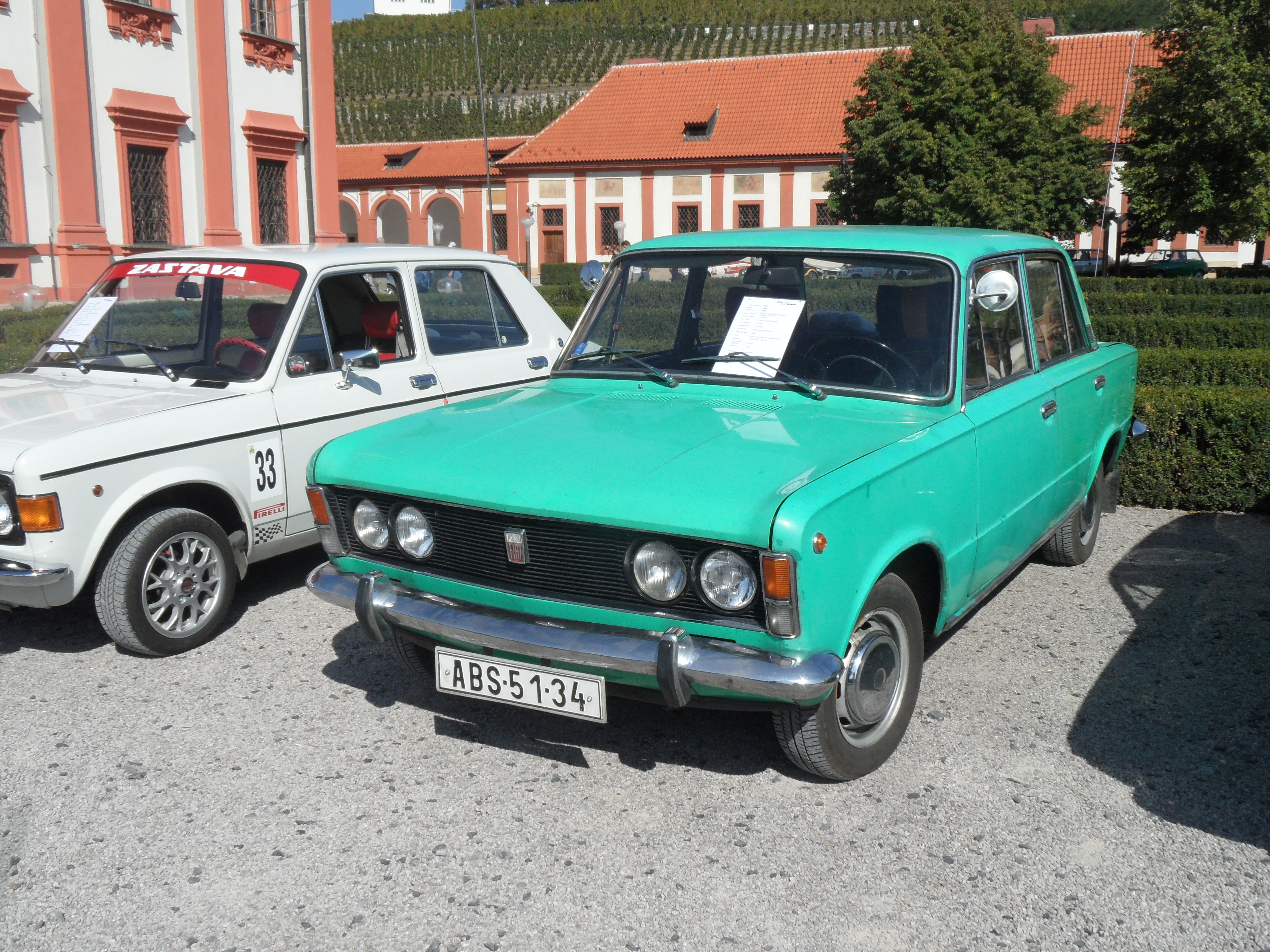
The FSO 125 is an older, smaller car made by FSO. The “125” usually refers to the engine size category. It may be mentioned because someone learned how to drive it well and get the best results from it.
The swing arm is part of the rear suspension on a motorcycle. If engineers change it, they can change how the rear wheel moves and how the bike handles.
Porting means reshaping the passages inside the engine that let air and exhaust gases move. Better porting helps the engine breathe more efficiently, which can improve power and how it responds.
Term
v5
“V5” means the engine has five cylinders arranged in a V pattern. That layout affects how the engine fits in the bike and how it runs.
Cowling is the body panels around the engine area. They can help with aerodynamics and cooling, and changing them affects how the bike feels at high speed.
A wind tunnel is where engineers test how air flows around a bike or car. It helps them reduce drag and improve stability, and it can also help with how much wind hits the rider.
A four-stroke engine is a type of engine that works in four steps. The host is talking about changing race bikes to this engine type, which affects how the bike makes power and how it handles.
A two-stroke engine is another type of engine that makes power differently than a four-stroke. The host is comparing how each one feels in the race—especially around corners and braking.
Car
RC 211
The Honda RC 211 is a MotoGP racing motorcycle. Here, the host is saying they worked on it so Valentino Rossi could ride it comfortably, especially after switching to a four-stroke setup.
Fly-by-wire throttle means the rider’s throttle hand input is sent electronically to the bike, not through a direct cable connection. That lets the bike control power more precisely, which can help with grip.
Traction control is a system that helps prevent the tires from spinning when you accelerate. It adjusts power so the bike can keep better grip and go faster more consistently.
A slipper clutch helps a motorcycle stay stable when you downshift hard. Instead of the rear wheel suddenly getting dragged too much, it allows a bit of controlled slip so the bike doesn’t hop or lose traction.
A fixed clutch is a conventional clutch setup that doesn’t incorporate the slip/controlled behavior of a slipper clutch. The speaker says using a fixed clutch could create problems mid-corner, because it can make the bike less forgiving during braking and downshifts.
Throttle bodies are parts that control how much air gets into the engine. More air (when the throttle is opened) usually means more power.
Term
guillotine type slide arrangements
This describes a throttle design where a sliding plate moves to let air in or restrict it. The shape and movement can change how quickly the engine responds.
An inline four is an engine with four cylinders lined up in a row. It’s a common engine layout, and in racing people compare it to other cylinder layouts.
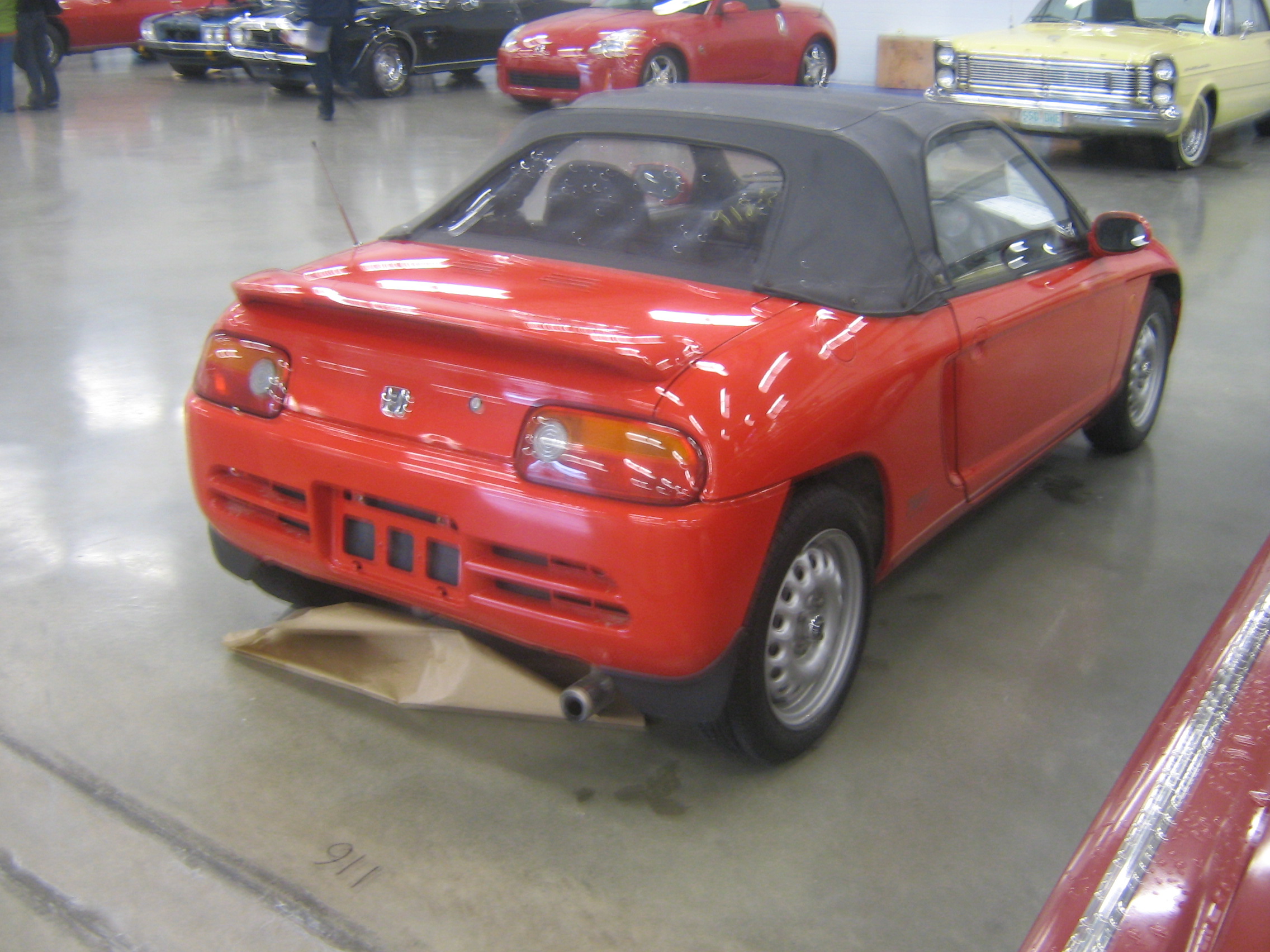
The Honda Beat is a small two-seat sports car made by Honda. It’s built to feel quick and fun to drive even though it’s not a large, powerful car. People bring it up because it’s a distinctive, enthusiast-style model.
Phillip Island is a well-known race track in Australia for motorcycles. Riders and teams care a lot about it because the track can be tricky and conditions can change.
“Power delivery” is how the bike’s engine responds when you twist the throttle. If it’s “linear,” it feels smooth and consistent instead of jerky.
Car
Yamaha
Yamaha is a major Japanese motorcycle brand that races at the top level. The speaker is talking about Yamaha’s racing program and how the bike was developed for different seasons.
Fuel pumps are the components that move fuel from the tank to the engine under pressure. In hot conditions, fuel can overheat, and if the pumps can’t operate correctly, the engine may be unable to run the full race distance.
Car
Ducati
Ducati is a famous Italian motorcycle brand. Here it’s being discussed as the bike brand that riders and teams moved to for better championship results.
Term
800
“800” is shorthand for the engine size rules (around 800cc) used in that racing era. When the rules change, teams have to redesign the bike, and some brands fit the new rules better than others.
This means the bike has advanced electronics that help it run and perform better. In racing, those parts can cost a lot to design and update, so teams often plan spending over time.
Fuel saving means the team tries to use less fuel during the race. That can help you avoid running out or losing time, especially when there are limits or rules about fuel use.
Term
freezing fuel
This is about cooling the fuel down. Cooler fuel can help the engine burn it more consistently, which can improve performance in racing.
Brand
Jucati
This sounds like “Ducati,” an Italian motorcycle brand. The host is saying Ducati was early to develop some advanced bike tech that other teams later copied.
“Engine character” means what the engine feels like when you ride it—how it pulls, how smooth it is, and how it reacts when you twist the throttle. On a race bike, that can change how stable the bike feels and how well it sticks to the road.
Brand
Melandria Max
“Melandria Max” sounds like a person involved in the racing discussion—someone whose feedback didn’t match on what was causing the bike’s behavior. The exact name is unclear from the transcript.
A “prototype” is a first version of a bike made for testing. It’s used to find problems and improve things before the team races the more finalized version.
The Corkscrew is a famous corner at Laguna Seca. It’s a tricky downhill section, and riders often try to pass there because it can create big opportunities.
The paddock is the team area at a race. It’s where riders and mechanics hang out between sessions and where people talk about what’s happening on track.
Race strategy is the plan for how a rider will handle the whole race. It includes decisions like when to go fast and how to get around other riders, not just who is fastest for one lap.
Term
16 seconds clearer
“16 seconds clearer” indicates a large time gap between riders at that point in the race. In road racing, a gap that big usually means the trailing rider can’t immediately pressure for a pass, while the leader has some breathing room.
Jaguar’s XK engine is a well-known classic straight-six engine. In simple terms, it’s a design with two camshafts on top and combustion chambers shaped to help it run efficiently and make power.
A double overhead camshaft engine has two camshafts up in the head that control the engine’s valves. That can help the engine breathe better, especially when you rev it.
The Jaguar Mark II is a classic British car from the post-war era. It’s famous for its smooth, strong engine, and in this story Jeremy Burgess bought one and rebuilt it carefully.
Hemispherical combustion chambers are a specific shape for the space where fuel burns. The shape helps the engine mix and burn fuel more effectively, which can improve power.
The Triumph TR4 is a classic British sports car. Burgess says he looked at one as a second choice because he couldn’t immediately find the Jaguar he wanted.
An angle grinder is a handheld tool with a spinning cutting/grinding disc. Rusty used it to break through the car’s hidden repair work to see what was really underneath.
LIVE
A Listener Production.
46 years ago this month, an Aussie by the name of Jeremy Burgess scored his first win in what
we now know as MotoGP.
Back then he was a mechanic for Randy Momola on a Suzuki.
That win was at the Belgian GP at Zolder.
It was early July 1980.
Randy was 20 years old at the time and it was his first Premier Class win.
In the field was Graziano Rossi, whose son Valentino would rise to become one of the all-time
greats of the sport with his trademark racing number 46.
Jeremy would guide Valentino through his incredible 500cc and MotoGP success as his crew chief,
initially with Honda, who JB had enjoyed two unforgettable decades with, working alongside
the likes of Freddie Spencer, Wayne Gardner and the legendary McDewan.
Jeremy later moved with Valentino to Yamaha where there were more wins, podiums and titles
before a frustrating chapter with Ducati, which we also talk about.
We released this ep back in 2018 but I sense that not everyone has heard it.
We recorded at his place in South Australia.
JB had retired a few years earlier and was enjoying being back home.
The state capital Adelaide, less than an hour's drive away, is about to become the new home
for the Australian motorcycle Grand Prix with a street race in the heart of the city in
2027, most likely November, although the calendar for next season hasn't been released yet.
In the year we spoke, Jeremy was inducted into the Australian Motorsport Hall of Fame,
fitting recognition for the contribution, the mark that he'd made.
This is quite the story, from someone who acutely understands how the motorcycle works,
how to develop them and the importance of a tight-knit team around the rider.
Those riders were all different too but JB knew how to get the best out of them.
Some of that is learned but I reckon it's also innate.
He has this calm appreciation of the way champions are wired and is in sync with that.
As MotoGP gears up for its mid-season summer break, enjoy our re-release of the Jeremy
Burgess feature app.
Mick Doan, five world titles, Wayne Gardner kind of put Aussie riders back on the modern
day radar, I guess you could say, with that memorable 500cc world championship win in
87.
And of course Valentino Rossi's MotoGP record is phenomenal, seven Premier Class titles.
You had been part of all of them and you worked with Freddie Spencer during a title
winning year there as well.
More than a dozen world championships that you'd been a part of.
What is the actual official total for Jeremy Burgess of world titles?
Well, I always said it's not how many you've got, it's the next one you've got to get.
But looking back on it now, there was the 14, which you know, five with Mick, seven with
Valentino, one with Wayne and sort of assisted in Freddie's 500 world title in 85.
You underwrite yourself, you did more than assist, you were very much a part of that.
We'll talk about it in a moment.
Where did the love of bikes come from, from an early age, obviously?
Well, I grew up pretty much where we are right now and it was small dairy farm properties
then.
And some of my friends had bikes and then when I started work, I couldn't really afford
to run a car.
So the bike was the option.
And then from that point you tend to meet like-minded people and then on one particular day somebody
said you should come out to the racetrack and have a gallop around and the rest is history,
so to speak.
What was the bike that you first rode in that set of circumstances?
The first bike I had was a T500 Suzuki, 1969 model, first road bike I had.
I had bikes from mucking around in the paddock.
And then my first race bike was a 750 Kawasaki H2 in 1972.
Am I right in saying though that you were tinkering from quite a young age?
I mean as you and I talk here, we're in just outside of Adelaide in South Australia, not
far from the vineyard.
So there was obviously place and room to do that stuff.
But you were driving a car, I think, at quite a young age, weren't you?
Oh yeah, for sure.
I was driving at eight tractors and what have you and I had my first car at 12, which
cost me £12.10.
What was it and what became of that car?
It was a little Ford Angler and we ended up cutting it up and just driving around the
paddock in a chassis, sort of Peter Brock style.
And we did a lot of that.
I mean the vineyards are here now, but in the old days when I was a boy they were all
dairy farms.
How did the racing bug really kick in?
Yeah, I went to a race with a friend once at Mount Gambier and he was racing and I sort
of got excited by it.
And I'd been going out doing these sort of Saturday afternoon track days at Adelaide
International which was a fairly new circuit in those days.
And I was going faster than some of the guys who were doing quite well in the sea grades
and what have you.
So I ended a race and the first race I contested was the advertiser three hour race and I finished
third in the unlimited class.
And you developed even back then quite a reputation for being meticulous with your bike prep.
Is that something that you enjoyed and was it every aspect that you worked on on the
bike?
I think what you saw on the outside probably wasn't that flash, but the things that actually
did work were maintained well and bikes were reliable.
And I got an enormous enjoyment out of tinkering with the bike in the shed when other blokes
were on off of the girlfriends and doing things I was quite happy to be in the shed at night
doing things.
In early 1980 you head to Europe to take in some Grand Prix racing.
How did that trip come about and was it purely just a spectating mission or had you already
kind of had the aspiration of doing something abroad?
It probably goes back a bit further than that.
A friend of mine who I used to travel a lot with, Carl Hemmersley was called here in South
Australia on the road and he was the guy really sort of pushing me to make up the double to
travel interstate and do everything.
So I probably did a few less races in the end of 78 and 79 and I probably say I wasn't
really enjoying it that much in a sense.
I needed something to sort of spark me up and I'd taken up water skiing and sort of
met up with a girl who was keen on water skiing so parents had a shack on the river.
So you know everything had sort of a different focus.
I even did a lot of scuba diving in those years so I can look back and say I really
wasn't totally fixed on motorcycle racing.
That's certainly still very interested in it.
And I did in 1980 pretty much what every young Australian does and said about that
trip to Europe or to the mother country as most of us went to.
My father wisely said to me to sell my bikes because he said they'll be another year older
when you get back and more difficult to sell.
And I think you know when I got to the UK and went to some of the races there you realised
very quickly that the level is so much different and as a 27 year old it wasn't really going
to happen and I was lucky enough to get off at a job but Suzuki GB is a mechanic for Randy
Mamola.
There's a little bit deflating in that sense because even though you may have reached a
bit of a crossroads with it, young races obviously doing well you're probably at a little bit
of an older stage for you know nowadays at least anyway.
I mean money so pivotal to it as well isn't it?
Yeah absolutely.
But I think if anything the thing I didn't have was any sort of mentoring.
If I'd had somebody in my corner who had been a racer himself who wanted to assist or just
help it could have made a difference.
I'm not saying it would have made me any better but I might have lasted a bit longer and it
certainly wouldn't have made me any worse.
You stayed with a mate during your time there in the UK and did he help you with the introduction
to Suzuki and tell us how that all came about?
Yeah very much so.
I left here in February of 1980 with Greg Pretty.
Greg was going to Europe with his 750 and he'd been Australian champion in 79 and I just
said well I'll come on the same flight.
There was no real connection with me and Greg from that point on I sort of gave him a bit
of assistance looking for a van in the UK but I was as much out of my depth there as
he was you know in being in a different country doing things where the prices were double
what we were used to.
But we're staying with Mick Smith who had been Geoffrey Soles mechanic here in Australia
and he had been Steve Parrish's mechanic in Europe the previous year but he was now about
to start embarking on a career working with Graham Crosby at Suzuki who was the other
rider with Randy so one day Mick sort of said to me we're looking for a mechanic to work
for Randy and I said I will put my name down with the other 500 you've got.
It was really a case of being the right place at the right time because Rex White who was
the manager of Team Suzuki GB in those days called me in on a Saturday and I knew Mick
of course.
I knew Randy from meeting him in New Zealand in 1976 and I knew George Vakronovich who had
been Warren Willings mechanic in Australia in 1978 and George was an American.
So and I knew Cross because I'd raced with Cross so I knew a lot of the people in the
team and I think the fact that my RG Suzuki had run pretty well when they were a very
fragile sort of motorcycle probably tipped the scales and got me over the line.
You mentioned some great names there I mean Steve Parrish a minute ago I mean he's a teammate
and great friend to the late Barrish and Randy Mimola obviously Kiwi racer Graham Crosby
I mean all great characters and what was it like working in those circles with those guys?
Yeah looking back it was fantastic of course and Cross and I spend a lot of time together
now I was in New Zealand only a couple of weeks ago with him but at the time it was something
that was very new to me Grand Prix racing and working with factory machinery it was
just sort of every boy's dream.
I think the most important thing I was worried about was not messing it up to be sort of
handed an opportunity like that was pretty much unheard of I think working in a factory
team nobody in any of the other teams knew who I was and there I am spannering Randy's
bikes in 1980, 81 and 82.
And he won in Belgium that's the first podium I think in a career for you that's I mean
something like 280 podiums that you contributed to or were a part of during a phenomenal career
what did that first podium with him what memories have you got of it?
Oh look I can remember very much the party that night in Zolder.
The bike guys are good at that aren't they?
Yeah look it was a fantastic thing we'd been close on a number of occasions and you know
what amazed me so much was the fact that we'd go testing and break lap records so you knew
that Randy was a very very good rider and there was this sort of expectation that you'd
run better lap times everywhere than the Grand Prix of the previous year and we got to Zolder
which I think was a last minute choice for venue because normally it was Spa but there'd
been issues with Spa in 79 with the condition of the track and we were in Zolder and anyway
Luke and Ellie and Rossi were on the other Suzuki's and Keeney was on the Amaha of course
and Freddie Spencer even turned up at that race on a 500 Yamaha and Randy was able to
pull off the result which was terrific.
Was it about reliability for you at that phase of the game you mentioned the fragile nature
of some of the bikes what did you go in with from an approach was that one of the key things?
Well for sure I mean I was there and my guidance was coming really from George McMunovich who
had experience and of course Mick Smith and the mechanics on that side so you know I was sort of
half a step behind them but trying to stay half a step in front and make sure that you know we
had good bikes everything was prepared well and we you know we understood what Randy wanted
with the bikes and that's pretty much what I learned earlier it's a lot about the rider feeling
as much as it is about the bike if the rider's happy with it and feels good we know it's not
going to be perfect everywhere on the circuit but it has to be a very very good compromise
that allows him to push where he knows he can push.
He used the word mentor before who were the mentors for you in the in the chief mechanic role was
George one of them and certainly I mean Irv Kanemoto was another name that that comes up?
Absolutely you know George sort of got me started and then when I moved over to Honda
in 83 it was George who who suggested I go there he had already gone over with Freddie Spencer
and Irv was running Freddie in 83 and continued to do so for a number of years
but I was asked to do a lot of the testing here at Surface Paradise with Honda in those days
because I was Australian and Freddie was the rider so I worked very closely under Irv with George
in that period even though I was working at the Grand Prix for Ron Haslam in sort of 84
and we did some races in the US with Freddie we did the Daytona 200 and the champion 200 at Laguna
Saker and Irv asked me to assist them in that in those races and the following year he he
asked me to work on Freddie's 500 with George yeah so I learned to under Irv sort of I could
sort of um it's very interesting because in 85 Irv was of course was supervising both the 250 and
the 500 so he had a lot on his plate as did Freddie and a lot of what Irv said to us to change
you because you weren't involved in the discussions you had to sort of reverse think it to sort of
say why are we changing this Freddie must have said that okay so you start to work you know we're
changing this because Freddie wants the bike to do a certain thing or a gear ratio to be longer or
shorter in a certain area so yeah a lot of that was sort of understanding what you're doing not
just doing what you're told in line with that you pair up with the Woollen Gong Whiz Wayne Gardner
in 1986 fellow Aussie what was he like to work with back then what were your first
recollections of Wayne Gardner oh look my first recollections were I didn't have any because I
didn't know him even though we're Australians it goes back a little bit further than that I got a
telephone call at the end of 85 they were one Irv said that you know it'd be good if I went over and
was Chief Mechanic to Wayne Gardner and I said to her look I'm made I'm really happy working
with you and George and I know my stuff I can get through the work and Irv says oh I think it'd
be you know good for you well within sort of 24 hours there was another phone call from the
President of Honda Racing Mr. Aguma and Mr. Aguma said that he thought it would be a good idea if I
there was to be crew chief for Wayne Gardner and I explained to him in the same sort of way I had
to Irv that I was very happy with the job I had and he explained in no uncertain terms that if Honda
felt that I could do more and I didn't really want to do it then I wasn't part of what Honda were
going to go I wasn't going to be part of Honda going forward that's an ethos thing with the company
that's right so pretty much it was taken order there is no job because we know you can they
said we know you can do it and to be fair I was Wayne got the short end of the straw because
Wayne was coming into a factory team with Freddie Spencer and you know he needed really good people
around him Freddie was expected to be the number one rider and Irv was going to run that side and
Wayne was going to learn his craft and we'd be there supporting him well unfortunately Freddie's
86 was a disaster and Wayne became the number one rider so had Wayne perhaps had somebody a little
bit more experienced on myself at the time he might have picked up the 86 world title as well
why do you sound like you're being a little hard on yourself there boy I think that when you make it
to the factory team as a rider you would expect to get the best of what they've got but I guess
we were building to a two rider team and part of it was taking the talent that Honda had in their
mechanical teams which I was one Stuart Shenton was another and you know Wayne bought one guy from
Honda Britain with him and we were there to sort of learn in the first year but suddenly we find
ourselves in the number one Honda team and we pick up three Grand Prix wins which was really really
good and the interest started here in Australia because Wayne was you know winning races finished
second in the championship and following year he wins it are they stressful times before we get to
87 because its growth as you said in the the race team sense there's expectation from the factory
the way things work to the factory design bill do a lot of things and then it sort of works in
connection with with you guys to actually implement but to get all that right to get all the ingredients
right is not easily done but you were still winning races yes I mean more from the determination of
Wayne because I think you know the bike in 87 was so superior to the 86 bike the difference was
just incredible but the engineers at Honda had seen the effort Wayne was putting in and and most of
the time his feet were off the footpegs and they realized that their bike wasn't going to be good
enough going forward and they developed the the bike for 87 and it was pretty much untouchable all
yeah we're talking about the NSR 500 which is an icon in in machine terms the record of it it debuted
in in 84 to get back to your point on Wayne Gardner I reckon I can recall an early conversation with
him about the bikes and I think he used the word evil but in the early days they were an evil machine
why why why would that like that I don't think Honda's chassis development was as good as it could
be I mean I if there's something that makes me immensely proud is that I worked on every one of
the NSR 500s from the very beginning to make it the championship winning bike that Wayne won on and
then Mick won five titles on and Valentino finished off on that bike in 2001 winning the title so to
see the evolution and change in that motorcycle albeit still 500 cc and to see it become the bike
of choice for anybody who wanted to win the championship it's a pretty special piece of
history when I look back on those years reminisce with me a little bit more because it's a 500 cc
two stroke what it way what kind of power and can you recall some of the speeds perhaps at places like
Hockenheim and and Monza which have some you know some massive straights where you can really
unleash that that two stroke yeah look the power was was phenomenal there were evolutionary things
that happened in 98 we went to a unleaded fuel base and lost a bit of horsepower but the last
bike I built for Mick as a 500 produced 196 horsepower and you know there was no electronics so
they were pretty lethal pieces of equipment 200 miles an hour first recorded in Hockenheim in
91 or 2 they were very high speeds but at the same time that high speed didn't always equate
into winning the world championship because the Yamaha didn't have that speed and Wayne Rainey
was winning on the circuits where speed wasn't the the absolute necessity and it still happens
a little bit today I think with the Ducati you see the extra speed but doesn't doesn't translate
into the world titles that perhaps it should so Honda got their head around the what they called
the big bang or the media dubbed the big bang in 92 and we got back some of that acceleration
off the shorter corners to sort of gain a meter off every corner which gives you 15 13 to 15 meters
when you enter the straight and so it negated that necessity to have the power but made the bike a
lot easier to ride and Mick and Wayne felt the bike was slow but when they looked at their lap
times they were quite impressed and it just seemed too easy you mentioned Mick Michael Sidney Dewan
we will get to him in a moment I just want to reflect on the 87 title win for Wayne and you said
I mean it was huge back here in Australia the reaction to it and and the follow-on that has
happened from that from Mick Dewan I mean there's all kinds of names even Casey Stoner in more
in more recent times it was a huge thing for us in this part of the world wasn't it
absolutely it was looking back on it even sort of in in 1990, 1989, 88 the interest generated
initially by I think SBS and then when it was poached by Channel 9 you started to think there
may be some commercial value in this and it went on and on and then we had Bob Barnard
refurbished Phillip Island for the first Grand Prix in 89 a little bit of an issue with tobacco
advertising and we've got another circuit built at Eastern Creek so if you look at the knock-on
effect from Wayne Gardner's efforts in 86 right through you know it's fantastic and Mick carried
it on Casey Stoner's carried it on other guys in other classes have been part of it Anthony West
people like that and they've all snuck a Grand Prix win in Jack Miller now is there is our next
chance to to go on with it and and who will be the next I don't know but I the interest is here
I know that from the people that I did I associate with today and they're not all motorcycle people
but they all are interested in Sunday night usually when it's not at four o'clock in the morning
but they all know what's going on and it and you see it on the byline on the news in the morning
as to who's who's won the Grand Prix so there's a definite interest in it and I think people that
aren't necessarily motorsport people understand that these guys are heroes what they're doing and
when they go out go wheel to wheel at 340-50k's an hour and do what they do it is spectacular
and even to me it can be scary you know you stand on the rise at Mugello and have bikes go past
you at 340 kilometers an hour you're 20 yards away from them but they're going straight past your
eyes just can't keep up with the speed of it's it's awesome I mean it you know it could be said
do we need to go that fast to to race motorcycles but you know as long as there's motorcycles
there'll be guys who'll race them some sections of the media called him dead by June I think wasn't
it Mike DeWine can you remember your first impressions of him and was he a wild child what
was he like in 89 Mick was yeah he was great but he didn't have the experience of the the guys in
front of him but he wanted to run at their pace and I remember one instance in Jerez in in Spain
in 89 Mick came back into the garage after the race had started and he'd crashed and a bit of
straw bail hanging out of his helmet and I said to him what happened and he said they were getting
away from me so I shifted into fifth and they were fourth gear series of fourth gear corners
but the the beautiful thing about Mick was that he never made the same mistake twice you would
you would look at him on the racetrack and where you saw it or where he got you know it was absolutely
magnificent to watch you know he had the other guys beating before they started for a long
period of time there you're all Aussies so how did the transition from Gardner to Dillon and Burgess
and Co how did that all unfold and what was that like well at the end of 88 Honda came to me again
and and they just said we'd like you to do with another young Australian rider Mick Dewan what
you did with Wayne Gardner and I couldn't quite understand the logic of why they wanted me to
do that but they asked me to go over to a race meeting in Winton where Mick was riding and the
first person I saw as I went through the gate was Warren Willing and Warren said I said hi how are you
he said what are you doing here I said oh no I'm just having a look he said no you're not
he said don't worry he's sired for Honda and the Japanese just wanted me to go there and sort of
show an interest you know we didn't discuss it but I met Mick for the first time and
then we went up to Warren Park for another meeting I think and that was pretty much it
but yeah Mick was he learned so much that year when he injured his finger in the
Suzuka Radeo race he came back to Australia and he did a lot of training for a few weeks with the
triathlon boys on the gocast and when he turned up in Guyana he was he was a completely different
physical specimen and so he knew what he had to do and I think for some of the riders these days
the first season of having to sort of race on Sunday think about it again on Tuesday drive
you made a home to another event that there was no break like there was in Australia you didn't
have a month between events go back and play with your mates and then come out and race your bike
it was serious business and testing in between and I think a lot of the guys just wanted the
season to be over and I think Mick could see that he was going to be a lot better than he was in his
first season because he knew he had to be he's melodibid in in post race life but he was he's
you know at the peak of it very determined human being wasn't he absolutely he knew
what he wanted to do and nothing was going to stop him doing it and very very intense
it's very handy to have you know Mick had to have somebody sometimes to vent his frustration on
fortunately it wasn't me very often but Dickie copped his fair fair share of it but
no I mean I'm just so happy for Mick that and for Wayne you know that they achieved
what they wanted to achieve we'll get to his five world titles in a moment but
that phase of your career working with with Mick Dewan had the full gamut of emotions mate didn't
it because he was badly injured in 92 the operation was botched gangrene set in in the leg did you
think that it was all over before he'd even won his first world title and he was damn close to
winning at that year too was absolutely you know it's yeah it's a year you I don't think you'll
forget for the rest of your life you can't um yeah it was an absolute tragedy we were 57
odd points in front Wayne Rainey was on a plane back to America Mick crashes in in in us and in
the second practice Kevin Schwanz also a bike limps back into the paddock with water oozing out
from underneath it so you pretty much got a good idea of what's going on who caused it
Mick said to me he said he broke his leg by rolling over the leg was trapped under the
under the bike so it was like a spiral fracture low down on the ankle and then
it was sort of badly handled from there and to see Mick in hospital in Bologna with the
and the crisis having set in and the the bone exposed and then to see him go through the
leg crossover to save his foot you know it's just staggering you know it was a remarkable decision
for them to to go down that path and to save him to save the leg in that regard wasn't it
yes well I think you know Dr Costa could see that there there was not enough blood flow
to the foot and this was a way Mick was keen to get back to race and perhaps in a sense that was
what drove him yeah I mean the fact that he wanted it plated immediately and so he could get back
so quickly the poor the doctor may have been put under more pressure than he was capable of handling
and yeah it was just a series of errors I think and fortunately though there was a
the bright side was that Mick was able to recover satisfactorily to win five world titles
it's been described as one of the greatest comebacks in world sport not many work out I mean
doing to come back and win five in a row as you said I mean Honda clearly had a good bike but you
were big on that whole 80-20 theory weren't you just just explain that yeah look I I think
the bike is 20% of it in those days and and the rider was 80% the bike's all difficult to ride
but the riders who had the the fitness and the skill and the stamina more than anything to be
still competitive towards the end of the race the Eddie Lawsons the the mcduins the Wayne
Gardeners you know the Spences they were they were the guys and of course Wayne Rainey and
so forth other guys could win races but these guys could win multiple races and hence championships
not an easy craft in anyone's language but those guys could do it what modifications did
you make you know along the way to the bike that perhaps helped him did you did you do things that
that helps suit him I think the thing that was the most important was that Mick could see that the 93 bike
wasn't as good as the 92 bike and he could see that visually by watching Ito and Darrell and
they're always a meter offline the fuel injection that we had in the beginning of the season didn't
work and he battled through 93 never happy with the bike but I think to a degree there was a lot
of us thinking that perhaps the leg was more the issue than perhaps the bike however once we started
94 we did some testing and Mick still wasn't happy with the bike it was better in some ways but there
were things that needed to be done and we went to a test in Harama and we we tried the suspension
from 1992 in the front and it was transformed the bike completely and then Mick said right let's put
the 92 shock in the rear and they did that and away we went and we'd been battling prior to that
Japanese workings of is it the same as last year yes yes it's the same yes yes it gives us that we
think it gives the same character as last year but it's it's made in a different way and Mick was
sensitive enough to be able to pick all this up and once we got that changed he just dominated 94.
Darrell often talks about Darrell Booty you mentioned before often talks about that
understanding what the Japanese are wanting to do with the development of the bike but ensuring that
was what the rider needed and that's it's a juggle that isn't it it is you know to control
engineers and that was the good thing that Mick did in 93 essentially he told he and Aguma came up
with a they said we won't change the bike for you we want you but we'll keep the bike the same
which we did then we changed the suspension only and the rest is history so to speak so we were
we were close you know we had to control from then on what the Japanese did the fact that Mick
wasn't changing the bike a lot didn't excite the chassis department in in Honda because
suddenly it clearly you'd finisted you'd got that's right it was still a 500 ccv for engine
producing more or less the same horsepower so radical changes weren't necessary and Mr. Hattori
who ran the chassis department sort of had to let about nine guys go out of the chassis department
because there was nothing to do you know and and the bike didn't change till Valentino changed
the engine position for 2001 we'll talk more about Valentino in a second but that was a phenomenal
period and in the last two questions you've rattled off some incredible names Schwartz,
Lawson, Rainey, Dewan you can throw Darrell Beatty into that mix it was a great chapter mate wasn't
it for the sport it was you never you never really quite knew who was going to win we'd put Mick on
pole position and well if he wasn't on pole position he was he was a man who was pretty
aggro about the situation and we used to as you go about controlling that there's a sort of
comedic value to it because when we would get him on to pole position he'd go into the first
corner in sixth and then he'd win the race but if he qualified second third or fourth it was like
the end of the world but you're reminding him of this well you didn't say too much to Mick you
just set it amongst the boys in the garage but you know Mick now is probably as far as motorcycling
is concerned a lot more relaxed than he was in those days we have some good laughs about it.
Still to come working with Valentino Rossi and keeping the band together when the rider makes
a high profile defection where those conversations quietly took place plus his recollections of a
flashpoint in the rivalry with Casey Stoner. The troubled move to Giacatti and some cool
retirement resto projects it's all just around the corner here on Rusty's Garage.
Go for a snack run because AMPM's got more than enough for a marathon. AMPM too much good stuff.
All new drinks are now at McDonald's with refreshers like the strawberry water melon
refresher and the mango pineapple refresher with popping boba to crafted sodas like the
sprite berry blast with berry flavors and cold foam who knew ice cold drinks could be so fire
six all new drinks are here now at McDonald's refreshers contain caffeine
double clutch mainly for shifting gears in vehicles with an unsynchronized manual gearbox
instead of shifting once the driver engages the clutch shifts to neutral releases the clutch
then engages that again for the final part of the shift also known as the double shuffle did any of
that make sense people talk about it being a mind game JB as much as the bike as much as the physical
aspect of the riding and the stamina that you talked about before that you need doing and
Valentino Rossi seemed like they are masters of that side are they from what you've witnessed or
is it more that their record their presence perhaps make rivals stumble in some respect that
they are a little bit daunted by those guys well I think it can it can be a combination of both
I mean without question you look at 54 Grand Prix wins for Mick and somewhere near 115 116
made a GP wins for Valentino they're better than the other guys there's no question and Mick
in the five years he was there at the top he won a lot of Grand Prix he didn't just win the
championship except for the one year perhaps that Darrell pushed him on the Suzuki and Mick made a few
mistakes earlier in the season that year that he perhaps shouldn't have made and Darrell you know
being an Australian probably put a little bit of extra pressure on Mick and Darrell was probably
laughing all the time knowing what Darrell's like I'm sure that was the case um injury ultimately
ended Mick's reign did you contemplate stopping then or how did the whole Valentino Rossi
thing come about no I mean it's been reported that I contemplated but a lot of things have been
reported that I said I said or and no I hadn't even thought about it when Mick was heard in
Perez in 99 I essentially went home there wasn't much to do we didn't know when Mick was going to
come back and then around August Mick sort of made the decision that he wasn't going to return
Mick was then at that point going to run a team with money from Shell I believe and
at the end of the season Honda let me go and they said you can go and work with Mick doing in his
team and I thought I thought I'd be all right so I'll still be under the Honda banner and then the
Mick well a couple of the other blokes in the team had decided to do the same thing or Honda had
told them Dickie that for one that was wasn't required and that we're shipping you over to
Mick Doeans team which was good nobody nobody worried it was still in Grand Prix
still in the Honda thing probably have better working conditions and more money so it was all
going to look pretty good and then it all fell about and I remember Alex Briggs who was also one
of the guys who'd come across ringing me up and saying JV what are we going to do and I said well
you know I was sweating a bit because these kids had mortgages and families and everything else and
they'd made the call to come across and I sort of got my head together and I worked out that they
they didn't have anybody to run Valentino if the Mick Doeans team had collapsed anyway so
essentially they weren't going to let Valentino go go and they needed the people to run him.
He came in incredibly well credentialed mate from a 125 title winner 250 title win before he joined
you guys how polished was he as a rider at that time and what were your first sort of
recollections of working with one of the greatest of all time now. Absolutely brilliant there's no
question about it he from the first moment he got on the bike his ability to understand and
you have to remember that Valentino was coming from an Italian team with an Italian bike to race
with an Australian team on a Japanese bike he was the one making the biggest commitment and I said
to the guys I said the only way this is going to get messed up is if we mess it up so we've got to
make sure we you know we give him exactly what he wants when he wants it you know I have to thank
Aprilia and all those people for schooling Valentino and shaping him in the right way and
when you get to meet his parents you understand that you know they are very level headed people and
Valentino had a very good grounding all the way through just brilliant the moment he got on the
bike he everything he brought from his stays in the 125 to the days in the 250 like simple things
like getting off the bike and telling me what the temperature is and I say you don't have to do that
you know and talking about too much pressure on this helmet because the screen's not in the right
position because he's learned that on the 125s you know so he knew how to maximize every little
bit of the bike to make it how he had been taught that it should be having myself never worked on
125s you know this was all something new to me I used to say to Mick and Wayne at Hockenheim
and the high speed circuits to get your feet up on the pegs on the straights rather than have
a couple of air brakes hanging out the side and that'd pick you up 234 kilometers an hour
but Valentino was doing this on the 125 and automatically so a very very unique young man
an absolute pleasure to work with that must have made you guys feel better in the sense that there
was all this uncertainty going in and here you had this superstar on the rise everything coming
together and he was you know gelling straight away wasn't it absolutely it was a fantastic little
team you know we had a beer sponsor which was important for the trailers we weren't allowed to
be part of the factory team I had to put the team together with with Dick and Alex Briggs and
I hired Gary Coleman from Newcastle to be the the helper and truck driver so it was pretty much an
all-Australian team and we had one Japanese mechanic sorry engineer with us and Bernard Ancio
Wayne Rainey's old mechanic who was a Belgian and we were based in Belgium so everything just
clicked and because of the contract with Honda and Repsol we we couldn't have anything to do
with them and we'd watch the chaos in the garages next door and we just plugged away with our
first-year Grand Prix 500 rider and listened to what he said and we finished second in the championship
just quietly making noise next door and doing your own thing well they looked on very closely
though didn't they yeah they were in a lot of trouble uh Alex had won Alex Gravill had won the
championship they had set a Givin' Hour as well and Ocarta I think from our memory serves me but
you know they they couldn't find the cause of why they didn't think the bike was any good and they
changed everything from swing arm to frames and it was an engine character in the porting which
so everything they changed we just kept Valentino on the same bike got the right porting in the
cylinders and a little bit later than the other two other guys but we hadn't made the confusion
they've made earlier on and you know we had a good bike and the Japanese could see that the
future was to back Valentino going forward. Among the many special places he has in the record
books he got the last 500 cc world title then the first of the new four stroke era Moto GP
did you miss the 500 cc two strokes or were you just impressed by the new direction the new bikes
I didn't miss them I mean you look back and you you you miss things about them but I'd work with
the four strokes the rvf and the eight hour races which is a very very special bike by Honda and I
could see how good these four strokes were going to be and I always looked at the bikers just being
a tool for allowing the rider to achieve what he wants to achieve two stroke or four stroke
didn't worry me much at all and the way we went you know with the Mr Yoshimura from Honda got me
involved in the RC 211 there's one of the first people to see that it was a v5 which was pretty
impressive and we tested it after the eight hour race in 2001 and there were some significant things
that Valentino didn't like about it Honda had built it with very little cowling and very little
wind protection because they knew how powerful it was and they they knew that they didn't need to go
too far but it was very difficult for Valentino to ride it talking about the pressure on his helmet
which that sort of thing which did that require wind tunnel stuff what did you do no we just we
started lifting the screens higher and higher but Honda didn't want to do it because the styling
department was involved and there was various issues like that you weren't just dealing with the
race department at Honda you're dealing with what's this bike going to do for our sales and
so they'd gone on a concept and to Yoshimura's credit we had a list of nine things which were
seriously no good as far as we were concerned by the time we tested it in December in heres that
year all but one of them had been fixed and Valentino had indicated that he wanted to ride his
500 in the 2002 championship and Yoshimura was smart enough to say to the engineering group and to
myself that it's our job to make the four stroke so that Valentino has no choice so he has to go
that way and that's exactly what happened he he kato the the rider who was unfortunately killed
some years later in in shizuka was riding the 500 at the end of 2001 in heres and Valentino
was on the four stroke the Hussie 211 and he came into me and he said i'm going to have to ride the
four stroke he said the the advantage of the two stroke in the corner and in the braking area
is outweighed by the fact that i don't pass the two stroke in that area i passed it in third and
fourth gear on the straight so the power was just um it was just a no-brainer although the bike was
going to be more difficult to stop and turn probably not as nice off of the corner initially in its
infancy he would have been gobbled up by everybody on the fourth stroke on the third fourth fifth
gear shifts so from that point we tried to make sure that we could make the RC 211
as comfortable for Valentino as we could in addition to the engine change and the the power
that you that you talk about there what other technical innovations were you seeing come in at
that time was there's a great period of growth for for bike racing wasn't it it was the the Japanese
through the four stroke technology and Formula One they knew what was available it was only
at a test before the last race of the season in 2002 that we got fly by wire
throttle with traction control and Valentino came in and said don't tell anybody about this
it's almost cheating were you staggered about what the bike could do when you you know when
you look back at different things i was um well having worked with four strokes i you know i wasn't
it wasn't staggered but i think the people that had the biggest job was Michelin the tyre company
to develop tyres so quickly for these bikes and they did a magnificent job they were still having
to build tyres for the 500s because they could run in the same race at that time but you know the
four stroke was clearly an advantage over the two strokes so very quickly the manufacturers
built more four strikes and yeah we uh away we went but their technology that was the biggest thing
there was that and you know working with slipper clutches which to be fair the Honda one at that
time wasn't particularly good the corner entry was difficult sometimes we didn't use a slipper clutch
we used a normal fixed clutch but that could bring problems mid corner so you know we we had to
refine everything so it was it was good time for all Valentino stayed with Honda until the end of
of 03 before the high profile moved the the defection if you like to Yamaha how much of
Valentino's decision contributed to what you ultimately decided to do because you had been
with Honda for 20 years that mustn't have been an easy call to make to decide to to leave you know
no it wasn't easy I mean I was when the rumors were getting around that Valentino was leaving and
and Valentino had sort of tentatively spoken to me and said you know if I was to leave what would
you do with and you know I didn't sort of come in didn't think you know why you're going to leave
you just won three world titles we've got the bike team and when it started to get
more serious so I was given the brief by Techecowa and Honda to convince Valentino to stay and
you know we know now in hindsight Valentino had signed an agreement I think as early as April or
something to go to Yamaha or wherever where did Honda earlier in your opinion I mean
it is you know pretty much they said that they were going to build more RC211s and they were
going to give them to more riders and all bikes would be the same Valentino felt quite rightly
that you know that he'd won them three championships and he perhaps deserved something a little bit
better which to be perfectly honest he would have got you know but they Honda can't say that when
they're trying to farm these bikes out to customers they're all going to be the same but
anyway I think there was some issues Valentino wasn't happy and he made the decision to go
and when I asked him I well I said to him exactly what I just said before you know we've got the
but we've got the bike rider team and his words to me were it's more
than that Jerry okay so we end up in Japan and this is where it really came to a head Valentino
who was given the Honda contract to sign and had it all weekend and it before the warm-up on
Sunday morning he he brings a contract down and hands it to Carlo Ferrani who looks at it and
it's not signed who hands it to Honda who look at it and it's not signed and I believe the Honda
people said oh but it's not signed and this is heavy mate on Ristar yeah and Carlo says yeah
it's not signed and I think then they realized that they've lost him and he was gone but I think
the smart ones knew probably before but I don't believe the factories don't don't communicate
to a degree but from my side getting back to the original question I went into his cabin on in that
morning and he was a bit down in the dumps you know there's been a high pressure weekend for him
we got chatting and I said so something he said well if you think it'll make any difference
I'll come with you and Ucho and him the next minute they're like euphoric you know
you know he might not think that now but he you know he he was absolutely you know that was
like the biggest relief he could have had and you clearly didn't decide that on a whim though
mate that that wasn't an easy call I said it straight off the top of my head you know and
and I wasn't really doing anything at Honda than I hadn't done before it's just a repetitive exercise
this would be a new challenge but I did realize clearly that crossing that bridge to Yamaha there's
if it doesn't work there's no going back so I went into the garage and I said to the boys
Gary and Alex and Bernie I said I'm going to Yamaha and Briggs he said well if you're going JB
I'm going too I'll learn more over there with you than I will by staying here
so from that point next race was Phillip Island and we had the clandestine meetings with the
Yamaha hierarchy and the rest is road race history so to speak amazing the Yamaha is immediately
successful in Rossi's hands it seems like fairytale stuff but in some ways was that proof of your
80-20 theory because it wasn't quite the perfect bike to begin with was it no it wasn't but it wasn't
that bad either I think I think what Yamaha had at the time was perhaps not the Yamaha side was
trying to help their riders their riders at the time were Max B. R. G. and a 0
million and on the other side of the garage I think they had Carlos Checker and
that's right they did too Arbae and we got there and I went to a test in November
in Sipang but they wouldn't let Valentino test Honda wouldn't let Valentino test until
January but the whole thing was very much well organized by Yamaha we can deliver this by this
date this by that but we promise we'll do it okay and they they had some
systems into like guillotine type slide arrangements in their throttle bodies which are not good on a
on a motorcycle but are quite good on a formula too so there were things that I could obviously see were
needed to be not could be fixed but they also knew which is you know I think it's out there in the
public domain everybody should know it so they got on the wrong track in some ways by trying to
help the riders too much but probably most of the credit would have to go to Mr. Furrasawa
who was pretty much the Mr. Fixit who looked at all of obviously had the ear of the board and he
could look at all the factions of Yamaha that worked and didn't work and and could pretty much
say we need to spend another 30 million over there or or whatever so yeah we get into testing and
Valentino does about eight laps on it and he says you know it's serious it's not so bad and
you know I'd been hearing from the Italian mechanics that were working in the garage that
would never be Honda and everything else and I see a bit of this happening right now in Yamaha
you know yeah it's the same listening to what I hear it's the same spiral it's a belief that
other people have got better than what you've got that has to be dispelled straight away and that's
what I started to do say to these Italian mechanics how do you know that when you
don't know what Honda have got but they were just going oh you won't beat Honda and I said you know
people came up to me and they said you'll never win with an inline four against a V4 and I go
to all my engineering books and I go well there's nothing in here that says that I've got less
friction in an inline four we had a 1600 cast IMBMW or engine in Formula One in the turbo years
spanking everything that was out there so yeah the engine was power so yeah yeah it was only the
engines not the issue so you know we just started work and I clearly remember Valentino as I said
saying it's not so bad he he said but I'm locking the brake and I said fantastic that's an easy fix
and he looked at me and he said you know and his blank stare as did the Japanese engineer I said well
engineers because there was 30 of them around him after his first ride and I said well that's the only
part of this motorcycle that's the same as we had on the Honda 320 Brembo brakes and we never locked
the Honda wheel I said we're going to lift the bike 20 millimeters and the Japanese
sucking their teeth we lift it 20 millimeters he said perfect he said that's it uh the Japanese
Yamaha chassis guys are very clever so the next test we did we had another 20mm in the swing arm so
if they like to keep the front axle center position rear wheel position center of mass
in a particular circle so if you're lengthen one you've got to do something to the other
so that was pretty much it and then tested at Phillip Island in 2004 the new throttle bodies came
went across to Welcome in South Africa and qualified for our fastest in the first practice
fastest in the second third warm up we only had to replicate it in the race which was the big unknown
and probably saw one of the best battles between two riders Max Biorgi and Valentino and Valentino
on top it was a phenomenal race unforgettable in many respects what did that mean to to Yamaha and
what did it mean to even to Valentino I guess you know such a significant break from from Honda and
to go across and to achieve that with a with a different manufacturer look it meant a lot to
Valentino and it certainly excited us the Yamaha Japanese that I work very closely with had expected
to win two or three races towards the end of the season okay so they just went you know and the
party that night was pretty good and but it was only one race you know we we had to see what could
happen and having come from that brilliant race in in Welcome to go to her raise in the rain
you know the engine characteristic of this Yamaha which allowed Valentino to get off the line very
well with a very torquey bottom end caused us horrible problems in the rain so you know I said
about then realizing that we could be going for the championship at Phillip Island in the rain
and we practiced in the rain but fortunately we never had another wet race in the season but we
had a lot of wet practices so we're able to work on the bike get the power of the engine the power
delivery more linear to the throttle for the engines for 2005 so you know we had the two groups
the groups working to win in 2004 which was the people with round eyes yes and the group from
Japan wanting to win in 2005 which was Yamaha's 50th anniversary which was part of the whole
process of push but I could see them starting to give up thinking about giving up and not
continuing to develop for the 2004 bike and focus everything on 2005 and yet we were within
sight of winning the championship and I was really really scared that they were going to
because all the engineering group was pretty much working for the future it was quite a worrying
period how'd you control that or handle it yeah well I you know I think you spoke to people and
they they nodded their heads but you didn't really know if what they were going to be doing that and
there was no way we were going to win the race in Qatar in that heat because we had fuel pumps on
top of engines and the bike was pretty much incapable of running the whole distance so
when the fuel in the tank the last few liters got very hot the fuel pumps wouldn't work so
we couldn't keep the fuel cool because it was 47 degrees and anyway other issues took place
before that and he didn't finish the race regardless so but he was determined that said
a Giver now would never beat him again and to this day that stands true the 70s stint that you guys
had with Yamaha bears plenty of fruit might that's in the in the record books Valencino ultimately
decided to then go to Ducati an Italian on an Italian bike it seems like a match made in heaven
you go to the core group go to Casey Stoner had won a title on a on a Ducati everyone thought
Valentino would do the same and it wasn't to be looking looking back on it now what was what was
missing a lot of things were missing but we we can know the brilliance of Casey as a rider
in 2008-07 when he won the title it was a new era of the 800 and clearly the Ducati was a better
bike it had the Bridgestone tyres which Valentino subsequently changed over to it had Casey Stoner
although he wasn't the one they expected to win the title it was Loris and they had
massive electronic component and neither of the two Japanese companies Yamaha or Honda
appeared to want to spend that sort of money so quickly they knew it was coming but it's
it tells me beyond doubt that those companies do talk to each other about how much they're
going to spend in racing because Honda could have brought in all of those electronics and more
written the check and away but I think their intention was to introduce
over the next four or five years a little by little each year and then arrive at that point
Casey proved beyond all doubt he's a brilliant rider by backing that up by riding the Honda
to a title in 2011 so it goes without without saying but I think the tyres the bike the rider
was the perfect situation in 2007 2008 we'd gone to the Bridgestone tyre we had about another
six guys in the garage electronics and Valentino wins eight and nine so the the response was
very quick yes I just would have loved to have been a fly on the wall in Jucati in 2006 when they
had the whiteboard out to design the bike they're going to design for 2007 and work on all these
electronics and fuel saving and freezing fuel and all the things that became normal after Jucati
they did it first and it's so good to see a small company get up it keeps us all interested in
racing but that was it Yamaha win the next three Casey wins on the Honda and the next one so yeah
it was fairly short lived but the for us going to Jucati at that time the GFC was having its effect
on the Japanese companies and they told Valentino we can no longer afford to pay you the money we've
been paying you we're gonna have to reduce but on the other hand Lorenzo who was probably on
something significantly less was given an increase and Valentino I think felt that
taking money from him and giving it to Lorenzo when he made such a big contribution and
absolutely so he I mean I know that Valentino had agreed to go to Jucati very early in the season
because I know when Jucati spoke to me it was very very early in in fact it was one day after
the first race in Europe so amazing yeah everything was in place and Valentino as we discussed as we
the year went on he said well we know how fast Nikki goes we've been with the team with Nikki
we'll be half a second faster than Nikki but Valentino injured his shoulder in a motocross
accident so he was never good all year he had the operation at the end of the year we knew it was
going to be five or six months till that was at full strength which was going to be May
but he didn't like the bike from the moment he got on it it just was not him can you put that
down to one thing or not really is a combination I think mainly engine character okay because a
lot of and this is what we found when we went to Yamaha that Melandria Max they couldn't establish
one said it was the engine one said it was a chassis but that that connection with the throttle
which starts to load the chassis load the rear suspension and and allow the power to be put down
is so critical and it's it isn't really easy to determine if the bike is handling badly
or the engine is causing the bike to handle badly and I still see today a Ducati that is capable of
winning where it can use its superior strength of passing on the straightaway but in other places
it struggles and in case he always won his races from the front in the latter years after 2007
you know he'd make a good start and that would be it but if he had to fight as we saw in Laguna
Saker it was never never going to be that way for him so yeah all said and done the people at
Ducati were lovely really great great people but a bit of a culture there that surprised me as much
as they think that they do things the same way as the Japanese when I arrived there in December of
2010 we started to build the bikes and I said to Felipe these will be the test bikes he said no
these are your race bikes I said Valentino hasn't even ridden the bike yet where's the prototype
so you know these are your bikes you go and race them and Nikki and Juan on the other side of the
garage they were happy to do their job and Tom and Tom again they just put the bike back to where it
was the year before whereas we wanted to develop the bike we wanted to we just didn't want to be
there riding the bike so you know we spend a lot of time with a different bike trying different
things going in different directions pretty much to know of our he is back now with with Yamaha
Valentino I'm talking about you stopped working with him at the end of 2013 to use your words at
the time you were you were blindsided by that call now that the dust has settled how do you how do
you feel about all that pretty much as I thought it would pan out I always felt I'd said prior to
parting ways at the end of that season when Valentino and I discussed the future about three
weeks before I said I wasn't interested in signing any more multi-year contracts I'd go year by year
and as long as he wanted me there and he was fine with that and then I think he probably thought well
if I'm going to change at the end of next year I might as well change now you know and something
had to change and for me I was happy with what I'd done as you should be and we were only ever
repeating ourselves and I was too old and didn't want to commit five years to taking on a young
rider as soon as I got home here I had 22 offers to go back to MotoGP with different teams
and 11 offer to the manager in World Superbike so I you know again everything was the same I
don't want to commit to the to the five years I was 60 years old at the time I clearly as you wind
down you don't just wind down in a month out of a job like that you know after several months 10
months 12 months I realized that that sort of pressure is for guys in their 40s not guys in
their 60s so I'd see them on the grid you know the weather's changing and one wrong call and you've
ruined a guy's world championship so the longer I was out of it the happier I've been to be out of
I enjoyed my time there and I think I've had a pretty sensible approach to retirement the first
thing I said I always knew one day I'd retire as everybody does so don't be scared of it embrace it
and find things to to occupy your life you know just do those things you want to do don't
don't vegetate just you know get out pick up the gold sticks do whatever like have some interest
bit of tennis and some car restoration which we'll get to in a moment right before we talk cars
I'm going to throw some names at you and in a few words I want you to tell me the first thing
that pops into your mind Wayne Gardner tough Darrell Beatty funny mcduan determined Valentino Rossi
calm Freddy Spencer brilliant Kevin Schwartz
great I don't know Schwartzie to me yeah look
entertainer really he was an entertainer he entertained he had masses of followings crashes
or not Kevin was yeah he's entertainer for sure and finally Casey Stoner hard yeah
hard in the sense that so hard on himself in many ways you know so relaxed in the airports to
talk to about four-wheel drives or fishing or whatever and then so hard on himself at the circuit
you almost say that and probably Casey's the only one that could answer this that you wish he'd
stuck at it at longer I think a lot of people did but Casey was always very honest he said he wasn't
going to be there for a long time he used to spend a lot of time hanging at the front of our
garage and chatting when he's riding 250 and 125s and you know he was very much in line to
ride Yamaha until I think Valentino put the kibosh on that so I think that's probably where some of
the the angst between Valentino or Casey and Valentino comes from you touched on Laguna Saka
there before and that was a flashpoint in there in their rivalry an unbelievable pass by Valentino
at the at the corkscrew and it's been replayed countless times since Casey was aggrieved about
it at the time you're an Aussie in in the Rossi camp and and there's another Aussie
missed at the time was that did it become delicate in the paddock could you talk to Casey at that
stage I can tell you the whole story yeah um Casey had been a second to lap faster than us
all weekend and it's the first time I said to Valentino anything about any race strategy I said
the one thing that Casey hasn't had to deal with is a bike in front of him if you can get in front
of him he's got a whole different race on his hand and Valentino just made sure for the beginning
of that race every time that Casey got past him on the straight and it's very hard to pass on the
straight at Laguna because it's a long curve so even with a slower bike you can actually make it
very difficult but we were able to do that and Valentino rode you know probably one of the
races of his life if not the race of his life and it clearly frustrated Casey or upset Casey to
to the point where he made a mistake and I think we're 16 seconds clearer Christopher Mullen at the
time so from that point on was pretty easy but it was an intense race and it was cut and thrust on
every lap I think there was almost a pass on every lap and a repass on every lap after the race
um in the park Fermi Casey came over to me and sprayed me with something as spray it gave me a spray about
not champagne but no no what did you think of that and I just said did he run into you
and he apparently never did so what could that was the end of the conversation but
you know we knew what we had to do was to to put Casey in a situation that he
felt uncomfortable with we knew we didn't have the lap time that Casey could do on his own
but Casey could only do that lap time on his own when he had the racetrack to himself
there's nobody in front of him in the garage is a Jaguar I think you joked about it with Daryl
repair and despair I sense that you you love some of the the post-war development that that has
filtered through to things like Jaguar yeah I think I mean I got an interesting cars well before I
had an interest in bikes I mean I used to follow car racing Graham Hill and Jimmy Clark when I was
a boy but bikes became the means of transport and the affordable thing and then they just took over
but I never lost the the passion for cars and the post-war era in the UK when they've been pumping
so much money into the war effort and all the engineering companies were given sort of amounts
of money to you know build the military factory and the military sort of hardware we need and
the XK engine by Jaguar with a six-cylinder double overhead camshaft engine
hemispherical combustion chambers and it is a great engine and I always loved the Mark II Jag
so and later part of my racing career I bought a Mark II Jag and rebuilt it from the ground up
tell us about it originally delivered in 1963 by Bryson's in Sydney is that right
64 by Bryson right and how did you track it down I mean you're spending the better part of your
racing career overseas every year you're on the internet tracking this thing down what are you doing
yeah well there's a lot of time in hotel rooms and the internet was coming on on fairly strong in
those days and I looked for years for a good one and there was a lot of rust in them and
so I went and bought a Triumph TR4 as my second choice because I couldn't find a good Jag but
stupidly I kept palming the papers and suddenly a Jag came up here in Adelaide
and I thought it was too close not to have a look at it so I went down and I lifted the boot up
and lifted up the cover over the spare wheel and there was no rust there so that was a good sign
so I progressed around the vehicle and the guy said you know you take it away I know here you are
take it and bring it back when you want so I took it to Mates Place and had an Ultra-Tune and we
put it over the hoist no rust underneath so so I bought it but I knew there would be rust in it
just so we couldn't see it and I brought it home and I put the angle grinder in behind the
in the front wheel arch and out came white dust so it was full of bog then I just started to
work on it and re-skin the doors and repaint it and re-upholster it and that's pretty much where
we are today is it finished is it concourse spec how long did it take it took about three years
it's not concourse it's very very good but it's never finished if you've got a classic car there's
always I could have a new wiring harness I want to put in it but no it's never finished and I've
still got the TR4 as well so I've got two vehicles that I spread my time between is the TR4 how far
advanced on that project are you if you and I got down there for a half an hour we could be driving it
I've just ordered some more parts from the UK this morning before UK
the new trim for the door inside the door and a couple of little bits and pieces but
should be ready to go in a fortnight beautiful and the Jag is something that you and your lovely
wife Claudine just throw the cap and the scarf on and go down around the wineries what do you do
no not so much I go out every second Wednesday with a few like-minded people got out our guys got a
a Morgan there's a 246 Dino and a couple of Cobras and a couple of bits and pieces so
yeah we go out for coffee or run them around and they're pretty much spring and autumn cars you
know because there's no air conditioning in the Jag and the winter would make I don't like taking
out on wet roads so something to do when it's not as selfish as a motorcycle you can take
their wife and somebody else with you have you kept it absolutely original or true to its
its build no I mean that's got wider triple laced competition wire wheels on it four piston
front calipers and the paint's not an original Jaguar green but it is Brooklyn's green which
is actually a Leyland colour but not many people would know that what about work still to be
completed on it I'd like to take the engine back out again I bought some I've got another engine
down there that I'd like to that's a shock to put in it with alloy flywheels and just trick it up a
little bit but you know it's a big job and you've had the triumph longer did you so where did you
track that down what's the history on that the two are four a friend of mine had it and I noticed in
an advertisement in the car sales that he had it and he only lived over the hill here so I went over
with a few grand less than he had and his daughter was no longer driving at the university and
she'd pick up a netball scholarship or something in Newcastle so I made him an offer and brought it
home how much work has got to be done on that I mean you talked about the fact that we could get
it going in half an hour but what's the ultimate goal with it and basically it's done I mean yeah
I just got to paint it oh sorry I painted it myself first car I've ever painted how'd you go with it
everybody looks at it says it's great but I could see a lot of things in it
but yeah you can get carried away and spend way too much money because
it's probably only worth about 25,000 at the end but
yeah you just got to be sensible about these things and then just yeah
am I right in saying that to complete the British box set you also want a series one Land Rover too
is that right well that would give me the saloon the soft top and the four wheel drive component
so other than that a motorcycle a British motorcycle a 69 Bonneville that you know that
would be the full set wouldn't it it staggers me am I right in saying you don't have a bike project
or you do I don't have a bike project amazing yeah I do a lot of helping out with the guys running
some classic Suzuki's in New Zealand and Australia and that but I'd be comfortable finding something
like that but I'd have to get rid of something yeah yeah what would you what bike would you go for
if you if you could probably an old early 70s TR500 water called Suzuki Grand Prix racer amazing
almost back to where it all started mate in summer it's close to yeah not the RG
because they're there you know they're beyond it but it doesn't only involve the cost of that bike
of course because then you're going to buy the high ace van to run it around so what starts out at
a modest amount ends up double modest amounts so a lot of thinking to be done it's been fantastic
to talk to you mate thank you very very much my pleasure Rusty thank you very much
Rusty's garage is written and presented by me Greg Rust series editor and producer is Joel
Harrison audio production by link Kelly if you've got a guest suggestion get in touch with me on
social media the garage it's where a journey begins with a tank full of passion fuel stories
About this episode
Jeremy Burgess’s 46-year MotoGP legacy is revisited, starting with his first MotoGP-era win and his long run as a crew chief guiding riders like Valentino Rossi across multiple manufacturers. The conversation moves through Burgess’s meticulous preparation, early bike choices, and the technical realities of Grand Prix racing—gear ratios, reliability, and the shift from 500cc two-strokes to four-stroke MotoGP. Later, the hosts connect rider skill, team dynamics, and even classic-car projects, including Rusty’s Jaguar restoration.
It’s not that long since we spoke to the great man on the pod!
Back in July 1980, he was part of a 500cc Grand Prix-winning team in Belgium with a young Randy Mamola. It was Randy’s first premier-class victory and the first of many for JB.
Graziano Rossi was in that same race. Years later, JB would become crew chief for his son, Valentino, who became one of the sport’s all-time greats, a rider synonymous with the number 46.
Recorded in 2018, less than an hour from Adelaide (which will call the Australian Motorcycle Grand Prix home in 2027), JB looks back over his stellar career, and the convo is a gem.
The Australian Motorsport Hall of Famer talks about working with the legendary Mick Doohan and helping to develop the iconic Honda 500cc GP bike.
Plus, there are recollections of a flashpoint in the rivalry between Valentino and Casey Stoner, as well as stories of his move with Rossi to Yamaha and the frustrations at Ducati.
As MotoGP gears up for its mid-season summer break, enjoy our re-release of the Jeremy Burgess Feature Ep.