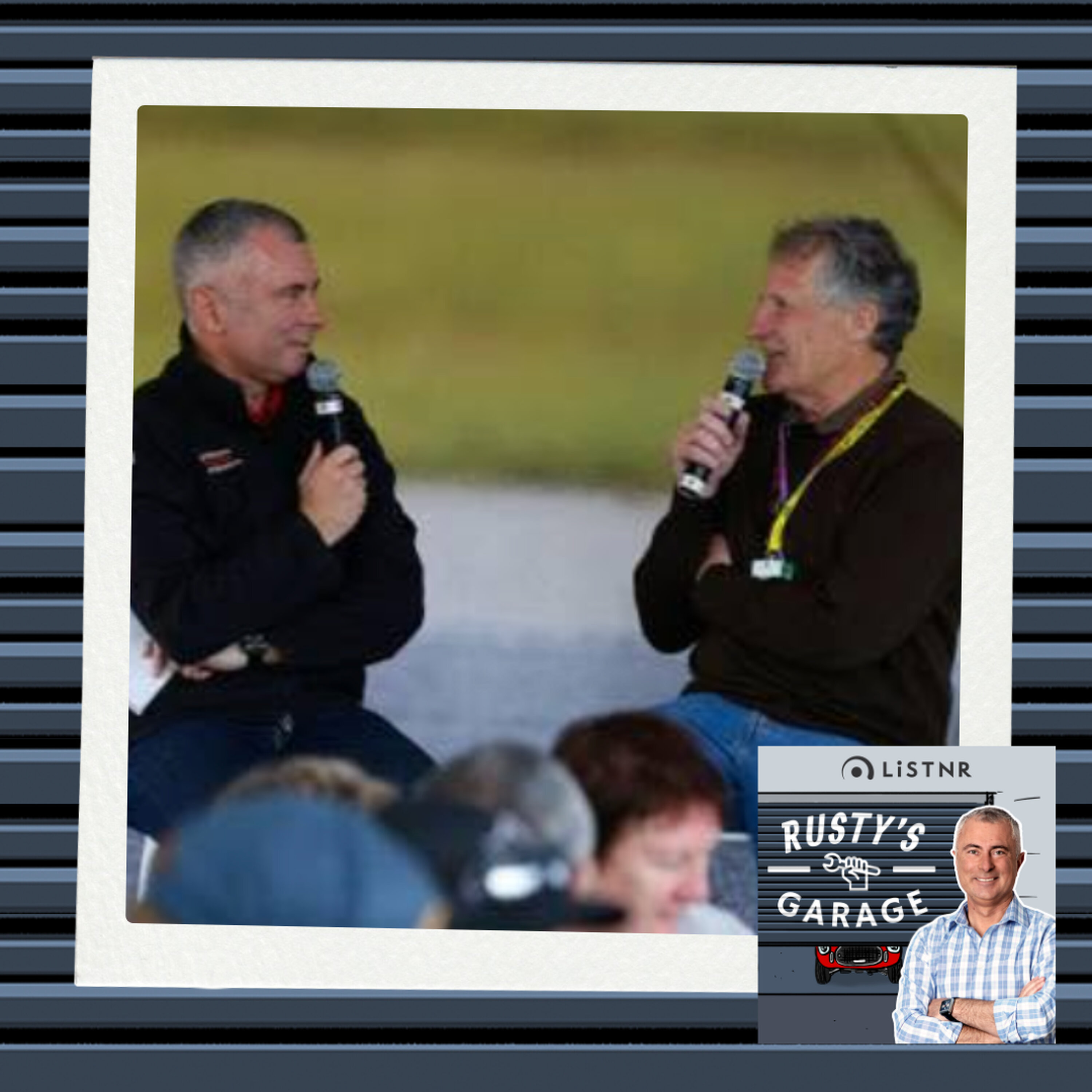
Re-Release: Jeremy Burgess - 46 years on
About this episode
Jeremy Burgess’s 46-year MotoGP legacy is revisited, starting with his first MotoGP-era win and his long run as a crew chief guiding riders like Valentino Rossi across multiple manufacturers. The conversation moves through Burgess’s meticulous preparation, early bike choices, and the technical realities of Grand Prix racing—gear ratios, reliability, and the shift from 500cc two-strokes to four-stroke MotoGP. Later, the hosts connect rider skill, team dynamics, and even classic-car projects, including Rusty’s Jaguar restoration.
It’s not that long since we spoke to the great man on the pod!
Back in July 1980, he was part of a 500cc Grand Prix-winning team in Belgium with a young Randy Mamola. It was Randy’s first premier-class victory and the first of many for JB.
Graziano Rossi was in that same race. Years later, JB would become crew chief for his son, Valentino, who became one of the sport’s all-time greats, a rider synonymous with the number 46.
Recorded in 2018, less than an hour from Adelaide (which will call the Australian Motorcycle Grand Prix home in 2027), JB looks back over his stellar career, and the convo is a gem.
The Australian Motorsport Hall of Famer talks about working with the legendary Mick Doohan and helping to develop the iconic Honda 500cc GP bike.
Plus, there are recollections of a flashpoint in the rivalry between Valentino and Casey Stoner, as well as stories of his move with Rossi to Yamaha and the frustrations at Ducati.
As MotoGP gears up for its mid-season summer break, enjoy our re-release of the Jeremy Burgess Feature Ep.
https://www.australianmotorsporthalloffame.com.au/inductees/jeremy-burgess/
Head to Rusty's Facebook, Twitter or Instagram and give us your feedback, and let us know who you want to hear from on Rusty's Garage.
See omnystudio.com/listener for privacy information.
Jeremy Burgess
"46 years ago this month, an Aussie by the name of Jeremy Burgess scored his first win in what we now know as MotoGP. ... Jeremy later moved with Valentino to Yamaha..."
Jeremy Burgess is a well-known Australian motorcycle racing expert. He worked as a mechanic and later as a crew chief, helping top riders and teams make their bikes faster and win races.
Jeremy Burgess is an Australian motorcycle racing mechanic and crew chief known for helping riders win at the highest level of MotoGP. In this episode, he’s credited with guiding Valentino Rossi and developing race bikes across multiple manufacturers.
MotoGP
"46 years ago this month, an Aussie by the name of Jeremy Burgess scored his first win in what we now know as MotoGP."
MotoGP is the highest level of professional motorcycle racing. It’s where the best teams and riders compete on the most advanced bikes.
MotoGP is the top tier of Grand Prix motorcycle racing, featuring the fastest factory and satellite teams. When the host says “what we now know as MotoGP,” they’re pointing out that the series has evolved in name and structure since 1980.
Randy Momola
"Back then he was a mechanic for Randy Momola on a Suzuki. That win was at the Belgian GP at Zolder. It was early July 1980."
Randy Momola is a former top-level motorcycle racer. The episode says he was very young when he got his first win in the top class, and Jeremy Burgess helped him as a mechanic.
Randy Momola is a former professional Grand Prix motorcycle racer. In this segment, he’s described as 20 years old when he earned his first Premier Class win, with Jeremy Burgess working as his mechanic on a Suzuki.
Suzuki
"Back then he was a mechanic for Randy Momola on a Suzuki. That win was at the Belgian GP at Zolder."
Suzuki is a motorcycle brand that also races in major professional events. In this story, it’s the brand of bike Jeremy Burgess was working on.
Suzuki is a major Japanese motorcycle manufacturer that competes in Grand Prix racing. Here, the host notes Jeremy Burgess worked as a mechanic for Randy Momola on a Suzuki during his early MotoGP-era success.
Belgian GP
"That win was at the Belgian GP at Zolder. It was early July 1980."
The Belgian GP is a big motorcycle race event in Belgium. The host is saying this is where Burgess got his first major win.
The Belgian GP is a Grand Prix motorcycle race event held in Belgium. In this episode, it’s the specific race where Jeremy Burgess scored his first win in the era that later became MotoGP.
Premier class
"Randy was 20 years old at the time and it was his first Premier Class win. In the field was Graziano Rossi..."
“Premier Class” means the top level of that racing series. It’s the most competitive category, with the best riders and teams.
“Premier Class” refers to the top category in Grand Prix motorcycle racing at the time. The host uses it to emphasize that Randy Mamola’s win was in the highest competition level, not a lower support class.
Valentino
"In the field was Graziano Rossi, whose son Valentino would rise to become one of the all-time greats of the sport... Jeremy would guide Valentino through his incredible 500cc and MotoGP success as his crew chief..."
Valentino Rossi is a legendary motorcycle racer. The host says Jeremy Burgess helped him get the best results, including championship-level success.
Valentino Rossi is one of the most famous motorcycle racers in history, known for long-term success in MotoGP. In this episode, Jeremy Burgess is credited with guiding him through major wins and titles, including the era when Rossi rode 500cc machines.
Graziano Rossi
"In the field was Graziano Rossi, whose son Valentino would rise to become one of the all-time greats of the sport..."
Graziano Rossi is Valentino Rossi’s father. The episode brings him up because he was racing at the same time in the early 1980s.
Graziano Rossi is the father of Valentino Rossi. The host mentions him as being in the field at the time, setting up the later “Valentino would rise…” storyline.
crew chief
"Jeremy would guide Valentino through his incredible 500cc and MotoGP success as his crew chief..."
A crew chief is the main leader of a racing team. They help decide how to set up the bike and guide the rider’s team during races so the bike performs better.
A crew chief is the senior team leader responsible for race-day strategy and technical direction for a rider—coordinating setup changes, communication, and development priorities. In MotoGP, the crew chief’s job is tightly linked to translating rider feedback into faster lap times.
500 cc
"Jeremy would guide Valentino through his incredible 500cc and MotoGP success as his crew chief..."
“500cc” is a way of describing the engine size of the race bike. Bigger or smaller cc can change how the bike delivers power and feels on track.
“500cc” refers to engine displacement measured in cubic centimeters, used here to describe the class of MotoGP-era bikes Rossi was racing. It’s a shorthand for the bike’s size/format at the time, which affects how the engine makes power and how the bike behaves.
Adelaide
"The state capital Adelaide, less than an hour's drive away, is about to become the new home for the Australian motorcycle Grand Prix..."
Adelaide is a city in South Australia. The host says it will host a major motorcycle Grand Prix as a street race starting in 2027.
Adelaide is the capital city of South Australia. In this episode, it’s mentioned as the planned host location for the Australian motorcycle Grand Prix to be staged as a street race in 2027.
street race
"Adelaide... is about to become the new home for the Australian motorcycle Grand Prix with a street race in the heart of the city in 2027..."
A street race is when cars or bikes race on regular city streets that are closed off for the event. It can be more challenging because the track is tighter and less forgiving than a normal race circuit.
A street race is an event where racing takes place on public roads that are temporarily closed and adapted for competition. Compared with a purpose-built circuit, street races often involve tighter corners, different surface conditions, and less room for mistakes.
Australian motorcycle Grand Prix
"The state capital Adelaide, less than an hour's drive away, is about to become the new home for the Australian motorcycle Grand Prix with a street race in the heart of the city in 2027..."
The Australian motorcycle Grand Prix is a big MotoGP race in Australia. The episode says that in 2027 it’s planned to be run as a street race in Adelaide.
The Australian motorcycle Grand Prix is a major MotoGP event held in Australia. The host says it’s set to become a street race in Adelaide in 2027, highlighting a format change from a traditional circuit.

T500 Suzuki
"What was the bike that you first rode in that set of circumstances? [234.6s] The first bike I had was a T500 Suzuki, 1969 model, first road bike I had. [241.1s] I had bikes from mucking around in the paddock."
This is a Suzuki motorcycle from the late 1960s. It’s a 500cc two-stroke bike, and back then those engines were famous for being lively and fun to ride.
A Suzuki T500 is a classic 500cc two-stroke motorcycle model. Jeremy Burgess calls it his first road bike and specifies it as a 1969 model, which matters because the T500 era is known for punchy two-stroke power and a very different feel than modern four-strokes.

Kawasaki H2
"And then my first race bike was a 750 Kawasaki H2 in 1972. [251.1s] Am I right in saying though that you were tinkering from quite a young age? [254.2s] I mean as you and I talk here, we're in just outside of Adelaide in South Australia, not"
The Kawasaki H2 is a famous old-school racing motorcycle. It’s a big 750cc two-stroke that’s known for being very quick and a bit intense compared to calmer bikes.
The Kawasaki H2 is a legendary 750cc two-stroke “triple” motorcycle known for strong, abrupt power delivery and a reputation for being fast and demanding. Jeremy Burgess says this was his first race bike in 1972, which frames it as a serious step up from casual riding.

Ford Angler
"...s it and what became of that car? It was a little Ford Angler and we ended up cutting it up and just driving ar..."
podium
"And he won in Belgium that's the first podium I think in a career for you that's I mean something like 280 podiums that you contributed to or were a part of"
A “podium” finish means you finished in the top three of the race. It’s a big deal because it shows you were among the best that day.
A “podium” finish means placing in the top three of a race (first, second, or third). The speaker frames their first podium as a major milestone in their racing career.
Zolder
"Oh look I can remember very much the party that night in Zolder. The bike guys are good at that aren't they?"
Zolder is a race track in Belgium. The guest is talking about a big career moment that happened there.
Zolder is a motorsport circuit in Belgium known for hosting motorcycle and car racing events. In this segment, it’s the venue where the speaker recalls the first podium in their career.
testing
"you know what amazed me so much was the fact that we'd go testing and break lap records"
“Testing” is when the team goes out on the track to try things and see what makes the bike faster or more stable. It’s how they learn what setup works best.
In racing, “testing” is structured track time used to evaluate setup changes, tire choices, and performance. Here, the team’s testing led them to break lap records, confirming the rider’s pace and the bike’s competitiveness.
lap records
"you know what amazed me so much was the fact that we'd go testing and break lap records so you knew that Randy was a very very good rider"
A “lap record” is the best (fastest) time anyone has done for one full lap of the track. If a team is breaking lap records, it usually means their machine is running really well.
“Lap records” are the fastest times recorded for a single lap of a specific circuit. In racing, teams track lap records to judge whether a bike or car has the speed and setup to be competitive.
Spa
"we got to Zolder which I think was a last minute choice for venue because normally it was Spa but there'd been issues with Spa in 79 with the condition of the track"
“Spa” is a well-known race track in Belgium. They usually race there, but this time the track had problems, so they went to Zolder.
“Spa” refers to Circuit de Spa-Francorchamps in Belgium, a famous Grand Prix venue. The speaker says the event was normally at Spa, but issues with the track condition in 1979 led them to choose Zolder instead.
500 Yamaha
"and Freddie Spencer even turned up at that race on a 500 Yamaha and Randy was able to pull off the result which was terrific."
That phrase means a Yamaha bike with a 500cc engine, which was a major racing class back then. The point is that even a rider on that bike could compete at the event.
“500 Yamaha” refers to a Yamaha motorcycle in the 500cc class (a top-tier Grand Prix category in that era). The speaker notes that Freddie Spencer even showed up at the race on a 500 Yamaha.

Honda
"Absolutely you know George sort of got me started and then when I moved over to Honda in 83 it was George who who suggested I go there"
Honda is a big motorcycle company that also competes in racing. Here it means the racing team he moved to in the early 1980s.
Honda is a major Japanese motorcycle manufacturer and racing engine/bike supplier. In this segment, “Honda” refers to the racing program Jeremy Burgess joined in 1983 and the team context around Freddie Spencer and Irv Kanemoto.
Daytona 200
"and we did some races in the US with Freddie we did the Daytona 200 and the champion 200 at Laguna"
The Daytona 200 is a well-known motorcycle race at Daytona. It’s a big event where teams and riders prove their bikes can handle a long, fast race.
The Daytona 200 is a famous motorcycle race held at Daytona International Speedway. It’s a high-profile event where teams test race setups and rider-machine performance under long-distance sprint conditions.
Laguna
"we did the Daytona 200 and the champion 200 at Laguna Saker and Irv asked me to assist them"
Laguna Seca is a famous race track in California. Riders and teams use it to see how well their setup works through twisty corners.
“Laguna” here refers to Laguna Seca, a well-known road course in California used for major motorcycle and car racing. Its mix of corners makes it a useful benchmark for how well a bike’s setup works.
gear ratio
"Freddie must have said that okay so you start to work you know we're changing this Freddie wants the bike to do a certain thing or a gear ratio to be longer or shorter in a certain area"
Gear ratio is how “geared up” the bike is. It affects how quickly it accelerates versus how fast it can go, and teams change it to suit the track.
A gear ratio is the relationship between the transmission gears that determines how many engine revolutions happen for each turn of the wheel. Changing it can shift the bike/car’s balance between acceleration and top speed, and it’s often tuned for specific track sections.
George
"[990.9s] with you and George and I know my stuff I can get through the work and Irv says oh I think it'd"
The host mentions “George,” but the transcript doesn’t say who he is. It sounds like someone close to the speaker in the racing world.
“George” is mentioned as part of the speaker’s inner circle while discussing work and career moves. The transcript doesn’t provide George’s last name or role, so listeners may not know who he is in the racing context.
Irv
"[990.9s] with you and George and I know my stuff I can get through the work and Irv says oh I think it'd [996.6s] be you know good for you well within sort of 24 hours there was another phone call"
The speaker keeps referring to “Irv” as the person advising him. The transcript doesn’t explain who Irv is, but he seems important to the conversation.
“Irv” is referenced as someone giving career guidance and discussing timing (“within sort of 24 hours there was another phone call”). The transcript doesn’t identify Irv’s full name or job title, but he appears to be a key decision-maker or mentor figure.
Wayne Gardner
"[1011.1s] there was to be crew chief for Wayne Gardner and I explained to him in the same sort of way I had [1016.1s] to Irv that I was very happy with the job I had ... [1072.1s] unfortunately Freddie's 86 was a disaster and Wayne became the number one rider"
Wayne Gardner is a motorcycle racer. In this story, the speaker explains how he joined a Honda factory team and ended up as the main rider.
Wayne Gardner is a top-level motorcycle racer discussed here in the context of Honda’s racing program. The speaker describes him moving into a factory team and becoming the number one rider after a teammate’s season went badly.
factory team
"[1034.0s] that's right so pretty much it was taken order there is no job because we know you can do it and to be fair I was Wayne got the short end of the straw because [1048.3s] Wayne was coming into a factory team with Freddie Spencer"
A “factory team” is a team backed by the manufacturer itself. In other words, the company is heavily involved and usually has more support and better equipment.
A “factory team” is a racing team directly supported by the motorcycle manufacturer (here, Honda). Factory teams typically have the most resources, engineering input, and access to the latest development parts.
Freddie Spencer
"[1048.3s] Wayne was coming into a factory team with Freddie Spencer and you know he needed really good people [1058.8s] around him Freddie was expected to be the number one rider and Irv was going to run that side and [1072.1s] unfortunately Freddie's 86 was a disaster"
Freddie Spencer is another motorcycle racer in this Honda team story. The speaker says Spencer struggled in 1986, and that’s why Wayne Gardner became the top rider.
Freddie Spencer is named as the expected “number one rider” in the Honda factory team. The speaker says Spencer’s 1986 season (“Freddie's 86”) was a disaster, which changed team dynamics and elevated Wayne Gardner.
factory design
"[1142.3s] 87 because its growth as you said in the the race team sense there's expectation from the factory [1148.8s] the way things work to the factory design bill do a lot of things and then it sort of works in [1154.5s] connection with with you guys to actually implement"
“Factory design” means the manufacturer’s engineering decisions for the race bike. The team then has to put those ideas into practice so they work on track.
“Factory design” refers to the manufacturer’s engineering plans and development work for the race bike. The speaker contrasts factory design work with the team’s job of implementing it correctly in the real-world race setup.
Hockenheim
"perhaps at places like Hockenheim and and Monza which have some you know some massive straights where you can really unleash that that two stroke"
Hockenheim is a well-known race track in Germany. It has long straight sections, so it’s a place where very high speed can show up.
Hockenheim is a famous German racing circuit known for long straights where top speed matters. The speaker brings it up to explain where the 500cc two-strokes could “unleash” their power.
Monza
"Hockenheim and and Monza which have some you know some massive straights where you can really unleash that that two stroke"
Monza is a famous race track in Italy. It’s known for long, fast straight sections—so it’s a great place to test top speed.
Monza is an iconic Italian circuit famous for very high-speed racing and long straights. It’s often used as a benchmark for top-end speed, which is why the speaker mentions it when discussing two-stroke power.
unleaded fuel base
"there were evolutionary things that happened in 98 we went to a unleaded fuel base and lost a bit of horsepower"
This means racing moved to unleaded fuel instead of leaded fuel. The host is saying that switch reduced power a bit, even though it was necessary for regulations and safety.
“Unleaded fuel base” refers to switching the racing fuel formulation away from leaded components to an unleaded specification. The speaker says this change cost some horsepower, which is a common tradeoff when fuel chemistry changes engine tuning and combustion behavior.
196 horsepower
"the last bike I built for Mick as a 500 produced 196 horsepower and you know there was no electronics"
Horsepower is a measure of how much power the engine makes. Here it’s used to show how powerful the racing bike was—about 196 hp in the speaker’s example.
“196 horsepower” is the engine’s measured power output. In this context it highlights how strong the 500cc two-stroke racing bikes were, especially since the speaker notes there was no electronics controlling or smoothing the power delivery.
no electronics
"produced 196 horsepower and you know there was no electronics so they were pretty lethal pieces of equipment"
This means the bike didn’t have modern computer-controlled engine systems. Without electronics to help manage things, the engine behavior depends more on mechanical setup and the rider.
“No electronics” means the bike didn’t rely on modern electronic engine management systems (like advanced fuel/ignition control, traction aids, or ride-by-wire). That makes the machine more mechanically “raw,” so setup and rider skill matter even more.
blood flow
"yes well I think you know Dr Costa could see that there there was not enough blood flow [1854.0s] to the foot and this was a way Mick was keen to get back to race"
“Blood flow” here is about perfusion to the foot—whether enough oxygenated blood can reach the injured area. When blood flow is insufficient, tissue damage risk rises, and surgeons may choose procedures aimed at restoring circulation or preventing further loss.
plated immediately
"yeah I mean the fact that he wanted it plated immediately and so he could get back [1867.4s] so quickly the poor the doctor may have been put under more pressure than he was capable of handling"
“Plated” means doctors put a metal plate on the broken bone to hold it steady. Doing it quickly helps the bone heal in the right position.
“Plated immediately” refers to using a plate (typically metal) to stabilize a fractured bone right away. In trauma care, early stabilization helps protect healing and can reduce complications, which matters for a rider trying to recover quickly.
80-20 theory
"it's been described as one of the greatest comebacks in world sport not many work out I mean [1895.6s] doing to come back and win five in a row as you said I mean Honda clearly had a good bike but you [1901.7s] were big on that whole 80-20 theory weren't you"
It’s a way of saying that in racing, the rider matters more than the bike. The idea is that most of your success comes from the person’s skill and conditioning, not just the machine.
The “80-20 theory” is a rule-of-thumb used in motorsport to argue that most race results come from the rider (about 80%) rather than the machine (about 20%). In other words, rider fitness, skill, and stamina can outweigh small technical advantages from the bike.
fuel injection
"and he could see that visually by watching Ito and Darrell and [1964.1s] they're always a meter offline the fuel injection that we had in the beginning of the season didn't [1969.6s] work and he battled through 93 never happy with the bike"
Fuel injection is how the bike delivers fuel to the engine. If it’s not working right (or not tuned well), the bike can feel weak or inconsistent until it’s corrected.
Fuel injection is an engine system that precisely meters fuel into the engine using electronic controls instead of relying on a carburetor. In motorcycles, early-season fuel-injection calibration can strongly affect throttle response and power delivery, which is why riders and engineers may struggle until it’s sorted.
suspension
"were things that needed to be done and we went to a test in Harama and we we tried the suspension from 1992 in the front and it was transformed the bike completely"
Suspension is the part of a motorcycle that soaks up bumps and helps the tires stay in contact with the road. If you change it, the bike can feel totally different in turns and over rough pavement.
In motorcycle setup, suspension is the system that controls how the bike absorbs bumps and how it stays stable under braking, cornering, and acceleration. Changes to the suspension can dramatically alter the bike’s handling feel and traction.
shock
"let's put the 92 shock in the rear and they did that and away we went and we'd been battling prior to that"
A shock is the absorber that helps the bike react smoothly to bumps. Changing the shock can make the bike grip better and feel more stable.
A shock (typically the rear shock absorber on a motorcycle) is a key suspension component that controls damping—how quickly the suspension compresses and rebounds. Swapping shocks can change ride height, traction, and how quickly the bike settles after hitting bumps.
pole position
"we'd put Mick on pole position and well if he wasn't on pole position he was he was a man who was pretty aggro about the situation"
Pole position means you start the race from the very front. It’s usually earned by being the fastest in qualifying, and it helps you get clean air and track position.
Pole position is the starting spot at the front of the grid, awarded to the fastest qualifier. In motorcycle racing, starting from pole can strongly influence race strategy and early track position.
double clutch
"double clutch mainly for shifting gears in vehicles with an unsynchronized manual gearbox instead of shifting once the driver engages the clutch shifts to neutral releases the clutch then engages that again for the final part of the shift"
Double clutching is a way to shift gears using the clutch twice. It helps the engine speed “line up” with the next gear, which makes shifting smoother—particularly in older cars that don’t have synchronized gears.
Double clutching is a shifting technique where the driver uses the clutch twice during one gear change. It’s especially useful with an unsynchronized manual gearbox because it helps match engine speed to the next gear, making the shift smoother and easier to complete.
unsynchronized manual gearbox
"double clutch mainly for shifting gears in vehicles with an unsynchronized manual gearbox instead of shifting once the driver engages the clutch shifts to neutral"
An unsynchronized manual gearbox doesn’t have helper parts that automatically match speeds between gears. That means you have to shift more carefully—often using double clutching—to avoid grinding.
An unsynchronized manual gearbox (often called a “crash box”) lacks synchronizers that automatically match gear and shaft speeds. Without synchronizers, the driver must use techniques like double clutching to reduce gear clash and make shifts possible.
double shuffle
"then engages that again for the final part of the shift also known as the double shuffle did any of that make sense"
“Double shuffle” is another way to describe double clutching. It’s basically the same two-step clutch-and-gear process to make the shift go smoothly.
“Double shuffle” is a nickname for the same double-clutch shifting sequence: clutch in, shift to neutral, clutch out, then clutch in again to complete the gear change. The term emphasizes the two “moves” the driver makes during one shift.
Grand Prix wins
"you look at 54 Grand Prix wins for Mick and somewhere near 115 116 made a GP wins for Valentino"
Grand Prix wins are race wins in the top motorcycle racing series. Each event is called a Grand Prix, and counting wins is one way to judge how successful a rider has been.
Grand Prix wins refer to victories in top-level motorcycle road racing events that make up the season. Each race is a “Grand Prix,” and the total number of wins is a key measure of a rider’s success.
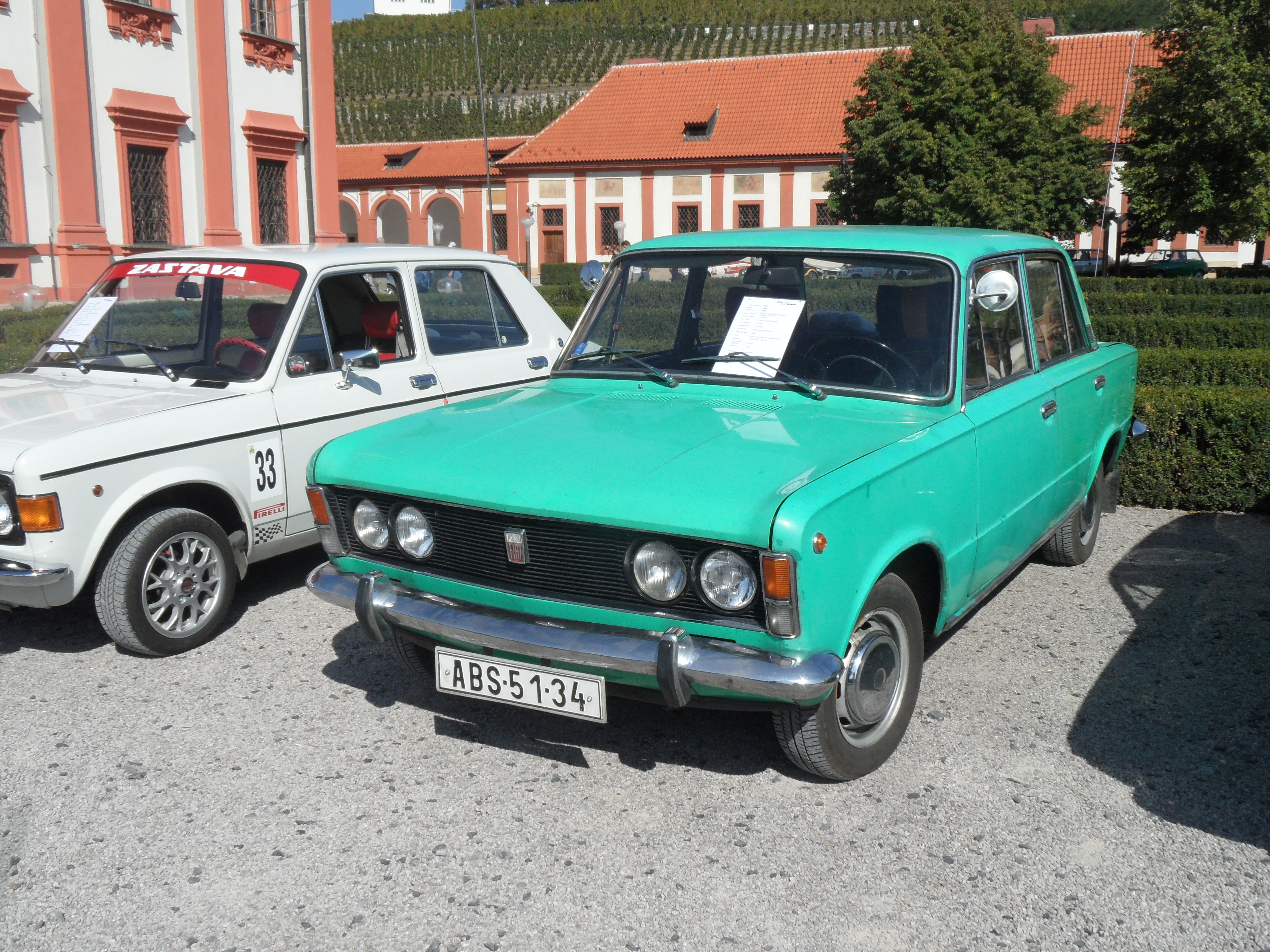
Fso 125
"...e right position because he's learned that on the 125s you know so he knew how to maximize every little ..."
The FSO 125 is an older, smaller car made by FSO. The “125” usually refers to the engine size category. It may be mentioned because someone learned how to drive it well and get the best results from it.
The FSO 125 is a compact car produced by FSO, and it’s often discussed in the context of older, simpler vehicles and how they’re driven or maintained. The “125” name typically points to its engine size class, and the car’s layout makes it a good platform for learning driving technique and maximizing performance within its limits. In the podcast context, it’s likely referenced because someone learned specific habits on these 125s to get the most out of them.
frame
"they couldn't find the cause of why they didn't think the bike was any good and they changed everything from swing arm to frames and it was an engine character in the porting"
The frame is the main structure that holds the bike together. Changing it can change how the bike flexes and steers, which matters a lot in racing.
In motorcycle racing, the frame is the main structural chassis that locates the engine, wheels, and suspension. Frame changes affect stiffness, flex, and geometry, which can dramatically change steering feel and traction.
swing arm
"they couldn't find the cause of why they didn't think the bike was any good and they changed everything from swing arm to frames and it was an engine character in the porting"
The swing arm is part of the rear suspension on a motorcycle. If engineers change it, they can change how the rear wheel moves and how the bike handles.
A swing arm is the pivoting rear suspension arm on a motorcycle. Changing the swing arm can alter rear-wheel position, suspension geometry, and how the bike responds under braking, corner entry, and acceleration.
porting
"and it was an engine character in the porting which so everything they changed we just kept Valentino on the same bike got the right porting in the cylinders"
Porting means reshaping the passages inside the engine that let air and exhaust gases move. Better porting helps the engine breathe more efficiently, which can improve power and how it responds.
Porting is modifying the intake and exhaust passages in an engine to improve airflow. In performance engines, porting changes how efficiently the engine breathes at different RPMs, which can shift power delivery and throttle response.
v5
"got me involved in the RC 211 there's one of the first people to see that it was a v5 which was pretty impressive and we tested it after the eight hour race in 2001"
“V5” means the engine has five cylinders arranged in a V pattern. That layout affects how the engine fits in the bike and how it runs.
“V5” describes an engine with five cylinders arranged in a V shape. It’s unusual compared with more common V4/V6 layouts, and it can influence packaging, firing order, vibration characteristics, and how the engine delivers power.
cowlings
"Honda had built it with very little cowling and very little wind protection because they knew how powerful it was"
Cowling is the body panels around the engine area. They can help with aerodynamics and cooling, and changing them affects how the bike feels at high speed.
Cowling is the aerodynamic bodywork around an engine or front area on a motorcycle. Less cowling can reduce weight and cooling drag, but it can also increase airflow disruption and make the bike harder for a rider to control at speed.
wind tunnel
"talking about the pressure on his helmet which that sort of thing which did that require wind tunnel stuff what did you do no we just we"
A wind tunnel is where engineers test how air flows around a bike or car. It helps them reduce drag and improve stability, and it can also help with how much wind hits the rider.
A wind tunnel is a testing facility that measures aerodynamic forces by pushing air past a vehicle or component. Teams use it to refine shapes for drag reduction and stability, especially when rider comfort and control at speed are affected by airflow.
four-stroke
"Valentino had indicated that he wanted to ride his 500 in the 2002 championship and Yoshimura was smart enough to say to the engineering group and to myself that it's our job to make the four stroke so that Valentino has no choice so he has to go"
A four-stroke engine is a type of engine that works in four steps. The host is talking about changing race bikes to this engine type, which affects how the bike makes power and how it handles.
A four-stroke engine completes its cycle in four piston strokes (intake, compression, power, exhaust). In motorcycle racing, switching from a two-stroke to a four-stroke changes how power is delivered and how the bike behaves under braking and cornering.
two-stroke
"he said the the advantage of the two stroke in the corner and in the braking area is outweighed by the fact that i don't pass the two stroke in that area i passed it in third and fourth gear on the straight"
A two-stroke engine is another type of engine that makes power differently than a four-stroke. The host is comparing how each one feels in the race—especially around corners and braking.
A two-stroke engine produces a power cycle in two piston strokes, typically giving a different torque and acceleration character than a four-stroke. The speaker contrasts the two-stroke’s advantages in cornering/braking with the four-stroke’s stronger overall usability for passing and power delivery.

RC 211
"in addition to the engine change and the the power that you that you talk about there what other technical innovations were you seeing come in at that time was there's a great period of growth for for bike racing wasn't it it was the the Japanese through the four stroke technology"
The Honda RC 211 is a MotoGP racing motorcycle. Here, the host is saying they worked on it so Valentino Rossi could ride it comfortably, especially after switching to a four-stroke setup.
The Honda RC 211 was a MotoGP race bike associated with the transition to four-stroke racing in the early 2000s. The speaker is describing development work to make the RC 211 more comfortable for Valentino Rossi, including changes tied to the engine and power delivery.
by wire throttle
"it was only at a test before the last race of the season in 2002 that we got fly by wire throttle with traction control and Valentino came in and said don't tell anybody about this"
Fly-by-wire throttle means the rider’s throttle hand input is sent electronically to the bike, not through a direct cable connection. That lets the bike control power more precisely, which can help with grip.
Fly-by-wire throttle means the rider’s throttle input is converted into electronic signals rather than directly moving a mechanical linkage. In racing, this enables more precise control strategies—especially when combined with traction control—to manage wheel slip.
traction control
"it was only at a test before the last race of the season in 2002 that we got fly by wire throttle with traction control and Valentino came in and said don't tell anybody about this"
Traction control is a system that helps prevent the tires from spinning when you accelerate. It adjusts power so the bike can keep better grip and go faster more consistently.
Traction control is an electronic system that reduces wheel spin by modulating engine power when it detects loss of grip. On a race bike, it helps maintain acceleration without the rear wheel breaking traction, which can improve lap times and consistency.
slipper clutches
"there was that and you know working with slipper clutches which to be fair the Honda one at that time wasn't particularly good the corner entry was difficult sometimes we didn't use a slipper clutch"
A slipper clutch helps a motorcycle stay stable when you downshift hard. Instead of the rear wheel suddenly getting dragged too much, it allows a bit of controlled slip so the bike doesn’t hop or lose traction.
A slipper clutch is a motorcycle clutch setup designed to reduce rear-wheel hop and lockup during hard downshifts. It “slips” slightly under engine braking so the bike stays more stable when you brake and shift at the same time.
fixed clutch
"we didn't use a slipper clutch we used a normal fixed clutch but that could bring problems mid corner so you know we we had to refine everything"
A fixed clutch is a conventional clutch setup that doesn’t incorporate the slip/controlled behavior of a slipper clutch. The speaker says using a fixed clutch could create problems mid-corner, because it can make the bike less forgiving during braking and downshifts.
Yamaha hierarchy
"so from that point next race was Phillip Island and we had the clandestine meetings with the Yamaha hierarchy and the rest is road race history"
“Hierarchy” just means the chain of command—who’s in charge. So this is talking about Yamaha’s top racing decision-makers meeting privately.
“Hierarchy” here refers to the internal leadership structure of Yamaha’s racing organization—team management and decision-makers. “Clandestine meetings” suggests these were behind-the-scenes discussions among key people about the rider/bike program.
throttle bodies
"but they they had some systems into like guillotine type slide arrangements in their throttle bodies which are not good on a on a motorcycle but are quite good on a formula too"
Throttle bodies are parts that control how much air gets into the engine. More air (when the throttle is opened) usually means more power.
Throttle bodies are the air-control housings on an engine or engine system. They regulate how much air enters the intake, which directly affects engine power and response.
guillotine type slide arrangements
"they they had some systems into like guillotine type slide arrangements in their throttle bodies which are not good on a on a motorcycle but are quite good on a formula too"
This describes a throttle design where a sliding plate moves to let air in or restrict it. The shape and movement can change how quickly the engine responds.
A guillotine-type slide arrangement refers to a throttle/air-control mechanism where a flat “blade” or slide moves to open and close airflow. In racing applications, the design can influence throttle response and how smoothly the engine breathes under different conditions.
inline four
"people came up to me and they said you'll never win with an inline four against a V4"
An inline four is an engine with four cylinders lined up in a row. It’s a common engine layout, and in racing people compare it to other cylinder layouts.
An inline four is an engine layout with four cylinders arranged in a single straight row. It’s commonly used in motorcycles and cars because it can be compact and smooth, but its packaging and airflow can be compared against other layouts in racing.
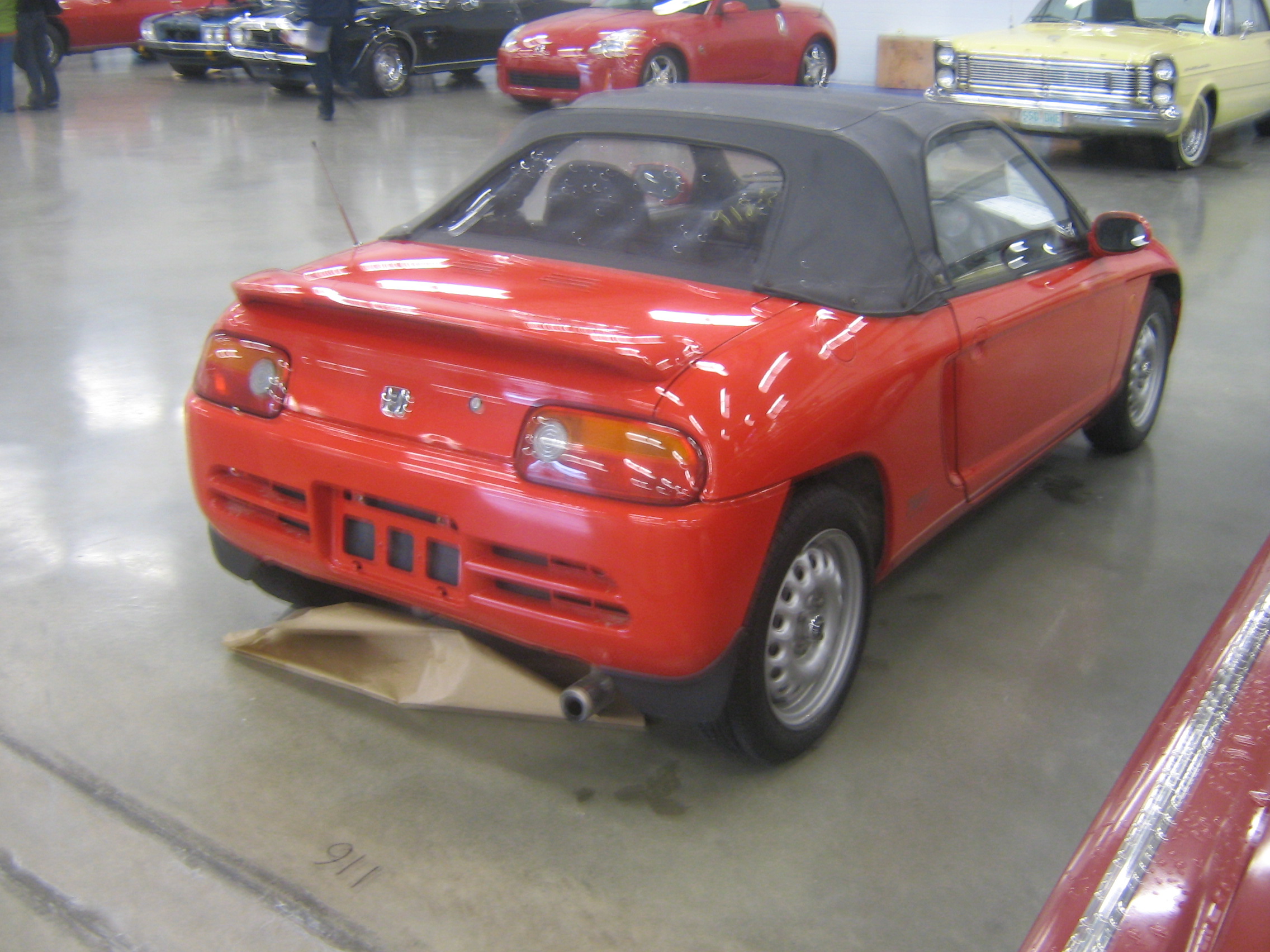
Honda Beat Honda
"...da have got but they were just going oh you won't beat Honda and I said you know people came up to me and they..."
The Honda Beat is a small two-seat sports car made by Honda. It’s built to feel quick and fun to drive even though it’s not a large, powerful car. People bring it up because it’s a distinctive, enthusiast-style model.
The Honda Beat is a small, lightweight sports coupe made by Honda, known for its compact size and fun, go-kart-like driving feel. It often comes up in conversations about unusual, enthusiast-focused cars because it’s designed to be nimble rather than powerful. In a podcast, it may be mentioned as an example of a “beat” challenge or a car people associate with Honda’s playful performance reputation.
V4s
"people came up to me and they said you'll never win with an inline four against a V4"
A V4 is an engine with four cylinders arranged in a V shape. That shape can change how the engine is built and how it behaves.
A V4 is an engine layout with four cylinders arranged in a “V” shape. The V-angle and cylinder packaging can affect balance, vibration, and how the engine fits in a race bike or car.
friction
"I go well there's nothing in here that says that I've got less friction in an inline four"
Here, friction means the “drag” inside the engine that slows things down and wastes energy. If you reduce it, the engine can make better power.
In engine engineering, friction refers to the resistive forces inside the engine that waste energy (for example, between moving parts). Lower friction can improve efficiency and power output, regardless of cylinder layout.
turbo years
"we had a 1600 cast IMBMW or engine in Formula One in the turbo years"
“Turbo years” means a period when race engines used turbochargers. Turbos boost power by pushing extra air into the engine.
“Turbo years” refers to an era in racing when turbocharged engines were prominent. Turbocharging changes how power is made by forcing more air into the engine, which affects design tradeoffs like heat management and friction.
Brembo brakes
"the only part of this motorcycle that's the same as we had on the Honda 320 Brembo brakes and we never locked the Honda wheel"
Brembo brakes are a well-known brand of racing brakes. They’re designed to stop hard and keep working consistently even when the brakes get very hot.
Brembo brakes are high-performance brake systems made by the Italian brake specialist Brembo. In racing, they’re known for strong stopping power and consistent brake feel under heat, which matters when riders are pushing hard and braking late.
wheel lock
"the only part of this motorcycle that's the same as we had on the Honda 320 Brembo brakes and we never locked the Honda wheel"
Wheel lock is when the wheel stops spinning while you’re braking. If it locks up, the bike can lose control and become harder to steer.
Wheel lock happens when a wheel stops rotating during braking, usually because braking force exceeds tire grip. On motorcycles, avoiding wheel lock helps maintain steering control and stability, especially under hard braking.
Phillip Island
"tested at Phillip Island in 2004 the new throttle bodies came"
Phillip Island is a well-known race track in Australia for motorcycles. Riders and teams care a lot about it because the track can be tricky and conditions can change.
Phillip Island is a famous motorcycle racing circuit in Australia, known for fast corners and changing grip. It’s a common venue for testing race setups because weather and track conditions can vary, making traction and engine response critical.
torquey bottom end
"the engine characteristic of this Yamaha which allowed Valentino to get off the line very well with a very torquey bottom end caused us horrible problems in the rain"
“Torquey bottom end” means the engine has strong pull at lower engine speeds. That helps the bike get going quickly when you accelerate out of turns.
“Torquey bottom end” describes strong engine pulling at low RPMs (the lower end of the rev range). In racing, that can help a rider accelerate out of corners and get the bike moving quickly before higher-RPM power takes over.
power delivery
"so we're able to work on the bike get the power of the engine the power delivery more linear to the throttle"
“Power delivery” is how the bike’s engine responds when you twist the throttle. If it’s “linear,” it feels smooth and consistent instead of jerky.
In motorcycle tuning, “power delivery” describes how the engine’s output comes on as you open the throttle. A more linear power delivery means the bike responds smoothly and predictably rather than surging or lagging.

Yamaha
"Japan wanting to win in 2005 which was Yamaha's 50th anniversary which was part of the whole process of push"
Yamaha is a major Japanese motorcycle brand that races at the top level. The speaker is talking about Yamaha’s racing program and how the bike was developed for different seasons.
Yamaha is a Japanese motorcycle manufacturer that competes at the highest levels of racing. In this segment, Yamaha is tied to the team’s development work and the push to win championships across different seasons.
Qatar
"there was no way we were going to win the race in Qatar in that heat because we had fuel pumps on top of engines"
Qatar is where the race was. The point is that it was very hot, and heat can cause problems for the bike—especially the fuel system.
Qatar is referenced as the race location where the team expected difficulty due to extreme heat. Track conditions and ambient temperature can heavily affect engine and fuel-system performance.
fuel pump
"because we had fuel pumps on top of engines and the bike was pretty much incapable of running the whole distance so when the fuel in the tank the last few liters got very hot the fuel pumps wouldn't work"
Fuel pumps are the components that move fuel from the tank to the engine under pressure. In hot conditions, fuel can overheat, and if the pumps can’t operate correctly, the engine may be unable to run the full race distance.

Ducati
"Valencino ultimately decided to then go to Ducati an Italian on an Italian bike it seems like a match made in heaven"
Ducati is a famous Italian motorcycle brand. Here it’s being discussed as the bike brand that riders and teams moved to for better championship results.
Ducati is an Italian motorcycle manufacturer known for performance-focused engines and distinctive engineering. In this segment, the speaker contrasts Yamaha and Ducati as the bikes involved in championship-winning development.
800
"it was a new era of the 800 and clearly the Ducati was a better bike"
“800” is shorthand for the engine size rules (around 800cc) used in that racing era. When the rules change, teams have to redesign the bike, and some brands fit the new rules better than others.
“800” refers to the 800cc class era in motorcycle racing, where engine displacement rules shape bike design and development priorities. Changes in the displacement/era can make one manufacturer’s package suddenly more competitive.
Bridgestone tyres
"it was a new era of the 800 and clearly the Ducati was a better bike it had the Bridgestone tyres"
Bridgestone makes racing tires. The specific tire brand and model can change how much grip the bike has and how well it holds up during a race.
Bridgestone is a major tire manufacturer, and “Bridgestone tyres” here means the race tires supplied by that brand. Tire choice strongly affects grip, heat management, and ultimately lap times and consistency.
electronic components
"massive electronic component and neither of the two Japanese companies Yamaha or Honda appeared to want to spend that sort of money so quickly"
This means the bike has advanced electronics that help it run and perform better. In racing, those parts can cost a lot to design and update, so teams often plan spending over time.
In motorcycle racing, “electronic components” usually refers to onboard electronics that control or assist performance—things like engine management, sensors, and traction-related systems. They can be expensive to develop and integrate, which is why teams and manufacturers may pace spending over multiple seasons.
fuel saving
"when they had the whiteboard out to design the bike they're going to design for 2007 and work on all these electronics and fuel saving and freezing fuel and all the things that became normal after Jucati"
Fuel saving means the team tries to use less fuel during the race. That can help you avoid running out or losing time, especially when there are limits or rules about fuel use.
“Fuel saving” in racing refers to strategies and engine/ride-control settings that reduce fuel consumption without sacrificing too much speed. In series with fuel limits or strong penalties for overconsumption, it can directly influence race tactics and lap-by-lap performance.
freezing fuel
"work on all these electronics and fuel saving and freezing fuel and all the things that became normal after Jucati"
This is about cooling the fuel down. Cooler fuel can help the engine burn it more consistently, which can improve performance in racing.
“Freezing fuel” is a racing development concept where fuel temperature is lowered (often via cooling) to improve combustion consistency and performance. Cooler fuel can change how the engine responds, and teams may use it as part of a broader efficiency/performance package.
Jucati
"and work on all these electronics and fuel saving and freezing fuel and all the things that became normal after Jucati they did it first"
This sounds like “Ducati,” an Italian motorcycle brand. The host is saying Ducati was early to develop some advanced bike tech that other teams later copied.
“Jucati” appears to be a transcription of Ducati, the Italian motorcycle manufacturer. The speaker credits Ducati with being first to develop and normalize certain electronics and fuel-efficiency ideas that later became common.
engine character
"[4025.1s] but he didn't like the bike from the moment he got on it it just was not him can you put that [4031.0s] down to one thing or not really is a combination I think mainly engine character okay because a"
“Engine character” means what the engine feels like when you ride it—how it pulls, how smooth it is, and how it reacts when you twist the throttle. On a race bike, that can change how stable the bike feels and how well it sticks to the road.
“Engine character” is the feel and behavior of an engine—how it delivers power across the rev range, how smoothly it responds, and how it transitions between throttle positions. In motorcycle racing, that can strongly affect traction and stability because the bike’s grip and suspension loading depend on how the engine responds to throttle.
Melandria Max
"[4036.2s] lot of and this is what we found when we went to Yamaha that Melandria Max they couldn't establish [4043.1s] one said it was the engine one said it was a chassis but that that connection with the throttle"
“Melandria Max” sounds like a person involved in the racing discussion—someone whose feedback didn’t match on what was causing the bike’s behavior. The exact name is unclear from the transcript.
“Melandria Max” appears to be a rider or team reference in the Yamaha discussion, used to describe who couldn’t agree on whether the issue was engine or chassis. Because the name is unclear in the transcript, it’s likely a transcription error or nickname.
prototype
"[4117.9s] so you know these will be the test bikes he said no [4124.0s] so you know these are your race bikes I said Valentino hasn't even ridden the bike yet where's the prototype"
A “prototype” is a first version of a bike made for testing. It’s used to find problems and improve things before the team races the more finalized version.
A “prototype” is an early, test version of a race bike built to evaluate performance and development changes before it becomes the final race-ready package. The speaker contrasts prototype testing with jumping straight to race bikes, implying the team needed more iterative development time.
corkscrew
"an unbelievable pass by Valentino at the at the corkscrew and it's been replayed countless times since"
The Corkscrew is a famous corner at Laguna Seca. It’s a tricky downhill section, and riders often try to pass there because it can create big opportunities.
The Corkscrew is a signature corner at Laguna Seca: a steep downhill section that riders must thread through while braking and setting up for the next turn. Because it’s so distinctive, it often becomes a prime passing spot and a focal point in race highlights.
paddock
"missed at the time was that did it become delicate in the paddock could you talk to Casey at that stage"
The paddock is the team area at a race. It’s where riders and mechanics hang out between sessions and where people talk about what’s happening on track.
The paddock is the area at a motorsport event where teams and riders operate between sessions—think garages, hospitality, and team personnel. It’s also where riders and teams talk strategy and where rumors or reactions to race incidents spread quickly.
second to lap faster
"Casey had been a second to lap faster than us all weekend and it's the first time I said to Valentino anything about any race strategy"
That phrase means one rider was roughly a second quicker every lap. In racing, even small per-lap differences add up fast over a whole race.
“Second to lap faster” means the rider was about one second quicker per lap than the competition. In racing, per-lap time gaps are a key way to judge pace and how likely someone is to close in or pass over multiple laps.
race strategy
"Casey had been a second to lap faster than us all weekend and it's the first time I said to Valentino anything about any race strategy I said"
Race strategy is the plan for how a rider will handle the whole race. It includes decisions like when to go fast and how to get around other riders, not just who is fastest for one lap.
Race strategy is the planned approach to how you’ll ride the race—things like when to push, how to manage tires/fuel, and how to position yourself relative to other riders. In MotoGP-style racing, strategy often matters as much as outright speed because passing opportunities can be limited by track layout.
16 seconds clearer
"to the point where he made a mistake and I think we're 16 seconds clearer Christopher Mullen at the time so from that point on was pretty easy"
“16 seconds clearer” indicates a large time gap between riders at that point in the race. In road racing, a gap that big usually means the trailing rider can’t immediately pressure for a pass, while the leader has some breathing room.

Jaguar XK engine
"and all the engineering companies were given sort of amounts of money to you know build the military factory and the military sort of hardware we need and [4586.4s] the XK engine by Jaguar with a six-cylinder double overhead camshaft engine"
Jaguar’s XK engine is a well-known classic straight-six engine. In simple terms, it’s a design with two camshafts on top and combustion chambers shaped to help it run efficiently and make power.
The Jaguar XK engine is Jaguar’s famous inline-six engine family from the post-war period, widely celebrated for its performance and smoothness. Burgess specifically describes it as a six-cylinder, double overhead camshaft design with hemispherical combustion chambers.
double overhead camshaft engine
"the XK engine by Jaguar with a six-cylinder double overhead camshaft engine"
A double overhead camshaft engine has two camshafts up in the head that control the engine’s valves. That can help the engine breathe better, especially when you rev it.
A double overhead camshaft (DOHC) engine uses two camshafts in the cylinder head to control the intake and exhaust valves. This layout can improve breathing at higher engine speeds compared with simpler single-cam designs.

Jaguar Mark II
"and I always loved the Mark II Jag so and later part of my racing career I bought a Mark II Jag and rebuilt it from the ground up"
The Jaguar Mark II is a classic British car from the post-war era. It’s famous for its smooth, strong engine, and in this story Jeremy Burgess bought one and rebuilt it carefully.
The Jaguar Mark II is a classic British saloon known for its refined styling and, in many versions, the XK engine family. In this segment, Jeremy Burgess connects it to Jaguar’s post-war engineering and says he later bought one and rebuilt it from the ground up.
hemispherical combustion chambers
"double overhead camshaft engine [4593.2s] hemispherical combustion chambers"
Hemispherical combustion chambers are a specific shape for the space where fuel burns. The shape helps the engine mix and burn fuel more effectively, which can improve power.
Hemispherical combustion chambers are shaped like a half-sphere, which can allow better airflow and more efficient combustion. This design is often associated with strong performance because it supports efficient valve placement and mixture motion.

Triumph TR4
"there was a lot of rust in them and [4642.0s] stupidly I kept palming the papers and suddenly a Jag came up here in Adelaide"
The Triumph TR4 is a classic British sports car. Burgess says he looked at one as a second choice because he couldn’t immediately find the Jaguar he wanted.
The Triumph TR4 is a classic British sports car that Burgess mentions as his backup plan when he couldn’t find a good Jaguar Mark II. It’s a different kind of car than the Jaguar saloon, but it shows the alternatives enthusiasts considered in that era.
Ultra-Tune
"so I progressed around the vehicle and the guy said you know you take it away I know here you are [4664.0s] take it and bring it back when you want so I took it to Mates Place and had an Ultra-Tune and we"
Ultra-Tune is a car service shop that does tune-ups and engine checks. Burgess took the car there to get it running right after he bought it.
Ultra-Tune is an automotive service brand known for tune-ups and engine servicing. In this context, Burgess took the car to an Ultra-Tune after buying it, implying he had it checked and set up for proper running.
angle grinder
"“...I brought it home and I put the angle grinder in behind the front wheel arch and out came white dust so it was full of bog...”"
An angle grinder is a handheld tool with a spinning cutting/grinding disc. Rusty used it to break through the car’s hidden repair work to see what was really underneath.
An angle grinder is a handheld power tool with a rotating abrasive disc used to cut, grind, or strip material. Here, it’s used to remove hidden body filler/repairs so the underlying rust can be found.
Request an Explanation
Heard something you'd like explained? We'll add it to this episode.
Sign in to request explanations for terms you heard.
Want to learn more?
Browse our glossary for plain-English explanations of automotive terms, jargon, and concepts.
Help improve this episode
See something that's not quite right? Our annotations are AI-generated and can sometimes miss the mark. Click the flag icon on any annotation to suggest a correction.