
Real Builds Or AI Garbage?? Let's Get Into Songsan Motors and AI Car Builds
About this episode
The Get Out N Drive crew kicks off with a few personal build/trade stories, including a manual-swap Crown Vic and a parts-truck Silverado, then pivots to National Get Out N Drive Day and the “Group 66” milestone. The heart of the episode debates whether SongSan Motors and other retro-looking cars are real or AI—calling out bad wheel offset/wheelbase on an AI Corvette look and questioning AI “Corvette” and “SS Dolphin” claims. They also discuss patina vs shitty paint and how licensing/consent affects branded replicas.
The Get Out N Drive Podcast Is Fueled By AMD
Ride along as John introduces Jason to Songsan Motors, a Chinese automaker known for building modern plug-in hybrid electric vehicles (PHEVs) styled after iconic American classic cars. BUT is it real or is it AI garbage? Let's get into it and tell us what you think!
The Get Out N Drive Podcast is Fuel By AMD ~ AMD: More Than Metal
Visit the AMD Garage ~ Your one stop source for high quality body panels
For all things Get Out N Drive, cruise on over to the Get Out N Drive website.
Be sure to follow GOND on social media!
GOND Website
IG
X
FB
YouTube
Recording Engineer, Paul Meyer
Subscribe to the Str8sixfan YouTube Channel
#classiccars #automotive #amd #autometaldirect #c10 #restoration #autorestoration #autoparts #restorationparts #truckrestoration #Jasonchandler #podcast #sheetmetal #carbuild #truckbuild #carproject #songsanmotors #chinesecars #aicars #aibuilds #ai #songsan
#WhatDrivesYOUth
#GetOutNDriveFAST
Join our fb group to share pics of how you Get Out N Drive
Follow Jason on IG
IG
Follow Jason on fb
Subscribe To the OldeCarrGuy YouTube Channel
Follow John on IG
Recording Engineer, Paul Meyer
Sign Up and Learn more about National Get Out N Drive Day.

Chevrolet C10
"At least that's what it says in Hollywood. Well, Jason, you know that I had a C 10 a while back, the tan one, General Crustard. Yeah, that's the one that you uh and you did an amazing buffing video on that that did"
The Chevrolet C10 is an older pickup truck. People like it because it has a classic truck design and it’s popular for restoration and customization. The podcast mentions it because someone owned one and worked on it.
The Chevrolet C10 is a classic pickup truck from Chevrolet’s C/K series, especially popular in the 1960s and 1970s. In the podcast, it’s specifically tied to a personal story about owning a C10 and doing a “buffing” video, which reflects how these trucks are often cared for and customized. It’s a frequent topic in car culture because the C10 has a strong classic look and a huge parts and restoration ecosystem.

Toyota Crown
"...ght trade, you know, and just like your, uh, your Crown Vic with your, your, your new OBS."
The Toyota Crown is a luxury sedan from Toyota. It’s built to be comfortable and refined for everyday driving. The podcast mentions it in a comparison because it can feel similar in size or vibe to other big sedans people know.
The Toyota Crown is a Japanese luxury sedan that’s known for comfort and a more upscale feel than typical mainstream sedans. The podcast compares it to a “Crown Vic” and mentions an “OBS,” which suggests they’re talking about how different generations or models can feel similar in size or presence. It comes up because the Crown name carries a long history and is often discussed by enthusiasts outside the U.S.
patina
"At what point or what year it's patina and not patina and it's just shitty paint."
“Patina” means the natural wear and aging on a car over time. They’re basically saying there’s a difference between wear that looks cool and wear that’s just bad paint or damage.
“Patina” is the intentionally accepted wear and aging on a car’s surfaces—like faded paint, rust, or scuffs—that can look authentic and desirable on older vehicles. In this discussion, they’re contrasting patina with “shitty paint,” meaning damage that looks bad rather than naturally aged.
tilt during column
"I did mention to you, I do have a few parts available. [509.3s] If you're interested, we've got the tilt during column. [511.5s] Oh, yeah. [512.6s] If needed."
“Tilt steering column” refers to a steering column that can be adjusted up/down (tilt) to help drivers find a comfortable position. In parts terms, it’s a specific assembly rather than just a generic steering wheel.
offset
"The front end. Offset is just terrible on the wheels."
Wheel offset is basically how the wheel is positioned relative to the car—whether it sits more tucked in or sticks out. If it’s off, the wheels won’t look right and can even rub on parts of the suspension or body.
Wheel offset is how far the wheel’s mounting surface sits inboard or outboard relative to the wheel’s centerline. If the offset is wrong, the wheel can sit too far in or out, which affects fitment, steering clearance, and the car’s visual stance.
wheelbase
"Yeah. Yeah, the wheelbase is way off."
Wheelbase is the distance between the front and rear wheels. Change it and the car’s shape looks different—here they’re saying the AI version’s proportions are incorrect.
Wheelbase is the distance between the front and rear wheel centers. It strongly influences a car’s proportions and ride/handling characteristics; in this segment, they’re saying the AI version has the wheelbase “way off,” making it look wrong.
dolphin
"And this one's called the dolphin. The dolphin."
“Dolphin” is just the name the host is using for that specific AI car design. It’s not a real car model term in the usual sense.
“Dolphin” here is being used as a nickname for the AI-styled car design. It’s not a standard automotive term, but it functions as the host’s label for that particular “Corvette-like” AI concept.
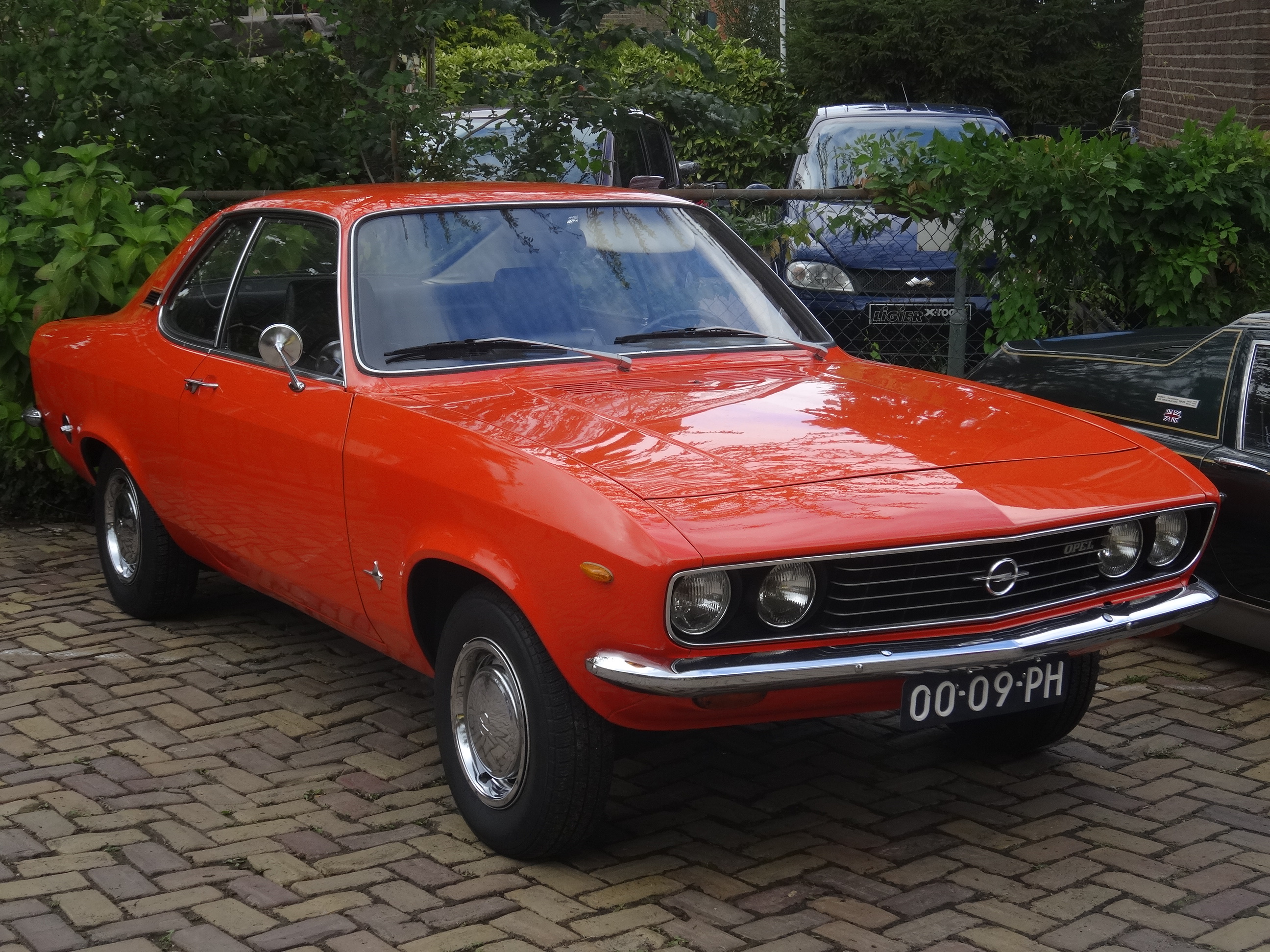
Opel Manta
"Oh yeah. Yeah, like a manta ray. Manta ray."
The Opel Manta is a sporty two-door coupe. People like it because it has a distinctive classic shape. The podcast mentions it with a “manta ray” comparison to describe how it looks.
The Opel Manta is a sporty coupe from Opel, known for its classic styling and enthusiast following. The podcast compares it to a “manta ray,” which points to its distinctive shape and how it visually stands out. It’s often discussed among classic-car fans because it represents a specific era of European sporty coupes.

Chevrolet SSR
"... several different things, you know, the HHR, the SSR, that silly looking remake for Thunderbird, the r..."
The Chevrolet SSR is a pickup-style vehicle with a more unusual, car-like design. The idea was to mix truck usefulness with open-top styling. The podcast mentions it because it’s one of those oddball retro-inspired models people remember.
The Chevrolet SSR is a distinctive “sport truck” that blends pickup utility with a roadster-style personality, including a retractable roof concept. The podcast groups it with other retro-styled vehicles, which is why it stands out—its design is unusual and very recognizable. It’s often discussed as a quirky, niche model rather than a traditional truck or a mainstream sports car.

Ford Mustang
"... remake for Thunderbird, the retro styling of the Mustangs, the retro stylings of Challenger, hell. What the..."
The Ford Mustang is a popular American car that’s built for sporty driving. It has a long history, and newer versions often try to look like older Mustangs. The podcast mentions it because its retro styling is easy to recognize.
The Ford Mustang is a long-running American muscle car that’s been produced for decades, with many generations and styling updates. In the podcast, it’s mentioned in the context of retro-inspired design, comparing its classic look to other “retro” models. That makes it a frequent topic because it represents how modern cars can borrow cues from earlier eras.

Dodge Challenger
"...ro styling of the Mustangs, the retro stylings of Challenger, hell. What the hell else is out there?"
The Dodge Challenger is a muscle car, meaning it’s designed to feel powerful and sporty. Newer models often look like older Challengers. The podcast mentions it because its classic-style design is a big part of what people notice.
The Dodge Challenger is a muscle car known for its bold, retro-inspired body shape and strong performance options. The podcast pairs it with the Mustang when talking about “retro stylings,” suggesting both are part of a broader trend of modern cars echoing classic designs. It’s commonly discussed because it blends classic looks with modern power and technology.

Porsche Panamera
"A saloon. That looks quite Orsha Panamera in the tail end, maybe. Can I, maybe Paul has to ..."
The Porsche Panamera is a luxury four-door car. It’s meant to be comfortable for daily driving but still feel sporty. The podcast mentions it because the car’s shape—especially the back—stands out.
The Porsche Panamera is a luxury performance sedan, designed to combine everyday comfort with sports-car handling. The podcast references it as a “saloon” and comments on its tail-end appearance, showing how recognizable its design details are. It’s often discussed because it brings Porsche-style performance into a more practical four-door format.

Volkswagen Id Buzz
"I think it's called ID. ID buzz. ID buzz."
The Volkswagen ID. Buzz is an electric van. It’s meant to carry people and looks inspired by older VW bus designs. The podcast brings it up because it’s a well-known electric version of that idea.
The Volkswagen ID. Buzz is an electric van designed to capture the spirit of the classic VW bus, but with modern electric power. The podcast mentions it by name, reflecting how it’s become a notable EV because it’s a practical people-mover with a distinctive retro-inspired look. It’s often discussed as part of the shift toward electric vehicles in everyday family and utility roles.

Ford Bronco
"...he new bodies, a complete body for 68 or 67 to 78 Bronco. They're building Japanese era, like JDM, early, ..."
The Ford Bronco is an SUV made for rough roads and off-road driving. The podcast talks about different Bronco body styles from different years, which is why it comes up in enthusiast conversations. It’s a vehicle people choose when they want an off-road-capable classic look.
The Ford Bronco is a rugged SUV built for off-road capability and outdoor use. The podcast mentions “new bodies” and references body styles spanning older Bronco years, which points to how the Bronco name has multiple generations and enthusiast support. It’s a common topic because people often restore or build Broncos and talk about how the designs evolved.
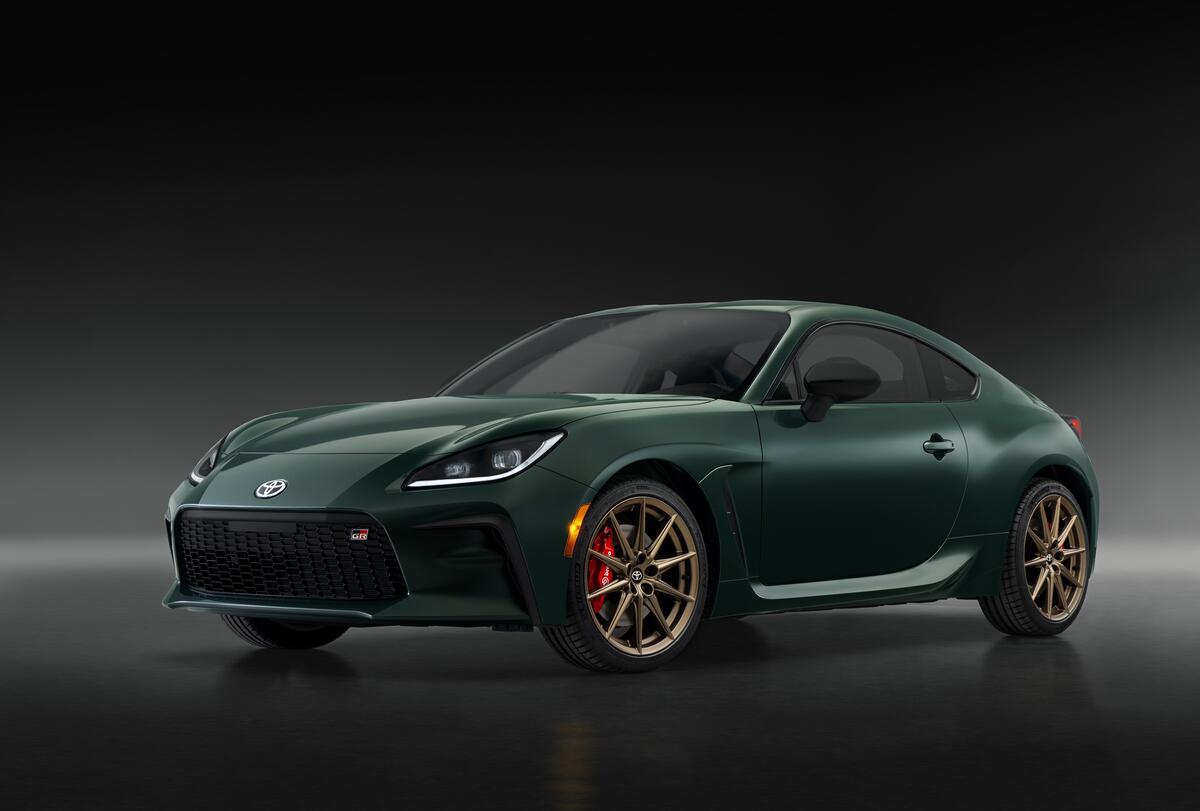
bubble car
"It was a retro, a little bubble Nissan, I think it was. [1771.0s] I can't remember what it is. [1794.6s] Japan's bubble era Nissan Figaro, see?"
A “bubble car” is a small car with a rounded, cute shape—almost like it looks “puffy” or toy-like. Here, they’re using it to describe the retro style of the Nissan Figaro.
A “bubble car” refers to very small, rounded vehicles—often from the 1950s–90s eras depending on the context—designed with compact dimensions and a toy-like, aerodynamic shape. In this segment, it’s used to describe the Nissan Figaro’s retro, rounded styling.

Nissan Figaro
"Figaro, there it is right there, Nissan Figaro. [1794.6s] Japan's bubble era Nissan Figaro, see? [1805.7s] Now, I've sat in one of those, that's a cute little car."
The Nissan Figaro is a small retro-looking Nissan from the 1990s. People like it because it has a cute, rounded “bubble car” style, and it wasn’t sold in the U.S. the same way many other Nissans were.
The Nissan Figaro is a quirky 1990s Japanese retro-styled compact car built around the idea of “bubble” design. It’s known for its rounded bodywork and vintage-inspired look, and it became a cult favorite partly because it wasn’t widely sold in North America.
retro-ish
"To me, the retro-ish of that car doesn't rip off anything directly, and they did this before the Fiat 600s were available to remakes in the United States."
“Retro-ish” just means it looks old-school on purpose, like it’s borrowing design cues from the past. They’re saying it feels more original than a straight imitation.
“Retro-ish” here means the car is styled to look like older designs, but not necessarily as a direct copy. The speaker is arguing that the Figaro’s retro styling doesn’t “rip off” anything specific, and that it predates later remake efforts in the U.S.

Fiat 600
"...thing directly, and they did this before the Fiat 600s were available to remakes in the United States. S..."
The Fiat 600 is a small older car made by Fiat. It’s known for being compact and popular in its time. The podcast mentions it because later versions and remakes were based on the idea of the original.
The Fiat 600 is a small classic car that became well known for being compact and widely used in its era. The podcast references it in the context of remakes and timing (“before the Fiat 600s were available to remakes in the United States”), which highlights how the original model influenced later versions. It’s discussed because it’s an important part of Fiat’s classic history and a recognizable name among small-car enthusiasts.

Fiat Multipla
"So I dig that. Or do you remember the Fiat Multipla? Yes, I do."
The Fiat Multipla is a small family-type vehicle designed to fit a lot of people. It’s known for having a very unusual look. The podcast mentions it because it’s a car people tend to remember.
The Fiat Multipla is a compact multi-purpose vehicle (MPV) known for its unusual, functional design and emphasis on interior space. The podcast recalls it because it’s a memorable-looking car that stands out visually. It’s often discussed by enthusiasts as an example of a practical vehicle with a bold, divisive appearance.
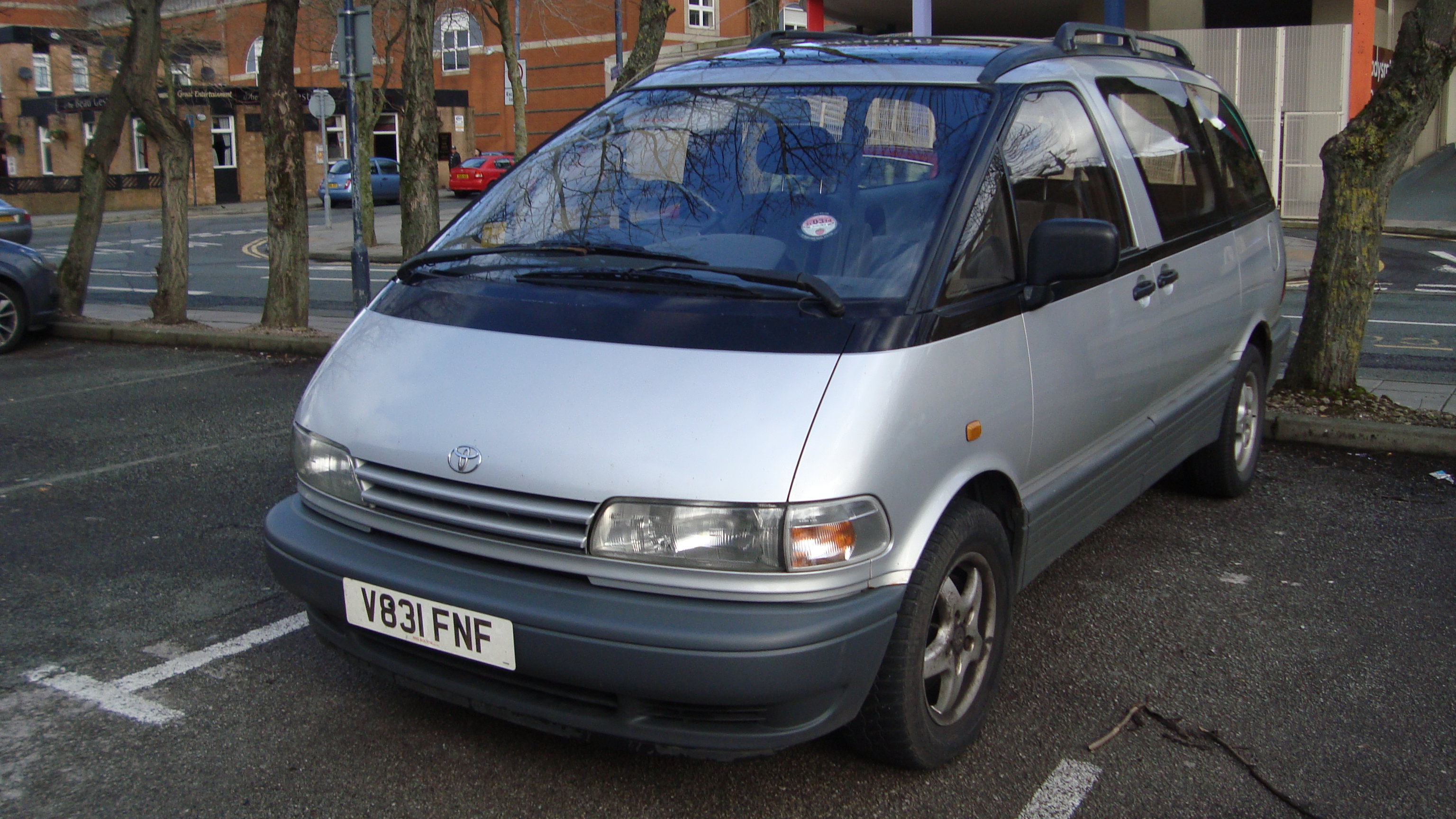
Toyota Previa
"Yes. Like a Toyota Previa, rear-ended a Ugo. All right, we're getting way o..."
The Toyota Previa is a minivan. It’s made to carry people comfortably and handle everyday family driving. The podcast brings it up because it was involved in a rear-end situation.
The Toyota Previa is a minivan designed for family use, with a layout that emphasizes passenger space and practicality. The podcast mentions it in a crash story (“rear-ended”), which is why it comes up—minivans are common in everyday driving scenarios. It’s often discussed as a reliable, practical people-hauler rather than a performance vehicle.
AI-generated pictures
"[2016.8s] And I'm only saying that because I can see some of these pictures are generated, [2021.1s] but I see so many angles of these things."
AI-generated pictures are images made by a computer, not taken by a camera. The hosts are saying the angles look like something AI could produce.
AI-generated pictures are images synthesized by algorithms rather than captured by a camera. The hosts use “generated” and “so many angles” to suggest the content may be computer-made, even if it resembles real cars.

Cadillac Fleetwood
"They may be full of me. A Cadillac Fleetwood had lots of pictures. They did."
The Cadillac Fleetwood is a big luxury car. It was made to be comfortable and to feel upscale. The podcast mentions it because it’s a well-known older Cadillac model people often have photos of.
The Cadillac Fleetwood is a large luxury sedan that was built to deliver a classic, comfortable ride and a high-end feel. The podcast mentions it in connection with lots of pictures, which suggests it’s being discussed as a recognizable, older luxury model. It’s often brought up when people talk about American luxury cars and their styling from past decades.
AI can fool us
"[2044.4s] I mean, AI can fool us. [2046.8s] I mean, what do you think?"
They’re talking about how AI pictures can look real enough to trick you. In this case, it’s about whether car images are actually real or computer-made.
This refers to the ability of AI-generated imagery to appear convincing enough to mislead viewers about what’s real. The hosts argue that AI can create realistic-looking car photos/angles, making it harder to verify authenticity.
half rate body shop
"[2076.1s] Right. [2076.3s] And it's like the same person who sends their car to the half rate body shop to get panels painted, [2084.08s] "
A body shop is where cars get dents and body damage repaired and repainted. They’re using a “cheap body shop” example to say that what looks right on the outside can still be questionable.
A “body shop” is a repair facility that fixes vehicle body damage, and “panels painted” refers to repainting exterior sheet-metal parts. The phrase “half rate” implies a cheaper/less thorough repair process, which the hosts use as an analogy for how visual results can be misleading.

C4 Corvette
"All of the stuff here that we're looking at is right up there on the guys that take their C4, C5 Corvettes"
A C4 Corvette is a specific generation of the Chevrolet Corvette from the 1980s. People often modify them with aftermarket body kits to change how they look.
The C4 Corvette is the fourth-generation Chevrolet Corvette, produced in the 1980s. It’s known for its distinctive late-’80s/early-’90s styling and for being a popular base for custom bodywork and aftermarket “kit” conversions.
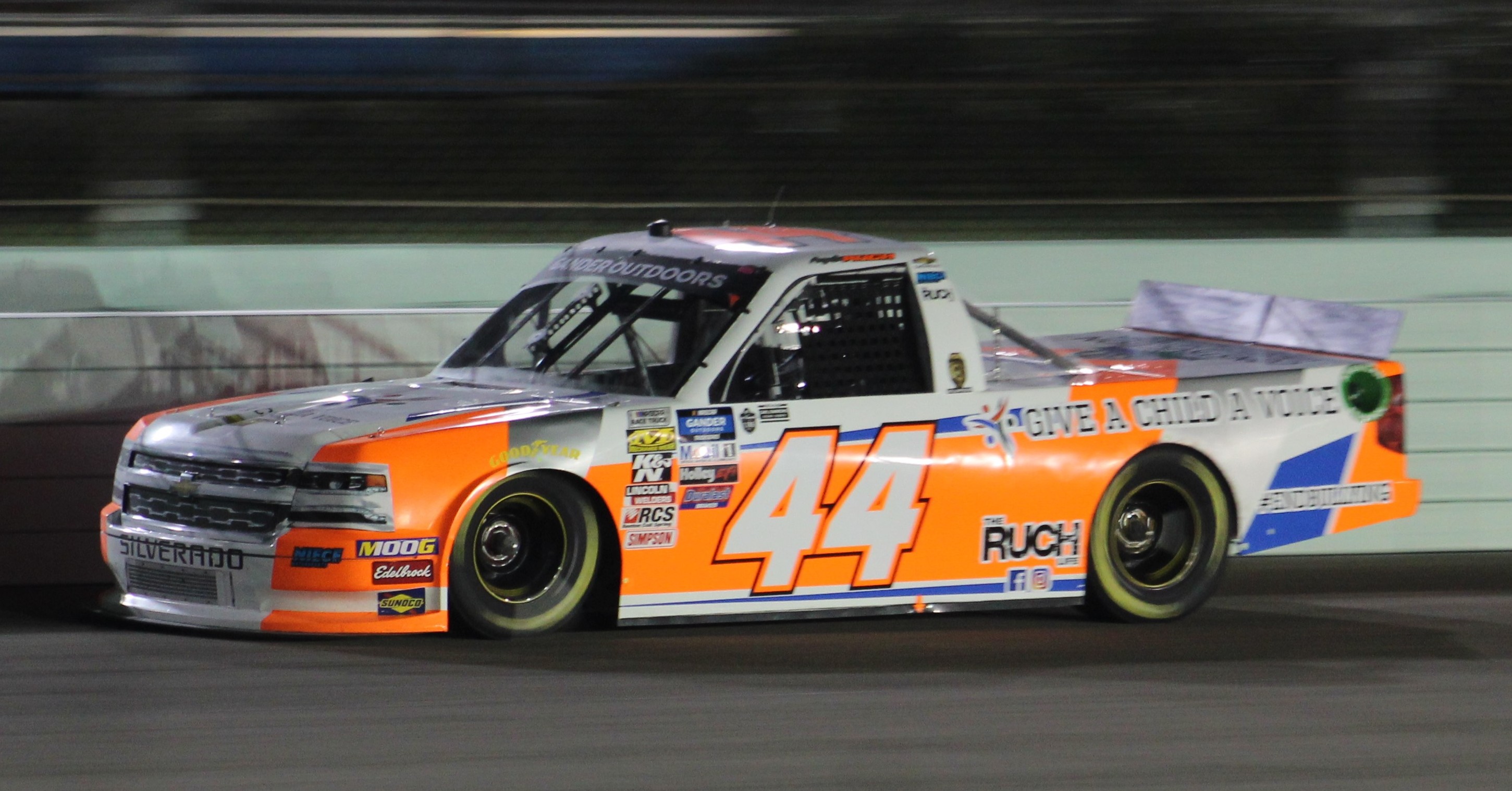
modern Silverado
"If you've got a modern Silverado that you've converted into an action line, C10 pickup, stop."
A Silverado is Chevrolet’s full-size pickup. They’re saying that if you’ve modified a newer Silverado to look like a classic C10-style truck, they don’t like it.
The Chevrolet Silverado is a full-size pickup line, and “modern Silverado” here means a newer-generation truck. The segment is about converting one into an “action line”/C10-style look using aftermarket styling changes.

S10
"If you've got an S10, jump out of it now. Yeah, jump out of it now."
The S-10 is a Chevrolet pickup truck. They’re talking about people doing extreme styling conversions that make it look like a different classic truck.
The Chevrolet S-10 is a compact pickup from Chevrolet’s lineup. The hosts are criticizing a specific kind of aftermarket conversion that changes the truck’s front-end styling to resemble other classic makes/models.
95 K1500 or 2500 long bed
"Shoot. I've got a one-of-one 95 K1500 or 2500 long bed. Really?"
A 1995 K1500/K2500 is a Chevrolet full-size pickup. “Long bed” just means it has the longer cargo area, and the speaker says theirs is a unique one-of-one setup.
A 1995 Chevrolet K1500/K2500 is part of the GMT400-era Chevrolet full-size pickup family. The “long bed” configuration refers to the longer cargo-box length, and the host is emphasizing it’s a one-off build.
Request an Explanation
Heard something you'd like explained? We'll add it to this episode.
Sign in to request explanations for terms you heard.
Want to learn more?
Browse our glossary for plain-English explanations of automotive terms, jargon, and concepts.
Help improve this episode
See something that's not quite right? Our annotations are AI-generated and can sometimes miss the mark. Click the flag icon on any annotation to suggest a correction.