The Tesla Cybertruck is Tesla’s electric truck. Here, it’s mentioned because the recall is about a wheel-stud problem that could make a wheel come loose.
The Dodge Charger EV is an electric Charger. The hosts mention a recall where the instrument panel display can fail, meaning important driving info may not show correctly.
Seatbelts are supposed to hold you in place during a crash. If they may not restrain occupants, that means they might not protect people the way they should.
They’re talking about what cars truly sell for, not just guesses or asking prices. The hosts look at photos/descriptions and try to predict the final sale price.
This is a classic Studebaker from the early 1940s. The hosts are talking about it as an original, factory-style car, which is important when people estimate what it’s worth.
“Suicide doors” are doors that open like older rear-hinged designs. They’re called that because, historically, they can be less safe than the doors most modern cars use.
A “stock car” means it’s basically the way it came from the factory. Collectors usually care because original cars are often worth more than heavily modified ones.
A “six-cylinder” engine has six working cylinders inside the engine. The hosts are guessing this car has that kind of engine based on what they think it is.
The 1968 AMC AMX is a classic muscle car made by AMC. The big takeaway here is that there weren’t many of them, so the price can be higher than you’d expect for a car that looks “smaller” than some rivals.
A “high-performance motor” just means a stronger engine than the basic one. They’re saying AMC put a better engine in the AMX to make it compete with the other muscle cars.
The Chevrolet Nova is mentioned as a size reference point while discussing how big the 1968 AMC AMX feels in person. This kind of comparison is common in muscle-car conversations because packaging and overall dimensions affect how the car looks and drives.
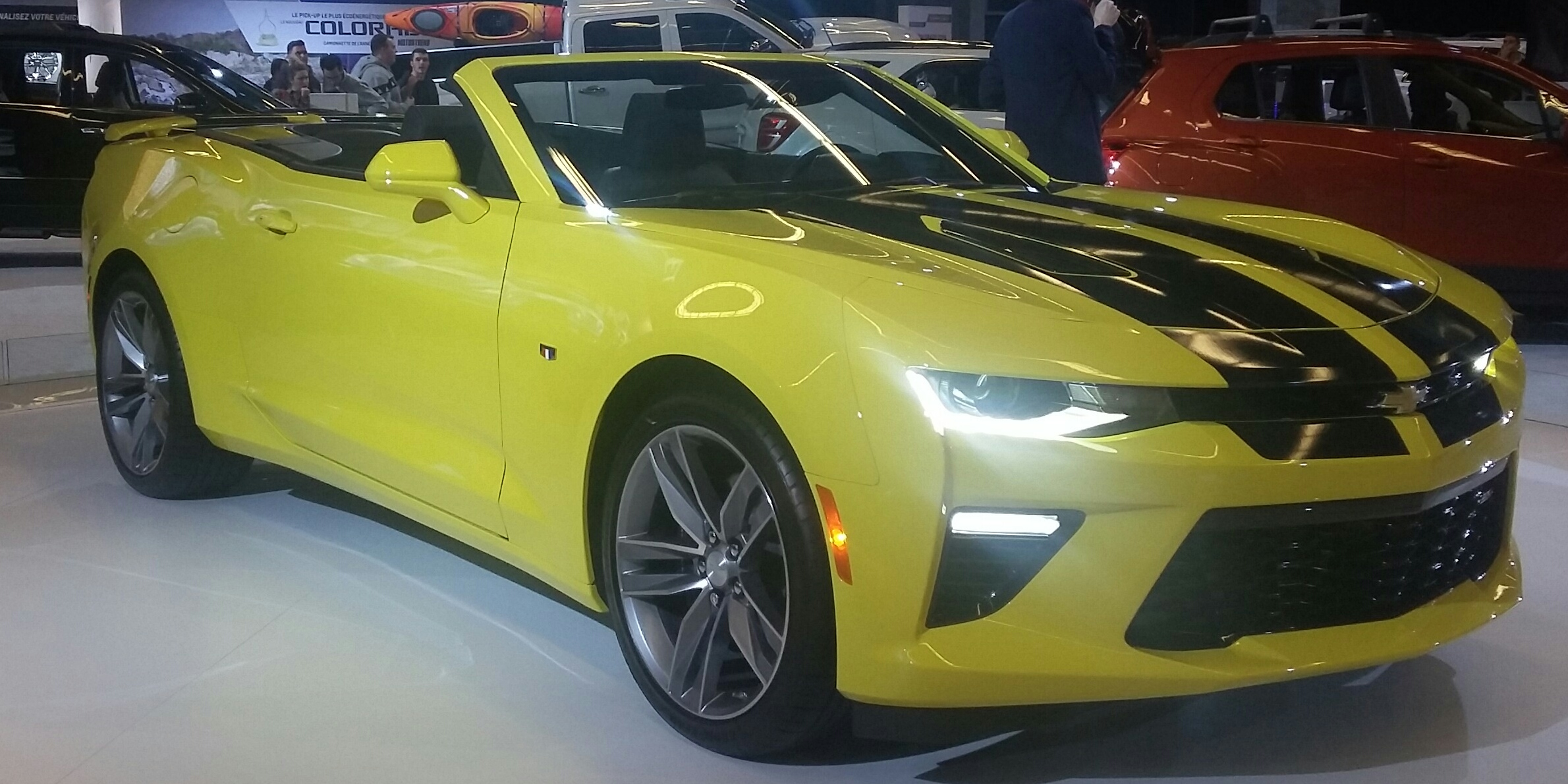
The 1985 Chevrolet Camaro is a classic car from the 1980s. Here, they’re talking about a specific example and how added accessories can change what someone might pay for it.
Headlight covers are add-on pieces that go over your headlights. They can be for looks or protection, and here they’re described as something you physically install and secure.
This is a 1976 Cadillac Eldorado Convertible, a classic American luxury car. The hosts are talking about how it looks close to original (“stock”) and pointing out some period details like the wheel covers.
Car
Cadillac Riviera
The Cadillac Riviera is another classic Cadillac model, and in this conversation it’s used as a comparison point for styling details. The host suggests the other car they’re thinking of is the Riviera, implying the headlight-cover feature may be associated with that model instead.
The Shelby Cobra is a famous classic sports car from the 1960s, built to be fast and dramatic. Here, they’re talking about a 1964 example and how its condition—like being unrestored—affects what it might be worth.
Injectors are parts that deliver fuel to the engine. They help control how much fuel gets used, which affects how the car runs and how strong it feels.
Roush is a company that makes performance upgrades for certain cars, especially Ford models. If a car is described as “Roush,” it usually means it has recognizable aftermarket performance parts, not just stock equipment.
A “factory street car” means it was made to be driven normally on the road, not set up for racing. The hosts are saying this one isn’t really that—it’s more race-oriented.
“Open headers” usually means the exhaust is modified so it’s louder than stock. People do it for a more aggressive sound and sometimes for performance changes too.
“Modified for racing” means the car has been changed to perform better or be more appropriate for track driving. Here, that matters because it affects what the car is really worth compared with a stock version.
The 1978 Pontiac Firebird is a classic muscle car from the late 1970s. Here, the hosts are talking about what it’s worth based on its condition—specifically that it looks rough.
Honeycomb wheels are wheels with a hexagon pattern like a beehive. The hosts are saying they’re probably a good thing as long as they aren’t damaged or scuffed.
A hood scoop is an opening on the hood that either helps bring in air or just changes the look. They’re pointing out a hood scoop style that’s “reversed,” meaning it’s not the usual direction or setup.
The drag coefficient is a way to measure how much the air “pushes back” against a car. A lower number usually means the car cuts through the air more easily.
Concept
recycler (buying tires from a re-claimer)
They’re talking about buying tires from a salvage yard instead of a dealership. A salvage yard sells used parts taken off wrecked cars.
Gulf Coast Auto Shield is a company being advertised for protecting your car’s paint and glass. They’re claiming you can protect your car without repainting it.
The hosts kick off with a recall rundown—misassembled airbag sensors, wheel-stud separation, fuel-tank leak risk, instrument panel display failures, and seatbelts that may not restrain occupants—then pivot to how real-world prices shake out. They run a “Hemmings sold car roundup,” guessing auction results from photos and descriptions, starting with a 1948 Studebaker Commander. Classic-car value keeps coming up: stock originality, hard-to-source parts, and details like 6-volt vs 12-volt systems, plus more sale outcomes across the lineup.
A wheel stud that “may separate,” airbags that are “misassembled,” and fuel tanks that can leak after a crash. That’s not clickbait, that’s our recall list. We kick things off with straight talk on the latest automotive recalls, including 2026 Hyundai models, the Tesla Cybertruck, Volkswagen Taos, Land Rover Defender, Audi Q5 seat belt concerns, and even instrument panel display failures tied to the Dodge Charger EV and Jeep Wagoneer S. If you like your car news useful, fast, and a little skeptical, you’re in the right place.
Then we switch gears into one of our favorite games: the Hemmings Sold Car Roundup. We throw a photo up, you guess the sold price, and we all argue about what the market is thinking. From two vintage Studebaker Commanders and a surprisingly strong AMC AMX to a rough-and-ready Plymouth Suburban with racing vibes, the numbers tell a story about rarity, originality, and the hidden tax of “good luck finding parts.”
The nostalgia hits hard with an ’85 Camaro chat (yes, T-tops and leaks come up), a massive ’76 Cadillac Eldorado Convertible reality check, and a 1964 Shelby Cobra that lives in serious collector territory. And if you’ve ever looked under the hood of a questionable project car, you’ll appreciate the rough 1978 Pontiac Firebird moment, complete with a shop rag doing air-filter duty.
We wrap with Jeff’s Car Culture and a question that takes us back in time: where did the full-page car ad go? We dig into vintage magazine renderings, old-school newspaper dealership price sheets, and how car buying and automotive advertising changed once everything moved online. If you enjoy automotive recalls, classic car auction prices, and car culture history, subscribe, share this with a car friend, and leave us a review so more listeners can find the show.
Disclaimer: This post contains affiliate links. If you make a purchase, I may receive a commission at no extra cost to you.
---- ----- Want more In Wheel Time car talk any time?
In Wheel Time is now available on Audacy!
Just go to Audacy.com/InWheelTime where ever you are. ----- ----- Be sure to subscribe on your favorite podcast provider for the next episode of In Wheel Time Podcast and check out our live multiplatform broadcast every Saturday, 10a - 12nCT simulcasting on Audacy, YouTube, Facebook, Twitter, Twitch and InWheelTime.com.
In Wheel Time Podcast can be heard on you mobile device from providers such as:
Apple Podcasts, Amazon Music Podcast, Spotify, SiriusXM Podcast, iHeartRadio podcast, TuneIn + Alexa, Podcast Addict, Castro, Castbox, YouTube Podcast and more on your mobile device.
Follow InWheelTime.com for the latest updates!
Twitter: https://twitter.com/InWheelTime
Instagram: https://www.instagram.com/inwheeltime/
https://www.youtube.com/inwheeltime
https://www.Facebook.com/InWheelTime
For more information about In Wheel Time Podcast, email us at