Matt and his brother Jeff dive into the detailed progress of restoring a 1968 Chevrolet C-10, focusing heavily on rewiring challenges. They discuss replacing the original wiring harness with a Painless kit, adapting it for an LS engine swap, and the importance of meticulous wiring and grounding, especially in vehicles with fiberglass bodies. Jeff shares insights from a previous Jeep rewiring project, emphasizing the value of retaining old wiring as a guide and the necessity of proper tools and patience. The conversation highlights the complexities and satisfaction of classic truck restoration and electrical system upgrades.
Hey fellow restoration folks. Matt's brother Jeff is back again for another episode of The Restoration Brothers. On this episode Matt takes you through the progress made on his wife's 1968 C10. Engine removal and complete electrical harness. Jeff tells the story behind his new project the Bradley GT kit car intended for a VW Beetle Chassis.
All Automotive is a production of Gearhead Media.
All Automotive is a repair shop owners insight into the world of auto repair. Join us!
"but we're gonna give you the update on our 1968 Chevrolet C-10. That is a project for me and my wife."
The Chevrolet C10 is an old pickup truck that many people like because it’s tough and looks classic. The 1968 version is popular for fixing up and making special because it’s easy to work on.
The Chevrolet C10 is a classic pickup truck produced from the 1960s through the 1980s, prized for its simple design and durability. The 1968 model is a popular choice for restoration projects due to its vintage appeal and strong aftermarket support. It's often discussed among enthusiasts who enjoy rebuilding and customizing classic trucks.
"That is a project for me and my wife.
Actually have her out in the barn doing stuff."
A project car is a car that someone is working on to fix or make better. It might need some repairs or changes to look or run well.
A project car is a vehicle that someone buys or owns with the intention of restoring, modifying, or repairing it over time. It often involves mechanical work, bodywork, or customization to improve or personalize the car.
""And the truck originally came with a straight six""
A straight six is a type of engine with six cylinders lined up in a row, which helps the engine run smoothly.
A straight six is an inline six-cylinder engine configuration where all cylinders are arranged in a single row. It is known for smooth operation and good balance.
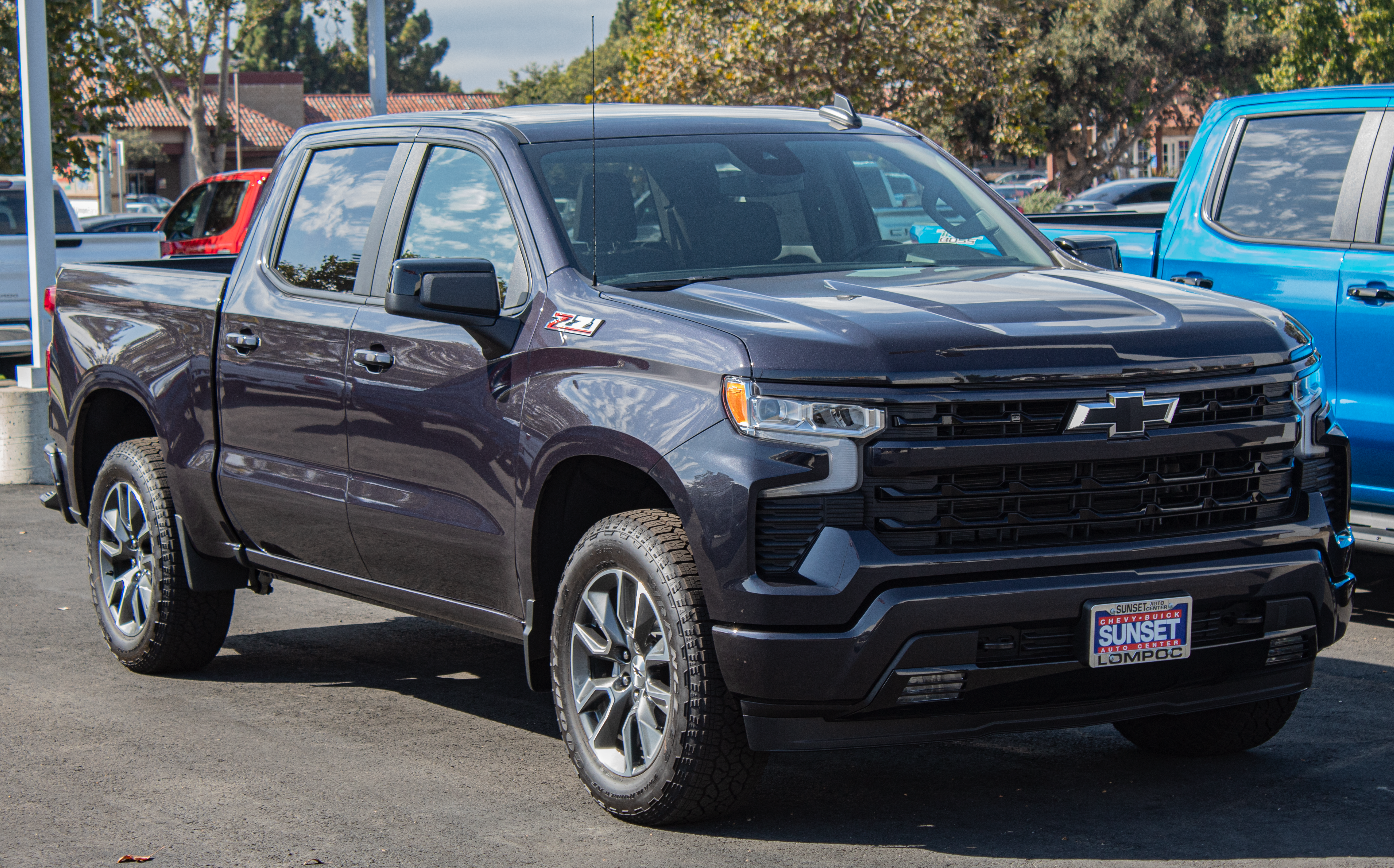
""I've got a 2002 six liter out of a heavy duty Silverado that we are going to install in that""
The Chevrolet Silverado is a big truck used for carrying heavy stuff or towing trailers. The heavy duty version means it's built stronger and has a bigger engine.
The Chevrolet Silverado is a full-size pickup truck known for its durability and capability. The heavy duty versions come with larger engines and stronger components designed for towing and heavy workloads.
"between the firewall inside the truck and then outside the firewall there, just on bolts and you pull it out and disconnect a couple of different things here and there. And I would really tell people that do not destroy this harness because you can use it as a guide for putting the new one in."
A wiring harness is like a big bundle of wires in your car or truck that connect all the electrical parts so they can work together.
A wiring harness is an organized set of electrical wires, connectors, and terminals that transmit electrical power and signals throughout a vehicle, enabling various components to function properly.
"Now, Painless does a really good job with telling you on each wire and it's kind of an eye chart but it tells you what each wire is for, which is nice."
Painless makes wiring kits that help you fix or replace the electrical wires in your car or truck, and they include instructions so you know where each wire goes.
Painless is a company that specializes in automotive wiring harnesses and electrical components, providing detailed guides and quality products for vehicle electrical system repairs and upgrades.
"But we're putting an LS engine in this with its own little standalone harness"
An LS engine is a type of powerful V8 engine made by General Motors. People often put these engines into different cars to make them faster and stronger.
The LS engine is a series of V8 engines produced by General Motors, known for their performance and reliability. They are popular swaps in various vehicles due to their power and aftermarket support.
"with its own little standalone harness and so we need to kind of mate these two together."
A standalone harness is a special set of wires that helps the engine work properly when you put it in a different car.
A standalone harness is an independent wiring system designed to control an engine's electrical components, often used in engine swaps to simplify integration.
"... to the 67 through 72 Chevy trucks and Burbs and Suburbans and so forth. That they, it's for an original re..."
The Chevrolet Suburban is a big car that can carry lots of people and stuff, like a big family car or work vehicle. People like the older ones from the late 60s and early 70s because they look cool and can be fixed up or changed to be special.
The Chevrolet Suburban is a large, full-size SUV known for its spacious interior and strong towing capabilities, making it popular for families and commercial use. The reference to 1967 through 1972 models highlights classic versions that are often restored or modified by enthusiasts. It's significant for its long production history and role as one of the longest-running nameplates in automotive history.
"or you can just go get convoluted tubing and stick it in there, which is what you see under the hood of most any car today."
Convoluted tubing is a plastic cover that wraps around car wires to keep them safe and neat.
Convoluted tubing is a flexible, ribbed plastic tube used to protect and organize wiring harnesses in vehicles, preventing damage from abrasion and heat.
"It had a fiberglass body. It was titled as a 1974, but who knows, you know,"
Some cars have bodies made from a special plastic called fiberglass. It's lighter than metal and doesn't rust, but it can break more easily.
A fiberglass body is a vehicle body made from fiberglass-reinforced plastic instead of traditional metal. It is lighter and resistant to rust but can be more brittle and harder to repair.
"we switched out the factory column for a tilt, you know, like an aftermarket tilt. And it was a GM style aftermarket tilt column."
The steering column is the part that connects the steering wheel to the car's steering system. An aftermarket tilt column lets you move the steering wheel up or down to make it easier and more comfortable to drive.
An aftermarket tilt column is a steering column that allows the steering wheel to tilt up or down, installed as a replacement or upgrade from the factory steering column. It improves driver comfort and adjustability and is often used in restoration or customization projects.
"you know, Jeep body and a GM steering column. And, you know, you know, whatever they had."
The steering column is the part that connects the steering wheel to the car's wheels, so when you turn the wheel, the car turns.
The steering column is the shaft that connects the steering wheel to the steering mechanism, allowing the driver to control the direction of the vehicle. It often includes components like the ignition switch and controls for lights or wipers.
GM is a big car company in America that makes many different kinds of cars and trucks.
GM (General Motors) is a major American automotive manufacturer that owns brands like Chevrolet, GMC, Cadillac, and Buick. It produces a wide range of vehicles from trucks to luxury cars.
""you need grounds everywhere and you need lots of grounds because you can't ground anything to the body. It doesn't, it doesn't work. So I ended up putting some ground, I don't know what you want to call them, but some stations where I had it grounded to the frame and then I ran a bunch of ground wires to it, you know, so that it could ground everything, you know, nothing works without a ground, couldn't figure out why the blinkers are going crazy.""
A ground is like a return path for electricity in a car. Without a good ground, electrical parts like lights and blinkers won't work right.
In automotive electrical systems, a ground is a connection point that completes the electrical circuit by providing a return path for current, usually connected to the vehicle's chassis or frame. Proper grounding is essential for electrical components to function correctly.
"So once you start closing it, you can get the terminal in there, hold it with one hand and slid the wire in there and then it's done. And then all you do is stick it in the back of the connector. But then you got to figure out is high beam, this terminal and low beams, this terminal"
A terminal is the metal tip at the end of a wire that helps it connect to other parts so electricity can flow.
A terminal is the metal connector at the end of a wire that plugs into a connector to establish an electrical connection.
"So come join me for my take on vehicle extended service contracts or what to look for when purchasing used vehicle."
An extended service contract is like extra protection for your car after the usual warranty ends. It helps pay for repairs so you don't have to spend a lot of money if something breaks.
Extended service contracts are agreements that provide coverage for vehicle repairs beyond the original warranty period. They can help protect buyers from unexpected repair costs when purchasing used vehicles.
"...on vehicle extended service contracts or what to look for when purchasing used vehicle."
Buying a used car means getting a car that someone else owned before. You need to check it carefully to make sure it works well and won't cause problems later.
Purchasing a used vehicle involves evaluating the car's condition, history, and potential issues to ensure a good investment. It often requires knowledge of inspections, vehicle history reports, and common pitfalls to avoid.
"Like I don't even know. Well, we worked on a Grand Cherokee and it was a 2023 last week and thing has 23 mod..."
The Jeep Grand Cherokee is a car that can drive on rough roads and highways comfortably. The newest models, like the 2023 one, have lots of new gadgets and look modern, making them popular with many drivers.
The Jeep Grand Cherokee is a mid-size SUV known for combining off-road capability with on-road comfort and modern technology. The mention of a 2023 model indicates discussion about the latest generation, which includes advanced features and updated styling. It's a popular choice for those wanting a versatile vehicle that performs well in various conditions.
""and it is a 74 standard Beetle with Autostick.""
Autostick is a type of car transmission that lets you change gears yourself but without needing to press a clutch pedal. It's like a mix between automatic and manual gear shifting.
Autostick is a semi-automatic transmission system used in some Volkswagen Beetles that allows the driver to shift gears manually without a clutch pedal. It combines elements of manual and automatic transmissions.
"It's like a Ford GT. Yeah, it looks a little bit like a Ford GT and it's swoopy and back in the day,"
The Ford GT is a fast and sporty car made by Ford. It looks cool and is designed to go very fast, kind of like a race car you might see on TV.
The Ford GT is a high-performance sports car known for its aerodynamic design and racing heritage, inspired by the classic Ford GT40 race cars of the 1960s.
"Don't know the lingo. I do not know all the Beetle lingo. I've been going to Beetle,"
The Volkswagen Beetle is a small, round car that lots of people know because it looks very different from other cars. It has been made for many years and lots of people like it because it’s easy to recognize and fun to drive.
The Volkswagen Beetle is an iconic compact car originally designed in the 1930s and produced in various forms until 2019. Known for its distinctive rounded shape and cultural significance, it remains a beloved classic and collectible. Discussions often revolve around its unique design, history, and enthusiast community.
"...tle out of a book, just like you can like with a Mustang, you know, 60s Mustangs or Camarals or whatever."
The Ford Mustang is a fast and sporty car that many people think of when they think about cool American cars. It has been around since the 1960s and lots of people like to collect and work on the older ones.
The Ford Mustang is a legendary American muscle car first introduced in the 1960s, known for its sporty design and performance. It has become a symbol of American automotive culture and is often discussed for its classic models and ongoing evolution. Enthusiasts appreciate its powerful engines and customization potential.
"you need a Beetle carburetor, you know, search, you know, Beetle carburetor and it'll come up and it's, you know, $58."
A carburetor is a part in some cars that mixes the gas and air so the engine can run. It was used more in older cars.
A carburetor is a device in older cars that mixes air and fuel for the engine to burn. It was commonly used before fuel injection systems became widespread.
"it was a manual transmission. It's a manual transmission."
A manual transmission means you have to change gears yourself using a stick and a pedal called the clutch, instead of the car doing it automatically.
A manual transmission is a type of gearbox that requires the driver to manually select and engage gears using a clutch and gear stick, providing more control over the vehicle's power delivery.
"you know that it's bolted on from the inside of the bell housing and then the bell housing is mounted to the frame with two mounts."
The bell housing is a metal cover that connects the engine to the transmission and keeps important parts inside safe.
The bell housing is a bell-shaped metal cover that encases the clutch and flywheel, connecting the engine to the transmission and protecting these components.
""They're like, what transmission are you using? 4L80E. Oh, okay. Yeah, you're gonna wanna move that.""
The 4L80E is a type of automatic gearbox that helps the car change gears smoothly. It's strong and often used in big trucks or powerful cars.
The 4L80E is a heavy-duty automatic transmission produced by General Motors, commonly used in trucks and performance vehicles. It is known for its strength and ability to handle high torque outputs.
"put your ear pro on in the shop. Well, yeah, I did. I brought those home, my ear muffs and cause that thing is super loud. Super loud. And now that I'm older, I almost wear my ear protection almost the whole time I'm working on something because you know, you might have the impact out."
Ear protection means wearing things like ear muffs to keep your ears safe from loud sounds that can hurt your hearing when working around noisy tools or cars.
Ear protection refers to equipment like ear muffs or ear plugs used to protect hearing from loud noises, especially in environments like workshops where power tools or loud engines are common.
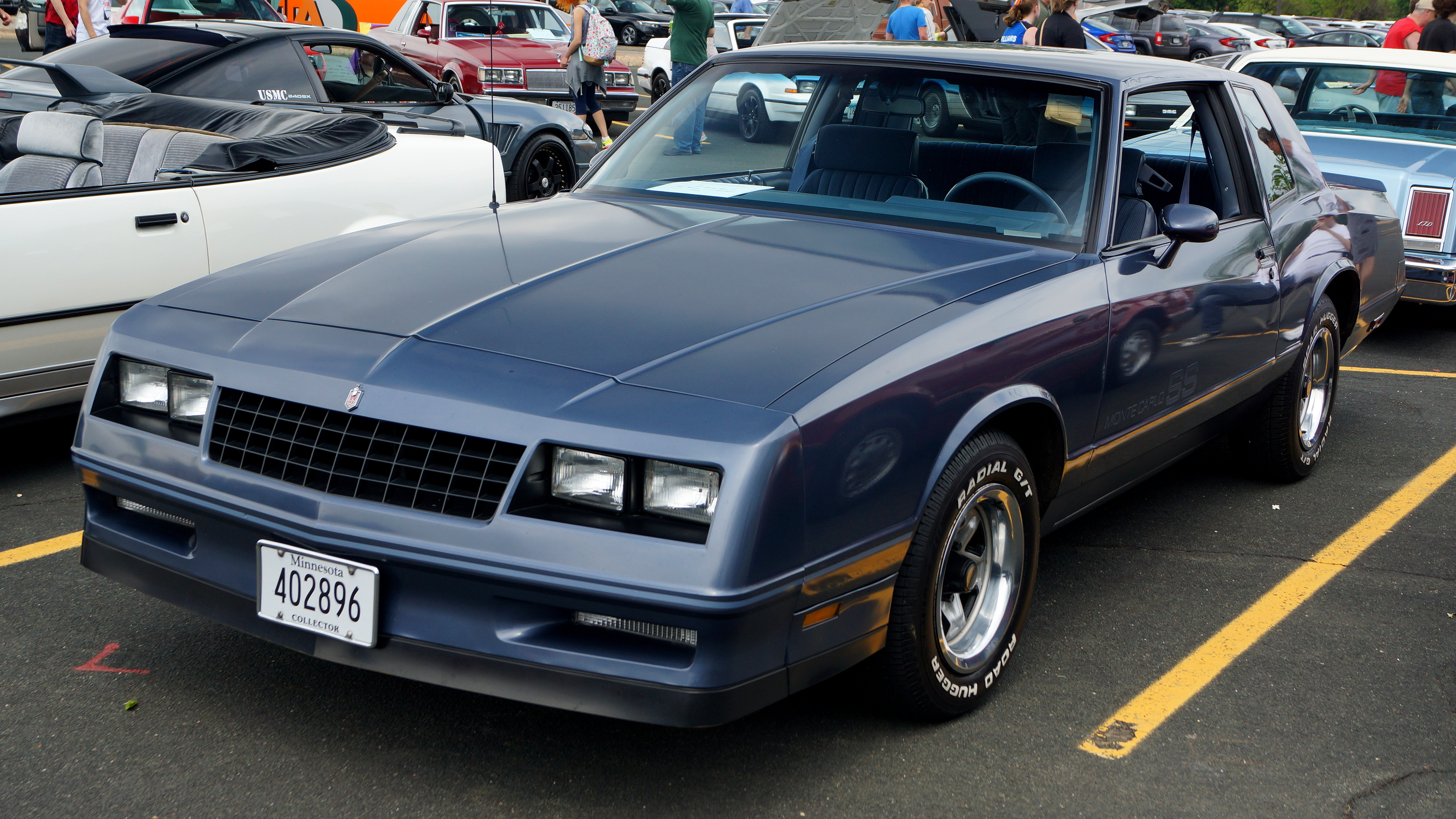
"...o I was thinking, cause that's what I did on the Monte Carlo. I just ordered a throttle cable that fit throug..."
The Chevrolet Monte Carlo is a two-door car that was popular because it was comfortable and could be powerful. Sometimes people need to fix parts like the throttle cable, which helps control the engine speed.
The Chevrolet Monte Carlo is a mid-size coupe that was popular from the 1970s through the early 2000s, known for its comfortable ride and V8 power options. It often appears in discussions about classic American cars and performance upgrades. The mention of a throttle cable replacement highlights common maintenance tasks.
"...it through the firewall for a newer, yeah, for a Caprice and it worked. So I don't know, maybe that one w..."
The Holden Caprice is a big, comfortable car from Australia that many people use for fancy rides or police work. It has a strong engine and lots of space inside.
The Holden Caprice is a full-size luxury sedan from Australia, known for its spacious interior and powerful engines, often used as executive cars or police vehicles. It shares components with other GM models, making parts relatively accessible. It's notable for blending comfort with performance in a large sedan format.
Select text to request an explanation
The following is a production of Gear Head Media.
All right, welcome back to the all automotive podcast.
I'm your host, Matt Clausen, and today,
today we're talking with my brother one more time.
And I know I've been talking about this
for the last couple of episodes,
but we're gonna give you the update
on our 1968 Chevrolet C-10.
That is a project for me and my wife.
Actually have her out in the barn doing stuff.
So we'll get into all that.
We're gonna talk to my brother about his project
and he's got something really cool
that I think you guys are gonna like as well.
So get ready for the next 20 or,
ah, let's see, 45 minutes or so.
I'm glad you're all here.
Fasten your seatbelts.
We're getting ready to go green.
Welcome back to the all automotive podcast.
What's up, brother?
Not much, brother.
How are you today?
I am doing well.
I'm glad to hear that.
So ready to talk about cars and fixing things.
That's what's going on, I guess.
That's our shtick, I guess.
Of course, I'm always ready.
I'm always ready to do that, right?
So no worries there.
So a couple of months ago,
just so everyone's on the same page as we are.
Gosh, it was several months ago.
I know it's like, you try to get a plan in place
and we've talked about that too.
So we had a free weekend
and Danny was out in the barn with me, helping me.
And the truck originally came with a straight six
and if everybody else is up to speed,
I've got a 2002 six liter out of a heavy duty Silverado
that we are going to install in that
and that is all together and on the engine stand
looking all pretty and we'll pull some pictures of that.
I do have all the harnesses and stuff in the mounts
and stuff that I need to get it put in.
However, in the last couple of months,
I've been, I purchased a kit, a wearing kit for the body
and the whole vehicle itself
because I don't, the gentleman who owned this truck before me
should not do wiring and I'll tell you why.
So all wire nuts, right?
Oh my God.
Every little connection that needs to be weather.
I mean, under the hood and everything, it's all,
you know, the wire nuts used for house wiring everywhere
and wherever there was a problem with a wire,
he'd run a new wire and wire nutted in, I don't know.
So it was, it was, it was challenging getting that removed
which wasn't, you know, too big of a deal.
So I would tell people if you're going to do this
and I'm in a couple of she-ten groups on the Facebook there
and I'm very well versed in 12 volt electronics and vehicles
because that's really what I've been doing
for the last 25 years.
And so systematically, I kind of just took the bulkhead.
There's a pass through, I call it,
between the firewall inside the truck
and then outside the firewall there, just on bolts
and you pull it out and disconnect a couple
of different things here and there.
And I would really tell people that do not destroy this harness
because you can use it as a guide
for putting the new one in.
Now, Painless does a really good job
with telling you on each wire and it's kind of an eye chart
but it tells you what each wire is for, which is nice.
But we're putting an LS engine in this
with its own little standalone harness
and so we need to kind of mate these two together.
So there's some things in there like alternator
and cause it's really designed the Painless one that I bought
which is specific to the 67 through 72 Chevy trucks
and Burbs and Suburbans and so forth.
That they, it's for an original replacement.
So there are things that I'm not gonna use, obviously.
And so I'm going through the wiring
and the stuff that comes down the left fender well
is all for the headlights.
And then prior to this episode,
me and my brother were talking before the show
about how far I've gotten with it.
And I'm good at it and I know exactly
but I'm trying to be extra meticulous too about
cause the length of the wires are,
they give you plenty, which is great.
So I'm like, I don't really need all this extra wire
for the marker lights.
I'm gonna cut these and make them shorter.
And then there's the question of what do you cover it with?
And of course, Painless does sell the fancy mesh type stuff
or you can just go get convoluted tubing
and stick it in there, which is what you see
under the hood of most any car today.
But yeah, so the old harness actually has
cause these turn signals have a little rubber grommet
that hooks onto the core support
and there's like a two prong plug
that I ended up reusing because I didn't want to wire it
how they said to wire it in the manual
because they wanted you to cut those wires
and then just kind of splice them together.
And I thought, well, the pass through,
you know, those lights worked and I don't think that,
so I cleaned all them up and I got a good length of,
until there was a wire nut on the one side.
So I was like, okay.
Yeah, it was, it looks good.
I just got to get, like I say,
I got to invest in some convoluted tubing
and get the other side done.
And then there's, like I was telling Jeff before the show,
before we got on, that there's a wiring harness
that goes across the firewall
and then it comes around the right front fender too.
And it kind of sneaks down underneath
behind the hood hinge, which is not a big deal,
but you know, with the engine out,
it's easy for me to get up in there
and stand in there and get that kind of all hooked up.
But again, it's a factory replacement for these trucks.
So if it is, if we were to have kept the straight six
in there, it would have all the hookups
that are necessary for its starter and all that stuff,
which is kind of what we're gonna probably still use
as the starter circuit.
And that's not very complicated too.
It's, you know, power and then signal and.
Well, the long time listeners
of the all automotive podcast might recall
that I was working on a Jeep for a friend
and we did the rewiring, you know, on that.
And the Jeep, this is a Jeep that had been rebodied.
It had a fiberglass body.
It was titled as a 1974, but who knows, you know,
what it really was.
We swapped out the AMC V8, which was swapped in.
It was like a, you know, the car wasn't,
it wasn't born with a V8,
but it had been welded in at one point.
We pulled that and put a small block,
first gen small block Chevy in it.
Well, I used a painless wiring kit, a universal kit,
you know, for that.
And what I would say to anybody
that was gonna use one of these kits is,
is as you were kind of saying,
don't throw whatever you can of the old stuff away
to at least give you some breadcrumbs
as to how it's supposed to be hooked up.
But, you know, in this case,
we switched out the factory column for a tilt, you know,
like an aftermarket tilt.
And it was a GM style aftermarket tilt column.
And now the painless wiring was good about life.
Especially with Jeeps because AMCs of that vintage
were like, you know, Ford transmission and Jeep,
you know, Jeep body and a GM steering column.
And, you know, you know, whatever they had.
Everything in the, yeah, it was like.
Parts been special or whatever.
So it was, it was an interesting, you know,
exercise to get that all to work together,
which ultimately happened.
But what I would suggest to anybody,
because after I had it all done
and you would look underneath the dashes,
it looked kind of messy.
So I had to spend some time like fluffing it up
as best I could.
If I had it to do over again,
I would have laid it all out on the floor
and, you know, tried to, you know,
look where everything was going.
But I had, you know, pulled it all through the car
and I had the whole engine compartment done
and then started on underneath the dash.
And I probably should have done that in the other,
you know, the other way, right?
So that I was, you know,
so it would have been a little bit of a cleaner install.
But everything works and nothing's blown out
and my friend Mike has driven it, you know,
a bunch of times now and with no ill effect.
Everything works.
The only other thing I'm painless
if you're going to use or any wiring
and you run into a car with a fiberglass body, you know,
you need grounds everywhere and you need lots of grounds
because you can't ground anything to the body.
It doesn't, it doesn't work.
So I ended up putting some ground,
I don't know what you want to call them,
but some stations where I had it grounded to the frame
and then I ran a bunch of ground wires to it, you know,
so that it could ground everything, you know,
nothing works without a ground, couldn't figure out
why the blinkers are going crazy.
And this one blinks and this one doesn't blink
while this one's not grounded.
So once you figure that out,
like every single thing has to be grounded.
Yeah, the electricity has to have a path to ground.
So what I'm, what I was dealing with
was just stuff that was not, you know,
repaired correctly or install, you know,
they were just trying to avoid what I'm doing.
But yeah, so with any kind of hardest like this,
it looks daunting to start with.
And even myself, I was just like, you know,
ASC master technician isn't going to be a big deal at all.
Then I got it out of the box.
And I was like, Oh,
it's intimidating when you flip the cover and you're like,
this looks like 60 miles worth of 18 gauge wiring.
What am I going to, what am I going to do with this?
But, and I would encourage,
I would encourage everybody to, to read the freaking manual
because it does tell you, you know,
and I wouldn't have known that about the turn signals
if I had not have read that.
And I've, I've read as far as I've gotten.
So I'm, I'm doing under the hood stuff right now
so that I can get the engine installed.
So I don't have to, you know, work around the engine
while I'm trying to work across the back of the firewall.
Cause, you know, some of that wiring
and it's, there's not a lot of wires.
Once you kind of just get them all,
okay, this is for, this is for that.
All right, so, but the kit doesn't, you know,
the kit for the headlights, you know, I had to get my,
I had to, I have a special wiring repair kit crimping tool
that I bought from Mac tools a number of years ago
because we're constantly in Michigan here
fixing corroded wires for one reason or another.
And so I had to dig that out.
That's not something we use every day,
but it's nice to have, you know,
the ones that are the crimping pliers that crimp down.
So you can kind of get the terminal in there,
have the pliers closed and locked
cause it's like a ratcheting one.
And once you squeeze it all the way together,
it opens back up.
And so I had to dig that out.
And it's got, thankfully it's got a couple
of different styles of, cause the terminals are different.
And they give you in this kit, all these terminals.
So it was a little bit of guessing with that.
And then again, so I referred back to the old harness
and I thought, well, maybe I'll just splice
these old connectors in.
And I was like, no, I don't want to do that.
They're giving us all this stuff.
I might as well use it.
So I screwed a couple of terminals up initially,
but that's because like I said,
I didn't have the correct crimping tool.
And when you get the right ones,
when you, they're ratcheting.
So once you start closing it,
you can get the terminal in there,
hold it with one hand and slid the wire in there
and then it's done.
And then all you do is stick it in the back of the connector.
But then you got to figure out is high beam,
this terminal and low beams, this terminal
and the bottom terminal is ground or,
and it just needs a path to ground.
It's just, we needed to know,
I needed to know which one was high and low.
And who knows, maybe one of them
isn't going to be right, but without the car
having the battery and all the other harness in,
I can't really test that
until I get the whole thing together.
Well, you know what I did to test it,
which I thought, I thought I was pretty smarty pants.
When I did this is I hooked the, my battery charger.
I have an old school battery charger
that just can push two amps.
And I hooked that to the battery terminals
with no actual battery.
And I just pushed, because just the two amps,
it wasn't going to like fry anything or whatever.
And I could make the lights light up.
They were dim, but they lit up, right?
So I could see, turn the, turn signals on,
beep the horn, you know,
or the relays clicking, you know, all that stuff.
I was pretty, I mean, I'm sure that that's what there's a,
there's probably a tool for that somewhere,
power probe or whatever they call it now.
But I thought I was pretty,
I was pretty proud of myself when I kind of thought of that.
When I was standing like,
how can I test this without ruining it?
I worked out really well to do it that way.
Yeah. And that, and I've got a battery charger
that's like that.
But I, you know, some of those don't come on
unless there's 12 volts present.
So you kind of got to watch for one of those.
I do have one of them battery charges.
And that was really frustrating.
If it doesn't have any voltage in the battery
or you're not, you kind of got to light it up
with 12 volts initially.
So you may have to have a battery in there
to get your battery charger going.
But yeah, I kind of did that.
I kind of did that with the horn
because it's got a single horn and it's on the left front.
And I go, well, why don't I crimp?
Cause this wire was super long.
And I go, oh, well that'll reach over to the other side.
I'm going to set this up for dual horns.
Yeah.
And then I can just buy the kit
that's got the high and low night note,
A and the F note or whatever.
And, you know, the one can be on the right
and the other one can be on the left.
And it'll sound like a new Chevy truck.
We will be back after a short break.
Hey guys, it's Matt Claus
and your host of the all automotive podcast.
I've been in the automotive industry for over 30 years.
I've owned my own repair shop for the last 15 years.
I was going to write a book,
but I started this podcast instead.
So come join me for my take
on vehicle extended service contracts
or what to look for when purchasing used vehicle.
Like and subscribe to the all automotive podcast.
We're on Apple podcasts, Spotify,
or wherever you're listening now.
Yeah, no, it's, I mean,
they should be spots on this podcast,
but painless does a pretty good job about,
you know, everything's marked and the instructions,
the instruction manual is 20, 30 pages long.
And it's, I usually use the instructions
when I get stuff to make sure I don't get oil on the bench,
but these were, you know, worth reading
and reading the whole thing cover to cover was helpful.
And it doesn't turn out to be as hard as it looks,
even for somebody like me who doesn't really know
a hell of a lot about, you know, wiring,
you know, for these older cars,
you don't need to be a genius.
You just need to know how to read
and know how to match colors
and have a little bit of mechanical aptitude.
You don't need, you know, if it doesn't have a computer,
it's not, you know, it's not going to confound you.
We're not talking about local can networks and.
Can network, is that got beer in it?
Like I don't even know.
Well, we worked on a Grand Cherokee and it was a 2023
last week and thing has 23 modules.
Nice.
Both door modules, the engine computer,
transmission computer, ABS.
I mean, you just go through them all,
front door, rear door, lift gate, center stack,
transmission shift control module.
It's like, oh my gosh.
Yeah.
So yeah, it's, like I said,
it did look a little daunting when I got it out of the box,
but then I was just like, oh, well, this ain't too bad.
And then I got over here and over there and yeah,
I guess if you're really worried about it
and you really, really don't know,
and you most likely have somebody like us
that is probably either helping you
or you've, it's in their house or their barn
and you're doing it for them.
But if you want to learn, that's a good way to do it.
If you've got a friend that knows stuff like that
and I encourage that as well,
just because it's always good to know stuff like that
and then it's helpful too,
so that you can maybe fix something that's your own
and not have to do that.
Right, right, well.
So I'll probably be buying another painless kit pretty soon
so we could use this as a segue
because I have another project that I acquired in the fall.
Uh-oh.
That is gonna need to be rewired.
And what that is is a,
it is a little bit of a funny story
and it's a short story.
I was on Facebook Marketplace,
as happens from time to time
and a guy was giving away some shop lights
and they were those long eight foot fluorescent ones
and he had a bunch of bulbs to go with it
and so I was, he was just giving them away.
I said, okay, I'm on it.
And he wasn't there when I picked him up,
he left him leaning against the garage, whatever,
so I grabbed everything.
I spied the, I spied a yellow
old-style Beetle sitting on a trailer over by his barn
and when I texted him that I picked up the stuff,
I says, a cool Beetle, let me know if you're,
you know, if that thing comes up for sale.
And he said, well, it just so happens.
You're in luck.
You're in luck.
You know, you'd be a fool not to buy this car, son.
And so I went and looked at it
and it is a 74 standard Beetle with Autostick.
And so-
Oh, it's just like the one you got, sort of?
It's pretty much, it's pretty much, mine's a 71.
My good one is a 71.
This was a 74, but it was still a standard Beetle
with flat windshield.
And so I harvested a bunch of stuff that I wanted
for my Beetle, like the retractable seat belts
and the window glass just in case I was to ever need it.
And then I'm in the process.
I've almost got the body off of the shell at this point,
but without any further ado,
I also was on Facebook again,
as you know, happens from time to time, marketplace that is.
And I saw a guy selling a couple of Bradley GT bodies
and, you know, several tubs of parts, you know, to go with.
Great, tubs.
Yeah, tubs.
And it's actually pretty cool though,
because, you know, a lot of those Bradley GT kits,
it turns out, you know, you could buy the standard kit
and you could buy the gauge kit
and you could buy, you know, a lot of different things.
So I got like the seat shells, I got all the gauges,
I got the headlight doors.
I got, you know, most of one of these Bradley,
I got a couple of the windows, the Gullwing windows.
You know, if you look at a Bradley GT online,
it looks like, you know, like a 5 eighths version
of like the, like a little sports car.
Back in the day, you would see pictures of them.
It's like a Ford GT.
Yeah, it looks a little bit like a Ford GT
and it's swoopy and back in the day,
you would see him with like,
Crager wheels on them and white wall tires
on the Crager wheels and the heavy metal flake body,
you know, that kind of.
And it's kind of got like a Corvette shape
a little bit too, maybe.
It's pointy in the front and flat in the back
and it's swoopy in the middle.
And, you know, so it's a, but it was a kid car
back in the day.
And so eventually.
So it's got a specific year?
Cause I know they were like, the kids from,
all they made them from, I don't know, the 70 to 81.
This one, I don't know when this is dated.
I have the assembly manual and stuff,
but I don't know when it's dated.
That would be interesting to.
It's pretty cool.
So still, I mean, it was when we were prior to 10 years old.
Well, I was just telling you before,
like I'll tell you for the listeners,
I was just telling you before we got on the phone
when we, you and I were kids,
my father brought home a brochure for the Bradley GT.
And I remember just looking at it and thinking
that was the coolest thing I'd ever seen.
And I don't remember that.
I don't know.
Yeah. And so I don't know why he would have brought it home.
Maybe cause he, you know, he's got two, you know.
Cause he built an airplane by himself.
Yeah. Two young boys at home or whatever.
We like cars, whatever.
So maybe that's why I don't know where he got it.
I don't know how he got it, but.
We had it.
And I remember flipping through it and flipping through it
and thinking, this is the coolest thing I've ever seen.
And so anyway, when this came up, you know,
I don't have $1,000 yet in the Beetle
and the junk that I bought.
I spent as much money feeding my buddy breakfast
and filling his dodge with diesel fuel
to go pick up the parts.
How is Terry?
Terry is doing well.
He is, he is alive and well.
Good guy.
And living in Chesterland.
And so he, we actually drove out to Pennsylvania,
you know, Western Pennsylvania,
just inside of Pennsylvania to grab the stuff.
So, but that's the next thing
and it's going to need like a full rewiring and everything.
There's nothing good, you know, left in the Beetle.
A Beetle is going to need, I mean, the frame is there
and stuff, the pan or whatever you want to call it,
the skateboard, whatever they call it in Beetle world.
I'm not a huge Beetle head.
I like them, but I don't know what they,
I don't know how they refer to it, but.
Don't know the lingo.
I do not know all the Beetle lingo.
I've been going to Beetle,
I've been going to Volkswagen shows
and I'm getting up on my lingo,
but I don't have it all down yet.
So anyway, so that's going to be my summer
is fiddling with that project.
That sounds like fun, and those go on that.
So you're going to use the Beetle chassis for this.
So yeah, that's what they were intended for?
Yeah, they are a bolt-on.
Like they were designed to fit on a,
that was what this car company thought you would do
back in the day is buy like a running driving Beetle
and immediately pull the body off of it.
So to build your, you know, to build your Bradley GT,
I'm assuming some people did it, did do it in the day.
It would have been nice to do it back then
because the floor pans wouldn't be rotted out
like they are in this one, but.
That's an easy fix.
So that'll be the summer.
I think they sell those, I'm sure they do.
They sell everything for,
you could build a Beetle out of a book,
just like you can like with a Mustang, you know,
60s Mustangs or Camarals or whatever.
You can get everything.
I was looking for their catalog the other day
because I was, it did come up that battery train.
I'm like, oh, I should probably just get one of those
and put that in while I'm doing all this other stuff.
Well, you can search, you know, if you do a search,
you'll find all kinds of places that do it.
There's some big ones like that are Beetle specific,
like J-Bugs and, you know, and V-Dub parts
and things like that.
But they're also like going to Amazon,
you need a Beetle carburetor, you know, search,
you know, Beetle carburetor and it'll come up
and it's, you know, $58.
You'll have it in two days.
You know, it's not, I don't know,
I don't know quality-wise what you're going to get there,
but I guess quality is an issue across the spectrum
in all car parts right now, it seems.
You never know what you're going to get, so.
Yeah, we've had some problems lately
and some things that we were, just this last week,
we've been inundated with some part issues,
which is kind of disappointing, but, you know,
we really, in our realm of the aftermarket auto repair shop
where we partner with auto value and, you know,
you can get these parts that are aftermarket parts
that are designed to work and so we were working
on this Chevy truck that had an issue with its stalling
or just really idling way down.
Well, this has a pressure sensor on the fuel line,
which tells the fuel pump control module, okay.
Tells the fuel pump control module to turn on
and off the pump that's in the tank.
So it saw the pressure at 90 PSI, so it said,
okay, we're not going to turn the pump on.
So it would sit there and run out of fuel and stall.
So we've followed the flow chart and looked at it
and checked the pressure manually
and we did not have 90 PSI and so we put a brand new part
on it and it was like, well, we plug it in.
I'm like, I'm like, Aaron, my tech was working with,
I'm like, it still shows 50 pounds, it should sew zero.
We don't have any, we relieve the pressure
because on the high pressure fuel systems,
you kind of got to be careful with.
Yeah.
That because it's 400 some PSI.
So they want you to shut off the fuel pump
and run it out of fuel so that you can change this sensor,
which that's a good idea, but it's on the low side.
So it really, I mean, so this brand new sensor
out of the box doesn't work.
So we chased our tail for almost, you know,
we rediagnosed it and we're like, this is bad.
So we got one from the Chevy dealer
and of course that one works.
Yeah.
Problem solved and it saw what the pressure is
and then it reduced the pressure based on what it wanted
and then so it stayed running.
Cause see, I thought the pressure was so high
that it kind of just turned the pump off
and it would just right up down so low
and that was one of his descriptions when he dropped it off.
He's like, it's really just idle's way down
and then sometimes it'll stall.
Geez, okay.
Yeah.
So yeah, I mean, across the board,
some of the parts you're going to get
and I've said this, I don't know how many times
to people that ask questions about why
when they get something and put it on and it doesn't work.
I'm like, well, it's not uncommon
and it's probably happened before.
And a friend of mine recently was grasping at straws
trying to fix his daughter's Cadillac
and thought that because of his Google search,
he decided that he'd put a mass airflow sensor
on this Cadillac.
Well, I'm here to tell you people,
some of the remanufactured mass airflow sensors
do not work right out of the box.
And our experience, any new one,
it's gotta say new on the box or be new or from the dealer.
And I know some of them aren't very inexpensive
and that's why, unfortunately, some people go and buy these.
Well, he created an issue by putting this on.
He's like, well, it doesn't start at all.
Okay.
And so we'll put the old mass airflow sensor on
and tell me if it runs.
So it did, so ended up taking that back.
You know, that's again, I would caution a little bit
on Amazon, but some things you can get away with
and like if it's a carburetor for a golf cart, maybe.
Yeah.
But any good restoration part,
you're gonna maybe get something that's not good.
So keep that in mind too.
Well, that sounds like a really cool project.
I'm gonna have to, we live four hours away from each other,
so we'll have to.
I'll send some pictures after we get off.
Yeah, but of course that would be great
because there's gonna be a weekend here over the summer
where I'm gonna need some muscle
to help lift that body onto the new, onto the chassis.
That's something too, it's like.
Yeah.
So Danny's like, well, how are we gonna do this?
Take this engine out.
Well, okay, so I backed the truck into the bay,
so we had more room because there's more room
in on this side of the hoist towards the garage door.
So I was like, all right, well, let's just turn it around.
And where I put my hoist was over off to the side.
And when I originally thought, when I put that barn up,
I said, well, how much room do I want in front
of my big Chevy truck before,
because I originally thought I was gonna put my toolbox
on the back wall, and then I decided against that
because there really wasn't a whole lot of room
after where it needed to go
because of where they poured the cement.
So when the guys came to put the hoist up,
I was just like, yeah, this is where it goes
and because this is where the thick concrete is
and so we don't tip over.
Anyway, so we backed it in and we broke a manifold stud
because that was one of the only places we had to jerk on it.
So we had to come up with something different.
I kind of found a bolt hole in the back and we put a bolt
so we had the chain and I got an engine crane.
And it was an entire Saturday, I think we spent out there.
We got it out and then what was left was the,
it was a manual transmission.
It's a manual transmission.
And if anybody's got experience
with this particular transmission,
you know that it's bolted on from the inside
of the bell housing and then the bell housing
is mounted to the frame with two mounts.
So it's not using the engine mounts
that are in the crossover underneath
between the front wheels as most transmissions
are just mounted to the engine.
And well, this was way different.
And so we struggled with getting the transmission out,
but we got that out too.
And that thing is not light, it was heavy.
And thankfully I bought a snowmobile roll around kit
for I just kind of lowered the truck down far enough
and kind of wiggled it out and it hit the thing
with castor wheels on it.
We raised the truck back up and we went, but yeah,
then it was like the bell housing has got to come out.
How does that come out of there?
And it's got to come out the engine side,
not down below, it won't fit down below.
So for being a 1968, that was a little challenging
as far as that goes, but we got her all out of there.
And then that frame piece that holds the...
So are the mounts already there
or do you have to do some fabricating
like the V8 mounts that you're gonna end up using?
Oh, so the mounts that were in there, I took out
and then they've, the kit I bought,
which is got a transmission cross member,
which I've mounted up under there
just to keep the frame from wobbling around
because there's that bracket that goes between,
that held the bell housing needs to come out
because there's no way that the transmission is gonna fit.
And then I posted that question in the C10 group I am in
and everybody was like, get rid of it.
I'm like, is it gonna fit?
Yeah.
They're like, what transmission are you using?
4L80E.
Oh, okay.
Yeah, you're gonna wanna move that.
Yeah.
So that had to come out.
So I was out there and those are, it's not bolted.
So those were riveted.
So that was,
I thought at first I was gonna be able to use the air hammer
and a sharp chisel bit to get those off.
Those rivets?
Yeah.
And after the first one, I'm like, this is stupid.
Nope.
So, the gas axe came out and I'm pretty good
at both blasting them off.
Thank you, Mr. Shively.
My shop teacher from high school,
his name is Mr. Shively and he was an awesome guy.
Anyway, taught us all that stuff.
So blowtorch, got,
pull the head off, try not to damage the frame too much.
And then just push them out with the-
Not the slag out, yeah.
With the nose bit, you can push them right out.
So, I know the neighbors were not thrilled with me
when I was hammering on that with the air hammer
because that gets pretty loud.
I know at the shop, it echoes across the street
and you know, that gets pretty loud.
And you know, wear ear protection.
Don't be the guy that says, you know,
oh, that's not a big deal.
Yeah, well, it's a big deal now
because my ears ring constantly.
Yep, constantly, yep.
Save your hearing for when you go to the racetrack
and you wanna hear the cars go by,
put your ear pro on in the shop.
Yep.
So-
Well, yeah, I did.
I brought those home, my ear muffs
and cause that thing is super loud.
Super loud.
And now that I'm older,
I almost wear my ear protection
almost the whole time I'm working on something
because you know, you might have the impact out.
You might have the, you know,
bang on something, you know,
a ball peen hammer hitting a brake drum is loud
like it hurts.
So, so you gotta, I almost wear,
if I'm not, I don't wanna have them on my ears.
I have them up on my head ready for whenever it gets loud
cause yeah, it's, when you get, you know,
when you're young, you know,
you don't think about those things.
But now that, now that I'm old.
Yeah, it's just not even,
I tell the guys all the time, I'm just like, you know,
my ears ring all the time because of crap like this.
I'm just telling you.
And just with your, the same thing with your eyes,
you know, like I told them,
make sure you're wearing your safety glasses too.
So yeah, so what are you gonna,
are you gonna put the, put that body on the frame
that you got from the-
Yeah, I mean, that's basically what the deal is.
I've got the shell stripped down and there's,
I don't know, 10 or so bolts aside that, you know,
run underneath the rocker
and you can pull the beetle body separates
and it leaves the pan, the floor pan
and the suspension and everything is all contained
right on the, right on the escape, the skateboard,
whatever you wanna call it.
It doesn't connect to the body in any way.
So it's not like a unibody car like my Dodge or whatever,
like all that's in the body.
You can't separate the body from the floor.
You can do that on the beetle.
And then the GT body was designed specifically
to fit on this style beetle.
So it should just drop right on and then it bolts,
you know, and then you bolt it together
and then you got a car.
Well, I mean, obviously you got some more work to do,
but then you've got, you know, the body,
you know, made it up to it.
So it's, it's-
Yeah, it sounds like a cool project.
It's supposed to be pretty easy
and it will be harder than I think it's going to be,
but it's not gonna be, you know, that hard.
I mean, beetles are so simple and, you know,
the whole thing, the kid car was even more simple
than the beetle, right?
Like, I'm not sure how these things were green-lighted
to drive around on the, you know,
that, I guess tells you what it was like
in the 60s and 70s when they were designing this stuff.
So because it doesn't look like you could,
particularly today with some of these trucks or whatever,
like, you know, the bumper on your truck
probably would be at my head level
when I'm sitting in this thing.
So, I'm surprised-
Yeah, that two new truck of mine is tall.
Holy cow.
Yeah.
Doing an oil change on it and I need a stool.
Yeah.
Not a very tall person, but man,
you can't even open the hood and I'm like,
oh, I gotta jump up to get the dipstick.
But, anyway, all my life,
all my life, okay, well, that's cool.
Yeah, I didn't know how that,
if it just bolted right on, I'm sure that was-
Yeah, no, it's supposed to be a bolt-up.
We'll see what actually happens,
but it was supposed to be a bolt-up.
Yeah, because Mike was, Mike's redoing a Carmen Guilla.
Oh, that's cool.
Yeah, he was doing the,
and it's, you know, he was talking about the skateboard
or belly pan like you were talking about.
Yeah, there's a fair amount of interchangeability
between them, but there's a lot of,
Carmen Guillas have a lot of specific parts to them as well,
but they're definitely all,
same engine in the back, you know, all that stuff, so.
Yeah, that's cool.
Yeah, so the kit for the engine mounts on the C10,
if we get back to that.
Sure.
You know, I bought this kit from Holley,
you know, same place you buy the Sniper EFI systems,
they're branching out as well.
And, you know, again, that was something,
there was a lot of comments on a thread of what to use
and there's different stuff out there.
So we'll see.
I mean, they bolt in place to where the old mounts did,
and then it asks you a couple of questions
if you got a wide frame or a skinny frame.
Yeah.
So you figure that out before you order the stuff
and it's got the transmission mount.
You have to tell them what transmission
you're using and what engine.
And then they, because they've got kits
for regular small block Chevy.
And the big block ones are obviously
they had those engines back in that day.
So you could still get those from LMC
if you're putting a big block 396 or 454
and then or something like that.
There you go.
But yeah, we got the engines on the stand.
I got everything all on it intake manifolds on it.
And I was, I had bought also
because this one is not drive by wire.
It's drive by cable.
I just thought I was gonna use.
Yeah, I thought I was just use the original gas pedal
that was in it with a cable and attach a cable to it that.
So I'm like, okay, 2002 Chevy truck.
I looked up the part.
Of course, you know, it's discontinued and so.
Yeah.
So I was thinking,
cause that's what I did on the Monte Carlo.
I just ordered a throttle cable that fit through the firewall
for a newer, yeah, for a Caprice and it worked.
So I don't know, maybe that one would work too,
but it's gotta snap in or be kind of the right way.
But then there is a little issue with the,
cause I got an aftermarket Holly throttle body for it,
which is a little larger.
I don't know if that's gonna add any horse power
like it needs anymore probably,
but it's just the cable is gonna be a little skewed
so I don't know.
I gotta figure that out or either that or make a bracket
cause the original bracket that is up there for that
cause you snap the cable into that bracket
and then it snaps into the firewall
and you hook it onto the pedal.
So I bought a throttle cable and a pedal
that's supposed to bolt right in.
And then so we'll see if that's working on that.
Yeah, that's the other thing about restoration, right?
It's supposed to bolt right in
and then you get it and you're like,
well, I'm gonna have to modify this
because of whatever like it,
you think building cars is more science than art,
but particularly when you get off into like Mopar
and different things,
there could be thousands of combinations
and it seems like nothing ever actually fits exactly
the way that it's supposed to fit.
Yeah, and it's just a, and really it really,
it's the gas pedal, but still it's gotta work
and be able to, you know, cause the whole mentality,
this whole project is Danny's gotta drive it.
Danny's gotta be able to drive it.
I can't physically say I'm in Jackson at work
and the car show is tonight,
you get in the truck and drive to me
and then we'll sit at the show
and then, so I don't have to drive home, but.
That potentially could happen
or she could wanna take it somewhere.
That's, I don't want that in the back of my head
or anywhere that, you know,
there's gonna be an issue with something like that
cause that's, you know, obviously that's a safety issue
because you need to be able to accelerate
and just like the brakes.
You can decelerate, just like the brakes.
The throttle needs to close when you lift your foot up.
Yes, yes.
Well, the spring works on the, yeah,
I mean, it's spring loaded at the throttle body, but,
yeah, that was another concern.
So, yep, engine's all waiting, ready to go.
I went down a couple of different red holes
and that was one of them, the gas pedal
and then I was concerned about the cable
and how it kind of actuated itself
cause I bought a couple of different cables.
I'm gonna try and see if I can make one of them work
cause there's like a factory one that would snap in there
and be nice and I wouldn't have to get a different bracket.
But I think I'm gonna have to manufacture a bracket
and see what I got so that the cable is straight
when it pulls the, it's not crooked and come off
or whatever and I've pulled it back and forth
about 10, 15 times and it doesn't come off
but it's just that.
That one time.
In the back of my head, it's not aligned straight
and it would potentially cause an issue.
I don't want it to cause an issue, so.
Yeah.
But yeah, I mean, it's coming along
and another thing I would tell people too
is if we're like we were talking about before
was setting goals, it was like I wanted to get
that engine out by the end of summer
and we accomplished that and then it's been
super cold up here this year.
This winter has been, you know, not very easily.
You know, I've got a wood stove in the barn
and I can heat it but I was out there the last time
and it's, you know, it's around 10 or 15 degrees.
It's, I'm not going out there.
Yeah, you can't.
I've got a furnace and I've got some radiant heaters
but, you know, the building's not insulated
and so when it is seven degrees, there's no way
I can get it warm enough to be comfortable in there.
You gotta stand on, remember, you gotta stand on
the concrete like, you know, if you're fancy
and you have a heated concrete floor, you know,
that's one thing, I, you know, couldn't afford any of that
when I did my, you know, shop.
So, you know, you gotta stand on the floor.
You stand on a chunk of seven degree concrete.
Your toes go numb pretty quickly.
So.
Yeah, I mean, I had my heavy winter coat, you know,
one of my snap-on coats I got over the years
and I'm putting this wiring together and I had it
because you start the fire, go in the house,
go back out there about an hour later
and it's 50-ish but it was still,
you know, I don't have a ceiling in my barn
so it's kind of difficult.
So we're gonna work on that too.
So maybe next year we're not, heat's not going right out.
Yeah.
So yeah.
Amen.
And get my brother-in-law to come over
or my nephew to come over and spray foam for me.
There you go.
And then we'll be good to go.
But yeah, I agree, you know, if I had the funding
and could have spent the money on radiant heat
in the floor with however that could be accomplished.
Again, we still have to get like an outside wood stove
with a circulation pump and blah, blah, blah.
It's still a thing, right?
You still got to, you know, it's a couple of Cades things.
So.
So that's where we're at with that.
I thought I would give everybody an update on that.
I know I've been talking about that
for the last couple of different episodes
and we were trying to get Mrs. All Automotive
on the show today but there's some other things going on
in her life and being a teacher
that just got moved to a new building.
And so now all the three elementaries are now
in one building and they're having a wonderful time
getting adjusted to all that.
I can't imagine.
Yeah, so I tried to get her on here
but maybe we'll have her on one time
and she could enlighten us about how her vision
on what's going on with this truck.
And like I said, I enjoy it and I try to get out there
and do things, it's just difficult.
This winter it's been difficult because it's been so cold.
Well, life has still got to go to like, you know,
for me, for you, working on cars puts food on the table.
For me, it doesn't.
So I have to gauge, you know, making money
with the things that you want to do.
But yeah, it's all good.
There's no time limit on any of these things.
And you know, goals are a good idea,
but hopefully you can get it done in a reasonable amount
of time, but it's the process more than the completion
for me and so I just am happy to have it to do
when I have the time, I go out and I do it.
When I don't have the time, I don't go.
Yeah, and that was one of the things I was thinking about
as well was it's like, man, this is gonna take a long time
because I want to come out here.
Yeah, I do.
If it's warm or, or if, you know,
and once it's like 30, 40 degrees outside,
it's the furnace keeps it warm out there.
And it's not a problem to be out there,
but and in the summertime,
just got to get a couple of fans that gets warm out there
for sure.
And cause it gets muggy here in Michigan,
like everywhere else,
but so yeah, I mean, thanks for coming on the show
and telling us what you got going on.
I really intrigued about this Bradley GT kit car.
And how that's going to come together.
So yeah, I'll keep my eye out for some,
some Volkswagen parts for you.
Yep. If you run across some stuff, particularly,
you know, the running gear type stuff,
I'm going to be in need.
So all right, cool.
All right, that's going to do it for another episode
of the all automotive podcast.
I'm your host, Matt Clausen.
Big thanks to my brother for being on the show today.
It's good to see Jeff and to talk to him.
Like a project he's got the Bradley GT car.
And that thing's going to be cool.
I was glad I was able to update you on the C 10
and what's going on there.
So until next time, I'm Matt Clausen saying,
hey, keep that greasy side down.
Request an explanation for:
10 cars
Scroll for more
10 cars featured
Request an Explanation
Heard something you'd like explained? We'll add it to this episode.
Sign in to request explanations for terms you heard.
Want to learn more?
Browse our glossary for plain-English explanations of automotive terms, jargon, and concepts.
See something that's not quite right? Our annotations are AI-generated and can sometimes miss the mark.
Click the flag icon on any annotation to suggest a correction.