
What are the best and worst extended warranties for you car?
About this episode
Matt Clawson breaks down extended service contracts and extended warranties by starting with the big question—what’s the best option and where to buy it. He connects rising repair costs to why people buy coverage, then walks through how claims actually work: diagnosis, adjusters, deductibles, and what happens when the contract excludes a part or underpays the shop. He also calls out weaker providers (including Car Shield, Silver Rock, and Carvana-linked coverage) and shares practical buying advice like reading exclusions and keeping maintenance records.
In the episode Matt revisits extended warranties. What their purpose in life are. What ones are good to purchase. He answers that question and gives his personal insights and expierence on ones to stay away from. As a shop owner he'd know right? Do you have question about extended warranties? Send us some fan mail or hit us up on our socials.
All Automotive is a production of Gearhead Media.
All Automotive is a repair shop owners insight into the world of auto repair.
Join us!
Thank you to our main sponsor of All Automotive. Visit their website www.gforceautomotive.net
Find us on social media.
X @gforceauto
Facebook @allautomotive
Instagram @allautomotive
extended service contract
"is what extended service contract do you think [87.8s] is the best one? [89.2s] I'm looking for something to defray the cost [93.5s] of getting these repairs."
It’s like an extra warranty you can buy for your car. If something breaks that the plan covers, the contract helps pay the repair bill, but it usually has limits and fine print.
An extended service contract is a warranty-like plan you buy (often after the factory warranty ends) to help pay for certain covered repairs. It typically has rules about what’s covered, deductibles or copays, claim procedures, and exclusions.
defray the cost
"[89.2s] I'm looking for something to defray the cost [93.5s] of getting these repairs."
It means the plan helps cover some of the money you’d otherwise have to pay yourself. So your repair bill feels smaller.
“Defray the cost” means to reduce or offset expenses—here, by having the extended service contract pay part of the repair bills. It’s essentially about lowering your out-of-pocket cost when something fails.
Endurance Warranty
"this Smarty Pants Gemini tells me that the best overall is endurance warranty."
Endurance Warranty is a company that sells extended car protection plans. The host is saying it came out as the best option in his AI search.
Endurance Warranty is a provider of extended service contracts, meaning it sells plans intended to cover certain repair costs after the original warranty period. In this episode, it’s referenced as the top pick from an AI-generated comparison.
diagnose your vehicle
"and these things, they take time for us as service individuals to number one, we diagnose your vehicle. And then we have to call this company..."
Diagnosing a vehicle means figuring out what’s actually causing the problem. It’s an important first step before repairs are done or approved.
Diagnosing a vehicle means identifying the root cause of a problem before repairs are approved or performed. For warranty claims, diagnosis is often required so the shop can document what’s wrong and why the covered repair is necessary.
adjuster
"And then we have to call this company, most likely sit on hold for 15 to 20 minutes while we wait for an adjuster."
An adjuster is the company representative who reviews your repair request. They decide if the repair is covered, so shops may have to wait for their approval.
An adjuster is the person at the warranty/insurance company who reviews a repair claim and decides whether it’s covered. Repair shops often have to wait for the adjuster’s approval before work can proceed or be reimbursed.
deductible
"You most likely will have a $100 to $500 deductible [451.6s] depending on your contract. [457.6s] It's kind of like health insurance. [462.5s] But the difference between that and health insurance [462.5s] would be that you have a deductible [468.3s] every time you come and bring your car in."
A deductible is the fixed amount you pay yourself when you use the warranty. After you pay that amount, the warranty covers the rest of the covered repair.
A deductible is the amount you pay out of pocket before the warranty starts covering a repair. Here, the host notes a typical $100 to $500 deductible that applies each time you bring the car in for a covered issue.
CV axle
"Like we've had a vehicle in last week [484.2s] and it needed a CV axle in the front."
A CV axle is the drive shaft that gets power from the transmission to the front wheels. It’s designed to keep working smoothly as the wheels turn and the suspension moves.
A CV axle (constant-velocity axle) transfers power from the transmission to the wheels while allowing the suspension to move. It uses CV joints that keep torque delivery smooth even when the wheels turn and the suspension travels.
all wheel drive
"It was an all wheel drive vehicle [490.1s] and it needed a axle shaft."
All wheel drive (AWD) means the car can send power to more than one set of wheels. The host is saying the problem happened on an AWD vehicle, not just a front-wheel-drive one.
All wheel drive (AWD) sends power to more than just the driven axle, typically improving traction in low-grip conditions. In the segment, the host mentions an AWD vehicle needing a CV axle/axle shaft repair, which is a common driveline issue on many AWD layouts.
CV joint
"It was making noise, the boot ripped [494.1s] and all the grease flew out of the CV joint."
The CV joint is the part that lets the drive axle bend as the suspension moves. If the rubber boot tears, the grease can leak out and the joint can start making noise and wear out faster.
A CV joint is the joint inside a CV axle that allows the axle to change angle while still transmitting power. When the joint’s protective boot tears, grease can leak out and dirt can enter, which leads to noise and accelerated wear.
boot
"It was making noise, the boot ripped [494.1s] and all the grease flew out of the CV joint."
The CV boot is the rubber cover that protects the CV joint. If it tears, grease can leak out and the joint can get damaged faster.
The CV boot is the rubber protective cover over the CV joint. It keeps grease inside and blocks water and debris; if it rips, the joint can run low on lubrication and start failing.
contract states that it doesn't cover
"and they were like, well, the contract states that it doesn't cover this part."
Whether a repair is paid for depends on the exact wording of the contract. If the part or type of failure isn’t listed as covered, the company may refuse the claim.
Warranty and service-contract coverage is determined by the contract’s definitions, exclusions, and covered-failure language. Even if a repair seems related to a covered system, the claim can be denied if the specific part or failure mode isn’t included.
three or 36,000 mile warranty
"And none of them are gonna be as good as your three or 36,000 mile warranty that you get when you buy your car brand new."
When you buy a new car, the manufacturer usually includes a warranty for a certain number of years or miles. The host is saying that factory coverage is often better than extended plans.
Many new cars are sold with a factory warranty that’s time- and mileage-limited (often expressed as years and miles). The point here is that factory coverage is typically broader and more straightforward than many extended plans.
bumper to bumper coverage
"It's not a quote bumper to bumper coverage of things on your car."
“Bumper to bumper” means the warranty is supposed to cover a lot of the car. But it can still have exclusions, so you should read the contract details.
“Bumper to bumper” is marketing shorthand for broad coverage across many systems and components of the vehicle. In practice, even these plans often have exclusions and limits, so the contract wording still matters.
mechanical warranty
"So if it's a mechanical warranty and there's several different levels and a lot of companies will use like silver, gold, platinum, ultimate, there's several different things"
This type of warranty is meant to help with mechanical breakdowns, not everything on the car. What’s covered depends on the exact plan and wording in the contract.
A mechanical warranty covers repairs related to mechanical components (like drivetrain and internal mechanical failures), but it usually excludes many items that a buyer might assume are covered. Coverage can vary widely by plan level and by what the contract defines as a covered failure.
coverage levels
"and there's several different levels and a lot of companies will use like silver, gold, platinum, ultimate, there's several different things"
These plans are usually offered in different tiers. Higher tiers may cover more, but you still have to check the contract to see exactly what’s included.
Extended warranties often come in tiered “levels” (for example, silver/gold/platinum) that change what’s covered and how broadly. Higher tiers may cover more components or more failure types, but you still need to verify the exact inclusions and exclusions.
Car Shield
"and there's a certain company called Car Shield [602.6s] that has commercials on all the time. ... [659.0s] simply because we had a customer come in [663.0s] with a engine failure and we contacted the customer, [669.7s] Oh, I've got this warranty through Car Shield."
Car Shield sells extended warranty-style coverage for car repairs. The host is saying their coverage didn’t end up paying when someone had an engine problem.
Car Shield is a company that sells vehicle service contracts marketed as extended warranties. In this segment, Matt Clawson describes issues where the contract allegedly didn’t help cover an engine failure repair.
extended warranty
"by getting you to buy a contract [613.1s] that doesn't cover anything. ... [670.9s] Oh, I've got this warranty through Car Shield. [674.2s] We've never had very good luck with Car Shield"
An extended warranty is extra coverage you buy so repairs cost less later. The host is arguing that some plans don’t actually help when the car breaks in a covered way.
An extended warranty is coverage you buy after the original manufacturer warranty expires, intended to reduce the cost of future repairs. This segment frames extended-warranty marketing as something that may not pay out when a real failure happens, depending on the contract’s terms.
engine failure
"simply because we had a customer come in [663.0s] with a engine failure and we contacted the customer, [669.7s] told them what was going on."
Engine failure is when the engine has a serious problem and can’t run correctly. It’s the kind of breakdown people expect a warranty to help with, so it matters whether the contract actually pays.
Engine failure means the engine can’t operate properly due to a serious internal problem, often requiring major repair or replacement. In warranty discussions, it’s a key test case because many contracts exclude certain causes or require specific documentation.
documentation of said repairs
"on this podcast, is that if you don't keep your documentation of said repairs."
Warranty companies want proof that you had the car serviced. Keeping receipts or service records helps them approve repairs.
For warranty claims, documentation is the records that show what work was done and when. If you can’t provide proof—like invoices, service logs, or receipts—the warranty provider may deny coverage.
maintenance schedule proof for warranty coverage
"Especially maintenance work like oil changes. This is critical for your success in getting a repair covered. ... There was too much time between oil change two and oil change three."
This is about how warranties often require you to keep up with scheduled maintenance. If your service records show you waited too long between oil changes, the warranty may not pay for the repair.
The segment describes how warranty approvals can depend on whether maintenance was performed within the required intervals. Even if a repair is related to the powertrain, the claim can be denied if the service history shows gaps or delays (like oil changes being too far apart).
powertrain
"And it doesn't matter if it's your transmission, your drivetrain, the rear differential, the transfer case, anything powertrain,"
The powertrain is the main set of parts that make the car move and send power to the wheels. Many warranties cover problems in these parts.
The powertrain is the set of components that generate and deliver power to the wheels, typically including the transmission, drivetrain, differential(s), and transfer case. Extended warranties often focus coverage on powertrain-related failures.
rear differential
"And it doesn't matter if it's your transmission, your drivetrain, the rear differential, the transfer case,"
The rear differential helps the rear wheels turn at different speeds when you’re cornering. It needs the right fluid changes to keep it working properly.
The rear differential is a gear unit that allows the left and right rear wheels to rotate at different speeds, especially when turning. It’s also lubricated by differential fluid, which warranties may require you to maintain on schedule.
transfer case
"the rear differential, the transfer case, anything powertrain,"
The transfer case is a component on 4WD/AWD cars that sends power to both the front and rear wheels. It also needs fluid maintenance like other drivetrain parts.
A transfer case is used in four-wheel-drive (and some all-wheel-drive) vehicles to route power to both the front and rear axles. It has its own fluid requirements, and warranty coverage can hinge on maintaining that fluid on time.
fluid
"you wanna make sure you're maintaining the fluid that makes everything go inside."
“Fluid” means the lubricants and other liquids that keep car parts working smoothly. The warranty may require you to change them on time.
In a warranty context, “fluid” refers to the lubricants and hydraulic fluids that keep drivetrain components operating correctly—such as engine oil, transmission fluid, and differential/transfer-case fluids. The episode emphasizes that maintaining the correct fluids on schedule is key to getting repairs covered.
oil change interval
"have gone over our oil change interval? [884.7s] A lot of us. ... [952.7s] the distance between or the time interval [954.7s] between oil change two and oil change three was too long."
The oil change interval is how often the car expects you to change the oil. If you go too long between oil changes, a warranty company may refuse to cover related engine problems.
The oil change interval is the scheduled mileage/time window for when the engine oil should be changed. Warranty administrators may deny claims if the interval between oil changes is longer than allowed in the contract or manufacturer guidance.
maintenance records
"But again, it's maintenance records. [919.6s] And I've talked about this before. [920.9s] Like I said on my podcast before, [923.3s] it's very important that you keep the documentation"
Maintenance records are your receipts or logs showing you did the required services on time. Warranty companies use this paperwork to decide if they have to pay for repairs.
Maintenance records are the proof that you performed required service at the specified intervals (like oil changes). In warranty and service-contract disputes, insurers and administrators often use these records to decide whether they’ll approve or deny a claim.
factory warranty
"it's very important that you keep the documentation [926.5s] about anything that you're doing, [929.0s] especially if your vehicle's under warranty, [932.8s] especially if it's under a factory warranty"
A factory warranty is the warranty that comes with the car from the manufacturer. If you need to make a claim, you typically have to show you kept up with the required maintenance.
A factory warranty is the original warranty provided by the automaker when the vehicle is new. Claims under factory warranty coverage often require you to follow the manufacturer’s maintenance schedule and keep records.
claim denial based on maintenance timing
"Some things don't work out the way we want them to, [947.0s] but so they denied the claim because they said that [952.7s] the distance between or the time interval [954.7s] between oil change two and oil change three was too long."
Some warranty plans can refuse to pay if you didn’t keep up with maintenance on time. In this case, the denial is tied to the gap between oil changes being longer than the plan allows.
Many extended warranties and service contracts include conditions that tie coverage to proper maintenance timing. If a claim is denied because the time or mileage between oil changes was too long, it’s typically because the contract requires adherence to the specified maintenance schedule.
internally lubricated parts
"Any internally lubricated parts of that engine are covered. Well, again, it's in there. You just gotta read it to find it."
“Internally lubricated parts” is contract language that usually means parts that are cooled and protected by the engine’s oil. If your issue isn’t considered one of those parts, the warranty may deny coverage.
“Internally lubricated parts” is warranty wording that limits coverage to components that rely on the engine’s internal oil lubrication system. This kind of phrasing is used to draw boundaries around what the contract will pay for during a claim.
read the contract in its entirety
"You just gotta read it to find it. And whether you say, I'll come back tomorrow because I need to read this in its entirety,"
The big takeaway is that you can’t rely on assumptions—you need to read the warranty/service contract. The fine print determines what’s covered and what isn’t.
The hosts emphasize that warranty coverage depends on the exact contract language, including definitions, exclusions, and claim rules. Even if you think a repair should be covered, the agreement may limit what qualifies.
trusted repair facility
"If you have a trusted repair facility that you deal with, you know what, most of the time, we know."
A trusted repair shop is one you already know and trust to do the work correctly. With warranties, the shop’s process and paperwork can affect whether a claim gets approved.
A “trusted repair facility” refers to a shop you already work with and that understands how to handle warranty claims. In practice, this can matter because some contracts require specific procedures or documentation for repairs to be approved.
extended warranties
"and think you're gonna get a warm and fuzzy blanket either. [1050.9s] The most popular online car buying site ... [1134.2s] But if you take the time to read it and read through it [1139.1s] and see what the exclusions are or what the provisions are [1145.8s] of the warranties, then you know what you've got."
An extended warranty is extra coverage you buy after the original warranty ends. The host is saying you have to read the fine print to see what’s covered and what’s not.
Extended warranties are coverage plans that go beyond the factory warranty period, typically paying for certain repairs after the original coverage ends. The host stresses that the real value depends on the contract language—especially exclusions and provisions—because not every failure is covered.
Silver Rock warranty
"So we do not recommend silver rock [1078.8s] who is part of silver rock warranty is what you get [1081.5s] if you buy a car from Carvana."
Silver Rock warranty is a company that sells extended coverage plans for repairs. The host’s point is that you should be careful, because these plans may not pay for the repairs you actually need.
Silver Rock warranty is an extended vehicle service contract provider. The host argues it’s not a good option, emphasizing that these plans often try to avoid paying for repairs and that coverage details matter.
Carvana
"So we do not recommend silver rock [1078.8s] who is part of silver rock warranty is what you get [1081.5s] if you buy a car from Carvana."
Carvana is a company that sells used cars online. The host is saying that if you buy through Carvana, you may end up with a specific warranty provider—and that warranty may not be great.
Carvana is an online used-car retailer that sells vehicles directly to customers. In this segment, Matt Clawson connects Carvana purchases to the warranty provider Silver Rock, implying warranty coverage quality matters when buying through their channel.
online car buying
"So beware of online car buying as well. [1109.8s] But please take the afternoon or the evening [1116.0s] it's not a decision, buying a car is not a,"
Online car buying means buying a car through a website instead of just walking into a dealership. The host is warning that the warranty you get with that purchase may not be as good as you expect.
Online car buying is purchasing a vehicle through an internet-first process rather than a traditional in-person dealership flow. In this segment, the host warns that the warranty you’re offered through these channels can be a major factor, so you should scrutinize coverage details.
exclusions
"But if you take the time to read it and read through it [1139.1s] and see what the exclusions are or what the provisions are [1145.8s] of the warranties, then you know what you've got."
Exclusions are the parts of the warranty that don’t pay. If your problem falls under an exclusion, the warranty may refuse to cover the repair.
In a warranty or vehicle service contract, exclusions are specific situations, parts, or failure types that the contract will not cover. The host highlights exclusions as the key thing to look for, because they determine whether a claim gets denied.
provisions
"and see what the exclusions are or what the provisions are [1145.8s] of the warranties, then you know what you've got."
Provisions are the rules inside the warranty contract. They explain how you have to file claims and what the warranty will or won’t do.
Warranty provisions are the contract rules that define how coverage works—such as claim procedures, covered conditions, and limits. The host pairs provisions with exclusions to stress that the fine print determines what you actually get when repairs are needed.

GMC Terrain
"And he's telling me this story about how his engine blew on his GMC terrain and that he had this extended warranty"
A GMC Terrain is a small SUV. Here, the owner’s engine failed and tried to use an extended warranty to pay for it, but the claim didn’t go the way he expected.
The GMC Terrain is a compact SUV from GMC. In this story, its engine failure becomes the trigger for an extended warranty claim, which helps illustrate how coverage can play out in real ownership scenarios.
out-of-pocket repair costs after warranty denial
"pay out of pocket for something that he thought was covered and they were going to pay some of it."
If the warranty won’t pay, you have to pay the repair costs yourself. Sometimes they cover a portion, but you can still end up paying a lot.
When a warranty claim is denied, the owner typically must pay the repair bill out of pocket. Even if the company covers part of the work, the remaining balance can be substantial and financially painful.
trading in a car with a blown engine
"he ended up just trading the car in with a blown engine and took a significant loss"
If a car has a major problem like a blown engine, trade-in value often drops a lot. The dealer has to account for the cost to fix it or sell it as-is.
Trading in a vehicle with major mechanical damage—like a blown engine—usually results in a much lower trade-in offer. Dealers price trade-ins based on expected repair costs and resale value, so catastrophic failures can create a large financial hit.
claim number
"Here's your claim number, send it in, we'll get you paid. And they pay us with a credit card or a check"
A claim number is like a ticket ID for your warranty repair request. It helps the company track your paperwork and approve payment.
A claim number is the reference ID used to track a warranty/service-contract repair request. The episode describes a workflow where you submit the claim and the contract administrator processes payment to the shop.
maintenance contracts
"You know, you can get maintenance contracts, you can get things to cover the tires, things to cover your seats."
A maintenance contract helps pay for regular scheduled service. It’s usually not the same thing as a plan that pays for surprise repairs.
A maintenance contract is a prepaid agreement that covers scheduled upkeep (like inspections and service items) rather than unexpected failures. It’s often confused with extended warranties, but the coverage is usually tied to routine maintenance schedules.
check engine lights
"We log in, we punch in what's wrong with it, condition, cause, and correction, check engine lights on, we check the system, found that it need a cam phaser on the exhaust cam"
The check engine light comes on when the car’s computer finds a problem. It can be important for diagnosis and for getting repairs approved under a coverage plan.
“Check engine” lights are warning indicators triggered when the car’s engine control system detects a fault. In warranty/contract claims, the presence of check-engine lights and stored diagnostic trouble codes can help determine what failed and whether repairs are covered.
cam phaser
"check engine lights on, we check the system, found that it need a cam phaser on the exhaust cam"
A cam phaser helps control when the engine’s camshaft opens the valves. If it goes bad, the engine timing can be off and the car may need costly repairs.
A cam phaser is a variable-timing component that adjusts the camshaft’s timing relative to the crankshaft. When it fails, the engine can run poorly and trigger diagnostic faults—often leading to expensive repairs that extended coverage may or may not pay for.
V6
"of the front bank of cylinders, it's a V6."
A V6 engine has six cylinders arranged in two groups that make a V shape. When mechanics talk about the “front bank,” they mean one side of that V. Which side you work on can change how hard the repair is.
A V6 engine has six cylinders arranged in two banks that form a “V” shape. The “front bank of cylinders” wording matters because some engines package components differently on each bank, affecting how repairs are done. V6 layouts are common, but the exact service steps depend on the specific engine design.
camshaft
"We need to pull the front cover off, pull the camshaft out, replace this actuator phaser on the end of the cam."
The camshaft is like the engine’s timing controller for the valves. It decides when the valves open and close. If something on the camshaft or its timing system fails, the repair can require taking off covers and removing parts.
The camshaft is the engine component that controls valve timing by opening and closing the valves via lobes and followers. In many modern engines, camshaft timing is adjustable, which is why related parts like phasers can be involved in repairs. Camshaft-related work often requires significant disassembly because it’s driven by the timing system.
actuator phaser
"pull the camshaft out, replace this actuator phaser on the end of the cam. And put everything all back together."
This is a device that helps control when the engine’s valves open. It adjusts timing so the engine can work well at different speeds. If it breaks, the engine may not run right and repairs can be expensive.
An actuator phaser is part of a variable valve timing system that changes the camshaft’s timing relative to the crankshaft. That helps the engine breathe better across different speeds and loads. When an actuator phaser fails, the engine can run poorly and may trigger diagnostic trouble codes.
Gemini
"That's a customer's expense now, that's cut and dry. But it's very simple, they'll send us back the approval, we're good, we can just move forward. And Gemini also says, the best maintenance benefits is Omega AutoCare."
Gemini is the name of a company being mentioned in the warranty discussion. The host is talking about how their warranty/benefits process works for repairs.
Gemini is referenced here as an extended-warranty provider/administrator being compared in the discussion. The speaker is describing how warranty coverage and maintenance benefits are handled through that company.
Omega AutoCare
"And Gemini also says, the best maintenance benefits is Omega AutoCare."
Omega AutoCare is a named maintenance/coverage program. In this segment, it’s being recommended as the best option for maintenance benefits.
Omega AutoCare is presented as the “best maintenance benefits” option in the extended-warranty/benefits conversation. That suggests it’s a specific maintenance plan or coverage add-on being promoted alongside warranty administration.
GeForce Automotive
"[1787.8s] Hey everybody, Matt here, wanted to take a minute [1791.9s] to talk about our main sponsor, GeForce Automotive. [1795.9s] Did you know that they're a certified service center [1798.7s] through AutoValue?"
GeForce Automotive is the shop/company sponsoring the podcast. The host says they’re certified to work with a warranty program, which is why they’re mentioned here.
GeForce Automotive is presented as a sponsor and as a certified service center. The host ties it to a warranty program through AutoValue, which is the key point for listeners comparing extended warranty providers.
AutoValue
"[1795.9s] Did you know that they're a certified service center [1798.7s] through AutoValue? [1800.4s] What does that get you, you say?"
AutoValue is mentioned as the partner that certifies GeForce Automotive. The host says that connection is what qualifies certain warranty coverage for customers.
AutoValue is referenced as the organization behind the certification for GeForce Automotive. In this segment, that certification is linked to a warranty offering (three years or 36,000 miles on select repairs).
ShareGuard warranty
"[1864.6s] It's a Luxe, here it is, let's just look at that. [1875.2s] The company that was called was a ShareGuard warranty."
ShareGuard warranty is the name of a warranty plan/company. Since the show is about extended warranties, the host is likely using it as an example of how a specific warranty performed.
ShareGuard warranty is mentioned as the name of a warranty company the host’s shop dealt with. This matters because the episode is about comparing the best and worst extended warranties—provider reputation and claim experience are often the deciding factors.
struts
"they said that the struts and these control arms and stuff were covered. And I was like, okay, well, a lot of times struts aren't because it's a normal wear item."
Struts are suspension parts that help the car ride smoothly and control bouncing. They wear out with age, so some warranty plans won’t pay for them unless they’re specifically included.
Struts are part of a car’s suspension system and combine structural support with shock damping. Because they wear out over time, many extended warranties treat them as normal maintenance items unless the contract explicitly covers them.
control arms
"they said that the struts and these control arms and stuff were covered. ... she was talking about these control arms, which I would assume that the control arms would have been covered"
Control arms are suspension links that help hold the wheels in the right position. They can wear out, so some warranty plans may not cover them unless the contract clearly includes them.
Control arms (often called A-arms) locate and guide the wheels by connecting the steering/suspension components to the chassis. They can develop play or wear at bushings and joints, and whether they’re covered depends heavily on how the extended warranty defines “wear and tear.”
service contracts
"A lot of service contracts do not cover suspension parts, brake parts, lots of other stuff that they don't cover because it's a normal wear and tear item, brake pads, brake rotors, you know,"
A service contract is like an extended warranty. It only pays for repairs that match the rules in the contract, and many plans won’t cover parts that wear out normally.
A service contract is a warranty-like plan sold by a dealer or third party that pays for covered repairs. In practice, many service contracts exclude common wear items and only cover certain failure components.
brake pads
"brake pads, brake rotors, you know, but the hard brake parts like calipers, ABS units,"
Brake pads are the parts that squeeze against the rotors to stop the car. They wear out over time, so many warranty plans won’t pay for them.
Brake pads are friction material that clamps onto the brake rotor to slow the car. Because they’re designed to wear down during normal driving, many extended warranties exclude them as routine wear items.
brake rotors
"brake pads, brake rotors, you know, but the hard brake parts like calipers, ABS units,"
Brake rotors are the discs the pads press on to slow the car. They can wear out, and many warranty plans don’t cover that unless it’s clearly included.
Brake rotors are the metal discs the brake pads clamp onto. They can wear, warp, or get scored, but many extended warranties still treat rotor replacement as wear-and-tear unless the contract specifically covers it.
ABS units
"but the hard brake parts like calipers, ABS units, but they don't cover lines that could rust or deteriorate over time."
ABS is the system that helps prevent the wheels from locking up when you brake hard. The ABS unit is the control part that makes that happen, and it’s often treated differently than normal brake wear.
ABS stands for Anti-lock Braking System, and the ABS unit is the electronic/hydraulic control hardware that prevents wheel lockup during hard braking. Because it’s an expensive, failure-prone system component, some extended warranties are more willing to cover it than routine brake wear parts.
calipers
"but the hard brake parts like calipers, ABS units, but they don't cover lines that could rust or deteriorate over time."
Calipers are the parts that clamp the brake pads onto the rotors. Some extended warranties cover calipers more readily than they cover brake pads and rotors.
Brake calipers are the hydraulic components that squeeze the brake pads against the rotors. Unlike pads and rotors, calipers are often considered “hard parts,” and some service contracts may cover them even when wear items are excluded.
lines
"but they don't cover lines that could rust or deteriorate over time."
“Lines” here means the metal tubes that carry brake fluid. They can corrode over time, and some warranty plans won’t pay for that kind of deterioration.
In this context, “lines” refers to brake lines or related fluid lines that carry hydraulic fluid. They can rust or deteriorate with age, and the speaker notes that some service contracts may exclude them even when other brake components are covered.
list price
"well, what's the list price of the Dodge part? [1963.4s] Or the Jeep OE manufacturer part."
List price is the “official” sticker price for a part before discounts. Warranty companies and shops may use it to figure out what they’ll pay.
List price is the manufacturer’s or supplier’s published price for a part before any discounts. In warranty negotiations, the list price often determines what the contract will reimburse or how the claim is evaluated.
OE manufacturer part
"Or the Jeep OE manufacturer part. [1969.1s] And he goes, wow, let's look that up really quick."
An OE part is the same type of part used when the car was originally built. It’s usually designed to fit and work exactly like the factory part.
An OE (original equipment) manufacturer part is made by the same company that supplies parts to the vehicle brand for assembly. Using OE parts typically means the fit and specifications match the car as it was built, which can matter for how repairs are covered.
Monroe
"we use Monroe, a very reputable company [1987.3s] that's based, part of their operations are based,"
Monroe makes aftermarket suspension parts like struts. Whether a warranty pays can depend on whether the plan allows aftermarket parts from brands like Monroe.
Monroe is an aftermarket parts brand best known for suspension components like struts and shocks. In warranty discussions, using a reputable aftermarket brand can still be covered depending on the contract’s rules for approved parts.
sure guard warranty
"So a sure guard warranty is one of my other ones [2013.8s] that I would say would be a good one to get."
Sure Guard Warranty is a company that sells extended warranty coverage. The host is saying it’s one of the better options compared to others.
Sure Guard Warranty is an extended warranty provider being recommended as a “good one to get” in this segment. The key listener takeaway is that not all extended warranties are equal—coverage quality and claim handling can vary by provider.
GM Ford and Stellantis
"if you do go to one of these bigger car dealerships, [2024.3s] if you're talking about at least the big three [2027.4s] and what I mean by that is GM Ford and Stellantis"
GM, Ford, and Stellantis are big car companies. Their dealerships often sell extended warranty plans, and those plans can be different from other warranty providers.
GM, Ford, and Stellantis are major automakers whose dealer networks often sell extended service contracts. Dealer-sold plans can differ from independent providers in pricing, coverage terms, and how claims are processed.
Chrysler
"or Chrysler. [2037.2s] You know, you're gonna, we all know the drill, right?"
Chrysler is a major automaker mentioned here as part of the big dealership brands. The point is that big-brand dealers often sell extended warranty plans.
Chrysler is referenced as part of the “big three” automaker group in the segment. It’s mentioned in the context of where extended warranties are sold (large dealership networks), which can influence plan structure and pricing.

2014 Mini Cooper
"because, you know, we put an alternator on a 2014 mini Cooper and the original equipment alternator was $1,600 just for the part."
A Mini Cooper is a small car, and some repairs can still cost a lot. Here they’re using a 2014 Mini Cooper to show how an alternator replacement can get expensive.
The Mini Cooper is a compact car where certain repairs can be surprisingly expensive. In this example, a 2014 Mini Cooper’s alternator is called out as costly both for the part price and for the labor required to access it.
alternator
"because, you know, we put an alternator on a 2014 mini Cooper and the original equipment alternator was $1,600 just for the part. Not to mention the fact that it's buried in there and took us three and a half hours to replace it..."
An alternator is the electrical generator that charges the battery and powers the car’s electrical systems while the engine is running. If it fails, the car may lose power to electronics and can eventually stall, making it a common “big-ticket” repair item.
original equipment
"and the original equipment alternator was $1,600 just for the part."
Original equipment parts are the same type of parts the car maker would use. They usually cost more than cheaper aftermarket parts, which is why repair costs can jump.
Original equipment (OE) parts are made to the same specifications as what the manufacturer installed when the car was new. OE parts often cost more than aftermarket alternatives, which can affect how “worth it” an extended warranty feels in real repair bills.
service department
"Also, when you're doing that, you're at the dealership, do they have a service department? And take that car, walk out there..."
A service department is where the dealership actually fixes cars—diagnosing problems and doing repairs. It matters because it affects how smoothly the work gets scheduled and completed.
A service department is the dealership’s repair and maintenance area, staffed with technicians who diagnose issues and perform warranty or paid repairs. Whether a dealership has a service department matters because it determines how quickly and efficiently repairs can be done.

Jeep Wrangler
"Maybe they're gonna be honest with you, I would hope so. [2162.5s] It's like, well, you know, the Jeep's suspension parts, [2166.2s] you know, Wranglers, people put these big tires on"
A Jeep Wrangler is a popular off-road Jeep. Here they’re saying that if you put big tires on it, you can wear out the suspension parts sooner—so you want those parts covered by the warranty.
The Jeep Wrangler is a rugged off-road SUV known for its removable roof and doors and its ability to handle rough terrain. In this segment, it’s used as an example of how owners often modify Wranglers with larger tires, which can stress suspension components.
suspension parts
"It's like, well, you know, the Jeep's suspension parts, [2166.2s] you know, Wranglers, people put these big tires on [2169.1s] and expect these little suspension parts to hold up."
Suspension parts are what help the car ride smoothly and keep the tires planted. If you add bigger tires, those parts can get worn out faster, so you want to make sure the warranty covers them.
Suspension parts are the components that control how the tires contact the road and how the vehicle absorbs bumps. On modified off-road setups—like a Wrangler running bigger tires—these parts can take more stress, so warranty coverage for suspension becomes a key shopping point.
wheel bearings
"was alternators, starters, wheel bearings, common things, because you know, we live in Michigan, their wheel bearings take a beating."
Wheel bearings help your wheels spin smoothly. If they wear out, you may hear grinding or get shaking, and it can get expensive if you ignore it.
Wheel bearings are the components that let a wheel spin smoothly while supporting the vehicle’s weight. When they wear out—often from potholes, impacts, or poor roads—they can cause noise, vibration, and eventually wheel damage.
starters
"was alternators, starters, wheel bearings, common things, because you know, we live in Michigan, their wheel bearings take a beating."
The starter is what turns the engine over when you press the start button. If it’s failing, the car might click or not crank at all.
A starter is the motor that cranks the engine to get it running. When starters wear out, you may hear clicking, grinding, or the engine won’t crank reliably.
GM 6.2 liter L87
"his choices were for the top contracts was, for vehicles equipped with high performance engines like the GM 6.2 liter L87, that's the engine that was recalled."
The GM 6.2-liter L87 is a particular engine used in some GM trucks. The host is saying it was involved in a recall, which is why it matters when choosing an extended coverage plan.
The GM 6.2-liter L87 is a specific V8 engine variant used in some GM trucks. The host ties it to a recall and describes it as a high-performance engine choice that affects which extended service contracts may be offered.
engine recall
"for vehicles equipped with high performance engines like the GM 6.2 liter L87, that's the engine that was recalled. It's in my truck that, you know, for some of my fellow Silverado buddies are quote unquote, ticking time bombs."
An engine recall is when a manufacturer identifies a safety or emissions-related problem and issues a fix for affected vehicles. Recalls can be a big deal for extended service contract decisions because they may indicate known failure risks or specific repair procedures.
ticking time bombs
"It's in my truck that, you know, for some of my fellow Silverado buddies are quote unquote, ticking time bombs. So be careful what you ask for,"
“Ticking time bombs” is a dramatic way of saying something could fail unexpectedly. Here, the host is warning that some people think the engine could cause problems.
“Ticking time bombs” is a common enthusiast phrase meaning a component or design that may fail suddenly or sooner than expected. In this context, the host is warning that some owners view the recalled engine as having a high likelihood of trouble.
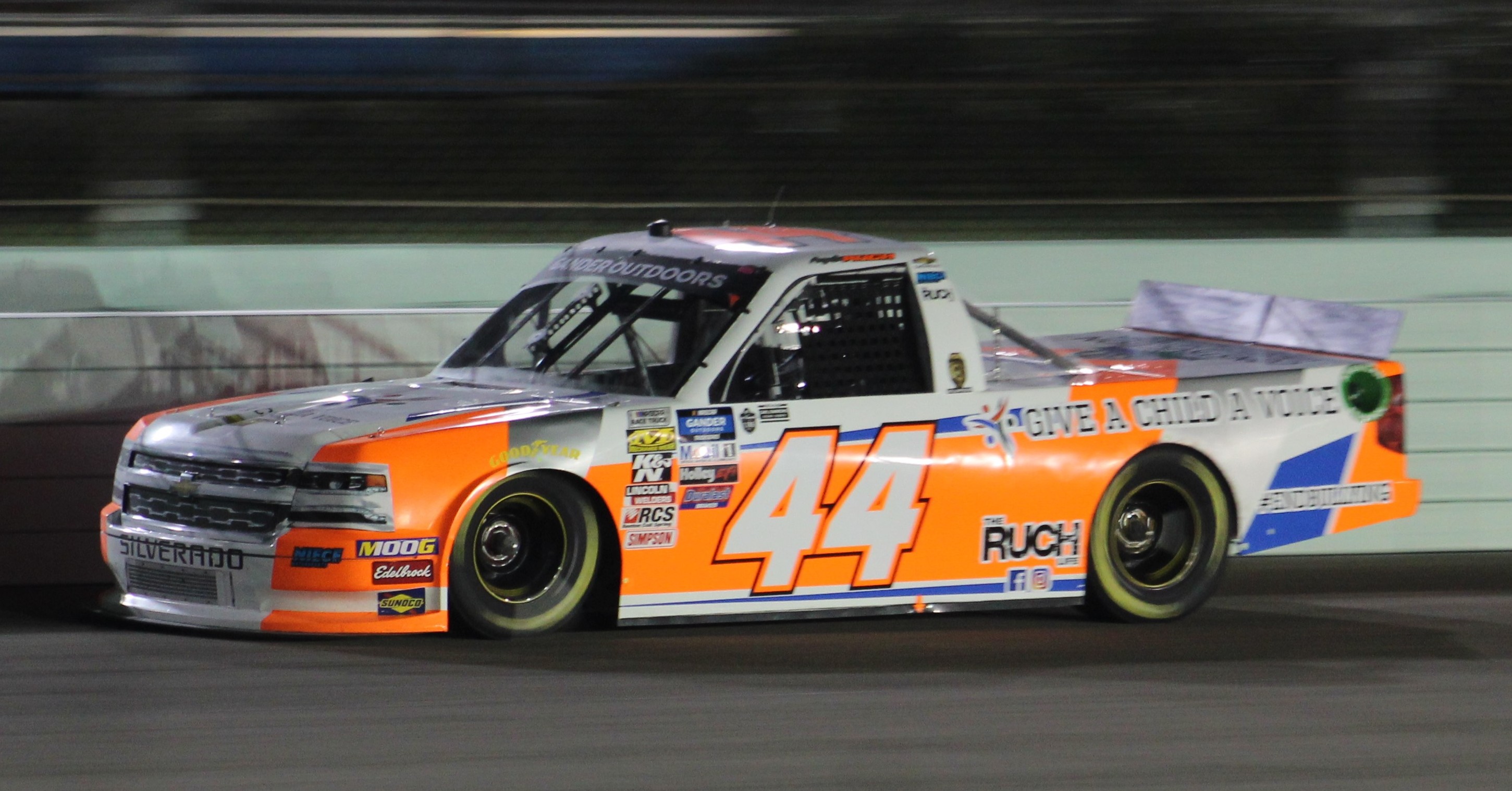
24 Silverado
"It knows I have a 24 Silverado with a 6.2 liter V8 that was recalled."
They’re talking about a 2024 Chevrolet Silverado with a 6.2-liter V8. They mention it had a recall, and they’re explaining how warranty coverage can depend on exactly what the recall fixed.
The speaker is referencing a 2024 Chevrolet Silverado equipped with a 6.2-liter V8. The key point is that the truck had a recall, and the discussion is about how extended warranties handle (or don’t handle) issues related to recalls.
recall window
"While recent recalls have addressed specific manufacturing issues such as bearing failures, these repairs often do not cover secondary damages or failures that occur outside the specific recall window."
A recall window is basically the scope of the recall—what it was meant to fix. The speaker is saying that even after a recall repair, other related problems might not be covered if they happen outside the recall’s specific scope.
A recall window refers to the specific population and timeframe a recall is designed to address, along with the exact remedy the manufacturer approved. The speaker’s point is that repairs from a recall may not cover secondary damage or failures that occur outside what the recall specifically targets.
exclusionary plan
"Choosing a supreme or exclusionary plan which covers nearly all mechanical parts except small listed items excluded."
An exclusionary plan covers a lot of repairs, but it has a list of exceptions—things it won’t pay for. The exclusions are the part you want to read carefully before you buy.
An exclusionary plan covers most mechanical systems except for specific items that are listed as not covered. This is different from plans that are “supplied” or “named” for only certain components—exclusionary wording can dramatically change what claims get approved.
vehicle service contract
"So keep that in mind when you're out there trying to pick out your next vehicle service contract. Let's review."
A vehicle service contract is like an extended warranty you buy to help pay for repairs. It only covers specific parts and situations, and it usually has a list of things it won’t pay for.
A vehicle service contract is a paid warranty-like plan sold by dealers or third parties that covers certain repairs after the factory warranty ends. Coverage is defined by a contract’s “covered components” and “exclusions,” so two plans can feel similar but pay out very differently.
Request an Explanation
Heard something you'd like explained? We'll add it to this episode.
Sign in to request explanations for terms you heard.
Want to learn more?
Browse our glossary for plain-English explanations of automotive terms, jargon, and concepts.
Help improve this episode
See something that's not quite right? Our annotations are AI-generated and can sometimes miss the mark. Click the flag icon on any annotation to suggest a correction.