00:23
Welcome back to the mobility table brought to you by Gem.
00:27
I'm Bernard Swicky, VP of Mobility and Research at Gem and the Detroit Regional Partnership.
00:34
And I am Jeanine Gantt, Mobility Growth Officer for the Global Epicenter Mobility,
00:39
and we are really happy to have you here at the mobility table. This is really a table where
00:45
everyone is welcome to join and be a part of this revolution towards advanced mobility in the
00:51
corporate region, and it's really a global kind of thing because Detroit has always been the home
00:57
of automotive and manufacturing and all those great things associated with that. But this new
01:04
revolution is changing things a little bit, and we're seeing lots of transformation and transition
01:09
to something new. So we're super excited to have this table, and I'm happy to see you again, Bernard.
01:16
Good to be back, Jeanine. All right, and today we're going to be talking about a little bit of
01:20
some of the cool things that Gem does in terms of moving to other mobility sectors, helping these
01:27
Detroit region companies actually embrace the fact that we have cross flows to other mobility
01:32
sectors that we didn't in the time of traditional vehicles with traditional powertrains. This is
01:39
now an opportunity area, and we've got concrete examples of this happening in the region. So
01:44
it's very cool to be talking about that today. Yeah, well, it is cool. And one of the things that,
01:49
you know, we did when the Global Epicenter of Mobility was created as an initiative here in
01:55
Detroit was to say, how do we take all the amazing automotive assets that we have and look at how we
02:02
transition them to advanced mobility, right? I mean, because we talked about this before, I think,
02:08
in another episode, we talked about the fact that the automotive industry really created the middle
02:13
class in the United States, right? And it really created a tremendous opportunity for folks here
02:20
in Michigan and in the Detroit area. And the idea of Gem was to say, how do we continue to do that?
02:28
How do we move that idea forward so that we make sure that everyone has an opportunity to create
02:33
economic prosperity? And, you know, one of the big pieces of Detroit, I think when folks think
02:39
about Detroit is manufacturing, right? I mean, we've been manufacturing some of the major automobiles.
02:46
And heck, not just automotive. This town has gone through furniture, shipbuilding, you name it,
02:52
you know, sitting on top of salt mines, you know, so industry wide and sort of industry agnostic.
02:58
And I feel like right now with this transformation that's happening with electrification,
03:03
automation, you know, that is a once in a century, maybe opportunity to capitalize on, you know,
03:10
frankly, the way that I describe it is, can Detroit be to boating shipbuilding? What it has
03:17
been to automotive? Can Detroit be to the aviation sector? What it has been to automotive? You know,
03:23
and I know right off the top of the bat, we're never going to be, you know, the Detroit of 1960
03:29
something or 50 something where, you know, we had the base laboratories doing ground research all
03:36
the way up through manufacturing, that full vertical integration, you know, that's just not how the
03:41
world works, right? And so part of that is, what does that look like today? You know, what is today's
03:46
version of being home to such a fantastic industry? And what does it look like when we then go out
03:53
and start serving some of the other mobility sectors, you know, boating, you know, aviation,
03:58
all of those things come to mind, but they're there now as opportunities to such a greater
04:03
degree than they were before. Air, land, sea. Those are Taylor Swift lyrics, yes.
04:09
Are they really? Yes, there's a new one. I love it. I know, I just happened to know that.
04:15
I love that you know that. We always have random information and I appreciate that you know that,
04:19
right? Sometimes. Yeah, yeah, yeah, yeah. But you know, as I think about how this ecosystem is
04:27
emerging, right? We think we've talked about this, you know, if you come to Detroit, it's so different
04:33
than it used to be, like so many different new players who are in this ecosystem with us now,
04:40
right? But we also have some that have been around for a while. I mean, you know, we're still the
04:45
home of Ford. We're still the home of General Motors. Stilantis still has a presence here,
04:50
as many of the other large automotive manufacturers as well. And then your tier one,
04:56
tier two suppliers are here as well. You know, a lot of the old folks in the names that we've
05:01
known for you, old folks, they probably wouldn't appreciate that I'm calling them old folks,
05:05
but you know, the old guard, as my mother would say, that have been around for a while.
05:09
And, you know, the question is really, you know, how do they take advantage of
05:14
this new rebirth? What's happening in Detroit? No, and Janine, you know, it's interesting,
05:19
one thing that you just said, I think was really important, you said we're still the home of Ford,
05:24
still the Ford of, you know, that still implies it's not a given anymore, right? And I feel like
05:30
for so much of our lives, we just thought Detroit was always going to be what it has been this whole
05:35
region, this whole state, frankly, you know, but now with the advent of this incredible Chinese
05:42
competition with the globalization of so many product platforms, more and more of the work in
05:48
this entire mobility sector is being done by global companies. And we cannot take that for granted
05:54
the same way that we used to. So, you know, as much as it kind of breaks my heart, but you using
05:59
that word still the home of actually is meaningful. You know, we're still the motor city, right? So,
06:05
we think it might be the electric motor. It might be the electric motor city or the mobility city.
06:09
You know, I read an article a couple weeks ago in cranes from Glenn Stevens, who was with Mish
06:17
Otto, and you know, you're talking about, you know, the competition and, you know, the idea is if we
06:23
don't look at how we really fully step into this space, we will be left behind, right? I mean,
06:31
we've got to transition. We've got to change. I think you'll still see, as we've seen, many of
06:36
the kind of traditional manufacturing and automotive and ice and those kind of things. But we've got
06:42
to, as a region, we have to change. We have to look at where those opportunities are. And that
06:46
includes our workforce and making sure that our workforce is ready and upskilled for these new
06:53
opportunities. That includes our supply chain and includes our manufacturers. So, I'm excited
06:59
because I know today we're going to be talking to Detroit Manufacturing Systems and I don't know
07:05
if you've had an opportunity, Benari, but I took a tour there. I have indeed. Isn't it the best?
07:09
It's fantastic. Like, when I went, I don't know, I kind of got goosebumps, frankly,
07:15
a couple of things because it is a plant that's in Detroit in the neighborhood. I mean, still in
07:22
the community of Detroit. And when I went into this space, I've just felt like that Detroit
07:29
grit. You know, we talk about Detroit grit and I felt that there. I felt the energy. I felt the
07:36
productivity. I felt community and family there, if you can imagine that at a at a manufacturing
07:41
plant, but I felt all those things when I was there. Yeah, no, no. And you're absolutely right.
07:47
It is a different vibe because over the course of my career, I've been to many a plant that's,
07:53
you know, in the middle of a field where everyone has to drive in from an hour away,
07:57
and it's kind of a moon base where we make things, right? And that's not what we're talking about
08:02
today. Yeah, we're talking about a company that's really in the community, you know, both being
08:09
served by and serving that community. And it's a lovely symbiotic thing. And it really tells,
08:15
I think, so many stories, not just a mobility story, but also a Detroit and a Detroit region
08:20
story that we're doing it this way. This is this is much more of an us, our way of taking that
08:27
approach. I don't know folks know, but you know, in Detroit, you know, we kind of have a saying,
08:32
like it's, you know, it's Detroit versus everybody, right? Like, we want people to come to Detroit,
08:37
we want people to build in Detroit, we want people to come and prosper in Detroit.
08:41
But there's a certain vibe that we have in Detroit, right? I mean, it does come from the
08:46
history of automotive. But as we transition, we want to maintain that, right? Because we think
08:52
that's uniquely who we are. And as I think about Detroit manufacturing systems, I'm so excited
08:58
to talk to them today. They're transitioning, right? I mean, so they still have the traditional
09:03
manufacturing piece to it. But I think they've been really smart in terms of how they are looking
09:08
at the opportunity that's in front of us. So, you know, I'm looking forward to talking to them.
09:13
And let me say this, because I think, you know, folks may wonder, well, how do you all have this
09:18
perspective? The work that we do through the Global Epicenter Mobility really touches on
09:23
so many different parts of the advanced mobility ecosystem, right? So from supply to research
09:31
and development through our testing and improving facilities that we're working with,
09:37
through innovation with our partners at Tech Town, through verified industrial properties.
09:43
So say a manufacturer wants to come into the region, we get your property, right? Like we
09:47
could actually identify property for you that's been vetted and so forth through our verified
09:51
industrial properties. Well, and to your point earlier about talent, the largest pillar is talent,
09:55
right? None of those things happen without the right people. Right. And that's that's that sort
10:00
of key lubricant, the glue that keeps it all together as the people. We do have talent. We do
10:05
have talent. It's the largest, yes, yes. And it's the largest pillar, right? Which I think
10:09
I always use as a highlight in terms of whatever else you're doing. It will not get off the ground
10:15
without the right people to make it happen. Absolutely. And wasn't there some statistic
10:19
about the number of engineers we have here in the region? Like we have one of the largest number
10:24
of engineers per capita. Indeed. Kind of like Copenhagen has bikes, we have engineers. We do,
10:31
we really do, right? We really do. So we have the people, right? We have the statistics that can
10:37
wow you in terms of number of engineers or number of significant trades. But we've also got the
10:44
sort of glue that keeps it happening in terms of the degree programs, the curriculum at the
10:51
educational institutions, or, you know, the professionals at those institutions who can
10:56
design something custom based on a new technology, a new trend, or just a new need from an individual
11:03
company, which, you know, for me, I take that as the definition of what we mean when we say ecosystem.
11:10
Right. It's not just what's there on paper. It's also the totality of it all sort of being held
11:17
together. You know, I would encourage folks to listen to the other episode we did around our
11:22
social network analysis, because it really does talk about an ecosystem in the stakeholders and
11:29
the nodes and how those things are connected together and how one informs the other, right?
11:34
So if a new technology is coming out, we need to then make sure that that information is being
11:39
shared with our educational institutions, right? So they can begin training and developing curriculum
11:44
so that the young folks who are coming out are ready for these new opportunities, right? So
11:50
that's a big deal as you think about retooling a region or an industry. How are the folks being
11:57
upskilled and trained and ready to take on these new jobs? Manufacturing plans are not like they
12:02
used to be. And we'll talk a little bit about that with our guests, but, you know, AI, automation,
12:07
all these new kind of technologies are coming in. And it's a pretty cool thing to be to see,
12:13
but we also need to make sure that people are comfortable and prepared and ready for these
12:18
opportunities. So again, I'm super excited about our guest who's going to be coming in. I believe
12:26
he is an expert. I like to say he's an expert in what he knows, but he's a really great guy to talk
12:34
to. Craig Leek, who was with Detroit Manufacturing Systems, is getting ready to join us. And, you
12:43
know, he's a big manufacturer in Detroit, and how they're taking advantage of this emerging
12:50
ecosystem and hopefully to be able to offer some advice for some of the smaller to medium-sized
12:55
manufacturers. I think that's a big thing. We work a lot with small and medium manufacturers,
13:01
as you know, right, through our partnership with University of Michigan and the Economic
13:04
Growth Institute. They're really doing some transitioning, but I think it's always great
13:10
for them to be able to hear from folks who are who are actually doing it. They have some great
13:14
clients like your big, you know, Fords and GMs and Stalances. No, DMS, you know, they really
13:21
embody so much of this transformation in one company. So I think it's going to be a great
13:26
conversation. Exactly. All right, let's bring on our friend, DMS. So we're here with our guest,
13:40
Craig Leek. Good morning. And, you know, we've been having a conversation this morning,
13:46
and I will say this, we've spent a good deal of the morning talking about traditional legacy
13:51
manufacturers and Detroit Manufacturing Systems, and then just had a conversation with Craig who
13:57
said, yeah, but wait, because why? What's happening? Well, we are in the midst of a transition and
14:05
acquisition as we are acquiring Android Industries, and it's going to double the size of who we become,
14:16
no longer in Detroit Manufacturing Systems, but we're going to go by the name of Voltava.
14:22
Oh, about Voltava. Voltava, the old LTVA. Yes. And I think what it does is it really
14:30
reflects where we're going and what our overall mission is going to end up beating. Okay. So it's
14:37
still manufacturing, still contract manufacturing for Big Three, but we'll be taking on additional
14:44
customers. We currently have a large footprint with Ford Motor Company as we do interior.
14:52
And you're still going to be taking, you're taking a tremendous leadership role there with
14:56
Ford. I'm going to be, I am. Okay, thank you. The executive director of operations
15:04
on the Ford side. Okay. I have a significant experience with Ford, 30 years with Ford Motor
15:11
Company in a lot of different roles, primarily design and operations. And I will definitely
15:21
take that relationship into consideration as we move forward. Fantastic. One of the things
15:27
that we talked about that was really important about your company is your base in Detroit. So
15:32
will you continue to see yourselves in Detroit? I'm going to be in Detroit. Okay. I'm going to be in
15:37
Detroit, inner city Detroit, artesian and schoolcraft, right in the neighborhood, as you all mentioned
15:43
earlier. And what we are going to do is we are going to expand the reach of our culture.
15:52
I'm not saying that Fultava is going to make sure that everyone assimilates, but what we've done
15:59
and what we bring with our energy and our culture overall is contagious. It really is. You're
16:07
exporting some of that Detroit vibe, you know, to the overall region. We have to, which we have
16:12
to. And it pays huge dividends at the end of the day. And me being a boomer, who's been in the
16:20
automotive for over 40 years, it was quite a transition for me. But what I think about when
16:27
I talk about our culture is, why hasn't it always been this way? You know, I'm from the old school
16:35
where it was just do the job. But once you let people know that they're seen
16:42
and that they're noticed for their performance and doing a good job, then they take pride in it.
16:51
Whether you're the person that's cleaning the offices or whether you're the person who
16:57
works in the office, you know. But as we go forward to and we talked about electrification,
17:04
we talk about AI and things like that, there's a lot of different things that are going to
17:10
factor into who we are and who we are going to become. When we think about electrification
17:19
specifically in retooling, as that's the theme, I'll give you an example. Two years ago,
17:25
we retooled from the Ford F-150, which we make the instrument panels for as well as the center
17:33
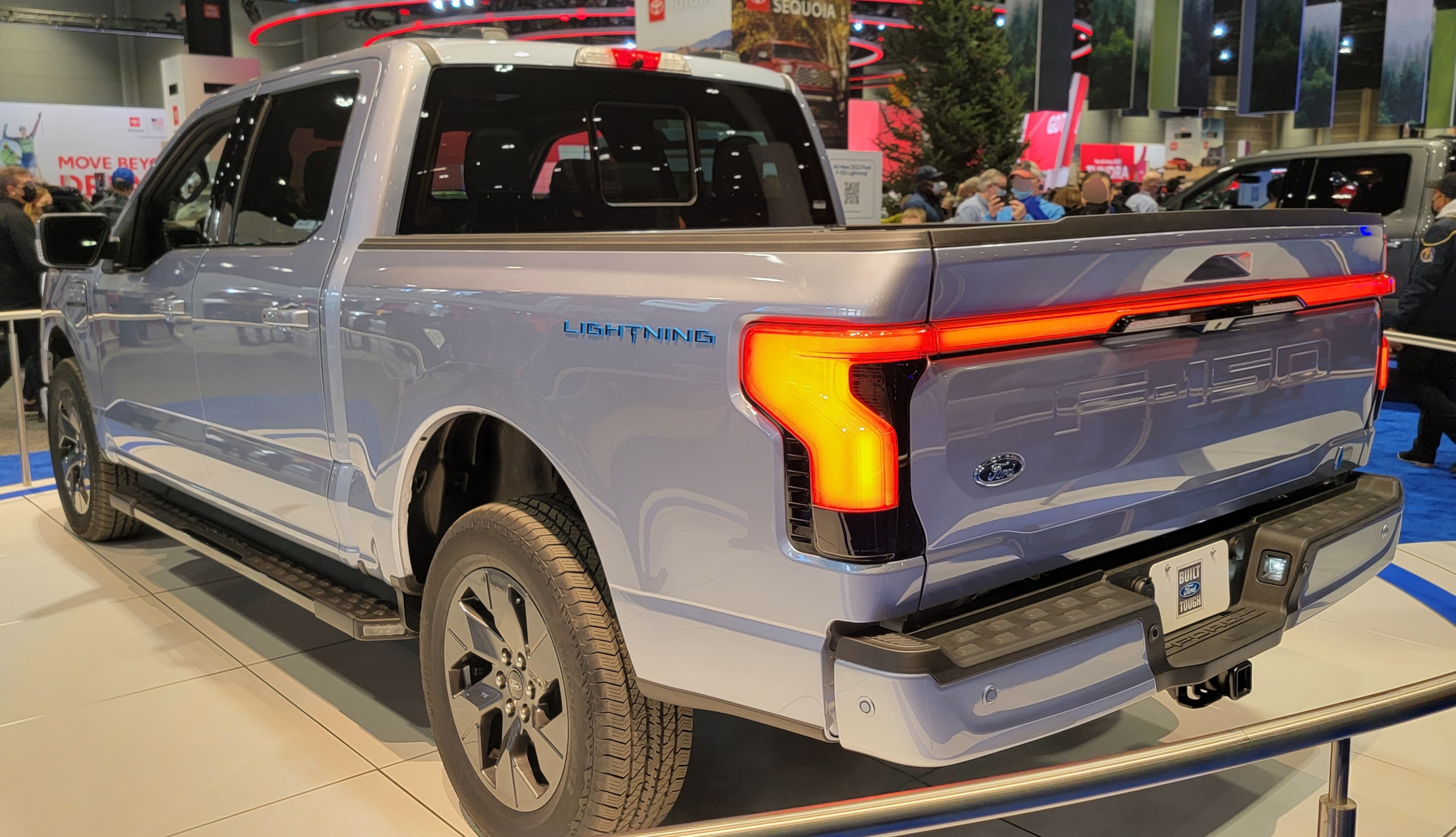
council. We retooled a all-new hybrid line that is going to build the Ford Lightning,
17:43
which is an all-electric Ford Lightning. And when we started that thing, we were so excited
17:49
because Ford said, build it. We need 35,000 of these a year. Let's make this happen. And as soon
17:58
as we started building it, they said, you know, this thing is really taken off. We're going to need
18:02
about 165,000 a year. So we expanded the line. We used AGVs, which are the next mode of how
18:13
manufacturing works because of its flexibility. And these are automated ground vehicles. So we're
18:20
talking about kind of a robotic way of delivering things to the supply line, which I love. And
18:27
this is a great example of a legacy Detroit company evolving, doing things in the world
18:33
class leading ways. And AGVs are not new, but how they are implemented for their flexibility,
18:46
that's what we're moving towards. And we were able to retool that line for volume
18:54
in just a matter of months. Instead of tearing the whole line up out of the concrete and
19:01
expanding it, we were able to do that just simply by pulling up the tape.
19:08
We got that going. And then we found that that 165,000 a year really wasn't able to materialize.
19:21
I was going to ask that question, like how, you know, because as we think about how things
19:25
have not materialized as perhaps we've projected, I mean, Bernard has done some research around,
19:31
you know, future mobilities and, you know, working with S&P Automotive and really coming
19:36
up with numbers in terms of what production would look like in between tariffs and, you know,
19:44
the tax credits gone away. A lot of component constraints as well. But it wasn't so much about
19:54
the tariffs either. You know, there's range anxiety and things like that as people are trying to
20:01
adopt electrification. So there were a lot of things working against that particular
20:08
model. But what it did is it taught us a lot about manufacturing and the flexibility around it and
20:16
how you retool and the types of things that you have to take into consideration as you do that.
20:22
Craig, I have to say I've kind of made peace with the fact that for the rest of my career,
20:27
I will be in a mixed world, right? Where we have, you know, one foot in the
20:31
selectrified world and one in the sort of traditional ice world. But I'm curious, you know,
20:39
all right, to make that work, we need flexibility and we need adaptability. But then that also
20:46
pays dividends because I know, for example, we talked about the fact that you're now building
20:51
boats, for example, right? And so because of that dual world flexibility, I'm curious,
20:57
does that flexibility then give you additional opportunities for things like new mobility
21:03
sectors getting away from, not getting away from, but adding to the cars, the sort of traditional
21:11
model lines that you've always had. Well, I'm glad you asked about that because
21:16
in addition to Voltava, what we've also done is what we call more of an innovation center
21:25
in our smaller company called Kinetic, K-I-N-E-T-Y-C.
21:32
Oh, I've seen your team out and about. I've seen your team out and about in the ecosystem,
21:35
hanging out. We love it. They're great people. We love it because what that does,
21:39
that helps us be somewhat of an incubator. And it also gives people who are trying to,
21:48
who are startups and need someone to build the things that they want to do.
21:54
It gives them a space. You mentioned the electric boats that we're doing with Voltaic.
22:02
We're doing a small ATV. We're going to build drones, or our building drones, I'm sorry.
22:11
We have a small neighborhood electric vehicle that we build, which is kind of cute. It's
22:18
like a golf cart, but it's, you know, for like the villages. I love that. Yeah, brilliant.
22:25
Land, sea and sky. And it's a really cool little vehicle like that. And all of this
22:32
really started with us getting into electrification with a company called Inductive,
22:39
where they ask us to build for them an inductive charging system. So it's sort of like the
22:49
inductive chargers that you put your phone on and it charges. Well, what this does is it does
22:54
commercial vehicles. So there's a ground unit that we're building, and then there's the unit
22:59
that actually goes on a vehicle. So as you ride over this particular charging port,
23:06
it's charging your vehicle every time, every stop that you make, for instance, airport shuttles,
23:12
or high lows and things like that in a commercial space. So you don't have to always plug it in
23:20
and charge it overnight. Every time it runs, it's charging. So let me ask you a question. I mean,
23:26
what was the mindset of, so Bruce Smith is the CEO found, not founder, but CEO of Detroit
23:34
Manufacturing Systems and owner. What's the mindset? I mean, I'm not asking, I know you're
23:41
not Bruce, but I mean, this idea of how do we, how do you get to the point where you're like,
23:47
yeah, let's open ourselves up to all these kind of new opportunities.
23:52
Well, you know, Bruce is a talent that comes along once in a lifetime. And
24:00
you mentioned earlier about being agnostic about what it is that we can do. Because if you think
24:06
about what industry really shows, there's an opportunity for everybody to do anything that
24:13
they want as long as they put in that type of investment. And Bruce said, you know,
24:20
let's diversify. We don't just have to do automotive. There's a lot of opportunities.
24:26
There's people out there that need things built. We're agnostic. We're a contract manufacturer.
24:31
You have a lawnmower that you think you want to start up that's remote control,
24:38
and you're working out of New Lab. Right. Right. Somebody's got to build it for you. Why don't you
24:44
let us do that? That's, that's kind of where kinetic, well, no, that is where kinetic comes in.
24:49
Well, and I've heard a lot of folks, founders that I've talked to, the startups that have come,
24:53
many that have come into Detroit from other places, have come in because we have the ability to
24:58
manufacture, right? So once you have your idea and you need someone that can manufacture,
25:02
that has the experience that Detroit is that place, because we talked about this, the assets that we
25:08
have. The ecosystem. Yeah. The ecosystem has the ability to, you know, to make that happen.
25:12
Well, where it also comes in as a factor is the design for manufacturability. I know what it is
25:19
that I want to build, but I don't know how to design it so that it can be built. We offer that as
25:25
well. It would be really nice if I knew exactly how to build this lawnmower or ATV. And then once
25:36
I start to build it, what opportunities do I have for volume? So as we do kinetic, kinetic will build
25:44
five, six thousand a year, if that's what you want. And then if you want something larger,
25:49
you bring it over to Voltava. We'll find a space for you. We'll build you five thousand a week
25:56
because we have that ability to scale to what it is that your requirements are.
26:03
So I know we've got to wrap up here soon. I'm sorry. And I love talking to you. I love talking to
26:09
you. Please come back. Please come back. But what excites you most? I mean, you said it yourself.
26:14
You're like, look, I've been in the industry for 40 years and my wife is like, are you retiring?
26:20
And you're like, you know, so what? Why not? What excites you about what's happening here?
26:26
How things grow and how we are able to help grow. We have a large mindset. So what excites me the
26:36
most is what's next? What can we do next? Yeah. And Craig, would you say, is there more potential
26:43
to open up a little bit now that things are electrified? You know, is there a greater chance
26:48
to do, you know, a boat or a drone or another type of vehicle than there would have been
26:54
when it was, you know, much more of a traditional engine transmission automotive world?
26:59
Yes. And that's where Connecticut comes in. Exactly. Because we said there's got to be
27:04
other things that we can do out there. And again, that whole diversification and assembly.
27:09
Yeah. No, and I think there are so many cool examples and lessons there for other Detroit
27:14
companies, right? That's the reason for this podcast is, you know, this entire region is an
27:19
ecosystem, but we are doing things that can be replicated. And I love having you as kind of
27:25
an example to follow for, you know, both the companies that have the potential to do it,
27:31
but also, you know, the educational institutions, that whole ecosystem can adapt based on these
27:37
really neat developments that you're talking about. Well, what we bring, and I won't belong,
27:43
logistics. It's not just enough to build it, but getting the parts in, shipping the parts out.
27:50
We were born out of a logistics company. We have engineers, as you mentioned, we have a lot of
27:55
engineers, industrial engineers, manufacturing engineers, electrical engineers, design engineers.
28:00
And then last but not least, as you mentioned too, we have labor. We have people that are
28:06
motivated to work. And when you put all of that together, that's the perfect formula.
28:14
And I think when you put all that together, that's the Detroit grit that we talked about.
28:20
So look, regardless of you changing the name, that the Detroit grit will stay.
28:26
Absolutely. That's our heart.
28:27
Yeah, that's your heart and bringing those values into new spaces. And we're so excited
28:32
that you stopped by to talk to us today. And I'm speaking for Bernard and myself,
28:38
that we want to come on a tour and see that electric boat that you're building,
28:43
which sounds pretty cool, and maybe put it out in the water sometime.
28:48
Yes, you would love it.
28:48
Yeah, thank you so much.
28:49
Obviously, thank you so much.
28:52
We're going to wrap up. This has been an amazing episode of the mobility table.
28:59
And we're looking forward to having some more guests join us.
29:03
And we look forward to seeing you all here on the next episode.