
RJ de Vera is the Reason Fast and Furious is Cool
About this episode
RJ DeVera traces a 30-year path from LA’s early 90s tuner scene to VP marketing at SEMA, fueled by a kid’s obsession with modifying cars. He recalls street-race nights, buying parts through the “recycler” newspaper, decoding Japanese option magazines and chassis codes, and the slow, satisfying hunt for rare JDM gear. RJ shares how he sold ARC titanium parts from his mom’s condo, canvassed flyers at schools and events, and turned that hustle into funding his own Acura Integra builds—plus how VTEC and the NSX shaped his dream-car goals.
LA Street races
"one of them took me to the LA Street races, actually, when I was 14, with some guys that had [165.7s] fixed up Honda's one Civic Si."
They talk about going to street races in Los Angeles, which helped spark their interest in car modifying. It’s part of the story of how they got into the scene.
The speaker describes being taken to LA street races at age 14, which is a formative moment for their interest in modifying cars. This is a narrative topic marker for how they entered car culture.

Honda Civic Si
"fixed up Honda's one Civic Si. That was Tahitian Green with SSR Superfins. I still remember that [172.4s] car very vividly"
The Honda Civic Si is a sportier version of the Civic. It’s the kind of car enthusiasts like to modify, and that’s why it mattered in the speaker’s early car obsession.
The Honda Civic Si is a performance-oriented trim of the Civic, typically tuned for a sportier feel than the base model. In this story it’s important because the speaker’s first real taste of car culture came from a modified Civic Si at LA street races.
SSR Superfins
"fixed up Honda's one Civic Si. That was Tahitian Green with SSR Superfins. I still remember that [172.4s] car very vividly"
SSR Superfins are aftermarket wheels—basically upgraded rims. Enthusiasts notice them because they change the look and stance of a car.
SSR Superfins are a style of aftermarket wheels (rims) from SSR, popular in Japanese car culture. The speaker mentions them as a defining visual detail on the Civic Si, which is why they’re worth explaining.
Tahitian Green
"That was Tahitian Green with SSR Superfins. I still remember that [172.4s] car very vividly"
Tahitian Green is a named paint color. The speaker is using it to describe the exact shade of the car they saw.
Tahitian Green is a specific paint color name associated with certain Honda models and enthusiast lore. Here it’s used to pinpoint the exact look of the modified Civic Si the speaker remembers.

Honda Del Sol
"And that's how I started to tinker and fall in love with modifying. And then I had my [153.1s] older brother who's seven years older than me was a DJ... And so I fell in love with cars at that time. [178.6s] No, I think Tahitian Green was a little bit more turquoise... I don't remember the actual [183.3s] color of the Del Sol that felt more like lime green."
The Honda Del Sol is a Honda that’s known for its convertible-style roof. The speaker is talking about how the Del Sol’s colors are often different from the green they remember on the Civic Si.
The Honda Del Sol is a late-1990s Honda convertible/roadster that’s especially known for its removable roof panel design. The speaker compares its common colors to the Tahitian Green Civic Si they remember, showing how specific paint shades were part of the enthusiast visual language.

Honda Prelude
"I think there was a [193.9s] prelude that was with us as well. The second generation with the flip top lights also had SSR [199.3s] Superfins"
The Honda Prelude is a sporty Honda coupe. The speaker mentions it because it was part of the import-car scene they were learning about.
The Honda Prelude is a sporty Honda coupe known for its handling-focused reputation and, in some generations, distinctive lighting and styling. The speaker brings it up as another example of an import that was around their world and could be modified.
flip top lights
"The second generation with the flip top lights also had SSR [199.3s] Superfins that was like the wheel to have back there."
“Flip top lights” means the headlights move—like they flip up. It’s a distinctive design feature the speaker is using to identify the exact Prelude generation.
“Flip top lights” refers to headlight housings that pivot up or flip open, a signature styling feature on certain cars. In this context it’s describing the Prelude generation the speaker remembers, helping listeners visualize the car’s look.
recycler
"And so there was a thing called the [254.8s] recycler back in the day. It's basically Facebook marketplace, but the print version [259.7s] from the 90s."
A “recycler” was a newspaper full of used-item ads. It’s basically the old-school version of buying parts through an online marketplace.
A “recycler” was a print classified-ad newspaper used to buy and sell used items, including car parts. The speaker compares it to Facebook Marketplace to explain how they found parts before online listings became normal.
audio equipment
"And I started to buy mostly audio equipment because that was the big thing in the [265.5s] 90s. You just run ads in the back? It's just a one ads newspaper thing."
“Audio equipment” just means car stereo and sound system parts. The speaker says that was what they bought first because it was popular back then.
In car culture, “audio equipment” refers to aftermarket or upgraded sound components like head units, speakers, and related electronics. The speaker notes that in the 1990s, they focused on audio gear when buying parts through classifieds.
JDM
"It was all over the map. JDM did not really exist at this point in the same terms that people think of it."
JDM means “Japanese Domestic Market.” It’s a label people use for cars and parts that originally came from Japan, not the U.S. market.
JDM stands for Japanese Domestic Market. It refers to cars and parts that were originally sold in Japan, and the term became shorthand for the whole Japan-sourced import car culture.
triple chrome
"…you look through like photos in a book and be like, ooh, SSR, NEOs and triple chrome, you know…"
“Triple chrome” means the wheel has multiple chrome layers. It’s a finish that’s meant to look extra shiny and stand out.
“Triple chrome” describes a wheel finish process that layers multiple chrome coatings to achieve a deeper, shinier appearance. The speaker uses it as an example of the flashy, photo-driven wheel looks people chased in that era.
Sport Compact Car
"So the only things that you saw in print was there was a magazine called Sport Compact Car that did mostly Euro low rider stuff…"
Sport Compact Car was a magazine that covered the scene of modified smaller cars, especially Japanese imports. The speaker is saying it was one of the few places you could read about that culture back then.
Sport Compact Car is a magazine that covered import and “sport compact” culture, including modified Japanese cars. The speaker contrasts it with the lack of broader import-focused print media in the early 1990s.
Option magazine
"But so you had to buy the option magazine and some people know what option magazine is."
Option magazine is a Japanese car enthusiast magazine. The speaker is saying people used it to learn about tuning parts and how to find them.
Option magazine is an enthusiast publication associated with Japanese car tuning and parts. In the transcript, it’s described as a key source people used to learn what parts and terms meant for import cars.
chassis codes
"And then you would look for it and then you learned to chassis codes, right? Like people know chassis codes now, you know, so it's literally deciphering Japanese so that you can find car parts."
A chassis code is like a model’s ID number. It tells you exactly which version/platform it is, which matters when you’re trying to buy the right parts.
Chassis codes are alphanumeric identifiers used by automakers to distinguish specific vehicle platforms and generations. In the early import-parts era, knowing the right code helped you order the correct fitment.
Japanese classes
"And then you would look for it and then you learned to chassis codes, right?... And you had to take Japanese classes. There was no Google Translate."
Back then, you often had to learn enough Japanese to read parts descriptions. Without easy translation, it was the only way to figure out what you were ordering.
The speaker is describing the practical need to learn Japanese to read parts listings and technical terms. Without translation tools, enthusiasts relied on language study to interpret what components were.
turbo timer
"…like trying to figure out like how you could read the word exhaust or turbo timer or turbo or whatever it was."
A turbo timer is a gadget that lets the engine keep running for a short time after you shut the car off. That helps the turbo cool down instead of stopping immediately.
A turbo timer is an aftermarket device that keeps the engine running briefly after you turn the key off. The goal is to allow the turbocharger to cool down, reducing heat stress on the turbo and oil system.
exhaust
"…trying to figure out like what that really means and how to read the word exhaust or turbo timer or turbo or whatever it was."
Here, “exhaust” means the parts that route gases out of the engine. People were trying to read the Japanese words so they could buy the right exhaust parts.
In this context, “exhaust” refers to the vehicle’s exhaust system components, often including aftermarket headers, downpipes, and cat-back systems. Enthusiasts look up the Japanese wording to identify the correct part.
delayed gratification
"it's that things are way too easy. And so you're, you don't get that delayed gratification of being [435.6s] like, I tracked this part down, I contacted them, now I have to wait a month for it to show up"
It means you find the part, place the order, and then you have to wait for it to show up. The fun is in the waiting and anticipation, not just getting it immediately.
In car parts hunting, delayed gratification is the idea of waiting for a part to arrive after you’ve tracked it down and ordered it. It’s the opposite of instant online ordering, where you can get things quickly and skip the waiting period.

Mazda Rx7
"a friend who wanted to get ARC for his RX7, which is all this titanium parts, right? Inner cooler and [453.7s] strut bar."
The Mazda RX-7 is a famous enthusiast sports car. People modify it a lot, and here they’re talking about performance upgrades made for that car.
The Mazda RX-7 is a rotary-powered sports car that’s especially popular in the enthusiast aftermarket. In this segment, it’s specifically referenced as the platform for titanium performance parts like an inner cooler and strut bar.
ARC
"a friend who wanted to get ARC for his RX7, which is all this titanium parts, right? Inner cooler and [453.7s] strut bar."
ARC is the name of a company that makes aftermarket car parts. In this story, they make titanium upgrades for a Mazda RX-7.
ARC refers to a specific aftermarket performance brand that makes parts for Japanese cars. Here it’s described as producing titanium components for an RX-7, including an inner cooler and a strut bar.
inner cooler
"ARC for his RX7, which is all this titanium parts, right? Inner cooler and [453.7s] strut bar."
An inner cooler is a part that helps cool the air going into the engine. Cooler air can help the engine perform better, especially on turbo cars.
An inner cooler is an intercooler-style heat exchanger used on turbocharged setups to reduce intake air temperatures. Cooler, denser air helps the engine make more power and can improve reliability under boost.
strut bar
"Inner cooler and [453.7s] strut bar. And so he just straight up called the number that he found."
A strut bar is a metal brace that helps the suspension stay more rigid. That can make the car feel more stable and responsive when you turn.
A strut bar (often called a brace) connects suspension mounting points to reduce chassis flex. Less flex can improve steering feel and consistency, especially when cornering hard.
FB RX7
"titanium exhaust for ARC, for FB RX7 that we just kept handing to people like, Hey, look, [480.3s] isn't this crazy? How light it is?"
“FB RX7” is a shorthand way people refer to a specific RX-7 version. It matters because aftermarket parts only fit certain RX-7 generations.
“FB RX7” is shorthand for a specific RX-7 generation/chassis code used by enthusiasts. It indicates the exhaust/parts fitment targeted at that particular RX-7 platform.
import show off
"I don't think he ended up doing [499.9s] it. I just ended up having a booth at the first import show in the US called import show off. [505.2s] And I just like, Hey, you've got some ARC parts that you want to show people"
This is an event for import car fans where vendors set up booths. The speaker used it to show parts and meet people who might buy them.
This refers to an import car show where the speaker had a booth to display and sell aftermarket parts. It’s a niche event type that helps enthusiasts connect with brands and vendors.
West LA
"selling parts out of my mom's condo, [523.0s] you know, trying to service people in West LA, Santa Monica, if anyone knows where that is."
West LA is a part of Los Angeles. The speaker is saying they were targeting customers in that area.
West LA is a region of Los Angeles the speaker mentions as the area they were trying to serve with parts sales. It provides geographic context for the early grassroots distribution described.
Santa Monica
"trying to service people in West LA, Santa Monica, if anyone knows where that is. [527.9s] And I promoted selling the parts like my brother promoted clubs."
Santa Monica is a city near Los Angeles. The speaker is saying they were trying to sell parts to people there.
Santa Monica is a city in the Los Angeles area that the speaker names as part of their local customer base. It anchors the story’s “meet people in person” marketing approach.
UCLA
"I just printed flyers with photos [534.6s] of products that I could get and then I would put it on different, you know, [539.3s] import cars at Santa Monica College or UCLA or whatever."
UCLA is a university in Los Angeles. The speaker is saying they promoted parts by putting flyers around places like that.
UCLA (University of California, Los Angeles) is mentioned as a place where the speaker would post flyers to promote parts. It highlights the grassroots, community-driven marketing used to reach car enthusiasts.

Acura Integra
"My mom had had done some finagling that she was able to lease me a new Acura Integra... But of course, I started modding it right away... I got in an accident in that first Integra, ended up getting another Integra"
The Acura Integra is a popular small performance car that a lot of people like to customize. Here, the guest talks about leasing one as a teenager, modifying it, and then replacing it after an accident.
The Acura Integra is a compact, front-wheel-drive performance car known for being easy to modify and for its strong enthusiast following. In this segment, the speaker describes leasing an Integra at 16, then immediately starting to mod it and later getting into an accident and replacing it with another Integra.

Bristol Bullet
"...n, he gets in the car and it goes faster than the bullet or something. Some of the craziest stock wheels o..."
The Bristol Bullet is a very rare sports car. People talk about it because it’s known for being fast and special, not because it was common. In the podcast, it’s used as a reference for speed.
The Bristol Bullet is a rare, high-performance sports car associated with the Bristol brand. It’s notable in car history discussions because it’s an uncommon model that tends to be remembered for speed and exclusivity rather than mass-market availability. The podcast reference uses it as a comparison point for how fast a car can feel.

NSX
"But it really was fell in love with NSX. NSX came out in the early 90s, 91, 92, right? And I fell in love with this idea of VTEC"
The Acura NSX is a famous high-performance sports car from the early 1990s. The guest says it captured their imagination, especially because of its advanced engine tech called VTEC.
The Acura NSX is a mid-engine supercar that became famous in the early 1990s for combining everyday drivability with high-performance handling. In this segment, the speaker says they “fell in love” with the NSX and connects that fascination to its VTEC variable valve timing system.
VTEC
"And I fell in love with this idea of VTEC and this variable valve timing"
VTEC is an engine technology that helps the car breathe better at different engine speeds. It’s designed to make the engine feel strong both in normal driving and when you rev it out.
VTEC (Variable Valve Timing and Lift Electronic Control) is Honda/Acura’s system for changing valve timing and lift to improve both low-end drivability and high-RPM power. The speaker specifically calls out VTEC as “variable valve timing,” showing why it was such a big deal to them when they were getting into car culture.
variable valve timing
"And I fell in love with this idea of VTEC and this variable valve timing"
Variable valve timing is an engine feature that changes when the intake and/or exhaust valves open and close. By adjusting valve timing based on RPM and load, it can improve torque at low speeds and power at higher speeds.
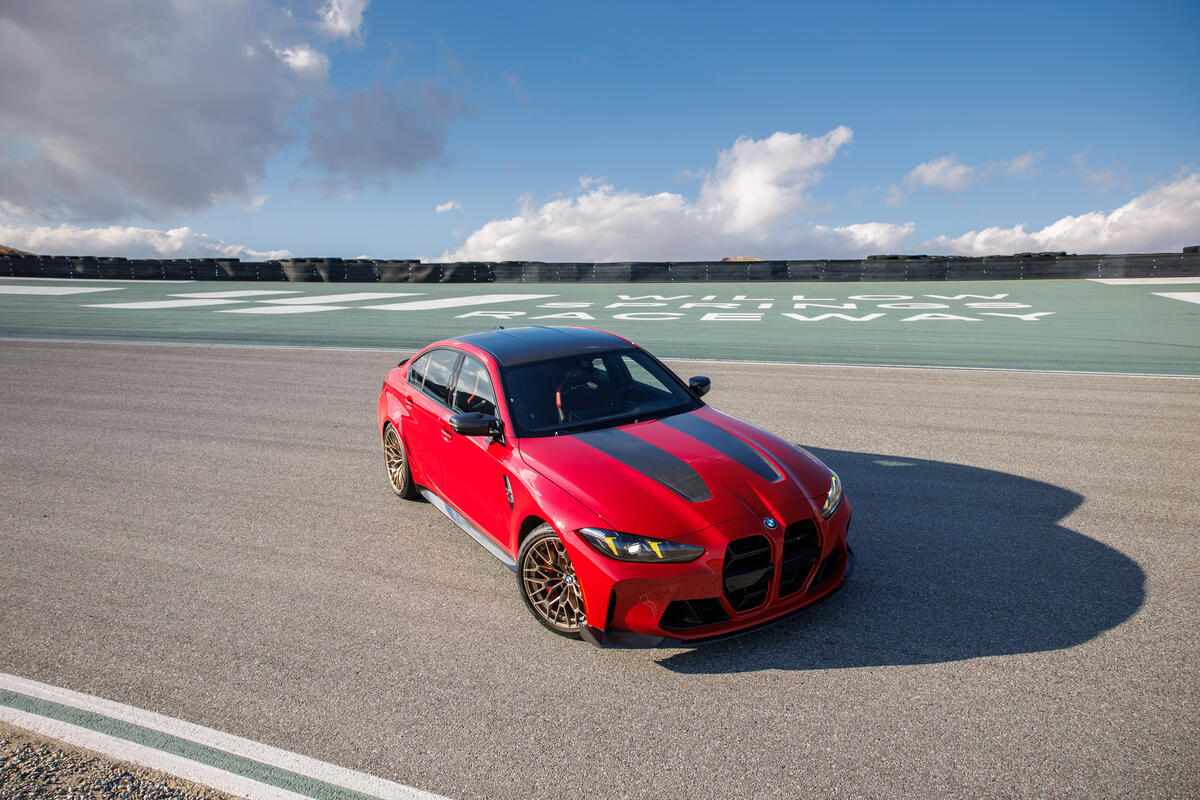
BMW E30M3
"which of course originated in the E30M3 through Venos."
The BMW E30 M3 is a famous older BMW performance car that many enthusiasts consider a benchmark. Here, it’s mentioned as part of the speaker’s explanation of engine tech history.
The BMW E30 M3 is a legendary 1980s/early-1990s performance model that helped define BMW’s motorsport-inspired road-car reputation. In this segment, the speaker uses it as a reference point for where “variable valve timing” technology is said to have originated, linking it to other systems like VTEC and VVT.
Venos
"which of course originated in the E30M3 through Venos."
VANOS (often said like “Venos”) is BMW’s system for adjusting valve timing. It helps the engine perform better at both low and high speeds.
“Venos” refers to BMW’s VANOS system, which is BMW’s variable valve timing technology. It changes valve timing to improve engine efficiency and performance across different RPM ranges.

NSX
"like dream car, dream cars. And there was a commercial where the NSX turns into the GSR [693.1s] Integra because it was the first Acura and Honda that incorporated VTEC outside of the NSX."
The Honda NSX is a famous Honda sports car known for being high-tech and quick. Here, the host mentions it as a starting point for the story about Honda’s VTEC performance era.
The Honda NSX is a mid-engine sports car that became famous for its advanced engineering and performance. In this segment, it’s referenced in a commercial where the NSX is shown “turning into” an Acura/Honda Integra, tying the NSX to the later VTEC-era Honda performance story.
dual overhead cam
"[701.7s] There's this 1.7 liter dual overhead cam VTEC. And so I was like focused on like,"
“Dual overhead cam” means the engine has two camshafts up in the cylinder head. That helps control the engine’s valves more precisely, which can support better performance.
A dual overhead cam (DOHC) engine uses two camshafts in the cylinder head to control the intake and exhaust valves. This layout is often associated with more precise valve timing and the ability to support higher-revving performance, which pairs with VTEC on Honda/Acura engines.
Fast and Furious
"There's a line and I know we'll talk about the [749.4s] Fast and Furious where you're like, we overnight parts from Japan. And for that particular show,"
They bring up Fast and Furious as a reference for the “parts shipped fast from Japan” kind of car culture. It’s used to compare their real-life build to the movie vibe.
The speaker references Fast and Furious as a cultural reference point for how quickly parts can be sourced and how serious enthusiasts can be about builds. In this segment it frames their own experience with importing parts for a show car.
Dazz Motorsports
"[753.8s] Fast and Furious where you're like, we overnight parts from Japan. And for that particular show, [759.8s] I went to one of the stores in LA called Dazz Motorsports."
Dazz Motorsports is a shop in Los Angeles the speaker went to for car parts. It shows how people often used specialty stores to find the right upgrades.
Dazz Motorsports is referenced as a local store in Los Angeles the speaker visited to source parts for their Integra build. It’s a concrete example of how enthusiasts relied on specialty shops for hard-to-get performance items.

Chevrolet SSR
"...ed Dazz Motorsports. And I really wanted a set of SSRs, these white Type Xs. And they're like, the only ..."
The Chevrolet SSR is a special-looking vehicle that mixes pickup-truck styling with a roadster-style concept. It’s not a common car, so people tend to remember it for its unusual design. In the podcast, it’s mentioned in connection with the kind of wheels someone wanted for a car like this.
The Chevrolet SSR is a distinctive American vehicle that blends the look of a pickup with the styling of a roadster, including its unique retractable hardtop concept. It’s a niche model that stands out in car conversations because it’s unusual and visually memorable. The podcast reference to wanting specific “SSR” wheels highlights how owners and enthusiasts often focus on appearance and customization.
air freight
"And they're like, the only way we're going to get them in time is to air freight [769.0s] them. So I literally like not overnighted, but air freighted these wheels from Japan"
Air freight means shipping by plane so parts arrive faster. They used it because they needed the wheels in time for the event.
Air freight is shipping by aircraft, used here to get wheels from Japan quickly enough for a show. The speaker is using it as a real-world example of the “overnight parts from Japan” vibe associated with Fast and Furious-style builds.
one piece headlights
"Oh my God. Yeah. Do you know you can get one piece headlights for that at this shop? Do you know what you could get?"
“One piece headlights” means the headlight is made as one complete unit. People change them for looks or sometimes because they work better.
“One piece headlights” refers to headlamp assemblies designed as a single unit rather than multiple separate pieces. Enthusiasts often swap headlight setups for styling, better visibility, or to match a specific look.
cold air intake
"Do you know you can get one piece headlights for that at this shop? Do you know what you could get? Like a cold air intake and it'll sound a lot better."
A “cold air intake” is a modification that helps the engine breathe cooler air. Cooler air can help the engine run more efficiently, and it often makes the car sound more aggressive.
A “cold air intake” is an aftermarket intake system that routes air from a cooler area of the engine bay to the engine. The goal is usually improved airflow (and sometimes throttle response or sound), though real power gains depend on the car and supporting mods.
Battle the Imports
"I mean, again, you know, battle the imports is the first import drag racing series that really, you know, became legitimate outside of the street races. And that was in, I think 91 or 1991."
“Battle the Imports” is an early organized drag-racing series for import cars. The point was to give people who were racing on the street a more official and safer way to compete.
“Battle the Imports” is described here as the first import drag racing series that became legitimate beyond street racing. It’s positioned as a key step toward professional, organized competition for import cars in the early 1990s.
import drag racing
"battle the imports is the first import drag racing series that really, you know, became legitimate outside of the street races."
“Import drag racing” is drag racing where the cars are mostly from outside the U.S., like Japanese models. It’s a style of racing where people compete in straight-line acceleration.
“Import drag racing” means drag racing focused on non-domestic (typically Japanese and other foreign) cars. In the early 1990s, this scene helped popularize performance modifications and a more organized racing culture.
terminal island
"You either met each other at the test in tune at an eighth mile course called terminal island or the street races or battle the imports or some house party somewhere, which was just that thing of young people getting together."
Terminal Island is a place people went to race cars over a short distance. In this story, it’s where the import-car crowd would meet and test their cars.
Terminal Island is an eighth-mile drag-racing venue referenced in the context of import-car street racing and meetups. The host uses it to illustrate how early import culture revolved around specific local tracks and gatherings.
eighth mile
"You either met each other at the test in tune at an eighth mile course called terminal island or the street races or battle the imports or some house party somewhere, which was just that thing of young people getting together."
In drag racing, an eighth-mile is a short straight-line race—about 200 meters. Because it’s so short, the car’s launch and quick acceleration are especially important.
An eighth-mile is a drag-racing distance equal to 1/8 of a mile (about 201 meters). It’s shorter than the quarter-mile, so launches and early acceleration matter a lot.
SEMA
"So I started going to Tokyo Auto Salon the same year I started going to SEMA, which was 97. ... And SEMA is really where culture and business come together."
SEMA (Specialty Equipment Market Association) is a major U.S. trade show where the aftermarket and custom-car industry showcases new parts, builds, and business opportunities. The host describes how SEMA in 1997 was much smaller—fewer halls, less parking, and far fewer Japanese manufacturers—compared with today.
IPO
"And SEMA is really where culture and business come together. There's an abbreviation or an acronym I call IPO, right? It's about innovation, passion and opportunity."
In this episode, IPO is an acronym the host uses to describe what SEMA stands for: innovation, passion, and opportunity. It’s a theme, not the stock-market term.
IPO here is an acronym the host uses for SEMA’s ethos: innovation, passion, and opportunity. It’s not the finance meaning of IPO (initial public offering); it’s framed as a culture/business message.
chip foos era cars
"Yeah. Those are like the peak chip foos era cars, right? Like the flames and the..."
“Chip foos era cars” is a nickname for a certain style of custom cars from the 1990s. The host then talks about the wheel designs that matched that look.
“Chip foos” is used as a shorthand for a specific 1990s-era customization aesthetic tied to wheel and styling trends. The host immediately connects it to wheel designs like Concept Nipper, suggesting it’s a culture label rather than a technical term.
Hot Rod
"I mean, hot rods were huge, still are, right? But it's changed quite a bit over 30 years... and then, of course, the Hot Rod stuff, like American Racing, Torque Thrust and those type of things."
Hot Rod refers to a car culture focused on modifying older vehicles for style and performance, especially in the US. In the segment, it’s used to describe the big 1990s wheel-and-customization scene and how it evolved over decades.
Concept Nipper
"And you say chip foos, the thing that comes to mind is a wheel line called Concept Nipper. I've never heard of that. So, it's these like, if you think of like cookie cutter shapes, very fluid."
Concept Nipper is a specific style of aftermarket wheel from the 1990s. It was known for having a more unusual, flowing shape instead of a simple, cookie-cutter pattern.
Concept Nipper is a wheel design line associated with the 1990s “organic” wheel-shape trend. The host describes it as having fluid, cookie-cutter-defying shapes that stood out from more traditional stamped or multi-piece looks.

Opel Antara
"...and it was very popular. That and the three-spoke Antara Opus One wheel was the jam, right? So... That was..."
The Opel Antara is a small SUV made by Opel. It’s the kind of vehicle people might modify with different wheels to change how it looks. In the podcast, it’s brought up because certain wheel styles were popular on it.
The Opel Antara is a compact SUV that was popular enough to become a recognizable part of everyday driving and enthusiast conversations. It’s mentioned in the podcast alongside specific wheel styles, which suggests the discussion is about how these cars look and how owners personalize them. That makes it a relevant example when talking about design trends and common modifications.
three-spoke Antara Opus One wheel
"That and the three-spoke Antara Opus One wheel was the jam, right? So... That was the three-spoke era."
The Antara Opus One is a wheel design known for having three spokes. The host is pointing out that this was a very popular look at the time.
The Antara Opus One wheel is described as a three-spoke wheel that defined a popular 1990s style. The key detail is the three-spoke layout, which was a recognizable look for that era’s aftermarket wheel scene.
Super Audvan
"In Japan, it was the Super Audvan and the SA3, which was a three-spoke as well."
Super Audvan is a wheel style name from Japan. The discussion is comparing what wheel designs were popular in Japan versus the US.
Super Audvan is referenced as a Japanese three-spoke wheel style that parallels the US popularity of the Antara Opus One. In this context, it’s being used to compare regional aftermarket wheel trends.
SA3
"In Japan, it was the Super Audvan and the SA3, which was a three-spoke as well."
SA3 is a wheel model/style name mentioned alongside Super Audvan. It’s described as another three-spoke wheel that was popular in Japan.
SA3 is mentioned as a Japanese three-spoke wheel model/style associated with the Super Audvan line. The host uses it as part of a “three-spoke era” comparison between Japan and the US.
CEC
"But in the US, that Antara wheel, which was sold by CEC, was like the B's knees, right?"
CEC is mentioned as the company that sold that wheel in the US. In other words, they were part of how people got that popular wheel design.
CEC is mentioned as the company that sold the Antara three-spoke wheel in the US. Here it functions as a distribution/retail channel for that specific wheel style.
Torque Thrust
"and then, of course, the Hot Rod stuff, like American Racing, Torque Thrust and those type of things."
Torque Thrust is a famous wheel design name. In this conversation, it’s used as an example of the classic Hot Rod wheel look.
Torque Thrust is mentioned as an iconic wheel style associated with Hot Rod culture. It’s used as an example of the popular wheel designs that were common before the more “organic” and three-spoke trends took over.
American Racing
"and then, of course, the Hot Rod stuff, like American Racing, Torque Thrust and those type of things."
American Racing is a well-known wheel brand. The host is listing it as one of the classic wheel makers tied to the Hot Rod customization world.
American Racing is referenced as a classic wheel brand associated with the Hot Rod wheel scene. The host groups it with other iconic wheel names to illustrate what enthusiasts were buying in that era.
Super Street
"I had start to work for a magazine called Super Street, which launched in October of 96."
Super Street is a car magazine. The host says it covered Japanese import cars that were modified, and that he worked there early in his career.
Super Street is the magazine the host worked for, described as covering Japanese imports that were tuned and modified. In this segment, it’s used to anchor the import-tuning media scene in the mid-1990s.
Tokyo Auto Salon
"I wasn't super official yet. I had done the story for Tokyo Auto Salon. Yeah. So, my first auto salon in Tokyo was January of 97."
Tokyo Auto Salon is a major car show in Japan. The host is saying he covered it early on, before moving into other shows like SEMA.
Tokyo Auto Salon is described as the host’s earlier auto show coverage in Japan. It’s being used to establish the timeline of how Japanese import tuning and aftermarket culture fed into the broader US scene.
Performance Motorsports Expo
"And I had met the guys at Super Street the year before, actually, at Performance Motorsports Expo."
Performance Motorsports Expo is an auto event where the host met people from a magazine. It’s included to show how the community networked through shows.
Performance Motorsports Expo is mentioned as the place where the host met people from Super Street. It’s part of the narrative about how magazines and events connected the import-tuning community.
Battle of the Imports
"because I had my car crew and we were competing at Battle of the Imports and we're going to import car shows."
Battle of the Imports is a car-show competition centered on import cars, especially Japanese ones. People bring modified cars and compete for judging points like how the car looks and how it’s built.
Battle of the Imports refers to a competitive car show format focused on import cars, especially tuned Japanese models. It’s typically judged on things like styling, stance, and sometimes performance-related modifications.
racing heart type C's
"And he spotted my friend's Integra, very similar to mine, GSR, yellow, racing heart type C's. And it was like, that's the color."
“Racing heart” Type C’s are a particular style of wheels. They’re mentioned because the wheel design helps define the car’s overall look for the photo.
“Racing heart” Type C’s refers to a specific wheel design/style associated with Japanese tuning aesthetics. The speaker uses it as a visual detail to describe the Integra’s look and color coordination for the magazine shoot.
golden hour
"the money shot was making sure that we shot at sunset, at sweet light, you know? Golden hour. Golden hour."
Golden hour is the best natural lighting time near sunrise or sunset. Photographers use it because it makes cars look better in photos, with nicer shadows and highlights.
Golden hour is the period shortly after sunrise or before sunset when the light is warm and directional. For car photography, it helps make paint and body lines look more dramatic, which is why the crew planned the “money shot” at sunset.
jacking up the car
"we ended up jacking up the car on this hill in Angeles Crest. And it was so sketchy because I felt like the car might have fallen off the jack stands."
Jacking up the car means lifting it off the ground with a tool so it sits higher. They did it to make the car look like it’s launching in the photo, but it’s risky if the car isn’t secured properly.
Jacking up the car means lifting it with a jack so the wheels and suspension sit higher than normal. In this context, they used it to create a “launching/jumping” look for the magazine cover, which required careful setup to keep the car stable.
Angeles Crest
"we ended up jacking up the car on this hill in Angeles Crest. And it was so sketchy because I felt like the car might have fallen off the jack stands."
Angeles Crest is a hilly area in Southern California. They used it as the location to set up a dramatic photo where the car looks like it’s launching.
Angeles Crest refers to the Angeles Crest area in Southern California, known for winding roads and overlooks. The speaker used a hill there to stage a “launching” photo for the magazine cover.
jack stands
"And it was so sketchy because I felt like the car might have fallen off the jack stands. It was like off kilter?"
Jack stands are the safety supports that hold a car up after you lift it. They’re what keep the car from falling if the jack isn’t enough on its own.
Jack stands are support stands used to hold a vehicle safely after it’s lifted by a jack. They’re critical for stability during work or setups; the speaker’s fear highlights how dangerous it can be if a car shifts or isn’t properly supported.
Photoshop
"Did they just Photoshop out the jacks? We Photoshop the jacks out. And that's, and if you look back at that cover from Super Street, that's the launch issue."
Photoshop is a program for editing photos. They removed the visible jacks from the picture so it looked like the car was jumping without any supports.
Photoshop is image-editing software used to alter or composite photos, such as removing unwanted objects. Here, they “Photoshop the jacks out” so the cover image looks like the car is launching naturally.
super taillights
"We did a lot of stuff like colored interiors. And we were one of the teams that started like replacing lights, like super taillights or MR2 taillights on something that there wasn't meant for."
“Super taillights” means aftermarket or upgraded rear lights. They can look different and sometimes work differently than the factory lights.
“Super taillights” refers to upgraded or aftermarket rear light assemblies, often with different styling and sometimes different lighting output than the original equipment. The speaker mentions fitting them to cars that weren’t originally meant for that specific taillight design.

Toyota MR2
"...d like replacing lights, like super taillights or MR2 taillights on something that there wasn't meant f..."
The Toyota MR2 is a small sports car where the engine sits closer to the middle of the car. That layout helps it handle well. Some owners also talk about replacing parts like lights because certain components can be harder to access than on more common cars.
The Toyota MR2 is a mid-engine sports car that’s known for its compact size and balanced handling. It’s often discussed by enthusiasts because it offers a different driving layout than many front-engine sports cars. The podcast mention about taillights fits the kind of practical ownership topic owners run into with older or less-common models.
Garrett turbochargers
"had his own, I think he didn't have his own. He worked for Garrett turbochargers or Allied Signal at the time."
Garrett makes turbochargers, which are parts that help an engine make more power. The speaker is just mentioning that the person worked there.
Garrett is a well-known turbocharger manufacturer whose products are used across performance and racing applications. In the transcript, it’s mentioned as part of the background of someone who worked in the industry.
Allied Signal
"He worked for Garrett turbochargers or Allied Signal at the time."
AlliedSignal is a company name the speaker mentions as where someone worked. There’s no car-tech explanation in this moment.
AlliedSignal is an industrial company that historically worked in aerospace and related technologies, and it’s mentioned here as an employer of a person in the performance-car industry. The transcript doesn’t go into technical details, so it’s mainly a background reference.
HKS
"and then our publisher Howard Lim at Super Street was at HKS and then ended up at Super Street would introduce me to people."
HKS is a company that makes performance parts for cars. The speaker is mentioning it as where someone worked before moving to a magazine job.
HKS is a Japanese performance parts company known for turbo and engine-related upgrades, especially in the import tuning world. The transcript mentions it as part of Howard Lim’s career path.
Tropicana
"And so we got a room at the Tropicana, which is no longer there. And she gambled and during the day while I went to the show, that's really sweet."
The Tropicana is a hotel and casino in Las Vegas. The speaker is just saying where they stayed during the event.
The Tropicana is a hotel/casino in Las Vegas, referenced here as where the speaker stayed during a show. It’s a location detail rather than an automotive concept.
bracketed
"No, no, I had to learn how to shoot. Wow. Yeah. You just bracketed saved your life for anyone that doesn't know when you, and this was all"
Bracketing is when you take a few photos of the same scene with different brightness settings. It helps you get at least one picture that looks right when the lighting is confusing.
In photography, “bracketing” means taking multiple shots at different exposure settings (like lighter and darker) to make sure at least one comes out correctly exposed. The speaker jokes that learning this skill can “save your life” when lighting is tricky.

Ford Mustang
"...eet, all these enthusiast books. There was one on Mustangs. There was one on Chevy's. They were also doing e..."
The Ford Mustang is a performance car made by Ford. People talk about it a lot because it’s been around for a long time and there are many ways to make it faster or customize it. It’s often mentioned in car history and enthusiast discussions.
The Ford Mustang is a classic American sports coupe/convertible known for its long-running popularity and strong enthusiast following. It often comes up in car-history discussions because it’s been a major platform for performance parts, tuning, and motorsport influence over many generations. That’s why it’s a common subject in enthusiast books and conversations.
Japanese imports
"Hey, do you know anyone that know that grew up in the world of street racing culture with Japanese imports?"
It means cars made in Japan that were brought into the country. In car culture, they’re often the kind of cars people modify for racing.
“Japanese imports” refers to cars originally built in Japan that became popular in the U.S. enthusiast scene—often for their tuning potential and strong aftermarket support. In street-racing culture, these cars are commonly associated with engine swaps, turbo builds, and track-focused setups.
street racing culture
"And then they asked, Hey, do you know anyone that know that grew up in the world of street racing culture with Japanese imports? And at the time, not only did I work for Super Street, I was also working for Naira..."
It means the car-scene vibe where people race on public roads. It’s a community with specific cars and mods, and the movie tries to reflect that world.
This refers to the subculture built around illegal or semi-legal street races, where car enthusiasts swap parts, build cars for launches and top speed, and share scenes—especially in the Japanese-import world. In the Fast & Furious universe, that culture is part of the authenticity the filmmakers try to capture.
Naira
"And at the time, not only did I work for Super Street, I was also working for Naira as I think I managed like the car show side for Naira."
Naira is mentioned as part of the car-show world the speaker worked in. The exact brand details aren’t fully spelled out here, but it’s clearly automotive-related.
Naira is referenced as a car-show-related organization or media outlet in the transcript. The context suggests it was part of the speaker’s automotive network for events and community connections.
car show
"Craig invited them to a car show that we were attending and competing in. And so I met the couple of the producers at that time."
A car show is an event where people bring cars to display and sometimes compete. It’s also where car clubs and part companies connect.
A car show is an organized event where enthusiasts display vehicles, compete for trophies, and network with parts suppliers and builders. In this transcript, car shows are the meeting ground that leads to film producers finding cars and part sources.
Universal
"Craig told me like, Hey, Universal is going to do this film. So I met them and I remember joking with them..."
Universal is the movie studio making the film. They needed help finding cars and parts, so they leaned on people connected to the car community.
Universal is the film studio involved in producing the movie discussed in the segment. The transcript highlights how the studio used consultants and relied on the enthusiast network to source cars and parts within a limited budget.
limited budget
"You guys are going to help choose cars for the, you know, the characters and help us figure out what parts we can get. You know, it was a limited budget. So we, you know, we really needed to ask like, who would be willing to like, give parts for free..."
They didn’t have a lot of money to spend. So they tried to get help from car people—like getting parts for free—so the movie could still get made.
A “limited budget” here explains why the production needed help from the enthusiast community. Instead of buying everything, they sought free or discounted parts and support to keep the film on schedule and within cost limits.
Axis Wheels
"And so there were definitely, you know, people like Axis Wheels, the Veilside guys in Japan, the Apex guys who were like, Yeah, of course, if you guys are a part of it, we'll give you some parts, right?"
Axis Wheels is referenced as a wheel brand/company that could provide parts for the film. Wheel brands like this are often involved in motorsport and street-tuning scenes because wheels are highly visible and easy to showcase on camera.
Apex
"And so there were definitely, you know, people like Axis Wheels, the Veilside guys in Japan, the Apex guys who were like, Yeah, of course, if you guys are a part of it, we'll give you some parts, right?"
Apex is mentioned as another car-parts source. The speaker is basically saying, “If you’re involved, they’ll help with parts,” but the exact company details aren’t fully clarified here.
Apex is mentioned as a parts-supplier group in Japan, alongside Veilside and Axis Wheels. In the Fast & Furious context, “Apex guys” likely refers to an aftermarket company or shop known for performance parts that could be provided for production.

Mitsubishi 3000 GT
"I think Paul Walker's character originally went from like a 3000 GT 20 clips and the progression didn't feel right."
The Mitsubishi 3000 GT is a sporty Japanese car from the 1990s. Here, it’s brought up because the movie originally planned to start Paul Walker’s character in a 3000 GT before moving to other cars.
The Mitsubishi 3000 GT is a late-1980s/1990s Japanese grand tourer known for its advanced tech for the era, including turbocharged and all-wheel-drive variants. In this segment, it’s mentioned as an early step in the character’s car progression for Fast & Furious.

Mitsubishi Eclipse
"So we're like, well, we could probably start them in Eclipse and then have them end up in something like a 3000 GT, which ended up being a Supra, right?"
The Mitsubishi Eclipse is a sporty coupe that was especially popular with car enthusiasts. They’re talking about it as the first car in a movie character’s lineup.
The Mitsubishi Eclipse is a popular 1990s/2000s sport coupe that became strongly associated with tuner culture. In the discussion, the hosts describe using an Eclipse as the starting point for a character’s progression before moving to a more iconic car.
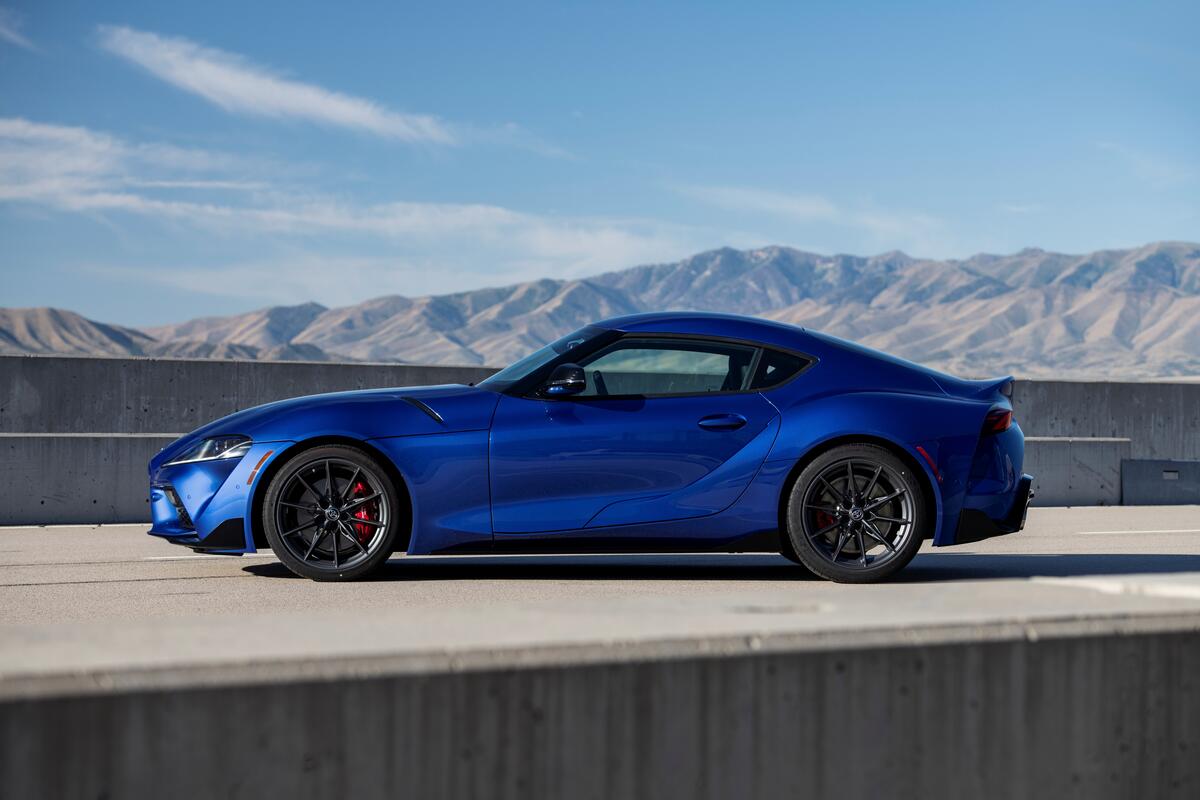
Toyota Supra
"So we're like, well, we could probably start them in Eclipse and then have them end up in something like a 3000 GT, which ended up being a Supra, right?"
The Toyota Supra is a well-known high-performance sports car from Japan. In this story, it’s the car the movie ultimately used for the character’s progression.
The Toyota Supra is a legendary Japanese performance car, especially famous in tuner and racing circles. Here, it’s referenced as the end point of the character’s car progression—replacing the earlier “3000 GT” idea in the script.
Ninja stars
"And it had Ninja stars on it, right? And that was like, can we like profile the Asian character anymore? Like, you know, like Ninja stars, like really?"
They’re talking about the throwing-star ninja graphics painted on the car. The speaker thinks it’s a bit corny and questions why the movie leaned into that stereotype.
“Ninja stars” here refers to the stylized shuriken-like throwing-star graphics used as a visual theme on the car. The speaker is critiquing the movie’s choice to use that imagery as part of the car’s look and character branding.

Honda S2000
"different cars that people had. We didn't have as much influence on the look and feel. So my car ended up in there was an S 2000, you know, Johnny Tran's car. Yeah. And it had Ninja stars on it, right? And that was like, can we like profile the Asian character anymore? Like, you"
The Honda S2000 is a small two-seat sports car (a roadster). It’s known for feeling quick and lively to drive. People remember it because it has a distinctive look and a very “enthusiast” driving character.
The Honda S2000 is a lightweight, rear-wheel-drive roadster famous for its high-revving engine and sharp handling. It’s frequently referenced in car culture because it became an icon for drivers who like a more driver-focused, responsive feel. In the podcast context, it’s also tied to a specific car appearance and styling detail.
dailies
"And I remember seeing it like, RJ, what do you think? I'm like, none of us would ever have this on our part. But it, you know, the movie came out and it really resonated with a lot of people, right? Yeah. Because it captured the essence of the culture... A great example, Motec exhaust system."
“Dailies” are the raw or roughly edited clips from each filming day that the team watches to see what worked. The speaker says he got to watch these with the director.
In film production, “dailies” are the daily edited footage (often called rushes) shown to the director and crew to review what was captured that day. The speaker mentions sitting in dailies as part of being close to director Rob Cohen.
Motec
"A great example, Motec exhaust system. Paul just forgot the word and Motec and exhaust system. So he just said, yeah, the Motec exhaust system."
Motec is a brand known for high-end engine management and performance electronics used by serious motorsport and tuning teams. In the segment, the speaker corrects a script detail about a “Motec exhaust system,” implying the wording is wrong because Motec is typically associated with electronics rather than exhaust hardware.
engine management
"A great example, Motec exhaust system. Paul just forgot the word and Motec and exhaust system. So he just said, yeah, the Motec exhaust system."
Engine management is the car’s computer system that controls how the engine runs. It decides things like fuel and spark timing, and that’s why Motec is usually tied to electronics, not exhaust parts.
Engine management refers to the electronic control systems that regulate fuel, ignition timing, and other parameters to make an engine run correctly and efficiently. Motec is commonly associated with this kind of hardware, which is why the speaker challenges the script’s “Motec exhaust system” phrasing.
T 66 turbos
"you know, the spoon engines with the T 66 turbos, like, there are a lot of things like Craig and I develop"
A “T66” is a type of turbocharger—basically a forced-induction device that helps an engine make more power. Bigger turbo setups like this are often used on serious drag or performance builds.
“T66” refers to a turbocharger family/size used on high-boost builds, typically associated with larger turbo setups than stock. In this context, the host is talking about the “spoon engines” and how the movie/crew used specific turbo hardware references.
drag race
"there were things like that, you know, there's 1000 shifts in the beginning drag race that I was in"
A drag race is a competition where cars race in a straight line over a short distance. The goal is usually to get to the finish as fast as possible.
A drag race is a straight-line motorsport where cars compete over a short, fixed distance to measure acceleration. The host mentions “drag race” in the context of production and how the movie captured the essence of that racing culture.
quarter mile
"I mean, the I live my life a quarter mile at a time is a very famous one."
In drag racing, cars race over a set distance called the quarter mile. It’s a common way to measure how fast a car accelerates.
The quarter mile is a standard drag-racing distance (about 402 meters) used to compare acceleration and elapsed time. The host references the famous line “I live my life a quarter mile at a time,” tying it to drag culture.
danger to manifold
"What about danger to manifold? Oh, yeah, that one was with the laptop."
“Danger to manifold” is a movie catchphrase tied to engine trouble and pushing the engine too hard. It’s basically a dramatic way of saying the engine is at risk.
“Danger to manifold” is a specific line/bit associated with the movie’s tuning/engine-management jokes. It’s likely referencing the idea of pushing an engine too hard (to the point of risking damage) during performance runs.
Tech 2
"There was a system called Tech 2 or DFI at the time."
Tech 2 is a tool used to talk to a car’s engine computer. Tuners use it to read data and make calibration changes.
“Tech 2” is a GM diagnostic/tuning tool used to communicate with vehicle ECUs for programming and calibration. Here it’s mentioned alongside DFI as part of the era’s laptop-based tuning workflow.
dyno
"mostly on a dyno, right? There was a system called Tech 2 or DFI at the time."
A dyno is a test machine that measures how much power and torque an engine makes. It’s used to tune cars because you can run the engine under load without driving on the road.
A dyno (dynamometer) is a machine that measures engine power and torque by loading the drivetrain while the car is stationary. The host mentions tuning on a dyno because it lets you safely test changes to fueling/boost and see results quickly.
ECU
"a lot of the drag racers that had this standalone ECU system that you would tune through a laptop."
ECU means the engine computer. It controls things like fuel and spark, and tuning the ECU is how people adjust engine behavior for more power or better response.
ECU stands for Engine Control Unit, the car’s computer that manages engine functions like fuel delivery and ignition timing. The host specifically discusses tuning an ECU through a laptop, which is how racers calibrate power and drivability.
DFI
"There was a system called Tech 2 or DFI at the time."
DFI is an engine-management/tuning system name. The important part is that it lets tuners adjust how the engine runs using a computer.
“DFI” here refers to a tuning/control system used for engine management, discussed as an alternative to Tech 2 during that period. In context, it’s part of the laptop-based ECU tuning setup used by drag racers.
Request an Explanation
Heard something you'd like explained? We'll add it to this episode.
Sign in to request explanations for terms you heard.
Want to learn more?
Browse our glossary for plain-English explanations of automotive terms, jargon, and concepts.
Help improve this episode
See something that's not quite right? Our annotations are AI-generated and can sometimes miss the mark. Click the flag icon on any annotation to suggest a correction.